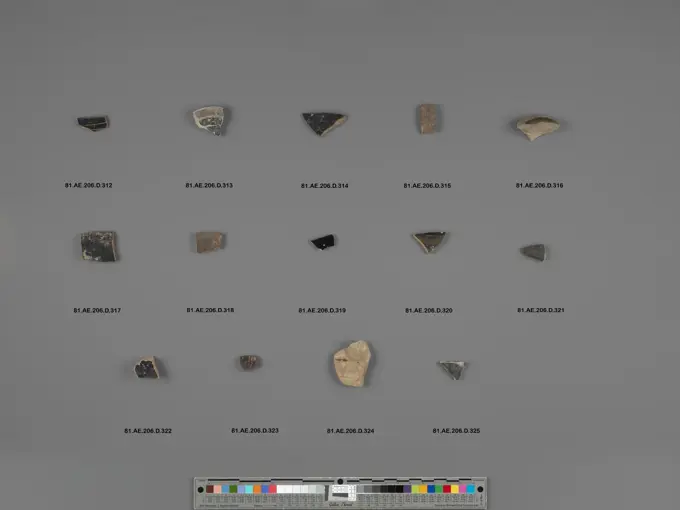
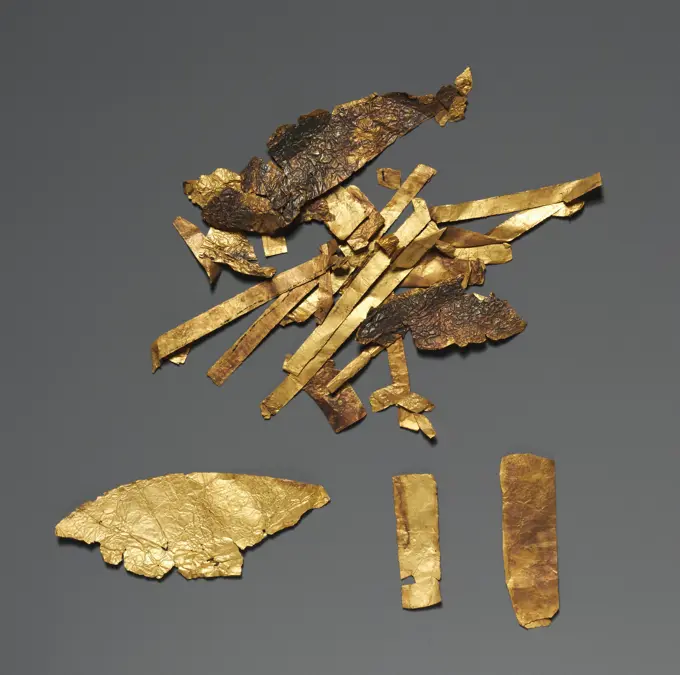
Historical Pottery Shards

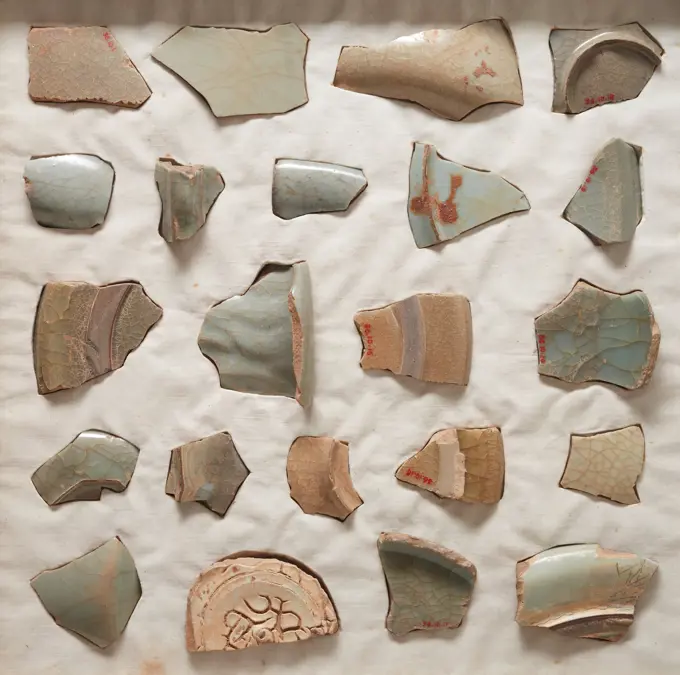
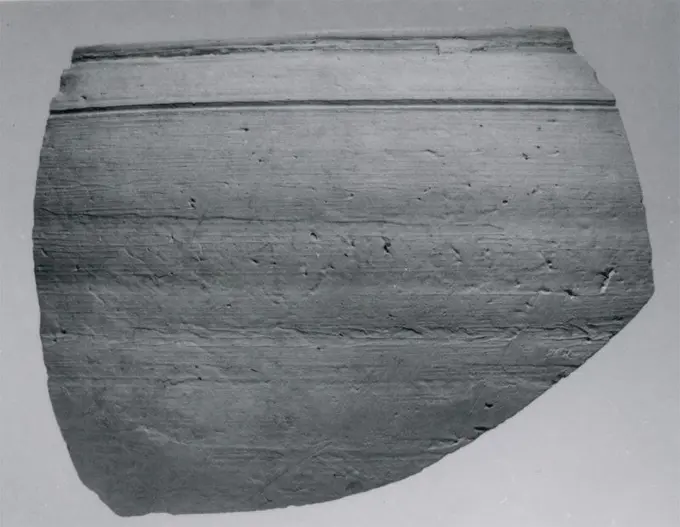
Collection of ancient pottery shards including Martavanen and earthenware, showcasing various textures, colors, and decorative elements from historical vessels.
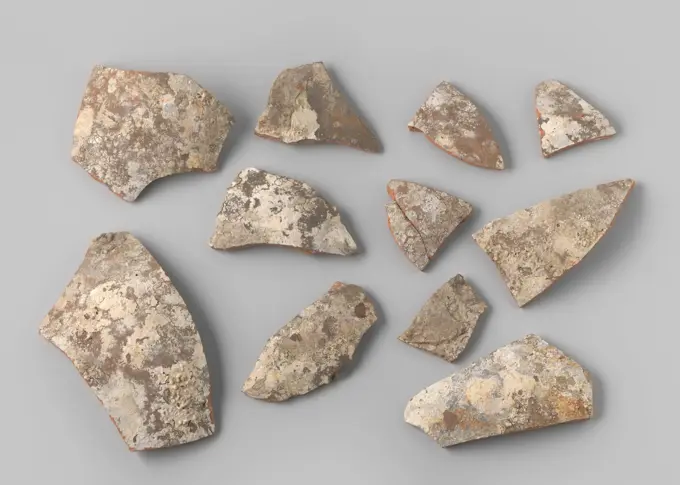
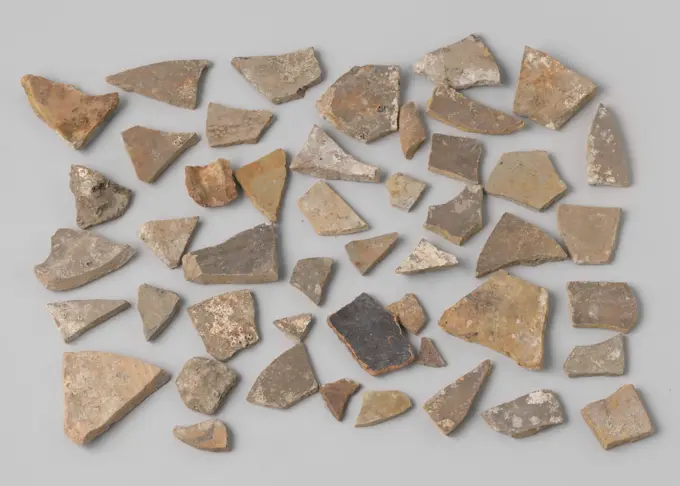
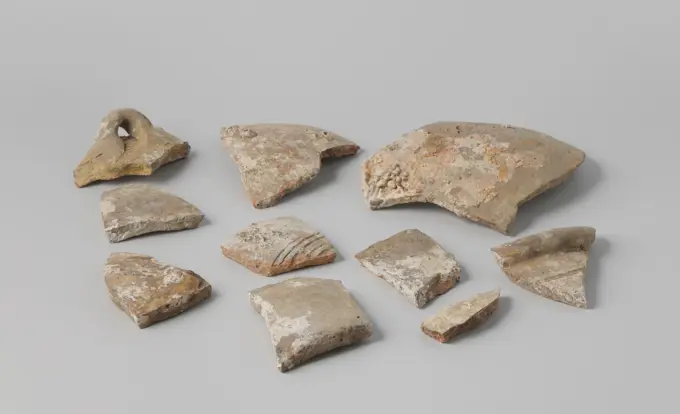
Shards of Martavanen from V.O.C. ship De 'Witte Leeuw', Anonymous, Before 1613  Shards of Martavanen from V.O.C. ship De 'Witte Leeuw' southeast Asia stoneware. porcelain   Sint-Helena
Shards of Martavanen from V.O.C. ship De 'Witte Leeuw', Anonymous, Before 1613 Shards of Martavanen from V.O.C. ship De 'Witte Leeuw' southeast Asia stoneware. porcelain Sint-Helena
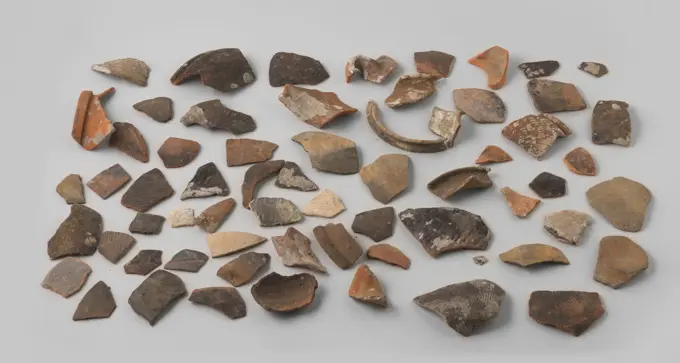
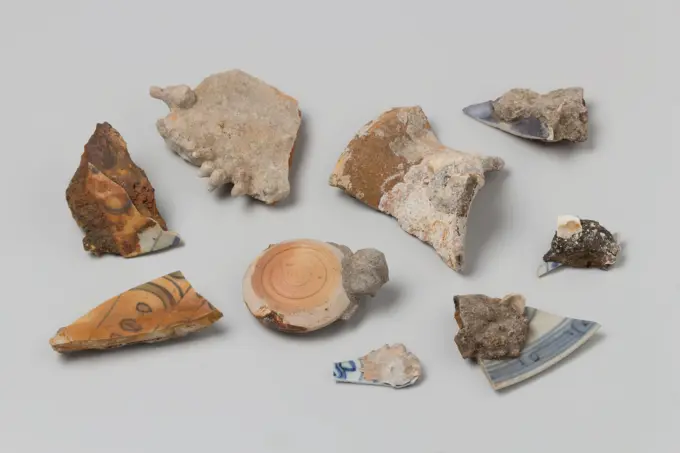
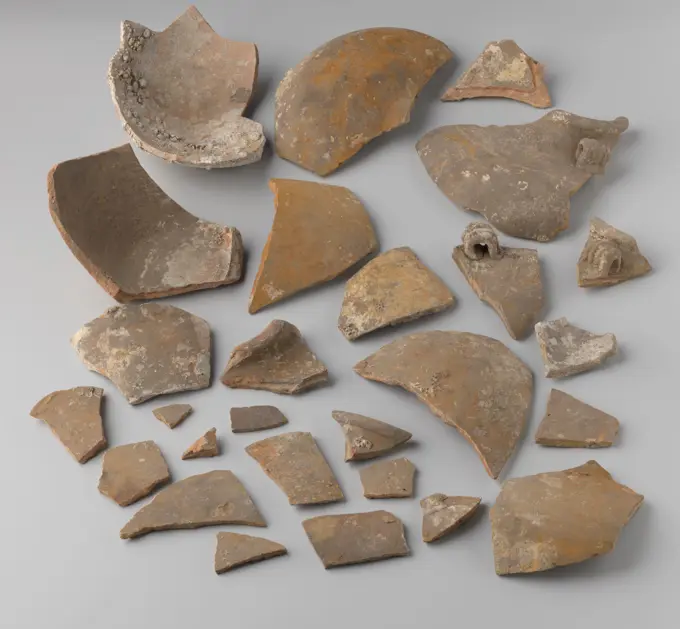
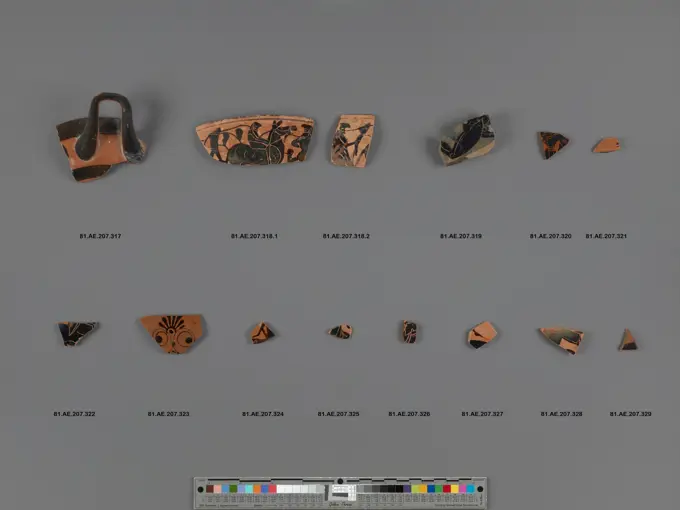
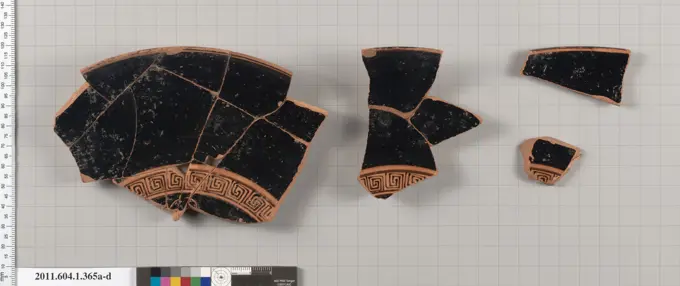
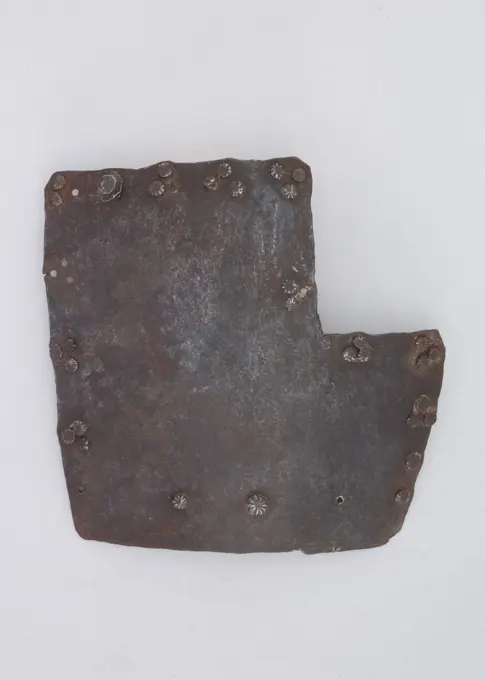
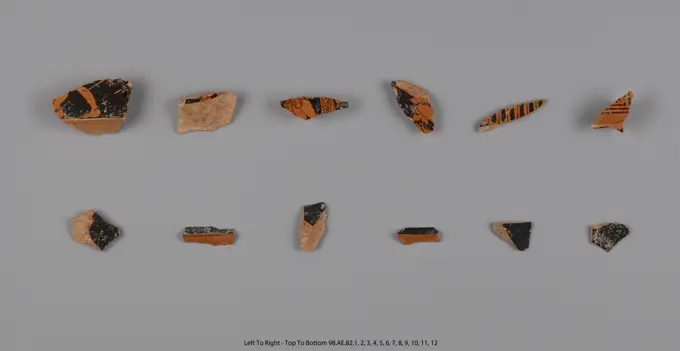
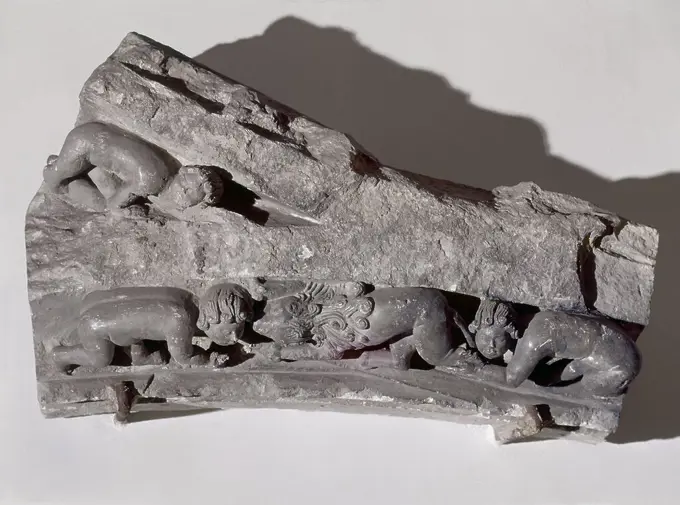
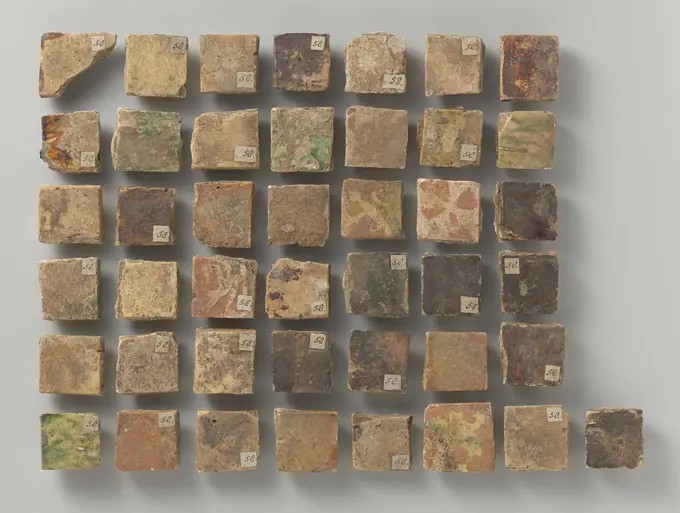
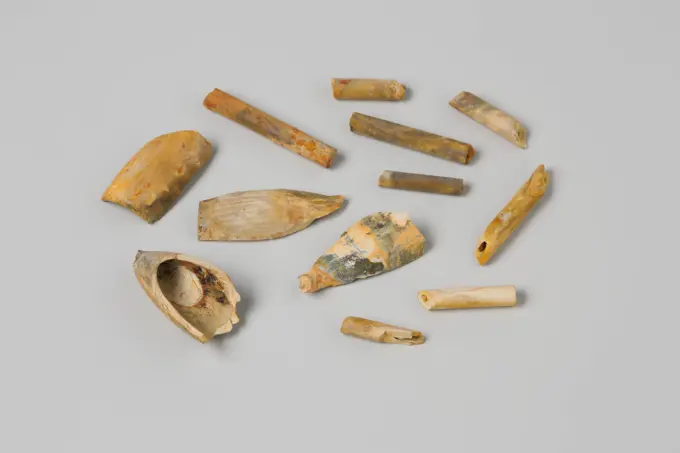
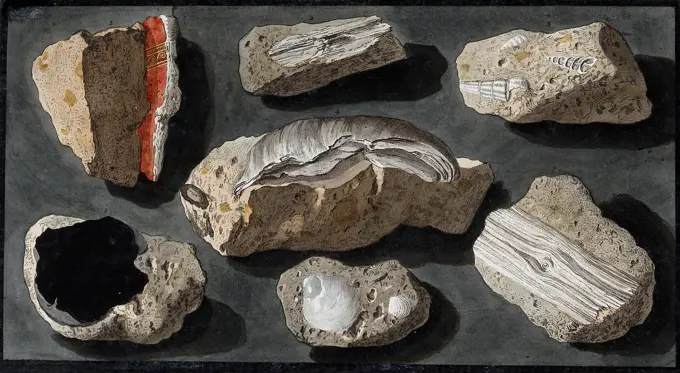
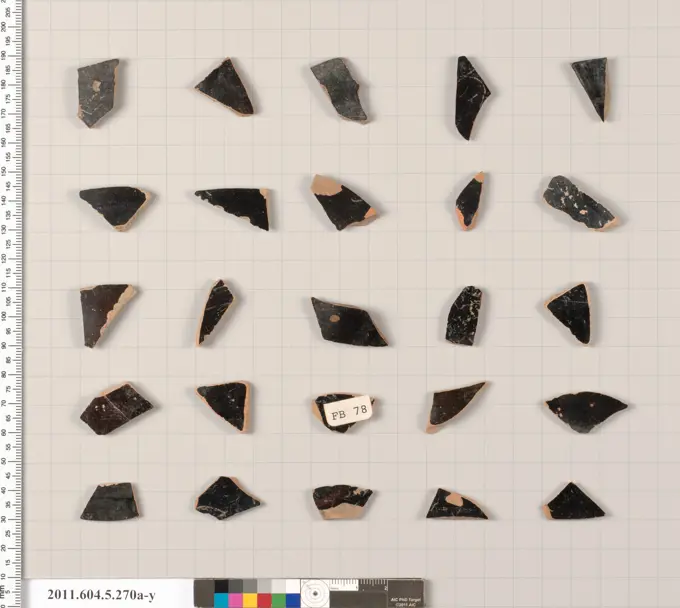
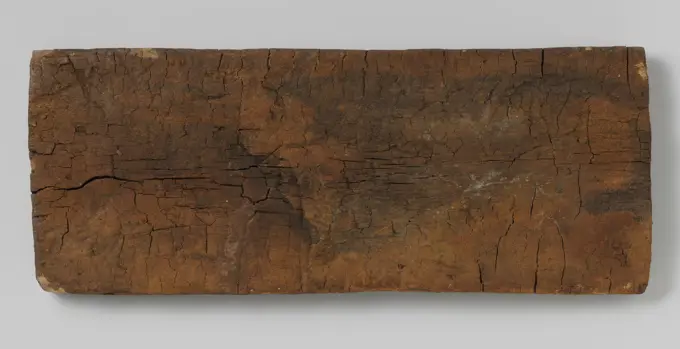
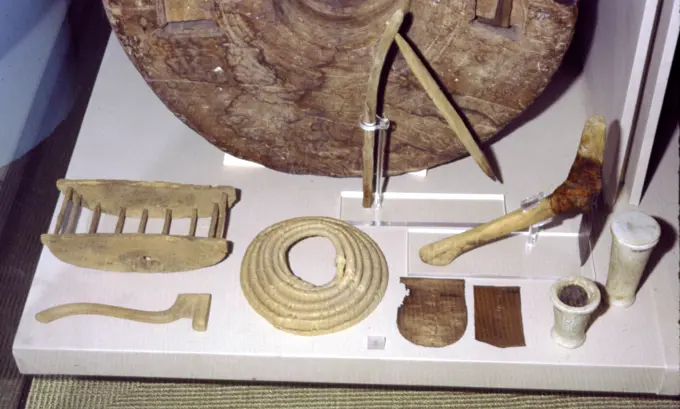
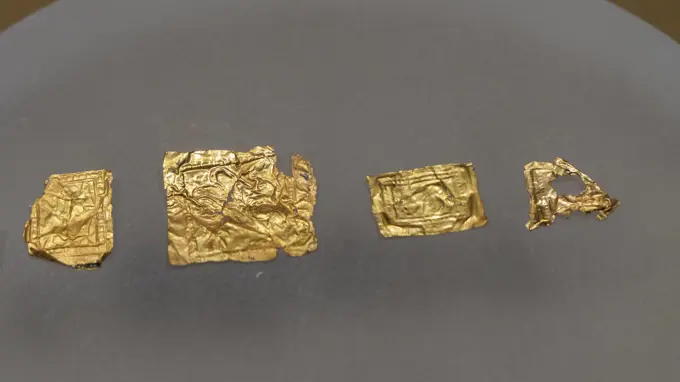
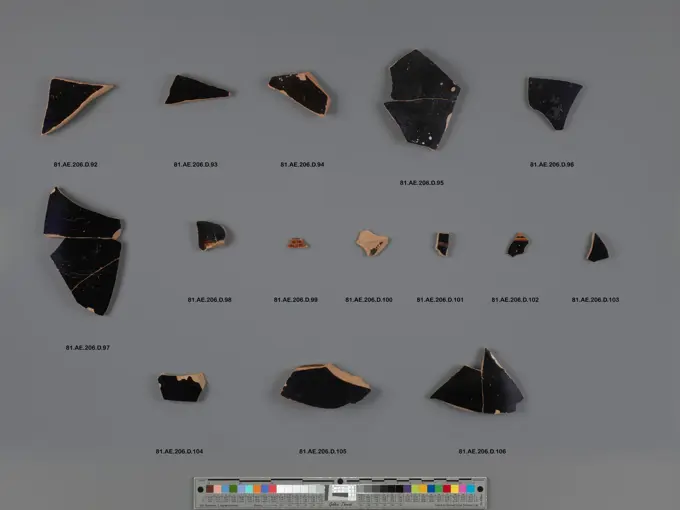
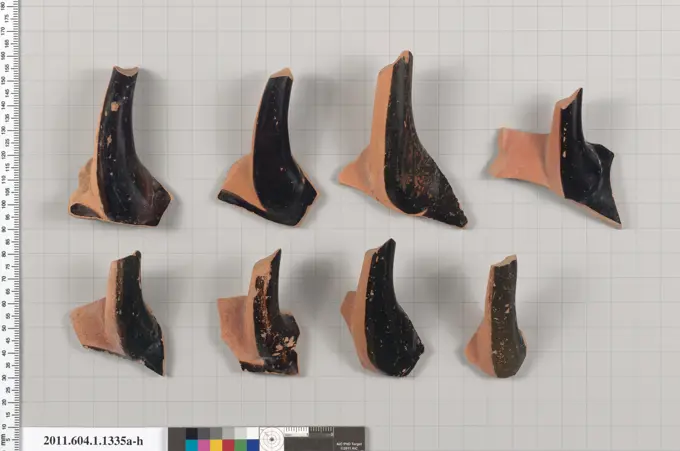
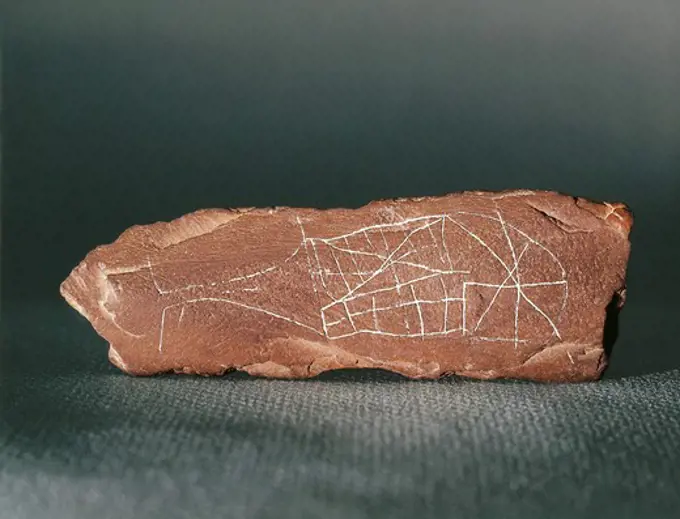
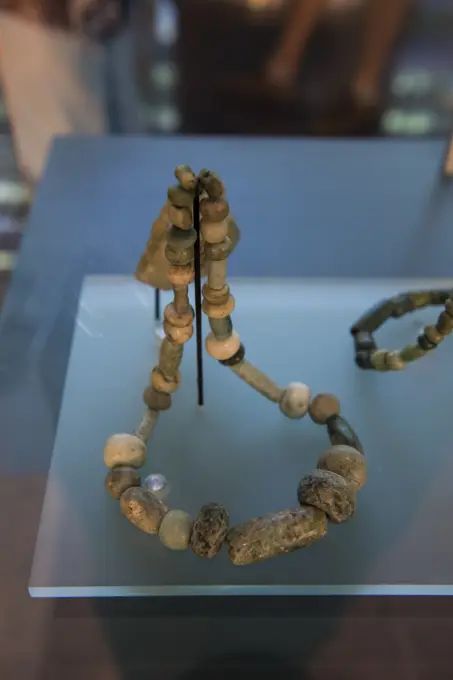
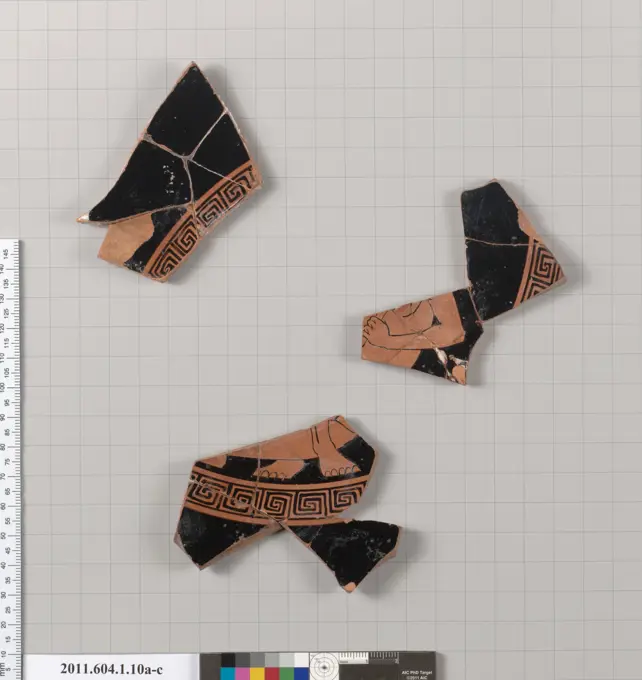
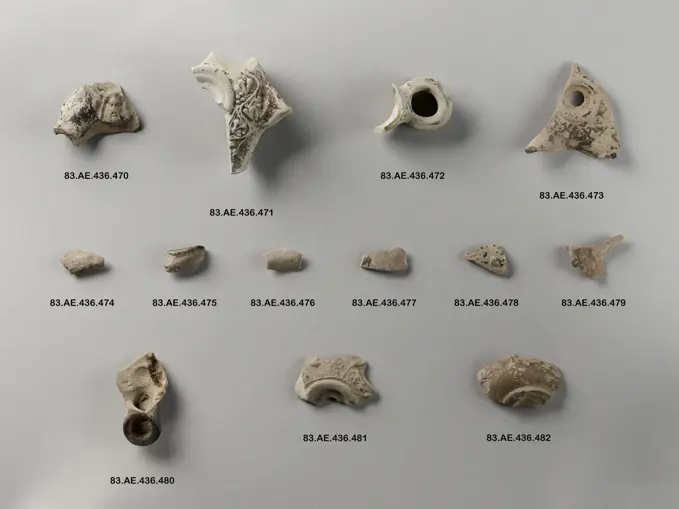
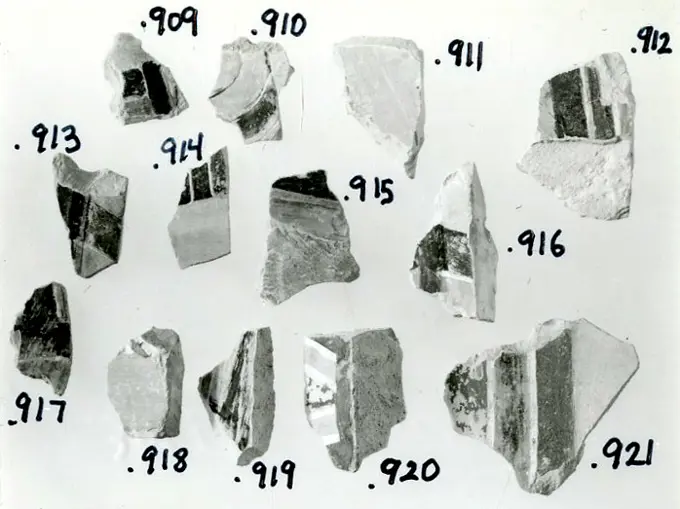
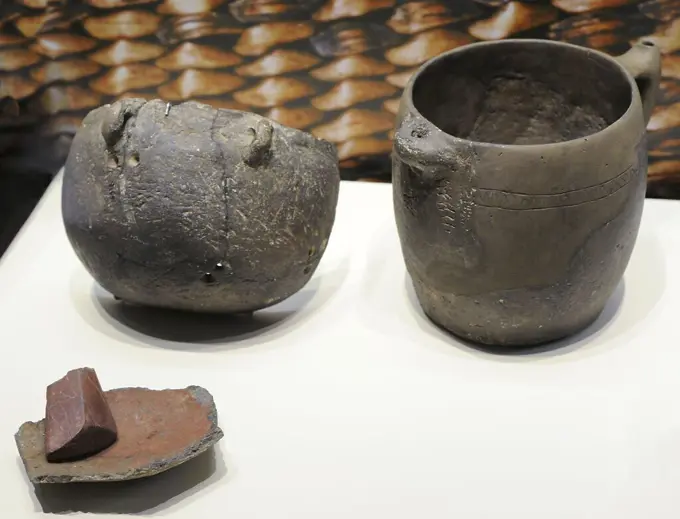
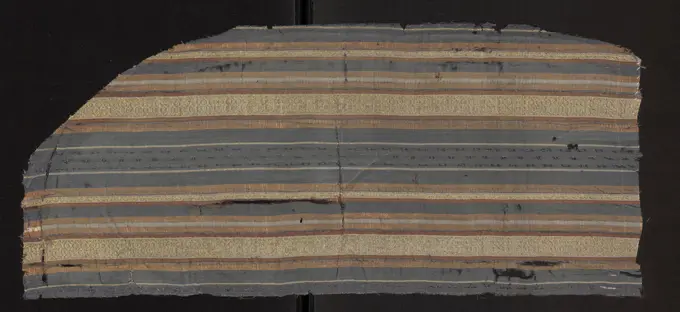
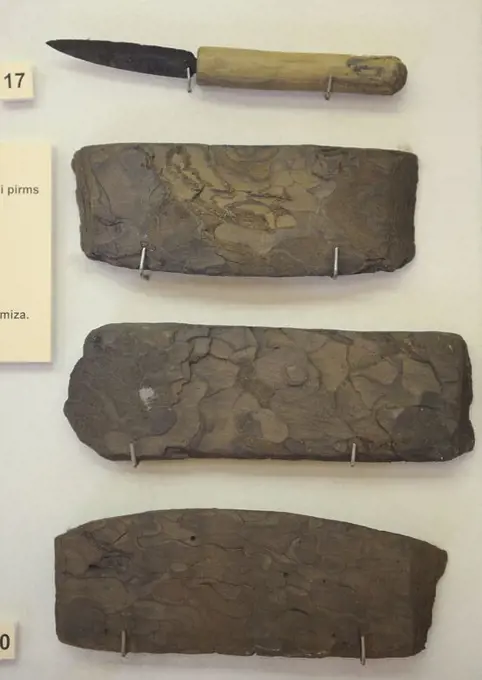
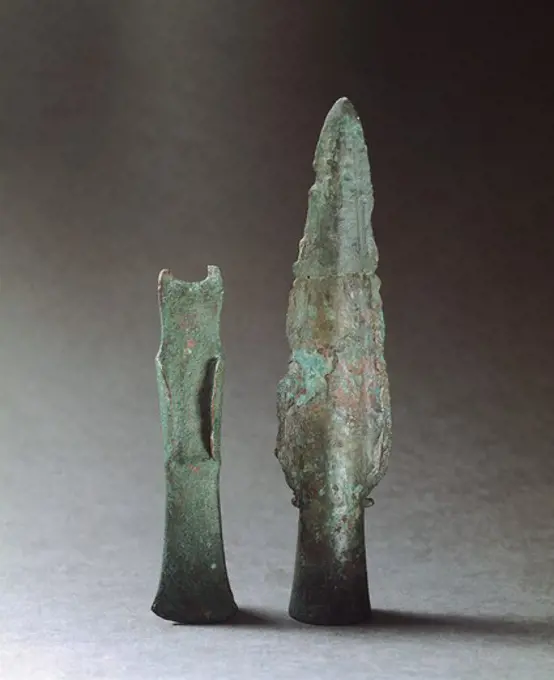
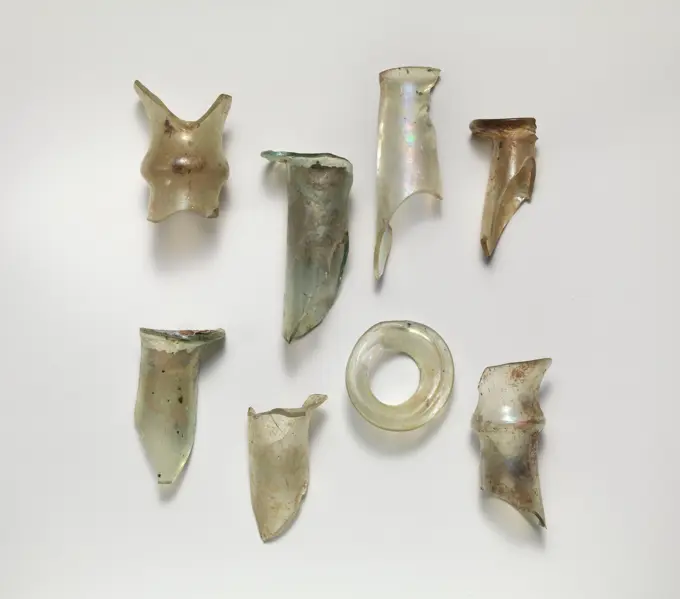
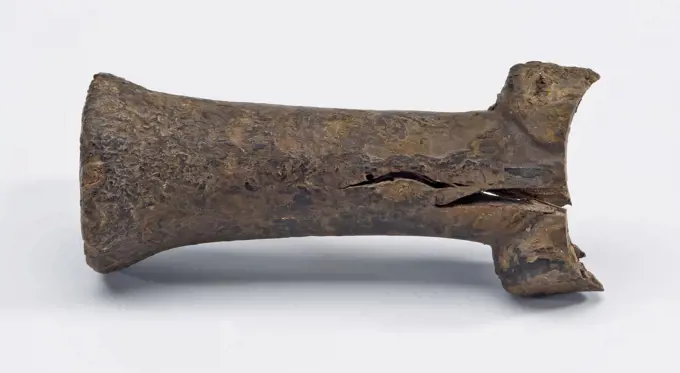
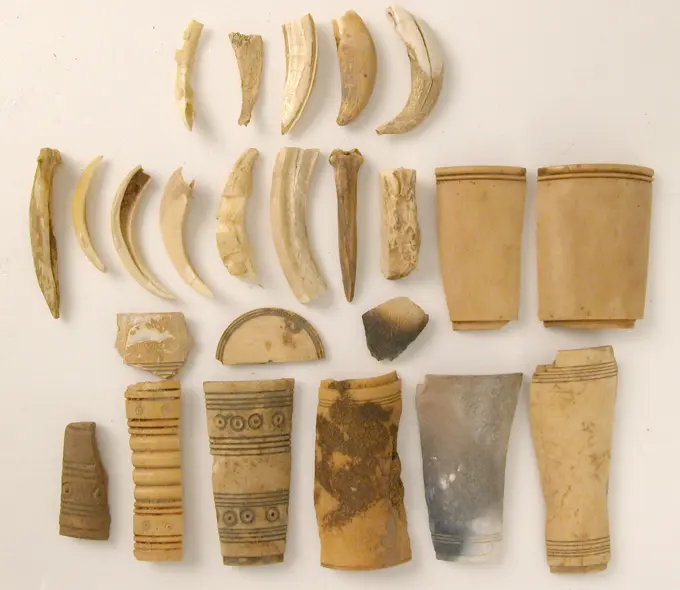
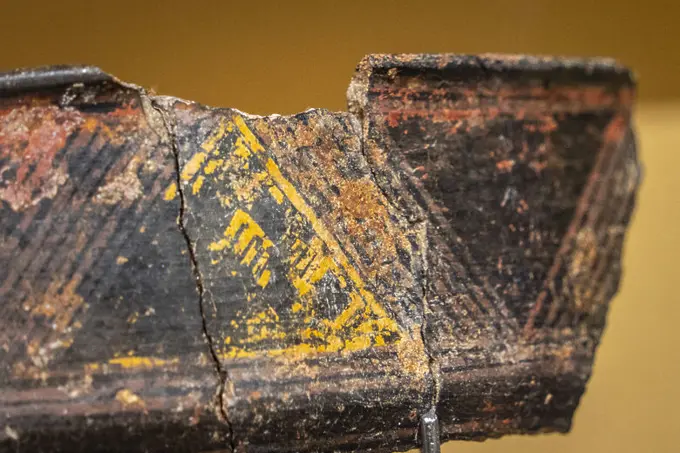
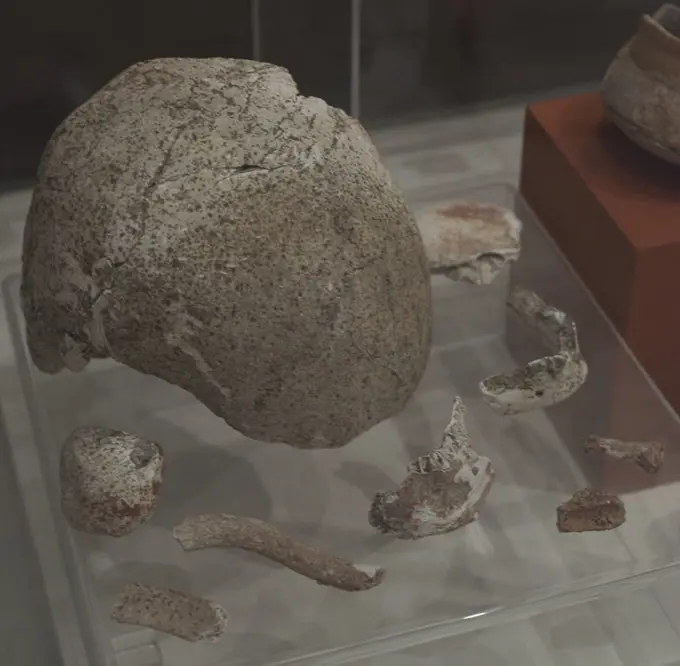
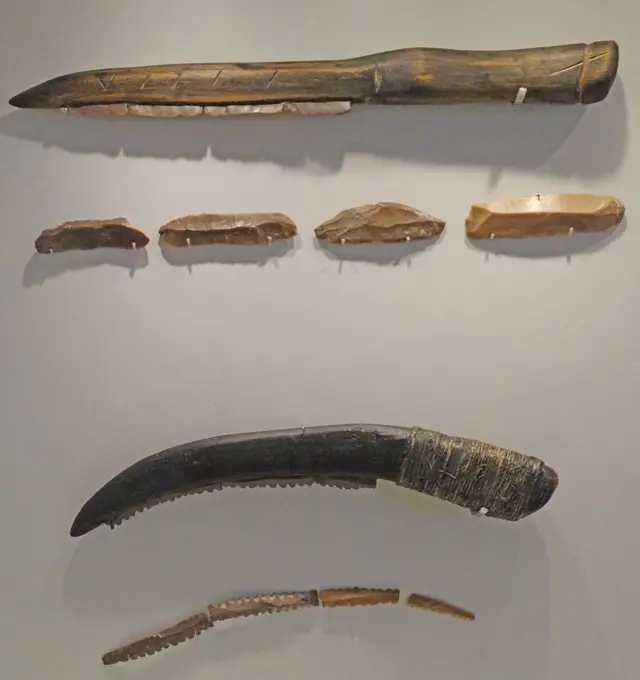
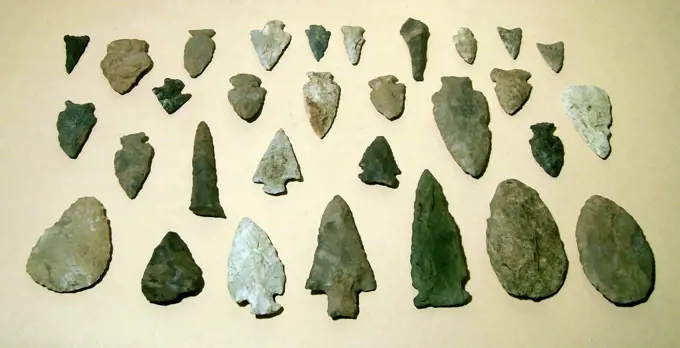
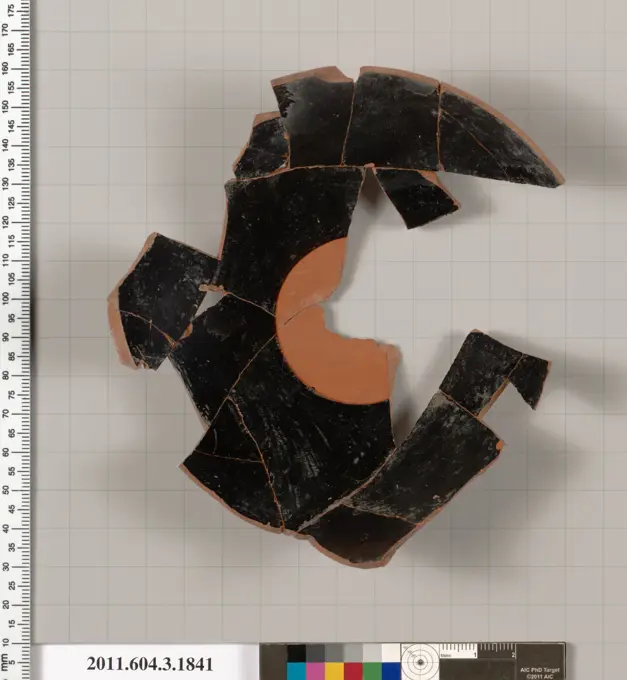
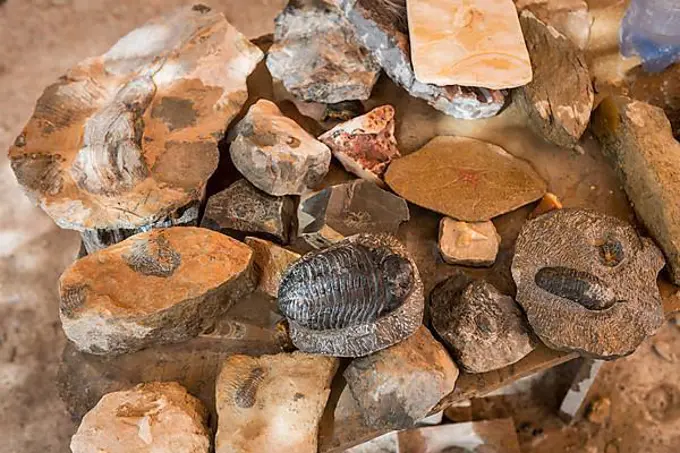
Shards of Martavanen from V.O.C. ship De 'Witte Leeuw', Anonymous, Before 1613  Shards of Martavanen from V.O.C. ship De 'Witte Leeuw'. southeast Asia stoneware. porcelain   Sint-HelenaShards of Martavanen from V.O.C. ship De 'Witte Leeuw', Anonymous, Before 1613  Shards of Martavanen from V.O.C. ship De 'Witte Leeuw'. Chinezizid-China stoneware. porcelain   Sint-HelenaShards of Martavanen from V.O.C. ship De 'Witte Leeuw', Anonymous, Before 1613  Shards of Martavanen from V.O.C. ship De 'Witte Leeuw' southeast Asia stoneware. porcelain   Sint-HelenaItalic or Etruscan Vase Handle Fragment. UnknownBag with shards of pottery from V.O.C.-ship De 'Witte Leeuw', Anonymous, Before 1613  Bag with shards of red-baking and gray-baking earthenware and stoneware from V.O.C. ship the 'Witte Leeuw'. A number are decorated with scratched lines, and one shard has traces of paint.  earthenware. stoneware. dye   Sint-HelenaBag with shards of red-baking earthenware from V.O.C.-ship De 'Witte Leeuw', Anonymous, Before 1613  Bag with shards of red-baking earthenware from V.O.C. ship the 'Witte Leeuw'.  earthenware   Sint-HelenaAttic Black-Figure Kylix Fragment. UnknownShards from V.O.C. ship De 'Witte Leeuw', Anonymous, Before 1613 plate (dishes). pot Shards of porcelain, stoneware and red-baking earthenware with cakes of the seabed from V.O.C. ship the 'Witte Leeuw'.  porcelain. coral (material). earthenware. stonewareShards of Martavanen from V.O.C. ship De 'Witte Leeuw', Anonymous, Before 1613  Shards of Martavanen from V.O.C. ship De 'Witte Leeuw'. South China stoneware. porcelain   Sint-HelenaSPAIN - Cuenca de Mula (district) - MURCIA. Cehegín; Museo de Arqueología; piezas de cerámica procedentes de Yacimientos de Peñarubia (época neolítica)Eight shards of a bowl from V.O.C. ship De 'Witte Leeuw', Anonymous, Before 1613 bowl Eight shards of a bowl, soil and wall fragments, from V.O.C. ship the 'Witte Leeuw'.  earthenware   Sint-HelenaShards of Martavanen from V.O.C. ship De 'Witte Leeuw', Anonymous, Before 1613  Shards of Martavanen from V.O.C. ship De 'Witte Leeuw'. southeast Asia stoneware. porcelain   Sint-HelenaAttic Black-Figure Cup Fragment. UnknownAttic Black-Figure Band Cup Fragment. UnknownRelief fragment with graffiti of two humans and animal heads ca. late 6th century B.C. Achaemenid The monumental art and architecture of the Achaemenid period are best exemplified by the ruins of Persepolis, the large ceremonial capital of the empire originally built by Darius I (r. 521-486 B.C.) and expanded by his successors. Persepolis is located thirty miles northwest of Shiraz in the southwest Iranian province of Fars. There, structures like the "Hall of One Hundred Columns" and the "Throne Room of Darius and Xerxes" exhibit features characteristic of Achaemenid palace architecturelarge square rooms, with ceilings supported by many columns. Some of the columns in the Throne Room have been reconstructed and stand more than sixty-five feet high. The art found at Persepolis is not limited to grand, royally commissioned works. On a smaller scale, graffiti are quite common at the site. These minor inscriptions and sketches are mostly concentrated in the palace of Darius (or Tachara) aMuseum of prehistory and archeology (MUPAC), Santander, Cantabria, SpainTerracotta fragments of undetermined shapes 6th/5th centuries B.C. Greek, Attic Seven burnt black glazed fragments from undetermined shapes. Terracotta fragments of undetermined shapes. Greek, Attic. 6th/5th centuries B.C.. Terracotta; black glaze. Archaic/ Classical. VasesBird, before 1500, 1/2 x 1 1/4 x 1/2 in. (1.27 x 3.18 x 1.27 cm), Ivory, United States, 15th centuryFragment of Bowl, 1127-1279, H.1-3/4 x W.1-3/8 in., pottery, China, 12th-13th centuryBlowers from the wreck of the East Indians Hollandia, Anonymous, 1700 - in Or Before 1743  Pipe, bowl, heelmark: crowned 57; no hsm, 2hsm1,3. Netherlands pipe clay   SecondTerracotta fragments of kylikes (drinking cups) 5th century B.C. Greek, Attic Right halves of eight kylix handles; one handle has glaze that is almost completely worn off. Terracotta fragments of kylikes (drinking cups) 676723Attic Black-Figure Olpe Fragment. UnknownAttic Black-Figure Olpe Fragment. UnknownPrehistory, Italy, Bronze Age. Models or casting molds for daggers. From Coriano, province of Rimini.Terracotta fragments of a kylix (drinking cup) mid-5th century B.C. Greek, Attic Interior, top of youth's head; Exterior, Nike sitting on stool looking over her left shoulder to the draped youth behind her, in between the two, a kalathos rests on the ground; lower drapery and legs of figure; handle root and palmette; volute. Terracotta fragments of a kylix (drinking cup) 668552Pieces of inlay and bead ca. 9th century B.C. Iran. Pieces of inlay and bead 325310Attic Red-Figure Vase Fragment. UnknownMessen Lifts from the wreck of the East Indians Hollandia, Anonymous, 1700 - in Or Before 1743  Knife, handle, cylindrical: tapering; id. NG 1979-403H. Netherlands wood (plant material)   SecondBone pendants, Kobeaga I cave, Ispaster, Arkeologi Museoa, Aqueologico museum, Bilbao, Bizkaia, Basque Country, Spain.Brigandine Plate 1400-1450 Italian This is part of a large find of medieval armor discovered in 1840 in the ruins of the fortress of Chalcis, on the Greek island of Euboea (then a Venetian colony called Negroponte). The fortress had been captured and destroyed by the Turks in 1470. Now divided largely between the Ethnological Museum, Athens, and The Metropolitan Museum of Art, the Chalcis hoard contains many rare and unusual elements of fourteenth- and fifteenth-century armor. Of particular importance are the variety of headpieces and the many fragments of brigandines (armor for the torso constructed of small plates riveted to layers of fabric), some of which retain portions of their original velvet covering. The Chalcis armor provides a unique picture of the armament used in the Aegean, one of the easternmost military outposts of the Venetian empire.. Brigandine Plate 27681Attic Red-Figure Vase Fragment. UnknownVessel. Culture: Coptic. Dimensions: Overall: 1 7/16 x 3 3/8 x 3 1/8 in. (3.7 x 8.5 x 8 cm). Date: 4th-7th century. Museum: Metropolitan Museum of Art, New York, USA.Prehistory. Metal Age. Iron Age. Tubular axes. From archaeological site  of El Brull and Plana de Vic, Catalonia. Episcopal Museum of Vic. Catalonia. Spain.Attic Red-Figure Vase Fragment. UnknownAttic Red-Figure Vase Fragment. UnknownTerracotta rim fragments of kylikes(drinking cups) 5th century B.C. Greek, Attic Thirteen rim fragments from handle patch; sheared. Terracotta rim fragments of kylikes(drinking cups) 683433Terracotta fragments of an undetermined shape 6th/5th centuries B.C. Greek, Attic Three burnt black glazed fragments from an undetermined shape. Terracotta fragments of an undetermined shape. Greek, Attic. 6th/5th centuries B.C.. Terracotta; black glaze. Archaic/ Classical. VasesRed-Figure Volute Krater Fragment (part of 77.AE.11). Kleophrades Painter (Greek (Attic), active 505 - 475 B.C.)Fireplace with presentation of Sint Joris on horseback, who kills the dragon. Fireplace with presentation of Sint Joris on horseback, who kills the dragon, with the princess on the right.ARRANQUE DE ARQUIVOLTA DEL S XV DE LA CATEDRAL. Location: MUSEO ARQUEOLOGICO-COLECCION. Oviedo. ASTURIAS. SPAIN.Three-life floor tiles. Forty-three green and red glazed square tiles.Nekhet-kawi's Double Mummy Case. Date/Period: -2147 - -2047. Double mummy case. Painted wood. Author: UNKNOWN ARTIST.Anchor-shaped utensils probably related with textile manufacture (1500-700 BC). Nuffara Hill, Gozo Island, Malta. Gozo Museum of Archaeology. Cittadela of Victoria in Gozo. Malta.Solutrean flint and quartzite points,Museum of prehistory and archeology (MUPAC), Santander, Cantabria, SpainShards of a Martavan from V.O.C. ship De 'Witte Leeuw', Before 1613  Shards of a Martavan from V.O.C. ship the 'Witte Leeuw'. southeast Asia porcelain. stoneware   Sint-HelenaBoot -Blowjob heads and stems from the wreck of the East Indians' t Vliegend Hart ,, 1700 -1735  Four excerpts of heads of earthen Goudse pipes and eight pieces of pipe stalk, yellow-blue-metal discolored. Gouda pipe clayTwo Bronze, Celtic Iron Age Sword Blades, France, 800BC-400 BC. Artist: Unknown.Late Neolithic axe heads 3000-2000 BC, Found at Great Baddow, England; flintAttic Red-Figure Kylix Fragment (comprised of 2 joined fragments). UnknownSeven pieces of tufa from the vicinity of Naples. Coloured etching by Pietro Fabris, 1776.Terracotta fragments of kylikes (drinking cups) 6th/5th centuries B.C. Greek, Attic Twenty-five black glazed fragments from kylikes. Terracotta fragments of kylikes (drinking cups). Greek, Attic. 6th/5th centuries B.C.. Terracotta; black glaze. Archaic/Classical. VasesWooden fragment of the VOC -Werf Oostenburg, Anonymous, 1600 - 1699 fragment Fragment of the basis of one of the shipping slopes of the VOC-Werf Oostenburg. Lines have been scratched in the wood. Netherlands beech (wood)   AmsterdamTools from the Temple of Hatshepsut, Deir-el-Bahri, 1479-1457. Egypt.Italic Lamp Fragment. Unknowngold sheets with embossed decoration gold sheets with embossed decoration, Giribaile, Vilches, Iberian culture, Iberian Museum of Jaén, Andalusia, Spain Copyright: xZoonar.com/BartomeuxBalaguerxRotgerx 21704858Terracotta fragment of a neck-amphora of Panathenaic shape last quarter of the 6th century B.C. Greek, Attic Four harnessed horses and a chariot to right. Terracotta fragment of a neck-amphora of Panathenaic shape. Greek, Attic. last quarter of the 6th century B.C.. Terracotta; black-figure. Archaic. VasesAttic Red-Figure Vase Fragment. UnknownChunks of clay with fragments textile from the wreck of the East Indians' t Vliegend Hart, Anonymous, 1700 - 1735 fragment. textile materials Chunks of clay with fragments textile, presumably linen.  clay. textile materialsBowl sherd ca. mid-3rd millennium B.C.. Bowl sherd 326119Bronze elliptical leaf, perhaps a waist ornament 5th century B.C. Etruscan, Vulci Leaf-like ornament with a small hole on the tip of each piece.. Bronze elliptical leaf, perhaps a waist ornament 257719Terracotta fragments of kylikes (drinking cups) 5th century B.C. Greek, Attic Right halves of eight kylix handles, with part of handle patch. Terracotta fragments of kylikes (drinking cups) 676742Sweden, Stockholm, stone engraved with figure of sperm whale from GotlandMexico, Oaxaca, Huatulco. Copalita, Eco-Archeological Park, Copalita Museum. Mayan and Olmec artifacts, stone beaded necklace. (Editorial Use Only)Terracotta fragments of a kylix (drinking cup) 480-470 B.C. Greek, Attic Interior, two males, one holding staff; Exterior; males, bows and arrows. Terracotta fragments of a kylix (drinking cup) 667492Italic Lamp Fragment. UnknownItalic Lamp Fragment. UnknownItalic Lamp Fragment. UnknownRelief fragment, tomb of Meketre ca. 1981-1975 B.C. Middle Kingdom. Relief fragment, tomb of Meketre. ca. 1981-1975 B.C.. Limestone, paint. Middle Kingdom. From Egypt, Upper Egypt, Thebes, Southern Asasif, Tomb of Meketre (TT 280, MMA 1101), MMA excavations, 1920. Dynasty 12Sidewall - Fragment; block-printed on joined sheets; 19.5 x 23.5 cm (7 11/16 x 9 1/4 in.)Attic Black-Figure Cup Fragment. UnknownPrehistoric period. Predynastic period, Nagada I (3800-3500 BC). Fish-Shaped palette. Egypt. Louvre Museum. Paris. France.Saint-Germain-en-Laye, France , 1921 - Seine -et -Oise - Auguste Léon - (June) (French - Saint-Germain-en-Laye , France). Museum, animal represented , fantastic animal, picking , hunting, archaeological vestige, sculpture, crafts, accessory, prehistory, weapon, sculpted decor, Animal, economic activity, housing , architecture, art, clothing, France, St Germain-en-Laye, Museum: 1 Bton de Commt Ornemts dotted lines (55040) 1 Polish point with Pat engraving, de Renne 55008, Large Lance Pointe, Blanche 55011, another point 55009, Lancer's point ornate 55020. Lance pte with bouquetin head 55023 (cupboard cave)Attic Black-Figure Neck Amphora Fragment. Unknown about 510 B.C.Pottery. Bowl with repair holes; Jug with spout and spouted handle and Body sherd of a recycled vessel and ochre. From the Cave of Los Murcielagos (Albun_ol, Granada province, Andalusia). National Archaeological Museum. Madrid. Spain.Bead, one of six, 15th century, 2 1/8 x 1 1/8 in. (5.4 x 2.86 cm) (varies (largest)), Jade, Mexico, 15th centuryFragment of the fabric;  18th century (1701-00-00-1800-00-00);Fabrics, purchase (provenance)Fishing tools. 12th-13th centuries. Knife and treated pine bark. Museum of History and Navigation. Riga. Latvia.Axe and spear in bronze, from the Scoglio del Tonno (Tuna Rock), near Taranto, Apulia, Italy. Bronze Age.Bergkristal, anonymous, color photographic society, 1911 - 1916 stereograph. photomechanical print  Germany (possibly)Germany (possibly)publisher: Stuttgart paper  precious and semiprecious stones: rock-crystal GermanyFragment European or Middle Eastern ca. 1150-ca. 1250 View more. Fragment. European or Middle Eastern. ca. 1150-ca. 1250. Glass, ceramic. Glass-VesselsFragment European or Middle Eastern ca. 1150-ca. 1250 View more. Fragment. European or Middle Eastern. ca. 1150-ca. 1250. Glass, ceramic. Glass-VesselsFragment European or Middle Eastern ca. 1150-ca. 1250 View more. Fragment. European or Middle Eastern. ca. 1150-ca. 1250. Glass, ceramic. Glass-VesselsFragment European or Middle Eastern ca. 1150-ca. 1250 View more. Fragment. European or Middle Eastern. ca. 1150-ca. 1250. Glass, ceramic. Glass-VesselsFragment European or Middle Eastern ca. 1150-ca. 1250 View more. Fragment. European or Middle Eastern. ca. 1150-ca. 1250. Glass, ceramic. Glass-VesselsLifts kidney dagger, kidney dagger dagger knife stab weapon weapon part ground find wood iron metal, forged Heft of kidney dagger Cut out from one piece to the head head with flat top surface baffle consisting of two spherical parts. In these spherical parts the rudiments of the iron rafter hooks on both sides of the stern stuck in the firewood to secure the baffle plate archeology clogged dagger dagger dagger dagger ballgull decoration status symbol personal equipment defense clothing accessory militariaBone Fragments 4th-7th century Coptic. Bone Fragments 475441painted and engraved ceramics, 7th century BC, Gil de Olid, Baeza, Iberian Museum of Jaén, Jaén province, Andalusia, Spain.Attic Red-Figure Vase Fragment. UnknownFunerary remains of a prehistoric tomb found at Xaghara (Gozo, Malta) in 1926. Human bones daubed with red ochre (4100-2500 BC). Gozo Museum of Archaeology. Cittadela of Victoria in Gozo. Malta.Collection of agricultural tools featuring sickles, sickle blades, axes and adzes from Nahal Oren, Gilgal, Sha'ar Hagolan, Munhata and Beisamun. From the Sultanian, Tahunian and Yarmukian cultures over 11,500-8,000 years ago made from flint, limestone, basalt, bitumen, wood and rope.Alaskan Eskimo stone tools, arrowheads and scrapers, some from Beverly, north of Anchorage.Fragment of a scribal palette ca. 1550-1295 B.C. New Kingdom. Fragment of a scribal palette. ca. 1550-1295 B.C.. Wood, ink. New Kingdom. From Egypt, Upper Egypt, Thebes, Khokha, Tomb H4, rubbish in court, MMA excavations, 1915. Dynasty 18 ()Attic Black-Figure Column Krater Fragment. UnknownTerracotta fragment of a kylix: Lip cup (drinking cup) 560-550 B.C. Greek, Attic Interior, reserved tondo; Obverse, part of an inscription and part of a palmette with a tendril; Reverse, handle root and parts of two palmettes with tendrils. Terracotta fragment of a kylix: Lip cup (drinking cup). Greek, Attic. 560-550 B.C.. Terracotta; black-figure. Archaic. VasesSilver jewellery and pendants from the Kiev Hoard, found opposite St Michael's Monastery, Kiev. Dated 13th CenturyVarious stones with fossils, near Rissani, Morocco, AfricaShards of wine bottles and a cork from the wreck of the East Indians' t Vliegend Hart ,, 1700 - 1735  Shards of onion -shaped wine bottles of green glass that has been in red (port) wine. Calls with cork. Fragment Pijpenkop. Netherlands cork (bark). pipe clayAttic Red-Figure Vase Fragment. UnknownFragments of Decoration from Funerary Equipment, 2040-1648 BC. Egypt, Middle Kingdom. Gold leaf; overall: 7.2 cm (2 13/16 in.).