Historical Pottery Shards

Collection of ancient pottery shards including Martavanen and earthenware, showcasing various textures, colors, and decorative elements from historical vessels.
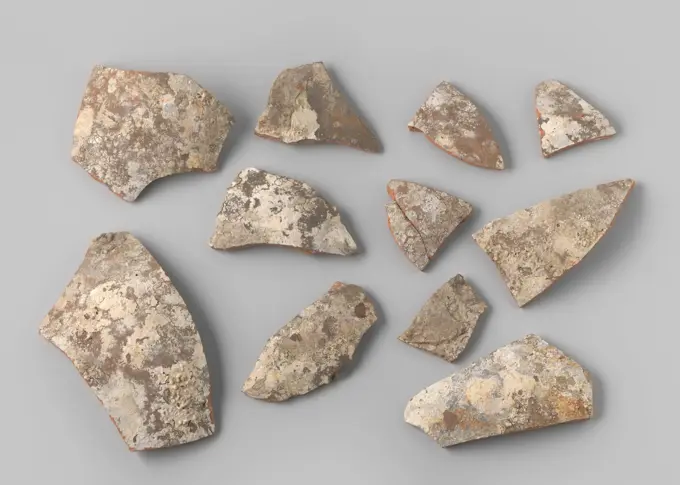
Shards of Martavanen from V.O.C. ship De 'Witte Leeuw', Anonymous, Before 1613  Shards of Martavanen from V.O.C. ship De 'Witte Leeuw' southeast Asia stoneware. porcelain   Sint-Helena
Shards of Martavanen from V.O.C. ship De 'Witte Leeuw', Anonymous, Before 1613 Shards of Martavanen from V.O.C. ship De 'Witte Leeuw' southeast Asia stoneware. porcelain Sint-Helena
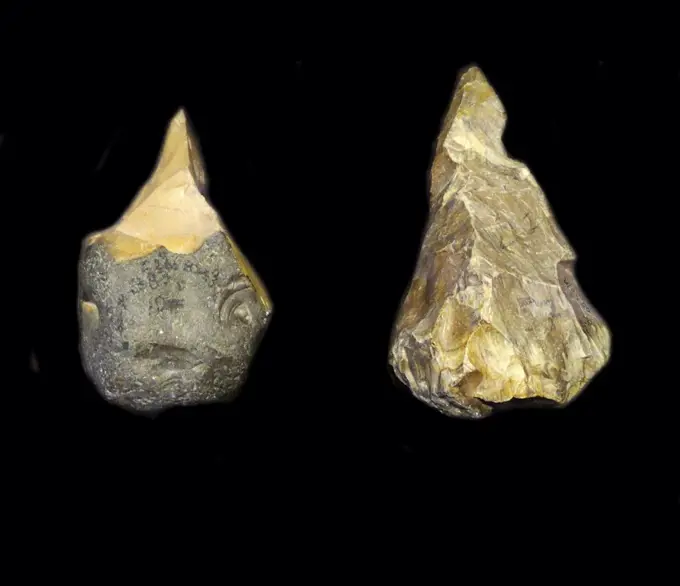
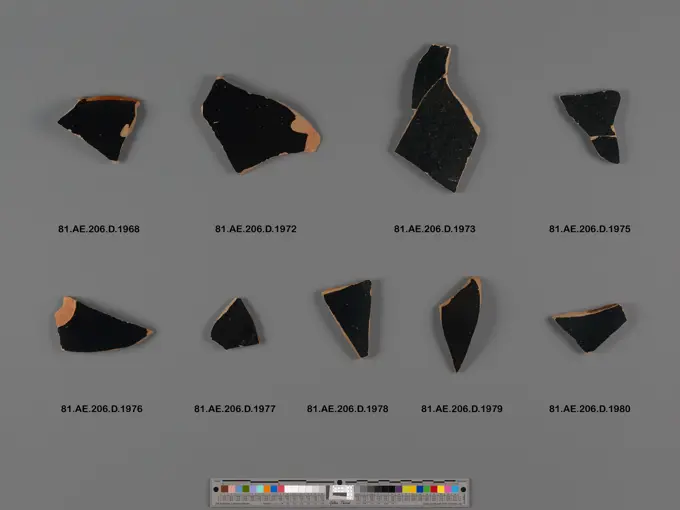
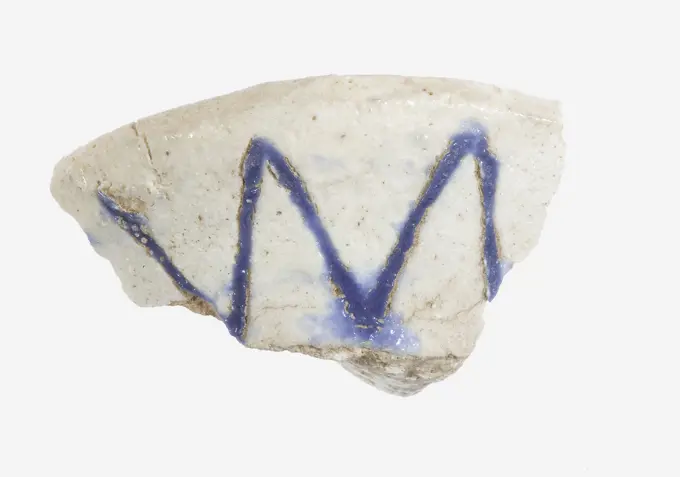
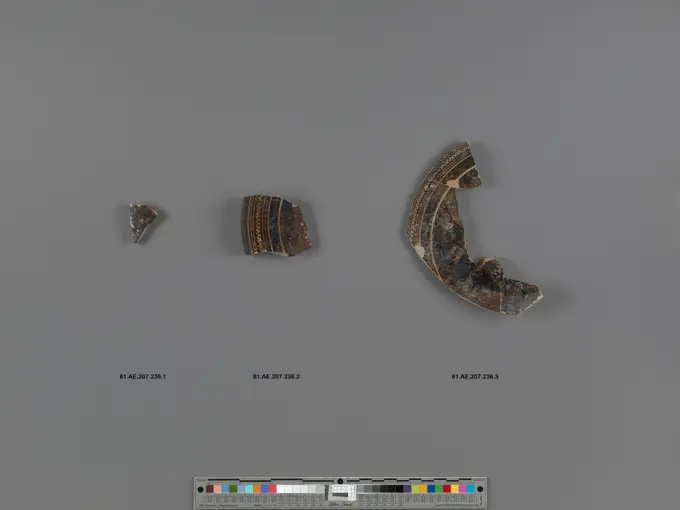
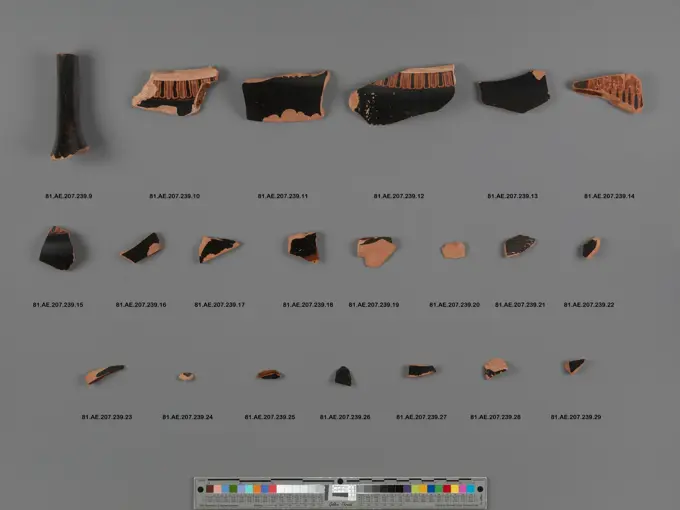
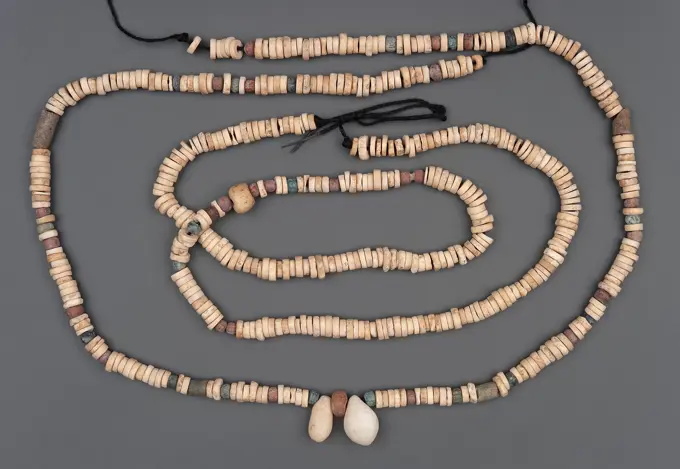
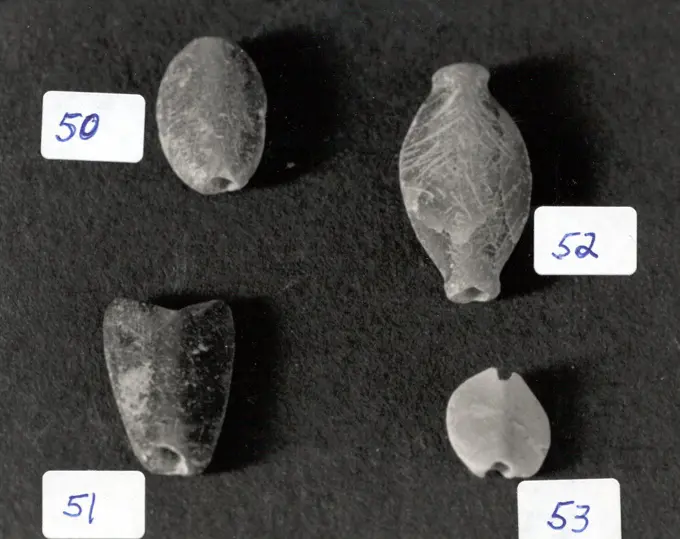
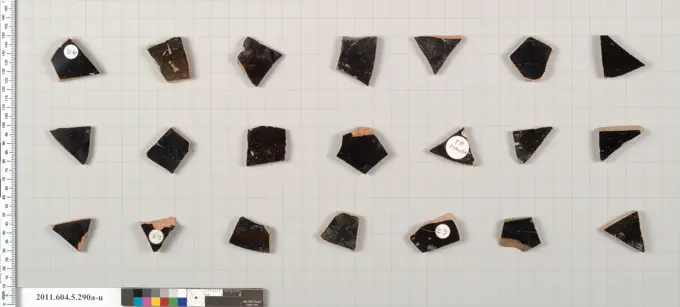
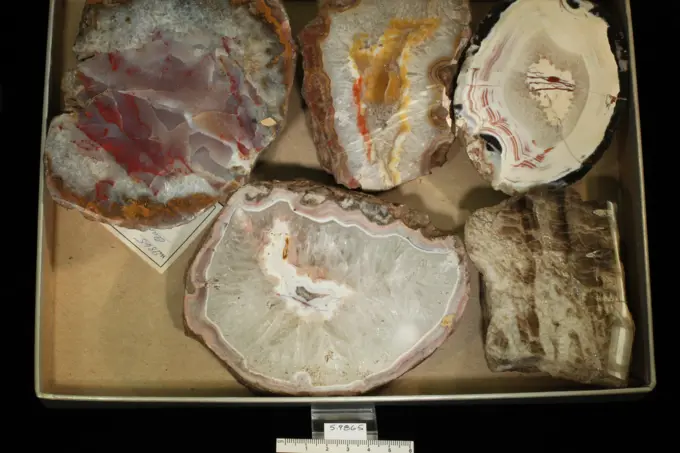
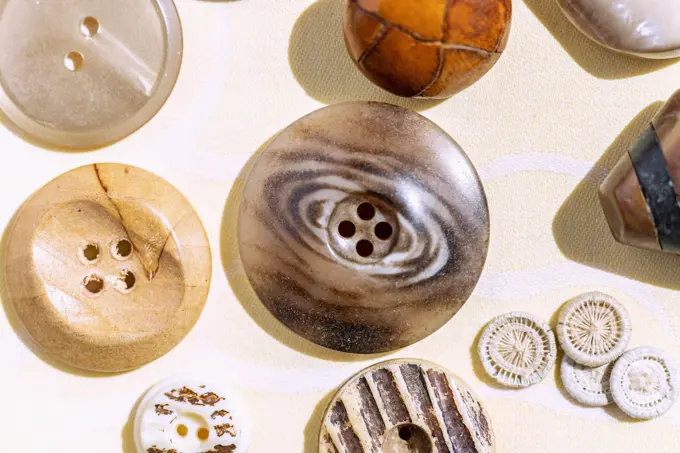
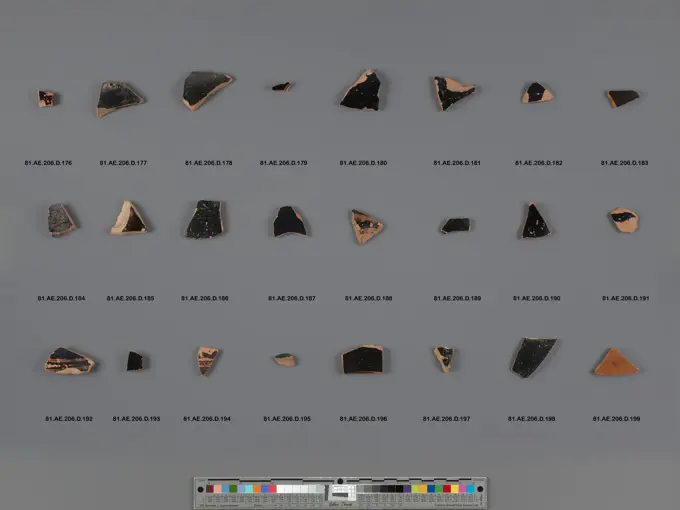
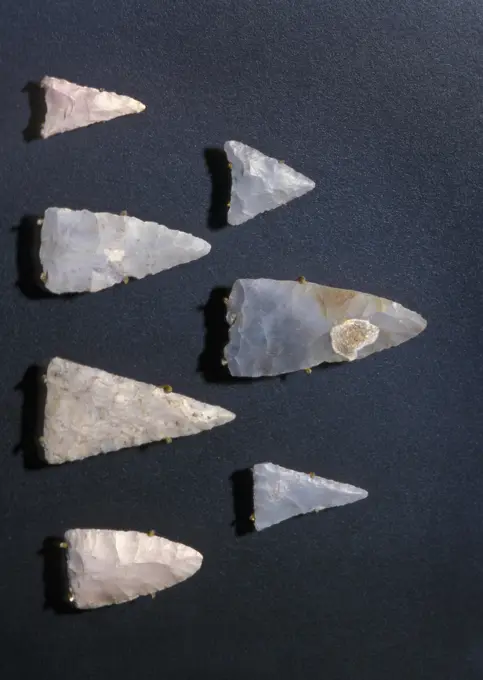
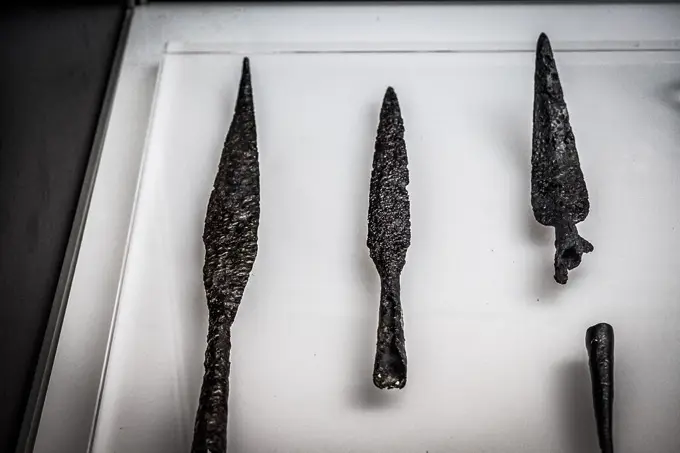
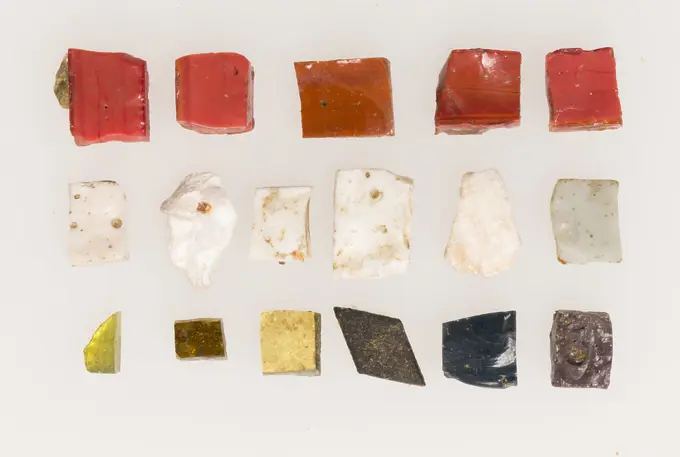
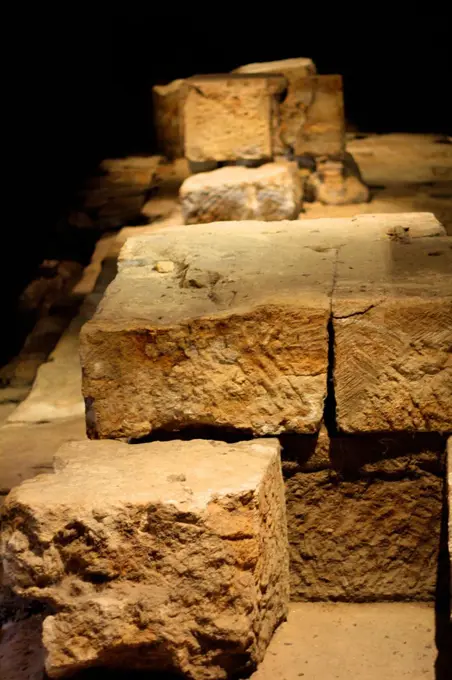
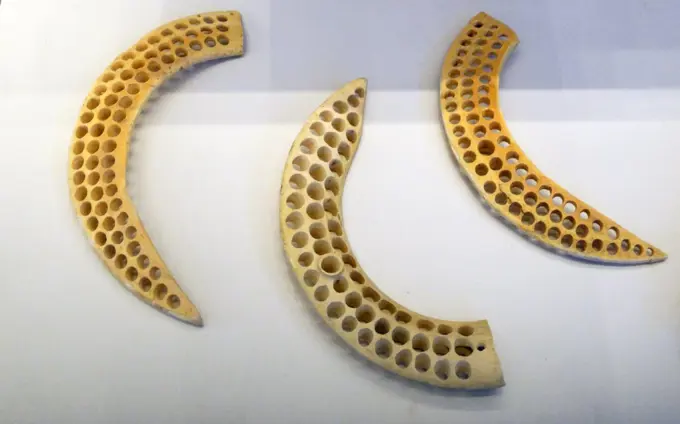
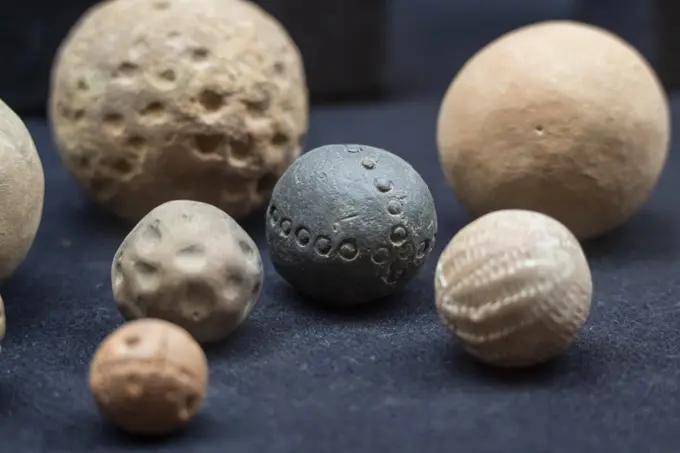
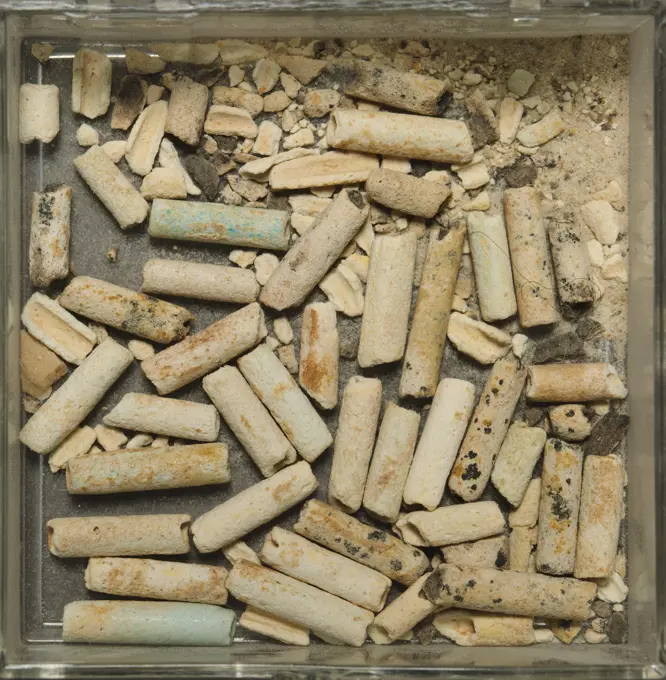
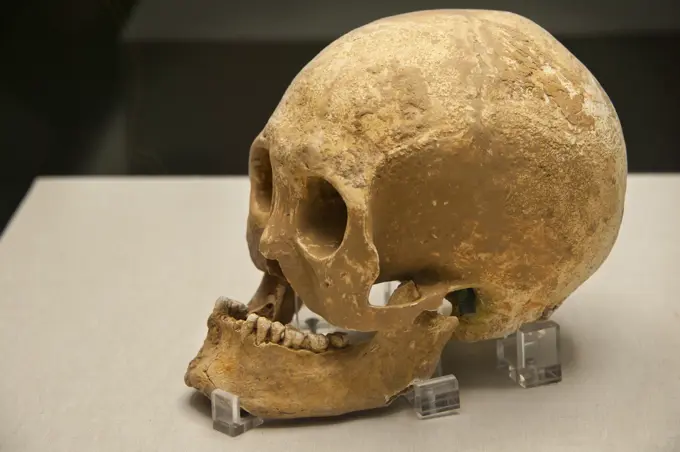
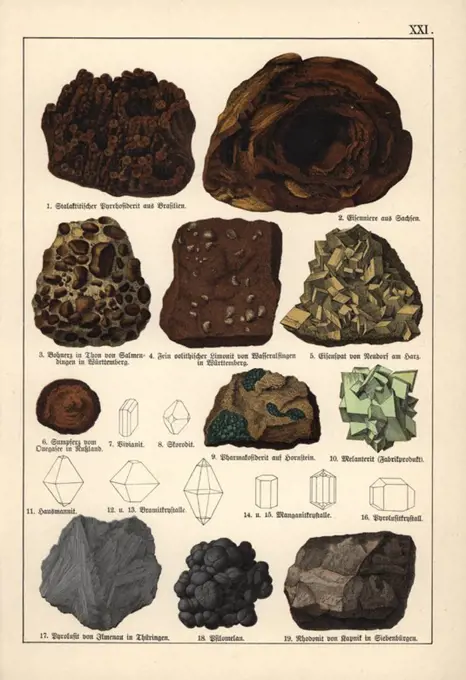
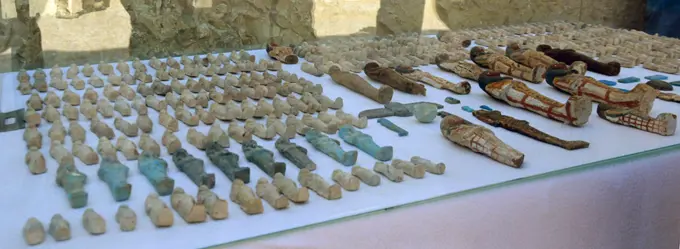
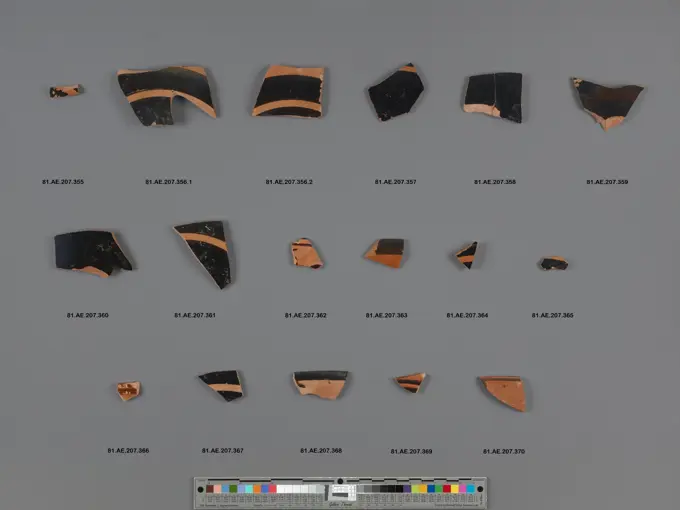
Attic Black-Figure Cup Fragment. UnknownAttic Black-Figure Column Krater Fragment (part of 81.AE.207.408.7). UnknownAttic Black-Figure Amphora Fragment. UnknownCarpenter's tools, blades of jointer planes, drifts, chiselscincel y puñal, cueva de Arenaza, galdames, Arkeologi Museoa, museo aqueologico, Bilbao, Bizkaia, Pais Vasco, Spain.Collection of carved ground stone from Laos, Asia. Dated 5th Century BCEngland, Sussex, East Sussex, Hastings, The Old Town, The Stade, The Shipwreck Museum, Interior View of ExhibitsFragments of pipe heads and pipe stems from the wreck of the East India "t flying heart. Four cups, two of which with a piece of stem, from earthen gold pipes with heel brand WS, blue witty. 33 pieces of stem most blue-wicked color. Fragments or bowls and votes.Stone tools including chopping tools, hand-axes, picks and spheroids, from the Acheulean industry. Acheulean refers to an archaeological industry of stone tool manufacture characterized by distinctive oval and pear-shaped 'hand-axes' associated with early humans.Attic Red-Figure Kylix Fragment. UnknownAttic Red-Figure Hydria Fragment. Berlin Painter (Greek (Attic), active about 500 - about 460 B.C.)Attic Red-Figure Vase Fragment. UnknownFragment of Vase ca. 1390-1353 B.C. New Kingdom. Fragment of Vase. ca. 1390-1353 B.C.. Faience. New Kingdom. From Egypt, Upper Egypt, Thebes, Malqata, Palace of Amenhotep III, MMA excavations, 1910-11. Dynasty 18Attic Black-Figure Plate Fragment. UnknownAttic Red-Figure Kylix Fragment. Unknownprehistoric copper daggers prehistoric copper daggers, Archeological Museum. Úbeda, Jaén province, Andalusia, Spain Copyright: xZoonar.com/BartomeuxBalaguerxRotgerx 21702927Quails from an apron-like garment 7th century B.C. Italic Each quail is carefully rendered in the round and sits on a perforated rectangular base, suggesting these pieces originally were strung to form a necklace.. Quails from an apron-like garment 256093Attic Black-Figure Column Krater Fragment. UnknownAttic Black-Figure Column Krater Fragment. UnknownTerracotta fragments of kylikes (drinking cups) 5th century B.C. Greek, Attic Left halves of five kylix handles. Terracotta fragments of kylikes (drinking cups) 676778Terracotta fragments of kylikes (drinking cups) 5th century B.C. Greek, Attic Two feet type B with reserve line and part of stem; one is complete and has part of a dowel in the underside of the stem, and it also has a graffito. Terracotta fragments of kylikes (drinking cups) 678333ceramic marbles to play, 5th-1st century BC, Alcolea del Rio, Iberian Museum of Jaén, Andalusia, Spain.Phytosaurus tooth. Upper Triassic, Rhaetian (205 million years). Nancy. 5cm long.- Blouet brothers collectionNecklaces;  IV-VI century; Postmeroic period (301-00-00-600-00-00);Collection of ancient Egypt, message, rescue excavations, IV Qatracta, SudanBead ca. late 8th millennium B.C.. Bead 327158Decoratve gourds made from the fruit of the Calabash vine (Legenaria siceraria), from Cyprus.Vector set of different vintage ribbonsTerracotta fragments of kylikes (drinking cups) 6th/5th centuries B.C. Greek, Attic Twenty-one black glazed fragments from kylikes. Terracotta fragments of kylikes (drinking cups). Greek, Attic. 6th/5th centuries B.C.. Terracotta; black glaze. Archaic/Classical. Vasesartifacts in the Herschel Island museum off the Mackenzie River delta Yukon Territory CanadaQuartz. mineralsVariety of stone arrowheads, spear points and drills made from obsidian and chert on display at the On-A-Slant Indian Village museum, SDGreen, Yellow and Whites Butes buttonsJurojin as a turtle, late 18th-19th century, Unknown Japanese, 7/16 × 1 7/8 × 1 3/8 in. (1.11 × 4.76 × 3.49 cm), Wood, Japan, 18th-19th centuryAttic Red-Figure Vase Fragment. UnknownAttic Red-Figure Vase Fragment. UnknownAttic Red-Figure Vase Fragment. UnknownAssorted display of flint stone arrowheads and spearpoints made by the Shawnee Indiansspearheads from the Carratiermes Necropolis, 3rd-2nd century BC, Museum of the Archaeological Site of Tiermes, Soria, Castile and Leon, Spain.Mosaic Tesserae. Culture: Byzantine. Dimensions: largest: 9/16 × 3/8 × 3/16 in. (1.4 × 1 × 0.5 cm)smallest: 1/4 × 3/16 × 1/8 in. (0.6 × 0.5 × 0.3 cm). Date: 6th-15th century.These seventeen pieces of tesserae (small pieces of colored material) may have come from a Byzantine mosaic. Museum: Metropolitan Museum of Art, New York, USA.Fragment 9th century. Fragment 452698cylinder idols, limestone, 3000-2500 BC, PP8-Seminary, Huelva Museum, Huelva, Andalusia, Spain.Stonework in and around the Sacred Spring in the Roman Baths in England. Circa 1st century BC-3rd Century AD.Selection of objects from the En Gedi hoard. Found wrapped in a woven mat in a cave above Nahal Mishmar in the Judean Desert, over 6,500-5,500 years ago. It is thought that the objects belong to the En Gedi sanctuary about 12km away. Made from copper, ivory and stone.Attic Black-Figure Column Krater Fragment. UnknownGold doubloons and bar recovered from ""Las Maravillas""Fragments 4th-7th century Coptic. Fragments 475440Tonmurmeln der iberischen Kultur Iberian culture clay marbles, Valladolid Museum - Provincial Museum of Antiquities, Autonomous Community of Castile and Leon, Spain Copyright: xZoonar.com/BartomeuxBalaguerxRotgerx 22539156funerary plaque funerary plaque, IV-VII century, Museum of the Councils and the Visigoth Culture, Church of San Román, Toledo, Castilla-La Mancha, Spain Copyright: xZoonar.com/TOLOxBALAGUERx 21307794Necklace, 2040-1648 BC. Egypt, Middle Kingdom. Faience; overall: 36 cm (14 3/16 in.).China, Shaanxi, Lintong District, Xian. Display of skull with copper arrow head in the Terracotta Warrior museum.Metals including stalactitic lepidocrocite, hematite, limonites, chalybite, bog ore, pharmacosiderite, melanterite, pyrolusite, psilomelane and rhodonite. Chromolithograph from Dr. Aldolph Kenngott's "Mineralogy" section in Gotthilf Heinrich von Schubert's "Naturgeschichte," Schreiber, Munich, 1886.In September 2018, Egypt's Ministry of Antiquities, announced the discovery of an 18th dynasty tomb, in Draa Abul-Naga, a burial site for noblemen on the left bank of the Nile, near the Valley of the Kings. the tomb contains mummies believed to be a goldsmith called Amenemhat, who lived sometime between 1550 B.C. to 1292 B.C. The burial chamber has a niche at one end, which holds a statue of Amenemhat who sits on a chair next to his wife, Amenhotep. The Eighteenth Dynasty dates back to the 13th century BC, a period noted for some of the most well known Pharaohs, including Tutankhamen and Ramses II. The chamber has two burial shafts. In one, archaeologists found sarcophagi and remains dating from the later 21st and 22nd Dynasties. Those included the remains of a woman and her two grown children. She showed signs of bacterial bone disease and cavities. The other shaft contains funerary masks and statues depicting the goldsmith's family. The tomb hoses deteriorated mummies with their skulClosos de Can Gaià, yacimiento arqueológico, Portocolom,asentamiento de la Edad del Bronce, Con una cronología c. 1700-850 a. C. Felanitx, Mallorca, balearic islands, spain, europe.Artifacts at L'Anse aux Meadows National Historic Site, Great Northern Peninsula, Newfoundland, Canada.