Historical Pottery Vessels

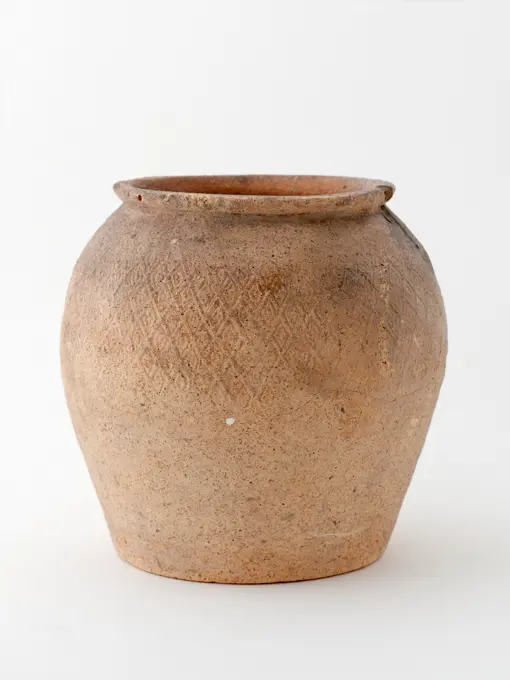
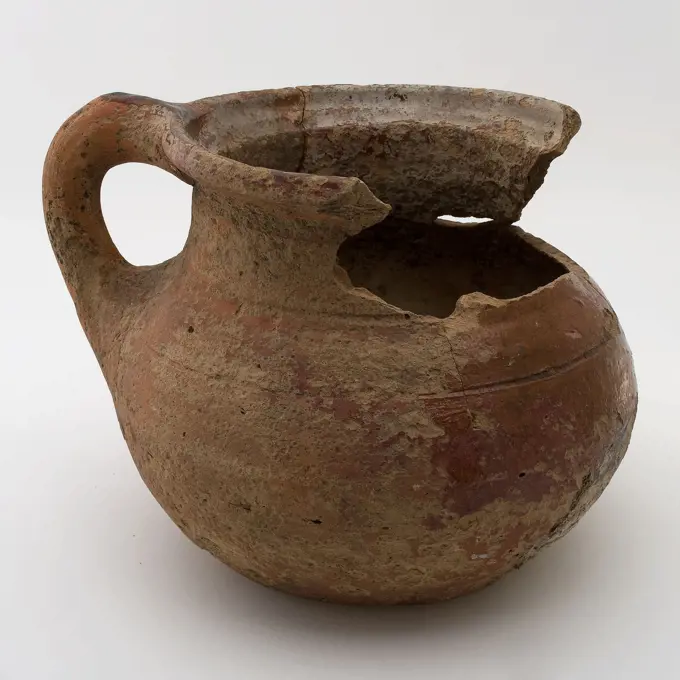
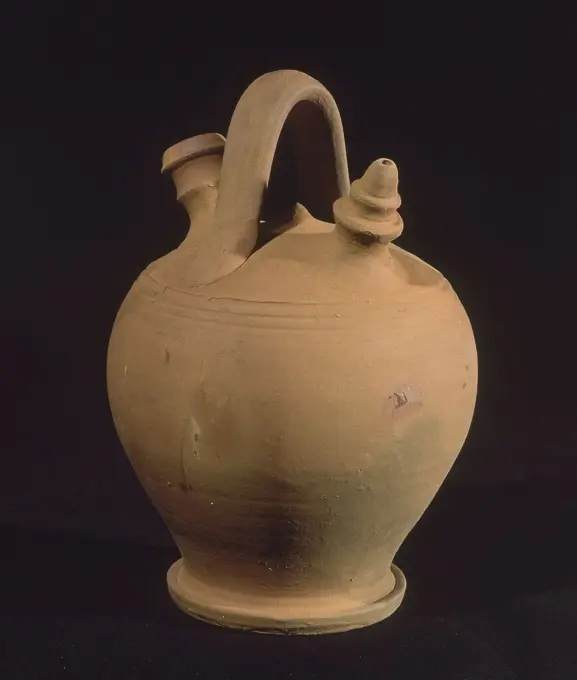
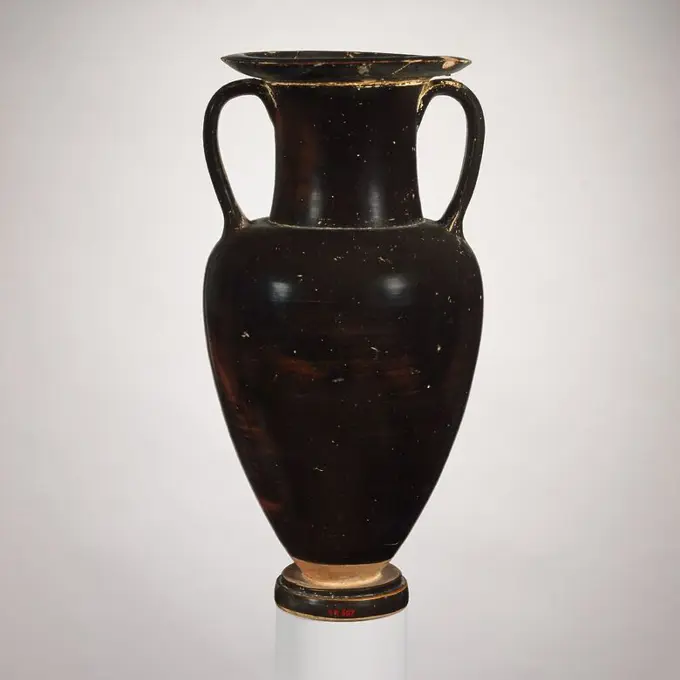
A selection of ancient pottery jars and vases, showcasing various shapes, glazes, and historical significance. Earthy tones and textures highlight the craftsmanship.
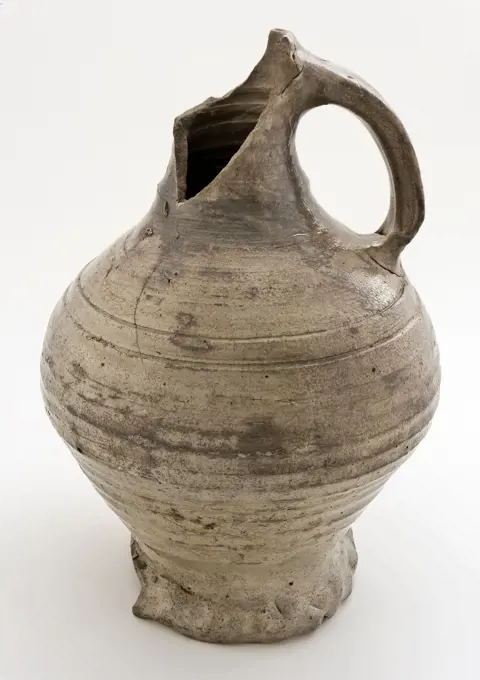
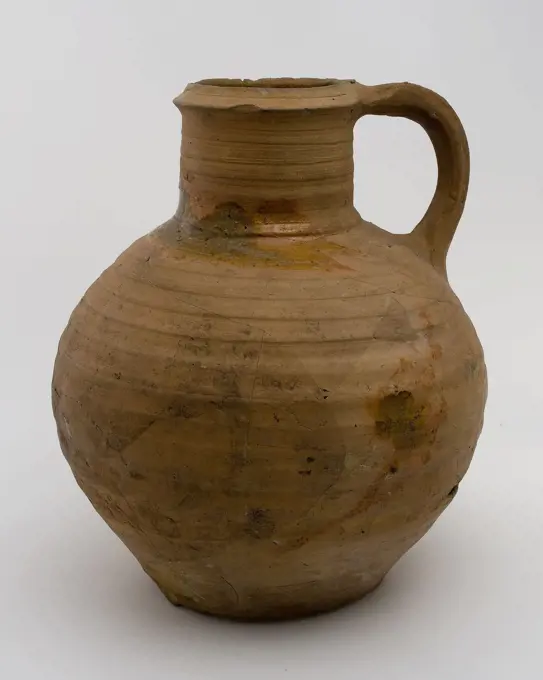
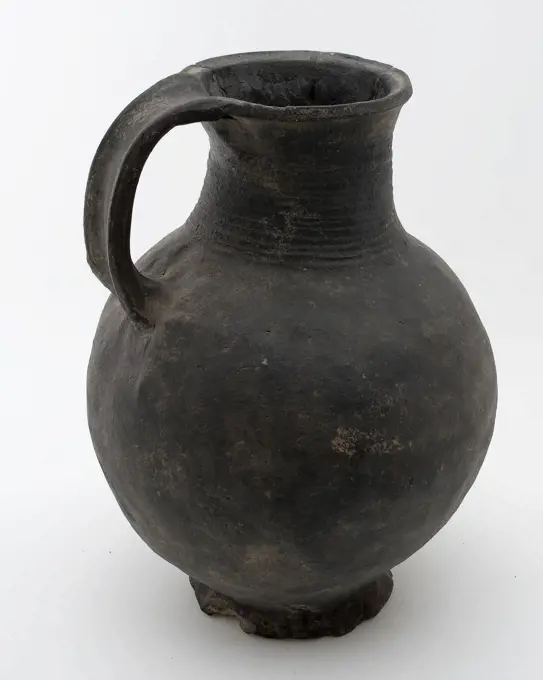
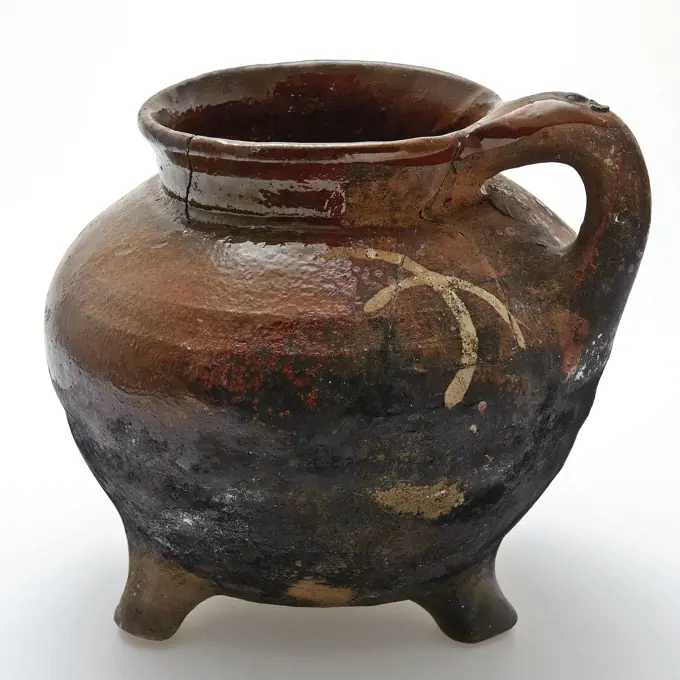
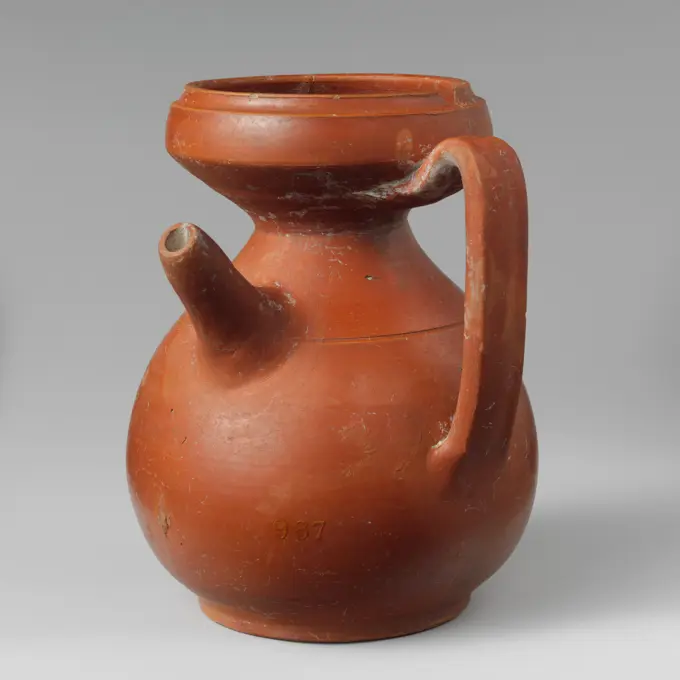
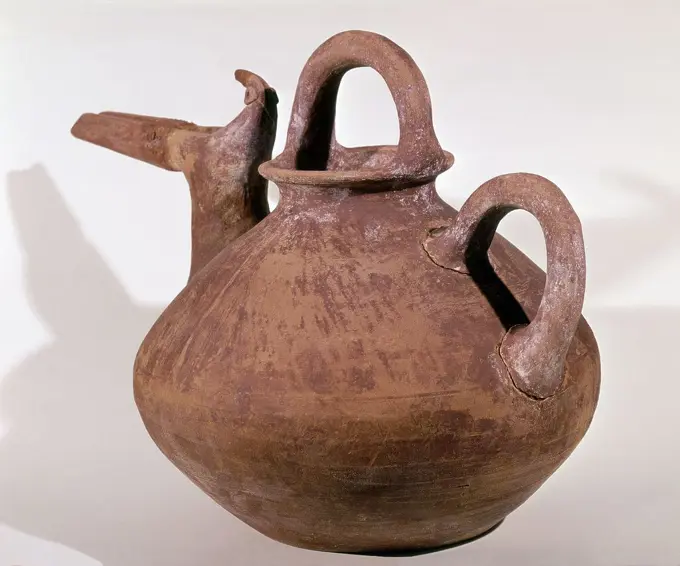
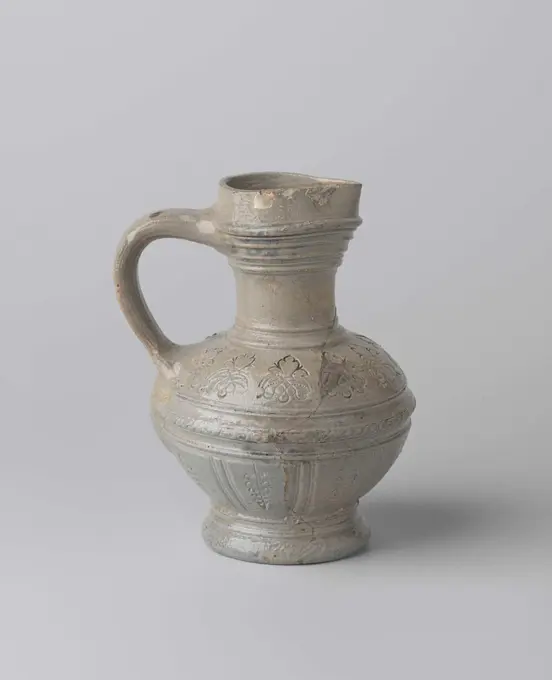
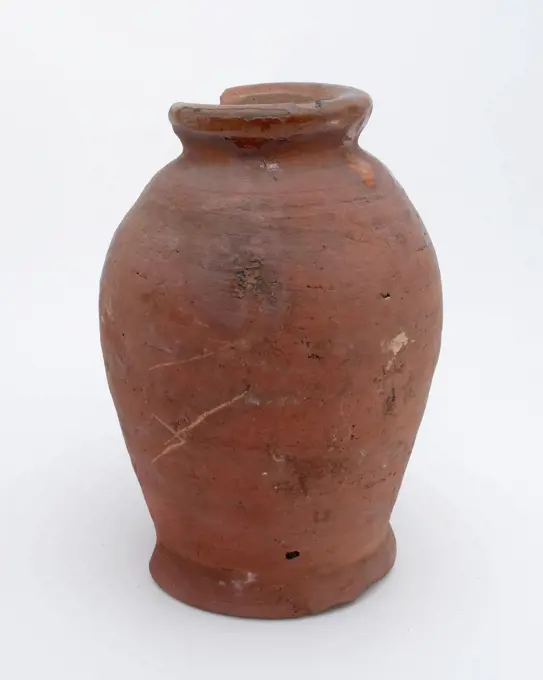
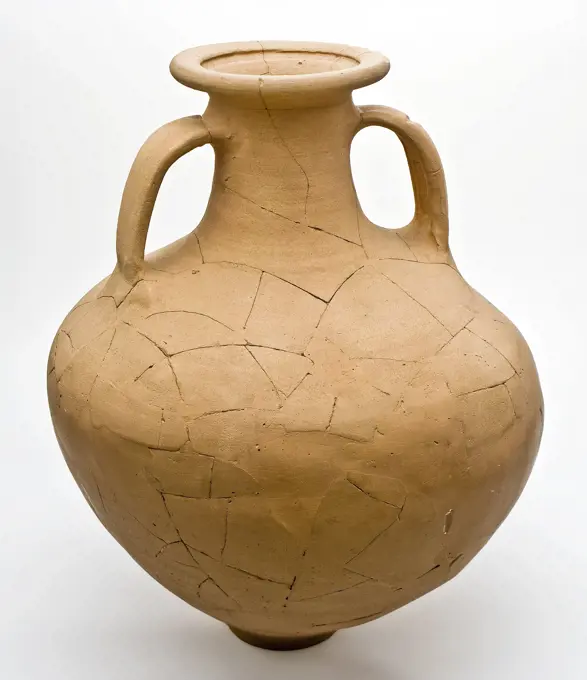
Gray stoneware jug with pinched foot, double conical belly, jug crockery holder soil find ceramic stoneware glaze salt glaze, hand-turned glazed baked Stoneware jug gray shard gray salt glaze bandoor revolving and notched rings around neck and belly pinched foot. Messy and roughly turned archaeology import pottery pour serve to keep packing transport
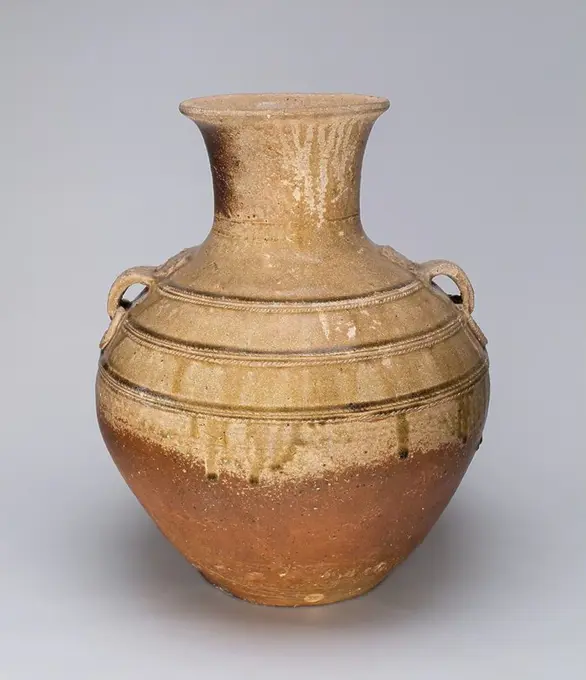
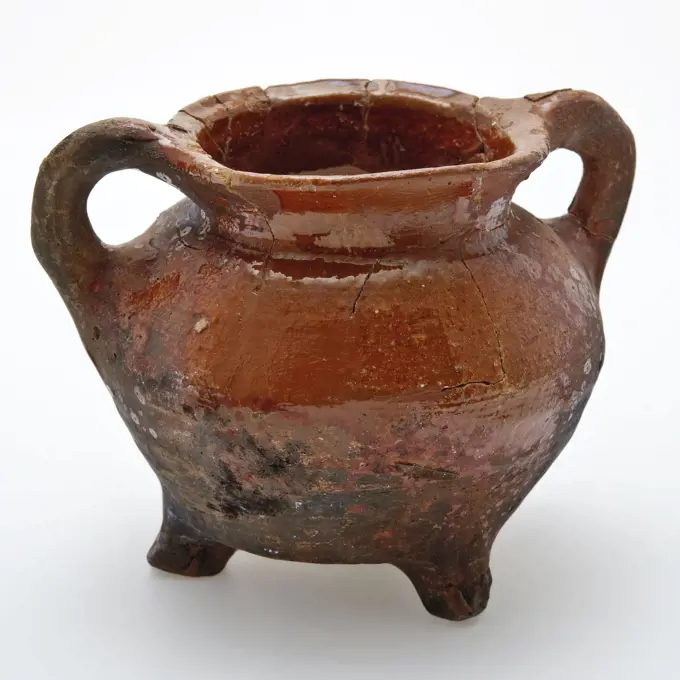
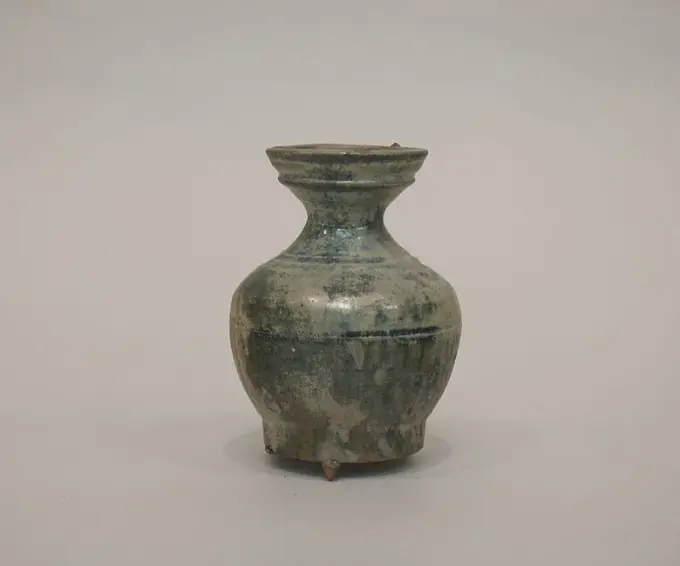
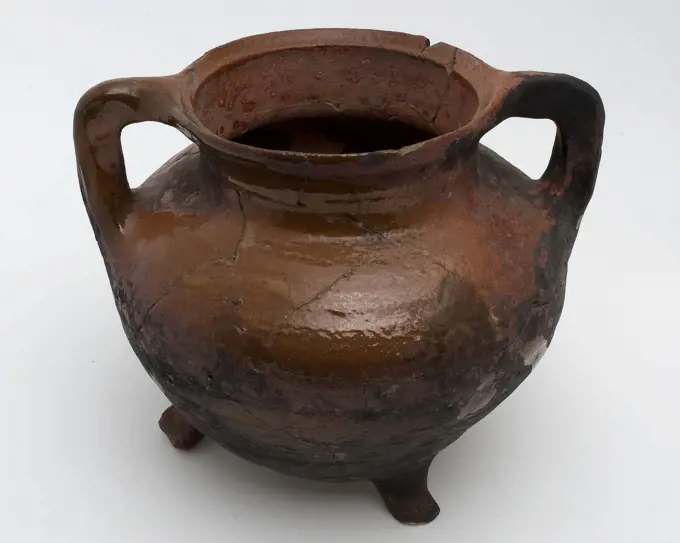
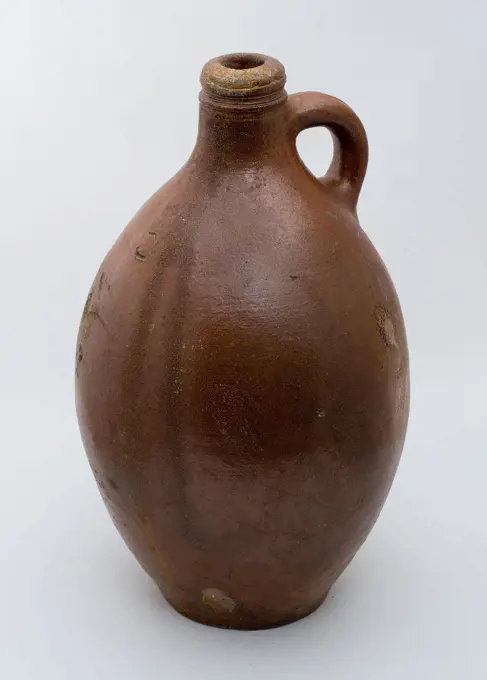
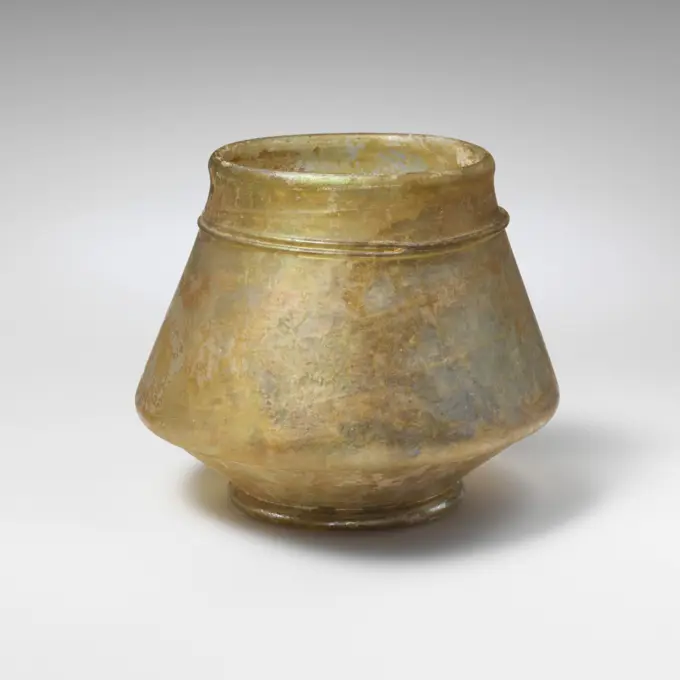
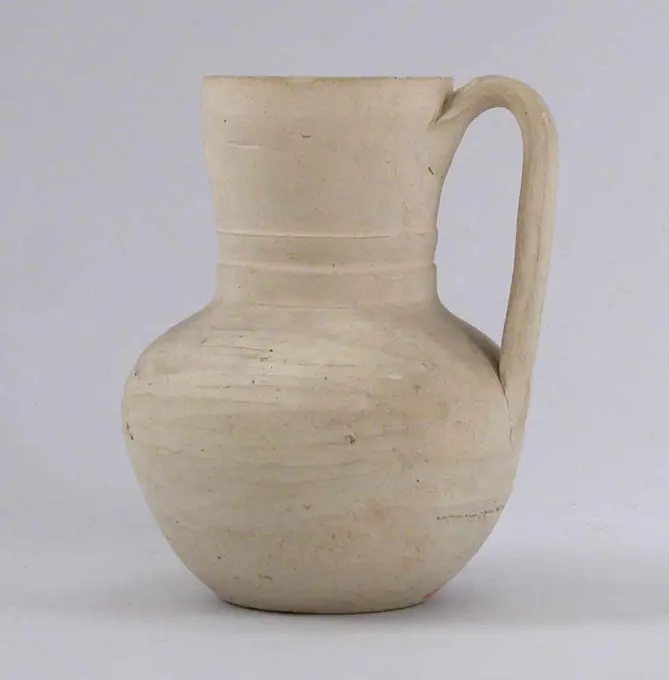
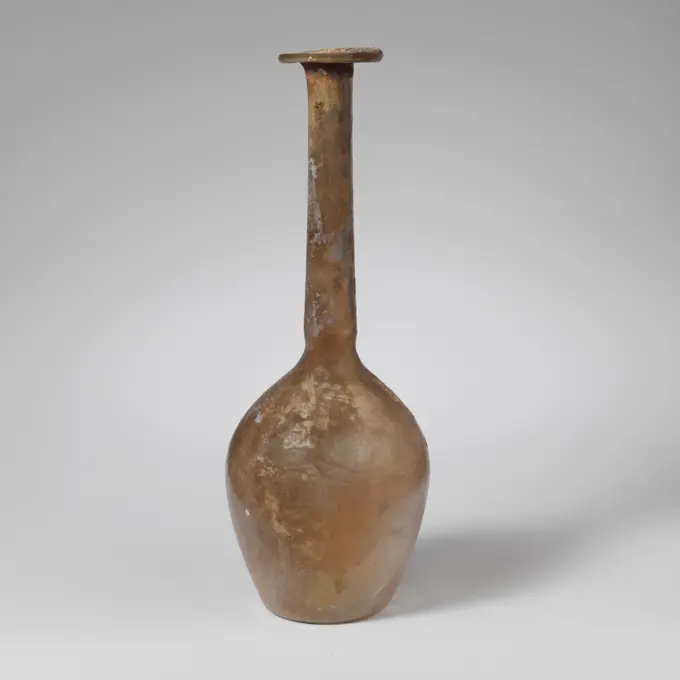
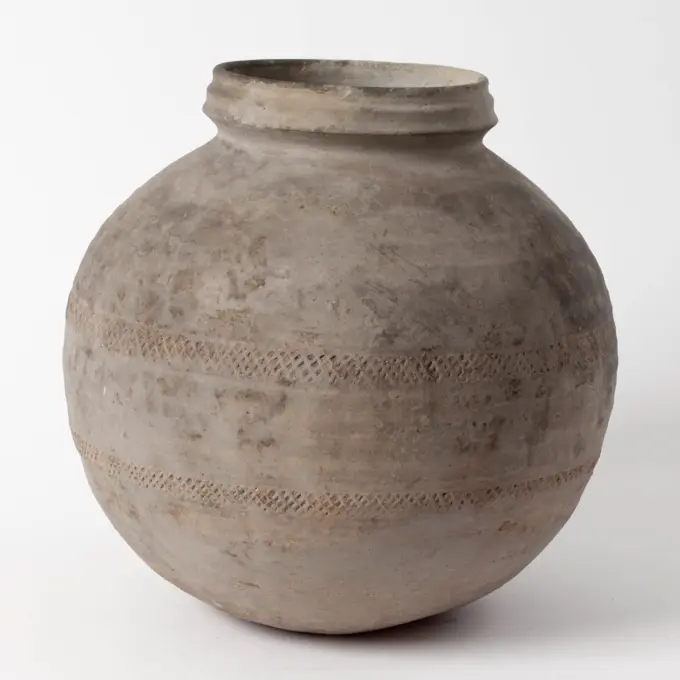
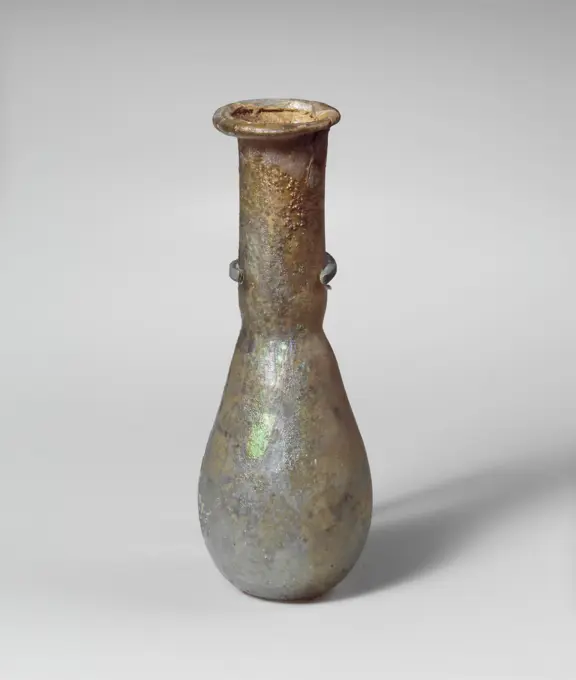
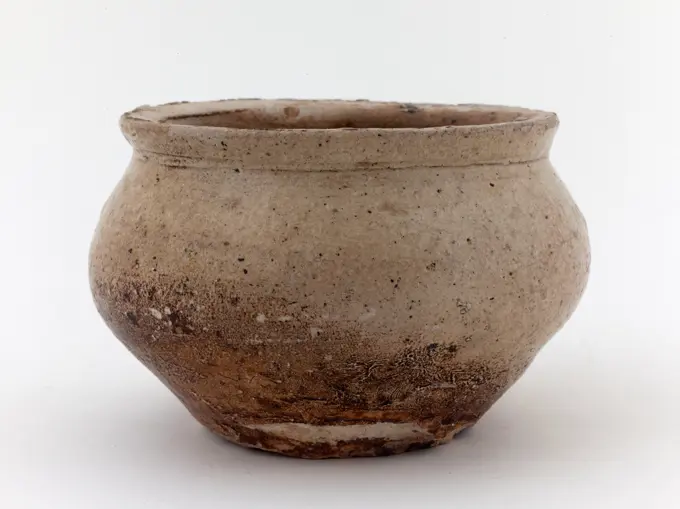
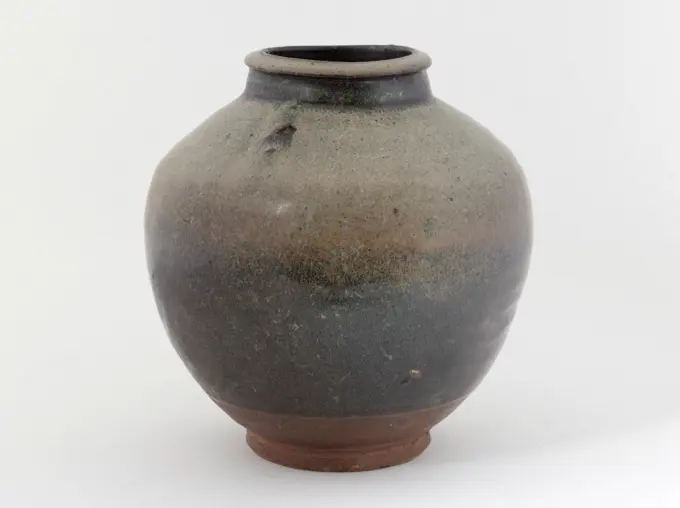
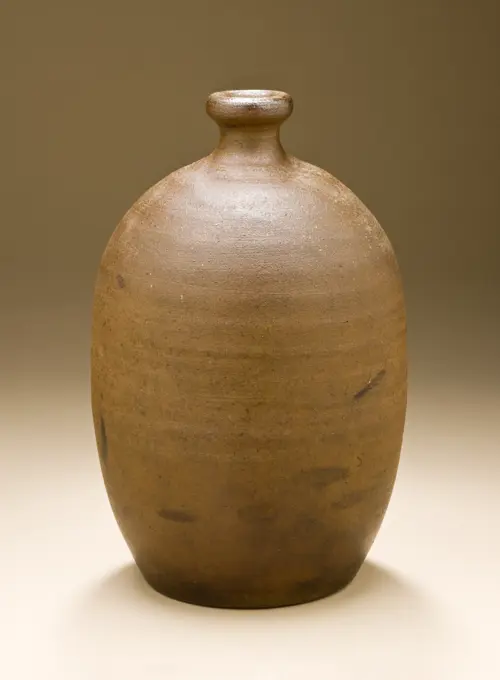
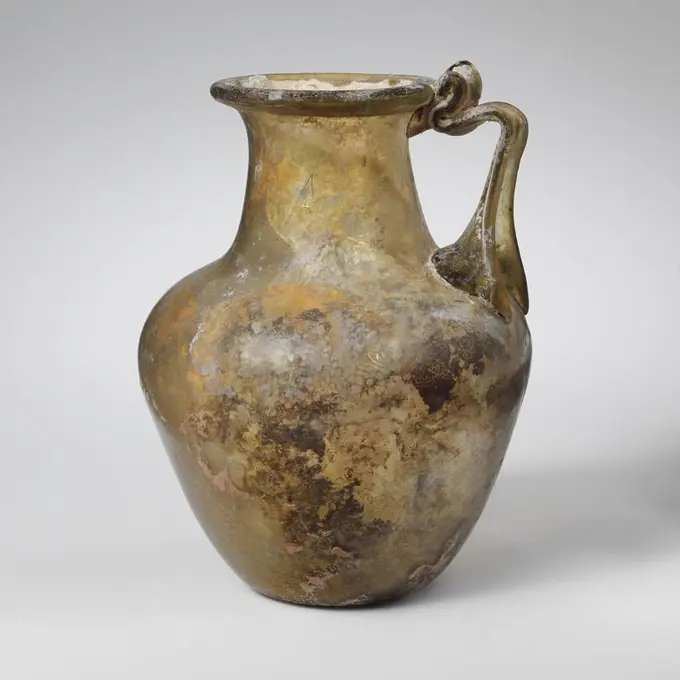
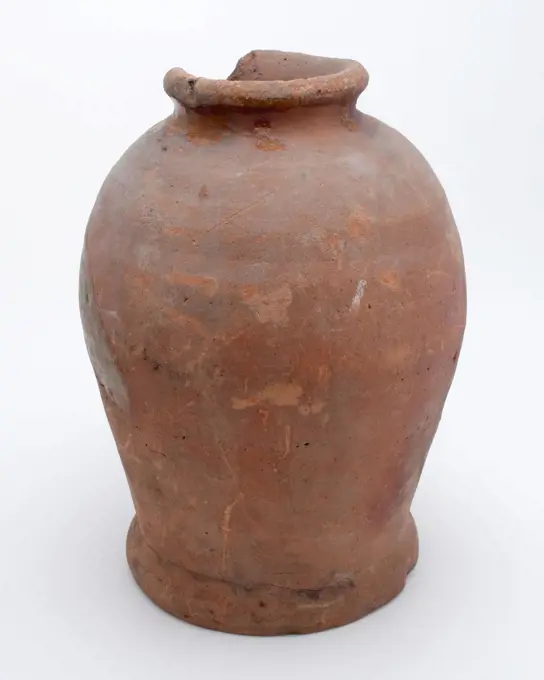
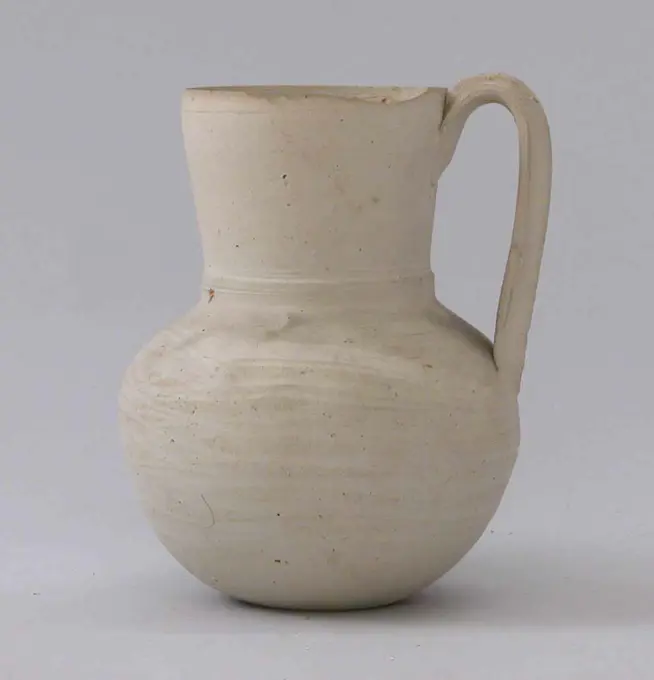
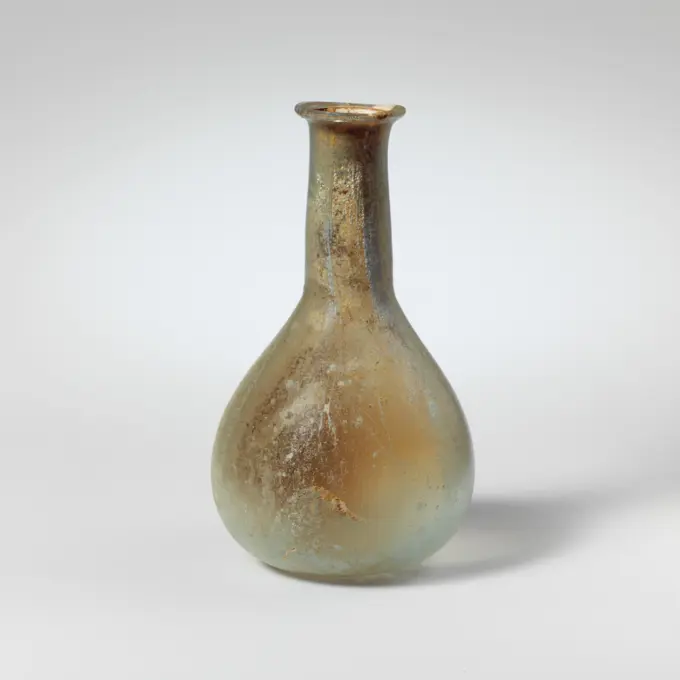
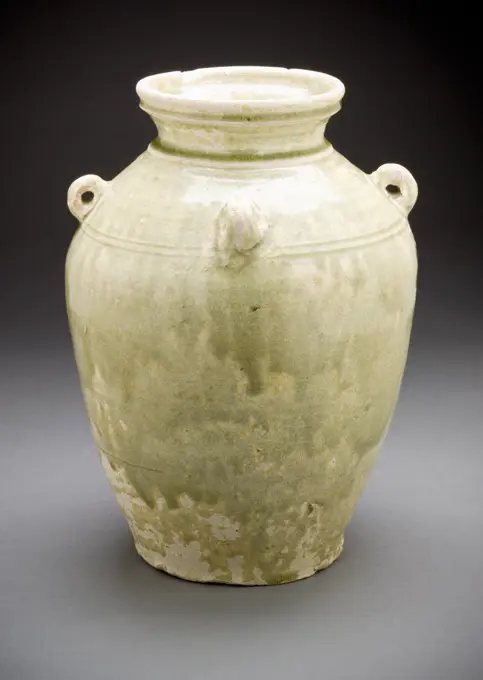
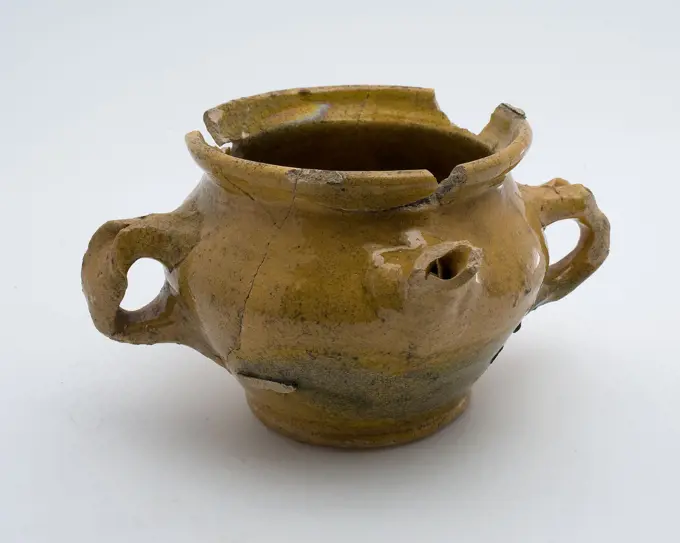
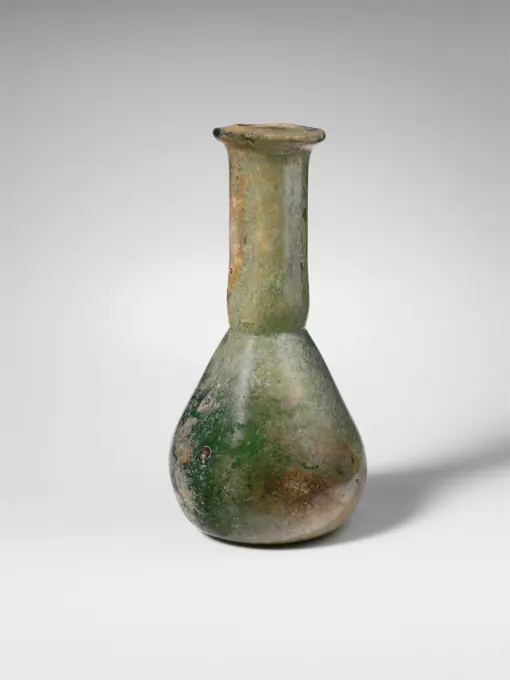
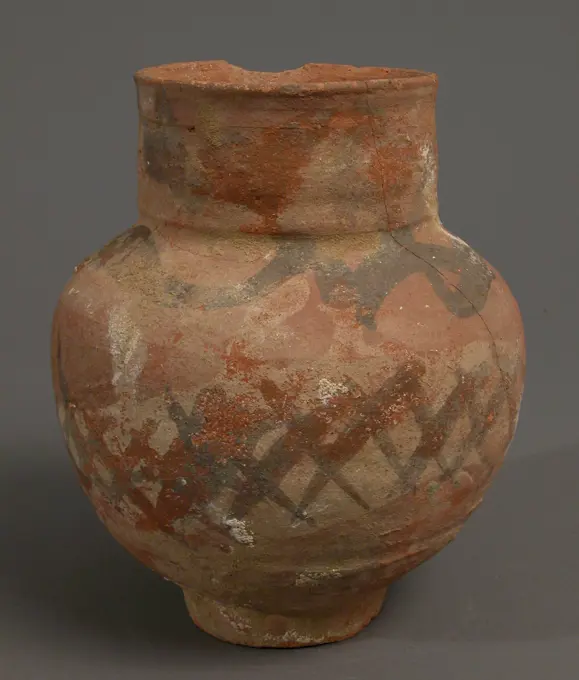
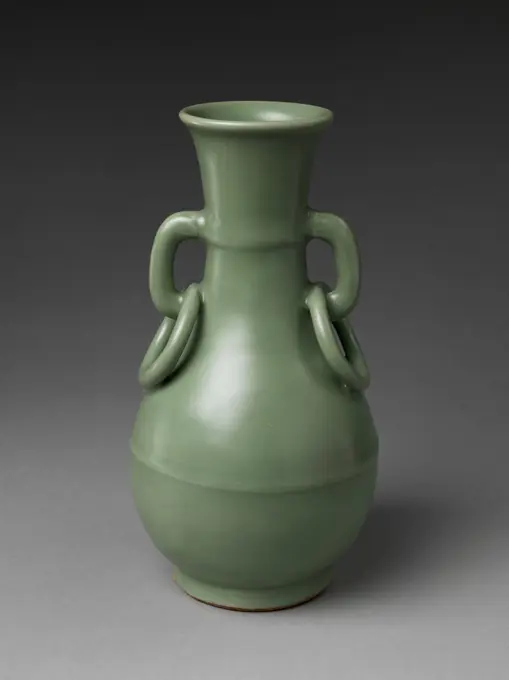
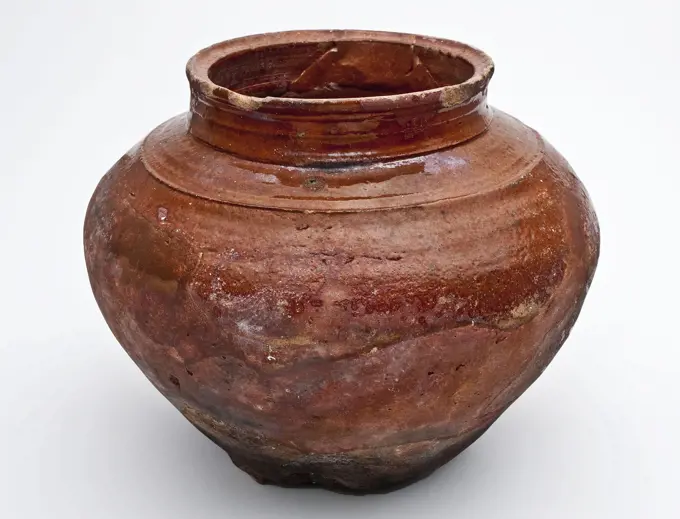
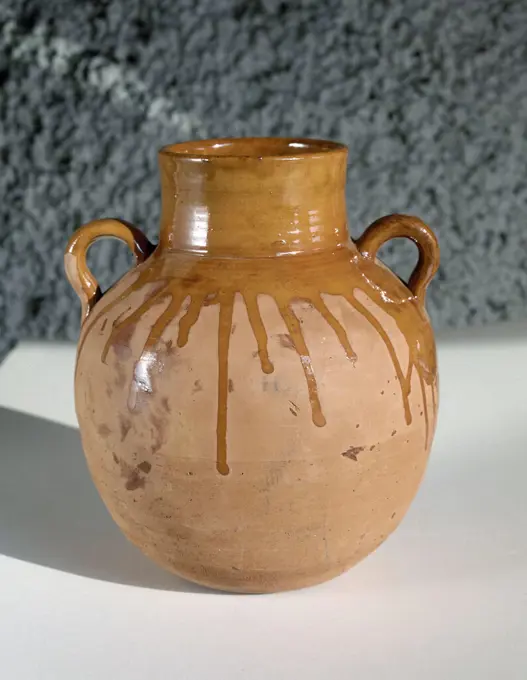
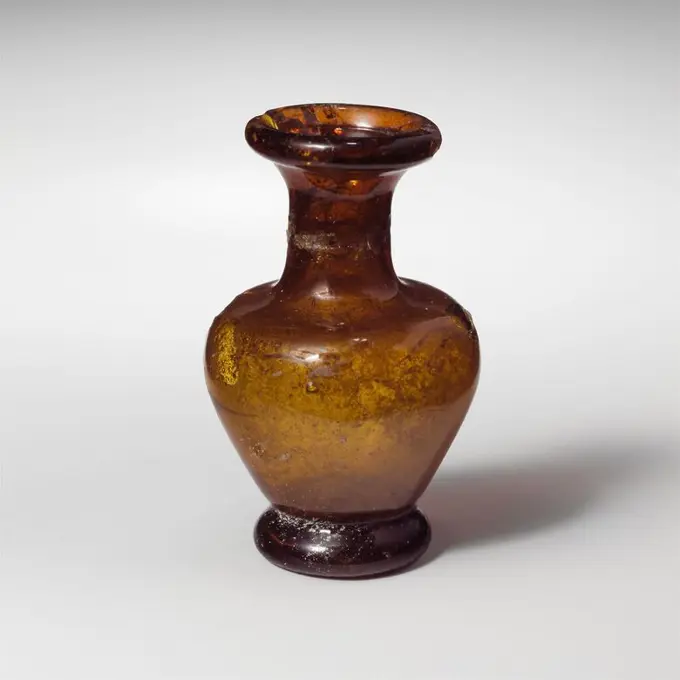
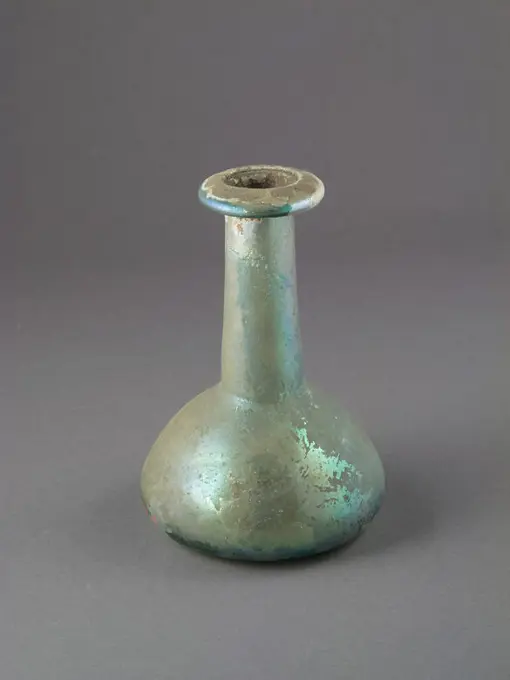
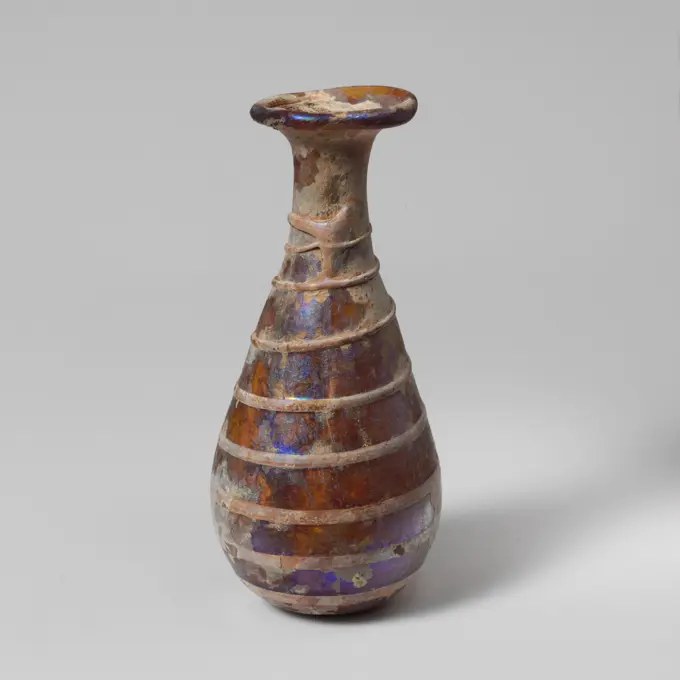
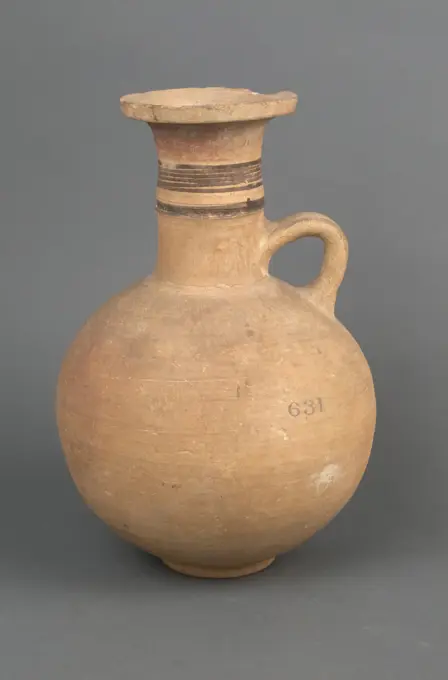
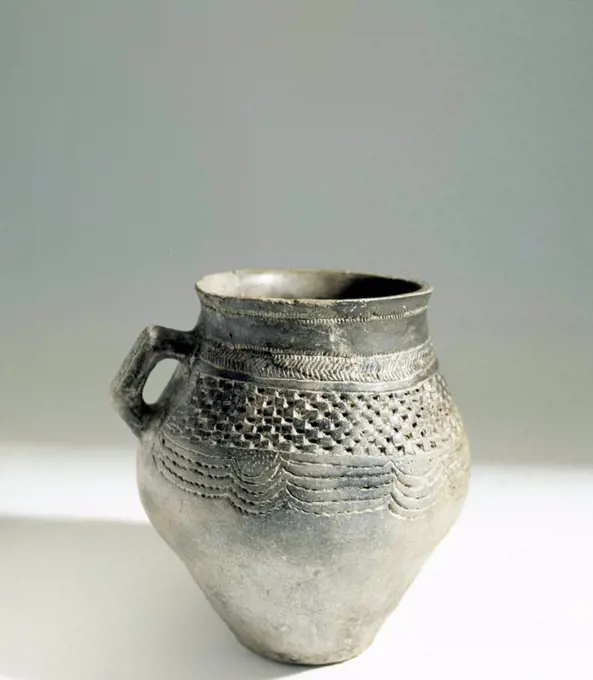
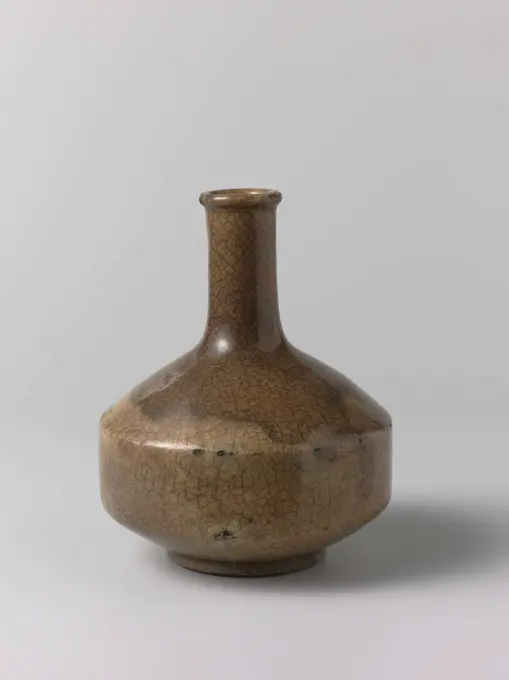
. Vase of stoneware with a narrow, straight neck and convex border, covered with a cracked gray-brown glaze. Some chips from the glaze on the edge and shoulder. Two old labels on the underside with 'Ki-seto / Vente Hayashi 637' and 'W762'. Ki-Seto.Globular Jar with Ring Handles. China. Date: 99 BC-1 BC. Dimensions: H. 39.4 cm (15 1/2 in.). Stoneware with olive-green glaze and incised, impressed decoration and relief cordons. Origin: China. Museum: The Chicago Art Institute, Chicago, USA.Pottery jug from Andenne on three times two toes, convex with straight neck, kitchen utensils earthenware ceramic earthenware glaze lead glaze, hand-turned glazed fried Andennekan Bullet-shaped body triangular neck edge flat ear Three pairs of double toes quite untidy finish. Weak lens base archeology Poortugaal Albrandswaard pottery store water wash pour serve Soil discovery: Poortugaal terp I Mottegracht Slot V.Flower Vessel 13th century Japan This small vase was originally made for use in a Buddhist temple. Flower vessels, along with candlestands and incense burners, are essential components of Buddhist ritual offerings. Here, centuries of use have resulted in the loss of most of the original gilding, revealing the softly shimmering bronze body.. Flower Vessel 73191Pottery pot on stand, baluster shape, used in the sugar industry, sugar bowl pot holder soil find ceramic earthenware glaze lead glaze, hand turned glazed baked Pottery pot on stand. Baluster shape with round shoulder and narrow neck opening. Thick and round neckline. Smooth finished. Red shard and internally glazed dark glaze. Hard baked. Here sugar cones were made archeology indigenous earthenware sugar confectionery sugar industryELEMENTO FUNCIONAL - VASIJA CERAMICA. Location: MUSEO ARQUEOLOGICO-COLECCION. Sevilla. Seville. SPAIN.Pottery cooking pot, grape-model, red shard, sparingly glazed, two hook ears, on three legs, cooking pot crockery holder kitchenware earth discovery ceramics earthenware glaze lead glaze, hand-turned glazed baked Pottery cooking pot grape-model red shard sparingly glazed two hook ears three-legged scraps on the bottom archeology indigenous pottery food prepare cooking kitchenGray stoneware jug with pinched foot, double conical belly, jug crockery holder soil find ceramic stoneware glaze salt glaze, hand-turned glazed baked Stoneware jug gray shard gray salt glaze bandoor revolving and notched rings around neck and belly pinched foot. Messy and roughly turned archaeology import pottery pour serve to keep packing transportJug (Bartmann jug) with rilling, anonymous, c. 1580 - c. 1650 Jug (beard fancier) of stoneware on the stand ring with an egg -shaped body and wide neck. The C-shaped ear is attached to the neck and shoulder. Profiles on the neck and shoulder. The belly is decorated with shirers and on a decorative tire. On the neck, continuously on the shoulder, a bearded man. Frechten. Cheek stoneware. glaze vitrification Jug (beard fancier) of stoneware on the stand ring with an egg -shaped body and wide neck. The C-shaped ear is attached to the neck and shoulder. Profiles on the neck and shoulder. The belly is decorated with shirers and on a decorative tire. On the neck, continuously on the shoulder, a bearded man. Frechten. Cheek stoneware. glaze vitrificationVASIJA DE CUERPO REDONDO CON DOS ASAS AL ESTILO GUANCHE. Location: ALFARERIA. DONOSTI-SAN SEBASTIAN. Gomera. SPAIN.Small pottery grape on three legs, two sausages, belly model with fine turns on the shoulder, grape cooking pot crockery holder kitchenware earthenware foundry ceramics earthenware lead glaze, hand-turned glazed baked Small earthenware grape on three legs, one of which is filled in plaster Red shard sparingly glazed. Belly model Almost straight upper edge slightly protruding. Two flat ears, one of which is inclined. Partly black discolored by soot through use. Wide band of thin rings on the shoulder archeology inn The Heart Geervliet Bernisse indigenous pottery cooking kitchen nutrition food preparation Soil discovery: Geervliet Dorpsplein 1 demolition Trouw put 5 city inn 't Hart 1985.Gray pottery jug be used on lightly-pierced stand ring, with ear, rings around the neck, water jug crockery holder soil find ceramic earthenware, hand-turned baked Gray unglazed jug on pinched foot. Gray shard. Ball round jug with slightly elongated body. Extending neck with rings. Wide standing ribbon ear with hollow top. Coarse and shredded pottery. Restoration is repainted on color archeology serve serve water pour food prepare kitchenJug. Culture: Cypriot. Dimensions: 7 3/8in. (18.7cm). Date: 480-400 B.C..Of unpainted clay. Museum: Metropolitan Museum of Art, New York, USA.Vase. Culture: China. Dimensions: H. 5 3/8 in. (13.7 cm); W. 4 in. (10.2 cm); Diam. of rim 2 3/4 in. (7 cm). Museum: Metropolitan Museum of Art, New York, USA.Glass jug. Culture: Roman. Dimensions: H.: 5 3/4 in. (14.5 cm)Diam.: 4 1/16 in. (10.3 cm)Diam. of rim: 1 13/16 in. (4.6 cm). Date: mid-1st-2nd century A.D..Translucent blue green; handle in same color.Collar rim folded out, down, up, and out, with horizontal outer lip; slightly funnel-shaped cylindrical neck, with slight tooling indent around base; squat, globular body; concave bottom; strap handle applied to shoulder in two large claw pads at sides and smaller central rib, drawn up and out, then turned in and down, trailed on to top of neck and up rim with end on top edge of outer lip.Intact; few bubbles in body but some black and glassy impurities in handle; dulling, weathering, and iridescence, with most of surfaces covered with limy encrustation. Museum: Metropolitan Museum of Art, New York, USA.Pottery grape on three legs, two hook ears, sparingly glazed, grape cooking pot tableware holder utensils earthenware ceramic earthenware glaze lead glaze, hand-turned glazed baked Large two flattened hook ears narrow lid slot on the inside neck Red shard Not entirely glazed Ball round slightly stretched downwards toe Cylindrical short neck with protruding neck ridge archeology Poortugaal Albrandswaard indigenous pottery food prepare cooking kitchen Soil discovery: Poortugaal former Molendijk now Viersprong slot I; find no. 3 at 16.30 m; 0.9 m under deep foundation 1972.Large stoneware jug, brown, jug holder soil found ceramic stoneware glaze salt glaze, hand-turned baked glazed stoneware jug gray shard with red-brown salt-glaze profile rings under the mouth rim profiled sausage ear with pointed tail On the shoulder 2 (size of the jug) archeology import pottery serve drinksPottery jug be placed on stand ring, cuff collar with pouring clip, one ring on the shoulder, water jug crockery holder soil find ceramic earthenware glaze lead glaze, hand-turned glazed baked Large earthenware jug red shard outside sparingly glazed pouring lip cuff-shaped mouth rim stand ring. Sphere model with high shoulder Profile ring around the neck and rotate around the shoulder archeology Rotterdam indigenous pottery serve serve water wash prepare kitchen food Soil discovery RotterdamSpouted pitcher ca. 1050-800 B.C. Iran This pitcher has a squat, globular body, a flat base, a wide neck and a flaring rim. A small handle connects the rim and neck on one side; on the other a spout rises vertically from the body of the pitcher before extending outward horizontally. The spout is attached to the rim by a small bridge. A drooping point protrudes from the spout where it emerges from the body. The pitcher is made of burnished grey clay and decorated with oblique fluting. It was made on a potters wheel, perhaps in two halves, with the spout and handle added later.This pitcher was excavated at Hasanlu, a large settlement site in northwestern Iran. During the Iron Age Hasanlu was one of the largest and most powerful towns in Iran, and probably controlled much of the Ushnu-Solduz valley until its destruction ca. 800 B.C. by the Urartians. Like many in western Iran in this period, the people of Hasanlu made ceramic pitchers like this one with globular bodies and long spouts.ItOinochoe ca. 550-500 B.C. Etruscan. Oinochoe. Etruscan. ca. 550-500 B.C.. Terracotta; bucchero pesante. Archaic. VasesGlass jug. Culture: Roman. Dimensions: 5 1/8 in. (13 cm)Other: 3 5/16 in. (8.4 cm)Diam. of rim: 1 3/8 in. (3.5 cm)Diam. of foot: 2 in. (5.1 cm). Date: mid-1st-2nd century A.D..Translucent pale blue green; handle in same color.Rim folded out, round, and in, with beveled edges; flaring mouth; tall, cylindrical neck, with tooling marks at base; globular body; integral base ring with pronounced outward fold; flat bottom; flat bottom; strap handle of three ribs, applied as a thick, broad pad to upper body, drawn up and curved in, then trailed on to outer edge of rim and top of neck.Broken and repaired, complete except for top of handle, where possible vertical thumb rest is missing; some pinprick bubbles; dulling and creamy weathering with iridescence. Museum: Metropolitan Museum of Art, New York, USA.Handled Jar 5th-3rd century B.C. Paracas. Handled Jar 308422Glass cup 2nd-3rd century A.D. Roman Translucent pale green, with trail in same color.Rounded and thickened rim; short, vertical neck; carinated body with conical sides, then angled in sharply to integral, tubular base ring; bottom with small central kick and pontil scar.Single horizontal trail around upper body, then spiral up to end below rim.Intact; few bubbles; dulling and iridescence on exterior; some soil encrustation and weathering on interior.. Glass cup 239827Jug with medallions, foliate scrolls and chip carving, anonymous, c. 1550 - c. 1599 Jug of stoneware on stand ring with a spherical body and wide neck. The C-shaped ear is attached to the neck and shoulder. Profiles on the neck, belly and foot. Covered with a brown Engobe. The lower part of the abdomen is divided into courses. Decorative tires and a wider tire with notch cut on the shoulder. The neck with a printed and imposed bond with portraits or masks in medallions, interrupted by leaf vines. Raeren. Rae stoneware. glaze. engobe vitrification Jug of stoneware on stand ring with a spherical body and wide neck. The C-shaped ear is attached to the neck and shoulder. Profiles on the neck, belly and foot. Covered with a brown Engobe. The lower part of the abdomen is divided into courses. Decorative tires and a wider tire with notch cut on the shoulder. The neck with a printed and imposed bond with portraits or masks in medallions, interrupted by leaf vines. Raeren. Rae stoneware. glaze.Jug, anonymous, c. 1300 - c. 1600 Jug of stoneware, with an ear. The jug is dirty-yellow and shown traces of red-brown coloring. Rhine stoneware Jug of stoneware, with an ear. The jug is dirty-yellow and shown traces of red-brown coloring. Rhine stonewareSmall bottle in ANSES (common name). Black covered sandstone. Cernuschi Museum, Asia Museum of Asia in the city of Paris.Single Spout Plain Bottle 5th-3rd century B.C. Paracas. Single Spout Plain Bottle 308608Aryballos; Unknown Korinthian workshop; 580-570 BC (-580-00-00--570-00-00);Jug (Bartmann jug) with three medallions with a lion's head, anonymous, c. 1600 - c. 1649 Jug (beard fancier bush) of stoneware on the standing surface with a spherical body and narrow neck. The C-shaped ear is attached to the neck and shoulder. Profiles on the neck. Covered with a brown Engobe. On the belly in relief three times a printed and imposed medallion with a lion's head. On the neck, continuously on the shoulder, a bearded man. Frechten. Cheek stoneware. glaze. engobe vitrification Jug (beard fancier bush) of stoneware on the standing surface with a spherical body and narrow neck. The C-shaped ear is attached to the neck and shoulder. Profiles on the neck. Covered with a brown Engobe. On the belly in relief three times a printed and imposed medallion with a lion's head. On the neck, continuously on the shoulder, a bearded man. Frechten. Cheek stoneware. glaze. engobe vitrificationVase ". Terracotta with green lead glaze. Han dynasty (206 BC-220 AD). Paris, Cernuschi museum. Chinese art, Chinese ceramic, Han dynasty, Han time, green lead, terracotta, vase, vaseEarthenware ointment pot. Monastery ointment pot of red pottery. Inside glazed.Ewer late 8th-9th century. Ewer 449905Glass perfume bottle 2nd-3rd century A.D. Roman Colorless with pale yellow green tinge.Thick, rounded, and slanting rim, folded unevenly out, down, over, and in, with fairly broad collar to mouth; cylindrical neck, expanding downward and tooled in around base; elongated piriform body; pushed-in bottom with kick.Intact, except for crack in side of body; elongated and pinprick bubbles; dulling and deep iridescent weathering; encrustation under rim; remains of black enamel-like weathering on bottom.. Glass perfume bottle 239682Jar 8th-early 9th century. Jar 449429Jar ". Terracotta. Zhou dynasty (approx. 1050-256 BC). Paris, Cernuschi museum. Chinese art, Chinese ceramic, container, zhou dynasty, zhou time, oval form, jar, container, terracottaGlass perfume bottle 1st-2nd century A.D. Roman Small unguentarium.Colorless with pale greenish tinge.Slanting tubular rim folded out, over, and in; cylindrical neck with tooled indent around base; elongated ovoid body; small concave bottom.Complete, but crack in rim and neck, repaired; pinprick bubbles and blowing striations; dulling, pitting, and iridescent weathering on exterior, soil encrustation and weathering on interior.. Glass perfume bottle 244683Terracotta Hadra hydria (water jar) Greek, Ptolemaic, Alexandrian late 3rd century BCE Faint traces of an elaborate helmet with a griffin crest, a shield bearing the snakey head of Medusa, and a cuirass, are evident on this white-ground hydria. A warrior's armor was a common subject for vases destined for burial, since it alluded to the both the heroic character of the deceased, as well as the manner of death. Sites in Alexandria have yielded hydriai with similar motifs in much better states of preservation, thus providing an idea of the original appearence of this vase.. Vase of stoneware with two ears on the shoulder, partly covered with a celadongin glaze. The belly is dented and four times a rubbing cross on the neck. The lower part of the vase is unglazed. Old dealer label on the bottom with 'N.V. Hammer - Far Eastern Art New York / 440 '. I go.Jar. White sandstone with covered. Janse, Lach Truong, burial 4. Paris, Cernuschi museum. 60216-5 Covered, white GRES, LACH TRUONG, Vietnamese object, pot, Sepulture 4Terracotta squat lekythos (oil flask). Culture: Greek, South Italian, Campanian. Dimensions: H. 4 1/16 in. (10.3 cm). Date: 4th century B.C..Ribbed. Museum: Metropolitan Museum of Art, New York, USA.Bearded manner, yellow-brown spotted and speckled. Bearded manner, unevenly yellow-brown spotted and speckled. The belly is egg-shaped and the neck is printed. The mouth is equipped with a small, pointed spout.Small BowlJarre. "Grès to couvete de couuge jun. Dynastie song / yuan. Paris, museum money. Chinese art, Chinese Ceramic, Jun type covered, Song dynasty, Yuan, Gres, jar dynastyGlass bottle. Culture: Roman. Dimensions: 4 in. (10.2 cm)Other: 3 5/16 in. (8.4 cm)Diam. of rim: 1 1/2 in. (3.8 cm). Date: 2nd-3rd century A.D..Translucent pale blue green, with same color trail.Collared rim, folded out, down, round, out, and up, tooled in a level of mouth, then up and slightly outward, with rounded vertical lip; cylindrical neck, expanding downward, slightly flattened on one side below rim; rounded shoulder; squat, globular body; pushed-in bottom with central pontil mark.Spiral trail applied to outer edge of shoulder in large pad and drawn down body to bottom.Intact, except for cracks and two holes in body; much of trail decoration is missing; pinprick bubbles; deep pitting and brilliant iridescent weathering. Museum: Metropolitan Museum of Art, New York, USA.Lamp. UnknownJar ". Terracotta. Vietnam-Xe-Xive s. Paris, Cernuschi museum. 72361-40 Jar, Vietnamese object, terracottaGlass flask. Culture: Roman. Dimensions: 4 1/2 in. (11.5 cm)Diameter: 2 1/8 x 1 3/8 in. (5.4 x 3.5 cm). Date: 2nd-3rd century A.D..Translucent light blue green.Rounded rim, folded out, over, and in, and beveled inner lip; flaring mouth; cylindrical, slightly concave; broad, sloping shoulder; bulbous body, with sides tapering downward and with seven elongated indents; round, pushed-in bottom, with traces of pontil scar.Intact; pinprick and larger bubbles; faint weathering and iridescence, with some patches of soil encrustation. Museum: Metropolitan Museum of Art, New York, USA.Pottery room comfort on vaulted bottom, stocky model with groove over the shoulder, pot holder sanitary earthenware ceramics earthenware glaze lead glaze, hand-turned glazed baked earthenware chamber pot on vaulted bottom. Red shard and sparingly glazed Almost straight neck and outstanding top edge with lid slot. Standing sausage ear Stubbed belly model with large neck opening. Thick layer of caked material on the inside, typical of room pot. Extremely weathered on the outside extremely small wells in the pottery archeology Geervliet Bernisse indigenous pottery drains night room sleeping hygiene toilet Soil discovery: Geervliet pit 1 underlayer demolition Trouw.Pottery belly model ointment jar, red shard, internally glazed, ointment jar pot holder soil find ceramic earthenware glaze lead glaze, hand turned glazed baked Pottery ointment red shard internally glazed. Abdominal model with thickened accent on the abdomen strong narrowing above the foot. Flat oblique inward facing top edge. Small stand archaeology health care indigenous pottery import pharmacy store sell craft. Egg-shaped pot of pottery, covered with a green glaze. On the shoulder a bond with flower drinks interrupted by five running tigers.BOTIJO DE VERANO DE FORMA REDONDERADA Y GRAN ASA. Location: ALFARERIA. SPAIN.Terracotta neck-amphora (jar). Culture: Greek, South Italian, Campanian. Dimensions: H. 12 1/4 in. (31.1 cm). Date: late 5th century B.C..The Owl-Pillar Group represents one of the first workshops active in Campania, heavily influenced by Attic prototypes in style and shape. Attic Nolan amphorae were important models. Museum: Metropolitan Museum of Art, New York, USA.Sake Bottle. Japan, Meiji period (1868-1912), 19th century. Ceramics. Bizen ware; stoneware with naturally occurring ash glazeJug. Jar of yellowish pottery, with an ear.Pottery jug with spout and ear, double conical model on stand ring, water jug crockery holder soil find ceramic earthenware glaze lead glaze, belly 16.0 foot 9.0 hand-turned glazed fried jug red shard in- and outside brown glaze one pinched ear pouring spout stand ring spins Ear protrudes above the edge Double conical model with broad neck and protruding neck edge archeology Valckensteyn Poortugaal Albrandswaard indigenous pottery drink drink pour water Soil discovery: canal at Keuken castle Valckensteyn in Poortugaal now Albrandswaard.Glass jug. Culture: Roman. Dimensions: 5 3/16 in. (13.2 cm)Other: 3 7/8 in. (9.8 cm)Diam. of rim: 2 3/16 in. (5.6 cm). Date: 2nd-3rd century A.D..Translucent yellow green; handle in same color.Thick tubular rim folded out, over, and in; concave neck, expanding downward; sloping shoulder; slightly convex sides to body, tapering sharply downward; small concave bottom; strap handle applied in two large splayed claw pads to shoulder, drawn up and outward, curved in, with a vertical fold as thumb rest above rim, and then trailed on to outer edge of rim and top of neck.Intact; some bubbles, elongated on neck; pitting and dulling, with weathering and iridescence. Museum: Metropolitan Museum of Art, New York, USA.Pottery pot on stand, baluster shape, was used in the sugar industry, sugar bowl pot holder soil find ceramic earthenware glaze lead glaze, hand turned glazed earthenware pot on stand. Baluster shape with round shoulder and narrow neck opening. Thick and round neckline Slightly finished Red shard internal glazed long enamel tears over the side wall one vertical and one diagonal. In it sugar cones were made archeology indigenous pottery sugar confectionery craft sugar industryEwer late 8th-9th century. Ewer 449904Iberian urn (7th bc) of Mas de Mussol. L'Aldea, Amposta.Pot at chaux. "Gres. Vietnam-Xive-Xive s. Paris, museum prizes. 72361-36 A lime, gres, Vietnamese object, pot. Bottle of stoneware with an egg-shaped body and a short, spreading neck, covered with a cracked cream and brown glaze. Old label on the bottom with 'W691'. Karatsu.Glass perfume bottle 1st century A.D. Roman Translucent pale blue green.Rim folded out, over, and in; slightly funnel-shaped, cylindrical neck, with faint tooling marks around base; piriform body; slightly convex bottom.Intact; many pinprick and small bubbles, with blowing striations; dulling and faint iridescent weathering, with small areas of pitting on exterior; soil encrustation and weathering on neck and side of body on interior.. Glass perfume bottle 239786Glass perfume bottle. Culture: Roman. Dimensions: H.: 4 5/16 in. (11 cm)Diam.: 2 1/4 x 1 1/8 in. (5.7 x 2.9 cm). Date: 1st century A.D..Translucent dark blue green.Everted rim, folded round and in, with beveled upper surface and inner lip slightly overhanging mouth; cylindrical neck with deep horizontal tooling marks around base; conical body, curving in to concave bottom.Five slightly flattened indents around body at point of greatest diameter.Intact; bubbles and blowing striations; slight pitting and dulling, most of surfaces covered in iridescent creamy weathering. Museum: Metropolitan Museum of Art, New York, USA.Small ovoid vase with two mascarons. unknown, craftsmanJar. Burma (Myanmar), circa 1470-1510. Furnishings; Serviceware. Stoneware with celadon glazeFlasza. unknown, authorPottery cooking jug, grape-model on three legs, one ear, decorated with yellow bows on the shoulder, grape cooking pot crockery holder kitchenware earth discovery ceramics earthenware glaze lead glaze clay, hand turned decorated glazed baked Pottery cooking jug grape-model on three legs, one of which is supplemented with plaster Red shard glazed internal whole and on the outside the edge and shoulder Sphere body with slanting neck edge and narrow neck opening. One standing sausage ear In addition to the ear decorated with yellow bows applied with sludge technique. One sunken circular ring around the shoulder wear: smells on the underside archeology inn Het Hart Geervliet Bernisse indigenous pottery cooking kitchen nutrition food preparation Soil discovery: Geervliet Dorpsplein 1 demolition Trouw put 5 city inn 't Hart 1985.Pitcher. Vietnam, 14th century. Furnishings; Serviceware. Stoneware with cream slip and clear glazePottery room pot, spout pot, yellow glazed, on stand, cream pot spout pot crockery holder soil find ceramic earthenware glaze lead glaze, hand-turned glazed baked Round jar with outward-facing top edge. Opposite two standing ears attached to the kettle Between the ears spout Whole except bottom glazed Yellow. Stand with light soul archeology Rotterdam rail tunnel indigenous pottery dairy kitchen skimming food Soil discovery: railway tunnel or construction site Rotterdam.Glass perfume bottle 1st century A.D. Roman Translucent dark blue green.Everted rim, folded round and in, with beveled upper surface and inner lip slightly overhanging mouth; cylindrical neck with deep horizontal tooling marks around base; conical body, curving in to concave bottom.Five slightly flattened indents around body at point of greatest diameter.Intact; bubbles and blowing striations; slight pitting and dulling, most of surfaces covered in iridescent creamy weathering.. Glass perfume bottle 245267Vessel 1600 BCE-1425 BCE Egypt. terracotta . Ancient EgyptianPot 4th-7th century Coptic. Pot 477284Terracotta strainer jug 1st century A.D. Roman, Cypriot Jug with handle and spout.A similar vessel, dated to the early Flavianic period (A.D. 69-79), was found during excavations in the House of Dionysus at Paphos. The production center of Cypriot Sigillata has not yet been identified, but it is likely to have been on the island itself rather than in southern Asia Minor or elsewhere. The industry flourished from the early 1st through the mid-2nd century A.D.. Terracotta strainer jug. Roman, Cypriot. 1st century A.D.. Terracotta; red-glazed. Early Imperial. VasesOssuary from Spina (Emilia Romagna). Etruscan Civilization, 5th Century BC.Glass perfume bottle. Culture: Roman. Dimensions: 1 7/8 in. (4.8 cm)Other: 1 7/16 in. (3.7 cm)Diam. of rim: 3/4 in. (1.9 cm). Date: early to mid-1st century A.D..Translucent amber yellow, with opaque white trail.Unworked, knocked-off rim; flaring mouth; short, cylindrical neck, expanding downwards; sloping shoulder; squat body, with sides curving down and inwards; concave bottom.Single trail applied in a spiral from rim to bottom, marvered and tooled into pattern of hanging loops on shoulder and neck.Broken and repaired, parts of rim and mouth missing; pinprick bubbles; pitting, dulling, and iridescence, with some patches of creamy weathering. Museum: Metropolitan Museum of Art, New York, USA.CERAMICA IRANI-JARRO DE BARRO AMARILLOS XI. Location: MUSEO ARQUEOLOGICO NACIONAL-COLECCION. MADRID. SPAIN.Bridge and Spout Bottle with Falcoln 7th-4th century B.C. Paracas. Bridge and Spout Bottle with Falcoln 307868Vase in Shape of Ancient Bronze Vessel 15th-16th century China The square handles and ring illustrate the metal origins of the shape of the vase. Similar examples have been excavated in Chinese tombs dating to the fifteenth and sixteenth century, suggesting that the shape was particularly popular at that time.. Vase in Shape of Ancient Bronze Vessel. China. 15th-16th century. Porcelain with celadon glaze (Longquan ware). Ming dynasty (1368-1644). CeramicsEarthenware cooking pot or storage jar on stand fins with cylindrical neck, storage jar holder soil find ceramic earthenware glaze lead glaze, hand turned set turned pinched glazed baked Pottery cooking pot or storage pot on six stand fins Round body with high shoulder and narrow cylindrical neck. Turn ring on the shoulder. Sparely glazed internal only under the neck opening Roetsporen on the underside archeology Capelle aan den IJssel House in Capelle castle indigenous pottery food preparation kitchen cooking store store Soil discovery: House in Capelle ± 1395-1500 canal south side Capelle aan den IJssel.Can with one ear. Can with one ear and pressed ornaments on the belly.Bactrian Vessel, c. 1800 BCE, 2 3/4 x 2 1/4 in. (7 x 5.72 cm), Copper, Afghanistan, 19th-18th century BCETerracotta neck-amphora (jar) late 5th century B.C. Attributed to the Owl-Pillar Group The Owl-Pillar Group represents one of the first workshops active in Campania, heavily influenced by Attic prototypes in style and shape. Attic Nolan amphorae were important models.. Terracotta neck-amphora (jar) 256616Italic civilizations, Paleo-Venetians, 4th-3rd century b.C. Grey ossuary, tomb 235 of the Casa di Ricovero necropolis.Terracotta neck-amphora (jar). Culture: Greek, South Italian, Campanian. Dimensions: H. 11 5/8 in. (29.5 cm). Date: late 5th century B.C..The Owl-Pillar Group represents one of the first workshops active in Campania, heavily influenced by Attic prototypes in style and shape. Attic Nolan amphorae were important models, as indicated by this example. Museum: Metropolitan Museum of Art, New York, USA.Pot, anonymous, c. 1300 - c. 1500 Pot of stoneware, with an ear. The pot is yellow in color. Rhine stoneware Pot of stoneware, with an ear. The pot is yellow in color. Rhine stonewarePottery pot on stand, baluster shape, was used in the sugar industry, sugar bowl pot holder soil find ceramic earthenware glaze lead glaze, hand turned glazed earthenware pot on stand. Baluster shape with round shoulder and narrow neck opening. Thick and round protruding neck edge Blurred spinning eyewear over the entire height. Made of relatively dry clay. Red shard internally glazed. On the shoulder fire spot with glaze of strange earthenware. In it sugar cones were made archeology indigenous pottery sugar confectionery craft sugar industryBronze jug. Culture: Lydian. Dimensions: H.: 7 13/16 in. (19.8 cm)Diam.: 6 3/4 in. (17.1 cm). Date: 3rd century B.C. or later.Bronze jug with rounded belly and flat handle. Museum: Metropolitan Museum of Art, New York, USA.Jug 4th-7th century Coptic. Jug 477277Bronze jug ca. 6th century B.C. Cypriot The handle ends above in a snake's head, below in a lion's mask. The lion motif as well as the mouth and foot of the vase are typically Greek, while the jug's form is Cypriot, suggesting that the piece may have been made by a Greek craftsman working on Cyprus.. Bronze jug 244575OLLA CON VIDRIADO EN EL INTERIOR- S XX ARTE POPULAR. Location: ALFARERIA. MARRATXI-PORTOL. MALLORCA. SPAIN.Glass miniature bottle. Culture: Roman. Dimensions: Height: 1 5/8 in. (4.1 cm)Diam.: 1 1/16 x 3/4 x 3/4 in. (2.7 x 1.9 x 1.9 cm). Date: 3rd-4th century A.D..Translucent deep honey brown.Rounded rim, smoothed into sides of flaring mouth; short, concave, cylindrical neck; slight curving shoulder; piriform body tapering downwards; thick, rounded base ring below small, flat bottom.Broken and repaired with chips in rim and two holes in body; pinprick bubbles; slight dulling and iridescence on exterior, and faint whitish weathering on interior. Museum: Metropolitan Museum of Art, New York, USA.Glass perfume bottle. Culture: Roman. Dimensions: H.: 3 3/4 in. (9.5 cm). Date: 2nd century A.D..Glass bottle with long neck, intact, iridescent surfaces. Museum: Metropolitan Museum of Art, New York, USA.Storage Jar, late 16th-early 17th century, Unknown Japanese, 14 11/16 × 11 3/8 × 11 3/8 in. (37.31 × 28.89 × 28.89 cm), Iga ware, natural ash glaze upper body, Japan, 16th-17th centuryTall jar, amphora with spherical body on small standing surface, two long, wide ears, amphora jug holder found bottom ceramics pottery, surface 8.1 hand-turned baked Amphora Light red earthenware. Spherical body on small stand. Slim neck with protruding neckline Two wide standing ears attached under the neckline and on the shoulder. Blurred turning lenses on the inside. Roman archeology Valckensteyn Poortugaal Albrandswaard indigenous pottery import transport store store package Soil discovery: castle Valckensteyn in Poortugaal now Albrandswaard 1961-1962.Glass perfume bottle 2nd half of 1st century A.D. Roman Translucent amber yellow, with opaque white trail.Rim folded out, over, and in; flaring mouth; short, slender cylindrical neck, expanding at base to join imperceptibly with elongated piriform body; convex but slightly flattened bottom.Single trail applied in large pad at base of neck and drawn down in a spiral in nine turns, ending on bottom; top half of trail is in relief, the rest is marvered into body.Intact; pinprick bubbles; creamy weathering and iridescence, with some pitting.. Glass perfume bottle 239734Jug Cypriot One-handled globular jug, unpainted body, with narrow bands on neck.. Jug. Cypriot. Terracotta. Iron Age. VasesARTE PREHISTORICO. JARRA EXCISA. VALLE DEL MANZANARES. BRONCE FINAL. MUSEO MUNICIPAL. MADRID.Roman Ceramic jug Terra Sigillata (4 th CE ).Vessel with Five SidesSquat lekythos. Culture: Greek, South Italian, Apulian. Dimensions: 5 7/16in. (13.8cm). Date: ca. 350-300 B.C.. Museum: Metropolitan Museum of Art, New York, USA.