Historical Pottery Vessels

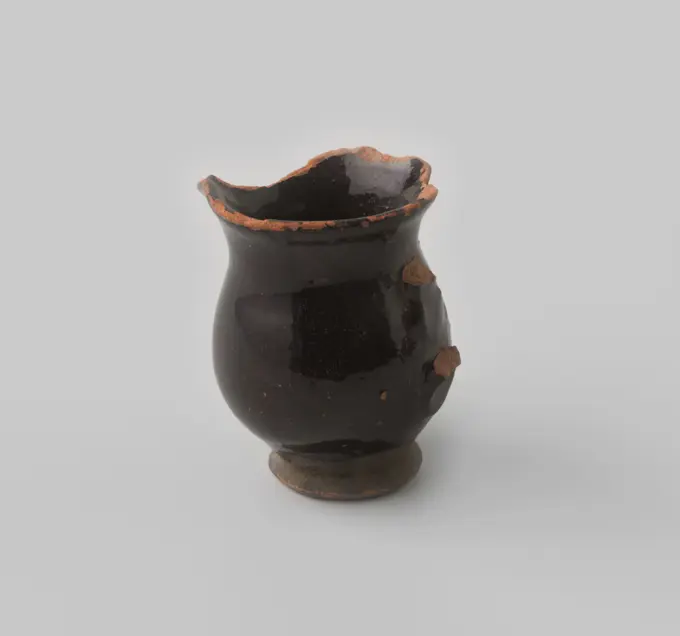
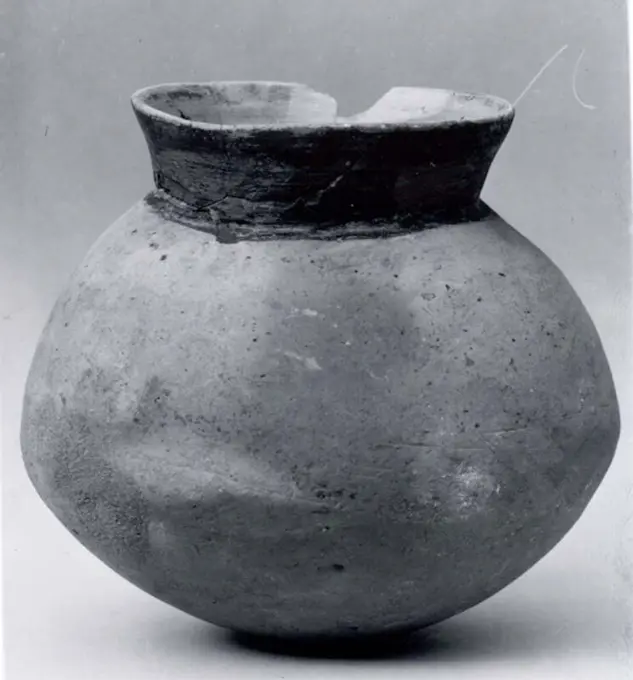
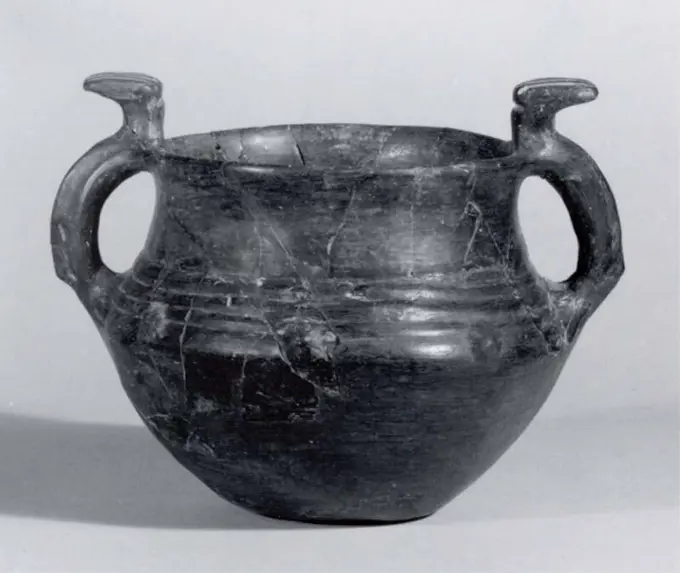
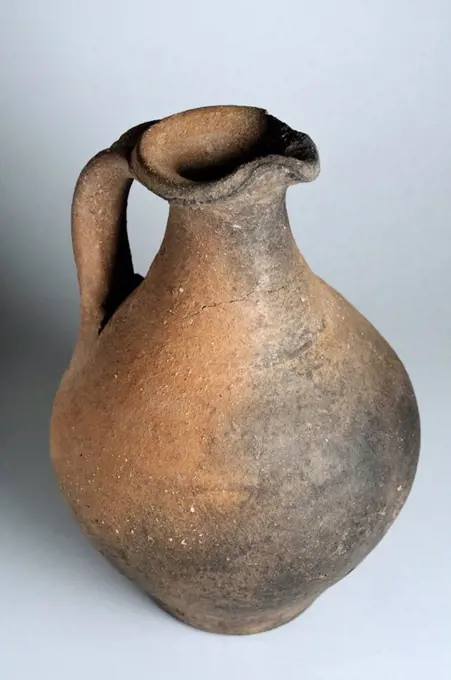
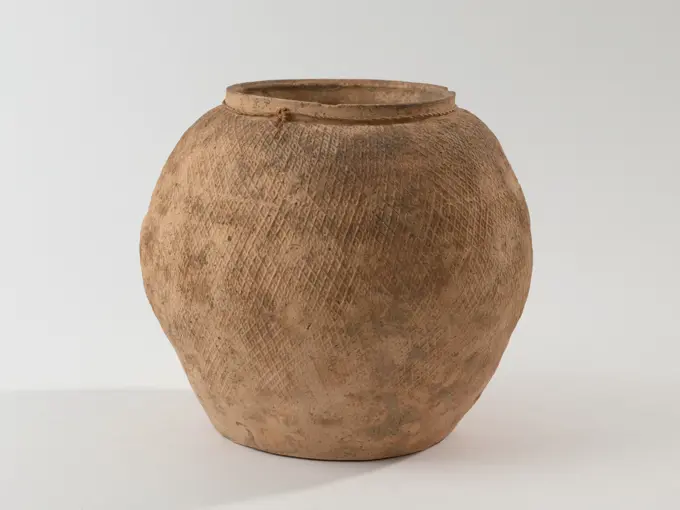
A selection of ancient pottery jars and vases, showcasing various shapes, glazes, and historical significance. Earthy tones and textures highlight the craftsmanship.
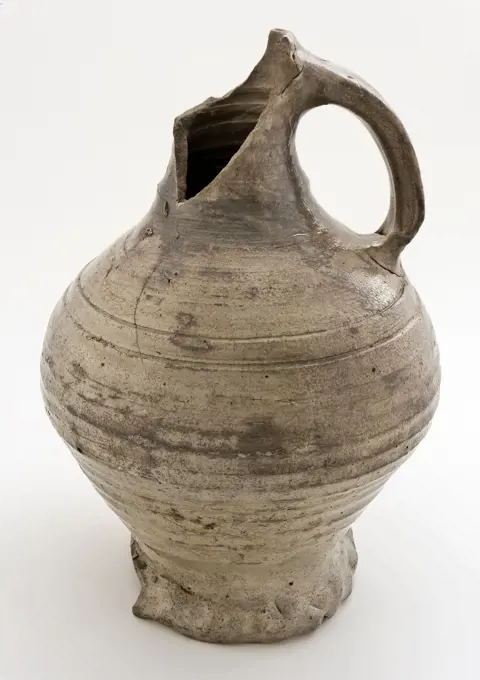
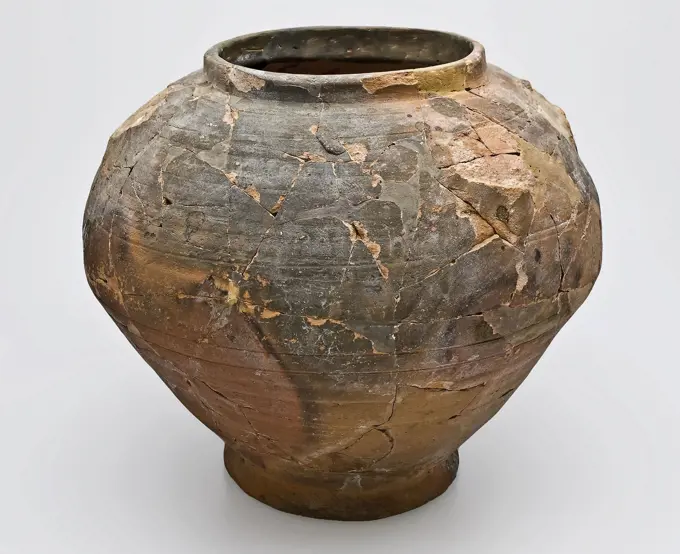
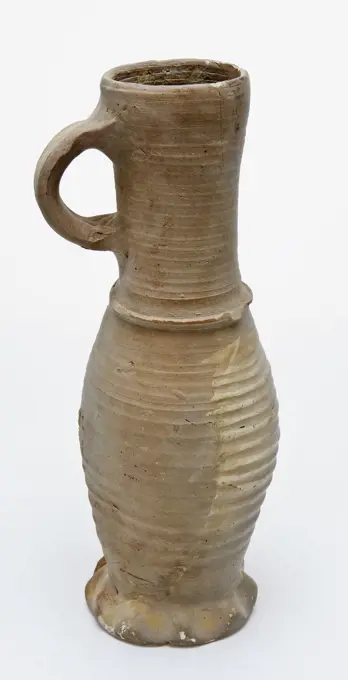
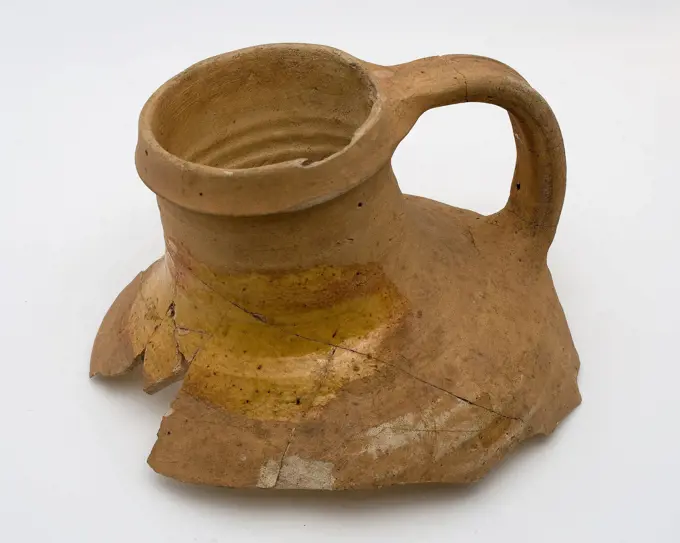
Gray stoneware jug with pinched foot, double conical belly, jug crockery holder soil find ceramic stoneware glaze salt glaze, hand-turned glazed baked Stoneware jug gray shard gray salt glaze bandoor revolving and notched rings around neck and belly pinched foot. Messy and roughly turned archaeology import pottery pour serve to keep packing transport
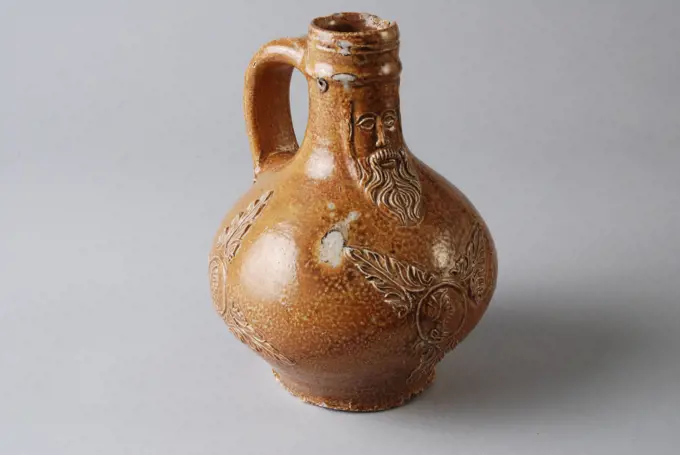
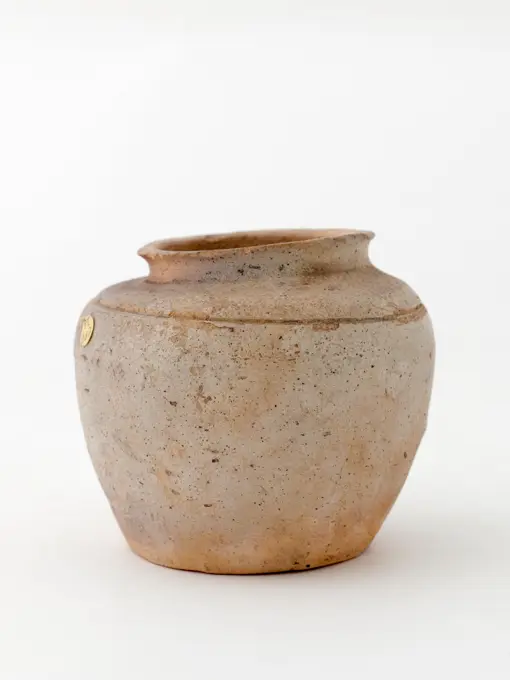
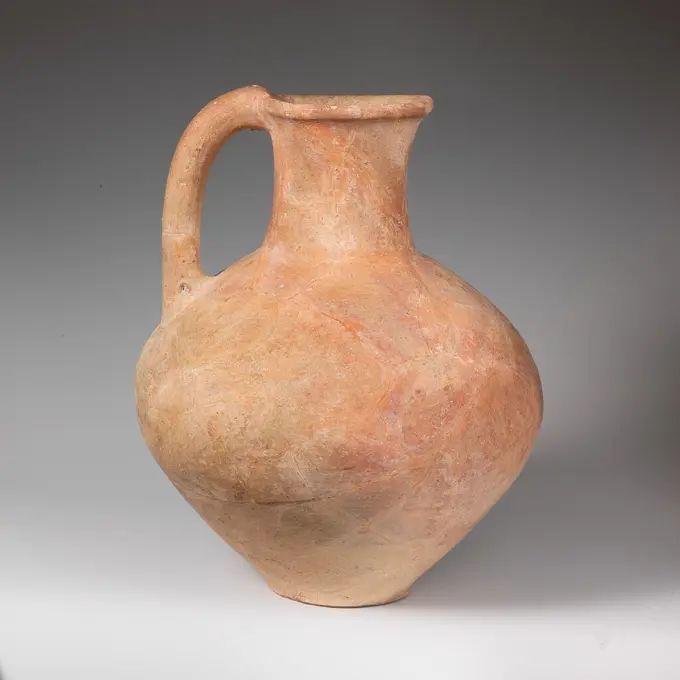
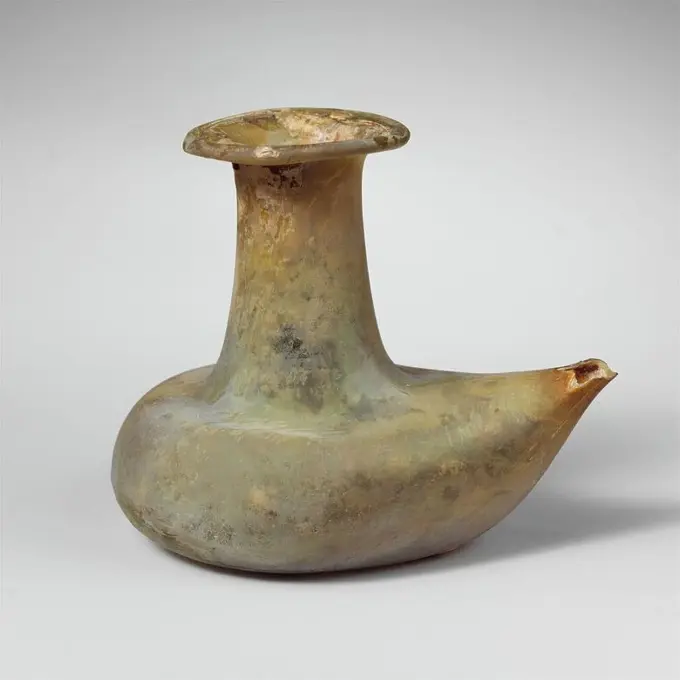
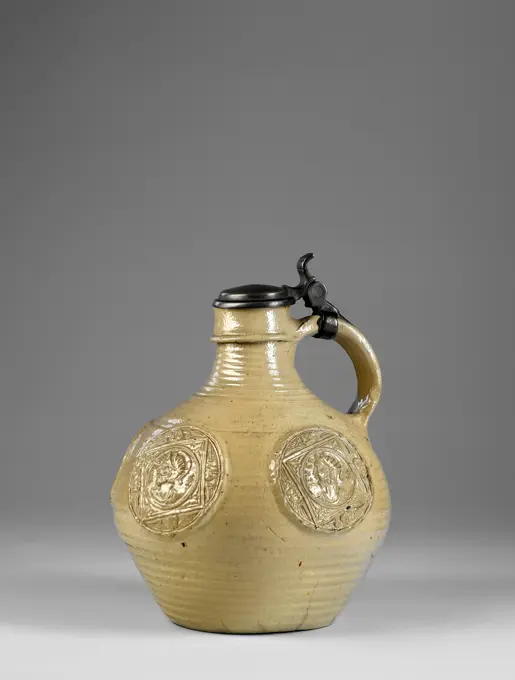
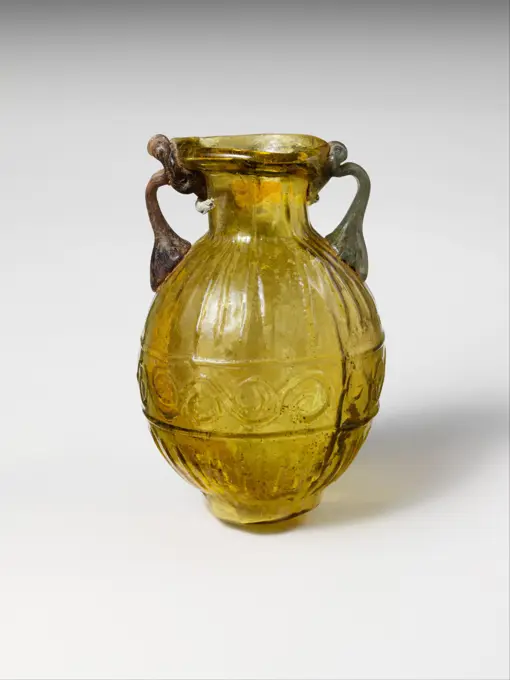
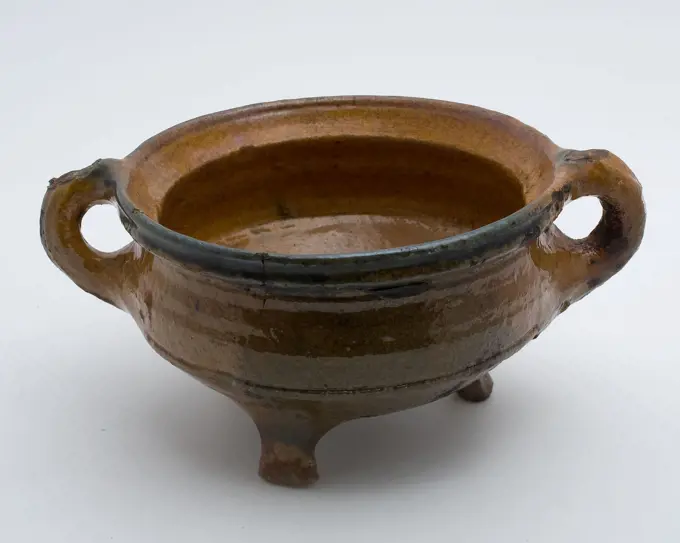
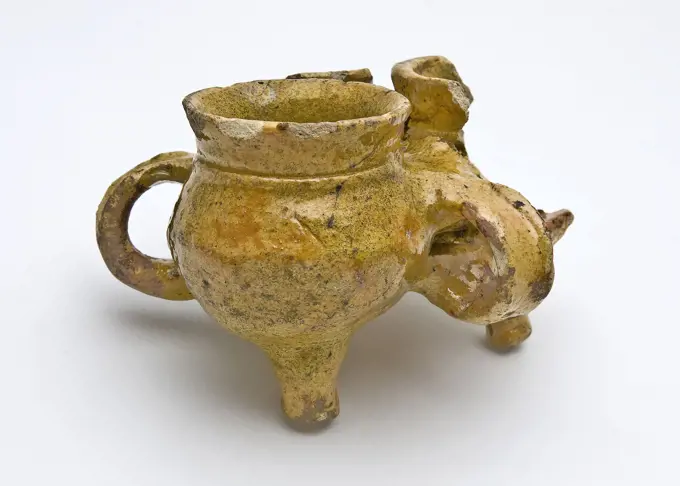
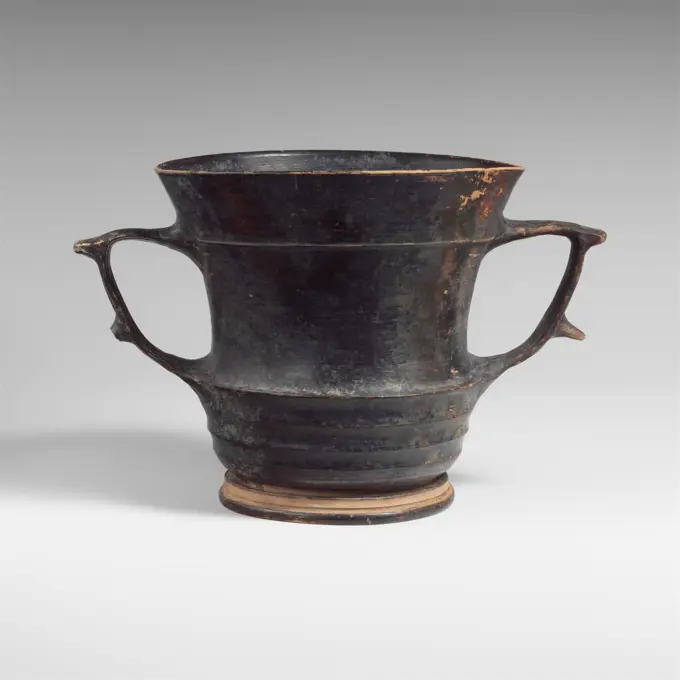
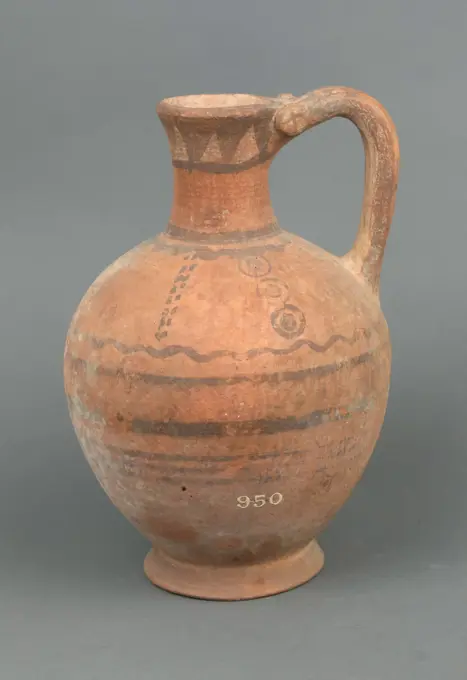
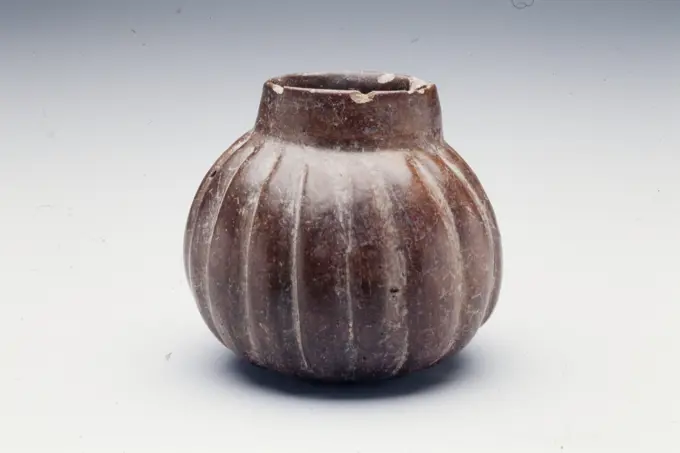
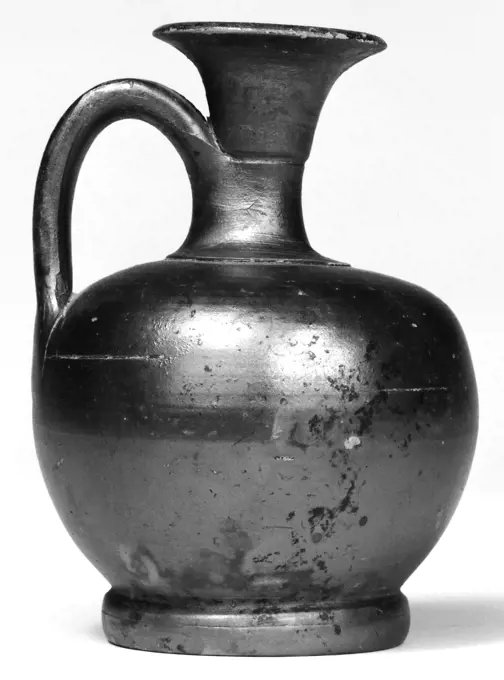
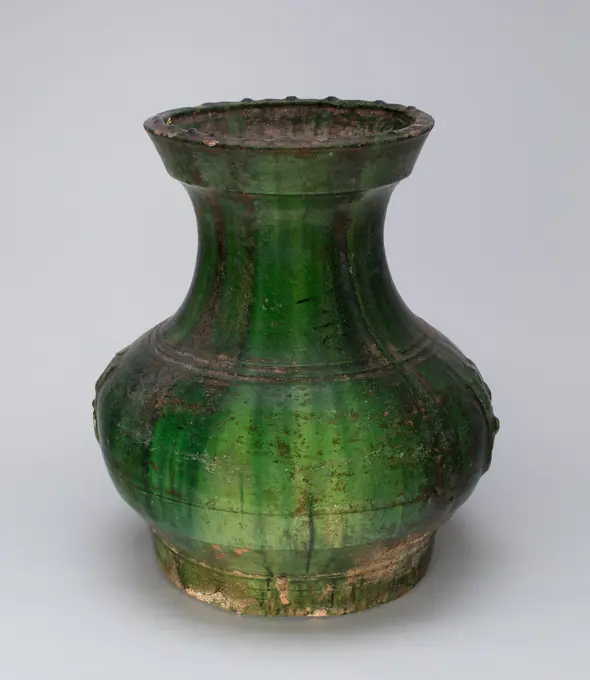
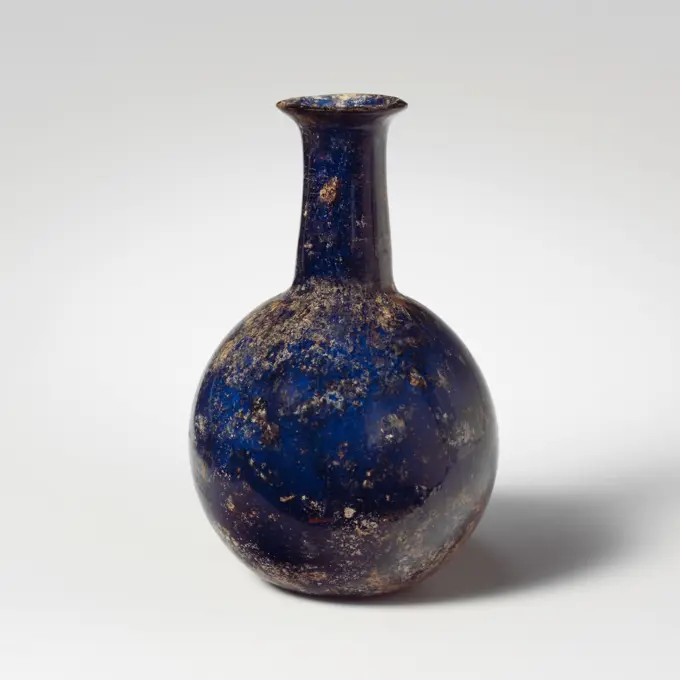
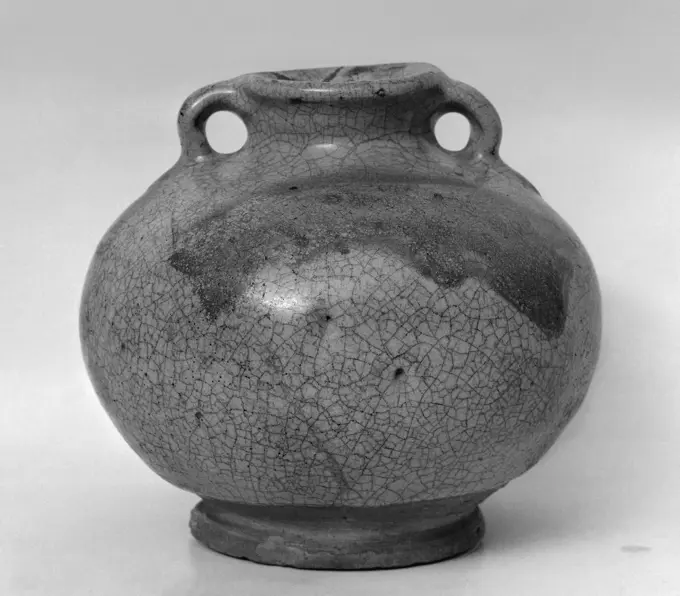
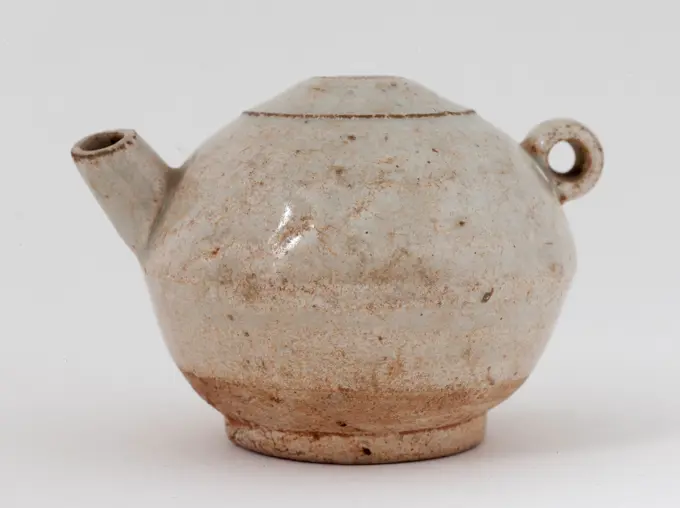
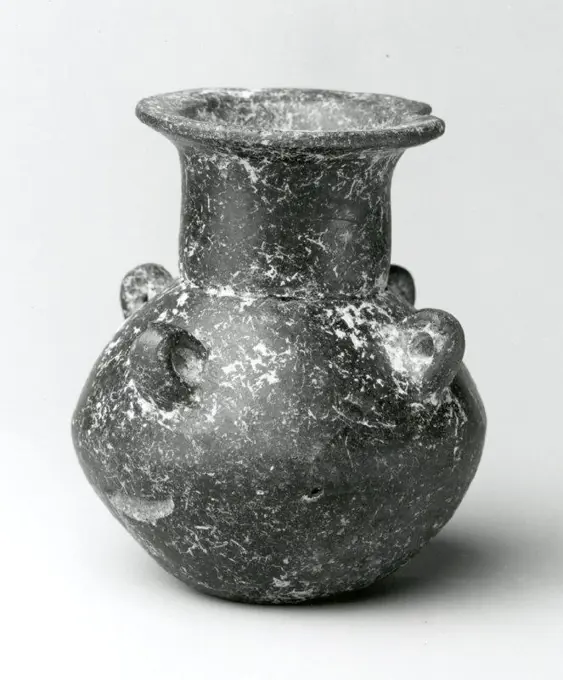
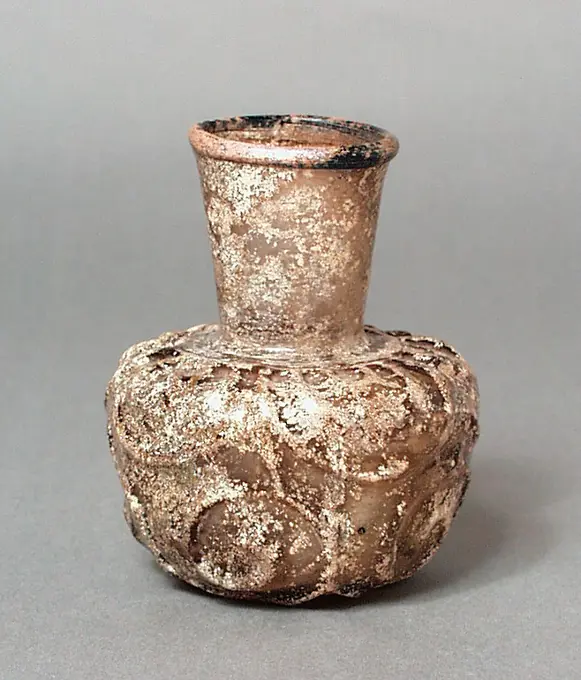
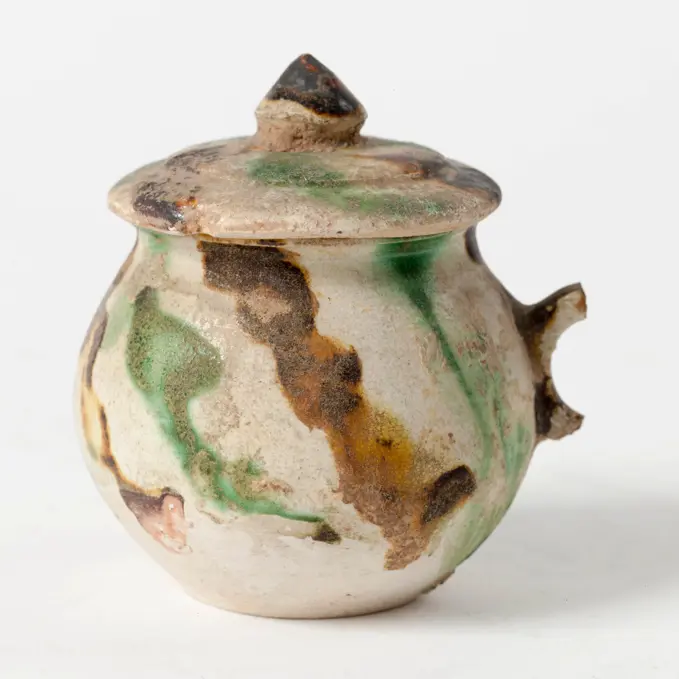
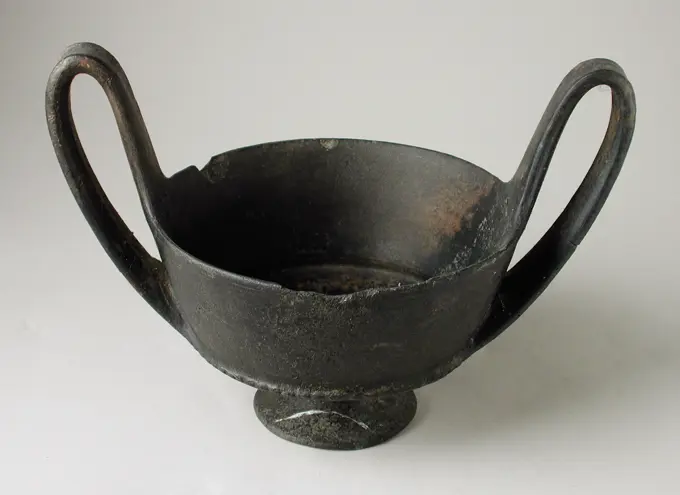
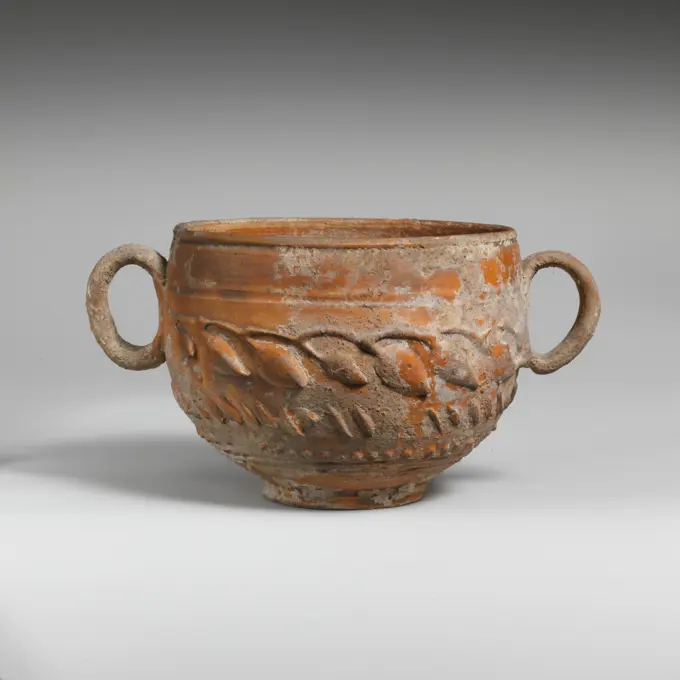
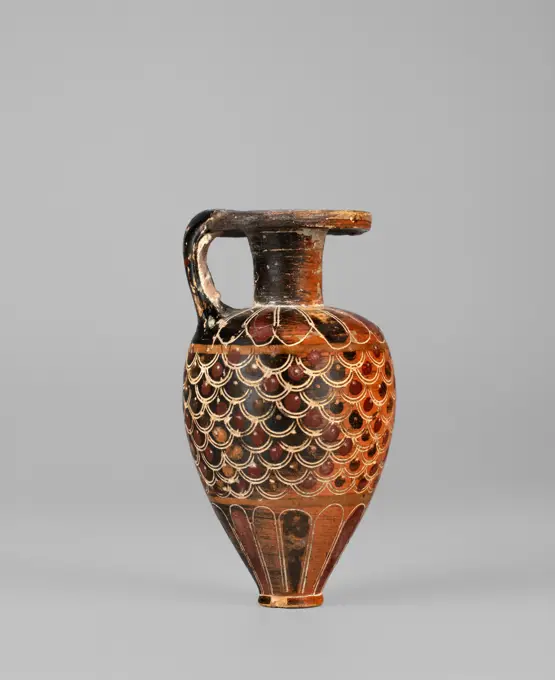
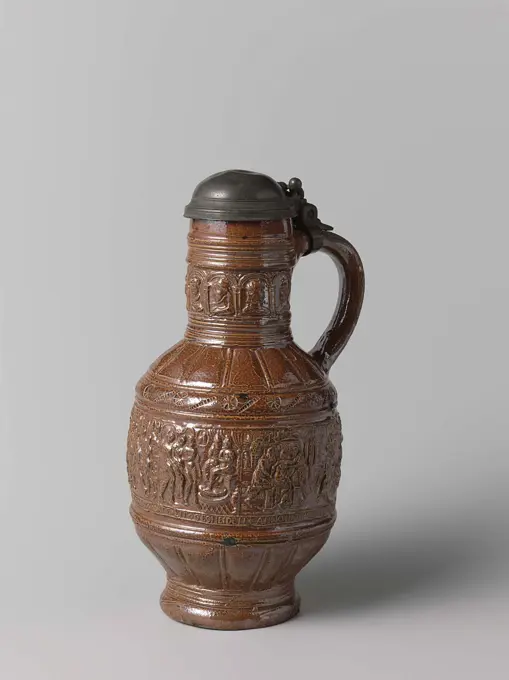
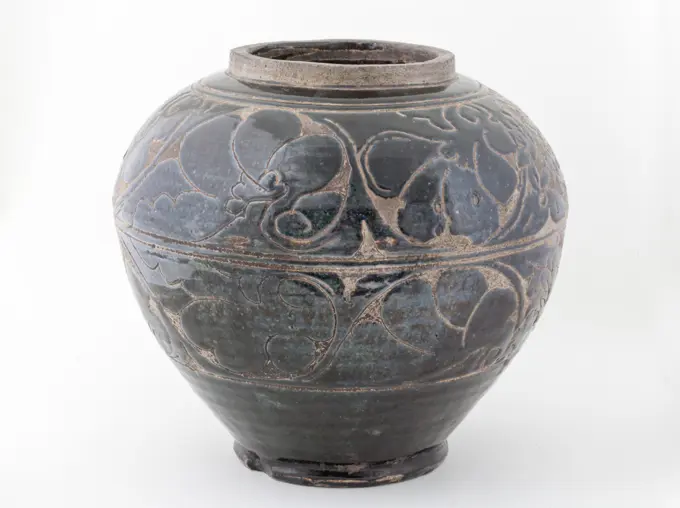
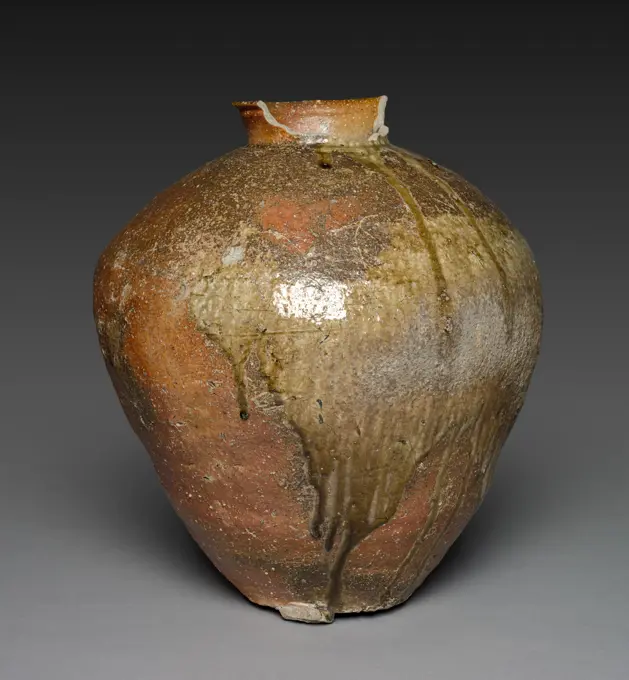
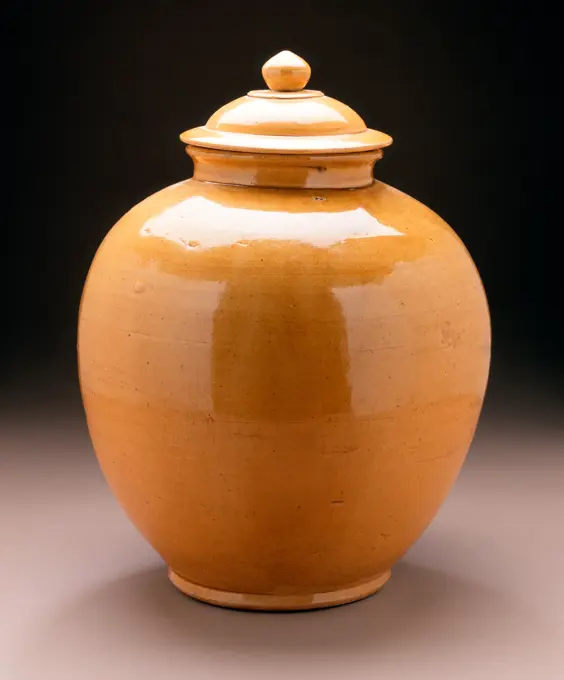
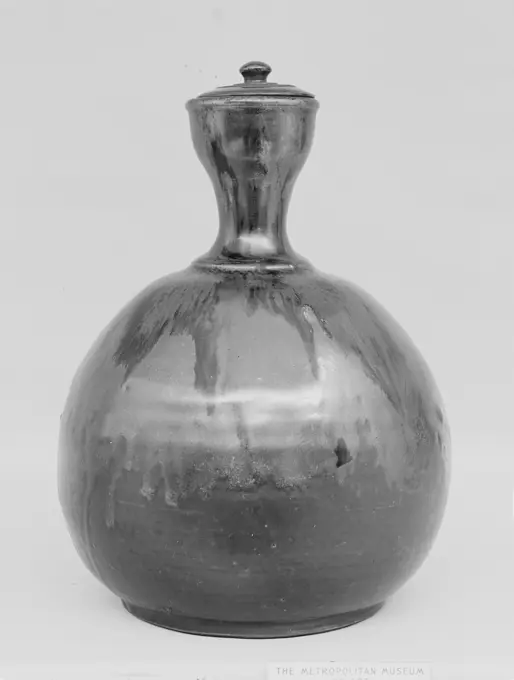
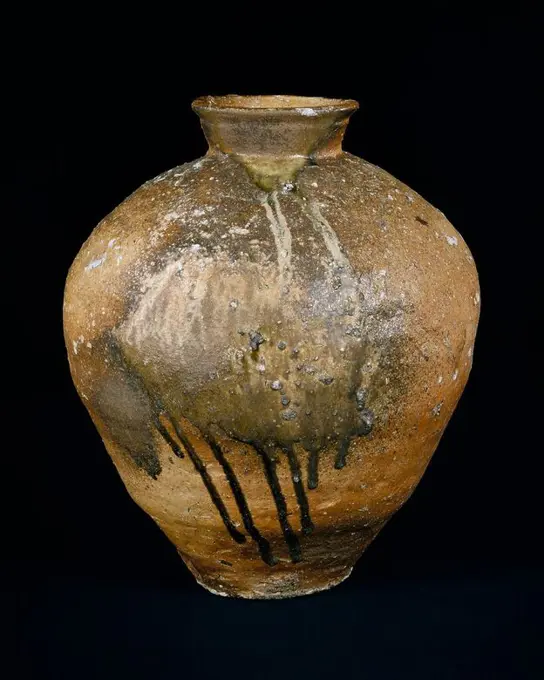
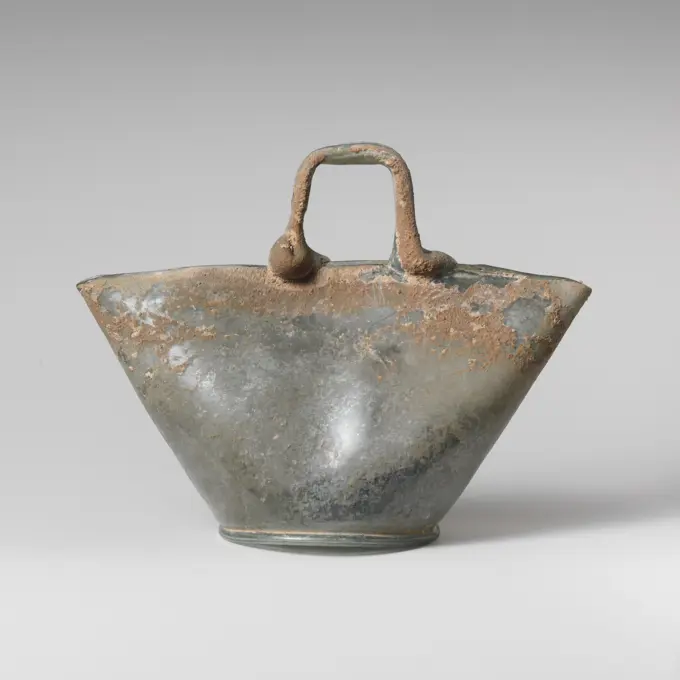
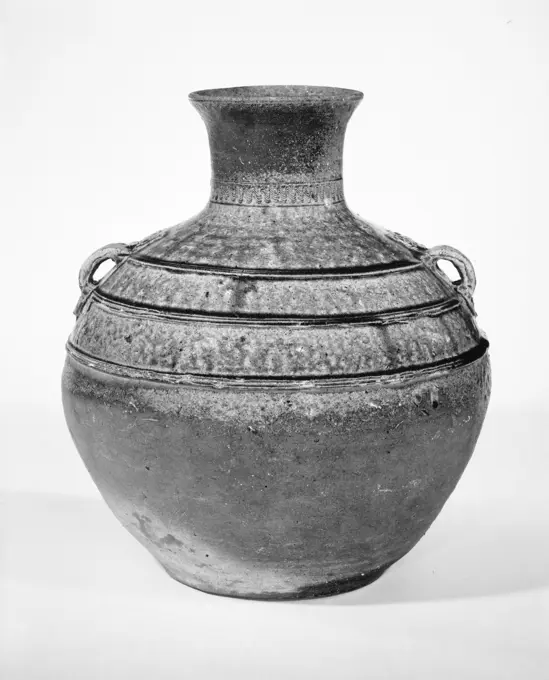
Jar (Labakou Hu) 1st century B.C. China. Jar (Labakou Hu) 49533Jug ca. 550-500 B.C. Etruscan Jug with beaked lip; no decoration.. Jug. Etruscan. ca. 550-500 B.C.. Terracotta. Archaic. VasesIridescent green Miniature pot; Eastern Mediterranean; 1st - 2nd century; Glass; 3.8 x 3.5 cm (1 1,2 x 1 3,8 in.)Stoneware barb jug, small and round ball with beard, portrait medallions and acanthus leaves, Bartmann juggejug tableware holder bottomfound ceramics stoneware icing saltglaze, handcuffed stamped glazed glazed baked stoneware beard jug Small ball-shaped jug on stand surface Cylindrical neck with profile rings under the neck edge. Standing ribbon ear. Bartmann jug and three portrait medallions surrounded by three acanthus leaves as appliqués In the medallions face with hat turned to the right Whole brown-gray glazed archeology Rotterdam IJsselmonde indigenous pottery import drink serve store transport Soil discovery: IJsselmonde Castle 2 Rotterdam, the Netherlands.Large dark gray jug on slightly pinched stand ring, tableware holder earthenware ceramic pottery, hand-turned baked Large dark gray earthenware jug. Water jug or storage jug Slightly pinched stand ring. Bolle can with high shoulder. Earthenware with gray core scorched and reduced baked archeology Hellevoetsluis Nieuwenhoorn water washing store store storage Ground discovery tower Ravenseweg slot IV on the peat in the clay Nieuwenhoorn 1978.11.08.Pot ". Terracotta. Vietnam-Xe-Xive s. Paris, Cernuschi museum. 72186-5 Vietnamese object, pot, terracottaBowl 2500-1600 B.C. Cypriot Milk bowl with handle and double spout.. Bowl. Cypriot. 2500-1600 B.C.. Terracotta. Early-Middle Cypriot. VasesPitcher. Roman; Levant or Syria. Date: 301 AD-400 AD. Dimensions: 15 x 9.5 x 8 cm (5 7/8 x 3 3/4 x 3 1/8 in.). Glass, blown technique. Origin: Syria. Museum: The Chicago Art Institute, Chicago, USA. Author: ANCIENT ROMAN.Pyksis;  niche period (-1400-00-00--1300-00-00);Terracotta jug. Culture: Mycenaean. Dimensions: H. 10 7/8 in. (27.6 cm.). Date: ca. 1400-1190 B.C..Course ware terracotta jug without decoration. Museum: Metropolitan Museum of Art, New York, USA.Vase ". Terracotta. Vietnam-Xe-Xive s. Paris, Cernuschi museum. 72361-3 Vietnamese object, terracotta, vaseGlass pourer flask. Culture: Roman. Dimensions: Other: 3 1/16in. (7.8cm)Diam.: 1 3/8 in. (3.5 cm)H.: 2 9/16 in. (6.5 cm). Date: 2nd-early 3rd century A.D..Translucent pale yellow green.Rim folded out, down, over, and in; broad, flaring mouth; cylindrical neck, expanding downwards; slightly pushed-in. narrow shoulder; squat, bulbous body, drawn out on one side into slender, pointed nozzle; pushed-in bottom with traces of pontil mark.Intact, except for end of nozzle; many large and pinprick bubbles, and blowing striations; dulling, pitting, and faint iridescence on exterior, patches of thick creamy weathering and soil encrustation on interior. Museum: Metropolitan Museum of Art, New York, USA.Jeses is a Jew, and a crailt, c. 1584 -. kp. 16000 Jug of stoneware on a high base with a cylindrical body with round, slightly narrower shoulder and wide neck. The C-shaped ear is attached to the neck and shoulder. Profiles on the neck, belly and foot. Covered with a brown Engobe. Printed and imposed on the belly in relief and imposed representations from the history of Susanna with the inscription 'This is the clean hestoria of Suisanna Int Korte Eit cut in 1584 Engel Kran'. The lower part of the abdomen runs slanted and is divided into entered courses. On the shoulder a band with a lot of cut and a band with stamped leaves. On the neck an imposed band of portraits in medallions between flower ranks. Attached to the ear a pewter frame with lid. Raeren. Rae Stoneware. Glaze. Engobe. frame: tin (metal) vitrification Jug of stoneware on a high base with a cylindrical body with round, slightly narrower shoulder and wide neck. The C-shaped ear is attached to the neck and shoulder. ProfileStoneware jug be used with round neck, cylindrical neck with rings, jug crockery holder soil find ceramic stoneware clay engobe glaze salt glaze, hand-turned glazed baked stoneware pot jug gray shard dark-brown brindled salt-glaze rip under mouth edge tail profiled neck and foot . Profile rings. Bullet-shaped belly and cylindrical neck archeology import pottery serve serve drink wine beerOinochoe 6th-5th century B.C. Attributed to the Athena Painter. Oinochoe 253587 : Attributed to the Athena Painter, Oinochoe, 6th5th century B.C., Terracotta, H. 7 3/16 in. (18.2 cm). The Metropolitan Museum of Art, New York. Gift of the Misses Emily and Mary Cross, 1939 (39.94.2)Stein (Pulle) with tinplated lid. Siegburg (ośrodek ceramiczny ; ca 1300-ca 1900), potter's workshopJar ca. 3rd-7th century A.D. Sasanian. Jar 322745Jar ca. 17th-16th century B.C. Iran. Jar 325939Large vase. Acquired 1896 by the artistGlobular Jar with Mock Ogre Mask Ring Handles 206 CE-220 CE China. Earthenware with underglaze molded decoration and lead green glaze .Terracotta kantharos (drinking cup with high handles). Culture: Etruscan. Dimensions: H. without handles 2 3/8 in. (6 cm)diameter 3 3/16 in. (8.1 cm). Date: ca. 700-675 B.C..Reddish-brown two-handled cup with narrow bands of incised lines and knobs on shoulder. Museum: Metropolitan Museum of Art, New York, USA.Large globular jar small right collar. Terracotta. Vietnam. Paris, Muse Cernuschi. Large globular jar small right collar Asian art, art of extreme orient, art of Vietnam, Vietnamese art, terracotta, dishesVial;  IV-IX century () (301-00-00-900-00-00);gift (provenance)Collared stone jar(kandila)Pottery Retort, a container used for distilling liquids.. Found at Weoley Castle, Birmingham, a Birmingham Museums Trust heritage siteGlass amphoriskos (flask) 1st century A.D. Roman Translucent yellow, with one handle in purple and the other in pale blue green.Everted rim, partially tubular and folded over and in, and pressed into flaring mouth; short cylindrical neck; globular body, with small indent in one side; projecting circular base with flat bottom; rod handles applied to top of body in a pad, drawn up and out, then curved in a trailed onto edge and underside of rim and top of neck. One continuous, slightly misaligned mold seam running from neck down body and across bottom in a ridge.On body, friezes of radiating lines in relief, twenty-nine above and thirty-two below, a central band of tendril scrolls, different in each half of mold, bordered above and below by a single horizontal raised line.Intact; pinprick bubbles; large patches of weathering and iridescence on interior.. Glass amphoriskos (flask) 249468Pottery cooking pot, red shard, lead glaze with greenish spots, two sausages, on three legs, cooking pot crockery holder kitchenware earth discovery ceramics earthenware glaze lead glaze, hand-turned glazed baked Pottery cooking pot red shard with lead glaze with greenish spots two sausages three-legged scraps on the underside Rotating rings around the shoulder archeology indigenous pottery food prepare cooking food cuisineTerracotta alabastron (perfume vase). Culture: Etruscan. Dimensions: H.: 2 7/8 in. (7.3 cm). Date: late 7th-early 6th century B.C..The alabastron is noteworthy for its horizontal rills. It probably represents an Etruscan adaptation of Corinthian alabastra with painted bands. Museum: Metropolitan Museum of Art, New York, USA.ceramic urn of the Toya type ceramic urn of the Toya type, 6th century BC, La Carada necropolis, Espeluy, Iberian culture, Iberian Museum of Jaén, Andalusia, Spain Copyright: xZoonar.com/BartomeuxBalaguerxRotgerx 21704791Tin jug with lid, anonymous, 1550 - 1600 Tin jug. On the stand ring is a baluster -shaped body, the lip edge of which is slightly wider than the neck. The neck and lip edge are decorated with a profiled band. The light vaulted lid has a profiled circle. The thumb rest is formed by two bullets and runs through a single hinge to the handle. On the inside a dollar under a profiled edge. Mechelen tin (metal) casting Tin jug. On the stand ring is a baluster -shaped body, the lip edge of which is slightly wider than the neck. The neck and lip edge are decorated with a profiled band. The light vaulted lid has a profiled circle. The thumb rest is formed by two bullets and runs through a single hinge to the handle. On the inside a dollar under a profiled edge. Mechelen tin (metal) castingJug Japan. Jug. Japan. Stoneware. CeramicsSmall globular pot with small flared collar ". Terracotta. Vietnam-Xe-Xive s. Paris, Cernuschi museum. 72186-53 Globular, Vietnamese object, Small Evase collar, small pot, terracottaOLLA EN BARRO NEGRO CON VIDRIADO EXTERIOR EN FORMA DE BABERO-S XX ARTE POPULAR. Location: ALFARERIA. SPAIN.Pottery belly model ointment jar, red shard, fully glazed, ointment jar pot holder soil find ceramic earthenware glaze lead glaze, hand-turned glazed baked Pottery ointment red shard fully glazed. Abdomen model Narrowing over the foot. Flat oblique inward facing top edge. Stand surface. Turning rings on the inside and outside archeology health care indigenous pottery import pharmacy store sell craftEarthenware triplet cup, mustard yellow, beaker tableware holder soil find ceramic earthenware glaze lead glaze, hand turned hand shaped glazed fried Fragment of fopper which consisted of three pots each on leg Pots are interconnected by holes in the walls Yellow and glazed. White and red earthenware archeology Rotterdam rail tunnel jokes flok drinkgelag Soil discovery: rail tunnel Rotterdam.Terracotta kantharos: karchesion (deep cylindrical drinking cup) 5th century B.C. Greek, Boeotian Black glaze cup with handles and banding around the base.. Terracotta kantharos: karchesion (deep cylindrical drinking cup) 255615Jug 480-400 B.C. Cypriot Bands, circles, wavy line and lattice.. Jug. Cypriot. 480-400 B.C.. Terracotta. Cypro-Classical I. VasesJar, 100-300, 4 9/16 x 4 1/2 in. (11.6 x 11.43 cm), Pottery, Mexico, 2nd-4th centuryPottery ash pot on stand, oval and upright neck edge, ash pot ceramic earthenware earthenware ceramics earthenware glaze lead glaze, edge 27.3 hand-turned baked Pottery ash pot on stand E-shaped model with short upright neck edge. Originally cover-up. Remains of two lying upward curved ears. Some grooves over the belly. Red shards of glaze tears over the belly and foot archeology Heenvliet Bernisse indigenous earthenware deaf hearth heating ashes fire prevention Soil discovery Heenvliet: Pastoral area near the chimney found.Can, damaged, of red-baking earthenware with brown glaze on the inside and outside, c. 1500 - c. 1899 fragment   earthenware. glazeJar mid 6th-5th millennium B.C. Ubaid. Jar. Ubaid. mid 6th-5th millennium B.C.. Ceramic. Ubaid. Mesopotamia, Eridu (modern Abu Shahrein)Pottery belly model ointment jar, red shard, internally glazed, ointment jar pot holder soil find ceramic earthenware glaze lead glaze, hand turned glazed baked Pottery belly model ointment jar on stand. Red shard internal glazed Outwardly sloping top edge. Narrowing over the foot pronounced turn radius on the widest piece of the kettle archeology health care indigenous pottery pharmacy store sell craftPipkinBowl ca. 9th century B.C. Iran. Bowl 325217Glass perfume bottle. Culture: Roman. Dimensions: 1 1/2 x 13/16in. (3.8 x 2.1cm)Diameter: 7/8 in. (2.2 cm). Date: 2nd-3rd century A.D..Small perfume bottleColorless with pale greenish tinge.Rounded, slightly thickened rim; flaring mouth; concave cylindrical neck; sloping shoulder with rounded corners; roughly squared body with deeply indented sides; pushed-in bottom with kick.Intact; pinprick bubbles; little weathering of exterior; patches of creamy weathering and iridescence on interior. Museum: Metropolitan Museum of Art, New York, USA.Stoneware jug, Jug or jacobakan, slim with cylindrical neck on pinched foot, Jug or jacobakan jug crockery holder soil find ceramic stoneware, hand-turned baked Stoneware Jug or jacobakan beige gray shard unglazed bandoor at the bottom of the neck protruding ribbed revolving round neck and belly wall pinched foot archeology indigenous pottery import drinking serve serving beer RotterdamPEGARRA SIN VIDRIAR PROCEDE DE NAVARRETE (LA RIOJA) ARTE POPULAR S XX. Location: MUSEO DEL PUEBLO ESPAÑOL. MADRID. SPAIN.Campanian Black Squat Lekythos; Campania, South Italy; 323 - 31 B.C; Terracotta; 11.3 × 4.3 cm (4 7,16 × 1 11,16 in.)Cinerary Urn 101 CE-400 CE Mediterranean Region. Glass, human remains . Ancient MediterraneanJug Late Period 6th century BC View more. Jug. 6th century BC. Faience. Late Period. From Egypt. Dynasty 26Globular Jar with Mock Ogre Mask Ring Handles 206 CE-220 CE China. Stoneware with underglaze molded decoration and lead green glaze .Glass perfume bottle 1st century A.D. Roman Translucent deep cobalt blue.Uneven, rounded rim; short, flaring mouth; cylindrical neck, expanding downwards; globular body; small, concave bottom.Intact; some pinprick and larger bubbles; patches of dulling and iridescent weathering.. Glass perfume bottle 239789Bottle 100 BCE-100 CE Syria. Glass, blown technique . Ancient RomanJar with two lugs 13th century China. Jar with two lugs. China. 13th century. Stoneware with splashed blue glaze (Jun ware). Yuan dynasty (1271-1368). CeramicsJug late 9th-early 10th century. Jug 449403Buolo ". Growers Porcelaineux à Couverger blanche. China, Kingan, Changsha and Jerushi. Anse, Asian art, Chinese art, bun, Chinese Ceramic, container, bottleneck, porcelain gres, container, terracottaGlass cup 2nd-3rd century A.D. Roman Colorless with blue green tinge.Knocked-off, uneven rim; slightly bulging collar below rim; sides expanding downward, then angled in to join bottom with pushed-in center.Band of faint wheel-abraded horizontal lines on body above angle.Intact; many pinprick bubbles; dulling, deep pitting, and brilliant iridescent weathering on exterior; only faint weathering on interior.. Glass cup 244606Pottery cooking jug, grape model, decorated in sludge technology, on three claw feet, grape cooking pot crockery holder kitchenware earthenware ceramics earthenware glaze lead glaze clay, hand turned decorated glazed fried lemonade Pottery cooking jug or grape red shard decorated in sludge technology on three legs. Vertical sausage ear Fine turns on the shoulder. Sparely glazed neck and shoulder and the bottom only under the neck opening. Decoration consists of double yellow arches on the shoulder. Outstanding claw feet. Restoration is repainted archeology Rotterdam indigenous pottery cooking food preparation kitchen Soil discovery Rotterdam.Neck of pottery jug from Andenne, yellow shard, lead glaze on the shoulder, kitchen utensils fragment soil found ceramic earthenware glaze lead glaze, hand turned glazed fried Fragment of Andennekan. Yellow pottery with lead glaze on the shoulder. Triangular neck edge Standing ear rather flat and slightly profiled Rotating arches over the entire height archeology Poortugaal Albrandswaard pottery store water washing serving serve Soil discovery: Poortugaal terp 2 Slot VII.Glass jug. Culture: Roman. Dimensions: Overall: 3 5/16in. (8.4cm)Diam.: 2 1/4 x 13/16 in. (5.7 x 2.1 cm). Date: 1st-2nd century A.D..Translucent yellow brown, with translucent light green handle.Rim folded out, over, and in, with flattened upper surface; cylindrical neck, expanding downwards; squat, bulbous body; concave bottom; broad strap handle applied in large pad with two outer claws to top part of body, drawn up, then turned in vertically and attached in neck below rim with vertical loop as a thumb rest above.Intact; some pinprick bubbles; dulling and faint limy weathering with some iridescence, soil encrustation and whitish iridescent weathering on interior. Museum: Metropolitan Museum of Art, New York, USA.Vessel ca. 2700-2400 B.C. Yortan. Vessel 326713BottleTwo Celtic pots from Manching, Germany, 1st century BC. Artist: Unknown.Oinochoe. Culture: East Greek. Dimensions: H. 7 1/8 in. (18.1 cm). Date: 4th century B.C.. Museum: Metropolitan Museum of Art, New York, USA.Jug with medallions and floral scrolls, anonymous, c. 1570 - c. 1600 Jug of stoneware on a high base with egg -shaped belly and wide neck. The C-shaped ear is attached to the neck and shoulder. Three tires with profiles on the neck and shoulder. Six printed and imposed medallions with a portrait and profil under the lowest band in relief. On the neck a band with two masks and profil with flower vines. Raeren. Rae stoneware. glaze. engobe vitrification Jug of stoneware on a high base with egg -shaped belly and wide neck. The C-shaped ear is attached to the neck and shoulder. Three tires with profiles on the neck and shoulder. Six printed and imposed medallions with a portrait and profil under the lowest band in relief. On the neck a band with two masks and profil with flower vines. Raeren. Rae stoneware. glaze. engobe vitrificationJug c 1800-1830 New England. Earthenware . Artist unknownVessel 500 B.C.-A.D. 300 Vietnam (North). Vessel 51946Dish;  around 2686- 2181 BC ; Old PA. Fabric tea bus or chair of stoneware with an ivory lid, partially covered with a brown glaze. The lower part of the bus is unglazed. Old label on the bottom with 'W634'; Old label on the inside with 'kinkwazan'. KinkaZan.Glass jug. Culture: Roman. Dimensions: H.: 4 7/8 x 2 3/8 x 1 7/8 x 1 1/2 in. (12.4 x 6 x 4.8 x 3.8 cm). Date: 4th-5th century A.D..Translucent pale blue green; trails and handle in same color; purple streak in handle and upper trail.Plain, rounded rim; broad, flaring mouth; cylindrical neck, expanding slightly downwards; sloping shoulder; piriform body; splayed, tubular base ring, made by folding, with tooling indents on upper surface; pushed-in bottom with pontil scar; rod handle applied to edge of shoulder in a pad, drawn up vertically, turned in and trailed on to underside of mouth and over rim.Single trail applied to underside of mouth; another horizontal trail wound once round lower neck; on body, forty vertical ribs in relief, tapering downwards.Intact, except for two weathered losses to lower trail; few bubbles; dulling, slight pitting, limy encrustation, and iridescent weathering. Museum: Metropolitan Museum of Art, New York, USA.Bottle Late Period 664-332 B.C. View more. Bottle. 664-332 B.C.. Faience. Late Period. From Egypt. Dynasty 26-30Cup with a lid ". Terracotta, brown, green and white glaze (Sancai). China, Tang dynasty (618-907). Paris, Cernuschi museum. Anse, Chinese art, break, container, cover, tang dynasty, Chinese porcelain, container, cup, terracottaVessel with Handle. Mexico, Teotihuacan, Teotihuacan, 200-500 CE. Ceramics. Thin Orange ceramicCANTARO CON UN ASA EN BARRO. Location: ALFARERIA. Guadix. GRANADA. SPAIN.Bucchero Kantharos. Italy, Etruscan, circa 600-500 B.C.. Furnishings; Serviceware. Black-glazed ceramicTerracotta scyphus (drinking cup) with barbotine decoration 1st century A.D. Roman Reddish glazed two-handled cup with bands of leave and dots in barbotine.. Terracotta scyphus (drinking cup) with barbotine decoration. Roman. 1st century A.D.. Terracotta. Early Imperial. VasesStoneware jug with sausage ear, brown glazed, marked on the shoulder, jug holder soil find ceramic stoneware glaze salt glaze, hand turned fried glazed Large stoneware jug gray shard with brown salt glaze slightly brindled profiled rings underneath the mouth rim profiled sausage ear with short pointed tail traces on the underside. Marked on the shoulder with rad temple archeology import pottery store transport store storehouse cellarLamp. UnknownAryballos wąskodenny. unknown, authorCan. Brown gift jug with a tin lid. Belly with a straight-walled center piece that is decorated with six scenes from the history of Suzanne. Below is an inscription.Pot with a Green-Beige Glaze, Chris Lanooy, c. 1900 - c. 1920 Potty of pottery covered with green-beige glaze and a red spot on the bottom. Netherlands earthenware vitrification Potty of pottery covered with green-beige glaze and a red spot on the bottom. Netherlands earthenware vitrificationJug of stoneware. Spherical jar of stoneware, with a flat bottom and a C-shaped ear. The cylindrical neck is long and narrow and is decorated with a beard man. An oval is pressed on the abdomen, within which a climbing lion between two stars.BEBEDERO DE POLLOS (DESMONTADO) - S XX ARTE POPULAR -. Location: ALFARERIA. MARRATXI-PORTOL. MALLORCA. SPAIN.Madrid, M.A.N. Arte Egipcio. Enocoe de estilo geométrico. Periodo geométrico medio (850-760 a.c.).Jarre ". Brown slip sandstone, clothed in a transparent cover, Champlevé decor. Paris, Cernuschi museum. Chinese art, Chinese Ceramic, Decor Champleve, GRES, JARREVase with Cranes andCloudsStorage Jar (Tsubo), 1400s. Japan, Muromachi period (1392-1573). Stoneware with natural ash glaze (Shigaraki ware); diameter: 39.5 cm (15 9/16 in.).Lidded Jar (Guan). China, Middle Tang dynasty, about 700-800. Furnishings; Serviceware. Wheel-thrown earthenware with yellow glazeCovered Bottle 18th century Japan. Covered Bottle. Japan. 18th century. Clay covered with glaze splashed around the neck (Takatori ware). Edo period (1615-1868). CeramicsStorage Jar. Culture: Japan. Dimensions: H. 18 3/8 in. (46.7 cm); Diam. 15 1/2 in. (39.4 cm). Date: 14th-15th century.This medieval storage jar, with its rugged surface and massive shape, was built up in several stages with coils of clay. Its compelling appearance reflects the drama of its creation in a large tunnel kiln, where hardwood ash settled onto its molten surface. Museum: Metropolitan Museum of Art, New York, USA.Prehistory, Korea, Neolithic. Comb Ceramic type bowl. From Amsa-dong.Glass jug. Culture: Roman, Rhenish. Dimensions: H.: 4 1/8 in. (10.5 cm). Date: 3rd-4th century A.D..Translucent cobalt blue; handle, trail, and base ring in same color.Everted rim folded over and in, and smoothed into side of flaring mouth; cylindrical neck, expanding slightly downwards; sloping shoulder; bulbous body, tapering to applied base ring; flat bottom with slight kick and pontil scar; two-ribbed strap handle attached to top of body with long, downward fins at edges, drawn up and outwards in a curve, then turned in and trailed onto underside of mouth over trail decoration and lip of rim, with a hollow projecting loop above. Thick trail wound horizontally around underside of mouth, then dropped in a fine trail down neck, and then wound horizontally slightly more than once around lower neck.Intact; pinprick and large bubbles, and some gritty inclusions; slight dulling and iridescent weathering.With threads around neck. Museum: Metropolitan Museum of Art, New York, USA.Ceramic vessel " Terra Sigillata" brilliant decorated with phallic amulets print and sealed with lime mortar. ( 3 rd CE ) - Roman period, from" House of Griffins "- Archaeological site of Complutum in Alcalá de Henares (Madrid). SPAIN.Cup with handle, 5th century, Unknown Korean, 4 1/8 × 5 5/16 × 4 7/16 in. (10.48 × 13.49 × 11.27 cm), Stoneware, Korea, 5th centuryFluted jar with incised ornamental borders, anonymous, anonymous, c. 1200 - c. 1399 Printed bullet -shaped pot of stoneware with a narrow, short neck with a raised edge, covered with a crackle green glaze. The wall is ribbed from the shoulder to the foot ring. On the shoulder three entry horizontal lines and band with entered half flowers in cartouches. From the shoulder two semicircular ears to the neck. The underside of the pot is unglazed. Celadon. Thailand stoneware. glaze engraving / vitrification Printed bullet -shaped pot of stoneware with a narrow, short neck with a raised edge, covered with a crackle green glaze. The wall is ribbed from the shoulder to the foot ring. On the shoulder three entry horizontal lines and band with entered half flowers in cartouches. From the shoulder two semicircular ears to the neck. The underside of the pot is unglazed. Celadon. Thailand stoneware. glaze engraving / vitrificationVase. Jagmin, Stanisław (1875-1961), authorGlass vessel in the shape of a basket 3rd century A.D. Roman Translucent blue green; handle in same color.Rounded and slightly thickened rim; body: funnel-shaped profile on front and back, and conical at sides; tubular base ring, made by folding; kick in bottom with large circular pontil mark at center; handle applied on top of rim in a pad, drawn up vertically, turned in horizontally and then down vertically, forming square-sided loop, dropped onto top of rim and trailed off back along itself.Intact; few bubbles dulling, limy encrustation, creamy weathering, and iridescence.The vessel, initially made as a cylindrical bowl, had its sides deliberately pushed in at the top, leaving only openings at both ends, to make it into a handled pouring vessel.. Glass vessel in the shape of a basket. Roman. 3rd century A.D.. Glass; blown. Late Imperial. GlassJar. Terracotta, Vietnam, 10th-12th century. Provenance: Vietnam. Paris, Cernuschi museum. 78605-12 Archeology, Vietnamese art, jar, container, terracotta, archeological vestige, XEME X 10th 10th 10th century, 13th XIIII 13th 13th 13th 13Stoneware jug, Jacobokan, wide bandoor, on pinch, Jug or jacobakan jug crockery holder soil find ceramic stoneware, hand-turned baked Stoneware jug Jug or jacobakan wide bandoor on squeeze foot. Unglazed gray shard with brown glow over one side of the jug. Rotation of the whole height and pronounced ring collar on the transition between neck and abdomen Restoration is repainted archeology Rotterdam Spangen castle indigenous pottery import drink pour kitchen room Soil discovery: Castle Spangen Spaanse Polder Rotterdam Noordzijde next to corner donjon.Jug with chip carving, masks and foliate scrolls, anonymous, c. 1590 - c. 1640 Jug of stoneware on stand ring with a spherical belly and wide neck. The C-shaped ear is attached to the neck and shoulder. Profiles on the neck and foot. Covered with a brown Engobe. The belly is decorated with a notch cut and on the neck a printed and laid band in relief with masks in medallions, connected by leaf vines. Raeren. Rae stoneware. glaze. engobe vitrification Jug of stoneware on stand ring with a spherical belly and wide neck. The C-shaped ear is attached to the neck and shoulder. Profiles on the neck and foot. Covered with a brown Engobe. The belly is decorated with a notch cut and on the neck a printed and laid band in relief with masks in medallions, connected by leaf vines. Raeren. Rae stoneware. glaze. engobe vitrification