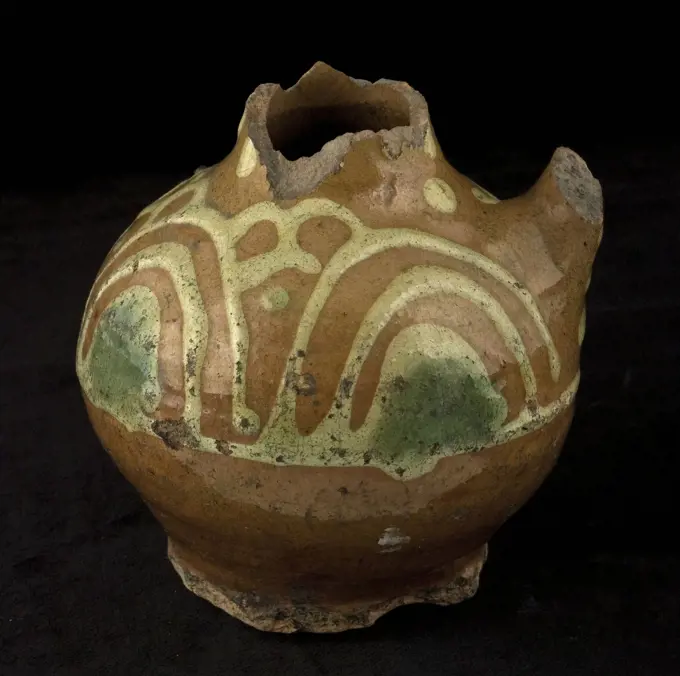
Historical Pottery Vessels

Assortment of ancient pottery jugs and vases, showcasing diverse designs and functions from different cultures.
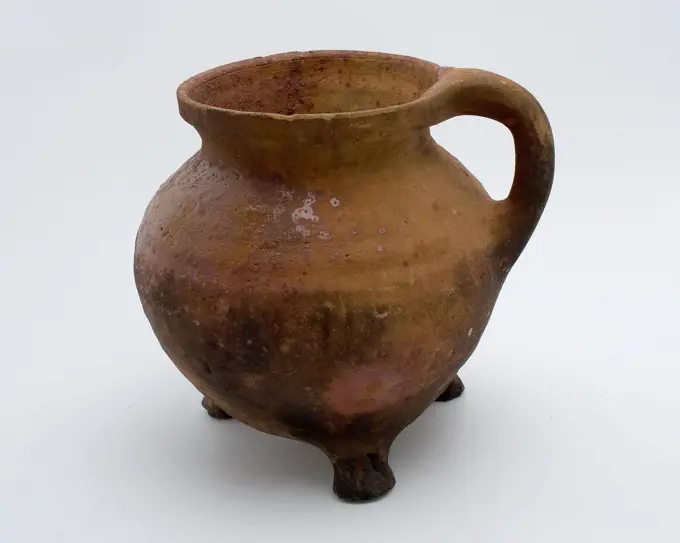
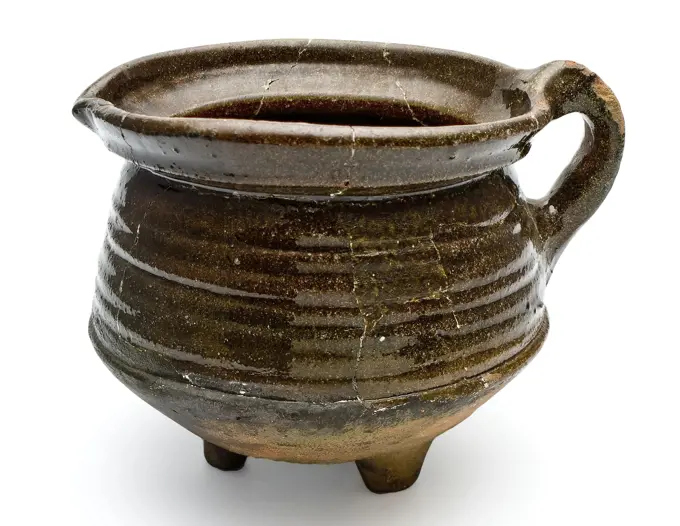
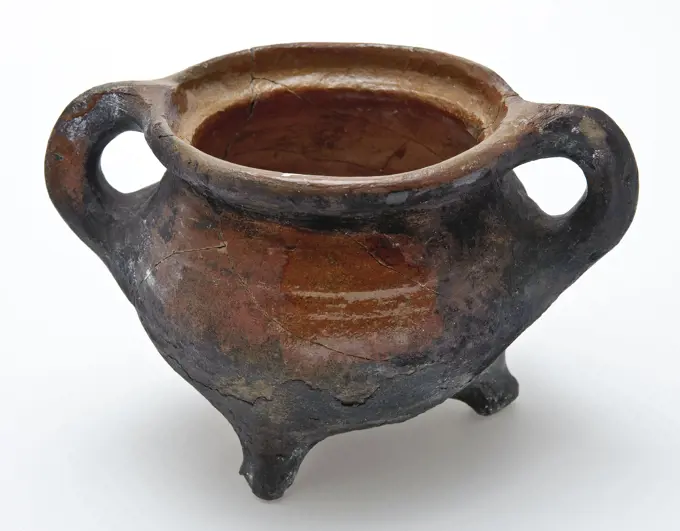
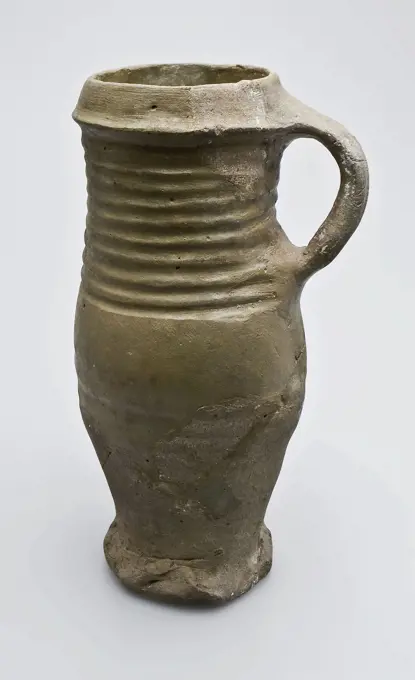
Pottery cooking jug, grape-model, red shard, sparing lead glaze, vertical sausage ear, three legs, cooking pot crockery holder kitchenware earthenware ceramics earthenware glaze lead glaze, hand-turned baked glazed earthenware cooking jug grape-model red shard sparing lead glaze vertical set sausage ear three-legged spurs archeology Rotterdam indigenous pottery food preparation cooking food kitchen fire Soil discovery: brand Rotterdam.
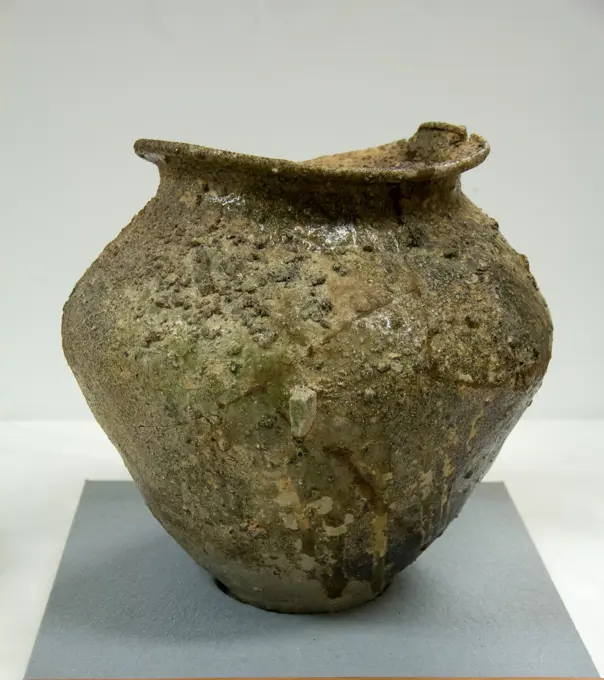
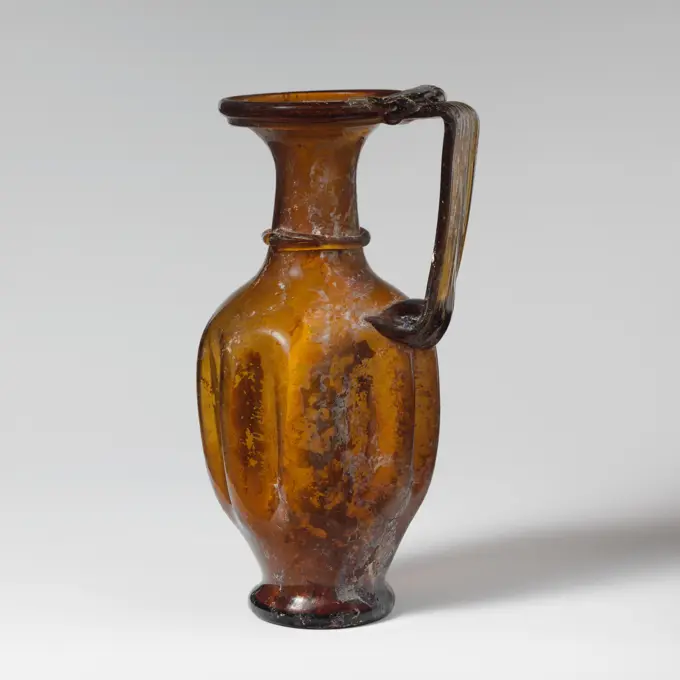
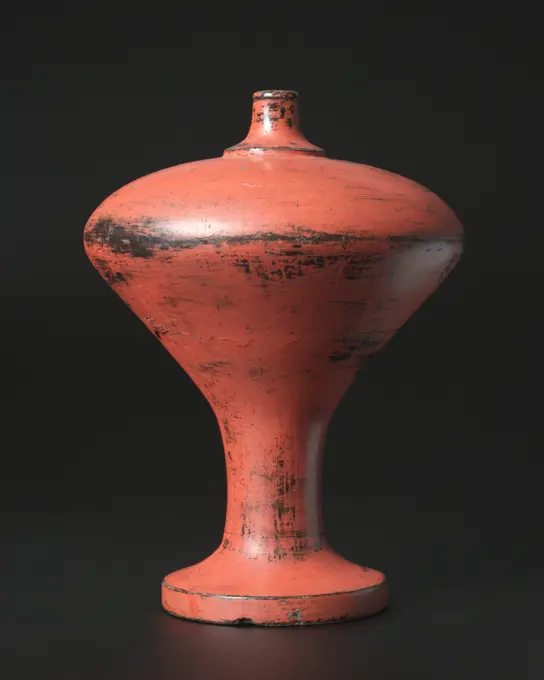
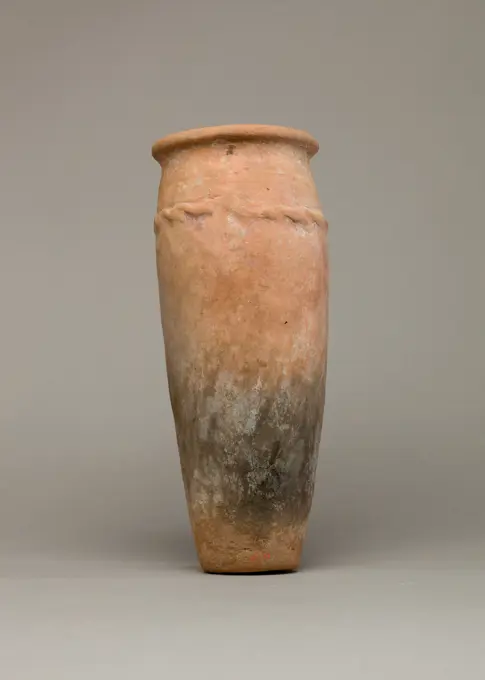
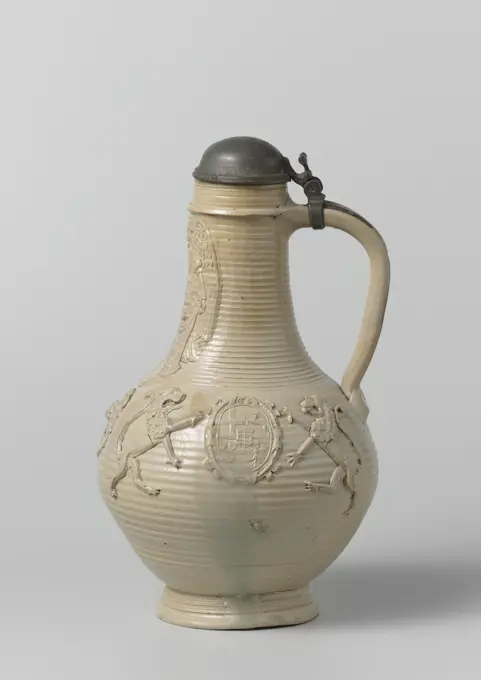
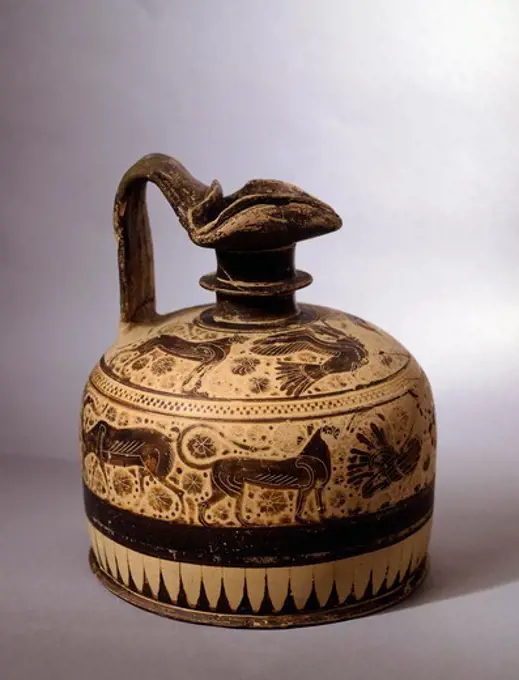
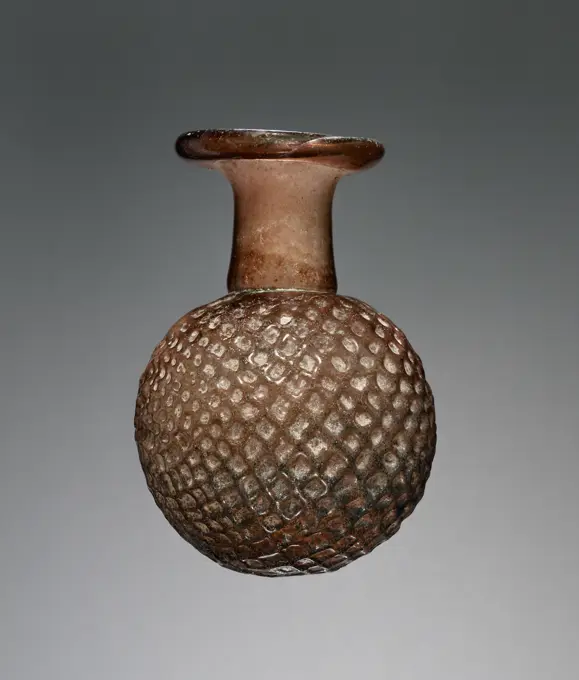
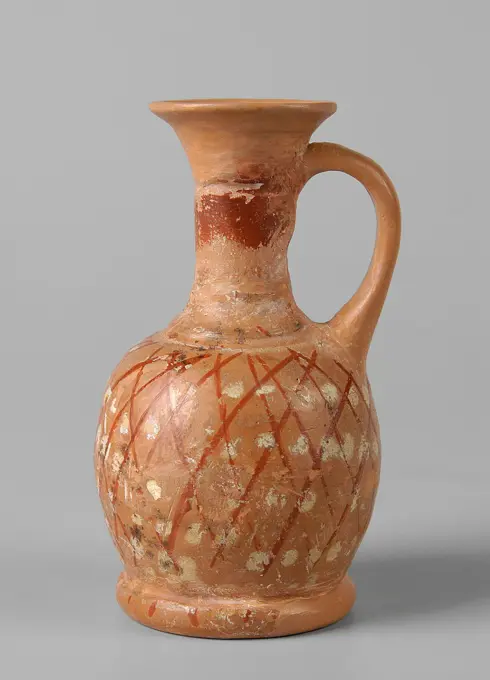
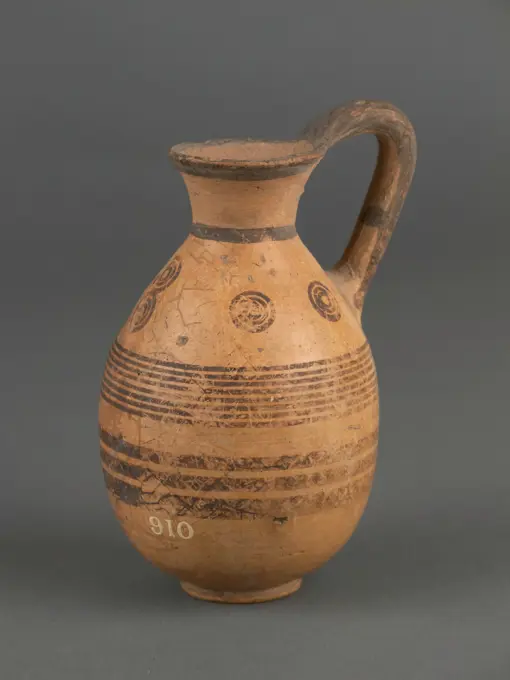
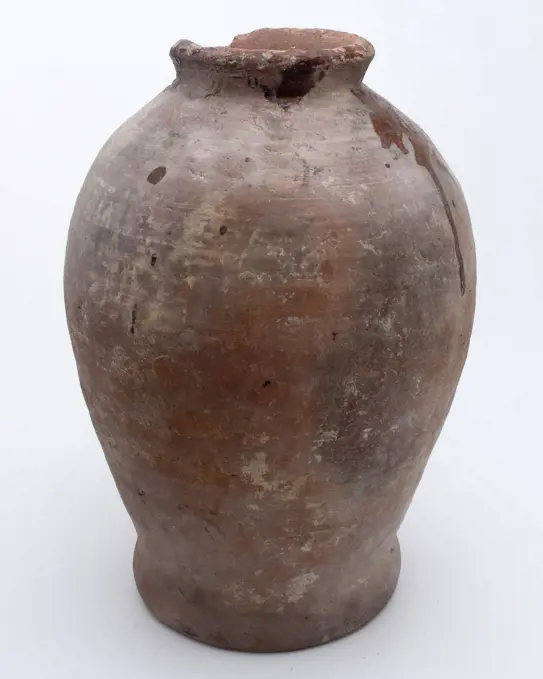
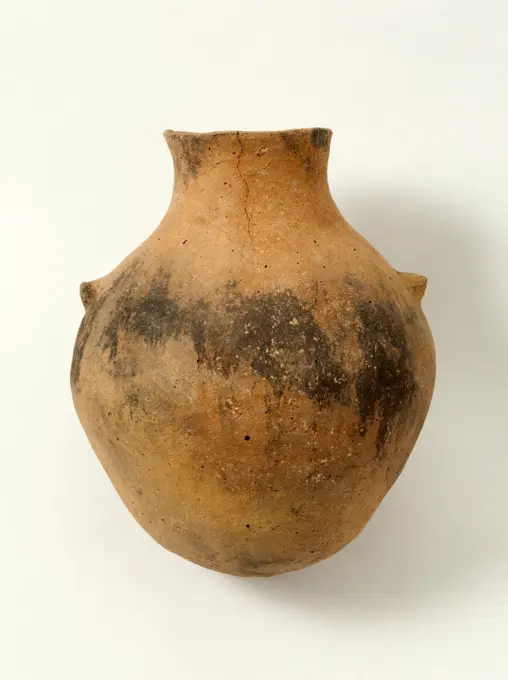
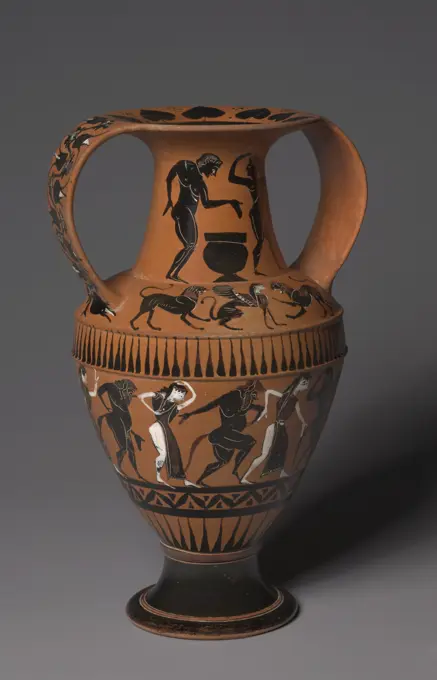
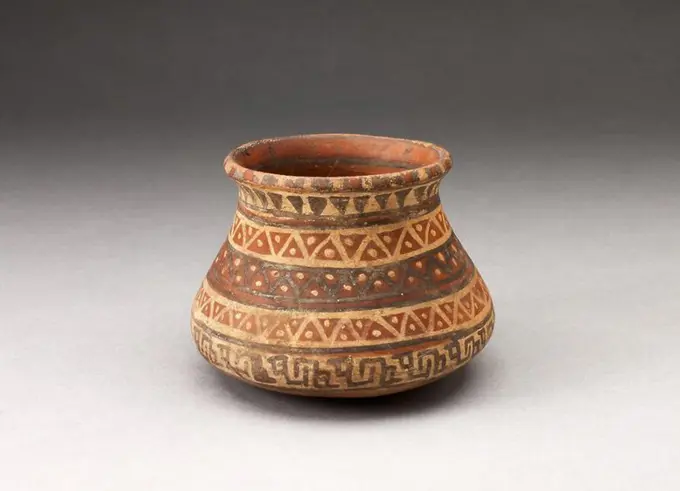
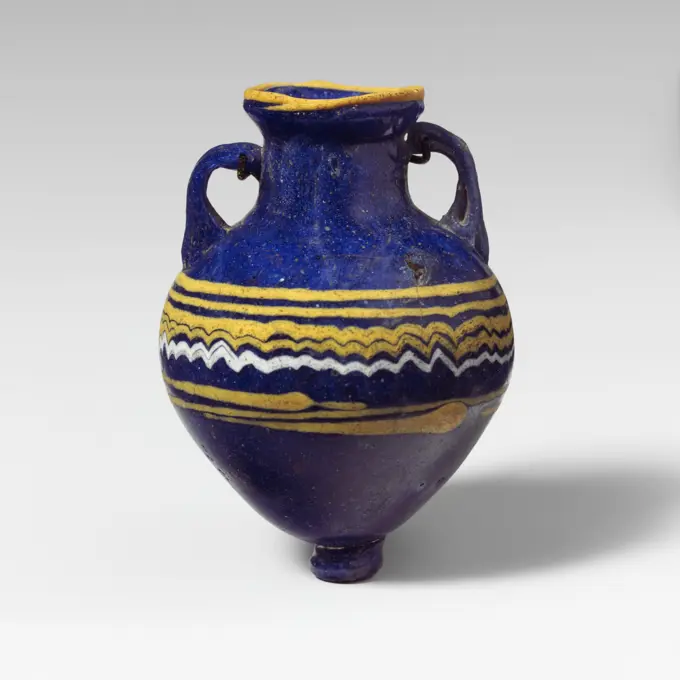
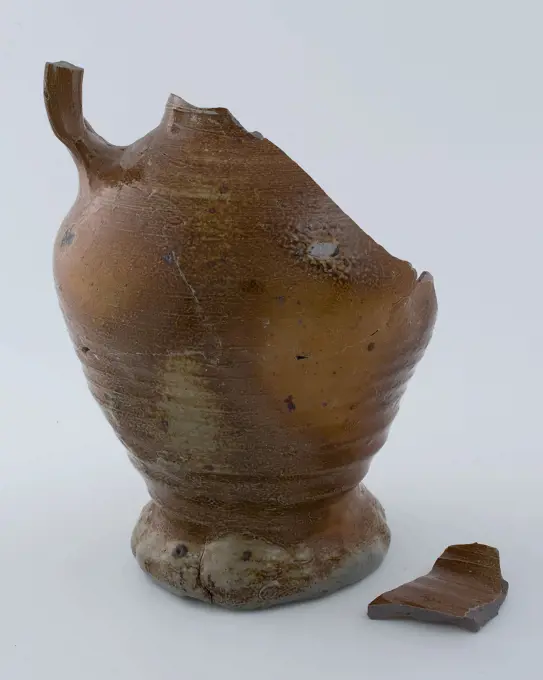
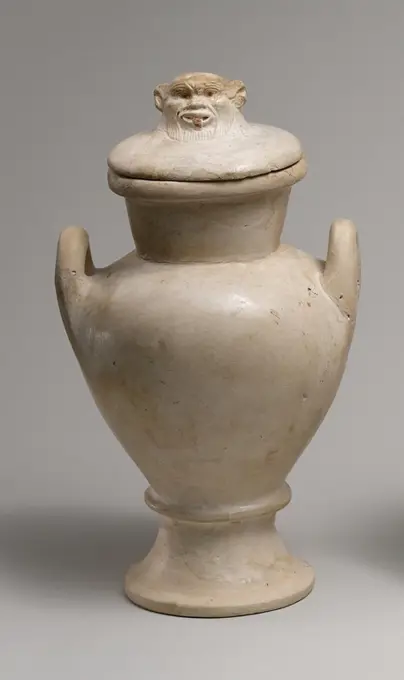
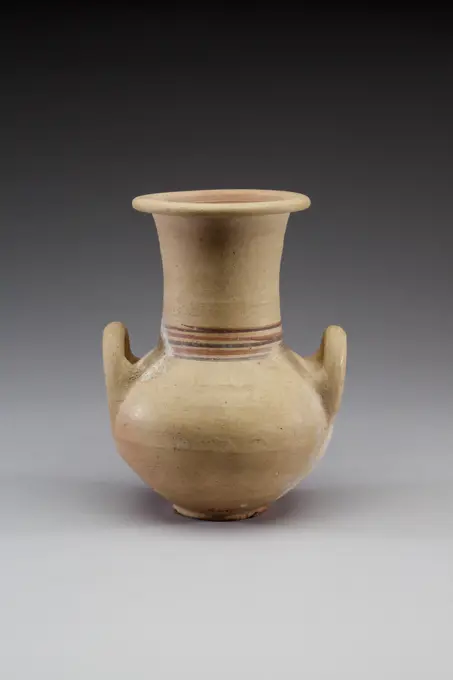
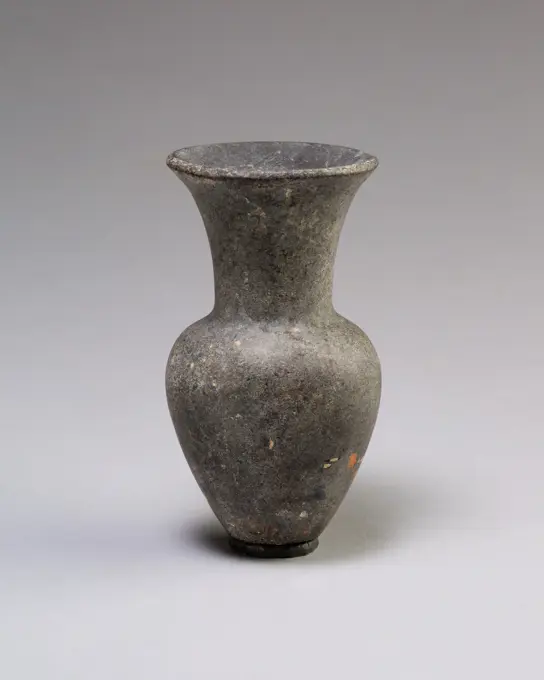
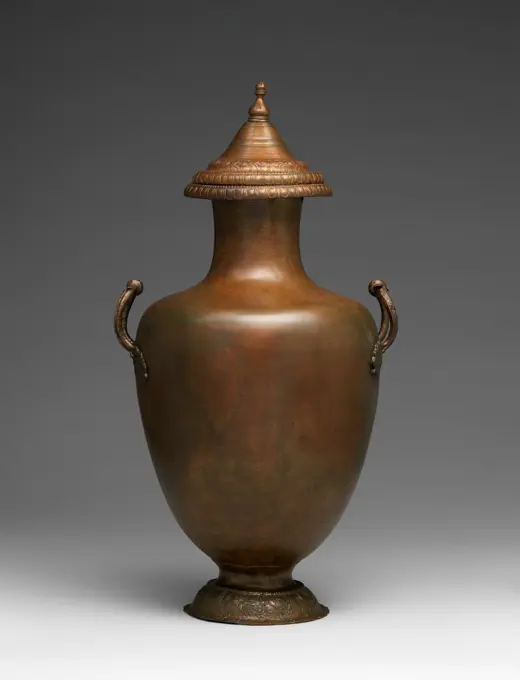
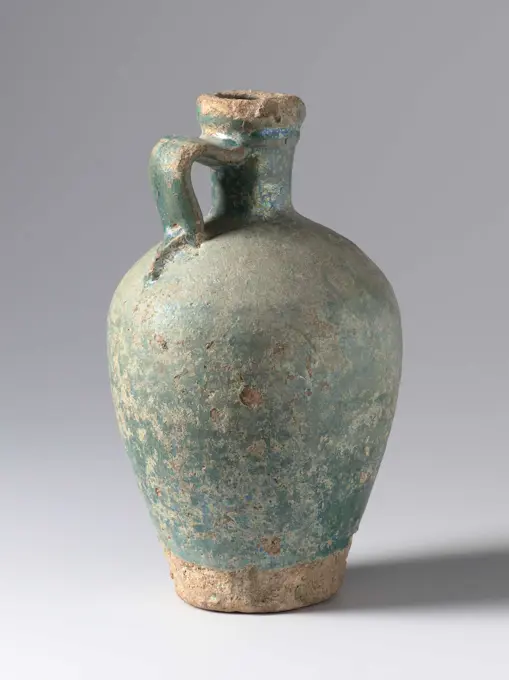
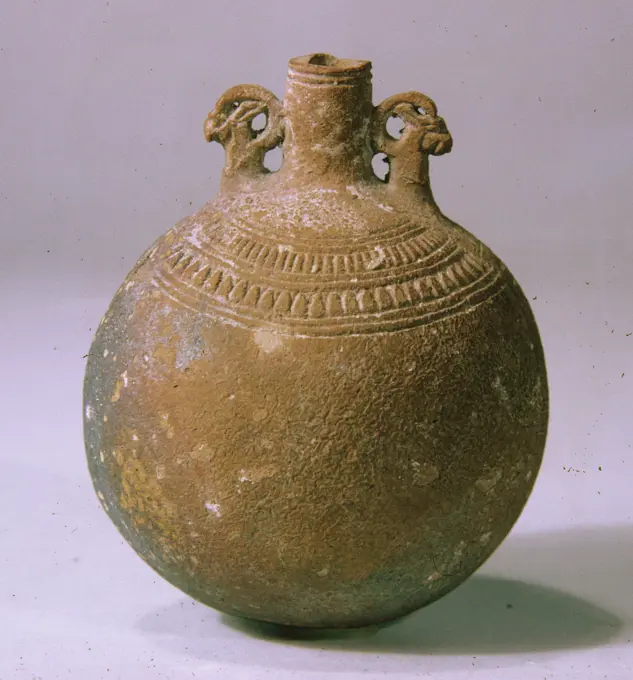
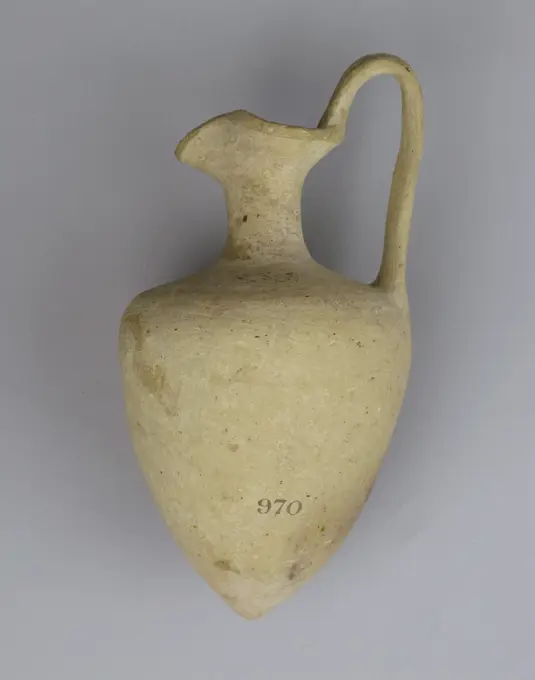
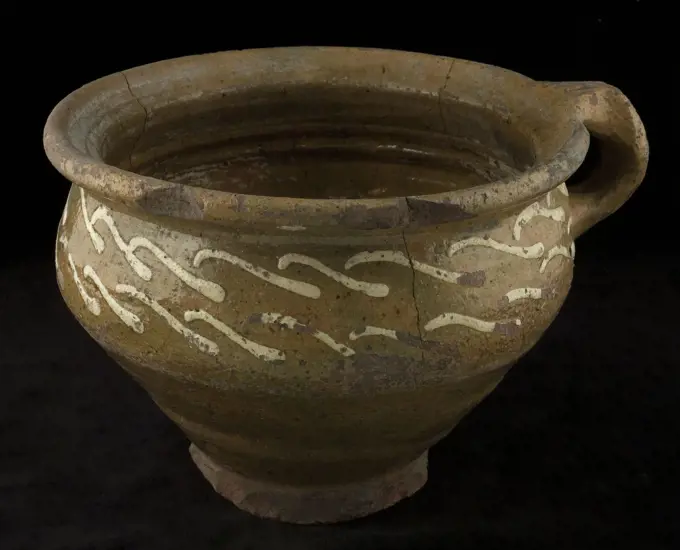
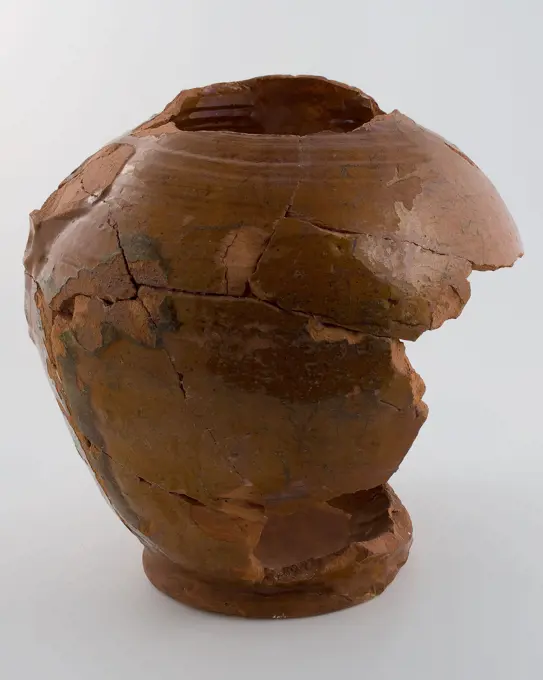
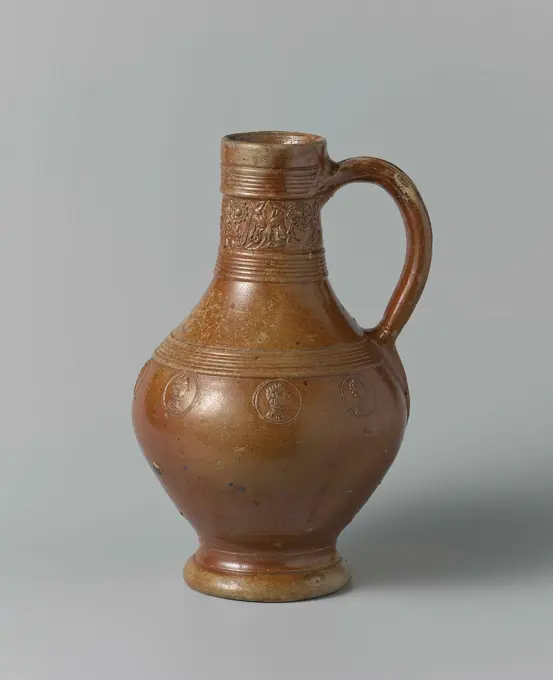
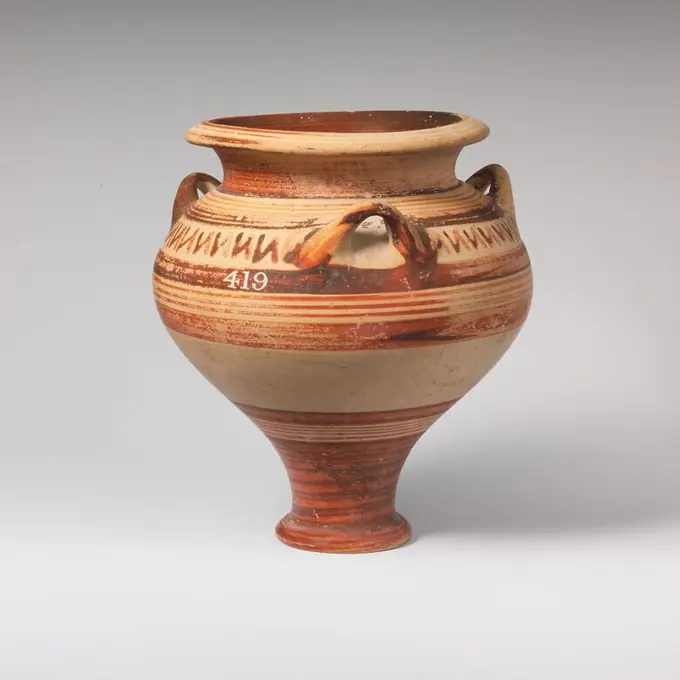
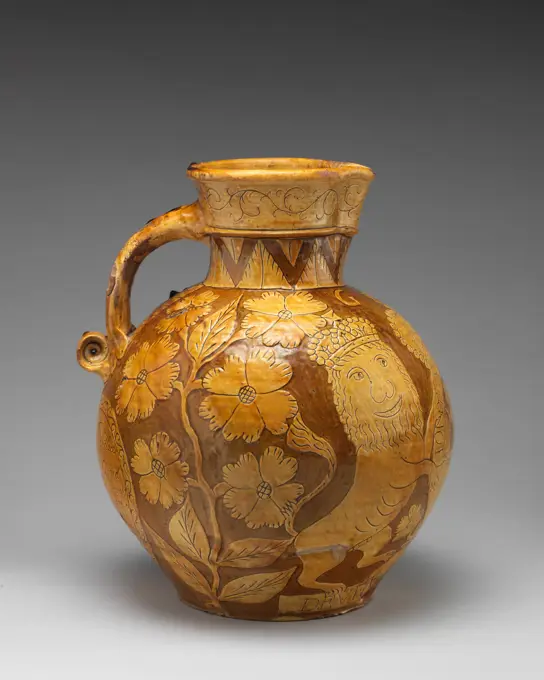
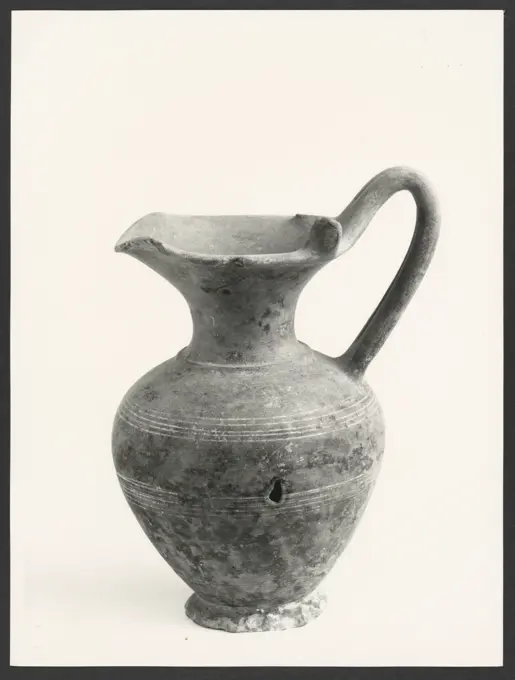
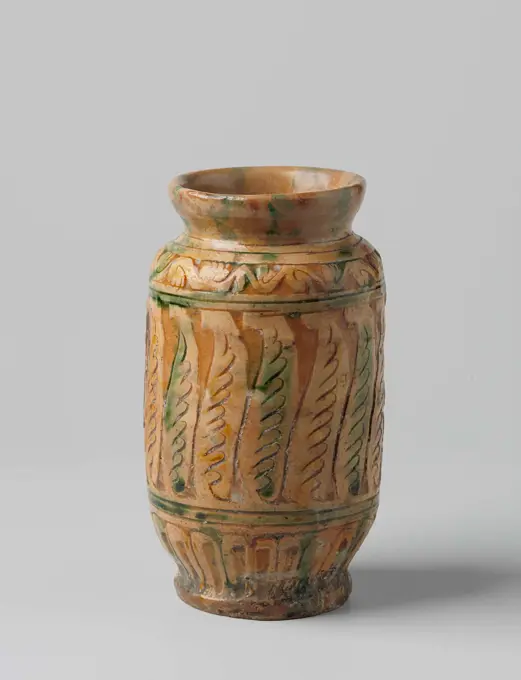
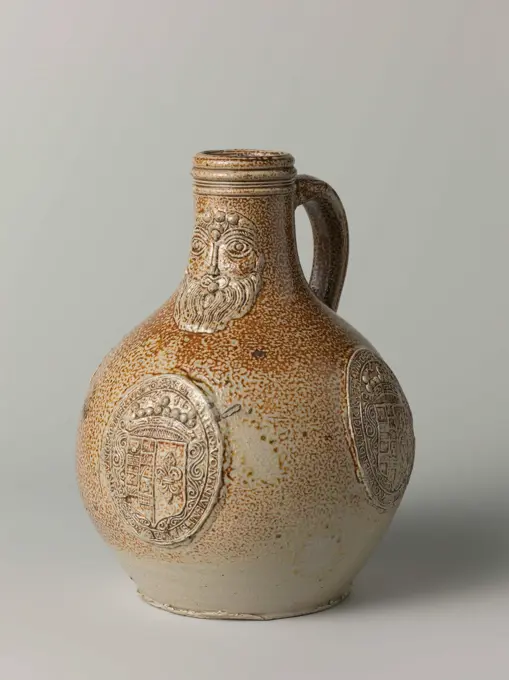
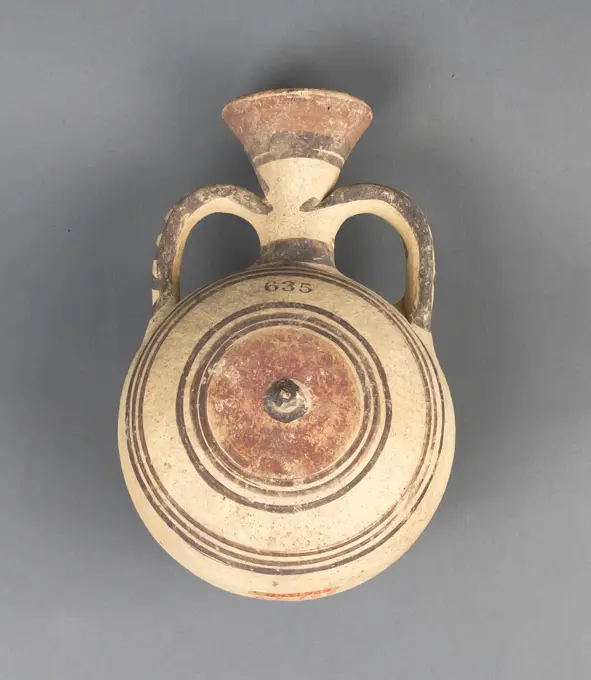
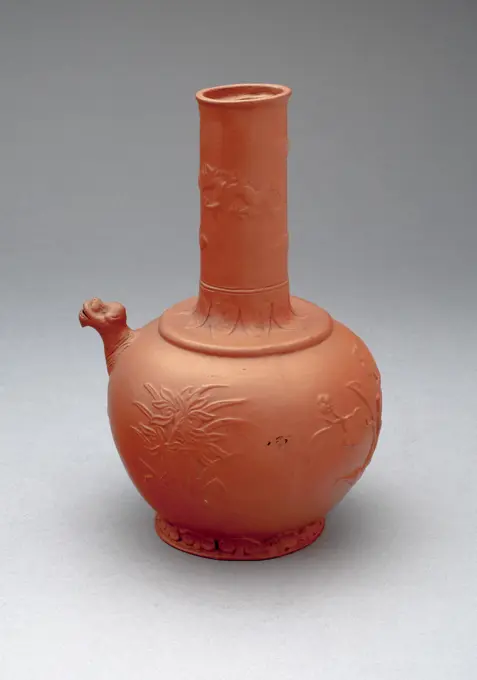
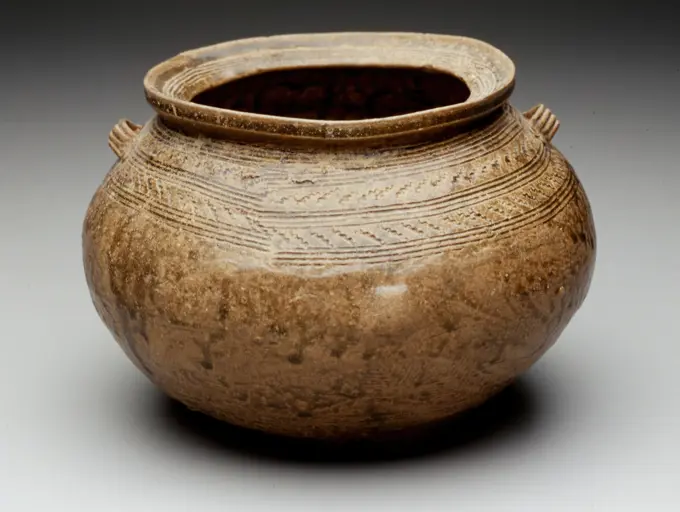
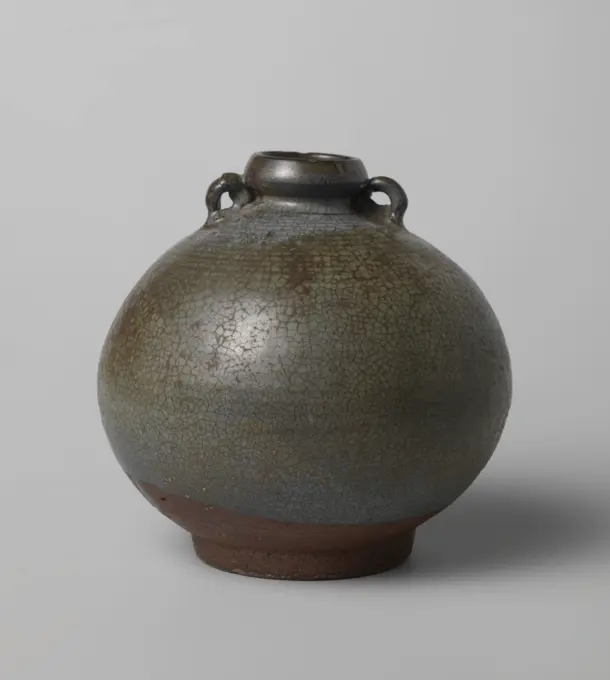
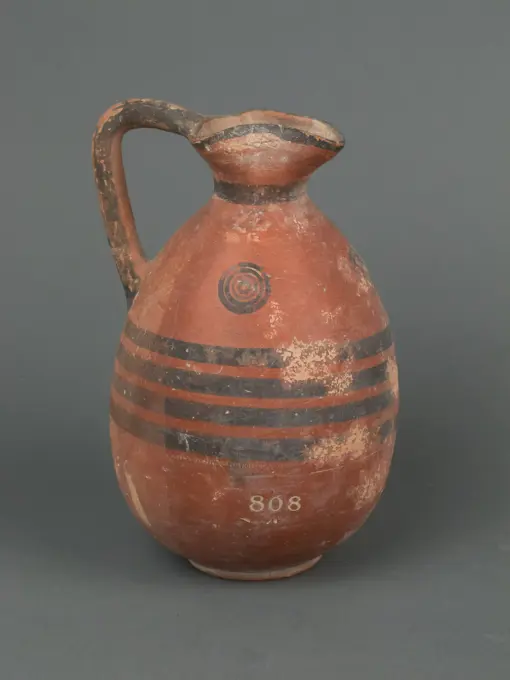
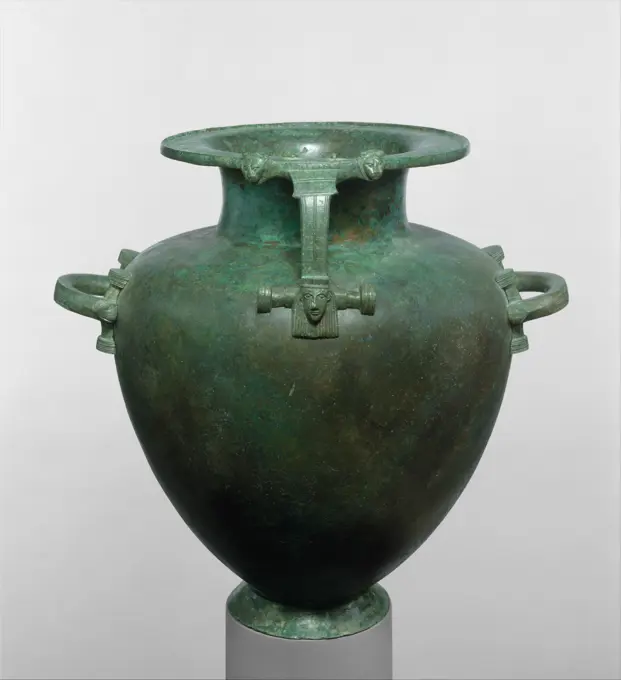
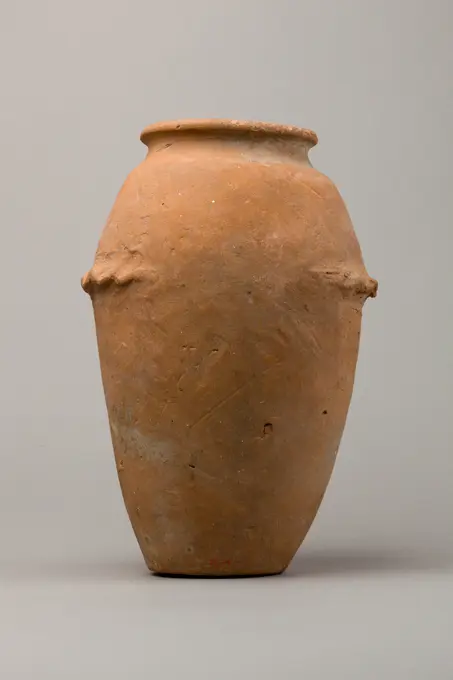
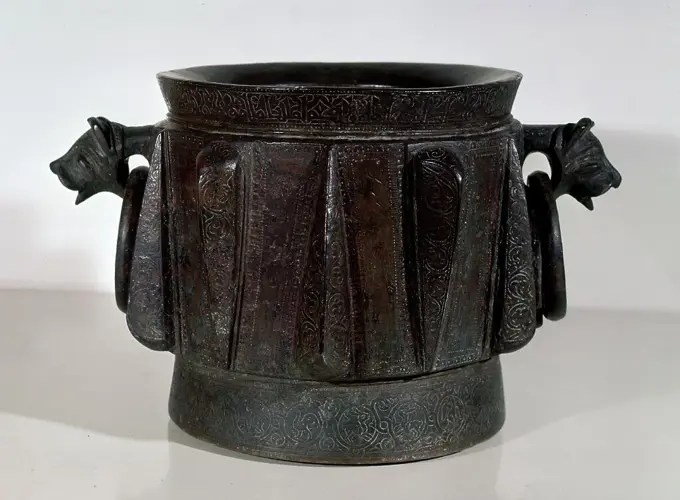
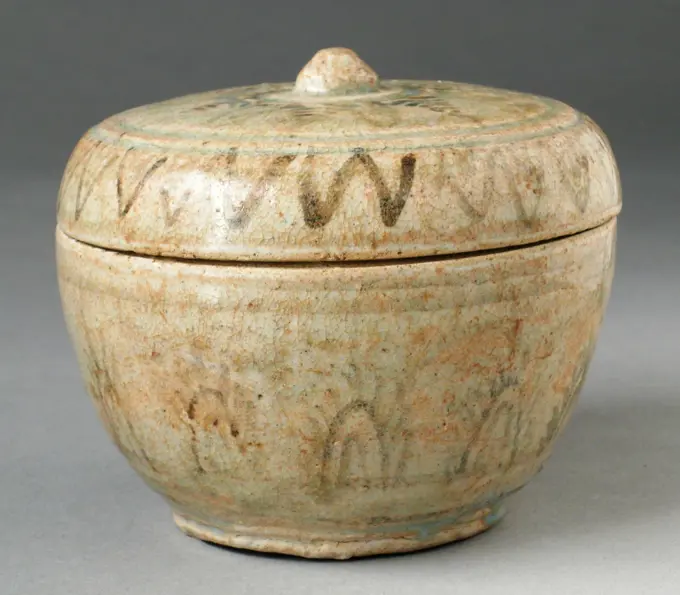
Bronze oinochoe. Culture: Greek. Dimensions: Overall: 13 9/16in. (34.4cm). Date: mid-6th century B.C..The word "oinochoe" means "wine pourer", and the shape was a very common one throughout the Greek world. During the Archaic period, the oinochoe and the hydria (water jar) were often embellished with figural elements integrated into the handles. Here, the head of a woman appears at the top of the handle, a panther head and palmette at the bottom. This work is distinguished not only by its fine state of preservation but also by its exceptional vigor and simplicity. Museum: Metropolitan Museum of Art, New York, USA.Storage jar 12th century Japan Beginning in the late Heian period, the Echizen kilns in central Japan produced sankinko jars and small bottles. This jar may have fallen over during firing, acquiring a blanket of uneven natural ash glaze, large cracks, and encrustations picked up from neighboring pots. Although it was probably never used, to the contemporary viewer it is an example of the simple beauty of random effects produced by a wood-fired kiln.. Storage jar. Japan. 12th century. Stoneware with ash glaze (Echizen ware). Heian period (794-1185). CeramicsPiriform Jar of Rennefer ca. 1504-1447 B.C. New Kingdom. Piriform Jar of Rennefer. ca. 1504-1447 B.C.. Travertine (Egyptian alabaster). New Kingdom. From Egypt, Upper Egypt, Thebes, Asasif, Tomb of Neferkhawet (MMA 729), west chamber B, Burial of Rennefer (II), out of place, MMA excavations, 1935-36. Dynasty 18, earlyMelon-shaped bowl, 8th-11th century, 6 x 9 1/2 x 6 in. (15.24 x 24.13 x 15.24 cm), Earthenware, Mexico, 8th-11th centuryGlass jug with indented body 4th-5th century A.D. Roman Translucent honey brown; handle and trails in same color.Rim folded over and in; flaring mouth; cylindrical neck, flaring slightly at base; sloping shoulder; cylindrical body with slightly convex side, then turned inwards to thick base, made by folding; low kick in bottom, with pontil scar at center; broad strap handle applied as a thick pad to edge of shoulder, drawn up and slightly outwards, then turned in horizontally, trailed onto edge of rim, and flattened by tooling above.On body, nine deep vertical indents; one trail wound 1½ times around underside of mouth; another trail wound once horizontally around lower neck.Intact; some large and elongated bubbles; faint weathering and iridescence on exterior, some soil encrustation, weathering, and iridescence on interior.. Glass jug with indented body 256709Sake Bottle, late 1300s-late 1500s. Japan, Muromachi period (1392-1573). Negoro lacquer; overall: 33 cm (13 in.).Wavy-handled jar ca. 3850-2960 B.C. Predynastic Period. Wavy-handled jar 573270Terracotta Hadra hydria (water jar). Culture: Greek, Ptolemaic. Dimensions: Other: 13 1/2 x 7 3/4 in. (34.3 x 19.7 cm). Date: 216 B.C..On body, front: two dolphins, conventional ornament between; on back: garlands; on shoulder: spirals; on neck: foliage. Museum: Metropolitan Museum of Art, New York, USA.Jug, Anno Knütgen (attributed to workshop of), 1576 Jug of stoneware on stand ring with a spherical body and narrow neck. The C-shaped ear is attached to the neck and shoulder. Profiles on the neck and foot. The jug is decorated with hiring. On the neck and shoulder in relief the weapon of England, worn by an angel and with the Daum '1574'. Below a lion's head. On the abdomen twice a printed and imposed medallion in relief with the weapon of the Cologne archbishop Salentin Vin Isenburg, flanked by Leeuwen. Attached to the ear a pewter frame with lid. Siegburg. Siegburg Stoneware. Glaze. frame: tin (metal) vitrification  England Jug of stoneware on stand ring with a spherical body and narrow neck. The C-shaped ear is attached to the neck and shoulder. Profiles on the neck and foot. The jug is decorated with hiring. On the neck and shoulder in relief the weapon of England, worn by an angel and with the Daum '1574'. Below a lion's head. On the abdomen twice a printed and imposed medallionCERAMICA POPULAR DE SEGORBE (CASTELLON).Faceted Jar with Vegetal Sprays and Floral Petals. Vietnam, 1450-1550. Furnishings; Serviceware. Wheel-thrown stoneware with cream slip, underglaze blue painted decoration, and clear glazeMid-Corinthian oinochoe showing figures of animals, painted pottery. Greek Civilization, 7th Century BC.Jug ca. 3rd-7th century A.D. Sasanian. Jug 323015Sprinkler Flask. UnknownBlack -of -inch leek; Unknown attic workshop;Greece, Piątkowski Albert (ca. 2004), toilet vessels, classic period, purchase (provenance)Juglet 850-750 B.C. Cypriot. Juglet. Cypriot. 850-750 B.C.. Terracotta. Cypro-Geometric III. VasesJar, 500s. China, Six Dynasties period (265-589) or Sui dynasty (581-618). Glazed earthenware; diameter: 38.2 cm (15 1/16 in.); overall: 50.8 cm (20 in.).Jar Made 1500-1700 China. Stoneware with brown glaze .Glass oinochoe (perfume jug). Culture: Greek, Eastern Mediterranean. Dimensions: H. 4 5/16 in. (11 cm). Date: late 6th-5th century B.C..Opaque white, with handle and foot apparently in opaque white and translucent purple; trails in translucent purple.Applied broad, trefoil rim-disk with radiating tool marks on upper surface; cylindrical neck with concave sides; broad, sloping shoulder; convex sides to body curving in to flattened bottom; applied outsplayed foot, with uneven underside; handle applied on shoulder over trails and pressed on to underside of rim-disk and top of neck.One trail attached at edge of rim-disk; another trail applied to edge of shoulder, wound round in a spiral, then tooled into an irregular zigzag pattern, and ending on lower body; vertical tooling indents in alternating upward and downward strokes, forming prominent rounded ribs around body; a marvered circular blob applied to side of lower body.Complete, except for most of handle and chip in rim-disk, both Pottery pot on stand, baluster shape, used in the sugar industry, sugar bowl pot holder soil find ceramic earthenware glaze lead glaze, hand-turned glazed earthenware pot on stand. Baluster shape with round shoulder and narrow neck opening. Thick, outstanding neck edge Coarse, twisted spinning yarns on the entire height Red shard internally glazed Sugar cones were made here archeology indigenous earthenware sugar confectionery sugar industryLarge bottle. Terracotta. Neolithic. Paris, Carnavalet museum. Bottle, neolithic, terracotta, dishes, archeological vestigeBlack-Figure Nikosthenic Amphora (Storage Vessel): Dancing Youths; Sphinxes and Lions; Satyrs and Maenads, c. 530-510 BC. Signed by Nikosthenes (Greek, Attic, active c. 545-510 BC), attributed to Painter N, Thiasos Group (Greek, c. 530-510 BC). Ceramic; diameter: 16.9 cm (6 5/8 in.); overall: 31.1 cm (12 1/4 in.); diameter of rim: 13.3 cm (5 1/4 in.); diameter of foot: 10.7 cm (4 3/16 in.).Miniature Jar with Rows of Geometric Motifs. Inca; South coast or southern highlands, Peru. Date: 1450-1532. Dimensions: 7.8 x 11 cm (3 1/16 x 4 5/16 in.). Ceramic and pigment. Origin: Peru, southern. Museum: The Chicago Art Institute, Chicago, USA.Can, anonymous, 1675 Double conical can of lead glaze pottery. The KAN is on three legs, has a C-shaped ear and a small spout. The inscription "Annetje Adriaens 1675" was applied to the shoulder in Geel. Holland earthenware. lead glaze Double conical can of lead glaze pottery. The KAN is on three legs, has a C-shaped ear and a small spout. The inscription "Annetje Adriaens 1675" was applied to the shoulder in Geel. Holland earthenware. lead glazeJARRA DE BOCA ANCHA Y ASA PEQUEÑA- CERAMICA PARA AGUA. Location: ALFARERIA. VALDEVERDEJA. Toledo. SPAIN.Jar 10th century. Jar 449652Glass amphoriskos (perfume bottle) late 6th-5th century B.C. Greek, Eastern Mediterranean Translucent cobalt blue, with handles in same color; trails in opaque yellow and opaque white.Deep inward-sloping rim-disk; broad cylindrical neck, tapering upwards; sloping shoulder; top-shaped body; circular base-knob with deep indent on bottom; two strap handles applied in pads to shoulder, drawn up, turned in, and pressed onto neck.Yellow trail attached at edge of rim-disk; another yellow trail applied in a spiral around top of body in horizontal lines, then tooled into an irregular close-set zigzag pattern around middle of body together with a single white trail; below, a yellow trail wound horizontally twice around lower body. Part of zigzag pattern distorted by cobalt blue overlay.Intact; some white gritty inclusions and one large cracked inclusion on shoulder; slight dulling and some pitting of surface bubbles, but little weathering.. Glass amphoriskos (perfume bottle) 245486Fragments of stoneware jug on pinched foot with salt glaze, jug crockery holder soil find ceramic stoneware glaze salt glaze ), hand-turned glazed baked Stoneware jug on pinched foot Shallow impressions in squeeze foot Convex jar gradually narrowing to the foot. Wide and standing band ear. Turning spindles over the entire height brown and gray glazed squeeze feet predominantly gray. Loose shoulder fragment archeology underground pit Rotterdam City center Stadsdriehoek Blaak Groenendaal indigenous pottery import drink table serve store packaging Soil discovery: underground pit Groenendaal Blaakstation 1977.04.07.Two Handled Jar and Lid with the Head of Bes ca. 1390-1352 B.C. New Kingdom This jar belongs to a set that was purchased in Luxor from Sayed Molattam in 1923. The set is unusual because of the various creatures/deities decorating each lid. These include the head of the god Bes (this jar), the head of an ox, a resting calf, and a frog. The only parallel group of jars was discovered in the Valley of the Kings tomb of Yuya and Tjuyu (KV 46) in the Valley of the Kings, the parents of Queen Tiye who was principal queen of Amenhotep III. For this reason, the jars are tentatively dated to this king's reign.. Two Handled Jar and Lid with the Head of Bes. ca. 1390-1352 B.C.. Limestone, paint. New Kingdom. From Egypt, Upper Egypt, Thebes. Dynasty 18Two-Handled Jar from the Burial ca. 1504-1447 B.C. New Kingdom Two pottery jars like this one were found leaning against the left shoulder of Ruiu's coffin in the east chamber of her father Neferkhawet's tomb. Such buff-colored jars, with line decoration in red and dark brown paint, are typical of the time period. Each jar were originally covered by small red ware saucer that were cut to correspond to the lip of the jar. This jar came to New York in the division of finds, but its lid remained in Egypt.. Two-Handled Jar from the Burial. ca. 1504-1447 B.C.. Pottery, marle. New Kingdom. From Egypt, Upper Egypt, Thebes, Asasif, Tomb of Neferkhawet (MMA 729), east chamber, Burial of Ruiu (IV), by left shoulder of coffin, MMA excavations, 1934-35. Dynasty 18, earlyHydrian black -refreshed with pine -pitched; Unknown Apulian workshop; 320-310 BC (-320-00-00--301-00-00);"Opening of the Mouth" vessel of Perneb ca. 2381-2323 B.C. Old Kingdom An essential rite performed during the funeral ceremonies was the "Opening of the Mouth." Thought to have evoked the rituals carried out at the birth of a child, this served to restore the senses of the newly deceased (resident in spirit within the mummified body or a statue), so that he or she could once again breathe, speak, eat, drink, see, and hear.This vessel is part of a set used for this ceremony. It would have held milk, or salt or fresh water (see also 14.7.30; 14.7.93; and 14.7.94).For a complete set of implements for this ritual, see 07.228.117a-h.. "Opening of the Mouth" vessel of Perneb 547092Pottery cooker with pinched ear, rings, spout, on three legs, cooking pot tableware holder utensils earthenware ceramics earthenware glaze lead glaze, hand turned set glazed baked Cooker of red earthenware internal and top external dark brown glaze one pinched ear rotations pouring spout three legs restoration in plaster Double conical model with semi-circular soil archeology Valckensteyn Poortugaal Albrandswaard indigenous pottery cooking cuisine nutrition food preparation Soil discovery: canal at kitchen castle Valckensteyn at Poortugaal now Albrandswaard 1961.Gray pot with sagging at belly and neck, ball pot on stand ring, pot cup crockery holder soil find ceramic stoneware, hand-turned baked Stoneware pot or cup gray shard unglazed Made of almost stoneware. Kogelpot with upright neck edge on stand ring Double conical belly deformed by overheating during baking archeology import pottery serve drink save store servePottery grape on three legs, round ball, lid slot and two sausage ears, grape cooking pot tableware holder kitchenware earthenware ceramics earthenware glaze lead glaze, hand turned glazed baked Pottery grape on three legs. Red shard sparingly glazed internally only under the neck opening Bullet body with outstanding upper edge Lid slot Two standing sausage ears Heavy beret at the bottom archeology inn The Heart Geervliet Bernisse indigenous pottery cooking kitchen preparing food Soil discovery: Geervliet Dorpsplein 1 demolition Trouw put 5 city inn 't Hart 1985.LampVessel, Painted earthenware, Globular body, painted red on lower third; on upper part yellow slip, with painted birds with flapping wings and dots on neck and breast; between them, two rosettes. Crooked stirrup spout (broken and repaired)., Peru, 500-1000, ceramics, Decorative Arts, VesselGlass alabastron (perfume bottle). Culture: Greek, Eastern Mediterranean. Dimensions: H.: 4 1/4 in. (10.8 cm). Date: late 6th-5th century B.C..Translucent cobalt blue, with handles in same color; trails in opaque white and opaque yellow.Thin, inward-sloping rim-disk; tall, slanting, cylindrical neck, with marked horizontal line at base; short, rounded shoulder; elongated oval body with upward taper; convex bottom; below shoulder, two vertical ring handles with knobbed tails, applied over trails.One white trail attached at edge of rim-disk; another applied below shoudder and wound down in tight spiral on upper part of body, where a second broader trail in yellow is added, mingling with the first, then both tooled into a close-set zigzag pattern around middle of body, formed by uneven shallow vertical tooling indents; below this, white trail continues in an uneven spiral around lower part of body; another white trail applied to outer edge of one handle.Broken and repaired with numeroDish;  around 2686- 2181 BC ; Old PADouble Spout and Bridge Bottle with Bird 5th-2nd century B.C. Paracas. Double Spout and Bridge Bottle with Bird. Paracas. 5th-2nd century B.C.. Ceramic, pigment. Peru. Ceramics-ContainersBronze hydria (water jar) with lid 3rd century B.C. Greek The Museum has the largest collection of Greek bronze hydriai in the world outside of Athens. This example illustrates the development of the shape in the third century B.C. when there was a tendency towards slimmer, more elongated proportions. Like the Hadra hydriai displayed nearby, this vase was probably used as a container for cremated remains.. Bronze hydria (water jar) with lid 255222 Greek, Bronze hydria (water jar) with lid, 3rd century B.C., Bronze, 19 1/2in. (49.5cm). The Metropolitan Museum of Art, New York. Rogers Fund, 1966 (66.11.12a, b). Egg-shaped pottery jug covered with a monochrome turquoise lead glaze.Jug ca. 6th-8th century A.D. Sasanian or Islamic. Jug 322924Terracotta amphora with Phoenician inscription 2nd half of 7th century B.C. Cypriot The painted inscription below the rim reads BLY (Baalay), the name of the owner of either the storage jar or its contents.. Terracotta amphora with Phoenician inscription 241852Glass alabastron (perfume bottle) late 6th-5th century B.C. Greek, Eastern Mediterranean Translucent light blue, with handles in same color; trails in opaque yellow.Broad flat rim-disk; short slightly slanting cylindrical neck; narrow rounded shoulder; straight-sided body with upward taper; convex bottom marked by irregular tooling indents; below shoulder, two vertical ring handles with knobbed tails applied over trail decoration; one slightly larger than the other.One trail attached at edge of rim-disk; another applied as a thick blob at top of body and wound down in spiral four to five times, then tooled into a close-set zigzag pattern around the central part of body; below this, a third trail wound two and a half times horizontally around lower body.Complete, except for weathered hole in neck and crack around bottom; slight dulling and pitting, and most of body, especially the trails, covered with creamy iridescent weathering.. Glass alabastron (perfume bottle) 245467Lentoid Bottle ("New Year's Bottle") 664-525 B.C. Late Period The cylindrical neck of this "New Year's Bottle" is flanked by two ibex heads that take the place of handles; the mouth is broken away. The shoulder of the lentoid body is adorned with the representation of a floral garland. Faience flasks of this type, often inscribed with good wishes and apparently filled with water from the Nile, were given as gifts at the New Year.. Lentoid Bottle ("New Year's Bottle"). 664-525 B.C.. Faience. Late Period. From Egypt. Dynasty 26Juglet 480-400 B.C. Cypriot Pointed oinochoe of unpainted clay.. Juglet. Cypriot. 480-400 B.C.. Terracotta. Cypro-Classical I. VasesBrown speckled and slightly crooked jar with band ear and short tail, jug crockery holder soil find ceramic stoneware glaze salt glaze, hand-turned baked glazed stoneware jug dark gray shard with salt glaze largely purple brown slightly brindled profiled rings under the mouth rim sausage by deducting traces on the bottom archeology import pottery serve drinkingJar. Roman, Levant or Syria. Date: 201 AD-500 AD. Dimensions: 7.6 × 9.5 × 8.3 cm (3 × 3 3/4 × 3 1/4 in.). Glass, blown technique. Origin: Syria. Museum: The Chicago Art Institute, Chicago, USA. Author: ANCIENT ROMAN.Cup 4th-7th century Coptic. Cup. Coptic. 4th-7th century. Earthenware. Made in Kharga Oasis, Byzantine Egypt. CeramicsEwer second half 16th century Italian, Venice. Ewer 201595Earthenware chamber pot, ease of use on stand, tapered with standing bandoor, sludge decoration, pot holder sanitary earthenware ceramic earthenware glaze lead glaze clay, hand-turned decorated glazed baked lemonade Pottery chamber pot on stand ring. Red shard entirely glazed except the bottom of the bottom. Tapered in shape with wide neck opening and narrow foot. Side wall slightly bent inwards under the pot edge. Rotating lips on the sidewall above the foot. Standing and pinched ear Angled outstanding top edge Decoration consists of double line of yellow wave lines under the top edge archeology indigenous pottery drains night sleeping room hygieneFragment of large pottery jug be placed on stand, glazed, misbaked, water jug crockery holder soil find ceramic earthenware glaze lead glaze, hand-turned glazed baked Large pottery water jug on stand ring. Round and belly body slowly narrowing to the foot Attachment on the belly of standing ear is still present Red shard glazed. Misbaksel: the belly is cracked and during baking glaze has dripped out through the cracks. The extra thick layer of glaze has subsequently broken off again archeology Rotterdam City Triangle Oostplein underground pit indigenous pottery water drink food preparation cooking kitchen pottery craft Soil discovery Rotterdam underground pit Oostplein 1976.Pottery room pot, white shard, green glazed, two bandors, spout, on stand, spout pottery pot pottery holder earthenware foundry earthenware glaze lead glaze, hand-turned glazed baked Pottery spout white shard completely covered with green (copper oxide) lead glaze two at the top tapers banded spout stand ring archeology indigenous pottery serving food prepare kitchen cooking foodJug, decorated along the neck with ribbed tires between which a palmet leaf, flowers and masks. Belly with ribbed band including six medallions with portrait of a man and profil .. spherical jar of stoneware, on a foot and with a C-shaped ear. The cylindrical neck is decorated with two ribbed tires between which in relief a palm with flowers and masks on either side. The belly is decorated with a ribbed band including six medallions in relief from a man and profile.Terracotta pithoid jar. Culture: Mycenaean. Dimensions: H. 5 11/16 in. (14.5 cm.). Date: ca. 1400-1050 B.C..Pear-shaped vase with three handles, bands, and conventional pattern. Museum: Metropolitan Museum of Art, New York, USA.Harvest jug ca. 1781 Robert Burnal of Cutcombe. Harvest jug. Robert Burnal of Cutcombe. British, Cutcombe, Somerset. ca. 1781. Slipware with graffito decoration. Ceramics-PotteryLazio Viterbo Viterbo Museo Civico33. Hutzel, Max 1960-1990 Views of paintings (Middle Ages through 18th c.), frescoes, a tabernacle, coffin, sculpture reliefs, portal fragments, busts, sculpture, tapestry found in the Pinacoteca, Second floor gallery and Second floor cloister sequences. Antiquities: Many views of Etruscan and Roman fragments, sculpture, sarcophagi, pottery, masks, jewelry and other objects found in the Storeroom sequence (inventory numbers on back of prints), and the Cloister, Second floor Cloister, Valle Giulia, Sala Romana and Sala Etrusca sequences. General Notes: There are eight separate numerical sequences for this location. The cloister as an architectural structure, rather than museum site, is documented in the record and file for S. Maria della Verita, Cloister, all views of which are stored in Medieval core collection. Five views from the Museo Civico Second floor cloister sequence are stored in Medieval. German-born photographer and scholar Max Hutzel (1911-Jar with Handle 4th-7th century Coptic. Jar with Handle 477323Vase, cylindrical with squeezed foot and outstanding neck. Cylindrical vase of multicolor painted plumbing pottery. The vase has a narrow, squeezed foot and an outstanding squeezed neck. The vase is painted with vertically placed, narrow leaves.Terracotta jug ca. 2500-1900 B.C. Cypriot Globular with handle, concentric circles and groups of lines.. Terracotta jug. Cypriot. ca. 2500-1900 B.C.. Terracotta; Red Polished Ware. Early Cypriot. VasesPoland. Prehistory. Lusatian culture. Ceramic jugGlobular Jar with Abstract Forms in Spirals on Shoulder Made 600 CE-1000 Bolivia. Ceramic and pigment . TiwanakuLazio Viterbo Viterbo Museo Civico89. Hutzel, Max 1960-1990 Views of paintings (Middle Ages through 18th c.), frescoes, a tabernacle, coffin, sculpture reliefs, portal fragments, busts, sculpture, tapestry found in the Pinacoteca, Second floor gallery and Second floor cloister sequences. Antiquities: Many views of Etruscan and Roman fragments, sculpture, sarcophagi, pottery, masks, jewelry and other objects found in the Storeroom sequence (inventory numbers on back of prints), and the Cloister, Second floor Cloister, Valle Giulia, Sala Romana and Sala Etrusca sequences. General Notes: There are eight separate numerical sequences for this location. The cloister as an architectural structure, rather than museum site, is documented in the record and file for S. Maria della Verita, Cloister, all views of which are stored in Medieval core collection. Five views from the Museo Civico Second floor cloister sequence are stored in Medieval. German-born photographer and scholar Max Hutzel (1911-Vase 13th century. Vase 447164Ewer with lug handles 9th century China. Ewer with lug handles. China. 9th century. Stoneware with incised decoration under celadon glaze (Yue ware). Tang dynasty (618-907). Ceramics. Bearded manner of stoneware, with yellow-brown speckled glaze. The bullet-shaped belly is decorated with three printed ovals in which the coat of arms of 'Constantin Von Nivenheim Zur Gastendunck riter und ob' and the year 1644. On the neck a Groteske Baardman on the neck.Ewer 10th-11th century. Ewer 448260Jar and Cover, 6th century BCE, 12 1/4 x 11 1/4 in. (31.1 x 28.58 cm), High-fired stoneware with incised designs, China, 6th century BCE, This hand-built vessel has been decorated with incised patterns and three nonfunctional handles made of pinched clay. During the period leading up to the Warring States period (475-221 BCE), craftsmen working in the south in Zhejiang and Jiangsu provinces used high-fired clay to create utilitarian vessels of basic designs. The hard stoneware was durable, practical, and impervious to water.Glass perfume bottle late 1st-mid-2nd century A.D. Roman Translucent pale blue green.Rim, folded out, over, and in, flattened on top and partially into mouth; cylindrical neck, expanding slightly downward, tooling marks around base; squat, bulbous body; flat bottom with rounded edge.Intact, except for cracks in side; pinprick bubbles; dulling, pitting, and iridescence, with areas of creamy brown weathering.. Glass perfume bottle 239687Flask 850-750 B.C. Cypriot Two-handled with concentric bands in black and red.. Flask. Cypriot. 850-750 B.C.. Terracotta. Cypro-Geometric III. VasesBottle (Kendi) 1705-1715 Meissen. Bˆttger stoneware . Meissen Porcelain Manufactory (Manufacturer)Bucchero Kyathos. UnknownBowl ca. 9th century B.C. Iran. Bowl. Iran. ca. 9th century B.C.. Ceramic. Iron Age II, Hasanlu Period IV. Iran, HasanluJar, 10th century BCE, 6 3/4 x 9 1/2 in. (17.1 x 24.13 cm), Stoneware with incised and impressed decor under olive-brown glaze, China, 10th century BCE, Glazing techniques improved greatly between the eleventh and eighth centuries BCE. Large quantities of high-fired glazed stonewares similar to this jar have been excavated in the Yangzi River area at Dunxi in Anhui province and at Chuzhou in Zhejiang province. Surface decoration is achieved by incising, impressing with molds, and with wheel-made grooves. The olive-green glaze, derived from a two-percent iron oxide compound, can be considered a form of celadon. The distribution of high-fired glazed ware during Western Zhou was far-reaching with examples found in Hebei, Shandong, Henan, Shanxi, Anhui, Jiangxi, and Zhejiang provinces in north central and south China.Pitcher c 1832-1839 Jersey City. Flint stoneware . American Pottery Manufacturing Co. (Manufacturer)Jar Cypriot. Jar. Cypriot. Terracotta. Hellenic. VasesJug with flowers, anonymous, c. 1650 - c. 1699 Jug of stoneware on stand ring with a spherical abdomen and narrow neck. The C-shaped ear is attached to the neck and shoulder. Profiles on the neck. Partly covered with cobalt blue. On the shoulder an entry line with a bond with stamped flowers against a blue background. Under the line three half, hanging rosettes with a flower in it. Attached to the ear a pewter frame with lid. On the inside of the lid a beaten brand of three crosses under a crown. Westerwald. Westerwald Stoneware. Glaze. Cobalt (Mineral). frame: tin (metal) vitrification Jug of stoneware on stand ring with a spherical abdomen and narrow neck. The C-shaped ear is attached to the neck and shoulder. Profiles on the neck. Partly covered with cobalt blue. On the shoulder an entry line with a bond with stamped flowers against a blue background. Under the line three half, hanging rosettes with a flower in it. Attached to the ear a pewter frame with lid. On the inside of the liStoneware pot on pinched foot, proto stoneware with ear and slanted top edge, drinking jug soil found ceramic stoneware, edge 7.2 hand-turned baked Drinking jug of proto-stoneware Coarsely formed. Pinched foot. Lightly curved abdomen and cylindrical neck. Oblique neck with ledge under the edge. Standing ear archeology Blicksteyn Heenvliet Bernisse indigenous pottery import drinking wine beer water Soil discovery Heenvliet Blicksteyn canal complex 1967.Ewer. Eastern Mediterranean, 11th century. Glass. Glass, mold-blown, applied handle, trailed decorationCampanian Black Duck Askos (medium-sized). UnknownVASIJA. Location: ARCHAEOLOGICAL MUSEUM. LAS PALMAS. GRAN CANARIA. SPAIN.Juglet. Dimensions: h. 9 cm (3 9/16 in). Dynasty: Dynasty 13. Date: ca. 1750-1640 B.C.. Museum: Metropolitan Museum of Art, New York, USA.Round-bodied jar with greyish green glaze, anonymous, anonymous, c. 1200 - c. 1399 Spherical pot of stoneware with a narrow, short neck with a raised edge, covered with a gray -green crawl glaze. Two semicircular ears from the shoulder. Celadon. Thailand stoneware. glaze vitrification Spherical pot of stoneware with a narrow, short neck with a raised edge, covered with a gray -green crawl glaze. Two semicircular ears from the shoulder. Celadon. Thailand stoneware. glaze vitrificationStoneware room comfort or chamber pot with ear, belly with three appliqués and two lions, pot holder sanitary soil found ceramic stoneware glaze salt glaze, hand turned stamped glazed glazed baked stoneware room pot gray shard with salt glaze round neck and bottom hull profile rings archeology import pottery drains night sleeping room hygieneEwer 14th century. Ewer. 14th century. Ceramic. Attributed to Iran. CeramicsCANTARO DE CERAMICA.Footed Amphora Inscribed for Amenhotep II ca. 1427-1400 B.C. New Kingdom. Footed Amphora Inscribed for Amenhotep II 548440Jug 750-600 B.C. Cypriot Sack-shaped with horizontal bands and concentric circles.. Jug. Cypriot. 750-600 B.C.. Terracotta. Cypro-Archaic I. VasesDish;  around 1550 1069 BC ; New PABronze hydria (water jar) late 7th-early 6th century B.C. Greek This is one of the earliest of this kind of Archaic Greek bronze hydriae to have survived. The handles are cast. Portions of the hammered bronze body are a modern restoration. The three handles are particularly decorative, especially for this early period. The vertical handle has a pair of lion heads at the top whose features are rendered with a combination of volumetric modeling and chasing. A woman's head, shown from the neck up, appears at the bottom. Six long, hatched braids frame her face on both sides and she wears a headdress known as a polos, on top of her head. The polos typically is worn by goddesses. Two half-spools extend perpendicularly from the woman's head on both sides, each ornamented with pairs of chased lines. The strap of the handle is covered with chased geometric patterns. The side handles have swan heads with long, rounded beaks at the outer edges. The straps of the handles and the half-spools that eWavy-handled jar ca. 3850-2960 B.C. Predynastic Period. Wavy-handled jar. ca. 3850-2960 B.C.. Pottery. Predynastic Period. From Egypt, Southern Upper Egypt, Hierakonpolis (Nekhen), Fort Cemetery (Hk 27), Tomb 44, MMA excavations, 1934-35Cinerary urn made of glass with lid, 1st century BC National Archaeological Museum, Taranto, Apulia, Taranto, Apulia, Italy, EuropeMORTERO DE BRONCE HISPANO MUSULMAN DEL SIGLO XI PROCEDENTE DE MONZON DE CAMPOS PALENCIA. Location: MUSEO BALAGUER. VILANOVA i LA GELTRU. Barcelona. SPAIN.Covered Box. Thailand, Sawankhalok, 16th century. Furnishings; Accessories. Stoneware with underglaze brown painted decorationStorage Jar (aryballos) 15th-16th century Inca. Storage Jar (aryballos) 310702Iridescent green Miniature pot. UnknownImitation of an ancient vase. UnknownFragment of earthenware oil jug, on stand with standing ear and sludge decoration, oil jug crockery holder soil find ceramic earthenware glaze lead glaze clay, ring 6.7 hand-twisted ring glazed baked Pottery jug red shard Both inside and outside covered with lead glaze. Standring archeology Schiedam indigenous pottery pour serving oil lamp oil lamp enlighten tear Soil discovery: Schiedam.Feline Effigy Bottle 7th-4th century B.C. Paracas. Feline Effigy Bottle 308448