Historical Pottery Vessels

A collection of ancient pottery vessels including amphorae and jugs, illustrating Cypriot and Etruscan designs from various historical periods.
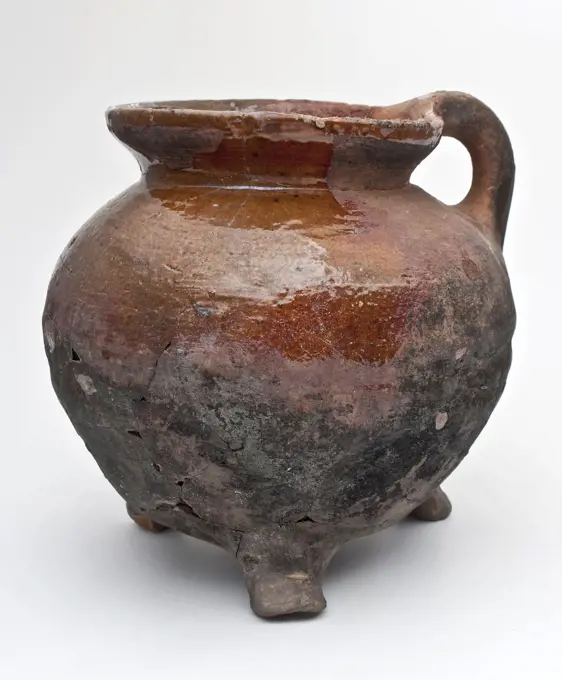
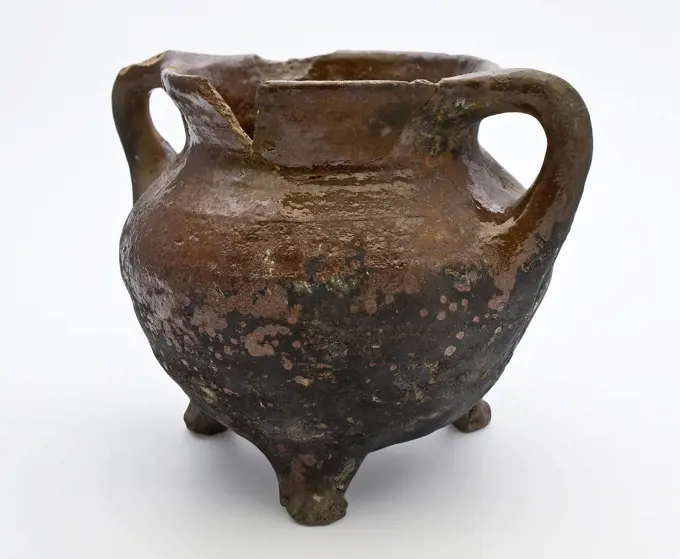
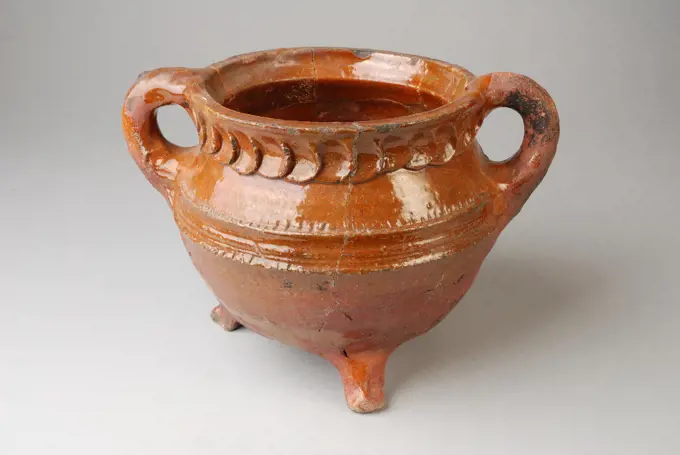
Pottery cooker on three legs, grape model and sparingly glazed, one standing ear, grape cooking pot tableware holder kitchen utensils earthenware ceramic earthenware glaze lead glaze, belly 19.5 bottom 11.0 hand turned set glazed baked One ear grape or cooking pot red earthenware round ear funnel-shaped neck edge slightly thickened edge sparing lead three legs. Ball-shaped model with single groove or draping over the belly Gratings at the bottom archeology Capelle aan den IJssel House at Capelle castle indigenous pottery cooking kitchen food preparation tableware tableware Soil discovery: house in Capelle Capelle aan den IJssel.
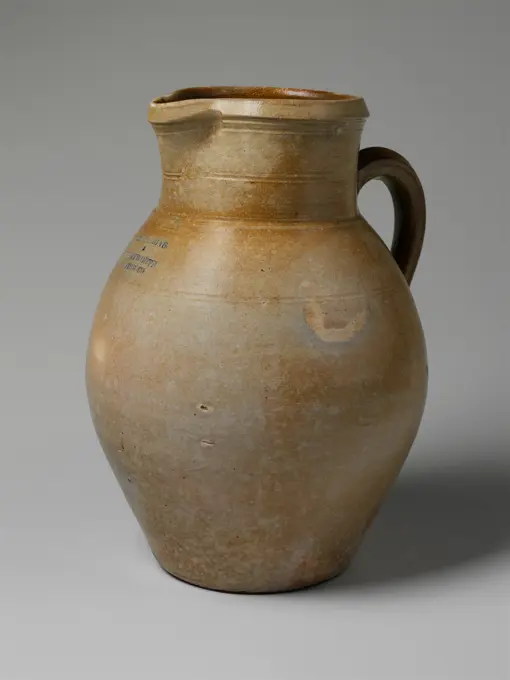
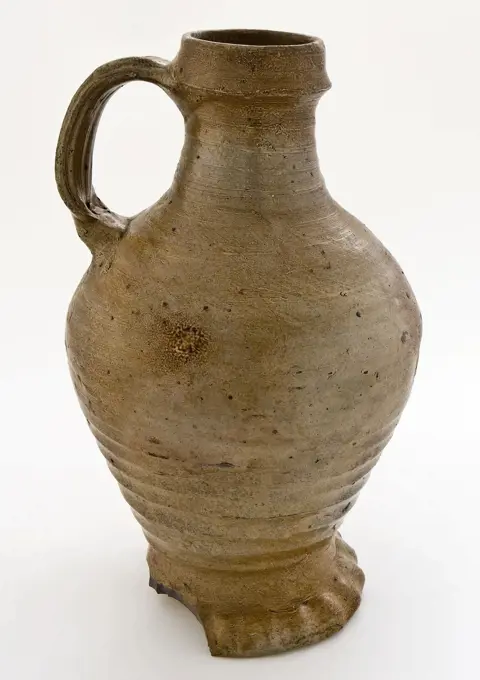
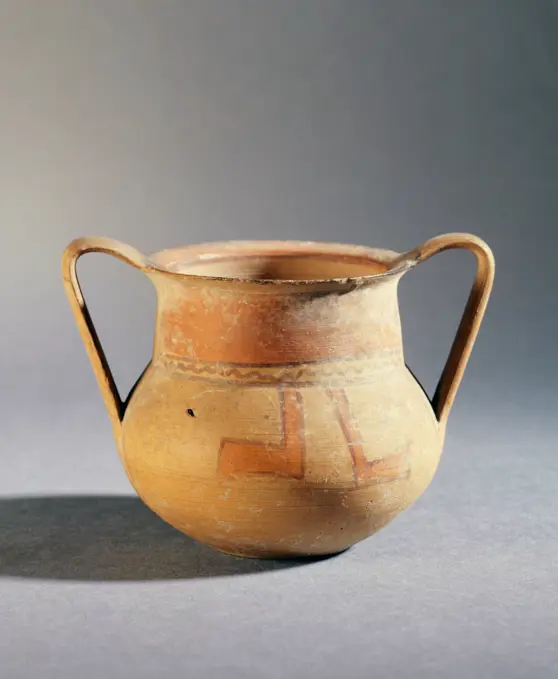
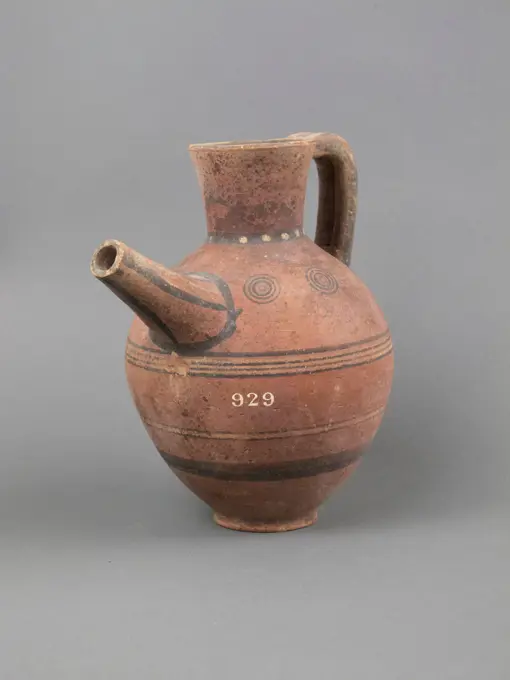
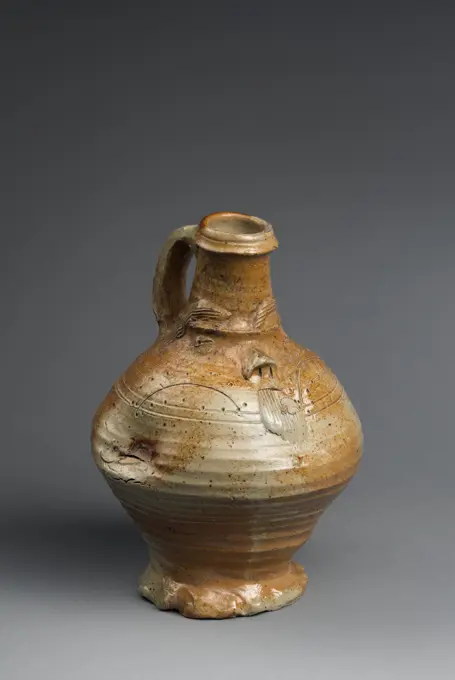
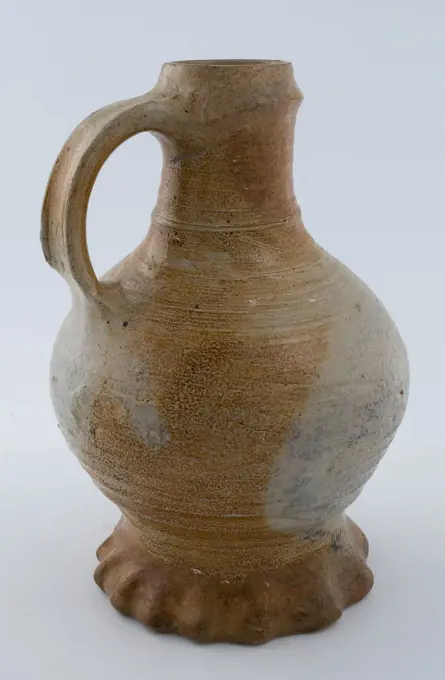
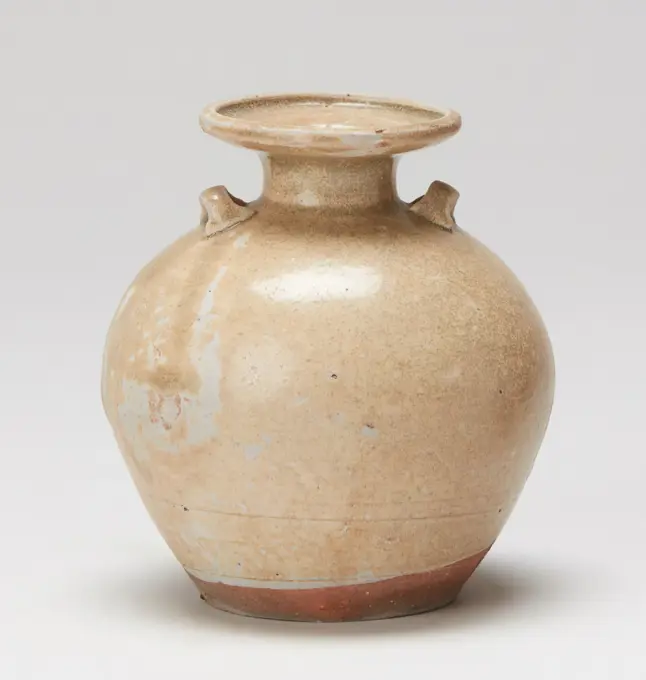
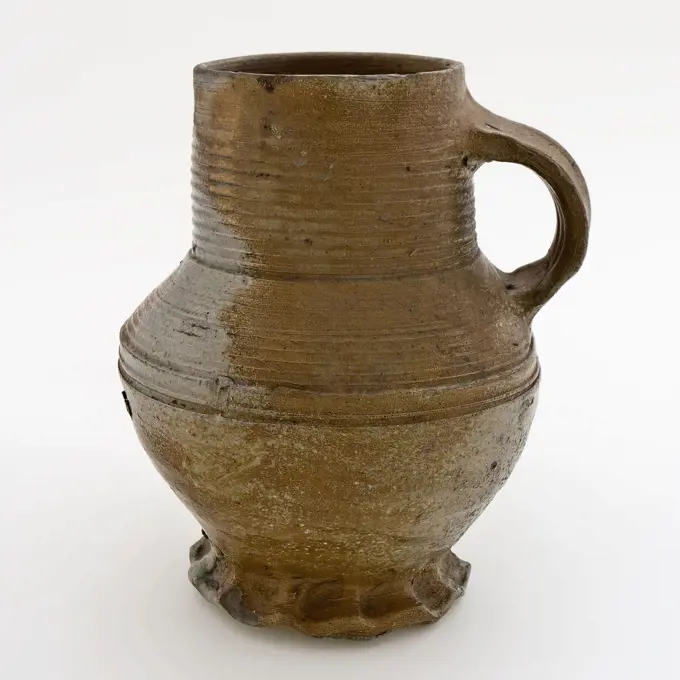
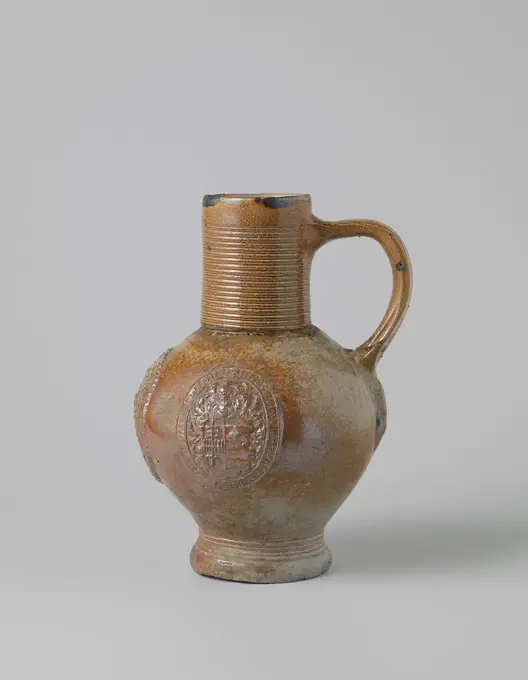
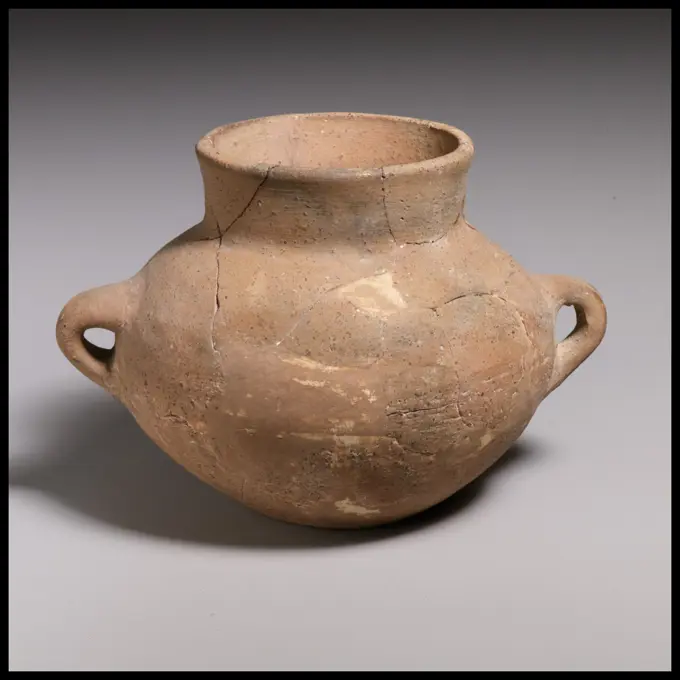
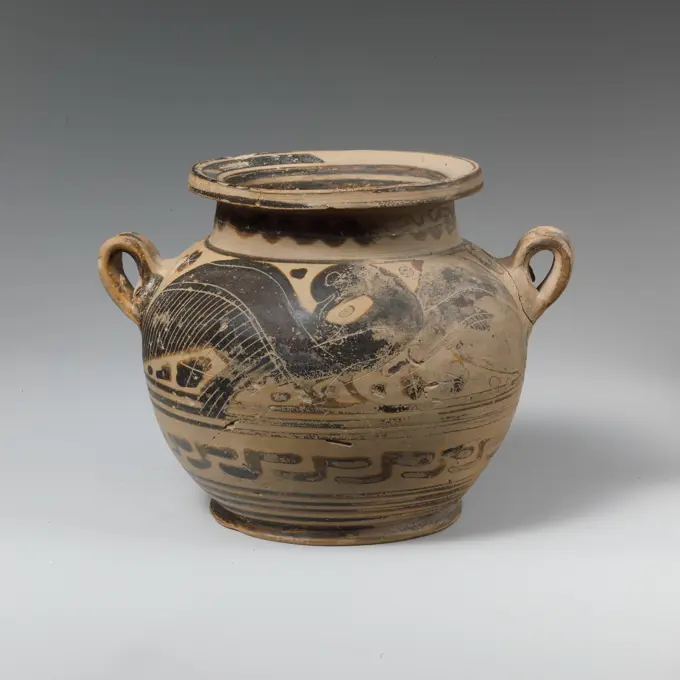
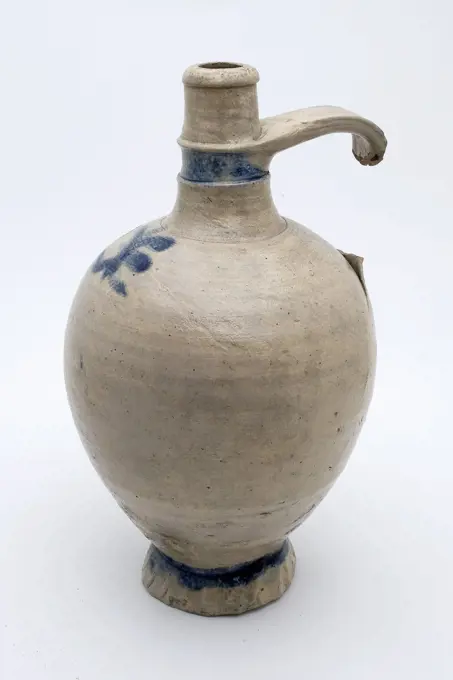
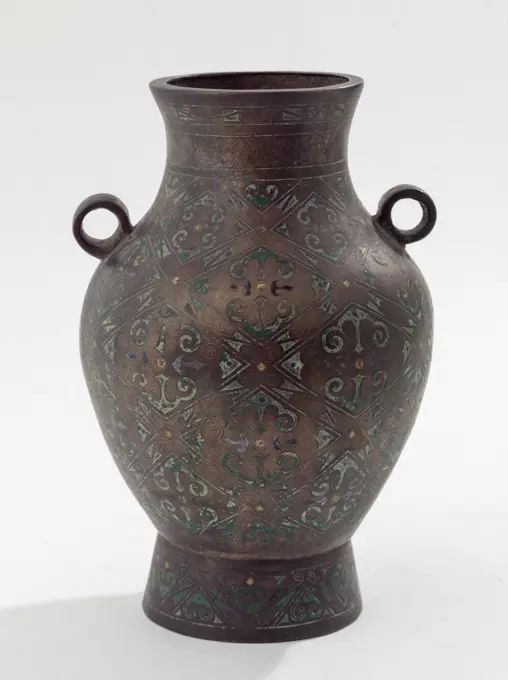
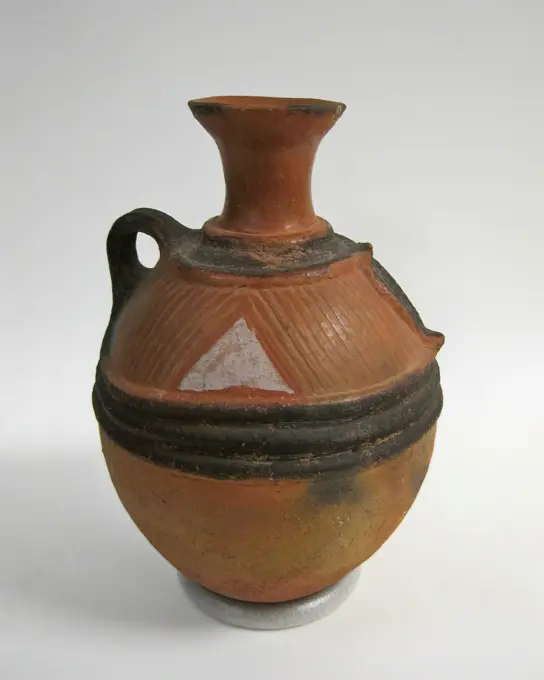
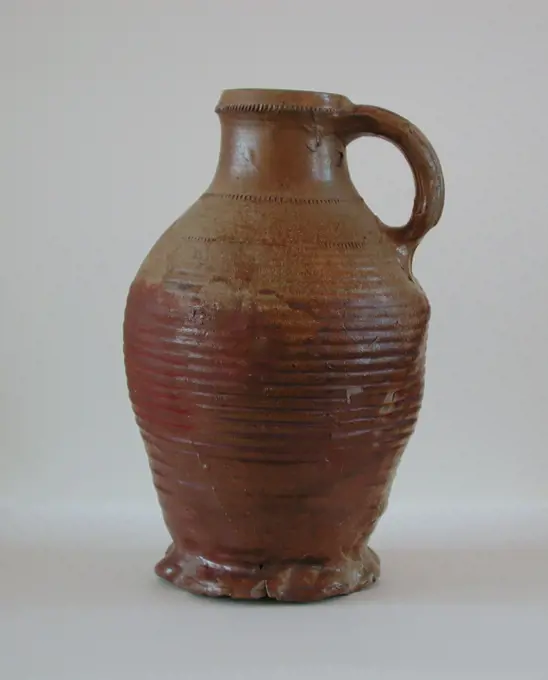
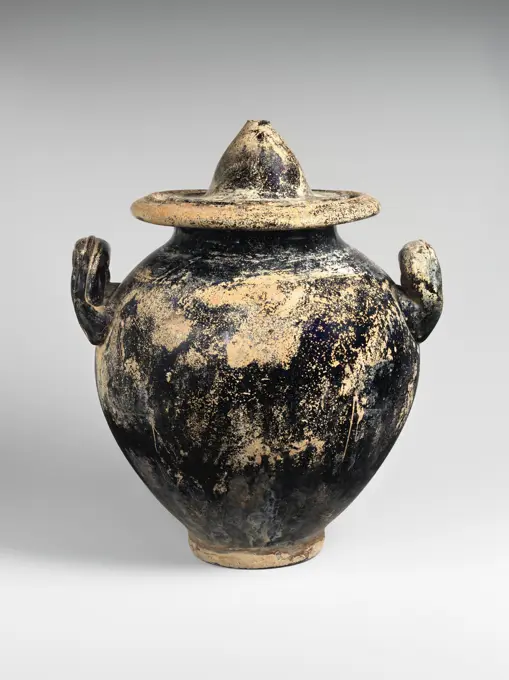
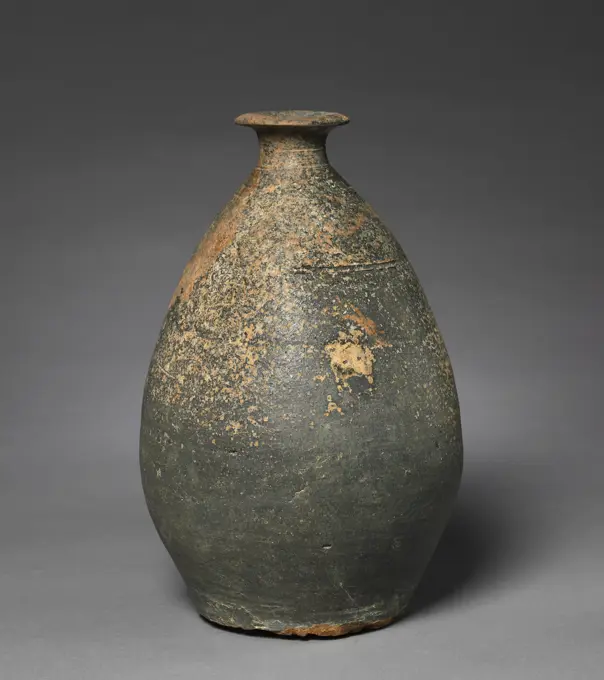
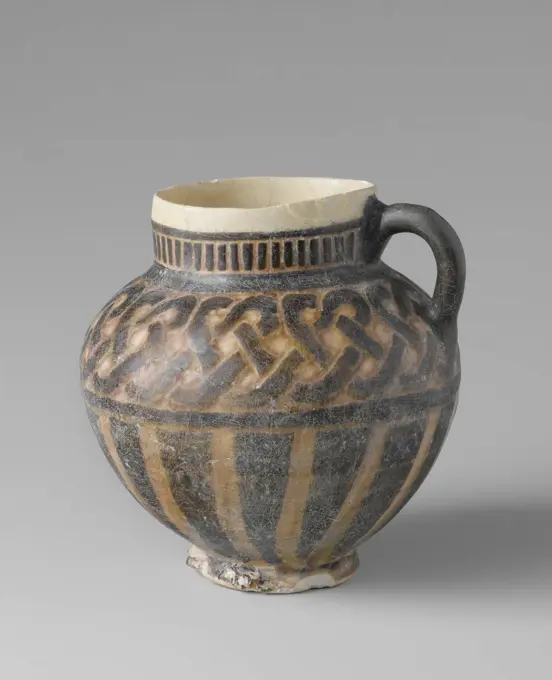
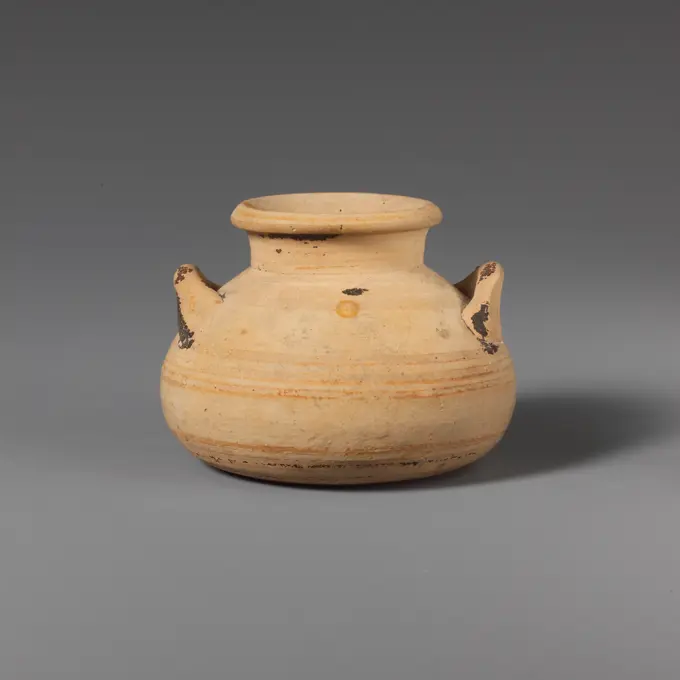
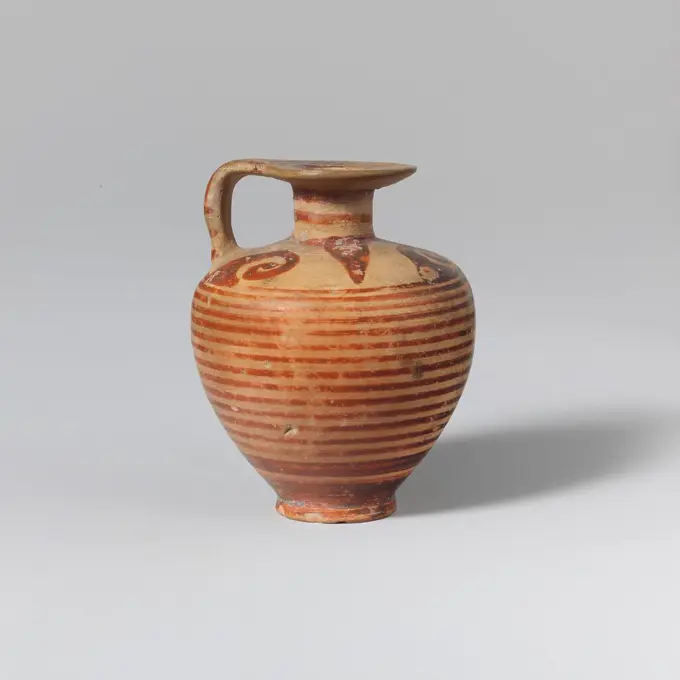
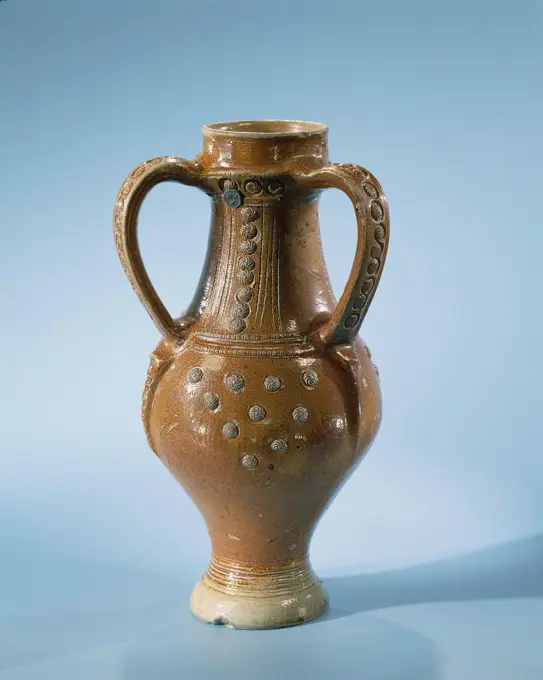
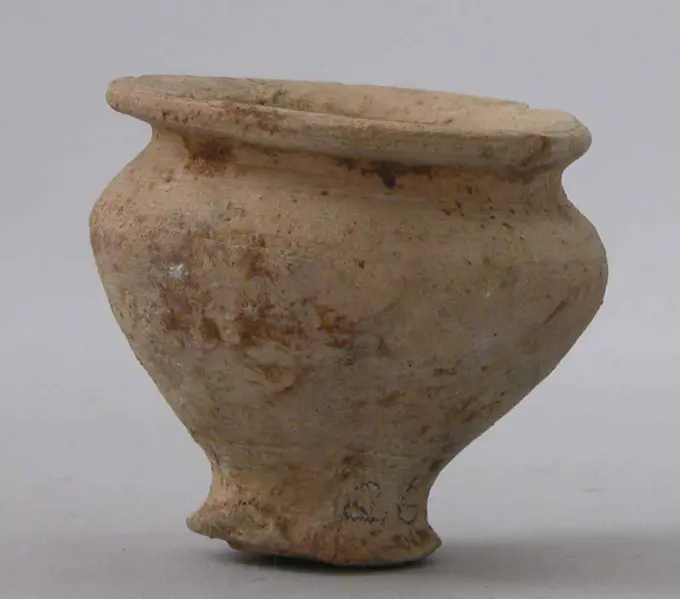
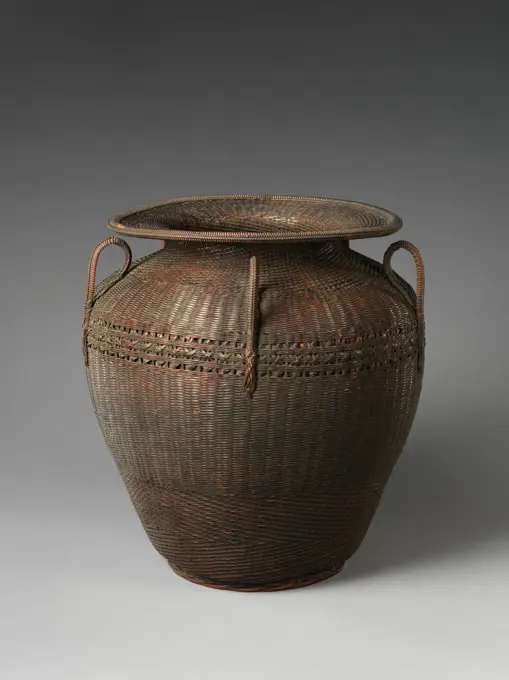
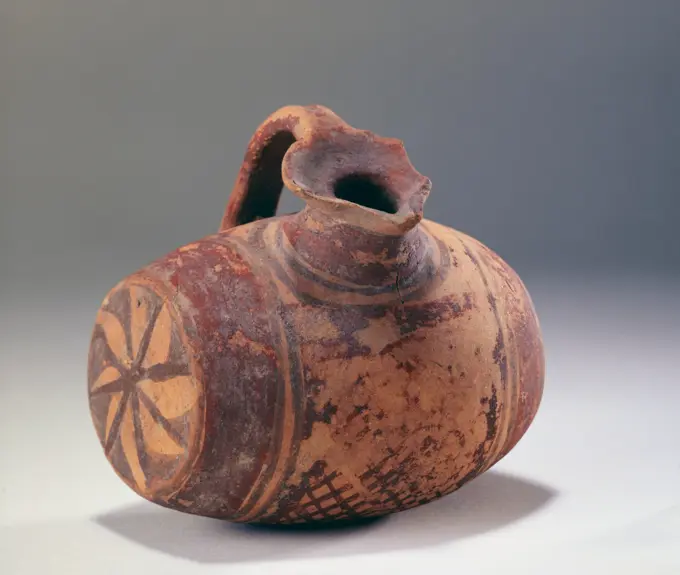
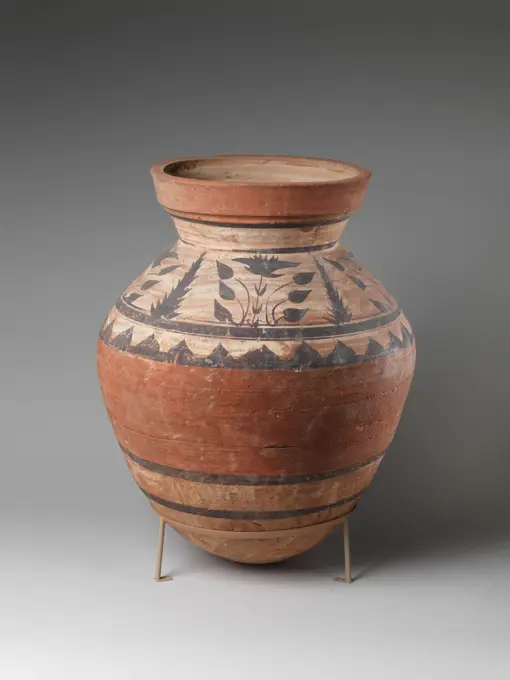
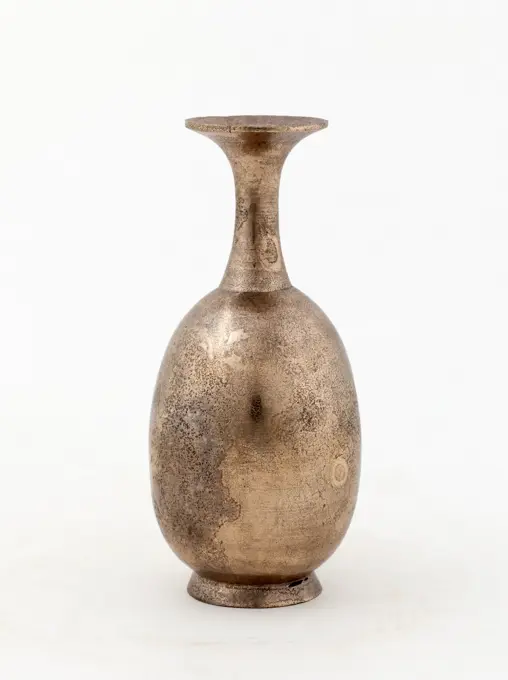
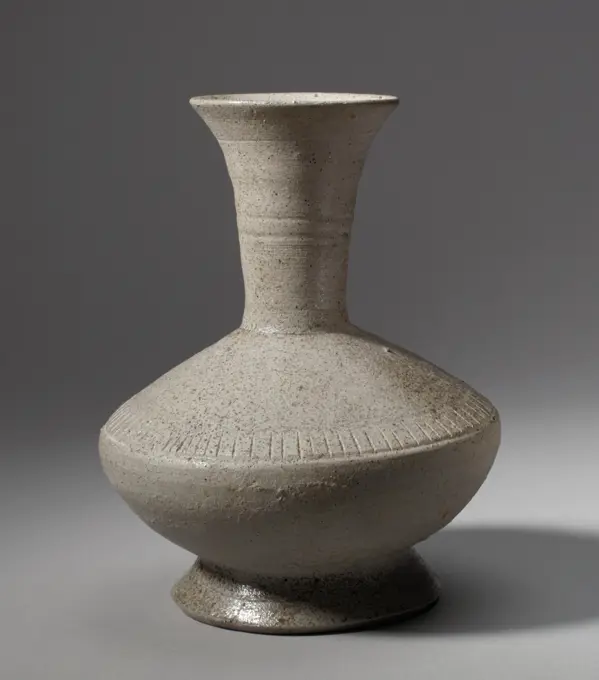
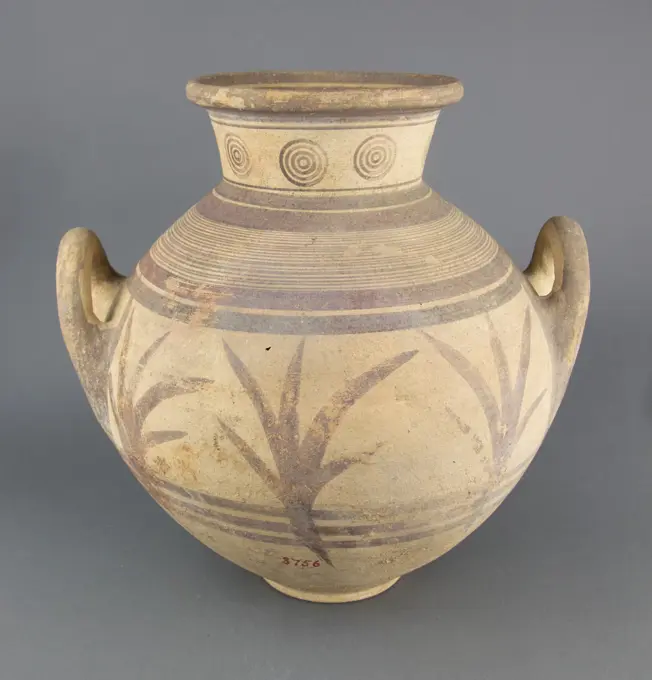
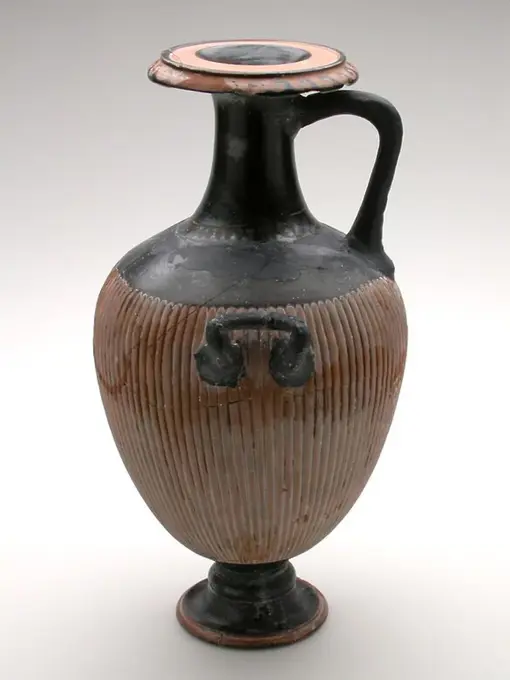
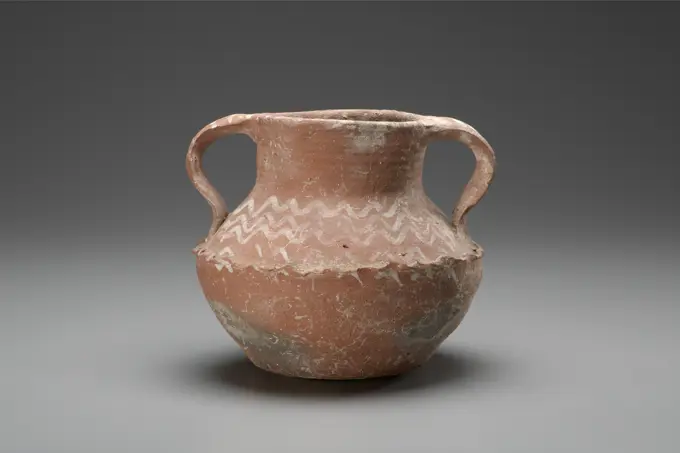
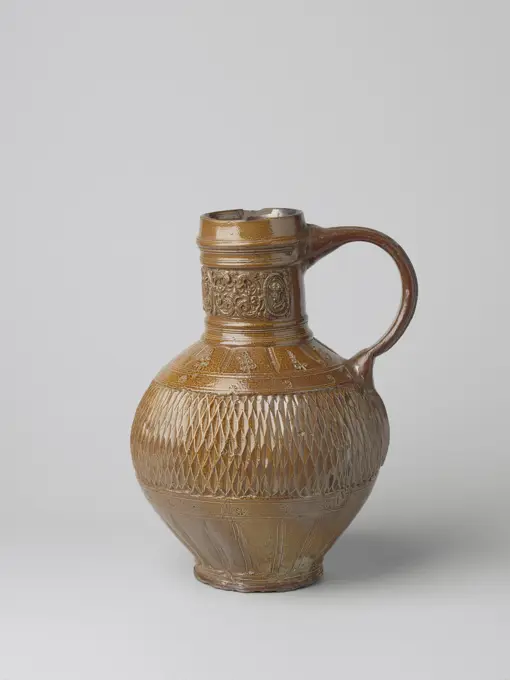
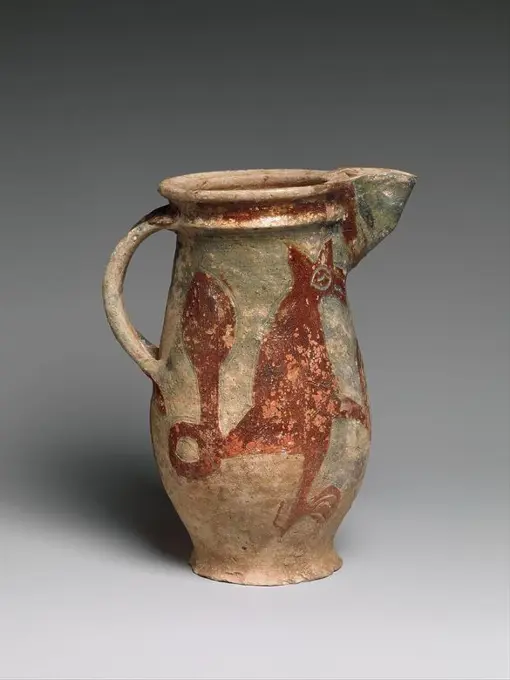
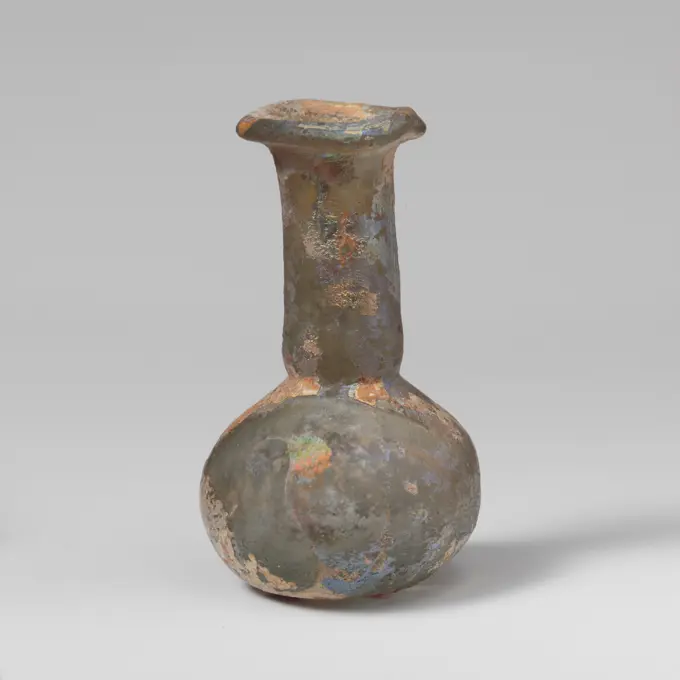
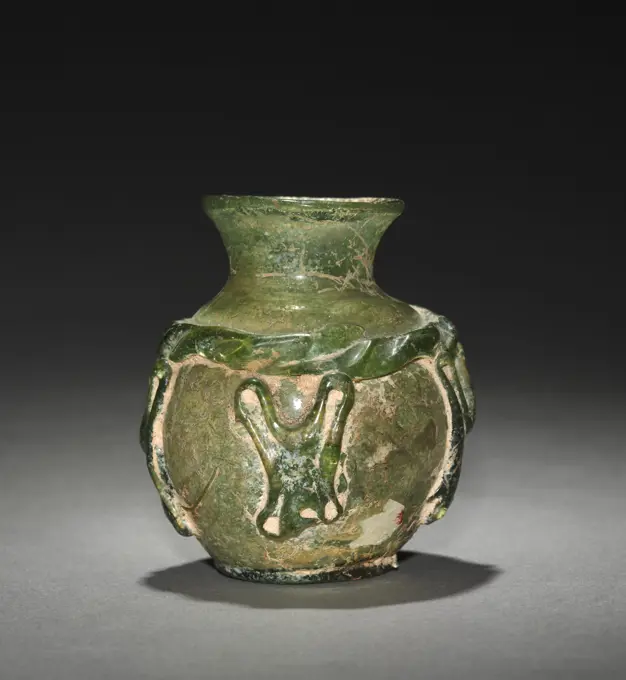
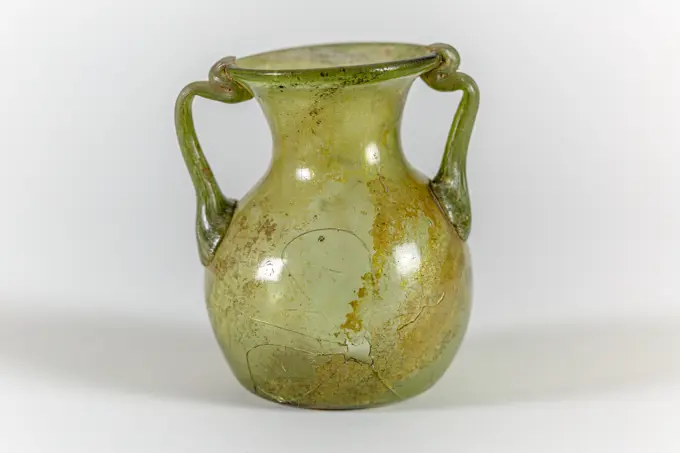
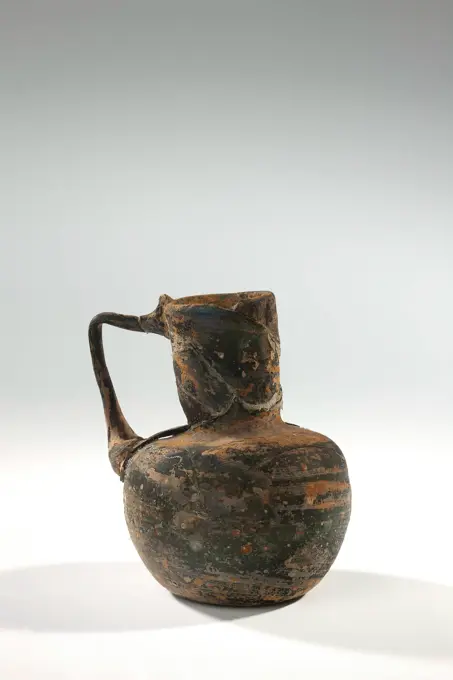
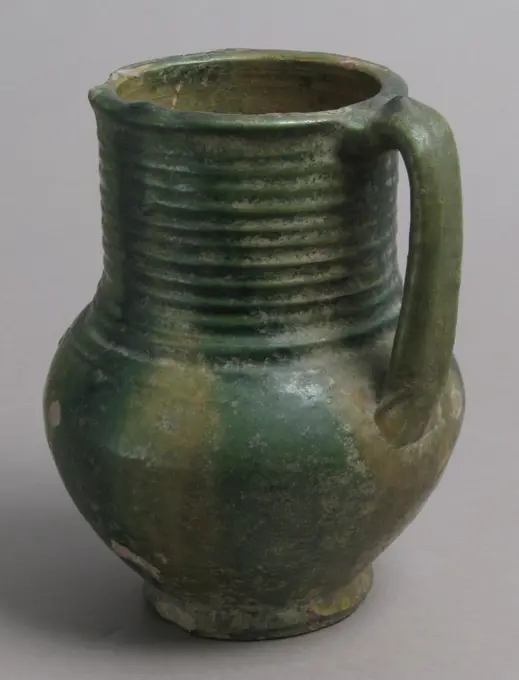
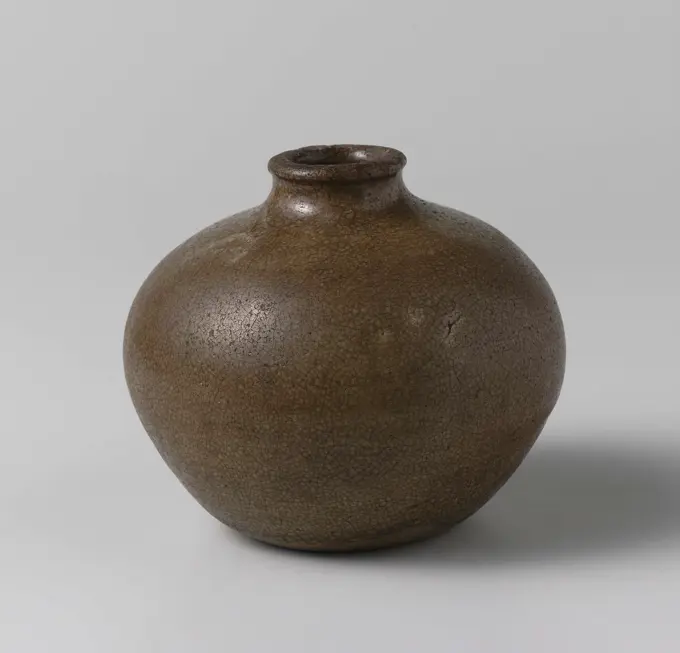
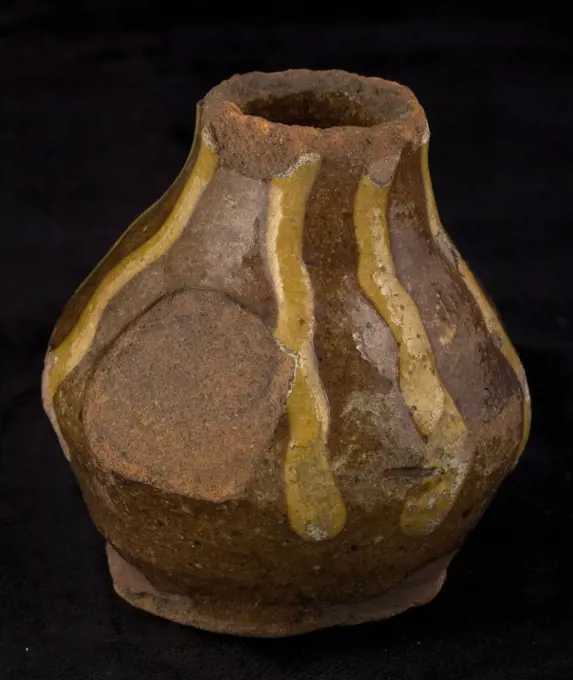
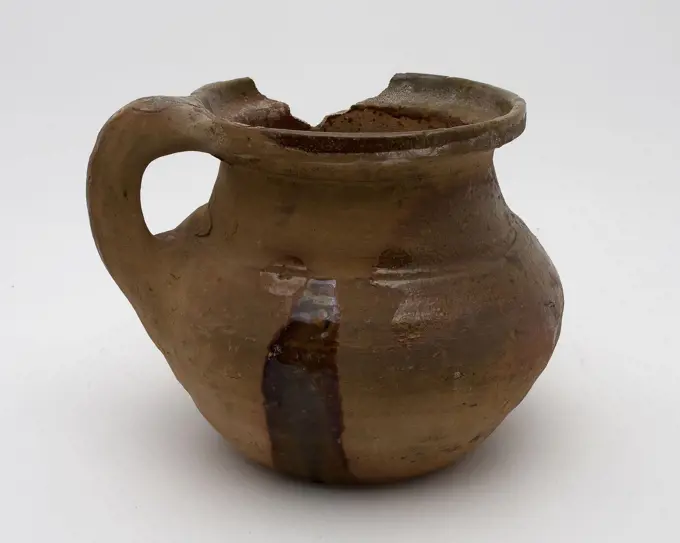
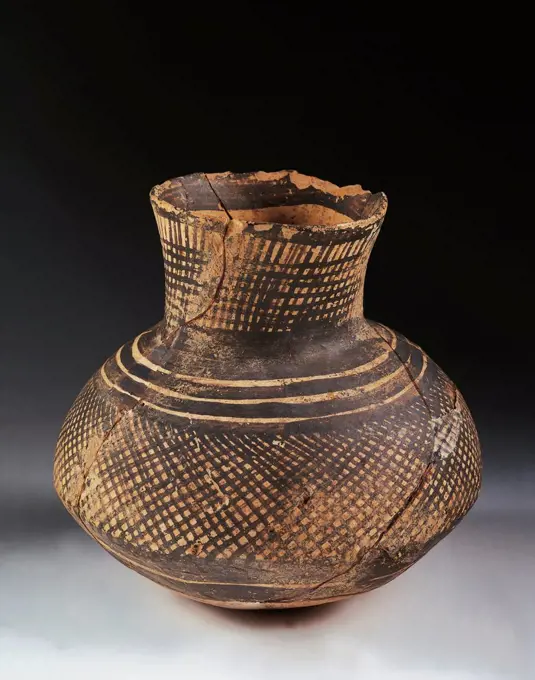
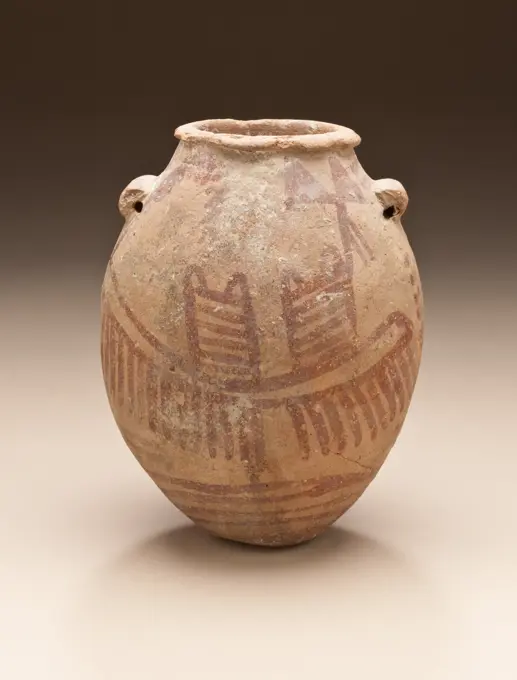
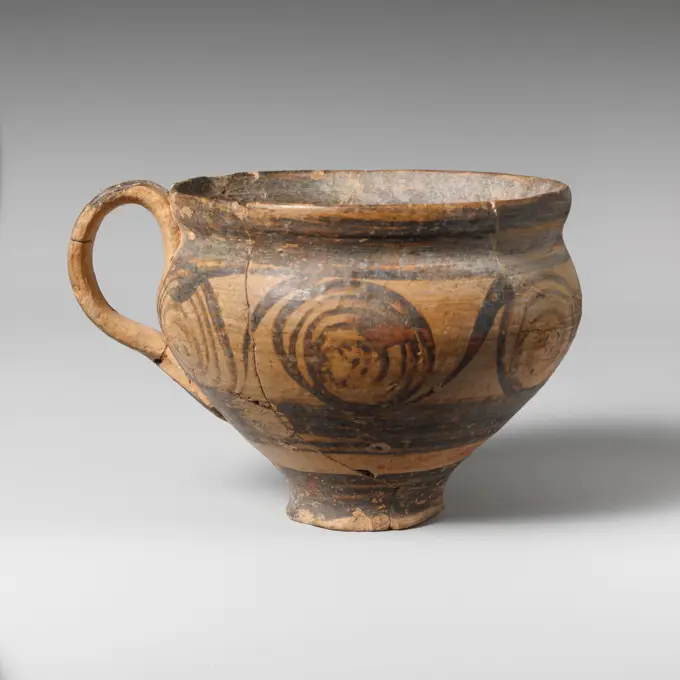
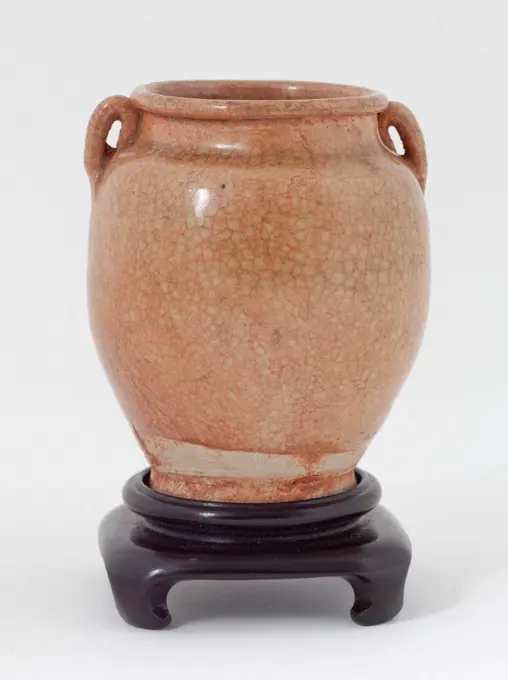
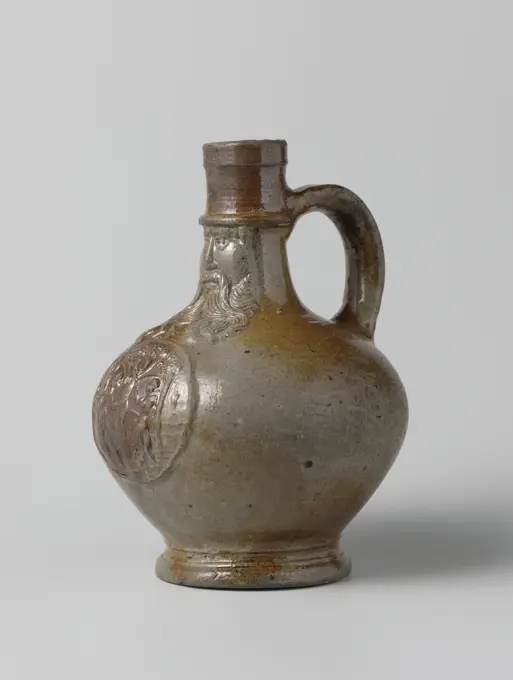
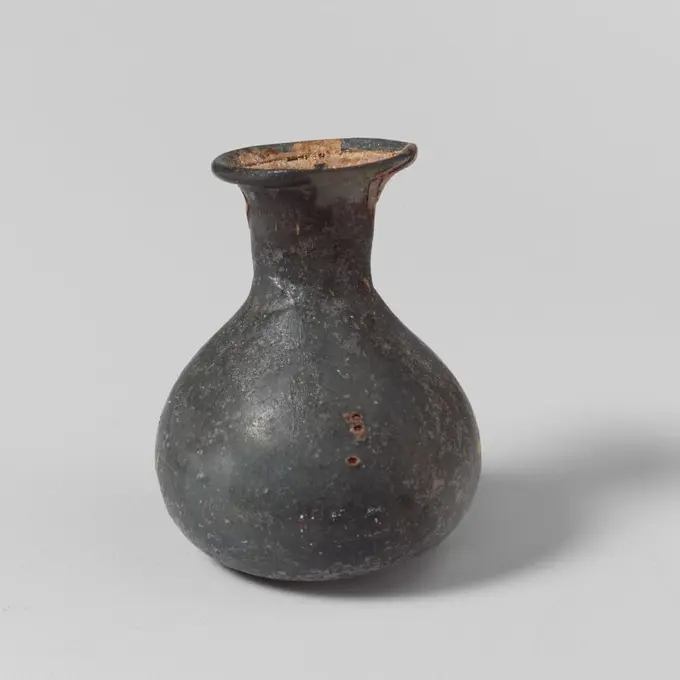
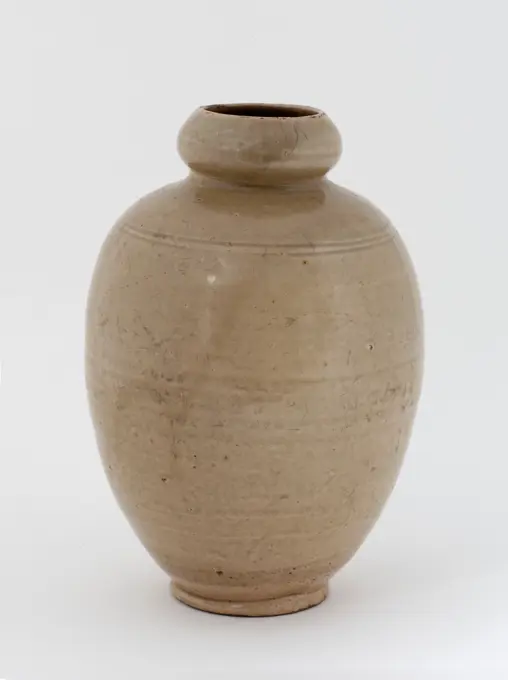
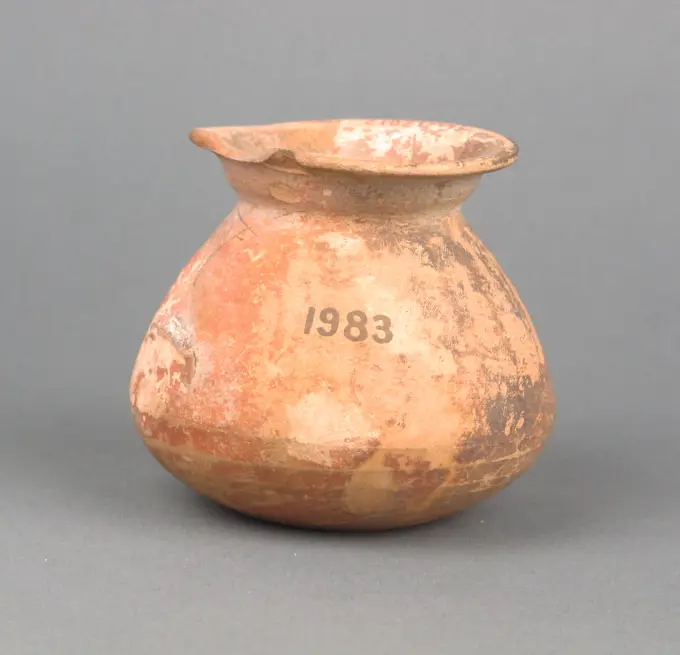
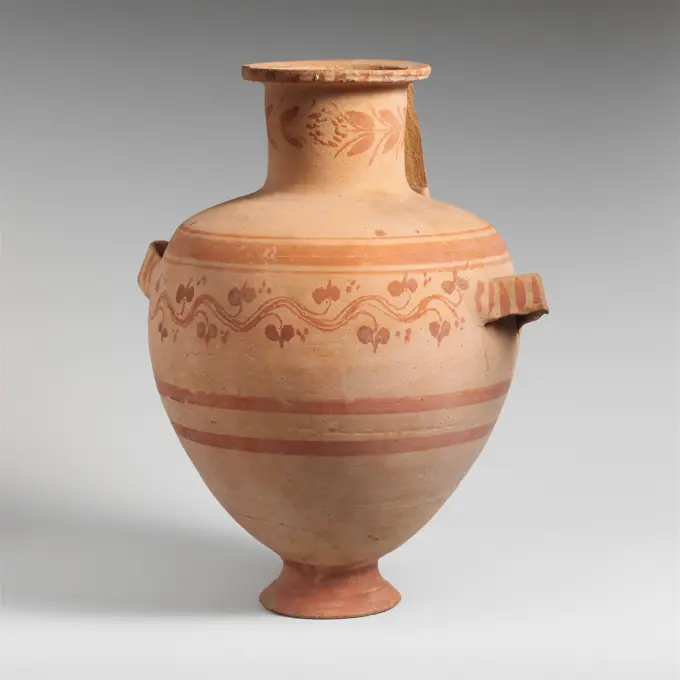
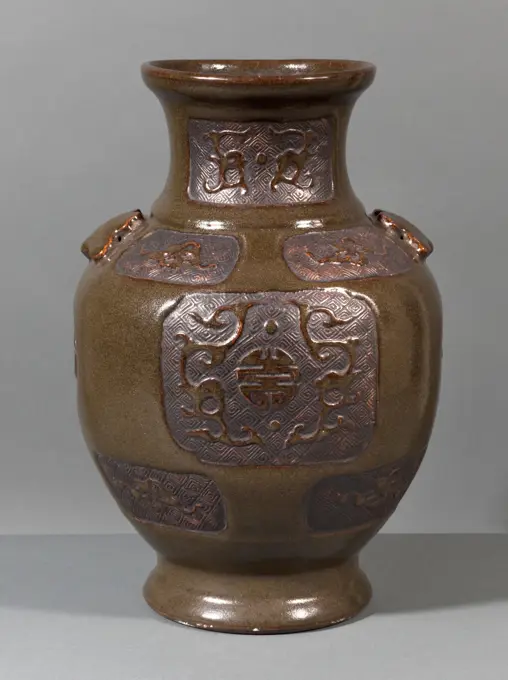
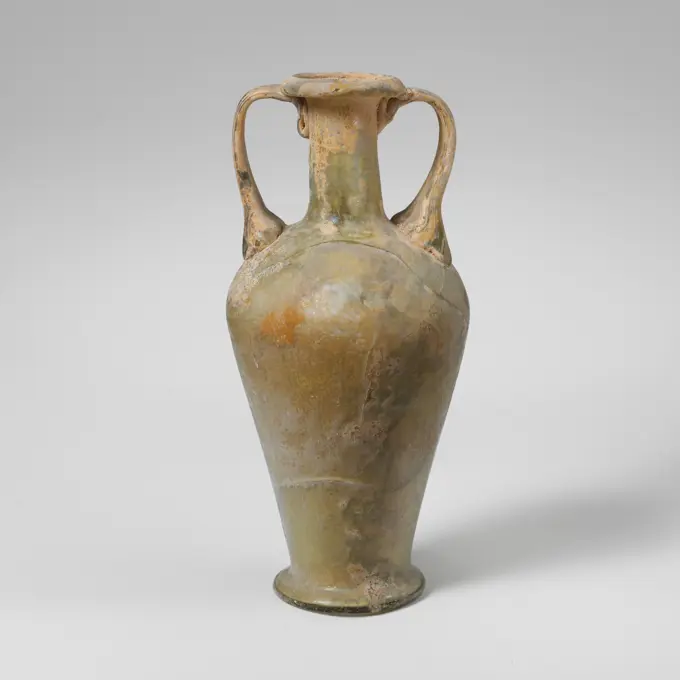
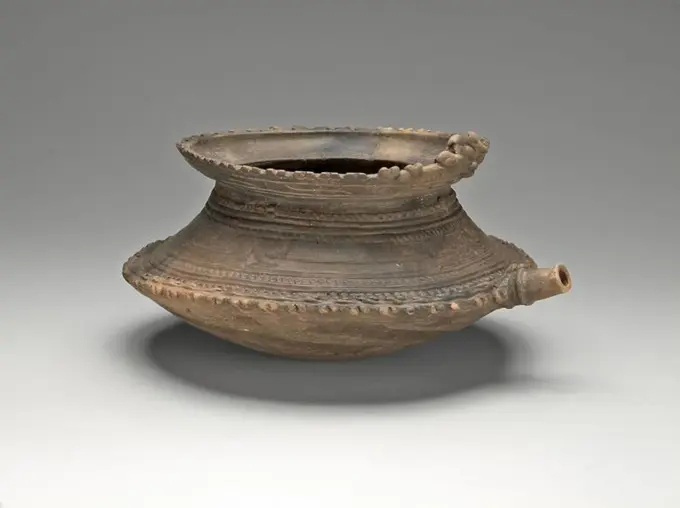
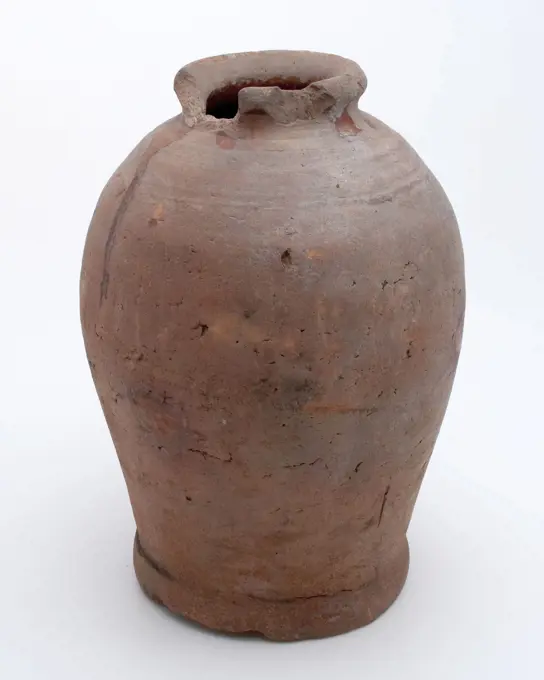
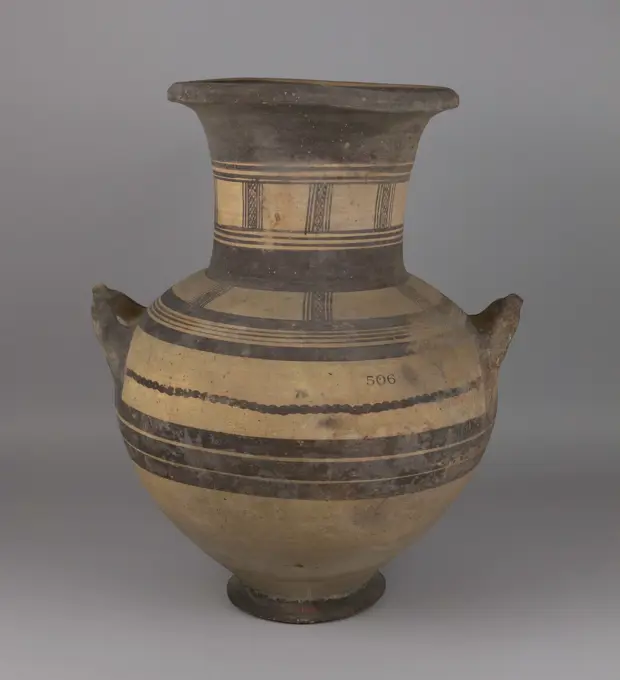
Amphora 950-850 B.C. Cypriot Horned handles, bands, and on neck and shoulder, vertical lattice bands.. Amphora. Cypriot. 950-850 B.C.. Terracotta. Cypro-Geometric II. VasesPitcher 1814-28 Peleg Armstrong and Erastus Wentworth. Pitcher 4575Pottery cooker on three legs, grape model and sparingly glazed, one standing ear, grape cooking pot tableware holder kitchen utensils earthenware ceramic earthenware glaze lead glaze, belly 19.5 bottom 11.0 hand turned set glazed baked One ear grape or cooking pot red earthenware round ear funnel-shaped neck edge slightly thickened edge sparing lead three legs. Ball-shaped model with single groove or draping over the belly Gratings at the bottom archeology Capelle aan den IJssel House at Capelle castle indigenous pottery cooking kitchen food preparation tableware tableware Soil discovery: house in Capelle Capelle aan den IJssel.Light brown-gray stoneware jug with pinched foot, ledge around neck edge, jug crockery holder soil find ceramic stoneware clay engobe glaze salt glaze, hand turned glazed baked stoneware jug gray shard salt glaze beige brown bandor protruding edge around the neck below the mouth rim rotations pinched foot belly model with conical neck Ear crooked attached archeology import pottery pouring serve packing transport storeJug Etruscan 6th-4th century BCE View more. Jug. Etruscan. 6th-4th century BCE. Terracotta. Archaic or Classical. VasesCeramic jug early 1st millennium B.C.. Ceramic jug 331945. From 771 BC China was divided into a number of warring states. Their rulers emphasized their power through outward display, so bronzes of this so-called Warring States period had to be richly decorated. Repeating motifs were applied to the casting moulds using stamps. These techniques made it easy to produce impressive series of identical pieces.Jug with foliate scrolls and colored borders, anonymous, c. 1650 - c. 1699 Jug of stoneware on high foot with an egg -shaped belly and wide, short neck. The C-shaped ear is attached to the neck and shoulder. On the neck and the foot some entry lines and profiles. Partly covered with cobalt blue and mangangan purple. On the abdomen a horizontal band with printed and imposed ornaments in relief on a dotted soil in alternating blue and purple. Below that vertical ties with leaf vessels in relief interspersed with a blue or purple band. On the foot and neck blue lines. Some pieces of relief are missing. Westerwald. Westerwald stoneware. glaze. cobalt (mineral). manganese oxide vitrification Jug of stoneware on high foot with an egg -shaped belly and wide, short neck. The C-shaped ear is attached to the neck and shoulder. On the neck and the foot some entry lines and profiles. Partly covered with cobalt blue and mangangan purple. On the abdomen a horizontal band with printed and imposed ornSmall terracotta trefoil-mouthed jug Minoan ca. 1950-1900 BCE Fine plain ware without decoration. View more. Small terracotta trefoil-mouthed jug. Minoan. ca. 1950-1900 BCE. Terracotta; Fine plain ware. Middle Minoan IB. VasesUnknown. "Italic canthare". Ceramic, yellowish clay slightly dull, shaped around. -550 BC .. Museum of Fine Arts of the City of Paris, Petit Palais. 99935-23 Antiquity, clay, ceramic, environment of life VI 6th 6th 6 century before av. JC, ancientJug 750-600 B.C. Cypriot Jug with spout, bands, concentric circles, and dots in white.. Jug. Cypriot. 750-600 B.C.. Terracotta. Cypro-Archaic I. VasesOinochoe ca. 1050-900 B.C. Cypriot Broad and narrow horizontal bands.. Oinochoe. Cypriot. ca. 1050-900 B.C.. Terracotta. Iron Age. VasesFace jug ca. 1500 German, Aachen or Raeren No vessel was too humble to decorate. Continuing a centuries old tradition in pottery, a comical face—complete with stuck-out tongue—has been scratched and modeled into this simple jug, which epitomizes cheap production for a local market. It was fired in a wood-burning kiln with more regard for economy of space than pristine conditions; indentations at top and bottom reveal that it was stacked with a mass of vessels. The uneven glaze indicates irregular heating, with the cooler, lighter area caused by the vessels proximity to its neighbor. The cracked indentation at its side was also caused during firing, probably by something falling against it. Nevertheless, the jug, still serviceable, was kept and used.[Elizabeth Cleland, 2017. Face jug. German, Aachen or Raeren. ca. 1500. Salt-glazed stoneware. Ceramics-PotteryELEMENTO FUNCIONAL - VASIJA CERAMICA. Location: MUSEO ARQUEOLOGICO-COLECCION. Sevilla. Seville. SPAIN.Stoneware jug on pinched base, convex model with broad band-ear, glazed, jug crockery holder soil find ceramic stoneware glaze salt glaze, hand turned glazed baked Stoneware jug Standing band ear attached to cuff around the neck and on the shoulder. Spinning mills over the entire height Gray glazed fields with gray and brown speckled glaze Pinched foot completely renewed Profile ring at the bottom of the neck Restoration is repainted archeology underground pit Rotterdam City center Stadsdriehoek Groenendaal indigenous pottery import drink table store packaging Soil discovery: underground pit Groenendaal from land next to the Kolk 1977.04.07 .Jar, 420-580, 3 1/2in. (8.9cm), Yue ware Stoneware, China, 5th-6th centuryBrown stoneware pot on pinched foot, rings around neck and top of belly, pot jug tableware holder soil find ceramic stoneware clay engobe glaze salt glaze, hand turned glazed baked Stoneware gray shard salt glaze partially brown bandoor profiled rings round neck and upper half of the belly pinched foot. Belly model with cylindrical neck archeology import pottery serving serve drinking wine beerPre-Columbian art. Pre-Incan. Cosanga or Pazaleo Culture (700-1500 AD). From Ecuador. Ceramic vessel. 24 x 24 cm (diameter).  Private collection.Jug. Sphered jar of stoneware on a foot. The high cylindrical neck is ribbed and the ear is C-shaped. The belly is decorated with three medallions; In the middle the arms of Amsterdam and on either side the weapon of the d'urban family (Liège) with circumcision "Itvr Pod ... Ano: 1589".Storage JarTerracotta collar-necked jar with two handles ca. 2650-2150 B.C. Helladic Course ware jar with two handles.. Terracotta collar-necked jar with two handles 252909 Helladic, Terracotta collar-necked jar with two handles, ca. 26502150 B.C., Terracotta, H. 5 in. (12.60 cm.) Diameter 5 13/16 in. (14.6 cm.). The Metropolitan Museum of Art, New York. Gift of the Greek Government, 1927 (27.120.11)Earthenware grape, pouch model on three legs, sloping neck edge and two hook ears, grape cooking pot tableware holder utensils earthenware ceramics earthenware glaze lead glaze, rand, hand turned glazed fried Grape. Red shard External sparing lead glaze Angled flat pinched ears Black scaly pouch model. Oblique funnel-shaped neck slightly profiled but not thickened or aggravated archeology Heenvliet Bernisse indigenous earthenware food preparation cooking nutrition Soil discovery: Heenvliet Branderf ditch filling. Found 1971-11-20.Terracotta pyxis (box) ca. 590-570 B.C. Apparently by the Hermitage Painter Obverse and reverse, between vertical handles, an eagle.. Terracotta pyxis (box) 254941 : Apparently by the Hermitage Painter, Terracotta pyxis (box), ca. 590570 B.C., Terracotta, H. 4 3/4 in. (12.1 cm). The Metropolitan Museum of Art, New York. Gift of Ernest Brummer, 1957 (57.12.3)Cooking pot, cooking jug, grape model with one sausage ear, on three legs, cooking pot tableware holder kitchenware soil find ceramic earthenware glaze lead glaze, hand turned glazed baked Pottery cooking pot or cooking jug on three legs. Sausage handle attached to the top edge. Slantly outward-facing upper edge with lip Some soot marks at the bottom. Sparely glazed. Restoration is repainted archeology Rotterdam Stadscentrum Stadsdriehoek Bulgersteyn indigenous pottery cooking food preparation kitchen food Soil discovery: slot Bulgersteyn in Rotterdam.Terracotta amphora. Culture: Cypriot. Dimensions: H. 19 in. (48.3 cm). Date: ca. 1900-1600 B.C..Amphora with one vertical and one horizontal handle. Museum: Metropolitan Museum of Art, New York, USA.Vase 4th-7th century Coptic. Vase 477749Terracotta miniature amphora ca. 8th century B.C. Cypriot Miniature vases such as these were placed as offerings in Cypriot tombs of the Geometric period. The shapes and decoration are small-scale versions of full-size vessels, and provide insights into the lives and funerary practices of non-elite segments of the population eight century B.C. Cyprus.. Terracotta miniature amphora 330047Stoneware mineral water pitcher on pinched foot, ovoid model with blue accents, mineral pitcher pitcher pitcher container soil find ceramic stoneware enamel salt enamel, hand turned baked glazed stoneware mineral pitcher light gray shard with salt glaze bandoor pinched foot mark on the shoulder archeology health care import pottery packing serve drink medicine drug pharmacyJar 11th century. Jar 446840LargeJarVase. Inlaid bronze. China. Paris, Cernuschi museum. Handle rings, Chinese art, inlaid bronze, vaseChicken-HeadedEwerWater Vessel, c. 1930, 12 7/8 x 8 15/16 x 9 1/16 in. (32.7 x 22.7 x 23.02 cm), Ceramic, pigment, Nigeria, 20th centuryJuglet. Culture: Cypriot. Dimensions: 3 13/16in. (9.7cm). Date: 1050-950 B.C..Miniature amphora with straight and wavy lines. Museum: Metropolitan Museum of Art, New York, USA.Amphora ca. 1050-900 B.C. Cypriot Bands and on lip zigzag band.. Amphora. Cypriot. ca. 1050-900 B.C.. Terracotta. Iron Age. VasesLarge stoneware jug be pinched, purple brown to yellow gray, decorated with wheel stamping, water jug crockery holder soil find ceramic stoneware clay engobe glaze salt glaze, belly 19.0 foot 14.5 hand-turned glazed fried Large jug with wide ear on shoulder and top edge radstamp decoration pinched foot whole with rotations color purple brown to yellow gray archeology Valckensteyn Poortugaal Albrandswaard indigenous pottery import drink drink donate water wash Soil discovery: moat at bridge castle Valckensteyn at Poortugaal now Albrandswaard 1962.Glass cinerary urn with lid mid-1st century A.D. Roman Urn: Translucent deep purple, appearing black; handles in same color.Collar rim, folded out, down, round, up, and in, with beveled edge; broad, rounded mouth; short neck; piriform body; vertical hollow foot; bottom concave around edge; two vertical, arched, inverted U-shaped handles, attached on opposite sides of upper body, each made of a thick trail, applied as a large circular pad, drawn across body from left to right, and trailed off back along top of handle.Body and handles complete, but broken around base with most of bottom missing; dulling, pitting of surface bubbles, limy encrustation around base, creamy brown weathering, and iridescence.Lid: Translucent deep purple, appearing black.Thick, rounded rim, folded up and in; outer side flat, then shaped like a thick, tall cone, ending in a jagged pontil scar at top.Complete, but broken and repaired; dulling, pitting of surface bubbles, patches of limy encrustation, creamy brownBottle with a Flattened Side, 700s-800s. Korea, late Unified Silla (676-935) or early Goryeo (918-1392) period. Stoneware with incised designs; overall: 25.1 cm (9 7/8 in.); diameter: 15.9 cm (6 1/4 in.).Terracotta jar. Culture: Cycladic. Dimensions: Overall: 16 3/8 in. (41.6 cm). Date: ca. 2300-1900 B.C..The jar, the jug (2004.363.3), and the kernos (2004.363.1) displayed nearby in this gallery were found together in 1829 in a tomb on Melos by Captain Copeland, a British naval officer. In 1857 his widow gave the objects to Eton College, where they have remained until coming to The Metropolitan Museum of Art on loan in 1996. Museum: Metropolitan Museum of Art, New York, USA.. Can be decided from Quartz Fritgoed with braid and stripes cut out of black sludge engine under a transparent alkali acid.Terracotta alabastron (jar) ca. 1600-1050 B.C. Mycenaean Low body and two small handles.. Terracotta alabastron (jar) 244730Terracotta aryballos (oil flask). Culture: Greek, Corinthian. Dimensions: H. 2 in. (5.1 cm). Date: late 8th-early 7th century B.C..Stripes around body. Museum: Metropolitan Museum of Art, New York, USA.. Uneven brown colored jug with three ears. The pear-shaped belly runs into the wide neck. The belly, neck and ears are decorated with rosettes and relief, regularly placed. On the neck a Bob with the Amsterdam city weapon.JAR WITH A DARK GREEN GLAZE. Pot of stoneware with a spherical body, flared neck and raised edge, partly covered with a dark green glaze. On the neck three ingrangled tires.Jar 8th-9th century. Jar 449420Large Karamono-Style Flower Basket (Hanakago) ca. 1870s-80s Hayakawa Shkosai I Japanese This large Chinese-style flower basket is a standout piece from the first collection of bamboo art given to The Met: a group of nearly eighty baskets bequeathed to the Museum in 1891 by Edward C. Moore of Tiffany & Co.. Large Karamono-Style Flower Basket (Hanakago). Hayakawa Shkosai I (Japanese, 1815-1897). Japan. ca. 1870s-80s. Timber bamboo and rattan. Meiji period (1868-1912). BasketryAnonymous. "Oenochoé in the shape of a trolley, with a three -colored mouth". Ceramics, clay, whitish crust, shaped by hand. -600/500 BC .. Museum of Fine Arts in the city of Paris, Petit Palais. 99938-31 Antiquity, clay, ceramic, VIEM LIFE VI 6th 6th 6 CENTURY BEFORE AV. JC, ancientLarge storage jar with floral decoration late 3rd-2nd century B.C. Ptolemaic Period This large jar typifies a type of painted floral decoration characteristic of the Late Period into the Ptolemaic Period at Thebes. The bowl (13.180.34b) was used base downward as a lid in the mouth of the jar. The large jars usually held solid funerary offerings, such as dates, grain and various kinds of seeds, or, alternatively, mummification materials; analysis indicates the bowl originally contained some thick liquid with containing bovine cellulose, perhaps a thick beef broth or jellyThe jar was found by the Museum's Egyptian Expedition in an area of brick-vaulted Ptolemaic tombs over the area of Hatshepsut's Valley Temple. The tombs were partly sunk beneath the ground but the vaults were above ground. At the ground entrance there would be a small vestibule or open entrance area. Sometimes vessels were found in twosomes or groups at he entrance; this particular example was found beside a second staBOTTLE - Kundika ". Bronze. China, Tang dynasty. Paris, Cernuschi museum. 72687-29 Chinese art, bottle, bronze, tang dynasty, kundikaPottery flower pot or fruit test on stand, with standing ear, hole in bottom, flower pot holder soil find ceramic pottery, hand turned pottery flower pot or fruit test on stand ring. Double conical in shape. Red shard unglazed. One hole in the bottom. Outstanding top edge inclined inwards. Pinched scalloped and standing bandoor archeology native pottery flower cultivate garden fruitLong-Necked Bottle 8th century Japan Sue ware represents a turning point in the history of Japanese ceramics, marking a break with earthenware production. Japanese craftsmen began to use the potters wheel during the seventh and eighth centuries, as revealed by the even walls of this vessel. Fired at a higher temperature than previously achieved—roughly 1000 to 1200° Celsius—Sue wares have bluish-gray bodies. These ceramics were fired in Korean-style kilns, single tunnel-like chambers half-buried in the hillsides.. Long-Necked Bottle 50315CANTARO U OLLA DE BOCA ANCHA DESDE DONDE SALEN LAS DOS ASAS - SIN VIDRIAR. Location: ALFARERIA. NIÑODAGUIA. Orense. SPAIN.Amphora 600-480 B.C. Cypriot Bands, concentric circles and trees.. Amphora. Cypriot. 600-480 B.C.. Terracotta. Cypro-Archaic II. VasesJug with three handles, anonymous, c. 1590 - c. 1600 Jug of stoneware on high foot with an egg -shaped body and wide neck. Three C-shaped ears attached to the neck and shoulder. Profiles on the neck, shoulder and foot. Covered with a brown Engobe. On the abdomen three times a triangle formed by printed and imposed, rosettes in relief. Rosettes with a tire on the neck. On every ear also a band with rosettes. In the neck a lead pin with the three crosses (city coat of arms) of Amsterdam. Raeren. Rae stoneware. glaze. engobe. pin: lead (metal) vitrification Jug of stoneware on high foot with an egg -shaped body and wide neck. Three C-shaped ears attached to the neck and shoulder. Profiles on the neck, shoulder and foot. Covered with a brown Engobe. On the abdomen three times a triangle formed by printed and imposed, rosettes in relief. Rosettes with a tire on the neck. On every ear also a band with rosettes. In the neck a lead pin with the three crosses (city coat of arms) of Amsterdam. RLamp. UnknownCoupe, 5 1/8 x 5 1/4 x 5 1/4 in. (13.02 x 13.34 x 13.34 cm), Earthenware, China, Late Han dynastyHydria (Water Jar). Greek; Apulia or Campania (), Italy. Date: 300 BC. Dimensions: 27.9 × 17.7 × 14.6 cm (11 × 7 × 5 3/4 in.). Terra-cotta, decorated in the black-glaze technique. Origin: Nola. Museum: The Chicago Art Institute, Chicago, USA. Author: ANCIENT GREEK.Covered Jar with Loop Handles. China. Date: 700 AD-799 AD. Dimensions: H. 31.3 cm (12 5/16 in.); diam. 23.3 cm (9 3/16 in.). Slip-coated and glazed stoneware. Origin: China. Museum: The Chicago Art Institute, Chicago, USA.PotJug with foliate scrolls, masks and chip carving, anonymous, c. 1590 - c. 1620 Jug of stoneware on stand ring with a spherical body and wide neck. The C-shaped ear is attached to the neck and shoulder. A few profiles on the neck and foot. Covered with a brown Engobe. On the abdomen a wide band with notch cut, below and a band with stamped rosettes. The shoulder and the lower part of the abdomen with entered courses, filled on the shoulder with stylized tifles. On the neck in relief a printed and laid bond with leaf vines interrupted by masks in medallions. Soil is missing. Raeren. Rae stoneware. glaze. engobe vitrification Jug of stoneware on stand ring with a spherical body and wide neck. The C-shaped ear is attached to the neck and shoulder. A few profiles on the neck and foot. Covered with a brown Engobe. On the abdomen a wide band with notch cut, below and a band with stamped rosettes. The shoulder and the lower part of the abdomen with entered courses, filled on the shoulder with Pingsdorf ball pot on small foot, brownish part with strings of lace paint, kogelpot kitchenware soil find ceramic earthenware clay engobe h 11.2 hand-turned decorated baked Pottery ball pot on small foot Yellow brown earthenware with reddish paint marks on the shoulder Spinning yarns over the belly and shoulder. Descending upper edge archeology indigenous pottery import cook store storeBarrel-Shaped Jug with a Fox and a Rooster. Culture: French. Dimensions: 8 11/16 × 6 3/4 × 4 7/8 in. (22.1 × 17.2 × 12.4 cm). Date: late 13th century.This thin-walled barrel-shaped jug is decorated with a jaunty cockerel on one side and a goose-stepping fox on the other. A looped and upright tail bring further whimsy to the fox. The Saintonge region of southwestern France enjoyed a long history of pottery making. Large numbers of these jugs were exported to London in association with the wine trade. Museum: Metropolitan Museum of Art, New York, USA.Glass perfume bottle 1st-2nd century A.D. Roman Small perfume bottleColorless with pale blue green tinge.Thickened, rounded, uneven rim; flaring mouth; cylindrical neck, tooled in around base; squat bulbous body; small, flattened bottom.Intact, but with crack in body and across bottom; dulling, pitting, and weathering covering most of surfaces, with patches of brilliant iridescence.. Glass perfume bottle 239757Footed Goblet. Western Iran, circa 1500-1000 B.C.. Furnishings; Serviceware. Buff wareVase, 7th-9th Century. Early Islamic, Eastern Mediterranean. Glass; overall: 6.1 x 5.5 x 3.3 cm (2 3/8 x 2 3/16 x 1 5/16 in.); diameter of foot: 3 cm (1 3/16 in.).Glass two-handled jar 4th century A.D. Roman Translucent green; handles in same color.Rounded, slightly thickened rim; broad flaring mouth; concave neck; bulbous body; pushed-in bottom with central pontil scar; two rod handles applied unevenly to top of body in large pads, drawn up and outwards, then turned in, and folded on to underside of mouth and over rim, ending on inner lip.Broken and repaired on one side, with small impact hole and large cracks; a few pinprick and larger bubbles, with black impurities around mouth and in handles; slight dulling and faint iridescence on exterior, patches of brown weathering and iridescence on interior.. Glass two-handled jar. Roman. 4th century A.D.. Glass; blown. Late Imperial. GlassSmall pitcher. unknown, craftsmanJug 13th-14th century French. Jug 468382Spherical Pyxis. UnknownWater Bottle, one of a pair, 19th century, 12 1/4 x 6 3/4in. (31.1 x 17.1cm), Pottery, Egypt, 19th century. Bottle of stoneware with an egg-shaped body and a short, spreading neck, covered with a cracked green-brown glaze. The bottom is unglazed. Old label on the bottom with 'W692'.Fragment of pottery jug be placed on stand ring, double conical, yellow silt decoration, jug crockery holder toy relaxant soil find ceramic earthenware glaze lead glaze clay, foot 5.2 hand-turned glazed fired ring small pottery jug red shard covered with lead glaze inside glazed stand ring. Yellow silt trim around the shoulder and belly. Decoration consists of wreath of sloppily placed yellow lines. Double conical shape with low abdomen archeology indigenous pottery serve serve oil toy child child play toy playGrape, red pottery, decorated with wreath of thumbprints, grape cooking pot tableware holder utensils earthenware ceramics pottery glaze lead glaze, hand turned set glazed baked Grape red earthenware wheel stamp decoration internal and external glazed two ears embedded lid edge three legs Under the edge decorated with wreath of thumb or fingerprints archeology Capelle aan den IJssel House in Capelle castle crockery tableware cooking food preparation nutrition kitchen Soil discovery: canal south-side house in Capelle ± 1395 - ± 1500 Capelle aan den IJssel 1963.Glass jar 2nd-3rd century A.D. Roman Translucent pale green.Partially tubular rim, folded out, down, round, and in; broad, flaring mouth; concave neck; shoulder curving out to join bulbous body; kick in bottom with central pontil scar.Intact; bubbles and a few glassy inclusions; iridescence and large patches of limy brown weathering.. Glass jar 245275Pottery chamber pot, easy to use with curved bottom, large neck and standing ear, pot holder sanitary earthenware ceramic earthenware glaze lead glaze, hand-turned glazed baked Pottery chamber pot red shard sparingly covered with lead glaze External only on the edge and the shoulder glazed internally on the bottom under the neck opening Spacious neck opening top edge with lid slot Standing sausage above the rim excellent Belly model with clear shoulder archeology indigenous pottery draining night sleeping room hygienePainted giara from Syria created in the Proto-Halaf period. Prehistoric civilizations of Mesopotamia, ca 6th Millennium BC.Painted Jar with Boats. Egypt, Naqada II Period, 3500-3150 B.C.. Furnishings; Serviceware. CeramicTerracotta hemispherical cup ca. 1600-1450 B.C. Minoan Spirals between bands on the body.. Terracotta hemispherical cup. Minoan. ca. 1600-1450 B.C.. Terracotta; Fine painted ware. Late Minoan I. VasesMiniature jar "guan". Terracotta with yellow covered. China, Tang dynasty (618-907). Paris, Cernuschi museum. Anse, Chinese art, Chinese Ceramic, container, Tang dynasty, Guan, miniature jar, container, base, terracottaJug 'Bartmann jug' with the Fall of Adam and Eve, anonymous, c. 1540 - c. 1575 Jug (beard fancier bush) of stoneware on the stand ring with a printed spherical body and narrow neck. The C-shaped ear is attached to the neck and shoulder, prfiles on the neck and foot. Covered with a brown glaze. On the abdomen in relief a printed and imposed medallion with the fall. The neck with a bearded man in relief; The beard continuously on the shoulder. Frechten. Cheek stoneware. glaze vitrification Jug (beard fancier bush) of stoneware on the stand ring with a printed spherical body and narrow neck. The C-shaped ear is attached to the neck and shoulder, prfiles on the neck and foot. Covered with a brown glaze. On the abdomen in relief a printed and imposed medallion with the fall. The neck with a bearded man in relief; The beard continuously on the shoulder. Frechten. Cheek stoneware. glaze vitrificationJug with portraits and fluting, anonymous, c. 1580 - c. 1600 Jug of stoneware on a high base with a spherical body and wide neck. The C-shaped ear is attached to the neck and shoulder. Profiles on the neck, belly and foot. The lower part of the abdomen with canelures and a tire stamped flowers and is separated from the shoulder by a band with profiles. The shoulder with core cut. On the neck in relief a printed and imposed bond with nine portraits and face and and profil under bows. Siegburg. Siegburg stoneware. glaze vitrification Jug of stoneware on a high base with a spherical body and wide neck. The C-shaped ear is attached to the neck and shoulder. Profiles on the neck, belly and foot. The lower part of the abdomen with canelures and a tire stamped flowers and is separated from the shoulder by a band with profiles. The shoulder with core cut. On the neck in relief a printed and imposed bond with nine portraits and face and and profil under bows. Siegburg. Siegburg stoneware. glazeTerracotta juglet 600-480 B.C. Cypriot Sack shaped, with bands and lotus flowers.. Terracotta juglet 240036Flasza. nieznany warsztat północno mezopotamski, workshopGlass perfume bottle. Culture: Roman. Dimensions: 1 1/16 × 13/16 in. (2.7 × 2.1 cm)Diam. of rim: 1/2 in. (1.3 cm). Date: 2nd-3rd century A.D..Miniature perfume bottleTranslucent pale light blue.Rim folded out, over, and in; flaring mouth; short, funnel-like neck; bulbous body; flattened bottom.Intact; pinprick bubbles and blowing striations; dulling, pitting, and patches of iridescent weathering. Museum: Metropolitan Museum of Art, New York, USA.Wine bottle with wine from the wreck of the East Indians' t Vliegend Hart ,, 1700 - 1735 wine Uivid wine bottle of green glass filled with red (port) wine, closed with a cork. The thread that the cork had to keep on the bottle has disappeared. Netherlands glass. wineBottle ". Terracotta with Céladon covered. China, Tang dynasty (618-907). Paris, Cernuschi museum. Chinese art, Chinese bottle, ceramic, container, tang dynasty, oval shape, container, terracottaEwer 9th-10th century. Ewer 449659Terracotta juglet with incised letters on base Cypriot  On the bottom are incised the Greek letters ΦΠV, and another letter (either Σ or W) written separately.. Terracotta juglet with incised letters on base. Cypriot . Stone. Cesnola InscriptionsHellenist flask dating from between 200 and 300 AD, New National Museum, Manama, Bahrain, Middle EastJar 8th-10th century. Jar 449421Jug East Greek/Sardis, Lydian Undecorated.. Jug. East Greek/Sardis, Lydian. Terracotta. VasesJar Gray wide-mouthed jar with five furrowed lines on shoulder.. Jar. Terracotta. VasesIsrael, a glass jug by Ennion dug up inside the City Walls of Jerusalem 50BC-50ADTerracotta Hadra hydria (water jar) 3rd century B.C. Greek, Ptolemaic On body: ivy branch and bands; on neck: bands, laurel sprays.. Terracotta Hadra hydria (water jar) 245575Archaic vase. Sandstone with tea dust, Qing dynasty (1644-1912). Provenance: China. Paris, Cernuschi museum. 78839-11 Asian art, Chinese art, art of living, ceramic, Ching dynasty, Qing dynasty, Tsing, GRES dynasty, container, vaseGlass flask with two handles 1st century A.D. Roman, Cypriot Translucent pale green; handles in same color.Rim folded down, round, and up, with beveled outer lip; short, flaring mouth; cylindrical neck; convex shoulder curving downward; straight, tapering sides to body, turned out to form integral base ring with slight concave bottom; two claw handles applied to shoulder, drawn up and round, then trailed onto top of neck and underside of rim.Badly cracked around body, with one hole in side below handle; few bubbles; dulling, faint pitting, and creamy weathering with iridescence.. Glass flask with two handles 239693Glass perfume bottle. Culture: Roman. Dimensions: 3 3/4 in. (9.6 cm)Other: 2 11/16 in. (6.8 cm)Diam. of rim: 7/8 in. (2.2 cm). Date: 2nd-3rd century A.D..Translucent pale blue green.Rim folded out, over, and in, with uneven outer lip; cylindrical neck, expanding downward; bulbous body; slightly flattened bottom.Ten slanting, vertical ribs, in sharp relief but of unequal length around body.Intact; pinprick bubbles; patches of thick, creamy weathering, iridescence, and dulling. Museum: Metropolitan Museum of Art, New York, USA.Lamp. UnknownPot with Spout. Japan. Date: 1000 BC-300 BC. Dimensions: H. 13.5 cm (5 1/3 in.). Earthenware. Origin: Japan. Museum: The Chicago Art Institute, Chicago, USA.Pottery pot on stand, baluster shape, was used in the sugar industry, sugar bowl pot holder soil find ceramic earthenware glaze lead glaze, hand-turned glazed earthenware pot on stand. Baluster shape with round shoulder and narrow neck opening. Thick round and bulging neck edge. Turning over the shoulder. Made of relatively dry clay Red shard internally glazed one tear over the shoulder. Here sugar cones were made archeology indigenous earthenware sugar confectionery sugar industry