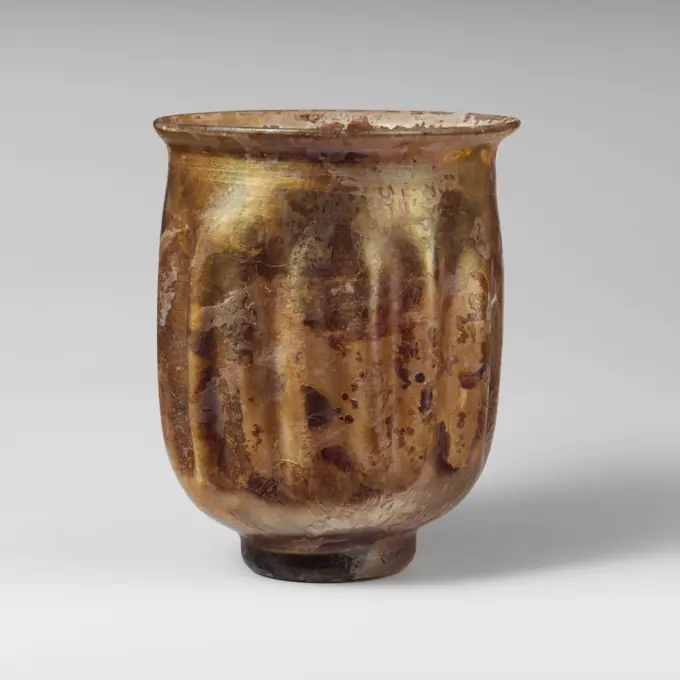
Historical Pottery Vessels

A collection of ancient pottery vessels including amphorae and jugs, illustrating Cypriot and Etruscan designs from various historical periods.
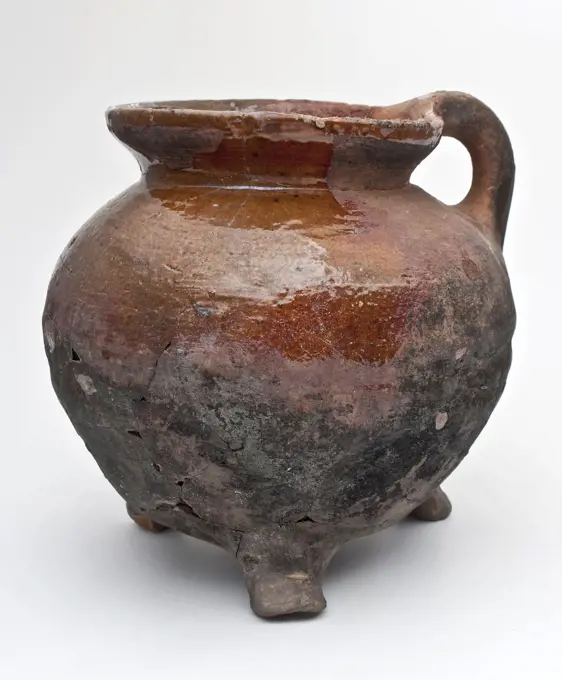
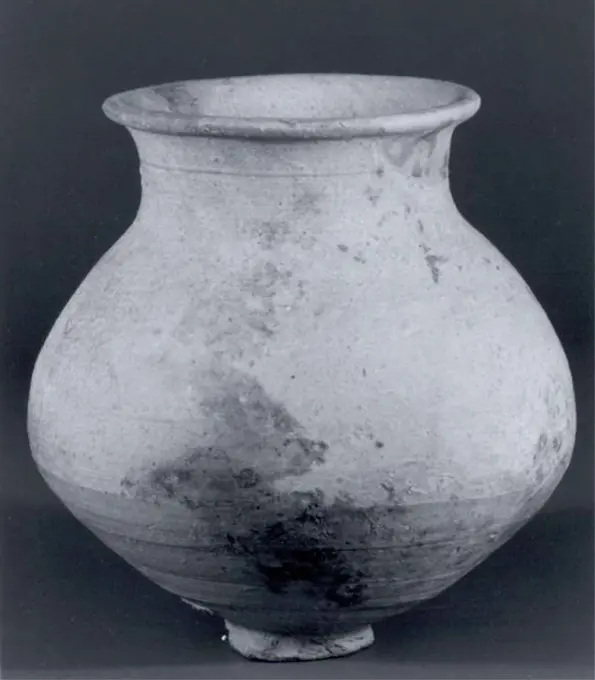
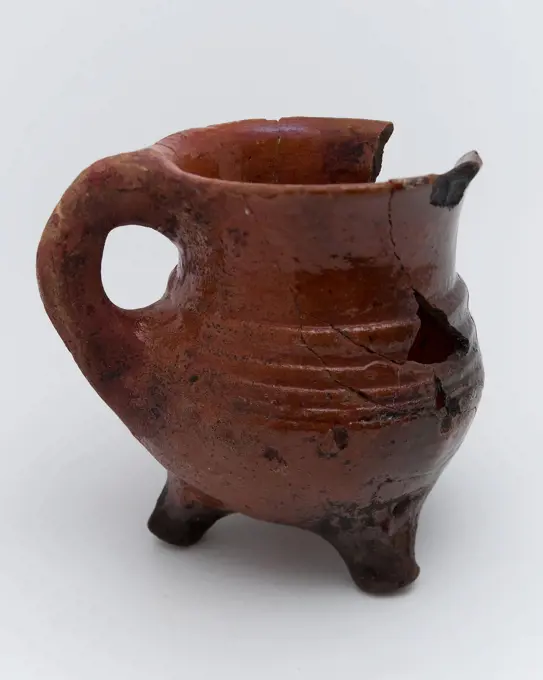
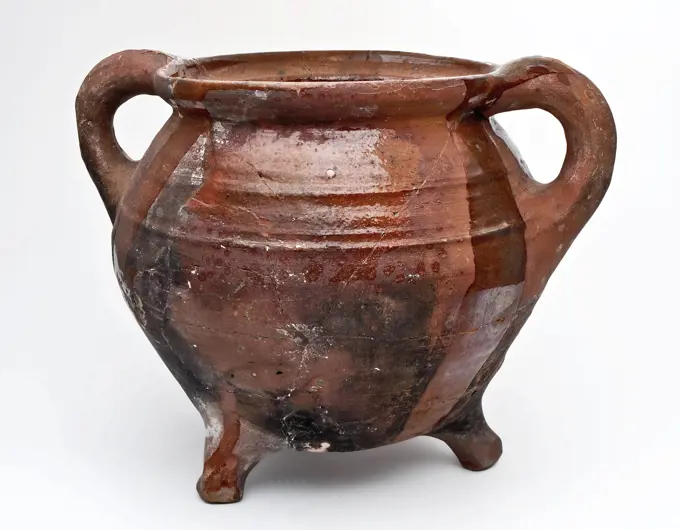
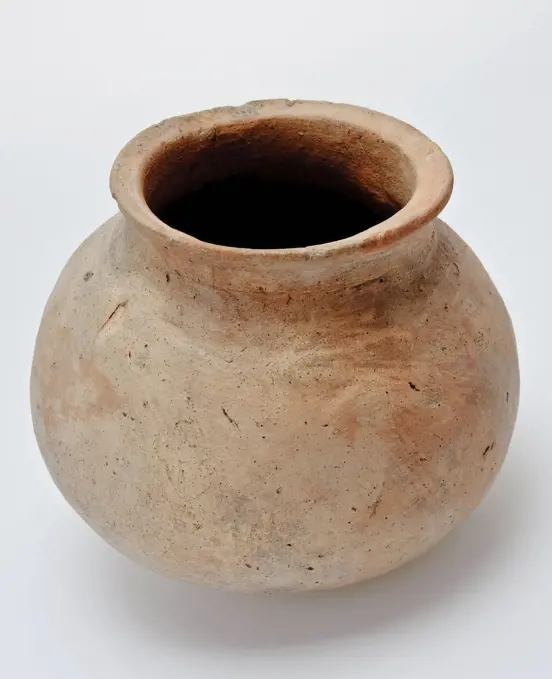
Pottery cooker on three legs, grape model and sparingly glazed, one standing ear, grape cooking pot tableware holder kitchen utensils earthenware ceramic earthenware glaze lead glaze, belly 19.5 bottom 11.0 hand turned set glazed baked One ear grape or cooking pot red earthenware round ear funnel-shaped neck edge slightly thickened edge sparing lead three legs. Ball-shaped model with single groove or draping over the belly Gratings at the bottom archeology Capelle aan den IJssel House at Capelle castle indigenous pottery cooking kitchen food preparation tableware tableware Soil discovery: house in Capelle Capelle aan den IJssel.
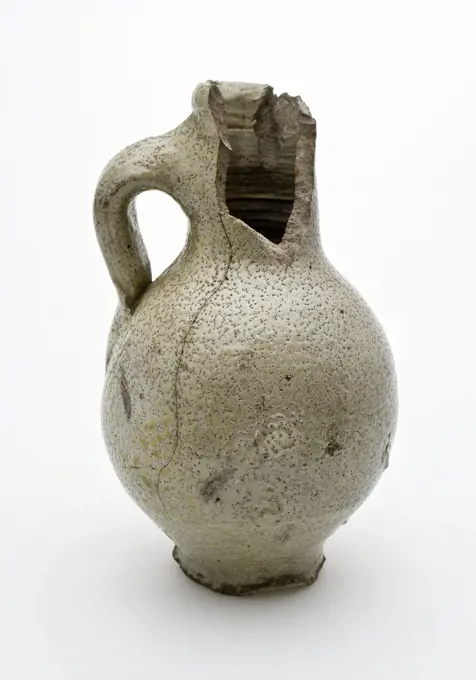
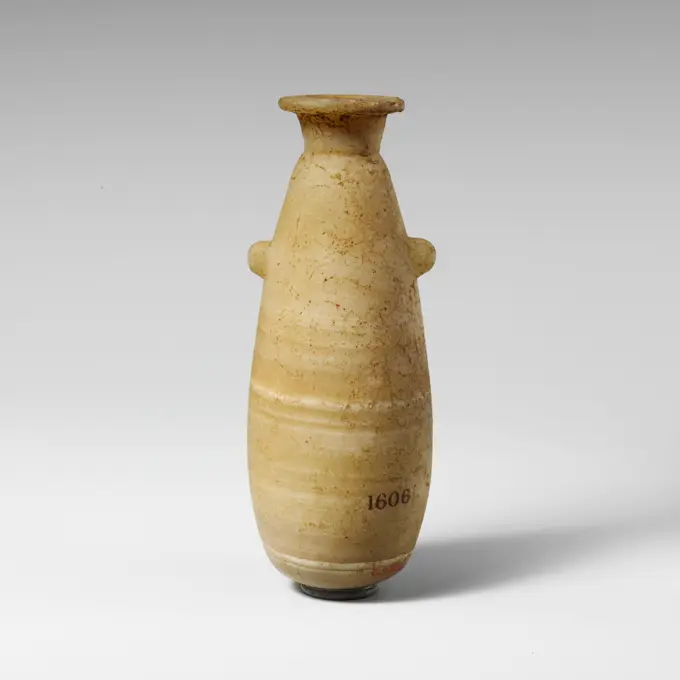
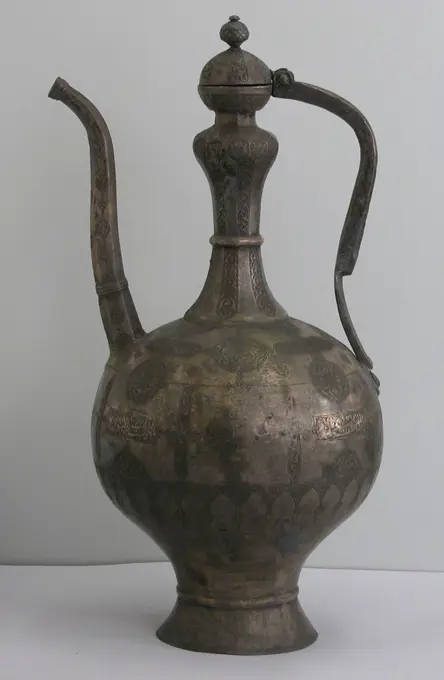
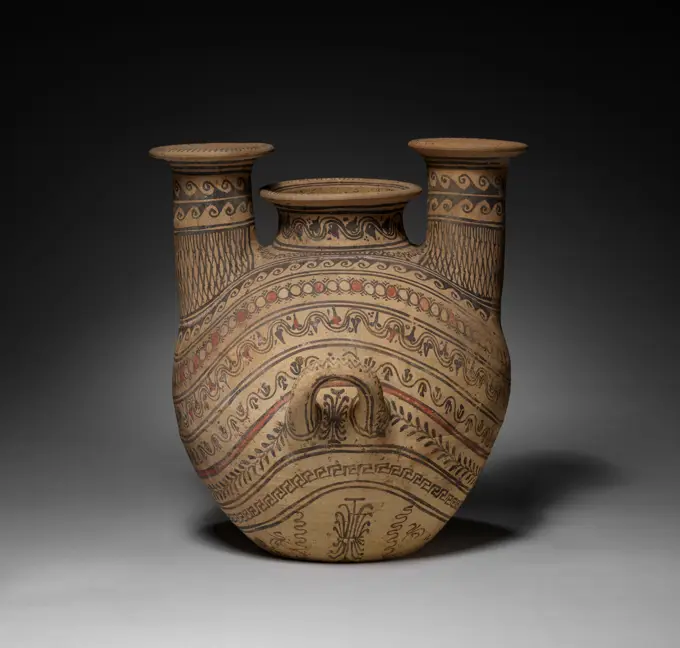
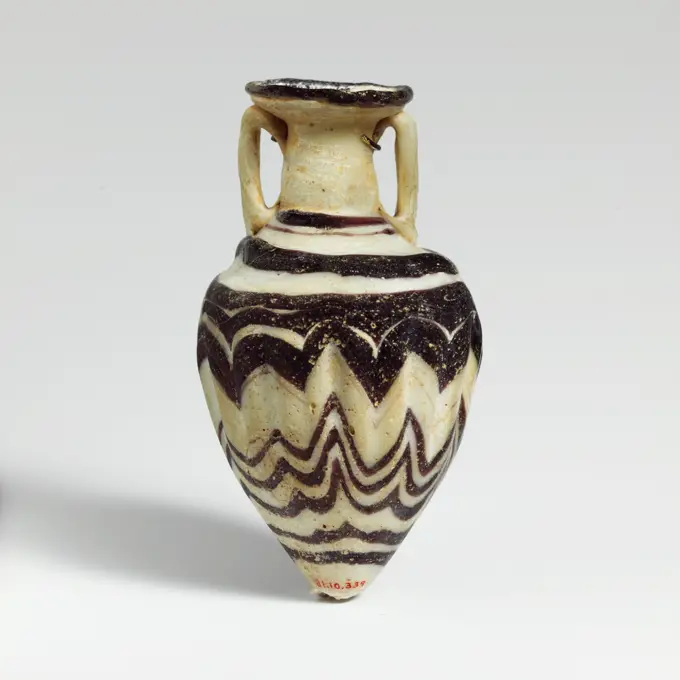
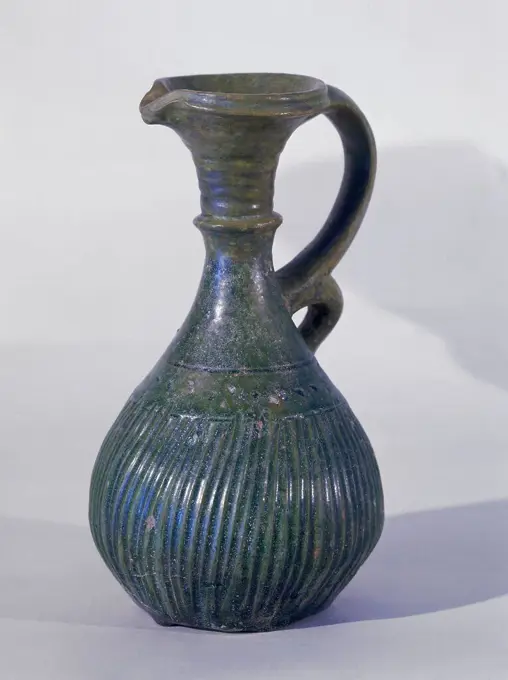
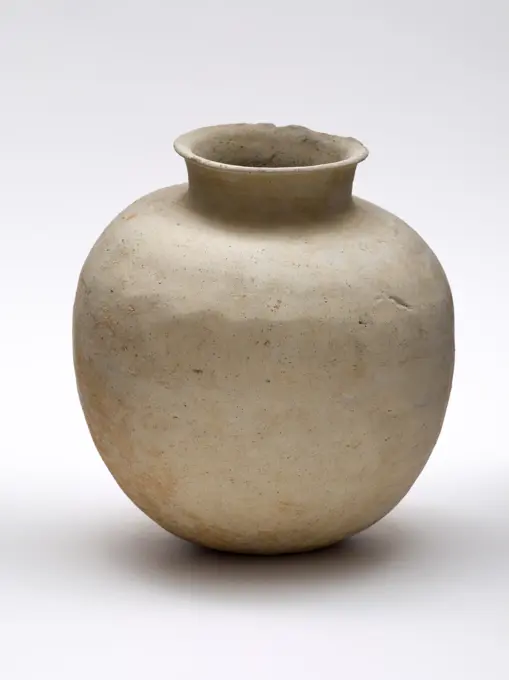
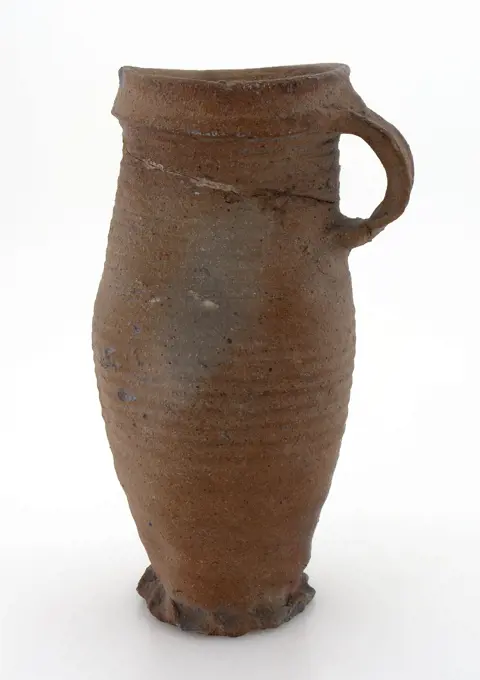
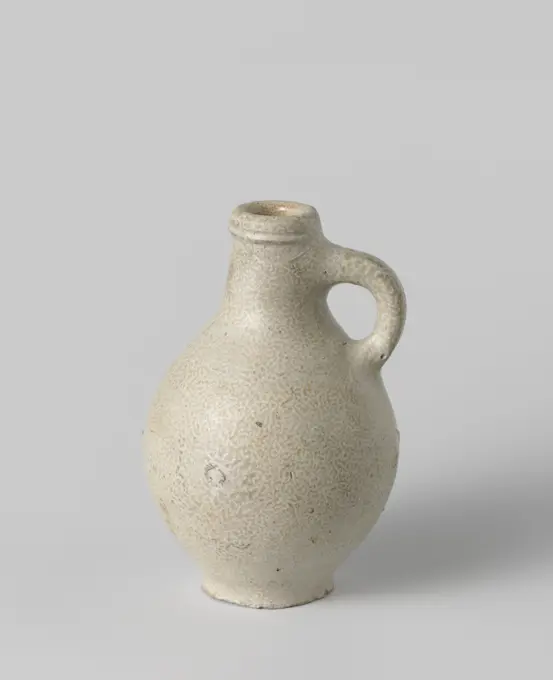
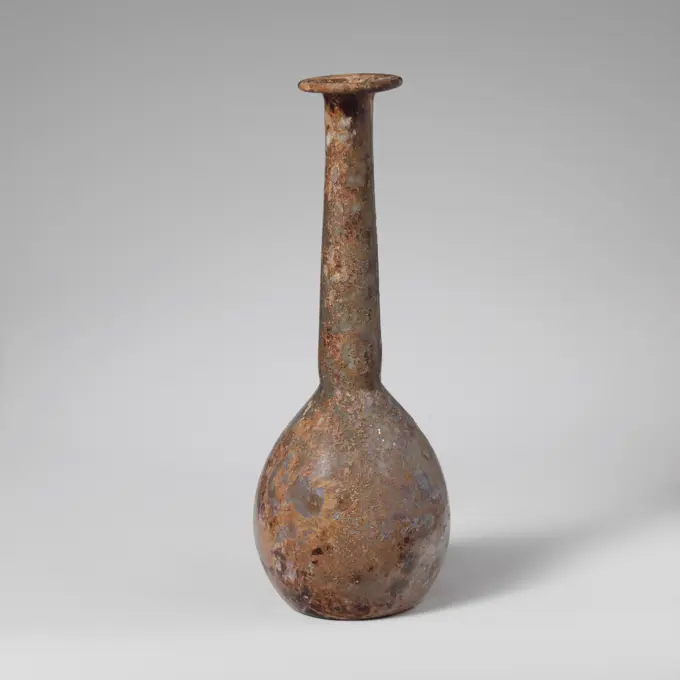
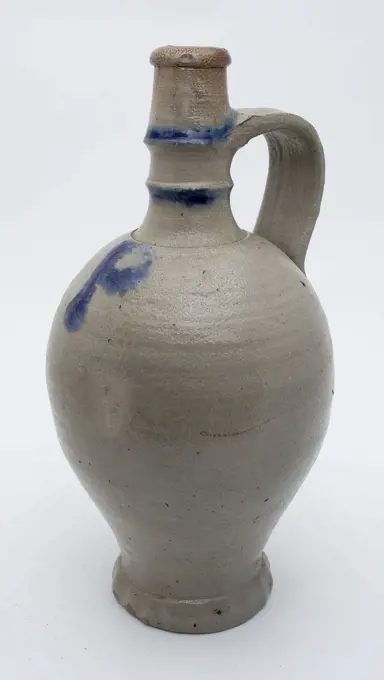
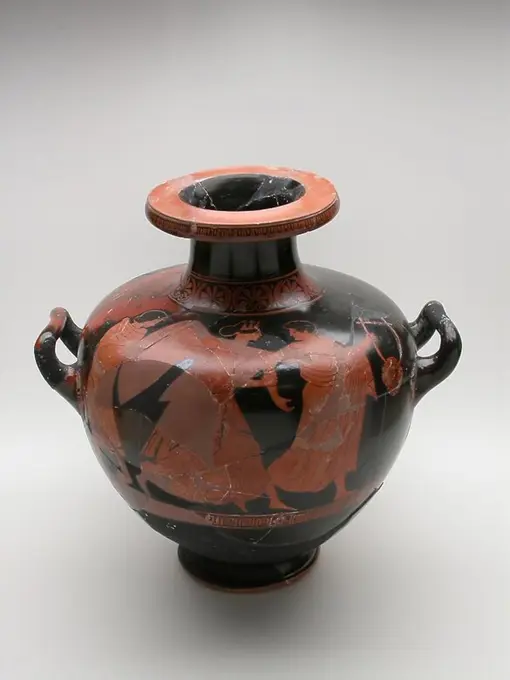
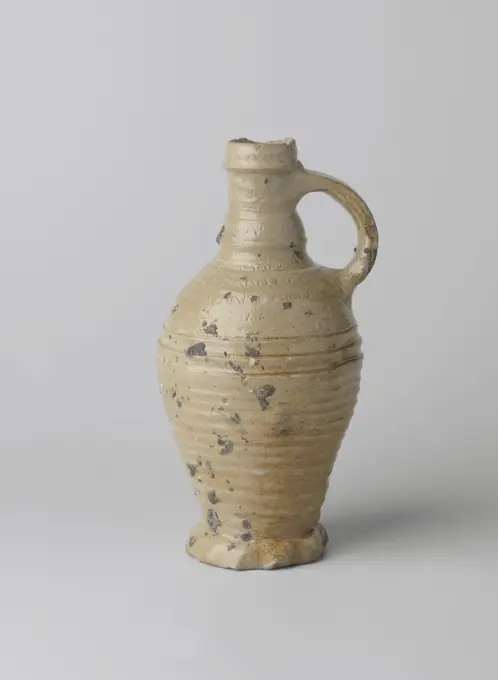
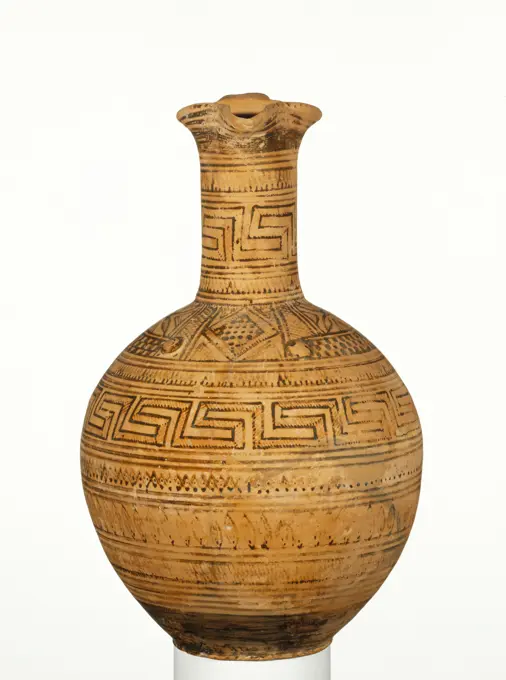
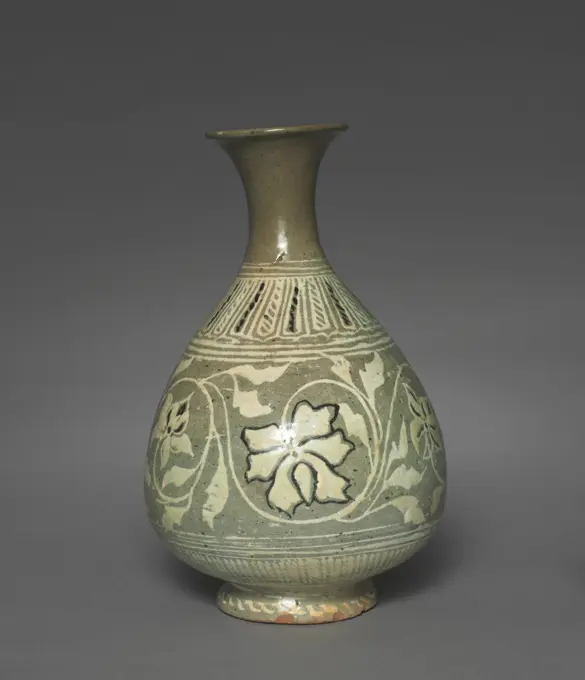
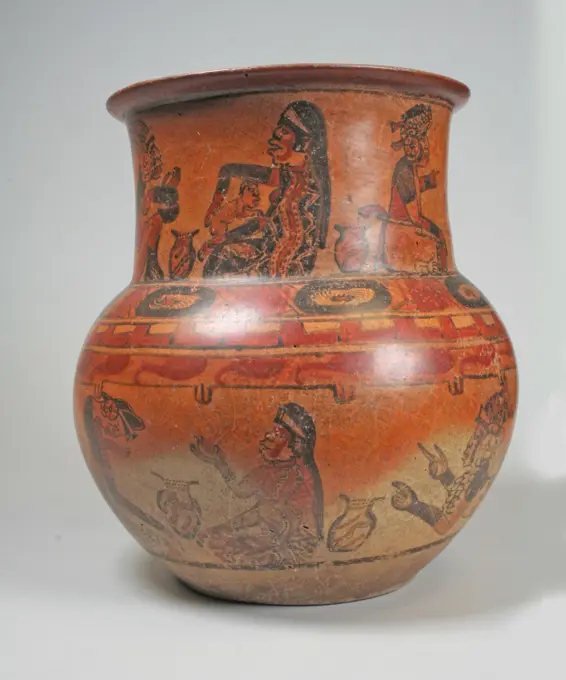
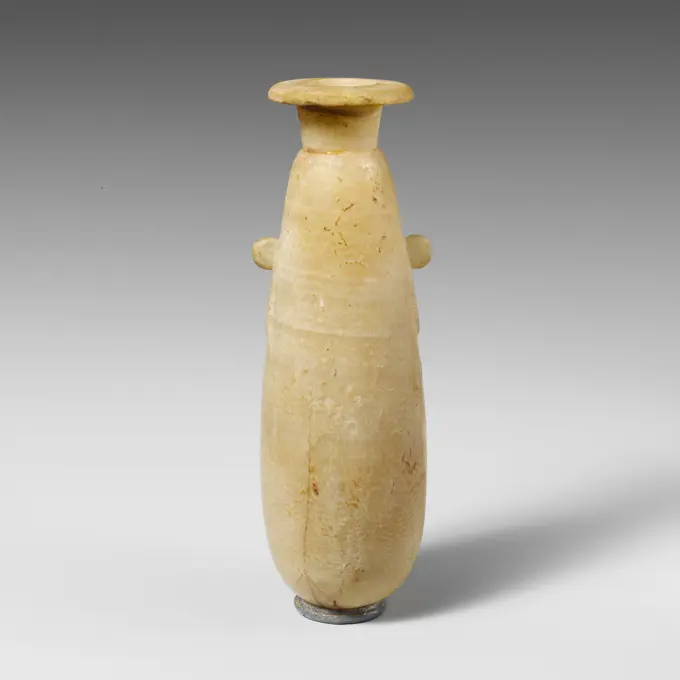
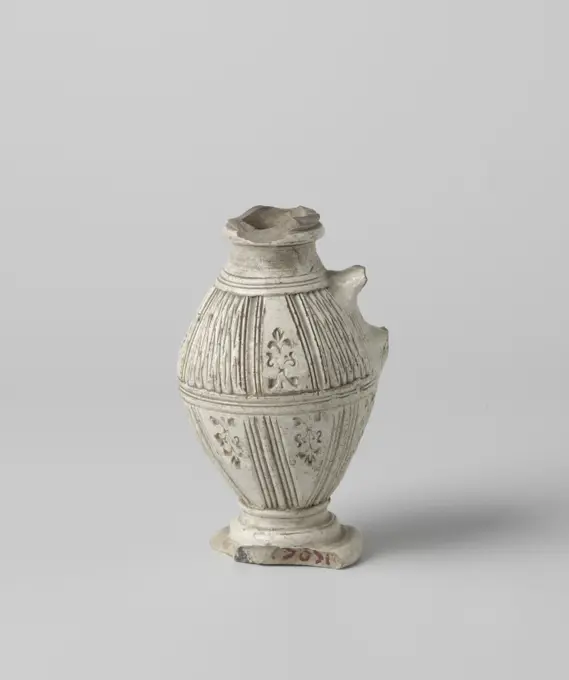
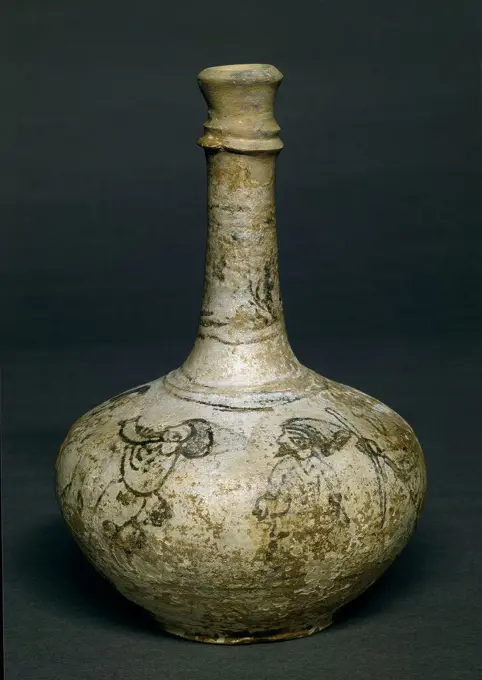
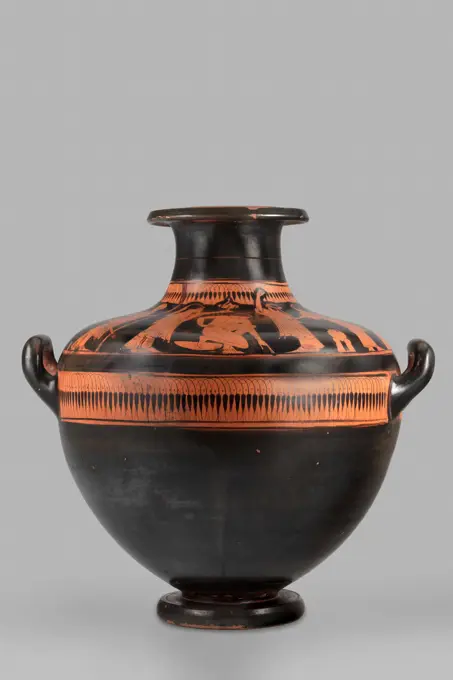
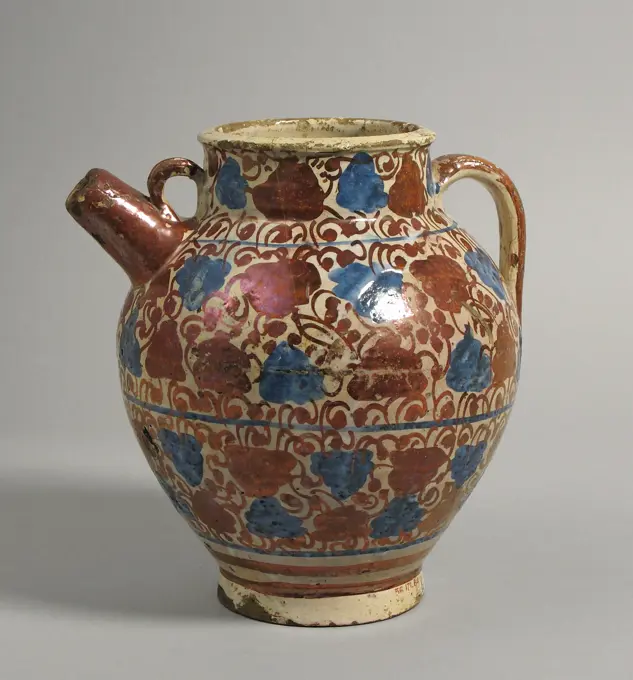
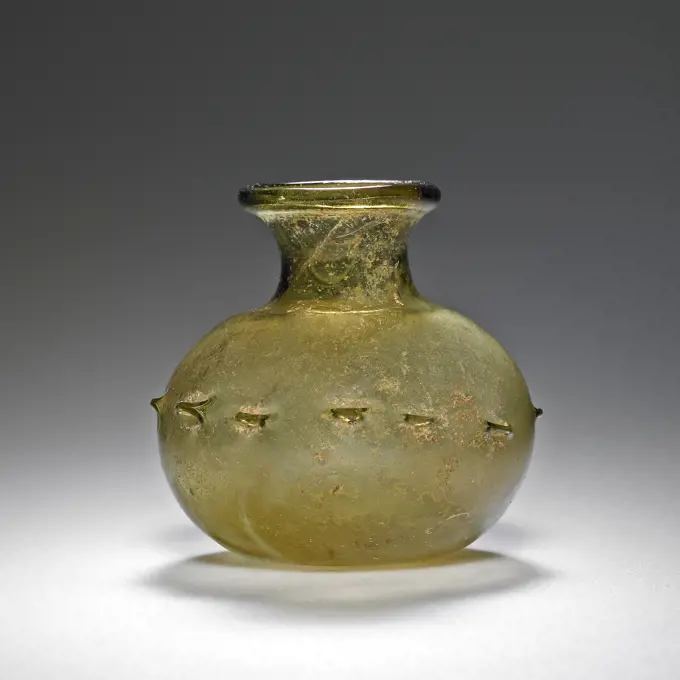
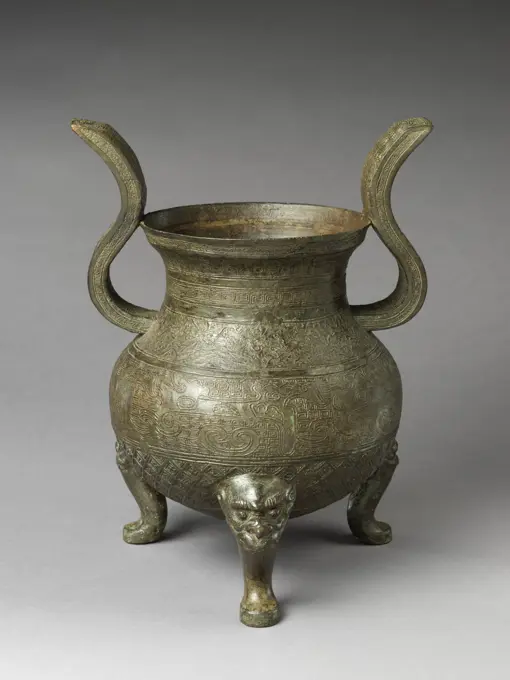
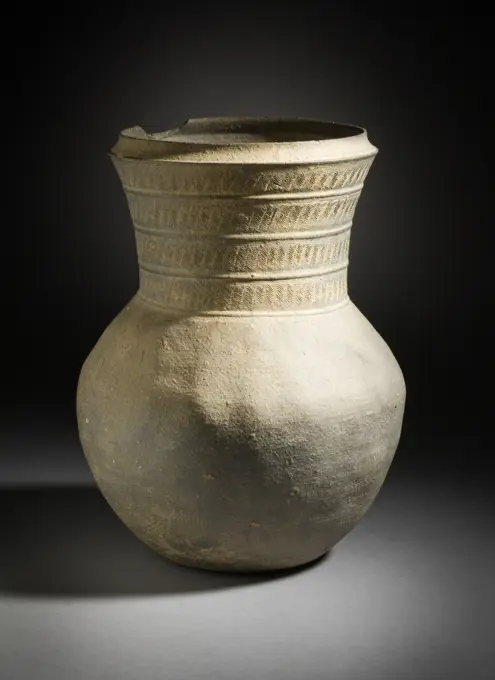
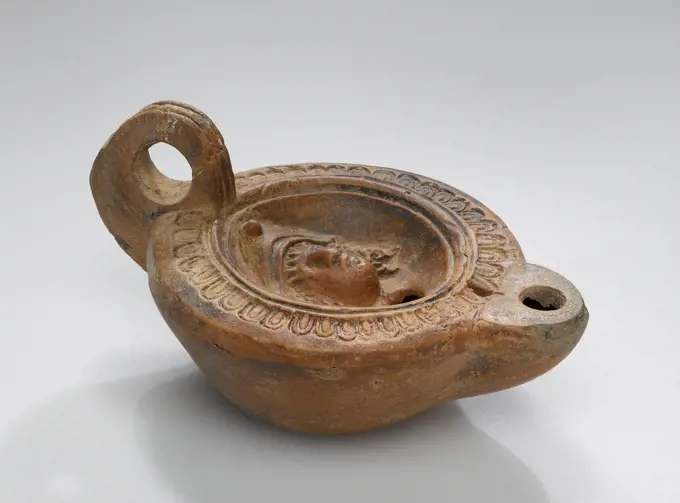
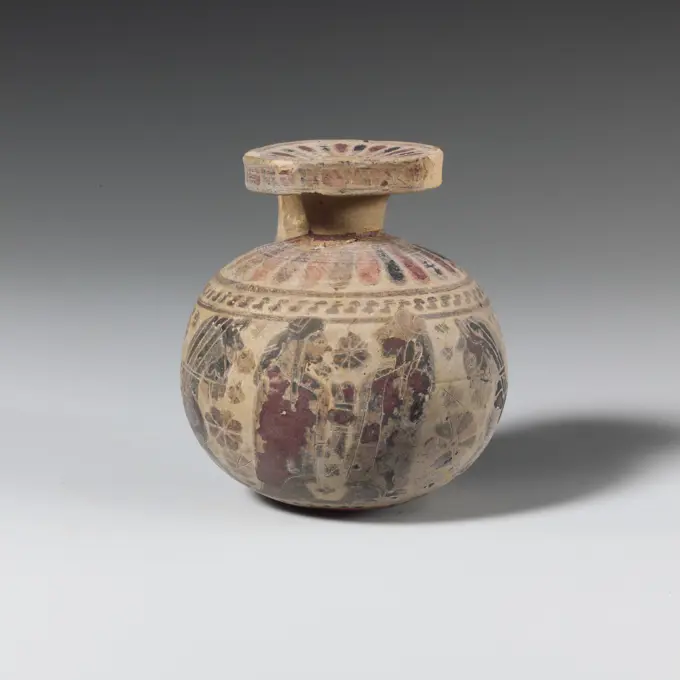
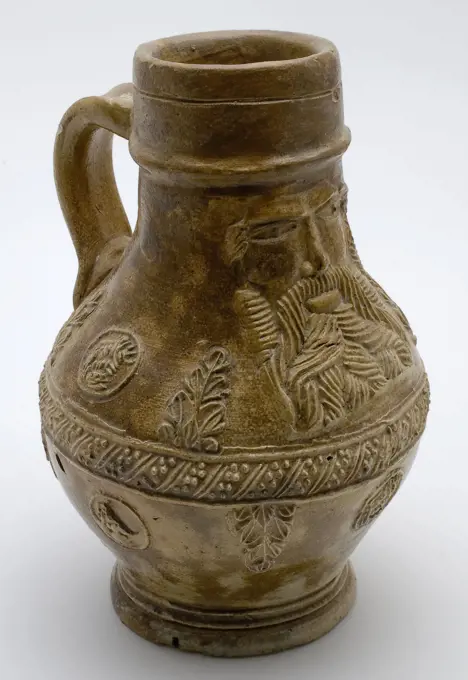
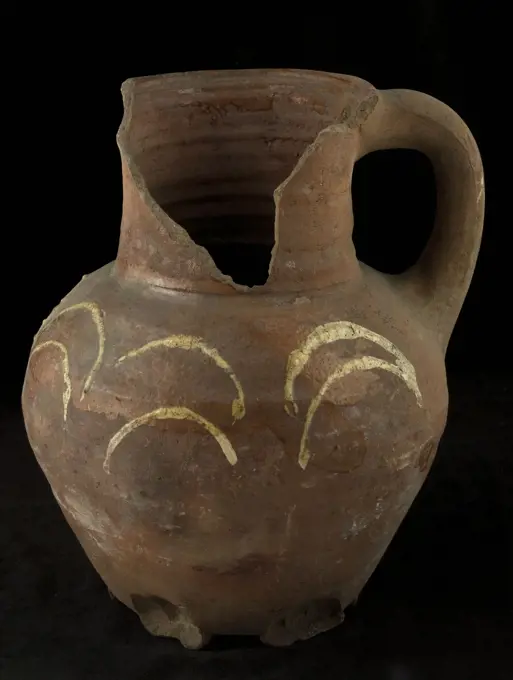
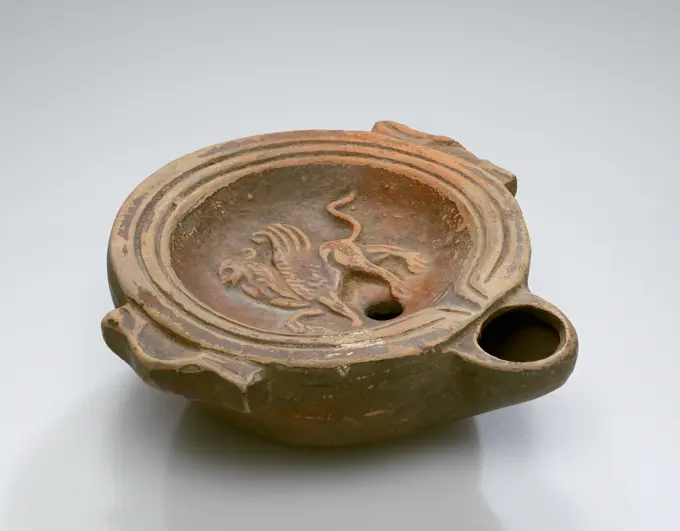
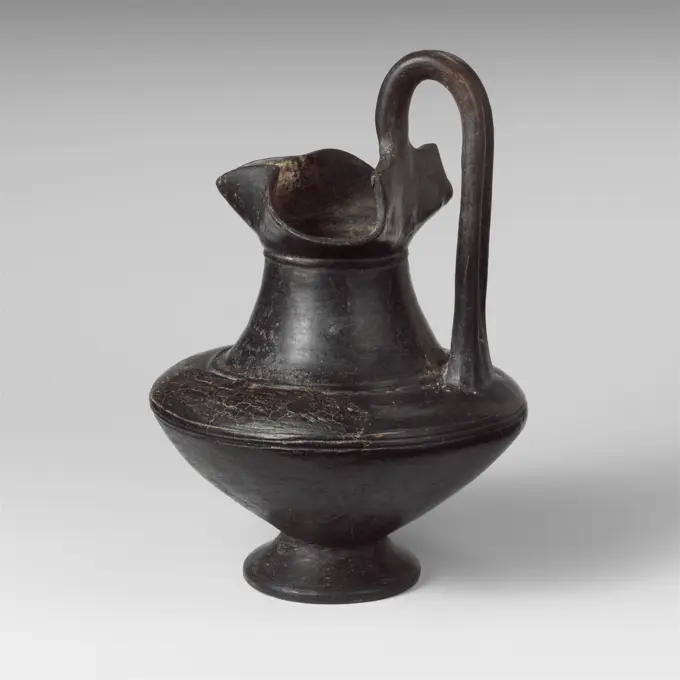
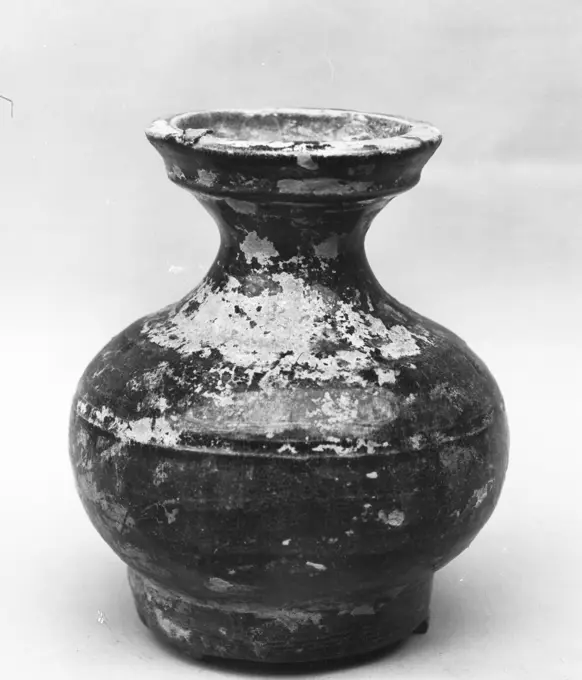
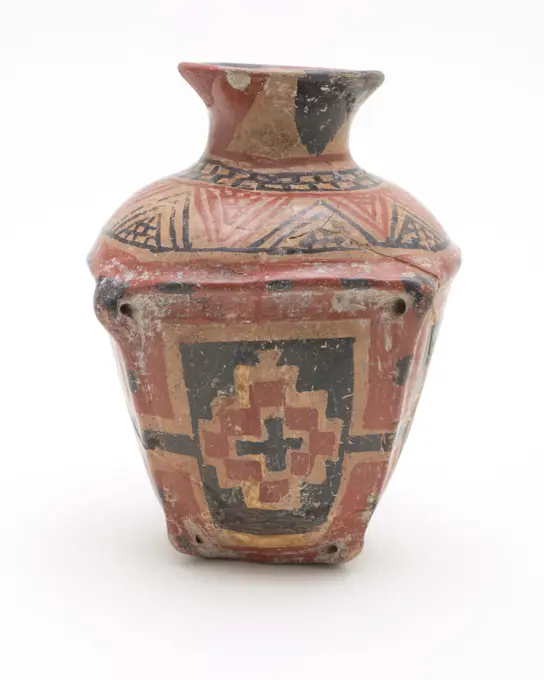
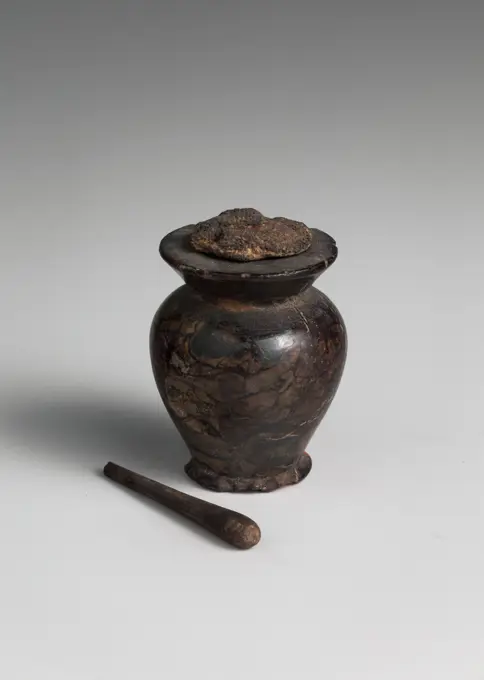
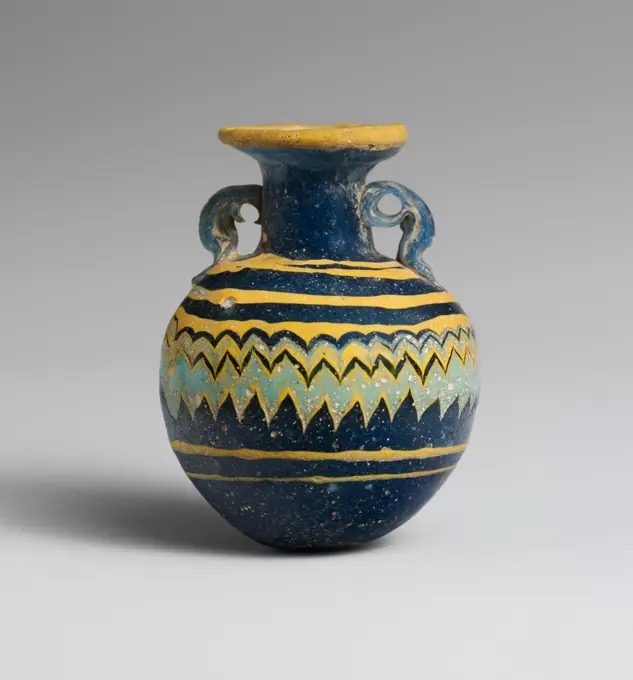
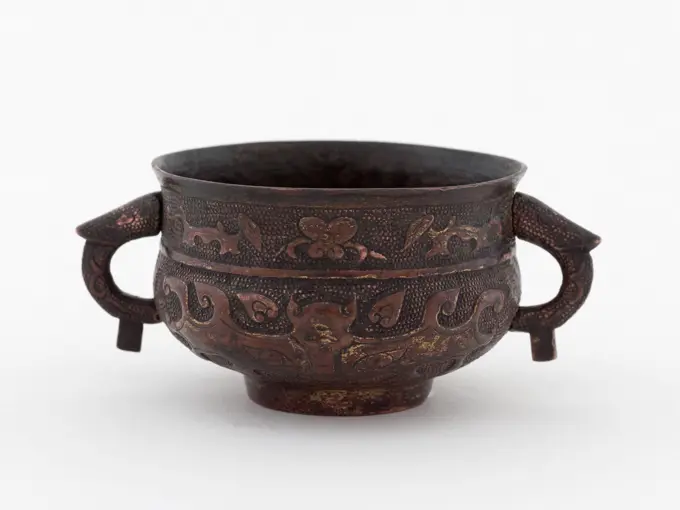
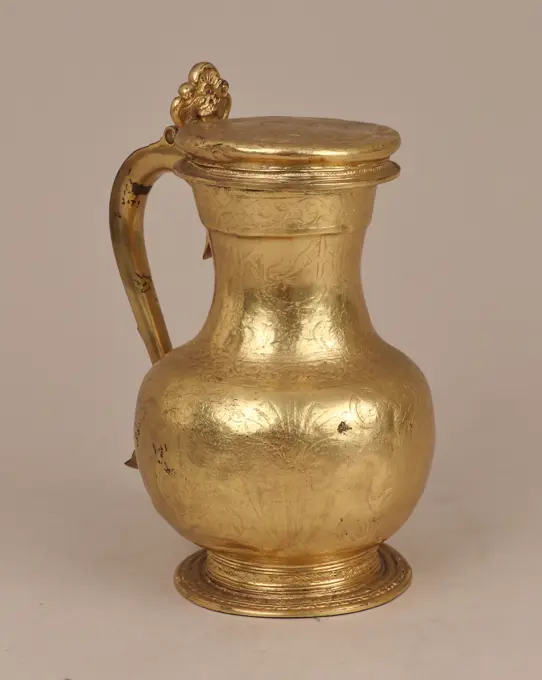
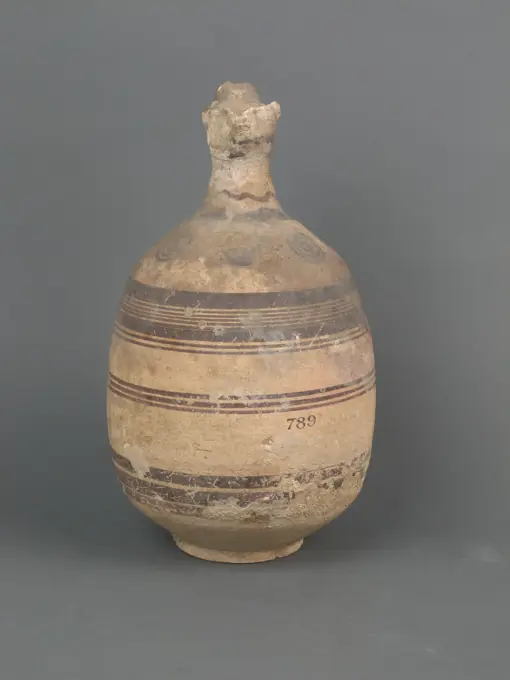
Jar ca. 17th-16th century B.C. Iran. Jar 325944Small stoneware jug with standing ear, gray glazed, jug holder soil find ceramic stoneware glaze salt glaze, surface 4.3 hand turned glazed baked stoneware jug gray shard gray salt glaze thickened neck edge sausage ear with tail. Small size bullet-shaped irregular shape of archaeology Rotterdam Bombazerkerk import pottery store oil pack Soil discovery Rotterdam: Bombazijnen cemetery 1905.Alabaster alabastron (perfume vase) 6th-5th century B.C. Cypriot The alabastron has a flattened base, rounded lugs, a flaring neck, and a convex lip.. Alabaster alabastron (perfume vase) 243980Jug with music making lady and ribbed neck, anonymous, c. 1583 - c. 1610 Jug of stoneware on high foot with a spherical abdomen and narrow, ribbed neck. The C-shaped ear is attached to the neck and shoulder. Profiles closely and covered with a brown Engobe. On the abdomen three times in relief a printed and imposed medallion with a richly decorated edge. In the medallion a musician woman and the date '1583'. Raeren. Rae stoneware. glaze. engobe vitrification Jug of stoneware on high foot with a spherical abdomen and narrow, ribbed neck. The C-shaped ear is attached to the neck and shoulder. Profiles closely and covered with a brown Engobe. On the abdomen three times in relief a printed and imposed medallion with a richly decorated edge. In the medallion a musician woman and the date '1583'. Raeren. Rae stoneware. glaze. engobe vitrificationEwer 18th centuryTwo-Spouted Strainer Askos (Flask), 300-200 BC. South Italian, Daunian or Canosan. Ceramic; diameter of mouth: 14.5 cm (5 11/16 in.); overall: 37 x 31 cm (14 9/16 x 12 3/16 in.). Although now referred to by the Greek term askos, because of its resemblance to the animal skins used to hold wine in ancient Greece, this ceramic shape developed in the South Italian region of Daunia (north of Apulia, on the Adriatic coast). This example is unusual for its three openingsone covered by a lid, the others spouted with built-in strainers. Its profusely painted decoration, mostly geometric and vegetal patterns applied in black with added red and white, is arranged in bands that follow the contours of the vessel.Mosque Lamp 12th century. Mosque Lamp 446651Glass amphoriskos (perfume bottle) late 6th-5th century B.C. Greek, Eastern Mediterranean Opaque white, with handles in same color; trails in translucent purple.Broad, inward-sloping rim-disk with radiating tool marks on upper surface and projecting uneven lip to mouth; cylindrical neck tapering upward; broad, sloping shoulder; elongated ovoid body tapering to a point; two vertical strap handles applied over trails, drawn up from top of shoulder, turned in, and pressed on to underside of rim-disk and top of neck.One trail attached at edge of rim-disk; another trail wound round in a spiral on shoulder; a third applied as a thick band around shoulder, at first wound round top of body in horizontal lines, then tooled into a zigzag pattern; finally a fourth, thinner trail applied to body, also tooled into a zigzag pattern and ending in an uneven spiral around bottom; long vertical tooling indents in alternating upward and downward strokes, forming prominent rounded ribs around body.CompletPottery cooking jug, grape-model, vertical sausage ear, on three legs, grape cooking pot tableware holder kitchen utensils earthenware ceramics earthenware glaze lead glaze, hand-turned glazed baked Light pouch-shaped three legs vertical sausage ear Clear rotations centered on the belly Red earthenware glazed except the legs. underside traces of archeology Rotterdam railway tunnel indigenous earthenware food food preparation cooking kitchen Soil discovery: railway tunnel Rotterdam.JARRA DE CERAMICA VIDRIADA. Location: ALHAMBRA-MUSEO-CERAMICA. GRANADA. SPAIN.Jar with Short Neck. Korea, Korea, Three Kingdoms period, Baekje Kingdom (18 B.C.- A.D. 668). Furnishings; Serviceware. Coil-built earthenwareStoneware jug, misbaksel with wide vertical ear, on squeeze, can crockery holder soil find ceramic stoneware, hand-turned baked Stoneware can be misbaked with wide vertical ear on pinch foot Top of the neck widened edge. Rotating spools over the entire height on the neck fine spinning lips. Gray shard scraped pottery. Kan is alternately gray and brown in color archeology Rotterdam Noord Agniesebuurt castle Weena indigenous pottery import drink pouring table room Soil discovery: found at the foundations of the gate of Castle Weena Rotterdam found during excavation work for construction station in 1905.Covered Jar. Thailand, Sawankhalok, 16th century. Furnishings; Serviceware. StonewareGlass cup. Culture: Roman. Dimensions: Height: 2 3/4 in. (7 cm)Diameter: 3 1/2 x 2 7/8 in. (8.9 x 7.3 cm). Date: 2nd-3rd century A.D..Colorless with pale greenish tinge.Knocked-off, uneven rim; slightly bulging collar below rim; sides expanding downward, then angled in to join convex bottom, flattened at center.Band of two faint wheel-cut lines on body above angle.Intact, except for weathered chip in rim; some bubbles; dulling, deep pitting, and brilliant iridescent weathering. Museum: Metropolitan Museum of Art, New York, USA.Jug, anonymous, c. 1625 - c. 1749 Jug (beard fancier) of stoneware on the standing surface with a spherical abdomen and narrow neck. The C-shaped ear is attached to the neck and shoulder. Profiles on the neck. Unserved. Frechten. Cheek stoneware. glaze. engobe vitrification Jug (beard fancier) of stoneware on the standing surface with a spherical abdomen and narrow neck. The C-shaped ear is attached to the neck and shoulder. Profiles on the neck. Unserved. Frechten. Cheek stoneware. glaze. engobe vitrificationItaly, Lazio, Tarquinia, Geometrical oenochoe (or oinochoe, wine jug), Painted by the Painter of the Palms, 700/675 B.C.Glass perfume bottle 2nd-3rd century A.D. Roman Colorless with pale blue green tinge.Thick, rounded rim, folded out, down, over, and in, with fairly broad, oval collar to mouth; cylindrical neck, expanding downward and tooled in around base; elongated piriform body; pushed-in bottom with kick and circular pontil scar.Intact; pinprick bubbles; pitting, iridescence, and creamy weathering.. Glass perfume bottle 239681Miniature vessel;  I-II century (1-00-00-200-00-00);The collection of ancient EgyptStoneware mineral water pitcher on pinched foot, arched model, marked on the shoulder, mineral pitcher pitcher pitcher holder soil find ceramics stoneware enamel salt enamel, hand turned fried glazed stoneware mineral pitcher gray shard with salt glaze wide bandoor with deep finger impression pinched foot Long crooked neck with two profile rings and two blue piping . Marked on the shoulder mark: blue P on shoulder archeology health care import pottery packing serve drink medicine drug pharmacyHydria (Water Jar). Greek; Athens; Attributed to the Orchard Painter. Date: 480 BC-470 BC. Dimensions: 33.5 x 33.7 x 27.6 cm (13 3/16 x 13 1/4 x 10 7/8 in.). Terra-cotta, decorated in the red-figure technique. Origin: Greece. Museum: The Chicago Art Institute, Chicago, USA.Bronze oinochoe (jug). Culture: Greek. Dimensions: H. 13 1/8 in. (33.4 cm). Date: mid-6th century B.C..This jug belongs to a type that first appeared in the late seventh century B.C. and, during the sixth, was popular in the area of the western Mediterranean as far as Spain. Museum: Metropolitan Museum of Art, New York, USA.Vessel with a hieratic inscription;  around 2686- 2181 BC ; Old state (-2686-00-00--2181-00-00);ceramic urn of the Toya type, 6th century BC, La Carada necropolis, Espeluy, Iberian culture, Iberian Museum of Jaén, Andalusia, Spain.Jug. Culture: Cypriot. Dimensions: H. 3 7/8 in. (9.9 cm).Handle-ridge jug with bands and concentric circles. Museum: Metropolitan Museum of Art, New York, USA.Iraq, Tell Hassan site, baked clay hip-flask, end of the Halaf periodTerracotta transport amphora late 3rd-mid-2nd century B.C. Greek, Rhodian Stamped inscriptions indicate the month (Panamos) the amphora was made, the name of the magistrate (Pythogenes) in office at the time, and the name of the amphora's maker (Hephaistion). Left handle: [   Right handle: A typical Rhodian amphora with stamps on the upper parts of the handles, giving the maker’s name and the date of manufacture.. Terracotta transport amphora. Greek, Rhodian. late 3rd-mid-2nd century B.C.. Terracotta. Hellenistic. VasesANFORA GUANCHE PROCEDENTE DE LOS CORRALILLOS (AGÜIMES). Location: ARCHAEOLOGICAL MUSEUM. LAS PALMAS. GRAN CANARIA. SPAIN.Ceramic vase from Apulia regionPottery pot on stand, baluster shape, used in the sugar industry, sugar pot pot holder soil find ceramic earthenware glaze lead glaze, hand-turned glazed earthenware pot on stand. Baluster shape with round shoulder and narrow neck opening. Thick and round neckline. Fuzzy spindles on the shoulder Red shard internally glazed Here sugar cones were made archeology indigenous earthenware sugar confectionery craftsmanship sugar industryJug with rilling, anonymous, c. 1500 - c. 1549 Jug of stoneware on corrugated foot with an egg -shaped body and narrow neck. The C-shaped ear is attached to the neck and shoulder. Some profiles on the neck. The jug is decorated with turning rings with a smoothed shoulder. On the shoulder and the neck, a few zigzag tires. Langerwehe. Langerwehe (possibly) stoneware. glaze vitrification Jug of stoneware on corrugated foot with an egg -shaped body and narrow neck. The C-shaped ear is attached to the neck and shoulder. Some profiles on the neck. The jug is decorated with turning rings with a smoothed shoulder. On the shoulder and the neck, a few zigzag tires. Langerwehe. Langerwehe (possibly) stoneware. glaze vitrificationJug ca. 3rd-7th century A.D. Sasanian. Jug 322756Ovoid Jar with Handle. China. Date: 399 BC-300 BC. Dimensions: H. 17.9 cm (7 1/8 in.). Stoneware with traces of ash glaze with carved decoration. Origin: China. Museum: The Chicago Art Institute, Chicago, USA.Pottery object, possibly diaper dryer, with holes above the bottom, glazed, pear-shaped, cover up diaper dryer earth discovery ceramic earthenware glaze lead glaze, approx. 15.0 hand-turned, pierced glazed baked Pot of brown-red earthenware inside and outside dip enamel pear-shaped body with lens bottom profiled edge with lid channel has eight perforations on the transition from belly to bottom rotations indication for three legs and two ears archeology Valckensteyn Poortugaal Albrandswaard indigenous pottery kitchen cooking hearth fire coals hearth waste fuel nappy baby child drying Soil discovery: canal at kitchen castle Valckensteyn at Poortugaal now Albrandswaard 1961.Resource amphora;  End of II-1. after. III century (190-00-00-250-00-00);Antical Art Collection, Rupiński G.Attic Geometric Trefoil Oinochoe. Attributed to the Lambros Workshop (Greek (Athenian), active 750 - 725 B.C.)Bottle Inlaid with Peony and Scroll Design, 1400s. Korea, Joseon dynasty (1392-1910). Stoneward with inlaid, incised, and sgraffito design (Buncheong ware); outer diameter: 17 cm (6 11/16 in.); overall: 27 cm (10 5/8 in.).Pottery pot on stand, baluster shape, was used in the sugar industry, sugar bowl pot holder soil find ceramic earthenware glaze lead glaze, hand-turned glazed earthenware pot on stand. Baluster shape with round shoulder and narrow neck opening Thick and rounded neck opening. No neck Red shard internal glazed Smooth finished archeology indigenous earthenware sugar sugar industry confectioneryJar, Ritual Scenes 8th-9th century Maya The Classic Maya depicted many scenes of ritual imbibing of alcohol through enemas, and on this jar, several such scenes unfold around an upper and lower register. In paired-figure scenes, three around the neck and four around the body of the jar, a woman is shown taking care of a child, preparing a mixture in an enema bladder or gourd, and helping a male administer an enema to himself. The characters are painted in red, orange, and black, on a light orange background. The outflaring rim of the vessel is painted red, and the two registers are divided with three bands of geometric motifs. The woman wears different long dresses in each scene with red-and-black geometric patterns, a white headband, and body paint on her face and arms. Her long hair hangs to her waist as she performs her tasks. The male accompanying her wears body paint, a headdress, and large ear spools. He seems to be learning the process of enema taking. In these rare scenes of riAmfora. warsztat cypryjskiTerracotta jug with a pitcher-spout 310-150 B.C. Cypriot This jug is a variation on a type of Cypriot vessel that has a figurine holding the oinochoe, which serves as its spout. Despite the absence of such a figure, which when present often helps to date jugs of this kind, the overall form of the pitcher identifies it as a product of the Hellenistic period. The wreaths and fillets painted on the white-slip ground are funerary motifs often seen on white ground lekythoi, vases specifically used as grave gifts. Of particular interest are the small clay "rivets" visible at the top of the back handle, which relates this clay jug to a metal prototype.. Terracotta jug with a pitcher-spout 240131Pottery pot on stand, baluster shape, used in the sugar industry, sugar pot pot holder soil find ceramic earthenware glaze lead glaze, hand turned glazed baked Pottery pot on stand. Baluster shape with round shoulder and narrow neck opening. Thick neckline almost vertical Red shard internal glazed Sugar cones made here archeology indigenous earthenware sugar confectionery craftsmanship sugar industryBottle (Amphorisko). Egypt, 600 - 300 BCE. Furnishings; Serviceware. GlassShawabty Jar with Lid, 1295-1069 BC. Egypt, New Kingdom, Dynasty 19 (1295-1186 BC) - Dynasty 20 (1186-1069 BC). Nile silt ware; lid of limestone; diameter: 22.7 cm (8 15/16 in.); overall: 23.2 cm (9 1/8 in.); diameter of lid: 12.1 cm (4 3/4 in.).Alabaster alabastron (perfume vase) 5th-4th century B.C. Cypriot There are two lugs above a short trapezoidal tab in low relief. The neck widens slightly and the lip is convex.. Alabaster alabastron (perfume vase) 243967Bottle, 1900-1920. Peru, 20th century. Pottery; overall: 10.3 x 7.8 x 12.6 cm (4 1/16 x 3 1/16 x 4 15/16 in.).Water vessel in the shape of an ancient ritual bronze (yi) China. Water vessel in the shape of an ancient ritual bronze (yi). China. Jade (nephrite). Ming dynasty (1368-1644) or after. JadePerfume vase 664-332 B.C. Late Period. Perfume vase. 664-332 B.C.. Glass. Late Period. From Egypt. Dynasty 26-30Jug 4th-7th century Coptic. Jug 476264Fragment of a jug with chip carving and stylized floral scrolls, anonymous, c. 1500 - c. 1699 Fragment of a jug (funnel neck cup) From stoneware on high foot with an egg -shaped body and narrow neck. The ear and part of the neck are missing. Profiles on the neck and foot. The abdomen is divided into two tires with entered courses. The courses are alternately filled with a lot of cut or a stamped, stylized flower lriek. Germany (possibly) stoneware. glaze vitrification Fragment of a jug (funnel neck cup) From stoneware on high foot with an egg -shaped body and narrow neck. The ear and part of the neck are missing. Profiles on the neck and foot. The abdomen is divided into two tires with entered courses. The courses are alternately filled with a lot of cut or a stamped, stylized flower lriek. Germany (possibly) stoneware. glaze vitrificationFlask shaped vase from the Caliphal period which represents a courtesan scene. 10th century, Omeyyad Dynasty. Cordoba, Archaeological Museum. Spain. Location: MUSEO ARQUEOLOGICO-COLECCION. CORDOBA. SPAIN.Kalpis czerwonofigurowa. Malarz amfory leningradzkiej (ca 470 a.C.), authorJar 15th-16th century French. Jar 465886 French, Jar, 15th16th century, Earthenware, Overall: 4 13/16 x 5 3/8 in. (12.2 x 13.6 cm). The Metropolitan Museum of Art, New York. Gift of J. Pierpont Morgan, 1917 (17.194.2199)Jug second half 15th century Spanish. Jug. Spanish. second half 15th century. Tin-glazed earthenware. Made in probably Manises, Valencia, Spain. CeramicsJar; Roman Empire; 3rd - 5th century; Glass; 7 x 7 cm (2 3,4 x 2 3,4 in.)Human effigy bowl, 250 BCE - 300 CE, 5 1/2 x 5 3/4 x 5 3/4 in. (14 x 14.6 x 14.6 cm), Polychromed earthenware, Mexico, 3rd century BCE - 4th century CETripod incense burner 1486 China This tripod is a rare example of a dated ritual bronze from the Ming dynasty. Its inscription states that it was cast for the local Confucian temple in 1486 by order of Zhong Gang, the mayor of Zengcheng, a county near Canton (now Zengcheng district, Guangzhou, Guangdong province). The form and décor of this incense burner features a creative fusion of archaic and contemporary designs. Its form is loosely based on that of ancient bronze tripod cauldrons (ding). However, its form has been modified according to Ming dynasty conceptions, notably, the elongated handles and pouch-shaped body, which are also found on Ming ceramics. Its surface décor is similarly varied. The band of stylized dragons around the vessel belly derives from antique models while the turbulent waves around its neck come from later ceramics.. Tripod incense burner. China. 1486. Cast bronze. Ming dynasty (1368-1644). MetalworkJug 750-480 B.C. Cypriot Horizontal, vertical and concentric circles.. Jug. Cypriot. 750-480 B.C.. Terracotta. Cypro-Archaic I-II. VasesWine Cup. Culture: China. Dimensions: H. 6 1/8 in. (15.6 cm); Diam. 6 1/4 in. (15.9 cm). Museum: Metropolitan Museum of Art, New York, USA.Can with ear. Can of stoneware, with ear. Unglazed. Fragment of the foot loose.Naczynie. unknown, authorJar with Banded Neck. Korea, Silla, Three Kingdoms Period (18 BCE - 668 CE), 5th-7th century. Furnishings; Serviceware. Coil-built stoneware with combed and incised decoration and ash glazeANFORA GEOMETRICA. GRIEGO CERAMICA. (DEPOSITO: MUSEO ARQUEOLOGICO NACIONAL).Lamp, Asia Minor; 1st - 4th century; Terracotta; 3 x 6.4 x 9.1 cm (1 3,16 x 2 1,2 x 3 9,16 in.)Terracotta aryballos (oil flask) ca. 620-590 B.C. Greek, Corinthian Man and woman between two horsemen, male figure and bird.. Terracotta aryballos (oil flask) 254329 Greek, Corinthian, Terracotta aryballos (oil flask), ca. 620590 B.C., Terracotta, H. 2 9/16 in. (6.5 cm). The Metropolitan Museum of Art, New York. Rogers Fund, 1941 (41.162.158)Aryballos (perfume jar) with pseudo-cartouche Late Period 6th century BC View more. Aryballos (perfume jar) with pseudo-cartouche. 6th century BC. Faience. Late Period. From Egypt. Dynasty 26Stoneware Bartmann jug, also called Bellarmine jug, with Bartmann jug, also called Bellarmine jug, narrow frieze over the belly and round appliqués, beardmag tableware holder soil find ceramics stoneware glaze salt glaze h 16.3 neck 5.2 abdominal 11.0 stand 7,3 hand turned stamped baked baked glazed Stoneware Bartmann jugnequin gray shard salt glaze smudged beige bander under the mouth rim groove and ridge. Profiled foot traces on the bottom archeology import pottery drink pour keep drink beerCan or jug of stoneware. The pear-shaped body is decorated with a printed medallion with male bust for the belly. On both sides symmetrical, ingrangled tendrils. Remnants of a pewter lid.Tibet: Nomad storage jar in beaten copper.Pelike ca. 350-325 B.C. Attributed to the Group of Zurich 2661. Pelike. Greek, South Italian, Apulian. ca. 350-325 B.C.. Terracotta; red-figure. Late Classical. VasesPottery grape on three legs, sparing lead glaze, two ears, two profile rings around the shoulder, grape cooking pot tableware holder utensils earthenware ceramics earthenware glaze lead glaze, hand turned set glazed fried Grape red shard two round ears low outlined neck thickened round neckline with lid slot two profile rings around the shoulder sparsely glazed three legs. traces of use of lightly raked archeology Capelle aan den IJssel House in Capelle castle indigenous pottery cooking kitchen food preparation tableware Soil discovery: house in Capelle canal south side Capelle aan den IJssel ± 1395 - 1500.Pottery can be used on stand fins with standing sausage ear, decorated in sludge technology, water jug crockery holder soil find ceramic earthenware glaze lead glaze clay, hand turned decorated glazed fried lemonade Pottery jug decorated red shard in sludge technology on stand fins. Vertical sausage ear Very sparingly glazed only on the shoulder and on the neck. Decoration consists of line of double yellow arches on the shoulder. Firmly twisted spindles on the shoulder and in the neck. Ball model with almost straight neck protruding neck edge. Finger impression on the attachment of the ear archeology indigenous pottery cooking food prepare kitchen water drink washingBlack-figure patternlekythosLamp. UnknownTerracotta oinochoe (jug) 6th century B.C. Etruscan The trefoil oinochoe, with three-lobed mouth, is a basic shape in both Etruscan and Greek pottery. This example, with its virtuosic carination, is an Etruscan variant. The neck resembles those of some Nicosthenic neck-amphorae.. Terracotta oinochoe (jug) 246225Glass perfume bottle 2nd-3rd century A.D. Roman Large unguentarium.Translucent pale blue green body and yellow green neck and rim.Tubular rim folded out, over and pressed flat around mouth; tall cylindrical neck, expanding slightly downwards, with tooled indent around base; squat sloping body, expanding downwards; slightly concave bottom.Intact; some pinprick and elongated bubbles; pitting, dulling, and patches brilliant iridescence on exterior; limy encrustation and creamy brown weathering on interior of neck.. Glass perfume bottle 244656Trefoil Oinochoe. Attributed to Painter of Vatican 73 (Greek (Corinthian), active 650 - 625 B.C.)Pair of Vases China. Pair of Vases 52016Vessel. Mexico, Guanajuato, Acámbaro Valley, Chupícuaro, 200 BCE-100 CE. Ceramics. Slip-painted ceramicEarthenware bowl of brown red earthenware, ball pot cooking pot tableware holder kitchen utensils earthenware ceramic pottery, hand-shaped hand-turned baked Pottery ball pot Ball-shaped belly and short neck with necking under the neck. brown red pottery archeology Rotterdam Coolhaven pottery cook prepare food store Soil discovery Coolhaven.Kohl Jar with a Cloth Stopper ca. 1635-1458 B.C. Second Intermediate Period-Early New Kingdom. Kohl Jar with a Cloth Stopper 546962Lamp, Anatolia; 1st - 4th century; Terracotta; 3 x 6.9 x 9.8 cm (1 3,16 x 2 11,16 x 3 7,8 in.)Glass perfume bottle 1st century A.D. Roman Translucent streaky manganese purple with colorless patches.Rim folded out, over, and in, with vertical inner lip; cylindrical neck tapering downwards, with tooling marks around base; conical shoulder with horizontal indent below; squat, bulbous body; slightly concave bottom.Intact; pinprick bubbles; pitting, dulling, and iridescent weathering.. Glass perfume bottle 244668Jug (Bartmann jug) with portraits, leaves and an inscription, anonymous, c. 1550 - c. 1624 Jug (beard fancier bush) of stoneware on standing surface with a spherical body and wide neck. The C-shaped ear is attached to the neck and shoulder. Profiles on the neck. Covered with a brown Engobe. On the belly in relief a printed and imposed decorative bond with a meaningless inscription. On either side of the inscription medallions with portraits and profil and leaf motifs. On the neck, continuously on the shoulder, a bearded man. Frechten. Cheek stoneware. glaze. engobe vitrification Jug (beard fancier bush) of stoneware on standing surface with a spherical body and wide neck. The C-shaped ear is attached to the neck and shoulder. Profiles on the neck. Covered with a brown Engobe. On the belly in relief a printed and imposed decorative bond with a meaningless inscription. On either side of the inscription medallions with portraits and profil and leaf motifs. On the neck, continuously on theParthian vase. 1st century BC-1st century AD. Funerary vase decorated with a chain of medallions and four masks depicting the deities of the netherworld. Hellenistic influence. Parthian Empire (247 BC-224 AD). Glazed pottery. Calouste Gulbenkian Museum. Lisbon, Portugal.Transport AmphoraRibbed jug, anonymous, c. 1300 - c. 1499 Ribbed jug of stoneware on a waveed foot with an egg -shaped body and wide neck. The C-shaped ear is attached to the neck and shoulder. The jug is largely decorated with hiring; The lower part of the abdomen has been smoothed. Siegburg. Siegburg stoneware Ribbed jug of stoneware on a waveed foot with an egg -shaped body and wide neck. The C-shaped ear is attached to the neck and shoulder. The jug is largely decorated with hiring; The lower part of the abdomen has been smoothed. Siegburg. Siegburg stonewareTea container (Chaire) type of Mimitsuki; Seto; 19th century (1801-00-00-1899-00-00);Grohman, Henryk (1862-1939) - collection, ceramics, chaire, gift (provenance), tea, Japanese (culture), stoneware, Japanese artStorage Vessel, 1400s. Japan, Muromachi period (1392-1573). Stoneware with natural ash glaze (Echizen ware); diameter: 51 cm (20 1/16 in.); overall: 55.7 cm (21 15/16 in.).Glass aryballos (perfume bottle) late 6th-5th century B.C. Greek, Eastern Mediterranean Translucent blue, with same color handles; trails in opaque yellow and opaque pale turquoise blue.Broad inward-sloping rim-disk; cylindrical neck; angular shoulder; almost spherical body; convex, slightly flattened bottom; two vertical ring handles with flattened tails, applied over trail decoration, extend from shoulder to neck.Yellow trail applied to outer edge of rim-disk; another yellow trail applied unevenly on shoulder and wound spirally down, at first in horizontal lines, then tooled into a close-set zigzag pattern around central section of body; turquoise blue trails applied over yellow, also forming part of the zigzag pattern; below this, a yellow trail wound horizontally twice around body.Intact; white gritty impurities in body; dulling and pitting, and patches of milky weathering and iridescence.. Glass aryballos (perfume bottle) 253451 Greek, Eastern Mediterranean, Glass aryballos (perfGlobular pot painted( 1st CE) Romanof tradition indigenous Mouth diameter 14 cm base diameter 5 cm height 12, 4 cm from Archaeological site of Complutum in Alcalá de Henares ( Madrid ). SPAIN.Bottle. Culture: Thailand. Dimensions: H. 7 1/2 in. (19 cm). Date: late 14th century. Museum: Metropolitan Museum of Art, New York, USA.Bowl. Culture: Coptic. Dimensions: Overall: 2 15/16 x 3 1/2 in. (7.4 x 8.9 cm). Date: 4th-7th century. Museum: Metropolitan Museum of Art, New York, USA.Incense burner. Bronze. China. Paris, Cernuschi museum. 70002-40 Anse, Chinese art, bronze, burning burning, containerEnnion (workshop of), amphorisk with ovoid belly (main title). Yellow glass and opaque brown. Petit Palais, Museum of Fine Arts of the City of Paris.Flagon 19th century, after 16th century original British, after British, London original This electrotype is after the sixteenth-century original, a Treasure of the Patriarch, Moscow.. Flagon 186487BARBON O CANTARO EN CERAMICA NEGRA BRUÑIDA-PROCEDE DE FARO-OVIEDO (ASTURIAS). Location: MUSEO DEL PUEBLO ESPAÑOL. MADRID. SPAIN.Jar with Sawtooth and Encircling Bands. China. Date: 25 AD-220 AD. Dimensions: H. 10 1/2 in. Earthenware with lead green glaze and underglaze carved decoration. Origin: China. Museum: The Chicago Art Institute, Chicago, USA.Jug 600-480 B.C. Cypriot Horizontal bands and concentric circles.. Jug. Cypriot. 600-480 B.C.. Terracotta. Cypro-Archaic II. VasesGlass beaker 2nd-3rd century A.D. Roman Colorless with blue green tingeFlaring rim with rounded lip; vertical sides, turned out at bottom to form solid base pad; concave bottom with small pontil scar at center.Fourteen irregular vertical indents in body.Intact; some pinprick bubbles and blowing striations; dulling, pitting, and brilliant iridescence on exterior, thick creamy brown weathering on interior.. Glass beaker 239860Stoneware jug, cylindrical model with wide vertical ear, on pinch, crockery holder soil find ceramic stoneware, hand-turned baked stoneware can cylindrical model with wide vertical ear on squeeze foot. Rotating spools over the entire height on the neck fine spinning lips. On one side of the can brown glow archeology Rotterdam North Agniesebuurt castle Weena indigenous pottery import drink pour table room Soil discovery: Castle Weena Rotterdam found during excavation work for construction station in 1905.