Historical Reliefs and Fragments

Unique terracotta and stone fragments depicting historical motifs, including funeral furniture and decorative elements from different eras.

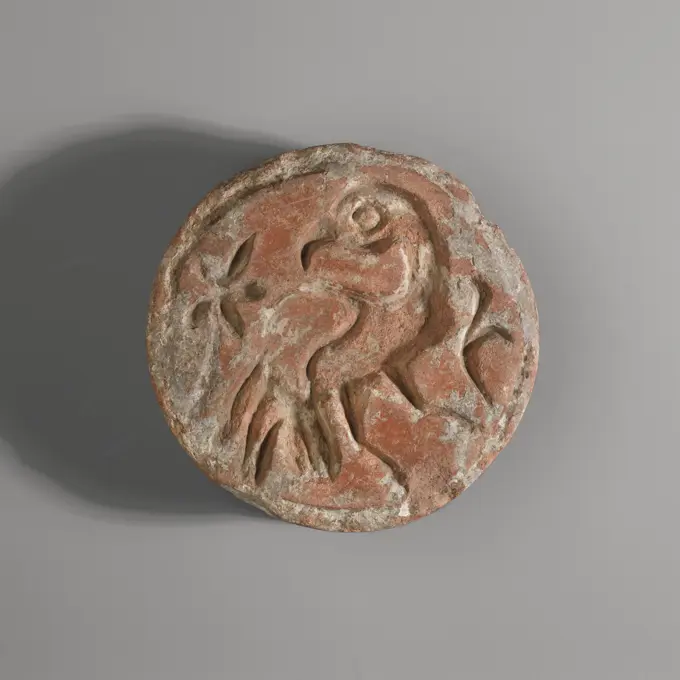
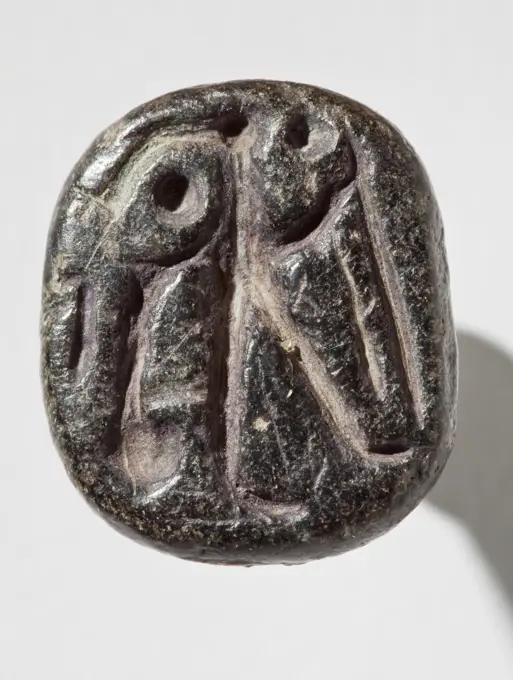
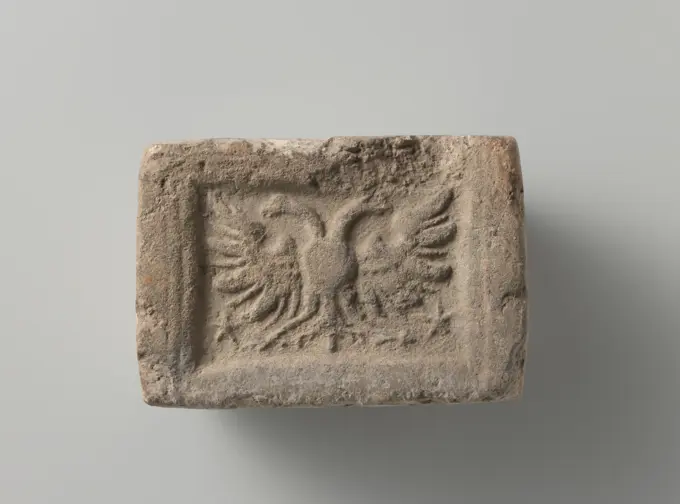
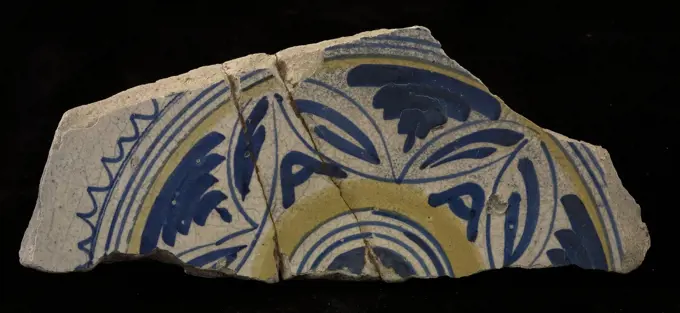
Highstone with representation of the two -headed eagle between the columns of Hercules, c. 1550 - c. 1600 Highstone with representation of the two -headed eagle between the columns of Hercules. Southern Netherlands earthenware Highstone with representation of the two -headed eagle between the columns of Hercules. Southern Netherlands earthenware
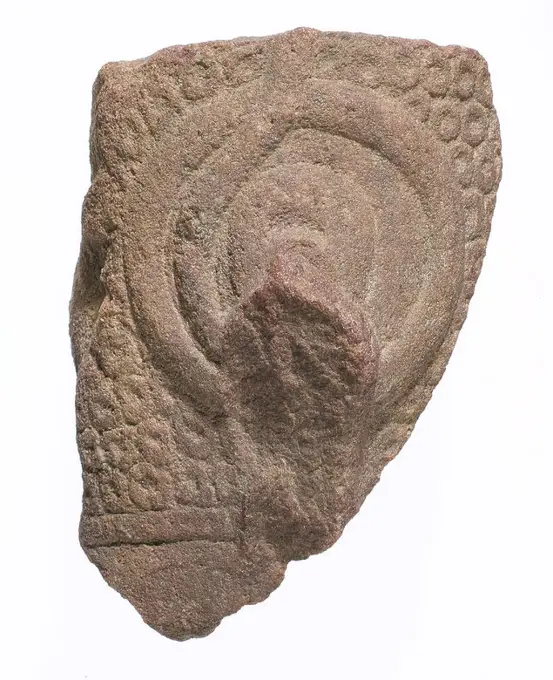
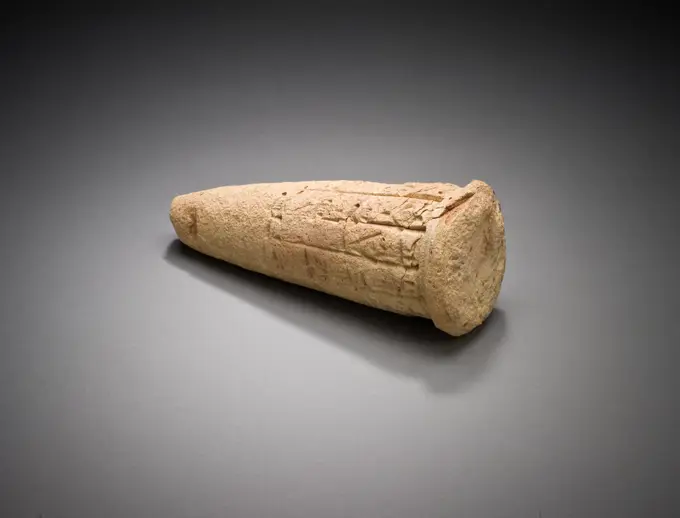
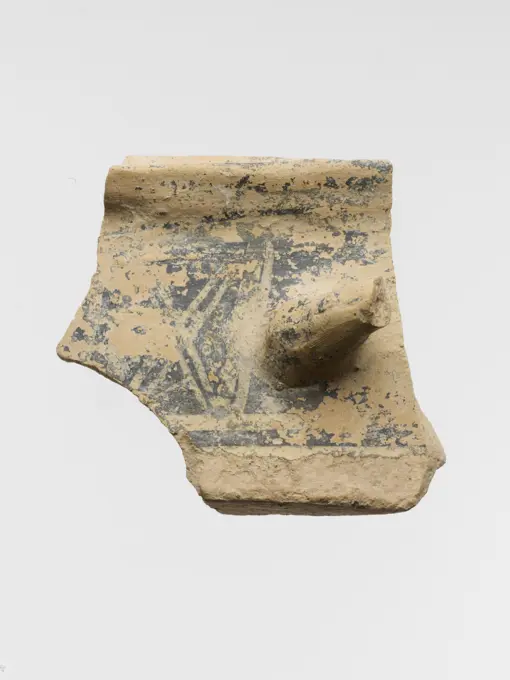
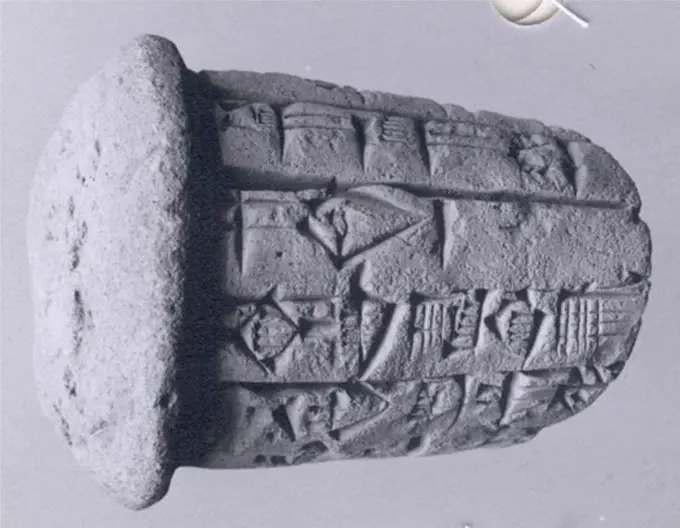
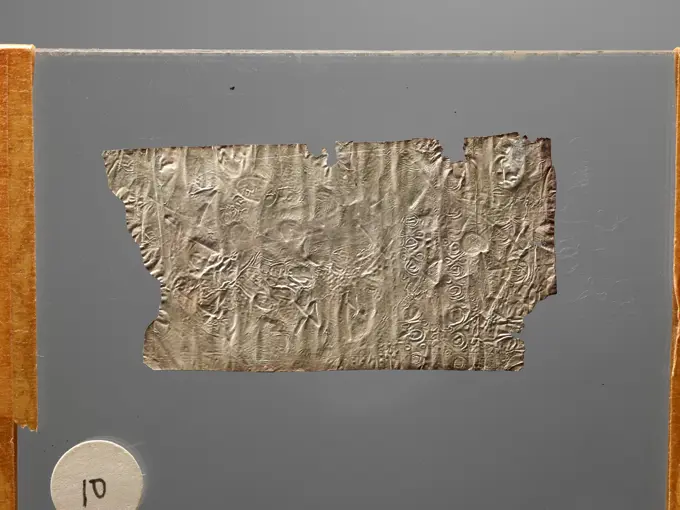
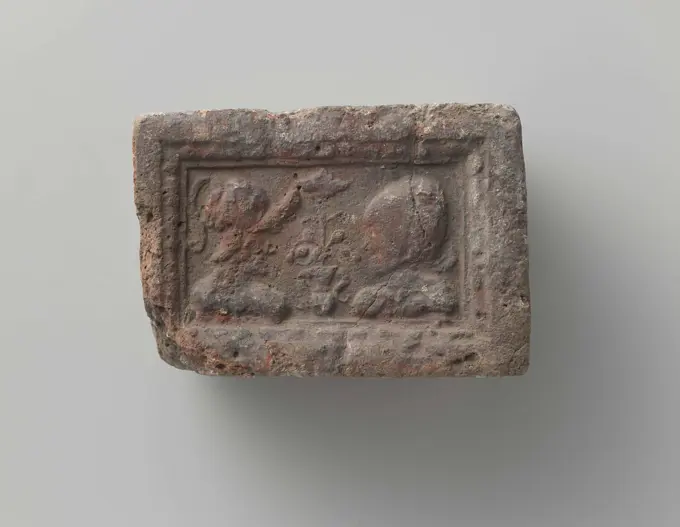
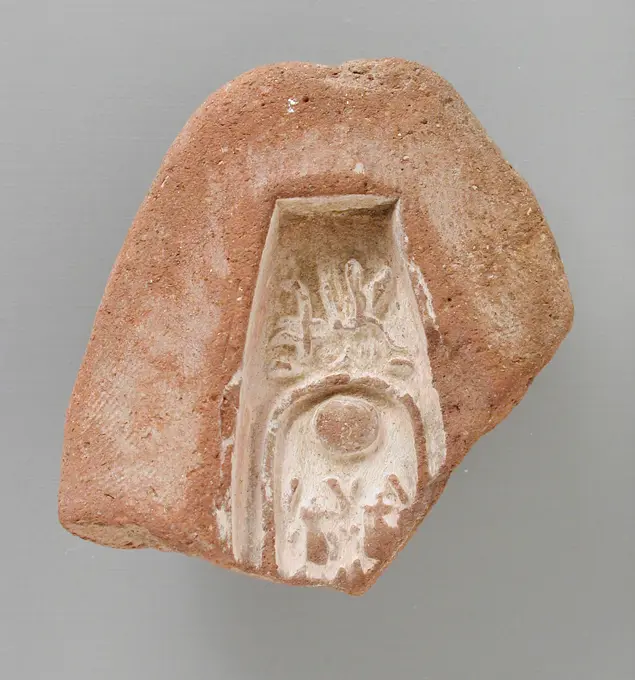
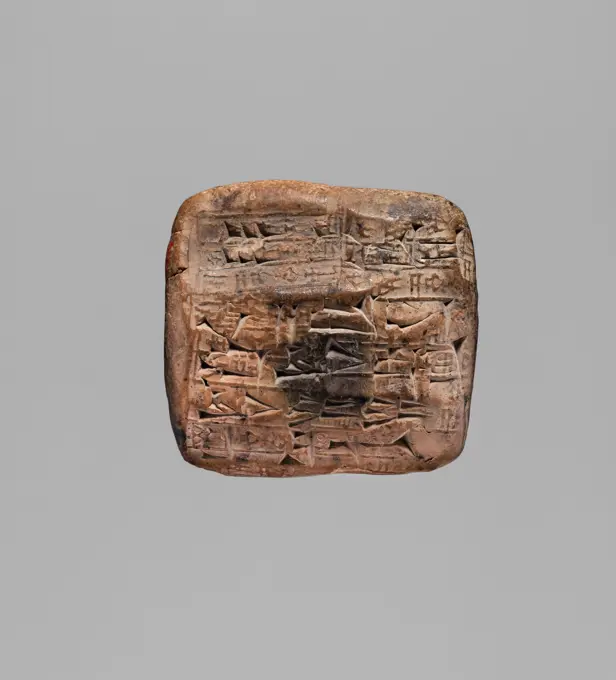
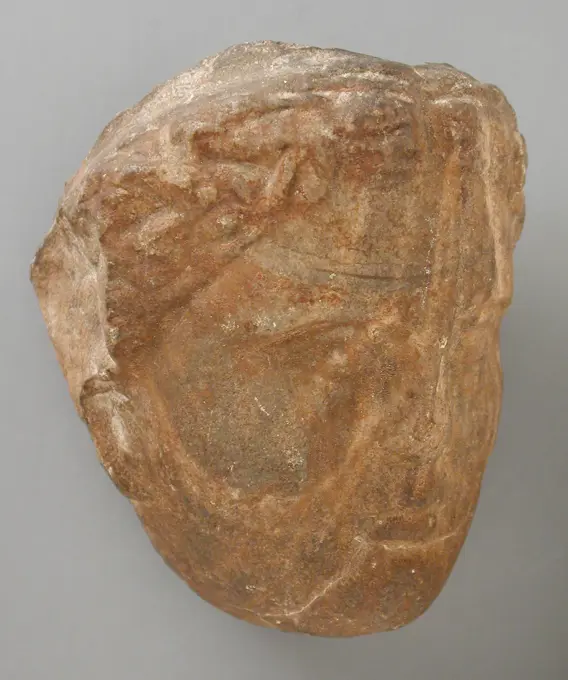
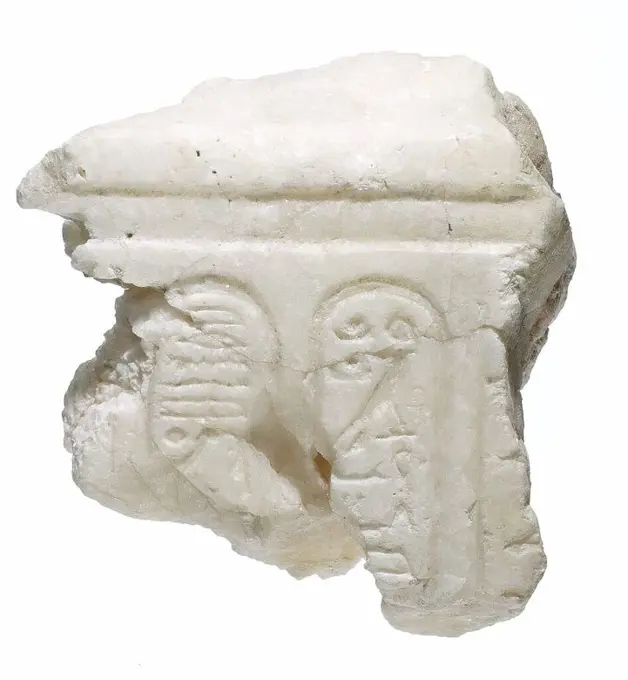
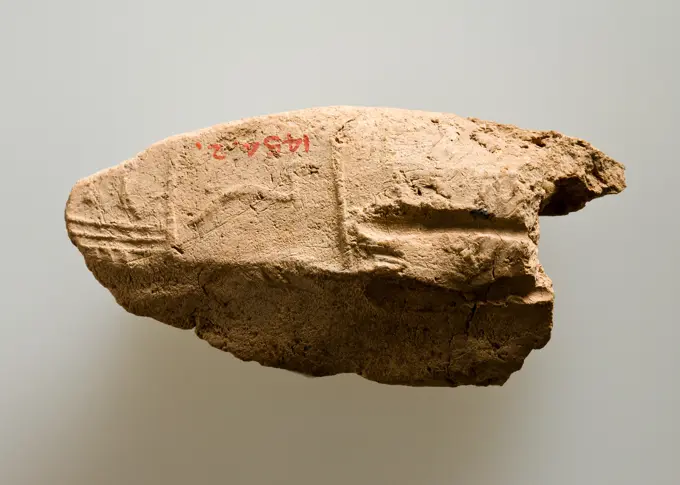
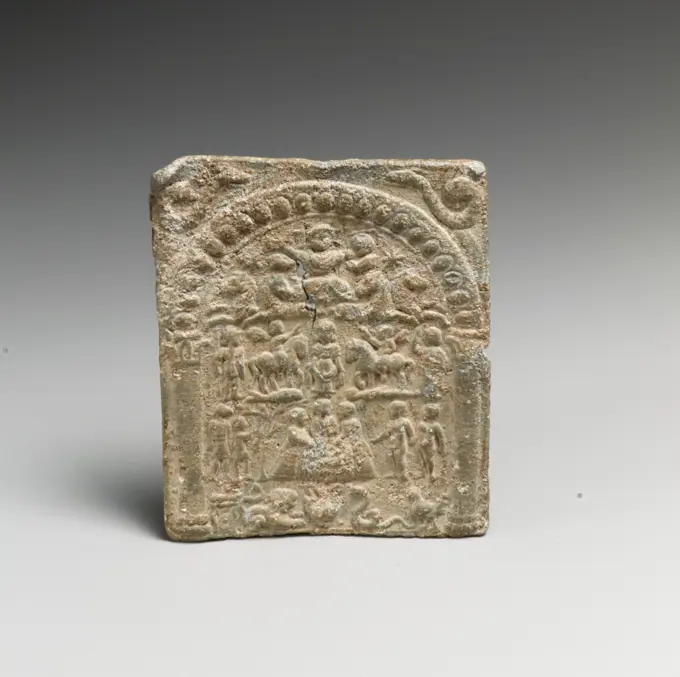
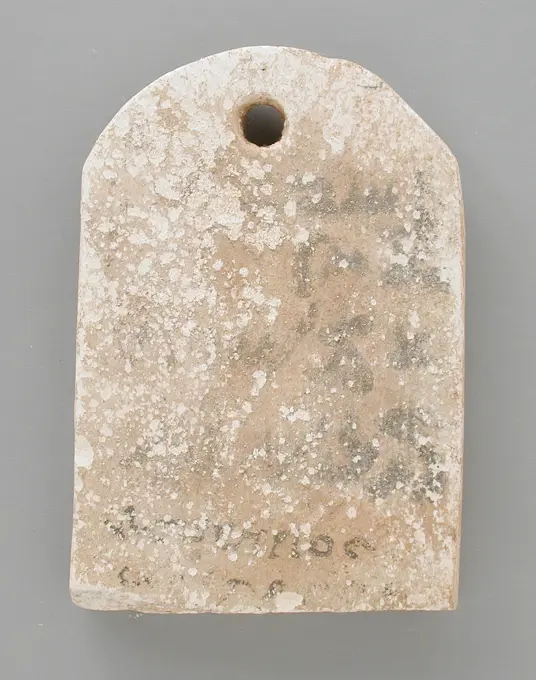
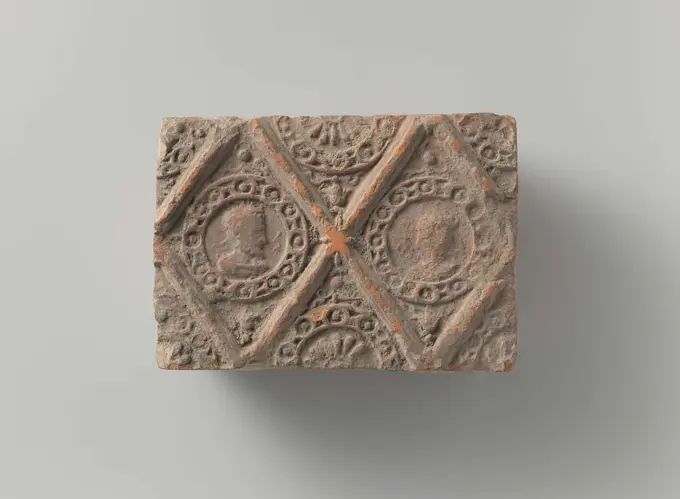
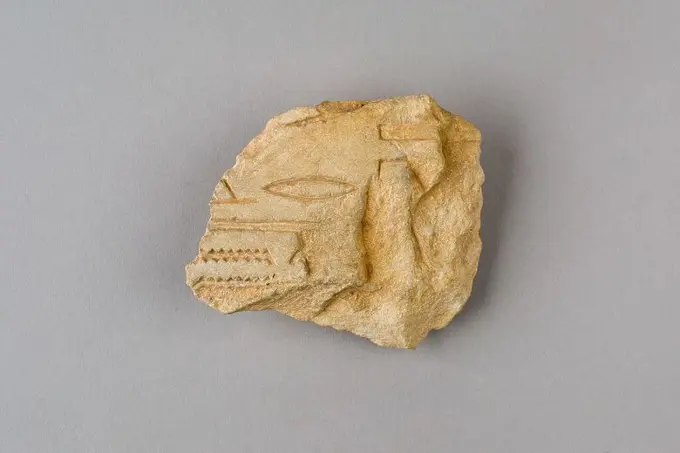
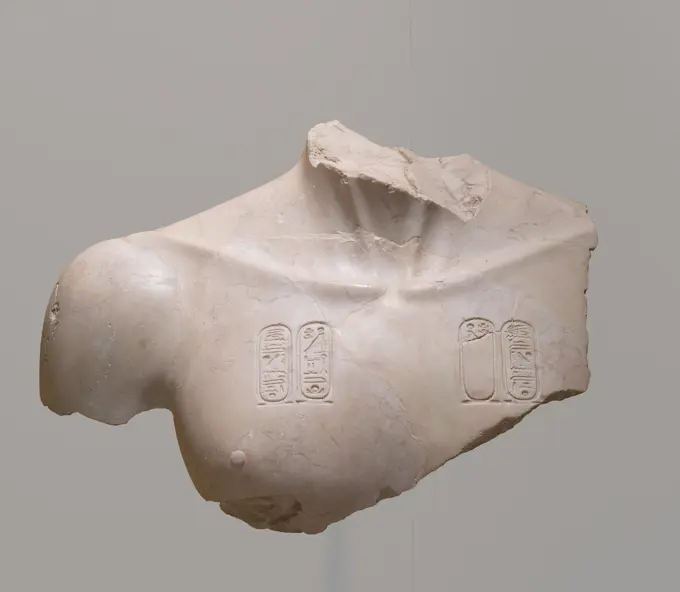
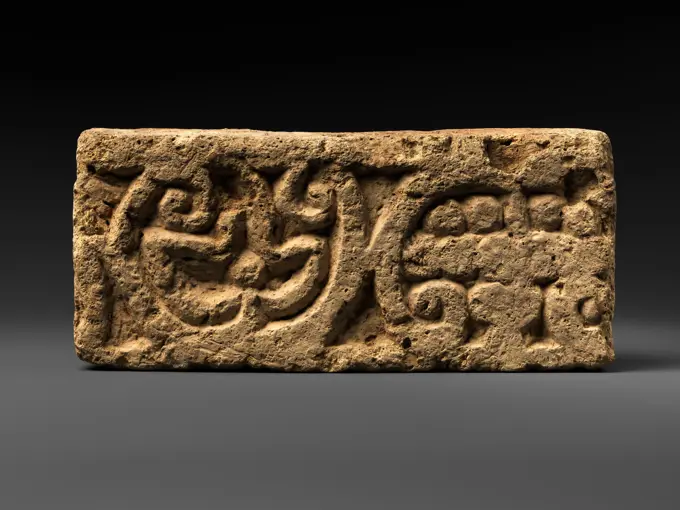
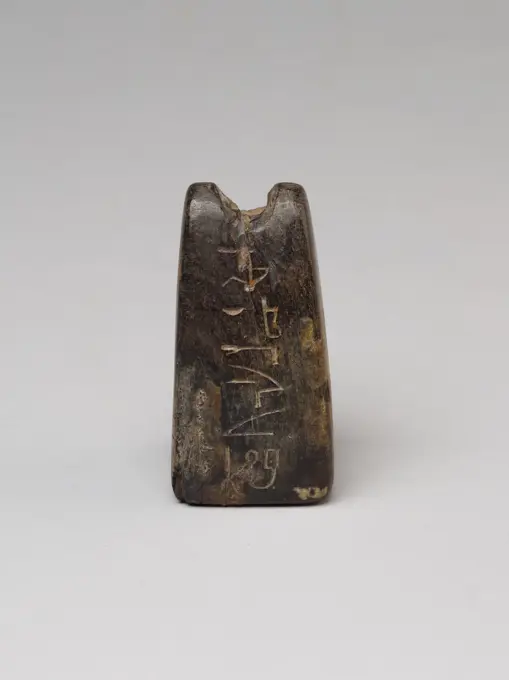
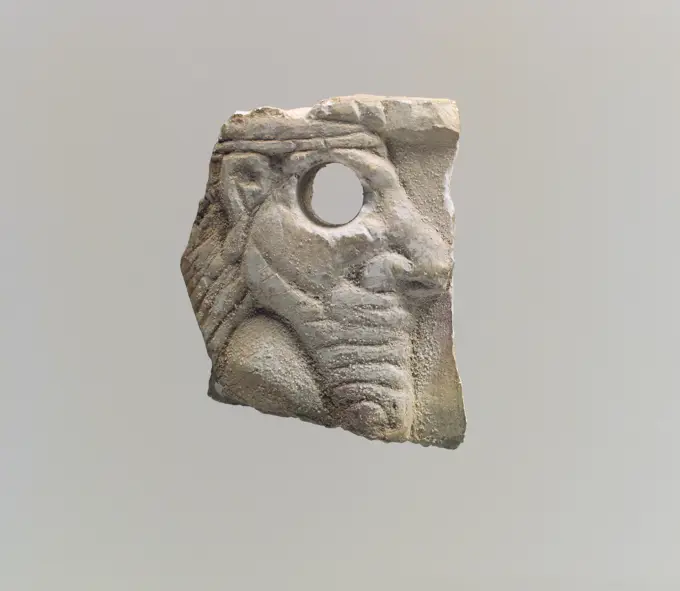
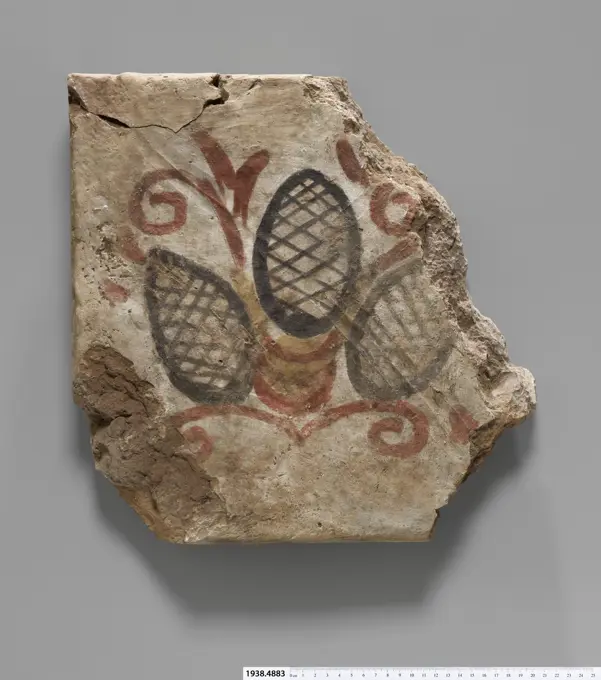
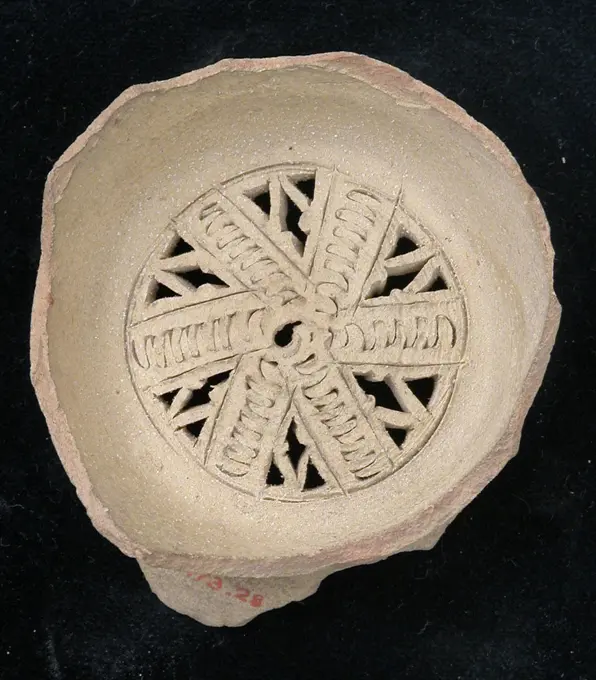
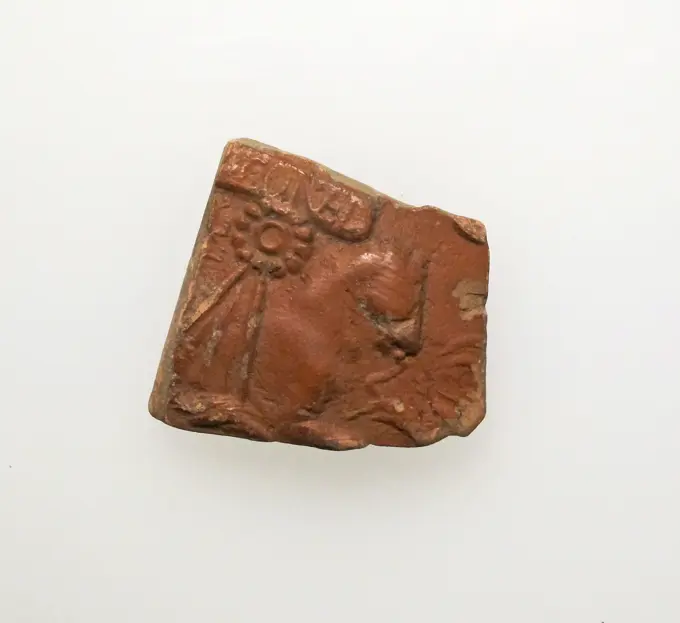
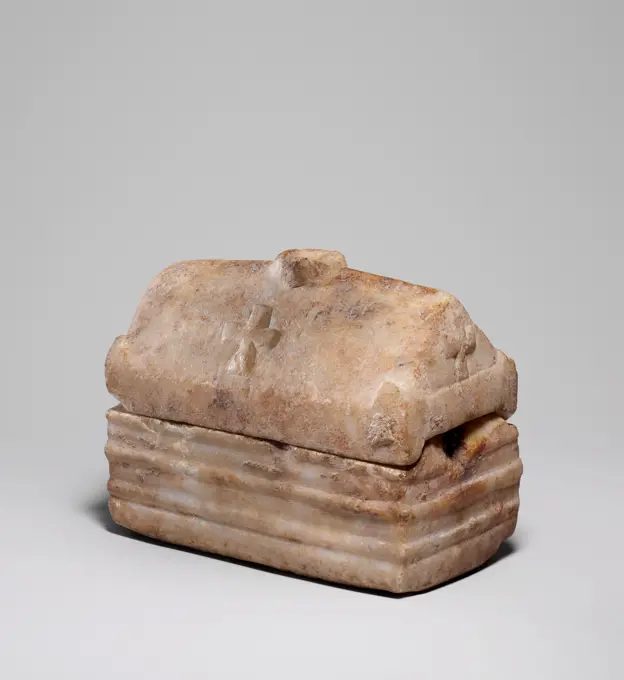
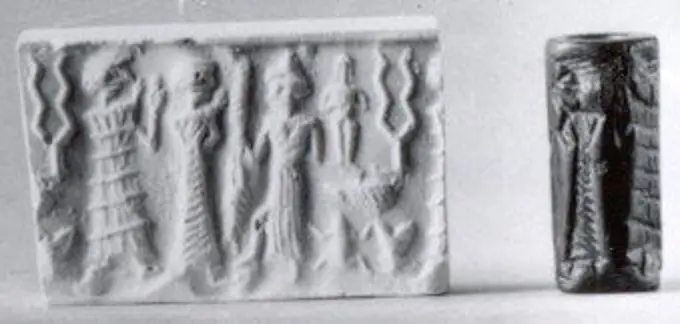
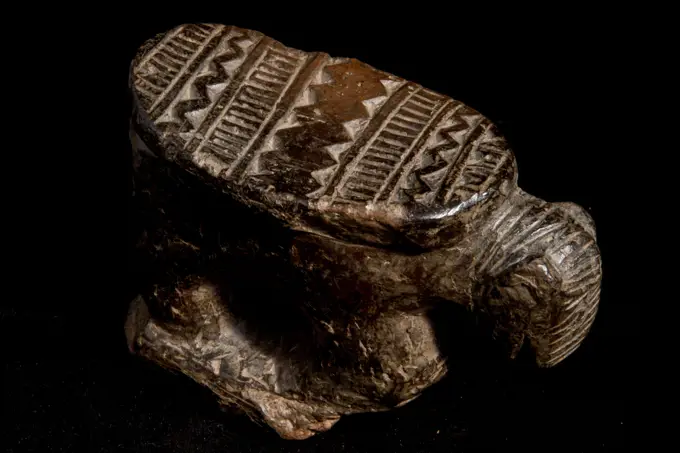
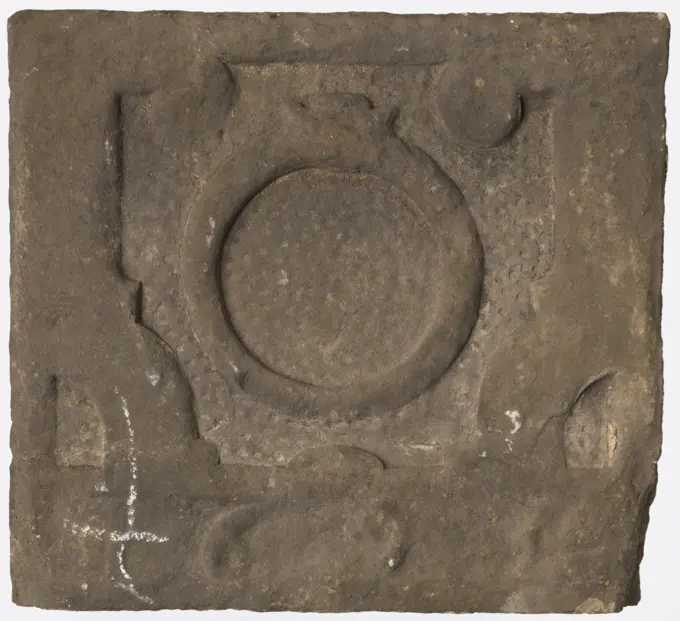
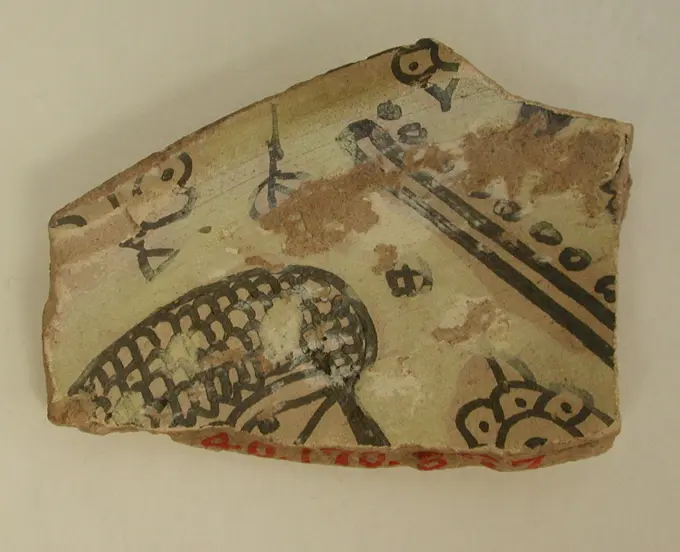
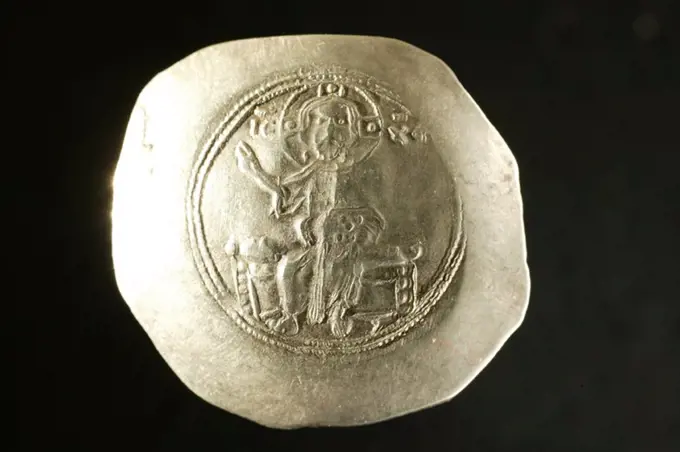
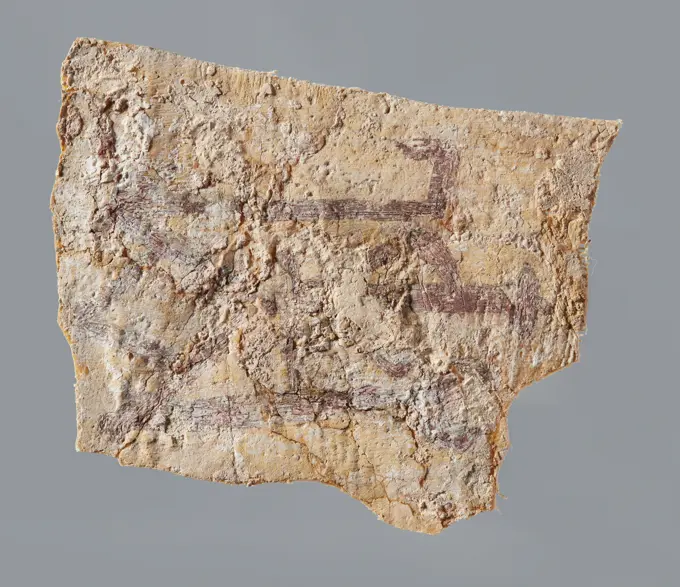
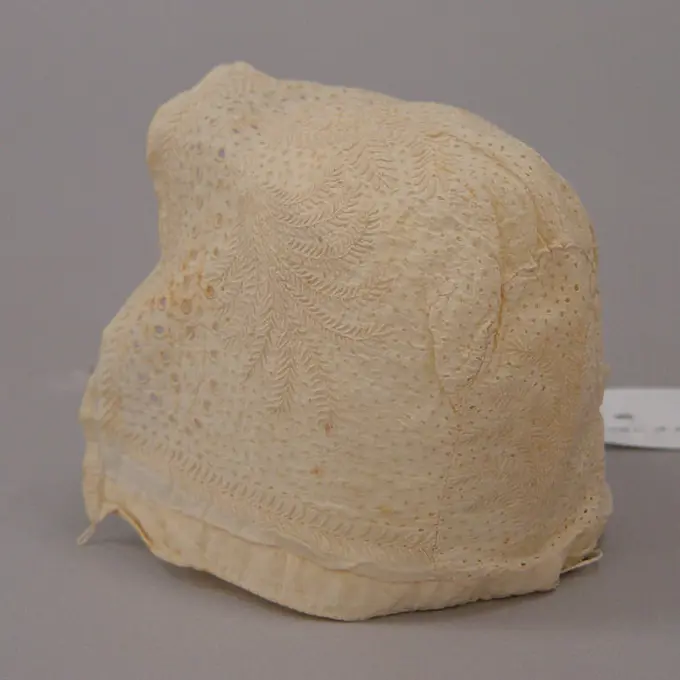
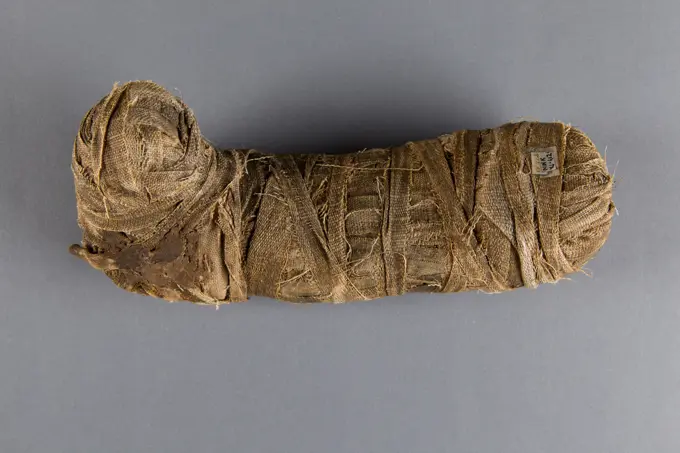
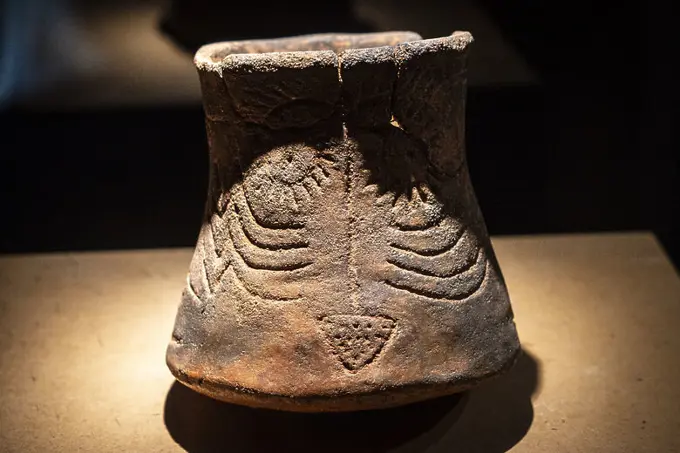
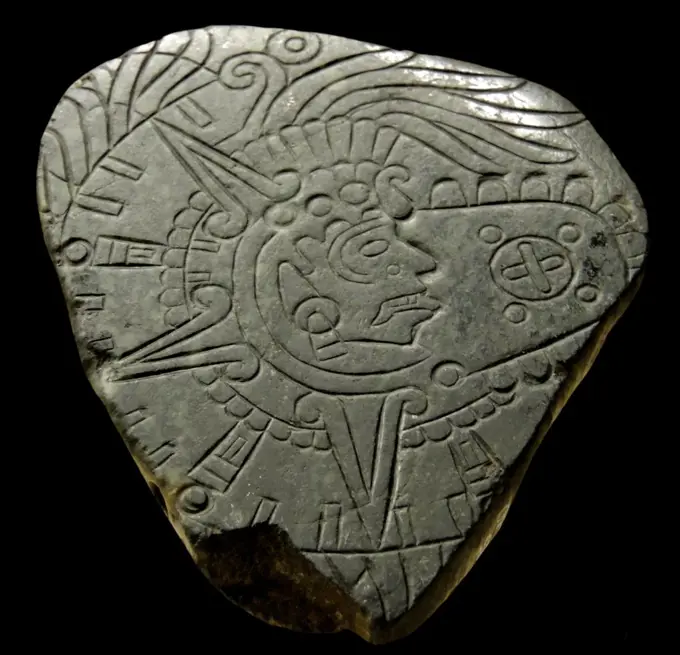
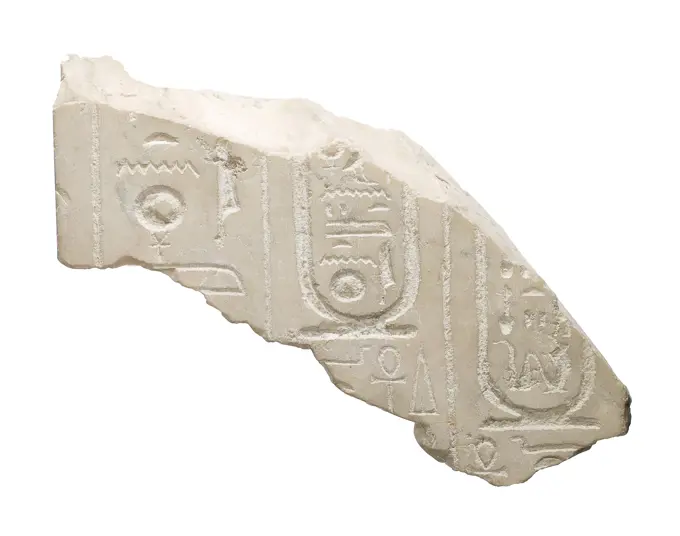
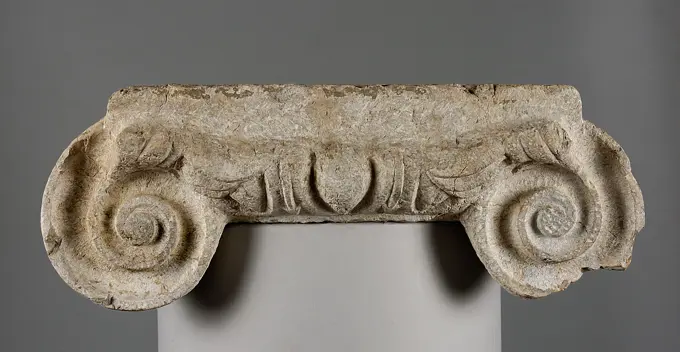
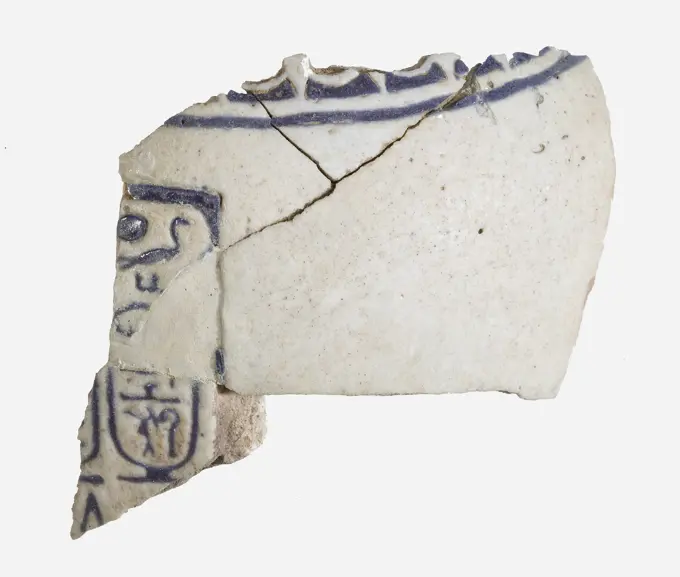
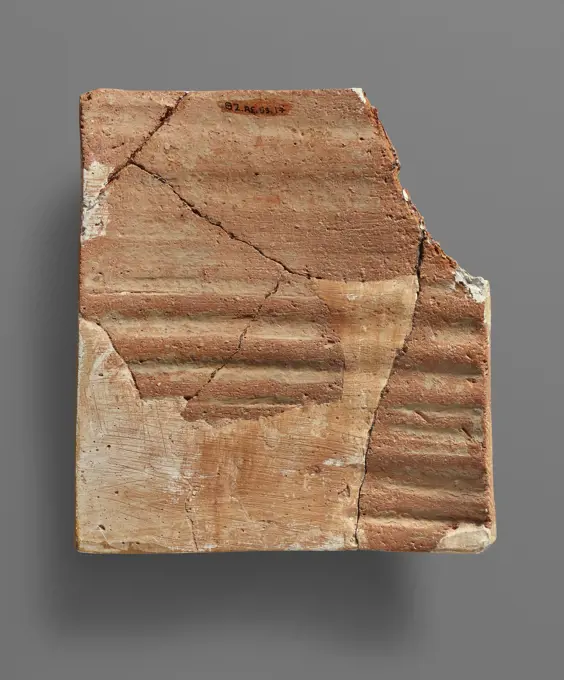
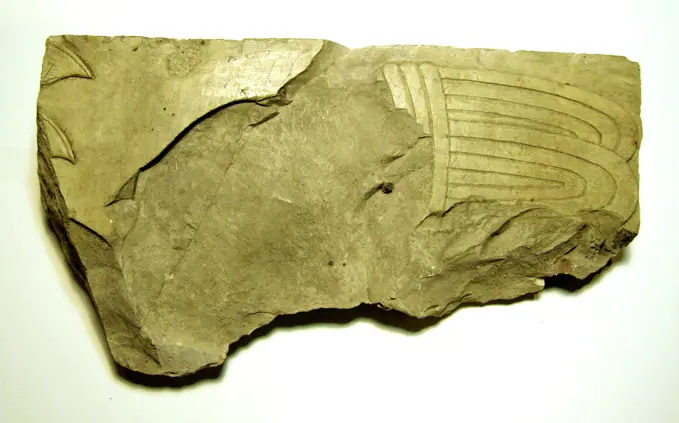
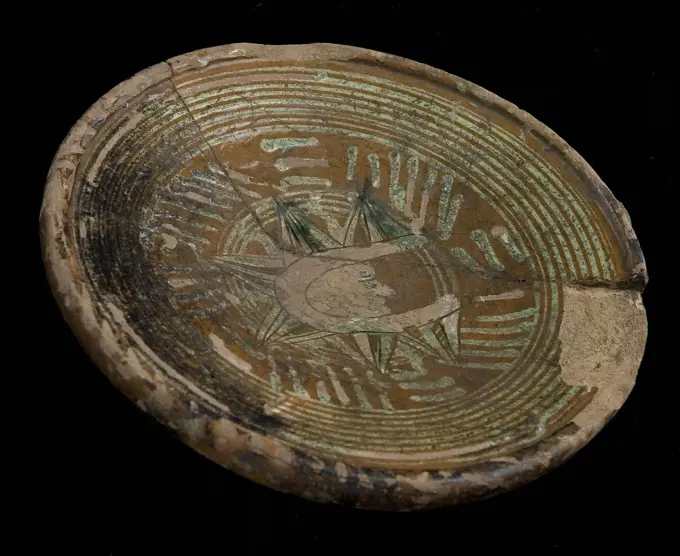
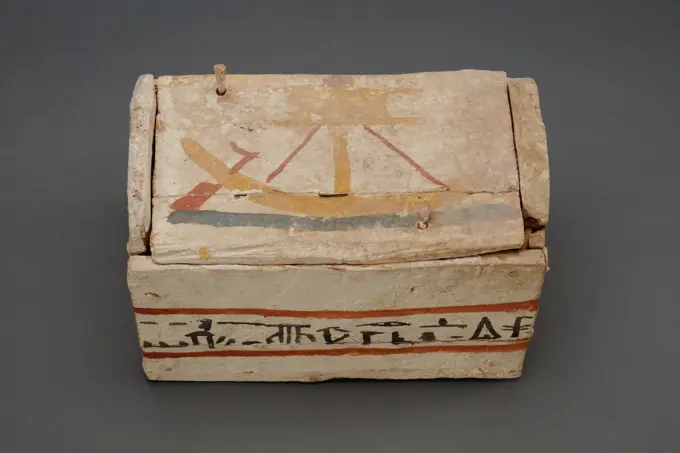
Highstone with representation of the two -headed eagle between the columns of Hercules, c. 1550 - c. 1600 Highstone with representation of the two -headed eagle between the columns of Hercules. Southern Netherlands earthenware Highstone with representation of the two -headed eagle between the columns of Hercules. Southern Netherlands earthenwareAppliqué for a funeral couch. UnknownRelief fragment ca. 7th century A.D. Sasanian or Islamic. Relief fragment 322438Terracotta fragment of a cylindrical pyxis (box with lid) with part of handle and hatched squares ca. 2300-2100 B.C. Minoan From Gournia, CreteWith part of handle, hatched squares.. Terracotta fragment of a cylindrical pyxis (box with lid) with part of handle and hatched squares. Minoan. ca. 2300-2100 B.C.. Terracotta; White-on-dark ware. Early Minoan III. VasesFireplace with a representation of two men's heads in windows. Fireplace with a representation of two man's heads in windowsVotive cone with cuneiform inscription of Gudea ca. 2090 B.C. Neo-Sumerian. Votive cone with cuneiform inscription of Gudea 321897Lamella. UnknownHearing stone with a French lily with leaf vines, c. 1575 - c. 1600 Hearing stone with a French lily with leaf vines. Southern Netherlands earthenware Hearing stone with a French lily with leaf vines. Southern Netherlands earthenwareFireplace, on which a man and woman looking at each other, between them a flower in a vase. Fireplace, on which a man and woman looking at each other, between them a flower in a vase.Belt Plate. Culture: Frankish. Dimensions: Overall: 1 15/16 x 1 15/16 x 9/16 in. (5 x 4.9 x 1.5 cm). Date: 4th-7th century. Museum: Metropolitan Museum of Art, New York, USA.Stamp with uraeus and sun disk ca. 712-343 B.C. Late Period. Stamp with uraeus and sun disk 571364Mold Fragment with a Throne Name. Egypt, 21st - 26th Dynasty (1081 - 525 BCE). Tools and Equipment; molds. TerracottaStamp, Gabled. Northern Syria or southeast Anatolia, 3500 - 3100 B.C.. Tools and Equipment; stamps. Black chloriteArm, outside shoulder, Aten cartouches ca. 1353-1336 B.C. New Kingdom, Amarna Period. Arm, outside shoulder, Aten cartouches 549673Animal-Head Brooch 1000-1100 Viking The island of Gotland specialized in the creation of richly ornamented box-shaped and animal-head brooches.. Animal-Head Brooch 466091Fragment 13th-14th century. Fragment 446326Oracle bone fragment. Culture: China. Dimensions: 1 3/8 x 1 1/16 in. (3.5 x 2.7 cm). Museum: Metropolitan Museum of Art, New York, USA.Mirror Frame 10th-15th century Chimú. Mirror Frame 317700Spindle. Egypt, New Kingdom (circa 1569 - 1081 BCE). Tools and Equipment; spinning implements. LimestoneFragment 14th-15th century. Fragment 445492Tabliczka klinowa z odciskiem pieczęci urzędnika: pokwitowanie odbioru ok. 1500 litrów piwa zwykłego. Luturtura (Lu-tur-tur-ra), authorBottle 7th-8th century Considered to be a symbol of fertility, the pomegranate was frequently used as a decorative motif in the art of the Middle East. The palmette design with a pomegranate in the center that is seen on this flask also appears on several monuments in Greater Syria dating from the first half of the eighth century.. Bottle 447026Head of a Man. Egypt, Greco-Roman Period (305 BCE - 337 CE). Sculpture. Black (Recut) GraniteFragment wotywnej inskrypcji punickiej. warsztat kartagiński, workshopBalustrade fragment with cartouches of the Aten. Dimensions: H. 15 × W. 13.5 × D. 11 cm (5 7/8 × 5 5/16 × 4 5/16 in.); cartouche: W. 3.3 cm (1 5/16 in.). Dynasty: Dynasty 18. Reign: reign of Akhenaten. Date: ca. 1352-1336 B.C.. Museum: Metropolitan Museum of Art, New York, USA.Clay jar sealing impressed faintly with name of Khasekhemwy ca. 2650 B.C. Early Dynastic Period. Clay jar sealing impressed faintly with name of Khasekhemwy 570767Lead votive plaque probably 3rd century A.D. Roman The plaque contains a complex iconography of divine figures and symbols, probably to be associated with Thracian or Dacian beliefs of the Lower Danube region. Presiding over the whole scene is Sol Invictus (the invicible sun-god) in a quadriga (four-horse chariot). His cult originated in the Near East and gained increasing influence under imperial patronage during the third century A.D. The state worship of Sol was only supplanted by Constantine's adoption of Christianity in A.D. 312.. Lead votive plaque 251147 Roman, Lead votive plaque, probably 3rd century A.D., Lead, H.: 3 3/4 x 3 1/16 in. (9.5 x 7.8 cm). The Metropolitan Museum of Art, New York. Rogers Fund, 1921 (21.88.175)Dish. Dimensions: Max. Diam. 7 1/8 in. (18.1 cm)H. 2-1/4 in. (5.7 cm). Date: 7th century.Molded ceramic vessels - both with and without glaze - were made in the earliest centuries of the Islamic period. The technique seems to have lost popularity as artists turned their attention to other techniques, notably lusterware. Vessels of this unglazed type often feature dense, stamped decoration, including vegetal patterns, geometric repeats, and even jewelry-like designs, often organized in bands. Although the function of this vessel is not clear, the decoration that covers the entire exterior surface and the presence of tear-drop shaped, protruding bosses suggests it may have served as a lid. Museum: Metropolitan Museum of Art, New York, USA.Mummy Label with Demotic and Greek Inscription. Egypt, late Ptolemaic - early Roman Period (100 BCE - 100 CE), perhaps reign of Augustus (30 BCE - 41 CE). Tablets. LimestoneFireplace with a performance of two pottermeda leaks, placed in two windows. Fireplace with a performance of two pottermeda leaks, placed in two windows.Relief Fragments from the Henenu Stela. Dimensions: L. 9.7 cm (3 13/16 in.); W. 2.8 cm (1 1/8 in.); D. 8.3 cm (3 1/4 in.). Dynasty: Dynasty 11. Reign: reign of Mentuhotep II, late. Date: ca. 2030-2000 B.C.. Museum: Metropolitan Museum of Art, New York, USA.Mold, AD 1 - 1500. Mexico. Pottery; overall: 7.7 x 9.6 cm (3 1/16 x 3 3/4 in.).Chest of Akhenaten ca. 1352-1336 B.C. New Kingdom, Amarna Period Several fragments discovered in excavations at the Great Aten Temple in Amarna were rejoined to form these shoulders and upper chest of Akhenaten. The sharp tendons in the throat and the prominent clavicles are characteristic of the heightened attention to the bony structure of the bodies of members of the royal family. Cartouches of the Aten appear on the king's chest; a third pair would have appeared on his abdomen, and others on each shoulder, and perhaps also on his wrists.. Chest of Akhenaten. ca. 1352-1336 B.C.. Indurated limestone. New Kingdom, Amarna Period. From Egypt, Middle Egypt, Amarna (Akhetaten), Great Temple of the Aten, pit outside southern wall, Petrie/Carter excavations, 1891-92. Dynasty 18Roman table stand, marble, 2nd century, from the archeological site of Can Modolell. Museum: MUSEO DE MATARÓ.Amulet. Culture: Coptic. Dimensions: Overall: 1 13/16 x 1 x 1 in. (4.6 x 2.5 x 2.5 cm). Date: 4th-7th century. Museum: Metropolitan Museum of Art, New York, USA.Arm with Aten cartouches ca. 1353-1336 B.C. New Kingdom, Amarna Period. Arm with Aten cartouches 567644Glazed brick ca. 1st-2nd century A.D Parthian. Glazed brick. Parthian. ca. 1st-2nd century A.D. Ceramic, glaze. Parthian. From Mesopotamia, CtesiphonFragment 14th-15th century. Fragment 446428Crown with discs, uraeus coils and frontlet. Dimensions: H. 11.6 × W. 8.8 × D. 6.9 cm (4 9/16 × 3 7/16 × 2 11/16 in.); coils: W. 1 cm (3/8 in.). Dynasty: Dynasty 18. Reign: reign of Akhenaten. Date: ca. 1353-1336 B.C.. Museum: Metropolitan Museum of Art, New York, USA.Papyrus burnisher of the Scribe, Merymaat ca. 1479-1425 B.C. New Kingdom The inscription on this papyrus burnisher identifies the scribe Merymaat as its owner. It was found in the same tomb with a scarab ring and fragments of a gaming box made of faience tiles and wood.. Papyrus burnisher of the Scribe, Merymaat 553841Negatyw malowidła. unknown, authorPlaque fragment ca. 9th century B.C. Iran. Plaque fragment 325744Painted tile with pine conemotifWater Filter 10th-12th century. Water Filter 447448Bliżej Kultury Władysław Jagiełło (CA 1351 1434), Mint of KrakówRoman stele, Aguilar de Codes, Museum of Navarra, Pamplona, Navarra,Spain.Ok, baked; Unknown Egyptian workshop; VI-VII century (501-00-00-700-00-00);Deposit of the University of Warsaw from 1937-1939, figural decorations, floral decorations, relief decorations, rice decorations, monogramsFragment of an Inscribed Stele with a Cross within a Wreath 7th-8th century. Fragment of an Inscribed Stele with a Cross within a Wreath 447042Tabliczka klinowa z odciskiem pieczęci urzędnika. A-du, authorVase fragment 1st century B.C.-1st century A.D. Roman Protomes of horses.. Vase fragment. Roman. 1st century B.C.-1st century A.D.. Terracotta. VasesMolded Faience Plaque in the shape of a Fish with throne name of Seti II. Egypt, New Kingdom, 19th Dynasty, reign of Seti II (1221 - 1215 BCE). Sculpture; plaques. FaienceStamp Seal. Iran, Bactria or Mesopotamia, circa 2nd millennium B.C.. Tools and Equipment; seals. Black serpentineReliquary in the Shape of a Sarcophagus 400-600 Byzantine Holes in the lids of sarcophagus-shaped reliquaries, as seen here, allowed the faithful to insert cloth attached to narrow rods into the reliquary in order to absorb the power of the relic through contact. Alternatively, oil was poured through the hole and collected by means of a second hole in the base in containers brought by the faithful.. Reliquary in the Shape of a Sarcophagus. Byzantine. 400-600. Marble. Sculpture-StoneCylinder seal early 2nd millennium B.C. Old Assyrian Trading Colony (). Cylinder seal. Old Assyrian Trading Colony (). early 2nd millennium B.C.. Hematite. Middle Bronze Age-Old Assyrian Trading Colony. AnatoliaFragment of a Bowl 11th-12th century. Fragment of a Bowl 447263Africa, Mali, tribal art, stone zoomorphic headrestNapkin with the weapons of Christiaan van Denmark and Anna Katharina van Brandenburg, 1602  Napkin van Linnamast with the weapons of Christiaan van Denmark and Anna Katharina van Brandenburg. Haarlem linen (material) damaskFragment of a Mold for Arretine Bowl, 27 BC-AD 14. M. Perennius (Roman, -200-200). Terracotta; overall: 14.6 cm (5 3/4 in.).Abacus 5th century Byzantine. Abacus. Byzantine. 5th century. Marble. Sculpture-ArchitecturalFacing brick with ring inside frame. Year 16 .. ()., C. 1600 - c. 1699  Square stone on which a frame in which a ring. In the lower edge of the frame a poorly readable year 16 .. (). Netherlands (possibly) .Fragment 9th-10th century. Fragment 456206Fragment 6th century. Fragment 442926Cylinder seal ca. 1720-1650 B.C.. Cylinder seal 327185Magic knife fragment ca. 1981-1640 B.C. Middle Kingdom. Magic knife fragment 556921NUMISMATICA. MONEDA MONEDAS BIZANTINAS DE ORO Y BRONCE. REAL ACADEMIA DE LA HISTORIA.Fragment malowidła ściennego - monogram. unknown, painterTerracotta rim fragment with linear decoration ca. 4000 B.C. Greek Neolithic From Hagiorgetika in the PeloponneseDark lines on light ground.. Terracotta rim fragment with linear decoration 253278 Greek Neolithic, Terracotta rim fragment with linear decoration, ca. 4000 B.C., Terracotta, length 2 7/8in. (7.3cm). The Metropolitan Museum of Art, New York. Anonymous Gift, 1930 (30.119.73)Terracotta oil lamp. Culture: Roman. Dimensions: Diam.: 3 1/4 in. (8.3 cm). Date: late 5th-6th century A.D..The impressed decoration in the form of a stylized date-palm tree is unusual. Museum: Metropolitan Museum of Art, New York, USA.Fragment 14th-15th century. Fragment 446319Fragment płyty nagrobnej Justy z łacińską inskrypcją chrześcijańską. warsztat rzymski, workshopCap 1800-1850 probably American. Cap 104303Animal Mummyvase with symbolic decoration -female figure-, ceramic, 3000-2500 BC, Monte do Outeiro, Aljustrel, Portugal, Huelva Museum, Huelva, Andalusia, Spain.Pictorial decoration of a grasshopper, fragment, House of the Golden Bracelet, Pompeii, Campania, Italy. Roman civilisation, 1st century AD.cabeza de soldado, siglo I d.C, Calahorra, Museo de la Romanización, Calahorra, La Rioja , Spain, Europe.Nieczuj coat of arms  bracket  treasury, Wawel cathedral, KrakowJade Pendant 1300 B.C. Engraved is Tonatiuh, the Aztec Solar God.Inscribed fragment New Kingdom, Amarna Period ca. 1353-1336 B.C.Capitel John;  II-III century (101-00-00-300-00-00);gift (provenance), Polish excavations in Novae (Bulgaria)Fragments of Vase ca. 1390-1353 B.C. New Kingdom. Fragments of Vase. ca. 1390-1353 B.C.. Faience. New Kingdom. From Egypt, Upper Egypt, Thebes, Malqata, Green Buildings, MMA excavations, 1910-11. Dynasty 18Body Fragment of a Relief Pithos; Crete, Greece; 650 - 625 B.C; Terracotta; 18.5 × 18 cm (7 5,16 × 7 1,16 in.)A tile decorated with a frieze with rhombras, within which four legged fortress, above  Wielkopolskie Museum, PoznańMold with Name of King Snefru. Egypt, perhaps Late Period, 25th or 26th Dynasties (735 - 525 BCE). Tools and Equipment; molds. TerracottaRaised relief fragment 664-610 B.C. Late Period, Saite see 23.3.468. Raised relief fragment. 664-610 B.C.. Limestone, varnish. Late Period, Saite. From Egypt, Upper Egypt, Thebes, Deir el-Bahri, Tomb of Nespekashuty (TT 312, MMA 509), 1st chamber E. wall; 3rd register, MMA excavations, 1922-23. Dynasty 26Werra plate on stand surface, mirror finish with moon face, decorated in sludge technology and sgraffito, plate crockery holder soil find ceramic earthenware glaze lead glaze clay, slat sgraffito Layer plate on stand surface Slanted sidewall without shoulder. Upright vertical dish edge. Red shard glazed only on the top Decorated in sludge technique and sgraffito Decoration consists of moon-face yellow circles in the flag and band of stripes between them. Rope motif along the edge. Yellow and green archeology City Triangle Rotterdam Town Hall City Hall serving pottery serving food decorate tableFragment of the stroke;  1 thous. BC (-1000-00-00-1-00-00);The collection of the ancient EastFragment imadła amfory ze stemplem. Kallisthenes (ok. 290-280 p.n.e.), potter's workshopVase. 6th mil. - 4th mil. BC. Neolithic art. Ceramics. SPAIN. ANDALUSIA. Cordoba. Archaeological Museum of Cordoba. Proc: SPAIN. ANDALUSIA. CORDOBA. Zuheros. Cave of the Bats.Fireplace with a double-headed eagle and two stars. Fun stone from Grove Earth. Double eagle with two stars.LampmoldNabuk and Mardu, Musei Vaticani, State of the Vatican City, Roma, Lazio, Italia.Fragment majolica dish, polychrome, concentric circles and leaf motifs, plate crockery holder soil find ceramic earthenware glaze, baked underside covered with gray lead glaze. Polychrome. Italian decor archeology Italy serve food decorateCylinder Seal. Iran, Achaemenid period, circa 550-330 B.C.. Tools and Equipment; seals. Light yellow chalcedonyShabti Box of Ankhshepenwepet ca. 712-664 B.C. Late Period The burial of Ankhshepenwepet included two small wooden shabti boxes with vaulted ends and flat lids. These were painted white, and inscribed with an offering prayer in black bordered with red lines around the box. As was usual for shabti boxes of this era, each lid was painted with an image of a boat in beige, yellow, and red, with a band of blue-green beneath the boat to represent water. These representations are likely connected with the pilgrimage to the sacred site of Abydos, cult place of the god Osiris, ruler of the dead. By traveling to this holy place, either in reality or symbolically, the deceased became associated with this god and was aided in his or her journey to join the ranks of the blessed dead.On this box, the boat has its sail up, as if it were traveling south on its return from Abydos to Thebes, with the wind helping move the vessel against the north-flowing current. The other box (25.3.206) depicts a boat Fragment imadła amfory ze stemplem. Diskos I (ok. 219-210 p.n.e.), potter's workshopCuneiform tablet: slave hire contract, Egibi archive ca. 494 B.C. Achaemenid. Cuneiform tablet: slave hire contract, Egibi archive 321751Reaal van Achten, beaten in Mexico, mint from the wreck of the East Indians' t Vliegend Hart ,, 1701 - 1734  Highly worn silver coin, beaten on heart -shaped mint plate. Front: coat of arms. Reverse: Cross in multi -pass; Between cross arms: arms figures. Mexico silver (metal) striking (metalworking)  MexicoCone of Gudea, Governor of Lagash. Iraq, Babylonian, circa 2350 B.C.. Tools and Equipment; cones. ClayRectangular wooden cosmetic or amulet box ca. 7th-9th century A.D. Alanic. Rectangular wooden cosmetic or amulet box 327552Plaque fragment ca. 9th century B.C. Iran. Plaque fragment 325761