Historical Reliefs and Fragments

Unique terracotta and stone fragments depicting historical motifs, including funeral furniture and decorative elements from different eras.

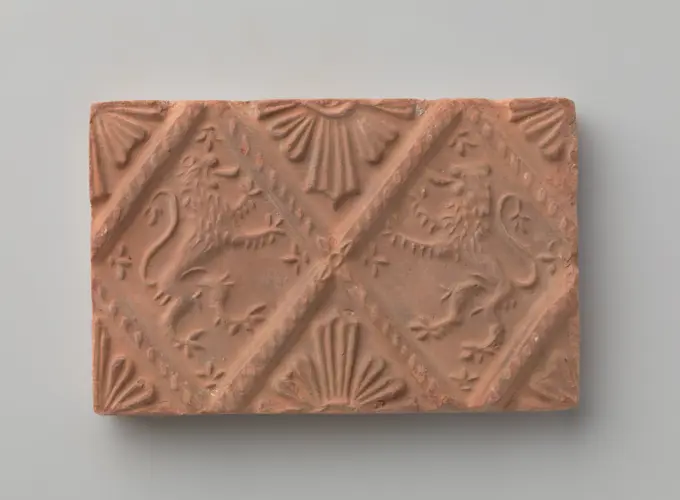
Highstone with representation of the two -headed eagle between the columns of Hercules, c. 1550 - c. 1600 Highstone with representation of the two -headed eagle between the columns of Hercules. Southern Netherlands earthenware Highstone with representation of the two -headed eagle between the columns of Hercules. Southern Netherlands earthenware
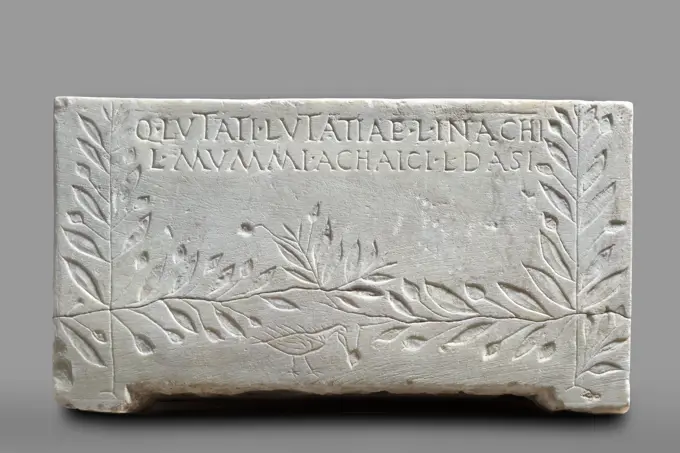
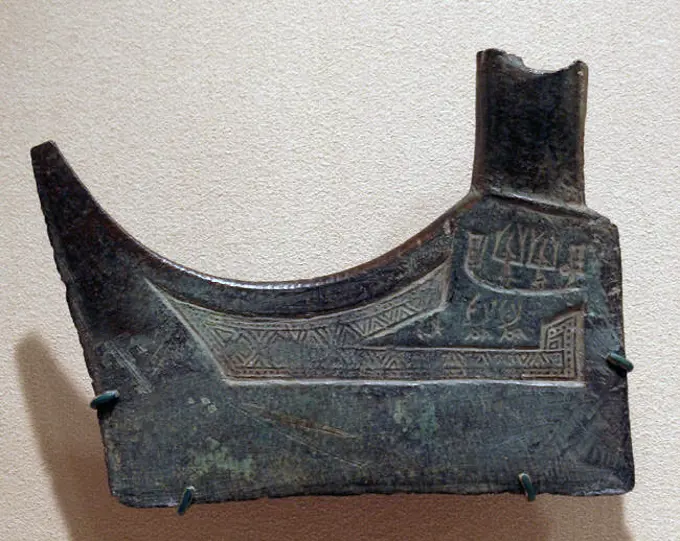
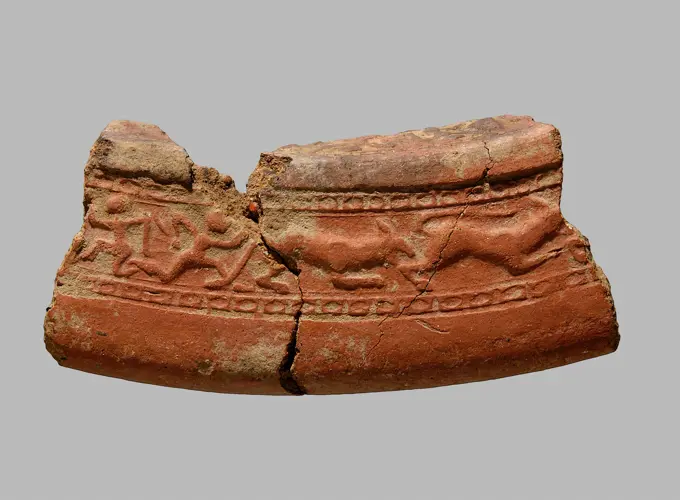
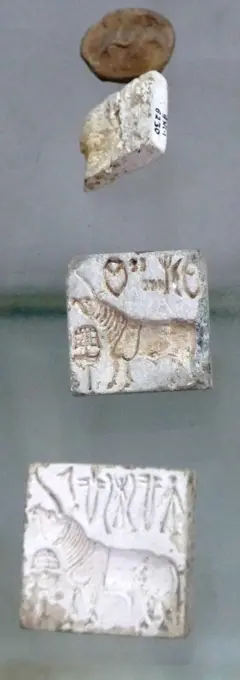
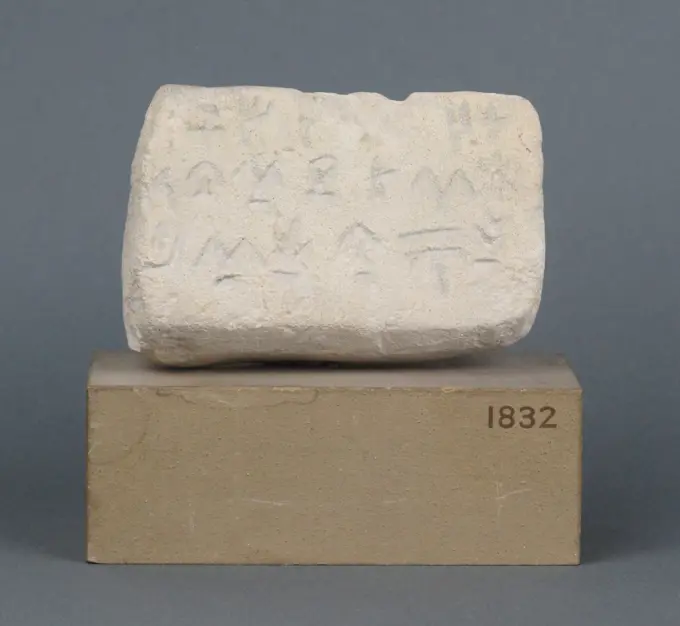
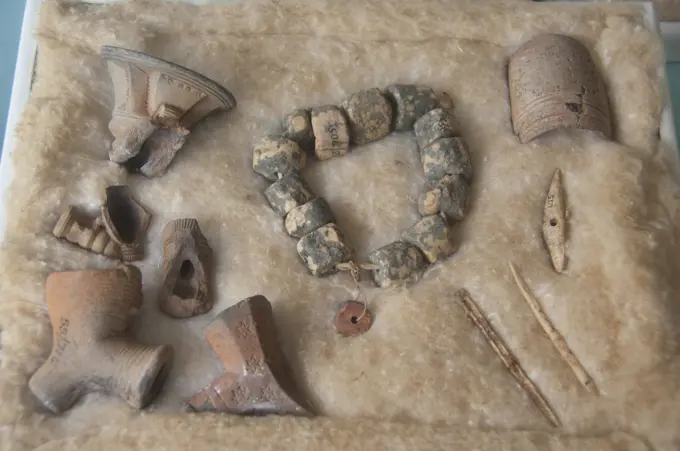
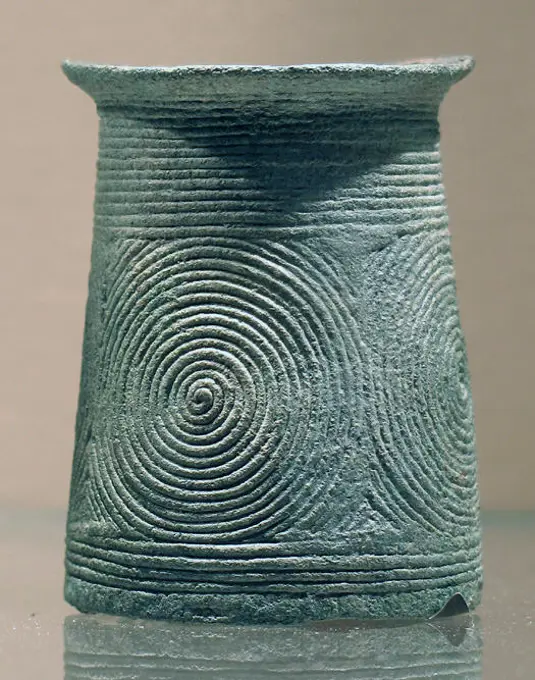
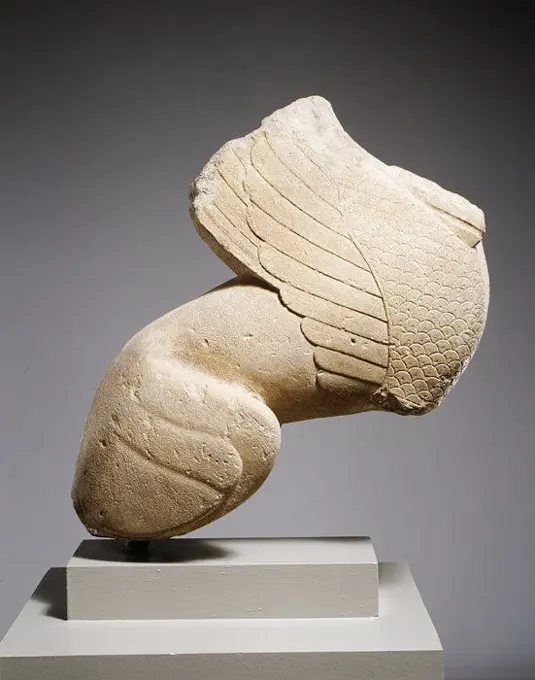
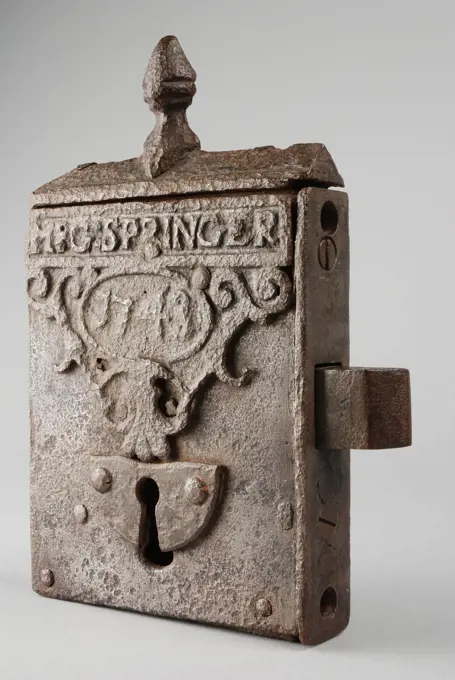
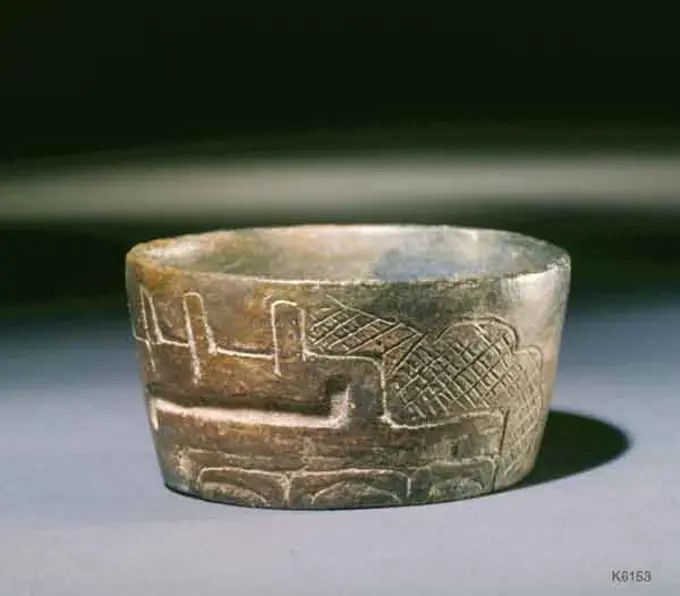
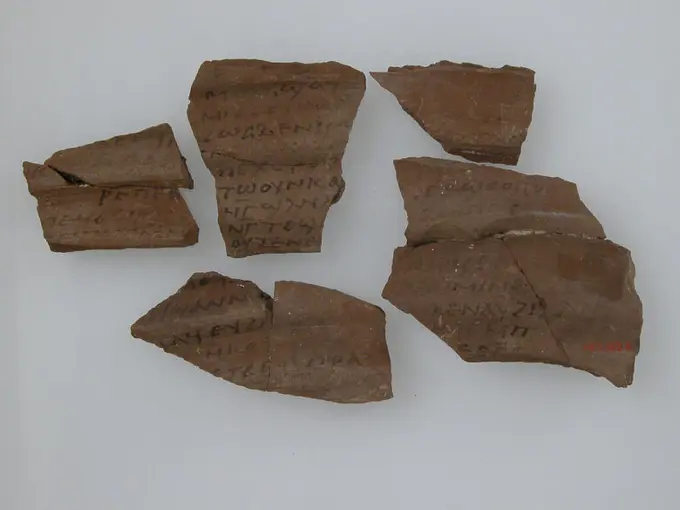
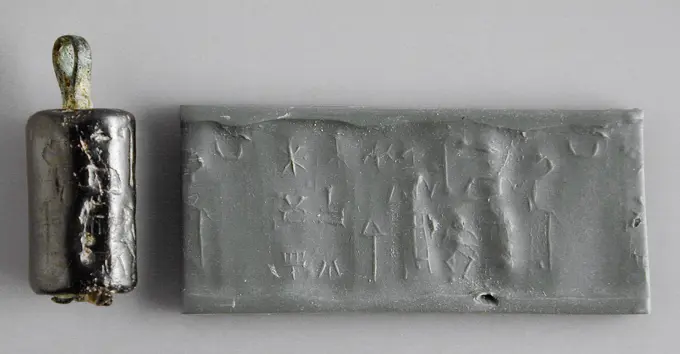
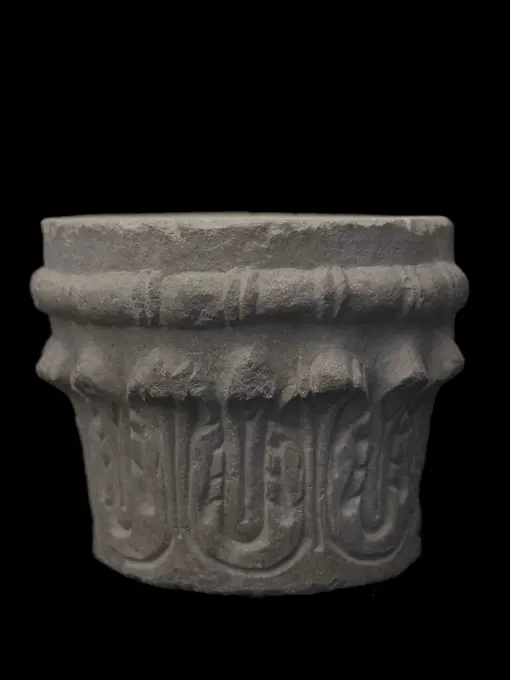
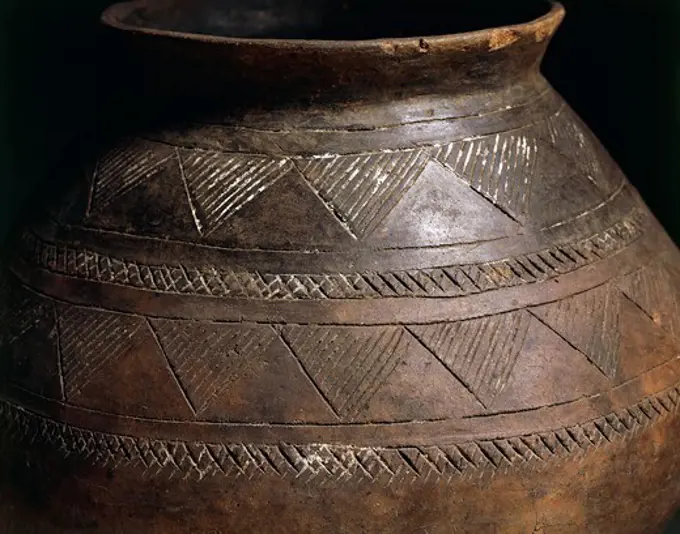
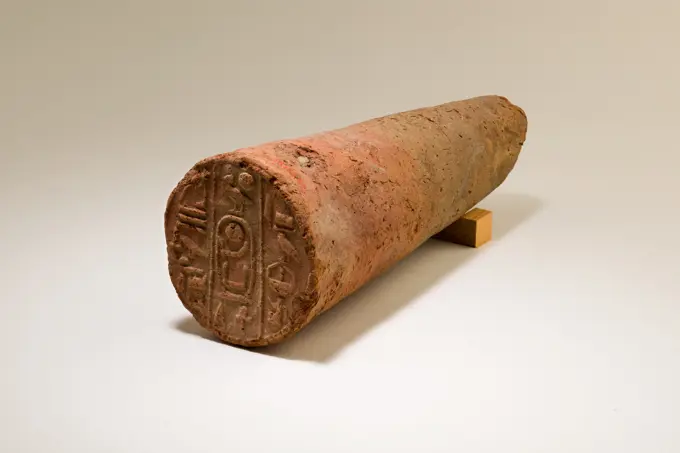
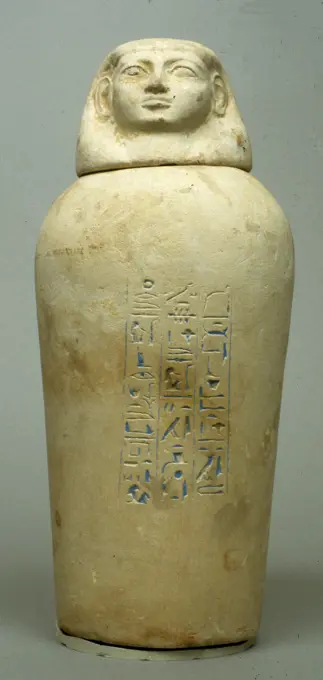
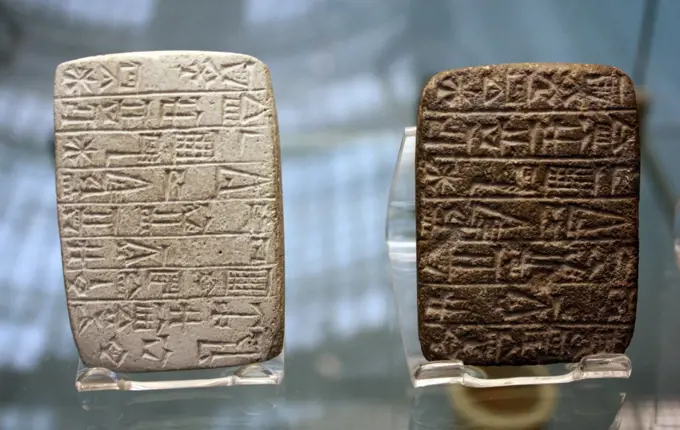
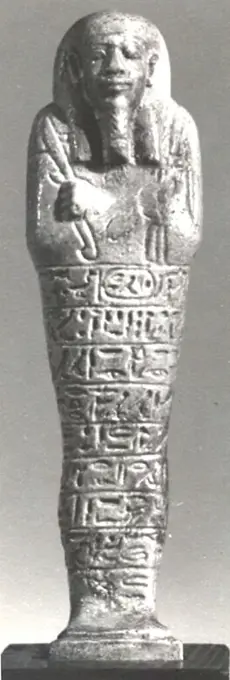
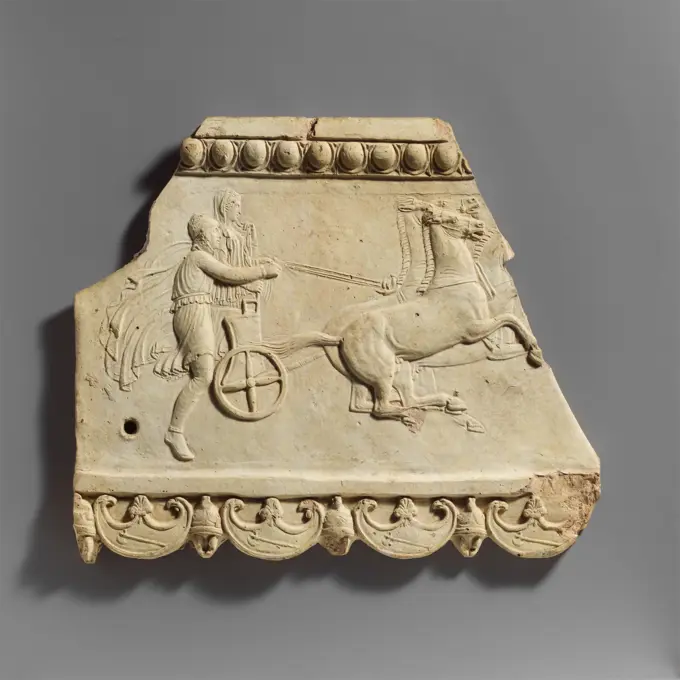
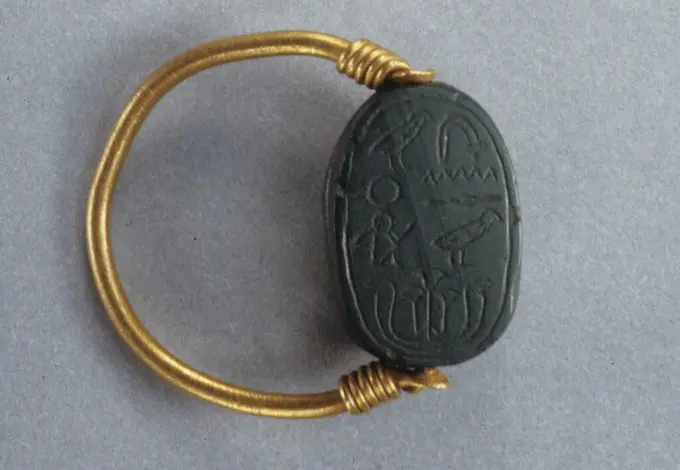
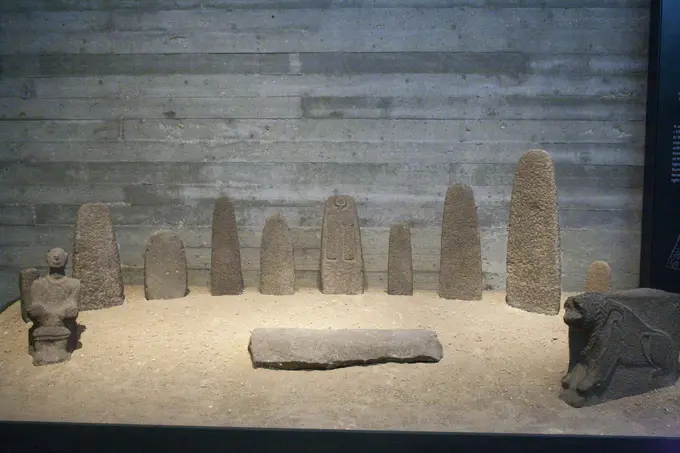
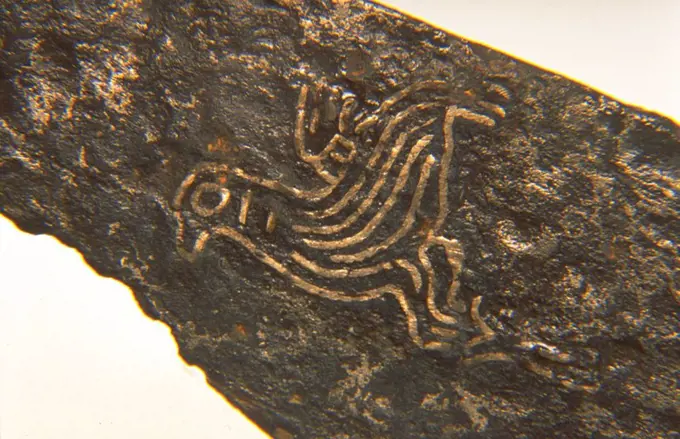
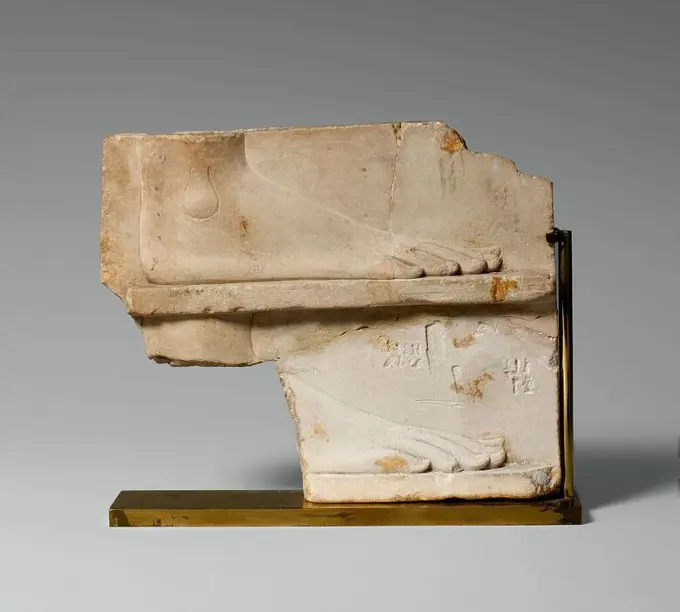
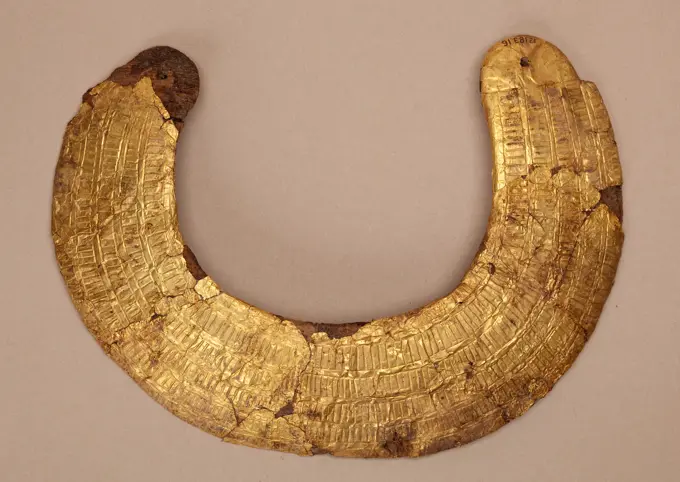
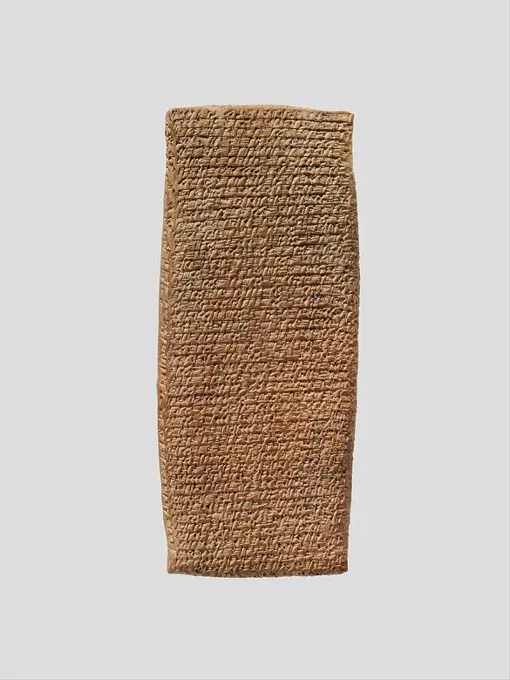
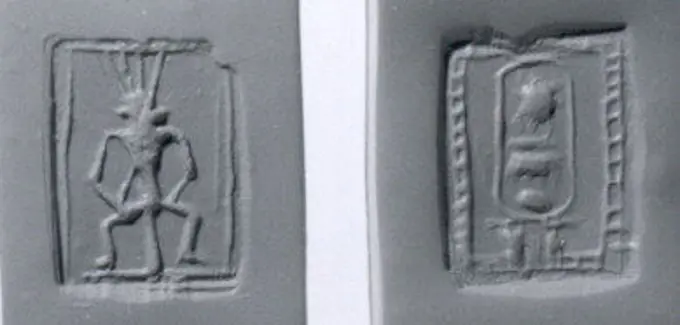
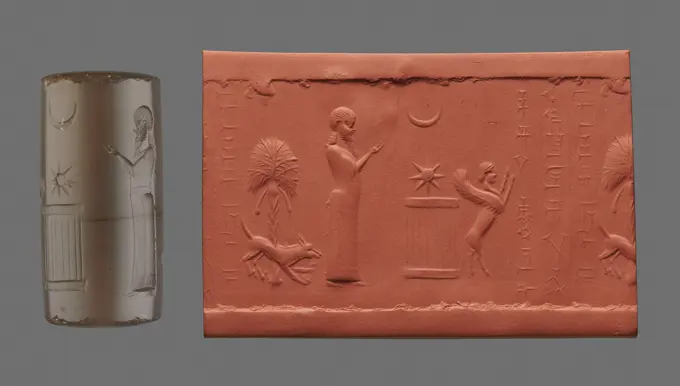
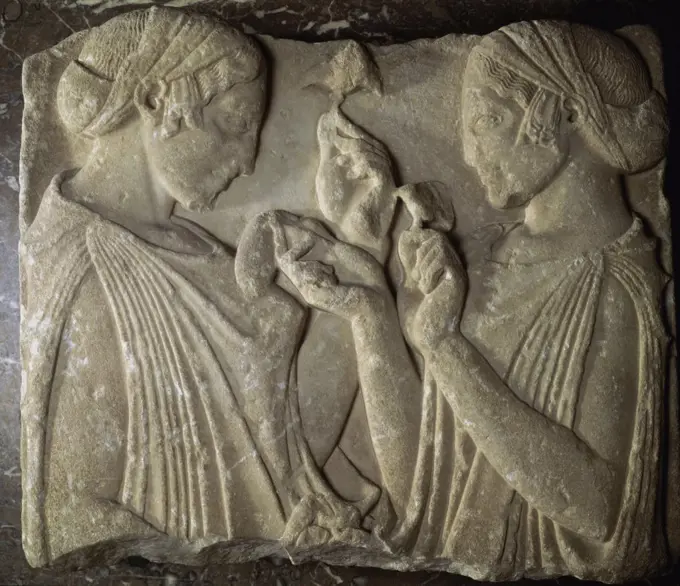
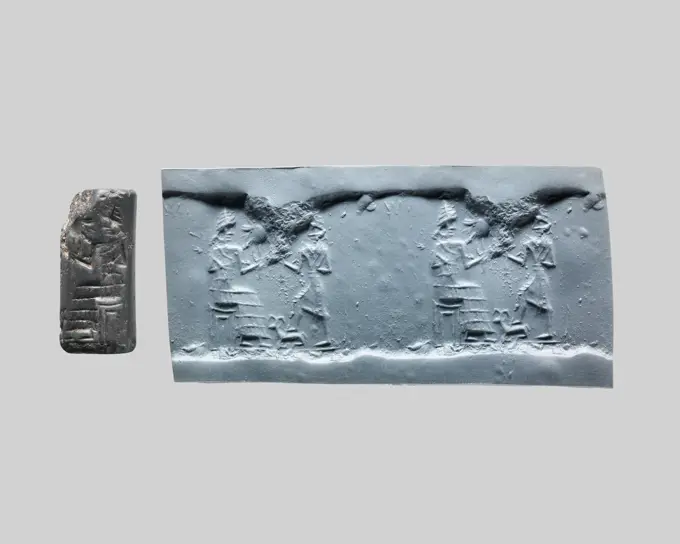
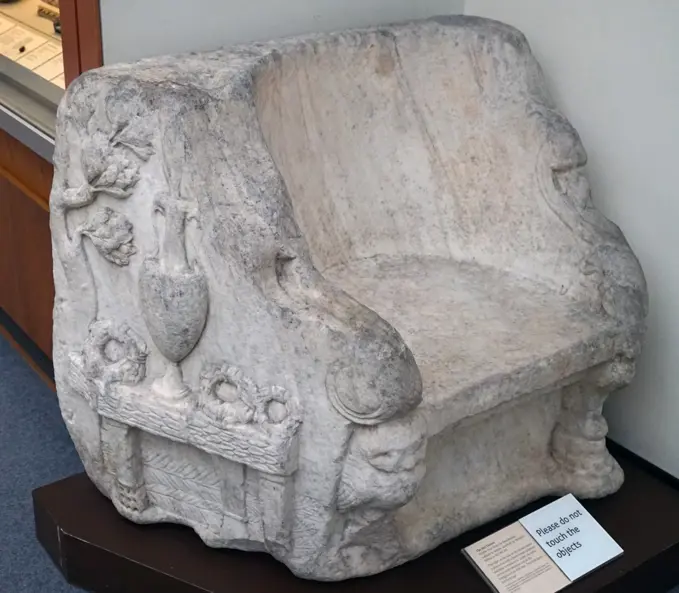
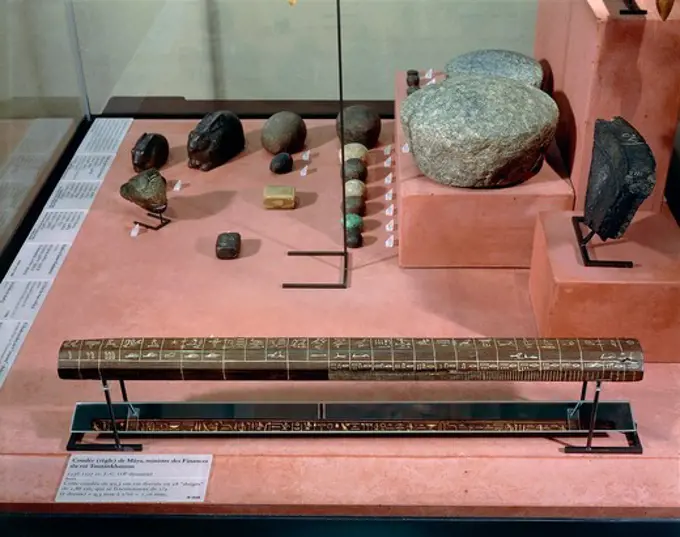
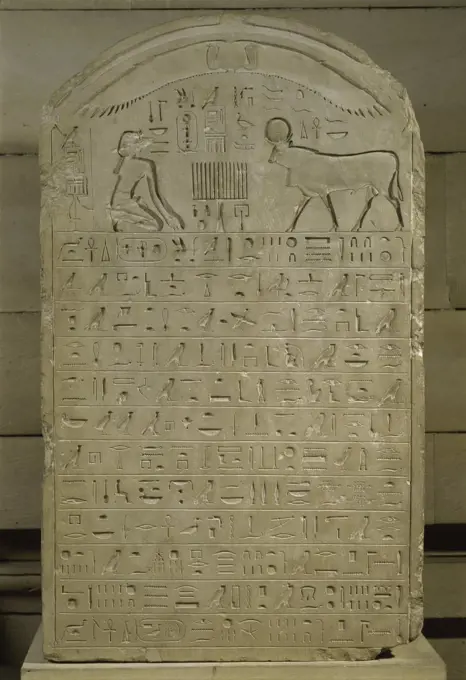
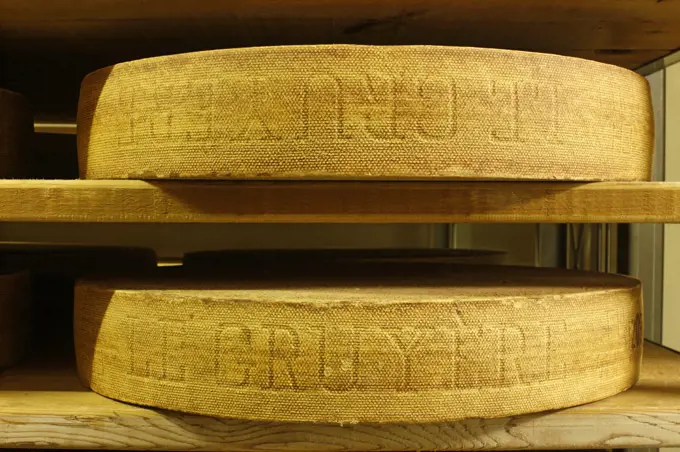
The bell (medallion with the cross; on the vertical beam of an isosceles cross, the letter: CSSMB, on the horizontal beam: OS  MD, between the beams: C / B, in the rim of the medallion a dozen or so partially blurred letters)  parish church All Saints, RudawaSquare Mirror with Felicitous Message, early 900s-late 1200s. China, Song dynasty (960-1279). Bronze; overall: 0.7 x 16 cm (1/4 x 6 5/16 in.).Bowl-type crushing stone, classic, central square museum, Chichicastenango, municipality of the department of El Quiché, Guatemala, Central America.Urna Kwintusa Lutacjusza Inachusa i Lucjusza Mummiusza Dasusa z inskrypcją łacińską. warsztat rzymski, workshopLarge Pediform Ax with Animals, Boat and "Feather Man" ca. 500 B.C.-A.D. 300 Vietnam. Large Pediform Ax with Animals, Boat and "Feather Man". Vietnam. ca. 500 B.C.-A.D. 300. Bronze. Bronze and Iron Age period, Dongson culture. MetalworkOstracon 400-30 B.C. Late Period-Ptolemaic Period. Ostracon 588379A fragment of a tile with a deer representation with a crown around the neck (coat of arms Brochwicz)  Greater Poland Museum, PoznańWall painting fragment. Culture: Roman. Dimensions: Overall: 3 15/16 x 3 3/4 x 11/16 in. (10 x 9.5 x 1.8 cm). Date: 1st century A.D..On black ground; diamond and square patterns in white and ochre. Museum: Metropolitan Museum of Art, New York, USA.Shard ca. 4th-5th century Pakistan. Shard 51278Fragment of Braser; Unknown Etruscan workshop; 1. PO. VI century BC (-600-00-00--551-00-00);Bednarek-03, Dar, Etruria, Antical Art Collection, DarMirror with Quatrefoil and Feather Pattern, 300s BC. China, Eastern Zhou dynasty (771-256 BC), Warring States period (475-221 BC). Bronze; diameter: 11.2 cm (4 7/16 in.); overall: 0.6 cm (1/4 in.); rim: 0.4 cm (3/16 in.).Castro culture. Fragment of a decorated pottery. From Castro of Elvia (5th century BC-2nd century AD). La Corua (Galicia, Spain). Archaeological and History Museum (San Anton Castle). A Corua, Galicia, Spain.Crossing bundle, techniques of restoration of Romanesque decorative stuccoes, find n 124, basilica of Santa Maria Maggiore, Lomello, Lombardy. Italy, 11th century.Bronze seals from the Indus Valley Civilisation at Mohenjo-Daro, Pakistan. The Indus Valley Civilisation was a Bronze Age culture, (33001300 BCE; mature period 26001900 BCE) mainly in the north-western regions of South Asia, extending from what today is northeast Afghanistan to Pakistan and northwest IndiaNineteen penny, emergency coin from Kampen, beaten to pay overdue wages to the garrison, Anonymous, 1578 coin. siege coin Unilateral, diamond -shaped emergency coin. Front: Seven stamps: coat of arms between value indication, below and above inscriptions. Reverse: Blanco. Nineteen pennies. Match silver (metal) striking (metalworking)  MatchLimestone inscribed box fragment Cypriot Fragment of an inscribed box (ex-voto), dedicated to the Lady of Paphos.. Limestone inscribed box fragment. Cypriot. Stone. Cesnola InscriptionsFragment 14th-15th century. Fragment 445589Anthropomorphic figurines Limestone, marble and ceramic Second Half of the third Millennium BC.Africa, Ghana, Accra. National Museum, regarded as one of the finest museums in sub-Saharan Africa. Stone artifacts.Small Cuff with Concentric Circles 300 B.C.-A.D. 200 Thailand (Ban Chiang). Small Cuff with Concentric Circles. Thailand (Ban Chiang). 300 B.C.-A.D. 200. Bronze. Late period. JewelryA fragment of the Clave stroke;  after. 3 thousand BC (-2600-00-00--2400-00-00);The collection of the ancient EastLimestone statue of a sphinx ca. 550-525 B.C. Greek, Attic The surface details of Archaic sculpture were meticulously rendered as decorative patterns. Here the breast feathers were indicated with compass-drawn arcs, and the flight feathers with thin bands and slight gradations of relief.. Limestone statue of a sphinx 254504 Greek, Attic, Limestone statue of a sphinx, ca. 550525 B.C., Limestone, width 18 3/4in. (47.7cm). The Metropolitan Museum of Art, New York. Rogers Fund, 1943 (43.11.6)Double Column 13th-14th century French. Double Column. French. 13th-14th century. Marble. Sculpture-ArchitecturalMr. C. Springer, Cabinet shaped bolt lock with inscription MRC. Springer 1743, coming from the Stock Exchange gate, lock closing device key iron iron, Cast iron lock with concentric key holes one bolt rectangular closed lock case and point on top with MRC. Springer 1743 In view of the operation of the lock mechanism, this lock has latch lock with spring. This lock has concentric keyholes; this means that the key beard can simply be put through the lock which makes the use of the lock more difficult to lock in relief MRC or GFunerary Cone ca. 1550-1295 B.C. New Kingdom. Funerary Cone. ca. 1550-1295 B.C.. Pottery. New Kingdom. From Egypt, Upper Egypt, Thebes. Dynasty 18Olmec Bowl with Serpent Motifs (3/3)Ostrakon. Culture: Coptic. Dimensions: a) 1 5/8 x 2 13/16 in. (4.2 x 7.2 cm)b) 2 3/16 x 2 1/16 in. (5.5 x 5.2 cm)c) 1 1/8 x 1 7/8 in. (2.9 x 4.8 cm)d) 1 x 2 3/8 in. (2.5 x 6 cm)e) 1 9/16 x 2 15/16 in. (4 x 7.5 cm)f) 1 5/16 x 1 15/16 in. (3.4 x 5 cm). Date: ca. 600. Museum: Metropolitan Museum of Art, New York, USA.Near East. Ivory plaques from a rhyton representing iranian nobles and acrobats. Olbia, 2nd century AD. The State Hermitage Museum. Saint Petersburg. Russia.Cylinder Seal. Mesopotamia, Old Babylonian period, circa 2000-1600 B.C.. Tools and Equipment; seals. HematiteSection of a Pagoda-Shaped Stele. Culture: China. Dimensions: H. 5 in. (12.7 cm); W. 3 15/16 in. (10 cm); D. 2 5/16 in. (5.9 cm). Date: mid-6th century. Museum: Metropolitan Museum of Art, New York, USA.Gnostic Amulet Engraved on a Garnet; Europe (); 18th century; Garnet; 6.9 × 4 cm (2 11,16 × 1 9,16 in.)Excerpt (foot) with reddish shard, white enamel with two soft blue concentric circles in the middle of brown or painted BZ 1713, anonymous, 1200 - 1899  Italy earthenware  Italy earthenwareCircular-shaped capital. Decorated with a row of acanthus leaves and a double stem topped with rhombuses. Limestone. 7th century. From Toledo's Vega Baja archaeological site. Museum of Visigoth Councils and Culture. Toledo, Castile-La Mancha, Spain.Prehistory, Italy, Iron Age. Golasecca culture. Cinerary urn decorated with engravings. Detail of a geometric motif.Hendrik Danielsz Hooft, mayor of Amsterdam, Anonymous, 1787 - 1794  Unilateral plaque in low relief. Front: column on a base, decorated with coat of arms, surrounded by laurel branches, to which a patriot fixes medallion with a breastpiece man in it; There are a bundle of the bundle, taboling and roll parchment on the edge of the pedestal; Rest against the civilian and freedom hat on Speer is resting against the base; Sitting on the right in front of the dog. Reverse: Blanco Netherlands silver (metal)   AmsterdamFunerary Cone of the Wab-Priest Amenemhab ca. 1525-1504 B.C. New Kingdom. Funerary Cone of the Wab-Priest Amenemhab 559217Canopic Jar of Manhata ca. 1479-1425 B.C. New Kingdom Two canopic jars inscribed with the name Manhata are on display in the Museum (18.8.1a, b, .3a, b). These are part of a set of jars that once held the four internal organs that were removed during the mummification process. Each is inscribed with a text placing the organ inside under the protection of one of the Four Sons of Horus. Manhata, whose name suggests that she came from western Asia, also had a silver libation jar (18.8.22a, b) and a heart amulet (26.8.144) inscribed with her name.. Canopic Jar of Manhata 548644Stone foundation tablets. The tablets were deposited together with the figurines (right), to commemorate the restoration of temples.Shabti. Dimensions: H. 15.6 cm (6 1/8 in); w. 3.7 cm (1 7/16 in); d. 3.4 cm (1 5/16 in). Dynasty: Dynasty 26. Date: 688-525 B.C.. Museum: Metropolitan Museum of Art, New York, USA.Amulet - Bes in phaselis temple turkey asia old ruined column and destroyed stoneTerracotta plaque with Pelops and Hippodamia 27 B.C.-A.D. 68 Roman Relief with Pelops and HippodamaiaThe hero Pelops won the hand of Hippodamaia after defeating her father, King Oinomaos, in a chariot race, by bribing Myrtilos, the king's charioteer. As shown on 26.60.1, King Oinomaos mounts the chariot driven by his charioteer, Myrtilos, who has fixed the race so that Pelops will win.. Terracotta plaque with Pelops and Hippodamia. Roman. 27 B.C.-A.D. 68. Terracotta. Augustan or Julio-Claudian. TerracottasStela with Worshipper before Horus, inscribed. Egypt, Ptolemaic Period (330 - 30 BCE). Sculpture. Sandstonedomestic ara, cross,. Visigothic era, Archeological Museum. Úbeda, Jaén province, Andalusia, Spain.Scarab Ring of the Sealer Khensu. Dimensions: l. 2.7 cm (1 1/16 in). Dynasty: Dynasty 13. Date: ca. 1802-1640 B.C.. Museum: Metropolitan Museum of Art, New York, USA.Support for a chair leg Late Period, Saite 664-525 B.C. Made of tamarisk wood once covered with silver leaf, this is part of a block that was meant to be placed under one of the four legs of a chair. Three sides of the block were decorated with figures of bound captives, their bodies contorted to fit into the trapezoidal spaces. Each time the occupant sat on the throne that would have rested on this block, they would have magically crushed the enemies of Egypt beneath them. Remains of the textile and paste/plaster layer beneath the silver leaf are still visible on parts of the block. View more. Support for a chair leg. 664-525 B.C.. Wood (tamarisk), silver gold leaf traces. Late Period, Saite. From Egypt, Upper Egypt, Thebes, South Valleys, Unfinished Temple Valley, Tomb MMA 1151, MMA excavations, 1920-22. Dynasty 26Greek funeral chariot statuette with mourners.Stone Slabs, Israel National Museum, in Jerusalem, IsraelFALCATA ESPADA DETALLE DE NIELADO. IBERICO. (DEPOSITO: MUSEO ARQUEOLOGICO NACIONAL).Fragment of a funerary cippus with Hebrew inscription. 12th-13th centuries. Granite. Toledo. Loan from the Museum of Santa Cruz of Toledo. Sephardic Museum. Toledo. Castile-La Mancha. Spain.Pair of decorative medallions 10th-11th century China. Pair of decorative medallions 61780Detail of commemorative slate palette known as ""Battlefield Palette"", Predynastic Period, Circa 3200 B.C.Seal with a dog shaped handle unknownSculptor's model / votive relief with two sides: side one, two registers with a right foot on each; side two, a royal-like figure. Dimensions: H. 13 cm (5 1/8 in.); W. 16 cm (6 5/16 in.); D. 2.5 cm (1 in.). Date: 400-200 B.C..Small Late Period and Ptolemaic reliefs or sculptures that depict a subject in a partial or unfinished way but are themselves finished objects constitute a special class of object. Guidelines like those for artists are often prominently exhibited as part of the object, although, in fact, many instances can be noted where the object simply could not serve as a suitable model for a traditional formal Egyptian representation. Personifications of kingship, figures that may represent the now emerging demigods Imhotep and Amenhotep Son of Hapu, and popular gods like Harpokrates or Isis, are heavily represented within the corpus. Taken together, the figures represented and the other features indicate the reliefs and sculptures of this class, sometimes called by EgyptolRaspador en forma de cola de castor. Cerámica con inclusión de piedras duras. Cultura Tumaco-Tolita, Período de Desarrollo Regional (500 a. C. -500 d. C.). Colombia-Ecuador. Museo de América. Madrid. España.Portugal, Azores, Terceira Island, Angra do Heroismo. Museo de Angra do Heroismo museum, Roman-era stones (Editorial Use Only)Roman marble relief of dramatic masks. Artist: UnknownNan Rio Gin from the Empire Japan by Emperor Nin-Kau from the Bunsei era ,, 1824 coin Silver rectangular mint. Front: Inside rectangle four under and next to each other placed characters. Above that. Championship: Inside rectangle eight and next to each other placed characters, including value designation.  silver (metal) striking (metalworking)Model collar of Hapiankhtifi ca. 1981-1802 B.C. Middle Kingdom Elaborate broad collars were worn by the Egyptian elite for a variety of festival and religious occasions. These could be floral, made from actual plant material (see 09.184.214), or crafted from individual elements of faience, metal, or semi-precious stone (see 08.200.30). This model collar of wood, gilded and engraved with representations of small beads in rows, echoing an actual example, was found on the chest of Hapiankhtifi's mummy. A string would have been passed through the holes in the two ends and tied around the mummy's neck. Unlike a real collar, this is inflexible, emphasizing its character as a funerary model.. Model collar of Hapiankhtifi. ca. 1981-1802 B.C.. Wood, gold leaf, gesso, textile. Middle Kingdom. From Egypt, Middle Egypt, Meir, Tomb of Hapiankhtifi, Mummy, Khashaba excavations, 1910-12. Dynasty 12Hearing stone with representation of two climbing lions, c. 1875 - c. 1900 Hearing stone with representation of two climbing lions, placed in profiled window. The half windows at the top and bottom are filled with star motif. Netherlands earthenware Hearing stone with representation of two climbing lions, placed in profiled window. The half windows at the top and bottom are filled with star motif. Netherlands earthenwareArc-shaped pendant (huang). China. Date: 600 BC-400 BC. Dimensions: Diam. 4 3/8 in.; 1 11/16 × 1/16 in. Jade. Origin: China. Museum: The Chicago Art Institute, Chicago, USA.Cuneiform tablet: record of a lawsuit. Culture: Old Assyrian Trading Colony. Dimensions: H. 6 5/8 in. (16.8 cm). Date: ca. 20th-19th century B.C..Kültepe, the ancient city of Kanesh, was a powerful and cosmopolitan city located in northern Cappadocia in central Anatolia. During the early second millennium B.C., it became part of the network of trading settlements established across the region by merchants from Ashur (in Assyria in northern Mesopotamia). Travelling long distances by donkey caravan, and often living separately from their families, these merchants traded vast quantities of tin and textiles for gold and silver in addition to controlling the copper trade within Anatolia itself. Although the merchants adopted many aspects of local Anatolian life, they brought with them Mesopotamian tools used to record transactions: cuneiform writing, clay tablets and envelopes, and cylinder seals. Using a simplified version of the elaborate cuneiform writing system, merchants tracked loansCunciform tablet; Clay, Central Anatolia, Old Assyrian Colony period, 1920-1840 B.C.Asia. Jordan. Petra. Archaeological Area. Detail Asia.Architectural artifacts showing the pattern and design of floor tiles at an ancient Roman bath at the archaeological site Beit Shean National Park, Israel. (Photo by: Independent Picture Service/UIG via Getty Images)baston del obispo Pedro Alvarez Acosta, siglo XIX, museo Numantino de Soria, Soria, Comunidad Autónoma de Castilla, Spain, Europe.Dougga, Beja, Tunisia. Mosaic floor at the Roman ruins.Stamp seal: Bes; cartouche of Men-kheper-re (Thutmose III) ca. 1479-1425 B.C. Egyptian. Stamp seal: Bes; cartouche of Men-kheper-re (Thutmose III). Egyptian. ca. 1479-1425 B.C.. Stone. New Kingdom. Egypt or LevantSealing pistonApolloAkkadian seal, 2300 BC. Sun god. MESOPOTAMIA.Pieczęć cylindryczna. unknown Neobabylonian workshop, workshop, nieznany warsztat achemenidzki, workshopInca stelas at the Archeological Museum, Pukara, Peru16th Century bronze gun for the Sultan Sulaiman ibn Salim KhanUrna dwukomorowa. warsztat rzymski (okres cesarstwa), workshopRelief:  Exaltation of the Flower  Greek Art  Musee du Louvre, Paris Ghana: Acora, Artist Alliance Gallery, Adinkra cloth stamps, March. in phaselis temple turkey asia old ruined column and destroyed stoneCylinder seal ca. 18th-16th century B.C. Babylonian Although engraved stones had been used as early as the seventh millennium B.C. to stamp impressions in clay, the invention in the fourth millennium B.C. of carved cylinders that could be rolled over clay allowed the development of more complex seal designs. These cylinder seals, first used in Mesopotamia, served as a mark of ownership or identification. Seals were either impressed on lumps of clay that were used to close jars, doors, and baskets, or they were rolled onto clay tablets that recorded information about commercial or legal transactions. The seals were often made of precious stones. Protective properties may have been ascribed to both the material itself and the carved designs. Seals are important to the study of ancient Near Eastern art because many examples survive from every period and can, therefore, help to define chronological phases. Often preserving imagery no longer extant in any other medium, they serve as a visuaThe Biel Throne from Roman Panathenaic Stadium in Athens. Dated 10th CenturyWood cubit rod (rule) of Maya, royal treasurer of TutankhamenTuroe Stone, Co.Galway, Eire, 1st century BC. Artist: UnknownThe urn with the remains of Stanisław Żółkiewski unknownCapital in a shape of shell. 1st half of the 8th century. Sandstone. From Faras Cathedral (Sudan). Faras Gallery. National Museum, Warsaw, Poland. Ancient Egypt papyrus frame or border with hieroglyphs cartoon vector. Egyptian culture symbol, unfolded blank ancient paper to store information, isolated on white background. Ancient Egypt papyrus frame, border cartoon vectorRELIEF OF APIS OF SERAPEUM EGYPTIAN ART d Musee du Louvre, Paris Pole aerial High Dynamic Range (HDR) image of a baseball pitcher's dirt mound with pitching slab, white chalk circle and many footprints.Cheese Factory, SwitzerlandEngland, London, The City, Museum of London, Exhibit of Roman Medical and Cosmetic InstrumentsRosette on a Nabataean tomb at Djabal Al-Ahmar, Hegra or Madain Salih, AlUla region, Medina province, Saudi Arabia, Arabian Peninsula, Asia