Historical Seals and Coins

A selection of ancient coins and seals, showcasing inscriptions and historical significance, reflecting diverse cultures from the past.

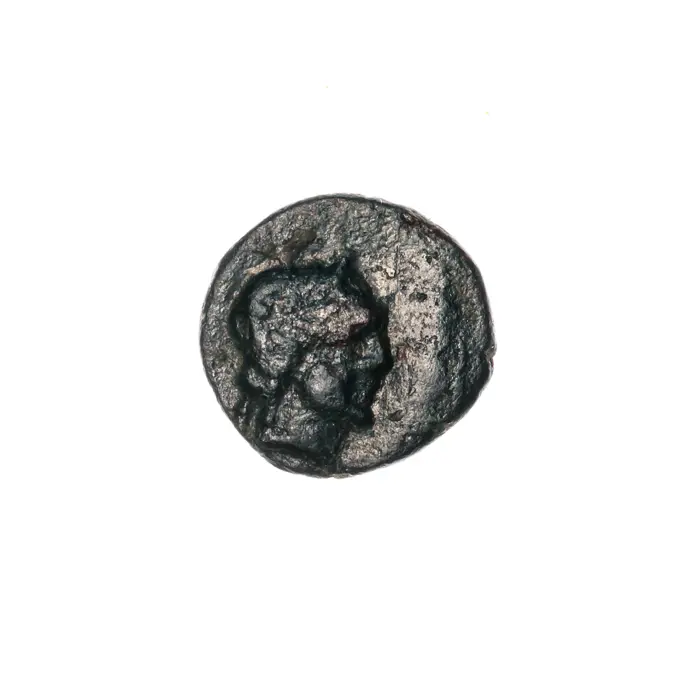
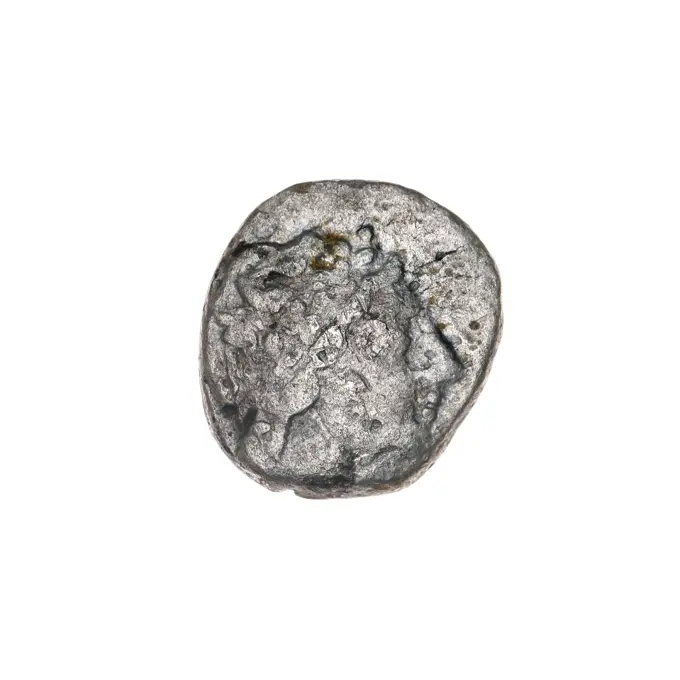
Denar - Brakteat; approx. 1307/1308- 1317/1318 (1307-00-00-1318-00-00);
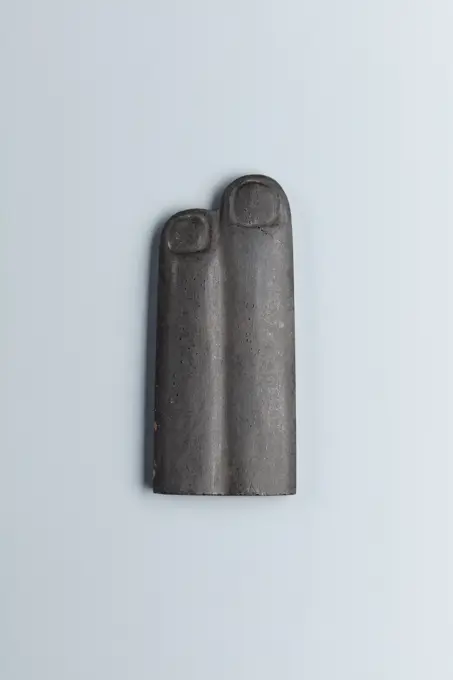
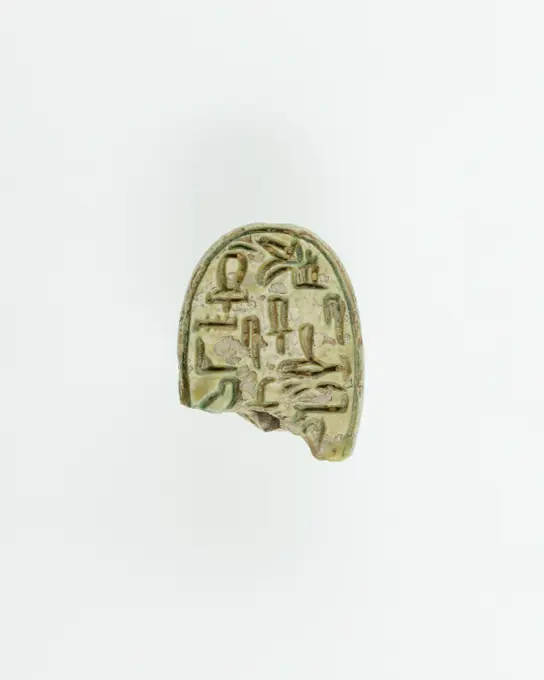
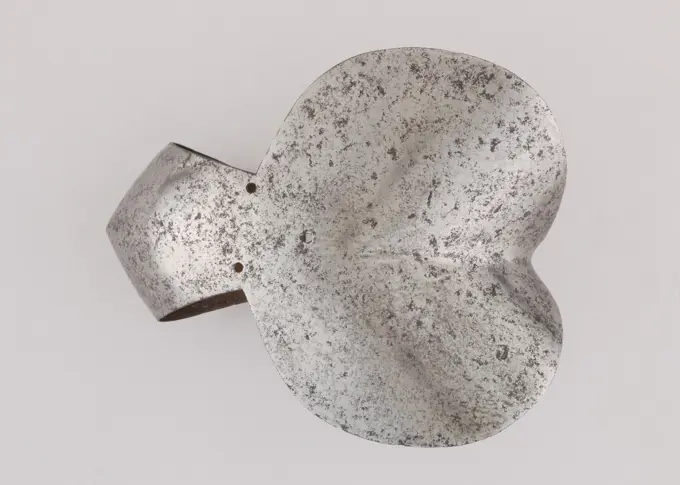
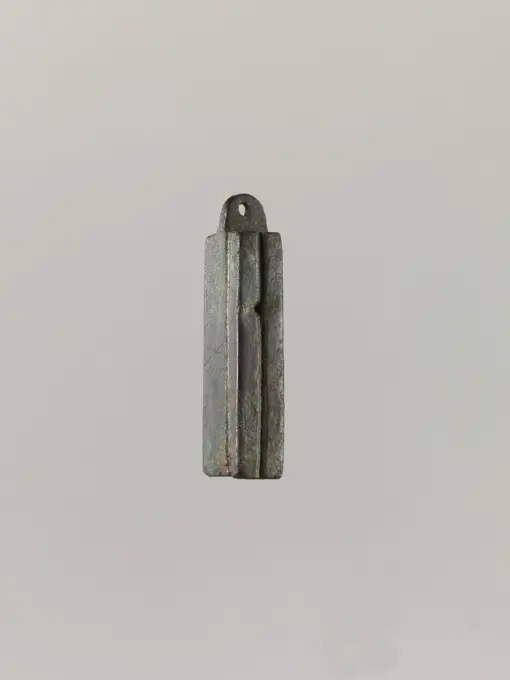
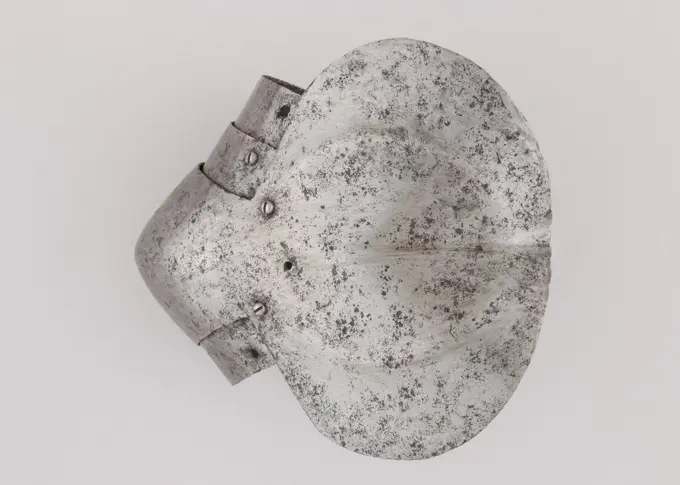
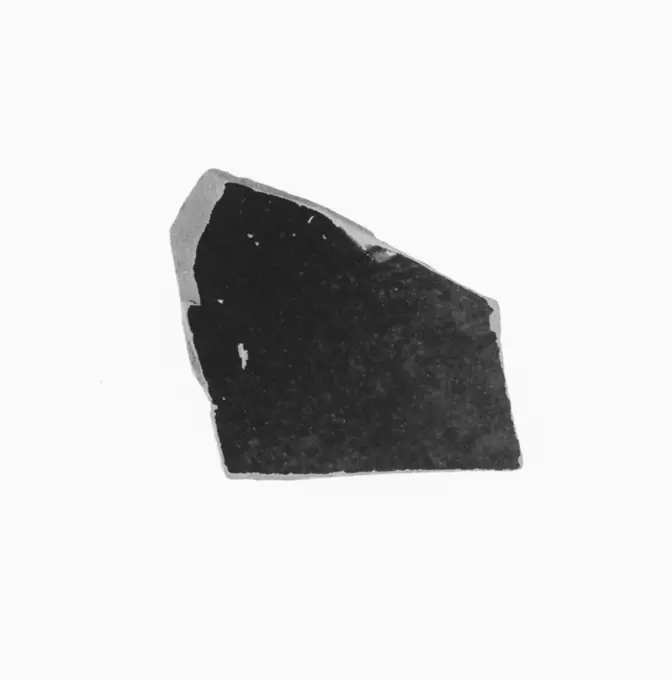
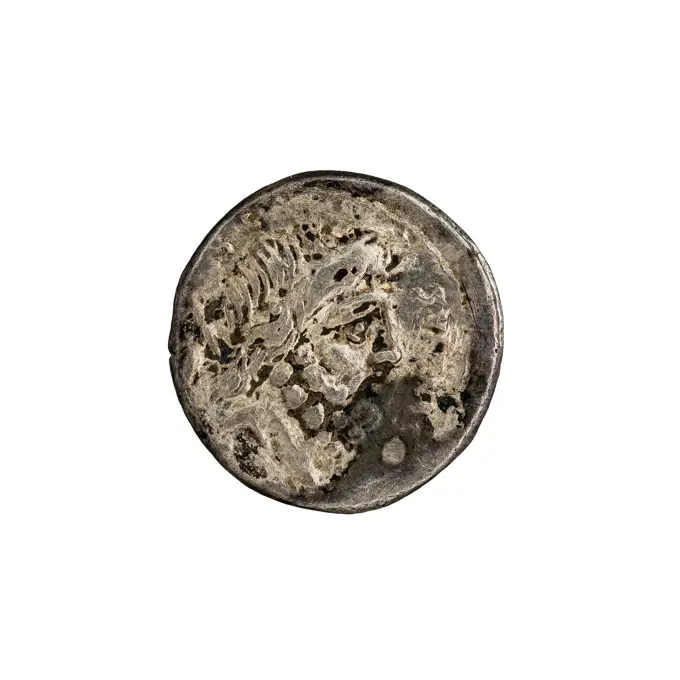
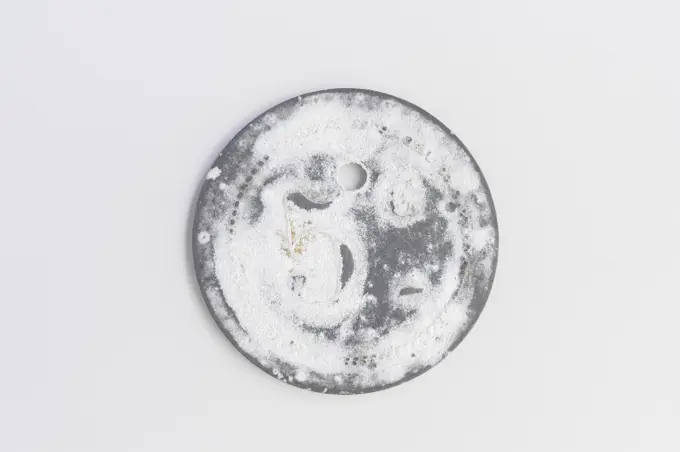
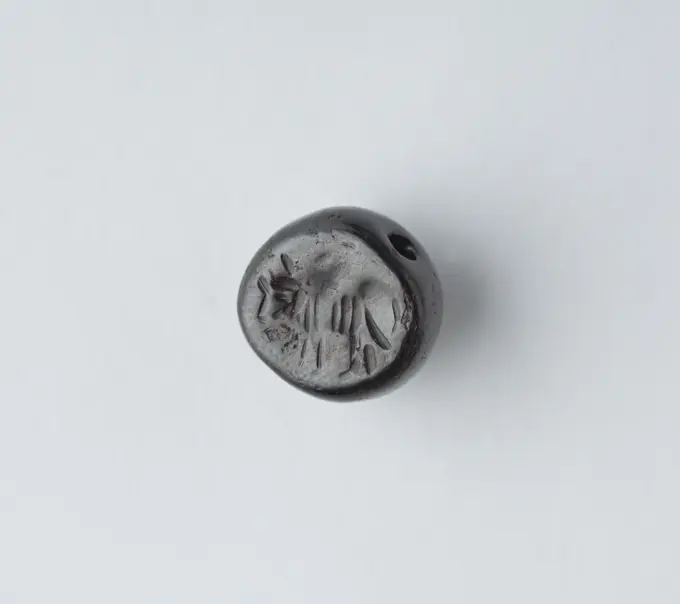
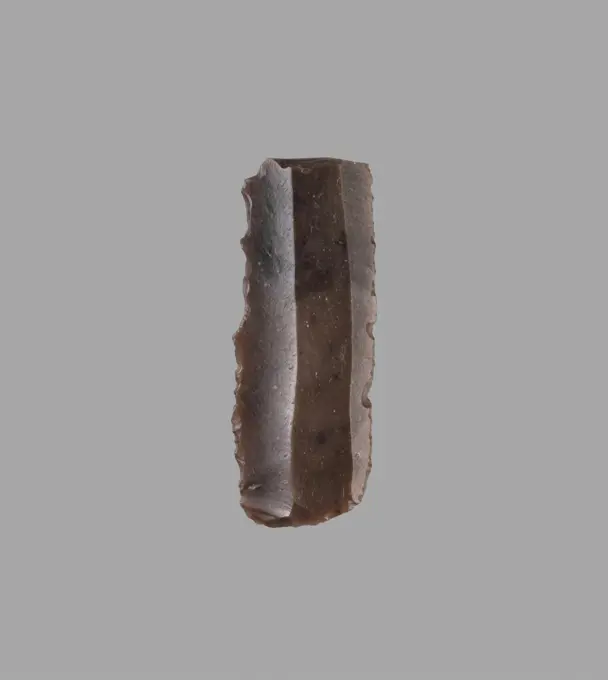
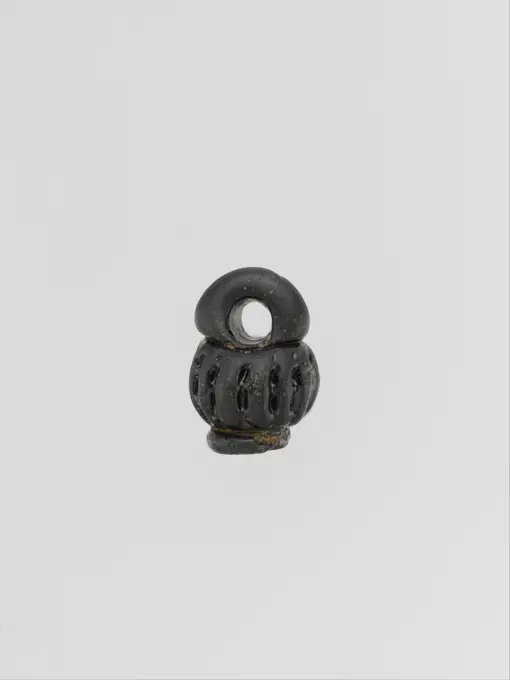
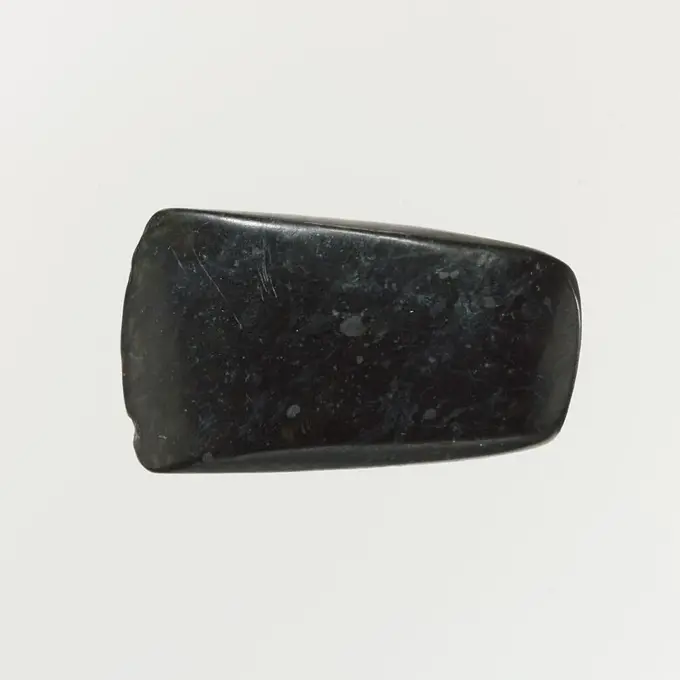
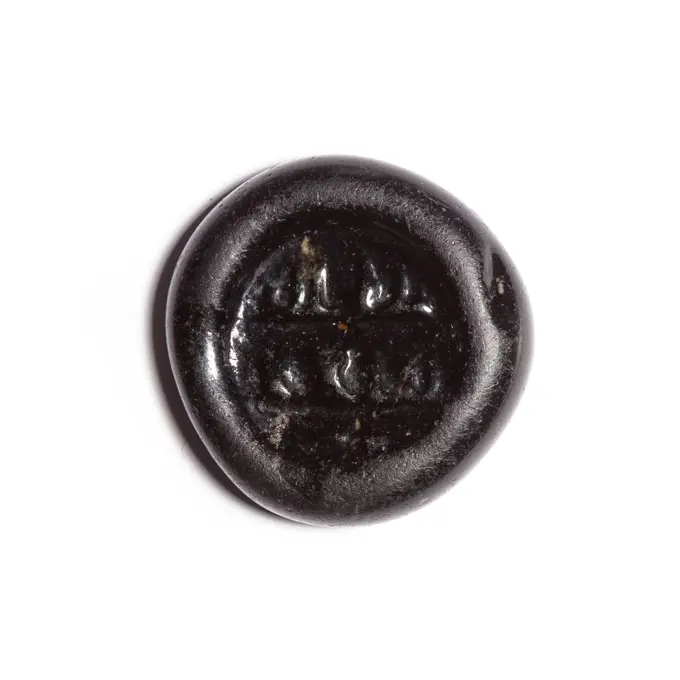
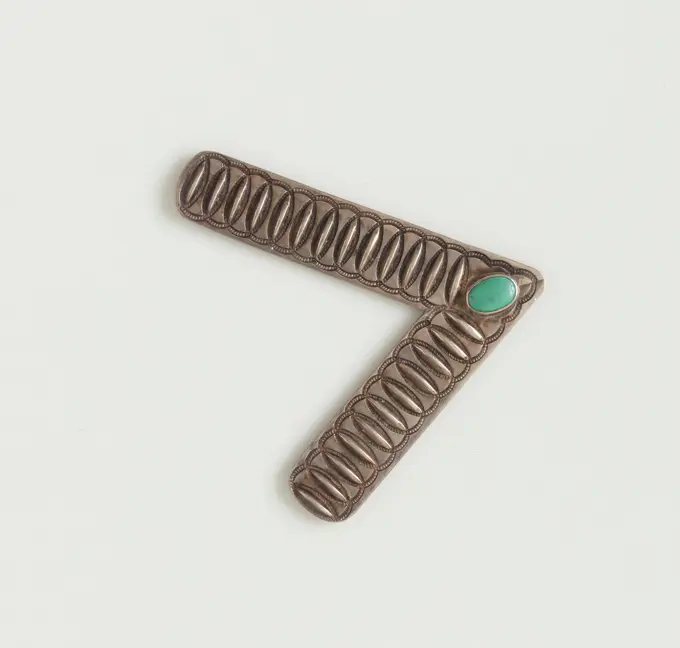
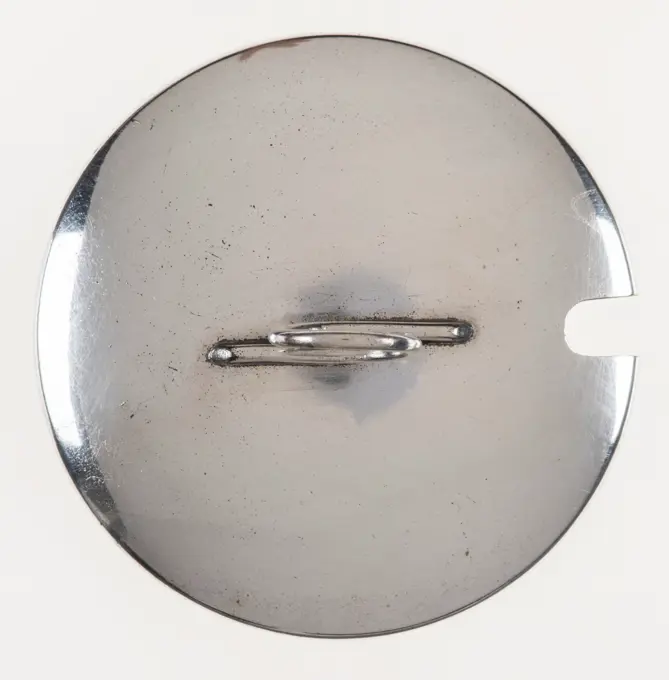
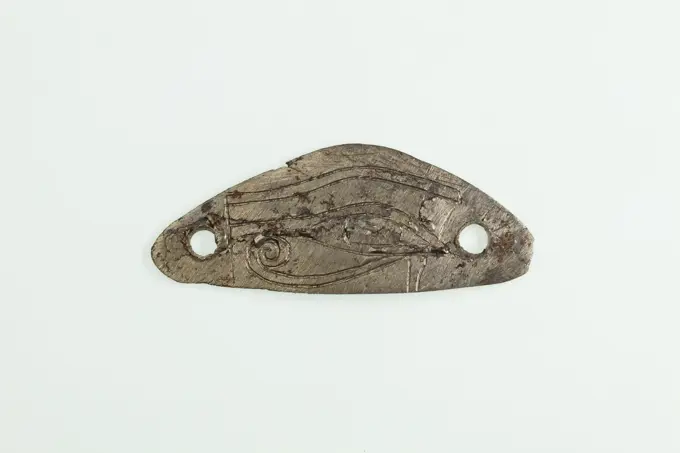
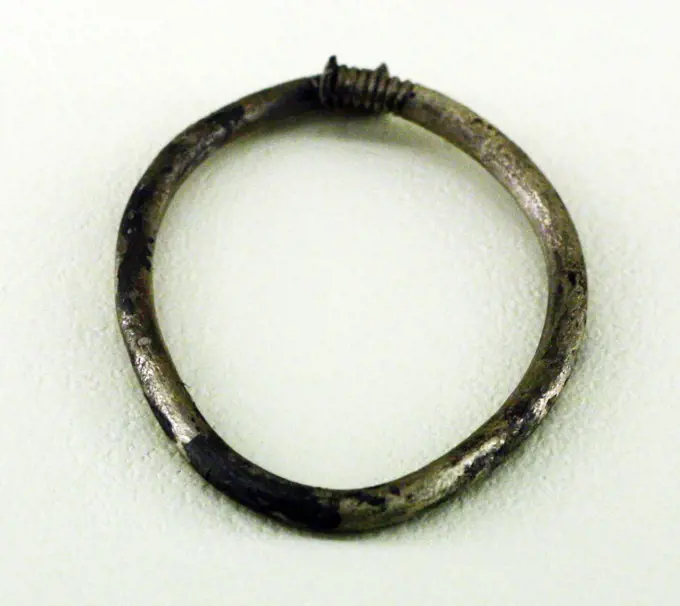
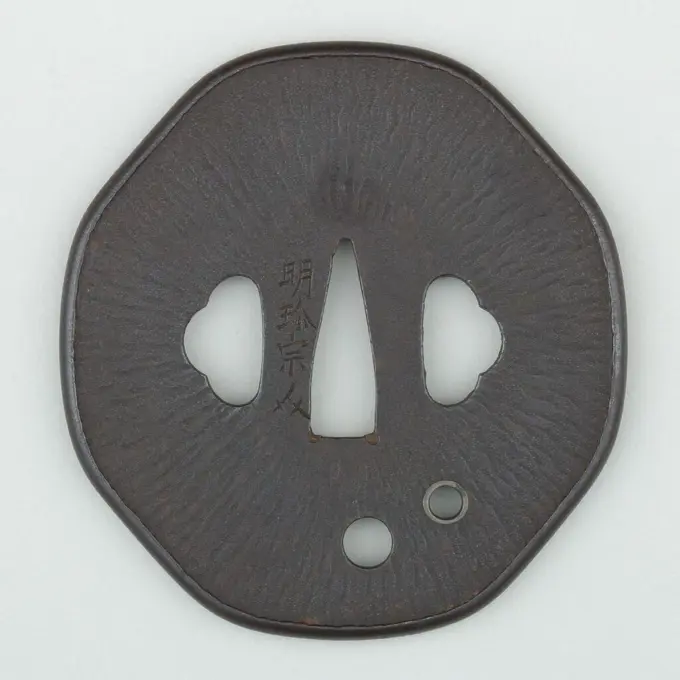
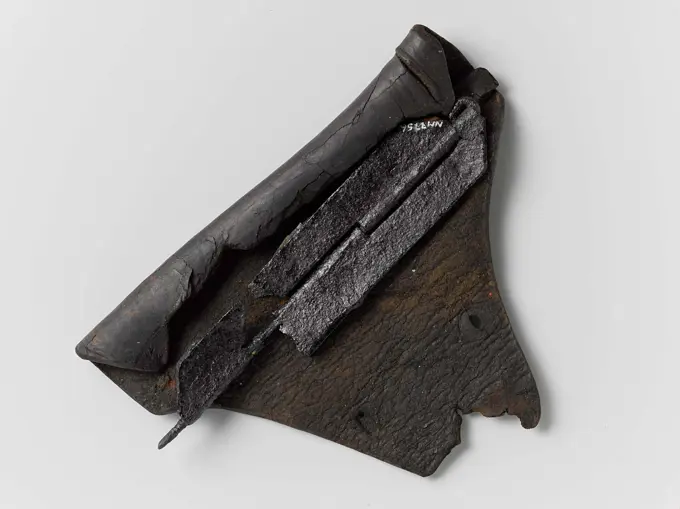
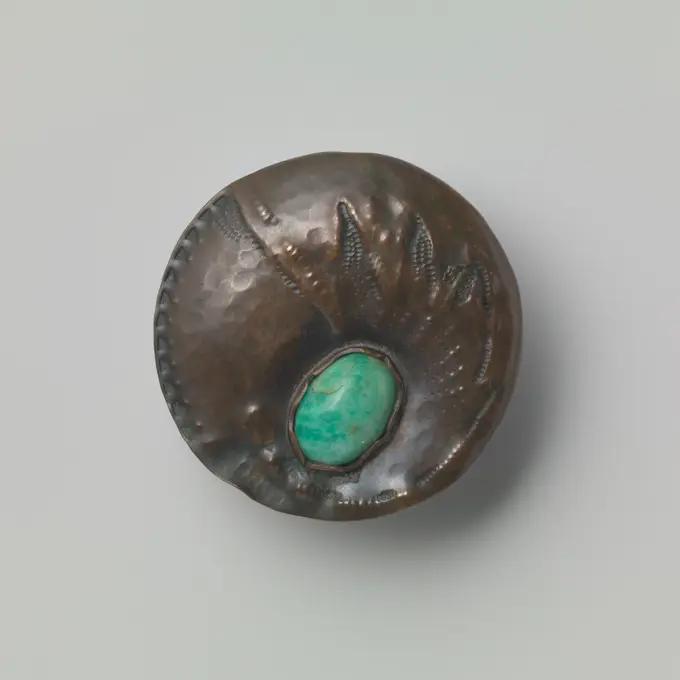
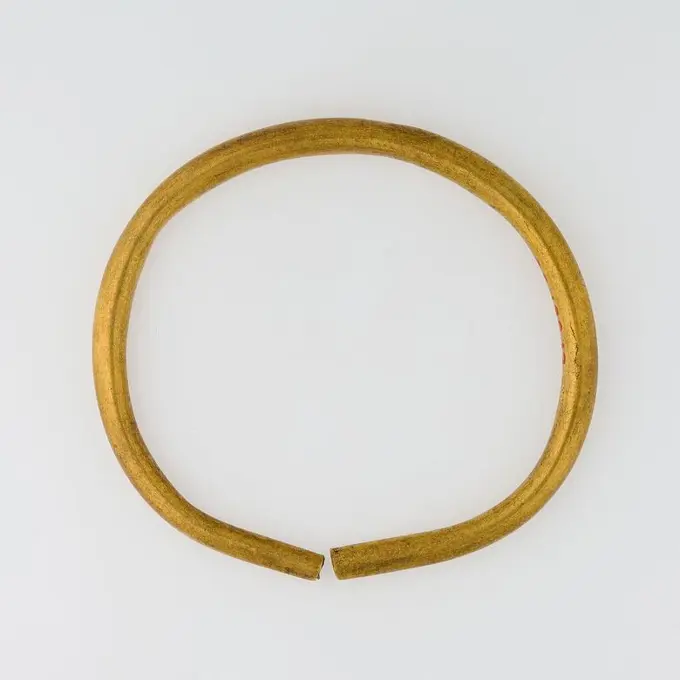
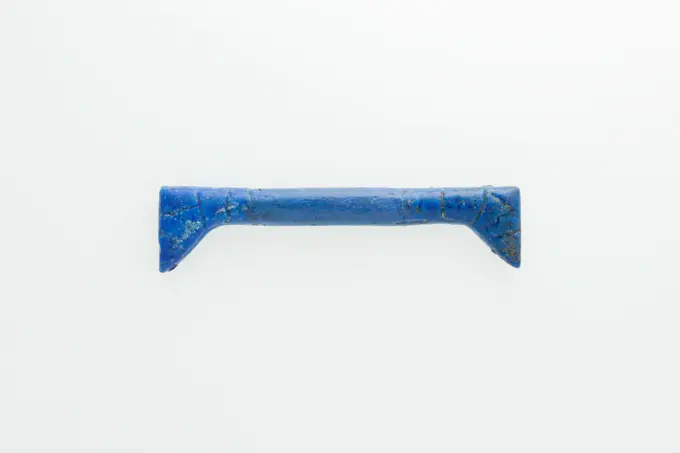
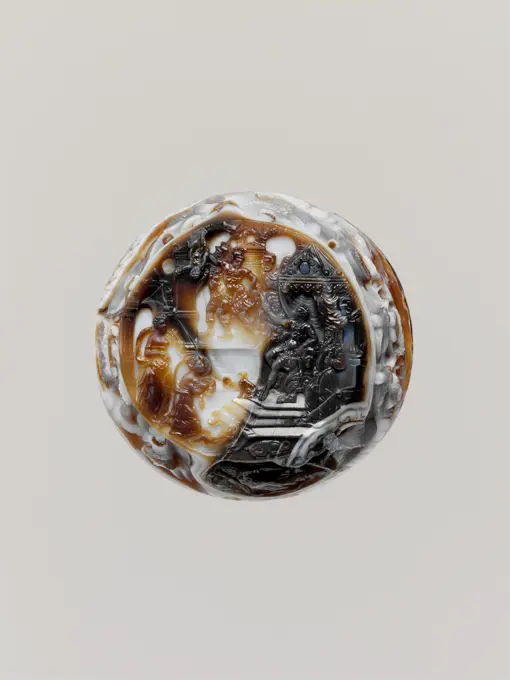
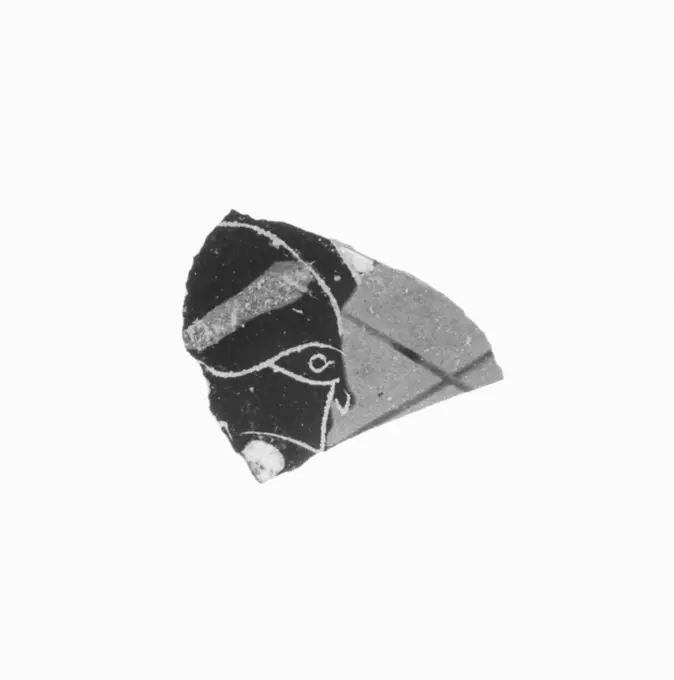
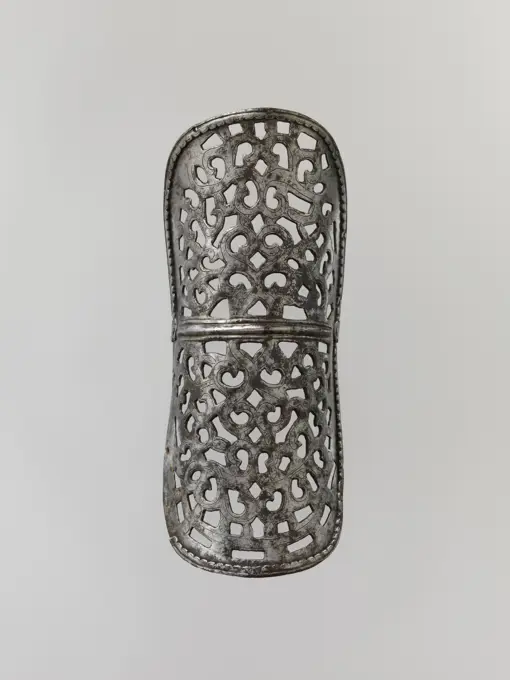
Brown coin; Pantikapaion; 1. PO. II-PO. II century BC (-200-00-00--146-00-00);Apollo (mitol.Drachma; Pantikapaion; 270-201 BC (270-00-00-201-00-00);Apollo (mitol. provenance)Steatite truncated conoid seal. Culture: Minoan. Dimensions: Base 1.1 x 1.35 cm; H. 1.45 cm. Date: ca. 2400-2200 B.C..Bird. Museum: Metropolitan Museum of Art, New York, USA.Drohiczy seal;  XI-XIII century (1090-00-00-1110-00-00);guild seals, customs seals, touches, seals of customs chambers, official seals, seals with a crossBelt hook 5th-4th century B.C. China. Belt hook 61266Plate of tin. Plate of tin with a very shallow flat. The edge has turned down.Glass pendant in the form of a bird 8th-7th century B.C. Greek, possibly Rhodian Translucent purple.Shaped like a stylized bird, with large hole horizontally through body from side to side; jagged edge to hole on proper left side of bird; tooled to form head and flattened tail.Intact; pitting of surface bubbles, some dulling and iridescence, and encrustation within hole.Numerous examples of this type of bead, shaped like a stylized dove, are known from Camiros on the island of Rhodes, but others have also been found at sites in Italy, especially in Etruria. Therefore, they may be seen as representative of the small luxury items that were traded between the eastern and western Mediterranean in the Orientalizing Period.. Glass pendant in the form of a bird 249688Drohiczy seal;  XI-XIII century (1090-00-00-1110-00-00);guild seals, customs seals, touches, seals of customs chambers, official seals, seals with a crossAttic Black-Figure Eye Cup Fragment. UnknownDenar - Brakteat; approx. 1307/1308- 1317/1318 (1307-00-00-1318-00-00);Brooch -Drohiczy seal;  XI-XIII century (1090-00-00-1110-00-00);guild seals, customs seals, touches, seals of customs chambers, official seals, seals with a crossRosette 16th century Austrian. Rosette. Austrian. 16th century. Brass. Miscellaneous-Buckles & OrnamentLoden role from the wreck of the East Indiesman 't flying heart. To tube rolled lead plate. Black-gray to silver gray in color. Roll or lead.Brooch -Brooch -Planets-manager. Cornalet Collection Sites 2013-2016. Numismatic.Two-finger amulet ca. 664-332 B.C. Late Period Two-finger amulets were used exclusively for the dead and were often found on the lower left of the torso. This is the area of the embalming incision, which was made during the mummification process. These amulets were meant magically to heal the wound. The first examples of this amulet type date to Dynasty 26. Their preferred material was obsidian or other dark stones.. Two-finger amulet. ca. 664-332 B.C.. Black glass. Late Period. From Egypt, Upper Egypt, Thebes, Southern Asasif, Unfinished Temple Site, MMA excavations, 1920-22. Dynasty 26-30Scarab of an Official ca. 1760-1670 B.C. Middle Kingdom Administrative changes during Dynasty 12 lead to an increase in bureaucracy and, subsequently, in the production and use of seals. This is reflected in the beginning of the mass production of scarabs, the most popular shape for amulets, in late Dynasty 12 through Dynasty 13 (ca. 1850-1640 B.C.). Thousands of these late Middle Kingdom scarabs bear the names and titles of officials, who would wear them as amulets, but who could also use them to seal documents, containers or doors. However, the scarabs primary function remained that of a protective amulet. Several inscriptions add a funerary epithet to the owners name, indicating that the amulet was manufactured after the owner had passed away. Even though partly damaged, the titles of this scarabs owner identify him as a royal treasurer, a high-ranking court official. Only the beginning of his name is preserved, but it was probably Senebsumai, a common name during the Middle KingElbow Defense (Couter) ca. 1430-40 Italian This is part of a large find of medieval armor discovered in 1840 in the ruins of the fortress of Chalcis, on the Greek island of Euboea (then a Venetian colony called Negroponte). The fortress had been captured and destroyed by the Turks in 1470. Now divided largely between the Ethnological Museum, Athens, and The Metropolitan Museum of Art, the Chalcis hoard contains many rare and unusual elements of fourteenth- and fifteenth-century armor. Of particular importance are the variety of headpieces and the many fragments of brigandines (armor for the torso constructed of small plates riveted to layers of fabric), some of which retain portions of their original velvet covering. The Chalcis armor provides a unique picture of the armament used in the Aegean, one of the easternmost military outposts of the Venetian empire.. Elbow Defense (Couter) 23170Oblate form;  XVIIw. (1690-00-00-1710-00-00);Coin China. Coin. China. Bronze. Han dynasty (206 B.C.-A.D. 220). MetalworkBrooch -Elbow Defense (Couter) ca. 1430-40 Italian This is part of a large find of medieval armor discovered in 1840 in the ruins of the fortress of Chalcis, on the Greek island of Euboea (then a Venetian colony called Negroponte). The fortress had been captured and destroyed by the Turks in 1470. Now divided largely between the Ethnological Museum, Athens, and The Metropolitan Museum of Art, the Chalcis hoard contains many rare and unusual elements of fourteenth- and fifteenth-century armor. Of particular importance are the variety of headpieces and the many fragments of brigandines (armor for the torso constructed of small plates riveted to layers of fabric), some of which retain portions of their original velvet covering. The Chalcis armor provides a unique picture of the armament used in the Aegean, one of the easternmost military outposts of the Venetian empire.. Elbow Defense (Couter) 23162Fragment of a key. Fragment of a key whose round eye has broken down a single teeth.Attic Vase Fragment. UnknownDenar Plated; Nonius Sufenas, M. (fl. 59 BCE; 55 BC); 59 BC (-59-00-00--59-00-00);Roma (mitol.), Sitting Roma (iconogr.), Saturn (mitol.), Wiktoria (personification), Wiktoria Creating (iconogr.), Step, Synatna's head (iconogr.), Harpe (iconogr.), Swords, swords, Plated coins , shields, wreaths, armorPlanets-manager. Cornalet Collection Sites 2013-2016. Numismatic.StampBlade - insert to the sickle;  4-3 thousand BC (-4000-00-00--2001-00-00);Glass pendant shaped like a jar 3rd-4th century A.D. Roman Uncertain color, appearing opaque black; loop and base in same color.Squat globular body; flat pad base; thick circular suspension loop applied at top.Tooled vertical ribs around body, and a diamond-shaped pattern on one side.Intact, but chipped on pad base; dulling, pitting, and faint weathering.Black opaque pendant with handle and fluted sides.. Glass pendant shaped like a jar 249668Attic Vase Fragment. Unknown 6th-4th century B.C.Attic Black-Figure Cup Fragment. UnknownUnattributed Trebizond Coin. UnknownExcerpt tin from the wreck of the East Indians Hollandia, 1700 - in or before 1743 fragment Parts of artefacts; eroded fragments: materials; tin. Netherlands tin (metal)   SecondPitji van Palembang, Sumatra, 1769 - 1821 coin Pewter octagonal mint. Front: Without a change. Downside, smooth. In the middle around hole. Palembang (City) tin (metal) castingJaspis - Jasper on white Jaspis - Jasper on white Copyright: xZoonar.com/lantapixx 6002029Brooch -Cover for eye or belly button 664-380 B.C. Late Period. Cover for eye or belly button 561535Dishes of yellow-baking earthenware, with blue glaze on the top and bottom, on which a stylized painting of flowers circled by stripes on the flat in blue, anonymous, c. 1500 - c. 1699 fragment   earthenware. glazeBrooch -Arrowhead. Arrowhead. Bronze. BronzesPrussian szel Zygmunt I Stary (King of Poland; 1506-1548); 1531 (1531-00-00-1531-00-00);Dupondius; Faustina younger (CA 130-176; Roman Empress 161-176); 161-176 CE (161-00-00-176-00-00);Small serpentinite axe. Culture: Cretan. Dimensions: Length 1 7/8 in. (4.7 cm); W. 1 1/16 in. (2.7 cm). Date: 5th-4th millennium B.C..Celt. Museum: Metropolitan Museum of Art, New York, USA.Finger stall ca. 1479-1425 B.C. New Kingdom. Finger stall. ca. 1479-1425 B.C.. Gold. New Kingdom. From Egypt, Upper Egypt, Thebes, Wadi Gabbanat el-Qurud, Wadi D, Tomb of the Three Foreign Wives of Thutmose III. Dynasty 18Brooch -Pinhead. Pinhead. Glass. GlassDrohiczyn seal. unknown, managerGlass cylindrical bead ca. 4th century A.D. Roman, eastern Mediterranean. Glass cylindrical bead. Roman, eastern Mediterranean. ca. 4th century A.D.. Glass. Late Imperial. GlassEngraved Gem. UnknownChinese tael weight from the wreck of the Dutch East India ship 't Vliegend Hart, , 1700 - 1735 weight Copper Tael or Qiangal weight with Chinese and European inscriptions with which gold and other valuables were weighed. Violin weight, Violin-Shaped Weights. China copper (metal)Deployment;  beginning of the 13th century (1201-00-00-1220-00-00);Arabic (culture), inscriptions, Islam (culture), message (provenance), art of IslamBuckle 14th century French. Buckle. French. 14th century. Bronze. Miscellaneous-Buckles & OrnamentCollar points, c. 1940, 3 5/8 in. (9.21 cm), Silver, turquoise, United States, 20th centuryLid;  K.Xix/P.XXW. (1891-00-00-1910-00-00);Amulet - filar dżed. unknown, authorAmulet - tit. unknown, authorGrahal-Manzara. Carnavalet 2013-2016 collection sites. Numismatics.Attic Red-Figure Kalpis Fragment. UnknownAttic Black-Figure Vase Fragment. UnknownOrnament 9th-17th century Mali. Ornament. Mali. 9th-17th century. Copper alloy. Mali, Inland Niger Delta region. Metal-OrnamentsWedjat eye plaque of Nesenaset ca. 1070-945 B.C. Third Intermediate Period. Wedjat eye plaque of Nesenaset. ca. 1070-945 B.C.. Iron. Third Intermediate Period. From Egypt, Upper Egypt, Thebes, Deir el-Bahri, Tomb MMA 60, Chamber, Burial of Nesitaset (Ch1), MMA excavations, 1923-24. Dynasty 21Fragment of a pipes stem from the wreck of the East India Flying Heart. A short piece of stem from an earthen Gouda Pijp. Fragments or bowls and votes.Cylinder seal ca. 2960-2649 B.C. Early Dynastic Period. Cylinder seal. ca. 2960-2649 B.C.. Black steatite. Early Dynastic Period. From Egypt. Dynasty 1Bead Roman Cylindrical black and white opaque bead with large white spots surrounded by smaller dots.. Bead. Roman. Glass. GlassAmulet - bogini Seszat. unknown, authorFragment deep plate from V.O.C. ship De 'Witte Leeuw', Before 1613 plate (dishes) Fragment deep plate from V.O.C. ship the 'Witte Leeuw'. Jingdezhen bone china (material)   Sint-HelenaOrnaments, 14 Greek, Laconian. Ornaments, 14 251709 Greek, Laconian, Ornaments, 14, Lead, Height: 1 in. (2.5 cm). The Metropolitan Museum of Art, New York. Gift of A. J. B. Wace, 1924 (24.195.143)Body - jewellery and garment Finger - earrings, bracelets, brooches, chains Gold, silver, bronze, semi-precious stone Babylon First Millennium BCSmall Child in a Sling ca. 1427-1295 B.C. New Kingdom This fragment shows a small child being carried in a cloth sling. It was probably part of a figure vase depicting a seated or standing woman carrying the child high on her back.. Small Child in a Sling 544857Fragment of a terracotta kylix (drinking cup) ca. 515 B.C. Euthymides, Potter The fragment belongs with 1977.192.2 and L.1983.49, lent by the Monumenti, Musei e Gallerie Pontificie.. Fragment of a terracotta kylix (drinking cup) 255769Buckle with square brace, middle post and angel, buckle fastener component soil find copper metal, archeologySword Guard (Tsuba). Culture: Japanese. Dimensions: H. 3 5/16 in. (8.4 cm); W. 3 1/8 in. (7.9 cm); thickness 1/4 in. (0.6 cm); Wt. 5.8 oz. (164.4 g). Date: 18th century. Museum: Metropolitan Museum of Art, New York, USA.Cylindrical sealWooden letter H on whiteAwarding the Royal Academy of Antwerp, presented to Bart van Hove, Emile Anthony & Wolfers Frères, 1875 - 1914  Geemailled award with crown of switched chain that is attached to ribbon. Front: blue crowned and winged coat of arms in which three small golden shields, on the gate of weather sides, two more smaller gate buildings, on which text; on red background with rays; Dischanging in golden letters on white background. Reverse: engraved inscription, change; Switch: flower pattern interspersed with collapsed letters A W. Antwerp metal. textile materials   AntwerpRing. Ring. Silver. Gold and SilverAttic Vase Fragment. UnknownStone wall number 8 Eight 3D stone wall font number 8 Eight 3DDegendrager, fragment, a valve with iron hinge. Degendrager, fragment consisting of a valve with iron hinge. The to be attached by a kind of iron hinge, attached to a pen. The belt hook that had to attach the tough carrier to a belt is missing.Round brooch made of copper with quartz (Aventurijn), c. 1920 - c. 1930 Round brooch made of copper with light green oval cabochon cut quartz (Aventurijn) with a hook closure. Netherlands copper (metal). quartz (mineral) grinding Round brooch made of copper with light green oval cabochon cut quartz (Aventurijn) with a hook closure. Netherlands copper (metal). quartz (mineral) grindingHoop Earring. Dimensions: H. 4.7 cm (1 7/8 in.); W. 5.1 cm (2 in.); Th. 0.4 cm (1/8 in.). Dynasty: Dynasty 15. Date: ca. 1648-1540 B.C.. Museum: Metropolitan Museum of Art, New York, USA.Bead ca. 9th century B.C. Iran. Bead 325312Batter of a Missaalband, Anonymous, c. 1450 - c. 1500 Ten fittings of a missal band, from brass. The ten volumes are cut from copper plate, driven, engraved and sponed. A copper button with seven facets has sounded on each of them. They are equipped with holes on the corners or along the edge to be able to stock nails, with which they were contested on the book band. Four corner pieces have a rim turned backwards on two sides. The remaining four have that only on the top or bottom (these were placed against the back of the book). Two sides of each corner piece are trimmed with an open edge of cross flowers. The field in the middle is taken by three stilled tiflines. The ornament on the center pieces consists of a plant with three leaves and two flowers in a pot on the corners. The four parts in between are taken by fantasy drugs. Germany (possibly) brass (alloy) cutting / engraving Ten fittings of a missal band, from brass. The ten volumes are cut from copper plate, driven, engraved anFibula, fragment 7th-6th century B.C. Etruscan Round piece with hole in center, surrounded by small perforations.. Fibula, fragment. Etruscan. 7th-6th century B.C.. Amber. Archaic. Miscellaneous-AmberBrooch -Inlay, hieroglyph 664-610 B.C. Late Period, Saite A quantity of faience hieroglyphs and border elements was found in the tomb or courtyard of Nespekashuty. These are displayed in galleries 127 and 130. They are of similar size and manufacture, so seem to have belonged to a single object, likely of wood. Some of the signs belong to the standard offering formula, others mention Osiris and Anubis, so they certainly suggest an item of funerary furniture - a box, a screen, or a coffin although coffins are not usually inlaid in faience and remnants of Nespekashuty's were painted.Unfortunately, there are no signs indisputably pointing to Nespekashuty's names or titles. Although it seems likely that the fairly elaborate piece of equipment to which they testify belonged to the main burial of this tomb, and not to the Third Intermediate Period burials found in the courtyard or to the material apparently cleared from the Hathor Shrine at Deir el Bahri or to the other sets of late shabtis found inBrooch -Scarab ca. 1479-1458 B.C. New Kingdom. Scarab. ca. 1479-1458 B.C.. Green steatite. New Kingdom. From Egypt, Upper Egypt, Thebes, Deir el-Bahri, Hatshepsut Hole, Hathor Shrine, MMA excavations, 1922-23. Dynasty 18The Judgment of Solomon mid-16th century probably Netherlandish This undulating curiosity is carved on the top, sides, and back. On the back, in appreciably low relief and a flowing, Italianate style, is the Resurrection of Christ, the basic features of which are found on a stone in the Bibliothèque Nationale de France, Paris. The front bears a Judgment of Solomon in much the same quirky style as the cramped enactments of Jacobs Dream and Elijah in the Fiery Chariot along the sides. The Solomon scene also occurs on a cameo in the Kunsthistorisches Museum, Vienna. The carver of the Metropolitan cameo most likely used the gems in Paris and Vienna as sources, rather than the other way around. The chunky object is drilled through from top to bottom; it may have been suspended, but it is rather weighty to have been worn as a pendant.. The Judgment of Solomon. probably Netherlandish. mid-16th century. Agate. Lapidary Work-GemsAttic Black-Figure Vase Fragment. Unknown3D stone arab number 0 isolated in whiteJet Gaming Dice, 14th-15th Century. Gaming dice, hand-carved from jet, from Weoley Castle site.Decorated jar fragment with inscription. Dimensions: H. 8.3 (3 1/4 in.) W. 11.9 cm (11/16 in.). Dynasty: Dynasty 18. Reign: reign of Amenhotep III. Date: ca. 1390-1352 B.C.. Museum: Metropolitan Museum of Art, New York, USA.Attic Black-Figure Amphora Fragment. UnknownVase, miniature, for perfume 1st century B.C.-1st century A.D. Roman. Vase, miniature, for perfume. Roman. 1st century B.C.-1st century A.D.. Electrum. Gold and SilverSteatite engraved gem. Culture: Greek. Dimensions: Diam.: 3/4 in. (1.9 cm). Date: late 7th-late 6th century B.C..The suicide of Ajax. He has fallen on his sword which is stuck in a mound of earth. Museum: Metropolitan Museum of Art, New York, USA.Stone wall letters Letter J 3D stone wall letters Letter J 3D copyright: xzoonar.com/milicxdjurovicx 22938049Arm Defense 16th-17th century Tibetan or Mongolian Pierced iron arm defenses such as this appear to be a previously unrecognized type. However, its scalloped borders relate closely to the borders on Tibetan or Mongolian arm defenses made of polchromed leather with iron fittings (see acc. no. 2001.36). In addition, its broadly pierced scrollwork is extremely similar to that found on some Tibetan or Mongolian horse armor. The presence of these two features indicates a close relationship between this little known form of arm defense and the broader spectrum of Tibetan and Mongolian armor of the 16th to 17th centuries.. Arm Defense 35175