Historical Seals and Coins

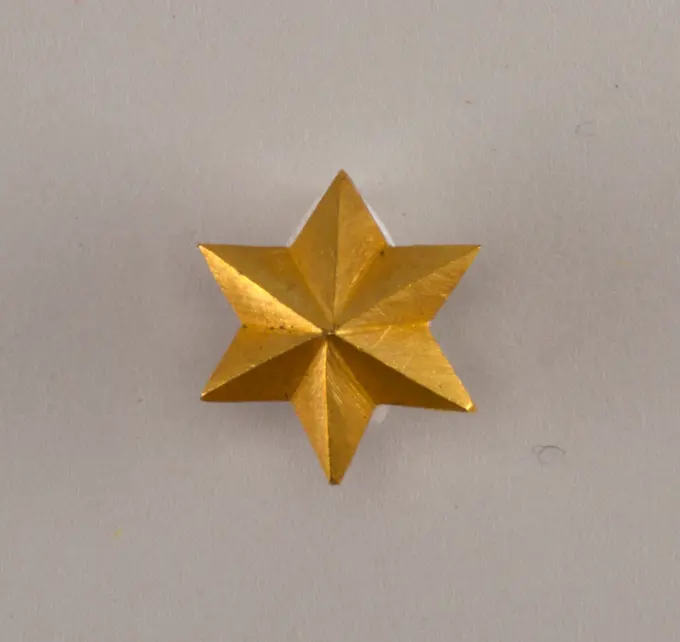
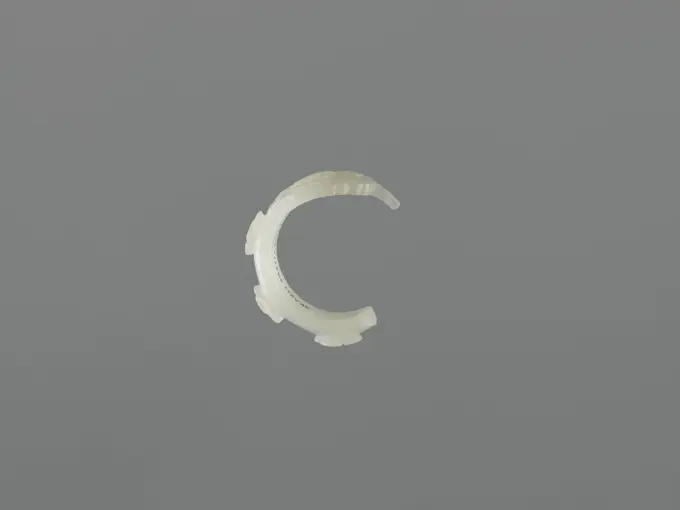
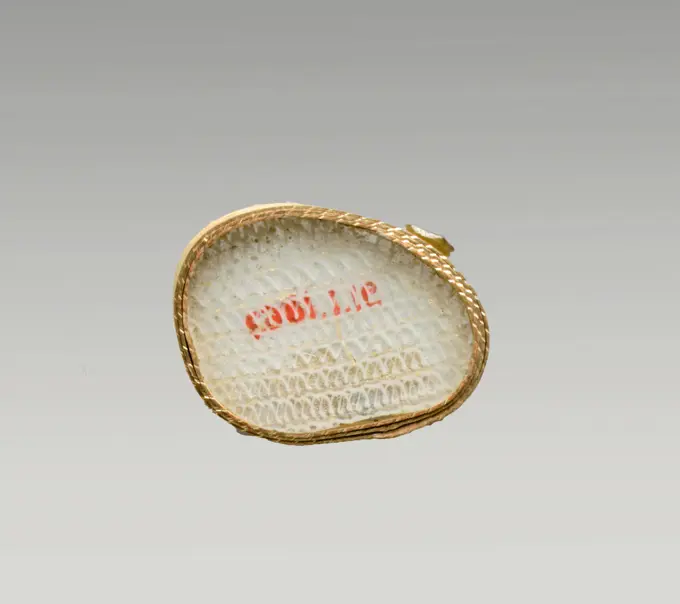
A selection of ancient coins and seals, showcasing inscriptions and historical significance, reflecting diverse cultures from the past.

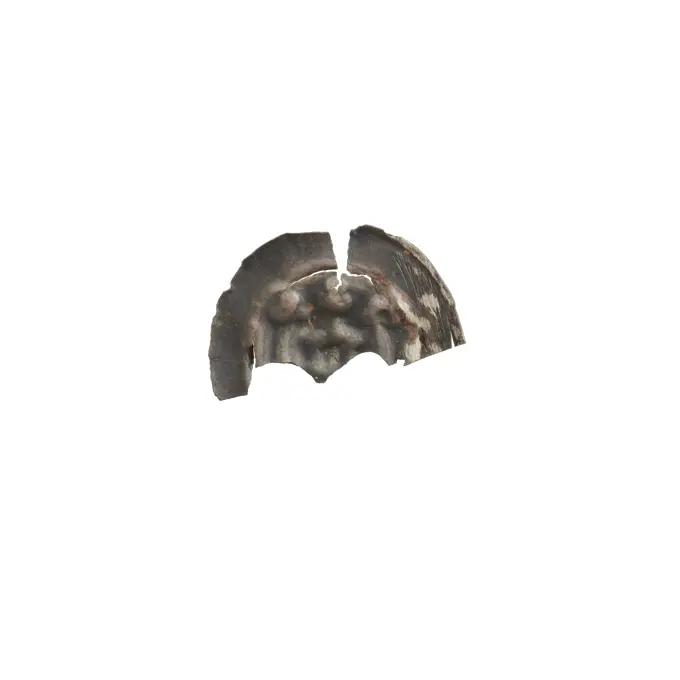
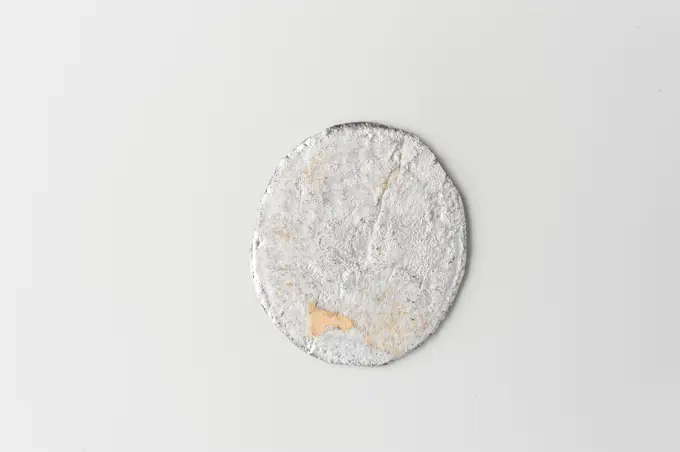
Denar - Brakteat; approx. 1307/1308- 1317/1318 (1307-00-00-1318-00-00);
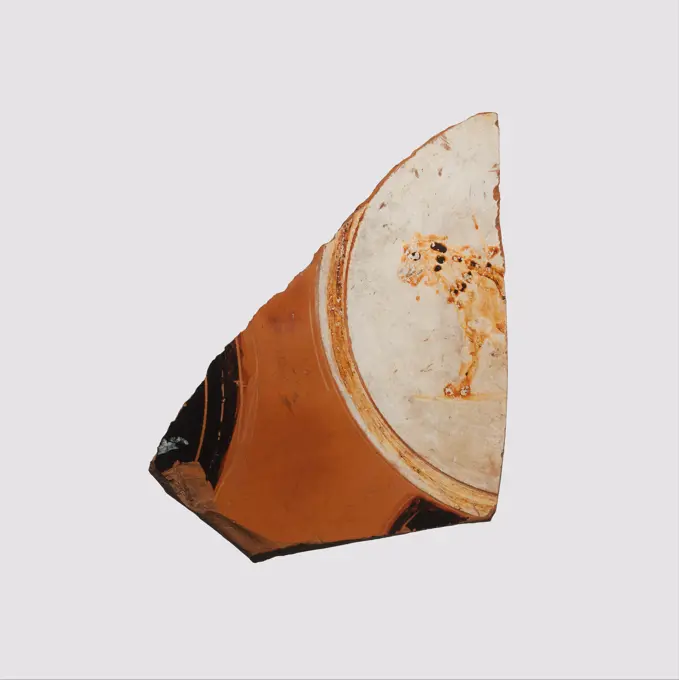
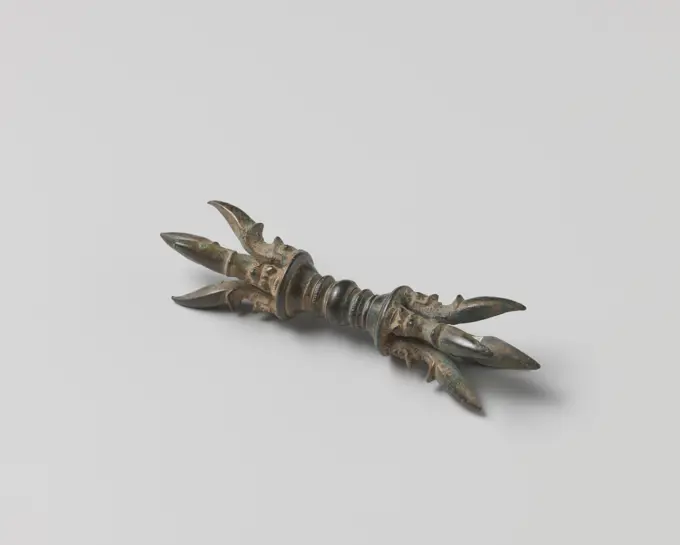
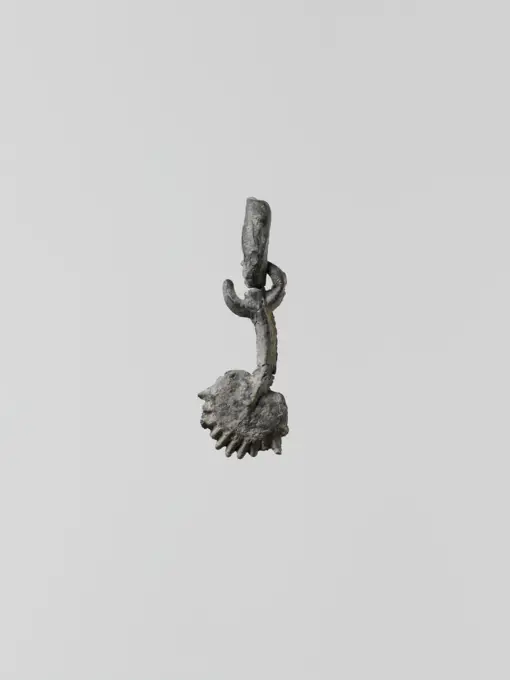
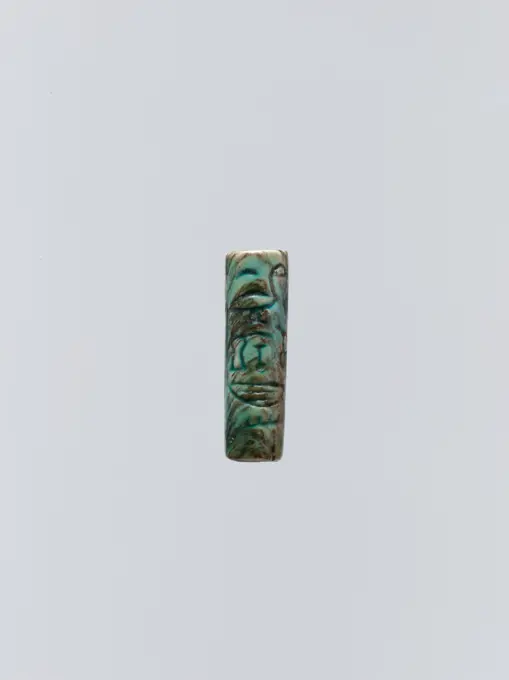
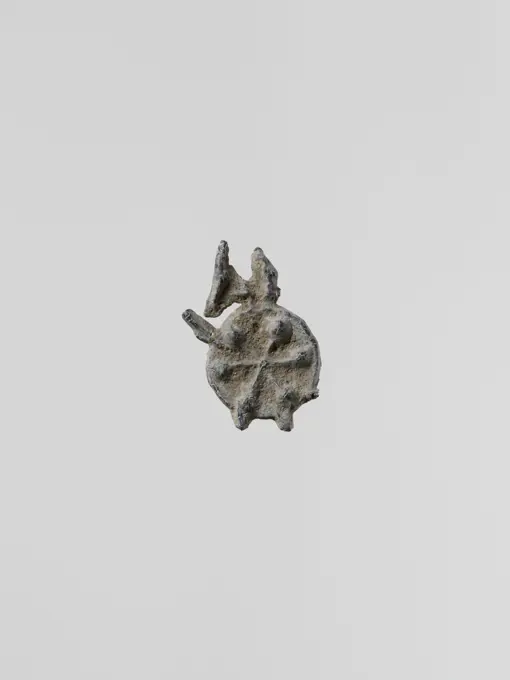
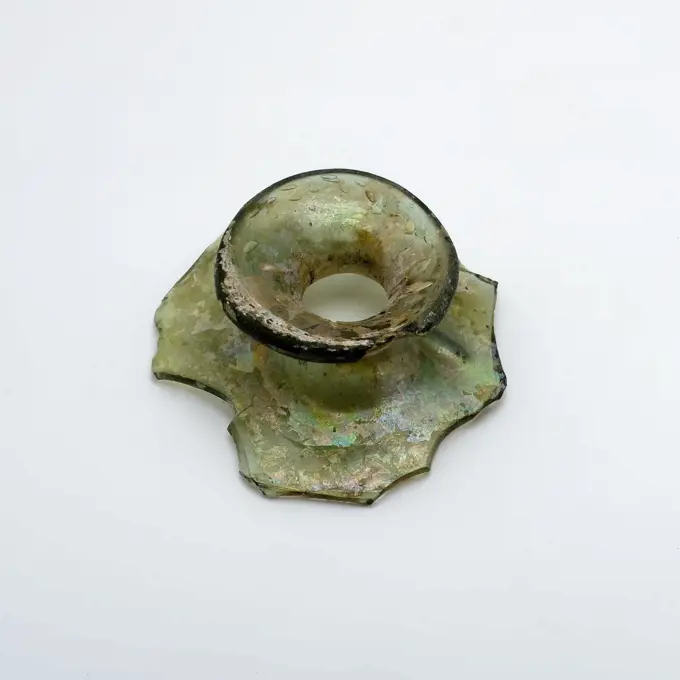
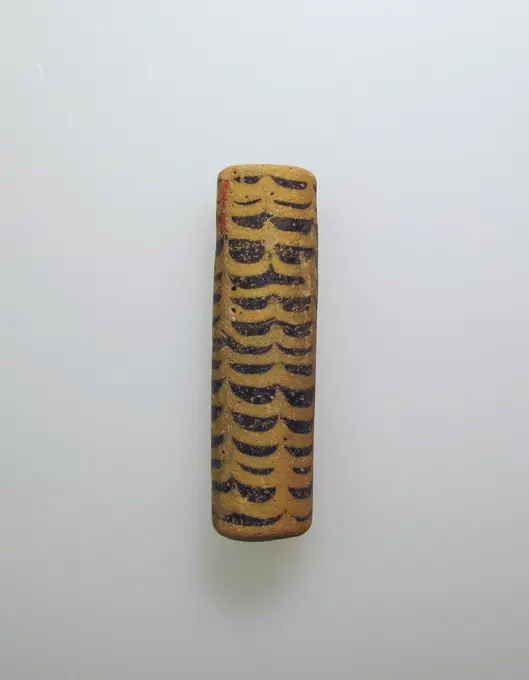
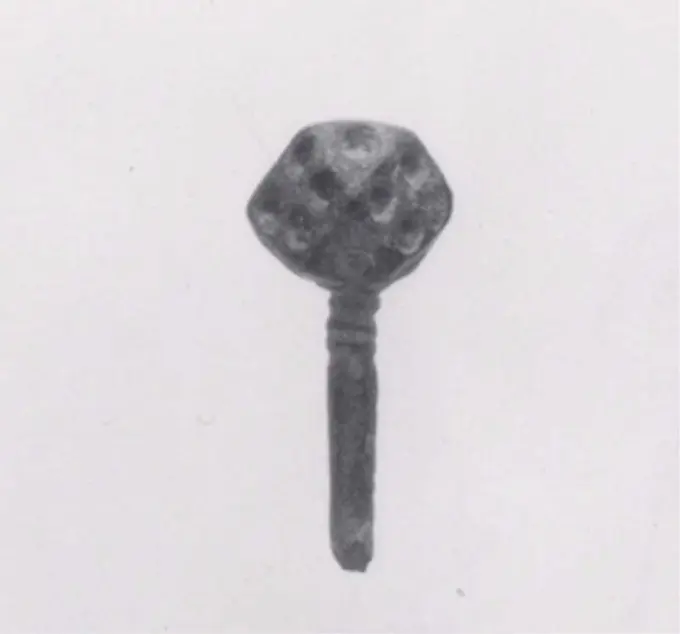
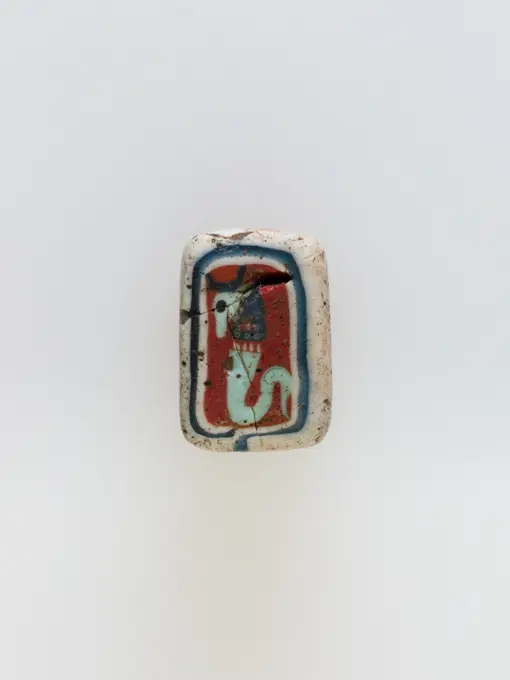
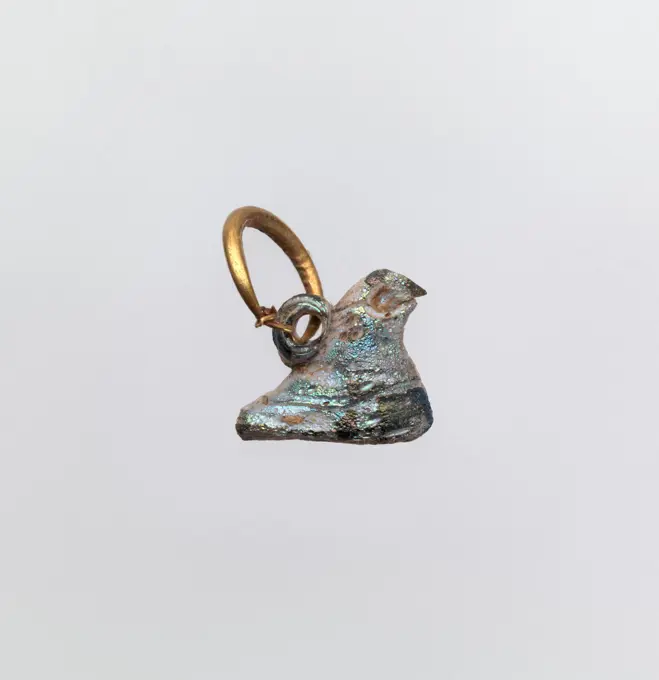
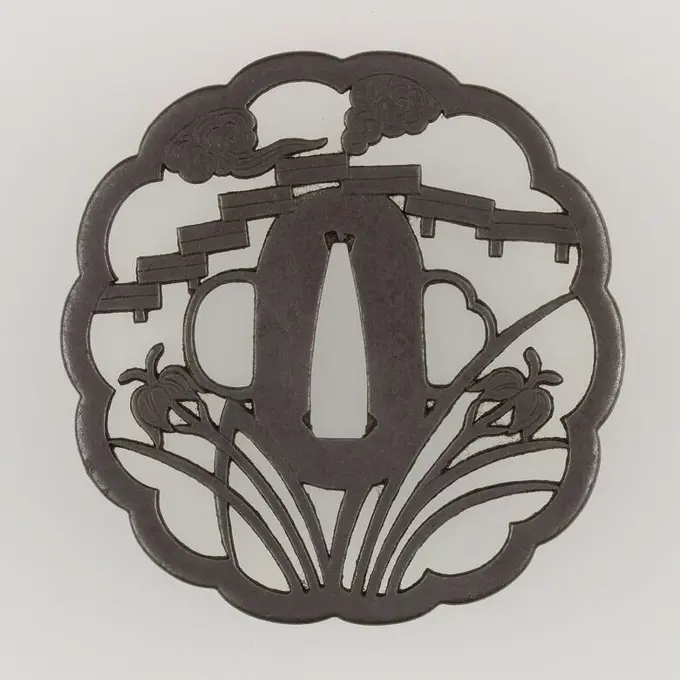
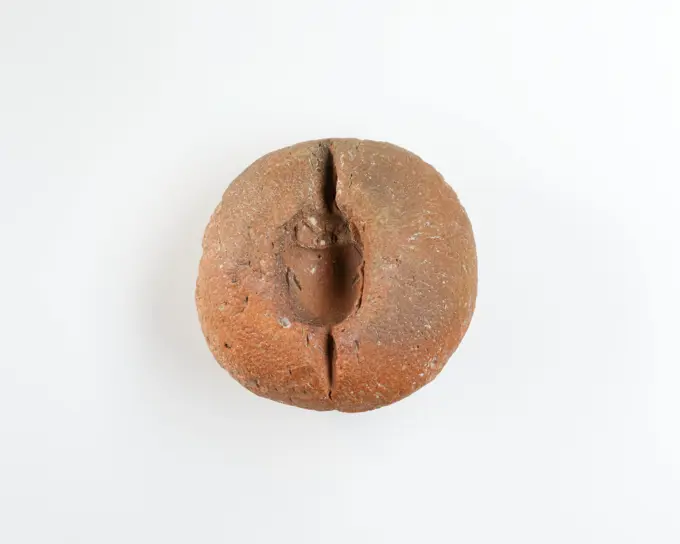
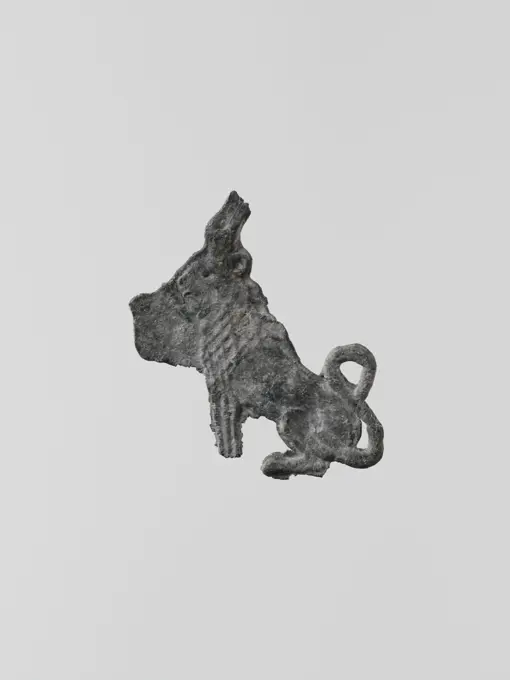
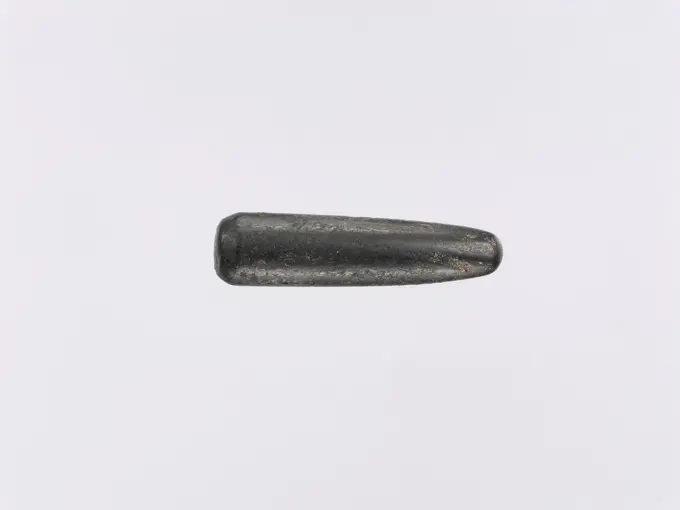
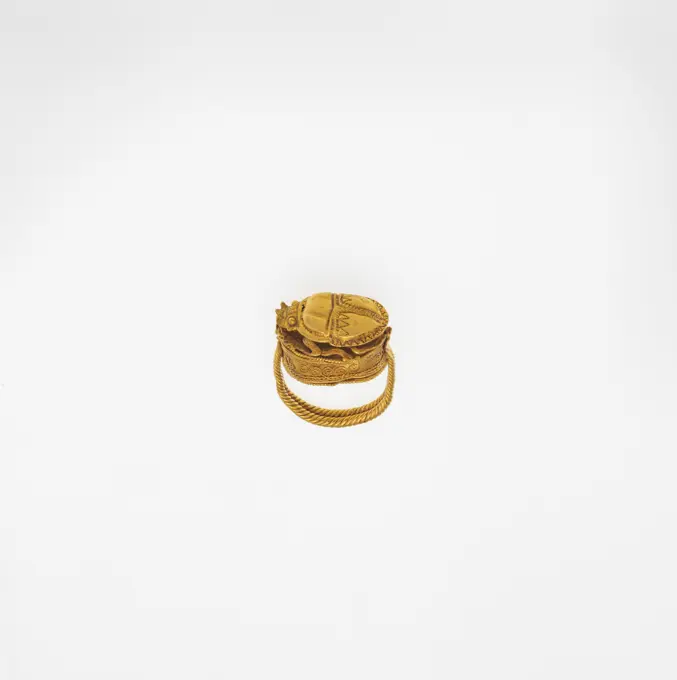
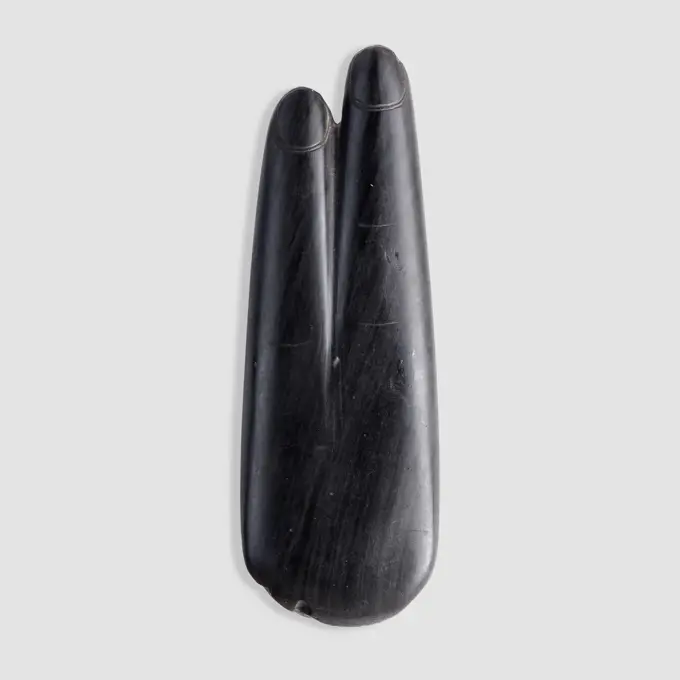
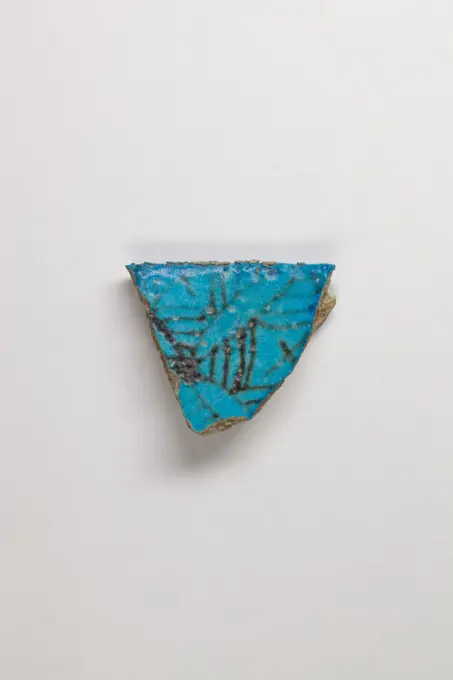
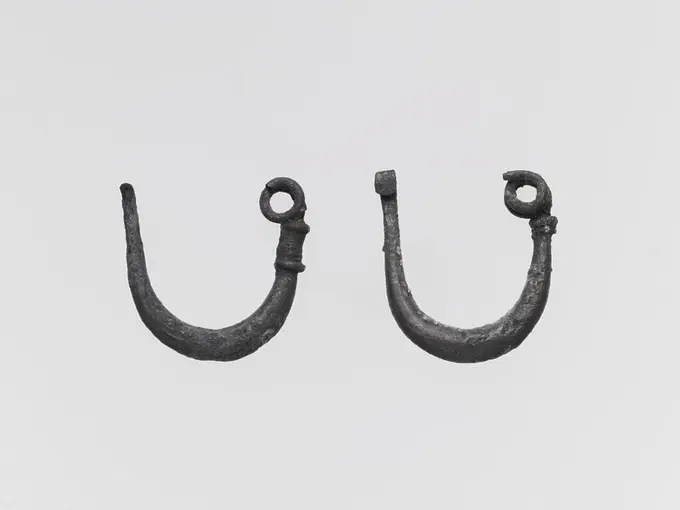
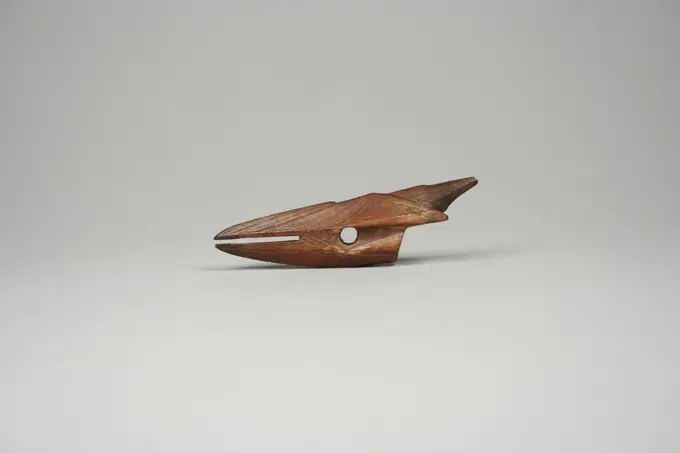
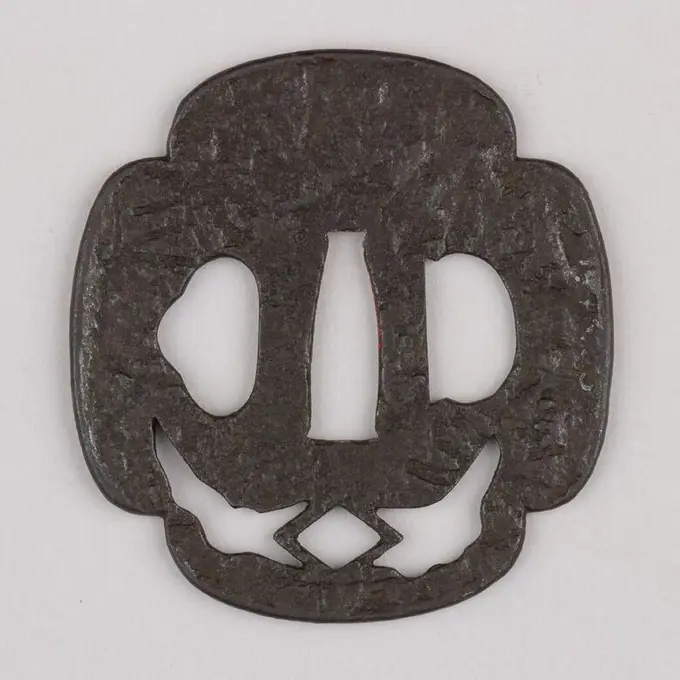
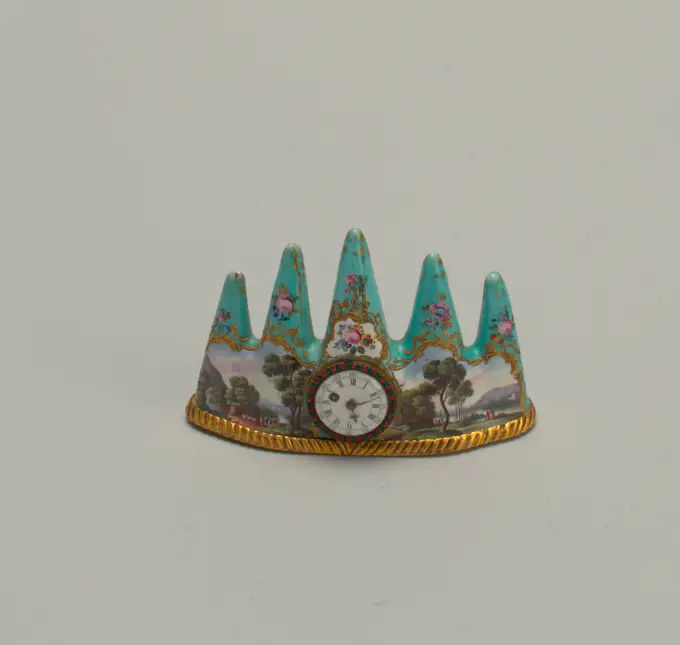
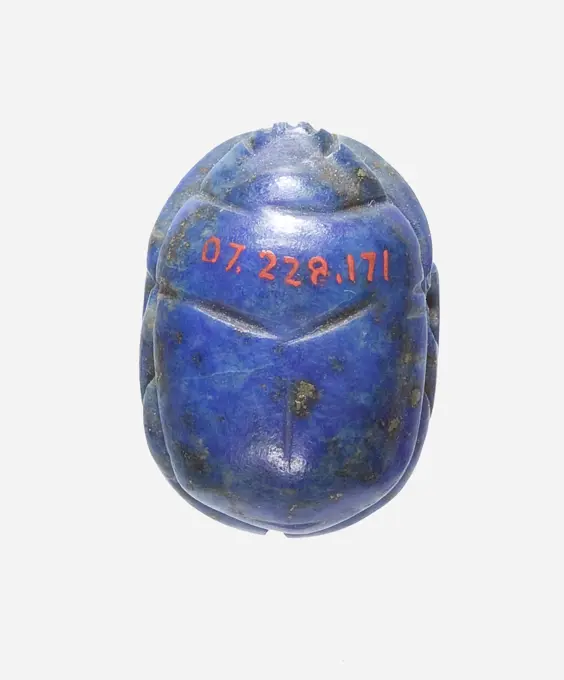
Fragment of a metal brooch in the form of a Dutch climbing lion, c. 1940 - c. 1945 Fragment of a metal brooch in the form of a Dutch climbing lion. Only the hook is present of the closure. From an ensemble of eleven pieces by Miss Henriquez de Castro. Netherlands metal Fragment of a metal brooch in the form of a Dutch climbing lion. Only the hook is present of the closure. From an ensemble of eleven pieces by Miss Henriquez de Castro. Netherlands metalFragment of a Panathenaic prize amphora (jar) 2nd quarter of 4th century B.C. Greek, Attic Reverse, shield of a participant in the race in armorThe race in armor was a major athletic competition in ancient Greece, partly because it featured the skill and stamina of a warrior. The shield here was painted white, with the device of a lion added in dilute glaze. The technique became popular in Athens from about 470 B.C. on, when it was employed particularly for funerary lekythoi (oil flasks).. Fragment of a Panathenaic prize amphora (jar) 255085 Greek, Attic, Fragment of a Panathenaic prize amphora (jar), 2nd quarter of 4th century B.C., Terracotta, length 6 1/2 in. (16.5 cm). The Metropolitan Museum of Art, New York. Gift of Nicolas Koutoulakis, 1960 (60.92.5)Petalsof a Composite Cornflower Pendant ca. 1390-1353 B.C. New Kingdom See 11.215.280 for a complete cornflower pendant.. Petalsof a Composite Cornflower Pendant. ca. 1390-1353 B.C.. Faience. New Kingdom. From Egypt, Upper Egypt, Thebes, Malqata, Palace of Amenhotep III, MMA excavations, 1910-11. Dynasty 18Wood, fragment, anonymous, c. 1590 - c. 1596  Fragment of a bar with remains of an iron cover. If possible, belonged to NM-7773-2.  wood (plant material). iron (metal) forging  Nova Zembla. Saving HuysVajra, anonymous, c. 1100 - c. 1200 Vajra. Somewhat green oxidized bronze thunder with five protrusions on either side. Pimai (possibly)Cambodja (possibly) bronze (metal) Vajra. Somewhat green oxidized bronze thunder with five protrusions on either side. Pimai (possibly)Cambodja (possibly) bronze (metal)Lead ornament, perhaps vegetal 6th-5th century B.C. Greek, Laconian Small flat votive figurines of cast lead have been found in great quantities at the ancient sanctuaries of Laconia; over one hundred thousand, dating from the seventh century B.C. to the Classical period, were dedicated to the goddess Artemis Orthia in Sparta.. Lead ornament, perhaps vegetal. Greek, Laconian. 6th-5th century B.C.. Lead. Archaic. Miscellaneous-LeadHand guard, anonymous, 1550 - 1700 Tsuba in the form of a cherry blossom with five rising leaves. Japan iron (metal) Tsuba in the form of a cherry blossom with five rising leaves. Japan iron (metal)1/4 tical of salung uit Thailand,1650-1850, , 1650 - 1850 coin Silver, grain -shaped mint. Equipped with one set of conference (KRA): Water Pot  silver (metal) castingTiles and ornaments from the palace of Ramesses II ca. 1279-1213 B.C. New Kingdom, Ramesside. Tiles and ornaments from the palace of Ramesses II. ca. 1279-1213 B.C.. Faience. New Kingdom, Ramesside. From Egypt, Eastern Delta, Qantir (Piramesse), Palace of Ramesses II, Private apartments. Dynasty 19Carnavalet museum, medal collectionSpherical button of silver -plated copper, on which two crossed guns in relief; Part of an artillery uniform, P. Mansvelt & Zn, 1885 Marked as a margin: "P. Mansvelt & z. 'S Hage". The Hague copper (metal) Marked as a margin: "P. Mansvelt & z. 'S Hage". The Hague copper (metal)Bracelet. Bracelet. Bronze. BronzesTobacco box. An oval iron tobacco box with tapped corners. On the lid etching, around beautiful ornaments. On the bottom a female bra, also between ornaments. Such also on the edges.Attic Red-Figure Cup Fragment. UnknownClip, Brass, wood, Paper clip with two brass plates and spring fastening. Curvilinear Art Nouveau design with plant forms., Germany, ca. 1900, metalwork, Decorative Arts, ClipCylinder seal with name of Amenemhat II and that of princess Khenemetneferhedjet ca. 1919-1840 B.C. Middle Kingdom The so-called cylinder seal is pierced lengthwise, and inscriptions are carved into its surface. Theoretically, this seal could have been used to mark an object by rolling it over a moist lump of mud that had been placed over the closure, for example, between a base and lid, and thus impressing its inscription. However, many ancient Egyptian seals also had amuletic properties, and the piece here might never have been used as an actual seal.. Cylinder seal with name of Amenemhat II and that of princess Khenemetneferhedjet. ca. 1919-1840 B.C.. Glazed steatite. Middle Kingdom. From Egypt. Dynasty 12Sharp of ross -baking earthenware, with blue glaze on the top, on which floured flower shapes in brown, white, yellow and green, anonymous, 1600 - 1650 on either side of it stylized floureds and on both sides of them  Northern Netherlands earthenware. glaze majolica  Northern Netherlands earthenware. glaze majolicaStone wall font number 2 Zwo 3D stone wall font number 2 Zwo 3D copyright: xzoonar.com/milicxdjurovicx 22938026Statuette of a warrior-11 Greek, Laconian. Statuette of a warrior-11 251639 Greek, Laconian, Statuette of a warrior-11, Lead, Height: 13/16 in. (2 cm). The Metropolitan Museum of Art, New York. Gift of A. J. B. Wace, 1924 (24.195.73)Oranjespeld, Anonymous, 1850 - 1950  Gold -colored colored, one -sided plaque, to which a pin is attached, of which part has been turned. Front: crowned coat of arms, flanked by the left orange flag and on the right through red-white-blue flag. Reverse: Blanco. Netherlands metal. paint (coating) striking (metalworking) / gilding / painting / solderingDenar - Brakteat; approx. 1327/1328-OK. 1337/1338 (1327-00-00-1338-00-00);Campania Napoli Naples S. Lorenzo Maggiore38. Hutzel, Max 1960-1990 Medieval: Sculpture, architecture, architectural sculpture (including Roman spolia) 13-14th century Chapter house; sarcophagi, gravestones; wall painting. Fragment of mosaic; sculptural fragments in the Sala Capitolare. Post-medieval: Architecture, architectural sculpture, ceiling painting fresco cycle; prints depicting Venice c. 1845 (4), sculpture; life-size creche figures dressed in original Neapolitan costume Church restored in 1882, 1926, 1944; excavations under the transept undertaken between 1958-1962, and in the cloister in 1976, have revealed remains of a Roman macellum (market), street, and the paleochristian basilica of the 6th c. AD. Antiquities: Pottery: black-glazed, archaic banded, domestic wares, bucchero; architectural terracottas, statuettes, lamps, sculpture fragments Object Notes: 3 color negatives with no prints at the end. General Notes: Most objects/paintings/frescoes unidentified. Three batches Neck fragment small bottle, bottle holder soil find glass, free blown Neck fragment of small bottle with wide top edge and very short neck. Iridescent glass partially released archeology Rotterdam City Triangle Groenendaal store packaging transport Soil discovery: Mariniersweg Groenendaal Rotterdam 1983.Heart Scarab of Djedmut 664-332 B.C. Late Period. Heart Scarab of Djedmut. 664-332 B.C.. Dark brown stone. Late Period. From Egypt. Dynasty 26-30Broken helmet after accident on a white background. Safety and road accidentsBead. Bead. Glass. GlassEarflare Frontal, Spider 6th-7th century Moche (Loma Negra). Earflare Frontal, Spider 312506Pin ca. 8th-7th century B.C. Iran This bronze pinhead is cubical with obliquely cut corners and rounded incisions. Possibly it is meant to represent fruit, such as pomegranate. It was excavated at Qumish, an Iron Age cemetery in Luristan in the Zagros Mountains of western Iran. Such pins were probably used to fasten clothing and as objects of adornment in their own right.. Pin. Iran. ca. 8th-7th century B.C.. Bronze. Iron Age II. Iran, Luristan, Tepe Qumish ACane, cow-headed serpent 100 BC-100 AD Ptolemaic Period-Roman Period A mosaic glass technique allowed multiples of an image to be created: a figural or design composition was made by bundling colored glass canes, which were then drawn out into a long bar like this partially preserved example. The bar was then sectioned at right angles, probably by striking the bar with appropriate tools, to produce small inlay tiles. The tile would then be smoothed and polished on the face intended to appear outwards. The cow-headed serpent here may represent Isis-Hathor, although there is no crown to support the identification.. Cane, cow-headed serpent. 100 BC-100 AD. Glass. Ptolemaic Period-Roman Period. From EgyptPtolemy II Portrait Medallion; Manufactured by Wedgwood (United Kingdom); unglazed stoneware ("black basalt")Netsuke of Demon with His Head in a Box. Culture: Japan. Dimensions: H. 1 3/8 in. (3.5 cm); W. 7/8 in. (2.2 cm); D. 3/4 in. (1.9 cm). Date: 18th century. Museum: Metropolitan Museum of Art, New York, USA.Drawing Gold earring with glass pendant in the form of a bird late 5th-late 3rd century B.C. Phoenician Glass pendant: Uncertain color appearing black.Hollow triangular shape, pressed flat and tooled into the shape of a bird (dove ) with small pointed beak above mouth and hollow eye rings; added suspension loop on back.Intact; dulling, pitting, and brilliant iridescence.. Gold earring with glass pendant in the form of a bird. Phoenician. late 5th-late 3rd century B.C.. Gold, glass; rod-formed and tooledKohl Flask. Dimensions: H. 2 5/16 in. (5.8 cm)W. 1 in. (2.6 m). Date: probably 10th-12th century.This charming object was designed to hold kohl, a black cosmetic powder applied around the eyes. In the past, kohl was widely used by men and children as well as women. It was thought not only to accentuate the beauty of the eyes, but also to guard against the glaring sun, ward off evil, and discourage eye disease. The narrow drill hole at the top of this flask would have accommodated a slender stick to collect the cosmetic. Museum: Metropolitan Museum of Art, New York, USA.Sword Guard (Tsuba). Culture: Japanese. Dimensions: H. 3 1/4 in. (8.3 cm); W. 3 1/8 in. (7.9 cm); thickness 3/16 in. (0.5 cm); Wt. 3.8 oz. (107.7 g). Date: late 18th-early 19th century. Museum: Metropolitan Museum of Art, New York, USA.Mold for a Scarab ca. 1390-1353 B.C. New Kingdom. Mold for a Scarab. ca. 1390-1353 B.C.. Pottery. New Kingdom. From Egypt, Upper Egypt, Thebes, Malqata, various, MMA excavations, probably 1910-11. Dynasty 18Fragmentary Suspension Tube. UnknownArrowhead ca. 18th-19th century probably Tibetan or Chinese. Arrowhead. probably Tibetan or Chinese. ca. 18th-19th century. Iron. Archery Equipment-ArrowheadsWallCabinetBadge (probably from Horse Harness). Culture: Spanish. Dimensions: H. 2 3/8 in. (6 cm); W. 1 1/2 in. (3.8 cm); Wt. 0.5 oz. (14.2 g). Date: 14th century. Museum: Metropolitan Museum of Art, New York, USA.False coin, crown shilIIng, John II Casimir (1649 1668)Fragment blowjob from the wreck of the East Indieschief Hollandia.Pipe, voice; fragment.Lead figure of a lion 6th-5th century B.C. Greek, Laconian Small flat votive figurines of cast lead have been found in great quantities at the ancient sanctuaries of Laconia; over one hundred thousand, dating from the seventh century B.C. to the Classical period, were dedicated to the goddess Artemis Orthia in Sparta.. Lead figure of a lion 251679 Greek, Laconian, Lead figure of a lion, 6th5th century B.C., Lead, Height: 1 1/4 in. (3.2 cm). The Metropolitan Museum of Art, New York. Gift of A. J. B. Wace, 1924 (24.195.113)Grahal-Manzara. Carnavalet 2013-2016 collection sites. Numismatics.Weight n.d.a.. Weight. n.d.a.. Hematite. Mesopotamia, NippurGold box ring surmounted by a scarab ca.330-310 B.C. Greek On the underside of the box, kneeling Eros.From the end of the third millennium B.C., the scarab beetle served as an amulet in Egypt where it represented the sun god. In the Greek world, beginning in the sixth century B.C. it became the predominant type of gem, cut in carnelian and other hard stones. The scarab integrated into a gold ring appears in the fourth century B.C. The articulation of the insect and the embellishment of the box reveal craftsmanship of the highest order.. Gold box ring surmounted by a scarab. Greek. ca.330-310 B.C.. gold. Classical. Gold and SilverBead with pomegranate. Bead with pomegranate 243058Ornaments, 4 Greek, Laconian. Ornaments, 4. Greek, Laconian. Lead. Miscellaneous-LeadSteel needle side rectangular frame with two parallel -running bars, anonymous, c. 1924 - c. 1929 sample Steel natural -colored needle side. Rectangular model. Two parallel -running bars were made in a rectangular frame, with repriser sign on two spanning threads, with coarse yarns to be able to learn/study the technology properly. The frame also consists of feston stitches, where the stitches at the inner and outer edge are worked for a wire. The indoor and outer edge thus form light relief contour lines, as well as the center of the bars. Reprise stroke taken over two tense threads. A steel is made with fine yarns. Netherlands (possibly) linen (material)Baking for the batteries of submarines, 1958.Retro cartoon illustration. On plain white background.Gear wheel after heat treatment close-up, isolated on a white background Gear wheel after heat treatment close-up, isolated on a white background Copyright: xZoonar.com/OleksandrxKostiuchenkox 8911809Bead ca. 1st century B.C.-1st century A.D. Parthian This carnelian bead was excavated at Shahr-i Qumis in northern Iran, which has been identified as the ancient city of Hecatompylos, established by the Parthians as their capital by about 200 B.C. In Greek Hecatompylos means a hundred gates,’ suggesting that the city was quite large. Indeed, the modern archaeological site includes several mounds, only a few of which have been excavated, and a vast area covered with potsherds. This bead was found in a well at Site IV. The large building at Site IV was completely filled with dirt sometime in the late 1st century B.C. or early 1st century A.D.The excavations at Shahr-i Qumis by the British Institute of Persian Studies in 1967 were co-sponsored by the Metropolitan Museum of Art. However, the museum did not acquire this bead until 1978, as a result of the Met’s financial contributions to the Institute’s excavations at Tepe Nush-i Jan, another site in Iran. At the time the Iranian governmenSword Guard (Tsuba) 18th century Japanese A tsuba is a sword guard and part of a sword mounting. It is mounted between the swords blade and grip to protect the users hands.. Sword Guard (Tsuba) 26362Attic Red-Figure Cup Fragment. UnknownRed-Figure Skyphos Fragment (part of 93.AE.54). Attributed to Kleophrades Painter (Greek (Attic), active 505 - 475 B.C.) about 480-470 B.C. Rim fragment. Exterior: Head of a figure wearing a red fillet to left, and the top of a quiver. The figure is likely Apollo; his quiver is in front of his head, suggesting that he was moving to the right, but has turned his head back. Interior: black. Joins a fragment in Leipzig (T 3840b), which gives more of the quiver and the draped bowed head of Thetis to left, identified by an inscription. This fragment belongs to a partially reconstructed skyphos (93.AE.54) that depicts on side A: Peleus and Thetis, with their child Achilles, meeting Cheiron, in the company of Apollo, and on side B: a priest holding a temple key and a staff, a woman shaking hands with a seated figure, and two standing figuresperhaps the priest Chryses meeting Agamemnon to recover his daughter Chryseis (see Williams, 1997, who also notes other joining fragments in Leipzig). ThiBroad collar terminal ca. 1850-1640 B.C. Middle Kingdom-Early New Kingdom. Broad collar terminal 557314Foot angel or crow's foot ,, 1600 - 1699 caltrop Iron foot angel or Kraaiepoot with four points. Scandinavia (Possible) iron (metal) forging / striking (metalworking)Amulet - two fingers;  664-525 BC; Half period, 26 dynasty (-664-00-00--525-00-00);Louvre (Paris) - collection, scenes.gal., fingersampersand sign isolated ampersand metallic letterpress type block isolated on white Copyright: xZoonar.com/YuryxZapx 14924509Drawing Sweden, Blekinge, Blekinge, Karlskrona, Karlskrona, external marina (depicted, town).Sweden, Blekinge, Blekinge, Karlskrona, Karlskrona, External War Gogs (depicted, City)Vase fragment 1st century B.C.-1st century A.D. Roman Figure with inverted torch.. Vase fragment 250451Bead China. Bead 43143Glass mosaic carinated bowl fragment late 1st century B.C.-early 1st century A.D. Roman Rim fragment.Translucent deep purple, turquoise blue, partially mixed with yellow and appearing green, opaque white and yellow.Outsplayed, almost horizontal rim with rounded edge; carinated side, with two deep convex curves, the upper one narrow.Composite mosaic pattern formed from polygonal sections of two canes: one in a purple ground with a white outer circle, a central white rod encircled by blue and a yellow circle; the second in a blue ground with a central white rod encircled by yellow spokes outlined in yellow.Polished interior; pitting of surface bubbles on interior; dulling, deep pitting, and iridescent weathering on exterior, underside of rim, and jagged edges.. Glass mosaic carinated bowl fragment. Roman. late 1st century B.C.-early 1st century A.D.. Glass; cast. Early Imperial. GlassApplique in the Shape of an Ivy Leaf Calyx. UnknownSteinwandschrift Letter U 3D Steinwandschrift Letter U 3D Copyright: xZoonar.com/MilicxDjurovicx 22938075Hinge belonging to a tower cross, anonymous, c. 1500 - c. 1900 Hinge belonging to the Torenkruis van wrought iron, executed in late Gothic style. Coming from Zeeland. unknown iron (metal) forging Hinge belonging to the Torenkruis van wrought iron, executed in late Gothic style. Coming from Zeeland. unknown iron (metal) forgingWreaths, 6 Greek, Laconian. Wreaths, 6 251736 Greek, Laconian, Wreaths, 6, Lead, Diameter: 7/8 in. (2.2 cm). The Metropolitan Museum of Art, New York. Gift of A. J. B. Wace, 1924 (24.195.170)Three Dice, Ancient Egypt, Roman PeriodFalse coin, crown shilIIng, John II Casimir (1649 1668)Cylinder seal ca. 2960-2649 B.C. Early Dynastic Period. Cylinder seal. ca. 2960-2649 B.C.. Stone. Early Dynastic Period. From Egypt. Dynasty 1retro cartoon deliveryMatchsafe, Whitehead & Hoag Company, Celluloid, metal, 'The Berkshire Mfg. Co. Molding Machinery Cleveland, Ohio', ca. 1905, containers, Decorative Arts, MatchsafeAttic Red-Figure Kylix Fragment. UnknownVase fragment ca. 1981-1640 B.C. Middle Kingdom. Vase fragment 560590Foot angel or crow's own. Iron foot angel or crow pit with four points.String of 7 beads 1st to 2nd Century A.D. Roman Period. String of 7 beads 570527Alphabet made from rust platePair of Sword-Grip Ornaments (Menuki). Culture: Japanese. Dimensions: L. of each 1 3/8 in. (3.5 cm); Wt. of each 0.3 oz. (8.5 g). Date: 18th century. Museum: Metropolitan Museum of Art, New York, USA.MountEarring;  19th century (1801-00-00-1900-00-00);Möbelbeschläge Exzenterzapfenscharnier Möbelbeschläge Exzenterzapfenscharnier LicenseRF Copyright: xZoonar.com/ClaudioxDiviziax 23348905Votive Plaque with Amitāyus ca. 8th century or later Tibet. Votive Plaque with Amitāyus 38853Two silver fibulae (safety pins). Culture: Cypriot. Dimensions: Other: 1 3/16 x 1/4 in. (3 x 0.6 cm). Date: 7th-6th century B.C..The shape of the fibulae is noteworthy for its U-shaped bow. Both examples lack their pins. Museum: Metropolitan Museum of Art, New York, USA.Antique wooden almira, Jodhpur, Rajasthan, India Copyright: xSafatxAli/DinodiaxPhotoxP - Colorful oil painted alphabet isolated over the white backgroundBox (possibly Spain); iron, wood, red velvet liningBase late 12th-13th century. Base 449141Glass network mosaic fragment late 1st century B.C.-early 1st century A.D. Roman Body fragment of thin glass.Colorless, with opaque white.Almost flat.Seven narrow parallel canes decorated with two spirally twisted threads.Many pinprick bubbles; exterior polished; linear pitting of surface bubbles; one patch of creamy iridescent weathering on interior; rounded, weathered edges.. Glass network mosaic fragment. Roman. late 1st century B.C.-early 1st century A.D.. Glass; cast. Early Imperial. GlassHarpoon Head 4th century Old Bering Sea. Harpoon Head 310255Sword Guard (Tsuba). Culture: Japanese. Dimensions: H. 3 in. (7.6 cm); W. 2 13/16 in. (7.1 cm); thickness 1/8 in. (0.3 cm); Wt. 2.3 oz. (65.2 g). Date: late 16th-early 17th century. Museum: Metropolitan Museum of Art, New York, USA.Hubert Ponscarme (1827-1903). "Medal obverse. Republic wearing flowers and clusters". Metal, bronze. Museum of Fine Arts of the City of Paris, Petit Palais. 57550-3 Avers, bronze, medal, metal, numero inventory, numismaticscartoon sword and shieldClock with Stand Clock; England; copper, enamel, gilt bronze, glassThomas Bernard (1650-1713). Medal reverse. The embellishments of Paris. Metal. Museum of Fine Arts of the City of Paris, Petit Palais. 58763-12 Medal, metal, inventory number, numismatics, reverseScarab 664-332 B.C. Late Period. Scarab. 664-332 B.C.. Lapis lazuli. Late Period. From Egypt. Dynasty 26-30Ring with spokes in the form of silkworms, anonymous, -500 - -200 Wide ring with triangular spirals. China bronze (metal) Wide ring with triangular spirals. China bronze (metal)