Historical Spoons Collection

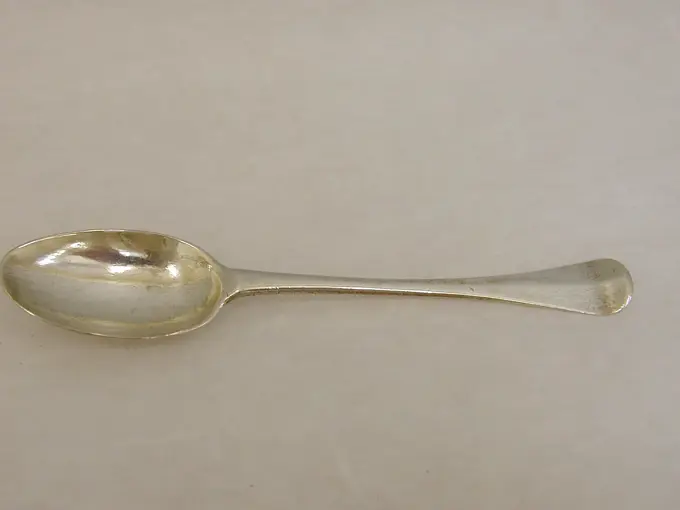
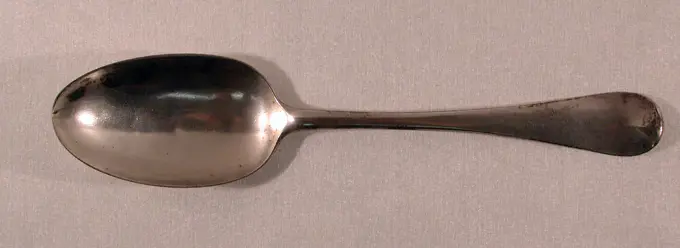
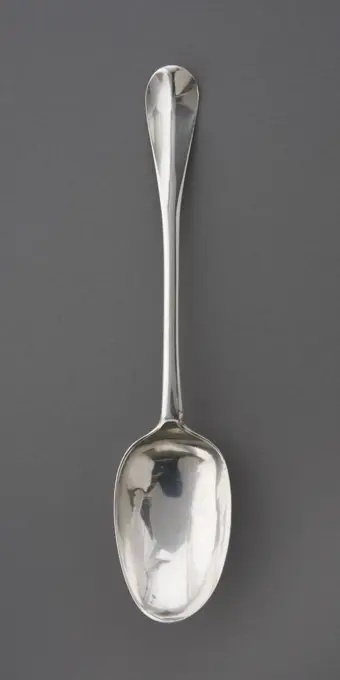
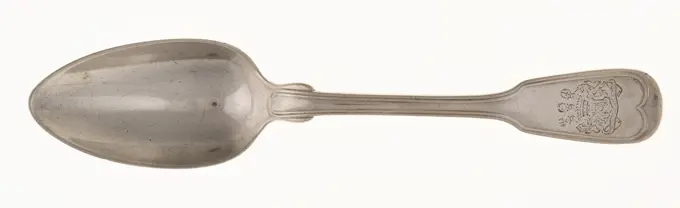
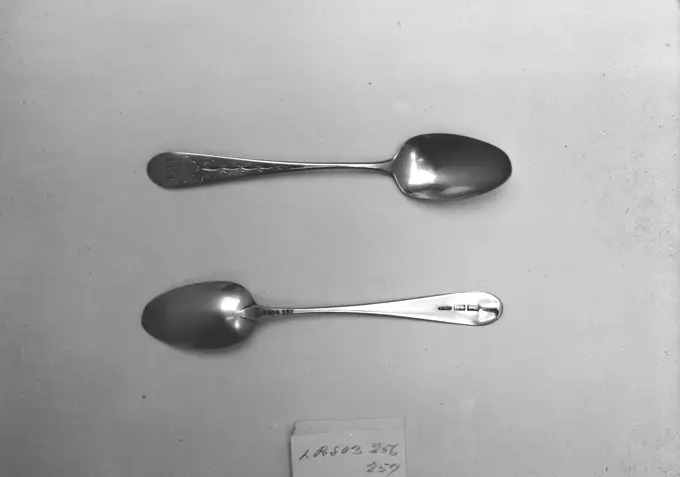
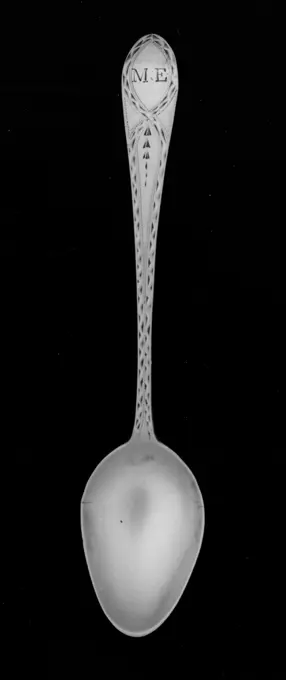
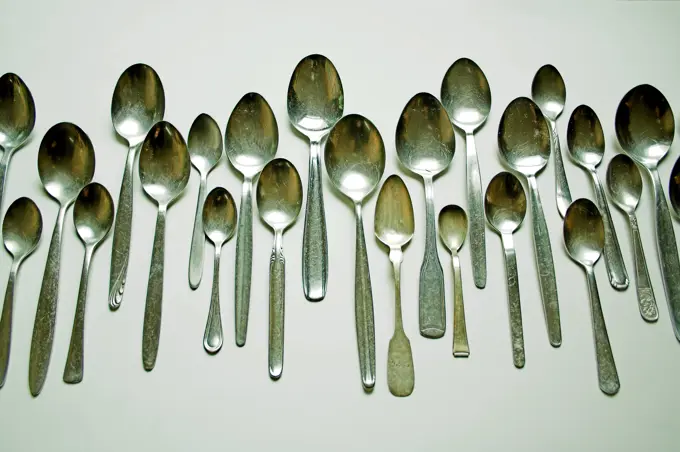
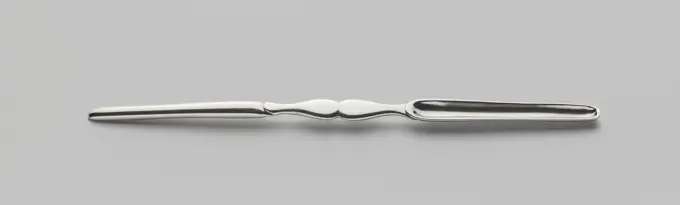
A variety of antique spoons from different centuries, showcasing designs in pewter and silver with unique shapes and handles.

Spoon with oval bowl and flat handle with wide, pointed tapering end, spoon cutlery tin, cast Oval bake needle or rat tail as transition to flat handle with brace-shaped stem end mark on back of stem: standing angel with bottom and right V food
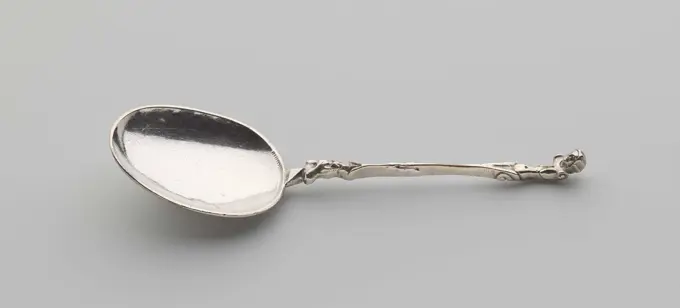
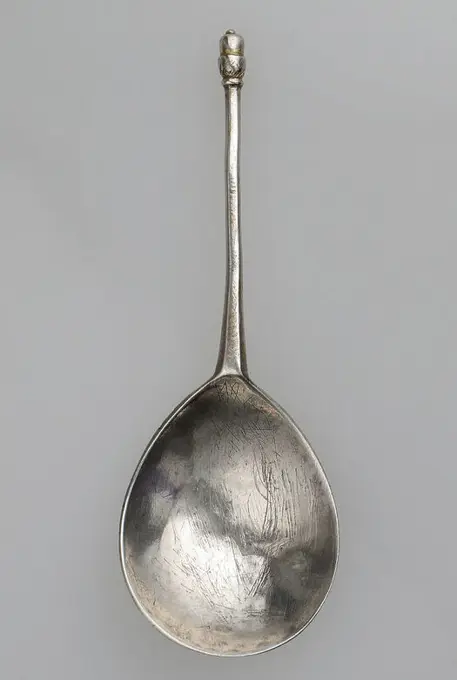
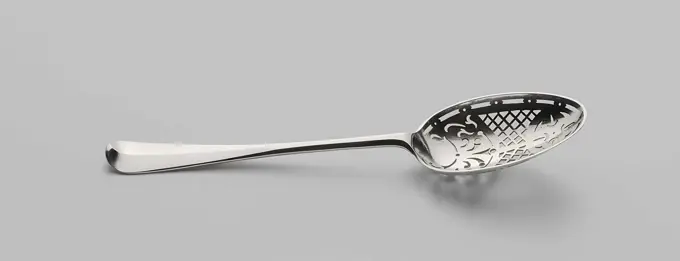
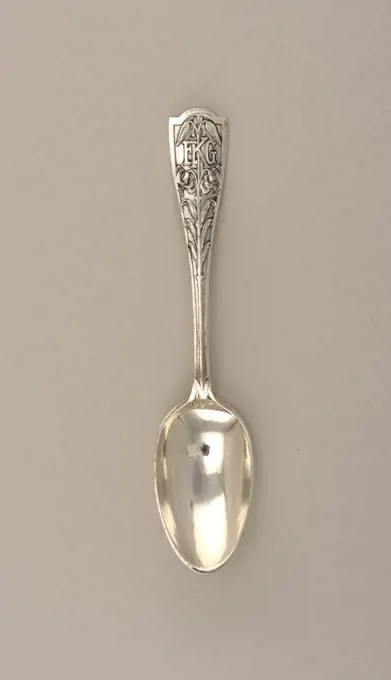
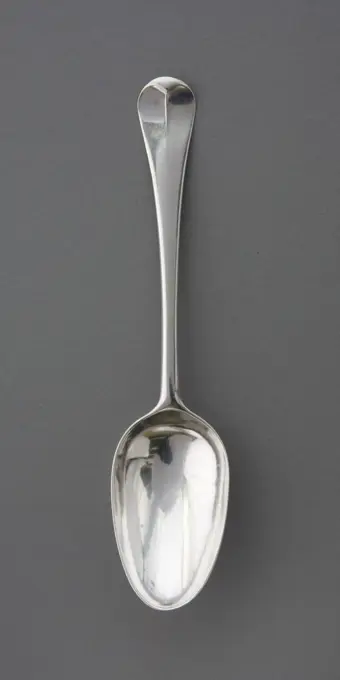
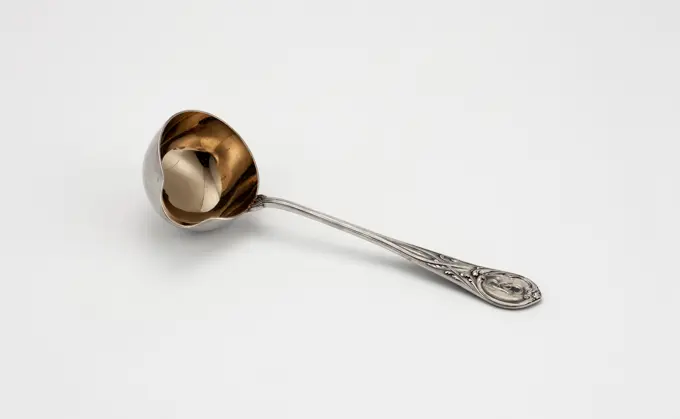
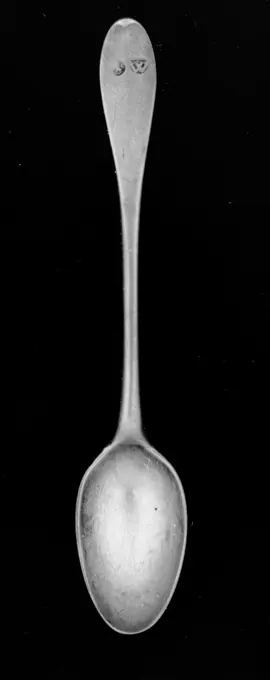
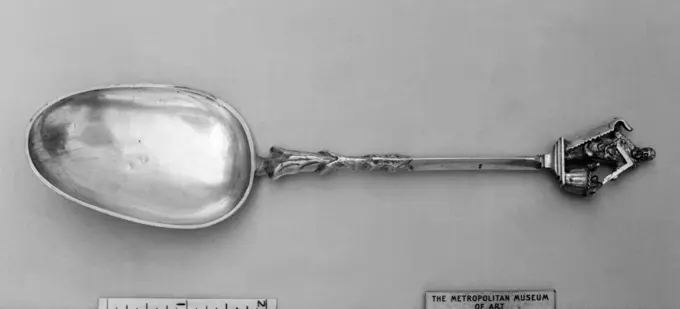
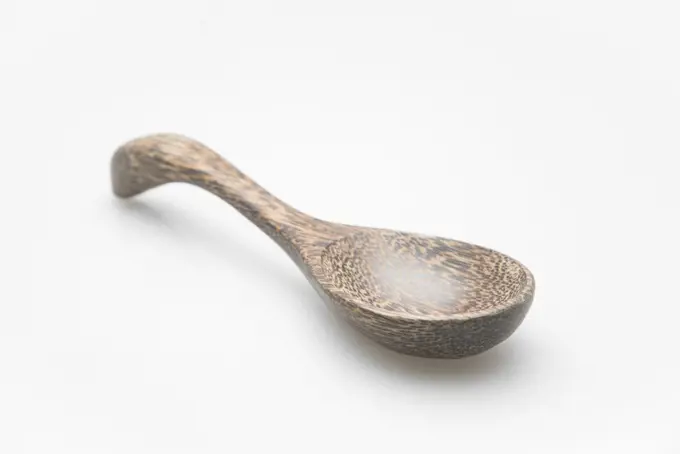
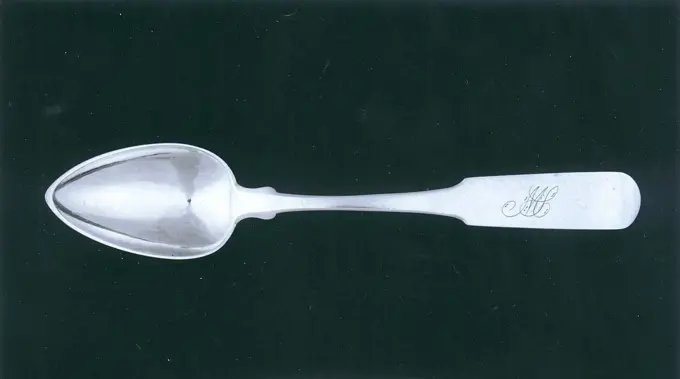
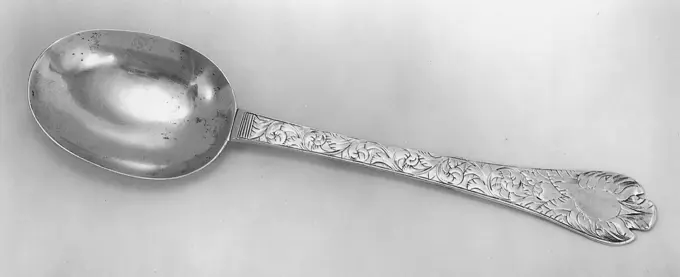
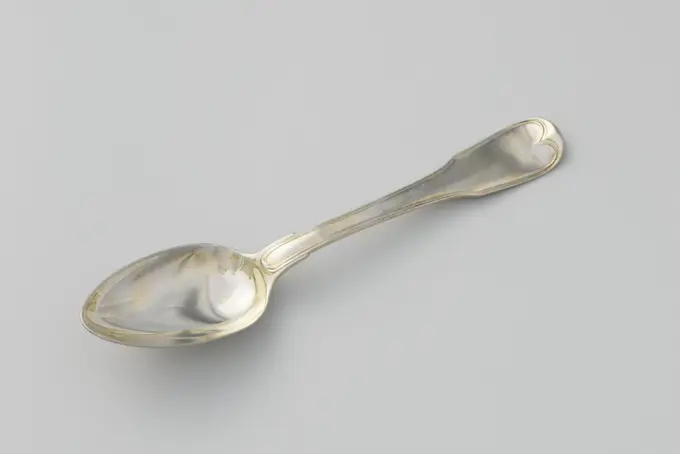
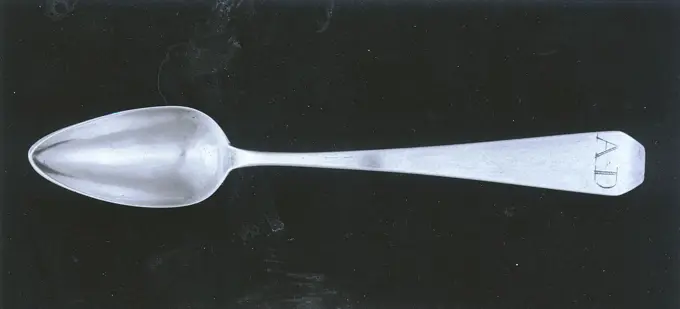
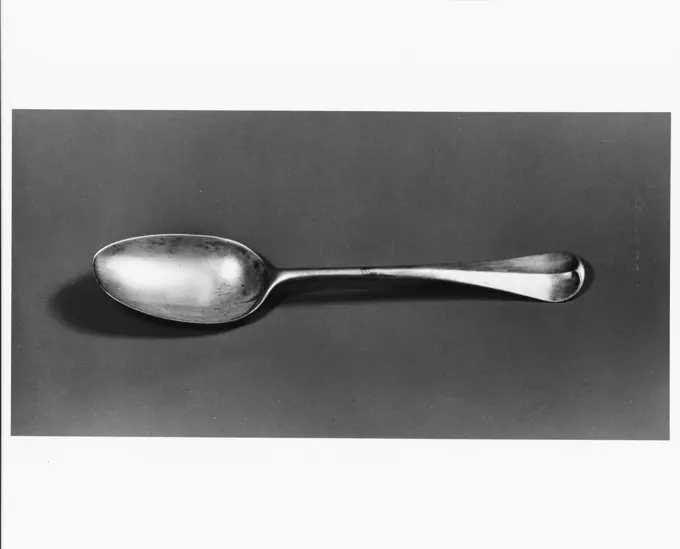
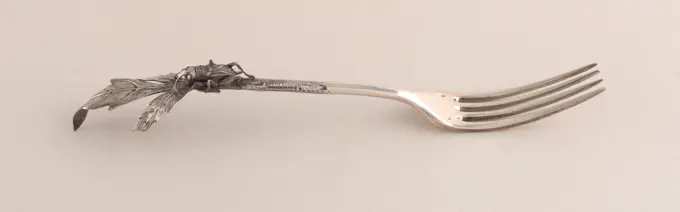
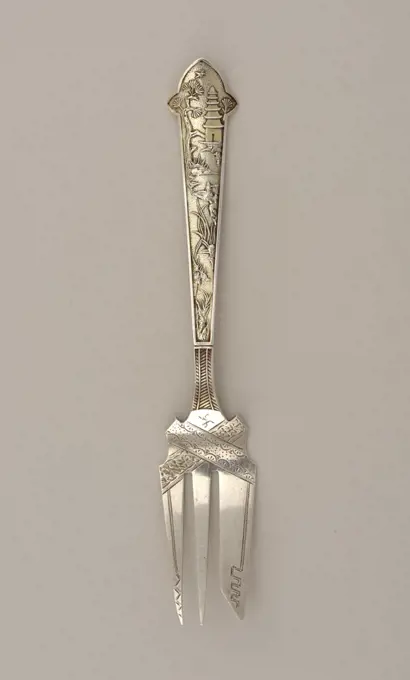
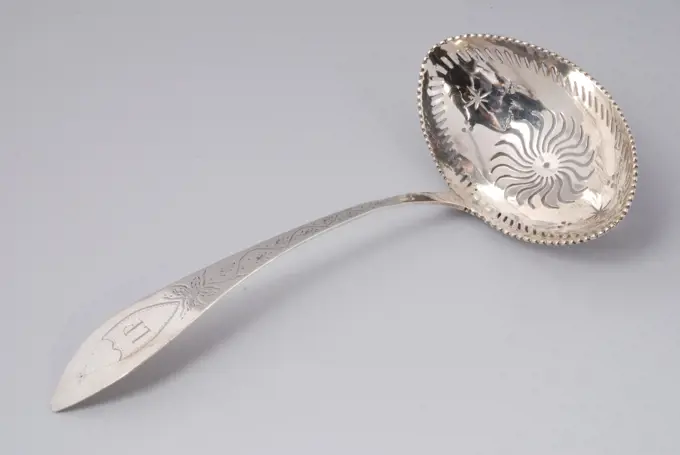
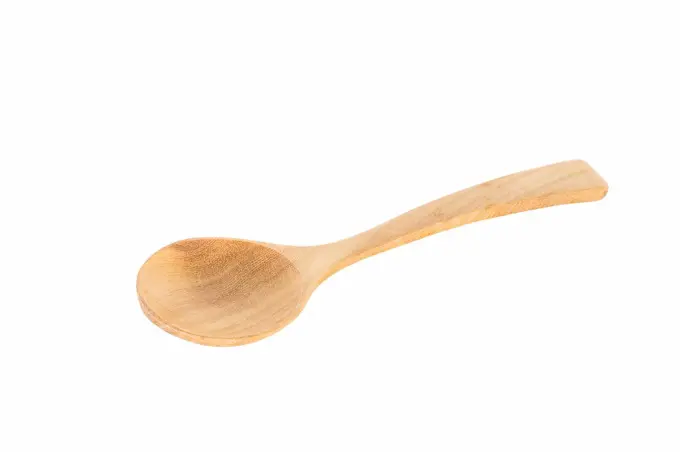
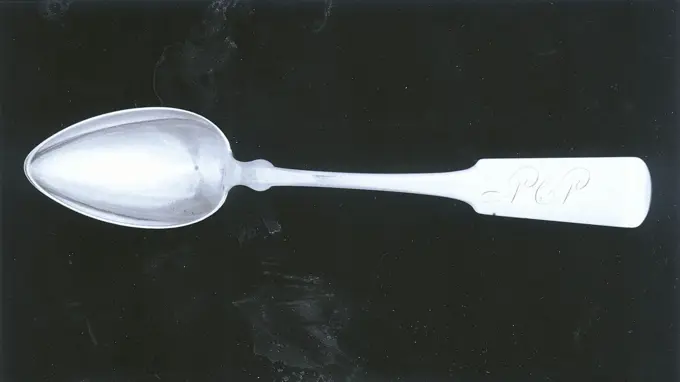
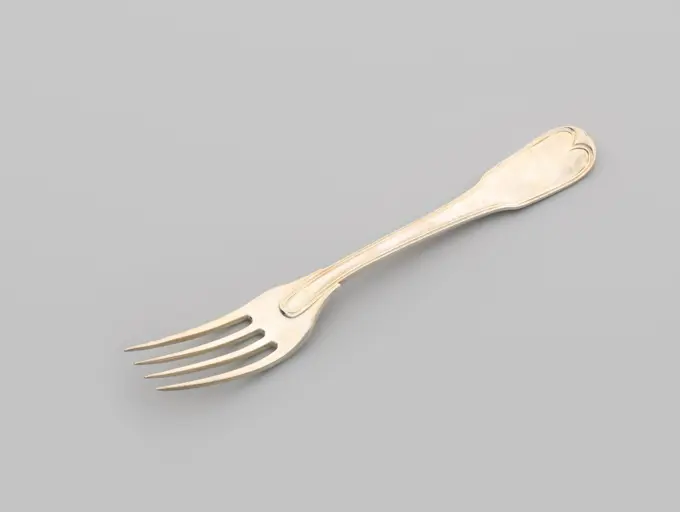
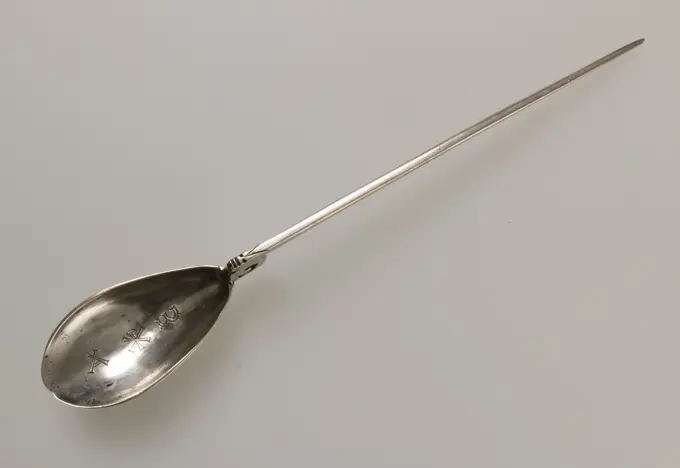
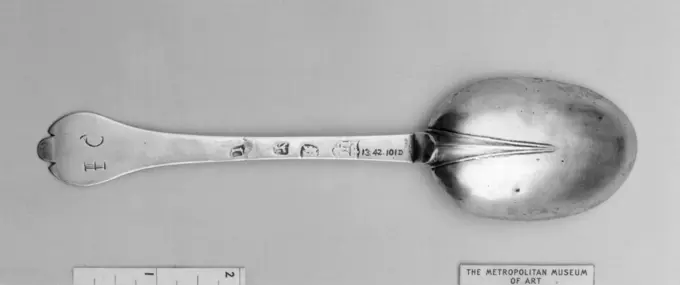
Spoon, 17th century, 7 1/8 x 2 x 1 in. (18.1 x 5.08 x 2.54 cm), Pewter, England, 17th centuryXXW. (1901-00-00-2000-00-00);Spoon with oval bowl and flat handle with wide, pointed tapering end, spoon cutlery tin, cast Oval bake needle or rat tail as transition to flat handle with brace-shaped stem end mark on back of stem: standing angel with bottom and right V foodSpoon 1700-1725 Benjamin Wynkoop. Spoon 7828a hundred; Malcz, Karol (1797-1867), Silver Products Factory K.F. Malcza (Warsaw; Sreber label; 1828-1864); 1852 (1852-00-00-1860-00-00);STOP fork; Malcz, Karol (1797-1867), Silver Products Factory K.F. Malcza (Warsaw; Sreber label; 1828-1864); 1852 (1852-00-00-1860-00-00);a hundred;  19th century (1800-00-00-1848-00-00);Spoon 1719-20 Probably by Andrew Archer. Spoon 202094Tablespoon.   Maker: Daniel Rogers, American, 1735-1816a hundred; Rossdeutscher & Reisig (Wrocław XIX-XX century (1800-00-00-1810-00-00);Teaspoon Fraget, Sreber Factory and PlaterSTOP fork; Malcz, Karol (1797-1867), Silver Products Factory K.F. Malcza (Warsaw; Sreber label; 1828-1864); 1852 (1852-00-00-1860-00-00);a hundred; Malcz, Karol (1797-1867), Silver Products Factory K.F. Malcza (Warsaw; Sreber label; 1828-1864); 1852 (1852-00-00-1860-00-00);Teaspoon.  Artist: Towle Manufacturing Company, American, founded 1882Retailer: Fox and Fulmer, AmericanDessert spoon with the Helmet Helmet, Roelof Helweg, 1800 The egg -shaped container is connected to the flat, bent stem by means of single praise, which broadens to the rounded end and that shows a faint rib on the top over the middle. The Clifford helmet sign is engraved on the bottom of the stem. Amsterdam silver (metal) The egg -shaped container is connected to the flat, bent stem by means of single praise, which broadens to the rounded end and that shows a faint rib on the top over the middle. The Clifford helmet sign is engraved on the bottom of the stem. Amsterdam silver (metal)STOP fork; Malcz, Karol (1797-1867), Silver Products Factory K.F. Malcza (Warsaw; Sreber label; 1828-1864); 1852 (1852-00-00-1860-00-00);Silversmith: Johannes Verlooven, Silver spoon with oval bowl, spoon cutlery silver, forged Spoon with elongated oval bake grained stalk rounded handle end stalk rear (smashed) fooda hundred; Malcz, Karol (1797-1867), Silver Products Factory K.F. Malcza (Warsaw; Sreber label; 1828-1864); 1852 (1852-00-00-1860-00-00);Sugar spoon 1793-94 A.C.C., Paris. Sugar spoon 188055 Maker: A.C.C., Paris, Sugar spoon, 179394, Silver, L. 8 in. (20.3 cm.). The Metropolitan Museum of Art, New York. Gift of Mrs. Samuel P. Avery, 1897 (97.2.19)Spoon of silver with driven container, anonymous, c. 1400 - c. 1950 Silver spoon with an oval driven container and a triangular stem with a quoted labon ornament. On the top the stem widened to three thicknesses, such as animal tents.  silver (metal) Silver spoon with an oval driven container and a triangular stem with a quoted labon ornament. On the top the stem widened to three thicknesses, such as animal tents.  silver (metal)Teaspoon.   Maker: Benjamin Halsted, American, 1734-1817Teaspoon.   Maker: Nathaniel Coleman, American, 1765-1842Spoon with egg-shaped container and stem crowned with Hermenfiguur. The egg-shaped container is by means of a needle connected to the three-growing, curved, to the crowning rejuvenating stem. This is made up of soft forms and is awarded by a hermal figure.Teaspoon.   Maker: David Smiley, Jr., active ca. 1849 - 1877Spoon. Culture: British. Dimensions: Overall L: 6 in. (15.2 cm). Date: Late 15th century.The first known mention of the acorn knop appears in a will of 1348, in which one John de Holegh bequeathed to Thomas Taillour "12 silver spoons with akernes." Later references to such acorn-knop spoons indicate that the finials were gilded as were those of other types of silver spoons of this period. Museum: Metropolitan Museum of Art, New York, USA.Tablespoon.   Maker: Jacob Boelen II, American, 1733-1786A large silver fruit lump with an Ajour edited oval bowl. The smooth stem widens itself at the handle. Brands: Leiden, Holland, with the annual letter H (1791), and an ax. Master Sign: I.C.U. = Jan Christoffel Ultzen.Tablespoon.   Maker: Peter Lupp, active ca. 1760 - 1807Teaspoon.   Maker: Caleb Beal, American, 1746-1801Spoon 5th-6th century Byzantine. Spoon 468708Rockledge Silver Service, George Washington Maher, American, 1864-1926, Gorham Manufacturing Company, Providence, Rhode Island, USA, founded 1818, Ernest L. and Grace King, Silver, Of 'Martele' silver, the handle decorated with a native lily motif and initials E.K.G. conjoined., 1911-12, cutlery, Decorative Arts, Spoon, SpoonTeaspoon.   Maker: John Bayly Sr., American, active 1750-89Dessert spoon 1747-48 Possibly by Robert Pertt. Dessert spoon 188046 Maker: Possibly by Robert Pertt, active 173855, Dessert spoon, 174748, Silver, Length: 7 7/8 in. (20 cm). The Metropolitan Museum of Art, New York. Gift of Mrs. Samuel P. Avery, 1897 (97.2.10)John Tanner, Tablespoon, c. 1740, silver.a hundred;  XIX-XX century (1800-00-00-1810-00-00);Spoon with Christian Inscription 4th-5th century Byzantine The inscription was engraved horizontally to be read by a devout Christian when eating. The spoon is similar to liturgical spoons on which inscriptions were usually arranged vertically to be read by the faithful as the clergy administered wine-soaked bread or the wine at the Eucharist in the Orthodox church.. Spoon with Christian Inscription. Byzantine. 4th-5th century. Silver. Metalwork-SilverTablespoon.   Maker: Emmor T. Weaver, active ca. 1808 - 1833Teaspoon, c. 1770-1780. Samuel II Drowne (American, 1749-1815). Silver; overall: 2.5 cm (1 in.).Spoon 1691-92 Lawrence Coles. Spoon 192238Folding spoon late 18th century German. Folding spoon. German. late 18th century. Bowl and shank: silver; handle: steel gilt. Metalwork-SilverSamuel Casey, Tablespoon, c. 1760, silver.sowing; Graczew, brothers (St. Petersburg; Sreber label; Fl. 1866-1918); 1908-1917 (1908-00-00-1917-00-00);geometric and spray (ornament), purchase (provenance)Teaspoon.   Maker: Myer Myers, American, 1723-1795Spoon - William McF. Notman's christening cutleryMaker's Mark RL, Tea Spoon, c. 1760, silver.Probably Van Vorhess & Son, Tea Spoon, c. 1790, silver.Spoon with clifford helmet sign. The egg-shaped bin of the spoon is on both upstairs and bottom by means of single praise connected to the flat, curved stem, which widened to the spatula-shaped end. Upper and bottom of the handle are surrounded by a double fillet edge, which is injected at the end. The Clifford Helmet is engraved on the underside of the spatula.Pair ofTeaspoons.   Maker: John Avery, Sr., American, 1732-1794STOP fork; Malcz, Karol (1797-1867), Silver Products Factory K.F. Malcza (Warsaw; Sreber label; 1828-1864); 1852 (1852-00-00-1860-00-00);Tablespoon.   Maker: Ezekiel Burr, American, 1765-1846Figure-top spoon probably 1695 or 1719 Dutch, Enkhuizen. Figure-top spoon 188286 Dutch, Enkhuizen, Figure-top spoon, probably 1695 or 1719, Silver, 7 7/8 x 1 7/8 in. (20.0 x 4.8 cm). The Metropolitan Museum of Art, New York. Gift of Mrs. Samuel P. Avery, 1897 (97.2.263)Spoon with birth inscription: Pieter de Clercq, born 21 Jany, 1849. The striker egg-shaped container is connected to the flat, curved stem by some praise, which broadcasts to the lightly strangled spatula-shaped end. The underside of the handle is surrounded by a fillet edge and a similar edge is around the spatula on the top. On the underside of the bin is engraved: Pieter de Clercq, born 21 Jany "1849.vase; Graczew, brothers (St. Petersburg; Sreber label; Fl. 1866-1918); 1908-1917 (1908-00-00-1917-00-00);geometric and spray (ornament), purchase (provenance)wooden spoon isolated on white backgroundTeaspoon.   Maker: Charles Hequembourg, Jr., 1760-1851Maker's Mark AC, possibly Abraham Cuyler, Baluster-Top Spoon, c. 1735-45, silver.Maker's mark DS, a crown above, Trifid Spoon, c. 1690, silver gilt.Spoon from the wreck of the East India Flying Heart. Pewter spoonless without brand, with profiling that turned black in the sea water.Joseph Taylor, Caddy Spoon, 1817/18, silver.Fork with the Helmet Clifford, Hendrik Helweg, 1832 The fourth fork is on both the top and bottom by means of only praise to the flat, curved stem, which broadens to the spatula-shaped end. At the top and bottom of the handle are surrounded by a double file edge, which has been swept up at the end. The Clifford helmet is engraved on the underside of the spatula. Amsterdam silver (metal) The fourth fork is on both the top and bottom by means of only praise to the flat, curved stem, which broadens to the spatula-shaped end. At the top and bottom of the handle are surrounded by a double file edge, which has been swept up at the end. The Clifford helmet is engraved on the underside of the spatula. Amsterdam silver (metal)Ladle ca. 1730-1772 Philip Syng Jr.. Ladle 4673Wooden spoon isolated on whiteSpoon with the Helmet helmet, Roelof Helweg, 1806 The egg-shaped container of the spoon is connected to the flat, bent stem on both the top and bottom by means of a single praise, which broadens to the spatula-shaped end. At the top and bottom of the handle are surrounded by a double file edge, which has been swept up at the end. The Clifford helmet is engraved on the underside of the spatula. Amsterdam silver (metal) The egg-shaped container of the spoon is connected to the flat, bent stem on both the top and bottom by means of a single praise, which broadens to the spatula-shaped end. At the top and bottom of the handle are surrounded by a double file edge, which has been swept up at the end. The Clifford helmet is engraved on the underside of the spatula. Amsterdam silver (metal)Teaspoon.   Maker: I. B. (3), American, active ca. 1800Demi-tasse Spoon (France); Manufactured by Charles Victor Gibert (French); silver; L x W x D: 12.7 x 2.5 x 1.5 cm (5 x 1 x 9/16 in.)Spoon ca. 1730 Henricus Boelen. Spoon. American. ca. 1730. Silver. Made in New York, New York, United StatesClose-up of wooden spoon on white background.Spoon (Netherlands); silver; L x W: 21 x 5.5 cm (8 1/4 x 2 3/16 in.); The Robert L. Metzenberg Collection, gift of Eleanor L. Metzenberg; 1985-103-242SpoonSpoon early 17th century Jeremias Wild. Spoon 188083 Maker: Jeremias Wild, died 1608, Spoon, early 17th century, Silver, once parcel gilt, Height: 6 7/8 in. (17.5 cm). The Metropolitan Museum of Art, New York. Gift of Mrs. Samuel P. Avery, 1897 (97.2.48)Caddy spoon 19th century Dutch. Caddy spoon 188266Dessert Fork (France); Manufactured by Charles Victor Gibert (French); silver; L x W x D: 18.1 x 2.5 x 2.5 cm (7 1/8 x 1 x 1 in.)Spoon with the Helmet helmet, Roelof Helweg, 1806 The egg-shaped container of the spoon is connected to the flat, bent stem on both the top and bottom by means of a single praise, which broadens to the spatula-shaped end. At the top and bottom of the handle are surrounded by a double file edge, which has been swept up at the end. The Clifford helmet is engraved on the underside of the spatula. Amsterdam silver (metal) The egg-shaped container of the spoon is connected to the flat, bent stem on both the top and bottom by means of a single praise, which broadens to the spatula-shaped end. At the top and bottom of the handle are surrounded by a double file edge, which has been swept up at the end. The Clifford helmet is engraved on the underside of the spatula. Amsterdam silver (metal)Rowel Spur 15th century German In the 15th century, rowel spurs with very long necks were of common use in Western Europe. At this period, the elevated war saddles and the very specific riding style, with long stirrup leathers and legs extended forward, had the consequence of taking away the riders feet from the horses flank. Thus, these long necks gave them easier access without having to disturb the riders position. As a knights status was closely related to his horse, spurs became one of the symbols of chivalry, and one of the tokens given to him during his knighting.. Rowel Spur. German. 15th century. Iron. Equestrian Equipment-SpursJoseph Moulton II, Tea Spoon, c. 1760, silver.Spoon 1634 Toebias Jansen I. Spoon 192297Spoon (Sweden); Made by Erik Barck (1697 - 1718); silver; L x W x D: 13.5 x 5.3 x 2.5 cm (5 5/16 x 2 1/16 x 1 in.)Fish fork, Gorham Manufacturing Company, Providence, Rhode Island, USA, founded 1818, Silver, Fish fork engraved on both handle and prongs. On prongs: abstract and floral pattern; handle decorated with pagoda and trees in landscape; terminal with scalloped edge., 1875-80, cutlery, Decorative Arts, Fish forkSpoon. Culture: American. Dimensions: L. 8 in. (20.3 cm). Maker: Henricus Boelen (1697-1755). Date: ca. 1730. Museum: Metropolitan Museum of Art, New York, USA.Tea Spoon 1775-1800 Teunis Denise Dubois. Tea Spoon. American. 1775-1800. Silver. Made in New York, New York, United StatesPoll photo collection. Product photos; silverware. Spoon with Queen Wilhelmina from the Fa. Gerritsen & van Kempen in Zeist. January 1, 1930. Utrecht (province), ZeistSpoons and Spoon Mold 1700-1800 Pewter could be melted down and reused multiple times. Spoons similar to this example were found in the wreck of a pirate ship that sank off the coast of Massachusetts in 1717.. Spoons and Spoon Mold 7856John David, Tea Spoon, c. 1785, silver.Löffel Löffel Copyright: xZoonar.com/LutzxWallrothx 760205Scope of silver, consisting of a spoon, fork and knife in a black leather case. Bake spoon and fork with Rattestart to steal with a brached-shaped end. Fork has four teeth. Knife has a glass of lift. Fork, spoon and knife engraved with weapon Admiral Isaäc Sweers. Signature: Amsterdam; Holland; JRL L - 1673; Crockery inside oval. Amsterdam, Marten Hartenburgh, 1673.Wooden Spoon isolated on white background
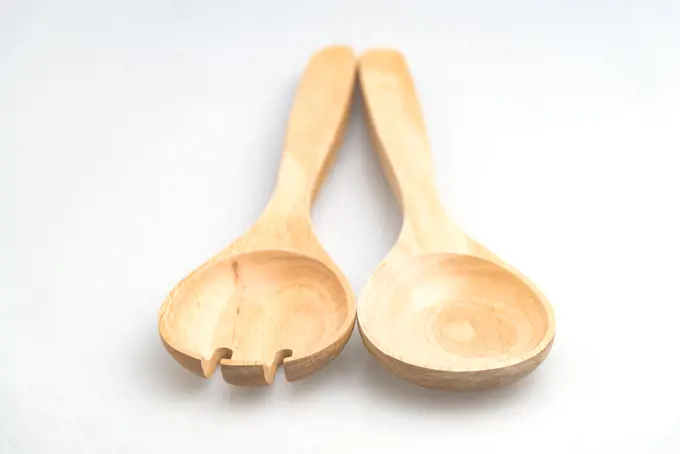
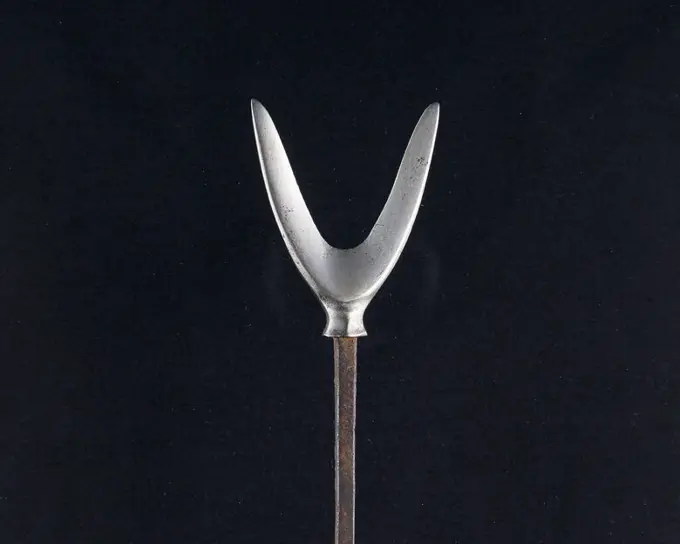
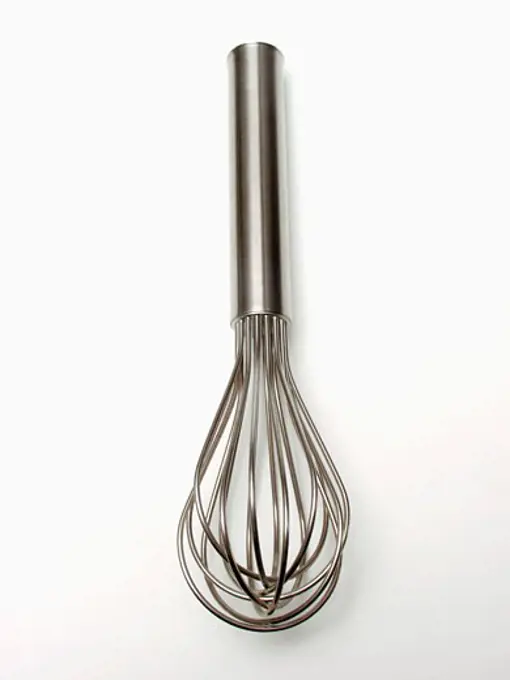
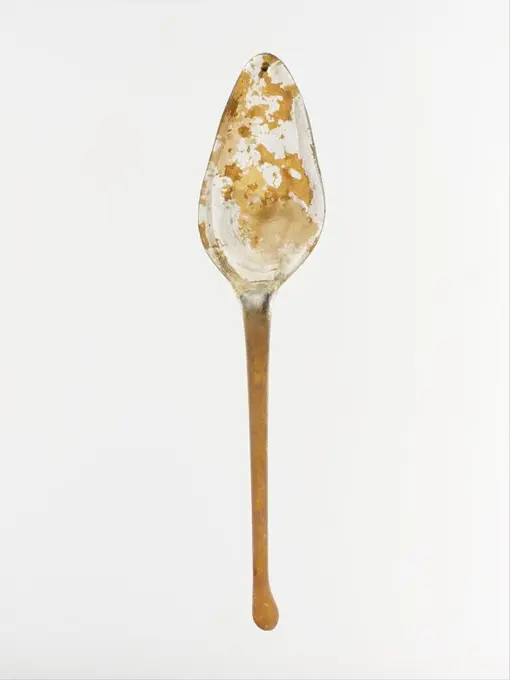
Spoon and fork isolated ovet whiteMergboor, Johannes Keeman, 1805 Silver bob, consisting of 2 drills. One has turned half a stroke compared to the other. Dordrecht silver (metal) Silver bob, consisting of 2 drills. One has turned half a stroke compared to the other. Dordrecht silver (metal)elegant table setting with silverware on white clothSilversmith: Pieter Jansen, Silver sugar sprinkle spoon with open-worked container, scoop spoon spoon kitchen utensils silver, rolled engraved sawn Slightly curved handle ending in point transversely turned gondola shaped open sawn top engraved top handle: L.P. sprinkle sugar in sprinkle of sugar sprinklesspoon wood on isolated white with clipping path.Tablespoon.   Maker: E. Simmons, active ca. 1840Dosierschaufel - Measuring shovel Dosierschaufel - Measuring shovel Copyright: xZoonar.com/lantapixx 5694103Apostle Spoon: St. Peter, 1622. England, London, 17th century. Silver; overall: 18.1 cm (7 1/8 in.).Kitchen accessories tools made of wood isolated on white backgroundArrowhead (Yanone). Culture: Japanese. Dimensions: L. 8 1/8 in. (20.6 cm); L. of head 2 1/4 in. (5.7 cm); W. 1 7/8 in. (4.8 cm); Wt. 1.3 oz. (36.9 g). Date: 18th century. Museum: Metropolitan Museum of Art, New York, USA.Teaspoon.   Maker: Edward Corner, American, active ca. 1811Dessert fork with the Helmet Clifford, Roelof Helweg, 1806 The fourth fork is on both the top and bottom by means of only praise to the flat, curved stem, which broadens to the spatula-shaped end. At the top and bottom of the handle are surrounded by a double file edge, which has been swept up at the end. The Clifford helmet is engraved on the underside of the spatula. Amsterdam silver (metal) The fourth fork is on both the top and bottom by means of only praise to the flat, curved stem, which broadens to the spatula-shaped end. At the top and bottom of the handle are surrounded by a double file edge, which has been swept up at the end. The Clifford helmet is engraved on the underside of the spatula. Amsterdam silver (metal)WhiskGlass spoon. Culture: Roman. Dimensions: Overall: 7 x 1 1/2in. (17.8 x 3.9cm). Date: 4th century A.D..Colorless.Shallow bowl with rounded, thickened edges, drawn out to a pointed tip with small tooling indent at apex; handle drawn up from bowl in a tubular, tapering rod, terminating in a lopsided knob, flattened and pushed in on the underside.Intact; some pinprick bubbles; some dulling and iridescence, with large areas covered by brownish enamel-like weathering.Yellowish spoon with long handle. Museum: Metropolitan Museum of Art, New York, USA.