Historical Spoons Collection

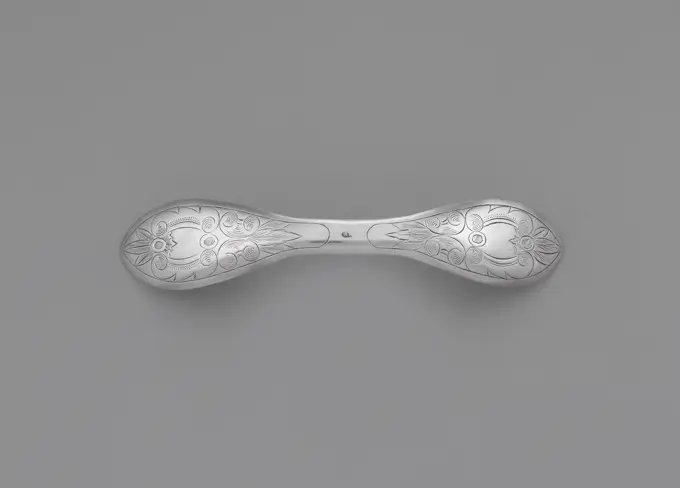
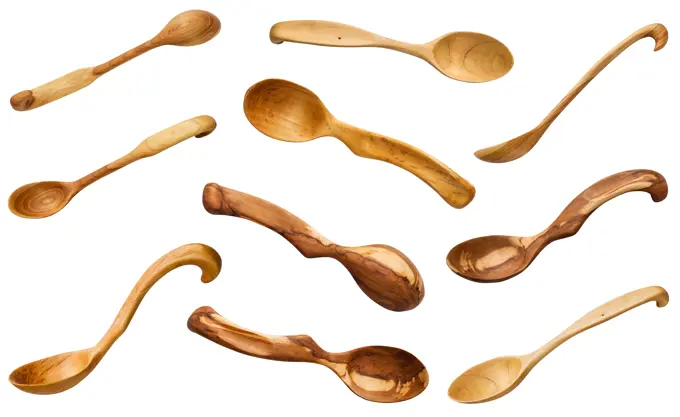
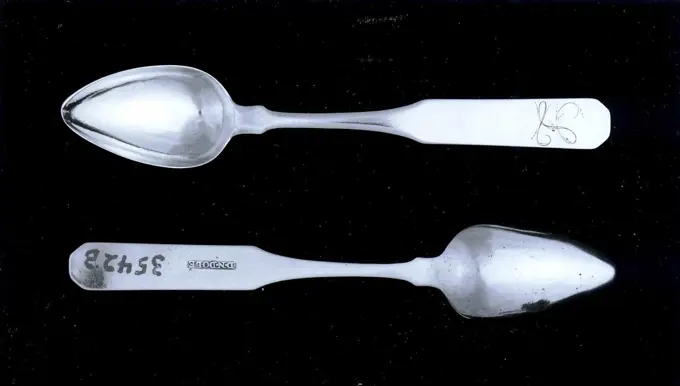
A variety of antique spoons from different centuries, showcasing designs in pewter and silver with unique shapes and handles.

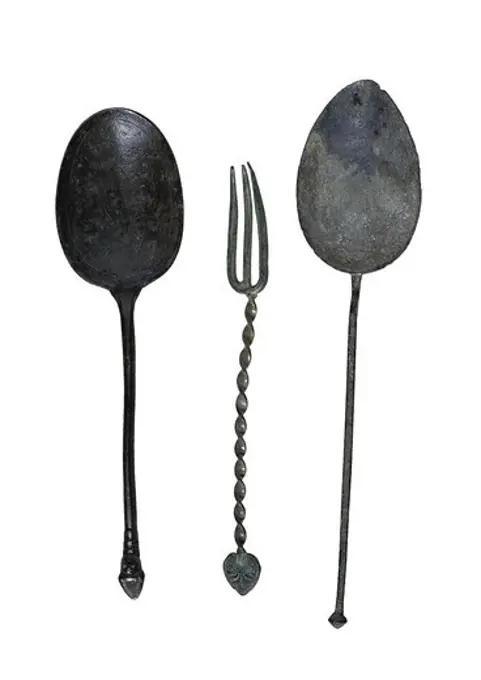
Spoon with oval bowl and flat handle with wide, pointed tapering end, spoon cutlery tin, cast Oval bake needle or rat tail as transition to flat handle with brace-shaped stem end mark on back of stem: standing angel with bottom and right V food
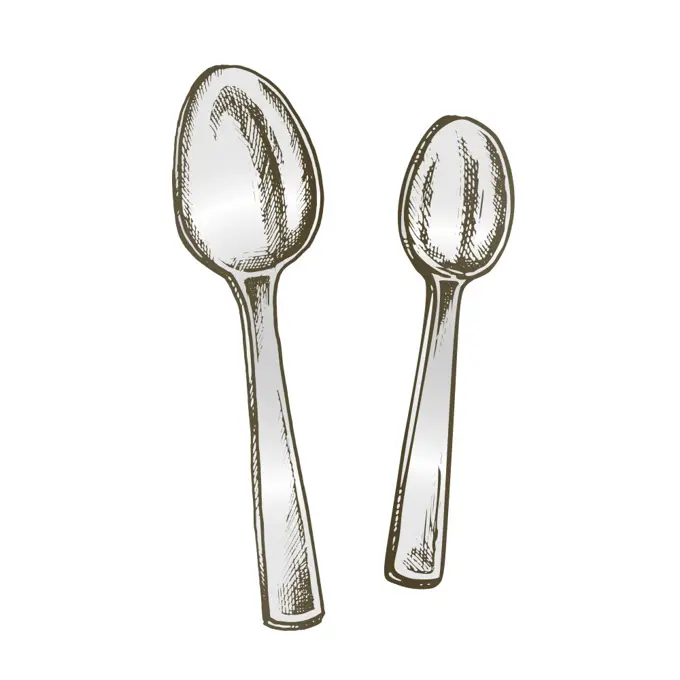
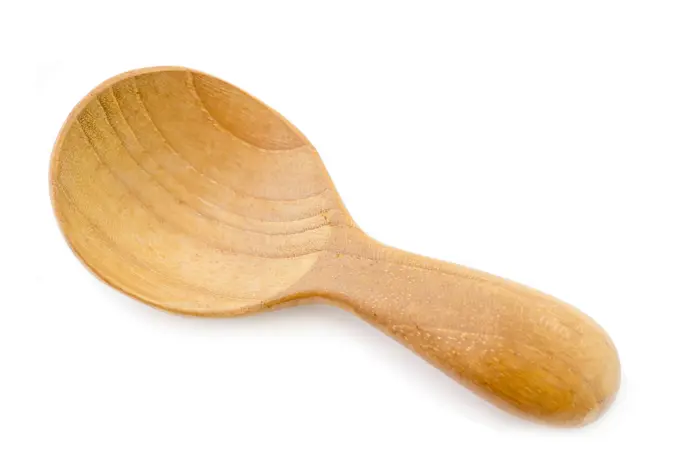
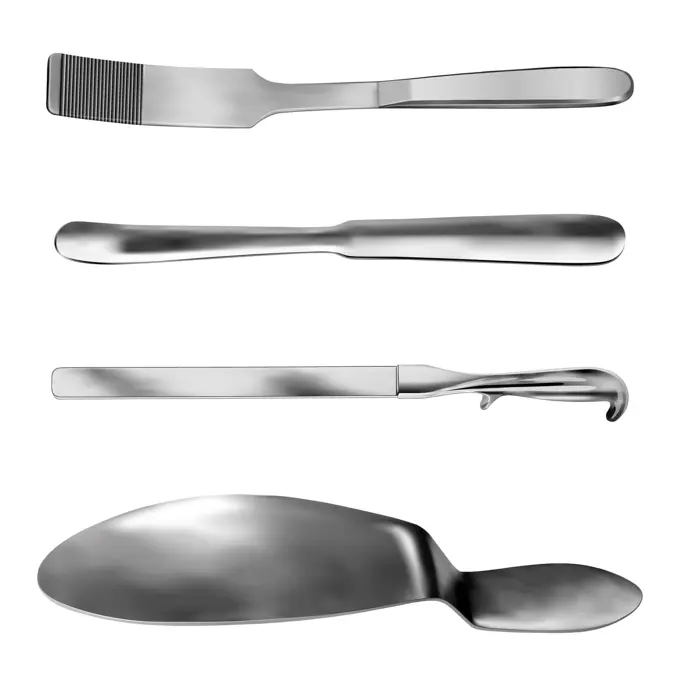
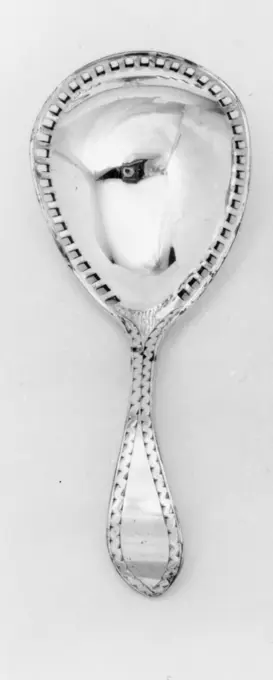
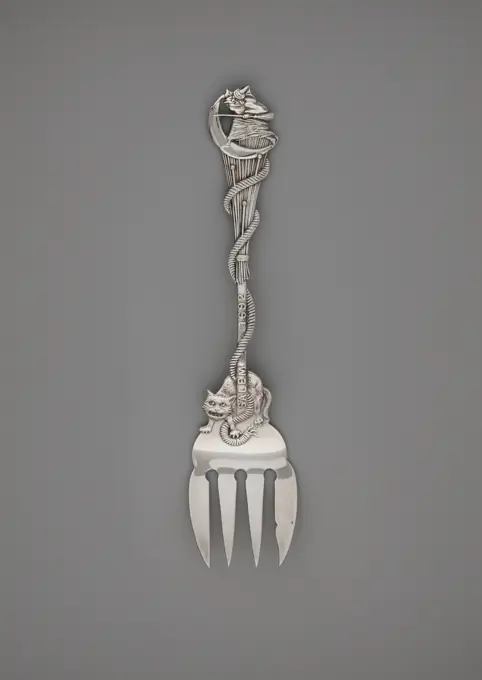
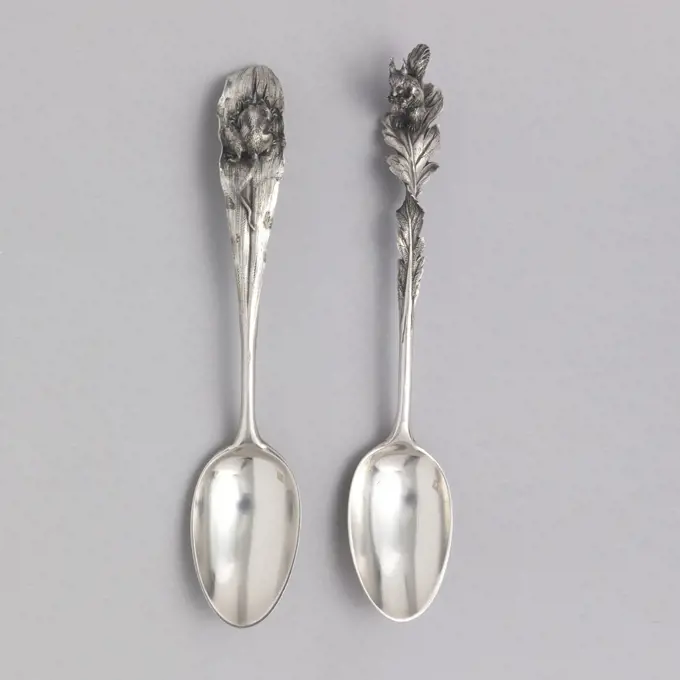
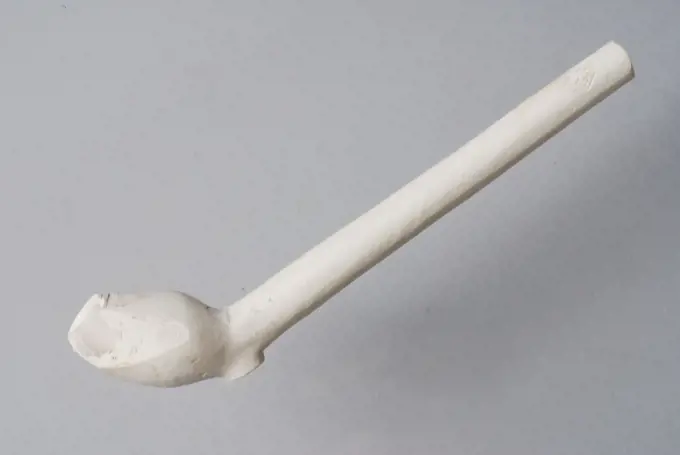
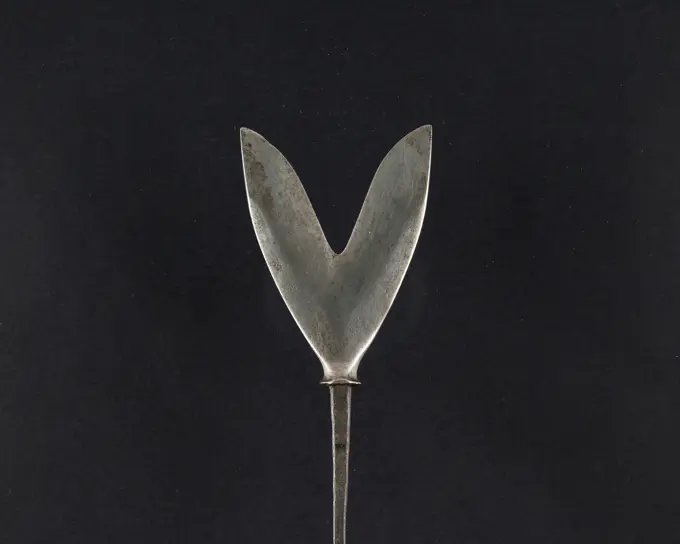
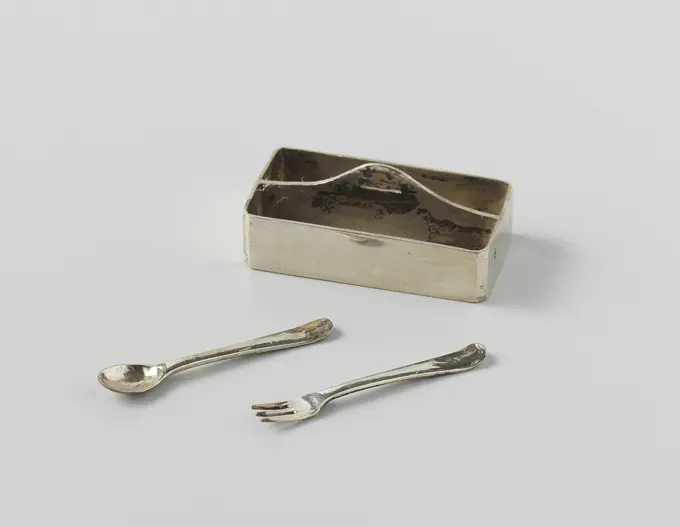
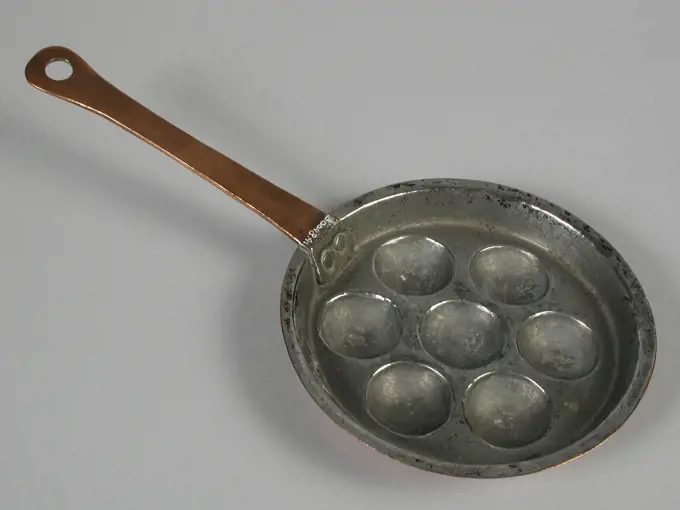
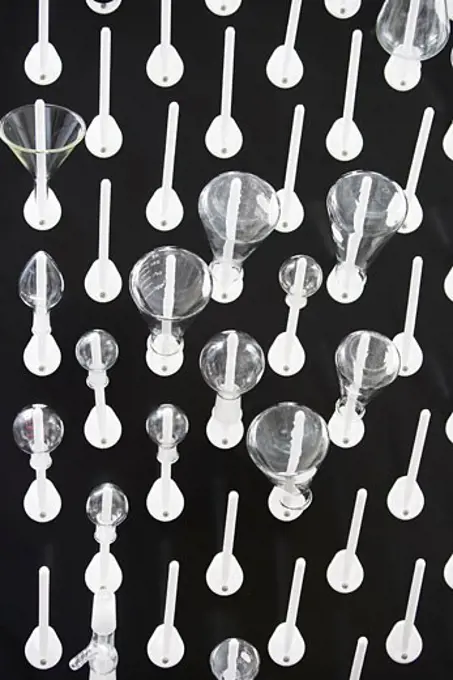
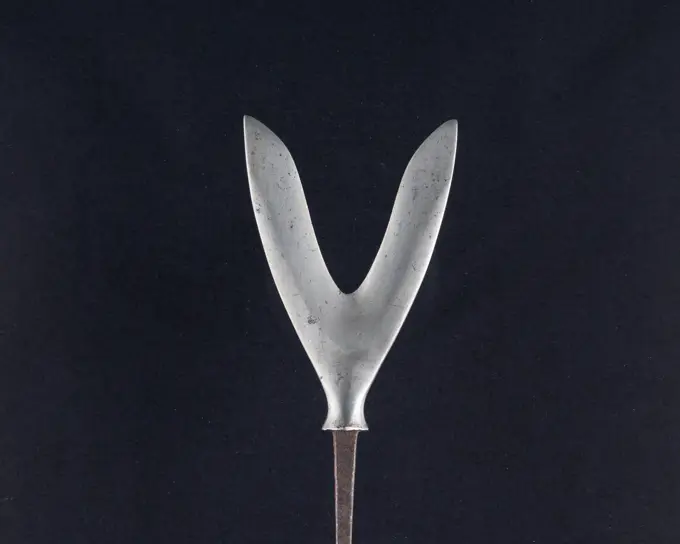
Arrowhead (Yanone) 18th century Japanese Although today Japanese warriors are renowned most for their swordsmanship, archery, especially from horseback, has been an essential part of samurai warfare and culture for centuries. Arrows were fitted with heads of varying shape according to their intended use in war, the hunt, or target practice. Arrowheads made for use on the battlefield incorporated different designs intended for specialized purposes such as the piercing of armor or to cause maximum damage to horses and unarmored personnel.Large arrowheads, pierced and elaborately chiseled with landscapes, birds, flowers, dragons, and Buddhist divinities, were created to be admired for the beauty of their metalwork and design rather than for use in archery. Such highly elaborate examples may have been made for presentation or as a votive offerings to a shrine.. Arrowhead (Yanone). Japanese. 18th century. Steel. Archery Equipment-ArrowheadsSpoons Metallic Kitchenware Color Vector. Stainless Dessert Spoons Dishware. Metal Breakfast Teaspoon Utensil Engraving Template Hand Drawn In Vintage Style Illustration. Spoons Metallic Kitchenware Color Vectorwood spoon kitchen tool wooden spoon kitchen tool with copy space Copyright: xZoonar.com/ClaudioxDiviziax 19585573Wooden spoons, drawing, 1909.Twelve forks late 18th century I. H., Sheffield. Twelve forks. British, Sheffield. late 18th century. Silver, steel. Metalwork-Silveralder wooden soup spoon alder wooden soup spoon isolated on white background Copyright: xZoonar.com/ValeryxVoennyyx 5056375Set of Wooden spoon isolated. Set of Wooden spoon isolated on white background. Copyright: xZoonar.com/PENCHANx 8359228Shower Head isolatedT. P. Drown, Two Tea Spoons, c. 1800, silver.Wooden spoon isolated on white. Wooden spoon isolated on white background Copyright: xZoonar.com/PENCHANx 8353933Set of surgical abdominal spatulas Kader Buyalsky Reverden. Special medical instruments for surgical operations in the abdominal cavity. Objects on a white background. Vector illustrationsA graphic of a simple spoon on a white background, symbolizing modern design, simplicity, and nourishment. Ideal for contemporary and eco-friendly visuals.. Minimalistic illustration of a spoon on white background symbolizing simplicity and modern designMaker's mark illegible, Caddy Spoon, 19th century, silver.Sugar Spoon, c. 1780 . France, 18th century. Soft-paste porcelain; overall: 17.2 cm (6 3/4 in.).to Saejerka;  Mielów (faience and porcelain factory; 1804-); 1900-1914 (1888-00-00-1920-00-00);Salem WitchFork. Designer Seth F. Low, American, born 1868 or 1870 Manufacturer: Gorham Manufacturing Company, American, founded 1831Retailer: Daniel Low and Company, American, founded 1867Demi-tasse spoon, Charles Victor Gibert, French, Silver, Handle in the form of a mouse poking its face through a parted leaf., ca. 1890, cutlery, Decorative Arts, Demi-tasse spoonRoman cutlery. SPAIN. CATALONIA. BARCELONA. Barcelona. Archaeology Museum of Catalonia.tea scoop, silver, Bell-shaped, notch-sided bowl. Short stem with stamped, fluted sides and stamped shell terminal., Netherlands, 1844, metalwork, Decorative Arts, tea scoopHendrick Jansz., Clay pipe from the waste of Rotterdam pipe factory with decorated handle, clay pipe smoking equipment smoke floor pottery ceramics pottery h 3,0, pressed finished baked Clay pipe from the waste of Rotterdam pipe making with decorated handle Decoration consists of diamond-shaped fleur de lis stamps singular or in planes of four on the handle. Hielmerk heelmerk: HI in bead-edge archeology Rotterdam Hillegersberg-Schiebroek Hillegersberg Noord Hillegersberg Zuid Rechter Rottekade indigenous pottery craft workshop smoking tobacco Hendrick Jansz archaeological find in the soil: Judge Rottekade Rotterdam at number 71 in 1976.Arrowhead (Yanone) 18th century Japanese Although today Japanese warriors are renowned most for their swordsmanship, archery, especially from horseback, has been an essential part of samurai warfare and culture for centuries. Arrows were fitted with heads of varying shape according to their intended use in war, the hunt, or target practice. Arrowheads made for use on the battlefield incorporated different designs intended for specialized purposes such as the piercing of armor or to cause maximum damage to horses and unarmored personnel.Large arrowheads, pierced and elaborately chiseled with landscapes, birds, flowers, dragons, and Buddhist divinities, were created to be admired for the beauty of their metalwork and design rather than for use in archery. Such highly elaborate examples may have been made for presentation or as a votive offerings to a shrine.. Arrowhead (Yanone). Japanese. 18th century. Steel. Archery Equipment-ArrowheadsCutlery box, B. dellemijn, 1842 - 1898 Rectangular cutlery tray with a partition in which a handle. The cutlery tray includes a spoon (BK-NM-11177-150-B) and a fork (BK-NM-111177-150-C). The cutlery tray is marked: Mt. = Elongated oval with two stars (cf. BK-NM-111177-141) and a sword. Doesburg silver (metal) Rectangular cutlery tray with a partition in which a handle. The cutlery tray includes a spoon (BK-NM-11177-150-B) and a fork (BK-NM-111177-150-C). The cutlery tray is marked: Mt. = Elongated oval with two stars (cf. BK-NM-111177-141) and a sword. Doesburg silver (metal)Souvenir spoon with view of Cathedral de Notre Dame des Flots and finial in form of the arms of Le Havre French late 19th century In eighteenth-century Europe, Paris led the production of high-quality luxury goods. Parisian goldsmiths made a wide range of small, personal articles such as snuffboxes; étuis to hold sealing wax, tweezers, or utensils for sewing; souvenirs, which contained thin ivory tablets for note taking; and shuttles for knotting lace. Gold snuffboxes and boxes decorated with portrait miniatures were prized and frequently given as royal gifts, often to ambassadors or members of the court in lieu of cash payments for their services. Coveted and admired, these boxes were produced from a variety of materials. The best were skillfully made of gold and embellished with diamonds, enameled decoration, lacquer, and other luxurious materials. By the middle of the century, the taking of snuff had become an entrenched social ritual, and the snuffbox, too, had become an important metal worker: Gresnich, Red copper poffertjes or even frying pan, poffertjespan pan holder kitchenware miniature toy relaxant model copper tin, hammered tinned Round slightly outward wall going into turned edge seven hollows for poffertjes inside tin plated hanging hole in long stalk 1868 Sibilla van Embden prepare food baking play kitchenBeakers on Drying Rack   Spoon. Maker, attributed to: Hendrick Boelen, American, 1661-1691Erwin Schwabe, Silver Spoon, c 1936 Silver SpoonHatornament.  Maker: N. M., w.c. 1845Maker, formerly attributed to: Nathan Merrow, 1758-1825set of wooden spoons carved from various woods set of wooden spoons carved from various woods isolated on white background ,property released Copyright: xZoonar.com/ValeryxVoennyyx 9672698 ,model released, Symbolfoto ,property releasedTwoTeaspoons.   Maker: Daniel Noyes Dole, 1775-1841Fork hand finger gesture fist isolated on white background. 3d illustration. ForkRumba shaker isolated maracas musical instrument. Vector chac-chac Cinco de mayo maraca shakers. Wooden maracas isolated musical instrumentSixteaspoons.   Maker: Jacob Stockman, American, active ca. 1819 - 1853Knife (Poland), ca. 1850-1900; Made by Gerlach; silver, steel; L x W x D: 25.2 x 2.5 x 1.5 cm (9 15/16 x 1 x 9/16 in.)Fork, Silver, Paris, France, 1819-38, cutlery, Decorative Arts, ForkCordial