Historical Stone and Wood Artifacts

Collection of historical objects including a spinning stone, pipe fragment, clarinet mouthpiece cap, weaving tool, and weighing scale, reflecting craftsmanship across eras.
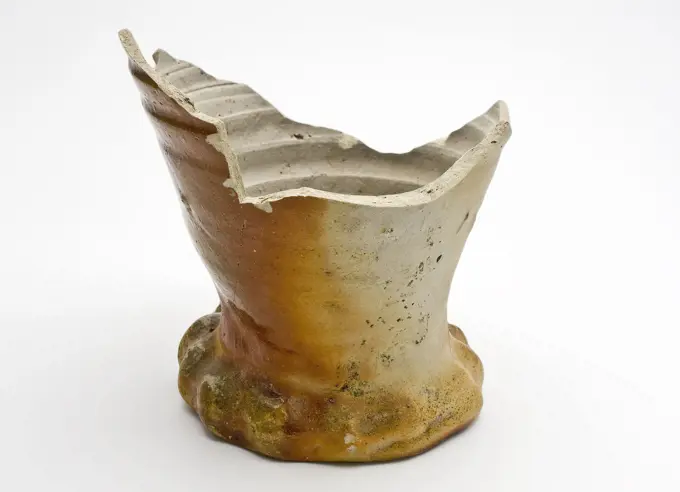
Foot of stoneware jug, gray with orange red glow, jug crockery holder fragment soil found ceramic stoneware glaze salt glaze, hand-turned glazed baked Foot of stoneware jug. Pinched foot. Gray shard of orange red flamed Faint spinning of the yarn on the outside. Strong shivering inside. Printing straw On the bottom of the jug archeology Stadscentrum Stadsdriehoek Rotterdam Laurenskerk uitheems earthenware import drinking serve serving Soil discovery found during the restoration of the Laurenskerk in Rotterdam. Excavation east of the church.
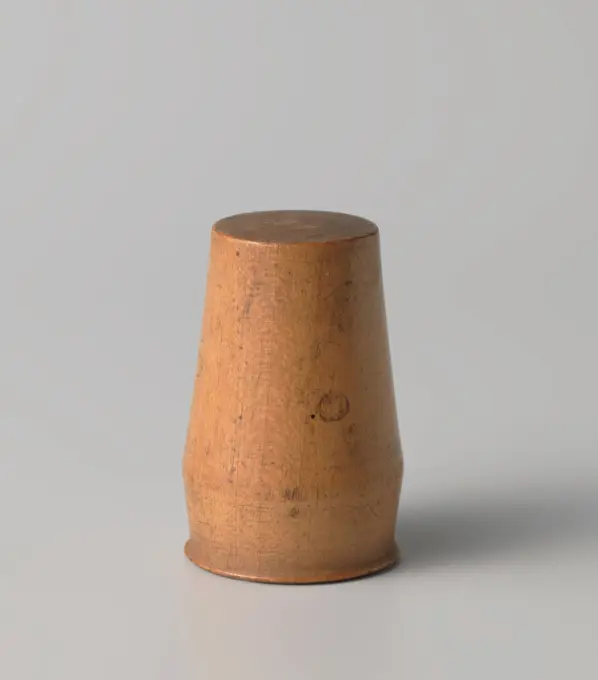
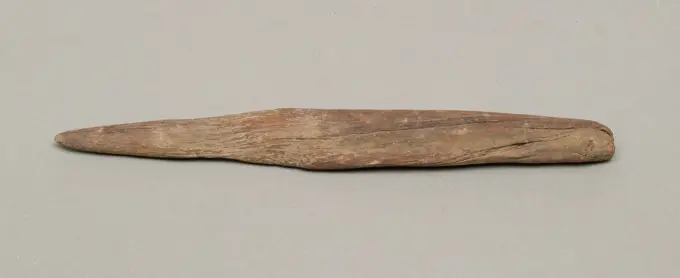
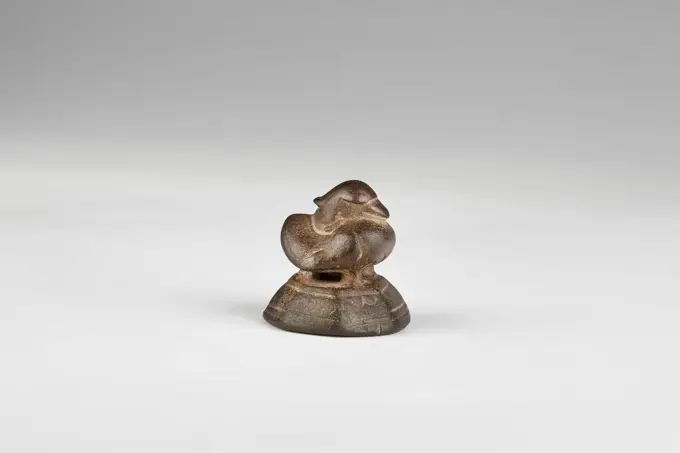
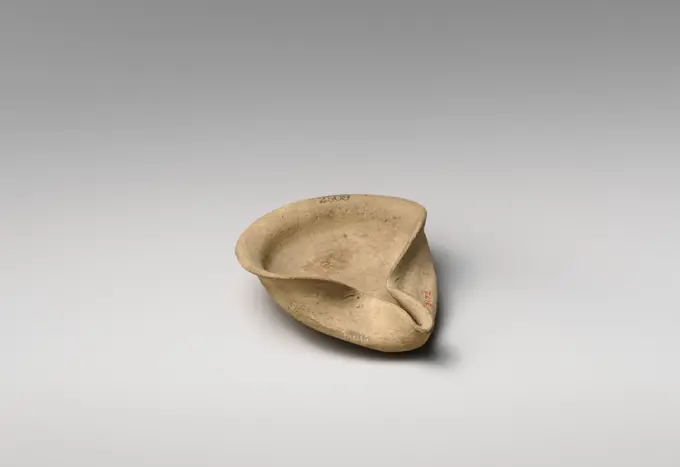
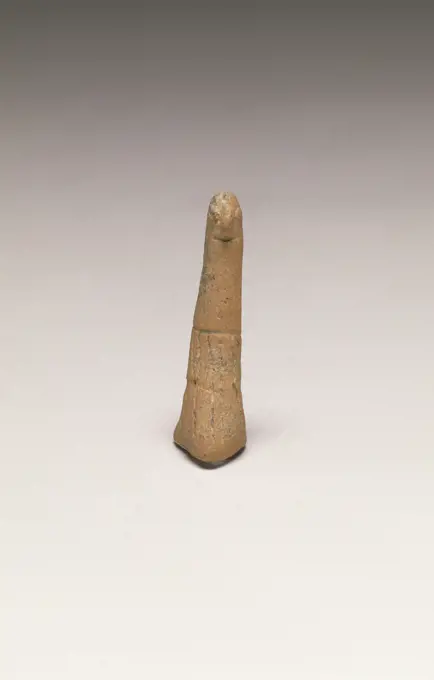
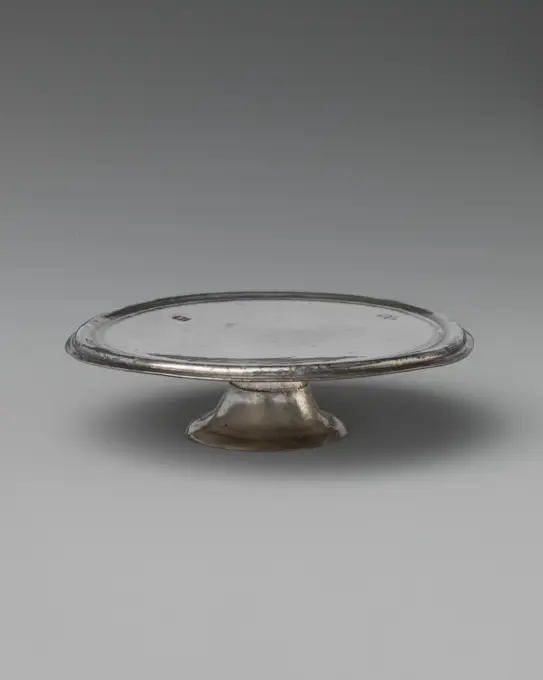
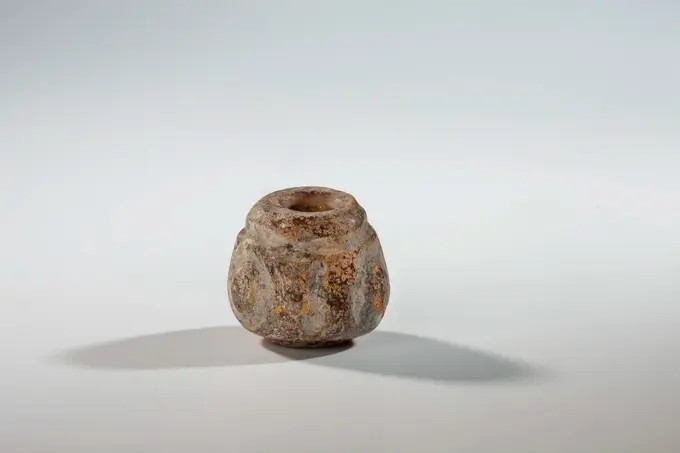
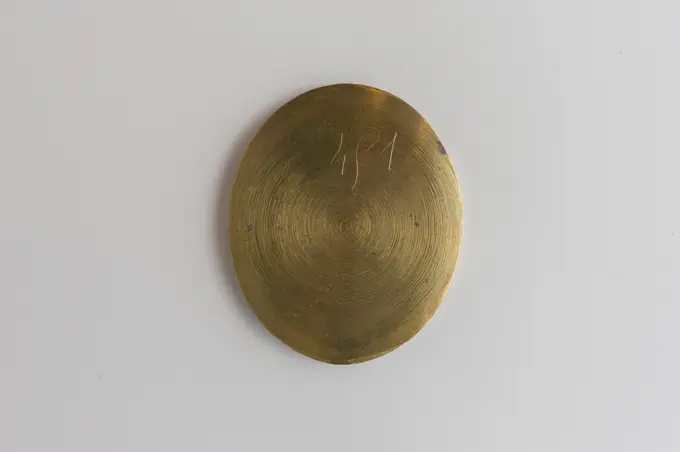
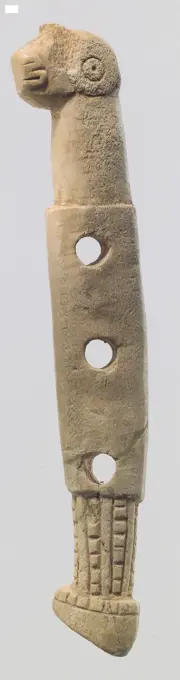
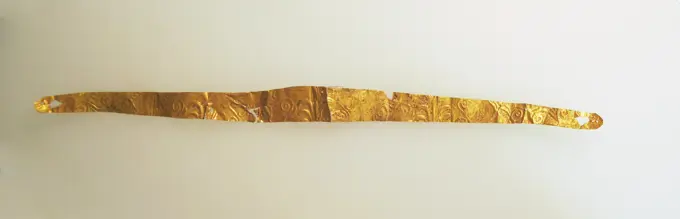
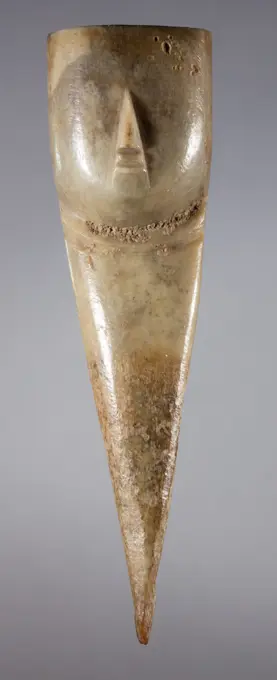
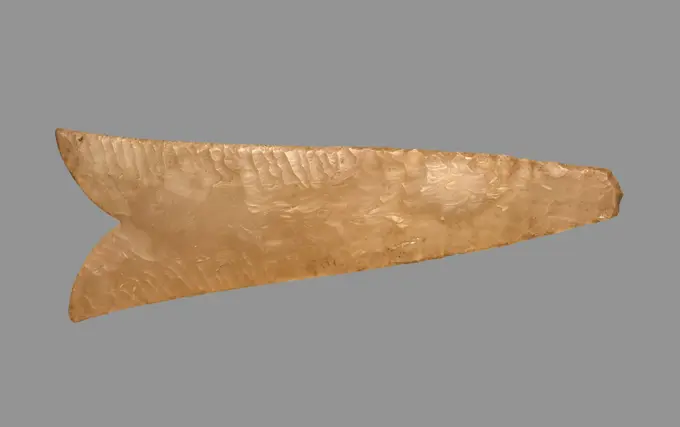
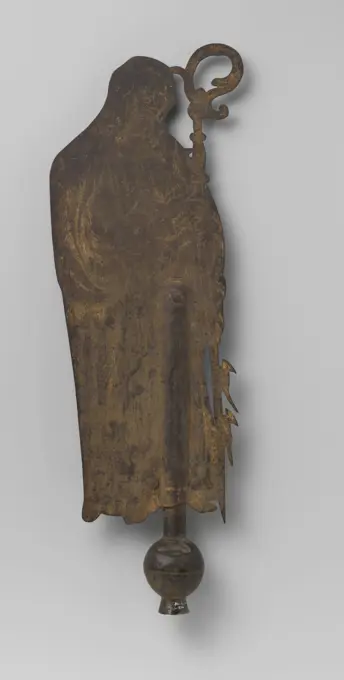
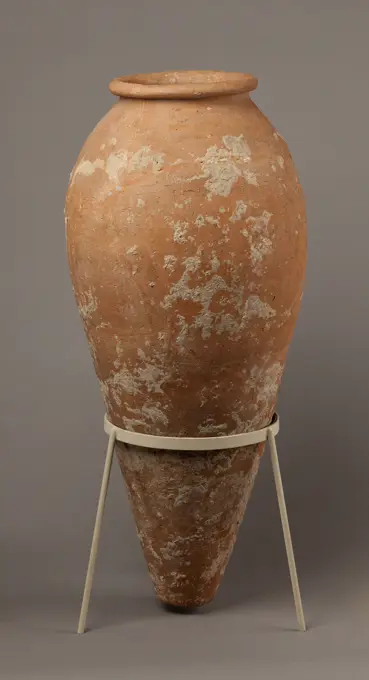
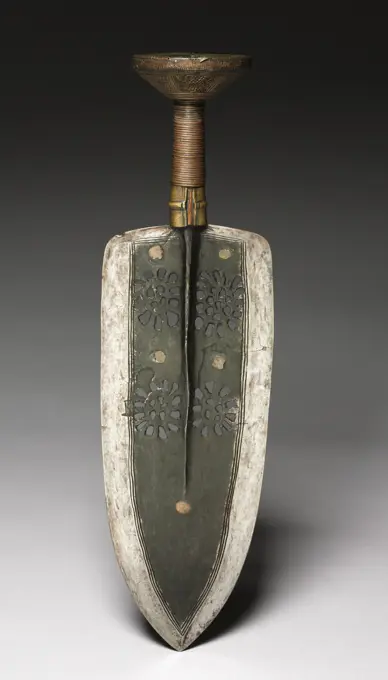
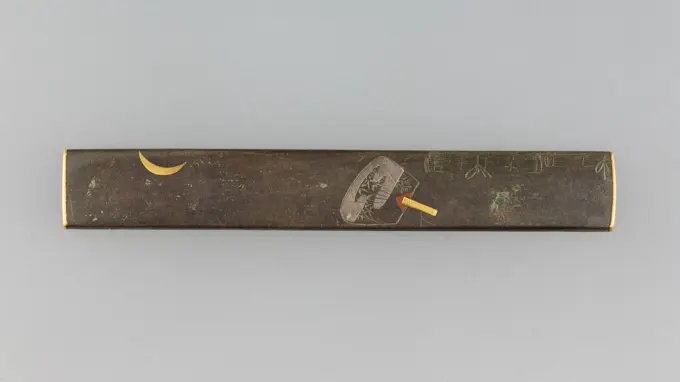
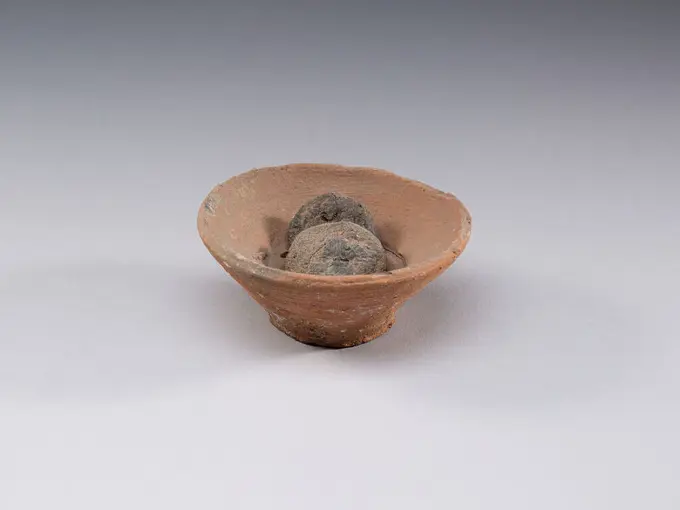
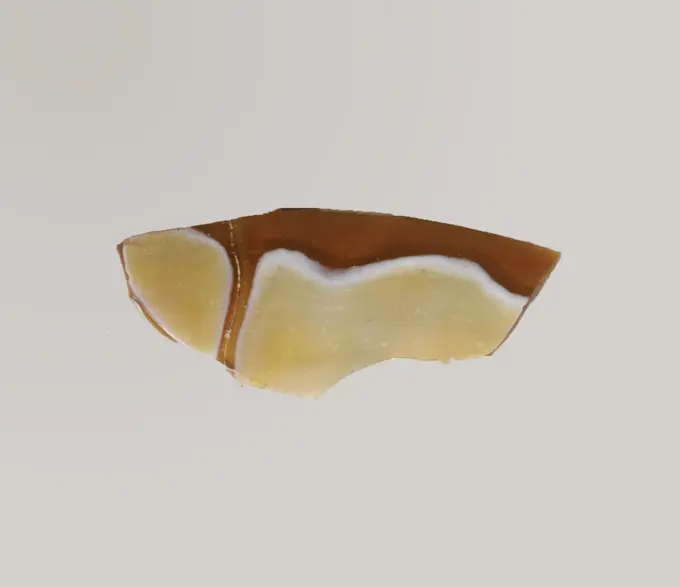
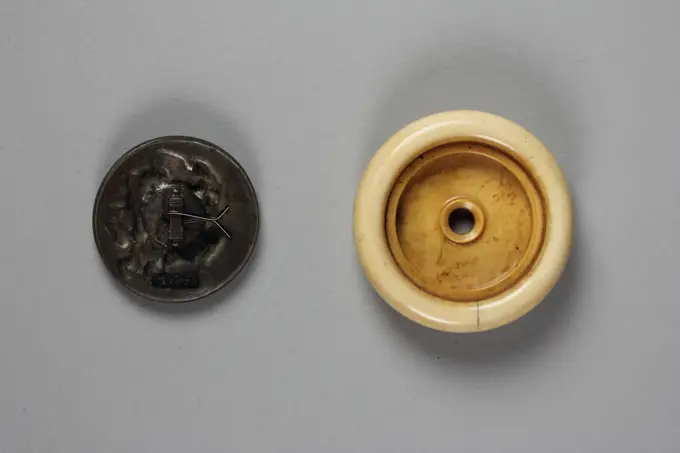
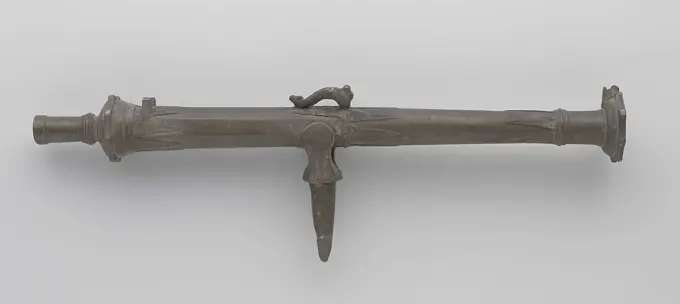
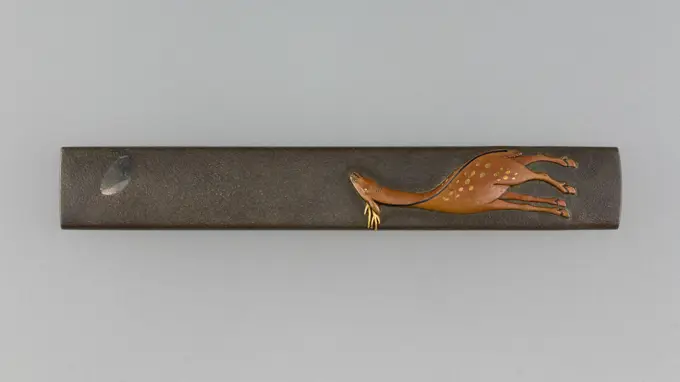
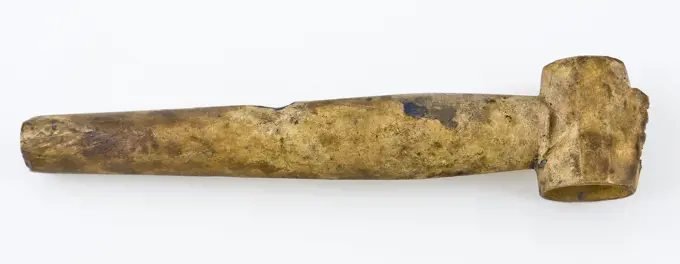
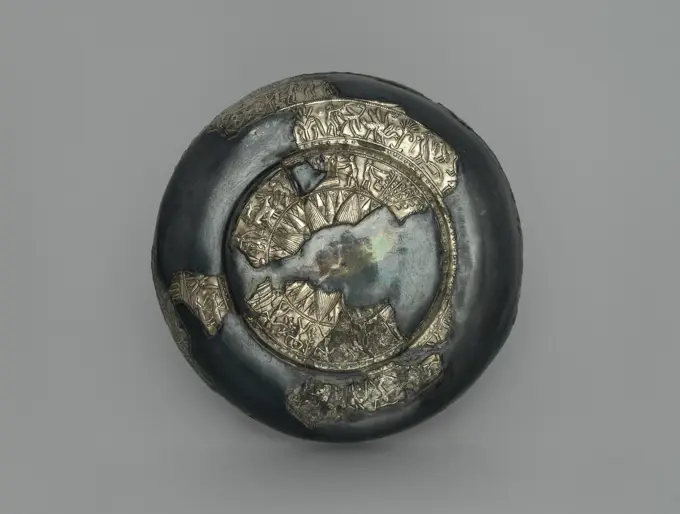
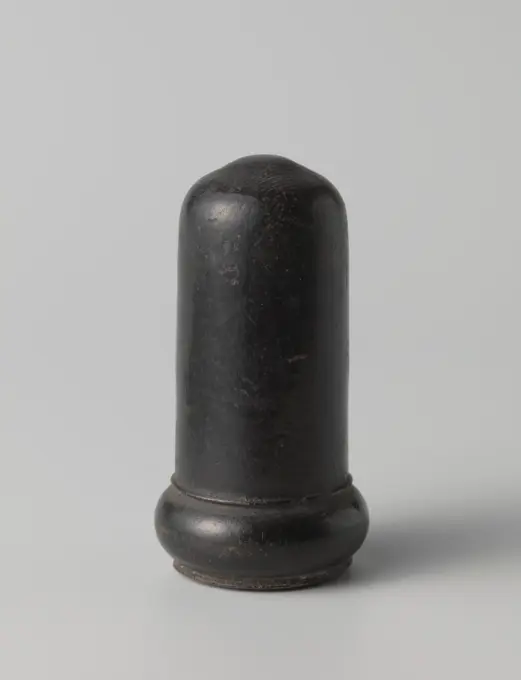
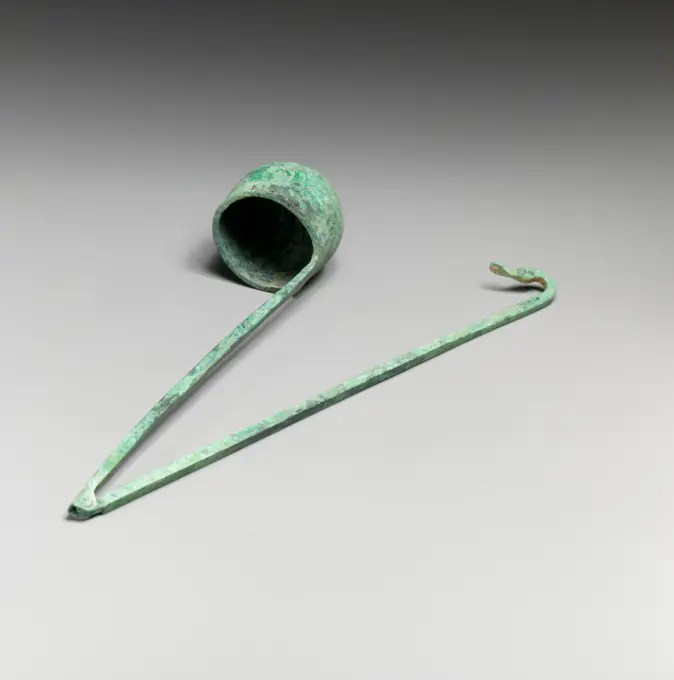
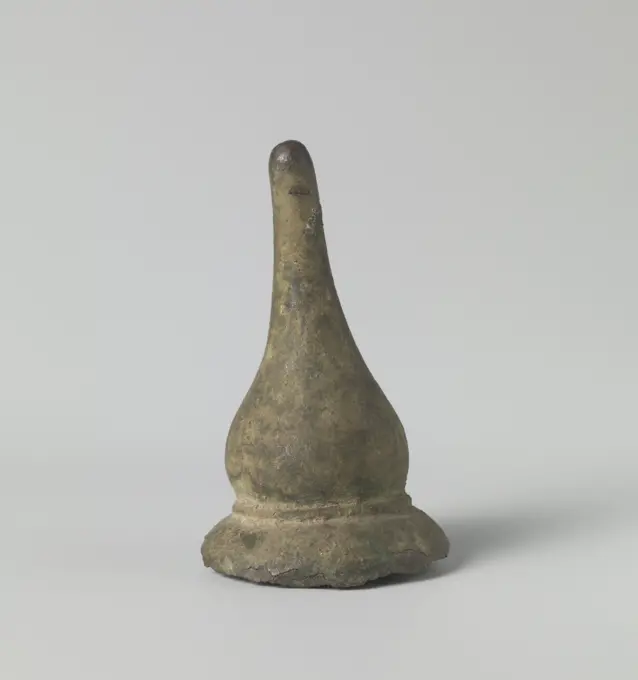
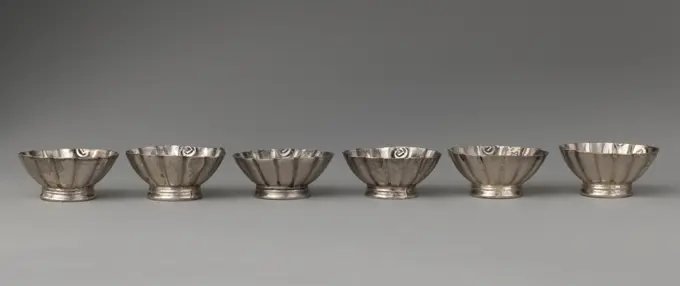
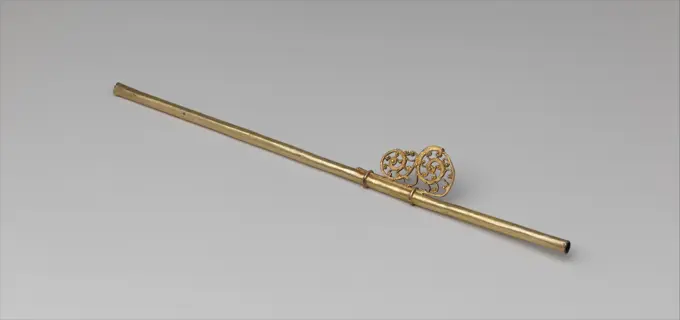
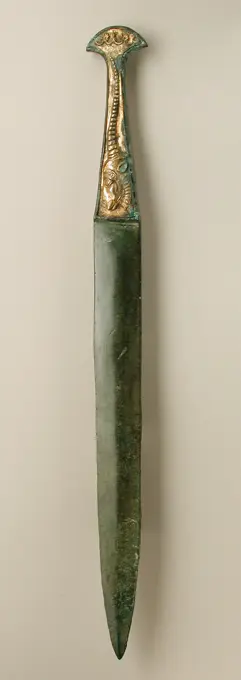
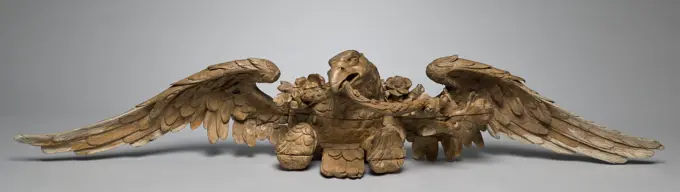
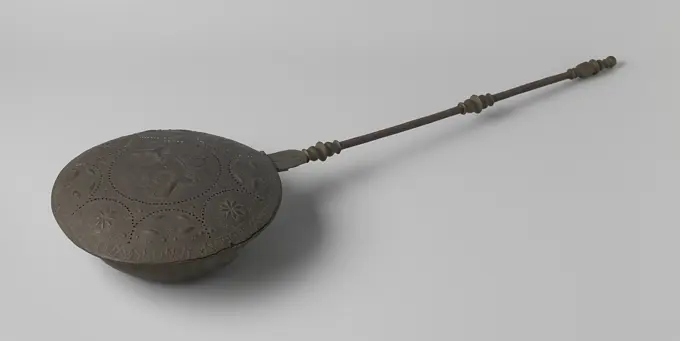
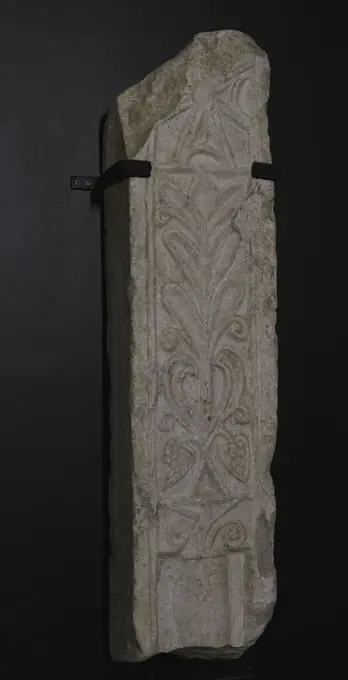
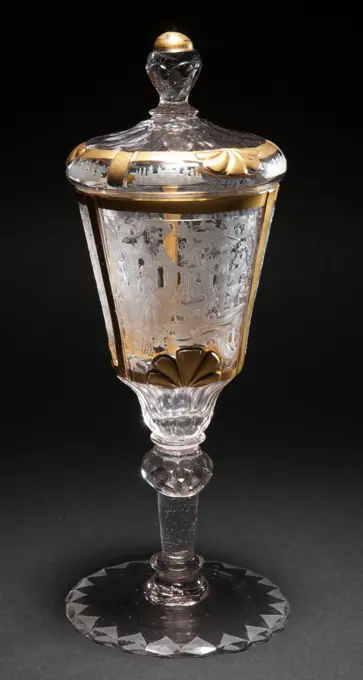
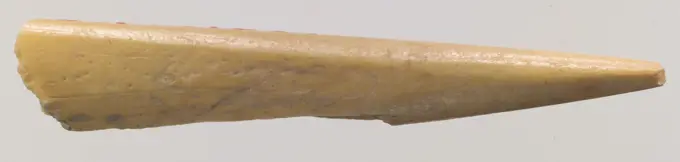
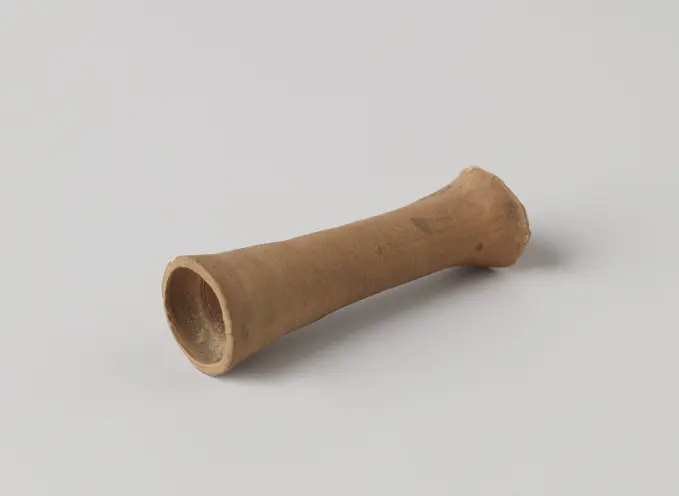
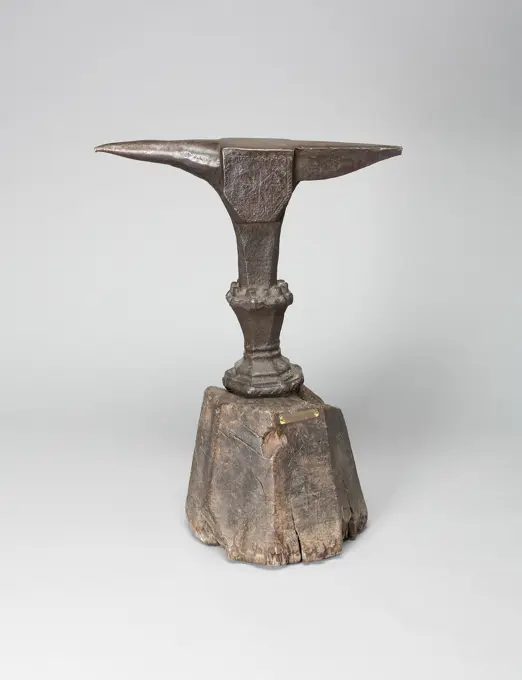
Spinning stone, anonymous, c. 1600 - c. 1699 Spider of stoneware. A tire of Ingangrifted lines on the widest part of the stone. Germany (possibly) stoneware. glaze vitrification Spider of stoneware. A tire of Ingangrifted lines on the widest part of the stone. Germany (possibly) stoneware. glaze vitrificationFragment Pijpenkop, Jan Fransz. Heeneman, 1740 - 1750 Fragment piping head with a crown and the letters I H shown. Of the excavations on the Hofstede Arentsburg 1827-1831 under the supervision of Professor Reuvens. Gouda pipe clay Fragment piping head with a crown and the letters I H shown. Of the excavations on the Hofstede Arentsburg 1827-1831 under the supervision of Professor Reuvens. Gouda pipe clayClarinet mouthpiece cover, anonymous, 1800 - 1850 Clarinet mouthpiece cap to protect wicker. Horend with five deck pieces (BK-NM-11430-124-A to BK-NM-11430-124-F).  wood (plant material) Clarinet mouthpiece cap to protect wicker. Horend with five deck pieces (BK-NM-11430-124-A to BK-NM-11430-124-F).  wood (plant material)Weaving tool ca. 1295-1070 B.C. New Kingdom, Ramesside. Weaving tool. ca. 1295-1070 B.C.. Wood. New Kingdom, Ramesside. From Egypt, Memphite Region, Lisht North, Late New Kingdom Settlement, MMA excavations, 1920-22. Dynasty 19-20Part of a weighing scale from the wreck of the Dutch East India ship Hollandia, anonymous, 1700 - in or before 1743  Weighing scales, pan; circular, shallow dish with everted rim, bottom slightly convex with engraved concentric circles, 3 eyes in rim. Netherlands copper (metal)   SecondFoot of stoneware jug, gray with orange red glow, jug crockery holder fragment soil found ceramic stoneware glaze salt glaze, hand-turned glazed baked Foot of stoneware jug. Pinched foot. Gray shard of orange red flamed Faint spinning of the yarn on the outside. Strong shivering inside. Printing straw On the bottom of the jug archeology Stadscentrum Stadsdriehoek Rotterdam Laurenskerk uitheems earthenware import drinking serve serving Soil discovery found during the restoration of the Laurenskerk in Rotterdam. Excavation east of the church.Palette Fragment Illustrating a Wild Dog ca. 3300-3100 B.C. Naqada III. Palette Fragment Illustrating a Wild Dog. ca. 3300-3100 B.C.. Greywacke. Naqada III. From Egypt; Said to be from Eastern Delta, MunagatGoldweight Spade, 19th-20th century, 1 3/4 x 7/16 x 1/4 in. (4.45 x 1.11 x 0.64 cm), Brass, Ghana, 19th-20th centuryBobbin 18th century Flemish. Bobbin. Flemish. 18th century. Wood. Textiles-Methods and MaterialsWeight. unknown, craftsmanBox With Seals (USA); wood,sealing waxSpool-Shaped Game Piece ca. 1504-1447 B.C. New Kingdom The first room that the Museum's excavators cleared in the family tomb of Neferkhawet was the east chamber. In the northwest corner of this room they found a mismatched partial set of gaming pieces. The two types, conical and spool-shaped, are common components of the board games senet> and 20-squares which were usually combined in a single game box with the game boards on opposite sides, and a drawer for the gaming pieces and the throw sticks or knuckle bones that were used like dice to determine how the pieces were moved on the boards. The eight gaming pieces, five conical and three spool-shaped, were lying on their sides next to the outlined remains of an insect-eaten game box.. Spool-Shaped Game Piece. ca. 1504-1447 B.C.. Egyptian blue. New Kingdom. From Egypt, Upper Egypt, Thebes, Asasif, Tomb of Neferkhawet (MMA 729), east chamber, northwest corner, MMA excavations, 1934-35. Dynasty 18, earlyWhite clay pipe, unnoticed, with smooth handle, clay pipe smoking equipment smoke floor pottery ceramics pottery, pressed finished baked white clay pipe unnoticed with smooth handle Bottom heel is equal to bottom steel archeology smoking tobaccoTerracotta saucer-shaped lamp 4th century B.C. Cypriot Wheel-made with edge folded in to form a narrow wick rest; convex-curving rim, with tapering lip; deep, sloping, open body; raised base ring, and rough, slightly concave base.Intact.. Terracotta saucer-shaped lamp. Cypriot. 4th century B.C.. Terracotta. TerracottasButton from the wreck of the East Indians Hollandia, Anonymous, 1700 - in or before 1743 button Knoop. (1) flat, bevelled rim, plain (1.4d, 0.3t) Netherlands bone (material)   SecondAbstract Standing Figure; Thessaly, Greece; 6th - 5th millennium B.C; Terracotta; 5.9 x 1.8 x 2.4 cm (2 5,16 x 11,16 x 15,16 in.)Cecily Edwards, Roof Tile, c 1936 Roof TileJar late 8th-9th century. Jar 449870Miniature tazza ca. 1720-30 David Clayton British. Miniature tazza. David Clayton (British, active 1689). British, London. ca. 1720-30. Silver. Metalwork-Silver-MiniatureGlass perfume bottle. Culture: Roman, Egyptian. Dimensions: Overall: 6 3/8in. (16.2cm). Date: 2nd-3rd century A.D..Translucent deep green.Thick everted rim, folded out, up, and in, with beveled upper surface and smoothed into mouth; tall cylindrical neck, with fine horizontal tooling indent around base; conical body with straight side; thick, flat bottom with large, circular pontil scar.Neck and body decorated with modern carving: on neck, at top a continuous band of loops and sprays, with three vertical columns of symbols imitating cuneiform extending down length of neck; on body, large winged sphinx, facing left, with lion body and bearded human head, and more symbols below body between front and rear legs. Carving cuts through weathering on surface of glass.Intact, except for slight weathered chip in rim; some elongated bubbles in neck; dulling, brownish weathering, and faint iridescence. Museum: Metropolitan Museum of Art, New York, USA.Brick from the wreck of the East Indians Hollandia, Anonymous, 1700 - in or before 1743 brick (clay product) Constructional elements, brick; sim. 80H2567, sim. 80H1208, sim. 80H1009. Netherlands brick (clay product)   SecondMinimal brown rock podium and stage for product or cosmetics advertising with background. Object and abstract concept. 3D illustration renderingMarble bowl ca. 2800-2500 B.C. Cycladic Small bowl with evidence of red pigment.. Marble bowl 631232Miniature fetch, toys and fire tools, take miniature toy relaxant soil find tin metal, cast Miniature pull: narrow metal plate with one partially serrated side. At the top hole archeology Rotterdam railway tunnel child child play Soil discovery: trajectory rail tunnel Rotterdam.Knob Knob; brass; 1914-27-85Vial. unknown, craftsmanPlanets-manager. Cornalet Collection Sites 2013-2016. Numismatic.Baluster with stabbed C and S-Voluten, Anonymous, c. 1740 - c. 1760 S-shaped baluster with stabbed C and S-Voluten with rocaille shells. Northern Netherlands wood (plant material) S-shaped baluster with stabbed C and S-Voluten with rocaille shells. Northern Netherlands wood (plant material)Bottle; glassFlask 7th-8th century. Flask 448702Baluster with stabbed C and S-Voluten, Anonymous, c. 1740 - c. 1760 S-shaped baluster with stabbed C and S-Voluten with rocaille shells. Northern Netherlands wood (plant material) S-shaped baluster with stabbed C and S-Voluten with rocaille shells. Northern Netherlands wood (plant material)Horse bit cheekpiece in form of a horse's head and hoof ca. 7th century B.C. Scythian. Horse bit cheekpiece in form of a horse's head and hoof. Scythian. ca. 7th century B.C.. Bone. IranFrontlet of gold leaf. Frontlet of gold leaf 242986Figurine, 700s - 900s. Iran, early Islamic period, 8th - 10th century. Bone, carved; overall: 7.1 x 2 x 1 cm (2 13/16 x 13/16 x 3/8 in.).Two brickschairs, found at V.O.C. -ship Witte Leeuw, possibly from Zeelelie, Anonymous, 1750 - 1799  Soil clip and neck fragment of stoneware, found at V.O.C. ship De 'Witte Leeuw'. This object is 18th century and cannot therefore be from the freight of the Witte Leeuw. It is unclear whether the object will come from the site or whether it was mixed later, possibly with material from the Zeelelie.  stonewareFragment (from the altar cabinet); (possibly) belonging to the retable of Soest, c. 1475 - c. 1499   wood (plant material)   wood (plant material)Bottle 5th-6th century. Bottle 446674White clay pipe, unnoticed, with smooth handle, clay pipe smoking equipment smoking floor found ceramic earthenware, pressed finished baked White clay pipe unnoticed with smooth handle Pipe shows some pressure or drying cracks in the boiler. The heel hardly protrudes under the bottom of the stem from archeology smoking tobaccoFishtail Knife, 4000-3000 BC. Egypt, Predynastic Period, Naqada IIb period, 4000-3000 BC. Tan-colored flint; overall: 6.5 cm (2 9/16 in.).Fragment of a ball tier consisting of the nozzle. Fragment of a ball tier consisting of the nozzle. The legs are road. A ball tension is a forged iron mold for manufacturing gun bullets, one at a time.Windswijzer in the form of Saint Gertruda, c. 1400 - c. 1950 Windwijzer of gilded copper in the form of an image, representing Gertruda.  copper (metal). gilding (material) gilding Windwijzer of gilded copper in the form of an image, representing Gertruda.  copper (metal). gilding (material) gildingJar ca. 3100-2649 B.C. Early Dynastic Period. Jar. ca. 3100-2649 B.C.. pottery (Nile clay). Early Dynastic Period. From Egypt, Northern Upper Egypt, Abydos, Osiris Temple precinct, Tomb M12, Egypt Exploration Fund excavations, 1902. Dynasty 1Dagger, 1800s. Africa, Central Africa, Democratic Republic of Congo, 19th century. Iron, wood, and copper alloy; overall: 44.8 cm (17 5/8 in.).Knife Handle (Kozuka) 1789-1876 Japanese A kozuka is a handle of a by-knife that is part of a sword mounting. It is kept in a slot on the reverse of a katana scabbard, often with a matching kgai (hairdressing tool).. Knife Handle (Kozuka). Japanese. 1789-1876. Copper-silver alloy (shibuichi), gold, silver, copper. Sword Furniture-KozukaTwo Carved Martial Trophies, anonymous, c. 1665 Weapon trophy sculpted and polychromed in relief. A 'Turkish' weapon skirt hangs on a roughly stabbed tribe, crowned by a turban and crossed flags. For the arms skirt crossed shields including weapons. Coming from one of the chimneys in the meeting room of the Admiralty in Amsterdam. Netherlands wood (plant material)   Amsterdam Weapon trophy sculpted and polychromed in relief. A 'Turkish' weapon skirt hangs on a roughly stabbed tribe, crowned by a turban and crossed flags. For the arms skirt crossed shields including weapons. Coming from one of the chimneys in the meeting room of the Admiralty in Amsterdam. Netherlands wood (plant material)   AmsterdamBowl of Figs. Dimensions: diam. 7.5 cm (2 15/16in). Dynasty: Dynasty 18. Reign: Joint reign of Hatshepsut and Thutmose III. Date: ca. 1479-1458 B.C.. Museum: Metropolitan Museum of Art, New York, USA.Column 12th-13th century French. Column 466818carpenter's adze, model of a foundation deposit tool, 18th dynasty reigning Hapshepsut, Deir el-Bahari, Thebes, Egypt, Egipto, collection of the British Museum.Small wooden spoon with hook at end of stem, spoon cutlery soil find wood, archeologyTorsoGlass mosaic bowl fragment late 1st century B.C.-early 1st century A.D. Roman Rim fragment.Translucent honey yellow and opaque white.Rounded rim; outsplayed neck; side tapering downward.Onyx mosaic pattern formed from large sections of a single cane in yellow ground with thin layers of white and yellow; marble and spiral patterns on exterior, extending on to rim.Polished interior; pitting of surface bubbles on interior; dulling, pitting, and patches of creamy iridescent weathering on exterior; similar weathering on all but one edge.. Glass mosaic bowl fragment. Roman. late 1st century B.C.-early 1st century A.D.. Glass; cast. Early Imperial. GlassNetsuke of Daikoku and His Bag Dancing with a Man 19th century Japan. Netsuke of Daikoku and His Bag Dancing with a Man. Japan. 19th century. Ivory with metal disc. Edo (1615-1868) or Meiji period (1868-1912). NetsukeBronze lilla on movable pivot, from which two dolphins. Simple visor device. The loop, of which the lower half is octagonal, is decorated with a triangular jet-shaped ornament.Mirror. Round mirror.Goldweight Bird with Three Horse Heads, 19th-20th century, 5/8 x 1 7/16 x 1 3/16 in. (1.59 x 3.65 x 3.02 cm), Brass, Ghana, 19th-20th centuryAlligator, 1900s. Central Africa, Democratic Republic of the Congo, 20th century. Elephant ivory; overall: 68.3 cm (26 7/8 in.).Knife Handle (Kozuka) 1770-1852 Japanese A kozuka is a handle of a by-knife that is part of a sword mounting. It is kept in a slot on the reverse of a katana scabbard, often with a matching kgai (hairdressing tool).. Knife Handle (Kozuka). Japanese. 1770-1852. Copper-silver alloy (shibuichi), copper, gold, copper-gold alloy (shakud), silver. Sword Furniture-KozukaCandlestick, four -part, anonymous, c. 1590 - c. 1596 candlestick Candlestick, four -part consisting of a wide -ranging circular foot decorated with egg frame, a flat fat bowl decorated with egg list, a baluster -shaped shaft above which a disc -shaped knot and a cylindrical candle holder with two round leakage holes. House candlestick. Netherlands tin (metal) casting  Nova Zembla. Saving HuysIncomplete, yellow-metal tap without spout and stopper, tap part soil find copper brass metal, Yellow-metal tube that is slightly tapered at the back and where at the front hollow tube is fixed at right angles to where the stop hears. There is hole at the front of this tube. bent tube should be attached to this hole. This has been aborted archeology Rotterdam rail tunnel crane container component barrel beer we archaeological find in the soil: route rail tunnel Rotterdam.Bowl Decorated with Marsh Scenes ca. 1279-1213 B.C. New Kingdom, Ramesside The elaborate repoussé decorations on this bowl illustrate various scenes associated with marsh life: herding animals, cutting papyrus, harvesting fruit, catching birds, and paddling skiffs. These illustrations are variations on traditional scenes of birth and renewal that are well known from tomb and temple walls.. Bowl Decorated with Marsh Scenes. ca. 1279-1213 B.C.. Silver. New Kingdom, Ramesside. From Egypt, Eastern Delta, Tell Basta (Bubastis), Temple of Bastet, ancient cache. Dynasty 19Border, Block-printed and flocked, Very small fragments. a) rag paper, a very small portion of which contains any pigment. The design appears to be printed in deep rust, white and a salmon-color on a lighter salmon-color ground. The rust-color forms a 'Y'-shaped motif. The verso contains fine yellow line markings along one edge; b) This appears to be a ribbon wrapped rod. It is printed in red on deep red flock., France or USA, 1850-1900, Wallcoverings, BorderLamp, North Africa; 1st - 4th century; Terracotta; 2.2 x 7 x 10.4 cm (7,8 x 2 3,4 x 4 1,8 in.)Key Handle or Knife Handle 1st-7th century Roman. Key Handle or Knife Handle 462961Clarinet Mouthpiece Cover. Clarinet mouthpiece cap to protect wicker. Horse with five cover pieces (BK-NM-11430-124-A T / M BK-NM-11430-124-F).Gala hackle - the armys gift to Stephen Báthory from ca. 1850 unknownExcavated spurDoor knocker. A door knocker. (defective).Bronze kyathos (ladle) terminating in a duck's head 2nd century A.D. Roman Ladle, with a hinge and terminating in a duck's head.. Bronze kyathos (ladle) terminating in a duck's head 255893Cuff knot from the wreck of the East Indians' t Vliegend Hart ,, 1700 - 1735  Double button or cufflink of white pair lod. Cuff-Lin. Middelburg mother of pearlVotieftoepa, Anonymous, 1600 - 1699 Votief task in the form of a small stupa; The underside has been broken down. Thailand bronze (metal) Votief task in the form of a small stupa; The underside has been broken down. Thailand bronze (metal)Six miniature cups (part of a set) late 17th-early 18th century David Clayton British The tea kettle and teapot are based on Chinese hot-wine pots. The tea bowls are modeled after Japanese forms.. Six miniature cups (part of a set). British, London. late 17th-early 18th century. Silver. Metalwork-Silver-MiniatureDisc for packaging from V.O.C. ship De 'Witte Leeuw', Before 1613  Disc for packaging from V.O.C. ship the 'Witte Leeuw'. With central bore and knob hole.  wood (plant material)   Sint-HelenaTwo SkyphoiThree floor tiles with a lion.floor tile with a lion.Blade of dagger with single blade, kidney dagger dagger knife stab weapon weapon fragment soil finding iron metal, forged blade The blade is single-edged and three-pronged in diameter. Kling is suitable for general carving archeology dagger decoration status symbol personal equipment defense clothing accessory militariaMiniature saucepan ca. 1720-30 David Clayton British. Miniature saucepan. David Clayton (British, active 1689). British, London. ca. 1720-30. Silver, ebony. Metalwork-Silver-MiniatureBangle with Small Spiral Ornaments 300 B.C.-A.D. 400 Thailand. Bangle with Small Spiral Ornaments 53351English oak (Quercus robur), acorn, picture panel, Germany, EuropePalma in the Form of a Quiver with Arrows. Mexico, Central Veracruz, Veracruz, Veracruz, 600-1000 CE. Stone. BasaltHanging Bowl. Culture: Aztec. Dimensions: H. 3 3/8 x W. 6 1/4 in. (8.6 x 15.9 cm). Date: 15th-16th century. Museum: Metropolitan Museum of Art, New York, USA.Spoon or tongue depressor. Spoon or tongue depressor 250619 Spoon or tongue depressor, Bronze, Other: 4 7/16 in. (11.3 cm). The Metropolitan Museum of Art, New York. Rogers Fund, 1917 (17.230.89)Hammered Silver Rattle Beaker 8th-mid-16th century Peru; north coast (). Hammered Silver Rattle Beaker 309025Lappet 1710-20 Flemish. Lappet 156419Straw ca. 1230-50 German This straw is one of an ensemble containing some of the elements needed for the celebration of the Eucharist: the paten for the bread (acc. no. 47.101.27), the chalice to hold the wine (acc. no. 47.101.26), and, exceptionally, a straw to sip the wine. Straws such as this rare example were used to prevent spilling even a drop of the consecrated wine. The representation of Saint Trudpert on the paten indicates that the ensemble was made for the monastery dedicated to him near Freiburg im Breisgau, where he was martyred.. Straw. German. ca. 1230-50. Silver, partly gilt; niello, jewels. Metalwork-SilverCarnavalet Museum, Medals CollectionDagger. Iran, Luristan, circa 1350-1000 B.C.. Arms and Armor; daggers. Bronze, castDoor beater, c. 1400 - c. 1950 A door beater. (defective).  iron (metal) A door beater. (defective).  iron (metal)Fish Flask; Roman Empire; 3rd century; Glass; 3.5 cm (1 3,8 in.)Centerpiece of a Carving from an Overmantel, c. 1675-1677. Grinling Gibbons (British, 1648-1721). Lindenwood; The arrangement of architectural elements within grand interior spaces in the late 1600s and early 1700s emphasized symmetry and height. Decorative elements such as elaborately carved mantels, mirrors, paintings, and applied wall decorations were often stacked to achieve a visual focal point at one or both ends of the room. This particular overmantel decoration once hung above the fireplace in the Green Drawing Room of the Earl of Essex at Cassiobury in Watford, near London. In 1823, the British painter William Henry Hunt (1790-1864) produced a watercolor of the drawing room which featured this overmantel decoration.Grinling Gibbons was born in Rotterdam, the Netherlands, of English parents. After training there as an artist, he came to England in the 1660s and soon began to work as a sculptor of interior ornament, particularly in wood. One of his first large-scale decorative Baluster with stabbed C and S-Voluten, Anonymous, c. 1740 - c. 1760 S-shaped baluster with stabbed C and S-Voluten with rocaille shells. Northern Netherlands wood (plant material) S-shaped baluster with stabbed C and S-Voluten with rocaille shells. Northern Netherlands wood (plant material)Bedboard with the inscription: If Leevven vvyllen vvy vvy is godly with our vvy you can take us. The object consists of seven parts: the iron stem with the ring, on which the copper bin is riveted, the copper hinge, the heading lid, the three Cast copper decorative elements on the handle. In the convex lid, the center point of which is visible, decorations are punched, beaten and engraved using stamp forms, and holes in the form of a circle and from half-bowed pollened star. In the middle a blank coat of arms ceased by two lions with a crown above. In the fields between the half circles, shapes of shapes and peak tapered ovals are included in patterns, which are constructed from granulated lines. Along the edge on the approved background in capitals The inscription like Leevven vvyllen vvy vvy god with our vvy can take us. The edge of the lid is reinforced with iron wire. Hat hinge, the parts of which are kept together by an iron pin, has a beaten decoration. The three cast ornamental Bar of chancel. Decorated with vegetal motifs and a cross pattée. Marble. 7th century. From Santa Maria de Melque Church, San Martín de Montalbán, province of Toledo, Spain. Museum of Visigoth Councils and Culture. Toledo, Castile-La Mancha, Spain.Cup with lid Schneider, Christian Gottfried (1710 1773)Cylindrical sealSpoonTool 5th-3rd millennium B.C. () Iran This bone tool, possibly an awl, was excavated in 1937 at a prehistoric site in the vicinity of Nishapur in northeastern Iran. While Nishapur itself was founded by the Sasanian king Shapur I (reigned ca. A.D. 241-272), this tool shows that human habitation there goes back to the prehistoric period. Furthermore, the prehistoric pottery from Nishapur has close affinities with ceramic materials from Central Asia rather than with contemporary sites in Iran, meaning that in this period its inhabitants were likely culturally linked to their neighbors to the east. At the same time, Nishapur’s location on what later became known as the Great Khorasan Road suggests that it was part of the trade network that facilitated the import of precious stones such as lapis lazuli, carnelian and turquoise from Central Asia to Mesopotamia.. Tool 323700Earthenware bottle, 0 - 1850 vase Very small concave-cilindrical vase. Was known as a 'lacrimatoir vase' or tear bottle, however, is probably from after Roman times and not used as a burial gift or cosmetic bottle. Netherlands (possibly) earthenwareOil Jar 4th-7th century Coptic. Oil Jar 475723Bickom (Anvil) 1600-1800 Europe. Iron .hospitality tessera in the shape of a bear, Castro de Las Rabas, Cervatos, Museum of prehistory and archeology (MUPAC), Santander, Cantabria, Spain.