Historical Stone and Wood Artifacts

Collection of historical objects including a spinning stone, pipe fragment, clarinet mouthpiece cap, weaving tool, and weighing scale, reflecting craftsmanship across eras.
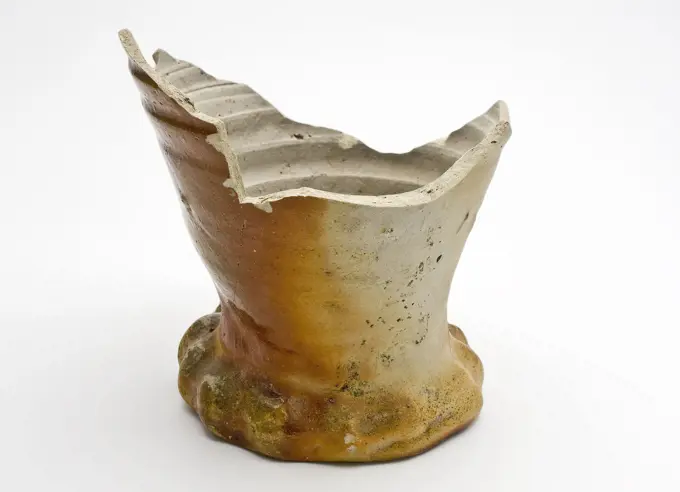
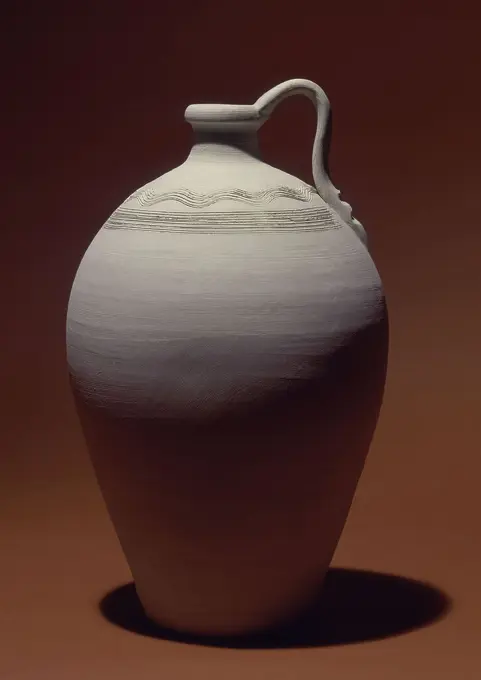
Foot of stoneware jug, gray with orange red glow, jug crockery holder fragment soil found ceramic stoneware glaze salt glaze, hand-turned glazed baked Foot of stoneware jug. Pinched foot. Gray shard of orange red flamed Faint spinning of the yarn on the outside. Strong shivering inside. Printing straw On the bottom of the jug archeology Stadscentrum Stadsdriehoek Rotterdam Laurenskerk uitheems earthenware import drinking serve serving Soil discovery found during the restoration of the Laurenskerk in Rotterdam. Excavation east of the church.
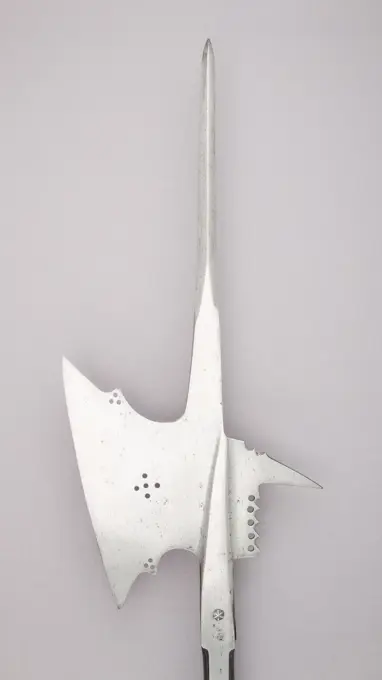
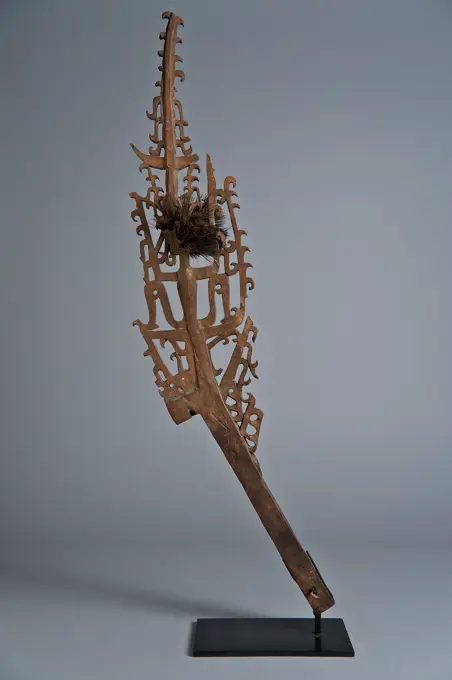
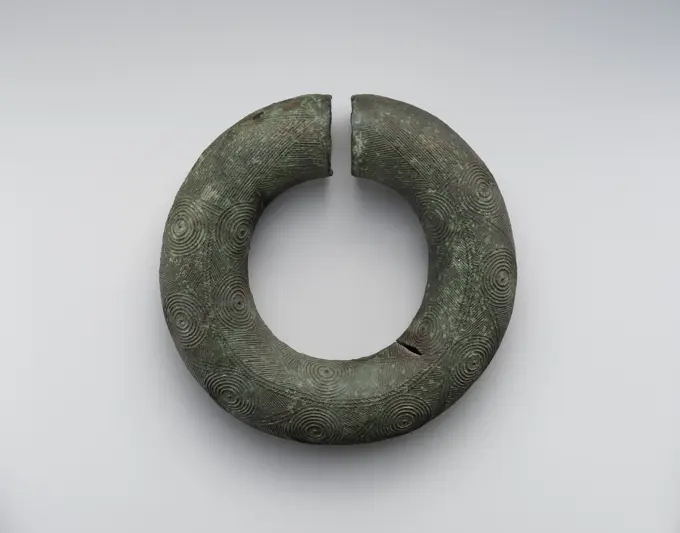
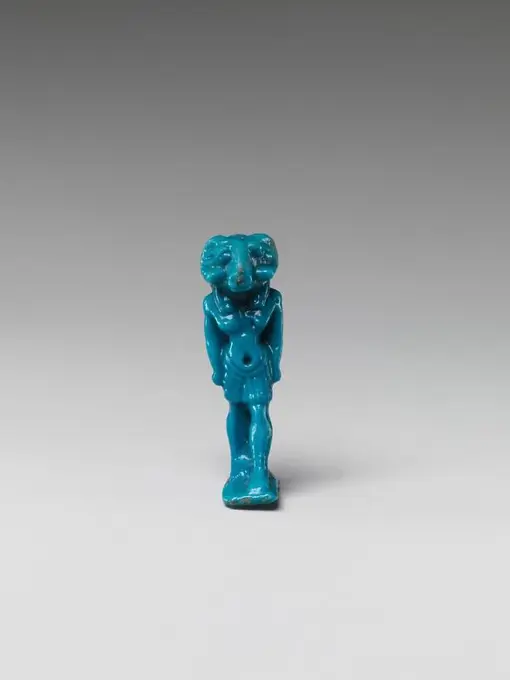
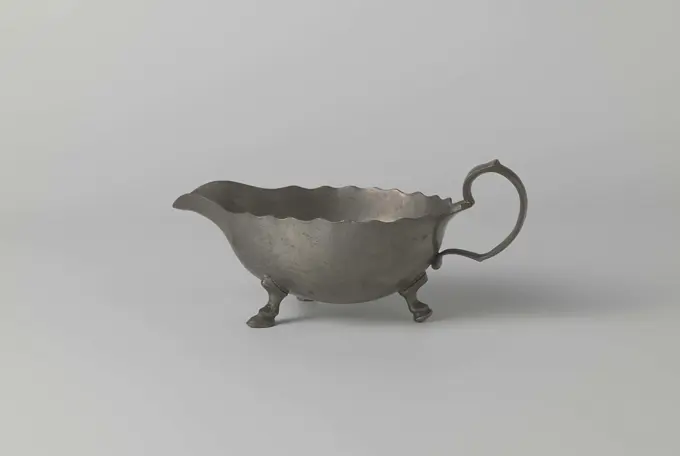
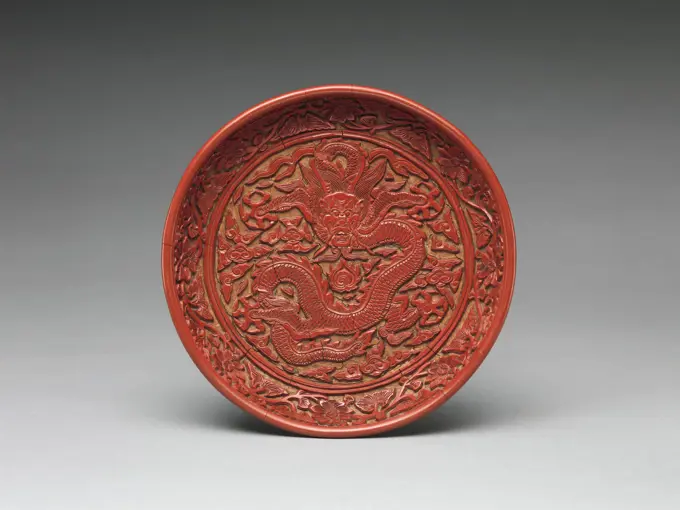
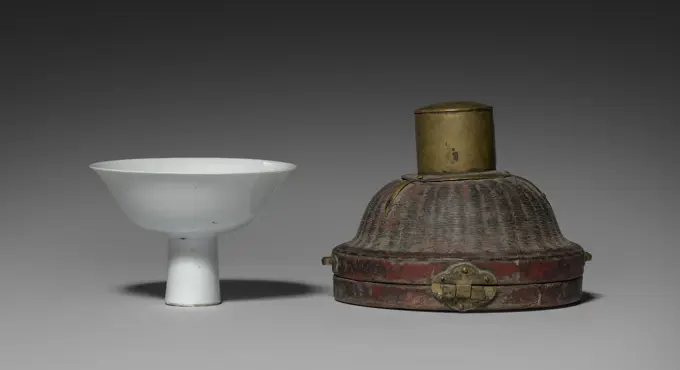
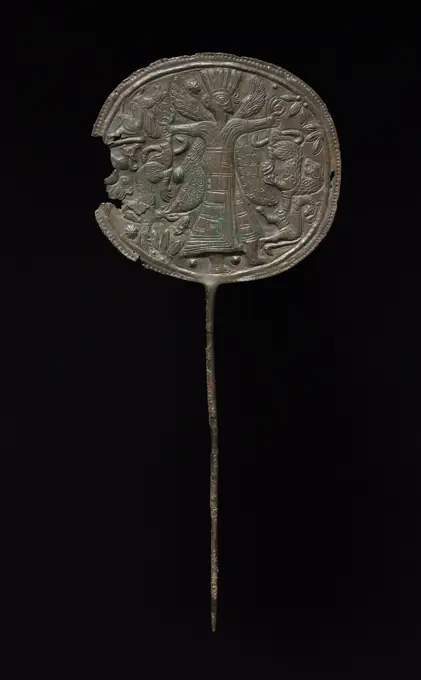
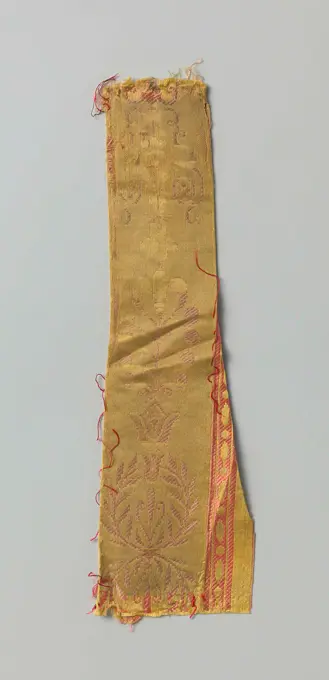
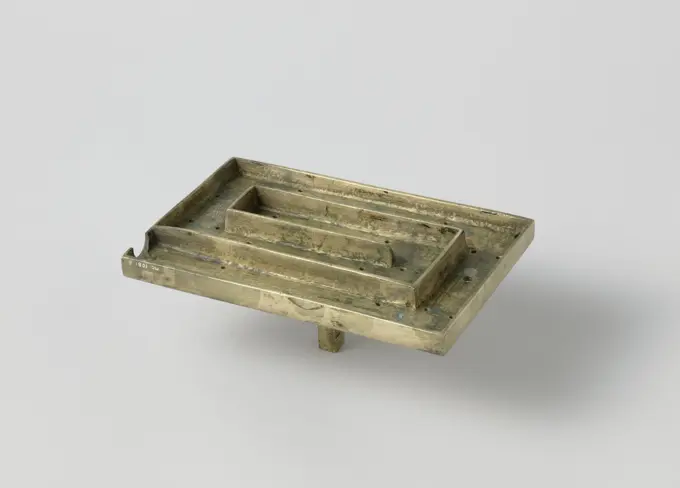
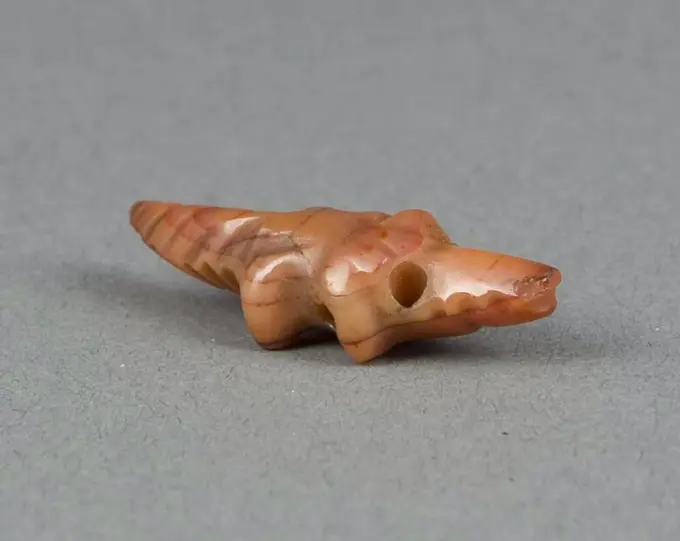
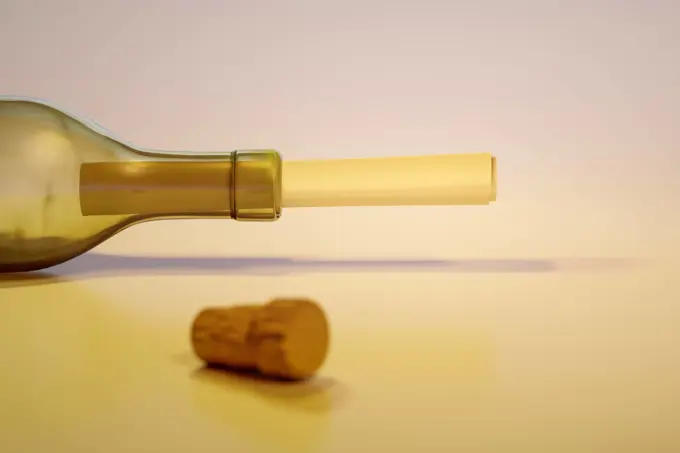
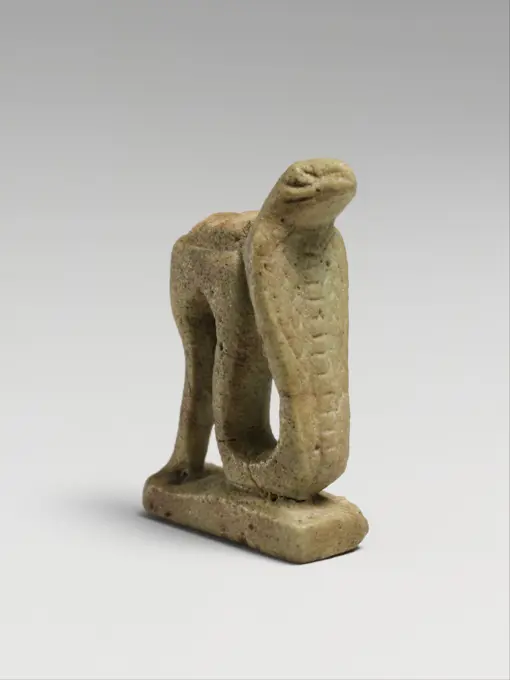
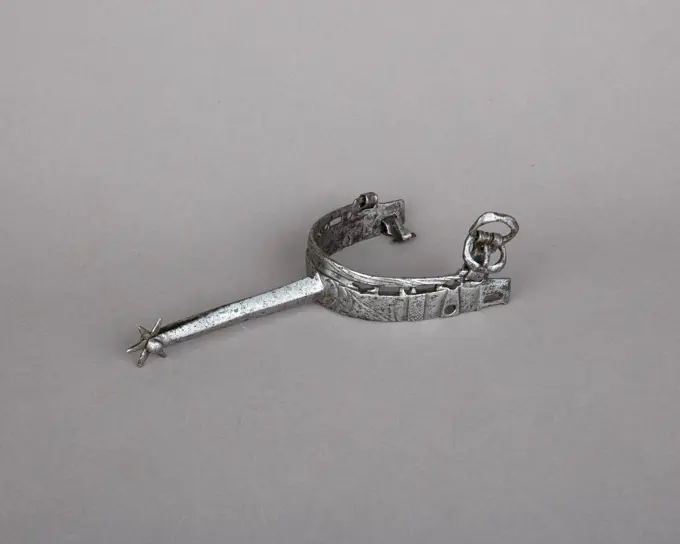
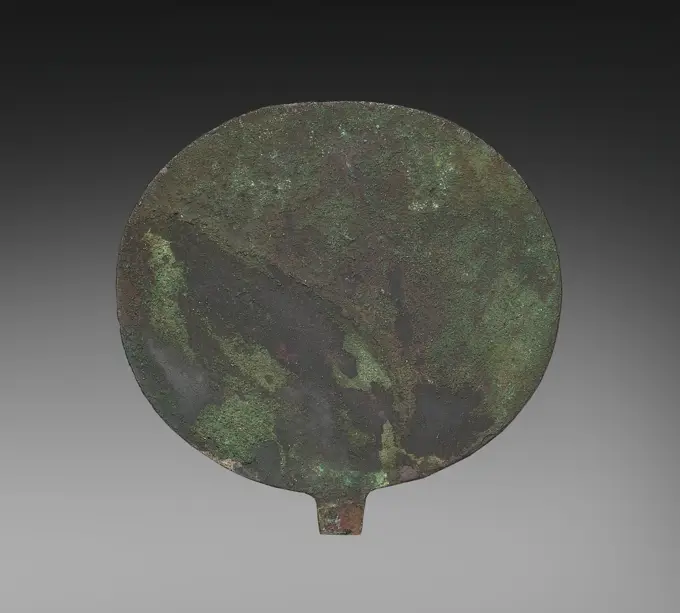
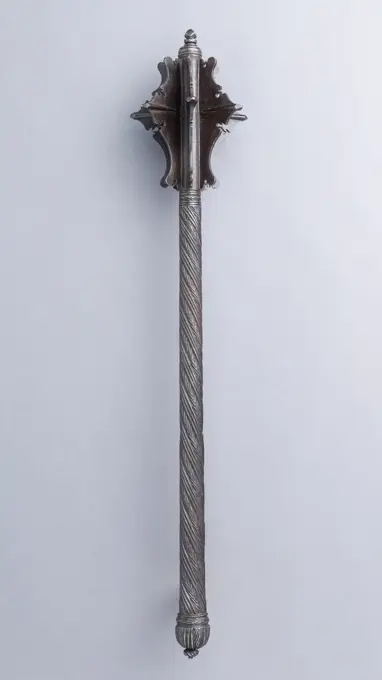
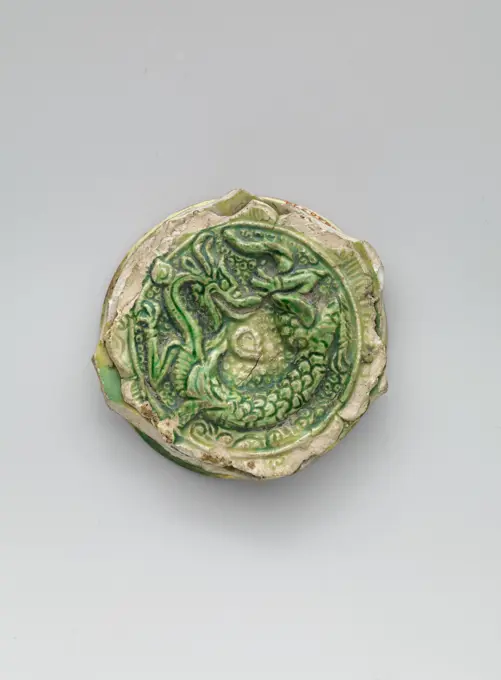
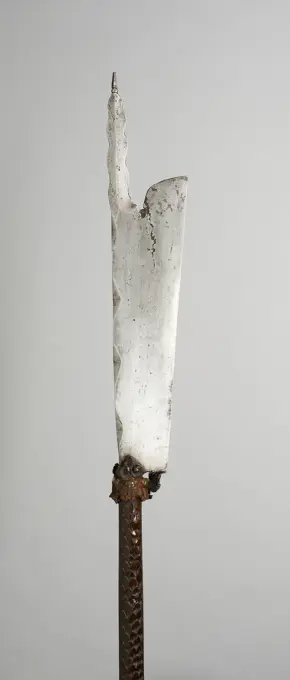
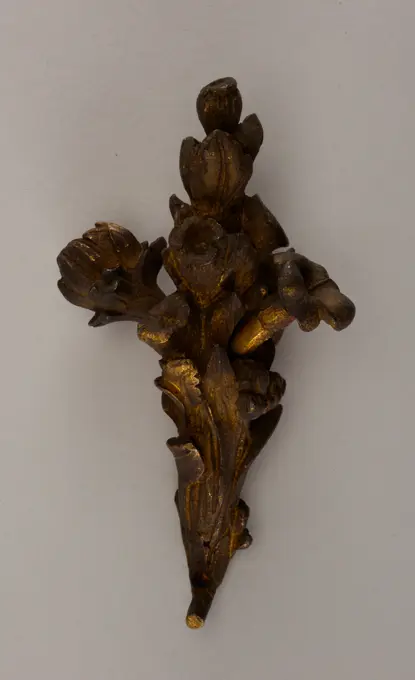
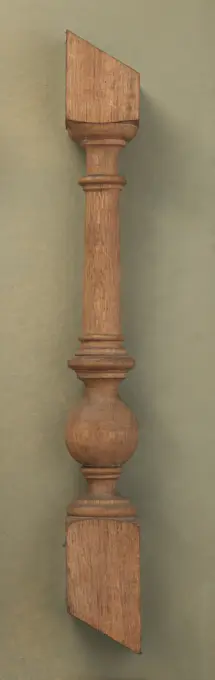
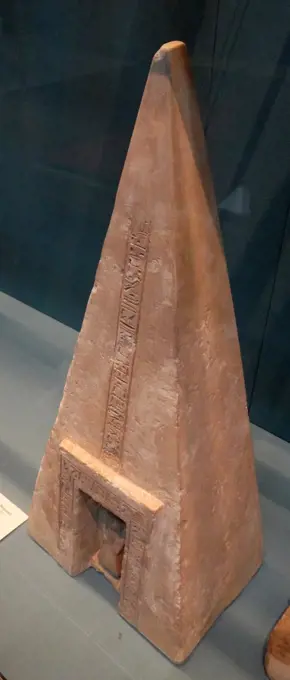
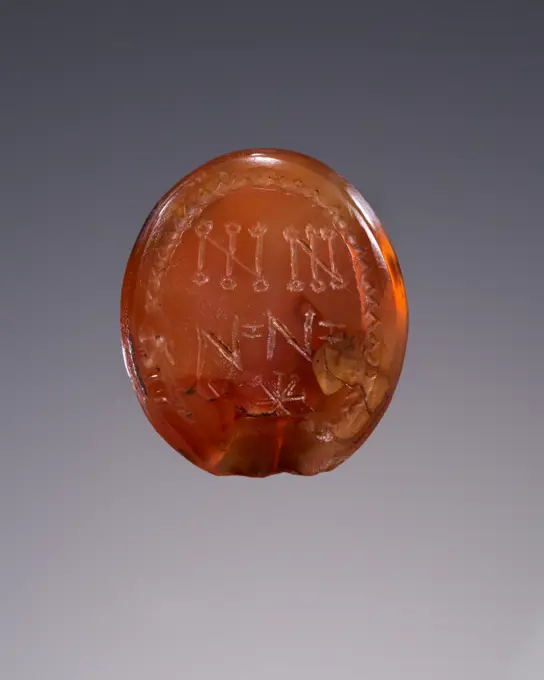
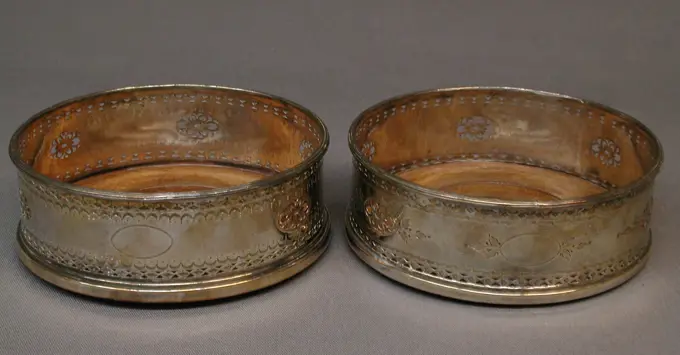
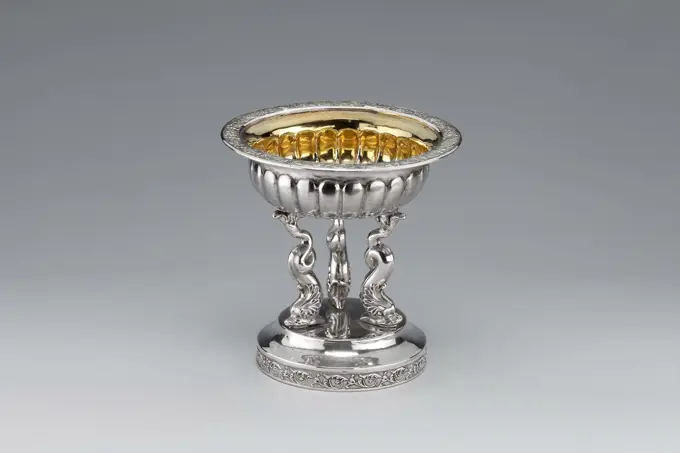
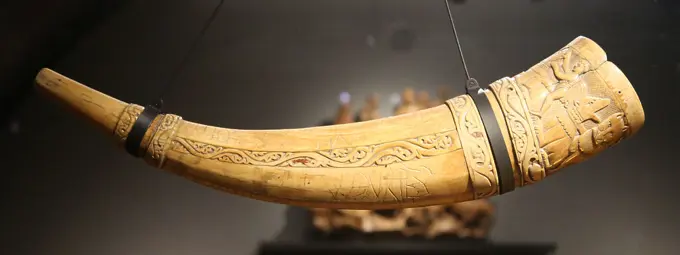
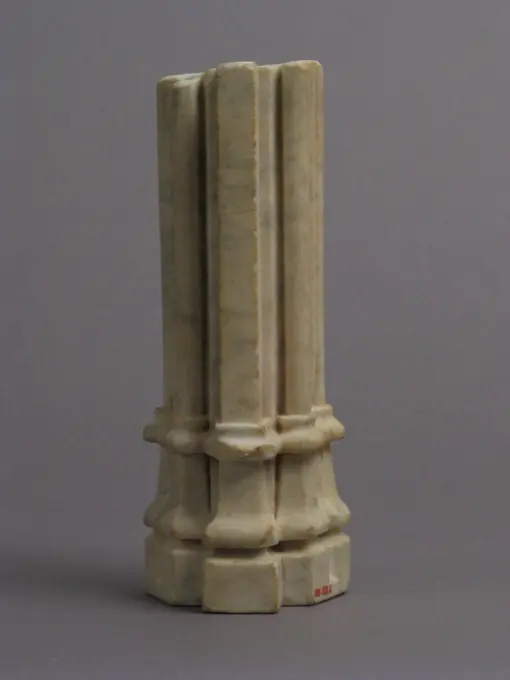
Plane, 1700s. Europe, 18th century. Wood; overall: 6.1 x 5.8 x 2 cm (2 3/8 x 2 5/16 x 13/16 in.).Jar ca. 3100-2649 B.C. Early Dynastic Period. Jar 547755Sample of Armour Plate, Charles Camell & Co. Ltd Cyclop-Steel and Iron-Works, c. 1868 sample. armoured plate Monster of a 6½ English thumb thickness thickness. Two sides are sawn off and polished, two sides are rough and corpses broken or torn; The two remaining, opposite surfaces are from the flat sides of the armored plate, since they indicate 6½ English inches thickness. Sheffield iron (metal)Halberd 1500-1525 Swiss or German. Halberd 26192CanoeProwAnklet() with Spiral Decoration ca. 300 B.C.-A.D. 200 Thailand (Ban Chiang). Anklet() with Spiral Decoration. Thailand (Ban Chiang). ca. 300 B.C.-A.D. 200. Bronze. Late period. MetalworkShip's figure-head made from oak for a Viking Ship. Dated 4th Century. Yaozhou ware is characterized by its deeply incised decoration of floral and leaf motifs, with accumulations of green glaze in the grooves. The dense, busy style of decoration on the inside of this bowl became possible only from the 12th century, when potters began to use moulds.Conical Gaming Piece from Neferkhawet's Tomb. Dimensions: H. 2.5 cm (1 in.); Diam. 1.9 cm (3/4 in.). Dynasty: Dynasty 18, early. Reign: reign of Thutmose I-early sole Thutmose III. Date: ca. 1504-1447 B.C..A family tomb, belonging to a man named Neferkhawet, was excavated by the Egyptian Expedition of the Metropolitan Museum of Art in 1935. One of the last people buried in the tomb was a woman whose name was not recorded on any of the objects in the tomb. Inside her wooden coffin was a set of ten gaming pieces, five conical like this one and five spool-shaped. These would have been used to play the games senet and 20-squares. No trace of an accompanying game box was recorded by the excavators. The coffin itself was badly damaged by rot and insects, so remains of a wooden game box may have been indistinguishable from the coffin.The five conical game pieces are quite uniform in shape, size, and color. Four of the spool-shaped pieces are also quite simiilar, but the fifth is different eClay pipe, unnoticed with smooth handle, clay pipe smoking equipment smoke floor pottery ceramics pottery h 3,2, pressed finished baked Clay pipe with smooth handle unnoticed Rad decoration under lip on largest part perimeter top edge. Heel is crooked cut off archeology Rotterdam City Center Cool Schiedamse Vest Mainland Town Triangle Runway indigenous pottery smoking tobacco craft Soil discovery: Vasteland-Baan Schiedamse Vest Rotterdam complex of materials from pastry shop and pipe making and house waste from the 17th century.Jug (pilgrim flask) with concentric circles, anonymous, c. 1600 - c. 1699 Jug (pilgrim bottle) of stoneware on a high base with a spherical body, from side view oval, and narrow neck with a thread. Profiles on the neck and foot. Covered with a brown Engobe. Four small, C-shaped ears on the sides of the abdomen. The front with concentric profiles. Bouffioulx. Bouffioulx stoneware. glaze. engobe vitrification Jug (pilgrim bottle) of stoneware on a high base with a spherical body, from side view oval, and narrow neck with a thread. Profiles on the neck and foot. Covered with a brown Engobe. Four small, C-shaped ears on the sides of the abdomen. The front with concentric profiles. Bouffioulx. Bouffioulx stoneware. glaze. engobe vitrificationWeight Representing a Llama. Inca; Probably vicinity of Cuzco, Peru. Date: 1450-1532. Dimensions: 3.2 x 2.4 cm (1 1/4 x 15/16 in.). Limestone with pigment. Origin: Peru. Museum: The Chicago Art Institute, Chicago, USA.Amulet of Khnum. Dimensions: H. 3.9 cm (1 9/16 in.); W. 1.3 cm (1/2 in.); D. 1.7 cm (11/16 in.). Date: 332-30 B.C..The four small figures of Isis, Khnum, Horus, and Nephthys and Khnum (26.7.883-26.7.886) are probably mummy amulets. Museum: Metropolitan Museum of Art, New York, USA.Sauskom with scalloped edge. Sauce bowl of tin on four legs. The bowl runs out on one side in a spout. The other side has been canceled. The handle is turned on there. The edge of the bowl is scalloped.Cuisse and Poleyn for Right Leg. Southern German. Date: 1500-1530. Dimensions: . Steel. Origin: Southern Germany. Museum: The Chicago Art Institute, Chicago, USA.Pot Stand ca. 1479-1458 B.C. New Kingdom. Pot Stand. ca. 1479-1458 B.C.. Straw, palm leaf. New Kingdom. From Egypt, Upper Egypt, Thebes, Deir el-Bahri, Tomb of Senenmut (TT 353), Foundation deposit 2, 5a, scattered, MMA excavations, 1926-27. Dynasty 18Dish with a dragon amid clouds late 16th century China Images of front-facing dragons first appeared in the mid-sixteenth century and were commonly depicted in the decorative arts of the late Ming period, appearing on ceremonial garments, porcelain, and carved objects.. Dish with a dragon amid clouds 40231Stem Cup with Buddhist Emblems: Shufu Ware, 1300s. China, Jiangxi province, Yuan dynasty (1271-1368). Porcelain with molded decoration and white glaze; case: 16.6 x 17.8 cm (6 9/16 x 7 in.); overall: 10.2 x 15.3 cm (4 x 6 in.).Stirrup 10th-11th century probably West Slavic This very simple type of stirrup probably comes from the North of Poland, where Germanic and West Slavic populations were cohabitating at this time.Horses had a great societal importance in Germanic and Slavic cultures, in both social and religious aspects. Equestrian equipment, like stirrups, spurs and bits, are regularly found in their burials, among the goods warriors wanted to bring with them to the afterlife. The elite would sometimes even be accompanied by sacrificed horses, a meaningful practice at that time, considering the high economic value of horses.. Stirrup. probably West Slavic. 10th-11th century. Iron. probably East Prussia. Equestrian Equipment-StirrupsDisc - headed Pin. Iran, Luristan bronzes, circa 1000-650 B.C.. Jewelry and Adornments; pins. BronzeFragment zijdeweefsel van een stoelbekleding..Fragment yellow silk tissue, from a seat cover. The pattern has pink palmets and arabesken on a yellow ground. The fragment belongs to thirteen fragments with Invnr. BK-1992-18-A T / M BK-1992-18-m.Flare, anonymous, 1819 fire plate Fire plate belonging to a rescue device. maker: Netherlands (possibly)after design by: United Kingdom brass (alloy)Baluster late 17th-early 18th century British. Baluster. British. late 17th-early 18th century. Oak. WoodworkColumna en marmol blanco decorada con bajorelieves florales.Kirin. GRASS. Musée Cernuschi, Musée for 200e de la Ville.Ceremonial Flywhisk, late 17th-early 18th century, 32 3/4 x 2 3/4 in. (83.2 x 7 cm), Palm fibers, wood, silk, China, 17th-18th centuryMount; L x W x D: 21.3 x 6.7 x 1 cm (8 3/8 x 2 5/8 x 3/8 in.)Mummy Band, 945-715 BC. Egypt, Third Intermediate Period, Dynasty 22, reign of Osorkon I. Stained leather; overall: 3.3 cm (1 5/16 in.).Model of a Rounder Plane.Pen slicer with two handles, to turn a piece of wood. The slightly damaged planer title has the cutting edge on the inside and outside a control mechanism. Scale 1: 1 (derived).Bronze head of a calf. Culture: Greek. Dimensions: L. 2 1/16in. (5.2 cm). Date: 2nd half of 5th century B.C. or later.This carefully molded head of a calf may have decorated a larger object, perhaps a piece of furniture. Museum: Metropolitan Museum of Art, New York, USA.Goldweight Cup on Stand, 20th century, 3/4 x 3/4 in. (1.91 x 1.9 cm), Bronze, Ghana, 20th centuryAmulet of a Crocodile. Egyptian. Date: 1985 BC-1773 BC. Dimensions: 3.2 × 1 × 0.6 cm (1 1/4 × 3/8 × 1/4 in.). Carnelian. Origin: Egypt. Museum: The Chicago Art Institute, Chicago, USA. Author: Ancient Egyptian.Stamptypical message in a bottle typical message in a bottle 3D illustration Copyright: xZoonar.com/magannx 14192535Fragment of wood belonging to the organ from the Nicolaïkerk in Utrecht, c. 1580 Organic frame made of wood with an angel's head with two wings flanked two monster heads and profile seen. Part of the organ from the Nicolaïkerk in Utrecht (BK-NM-8166). Northern Netherlands wood (plant material)   Nicolaïkerk Organic frame made of wood with an angel's head with two wings flanked two monster heads and profile seen. Part of the organ from the Nicolaïkerk in Utrecht (BK-NM-8166). Northern Netherlands wood (plant material)   NicolaïkerkSarcophagusSpiral candlestick. A spiral candlestick of wrought iron on three flat legs, which have a hole on the end. In addition, four C-shaped, flat bars, on which the openwork, spiral strain has riveted by a straight pin. This pin is screwed down at the bottom of the legs. In the trunk, the tubular candle holder with a small, curled handle, so that the candle holder is adjustable in height. At the top of the trunk is a handle.Slot, c. 1400 - c. 1950 Castle hornend with Key BK-NM-9016.  wood (plant material). iron (metal) Castle hornend with Key BK-NM-9016.  wood (plant material). iron (metal)Caddy with a lidFaience snake amulet 664-30 B.C. Egyptian Amulets representing animals were attributed to a deity: a hawk for Ra, the Sun God, a lion for Sakhmi, the War Goddess, a ram for Khnum and a cat for Bast. Snakes were symbols of royalty.. Faience snake amulet 243776Rowel Spur (Right) ca. 1500 German or Bohemian In the 15th century, rowel spurs with very long necks were of common use in Western Europe. At this period, the elevated war saddles and the very specific riding style, with long stirrup leathers and legs extended forward, had the consequence of taking away the riders feet from the horses flank. Thus, these long necks gave them easier access without having to disturb the riders position. As a knights status was closely related to his horse, spurs became one of the symbols of chivalry, and one of the tokens given to him during his knighting.. Rowel Spur (Right). German or Bohemian. ca. 1500. Iron alloy. Equestrian Equipment-SpursPlate; Designed by Auguste Ledru (French, 1860-1902); Manufactured by Thibaut Frères Fondeurs, Paris; cast pewterCabinet and Hat Chest (Dingxiang Ligui) with Dragons, Insects, Birds, and Flowers. China, Chinese, Qing dynasty, Kangxi period, 1662-1722. Furnishings; Furniture. Russet lacquer on wood core with painted, incised, and gold-filled decoration (diaotian)Mirror with Falcons, 1540-1296 BC. Egypt, New Kingdom, Dynasty 18. Mirror of copper, handle of tin-bronze; overall: 18.6 x 11.7 cm (7 5/16 x 4 5/8 in.).Fragment multicolored silk, anonymous, 1700 - 1750 Two fragments of a silk tissue. Two fragments sewn together. A large branch with yellow-green leaves, large salmon-colored flowers and ditto buttons in various shades and green soil. Numbered A and B.  silk lampas (textile material) / twill Two fragments of a silk tissue. Two fragments sewn together. A large branch with yellow-green leaves, large salmon-colored flowers and ditto buttons in various shades and green soil. Numbered A and B.  silk lampas (textile material) / twillExcerpt bobbin with one flower branch, anonymous, c. 1700 - c. 1724 fragment Fragment natural -colored bobbin: old Brabant side. The pattern consists of one flower branch, with a large flower in the center, from which smaller flowers spring. Right under the large flower, another stem runs through in the extension of the stem, with other two round flowers and one chalice flower. The motifs are connected by a traly land. The motifs are made in separate linen battle with openwork edges, here and there with mains fillings. As a decorative land, a braid of soil with picots has been used along one of the edges and a five -part ground on two small pieces along this edge. The fragment is not finished. Brabant linen (material) bobbin lace / old Brabant laceViking ship Bow. Viking Musket. Norway..Mace ca. 1550-1600 Italian Steel armor evolved throughout the sixteenth century as a practical defense against most handheld weapons, including swords designed for cutting or thrusting and percussive weapons such as maces, war hammers, and axes. As with armor, some highly decorated weapons were made for active use, while others were purely ceremonial. By the end of the century, widespread use of firearms and artillery undermined the protective capabilities of traditional plate armor, leading to its gradual disuse in the seventeenth century.. Mace. Italian. ca. 1550-1600. Steel. Shafted WeaponsPlanets-manager. Cornalet Collection Sites 2013-2016. Numismatic.Fragmentary alabaster stemmed bowl 1600-1200 B.C. Cypriot The bowl is ribbed horizontally; the spaces in between are concave.. Fragmentary alabaster stemmed bowl 244006Fragment of Shoulder Band 7th-8th century. Fragment of Shoulder Band 444156CANTARO DE BARRO BLANCO CON DECORACION INCISA-ARTE POPULAR S XX. Location: ALFARERIA. Ocaña. Toledo. SPAIN.Fragment of an Imported Chinese Bowl late 7th-first half 8th century Chinese ceramics were highly valued and commonly imitated in Nishapur. The Nishapur imitations took different forms: the whiteness of the Chinese porcelains led local potters to develop the opaque white glazes with which they covered their wares, while the three-color sancai Chinese imports led to the invention of splashware, made by dripping brown, yellow, and green glazes over their pots. This medallion from the base of a bowl, with the molded image of a dragon with a flaming jewel, is an example of an imported Chinese sancai ware object; its find at Nishapur is an important piece of evidence in the story of Nishapuri pottery development.. Fragment of an Imported Chinese Bowl 449479Processional Axe 1800-1900 Europe. Steel, iron, brass, wood, and thread .Ladle.   Maker: Elias Pelletreau, 1726-1810Part of a brick from the wreck of the East Indians' t Vliegend Hart, Anonymous, 1700 - 1735 brick (clay product) Part of a rectangular, yellow -brown brick. Brick.  brick (clay product)Part; bronze (gilt)Dish in the Shape of a Double Fan with Arched Handle late 16th-early 17th century Japan This dish is a quintessential example of the bold ceramics style associated with the tea master Furuta Oribe, produced in the Mino region during the late Momoyama period.. Dish in the Shape of a Double Fan with Arched Handle. Japan. late 16th-early 17th century. Stoneware with underglaze iron brown and copper-green glaze (Mino ware, Oribe type). Momoyama period (1573-1615). CeramicsFragment of a Male Figure. UnknownKappe Kappe Copyright: xZoonar.com/BartomeuxBalaguerxRotgerx 22556700Baluster second half 17th century British. Baluster. British. second half 17th century. Oak. Woodwork"Pontic" Ware Neck-Amphora. Paris Painter (Etruscan)Baluster second half 17th century British. Baluster. British. second half 17th century. Pine. WoodworkSmall limestone pyramid of Buqentef. 19th Dynasty, about 1295-1186 BC From Thebes, Egypt. The figure in the niche represents the deceased. The inscriptions contain prayers for offerings, addressed to the gods Re-Horakhty-Atum, Anubis and Osiris.Charger 1840-85 Unknown This charger bears slip decoration typical of the pottery from Huntington, New York. Huntington, Long Island, was rich in clay deposits, spawning a number of small wood-fired potteries, the first dating to the late eighteenth or early nineteenth centuries. Their location on Long Island Sound was ideal for transporting their wares by boat to markets in New York City and Connecticut. The bold, symmetrical design was applied with the aid of a tin stamp, which was dipped in slip and pressed onto the slab of clay, a novel technique unique to Huntington.. Charger 679646Brush washer with a red glaze, anonymous, c. 1800 - c. 1899 Porcelain brush bowl with a flat -shaped body, covered with a monochrome red glaze. The edge is white. On the bottom within the foot ring a translucent glaze with the four-character brand of Keizer Xuande. Monochrome. China porcelain. glaze vitrification Porcelain brush bowl with a flat -shaped body, covered with a monochrome red glaze. The edge is white. On the bottom within the foot ring a translucent glaze with the four-character brand of Keizer Xuande. Monochrome. China porcelain. glaze vitrificationBoys in a lotus pond 13th-14th century China. Boys in a lotus pond 75813Shovel unknownEngraved Gem. UnknownTwo coasters ca. 1785 British. Two coasters 208870Tube with three holes in the top wall and one hole in the middle, decorated with three ring bands, anonymous, c. 1590 - c. 1596 case Small size tube with a wall of equal thickness. The tube has three holes in the top wall, which runs halfway, and one hole in the middle. Decorated with three ring bands. Possibly it is a sail maker tool  wood (plant material) cutting  Nova Zembla. Saving HuysStick plate of gold-plated copper. Stick plate for a tape from a tamboer major.Pair of Ear Ornaments, 200-550. Peru, Moche, 3rd-6th century. Incised bone; each: 13 x 2 cm (5 1/8 x 13/16 in.).Captured Ordnance, Laurens Oxsen (circle of), 1667 cannon Bronze front loader, European type. The loop has a wreath -shaped mouth, first, second and highest jewelry, and tires at the mouth and before the highest jewelry, and two thin and two thick kulas tires. The taps and two dolphins on the tap area; Where the dolphins are attached to the loop, the loop has window -shaped decorations of nail cracks. The flat Kulas is decorated with point motifs, the grape has a button form. The Zundgat, surrounded by a rectangular raised edge, has a button for a Zundgat cover on either side. Before the Zundgat an oval cartouche with a monogram of Amsterdam's Chamber of the VOC, and the inscriptions. Batavia bronze (metal) casting  Amsterdam. Batavia. DjambiWater pipe for smoking unknownBead. Culture: Coptic. Dimensions: Overall: 11/16 x 9/16 x 3/8 in. (1.7 x 1.5 x 0.9 cm). Date: 4th-7th century. Museum: Metropolitan Museum of Art, New York, USA.Stożkowata pieczęć stemplowa zdobienia naczyń ceramicznych. unknown, craftsmanLazio Roma Grottaferrata Museo07. Hutzel, Max 1960-1990 German-born photographer and scholar Max Hutzel (1911-1988) photographed in Italy from the early 1960s until his death. The result of this project, referred to by Hutzel as Foto Arte Minore, is thorough documentation of art historical development in Italy up to the 18th century, including objects of the Etruscans and the Romans, as well as early Medieval, Romanesque, Gothic, Renaissance and Baroque monuments. Images are organized by geographic region in Italy, then by province, city, site complex and monument.Fiddle (iningidi), 1900s. Eastern Africa, Rwanda-Burundi, 20th century. Wood, snakeskin, and plant fiber; diameter: 10.2 cm (4 in.); overall: 44.2 cm (17 3/8 in.).Earring, gold, steel wire, France, ca. 1830, jewelry, Decorative Arts, EarringCANTARO CON PITORRO O BOTIJA-CERAMICA ROJA PARA AGUA SIN VIDRIAR. Location: ALFARERIA. OLIVENZA. Badajoz. SPAIN.Salt cellar on dolphins. Nowakowski, Maciej (fl. ca 1830-1858), goldsmithHunting horn. Southern Italy, 11th century. Elephant tusk. Decorated with hunting scenes, around the wide end are two hunters attacking wild animals. Rijksmuseum. Amsterdam. Netherlands.can, Painted tôle, Square in plan, with four foliated paw feet upon a square base. Painted white and gold, blue inside, with groups of figures in landscape., France, ca. 1820, metalwork, Decorative Arts, canTin or lead being molten before it is dropped into cold water from which the future is read on New Year's EveWaist clamp;  beginning of the 20th century (1701-00-00-1900-00-00);Decorative Roundel 12th-13th century Italian. Decorative Roundel 463194Dragon Pendant 410 BCE-290 BCE China. Jade .Bullets for a Firearm.Round and punished bullets, a piece of flint and impact hats for a firearm.Seated figure of Osiris. Gold leaf over wood. Ptolemaic 300-100 B.C.Harp ca. 1580-1295 B.C. Late Second Intermediate Period-early New Kingdom Harps were very popular musical instruments in ancient Egypt. Originally covered by animal skin, the sound box of this arched harp would have resonated when the instruments strings were plucked. Harpers played either alone or in ensembles with singers and other musicians.. Harp. ca. 1580-1295 B.C.. Wood. Late Second Intermediate Period-early New Kingdom. From Egypt, Upper Egypt, Thebes, Deir el-Bahri, Priests' Cemetery, pit 213, MMA excavations, 1921-22. Dynasty 17-18Knife Handle (Kozuka) mid-late 18th century Got Mitsumori (Keij) Japanese This kozuka features a design of a wild boar.. Knife Handle (Kozuka). Japanese. mid-late 18th century. Copper-gold alloy (shakud), gold, silver. Sword Furniture-KozukaA couple of pharmacy branches, a carave, 5 tickers, Hinth's brave;  XVII/18th century (1691-00-00-1710-00-00), 2. PO. XIX-POCZEW 20th century (1851-00-00-1910-00-00), around 1820 (1811-00-00-1830-00-00);Southeast Asia (culture), Burmese (culture), weights, Burmese art, purchase (provenance)Architectural Fragment from a Retable, Tabernacle, or Tomb ca. 1400 French. Architectural Fragment from a Retable, Tabernacle, or Tomb 466317Miner's candlestick -Temple. Culture: Mezcala. Dimensions: Height 6-9/16 in.. Date: 1st-8th century. Museum: Metropolitan Museum of Art, New York, USA.Staircase Model (possibly France); bent and painted wrought sheet and cast ironJade roller on a wooden table close-up.Single Shoe Made 1855-1875 China. Blue and red sateen, gilt trim .Ibex ca. 1390-1352 B.C. New Kingdom. Ibex 544072