Historical Stone and Wood Artifacts

Collection of historical objects including a spinning stone, pipe fragment, clarinet mouthpiece cap, weaving tool, and weighing scale, reflecting craftsmanship across eras.
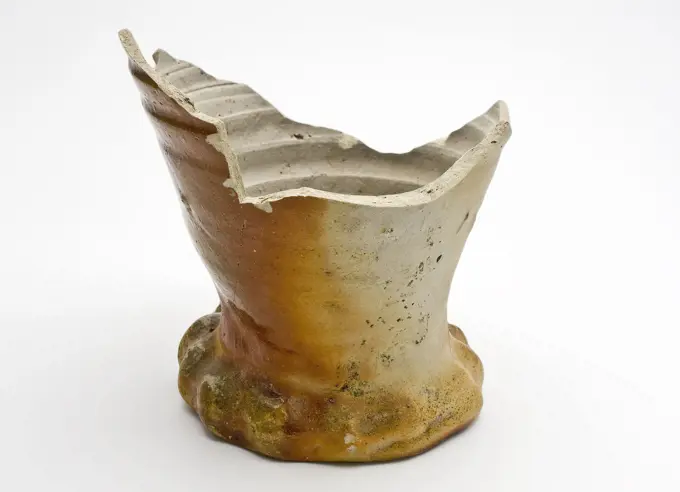
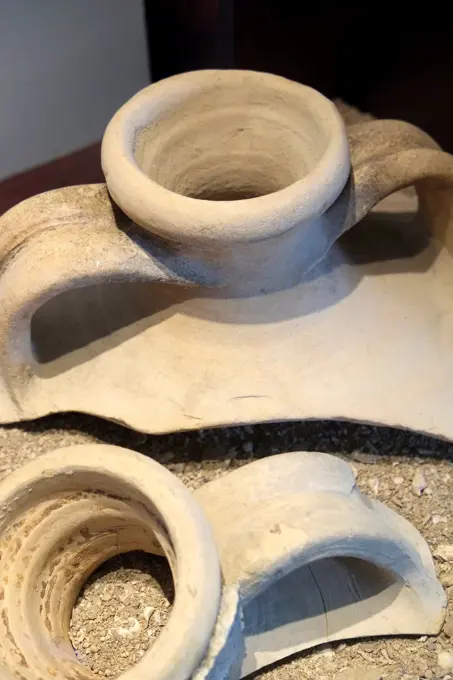
Foot of stoneware jug, gray with orange red glow, jug crockery holder fragment soil found ceramic stoneware glaze salt glaze, hand-turned glazed baked Foot of stoneware jug. Pinched foot. Gray shard of orange red flamed Faint spinning of the yarn on the outside. Strong shivering inside. Printing straw On the bottom of the jug archeology Stadscentrum Stadsdriehoek Rotterdam Laurenskerk uitheems earthenware import drinking serve serving Soil discovery found during the restoration of the Laurenskerk in Rotterdam. Excavation east of the church.
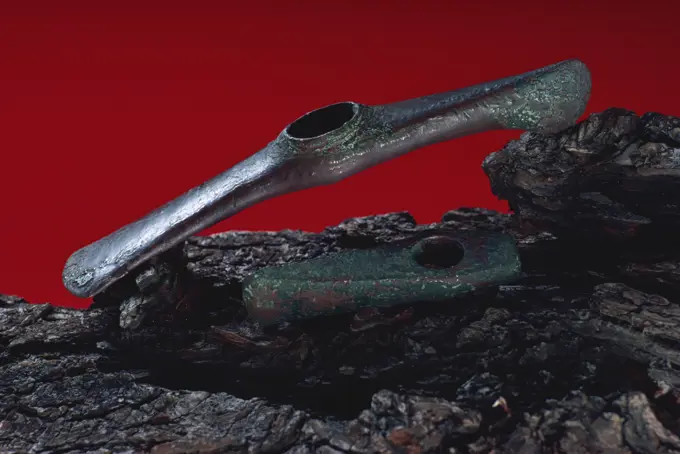
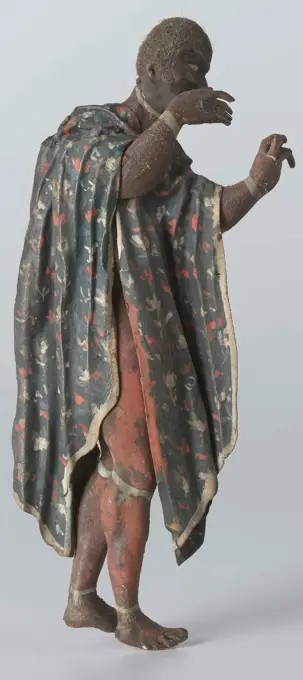
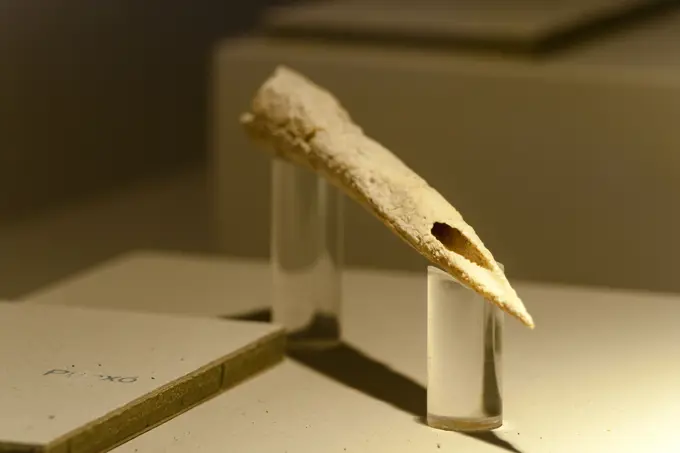
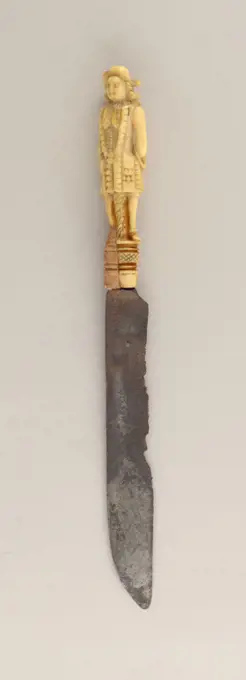
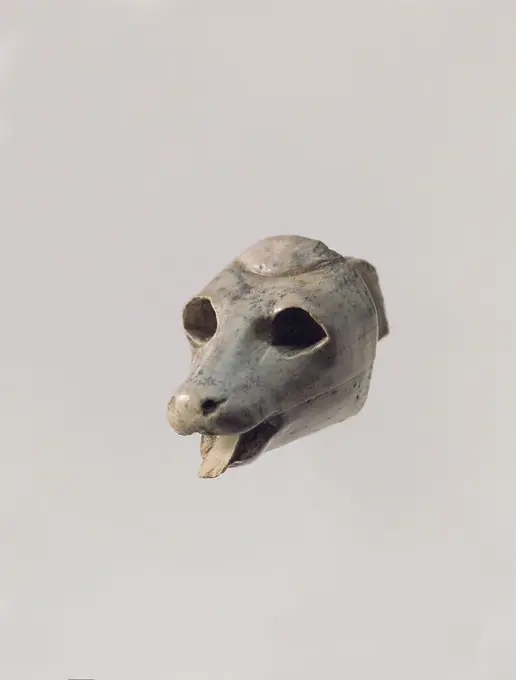
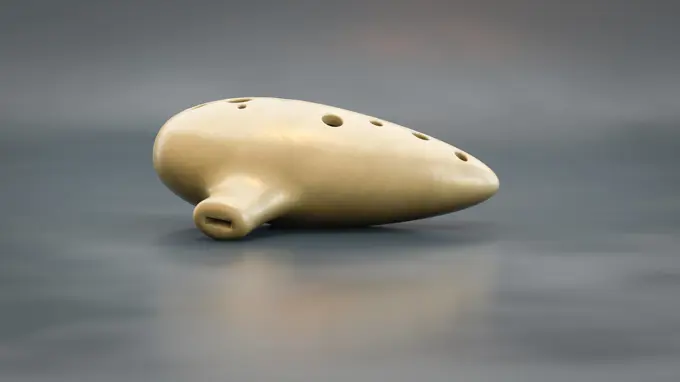
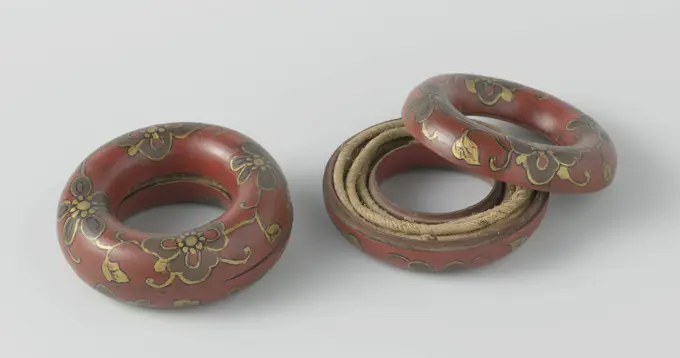
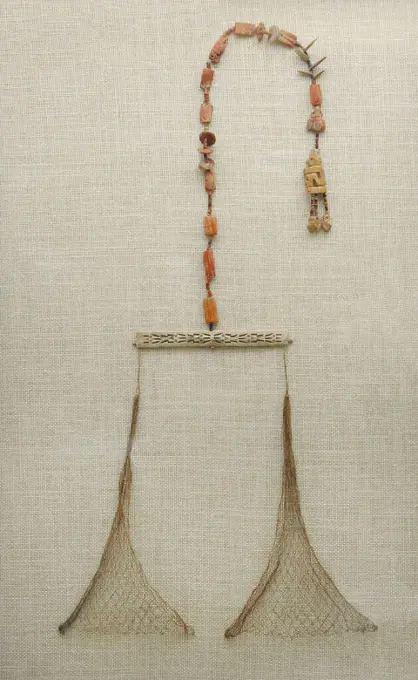
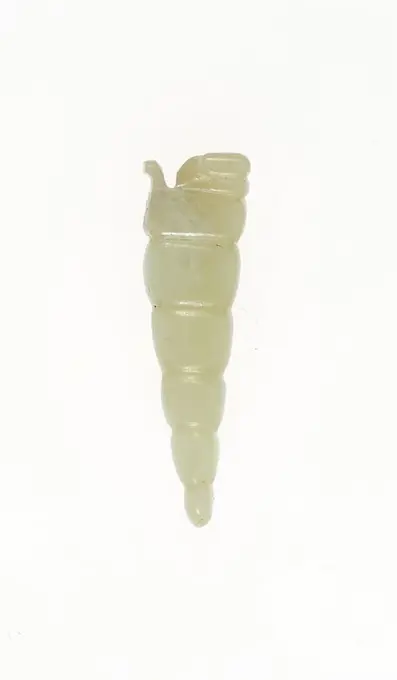
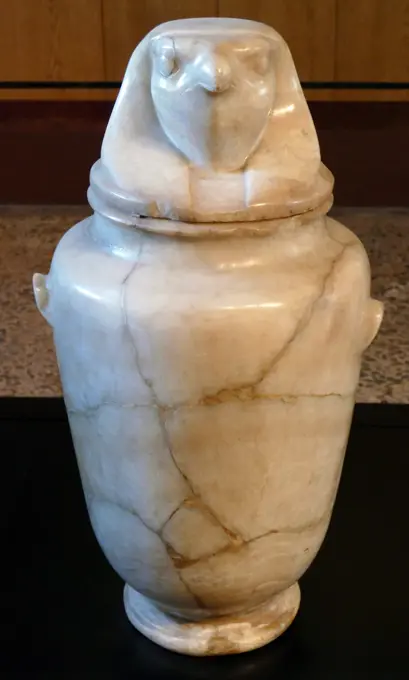
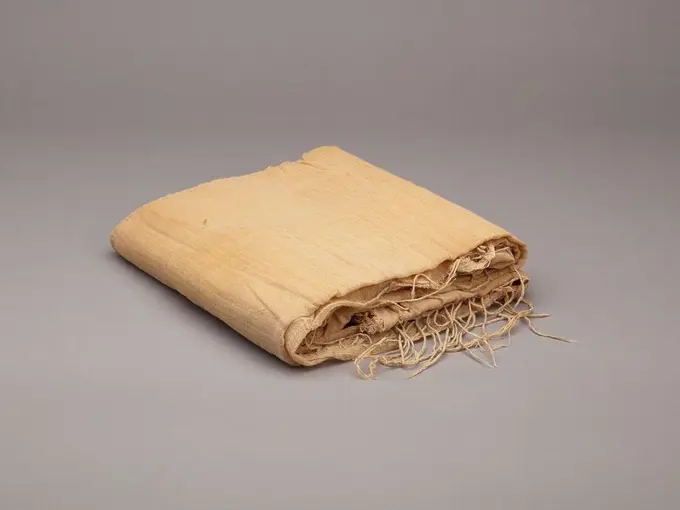
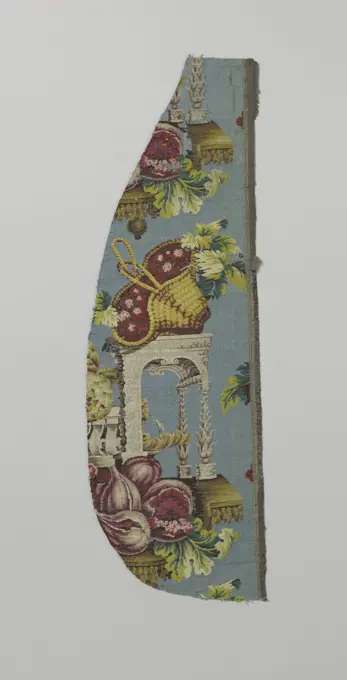
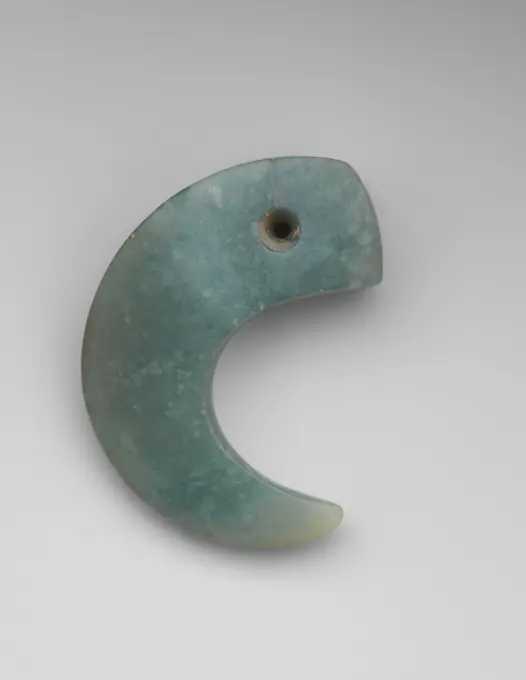
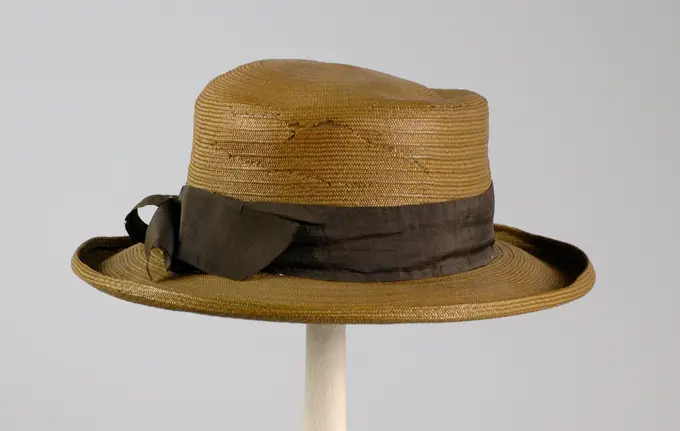
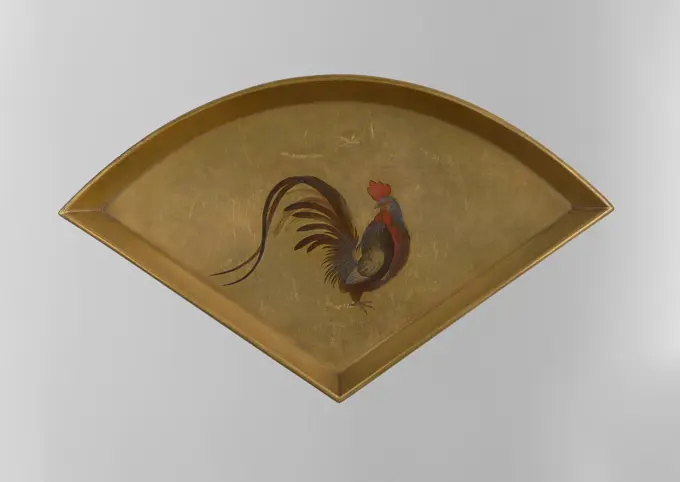
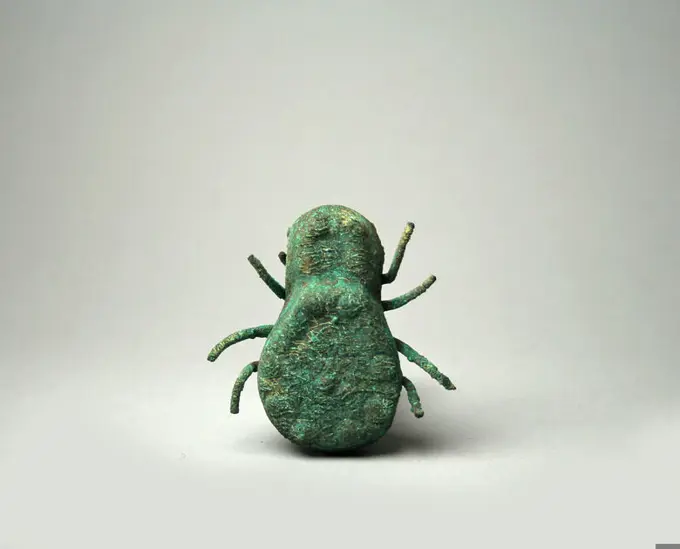
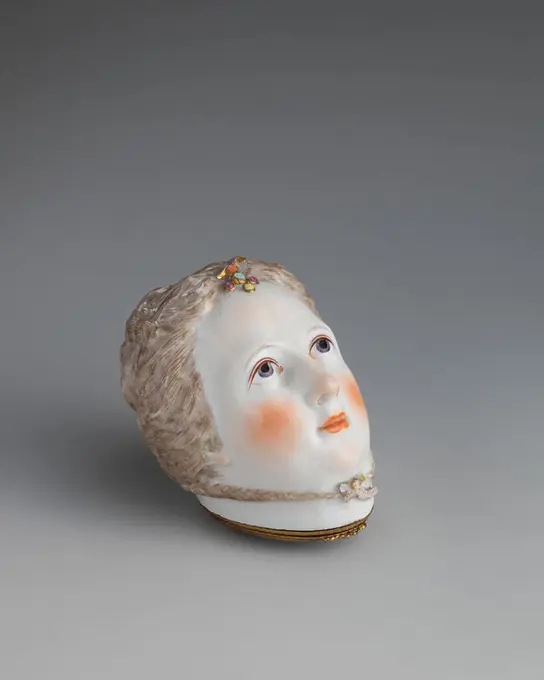
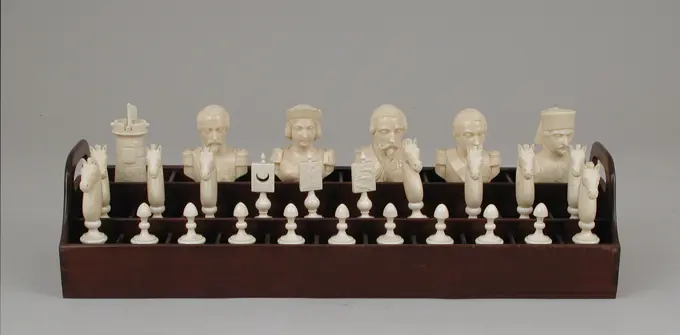
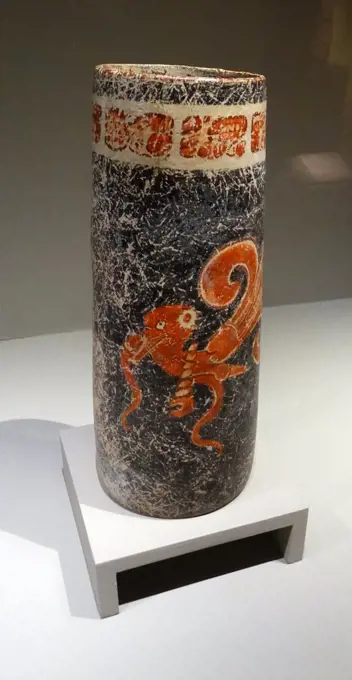
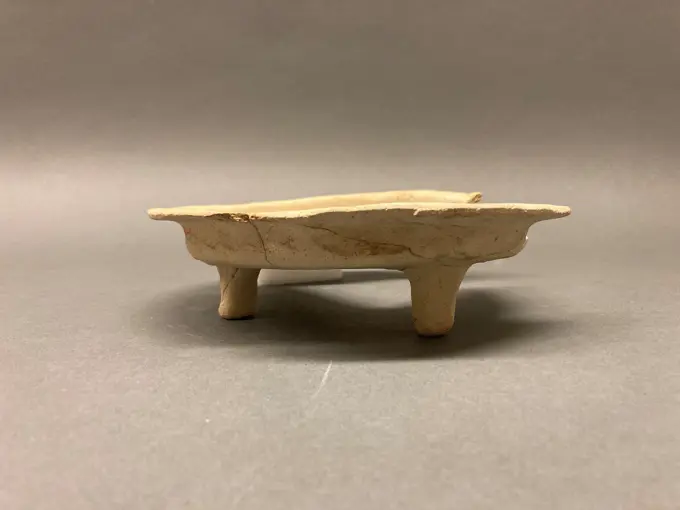
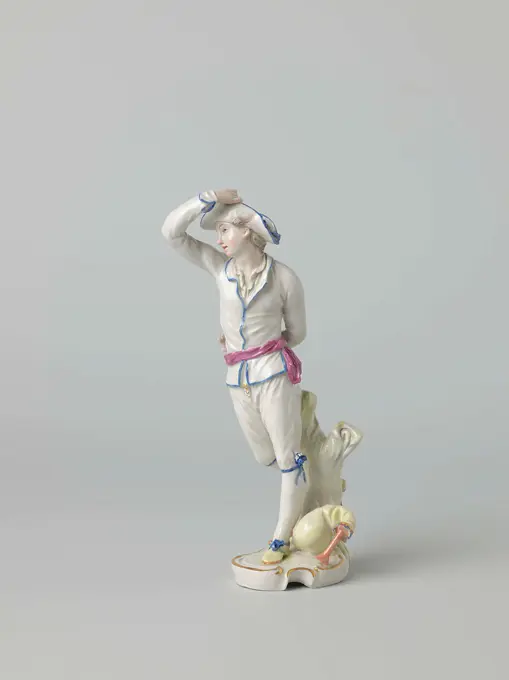
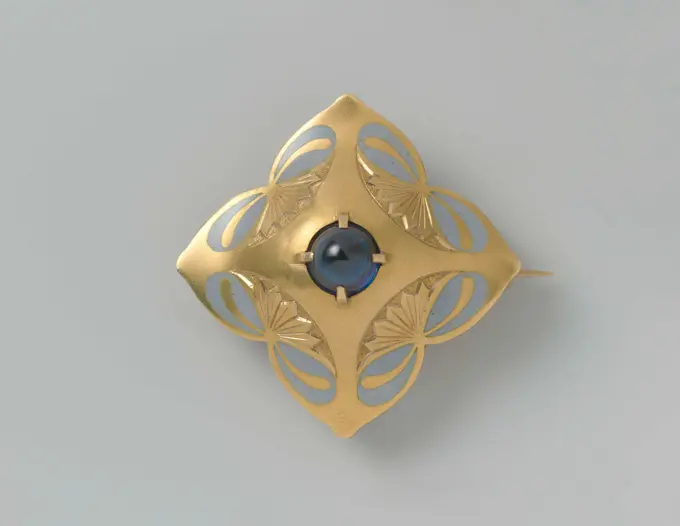
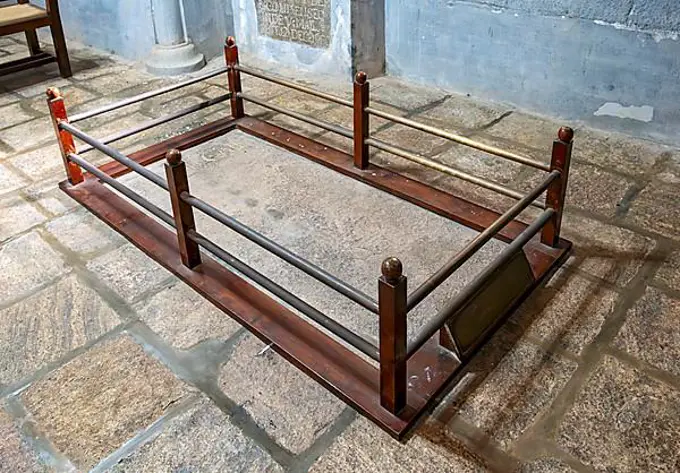
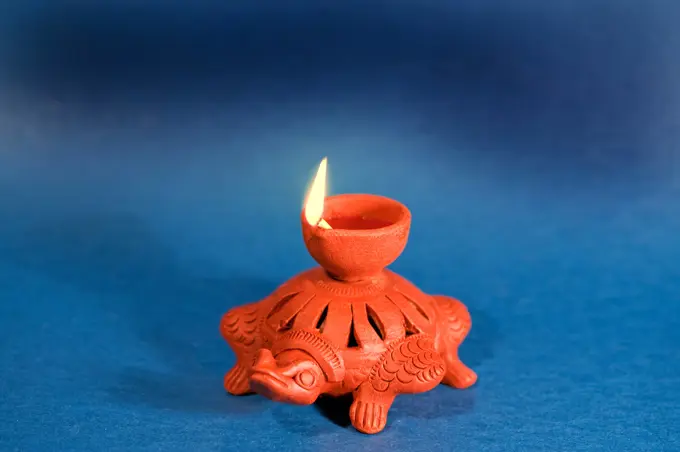
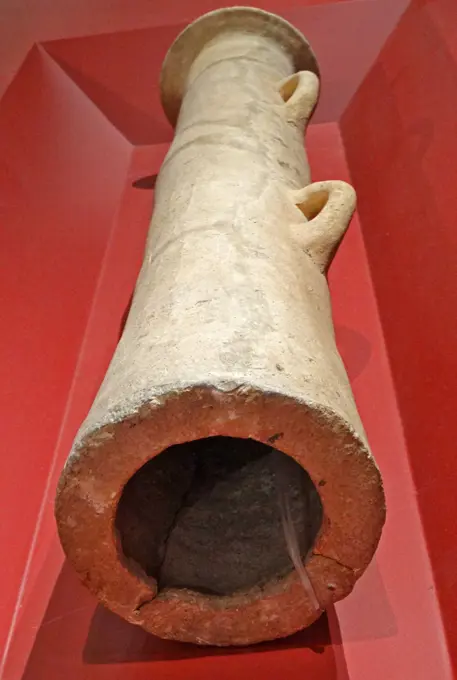
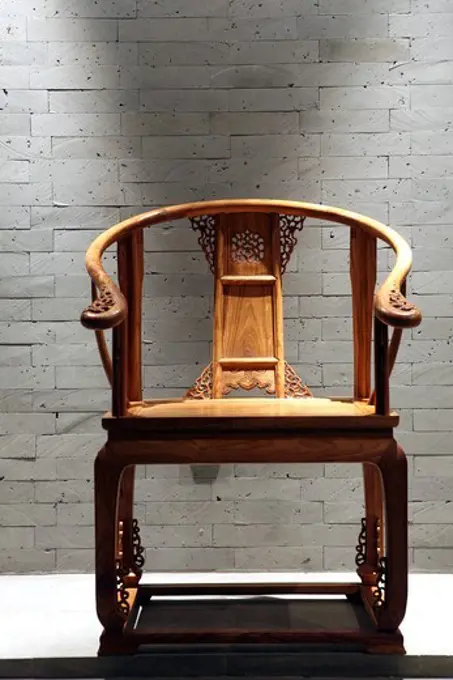
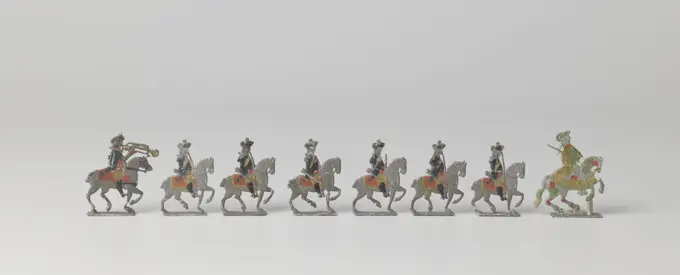
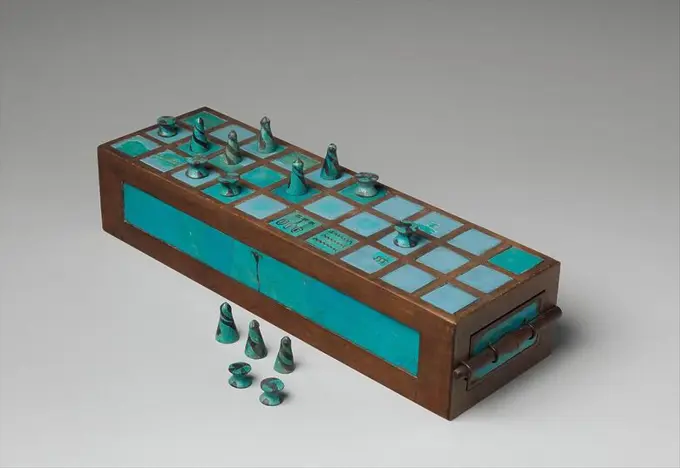
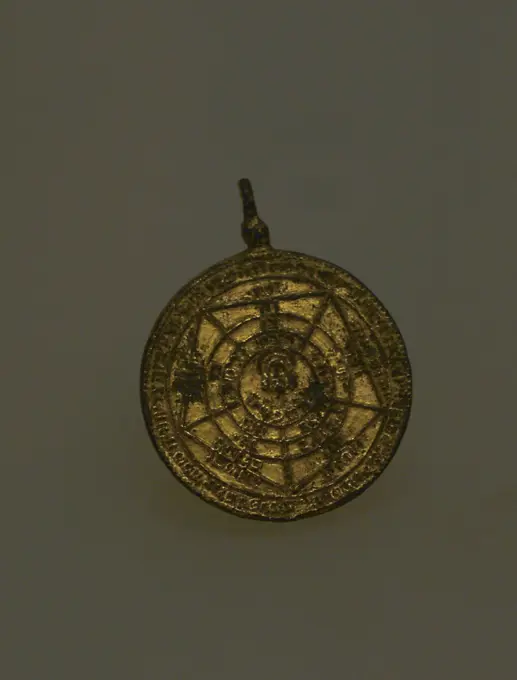
Amulet with Hebrew inscriptions. 15th-16th centuries. Obverse depicting Christ in a pentagon. It was used by Christians who travelled across the Mediterranean on their way to the Holy Land. Bronze with gold plating. Found in the Church of San Pedro (Cuenca, Spain). Sephardic Museum. Toledo. Castile-La Mancha. Spain.Copper tools, radiocarbon dated to 4000 BC, Ashmolean Museum, Oxford, Oxfordshire, England, United Kingdom, EuropeDisc, one of a pair, 1736-1795, 1/4 x 8 3/8 x 8 3/8 in. (0.64 x 21.27 x 21.27 cm), Jade, China, 18th centuryPrunus Tree 1801-1900 China. Fan (round); ink on silk; bamboo and ivory handle .France, Gallo-Roman villa Loupian.Abauntz map, cartographic document on stone, (around 19,000 BC), Museum of Navarra, Pamplona, Navarra, Spain.PILLOWS - 1996-1997. Author: JOSE MARIA SICILIA. Location: PRIVATE COLLECTION.Pair of epaulettes worn by H.C. Broos in 1830/32 2nd lieutenant, 1st bat., 2nd Department. N.H. Schutterij, Anonymous, 1830 - 1840  A few epaulettes, every epaulette of Zilvergalon, with a woven orbit of silver -flared on the tongue. The oval leaf is partly surrounded by Galon van Zilverkoord. On a tongue a white metal knot on which, in a stylized wreath a crown in the shape of a walled city: three gates and two walls. Silver fringe hanging on the oval leaf. Bottom Epaulet lined with red sheet, under the buttonhole a yellow metal hook. Under one of the tongues a square paper with the number 56. Under the two blades each a crescent -shaped white Lakense pillow. North Hollandnetherlands cloth. metal   Belgium. NetherlandsA creole. A loose figure from a Diorama of Gerrit Schouten, representing a Creole man, standing to the right. Both hands are lifted. The man wears a blue shawl decorated with red and white motifs and equipped with a white trim. He wears bracelets and anklets and is exposed. The attitude of his hands suggests that he originally held a musical instrument. A very similar figure from a diorama of a slave dance in possession of the Barbados Museum (Medendorp Diorama XV) plays a Benta, an arcuate string instrument or flute.Vase Fragment Roman Flower, tendrils and a woman.. Vase Fragment 250292Quatrefoil Footed Dish. China. Date: 700 AD-750 AD. Dimensions: 4.8 × 16.3 × 16.8 cm (1 7/8 × 6 7/16 × 6 5/8 in.). Earthenware with cobalt blue and lead amber glazes. Origin: China. Museum: The Chicago Art Institute, Chicago, USA.bone awl, Archaeological Museum are Fornes, room Talayotic period 1300-123 C, Montuiri, District of Es Pla, Mallorca, SpainScarab. UnknownKnife, ivory, steel, Blade straight-sided, the upper edge curving towards the point. Carved ivory handle, a man in Charles II period costume holding a walking stick in one hand and a pair of gloves in the other hand behind his back., England, ca. 1650-1700, cutlery, Decorative Arts, KnifeCase, with leather exaggerated, there is cut into a sun and further decorations, anonymous, c. 1475 - c. 1500 Case, with leather exaggerated, there is cut into a sun and further decorations and the words virgio m (ari) a. With iron batter.  leather. iron (metal) Case, with leather exaggerated, there is cut into a sun and further decorations and the words virgio m (ari) a. With iron batter.  leather. iron (metal)Pablo Picasso/ Still Life with Guitar, (1913) Paper, cardboard, strings. Museum: MoMA, The Museum of Modern Art, NEW YORK, USA.Punch ladle, Silver, wood, London, England, 1731, cutlery, Decorative Arts, Punch ladleAnimal head carved in the round. Culture: Assyrian. Dimensions: 0.55 x 0.59 x 0.91 in. (1.4 x 1.5 x 2.31 cm). Date: ca. 8th-7th century B.C..This carved ivory head was found in a storage room in Fort Shalmaneser, a royal building at Nimrud that was used to store booty and tribute collected by the Assyrians while on military campaign. It depicts an animal with a long, narrow snout, mouth open and tongue extended, and large eyes that would have been inlaid with materials in contrasting colors. A tenon at the back of the head would likely have been used to attach the head to the animal's body, perhaps carved out of another piece of ivory or a different material. Carved ivory pieces such as this were widely used in the production of elite furniture during the early first millennium B.C. They were often inlaid into a wooden frame using joinery techniques and glue, and could be overlaid with gold foil or inlaid to create a dazzling effect of gleaming surfaces and bright colors. The piece maOcarina music instrument A typical Ocarina music instrument. 3D illustration Copyright: xZoonar.com/magannx 19325333Hammered Silver Petal Ornament 8th-mid-16th century Peru; north coast (). Hammered Silver Petal Ornament 309083Flower-Shaped Clothing Plaque. Culture: China (Xinjiang Autonomous Region, Central Asia). Dimensions: Diam. 1 1/4 in. (3.2 cm). Date: 7th-9th century.The nomadic communities of Central Asia used such plaques to embellish clothing and horse trappings. As these nomadic cultures herded animals and were constantly moving, their artistic production was expressed in portable objects that marked the wearer's status and wealth. The outstanding preservation of these fragile ornaments suggests they were used in conjunction with burials, where the body was aggrandized with valuable textiles and augmented with gold. Although it is difficult to date and place these objects geographically, their presence in Central Asia and has a long, established history. Museum: Metropolitan Museum of Art, New York, USA.Two rolls of wick in foedrals belonging to the arms rack of Cornelis Tromp, Anonymous, c. 1650 - c. 1679 case Two rolls of wick in fed rays. Red -lacked wood painted with floral motifs in gold and black. southeast Asia cypress (wood). cotton (textile). lacquer (coating) gilding flowers ~ ornamentBalance used to weigh coca leaves and gold, elements highly appreciated and used in trade and for taxation purposes. Bone, vegetable fibre, shells, turquoise and silver. Inca culture (1400-1533 AD). Peru. Museum of the Americas. Madrid, Spain.Valk, Meissener porcelain manufactory, 1731 Figure of painted porcelain. The figure proposes a falcon on a tree stump that is placed in the middle of a soil with rocks. The falcon is painted in light and dark brown, gray and black. The figure is marked. Float porcelain Figure of painted porcelain. The figure proposes a falcon on a tree stump that is placed in the middle of a soil with rocks. The falcon is painted in light and dark brown, gray and black. The figure is marked. Float porcelainMan figurine tied to a Bullet as anti-war photographySilkworm Pupa Pendant. China. Date: 1300 BC-900 BC. Dimensions: 3.7 × 1.1 × 0.5 cm (1 7/16 × 7/16 × 3/16 in.). Jade. Origin: China. Museum: The Chicago Art Institute, Chicago, USA.PADRASTRO 2002-Pintura 13,5x19,5 cm. Author: JOSE RAMON AMONDARAIN (1964-). Location: GALERIA TRAMA. MADRID. SPAIN.Canopic jar made from alabaster, 1st century BC, Egyptian. Depicts HorusSheet, linen mark, medium spin, close weave. Dimensions: L. 492 cm (193 11/16 in); w. 133 cm (52 3/8 in). Dynasty: Dynasty 18. Reign: reign of Thutmose II-Early Joint reign. Date: ca. 1492-1473 B.C.. Museum: Metropolitan Museum of Art, New York, USA.Button; ivory; 1931-59-120-dRybak z koszem i rybką na wędce. unknown, sculptorGrahal-Manzara. Carnavalet 2013-2016 collection sites. Numismatics.Excerpt of a multi -colored silk tissue, anonymous, 1735 A fragment of a silk tissue with a pergola in gray, on which a basket with red fruits and furthermore large fruits and leaves on a light-blue soil. NOTE: MEERSHIP; 1.2 cm Effenbinding 6 lace threads. England (possibly) silk twill A fragment of a silk tissue with a pergola in gray, on which a basket with red fruits and furthermore large fruits and leaves on a light-blue soil. NOTE: MEERSHIP; 1.2 cm Effenbinding 6 lace threads. England (possibly) silk twillfountain Miniature; Italy; mother-of-pearl; Overall: 12.2 x 5.5 cm (4 13/16 x 2 3/16 in.); Bequest of Sarah Cooper Hewitt; 1931-6-15Sundial, Taipei, Taiwan, Asia,A smoker with an image of a cavalry player and the text 'Mobilization 1939', Plateelbakkerij Zenith, 1939 pipe Earthenware pipe or 'smoker' with whitening head, broke inside, with a show in white lines: a cavalry player and a mill and 'Mobilization 1939'. Connection piece with metal mouthpiece with inscription 'Zenith Gouda'. Black plastic mouthpiece. Gouda earthenware. plastic (organic material) vitrification  NetherlandsGoldweight Two Joined Shells, 19th-20th century, 15/16 x 3/8 in. (2.38 x 0.95 cm), Brass, Ghana, 19th-20th centuryClaw Ornament 10th-4th century B.C. Olmec. Claw Ornament. Olmec. 10th-4th century B.C.. Jade. Mexico, Mesoamerica. Stone-OrnamentsSailor hat ca. 1860 American. Sailor hat 168320. Candle arm belonging to a candle wreath of three heights with maria chapel in the middle. The arm is bent twice and has eleven leaves. The fat catcher rests at the end, which has a vertical knurled edge on the underside with cross block motifs. The candle holder is six more flaky with a perforated side and back and has a vertically annular bottom. This is the second arm of the middle ring (center of the bars), numbered with 2 dots.Handbag in an envelope model, of crocodile leather with a crocodile head, anonymous, 1932 on the hanging valve Envelopetas made of crocodile leather, elongated with a crocodile head on the hanging valve. The bag has an elongated model with hanging valve. The bag consists of two compartments with narrow middle section with metal zipper. In the front pocket a compartment with a mirror, a exhibition on the back pocket. The closure under the valve by means of push button. On the back of the bag a crocodile leather handle. The bag is pissed off with braided strips of leather. Ranked leather and against the valve Effen, Brown leather. Surabaya whole:. lining: Leather. Bies: Leather. push button: Metal braiding Envelopetas made of crocodile leather, elongated with a crocodile head on the hanging valve. The bag has an elongated model with hanging valve. The bag consists of two compartments with narrow middle section with metal zipper. In the front pocket a compartment with a mirror, a exhibitiTray;  19th century (1801-00-00-1868-00-00);Claes Oldenburg (b. 1929), Saw - Hard Version II, 1970-1971 wood, aluminium.COLMENA - 1996-1997. Author: JOSE MARIA SICILIA. Location: PRIVATE COLLECTION.Hydrometer Float in a Case, Burnett (possibly), c. 1800 - c. 1858 hydrometer Smoother of a moisture weigher for determining the specific weight of liquids, damaged in a leather partition filled with flax and sawdust. The float consists of a glass body weighted with a mercury ball at the bottom, which is closed with paint; The thin upper end, which has been broken down and missing, has a rolled paper scale ranging from 5 to 20, with a W at the top; The scale is stored. United Kingdom glass. mercury. lacquer (coating). paper. cardboard. leather. cotton (textile). sawdustHalf Model of a 68-Gun Ship of the Line, anonymous, c. 1750 - c. 1820 ship model. half model. builder's model Mallen model (starboard) of a three -mast. Thirty gun gates spread over three decks; Baking deck not indicated. Get mirror, Hol Wulf, no details of fence or side gallery; Straight with square stirring king. Seeping forwards and backwards, two barkhouts and one reehout. Peaked around. Netherlands (possibly) wood (plant material)Dried out cactus in a flower potA power figure used by ritual shaman as a magic fetish doll. Wood, iron and fibre. Congo cultureribe, Democratic Republic of the Congo (Zaire), early 20th CenturyEngraved Cylinder. UnknownSpider Ornament. Culture: Moche (Loma Negra). Dimensions: Length 2-3/8 in. (6 cm). Date: 390-450. Museum: Metropolitan Museum of Art, New York, USA.Lady's head. Culture: British, Chelsea. Dimensions: Overall: 2 7/8 × 3 1/2 in. (7.3 × 8.9 cm). Factory: Chelsea Porcelain Manufactory (British, 1745-1784, Red Anchor Period, ca. 1753-58). Date: ca. 1755. Museum: Metropolitan Museum of Art, New York, USA.Chessmen (72) with box-board ca. 1855 François Gilot This set, which according to the card acquired with it, was made for Napoleon III, is for the game of Oriental War. Played on a board of 117 squares (nine by thirteen), it has twenty-seven white pieces and thirty-six red pieces. Each side has nine principal figures and nine knights, and there are nine pawns and eighteen red pawns. The nine principal pieces of each side include five historical figures. The white side, the coalition against Russia, has Napoleon III, the Sultan Abdul Mejid of Turkey, Queen Victoria, Marshal Pelissier of France, and General Alfonso La Marmora of Sardinia; the other principal pieces are the standards of France, Turkey, and Great Britain, and a tower representing Paris. On the Russian side are the Emperor Alexander II, the Empress Alexandra Feodorovna, Prince Michael Gorchakov, Grand Duke Constantine, and Prince Paskievitch (Russian commanders); also, three Russian standards and tower representing St. PeteTop view of wooden cutting board on a gray marble background with space for text.Mayan ceramic Vase, with embossed Glyphs 600-900 ADBath shoes on display at the Palace of the Shirvanshahs; Baku, AzerbaijanDish 10th-11th centuryDancer. Dancer on pedestals with tree stump. Marked with crowned double c in underglazing blue. Ludwigsburg porcelain.Allegory of Winter, from a Series of the Four Seasons, Larson workshop, c. 1730 - c. 1750 Putti is part of a series of the 'four seasons'. Northern Netherlands lead (metal) Putti is part of a series of the 'four seasons'. Northern Netherlands lead (metal). Brooch of gold, decorated with stylized flowers in relief, with gray enamel and with a star sapphire in the middle.Gravestone of Vasco da Gama, Saint Francis Church, Fort Kochi, Cochin, Kerala, India, AsiaOil lamp  India Copyright: xSatishxParashar/DinodiaxPhotoxSchuier, covered with blue-green silk, trimmed with white tire, anonymous, c. 1750 A pimp with a back-covered back, trimmed with a white silk strap. The hairs of the Schuier are caught in pink colored varnish or laundry Amsterdam (possibly) silk. lacquer (coating). wax A pimp with a back-covered back, trimmed with a white silk strap. The hairs of the Schuier are caught in pink colored varnish or laundry Amsterdam (possibly) silk. lacquer (coating). waxNahaufnahme eines Schneckenhauses, das an einer grünen Agave hängt. Die Sonne scheint auf das Schneckenhaus. Close-up of a snail shell hanging from a green agave. The sun is shining on the snail shell. Copyright: xZoonar.com/UlrikexLeonex 22549986DIOS DEL AGUA - PROCEDENTE DEL AREA DE TEHUACAN (PUEBLA) - CRONOLOGIA 900-1521 DC. Location: MUSEO NACIONAL DE ANTROPOLOGIA. MEXICO CITY. CIUDAD DE MEXICO.Drain pipes; palace at Knossos; Crete 1800-1400 BCFacing brick with inscription in .. ribbon with anno. The stone is broken into three pieces (KOG-ALS-178-1-1 T / M KOG-ALS-178-1-3). The top left point of the ribbon is missing. The ribbon belongs to a ribbon with the year 1712 (KOG-ALS-178-2).Wooden plate on grey background, stock photoQuinces on a cloth and behind itChair in Chinese traditional styleRiders on horseback ,, 1775 - 1800 toy. miniature Nine pewter figures from horsemen on horseback, with randomly applied stains red, green and gold -colored paint. They form a parade. Europe tin (metal). paint (coating) casting riding a horse, ass, or mule; rider, horsemanMesopotamia. Mesopotamia. Ashurbanipals Library.7th century BC. Assyrian Empire, Iraq. British Museum. London. GBR.Old paper and coins on a wooden tableCandelabrum with Parrot (Parrot), c. 1740. Meissen Porcelain Factory (German), Johann Joachim Kändler (German, 1706-1768). Porcelain mounted in gilt bronze; part 1: 19.6 cm (7 11/16 in.); part 2: 29.6 x 32.1 cm (11 5/8 x 12 5/8 in.).Gameboard and Gaming Pieces. Dimensions: Restored box: L. 43 cm (16 15/16 in.); W. 13.5 cm (5 5/16 in.); H. 9 cm (3 9/16 in.). Dynasty: Dynasty 18. Reign: reign of Thutmose III. Date: ca. 1550-1295 B.C..The blue faience inlays of this game box and the gaming pieces (01.4.1b-h and 01.4.1i-p) were discovered in a tomb at Abydos. This tomb also contained a scarab inscribed with the cartouche of Thutmose III, a papyrus burnisher inscribed with the name and title of the scribe Merymaat, a silver earring, and a painted pot.Only some of the faience inlays of the original box were preserved. The ancient tiles are now displayed on a box made of modern wood, and the missing tiles have been replaced with modern copies. The side visible in this photograph is laid out for the game of senet, which required 30 squares. The underside would have been laid out for the game of 20 squares which may be seen on another game box in the collection. Museum: Metropolitan Museum of Art, New York, USA.CAÑON DE BRONCE. Location: ARCHAEOLOGICAL MUSEUM. CEUTA. SPAIN.