Historical Terracotta Jars

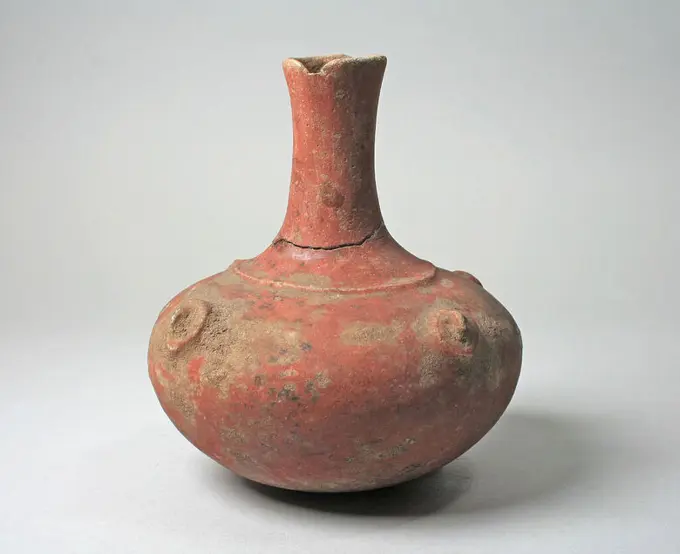
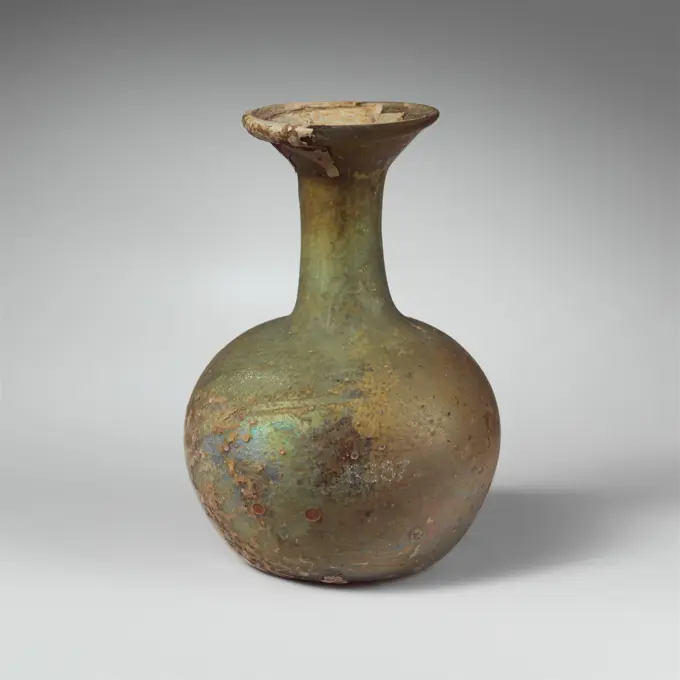
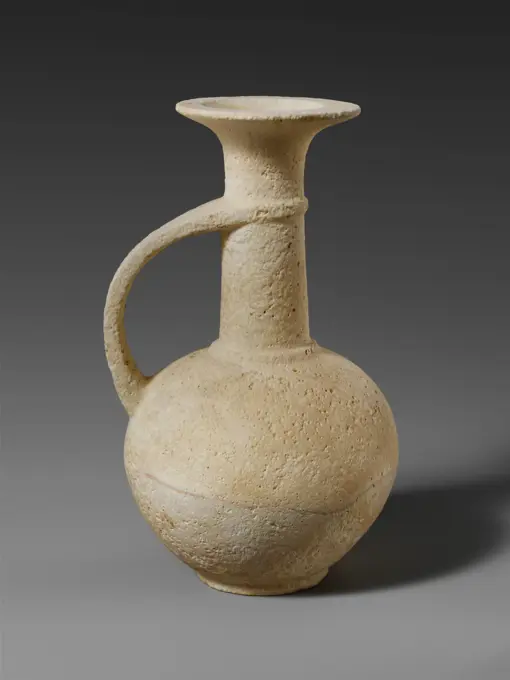
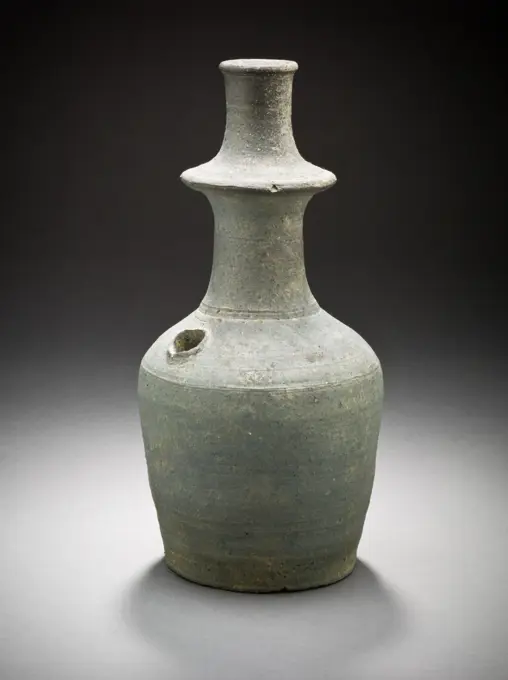
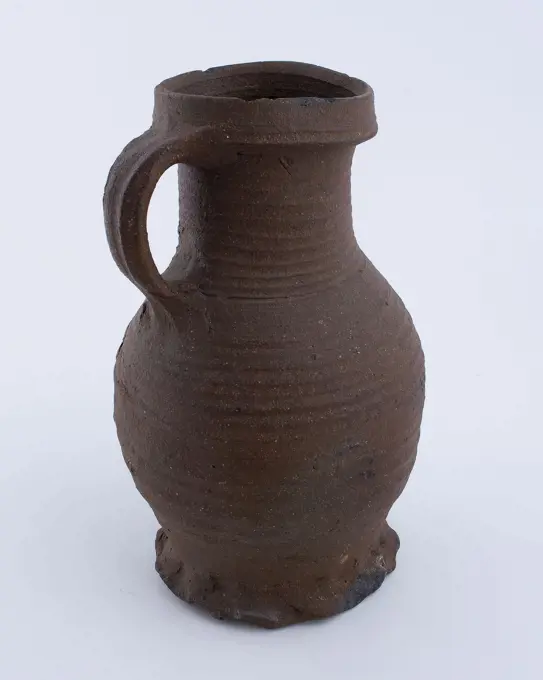
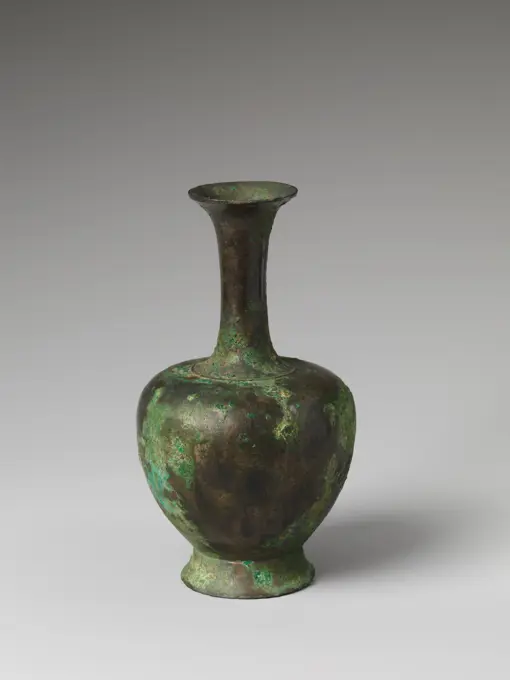
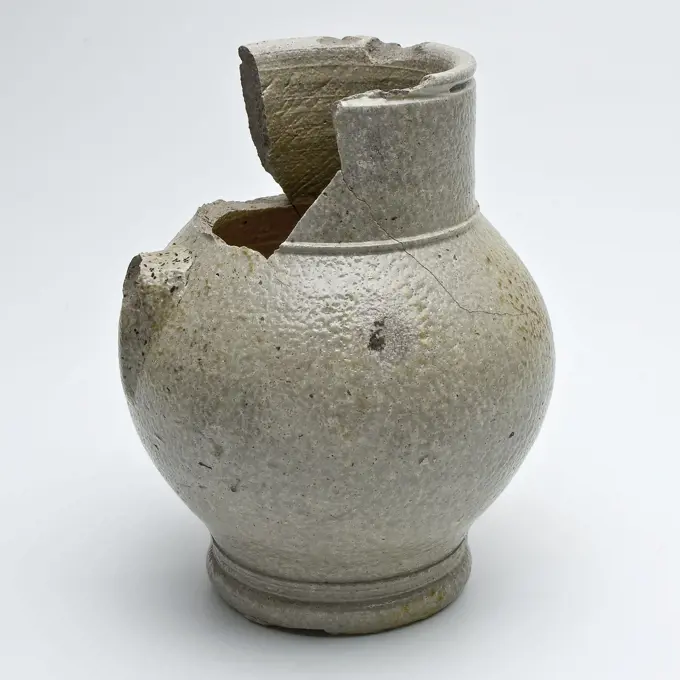
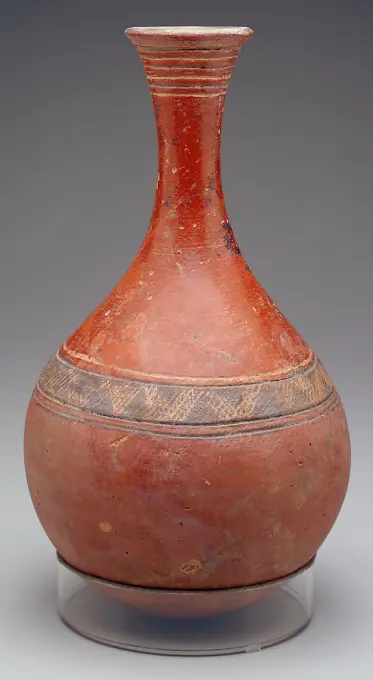
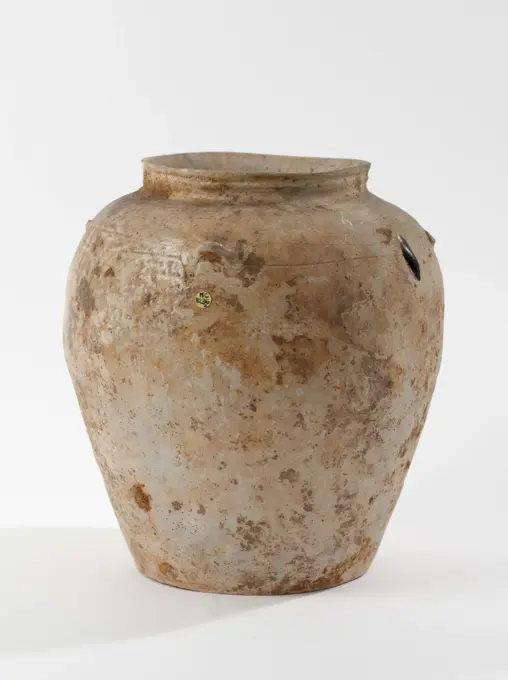
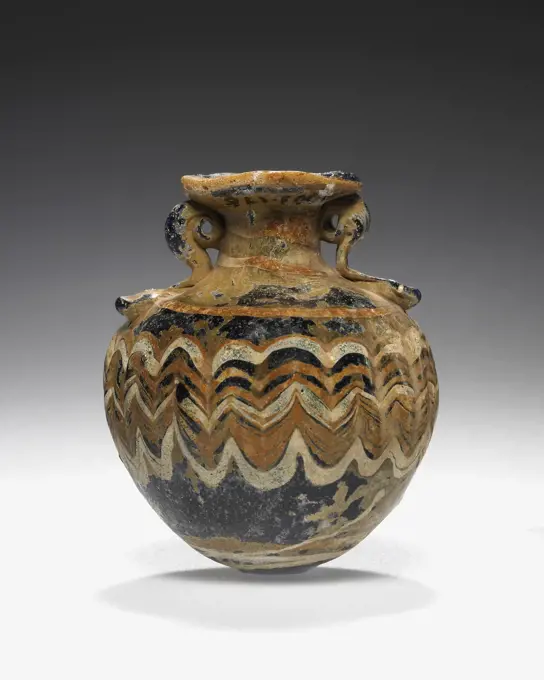
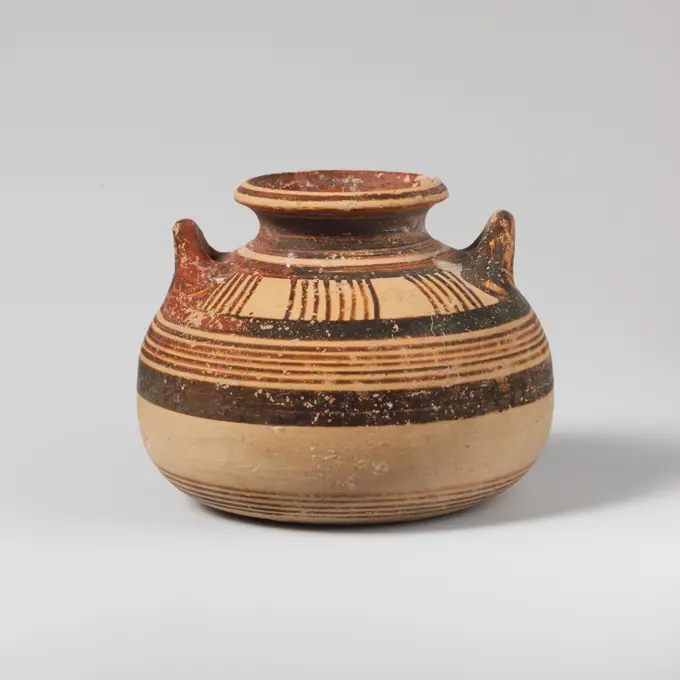
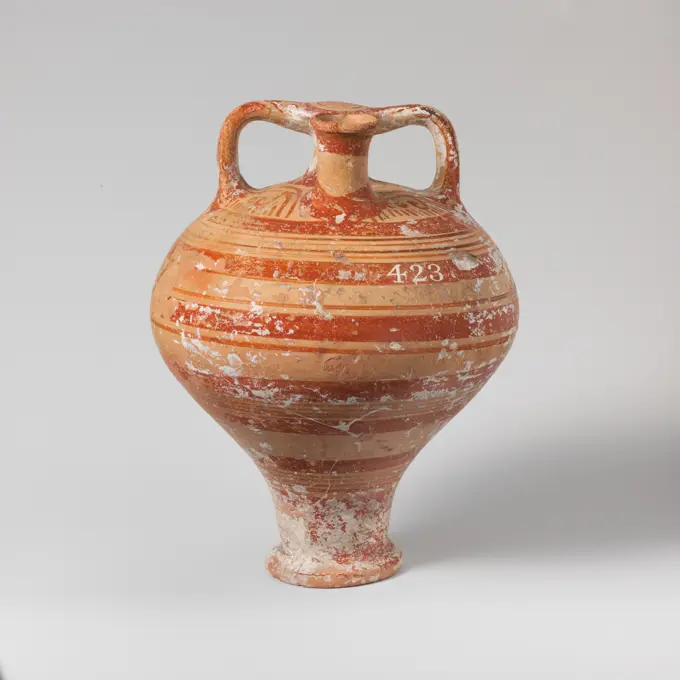
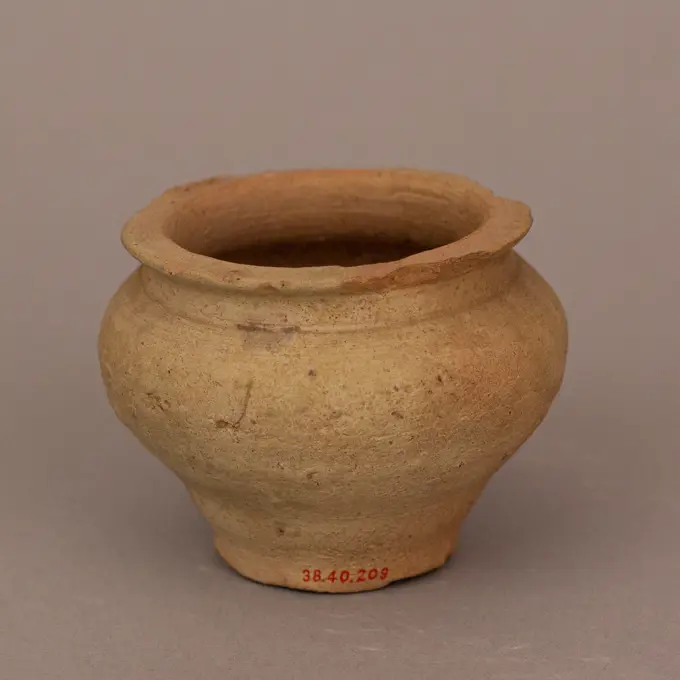
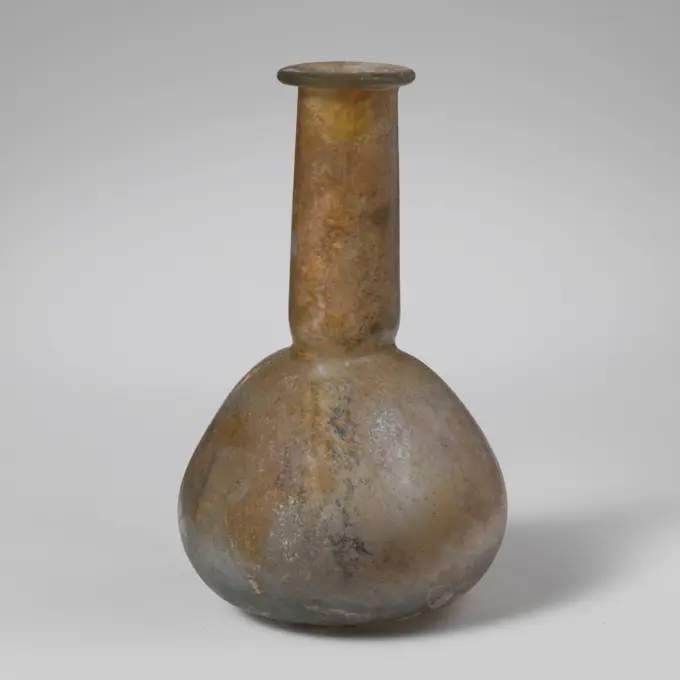
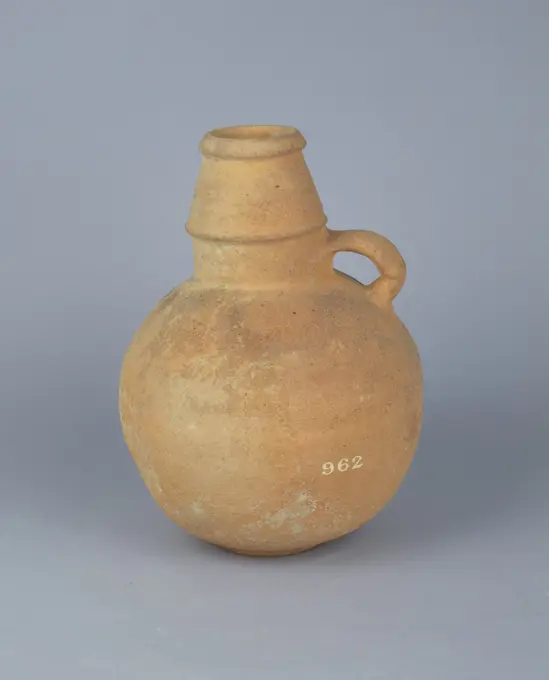
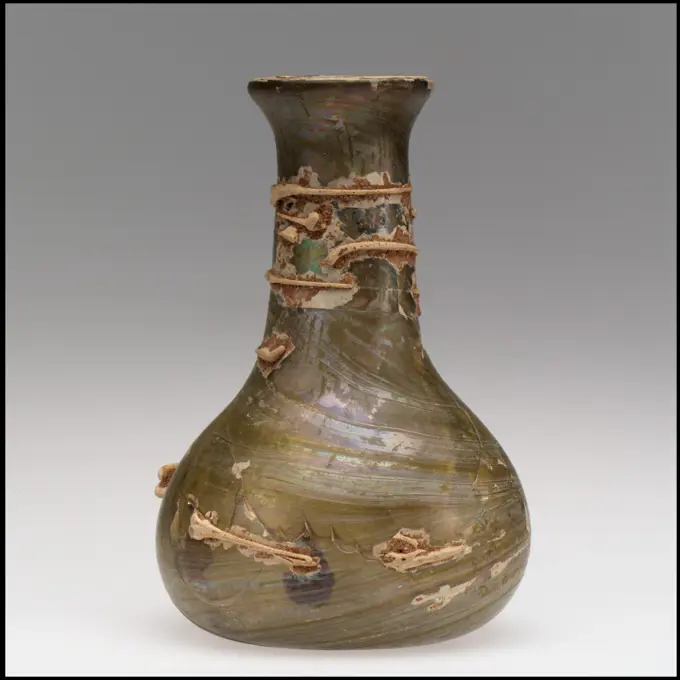
Archaeological terracotta jars from Vietnam and the Islamic period, showcasing their ancient craftsmanship and unique shapes among a neutral backdrop.
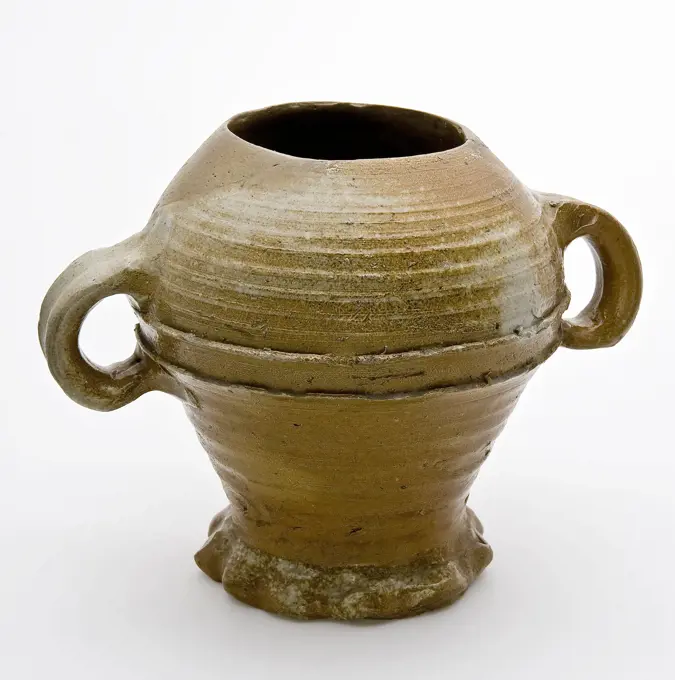
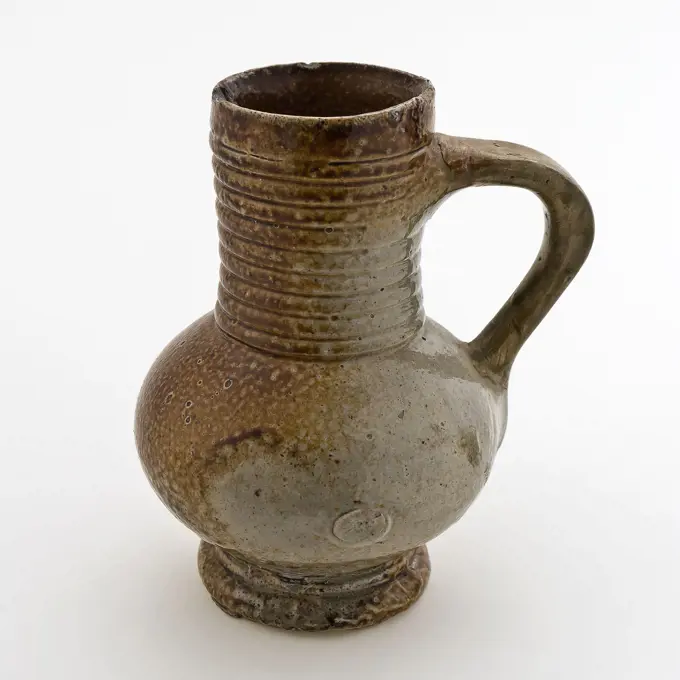
Stoneware cup with two ears with double profiled band on belly, pinched foot, without mouth rim, cup crockery holder soil find ceramic stoneware clay engobe glaze salt glaze, hand turned glazed baked stoneware cup gray shard salt glaze partly brown engobe two ring-shaped outward ears two ridges around the belly above and below the ridges rotations pinched foot. Egg-shaped body awuptly stopping at the edge of the mouth archeology import pottery pour serving drink wine beer
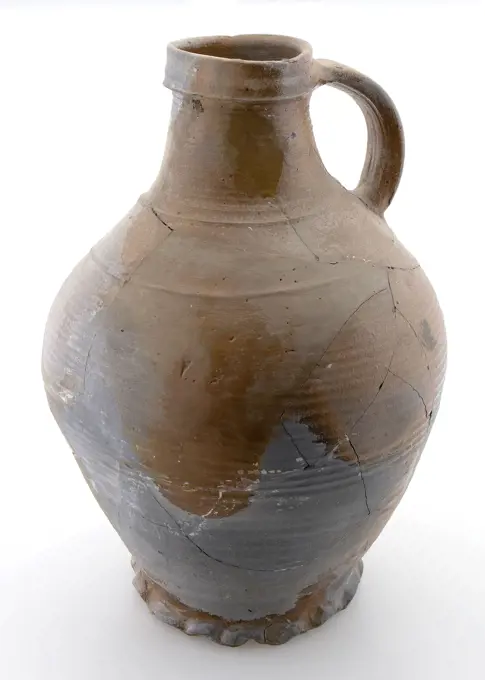
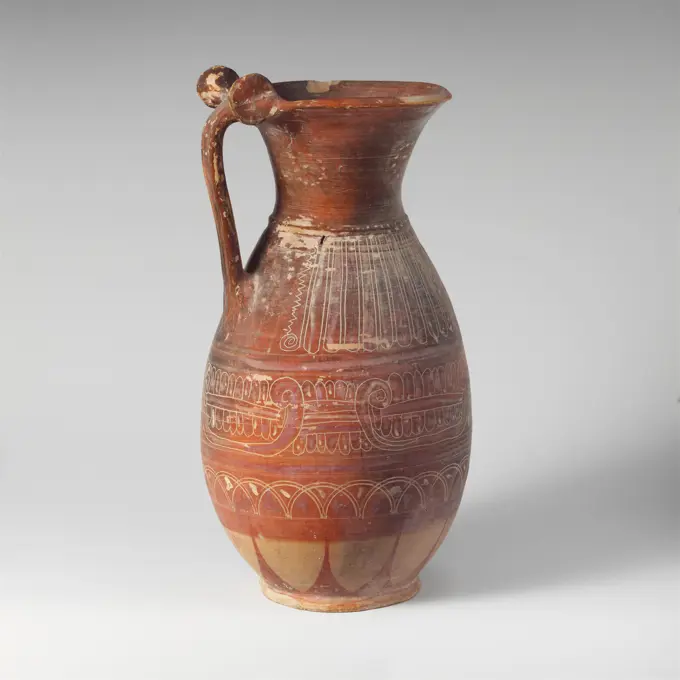
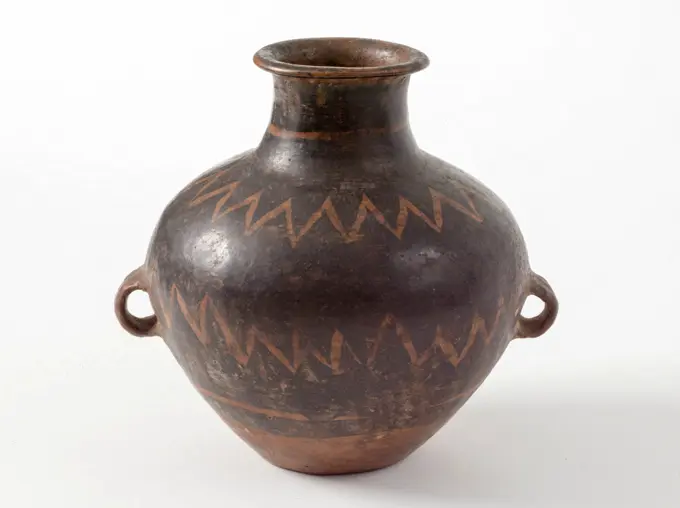
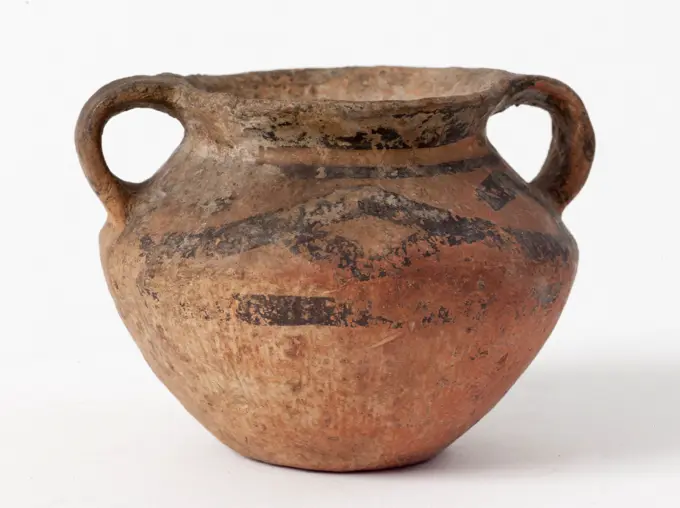
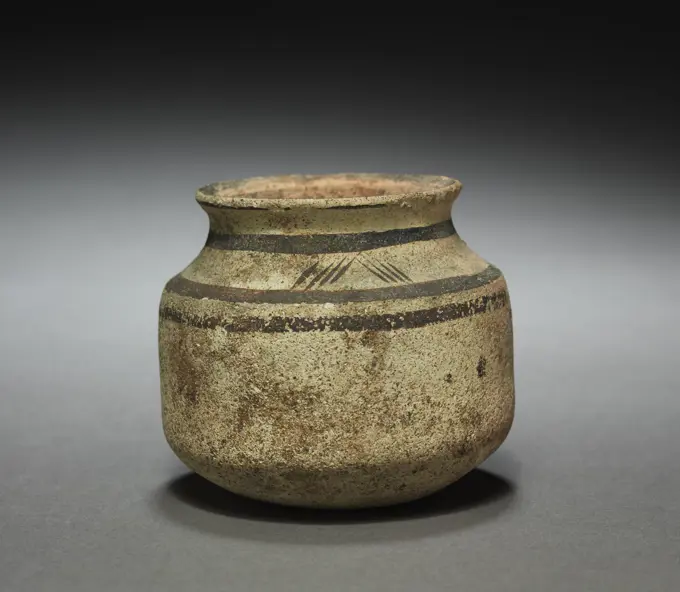
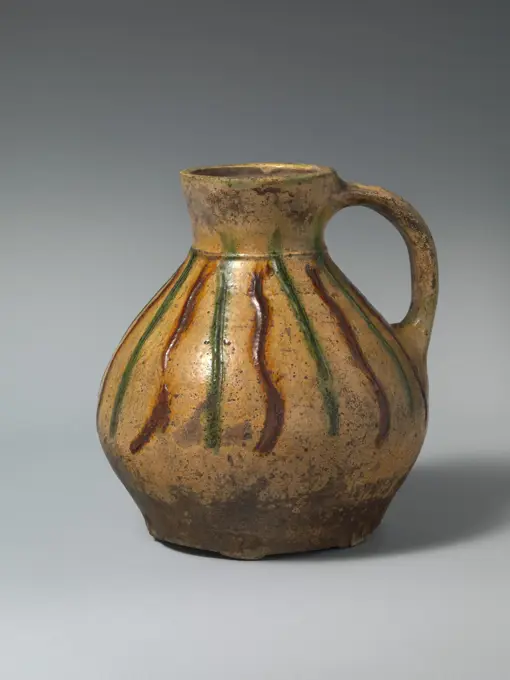
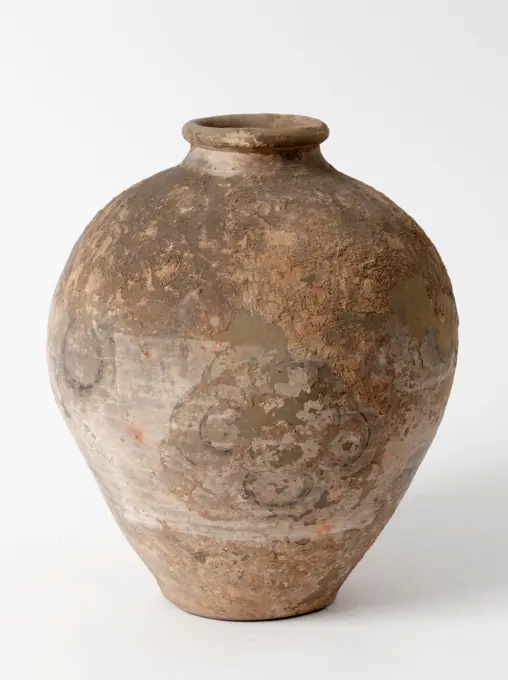
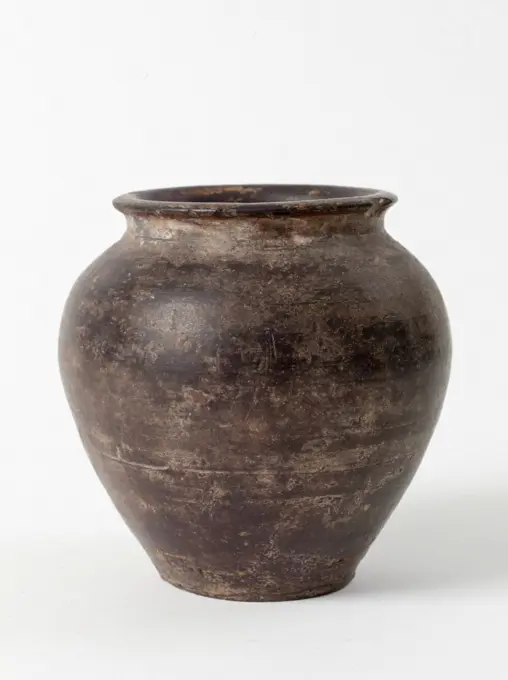
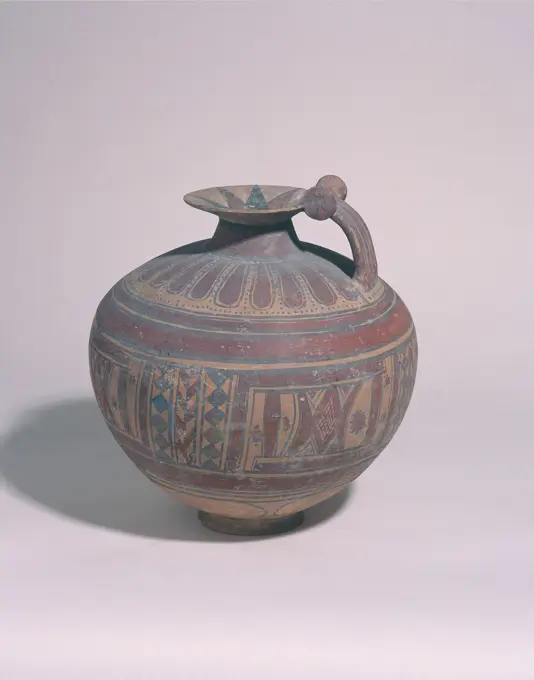
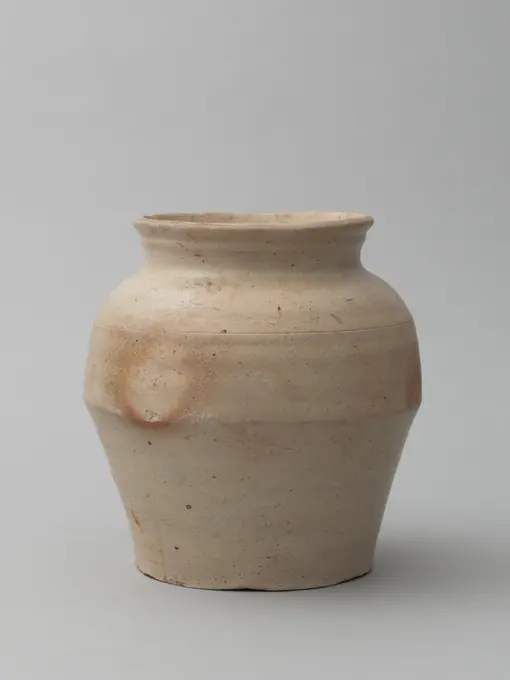
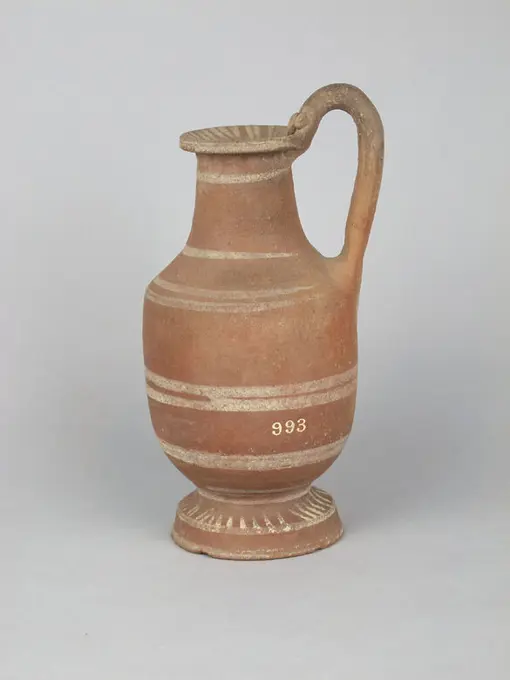
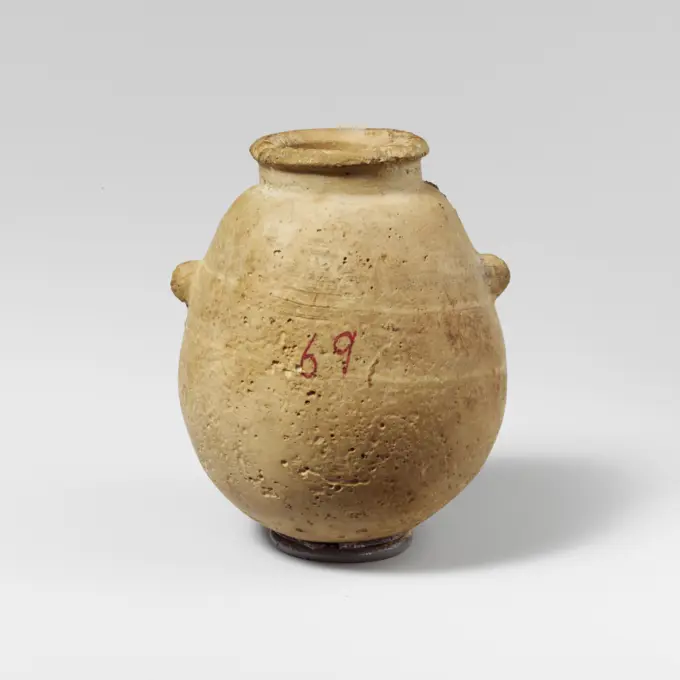
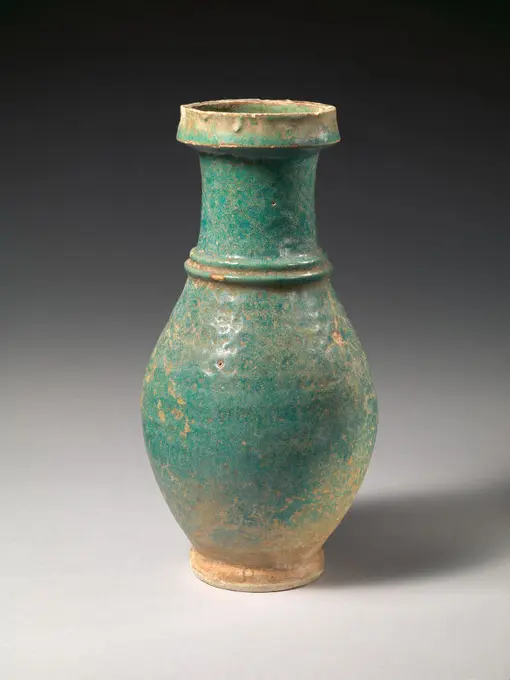
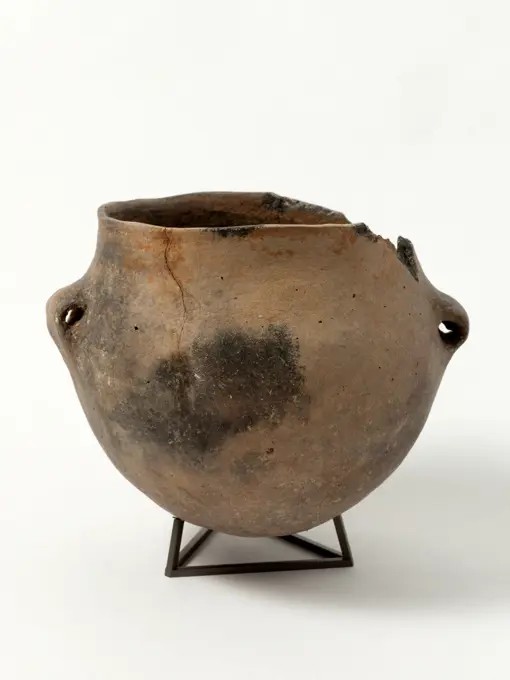
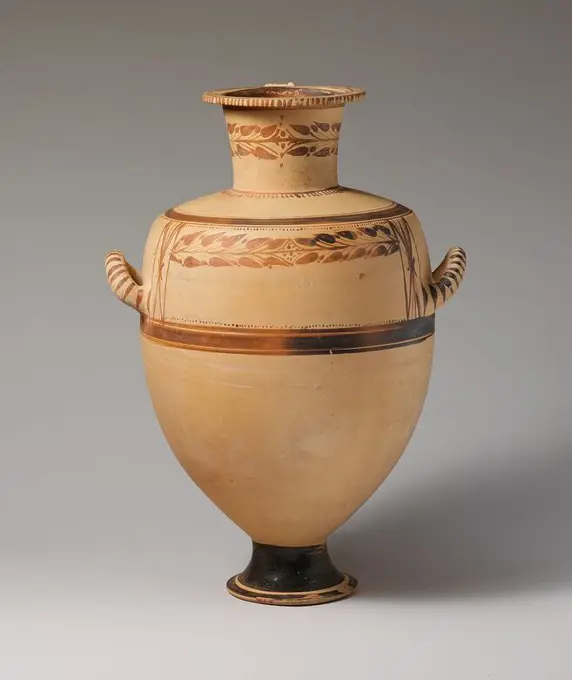
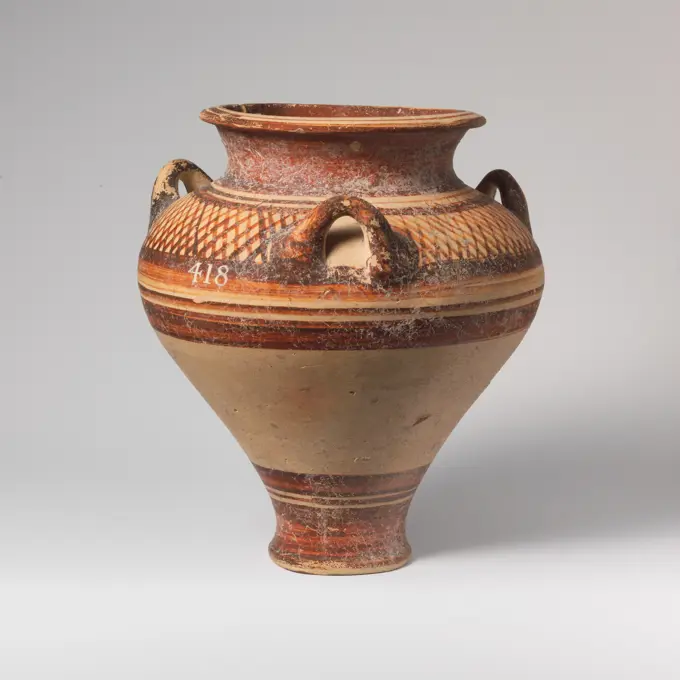
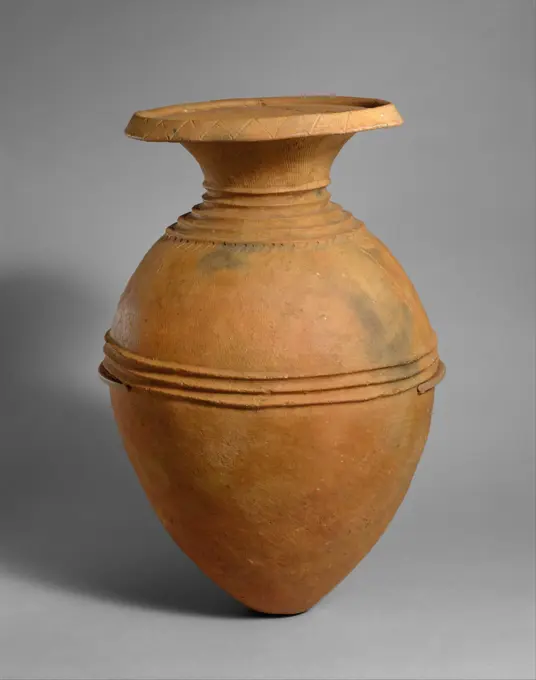
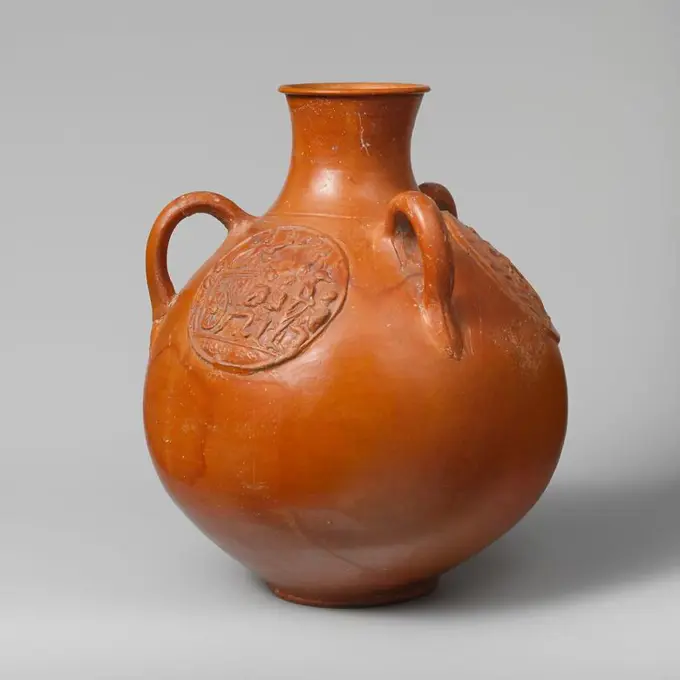
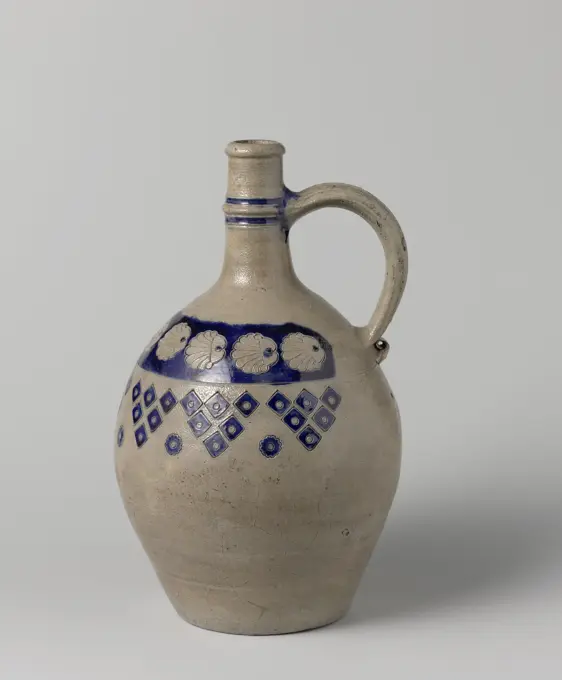
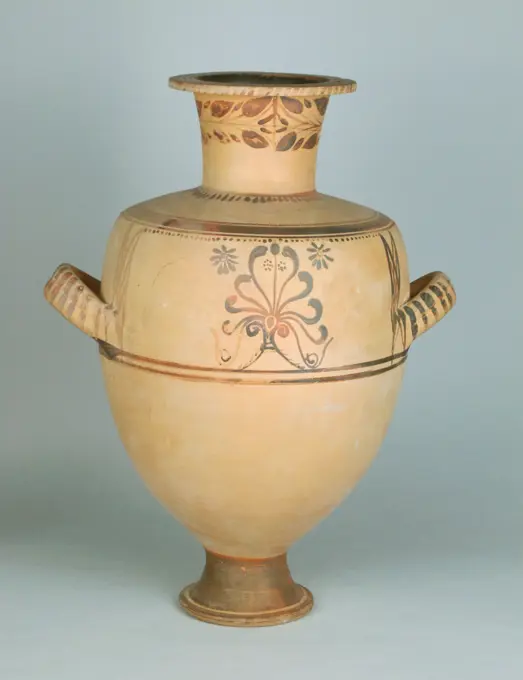
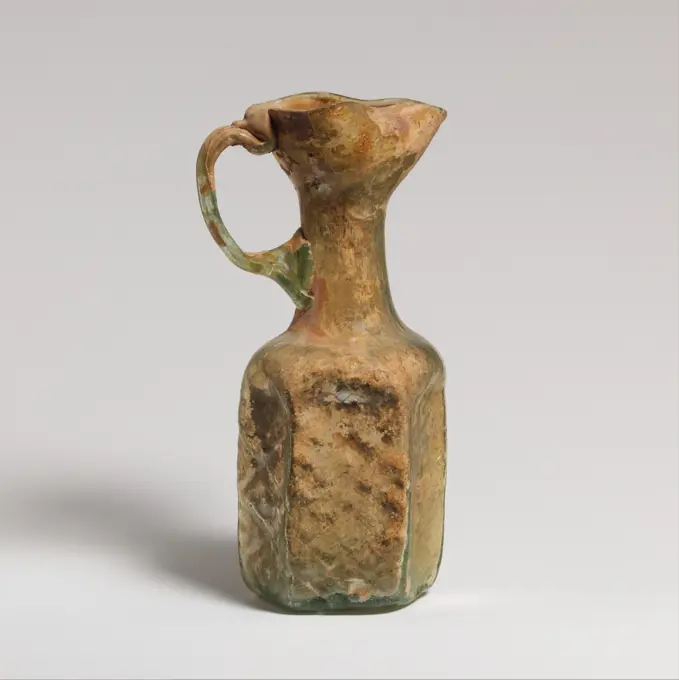
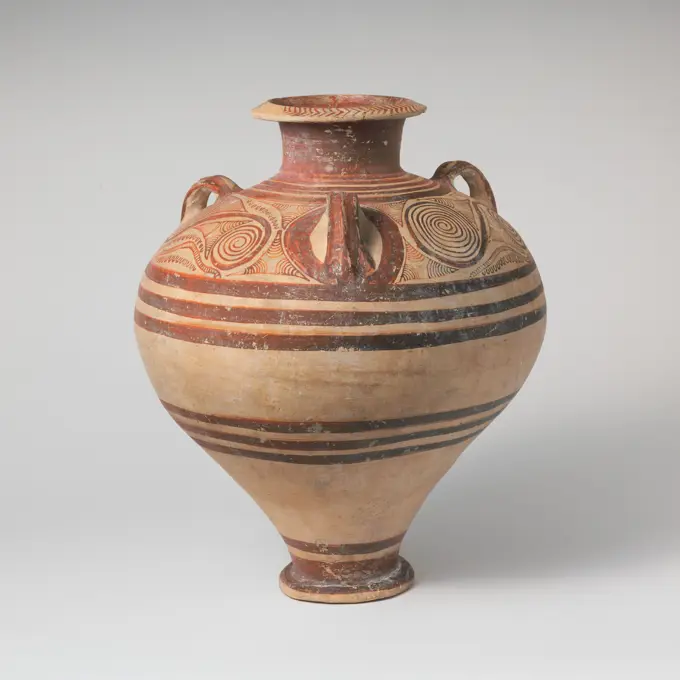
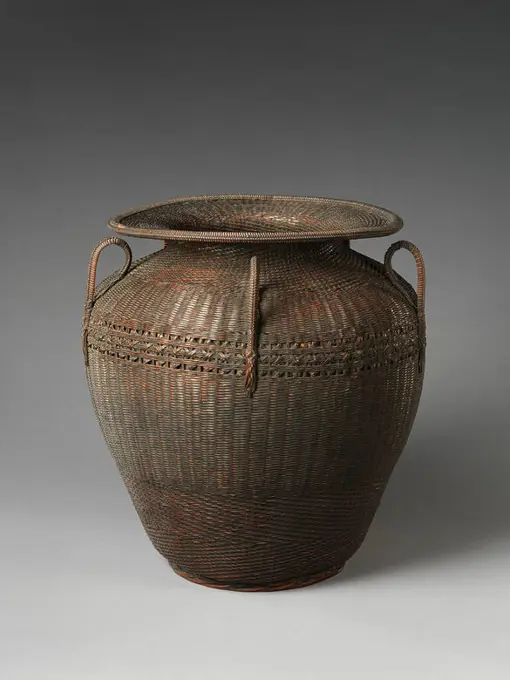
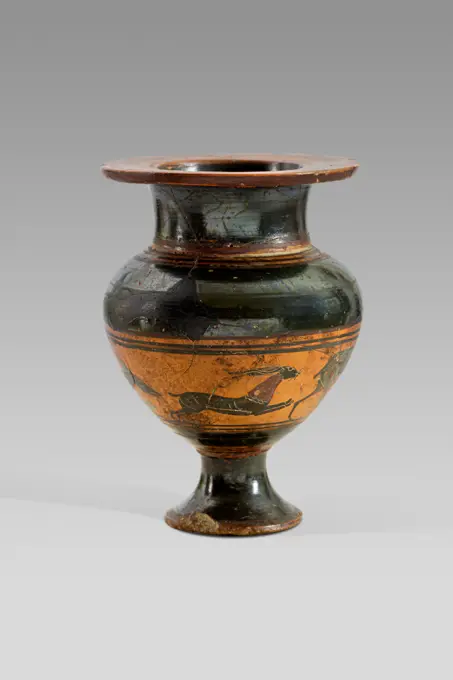
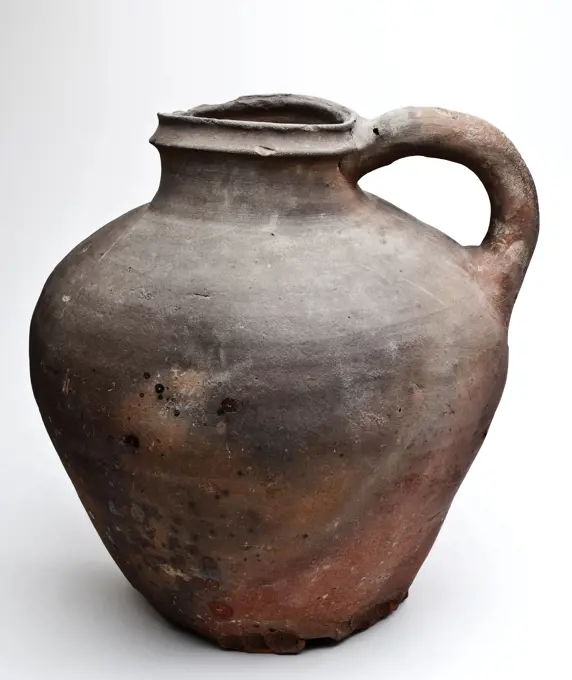
Ovoid jar. Terracotta, Vietnam, 10th-12th century. Provenance: Vietnam. Paris, Cernuschi museum. 78605-3 Archeology, Vietnamese art, jar ovow, container, terracotta, archeological vestige, XEME X 10th 10th 10th century, XIIIEM XIIII 13th 13th 13th 13Stoneware jug, large and rounded model with wide band ear, on squeeze foot, jug crockery holder soil find ceramic stoneware glaze salt glaze, rotated glazed baked Stoneware gray shard. Light brown mottled partly glazed Drainages all over the pinched pinched neck and dent in shoulder archeology Rotterdam Spangen cast castle Soil discovery: Soil discovery Castle Spangen 1941.Ovoid jar. Terracotta, Vietnam, 10th-12th century. Provenance: Vietnam. Paris, Cernuschi museum. 78605-4 Archeology, Vietnamese art, jar ovow, container, terracotta, archeological vestige, XEME X 10th 10th 10th century, XIIIEM XIIII 13th 13th 13th 13ARTE ISLAMICO. JARRA. CUESTA DE LA VEGA. MADRID. MUSEO MUNICIPAL. MADRID.Verseuse ". Ceramic. China, Tang dynasty. Paris, Cernuschi museum. 73679-7 Anse, Asian art, spout, ceramic, tang dynasty, Chinese pottery, animal head, pourseTerracotta olpe (jug) ca. 600-575 B.C. Etruscan, Italo-Corinthian Incised tongues at shoulder, designs at belly, concentric half circles at base.. Terracotta olpe (jug) 246566Stoneware cup with two ears with double profiled band on belly, pinched foot, without mouth rim, cup crockery holder soil find ceramic stoneware clay engobe glaze salt glaze, hand turned glazed baked stoneware cup gray shard salt glaze partly brown engobe two ring-shaped outward ears two ridges around the belly above and below the ridges rotations pinched foot. Egg-shaped body awuptly stopping at the edge of the mouth archeology import pottery pour serving drink wine beerJar ". Terracotta with painted decor in black. Neolithic period (around 8000 BC). Paris, Cernuschi museum. Anse, Chinese art, Chinese Ceramic, container, jar, decorative motif, Neolithic period, container, terracottaLarge Incised Jar 15th-16th century Vietnam. Large Incised Jar. Vietnam. 15th-16th century. Stoneware with brown glaze. CeramicsJar ". Terracotta painted in black. Neolithic period (around 8000 BC). Paris, Cernuschi museum. Anse, Chinese art, Chinese Ceramic, container, jar, decorative motif, Neolithic period, container, terracottaPot, 3rd-2nd Millenium BC. Iran, Luristan (), 3rd-2nd Millenium BC. Earthenware; diameter of mouth: 6.3 cm (2 1/2 in.); overall: 7.4 cm (2 15/16 in.).Jug with Applied decoration 13th century British In crafting this jug, the potter addressed both practical and aesthetic needs. The makers thumbmarks, in five places around the base, ensure stability. A low center of gravity, which keeps the vessel from tipping, is visually counterbalanced by a high arched handle. The tapering body, from the shoulder up to the neck, is decorated with applied vertical strips, alternating straight and green with red and waving.. Jug with Applied decoration 643549Jar ". Terracotta, traces of polychrome. China, Han dynasty (206 BC-220 AD). Paris, Cernuschi museum. Chinese art, Chinese ceramic, container, han dynasty, han time, oval form, jar, container, terracottaJar ". Black terracotta. China, Han dynasty (206 BC-220 AD). Paris, Cernuschi museum. Chinese art, Chinese ceramic, container, han dynasty, han, jar, container, terracottaPot and lid. Terracotta. Vietnam. Paris, Muse Cernuschi. Pot and lid Asian art, art of extreme orient, art of Vietnam, Vietnamese art, terracotta, dishesAmphoraChalice. Terracotta. China, Neolithic, Dawenkou. Paris, Cernuschi museum. 72782-10 Asian art, Chinese chalice, Dawenkou, elongated, neolithic, pottery, terracotta formJar with Four Loop-Handles, 6th Century. China, Sui dynasty (581-618) - Tang dynasty (618-907). Glazed gray stoneware; overall: 25.5 cm (10 1/16 in.).Bottle, Raised Faces on Body. Culture: Mississippian. Dimensions: Height 6-1/8 in.. Date: 11th-14th century. Museum: Metropolitan Museum of Art, New York, USA.Glass flask 2nd-3rd century A.D. Roman Translucent pale yellow green.Rim folded over and in, and pressed into sides of broad, funnel-shaped mouth; cylindrical neck; globular body, deep pushed-in bottom.Intact, except for two small holes in side; many pinprick, some large and elongated bubbles, and blowing striations; dulling, pitting, iridescence, and patches of thick creamy brown weathering, with soil encrustation on bottom of interior.. Glass flask 244652Jug (Bartmann jug) with a flower in a medallion, anonymous, c. 1600 - c. 1749 Jug (beard fancier bush) of stoneware on the standing surface with a spherical body and narrow neck. The C-shaped ear is attached to the neck and shoulder. Profiles on the neck. On the front of the abdomen in relief three times a printed and imposed medallion with a flower. On the neck, continuously on the shoulder, a bearded man. Frechten. Cheek stoneware. glaze. engobe vitrification Jug (beard fancier bush) of stoneware on the standing surface with a spherical body and narrow neck. The C-shaped ear is attached to the neck and shoulder. Profiles on the neck. On the front of the abdomen in relief three times a printed and imposed medallion with a flower. On the neck, continuously on the shoulder, a bearded man. Frechten. Cheek stoneware. glaze. engobe vitrificationAmphoriskos. UnknownJar ovode small right profile collar. Terracotta. Vietnam. Paris, Muse Cernuschi. Jar ovode small collar right profile Asian art, art of extreme orient, art of Vietnam, Vietnamese art, terracotta, dishesOenochoé (olpé) in clay (left side of the handle), ancient Greece 6th century AV.J.-C. ". Clay. Museum of Fine Arts of the city of Paris, Petit Palais. 26983-10 Handle, ancient antiquity, clay, left rating, archaic Greece, oenochoe, olpe, wine pitcher, dishesJar. China. Date: 206 AD-220 AD. Dimensions: H. 14 1/4 in. Stoneware with lead green glaze and underglaze molded decoration. Origin: China. Museum: The Chicago Art Institute, Chicago, USA.Terracotta aryballos (oil flask) late 8th-early 7th century B.C. Greek, Corinthian Stripes around body.. Terracotta aryballos (oil flask) 251448 Greek, Corinthian, Terracotta aryballos (oil flask), late 8thearly 7th century B.C., Terracotta, H. 2 in. (5.1 cm). The Metropolitan Museum of Art, New York. Gift of Albert Gallatin, 1923 (23.193)Alabaster jug ca. 1450-1200 B.C. Cypriot This vase is made of a stone not found in Cyprus, although the bil-bil shape is a native type. It may have been carved in imported stone by Cypriot artists, or made in Egypt or Syria where terracotta Base Ring Ware jugs were exported in great numbers and copied in stone.. Alabaster jug. Cypriot. ca. 1450-1200 B.C.. Calcite (alabaster). Late Cypriot II. Miscellaneous-Stone VasesJug 9th century. Jug 449400Jar. White sandstone with covered. Janse, Lach Truong, burial 11. Epoque de Giao Chi (1st century BC - Xth century AD). Paris, Cernuschi museum. 59234-17 Vietnamese art, ceramic, covered, Giao chi, white, Janse, jar, lach Truong, Sepulture 11, dishesGlass jug. Culture: Roman. Dimensions: Overall: 3 5/8in. (9.2cm)Other: 2 1/16in. (5.2cm). Date: 2nd-3rd century A.D..Small, one-handled jugColorless with pale green tinge; handle in same color.Uneven rim folded out, round, and partially in, with beveled outer edge; flaring mouth; short cylindrical neck, curving out at base to bulbous body with convex sides; flat but slightly uneven bottom; handle attached as pad to body, drawn out, up, and round, and trailed on to top of neck and outer edge of rim with loop above rim.Intact; some large bubbles, blowing striations, and glassy inclusions; dulling, some pitting, and iridescence, with areas of creamy weathering. Museum: Metropolitan Museum of Art, New York, USA.Jug. Culture: Cypriot. Dimensions: 9 1/16in. (23cm). Date: 480-310 B.C..One-handled jug of red clay decorated with white. Museum: Metropolitan Museum of Art, New York, USA.Lamp. UnknownGlass jug. Culture: Roman. Dimensions: 2 3/8 in. (6 cm)Other: 1 11/16 in. (4.3 cm)Diam. of rim: 1 1/16 in. (2.7 cm). Date: 2nd-3rd century A.D..Miniature one-handled jugTranslucent pale bluish green; handle in same color.Plain rounded rim; flaring mouth; funnel-shaped neck; squat globular body; pushed-in bottom with pontil scar at center; rod handle applied to top of body, drawn up and out in a straight line, turned in and down at acute angle, and trailed on to top of neck and pinched off above rim.Intact; many bubbles, elongated in neck; dulling, pitting, and iridescent weathering. Museum: Metropolitan Museum of Art, New York, USA.Vase Hu ". Terracotta, traces of coating. Han dynasty (206 BC-220 AD). Paris, Cernuschi museum. Anse, Chinese art, Chinese Ceramic, Han dynasty, Han time, oval form, terracotta, humOinochoe. UnknownAlabaster alabastron (perfume vase) 6th-5th century B.C. Cypriot The globular flask has two rounded lugs, a squat wide neck, and a convex rim.. Alabaster alabastron (perfume vase) 244021Jar. Culture: Sasanian. Dimensions: 13.5 in. (34.29 cm). Date: ca. 6th-7th century A.D..A green-blue glaze covers the jar's exterior and its interior is coated with bitumen. Two concentric bands encircle the neck. Ceramics glazed in green, blue-green, and yellow were produced in Mesopotamia and southwest Iran during the Sasanian period. The dating of Sasanian pottery is complicated due to the lack of examples from controlled excavations at Sasanian sites, however, in contrast to ceramics produced during the Islamic period, glazes cover Sasanian vessels uniformly and additional designs are not defined through the use of differently colored glazes. Museum: Metropolitan Museum of Art, New York, USA.Large ovoid vase 1512. Neolithic. Terracotta. Paris, Carnavalet museum. 1512, Neolithic, ovole, container, terracotta, dishes, vase, archeological vestigeTerracotta Hadra hydria (water jar). Culture: Greek, Ptolemaic, Cretan. Dimensions: h. 17 7/8 in (45.4 cm); d. 10 5/8 in. (27 cm). Date: late 3rd century B.C..Laurel wreaths, such as those that decorate this hydria, are a common motif on Hadra vases. The sepulchral connotations of these painted wreaths, which surround the neck and appear draped across the body, are reinforced by the discovery of bronze hydriae encircled by actual golden wreaths found in Macedonian tombs. Museum: Metropolitan Museum of Art, New York, USA.Vessel, mid 20th century, 12 3/4 x 16 11/16 x 16 11/16 in. (32.39 x 42.39 x 42.39 cm), Clay, Burkina Faso, 20th centuryVessel in the Shape of a Figure, 1000-1460s. Peru, Central Coast, Chancay sytle, 12th-15th century. Earthenware with painted slip; overall: 63.5 cm (25 in.).Terracotta pithoid jar ca. 1400-1350 B.C. Mycenaean Pear-shaped with three handles and diagonal intersecting lines on shoulder.. Terracotta pithoid jar 240348Prehistory, Italy, Iron Age. Golasecca culture. Clay urn.Storage jar Japan Contributions from Chinese and Korean immigrants enhanced the cultural complexincluding wet-rice agriculture, bronze technology, spinning and weaving techniques, and a new ceramic aestheticthat defines the Yayoi period in Japan. The elegant form of this jar was built of clay coils and then smoothed to an even base. Used for grains or liquid, this capacious jar is enhanced by bands of clay. The small tapered bottom indicates that this jar was supported either with a separate base or by inserting it into a depression in the ground.. Storage jar. Japan. Earthenware with applique. middle Yayoi period (ca. 100 B.C.-A.D. 100). CeramicsTools and Equipment; sprinklers. Korea, Goryeo Dynasty , 918-1392, 10th-12th century. Wheel-thrown stoneware. Diameter: 4 1/2 in. (11.43 cm) Height: 9 in. (22.86 cm)Terracotta hydria (water jar). Culture: Greek, South Italian, Apulian. Dimensions: H. 28 5/8 in. (72.7 cm). Date: ca. 330-300 B.C..A wreath--now almost lost--circles the neck. Museum: Metropolitan Museum of Art, New York, USA.Amphora middle of the 6th century B.C. Etruscan Fluted shoulder.. Amphora. Etruscan. middle of the 6th century B.C.. Terracotta; bucchero. Archaic. VasesProto stoneware drinking jug with cuff edge, jug crockery holder soil find ceramic stoneware clay engobe metal, hand-turned baked brown drinker. Proto stoneware Beaded belly cylindrical neck with cuff around the top edge. Pinched foot. Standing ear Turning arches over the entire height archeology Hellevoetsluis Nieuwenhoorn drinking pouring Soil discovery canal of the residential tower Ravenseweg put III Nieuwenhoorn 1978.11.02Vase China. Vase. China. Bronze. Tang dynasty (618-907). MetalworkJar in Underglazed Opaque White. Korea, Korean, Joseon dynasty (1392-1910), 18th century. Furnishings; Serviceware. Wheel-thrown stoneware with cream slip and clear glazeStoneware jug, ball model with cylindrical neck, gray glazed, jug soil find ceramic earthenware glaze salt glaze, hand turned glazed baked Stoneware jug sphere model with cylindrical neck glazed gray Under and above the belly thickened ring around the neck and stand. Stand with soul and dedications archeology Rotterdam Kralingen-Crooswijk Struisenburg Buizengat indigenous pottery import donate drinking table Soil discovery: Buizengat Rotterdam.BottleSmall stoneware jug on standing surface, stocky belly and cylindrical neck with rings, jug holder soil find ceramic stoneware glaze salt glaze, hand-turned glazed baked stoneware jug. Stubby belly and long cylindrical neck decorated with rings. Standing ear ending in rat tail on the belly Stand with profile ring Completely covered with salt glaze gray and brown speckled archeology Rotterdam IJsselmonde indigenous pottery import store store package Soil discovery: Castle IJsselmonde pit 1 Rotterdam 1972.Can. Brown can with 3 medallions on the neck, in which heads are shown.Three-handled jug with relief medallions. Culture: Roman. Dimensions: H. 8 9/16 in. (21.7 cm); diameter 7 1/4 in. (18.5 cm). Date: late 2nd-early 3rd century A.D..This unusual three-handled jug is decorated with molded appliqué disks. Two are from the same mold and depict the Greek mythological figures Atalanta and Hippomenes. The third appliqué shows a religious procession with the cult statue of the Egyptian goddess Isis being paraded in a cart. The jug is said to have been found at Arausio (modern Orange, Southern France), but it was probably made in a workshop at either Lyon or Vienne in the upper Rhône Valley. Museum: Metropolitan Museum of Art, New York, USA.Glass jug 4th century A.D. Roman Translucent blue green; handle and trails in same color.Plain, rounded rim; broad flaring mouth; cylindrical neck expanding downwards and joining imperceptibly with large piriform body; tall, splayed, tubular foot ring, made by folding; thick projecting bottom with large central pontil mark; broad, ribbed strap handle applied to body, with projecting lip below, drawn up vertically, tooled in and downwards, then folded on underside of mouth over trail decoration, drawn up and trailed off on rim.Single trail wound round horizontally on underside of mouth; another trail wound round neck.Intact; a few bubbles in body, but many elongated bubbles in handle; soli encrustation, slight dulling, and faint iridescence.. Glass jug 245626Vase. Charles Fergus Binns (England, active United States, New York, Alfred, 1857-1934). United States, 1920. Furnishings; Accessories. StonewarePitcher with shells, triangles and flower roundels, anonymous, c. 1650 - c. 1724 Jug of stoneware on stand ring with an egg -shaped abdomen and long, narrow neck. The C-shaped ear is attached to the neck and shoulder. Decorated in cobalt blue with a profile and two lines on the neck. On the shoulder a band with nine stamped shells against a blue background. Below that a band with seven triangles formed by six stamped windows in blue with a saved dot. A flower rosette between the triangles. Under the ear the inscription 'I k' in blue. Westerwald. Westerwald stoneware. glaze. cobalt (mineral) vitrification Jug of stoneware on stand ring with an egg -shaped abdomen and long, narrow neck. The C-shaped ear is attached to the neck and shoulder. Decorated in cobalt blue with a profile and two lines on the neck. On the shoulder a band with nine stamped shells against a blue background. Below that a band with seven triangles formed by six stamped windows in blue with a saved dot. A flower rosetTerracotta Hadra hydria (water jar) 3rd century B.C. Greek, Egypt, Alexandria-Hadra On body, palmette, two rosettes, and network; on neck, laurel sprays.. Terracotta Hadra hydria (water jar). Greek, Egypt, Alexandria-Hadra. 3rd century B.C.. Terracotta. Hellenistic. VasesBearded manner with double ear, decorated with flower and leaf raft and a short-wide beard man on the neck. Bearded manner of stoneware with double ear. The bullet-shaped belly is decorated with flower and leaf refines. A short, wide Baardman on the neck. Between the rings of the neck two rows of 5-pointed stars.Lamp, Asia Minor; 1st - 4th century; Terracotta; 3.8 x 8 x 11 cm (1 1,2 x 3 1,8 x 4 5,16 in.)Glass hexagonal jug 6th-early 7th century A.D. Roman, Palestinian Translucent pale blue green, with same color handle.Trefoil rim with upward partially thickened and rounded edge; deep, funnel-shaped mouth; cylindrical neck that expands downwards; sloping shoulder; hexagonal body, tapering downwards, with impressed side panels; pushed-in bottom, with central pontil scar; rod handle, applied to neck in large pad, drawn out and up in a curving loop, then trailed onto back of mouth and rim.On body, six rectangular panels, decorated with matching pairs of three different geometric relief patterns: three vertical lozenges with central dots and half lozenges to either side, a lattice of diamond-shaped bosses, and a stylized palm frond with leaves to either side of central stem; on bottom, an indistinct star or rosette.Intact; very many pinprick and elongated larger bubbles; creamy weathering and brilliant iridescence on exterior, some soil encrustation and weathering on interior.Moulded glasRed -purital aryball lease;  around 460-450 BC (-465-00-00--445-00-00);Terracotta jug ca. 1600-1450 B.C. Cypriot Jug with funnel-shaped mouth, handle, and spiral bands in relief.. Terracotta jug. Cypriot. ca. 1600-1450 B.C.. Terracotta; Base-Ring Ware. Late Cypriot I. VasesTerracotta pithoid jar ca. 1325-1300 B.C. Mycenaean With three handles and decorated with conventional ornament.. Terracotta pithoid jar 248269Jar 11th-12th century. Jar 446843Large bearded jug with cartouche and capacity measure, dated, Bartmann juggeruik tableware holder soil find ceramic stoneware glaze salt glaze, hand turned stamped glazed glazed baked Very large Bartmann jug of stoneware Oblong ovoid. Bartmann jug on the neck with the year underneath contented with radstempel Underneath an oval cartouche in which text year and anchor brown glazed Stand with traces of traces. Dent on the front. Neck with profile rings Text and year in the beard: EW 1791 AO archeology indigenous pottery import packing transport store store cellar warehouseBeacker (trichterhalsbecher) with St John the Evangelist, anonymous, c. 1560 - c. 1590 Cup (funnel neck cup) of stoneware on a wavy foot with an egg -shaped body and funnel -shaped neck. The C-shaped ear is attached to the shoulder. On the belly in relief three times a printed and imposed medallion with Johannes the Evangelist with his eagle in a landscape. Above his head the inscription 'IOANVS'. Siegburg. Siegburg stoneware. glaze vitrification Cup (funnel neck cup) of stoneware on a wavy foot with an egg -shaped body and funnel -shaped neck. The C-shaped ear is attached to the shoulder. On the belly in relief three times a printed and imposed medallion with Johannes the Evangelist with his eagle in a landscape. Above his head the inscription 'IOANVS'. Siegburg. Siegburg stoneware. glaze vitrificationLarge Karamono-Style Flower Basket (Hanakago). Artist: Hayakawa Shokosai I (Japanese, 1815-1897). Culture: Japan. Dimensions: H. 19 3/4 in. (50.2 cm); Diam. 16 in. (40.6 cm). Date: ca. 1870s-80s.This large Chinese-style flower basket is a standout piece from the first collection of bamboo art given to The Met: a group of nearly eighty baskets bequeathed to the Museum in 1891 by Edward C. Moore of Tiffany & Co. Museum: Metropolitan Museum of Art, New York, USA.Aryballos orientalizujący. unknown, authorTall Vase With a Crackled Cream-Colored Glaze. High, slender vase of stoneware (Dong-khe-good / yiangnan thing), with a cylindrical body, upwardly slightly finished, round shoulder and spreading neck with flat edge. Cream colored, cracked glaze. A chip in the foot ring. Monochromes.Glass miniature perfume bottle early 1st century A.D. Roman Opaque white.Fine rounded rim; flaring mouth; cylindrical neck, deeply tooled in around base; ovoid body; small concave bottom.Intact; slight dulling, iridescence, and brown weathering.. Glass miniature perfume bottle 244671Pircher With Handle. Iran, no date. Furnishings; Serviceware. CeramicJar with fluted sides, anonymous, anonymous, c. 960 - c. 1279 Pot of stoneware with a ribbed wall, partially covered with a cream -colored, crawl glaze. The belly is spherical; The wide long neck has gone upwards. Cizhou (Juluxian). China stoneware. glaze vitrification Pot of stoneware with a ribbed wall, partially covered with a cream -colored, crawl glaze. The belly is spherical; The wide long neck has gone upwards. Cizhou (Juluxian). China stoneware. glaze vitrificationVessel, about 14th century, 13 11/16 x 7 7/16 in. (34.77 x 18.89 cm), Clay, Mali, 14th centuryBarbarian jug with one ear, beardmug tableware holder soil find ceramic stoneware glaze salt glaze, hand turned on laid glazed baked Barbed jug with one ear. Gray shard archeology drink Rotterdam education Academy of Fine Arts and Technical Sciences Cool Coolvest Dijkzigt G.J. de Jonghweg City Triangle Blaak Academy of Fine Arts and Technical Sciences Rotterdam.Terracotta lydion (perfume jar) end of the 6th century B.C. Greek, Attic As indicated by its name, the lydion (perfume vase) originated in Lydia, a region in western Anatolia. Its capital city Sardis was an important center of cross-cultural interactions between Greece and the Near East. This lydion is exceptional, as it is an unusual shape in the Attic repertoire, and exceedingly rare with figural decoration. In addition to the shape, the decoration further emphasizes a connection with the Near East, where bands of animals were common.. Terracotta lydion (perfume jar). Greek, Attic. end of the 6th century B.C.. Terracotta. VasesPottery water jug on stand fins, narrow profiled neck and thick sausage ear, water jug crockery holder soil find ceramic earthenware glaze lead glaze, hand turned set pinched baked jug red pottery around ear slightly thickened edge seven pinched toes rotations some wipe and splashes glaze small dent in the abdomen. Blurred turnings. Profiled neck edge Partially smothered ceramics archeology Capelle aan den IJssel House in Capelle castle indigenous pottery dinnerware kitchenware tableware water washing food preparation Soil discovery: canal south side house in Capelle ± 1395-1500 Capelle aan den IJssel 1963.Ewer 9th-10th century. Ewer 449872Wine Vessel (Zhi) China. Wine Vessel (Zhi). China. Bronze. Shang dynasty () (ca. 1600-1046 B.C.). MetalworkCovered Jar 700 CE-735 CE China. Slip-coated earthenware .Jar ovode. GRS covered ivory, two drops of green email. Vietnam. Paris, Muse Cernuschi. Jarre Ovode Asian art, art of extreme orient, art of Vietnam, Vietnamese art, GRES, dishesGlass perfume bottle. Culture: Roman. Dimensions: 1 5/8in. (4.1cm)Other: 15/16in. (2.4cm)Diam. of rim: 5/8 in. (1.6 cm). Date: 1st-2nd century A.D..Small perfume bottleColorless with pale blue green tinge.Thickened, rounded, uneven rim; flaring mouth; cylindrical neck, tooled in around base; squat bulbous body; small, flattened bottom.Intact, but with crack in body and across bottom; dulling, pitting, and weathering covering most of surfaces, with patches of brilliant iridescence. Museum: Metropolitan Museum of Art, New York, USA.Jar with dragon-shaped handles 8th century China. Jar with dragon-shaped handles 45849Ewer 11th-12th century. Ewer 447291Terracotta lydion (perfume jar) 6th century B.C. Lydian Decorated with horizontal black bands; high, partly hollow foot.. Terracotta lydion (perfume jar) 249085Glass flask. Culture: Roman. Dimensions: H.: 4 1/4 in. (10.8 cm)Diam.: 3 x 1 1/8 in. (7.6 x 2.9 cm). Date: 3rd-4th century A.D..Colorless with blue green tinge; foot ring and trail in same color.Flaring, oval rim, with beveled outer lip; tall, concave neck, expanding out at bottom to join imperceptibly with conical body, with rounded undercurve; partially tubular foot ring; uneven bottom, thicker at center with low kick and pontil scar.Fine trail, applied as a small pad on lower neck and wound up round neck four times.Intact; a few bubbles; brown soil encrustation, dulling, weathering, and iridescence, especially on interior. Museum: Metropolitan Museum of Art, New York, USA.Prehistory, Albania, Iron Age. Small pitcher with geometric decorations. From Mati.Aryballos; Eastern Mediterranean; 6th - 4th century B.C; Glass; 6.1 cm (2 3,8 in.)Storage Jar (Aryballus). Culture: Inca. Dimensions: H x W: 5 1/2 x 4 1/2in. (14 x 11.4cm). Date: 15th-early 16th century. Museum: Metropolitan Museum of Art, New York, USA.Terracotta alabastron (jar) ca. 1600-1050 B.C. Mycenaean Two handles and horizontal and vertical bands.. Terracotta alabastron (jar) 240354Small Pitcher, AD 1-200. Parthian, 1st-2nd Century. Terracotta; overall: 8 cm (3 1/8 in.).Terracotta stirrup jar ca. 1300-1190 B.C. Mycenaean Groups of broad and narrow lines, conventional design on shoulder.. Terracotta stirrup jar 240332Jar 9th century. Jar. 9th century. Earthenware; unglazed. Excavated in Iran, Nishapur. CeramicsBottle with spherical body. Deeply inserted soul, merastic body through rounded shoulders overgoing in a highly tapered neck with a high-placed ring.Ovoid jar with incised lines and a green glaze, anonymous, anonymous, c. 1200 - c. 1399 Egg -shaped pot of stoneware with a narrow, short neck with a raised edge, covered with a crackle green glaze. Five horizontal, lines on the abdomen and shoulder. Two semicircular ears from the shoulder attached to the neck. The lower part of the pot is unglazed. Celadon. Thailand stoneware. glaze vitrification Egg -shaped pot of stoneware with a narrow, short neck with a raised edge, covered with a crackle green glaze. Five horizontal, lines on the abdomen and shoulder. Two semicircular ears from the shoulder attached to the neck. The lower part of the pot is unglazed. Celadon. Thailand stoneware. glaze vitrificationGlass perfume bottle 2nd-3rd century A.D. Roman Translucent pale blue green.Rim folded out, over, and in, flattened on top and into mouth; cylindrical neck expanding downward and tooled in around base; conical body with convex sides; thick, rounded bottom. Fairly thick and heavy glass.Intact; some pinprick bubbles; dulling, iridescence, and faint weathering. Soil encrusted on interior.. Glass perfume bottle 239684Terracotta jug Cypriot Handle-ridge jug of unpainted clay.. Terracotta jug. Cypriot. Terracotta. VasesStoneware pot jug, with rings around neck, ear, on pinched foot, pot jug crockery holder soil find ceramic stoneware, hand-turned baked Stoneware jug gray shard irregularly shaped neck bandoor profiled rotations around the neck revolving around the lower half of the belly. Lightly curled body and cylindrical neck archeology import pottery serve serve drink wine beer potteryBottle 5th-7th century Frankish. Bottle. Frankish. 5th-7th century. Glass. Glass-Vessels