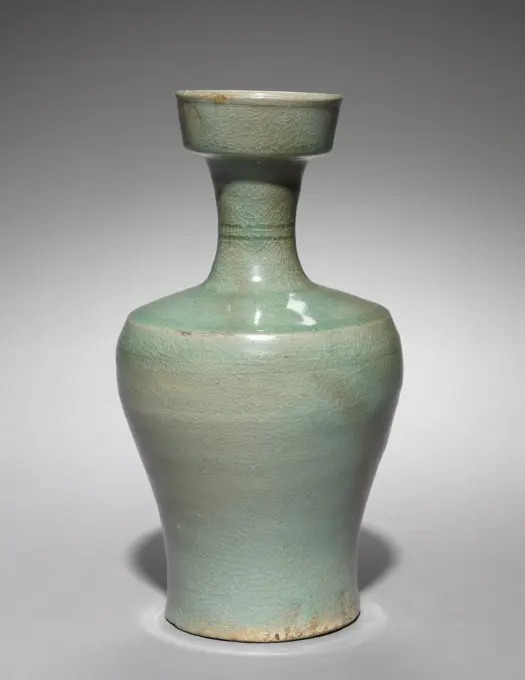
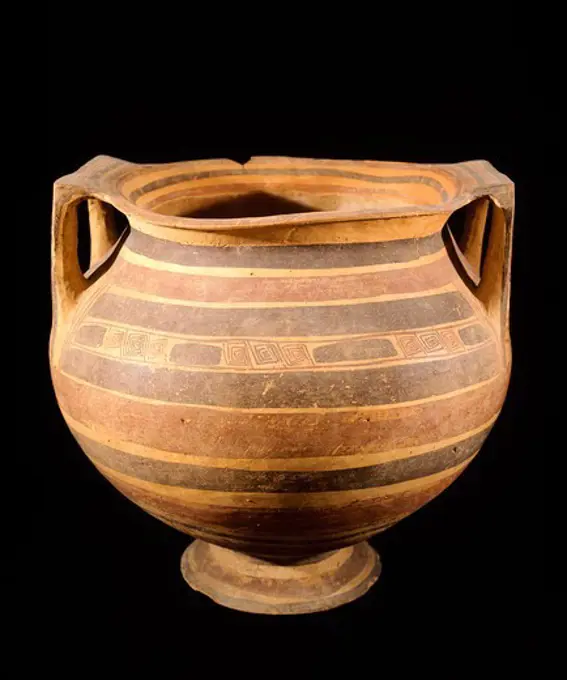
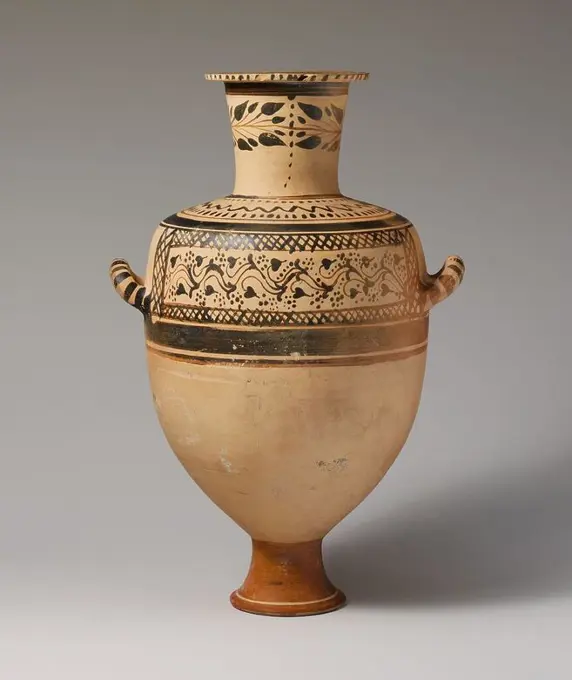
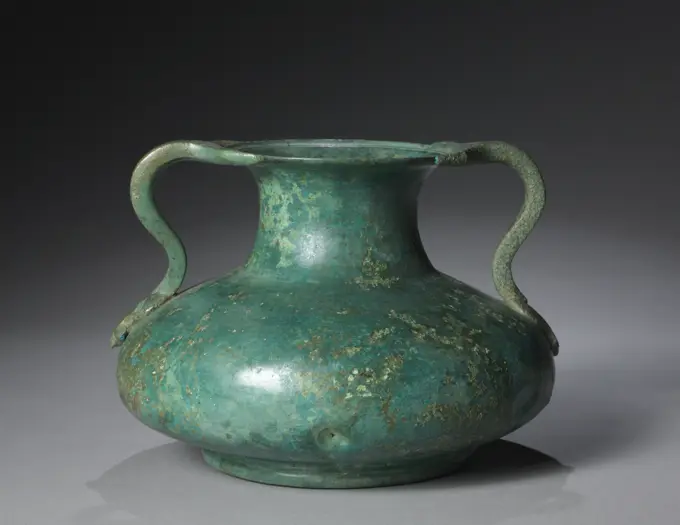
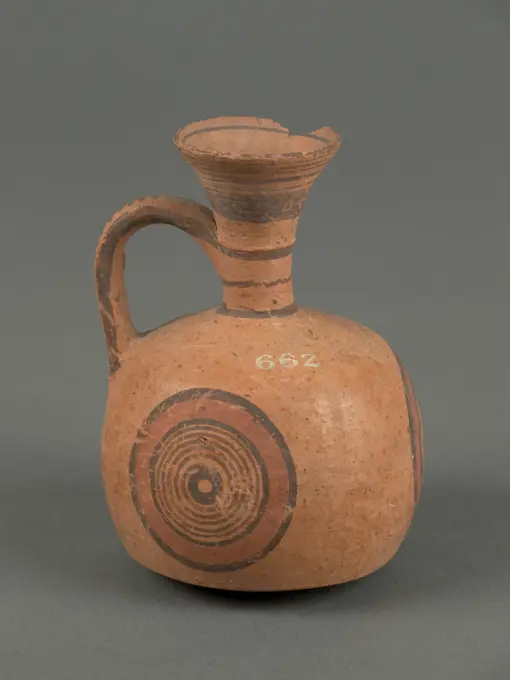
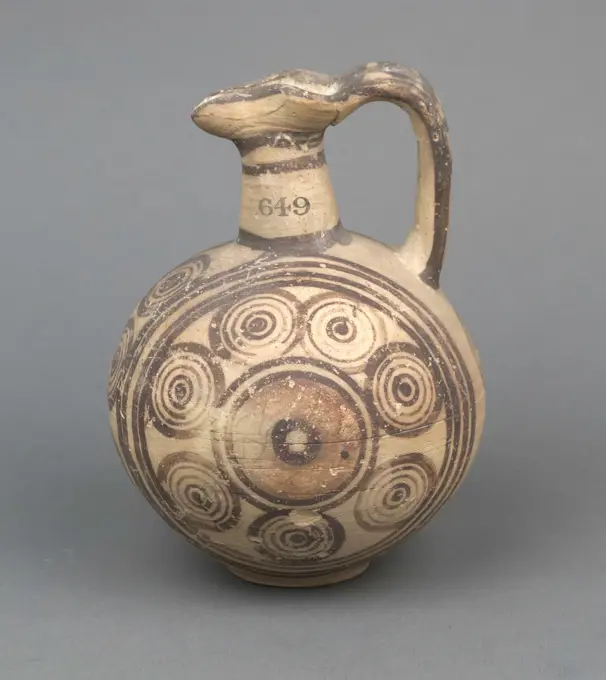
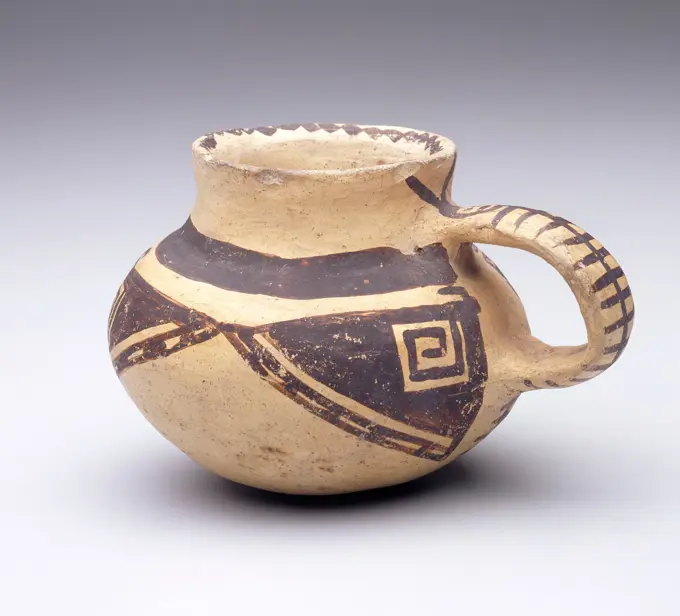
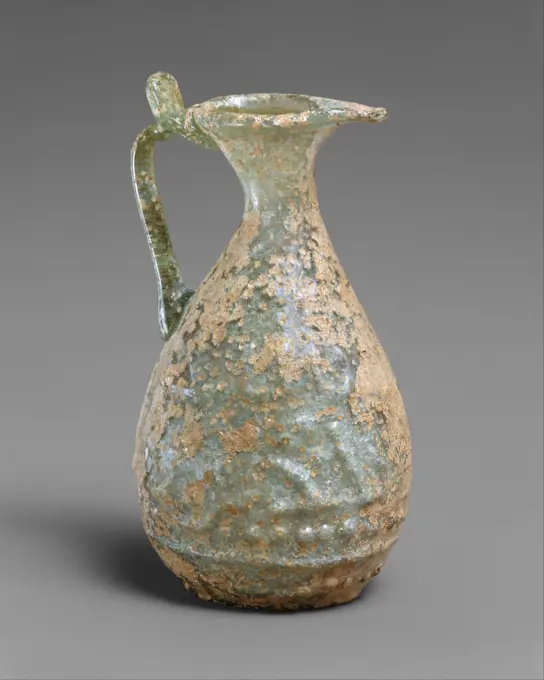
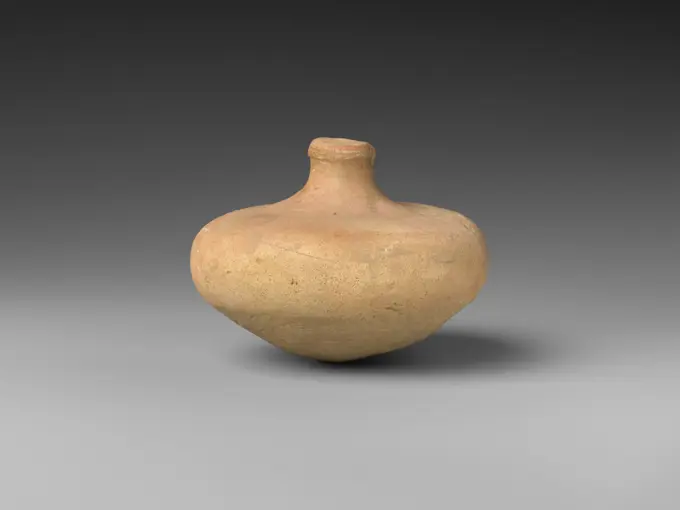
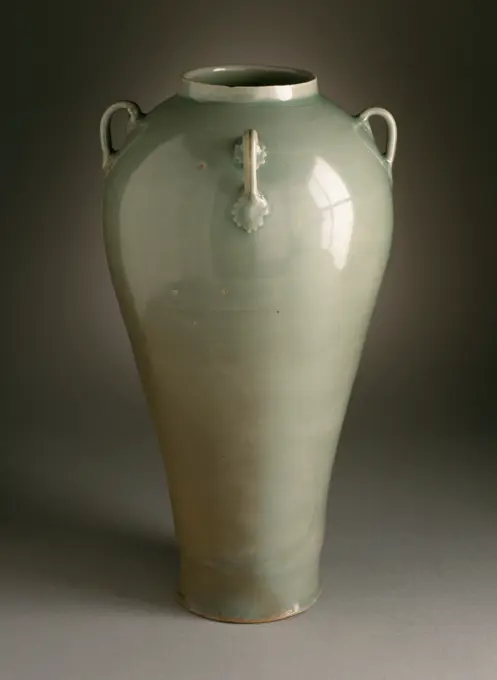
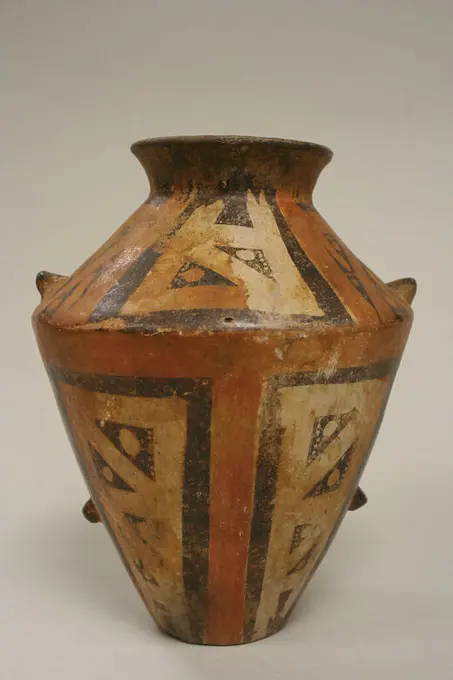
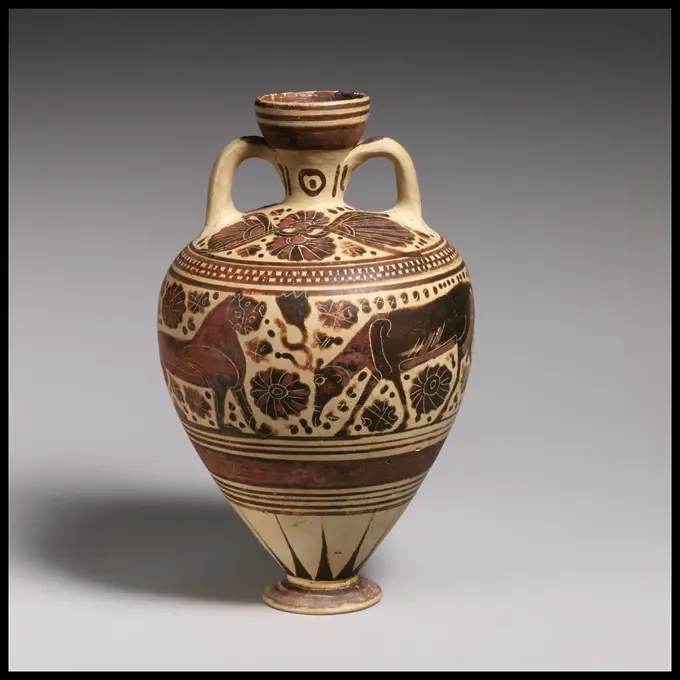
Historical Terracotta Jars

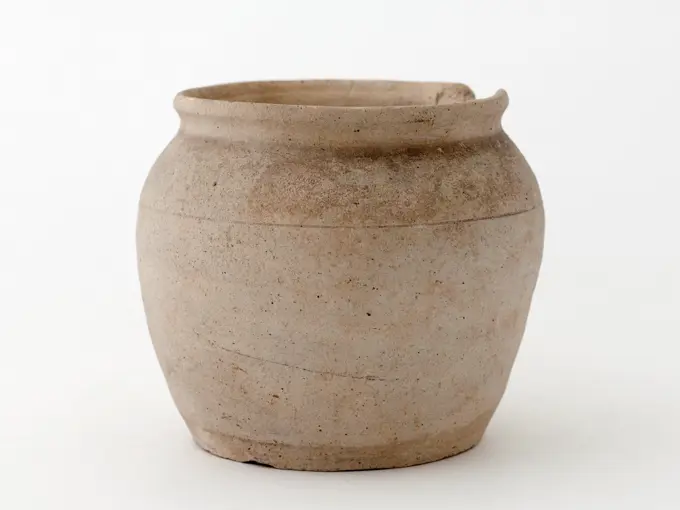
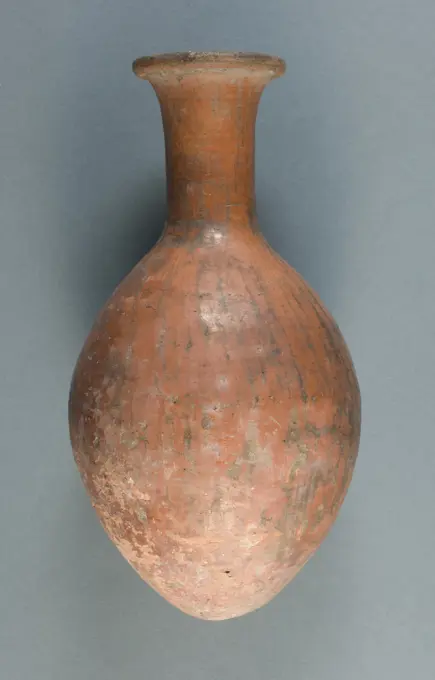
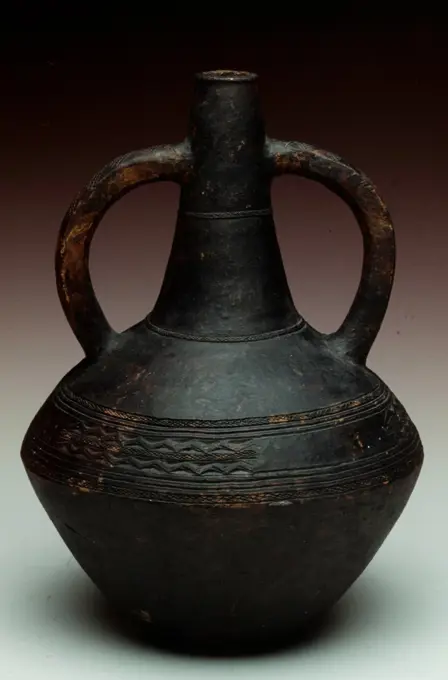
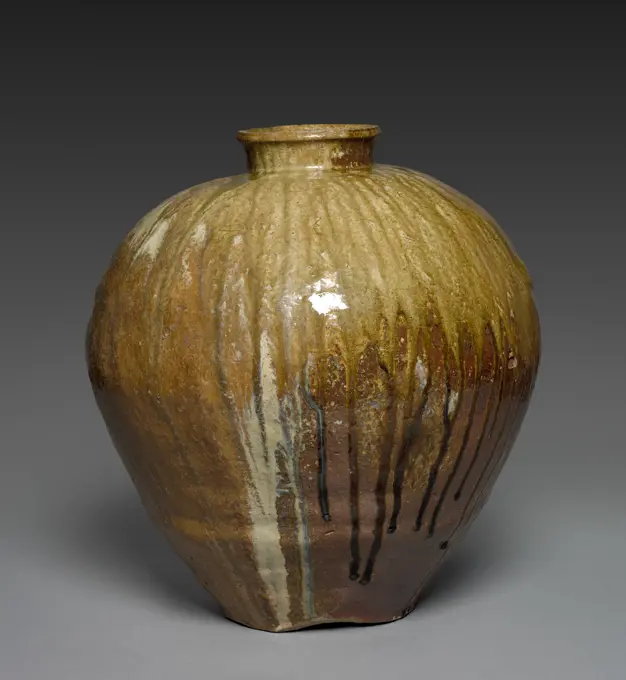
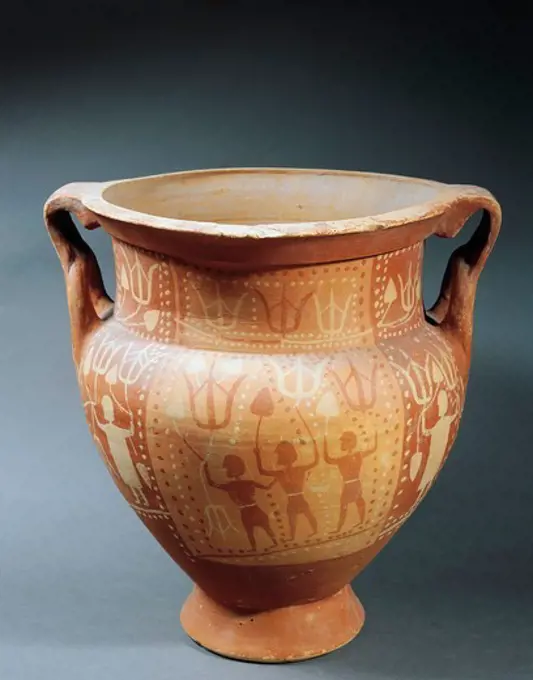
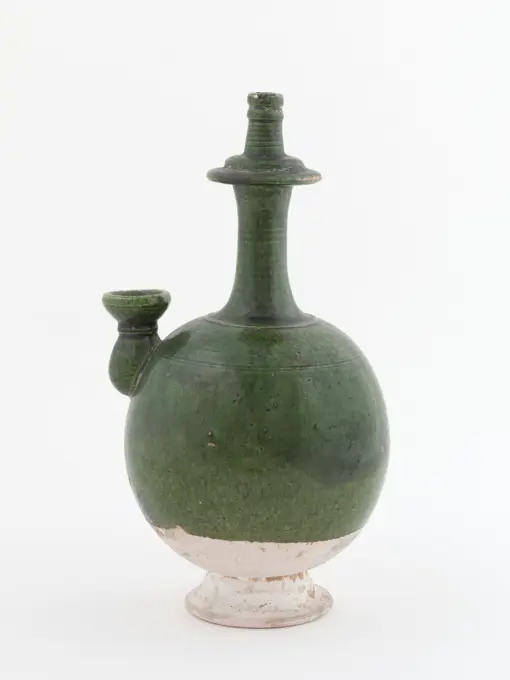
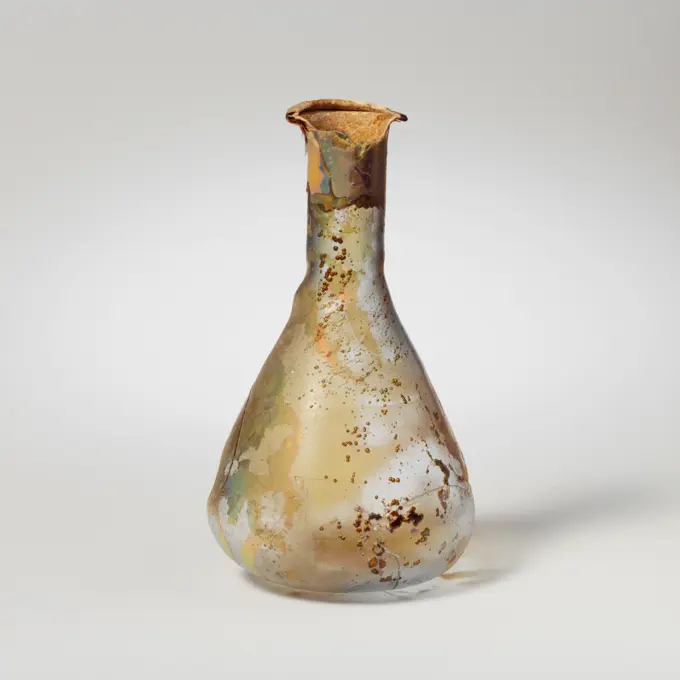
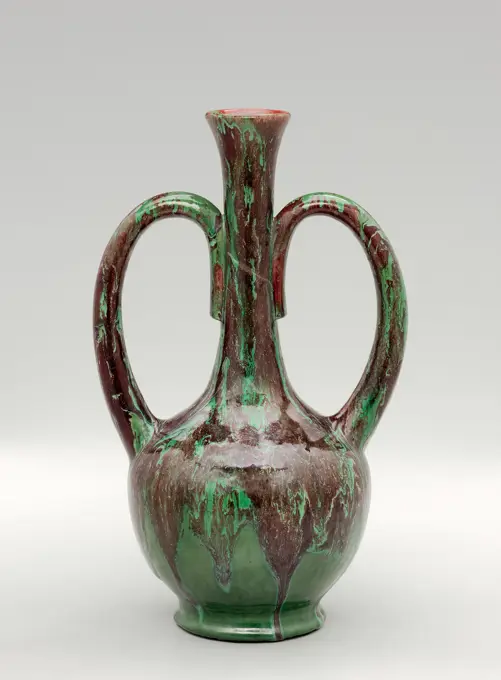
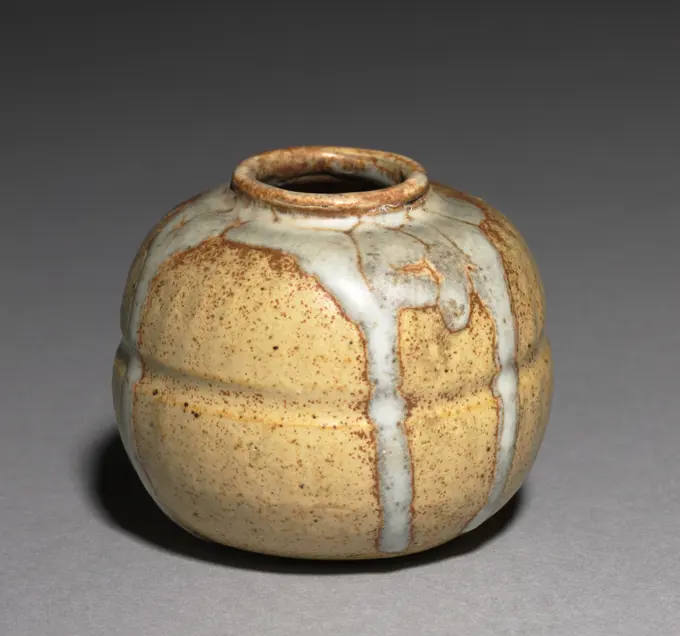
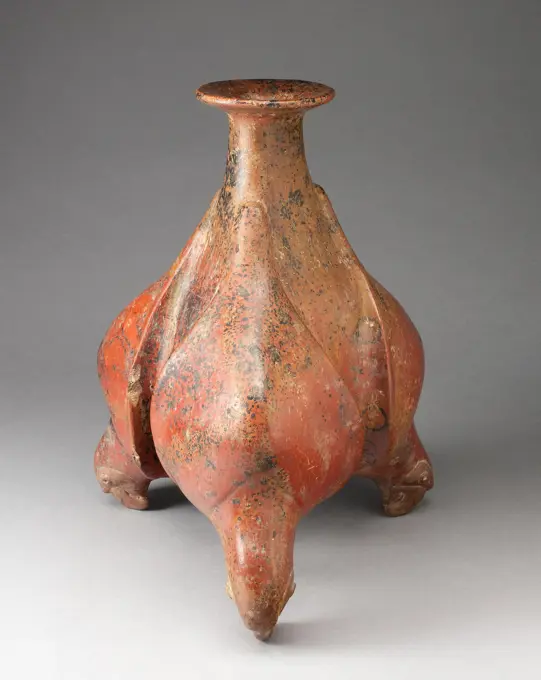
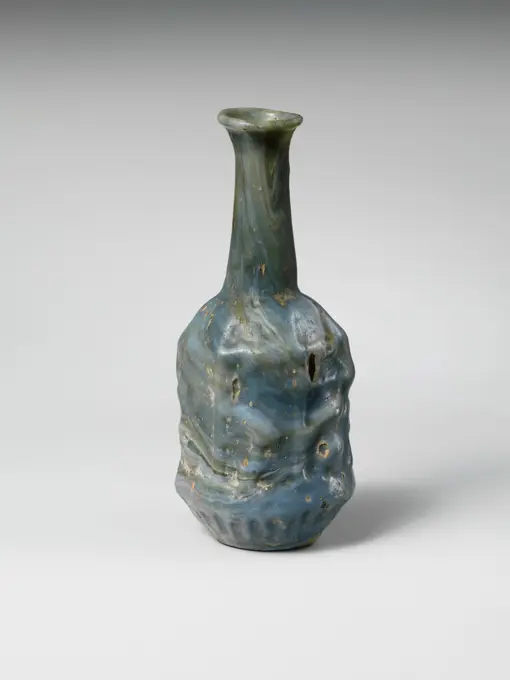
Archaeological terracotta jars from Vietnam and the Islamic period, showcasing their ancient craftsmanship and unique shapes among a neutral backdrop.
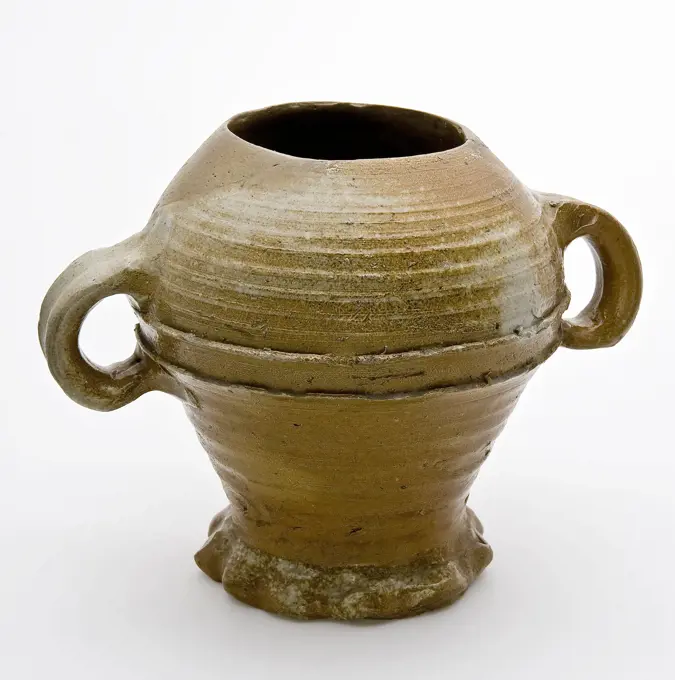
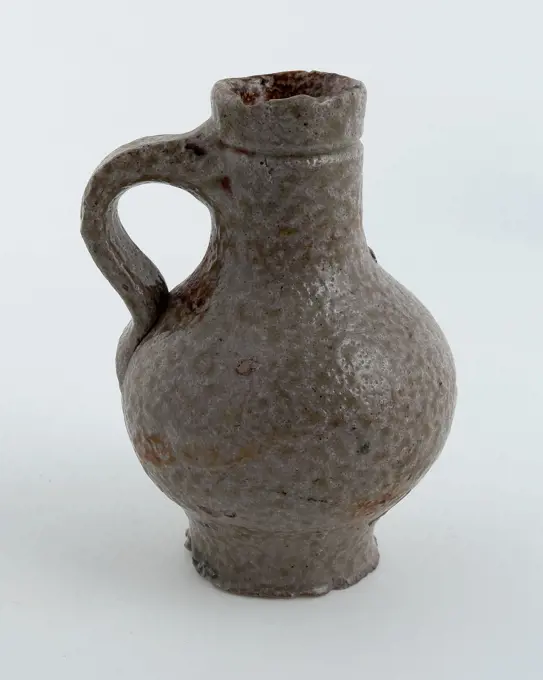
Stoneware cup with two ears with double profiled band on belly, pinched foot, without mouth rim, cup crockery holder soil find ceramic stoneware clay engobe glaze salt glaze, hand turned glazed baked stoneware cup gray shard salt glaze partly brown engobe two ring-shaped outward ears two ridges around the belly above and below the ridges rotations pinched foot. Egg-shaped body awuptly stopping at the edge of the mouth archeology import pottery pour serving drink wine beer
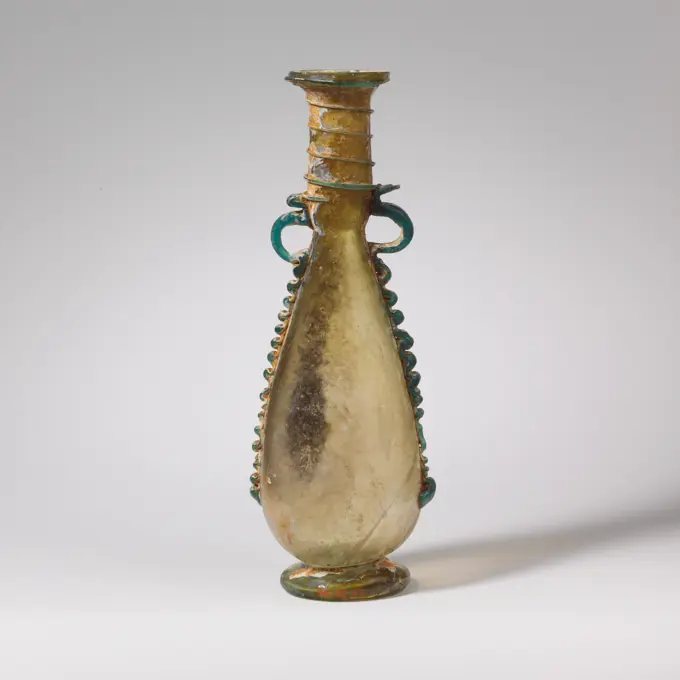
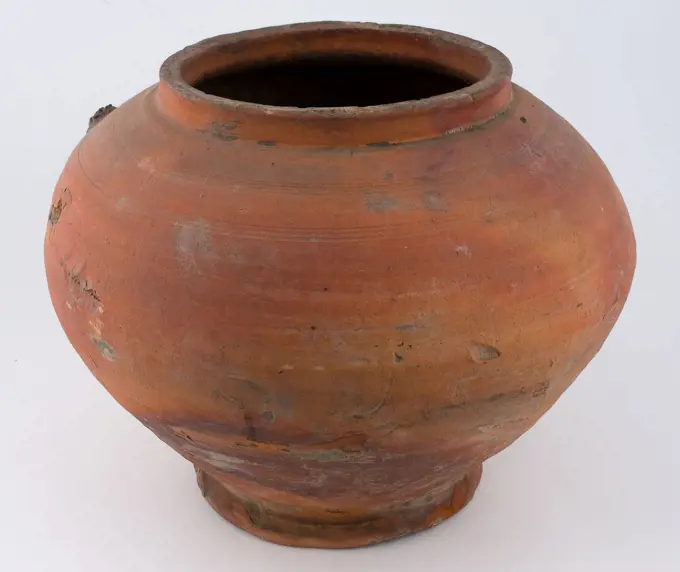
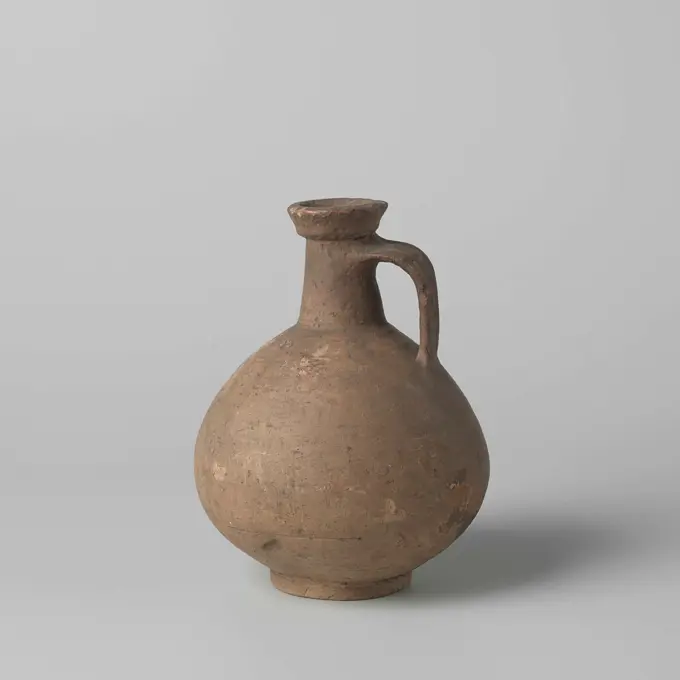
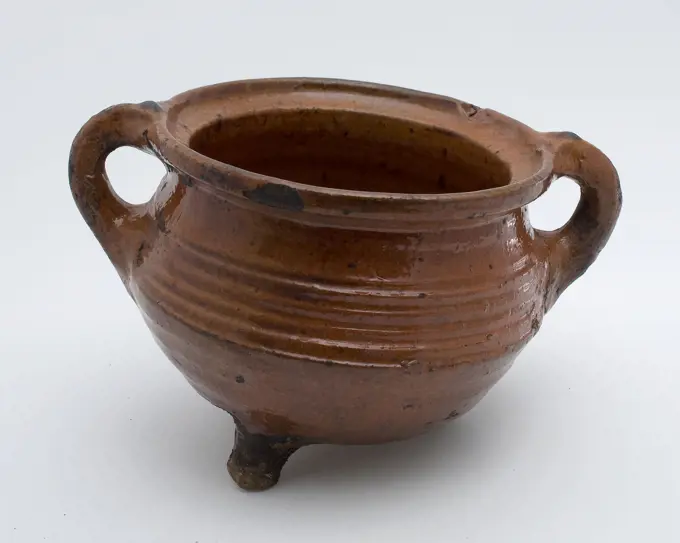
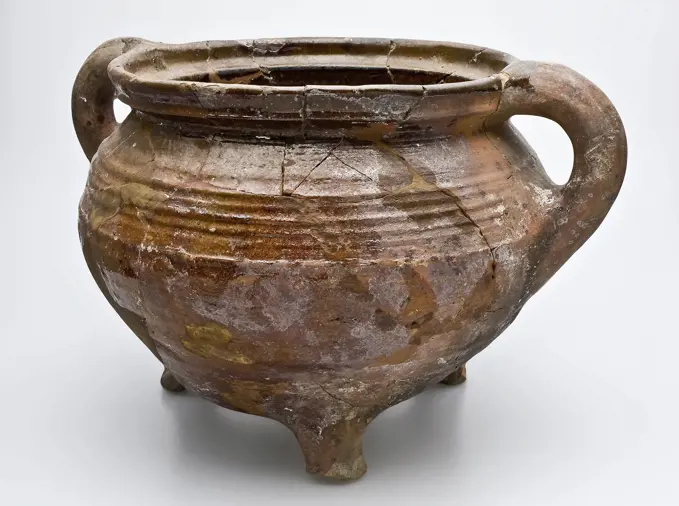
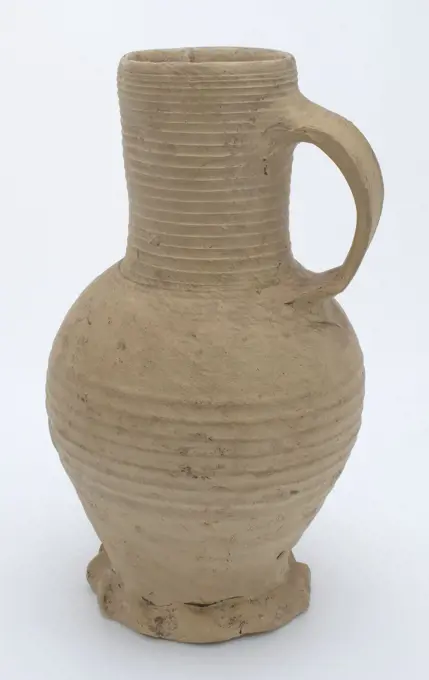
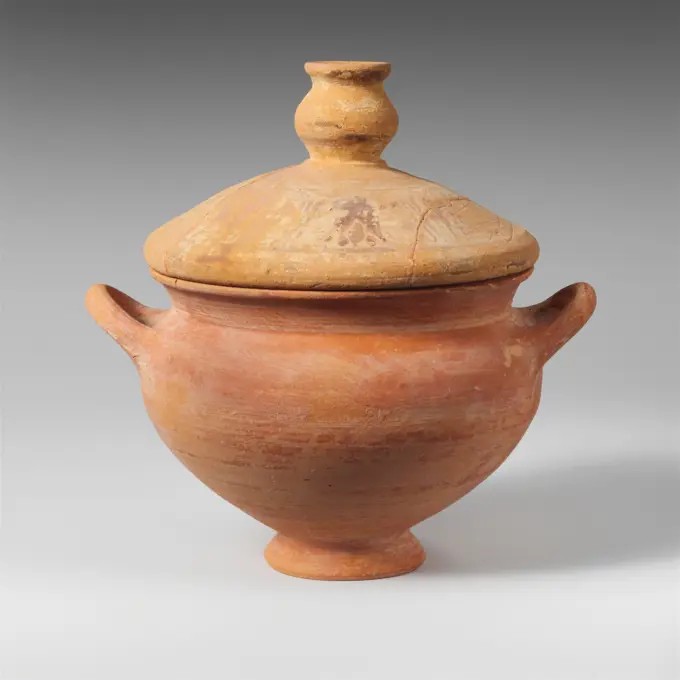
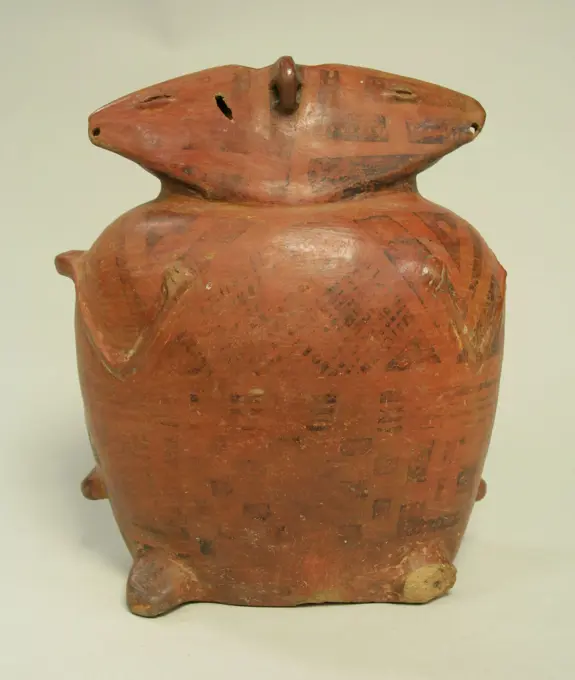
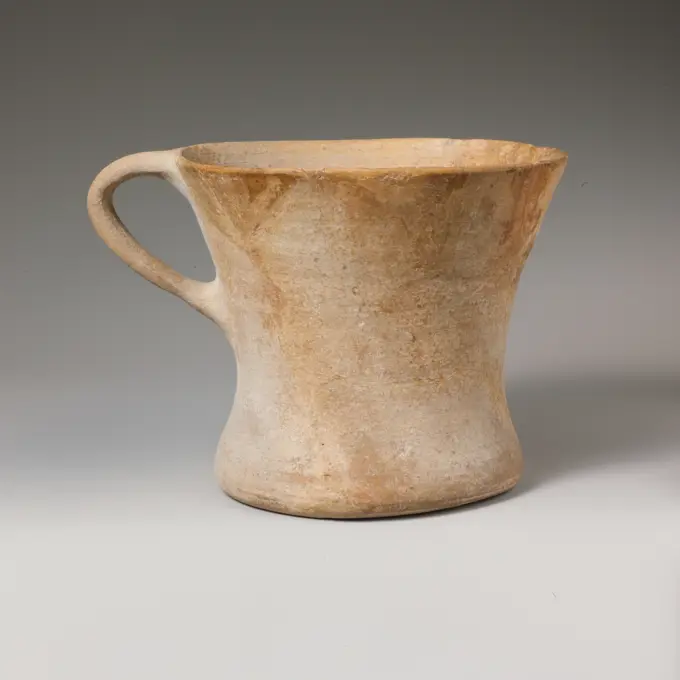
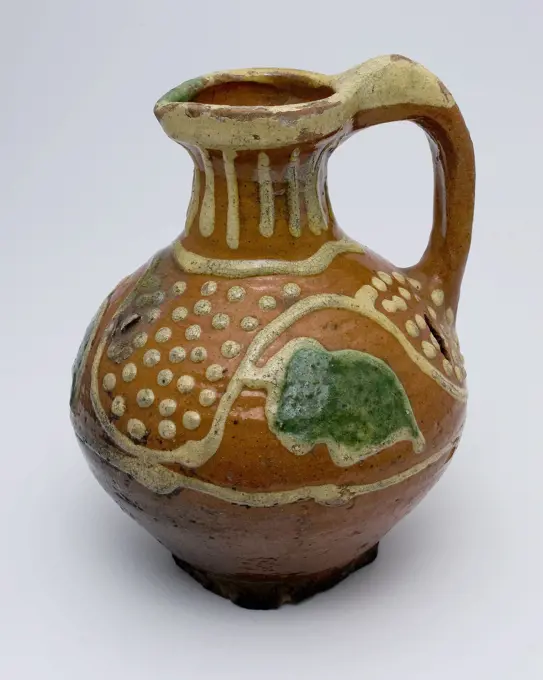
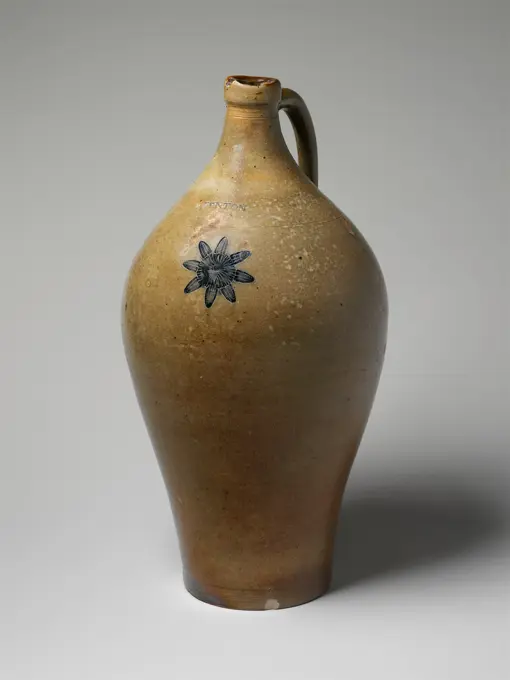
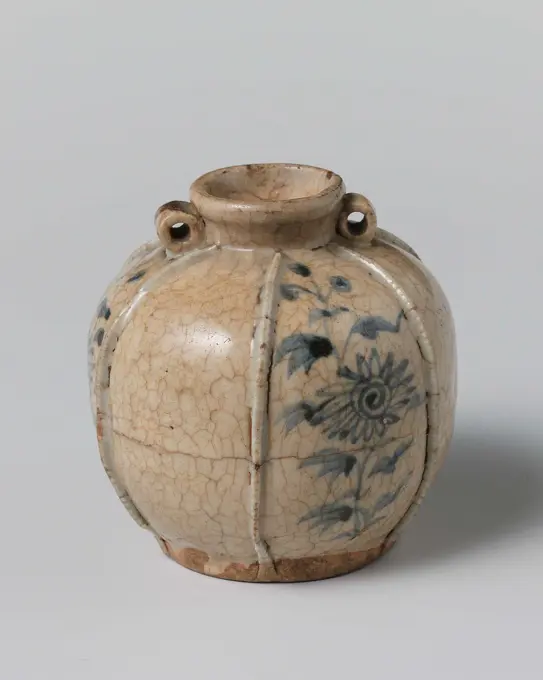
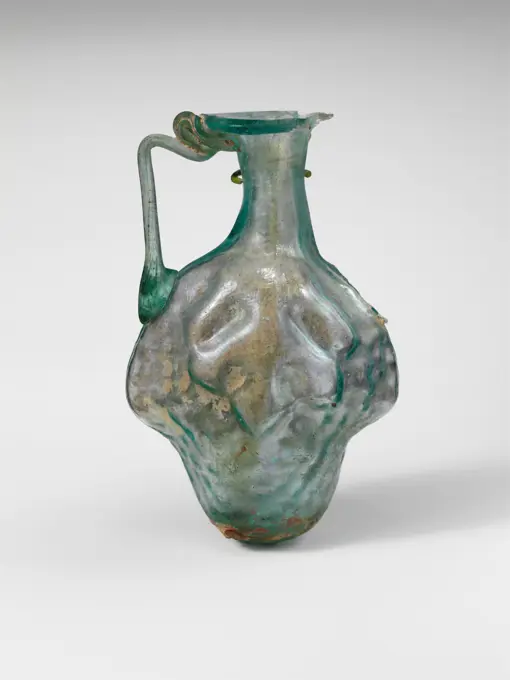
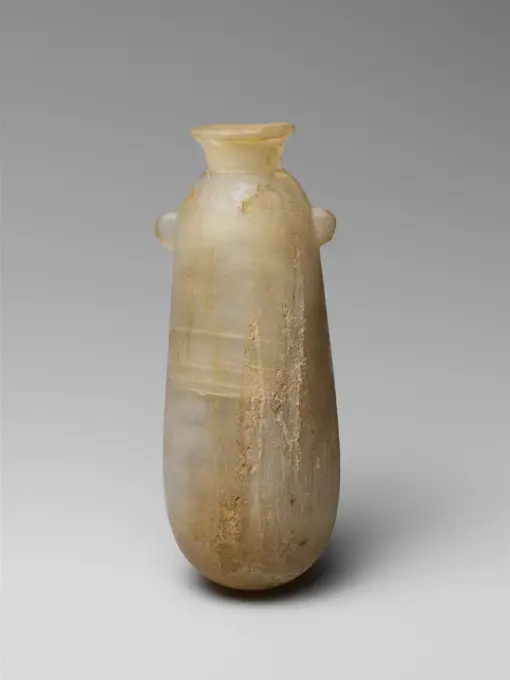
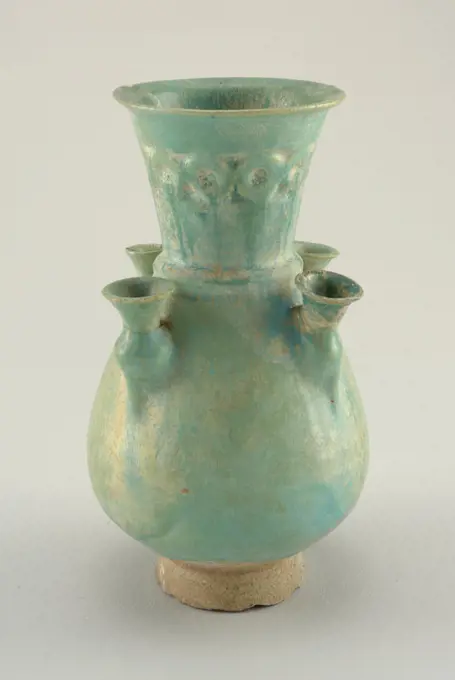
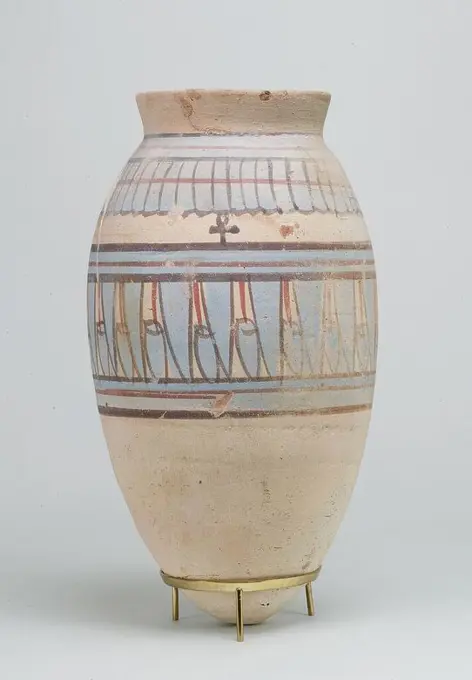
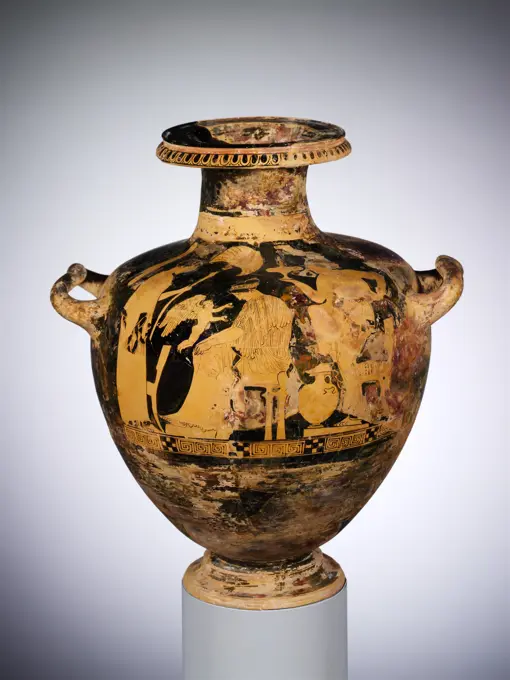
Terracotta hydria: kalpis (water jar) ca. 430-420 B.C. Attributed to the Washing Painter Bride with attendants and ErosThe small Eros hovering in front of the seated woman indicates that she is a bride. She is surrounded by paraphernalia appropriate to her status and situation. Before her, an attendant holds a large fan. Behind her, another extends a plemochoe, a container for perfumed oil. This figure is remarkable for her position: she rests one foot on the mouth of the hydria standing on the floor and holds an arm akimbo. One wonders whether the woman would assume the same position if she were in front of her mistress rather than behind her.. Terracotta hydria: kalpis (water jar). Greek, Attic. ca. 430-420 B.C.. Terracotta; red-figure. Classical. VasesJug 'Bartmann jug' with satyrs, portrait and flower sprays, anonymous, c. 1570 - c. 1580 Jug (beard fancier bush) of stoneware on a high base with a spherical body and narrow neck. The C-shaped ear is attached to the neck and shoulder. Profiles on the neck and foot. Covered with a brown Engobe. On the neck in relief a printed and imposed beard man, the beard continuously on the belly. On either side of the beard a medallion with a three -headed sater and the date '1570'. On the neck a band with a portrait and profil surrounded by flower branches. Raeren. Rae stoneware. glaze. engobe vitrification Jug (beard fancier bush) of stoneware on a high base with a spherical body and narrow neck. The C-shaped ear is attached to the neck and shoulder. Profiles on the neck and foot. Covered with a brown Engobe. On the neck in relief a printed and imposed beard man, the beard continuously on the belly. On either side of the beard a medallion with a three -headed sater and the date '1570'. On the neGlass bottle 5th century A.D. Roman, Syrian Translucent yellow green; handles and trail in translucent turquoise blue.Outsplayed rim, folded over and in, with beveled outer edge; cylindrical neck, tooled in at base; elongated, slender piriform body; tubular base ring made by folding; pushed-in bottom with thick pontil scar; two rod handles applied as long trails on sides of body, drawn up to just below junction with neck, then drawn out, up, and in as loops, and pressed onto lower part of neck over trail.The handle trails are decorated with numerous, irregular, tooled notches; a single trail applied under bottom of one handle and wound up in a spiral almost seven times around neck, ending on rim.Intact, except for sections of trail around neck; some pinprick bubbles and prominent blowing striations; patches of thick creamy brown weathering and iridescence.With applied threads.. Glass bottle 253472 Roman, Syrian, Glass bottle, 5th century A.D., Glass, H.: 7 3/8 in. (18.7 cm). The MetroEarthenware storage jar or ash jar, unglazed, on stand, ovoid, storage pot aspot pot holder soil find ceramic pottery, hand-turned baked Pottery storage jar or ash pot unglazed on stand ring. Red shard of glaze on the side just above the stand ring. Circular belts on the shoulder Function: storage pot was also used as an ash pot or cover and next to the fireplace buried in the floor archeology indigenous earthenware store kitchen cellar fire ash extinguish fire preventionJug. Jug of stoneware, with an ear. The jug is dirty-yellow and displayed traces of red-brown coloring.Glass amphoriskos (perfume bottle). Culture: Greek, Eastern Mediterranean. Dimensions: H.: 4 3/16 in. (10.7 cm). Date: 2nd to mid-1st century B.C..Translucent blue; trails in opaque yellow and opaque white.Broad, flat rim-disk, with radiating tooling marks on underside; cylindrical neck, expanding downward; broad sloping shoulder; straight-sided ovoid body; broad circular pad-base, flattened but uneven on underside and with round edge; two vertical s-shaped handles applied on shoulder, trailed up along lower part of neck, and pressed on to underside of rim and top neck.Both trails applied to edge of rim-disk and wound spirally down, tooled into a feather pattern on neck and shoulder in three panels of alternating upward and downward strokes, continuing on body in another feather pattern of five panels, extending to pointed bottom.Broken and repaired on rim, but body complete; handles and pad-base missing; dulling, deep pitting, faint iridescence, and small areas of milky white weatTerracotta tankard. Culture: Minoan. Dimensions: H. 5 9/16 in. (14.1 cm.)Diameter 6 5/8 in. (16.8 cm.). Date: ca. 1400-1200 B.C..One-handled, no decoration. Museum: Metropolitan Museum of Art, New York, USA.Pottery cooking pot, grape-model, red shard with lead glaze, two vertical sausages, on three legs, cooking pot crockery container kitchenware earth discovery ceramics earthenware glaze lead glaze, hand-turned glazed baked Pottery cooking pot grape-model red shard with lead glaze two at the top pinched sausages three legs grating on the underside Profiled rotating braces around the shoulder archeology native pottery food prepare cooking food cuisineCANTARO CON DOS ASAS Y CON PITORRO EN BARRO. Location: ALFARERIA. Totana. MURCIA. SPAIN.Pottery bowl, red shard, toys, with sludge decoration, shawl, bandoor, on stand, bowl crockery holder toy relaxant soil find ceramic earthenware glaze lead glaze, hand turned glazed baked loin cord Pottery bowl red shard top half outside and whole inside covered with lead glaze pouring clip top pinched bandor slightly bulging stand archeology Rotterdam Bombazijnen cemetery indigenous pottery food drink play child kitchen cooking Soil discovery: Bombazijnekerkhof Rotterdam.Cup. Culture: Coptic. Dimensions: Overall: 3 1/8 x 3 3/4 x 3 7/8 in. (7.9 x 9.5 x 9.9 cm). Date: 4th-7th century. Museum: Metropolitan Museum of Art, New York, USA.Jug. Culture: Cypriot. Dimensions: 4 3/8in. (11.1cm). Date: 750-600 B.C..Handle-ridge jug with bands and lotus flowers. Museum: Metropolitan Museum of Art, New York, USA.Terracotta amphora with Phoenician inscription. Culture: Cypriot. Dimensions: H.: 18 15/16 in. (48.1 cm). Date: 2nd half of 7th century B.C..The painted inscription below the rim reads B'LY (Baalay), the name of the owner of either the storage jar or its contents. Museum: Metropolitan Museum of Art, New York, USA.Glass hexagonal jug. Culture: Roman, Palestinian. Dimensions: H.: 5 3/4 in. (14.6 cm). Date: 6th-early 7th century A.D..Translucent pale blue green, with same color handle.Trefoil rim with upward partially thickened and rounded edge; deep, funnel-shaped mouth; cylindrical neck that expands downwards; sloping shoulder; hexagonal body, tapering downwards, with impressed side panels; pushed-in bottom, with central pontil scar; rod handle, applied to neck in large pad, drawn out and up in a curving loop, then trailed onto back of mouth and rim.On body, six rectangular panels, decorated with matching pairs of three different geometric relief patterns: three vertical lozenges with central dots and half lozenges to either side, a lattice of diamond-shaped bosses, and a stylized palm frond with leaves to either side of central stem; on bottom, an indistinct star or rosette.Intact; very many pinprick and elongated larger bubbles; creamy weathering and brilliant iridescence on exterior, someBronze oinochoe (jug). Culture: Greek. Dimensions: H.: 8 15/16 in. (22.7 cm). Date: ca. 460 B.C..The handle attachment is in the form of a frontal siren.The function of a handle attachment is to secure the base of the handle securely to the body of the vase; a broad surface provides a stronger bond. From a purely mechanical viewpoint, the siren with its extended wings fulfills the purpose effectively. She wears a silver fillet. Museum: Metropolitan Museum of Art, New York, USA.Jug. Culture: British. Designer: Christopher Dresser (British, Glasgow, Scotland 1834-1904 Mulhouse). Dimensions: Overall (confirmed): 9 3/16 × 8 3/8 × 8 3/8 in. (23.3 × 21.3 × 21.3 cm). Manufactory: Linthorpe Pottery Works (British, 1879-1889). Date: ca. 1880.The bold form and rich glaze of this jug are characteristic of Christopher Dresser's designs at Linthorpe Pottery Works, where he served as director from 1879 to 1882. The form is probably based on Minoan or Cycladic pottery, as were many of Dresser's designs for Linthorpe. However, Asian, Mexican, Peruvian, and Fijian pottery, as well as prehistoric artifacts found in Yorkshire were also sources of inspiration, indicating Dresser's penchant for adapting motifs from diverse cultures. At Linthrope, vessels were potted by hand and then finished in a wood mold. The richly mottled glaze emulates Japanese Raku teawares. Museum: Metropolitan Museum of Art, New York, USA.Pitcher, 14th century, 9 x 4 1/2 in. (22.9 x 11.43 cm), Earthenware, Mexico, 14th centuryJug or 'Jacobakan', anonymous, c. 1450 - c. 1549 Ribbed, narrow Kan (Jacobakan) from stoneware on a corrugated foot with an egg -shaped body and long neck. The C-shaped ear is attached to the neck. The jug is decorated with turning virgins and a profile on the shoulder. Excerpt from the foot. Siegburg. Siegburg stoneware Ribbed, narrow Kan (Jacobakan) from stoneware on a corrugated foot with an egg -shaped body and long neck. The C-shaped ear is attached to the neck. The jug is decorated with turning virgins and a profile on the shoulder. Excerpt from the foot. Siegburg. Siegburg stonewareTrefoil Oinochoe. UnknownWine Jar (Hu) Artist's working dates 299 BCE-200 BCE China. Bronze .Jug. Ceramic. China, Tang dynasty, Changsha. Paris, Cernuschi museum. 72685-39 Anse, Chinese art, spout, changsha, jug, tang dynastyKrater Cypriot. Krater. Cypriot. Terracotta. Iron Age. VasesPottery grape, cooking pot with round belly, three legs and two standing ears, grape cooking pot tableware holder kitchenware earthenware ceramics earthenware glaze lead glaze, hand-turned glazed baked Pottery grape on three legs. Bullet-shaped belly and two standing ears protruding slightly over the edge. Decorated with rotations on the shoulder. Red shard partly covered with lead glaze. Profiled and outstanding top edge with lid slot on the inside archeology Heenvliet Bernisse indigenous pottery cooking kitchen food preparation nutrition Soil discovery Heenvliet: Pastorieterrein vlak.Globular pot ". Terracotta. Vietnam-Xe-Xive s. Paris, Cernuschi museum. 72186-19 Vietnamese object, globular pot, terracottaTerracotta amphora with Phoenician inscription. Culture: Cypriot. Dimensions: Height: 28 x 9 1/2 in. (71.1 x 24.1 cm). Date: 4th century B.C..The painted inscription reads Baalazor, probably the name of the owner. Museum: Metropolitan Museum of Art, New York, USA.Stoneware jug on pinched foot with curved body and cylindrical neck, jug crockery holder soil find ceramic stoneware, hand-turned baked Stoneware jug pinched on foot Curved body and cylindrical neck Flat ribbon ear untidy and crooked attached Swing cushions over the lower half of the belly. Shoulder reasonably slippery Draairings around the neck archeology House te Woude Slikkerveer Ridderkerk uitheems pottery import drinking serve pouring wine beer water Soil discovery: Huis te Woude Slikkerveer 1969.Glass perfume bottle. Culture: Roman. Dimensions: Overall: 4 1/4 x 2 7/16 x 1 in. (10.8 x 6.2 x 2.5 cm). Date: 1st-2nd century A.D..Translucent pale light blue.Rim folded out, over, and in, flattened on upper surface; funnel-shaped neck with slightly bulging sides and tooled indent around base; ovoid body; glat bottom.Complete, but crack around neck immediately below rim and other vertical cracks in neck and body; some pinprick bubbles; dulling, faint iridescence, and patches of creamy white weathering on exterior, soil encrustation and whitish weathering on interior. Museum: Metropolitan Museum of Art, New York, USA.Stoneware jug, ball-shaped model with straight neck and flat band ear, jug crockery holder soil find ceramic stoneware glaze, hand-turned glazed baked Bullet jar of stoneware. Small format. Cylindrical neck Flat and upright bandor attached under the neck and shoulder Gray shard entirely glazed One groove around the neck archeology Rotterdam City triangle Oostplein underground pit uitheems pottery import store packing transport serving serve archaeological find in the soil Rotterdam underground pit Oostplein from falling ground 11061976.Vessel or pitcher with floral scrolls in relief, anonymous, c. 900 - c. 1399 Jug of earthenware with a spherical body and an ear, decorated with flower vines and medallions with dots in relief without glaze. Iran earthenware Jug of earthenware with a spherical body and an ear, decorated with flower vines and medallions with dots in relief without glaze. Iran earthenwareEwer late 8th-9th century. Ewer 449903Amphora, miniature 750-600 B.C. Cypriot. Amphora, miniature. Cypriot. 750-600 B.C.. Terracotta. Cypro-Archaic I. VasesTerracotta skyphos (deep drinking cup) with lid 6th century B.C. Lydian On the Greek mainland, cup shapes such as the skyphos and kylix do not have lids. This Lydian variety certainly reflects a specific function.. Terracotta skyphos (deep drinking cup) with lid. Lydian. 6th century B.C.. Terracotta. Archaic. VasesFigure Vessel 9th-14th century Quimbaya. Figure Vessel 318292Glass jug. Culture: Roman. Dimensions: H.: 10 5/8 in. (27 cm)Diam.: 2 7/8 x 4 13/16 x 3 1/8 in. (7.3 x 12.2 x 7.9 cm). Date: late 3rd-early 4th century A.D..Translucent light green; handle, base ring, and trails in same color.Rounded, thickened rim; flaring mouth; cylindrical neck, expanding downwards; sloping shoulder; body with straight side tapering downwards; outsplayed, solid base ring, made by tooling; deep kick and pontil scar on bottom; broad strap handle with five ribs applied to shoulder with long claws extending down to top of body, drawn up and outwards, then turned in, and trailed onto top of neck and underside of mouth with one open loop above.On underside of mouth, a single thick horizontal trail; a fine trail wound unevenly once around upper part of neck.Complete, but with cracks in neck and upper body; many pinprick bubbles; dulling, iridescence, and small patches of limy weathering. Museum: Metropolitan Museum of Art, New York, USA.Terracotta tankard ca. 1400-1200 B.C. Minoan One-handled, no decoration.. Terracotta tankard 247646Amphoriskos in the form of an almond ca. 400 B.C. Greek, Attic Body patterns with punched dots.. Amphoriskos in the form of an almond. Greek, Attic. ca. 400 B.C.. Terracotta. Late Classical. VasesOil jug, with silt decoration, ear and schenklip, oil jug holder soil find ceramic pottery clay engobe glaze lead glaze, petite oil can Red pottery. Decorated in sludge technology: green leaf forms curved fields with dots and stripes across the neck. Belly belly faint rotational collars Neck with cuff Pinched ear above the rim of the neck excellent Standring archeology oil relief storeWide-mouthed Bottle, 1100s. Korea, Goryeo period (918-1392). Celadon; overall: 28.3 cm (11 1/8 in.); outer diameter: 15.5 cm (6 1/8 in.).Multiple-handled pottery decorated with geometric designs, Campania, Italy. Daunia Civilization, 6th Century BC.Terracotta Hadra hydria (water jar). Culture: Greek, Ptolemaic, Cretan. Dimensions: h. 17 13/16 in. (45.3 cm); d. 9 3/4 in. (24.8 cm). Date: late 3rd century B.C..This is a "dropped floor" hydria, so-called because the floor of the vessel is extended down into its tall foot increasing the overall capacity. The ovoid body and sharply offset shoulder and neck are also characteristic of this shape. The silhouette style, which was commonly used on these hydriae, is shown off to good effect in the well preserved floral and geometric patterns that decorate this vase. Museum: Metropolitan Museum of Art, New York, USA.Vase, 1-200 BC. Italy, Roman, 1st-2nd Century BC. Bronze; overall: 15 cm (5 7/8 in.).Glass hexagonal jug 6th-early 7th century A.D. Roman, Syrian Translucent blue green with same color handle and trail.Rounded rim, folded out, over, and in, and smoothed into outer edge of flaring mouth; cylindrical neck expanding downwards; horizontal shoulder with rounded edges; hexagonal body with sides tapering downwards; kick in bottom, with small central pontil mark; thick rod handle attached in a large pad to shoulder, drawn up and out in a curve, then trailed on to edge of rim and underside of mouth.On neck, trail applied as a pad and wound once round vertically; on body, three different designs, each repeated twice: 1) three large lozenges arranged vertically, each with a central circular boss, and three half-lozenges to either side; 2) staggered rows of diamond-shaped knobs; 3) palm frond with twelve leaves to either side; on bottom, six-petaled rosette.Complete, but internal crack in neck and part of trail broken off and now unattached; pinprick bubbles; dulling, pitting, andJaguar Vessel. Guatemala Piedmont, Maya, 900-1200 CE. Ceramics. Burnished ceramic with slipOinochoe Cypriot Concentric circles and details in white.. Oinochoe. Cypriot. Terracotta. Hellenic. VasesJuglet 850-750 B.C. Cypriot. Juglet. Cypriot. 850-750 B.C.. Terracotta. Cypro-Geometric III. VasesJuglet 750-600 B.C. Cypriot Concentric-circle ornament.. Juglet. Cypriot. 750-600 B.C.. Terracotta. Cypro-Archaic I. VasesVessel, c. 1200-1300, 3 1/16 x 4 5/8 x 3 11/16 in. (7.78 x 11.75 x 9.37 cm), Earthenware, United States, 12th-14th centuryEwer with Molded Inscription 9th century This ewer belongs to a group of about twenty similar objects. Nine of them, including this one, bear the same inscription and almost certainly were blown in the same full-size two-part mold. The inscription does not appear to include the name of the patron, but the glass- or mold-maker is mentioned and he remains one of the few craftsmen whose name is known.Arabic Inscription: "What was made for the amir in Baghdad. The work of Tayyib ibn Ahmad Barmasi.". Ewer with Molded Inscription 447461Vessel 1550 BCE-1295 BCE Egypt. Ceramic . Ancient EgyptianJARRO DE BOCA DE SETA. FENICIO. (DEPOSITO: MUSEO ARQUEOLOGICO NACIONAL).Double-Handled Vase, 20th century, 14 1/4 x 9 3/4 in. (36.2 x 24.77 cm), Earthenware, Democratic Republic of Congo, 20th centuryJug 1810-35 Jonathan Fenton. Jug 4580Terracotta jug. Culture: Roman. Dimensions: 8 9/16in. (21.8cm)Other: 5 7/16in. (13.9cm). Date: 2nd half of the 1st century B.C..Trefoil mouth and grotesque human figures in relief. Museum: Metropolitan Museum of Art, New York, USA.Jug, anonymous, c. 1625 - c. 1749 Jug of stoneware on the standing surface with a spherical abdomen and narrow neck. The C-shaped ear is attached to the neck and shoulder. Profiles on the neck. Covered with a brown Engobe. Unserved. Frechten. Cheek stoneware. glaze. engobe vitrification Jug of stoneware on the standing surface with a spherical abdomen and narrow neck. The C-shaped ear is attached to the neck and shoulder. Profiles on the neck. Covered with a brown Engobe. Unserved. Frechten. Cheek stoneware. glaze. engobe vitrificationPot with Spout 1000 BCE-300 BCE Japan. In the Final Jomon period, especially in Aomori in northern Honshu, distinctive incised swirl patterns appear on many works. This pot with a spout for liquids, which is recorded as having been unearthed at the town of Nagawa in Aomori, is extremely lightweight, and the decorative patterns were made with a delicate and careful hand. The bottom, in particular, has a beautiful filled-in swirl pattern.. Earthenware .Pierre-Adrien Dalpayrat (1844-1910). Vase. Flammed sandstone. 1910. Museum of Fine Arts of the City of Paris, Petit Palais. Ceramic, gres flame, pottery, vase, 20th XXth XX 20th 20th 20th century. Pot of porcelain with spherical body, short neck and two annular ears, painted in underglaze blue. The belly is divided is six compartments separated by an elevated pearl edge. A stylized flower branch in three courses. The glaze is somewhat brown and cracked. Blue-white (Qinghua).Jug with a coat of arms, anonymous, c. 1550 - c. 1599 Jug of stoneware on a high base with a spherical body and long, narrow neck. The C-shaped ear is attached to the neck and shoulder. Profiles on the neck, shoulder and foot. Covered with a brown Engobe. On the abdomen in relief three times a printed and imposed medallion with a weapon surrounded by leaf vines. On the neck a band of connected medallions with masks and surrounded by leaf vines. Raeren. Rae stoneware. glaze. engobe vitrification Jug of stoneware on a high base with a spherical body and long, narrow neck. The C-shaped ear is attached to the neck and shoulder. Profiles on the neck, shoulder and foot. Covered with a brown Engobe. On the abdomen in relief three times a printed and imposed medallion with a weapon surrounded by leaf vines. On the neck a band of connected medallions with masks and surrounded by leaf vines. Raeren. Rae stoneware. glaze. engobe vitrificationStopper ca. 2900-2700 B.C. Sumerian. Stopper. Sumerian. ca. 2900-2700 B.C.. Ceramic. Early Dynastic I. Mesopotamia, NippurJar with Four Shoulder Lugs. Korea, Korean, Goryeo dynasty, 918-1392, 12th century. Furnishings; Serviceware. Wheel-thrown stoneware with modeled and applied decoration and green glazePanatheniac Amphora. Attributed to the Nichomachos Group (Greek (Attic))Jar. Culture: French. Dimensions: Overall: 5 1/8 x 6 1/8 x 5 3/8 in. (13 x 15.5 x 13.7 cm). Date: 1200-1400. Museum: Metropolitan Museum of Art, New York, USA.Italy, Emilia Romagna region, Mushroom shaped cinerary urn from San Vitale necropolisJar, Geometric Pattern. Culture: Quimbaya. Dimensions: Height 9-3/8 in.. Date: 9th-14th century. Museum: Metropolitan Museum of Art, New York, USA.Bowl; perhaps Azerbaijan; 1st millennium B.C; Glass; 5.8 cm (2 5,16 in.)Terracotta amphoriskos (perfume vase). Culture: Greek, Corinthian. Dimensions: H. 7 3/8 in. (18.8 cm). Date: ca. 575-550 B.C..On the body, fallow deer and panthers.On the shoulder, goat and palmette-cross. Museum: Metropolitan Museum of Art, New York, USA.Glass bottle shaped like a bunch of grapes 2nd-3rd century A.D. Roman Translucent blue green, with same color handle.Rim folded out, down, round, and in; flaring mouth; misshapen cylindrical neck with concave sides; lentoid body; round bottom; rod handle attached to edge of shoulder in a pad, drawn up vertically, turned in, and folded onto underside of mouth and rim. Raised mold mark visible only at base of neck on one side, but one continuous mold seam must run around body.Body molded into the shape of a tri-lobed bunch of grapes with a single, large, five-pointed grape leaf hanging over grapes on each side.One third of rim and one handle missing, with hole in shoulder where it was once attached; some bubbles; dulling, thick ring of encrustation around bottom on exterior, soil encrustation, weathering, and brilliant iridescence on interior.. Glass bottle shaped like a bunch of grapes 245365Alabaster alabastron (perfume vase) 6th-4th century B.C. Cypriot There is some surface damage. The alabastron has rounded lugs and a narrow, convex lip.. Alabaster alabastron (perfume vase) 243984Jug with a long spout, anonymous, c. 1550 - c. 1599 Can be made of stoneware on the stand ring with an egg-shaped body, wide neck and from the abdomen a long S-shaped spout, connected to the neck with a twisted bridge. The C-shaped ear is attached to the neck and shoulder. Profiles on the neck and foot. Covered with a brown Engobe. The jug is decorated on the spout with pressed tires. Raeren. Rae stoneware. glaze. engobe vitrification Can be made of stoneware on the stand ring with an egg-shaped body, wide neck and from the abdomen a long S-shaped spout, connected to the neck with a twisted bridge. The C-shaped ear is attached to the neck and shoulder. Profiles on the neck and foot. Covered with a brown Engobe. The jug is decorated on the spout with pressed tires. Raeren. Rae stoneware. glaze. engobe vitrificationBottle with Splashed Design first half of the 19th century Japan. Bottle with Splashed Design. Japan. first half of the 19th century. Stoneware with glaze and splashed decoration (Seto ware). Edo period (1615-1868). CeramicsLamp, Earthenware, glaze, Mesopotamia, 12th-13th century, ceramics, Decorative Arts, LampTerracotta trefoil oinochoe (jug) ca. 625-600 B.C. Etruscan Both the shape and decoration of this bucchero sottile (light bucchero) jug are derived from Greek, especially Corinthian, prototypes.. Terracotta trefoil oinochoe (jug). Etruscan. ca. 625-600 B.C.. Terracotta; bucchero sottile. Archaic. VasesBlue-painted Jar from Malqata. Dimensions: H. 31 cm (12 3/16 in). Dynasty: Dynasty 18. Reign: reign of Amenhotep III. Date: ca. 1390-1353 B.C..This jar of blue-painted ware has been decorated with floral patterns that are common on this type of pottery (see 11.215.465, .468, .469). A small "ankh" hieroglyph has also been painted on the side shown here. Museum: Metropolitan Museum of Art, New York, USA.Alfred Parys, Jug, c 1939 JugVase. Terracotta. China, Neolithic, Mashang. Paris, Cernuschi museum. 72679-34 ANSE, Mashang, Neolithique, Terre Cuite, VaseEwer 13th century. Ewer. 13th century. Stonepaste; glazed, luster-painted and incised. Attributed to Iran, Kashan. CeramicsStock kan with the year 1600. Can of Stoneware. On the belly 3 medallions in which a lion running to the right and letters we 1600. On the neck an oval medallion in which 2 weapons and circumcision.Storage Jar, Echizen Ware, 1400s. Japan, Muromachi period (1392-1573). Stoneware with natural ash glaze; diameter: 47 cm (18 1/2 in.); overall: 49.8 cm (19 5/8 in.).Glass unguentarium (perfume bottle). Culture: Greek, Eastern Mediterranean. Dimensions: 3 9/16 × 1 3/8 in. (9 × 3.6 cm)Diam. of rim: 13/16 in. (2.1 cm)Diam. of foot: 13/16 in. (2.1 cm). Date: late 3rd-early 2nd century B.C..Translucent cobalt blue with some brown red streaks; trails in opaque white and opaque pale yellow.Thick, uneven horizontal rim-disk with rounded edge; tall cylindrical neck, expanding downwards; sloping shoulder; ovoid body, tapering downwards to point; tall outsplayed foot, with rounded edge and uneven tooled bottom.A white trail attached at underside of rim-disk, drawn back in opposite direction, wound once round top of neck as a hoizontal line, then spirally over neck and shoulder; a yellow trail attached at edge of mouth and wound round rim-disk, then spirally down neck and shoulder over white trail; both tooled into a narrow zigzag band with close-set vertical indents around top of body, then wound almost horizontally around middle of body, drawn down spiBottle with Floral Scrolls. Thailand, Sawankhalok, 16th century. Furnishings; Accessories. Wheel-thrown stoneware with incised decoration and brown and cream glazeClay kelebe or column krater, from Rutigliano (Apulia region, Italy)Bartmann jug, also called Bellarmine jug, around belly frieze, portrait medallions and stamped acanthus leaves, Bartmann jug jug crockery holder soil find ceramic stoneware clay engobe glaze salt glaze, hand turned stamped glazed glazed baked stoneware jug gray shard light brown local dark brown engobe and speckled salt glaze bandoor archeology import pottery drink serve beer winePottery pot on stand, baluster shape, was used in the sugar industry, sugar bowl pot holder soil find ceramic earthenware glaze lead glaze, hand turned glazed baked Pottery pot on stand. Baluster shape with round shoulder and narrow neck opening. Thick and roundly protruding neck edge Weak revolving under the shoulder small deep dent or pit in the side wall Red shard internally glazed Here sugar cones were made archeology indigenous pottery sugar confectionery craft sugar industryWater pourse. Terracotta. China, Tang dynasty. Paris, Cernuschi museum. 72776-13 Asian art, old ceramic, covered, tang dynasty, email, empire unifies tang, glacure, 9th ixe ix 9th 9th 9th century, Chinese object, Chinese pottery, terracotta, terracotta emaillee, water pour, green, viieme VII 7th 7th 7 CENTURY, VIIIEME VIIIE VIII 8EME 8E 8E 8 CENTURY, XEME XE X 10th 10th 10th centuryGlass perfume bottle 1st century A.D. Roman Colorless with pale blue green tinge.Rim folded out, over, and in; slightly funnel-shaped, cylindrical neck, with faint tooling marks around base; piriform body; flat bottom.Two roughly horizontal ridges (marvered trails) around upper body.Broken and repaired; half of rim missing; three holes in body and bottom, and numerous cracks; many pinprick and small bubbles; dulling and iridescent weathering; patches of thick, enamel-like weathering remaining on rim and top of neck. Very thin, extremely weathered glass.. Glass perfume bottle 239783Vase ca. 1898-1918 William J. Walley. Vase. William J. Walley (1852-1919). American. ca. 1898-1918. Stoneware. Made in West Sterling, Massachusetts, United StatesOvoid jar ". Terracotta. Vietnam-Xe-Xive s. Paris, Cernuschi museum. 72361-9 Jarre Ovow, Vietnamese object, terracottaContainer(Abalan)Small vessel (Amphoriskos). Dimensions: H. 7 cm (2 3/4 in.), w. 5 cm (1 15/16 in.). Dynasty: Dynasty 26-29. Date: 664-332 B.C.. Museum: Metropolitan Museum of Art, New York, USA.George Loughridge, Tan Stoneware Jug, probably 1939 Tan Stoneware JugJar -Small Pot, c. 1900. Georges Hoentschel (French, 1855-1915). Earthenware; diameter: 7.1 cm (2 13/16 in.); overall: 6.1 cm (2 3/8 in.).Jug or 'Jacobakan', anonymous, c. 1450 - c. 1549 Ribbed, narrow Kan (Jacobakan) from stoneware on a corrugated foot with an egg -shaped body and long neck. The C-shaped ear is attached to the neck. The jug is decorated with turning virgins and a profile on the shoulder. Siegburg. Siegburg stoneware Ribbed, narrow Kan (Jacobakan) from stoneware on a corrugated foot with an egg -shaped body and long neck. The C-shaped ear is attached to the neck. The jug is decorated with turning virgins and a profile on the shoulder. Siegburg. Siegburg stonewareWine cup (Zhi) China. Wine cup (Zhi) 61033Parrot Vase Made 100 CE-300 CE Mexico. Ceramic . ColimaJar ca. 17th-16th century B.C. Iran. Jar 325943Glass perfume bottle. Culture: Roman. Dimensions: 1 1/4 in. (3.1 cm)Diam. of rim: 9/16 in. (1.5 cm)Diameter: 1/2 in. (1.3 cm). Date: 1st-2nd century A.D..Miniature perfume bottleTranslucent pale yellow green.Rim folded out, over, and in; flaring mouth; cylindrical neck, tooled in around base; slightly conical body with convex sides; rounded bottom, slightly flattened at center.Chip missing from rim; crack around lower body; some bubbles; dulling and iridescent weathering.Unstable and does not stand upright. Museum: Metropolitan Museum of Art, New York, USA.Glass hexagonal bottle 1st half of 1st century A.D. Roman Streaky opaque greyish light blue, some streaks appearing white and dark greenish yellow.Everted rim, rounded in the flame; slender neck expanding downwards; convex sloping shoulder, cylindrical body with projecting horizontal band below six panels and above undercurve; uneven bottom.Decoration in blurred relief in three registers: on shoulder, six rounded arches; on body, six rectangular panels, divided by columns or vertical beams with diagonal supports branching out near the top, forming a triangular pediment above each panel; each panel contains a bird in a different pose perched on or flying over a globular nest or rock; below, continuous band of twenty-six radiating upturned tongues in raised outline; on bottom, raised broad circle around edge and dot at center.Intact, except for small chip in rim and small weathered hole in top of body; deep pitting, dulling, and small patches of weathering.. Glass hexagonal bottle 24947PlayBrown stoneware jug be worn around frieze with medallions, belly with kerfsnice decor, jug crockery holder soil find ceramic stoneware clay engobe glaze salt glaze, surface 7.8 hand turned carved glazed baked stoneware jug gray shard rusty brown engobe and salt glaze bandoor archeology import pottery serve serve drink wine beer