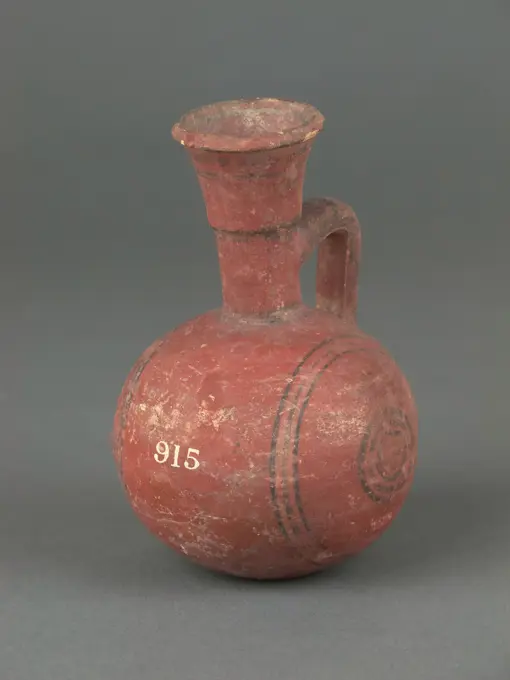
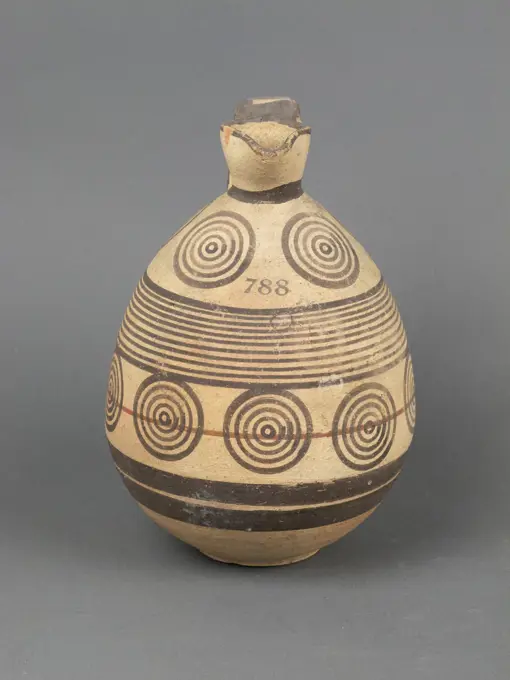
Historical Terracotta Jars

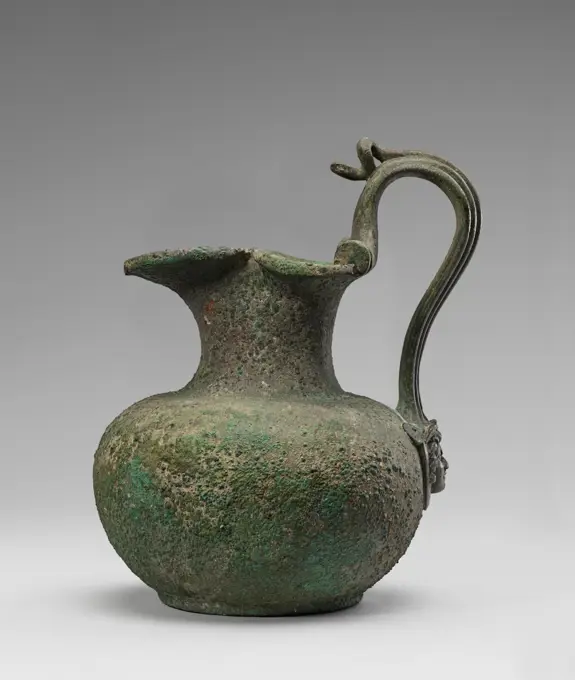
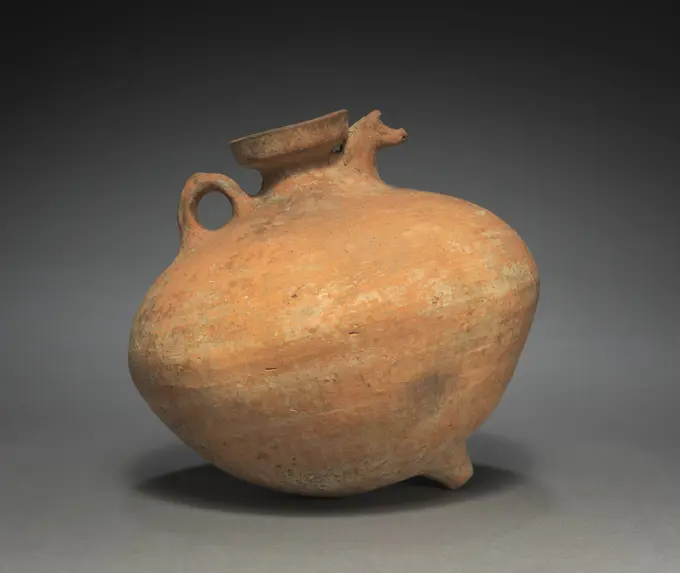
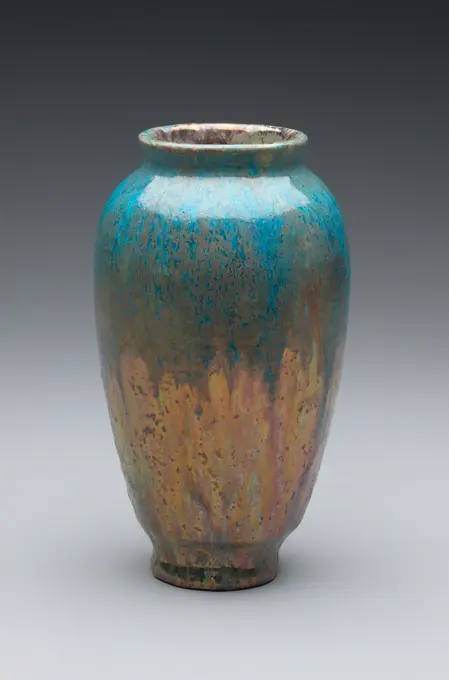
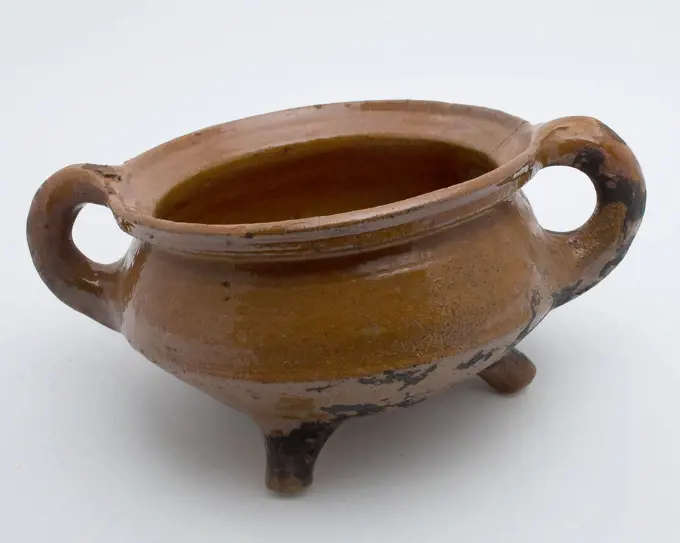
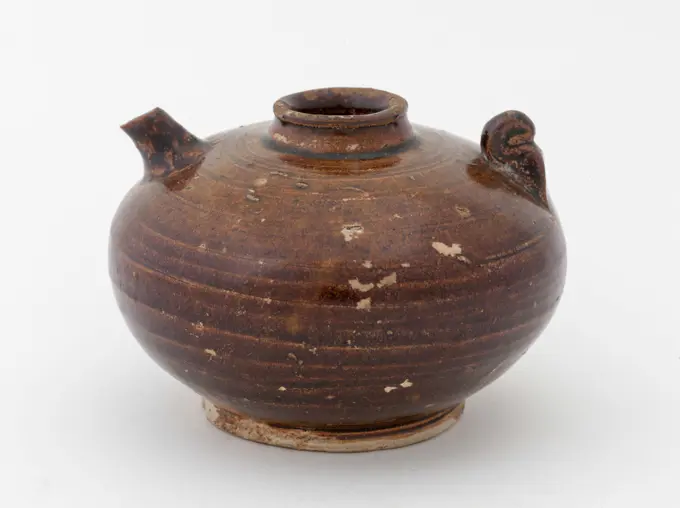
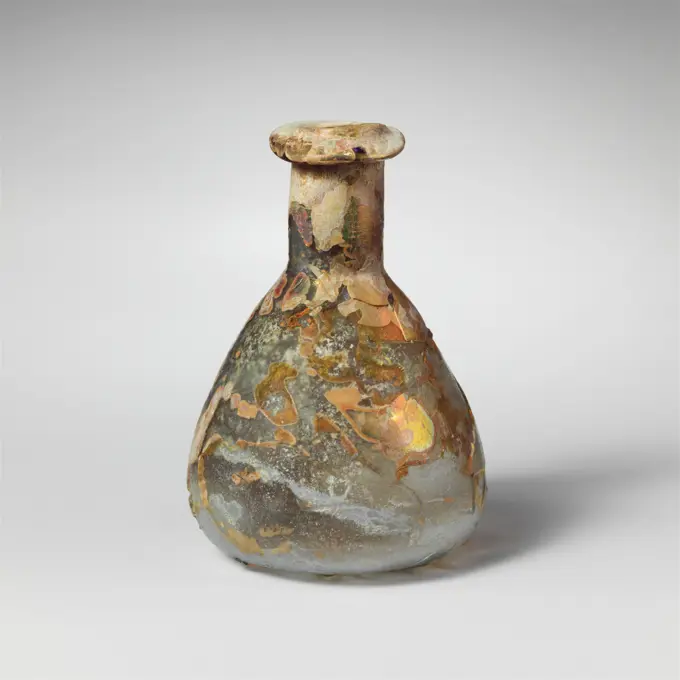
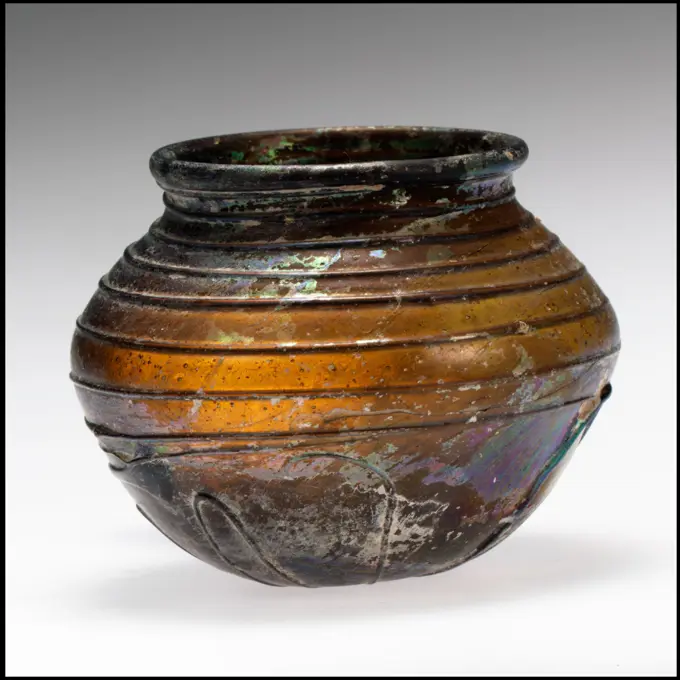
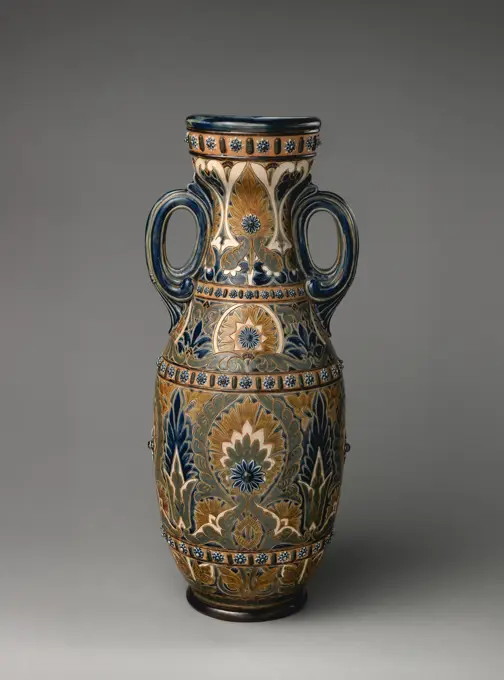
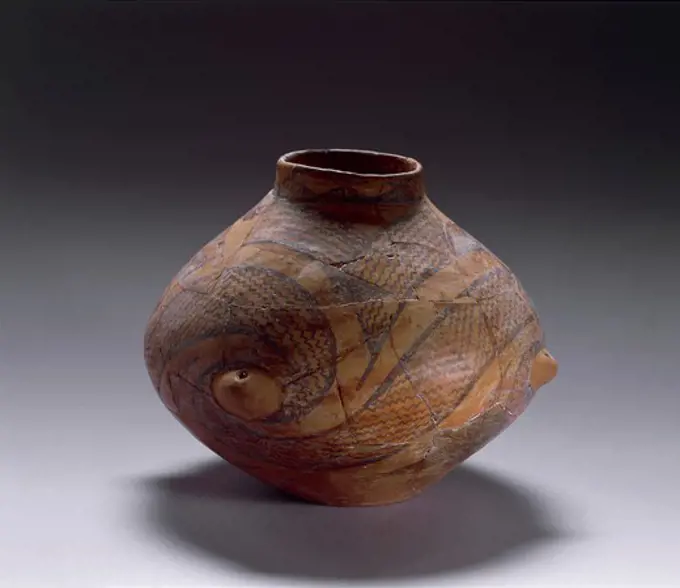
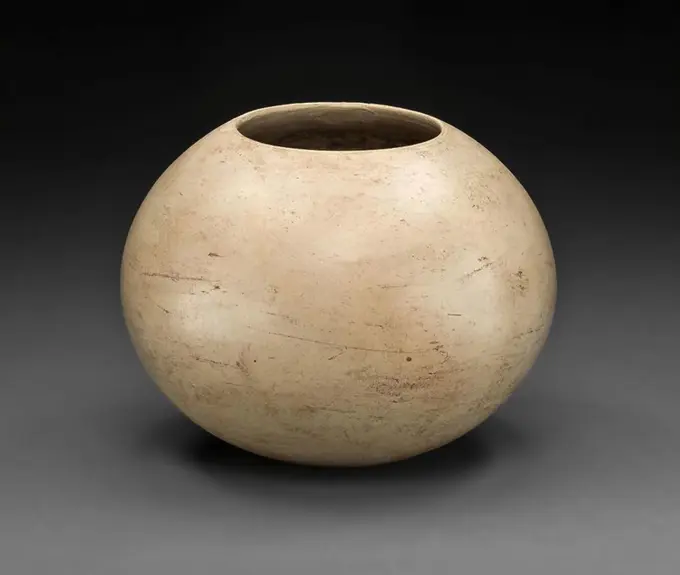
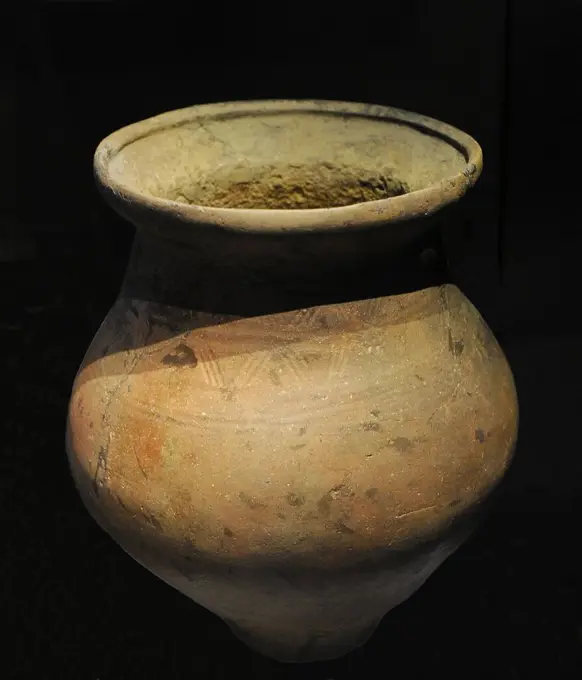
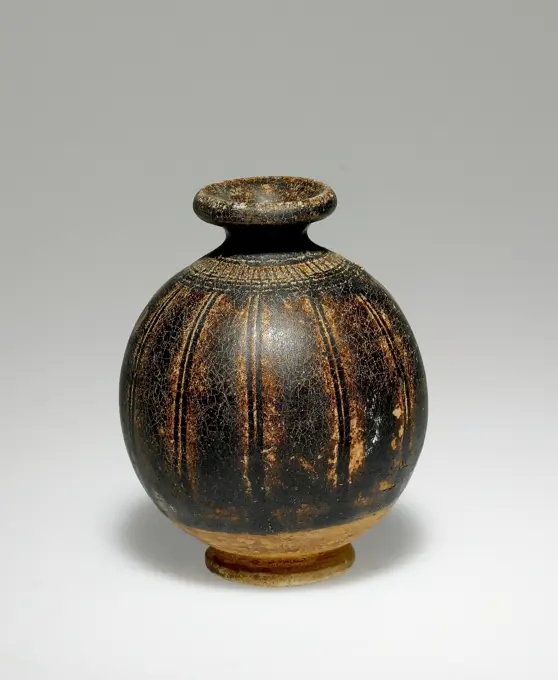
Archaeological terracotta jars from Vietnam and the Islamic period, showcasing their ancient craftsmanship and unique shapes among a neutral backdrop.
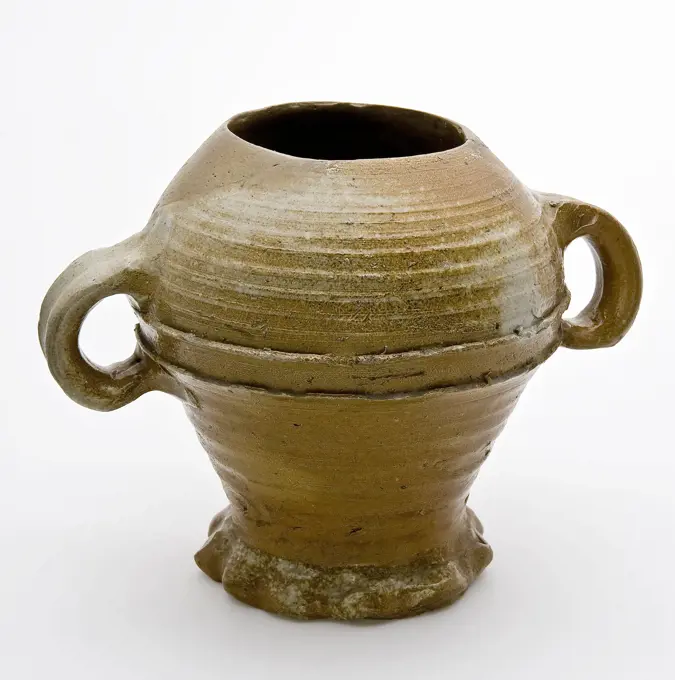
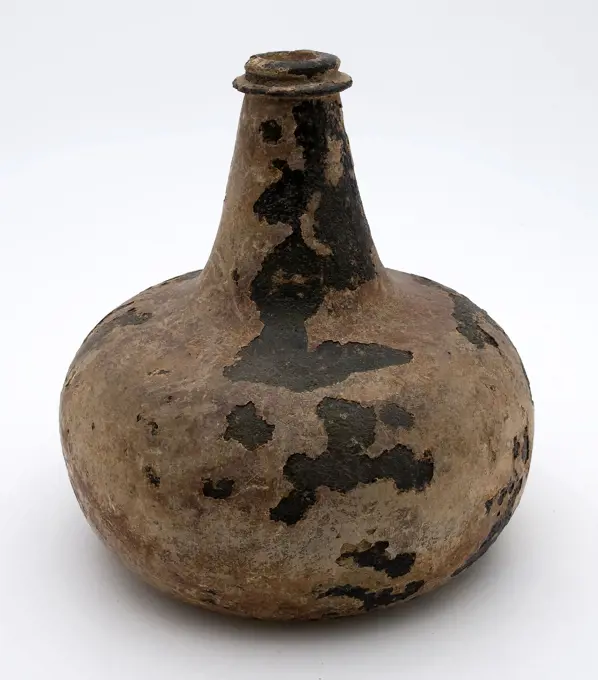
Stoneware cup with two ears with double profiled band on belly, pinched foot, without mouth rim, cup crockery holder soil find ceramic stoneware clay engobe glaze salt glaze, hand turned glazed baked stoneware cup gray shard salt glaze partly brown engobe two ring-shaped outward ears two ridges around the belly above and below the ridges rotations pinched foot. Egg-shaped body awuptly stopping at the edge of the mouth archeology import pottery pour serving drink wine beer
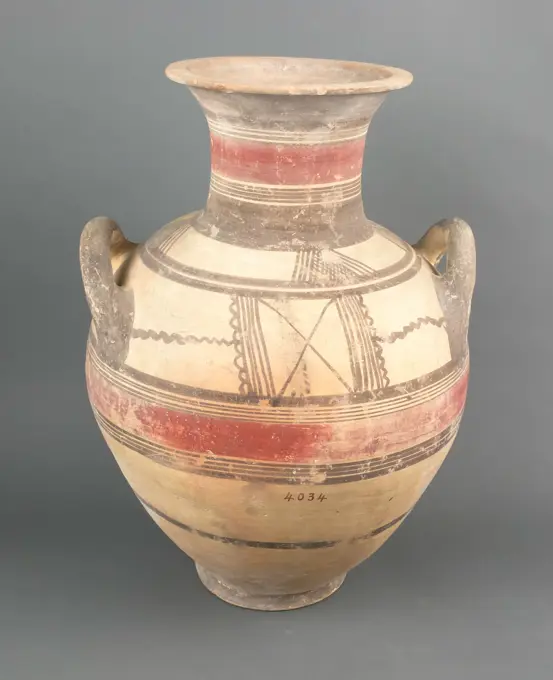
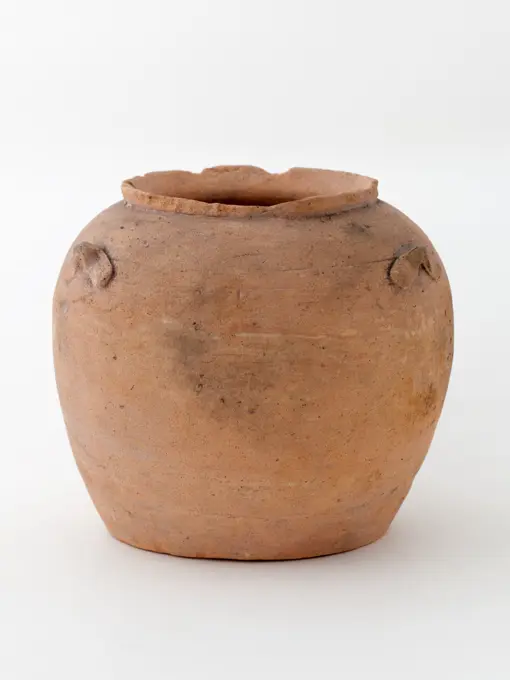
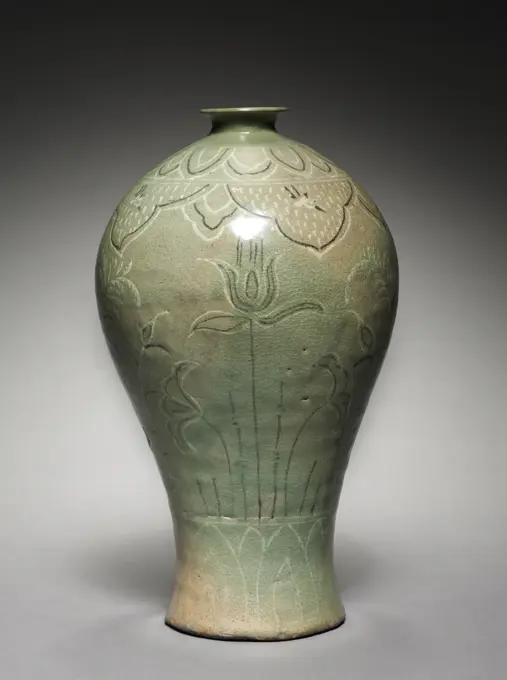
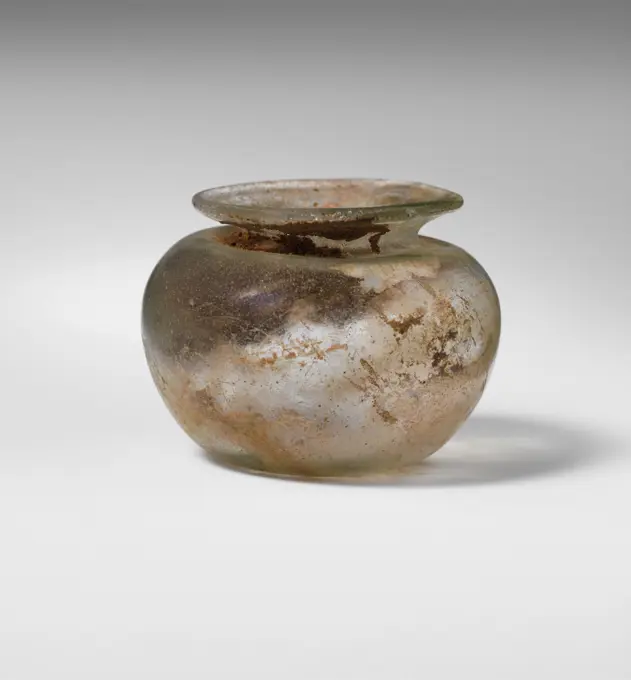
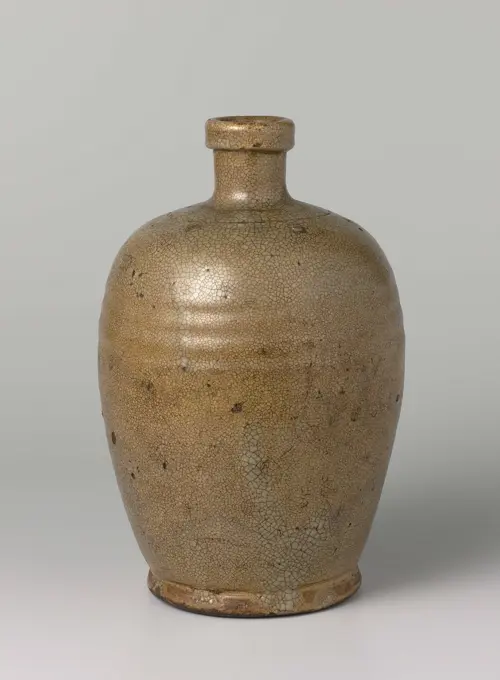
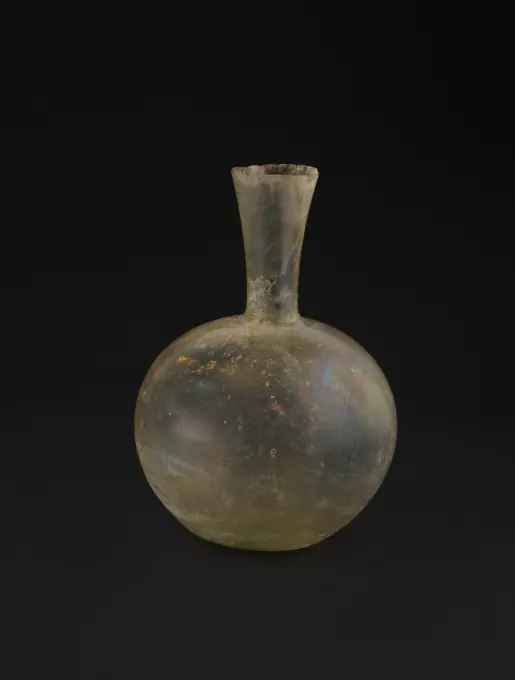
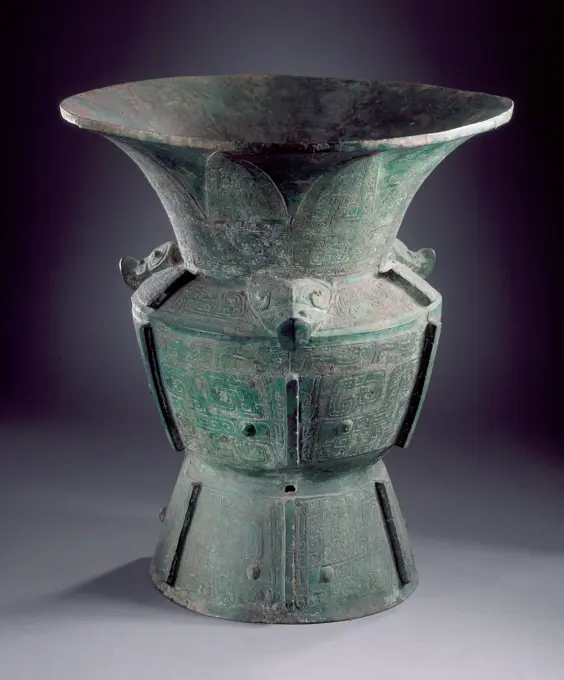
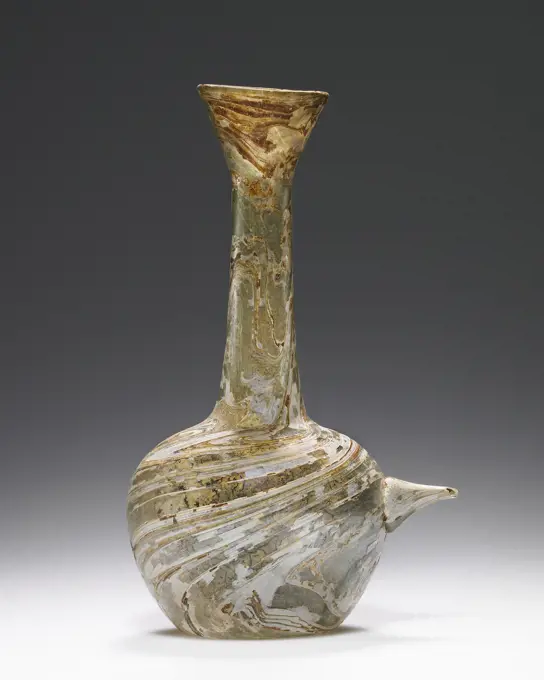
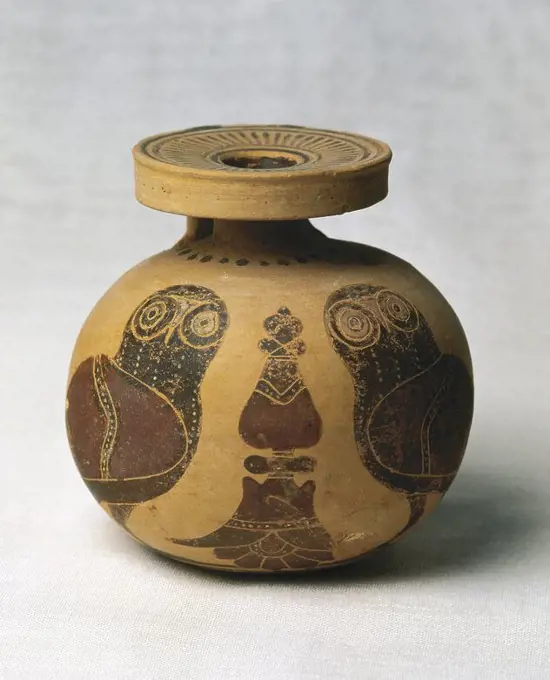
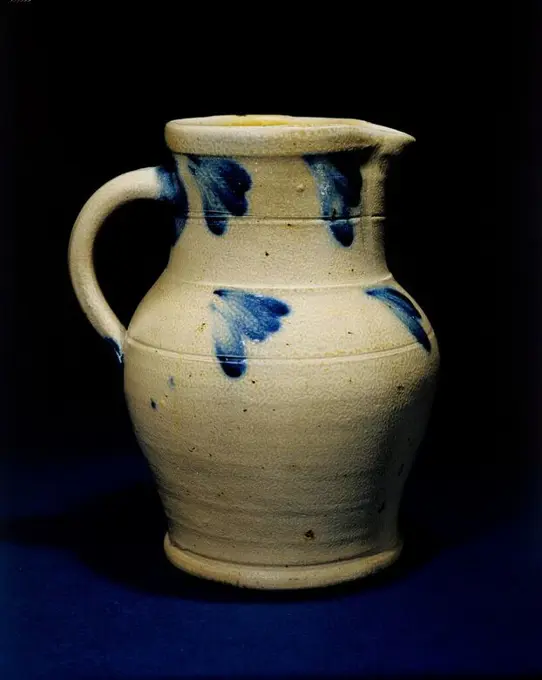
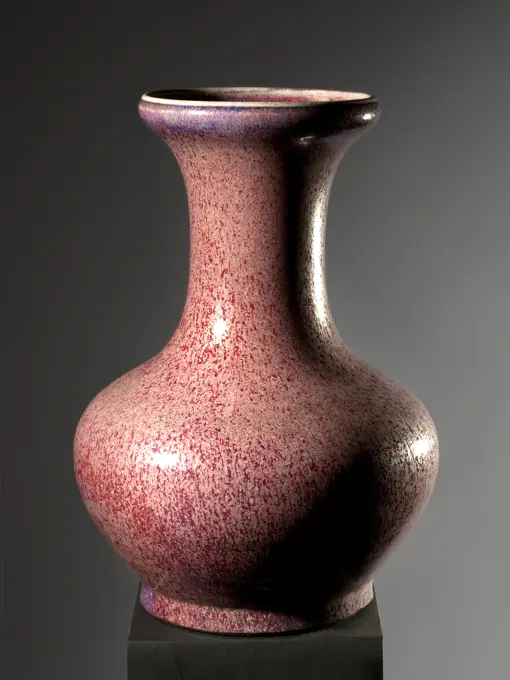
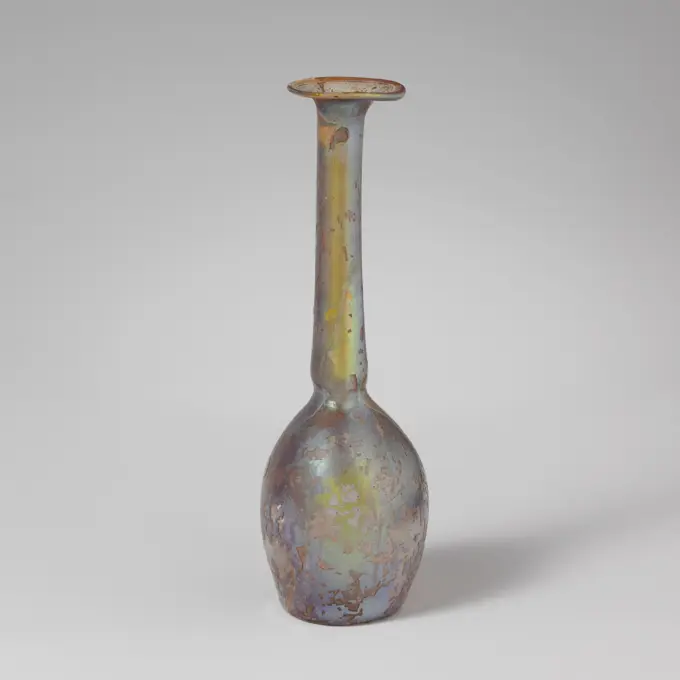
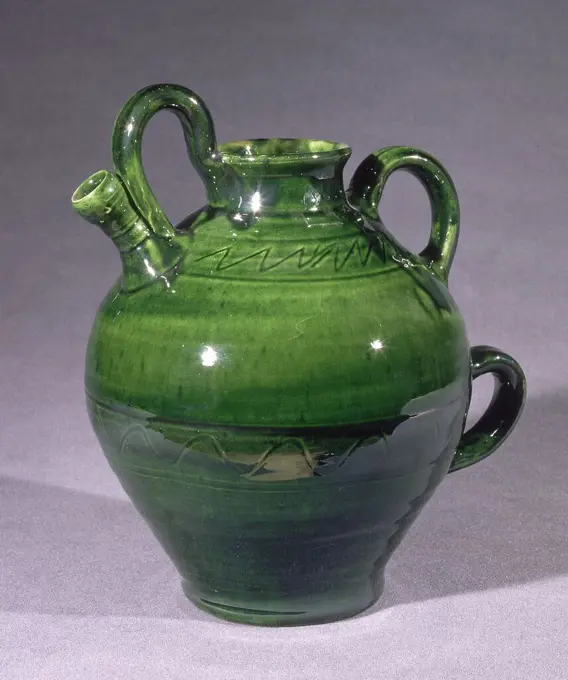
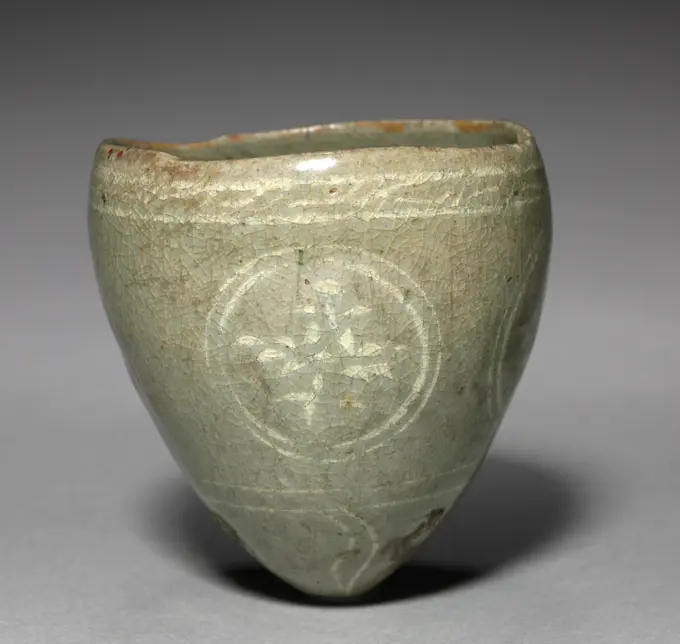
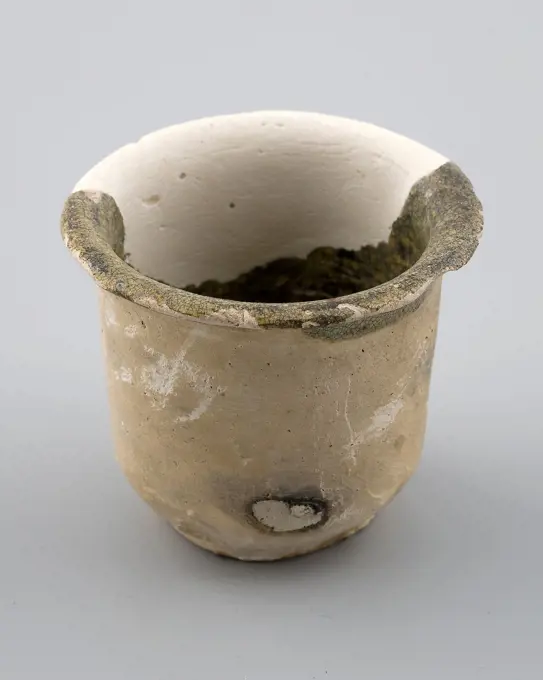
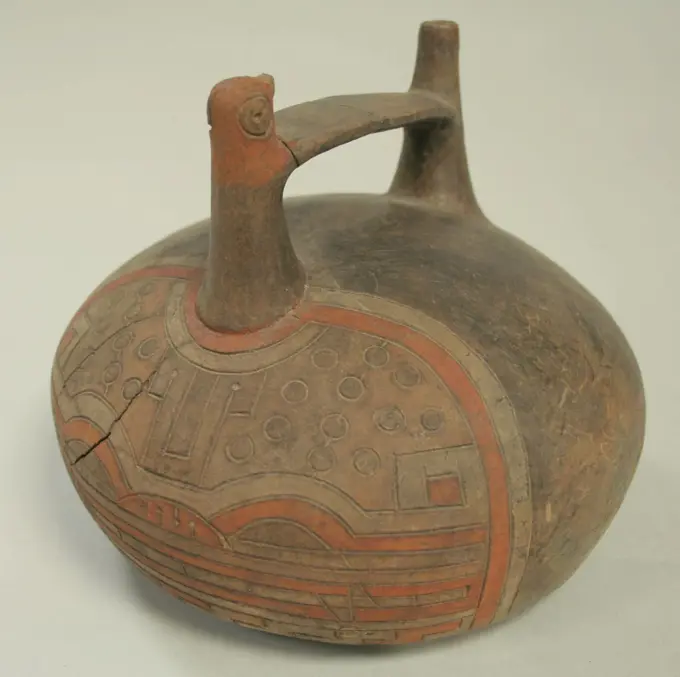
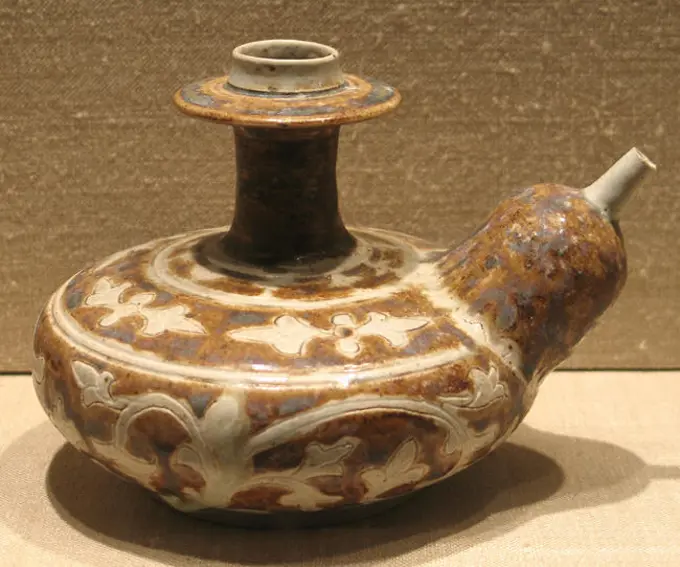
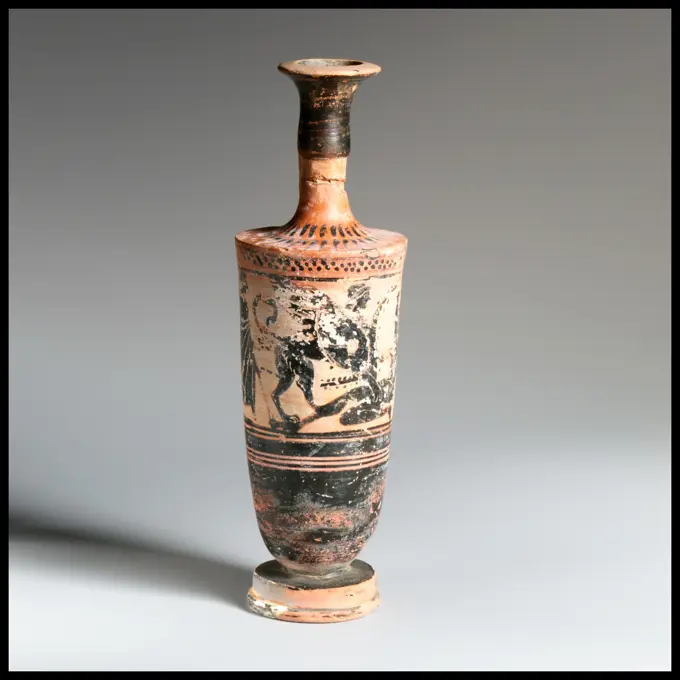
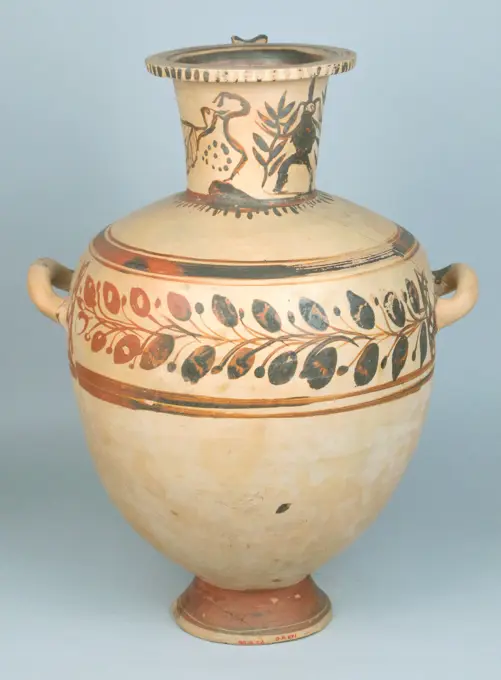
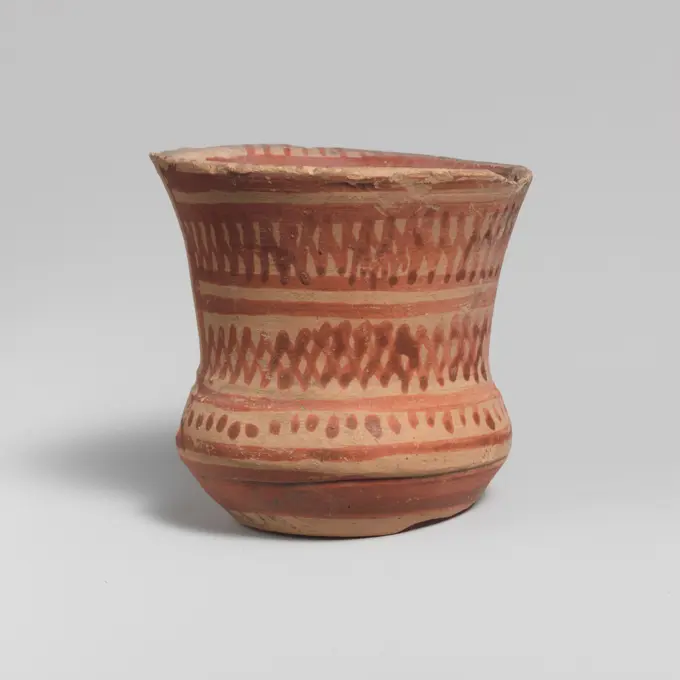
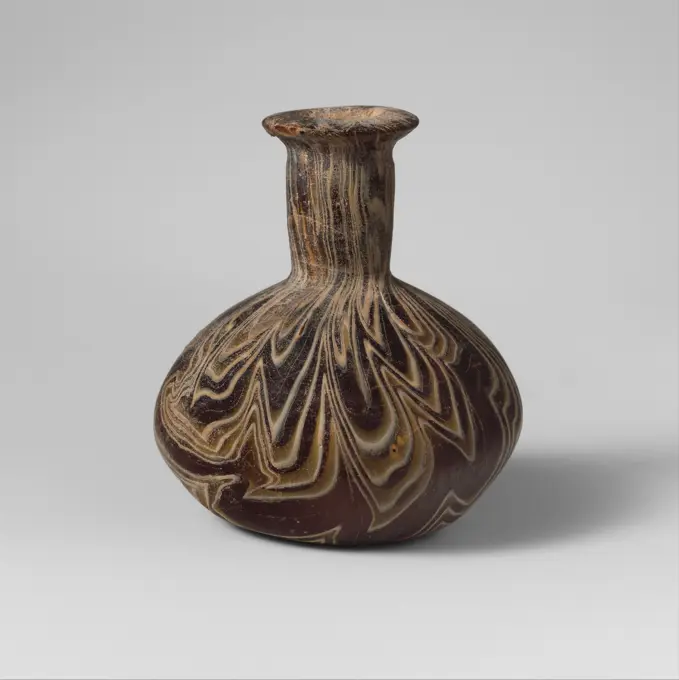
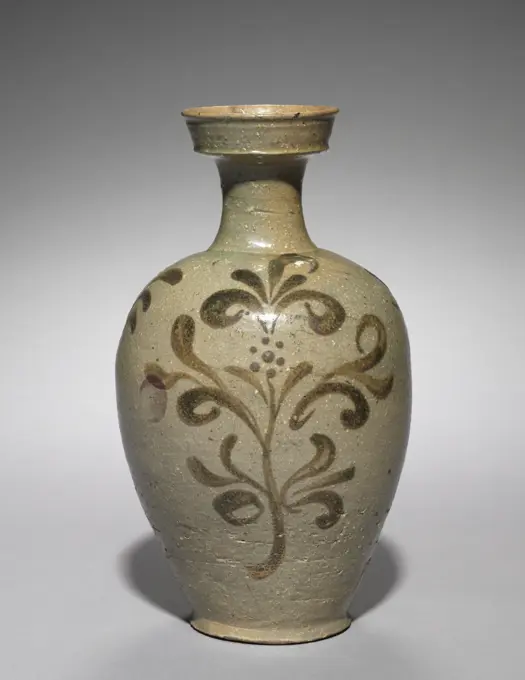
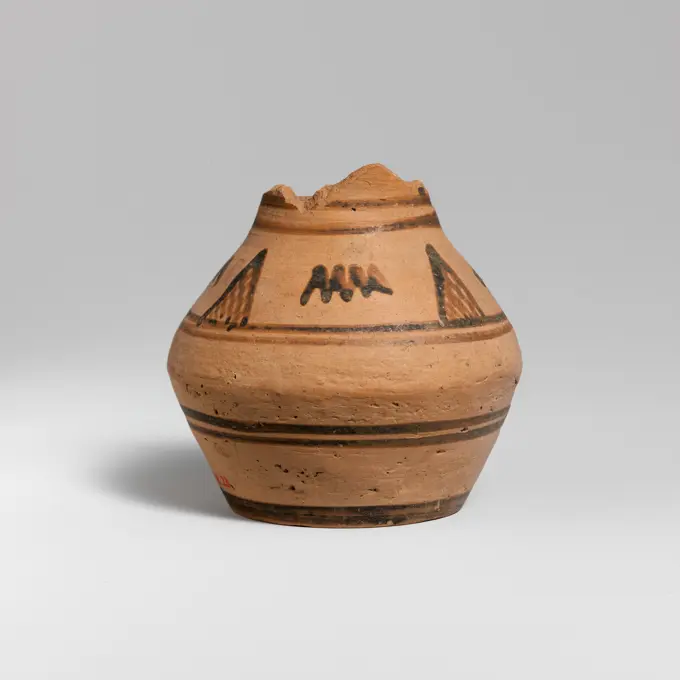
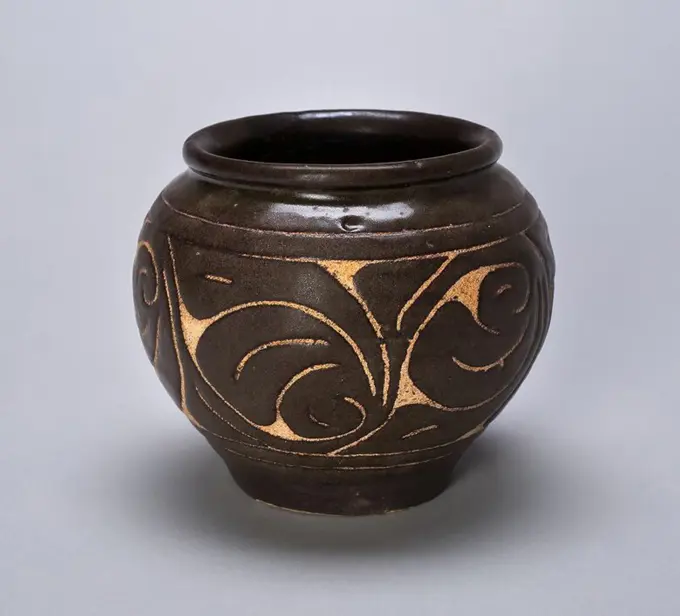
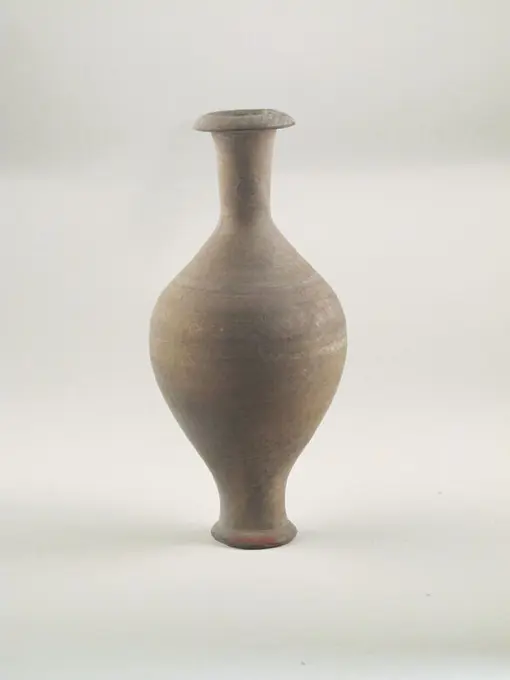
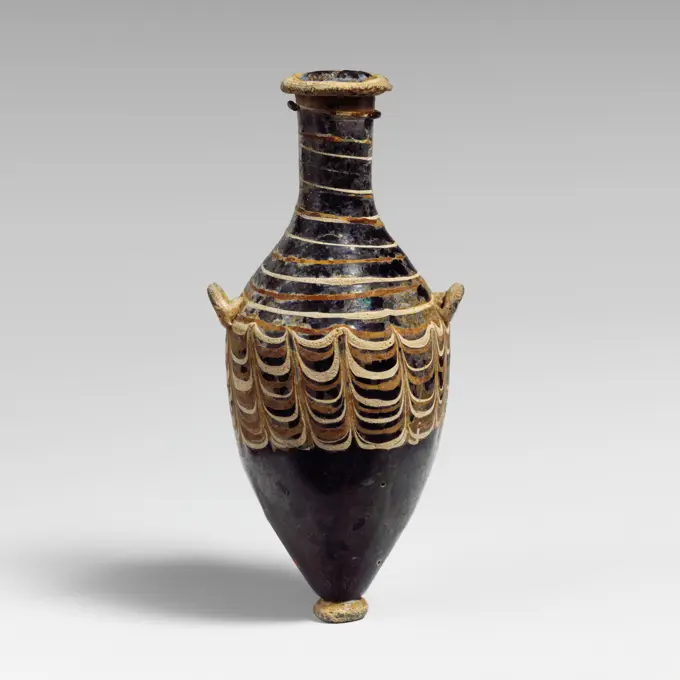
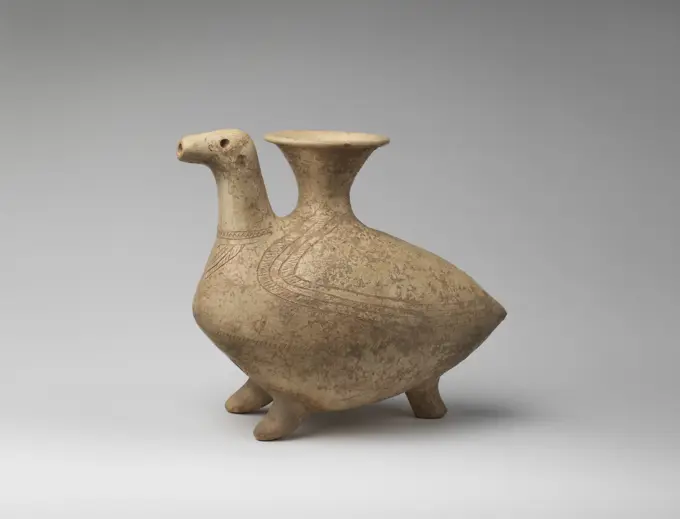
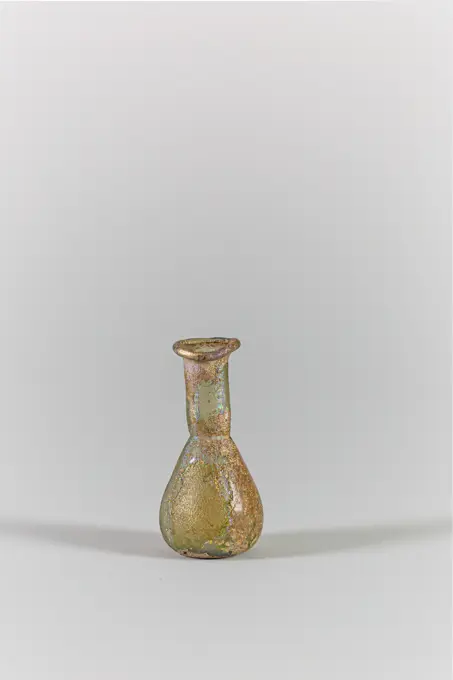
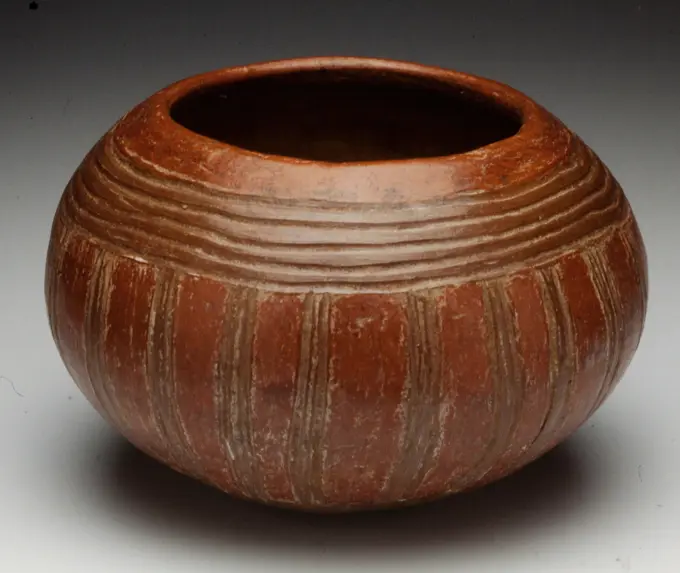
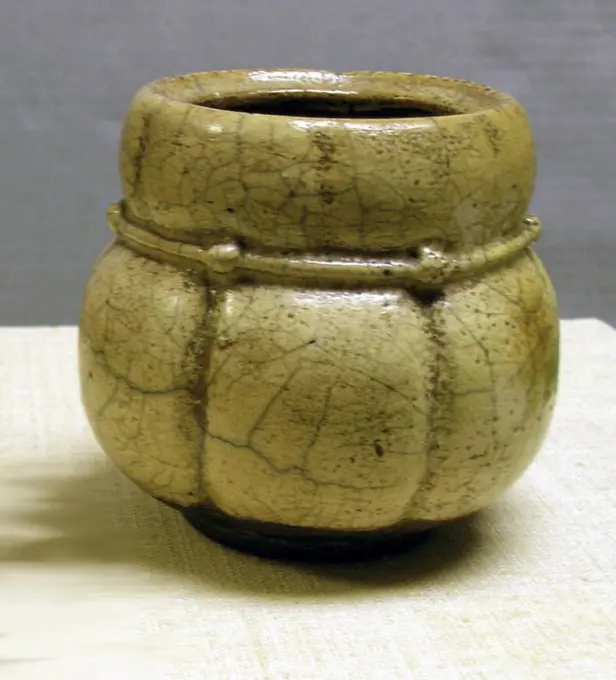
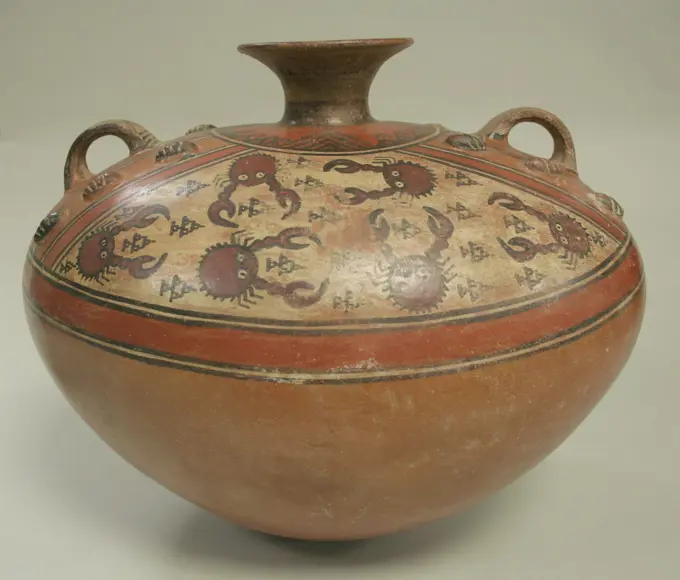
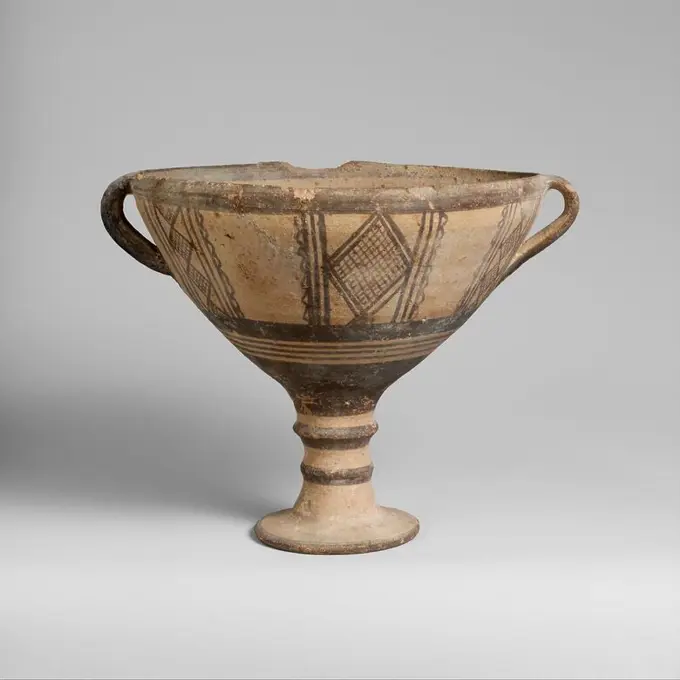
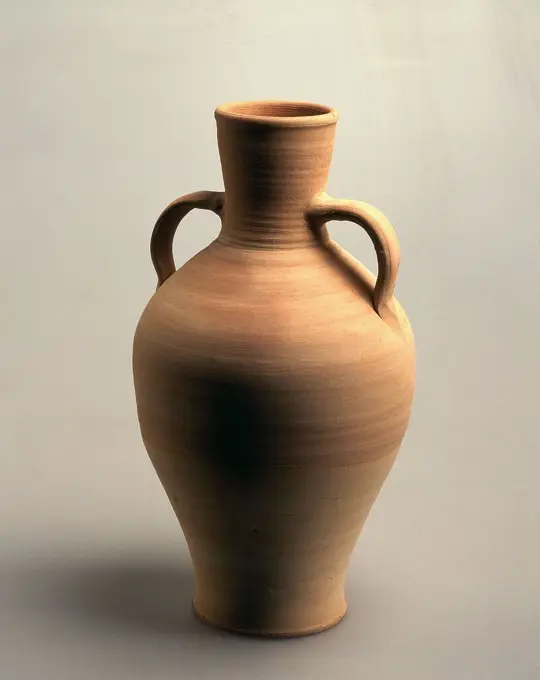
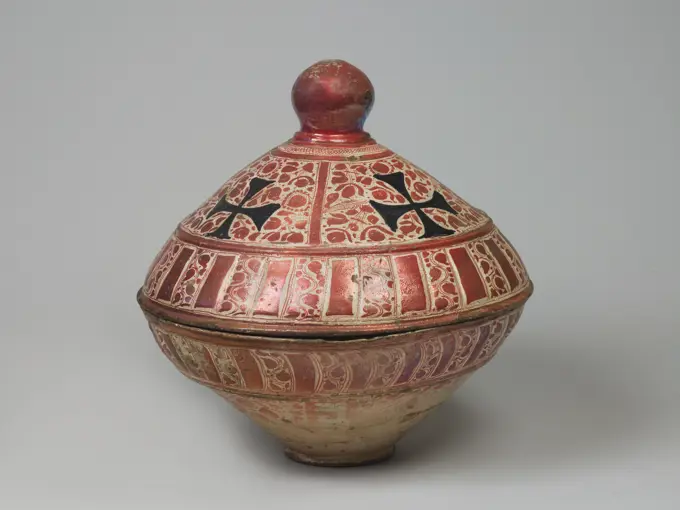
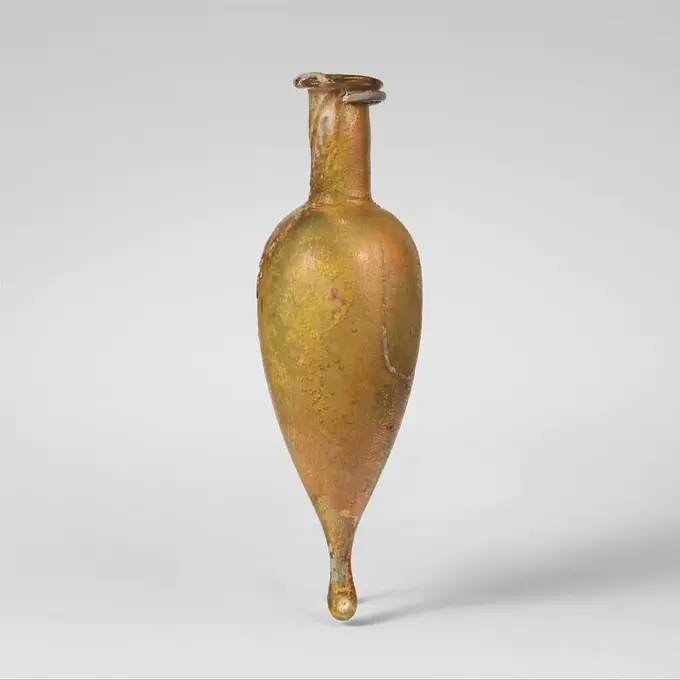
Naczynie miniaturowe. unknown, authorGoblet ca. 1450-1200 B.C. Iran. Goblet 325804Amphora 950-850 B.C. Cypriot Black and red bands, panel ornament and lattice triangles.. Amphora. Cypriot. 950-850 B.C.. Terracotta. Cypro-Geometric II. VasesJar ". Terracotta. Vietnam-Xe-Xive s. Paris, Cernuschi museum. 72361-34 Jar, Vietnamese object, terracottaPrunus Vase with Inlaid Lotus and Reed Design, 1300s. Korea, Goryeo period (918-1392). Celadon ware with inlaid white and black slip decoration; overall: 33 cm (13 in.). As early as the seventh century, the practice of drinking tea and wine became an important part of elite culture in Korea. Once used to store alcoholic beverages, this type of vase features a wide body followed by a sharply rounded shoulder, a short neck and a small opening. Most of the remaining examples no longer have a lid, but originally it may have had a lid that not only covers the opening, but also served as a cup.Glass jar ca. 4th century A.D. Roman Small jar.Colorless with blue green tinge.Rounded, slightly thickened rim; broad outsplayed mouth; short, concave neck; narrow, pushed-in shoulder; bulbous body; concave bottom, surrounded by traces of large pontil scar.Intact; many pinprick bubbles; dulling and slight pitting on exterior, with some soil encrustation around neck and underside of mouth, patches of soil encrustation, brownish weathering, and brilliant iridescence on interior.. Glass jar 245278Jug with a personification of Hope, Anno Knütgen (attributed to workshop of), c. 1560 - c. 1580 Jug of stoneware on stand ring with a spherical body and narrow neck. The C-shaped ear is attached to the neck and shoulder. Profile on the neck. The jug is decorated with rotation, where the shoulder is smoothed. On the abdomen in relief three times a printed and imposed medallion with the personification of the hope with the inscription 'Hofnung'. The edge of the medallion with four angel heads. Attached to the ear a pewter frame with lid; marked on the inside with a crown and the letters 'C.I.'. Siegburg. Siegburg Stoneware. Glaze. frame: tin (metal) vitrification Jug of stoneware on stand ring with a spherical body and narrow neck. The C-shaped ear is attached to the neck and shoulder. Profile on the neck. The jug is decorated with rotation, where the shoulder is smoothed. On the abdomen in relief three times a printed and imposed medallion with the personification of the hope with the iJug with round base and round spout, Incised Red Polished Ware, Early Bronze Age, 2000 BC. from Cyprus. Egg-shaped bottle of stoneware with a short, narrow neck, covered with a crackled, light brown glaze. Old label on the bottom with 'W706'.BottleRitual Wine Storage Jar (Zun) with Masks, Birds, and Bovine Heads. China, probably Henan Province, Late Shang dynasty, middle or late Anyang phase, about 1200-1050 B.C.. Furnishings; Serviceware. Cast bronzeContainer, third quarter of 20th century, 13 1/4 x 12 x 12 in. (33.66 x 30.48 x 30.48 cm) (approx.), Gourd, bark, plant fiber, Côte d'Ivoire, 20th centuryFeeder Flask; Eastern Mediterranean; 6th century; Glass; 15.8 x 7 cm (6 1,4 x 2 3,4 in.)Cinerary/UrnBulbous bottle, cat's head, belly bottle bottle holder soil find glass, free blown and shaped glass application Bottle shaped bottle head in bright green glass. Pontil mark under woadly raised bottom Body with convex wall to convex shoulders and rejuvenated (dm 5.0 - 2.5 cm) neck with imposed all-round sharp glass thread and dilated lip archaeological packagingOinochoe. UnknownAryballos Shaped LekythosGlass cinerary urn (olla) Roman mid-1st-2nd century CE View more. Glass cinerary urn (olla). Roman. mid-1st-2nd century CE. Glass; blown. Mid Imperial. GlassBowl 12th-13th century. Bowl 451430Terracotta jug 750-600 B.C. Cypriot With three birds.. Terracotta jug 240123Rhyton, c. 1000-800 BC. Iran, Amlash, 11th-9th century BC. Terracotta; overall: 18.2 x 19.1 cm (7 3/16 x 7 1/2 in.).Bowl ca. 9th century B.C. Iran. Bowl 325617Vase.  Maker: Pewabic Pottery, American, founded 1903Earthenware cooking pot, grape-model, red shard with lead glaze, two sausage rolls, on three legs, cooking pot crockery holder kitchenware earth discovery ceramics earthenware glaze lead glaze, hand turned glazed baked Pottery cooking pot grape-model red shard with lead glaze two sausages three legs underside partly unglazed and black scorched archeology indigenous earthenware food prepare cooking food kitchenGreek Art. Aryballos with owl decoration in black and red, separated with floral motifs. 6th century BC. From Corinth (Greece). Perfume Museum. Barcelona. Spain.Pitcher. Culture: American. Dimensions: H. 8 3/4 in. (22.2 cm). Date: 1800-1830. Museum: Metropolitan Museum of Art, New York, USA.Vase. Porcelain. Par musée musée malée. 78839-6 Asian art, Chinese art, porcelain, container, vaseGlass perfume bottle 2nd-3rd century A.D. Roman Colorless ().Rounded rim, folded out, over, and in, and pressed flat into fairly broad collar to mouth; concave cylindrical neck, tooled in around base; slender, elongated piriform body; pushed-in bottom with shallow kick.Intact; elongated and pinprick bubbles; deep pitting and brilliant iridescent weathering.. Glass perfume bottle 239683Pyriform vase, possibly an imitation of Song Guan ware 16th-17th century Chinese. Pyriform vase, possibly an imitation of Song Guan ware 460664Pot of stoneware, anonymous, c. 1400 - c. 1950 Pot of stoneware, widening upwards and edge around the mouth, brown glazed.  stoneware Pot of stoneware, widening upwards and edge around the mouth, brown glazed.  stonewareGlass jug. Culture: Roman. Dimensions: H.: 3 13/16 in. (9.7 cm). Date: 1st half of 1st century A.D..Translucent cobalt blue, with handle in same color.Rim folded out, round, and pressed into flaring mouth; cylindrical neck with irregular indents around top; convex sloping shoulder; cylindrical body with recessed central panel, then cup-shaped below; low circular base with flat lower edge and flat bottom; a strap handle applied to shoulder in a large bifurcated pad, drawn up in an outward curving loop, and pressed onto top of neck and underside of rim, with projecting thumb rest above rim. Three mold seams run from base of neck, across shoulder, and down sides to top of prominent horizontal ridge; a separate cup-shaped section forms the lower body and base.Decoration in three registers: on shoulder, downturned tongues in raised outline, interspersed at bottom with pointed darts, with two horizontal raised ridges below; on body, central panel divided into three sections by a vertical "DOLL" O HIBRIDO DE CANTARO Y BOTIJO CON TRES ASAS - VIDRIADO EN VERDE - SIGLO XX. Location: ALFARERIA. TARRAGONA. SPAIN.Cup with Inlaid Chrysanthemum Design, 1200s-1300s. Korea, Goryeo period (918-1392). Pottery; diameter of mouth: 6.9 cm (2 11/16 in.); overall: 7.9 cm (3 1/8 in.).Ointment jar with recoiling foot and protruding short edge, internally glazed, ointment jar pot holder soil find ceramic earthenware glaze, rim hand-turned glazed baked Cylindrical pottery ointment jar with recessed stand and protruding short edge internally glazed. Yellow glaze fine craqulé in glaze. White shard. Stand with soul untidy finished archeology Rotterdam Muted Slaak health care pottery ointment medicine drug pharmacy care craft Soil discovery Mute Slaak January 1978.Bottle, Feline Face 8th-4th century B.C. Paracas This double-spout and bridge vessel features a bird head spout and an incised feline face on the body of the vessel. These animals feature prominently in the iconography of Paracas art between 8th -4th centuries B.C on the south coast of Peru. The vessels form is frequently found among ceremonial vessels, and the spout with the modeled head of a small bird head is painted red, and beak, painted yellow. This spout is closed, only the other, undecorated spout would have been functional for liquids to be poured into and out of the vessel. Below the bird spout on the body of the vessel is a feline face. Created by incisions in the vessels wet clay, prior to firing, the felines nose, eyes, and mouth with fangs are defined by thin and ovular lines. Small circles are located above the felines eyes. Finally, the felines face is highlighted by the application of red, white, and brown paints. These pigments, as well as those on the bird spoutJug - J. T. Hazen J. T. HazenStoneware beer mug or 'humpe', conical model, appliqué of man with hat, mug drinking bowl tableware holder soil find ceramic stoneware glaze salt glaze, hand-turned laid glazed baked So-called Humpe Stoneware mug or beer mug gray shard with ear Tapered body archeology indigenous pottery import drinking beerVerseuse ". GRS covered brown. Paris, Muse Cernuschi. Pamper Asian art, extreme-East art, Vietnamese art, ceramic, dishesGlass perfume bottle 1st century A.D. Roman Translucent pale blue green.Uneven rim folded out, over, and in; short cylindrical neck with tooling indent around base; conical body, rounded at base; flat bottom.Traces of horizontal indent around middle of body.Complete but with many internal cracks; pinprick bubbles; deep pitting and dulling, patches of creamy weathering with brilliant iridescence.. Glass perfume bottle 244632Globular Glass Beaker 5th-7th century Frankish. Globular Glass Beaker. Frankish. 5th-7th century. Glass. Glass-VesselsVase (hu), anonymous, -206 - 220 Balus -shaped body with three horizontal tires in relief and a taate mask on both sides with a hole for a ring, which is now missing. China bronze (metal) casting Balus -shaped body with three horizontal tires in relief and a taate mask on both sides with a hole for a ring, which is now missing. China bronze (metal) castingTerracotta lekythos (oil flask). Culture: Greek, Attic. Dimensions: H. 16 in. (40.6 cm). Date: ca. 420-400 B.C..Youth seated at tomb between youth and womanThe youth in the center, undoubtedly the deceased, is seated on the steps of his tomb. The shaft behind him is crowned by remarkably succulent akanthos leaves. The woman at the right carries a basket containing two lekythoi and an alabastron (perfume vase). The central figure fits into the composition rather awkwardly, but the intent is clearly to provide an image of the departed being mourned by those around him. Museum: Metropolitan Museum of Art, New York, USA.Can. Can be from stoneware. Gray and decorated with pressed stripes.Globular Jar with Trumpet-Shaped Mouth. Korea. Date: 400 AD-599 AD. Dimensions: H. 14.6 cm (5 3/4 in.); diam. 13.7 cm (5 3/8 in.). Stoneware with natural ash glaze. Origin: Korea. Museum: The Chicago Art Institute, Chicago, USA.Vase 1879 Frank A. Butler British Determined that pottery vessels should be regarded as true works of art, avant-garde ceramicists in France in the last decades of the nineteenth century transformed their craft into an intellectual and emotional endeavor. The pioneers of this revival were Jean Carriès, Ernest Chaplet, Théodore Deck, and Auguste Delaherche. These revolutionary artist-potters embraced artisanal traditions while pursuing lost techniques through exhaustive experimentation. Reacting to what they viewed as an excessive and improper use of ornament, they celebrated the simplicity and sincerity of their medium, following the tenets of the Art Nouveau style taking place in Europe. Based on the principles of the British Arts and Crafts movement, Art Nouveau artists sought to reform the decorative arts by emphasizing uniqueness and a return to craftsmanship. Artist-potters found inspiration in Asian ceramics, particularly Japanese stoneware (a hard, dense type of pottery), which Belly bottle, belly bottle bottle holder soil find glass, free blown glass application Rondbuikige bottle of green glass that has become dull during the stay in the soil archeology packingKendi (Drinking Vessel) 14th-ca. mid-16th century Thailand (Si Satchanalai). Kendi (Drinking Vessel) 37498Terracotta lekythos (oil flask) 1st quarter of 5th century B.C. Attributed to the Emporion Painter Sphinx seizing youth.. Terracotta lekythos (oil flask). Greek, Attic. 1st quarter of 5th century B.C.. Terracotta; black-figure, white-ground. Archaic. VasesIberian vase of pottery with geometric decoration, used as funerary urn. Dated in the 3rd century BC. From the Necropolis of Tutugi, Galera, province of Granada (Andalusia). National Archaeological Museum. Madrid. Spain.Vase 400-310 B.C. Cypriot "Woman-and-pitcher" vase with ivy and olive wreaths, in white and white flowers on neck.. Vase. Cypriot. 400-310 B.C.. Terracotta. Cypro-Classical II. VasesPhial; unknown eastern workshop; 4th century (301-00-00-400-00-00);Terracotta Hadra hydria (water jar) 3rd century B.C. Greek, Egypt, Alexandria-Hadra Twisted vertical handle; on body, laurel branch and network between bands; on neck, man with a tree and bird on each side.. Terracotta Hadra hydria (water jar). Greek, Egypt, Alexandria-Hadra. 3rd century B.C.. Terracotta. Hellenistic. VasesTerracotta tankard late 8th century B.C. Greek, Attic From the Hymettos deposit (see 30.118.1). Terracotta tankard. Greek, Attic. late 8th century B.C.. Terracotta. Geometric. VasesWine bottle with wine from the wreck of the East Indians' t Vliegend Hart ,, 1700 - 1735 wine Uivid wine bottle of green glass filled with red (port) wine and closed with cork and wire that the cork had to hold in place. Netherlands glassBulbous bottle, onionbottle, bottle holder bottomfound glass, free blown and shaped glass application Bulb bottle of onion bottle in clear green glass. Pontil mark under wide raised bottom Body with convex wall to convex shoulders and rejuvenated (dm 6.0 - 2.7 cm) neck with imposed all-round sharp glass thread and dilated lip archeology packagingPrehistory, Albania, Neolithic. Biconical ceramic vase. From Kamniku.Glass mosaic bottle 1st half of 1st century A.D. Roman Translucent honey brown and opaque white.Everted, slightly beveled rim with angular outer lip; cylindrical neck, tapering downward, with tooling indents around top below rim; squat globular body; slightly concave bottom.Marbled mosaic pattern formed from sections of a single cane in a brown ground with white parallel lines in a irregular zigzag pattern.Intact; dulling, slight pitting, whitish iridescent weathering, and inside neck and body soil encrustation.Rotary grinding marks on exterior.. Glass mosaic bottle. Roman. 1st half of 1st century A.D.. Glass; cast and blown, and tooled. Early Imperial, Julio-Claudian. GlassGourd-Shaped Vessel. Tlatilco; Tlatilco, Valley of Mexico, Mexico. Date: 600 BC-400 BC. Dimensions: 8.3 × 12.1 cm (3 1/2 × 4 3/4 in.). Ceramic and pigment. Origin: Mexico. Museum: The Chicago Art Institute, Chicago, USA.Vase with Floral Design, 1100s. Korea, Goryeo period (918-1392). Celadon with underglaze iron-brown; overall: 26.4 cm (10 3/8 in.).Fragmentary terracotta oinochoe (jug) late 8th century B.C. Greek, Attic From the Hymettos deposit (see 30.118.1). Fragmentary terracotta oinochoe (jug). Greek, Attic. late 8th century B.C.. Terracotta. Geometric. VasesSmall Globular Jar with Rolled Lip and Stylized Leaves. China. Date: 1115-1234. Dimensions: H. 9.7 cm (3 7/8 in.); diam. 11.2 cm (4 1/2 in.). Cizhou ware; stoneware with carved-slip decoration. Origin: China. Museum: The Chicago Art Institute, Chicago, USA.Vase. Culture: Roman. Dimensions: 5 7/16in. (13.7cm)Other: 6 3/8in. (16.2cm).Brown spindle-shaped vase with white bands; unglazed. Museum: Metropolitan Museum of Art, New York, USA.Glass unguentarium (perfume bottle) 3rd century B.C. Greek, Eastern Mediterranean, possibly Alexandrian Translucent light blue, with opaque turquoise green handles, rim-disk, and pad-base; trails in opaque white and uncertain color, appearing opaque reddish brown. Turquoise green trail applied as outsplayed rim-disk around jagged top edge of neck; tall, slender neck, tapering slightly downward; steeply sloping shoulder; elongated piriform body, tapering downward to applied; small pad-base with uneven flat bottom; two small loop handles applied to edge of shoulder and top of body with everted upward angle.White and reddish brown trails attached at top of neck and wound down as alternate spiral lines, tooled into a festoon pattern round upper half of body, with fifteen upward tooling strokes.Intact; some dulling and pitting, especially of turquoise blue additions, and areas of creamy brown weathering and iridescence.. Glass unguentarium (perfume bottle) 250000Rhyton in the shape of a bird ca. early 1st millennium B.C. This burnished ceramic vessel is known as a rhyton’ (plural rhyta’). While most vessels have only opening, rhyta have two separate ones for filling and for pouring or drinking. They also generally have sculptural elements in the form of animals, people or mythical creatures.This rhyton is shaped like a football. A neck with a flaring rim emerges from the top, and a tubular spout rises from one end and terminates in the form of a bird’s head. The eyes, now missing, were presumably inlaid originally. The rhyton stands on three legs: two at the front where a bird’s legs would be, and one at the back for support. Two rows of incised lines, suggestive of wings, run from the vessel’s neck to the back in an arc. There are also incised hatch marks on the front and bottom of the vessel. The overall effect creates the impression of a bird, perhaps a pigeon.At least two similar rhyta, both of Iron Age date, have been excavated in GilanBottleGlass perfume bottle 1st century A.D. Roman Colorless with a blue green tinge.Lopsided, everted rim, folded over and in; cylindrical neck, with horizontal tooling indent around base; conical body, curving in to flat bottom.Intact; many pinprick bubbles; dulling, deep pitting, and iridescent weathering.. Glass perfume bottle. Roman. 1st century A.D.. Glass; blown. Early Imperial. GlassFragment of the cylinder (upper 3/4); Unknown Night -Tamanian workshop; approx. 2600 2350 BC ; Early period D Azira III (-2600-00-00--2350-00-00);Bowl, 500-100 BCE, 5 3/4 x 4 1/2 x 4 1/2 in. (14.61 x 11.43 x 11.43 cm), Ceramic, pigment, Costa Rica, 5th-1st century BCECan. Can be from stoneware. The narrow high neck wise to gentlemen. A lion mask is printed on the neck, under the small spout. The egg-shaped belly is strewn with rosettes printed in flat relief, uncoloured on a blue fond.Incense burner with lid 17th century Jokei Japanese. Incense burner with lid. Jokei (Japanese, died 1636). Japan. 17th century. Earthenware with glaze; lid of network brass grille (Raku ware). Edo period (1615-1868). CeramicsAmphoriskos. UnknownOinochoe; Sicily (perhaps), Italy; 5th century B.C; Glass; 8.3 cm (3 1,4 in.)Urn. Thailand, Ban Chiang culture, circa 300 B.C.-A.D. 200. Furnishings; Accessories. Wheel-thrown earthenware with painted decorationGlass jug. Culture: Roman. Dimensions: H. 9 3/4 in. (24.8 cm). Date: 4th century A.D..Translucent olive green; handle and one trail in same color, another trail in deep turquoise blue.Everted, horizontal rim with rounded lip; flaring mouth and short cylindrical neck; bulbous, biconical body, then tapering to hollow stem; large splayed foot with thick tubular edge made by folding; concave bottom with small kick at center and large pontil scar; rod handle to side of body at point of greatest diameter, drawn up vertically, turned in with pinched fold above rim, and trailed off under rim.Body decorated with bands of four closely spaced shallow ribs in a downward spiral from left to right, extending from neck to mid-point down side and then fading on lower body; thick trail wound three times from left to right around neck, forming a double band; over and between this band, a fine trail has been wound, forming an irregular zigzag.Broken and repaired with one small impact hole in side; piJar with Lug Handles 15th-16th century Ica. Jar with Lug Handles 309735Naczynie. nieznany warsztat północno mezopotamski, workshopTerracotta stemmed cup. Culture: Cypriot. Dimensions: H. 6 3/4 in. (17.2 cm); diameter 7 5/16 in. (18.6 cm). Date: 1050-950 B.C..High foot, with lattice designs in panels. Museum: Metropolitan Museum of Art, New York, USA.Terracotta lead-glazed skyphos. Culture: Roman. Dimensions: H. 10.2 cm. Diameter 11.4 cm.. Date: late 1st century B.C.-early 1st century A.D.. Museum: Metropolitan Museum of Art, New York, USA.Tripod VesselCANTARO DE 12 LITROS DE DOS ASAS SIN VIDRIAR (ALFARERO NOMDEDEU) - S XX. Location: ALFARERIA. SPAIN.Urnfield Culture. Cinerary Urn. Early Late Bronze Age. 1100-900 BC. Necropolis of Can Missert (Terrassa, province of Barcelona). Long-term loan from the Museum of Archeology of Catalonia (Barcelona). National Archaeological Museum. Madrid. Spain.Geometric Oinochoe; Athens, Greece; 725-700 B.C; Terracotta; 51.3 × 27.8 cm (20 3,16 × 10 15,16 in.)Pitcher 14th century Italian. Pitcher 463532Vessel, 1st century BCE - 1st century CE, 3 3/4 x 2 15/16 x 2 15/16 in. (9.53 x 7.46 x 7.46 cm), Glazed ceramic, 1st century BCE - 1st century CEWine Cask with Stamped Floral Decoration, 1400s. Korea, Joseon dynasty (1392-1910). Pottery; outer diameter: 14.9 cm (5 7/8 in.); overall: 19.8 cm (7 13/16 in.).Bowl with Cover third quarter 16th century Spanish The form of this deep, covered bowl is similar to the tagines famously used in North African cuisine today. Cooking pots of that type were first recorded in the ninth century, and it is likely this vessel served the same household function, notwithstanding its overtly religious decoration. The lusterware technique seen here involves the use of a copper oxide that, when painted on in the desired patterns and fired separately, produces a metallic sheen in tones ranging from pale gold to deep reddish copper, depending on the proportions of the mixture.. Bowl with Cover. Spanish. third quarter 16th century. Tin-glazed earthenware. Made in probably Manises, Valencia, Spain. CeramicsBottle 15th-17th century Caddoan. Bottle 316365Ritual Vessel of Lotus Form ca. 10th century India (Jammu and Kashmir, ancient kingdom of Kashmir) The vessel is globular in form, set on a pedestal stand. All of its surfaces have raised decoration: the body is filled with a beautifully realized pattern of overlapping petals with chased details, and the shoulder and foot have a lotus petal and dart band. The collar of the vessel and its stem foot are marked bands of raised beads, understood to evoke pearls. It had two ring handles riveted to the shoulder at some later point in its history, of which one remains intact.. Ritual Vessel of Lotus Form. India (Jammu and Kashmir, ancient kingdom of Kashmir). ca. 10th century. Copper. MetalworkJug ca. late 8th-7th century B.C. Israelite. Jug 323155Ovoid bottle with a lightbrown glaze, anonymous, c. 1700 - c. 1799 Egg -shaped bottle of stoneware with a short, narrow neck, covered with a cracked, light brown glaze. Old label on the bottom with 'W706'. Japan stoneware. glaze vitrification Egg -shaped bottle of stoneware with a short, narrow neck, covered with a cracked, light brown glaze. Old label on the bottom with 'W706'. Japan stoneware. glaze vitrificationGlass jar. Culture: Roman, Palestinian. Dimensions: H. 3 3/8 in. (8.6 cm). Date: 3rd-4th century A.D..Translucent pale blue green; trails in same color.Thick rim folded out, over, and in, and pressed into broad, almost horizontal mouth; short, cylindrical neck, expanding downwards; almost horizontal shoulder, pushed in on one side; bulbous body; shallow kick in thick bottom with large irregular pontil pad at center.Fine trail wound round in an irregular spiral pattern, extending from bottom to neck; over this, another thick trail wound round from left to right in zigzag between outer edge of shoulder and rim, forming openwork collar.Complete, but three strands of zigzag trail missing, with weathered breaks; many pinprick bubbles; dulling and iridescent creamy white weathering. Museum: Metropolitan Museum of Art, New York, USA.Toilet jar ca. 1900-1800 B.C. Middle Kingdom. Toilet jar. ca. 1900-1800 B.C.. Travertine (Egyptian alabaster). Middle Kingdom. From Egypt, Memphite Region, Lisht North, cemetery south of pyramid below House 4:2, Pit 444, MMA excavations, 1913-14. Dynasty 12Glass beaker. Culture: Roman. Dimensions: Height: 3 11/16 in. (9.3 cm)Diameter: 3 1/16 x 1 9/16 in. (7.8 x 4 cm). Date: 2nd-3rd century A.D..Translucent pale yellow green.Rounded, flaring rim; cylindrical body with slightly convex, vertical side, curving in at base to integral tubular base ring; bottom with small kick at center and pontil scar.Intact; pinprick and a few larger bubbles; dulling, iridescence, and patches of faint weathering. Museum: Metropolitan Museum of Art, New York, USA.Glass perfume bottle. Culture: Roman. Dimensions: 4 1/2 in. (11.5 cm)Other: 1 3/8 in. (3.5 cm)Diam. of rim: 3/4 in. (2 cm). Date: 1st century A.D..Translucent greenish yellow.Uneven rim folded out, round, and in; cylindrical neck, slightly tooled in around base; elongated piriform body, tapering to solid, drawn-out knob base with tooling indent in one side.Intact; pinprick bubbles; dulling, deep pitting and weathering, leaving a brilliant iridescent surface on exterior.Colorless oval blown glass vase with pointed base and slender neck. Museum: Metropolitan Museum of Art, New York, USA.VASO EGIPCIO CONVERTIDO EN URNA FUNERARIA POR LOS FENICIOS. PROCEDE DE LA LAURITA EN ALMUÑECAR. S IX. Location: MUSEO ARQUEOLOGICO-CERAMICA FENICIA. GRANADA. SPANIEN.Alcohol lap with wooden cover (common name). Violet, yellow email. Cernuschi Museum, Asia Museum of Asia in the city of Paris.Two-handled jar ca. 7th-6th century B.C. Iran This jar has a globular body that tapers to a flat base, a wide mouth and two loop handles (both modern restorations) connected to the shoulder and the rim. It is made of a pinkish buff clay, with darker red coloring near the base, using a potters wheel. It was excavated at Tepe Nush-i Jan, an Iron Age hilltop site about 60 km sound of Hamadan in western Iran. Nush-i Jan was occupied in the 7th and 6th centuries B.C., and its occupants are generally thought to be the Medes, an Iranian people known from Assyrian, Achaemenid and Biblical sources. Though the textual sources portray them as a powerful empire, archaeological evidence for the Medes has yet to sustain this impression. Rather, they seem to have lived in scattered fortified sites in western and central Iran, without any clear capital. Nush-i Jan, one of the best known of these sites, features two temples, a columned hall, and a fort. The jar was found in the fill of an arrow slot iJuglet 750-600 B.C. Cypriot. Juglet. Cypriot. 750-600 B.C.. Terracotta. Cypro-Archaic I. VasesJuglet. Egypt, Second Intermediate Period (1640 - 1532 BCE). Furnishings; Serviceware. CeramicJug 600-480 B.C. Cypriot Horizontal bands and concentric circles.. Jug. Cypriot. 600-480 B.C.. Terracotta. Cypro-Archaic II. Vases