Historical Terracotta Lamps

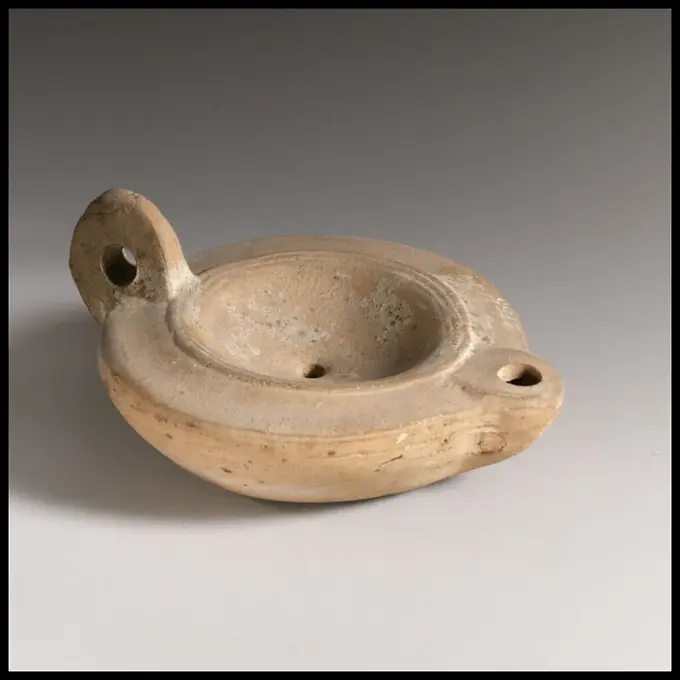
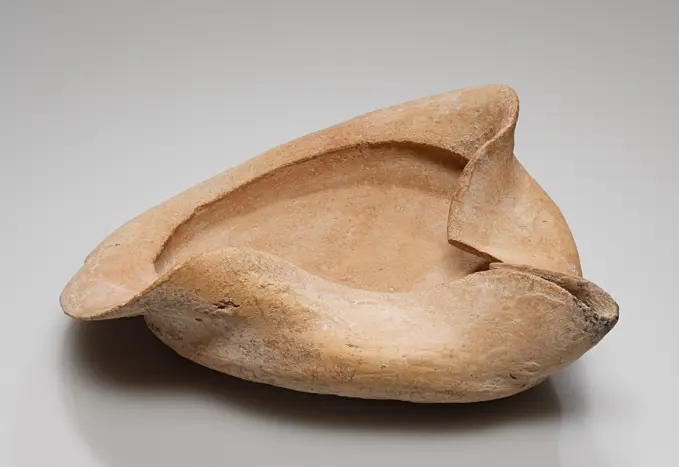
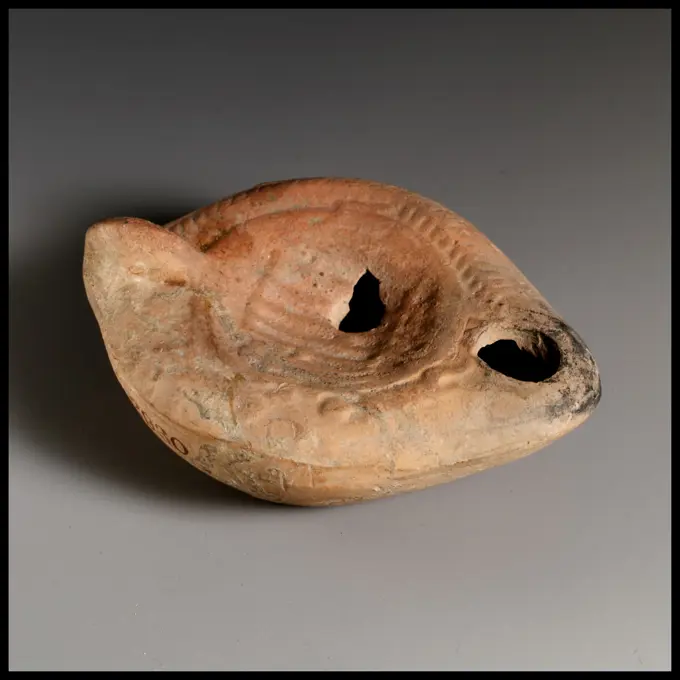
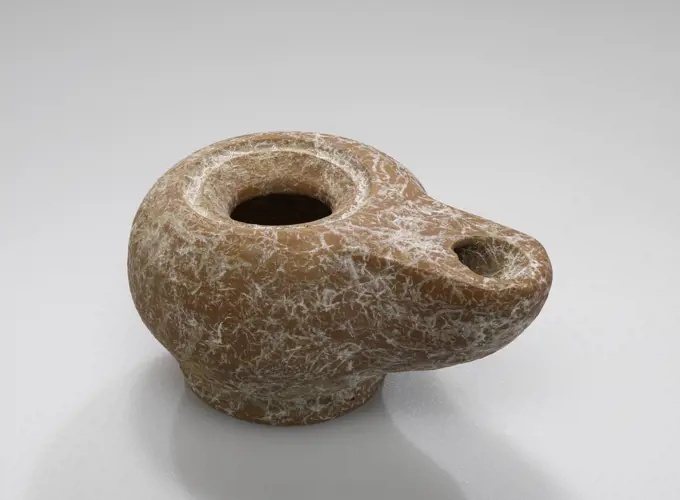
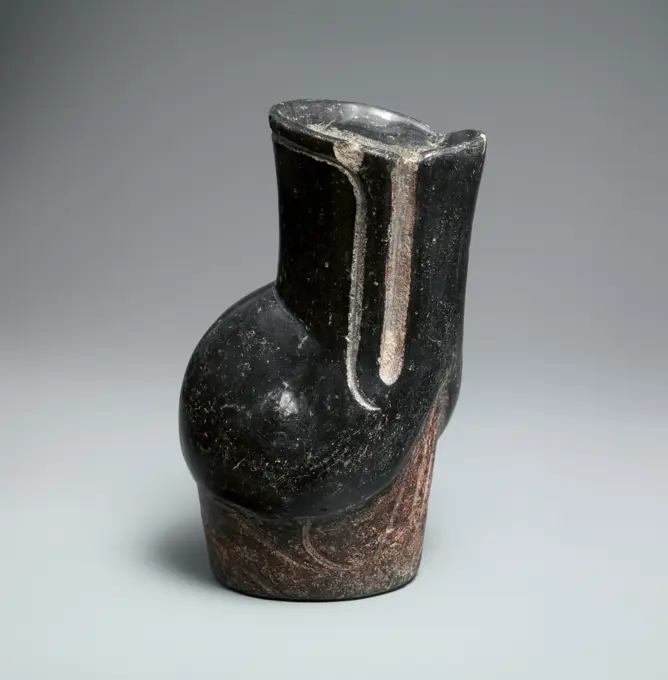
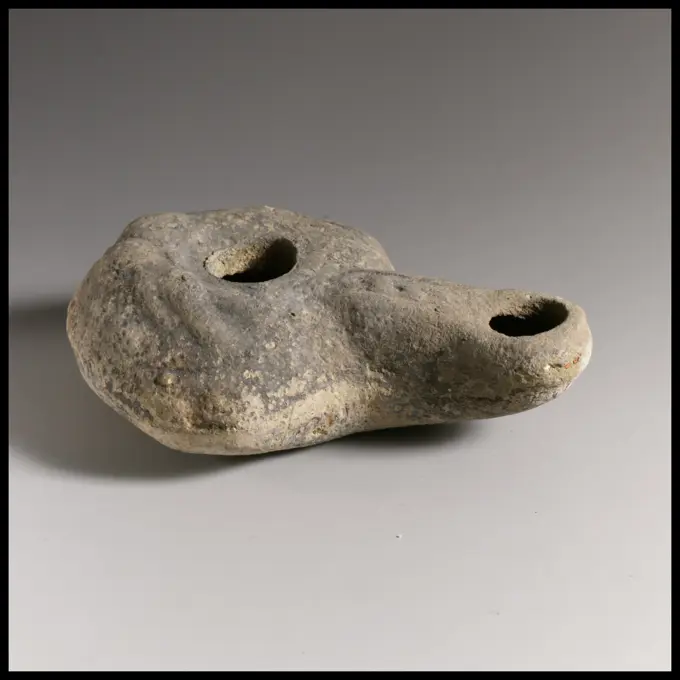
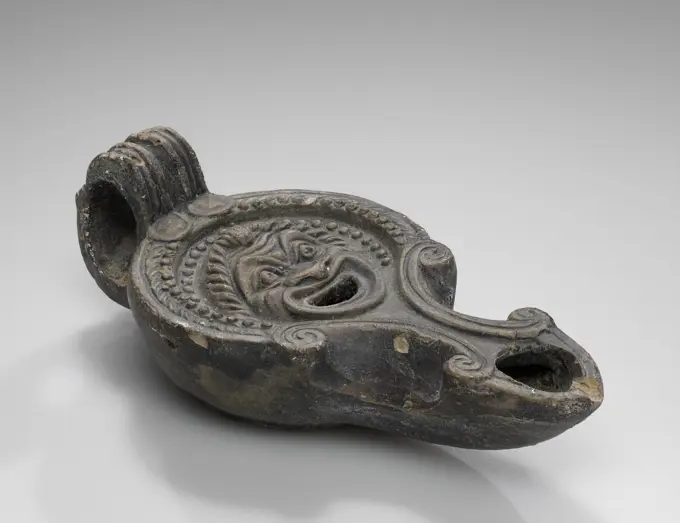
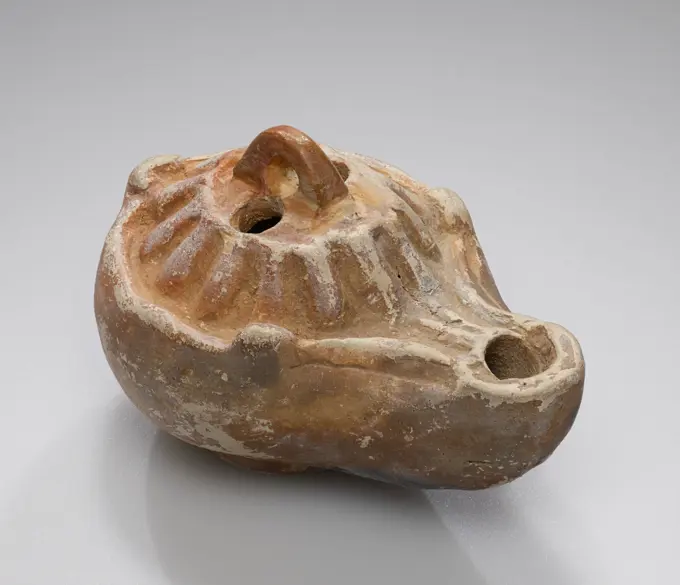
Collection of ancient terracotta oil lamps from various cultures, showcasing unique designs and historical craftsmanship.
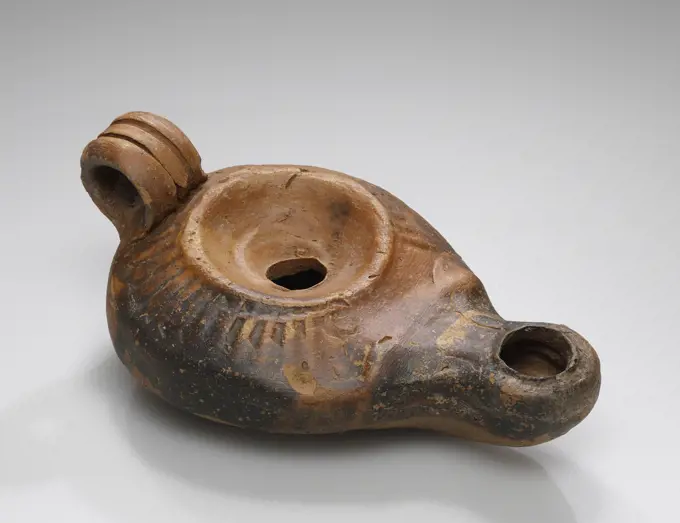
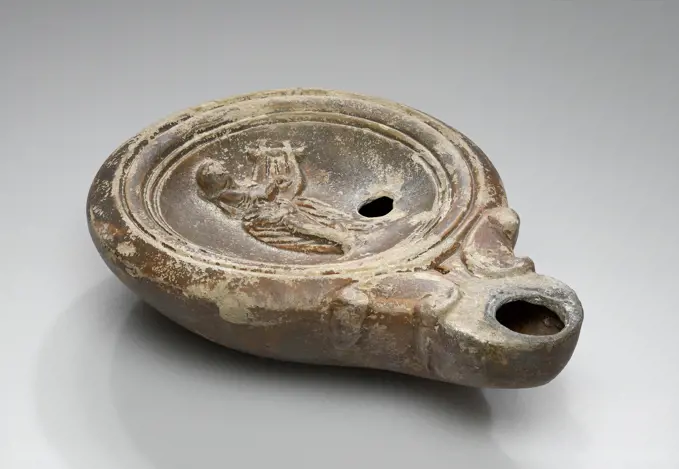
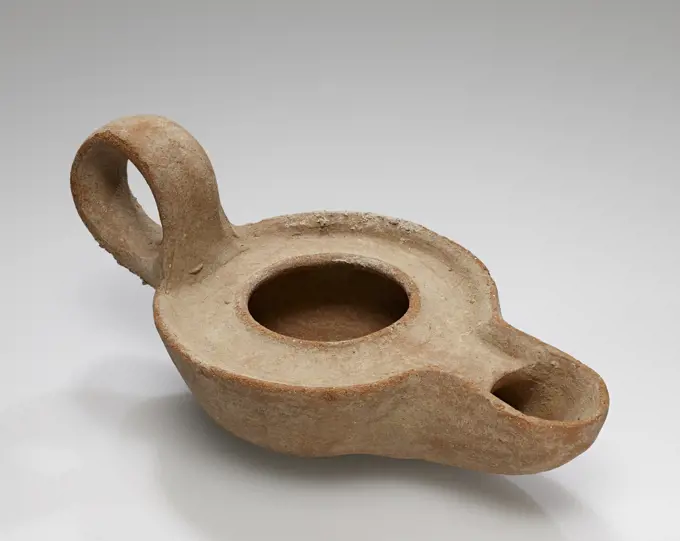
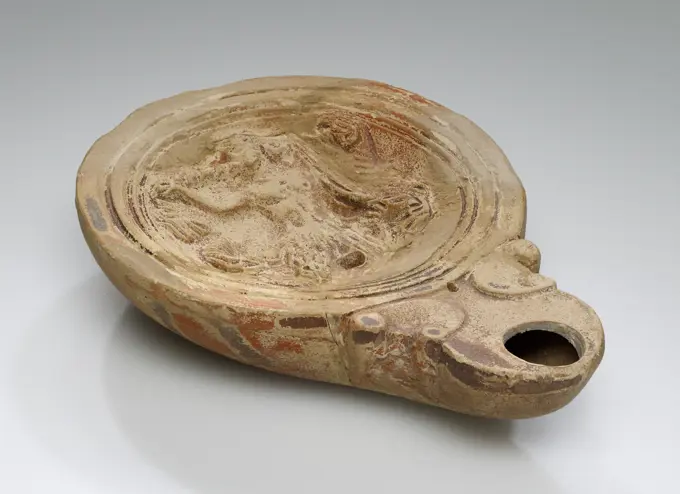
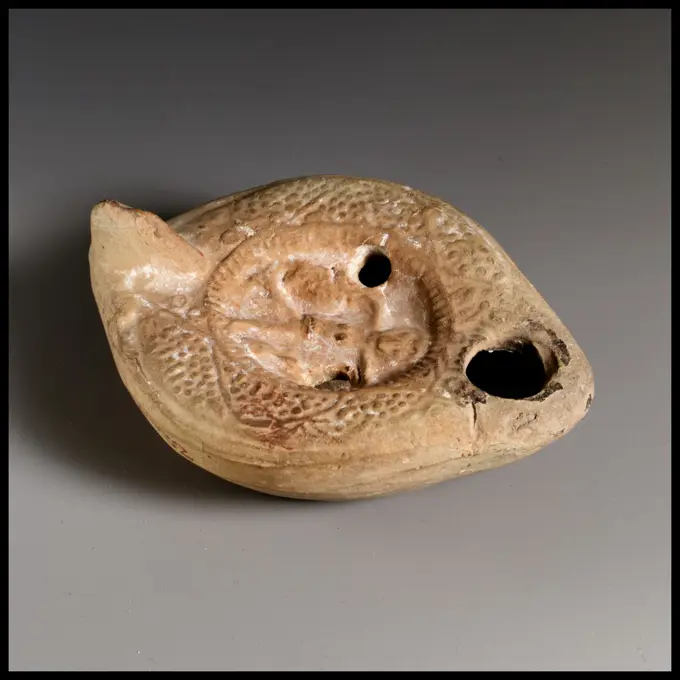
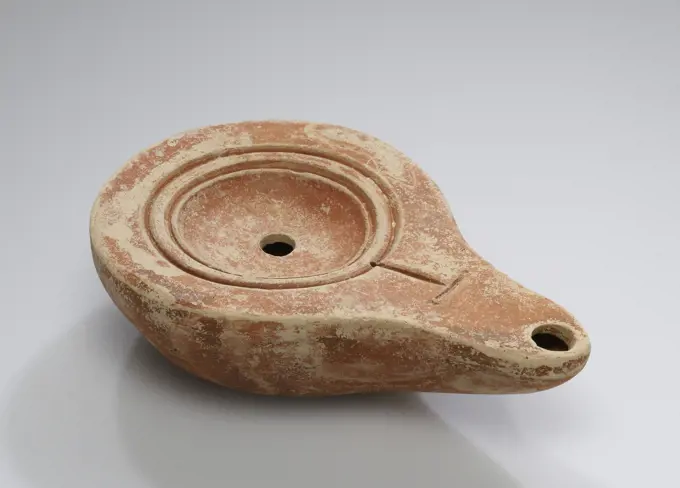
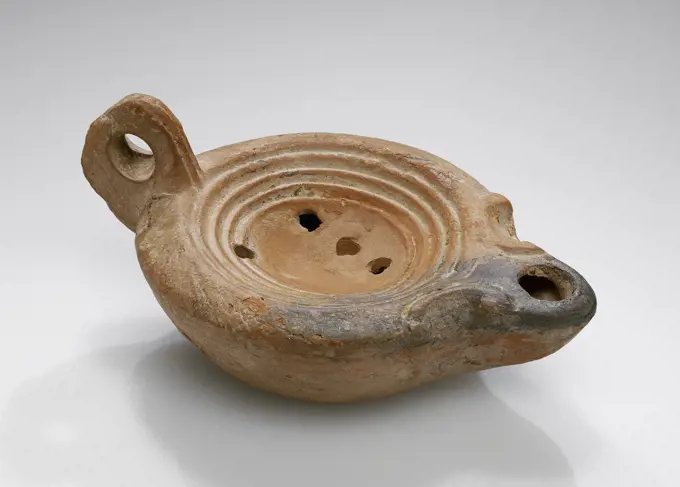
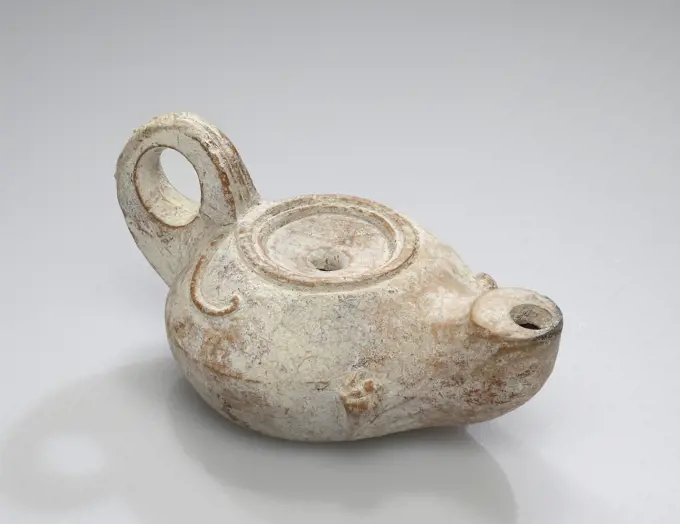
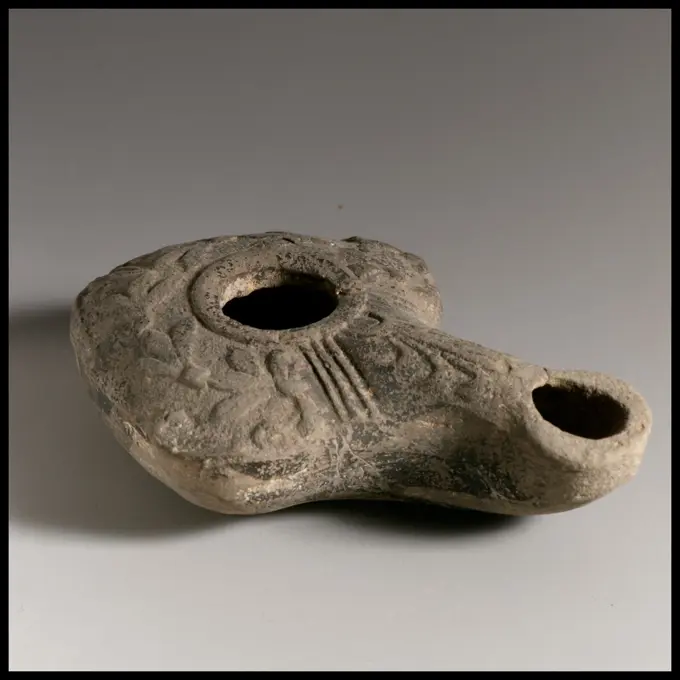
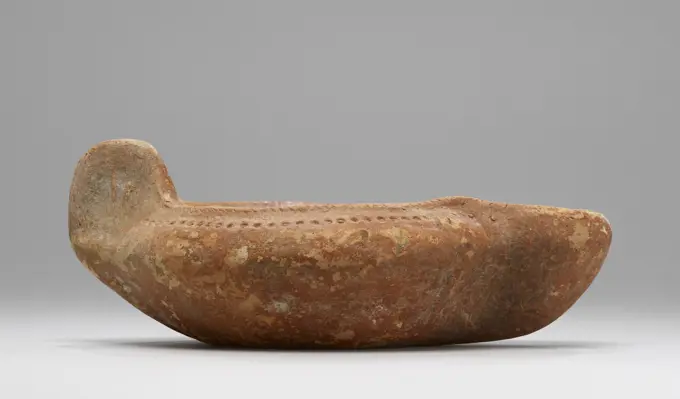
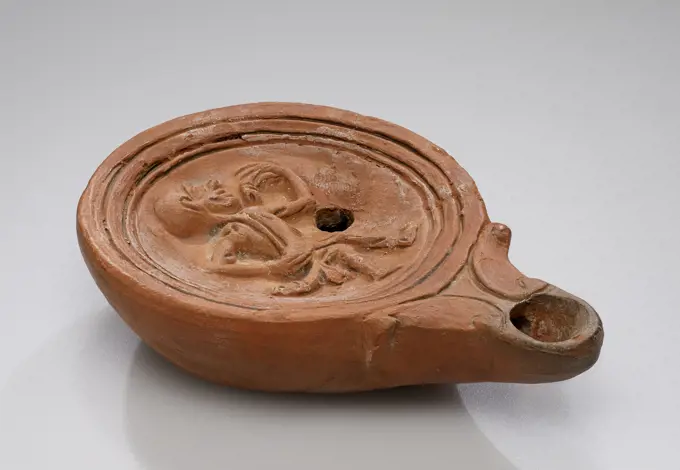
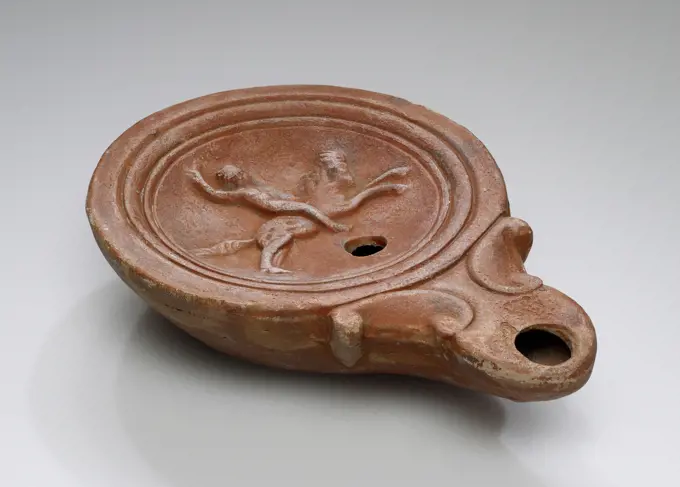
Lamp, Asia Minor; 1st - 4th century; Terracotta; 2.6 x 6.5 x 11.2 cm (1 x 2 9,16 x 4 7,16 in.)
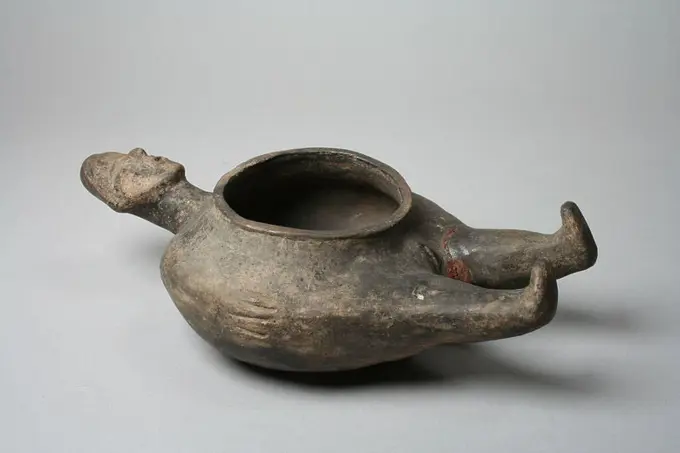
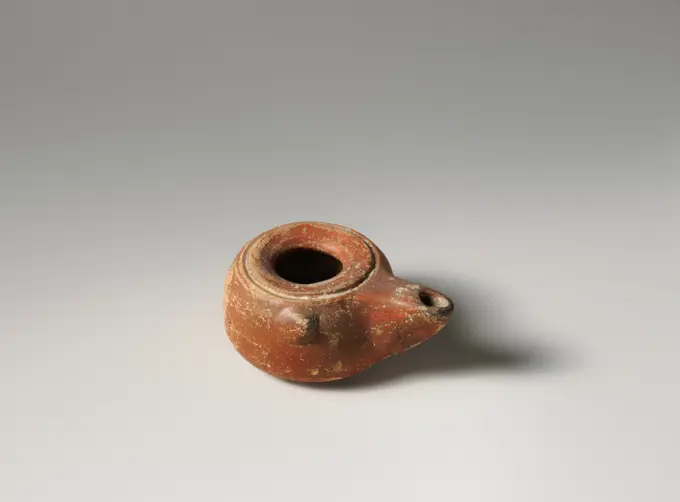
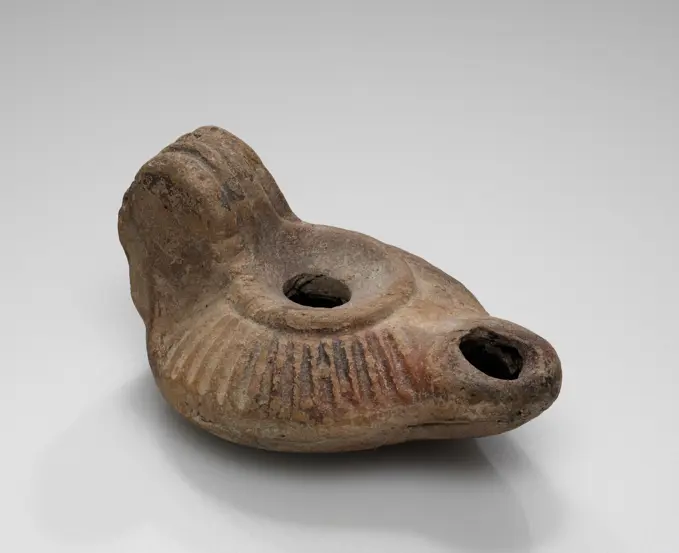
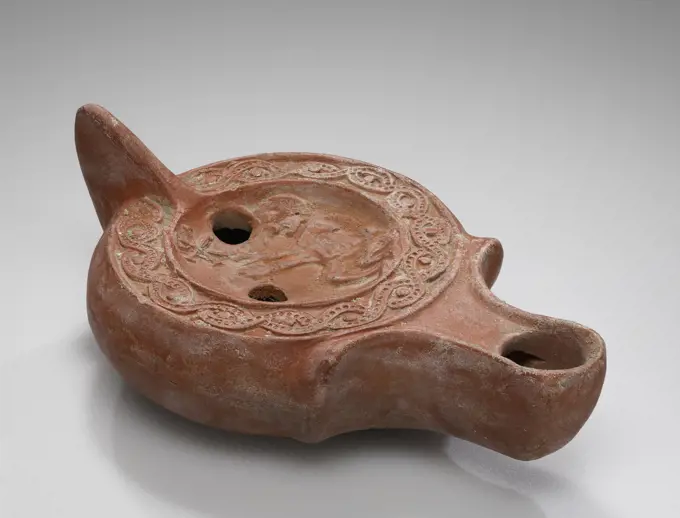
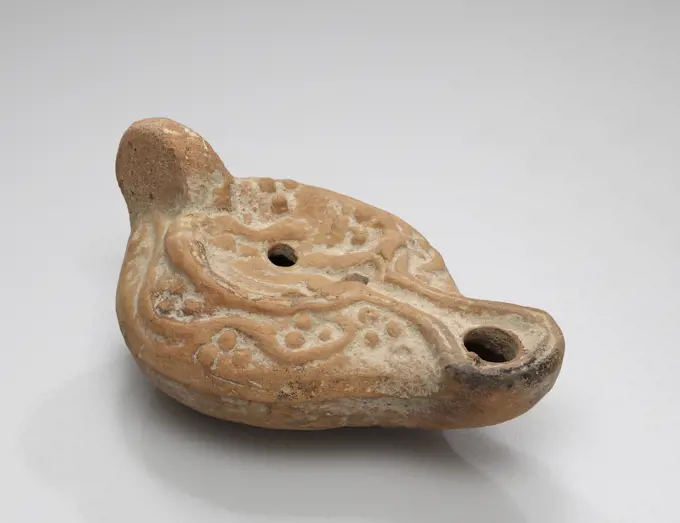
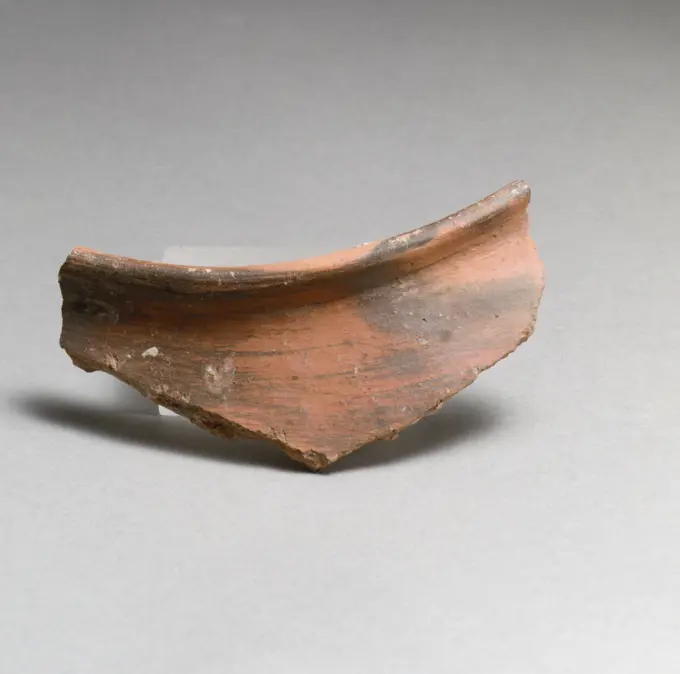
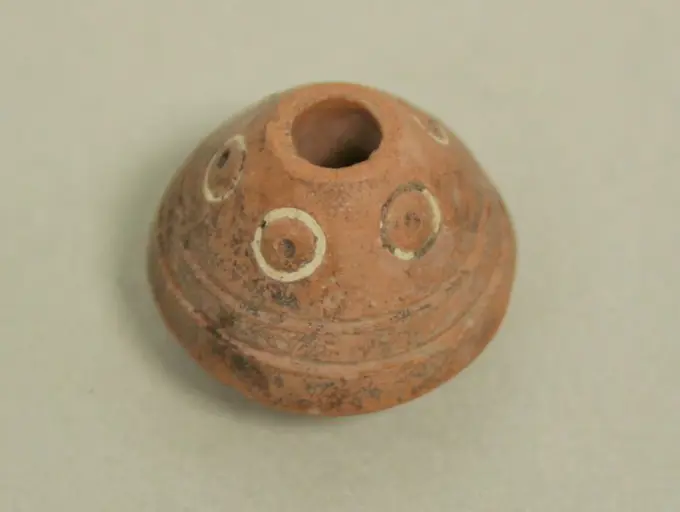
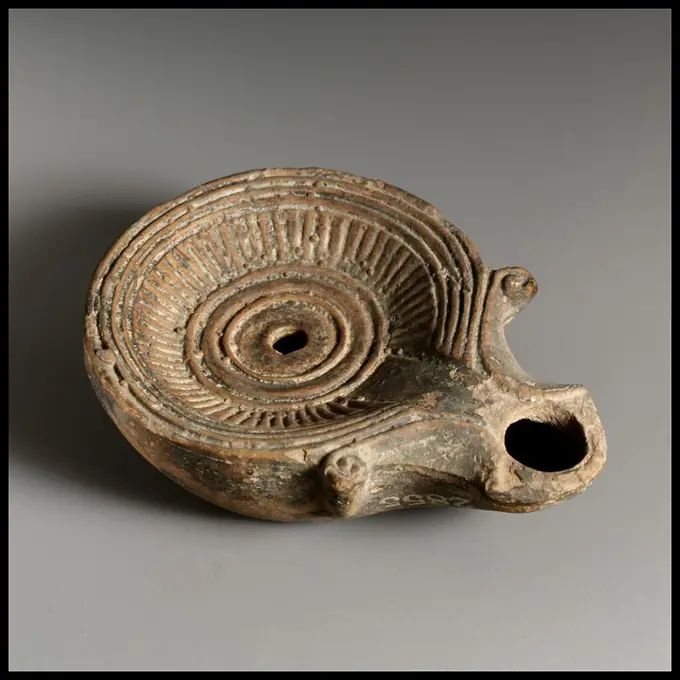
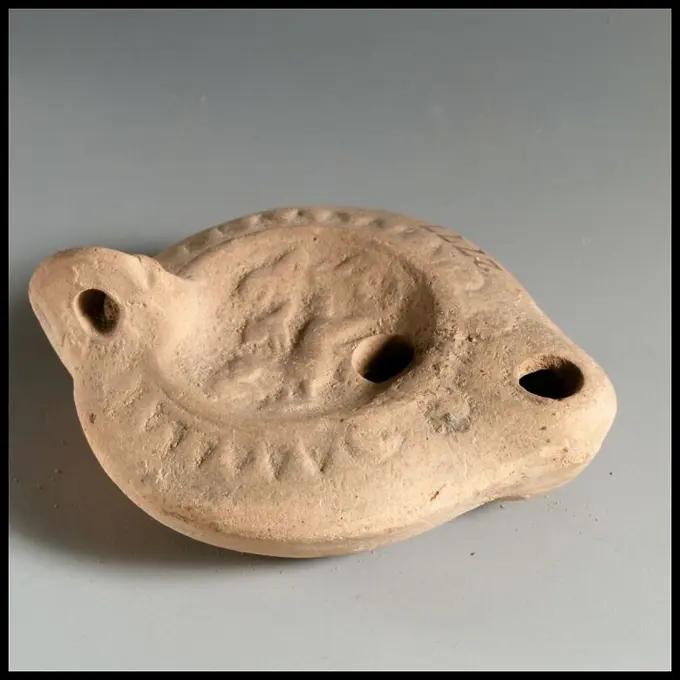
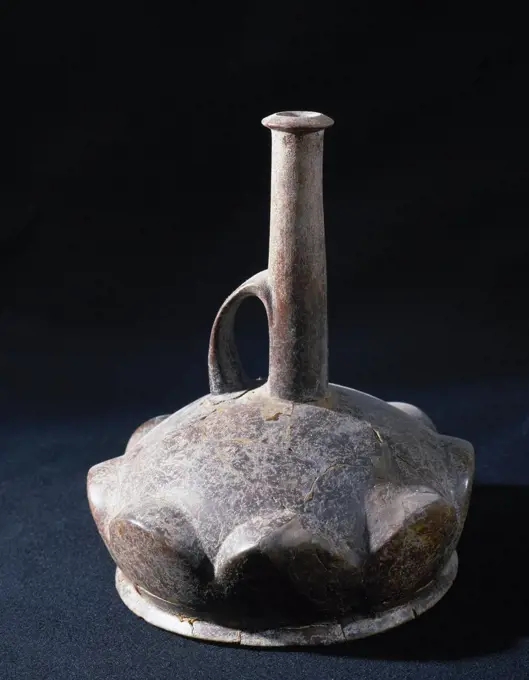
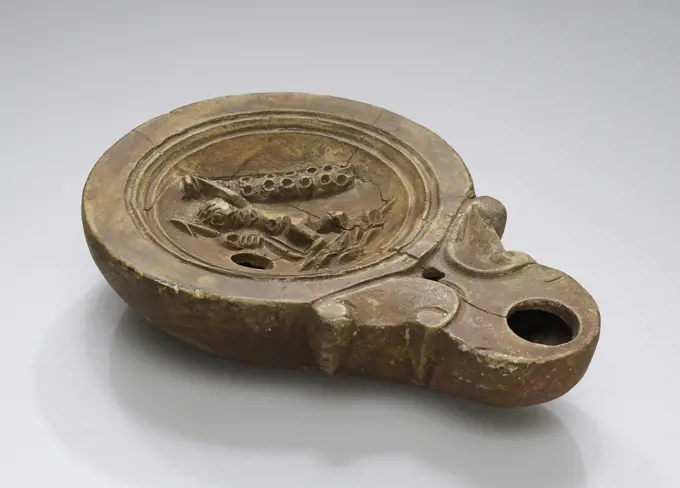
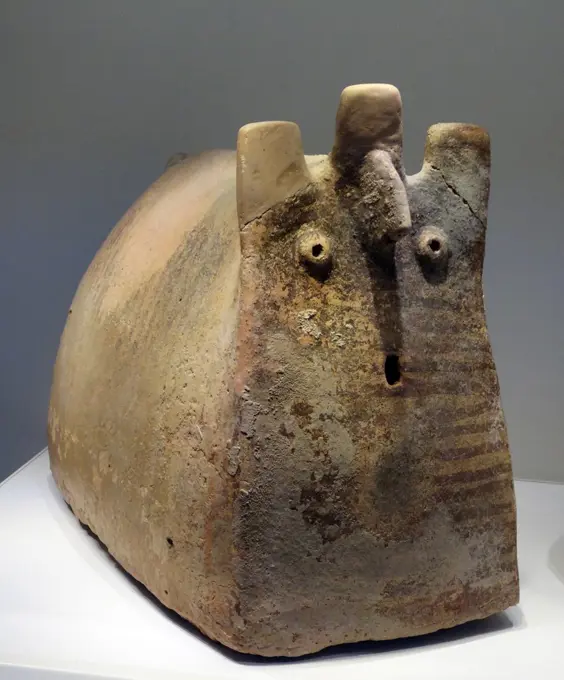
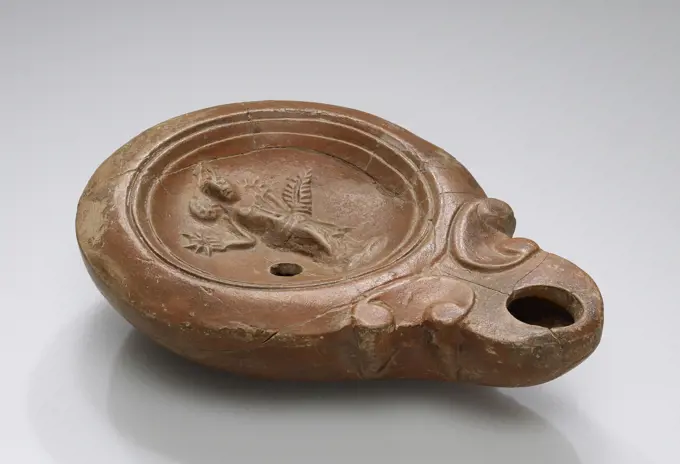
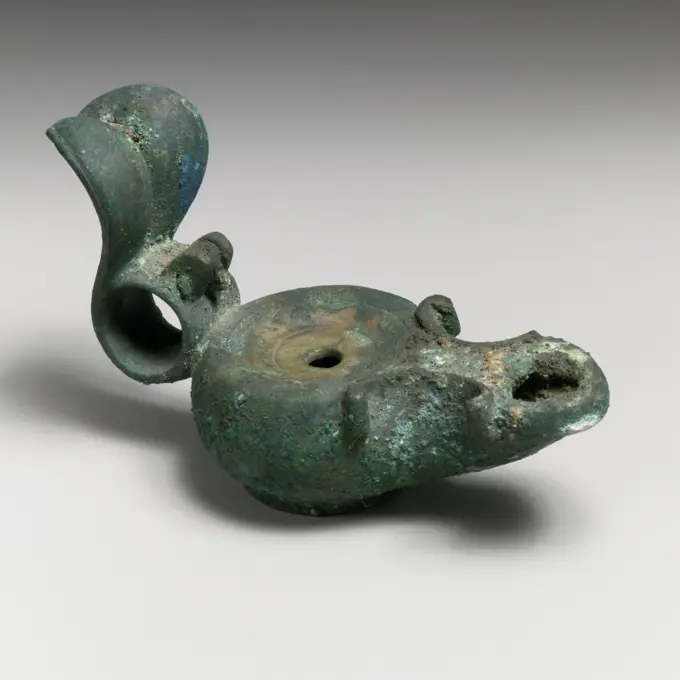
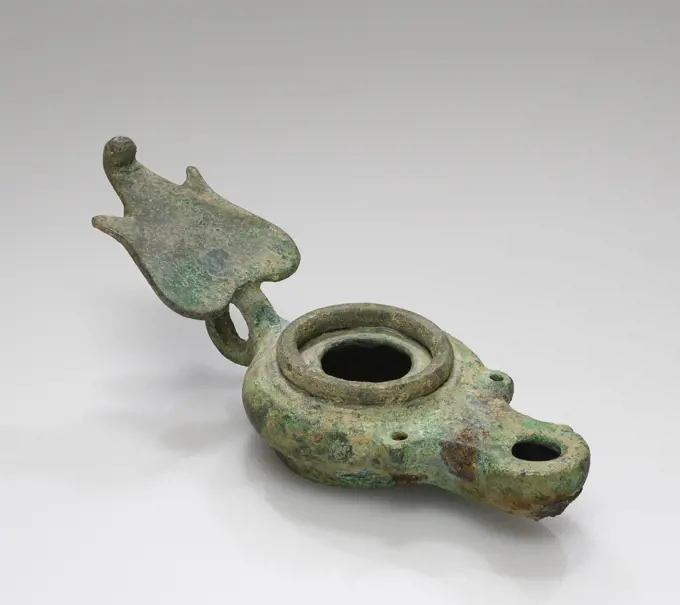
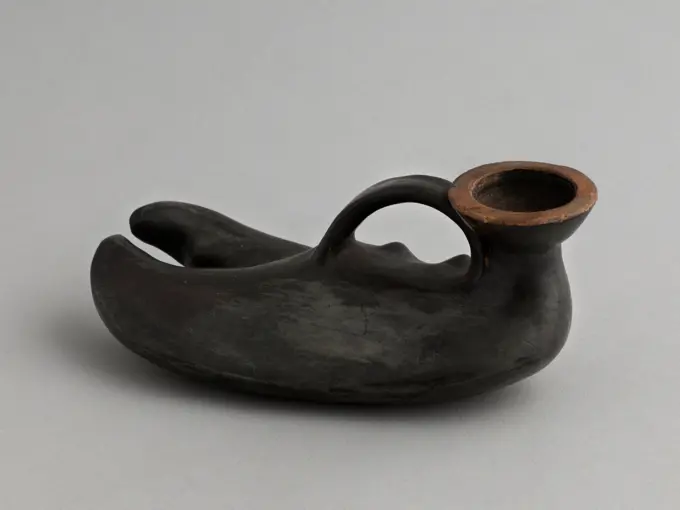
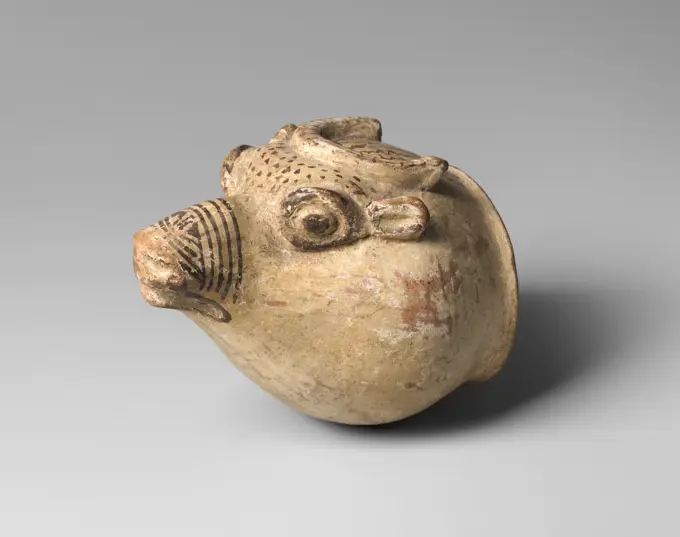
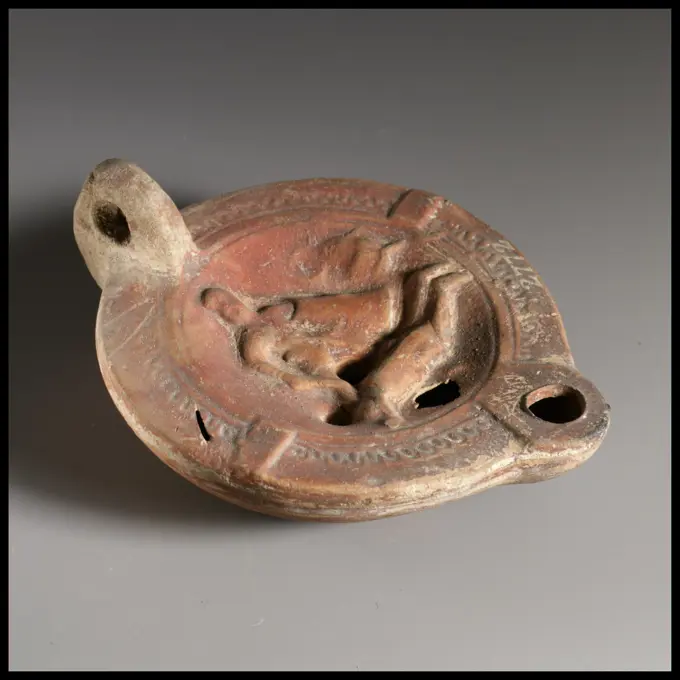
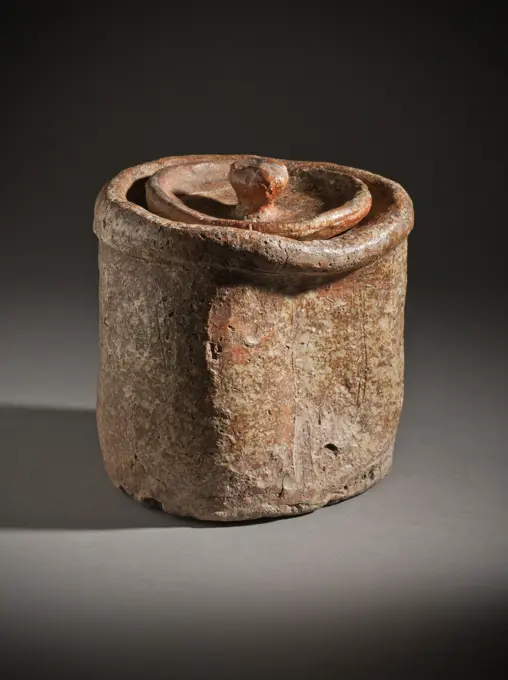
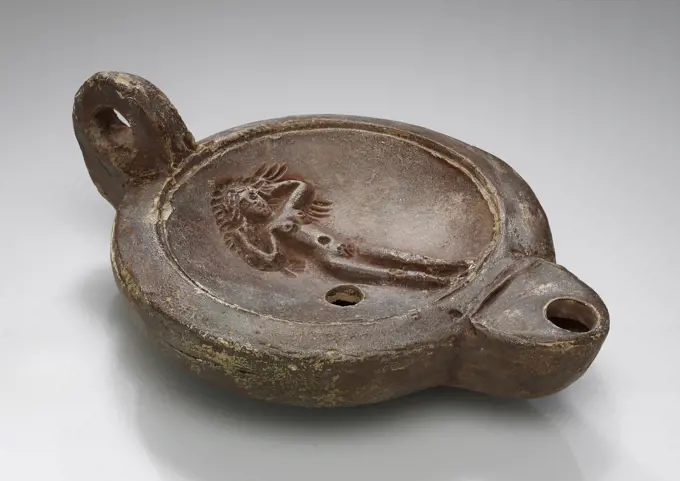
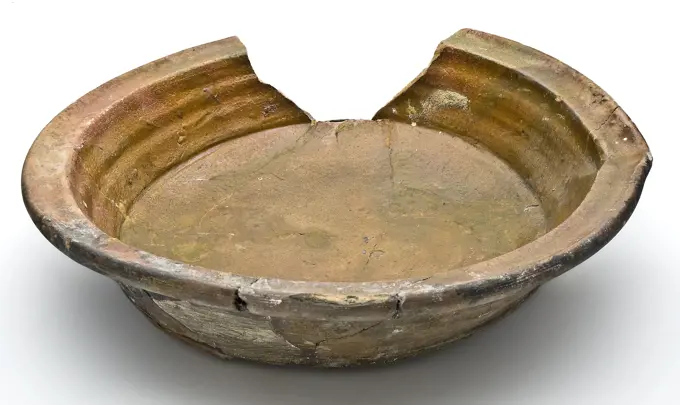
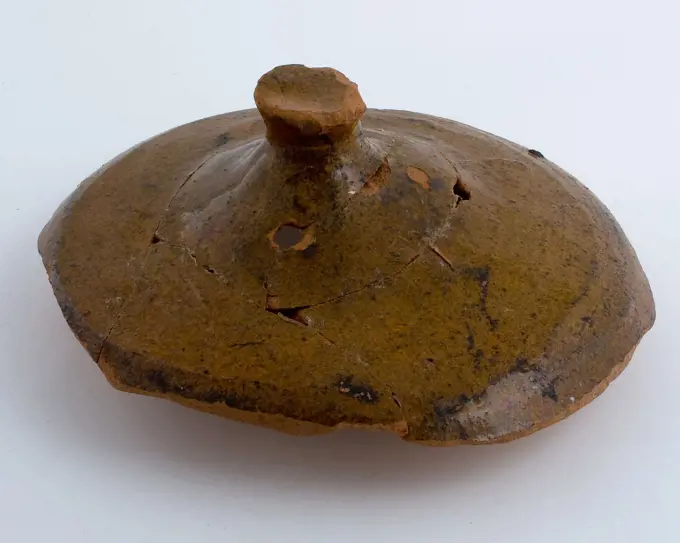
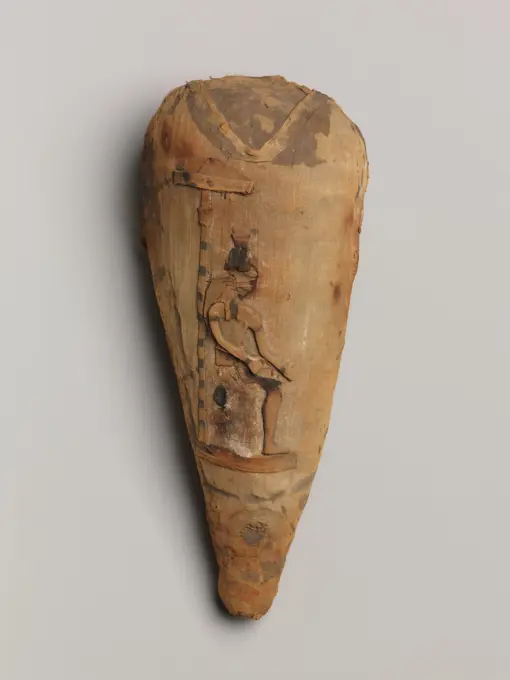
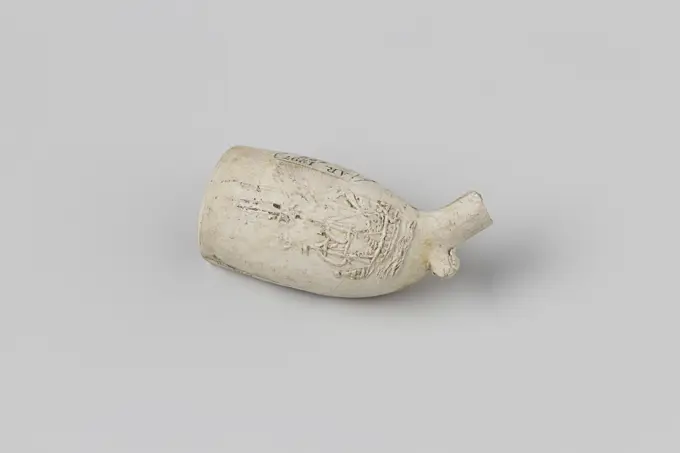
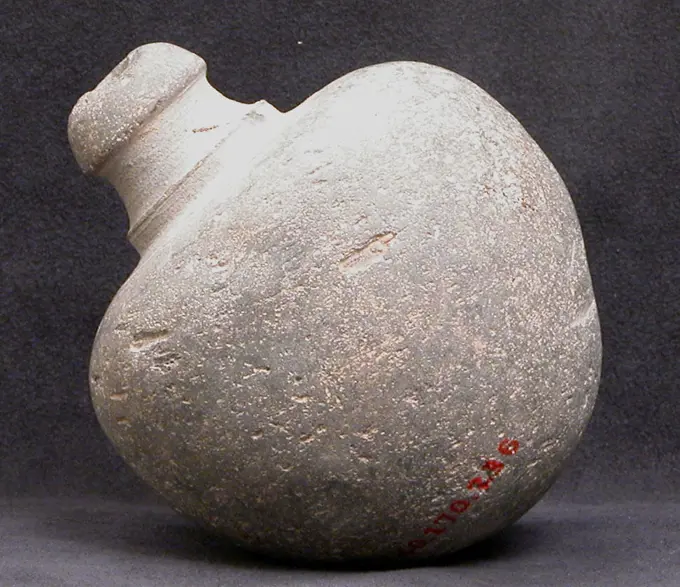
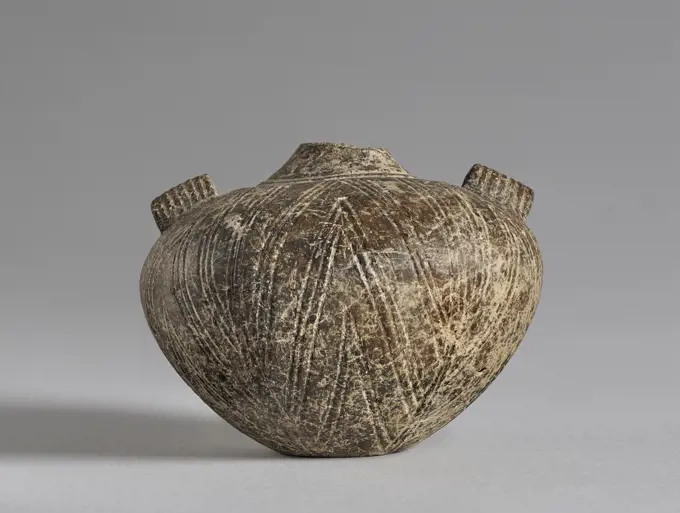
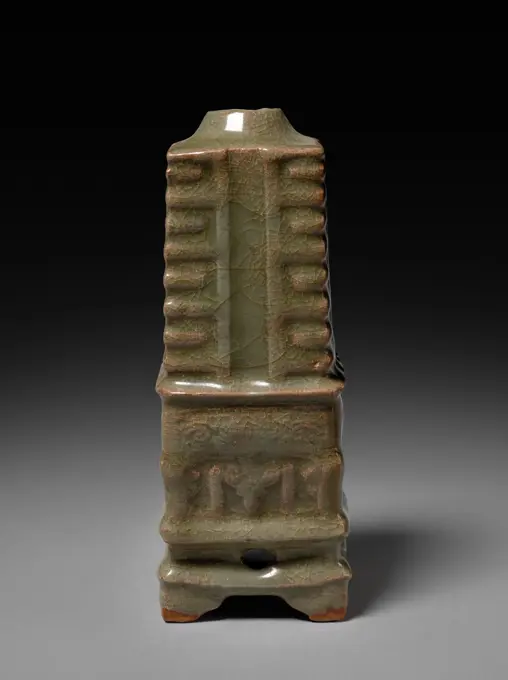
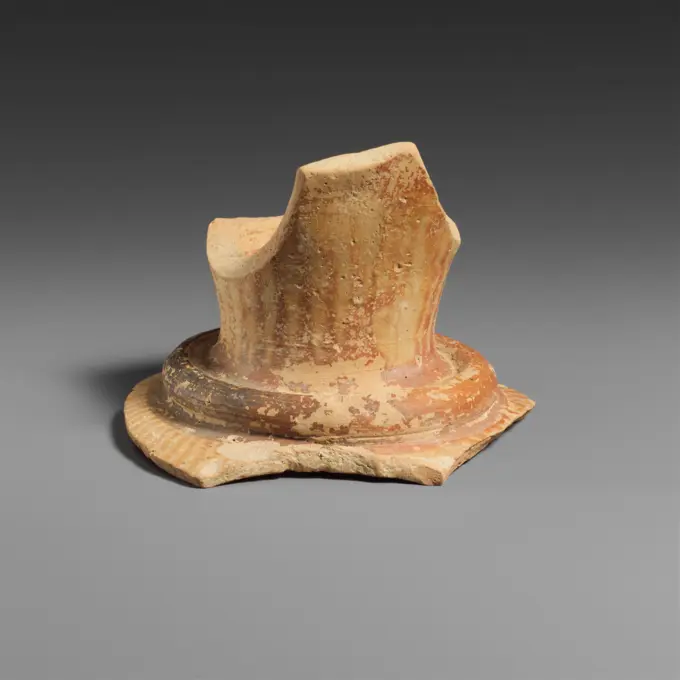
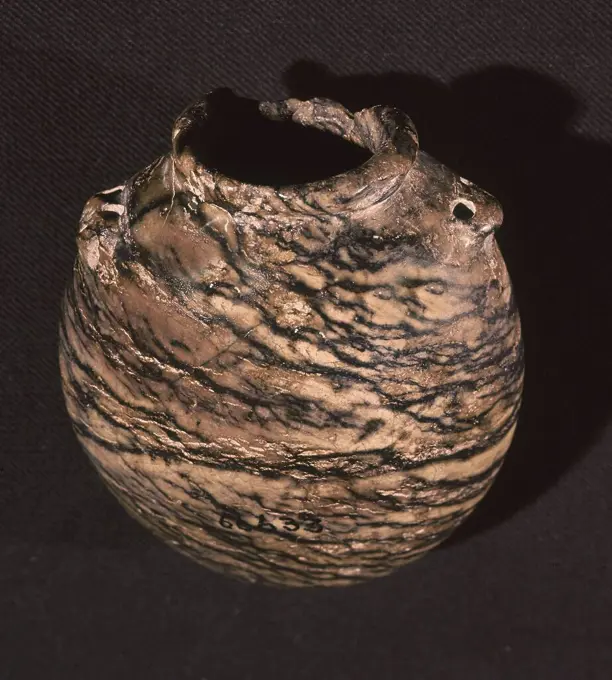
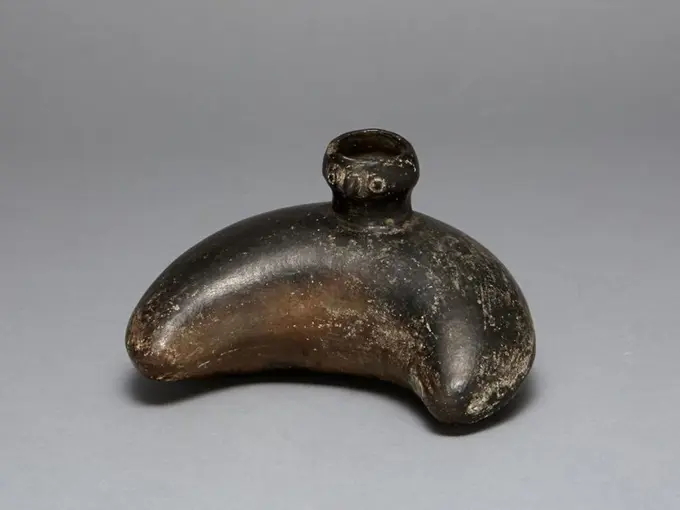
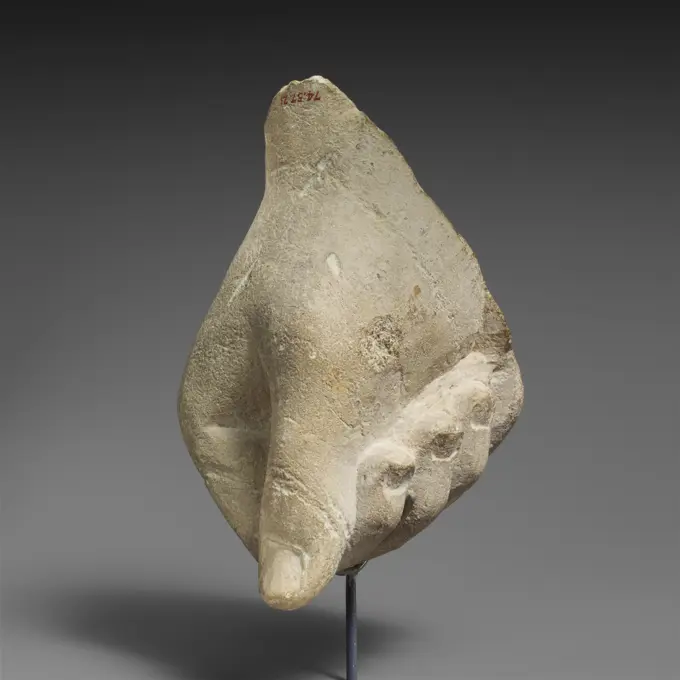
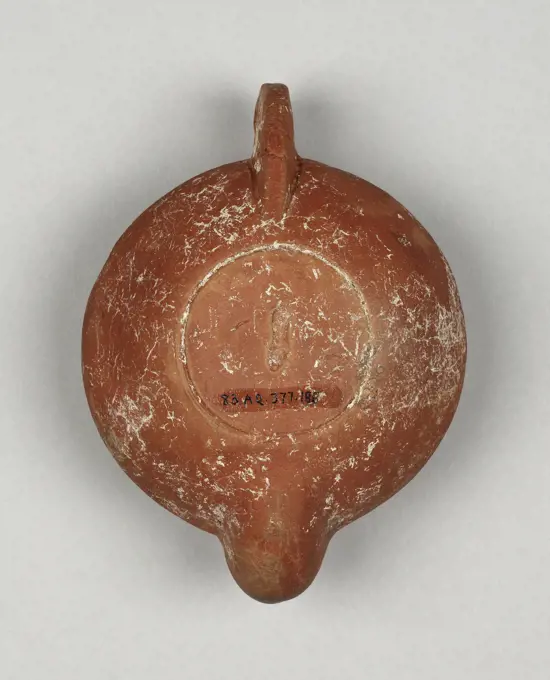
Lamp; Italy; third quarter of 1st century; Terracotta; 2.3 × 4.4 × 6.6 cm (7,8 × 1 3,4 × 2 5,8 in.)Lamp. UnknownLamp, Asia Minor; 5th century B.C; Terracotta; 3.2 × 6 × 9.5 cm (1 1,4 × 2 3,8 × 3 3,4 in.)Lamp, Asia Minor; 1st - 4th century; Terracotta; 2.6 x 6.5 x 11.2 cm (1 x 2 9,16 x 4 7,16 in.)Terracotta oil lamp. Culture: Roman. Dimensions: Length: 3 1/4 in. (8.3 cm)Height: 1 3/16 in. (3 cm). Date: 2nd century A.D..Discus: bust of Helios (Sol) radiate. Museum: Metropolitan Museum of Art, New York, USA.Lamp. UnknownLamp, Anatolia; 1st - 4th century; Terracotta; 2.9 x 8.5 x 11.6 cm (1 1,8 x 3 3,8 x 4 9,16 in.)Terracotta oil lamp. Culture: Greek. Dimensions: Overall: 15/16 x 3 1/4 in. (2.4 x 8.3 cm). Museum: Metropolitan Museum of Art, New York, USA.Oil LampLamp. UnknownLamp, Sicily, Italy; 5th - 4th century B.C; Terracotta; 3 x 7.5 x 13.5 cm (1 3,16 x 2 15,16 x 5 5,16 in.)Oil LampLamp. UnknownTerracotta oil lamp 3rd-4th century A.D. Roman, Cypriot Vessberg Type 18. Unpierced handle. Mold-made. Discus: naked man facing front but moving to right, holding large bulbous jar in lowered right hand and with a small amphora below raised left arm; around edge of discus, close-set, short radiating lines. Two filling holes at sides. On broad shoulder, stylized vines with many grapes. Rounded nozzle with large wick hole. On undefined, concave base, Greek letters in relief:Intact. some sooting around nozzle. Terracotta oil lamp. Roman, Cypriot. 3rd-4th century A.D.. Terracotta. Late Imperial. TerracottasLamp, Asia Minor; 1st - 4th century; Terracotta; 2.5 x 6.2 x 10.2 cm (1 x 2 7,16 x 4 in.)Terracotta oil lamp. Culture: Greek. Dimensions: Overall: 1 1/4 x 3 3/8 in. (3.2 cm, 3 3/8 in.). Museum: Metropolitan Museum of Art, New York, USA.Lamp. UnknownLamp; Anatolia; 1st - 4th century; Terracotta; 2.7 x 6.5 x 9.3 cm (1 1,16 x 2 9,16 x 3 11,16 in.)Oil Lamp. Culture: Coptic. Dimensions: Overall: 1 15/16 x 4 5/8 x 3 13/16 in. (4.9 x 11.7 x 9.7 cm). Date: 4th-7th century. Museum: Metropolitan Museum of Art, New York, USA.Lamp, Asia Minor; 1st - 4th century; Terracotta; 3.1 x 5.1 x 8.5 cm (1 1,4 x 2 x 3 3,8 in.)Figure Bowl. Culture: Mississippian. Dimensions: Height 3 in.. Date: 11th-14th century. Museum: Metropolitan Museum of Art, New York, USA.Terracotta oil lamp Greek Wheel-made body, with applied long nozzle. Large central filling hole, surrounded by an inward-sloping narrow shoulder and a deep, incised circle; convex-curving side to cylindrical body and a single projecting knob at top edge of left side. Raised base ring and concave base. Red slip.Intact. Part of base ring pushed in before firing. Heavy, thick base.. Terracotta oil lamp. Greek. Terracotta. Hellenistic. TerracottasLamp. UnknownLamp; Italy; late 1st - early 2nd century; Terracotta; 4 × 5.2 × 8 cm (1 9,16 × 2 1,16 × 3 1,8 in.)Terracotta oil lamp 2nd century A.D. Roman Loeschcke Type 8. Mold-made. Concave, plain discus: a single small filling hole slightly off center and one raised circle around edge. Shoulder: impressed circles, each containing two concentric circles. Heart-shaped nozzle. Incised base ring, and uneven base.Two holes: one to left of nozzle on underside, the other on the base; some surface loses on shoulder and nozzle.. Terracotta oil lamp 241523Lamp, North Africa; 1st - 4th century; Terracotta; 3.4 x 8.6 x 13.8 cm (1 5,16 x 3 3,8 x 5 7,16 in.)Terracotta oil lamp. Culture: Roman, Cypriot. Dimensions: Overall: 1 5/8 x 3 5/8 in. (4.1 x 9.2 cm).Unpierced handle. Mold-made. Discus: in high relief, forepart of a horned goat facing left, issuing from a frond. Two large filling holes. On shoulder, large ovules. Base ring within two impressed lines; small, slightly concave base, with impressed human right foot.Intact. Museum: Metropolitan Museum of Art, New York, USA.Lamp. UnknownTerracotta oil lamp. Culture: Roman, Cypriot. Dimensions: Overall: 1 x 3 5/8 in. (2.5 x 9.2 cm). Date: 1st century B.C.-1st century A.D..Loeschcke Type 1A. Mold-made. Discus: seated lion facing left, with front left paw resting on a large handled krater (vase); ground line below lion; single filling hole between lion and vase, with a broad band of lines and grooves at edge. Volutes flanking angular nozzle. Raised base ring, and pushed-in base, with impressed inscription: FAVSTI (facing back). Museum: Metropolitan Museum of Art, New York, USA.Lamp, Asia Minor; 1st - 4th century; Terracotta; 2.2 x 5.1 x 8 cm (7,8 x 2 x 3 1,8 in.)Terracotta rim fragment of a closed vase ca. 2900-2300 B.C. Minoan From Vasiliki, CreteRim fragment of a closed vase.. Terracotta rim fragment of a closed vase 247753Lamp. Culture: Roman. Dimensions: Length: 4 1/16 in. (10.3 cm)Height: 1 13/16 in. (4.6 cm). Date: 2nd century A.D.. Museum: Metropolitan Museum of Art, New York, USA.Lamp. Culture: Roman, Cypriot. Dimensions: Overall: 1 x 2 7/8 in. (2.5 x 7.3 cm).Discus: gladiator, facing left, either running or kneeling with his left leg bent up behind him, wearing a helmet, and carrying a rectangular shield in front of him in his right hand and a short, curved sword in his outstretched left hand behind him. Shoulder: continuous band of lines and grooves. Volutes flanking nozzle. Raised base ring; flatbase inscribed in small Greek letters.Broken; most of nozzle missing and large hole in front of bowl. Museum: Metropolitan Museum of Art, New York, USA.Lamp. UnknownOil Lamp. Culture: Coptic. Dimensions: Overall: 1 7/16 x 3 1/16 x 2 3/16 in. (3.6 x 7.8 x 5.6 cm). Date: 4th-7th century. Museum: Metropolitan Museum of Art, New York, USA.Bowl 7th-9th century This glass bowl consists of a shallow, round basin that supports four birds and a vase on its rim. While the basin of the slightly iridescent piece is made of a yellowish, clear glass, the decoration around the rim is blue. The bowls imaginative decoration includes several birds which appear as if drinking out of the basin of the bolw. A small vase teeters on the bowls edge.. Bowl 455070Terracotta oil lamp 4th-5th century A.D. Roman, Cypriot Vessberg Type 18. Unpierced handle. Mold-made. Discus: bestiarius using large cochlea to shield him from a bear; letters in relief below cochlea. Shoulder: right side, herring-bone wreath; left side, wolf () running towards man with raised arms. On base, circle of raised Greek letters. Filling hole slightly damaged to right side.. Terracotta oil lamp. Roman, Cypriot. 4th-5th century A.D.. Terracotta. Late Imperial. TerracottasLamp, Anatolia; 3rd - 2nd century B.C; Terracotta; 3 × 4.5 × 6.2 cm (1 3,16 × 1 3,4 × 2 7,16 in.)Duck-Head Vessel 12th-9th century B.C. Olmec This small black vessel is in the form of an upward-facing water bird with the opening of the bill functioning as the opening of the vessel. The head and bill of the duck are distinguished from the neck and circular base with a dark slip burnished to create a shiny surface. The birds eyes are minimally indicated with small raised hemispheres. The bill is stylized in shape and the upper and lower parts are delineated by wide incisions. The lower portion contains incised linear and contoured lines as well as areas of red pigment. Ducks and related birds in Olmec art often associated with wind, as well as serving as special beings who operated in air, on earth, and underwater. Further reading Benson, Elizabeth P., and Beatriz de la Fuente, eds. Olmec Art of Ancient Mexico. Washington, D.C.: National Gallery of Art, 1996. Berrin, Kathleen, and Virginia M. Fields, eds. Olmec: Colossal Masterworks of Ancient Mexico. San Francisco: Fine Arts MuseuTerracotta oil lamp 2nd-1st century B.C. Greek Mold-made. Almost triangular body. Irregular, central filling hole. Sloping shoulder, decorated in relief with two standing figures (Erotes) with legs to front and heads almost touching at back; at sides, projecting knobs, and on top of nozzle, chevron () pattern. Long, straight nozzle. Undefined base ring, and uneven base.Intact.. Terracotta oil lamp 241534Lamp. UnknownTerracotta oil lamp. Culture: Greek. Dimensions: Overall: 2 1/4 x 4 1/2 in. (5.7 x 11.4 cm). Date: ca. 150-75 B.C..Wheel-made, with applied large loop handle and large misshaped nozzle. Plain, concave discus, with irregular central filling hole and surrounded by a narrow raised circle and groove. Angular, carinated body, and nozzle with pointed sides around the large wick hole; handle with central groove and applied double cross bar at top. Raised base ring, and flat base.Intact. Handle crudely applied and nozzle carelessly made. Museum: Metropolitan Museum of Art, New York, USA.Fragment of an Oil Lamp. Culture: Coptic. Dimensions: Overall: 1 7/16 x 3 1/8 x 2 1/2 in. (3.6 x 7.9 x 6.4 cm). Date: 4th-7th century. Museum: Metropolitan Museum of Art, New York, USA.Spindle Whorl A.D.1-500 Peruvian; north coast (). Spindle Whorl 308919Terracotta oil lamp. Culture: Roman, Cypriot. Dimensions: Overall: 7/8 x 2 7/8 in. (2.2 x 7.3 cm).Raised base ring; flat base inscribed: P·C F/X. Museum: Metropolitan Museum of Art, New York, USA.Terracotta oil lamp. Culture: Roman. Dimensions: Length 8.1 cm. H. 3.3 cm.. Date: 2nd century A.D..Vessberg Type 14. Mold-made, with ring handle. Discus:. Museum: Metropolitan Museum of Art, New York, USA.South America. Chorrera culture. Late Formtive indigenous culture (1300 BC-300 BC in Ecuador). Ceramic vase. 23 x 20 cm. (diameter). From Ecuador. Private collectionTerracotta oil lamp 1st century B.C.-1st century A.D. Greek or Roman Howland type 45A. Mold-made. Shallow, almost triangular body. Large, central filling hole, surrounded by a raised band. Broad, convex-curving shoulder, decorated with wreath, with bud at back; at left, a projecting rounded knob with indistinct design; three raised lines flanking back of tubular nozzle; on top of nozzle, a stylized palmette. Incised, irregular base ring, and flat base.Complete, but cracks and some chipping along mold join.. Terracotta oil lamp. Greek or Roman. 1st century B.C.-1st century A.D.. Terracotta. Late Hellenistic or Early Imperial. TerracottasLimestone foot (left) with suspension hole. Limestone foot (left) with suspension hole 246273Weighing down device (fish net sinker). Dimensions: l. 10.1 cm (4 in). Dynasty: Dynasty 19-20. Date: ca. 1295-1070 B.C.. Museum: Metropolitan Museum of Art, New York, USA.Lamp, North Africa; 1st - 4th century; Terracotta; 2.3 x 7.6 x 11 cm (7,8 x 3 x 4 5,16 in.)Item from a selection of ossuary's, burial containers and incense burners from a burial cave from Peking over 6,500-5,500 years ago. Made from painted pottery.Lamp, North Africa; 1st - 4th century; Terracotta; 2.7 x 8 x 10.7 cm (1 1,16 x 3 1,8 x 4 3,16 in.)Lamp. UnknownLamp, North Africa; 1st - 4th century; Terracotta; 3 x 8.7 x 13.5 cm (1 3,16 x 3 7,16 x 5 5,16 in.)Bronze lamp 1st century A.D. Roman This lamp has a round body and a projecting volute nozzle. The leaf shaped thumb plate is vertically bifurcated.. Bronze lamp 255869Lamp, Turkey; 1st century; Bronze; 4 x 4.1 x 10.5 cm (1 9,16 x 1 5,8 x 4 1,8 in.)Single disc block. Ship part, one-disc block, half of the house present, with disk.Guttus in the shape of lobster pliers. Molded terracotta. Athens (Greece), 4th century BC. AD Museum of Fine Arts of the City of Paris, Petit Palais. 59233-8 Greek antiquity, ancient art, Greek art, attic, ceramic, jug, guttus, 4th 4th 4th 4th 4th century AV.JC, molding, ancient period, pottery, Greek vaseFragment of the vessel;The collection of ancient EgyptTerracotta oil lamp. Culture: Roman, Cypriot. Dimensions: Overall: 1 1/4 x 3 1/8 in. (3.2 x 7.9 cm). Date: 3rd-4th century A.D..Vessberg Type 18. Unpierced handle. Mold-made. Discus: naked man facing front but moving to right, holding large bulbous jar in lowered right hand and with a small amphora below raised left arm; around edge of discus, close-set, short radiating lines. Two filling holes. On broad shoulder, stylized vines with many grapes. Deep concave base. Museum: Metropolitan Museum of Art, New York, USA.Tarracotta oil lamp. Culture: Roman, Cypriot. Dimensions: Overall: 7/8 x 3 1/2 in. (2.2 x 8.9 cm). Date: ca. A.D. 40-100. Museum: Metropolitan Museum of Art, New York, USA.Vessel ca. 1900-1600 B.C. Old Assyrian Trading Colony or Hittite This ceramic vessel, probably from Kültepe is one of many drinking vessels found in domestic and burial contexts at the site. The vessel is in the form of a rams head, and its exterior was treated with cream slip before being decorated with black paint on the snout, forehead, horns and top of head. The modelled eyes and ears are outlined in black and the interior is unpainted and undecorated. Zoomorphic drinking vessels and rhytons, which were specifically used for pouring liquid libations, date back to the 7th millennium across the Near East but flourished especially in Anatolia during the second millennium B.C. The repertoire of such vessels found at Kültepe include animals such as lions, antelopes, rabbits, dogs, boars, snails, eagles, and partridges but other shapes such as human heads and upturned boots (67.182.2) also exist. These whimsical forms, rendered through modelling, relief, and painted decoration illustratDie before 1200 The dot-in-circle motif recalls designs presumed to be of magical significance, most likely an abstract eye to ward off the evil-eye, which serves an apotropaic function. Easily reproduced with a tool and visible in many cultures and times, this symbol may have lost its meaning, and become simply a decorative pattern, or may have one that we have not yet discovered.. Die 453459Terracotta oil lamp. Culture: Roman. Dimensions: Overall: 1 1/4 x 3 1/8 in. (3.2 x 7.9 cm). Date: 3rd century A.D..Mold-made, with unpierced handle. Discus surrounded by a raised line, straight at bottom behind wick hole but forming an rounded arch extending to handle; within, another straight line at bottom, and a fine zigzag pattern around central filling hole. On shoulder, another zigzag pattern in double, raised lines with hollow circles at their points. Carinated body. Raised base ring and flat base.Complete, except for top of handle and tip of nozzle, with crack running around back and left side of body. Museum: Metropolitan Museum of Art, New York, USA.Male Head with Hat. Afghanistan, 4th-5th century. Sculpture. TerracottaJar with Cover (lid), 206 BC - AD 220. China, Han dynasty (202 BC-AD 220). Glazed earthenware; diameter: 20.3 cm (8 in.).Figure, 1st century, 9 in. (22.9 cm), Ceramic, pigment, Mexico, 1st centuryPrehistory, Italy, Bronze Age. Terracotta jar. From the valleys of Natisone, Friuli-Venezia Giulia Region.Terracotta beaked jug. Culture: Cycladic, Melian. Dimensions: height as restored: 21 7/16 in. (54.4 cm)Other (Height as restored): 21 7/16in. (54.4cm). Date: ca. 1700-1600 B.C..On each side of the upper body, a bird. Museum: Metropolitan Museum of Art, New York, USA.Terracotta oil lamp ca. A.D. 175-250 Roman, Cypriot Broneer Type 27c. Mold-made, with ring handle. On discus, in high relief, bare-headed gladiator with large rectangular shield and short curved sword standing to right, facing left, over fallen opponent lying face down from left to right; in field to right, helmet; two filling holes above head and body of fallen gladiator. Horizontal shoulder, with inner band of two grooves flanking a raised line, and a pattern of close-set small ovules around its edge; two rectangular bands at sides. Incised base ring, and slightly concave base; base of handle and nozzle extend to base ring.Complete except for one hole in discus at bottom, and another small slit hole in left side of shoulder.. Terracotta oil lamp 241582Cold-water Container for Tea. Shinbei (Japan, active circa 1615). Japan, Momoyama period, 1573-1615; circa 1615. Ceramics. Shigaraki ware; stoneware, naturally occurring ash glaze, lacquer (alternate lid)Lamp, North Africa; 1st - 4th century; Terracotta; 2 x 9.3 x 13 cm (13,16 x 3 11,16 x 5 1,8 in.)Pottery saucepan, baking pan with pouring lip and bottom, saucepan casserole tableware holder utensils earthenware ceramics earthenware glaze leadglaze, hand turned molded glazed baked Pottery baking pan or saucepan Low pan with slanting edge Red shard internally glazed. Schenklip. Profiled exterior. waised soil Much traces of archeology Capelle aan den IJssel House in Capelle castle indigenous pottery cooking kitchen baking frying tableware Soil discovery: house in Capelle cesspool 1420-1425 Capelle aan den IJssel 1963.Pottery lid of cover with high lid edge and flat knob, lid closure part cover pot soil find ceramic earthenware glaze lead glaze, hand-turned glazed baked earthenware lid of coverplate Typical high cover edge Top glazed lead glaze. Red shard In the middle button with flat top archeology underground pit Rotterdam City center Stadsdriehoek Groenendaal indigenous pottery heating room kitchen extinguishing fireplace archaeological find in the soil underground pit Groenendaal (canal dredger) 1976-09-20.Sacred animal mummy in the form of an ibis decorated with appliqué of Ibis-headed god ca. 400 B.C.-100 A.D. Late Period-Roman Period Animal cults The Egyptians considered certain individual animals to be living manifestations of a god, such as, since earliest times, the Apis bull. Those individuals were duly mummifed when they died and buried for eternal life, then replaced by another single living manifestation. During the first millennium BC, many multiples of animals associated with certain gods were specially raised in temple precincts as simultaneous avatars of that god and then mummified in large contingents and deposited in catacombs for eternal life. The ancient perception of these multiples, the evolution of the practice in this direction, and variations within the practice are not easily accessible to us. But the hundreds of thousands of often elaborately prepared animal mummies found in catacombs and other locales testify to its ancient resonance. Animal mummies Research on Uninscribed cylinder seal ca. 3100 B.C. Late Naqada III or early Dynasty 1. Uninscribed cylinder seal. ca. 3100 B.C.. Ivory. Late Naqada III or early Dynasty 1. From Egypt, Northern Upper Egypt, Abydos, Umm el-Qaab, Tomb complex of Aha, Egypt Exploration Fund excavations. Dynasty 0-1Oil Lamp. Egypt, 7th-8th century. Ceramics. Earthenware, molded and glazed with applied handlesFragment pijpenkop.Fragment pipe head with a three-master. Of the excavations at the Hofstede Arentsburg 1827-1831 under the supervision of professor Reuvens.Glass jar 3rd-4th century A.D. Roman Small jar.Translucent pale blue green with purple streaks; trail in same color.Rim folded out, over, and in, and pressed into wide horizontal mouth; short, cylindrical neck, expanding downwards; almost horizontal shoulder; squat, bulbous body; shallow kick in bottom with traces of circular pontil mark.Trail wound round from left to right in zigzag between outer edge of shoulder and rim, forming openwork collar.Intact, but one strand of trail missing with crack in body below; many bubbles; dulling, small patches of soil encrustation and blackish weathering on exterior; encrustation and iridescent weathering on interior. Large piece of woody root trapped behind trail around neck.Bluish round blown glass vase with zigzag glass threads from shoulder to lip.. Glass jar 239782Fragments of majolica dishes, different decors, dish plate bowl crockery holder holder soil find ceramics pottery glaze tin glaze lead glaze, hand-turned baked glazed painted fried Fragments of majolica pottery: archeology Rotterdam City Triangle Schielandshuis waste food serving serving up crockery production of pottery Soil discovery: Schielandshuis during the restoration.Spheroconical Vessel probably 9th-10th century. Spheroconical Vessel 449920Bottle with Vertical Lines; Cyclades, Greece; 2800 - 2700 B.C; Terracotta; 9.8 × 12.7 cm (3 7,8 × 5 in.)Vase in Shape of Cong: Southern Celadon Ware, 1271-1368. China, Zhejiang province, Yuan dynasty (1271-1368). Glazed buff stoneware; overall: 18.4 cm (7 1/4 in.).Lamp, North Africa; 1st - 4th century; Terracotta; 3.4 x 9 x 13 cm (1 5,16 x 3 9,16 x 5 1,8 in.)Terracotta sherd from the mouth of a vase with neck ridge ca. 1600-1450 B.C. Minoan. Terracotta sherd from the mouth of a vase with neck ridge 247705Lamp. UnknownAstragalos. UnknownVASO DE PIEDRA DURA. URNA DE SERPENTINA. PREDINASTICO. Location: EGYPTIAN MUSEUM. KAIRO. EGYPT.Pottery belly model ointment jar, red shard, internally glazed, ointment jar pot holder soil find ceramic earthenware glaze lead glaze, hand turned glazed baked Pottery ointment red shard internally glazed. Belly model with narrowing above the foot. Flat oblique inward facing top edge. Stand with soul. Turning inner lining. Pot is deformed; misbaksel archeology health care indigenous pottery import pharmacy store sell craftLamp, Anatolia; 1st century B.C. - 4th century A.D; Terracotta; 2.6 x 7.2 x 10.5 cm (1 x 2 13,16 x 4 1,8 in.)Neck fragment of large Bartmann jug, also called Bellarmine jug, jar, Bartmann juggeware tableware holder soil find ceramic stoneware glaze salt glaze cobalt oxide, hand turned stamped molded glazed baked Fragment of large bearded jug. Mask with curled mouth and large bramble buds on the upper lip. Blue accents by spotting with cobalt oxide Free flat ribbon ear very unusual for Bartmann jug. brown and gray glazed glaze. Gray shard archeology Rotterdam City center Stadsdriehoek underground pit Blaak indigenous pottery import store transport packaging donate beer wine Soil discovery metro works Blaak Rotterdam.Pendant: Female Head; Italy; 500 - 480 B.C; Amber; 30 × 26 × 4 mm (1 3,16 × 1 × 3,16 in.)Deep Pot. Japan. Date: 2500 BC-500 BC. Dimensions: 42.5 × 32.2 × 32 cm (16 3/4 × 12 5/8 × 12 5/8 in.). Earthenware. Origin: Japan. Museum: The Chicago Art Institute, USA.Lamp, Anatolia; 1st - 4th century; Terracotta; 2.3 x 7.5 x 11 cm (7,8 x 2 15,16 x 4 5,16 in.)Curving Vessel with Molded Head Spout. Chimú-Inca; North coast, Peru. Date: 1200-1450. Dimensions: H. 11 cm (4 5/16 in.). Ceramic. Origin: North Coast. Museum: The Chicago Art Institute, Chicago, USA.Limestone hand 3rd-1st century B.C. Roman, Cypriot The large, closed right hand has carefully rendered nails.. Limestone hand 244802Digtal CaptureLamp, Anatolia; 1st - 4th century; Terracotta; 2.5 x 8.1 x 11 cm (1 x 3 3,16 x 4 5,16 in.)Flattened Circular Sake Bottle with Flower Designs. Japan, late Edo period (1615-1868), mid-19th century. Ceramics. Tanba ware; stoneware with white slip and clear glaze