Historical Terracotta Lamps

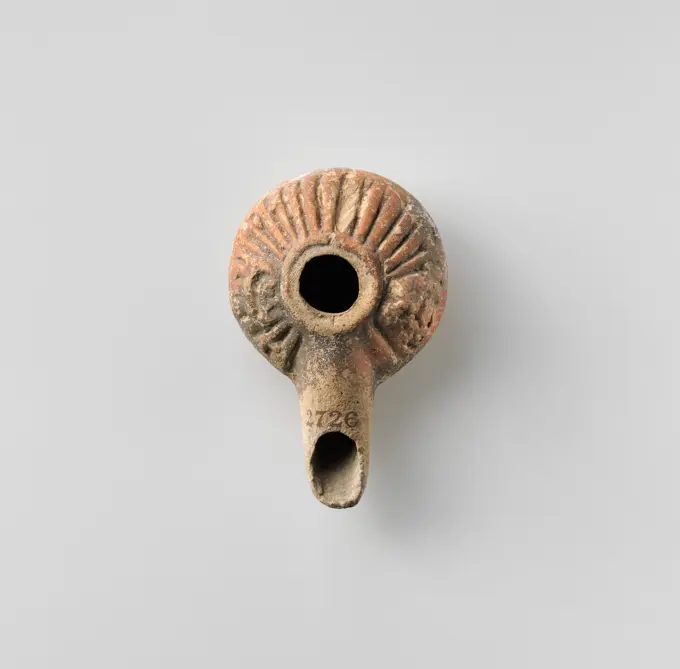
Collection of ancient terracotta oil lamps from various cultures, showcasing unique designs and historical craftsmanship.
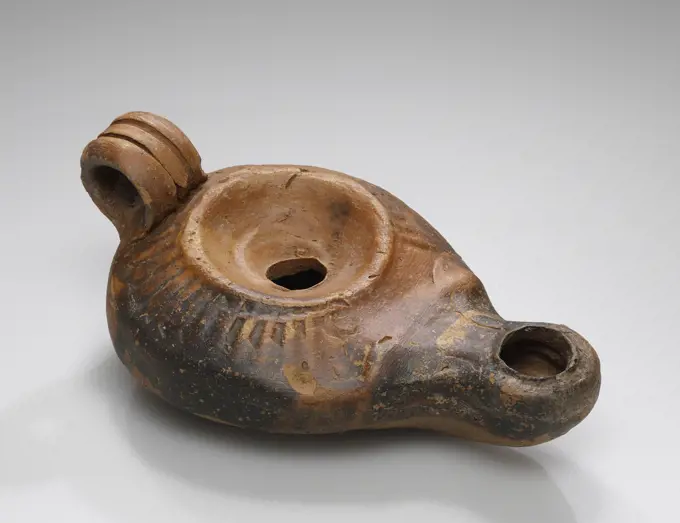
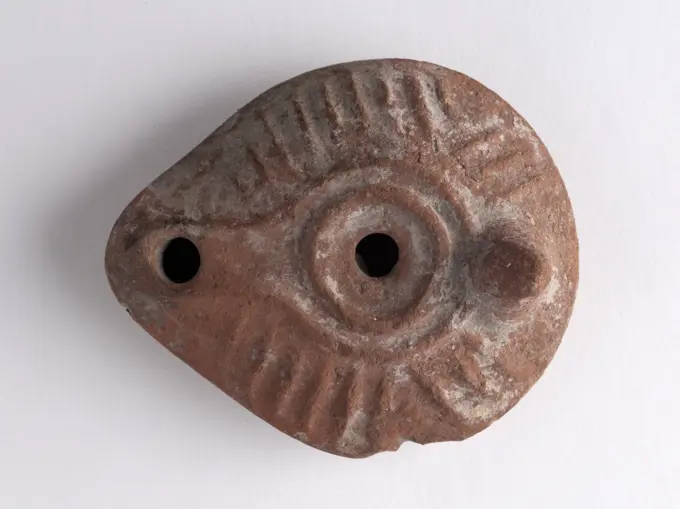
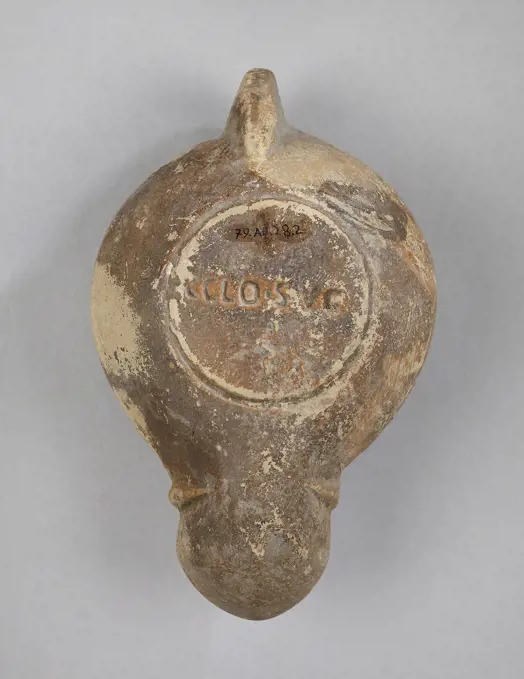
Lamp, Asia Minor; 1st - 4th century; Terracotta; 2.6 x 6.5 x 11.2 cm (1 x 2 9,16 x 4 7,16 in.)
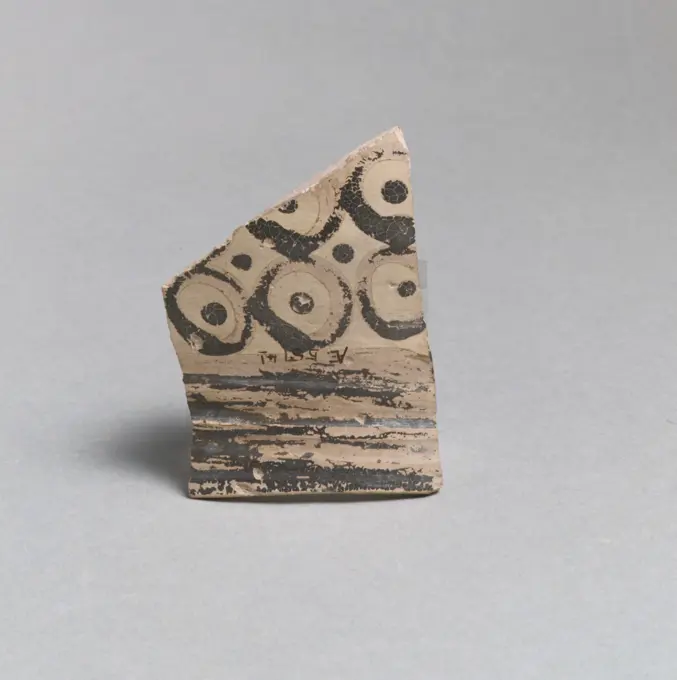
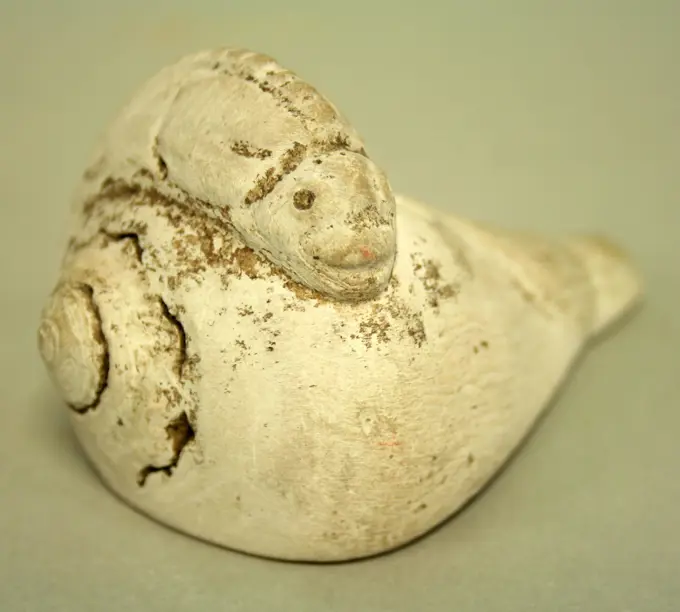
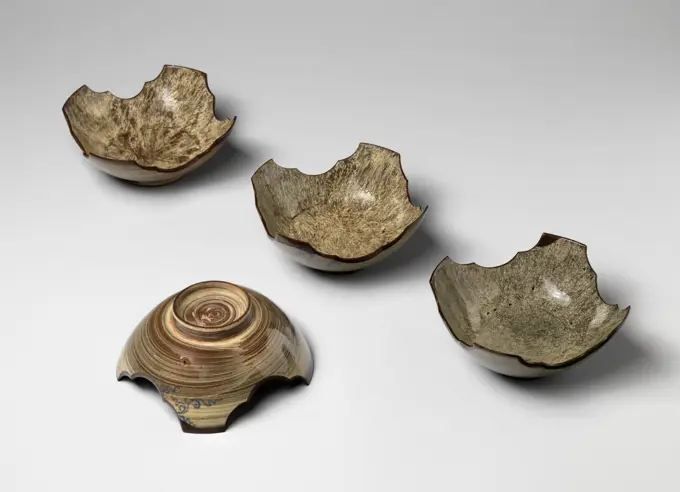
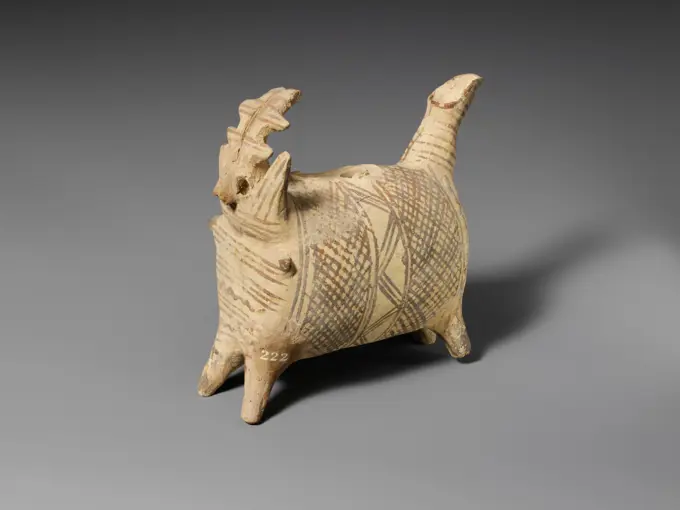
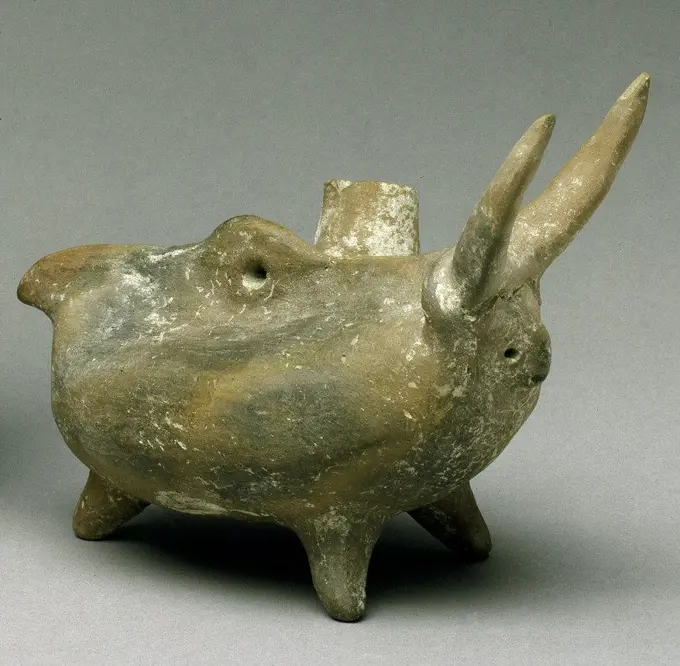
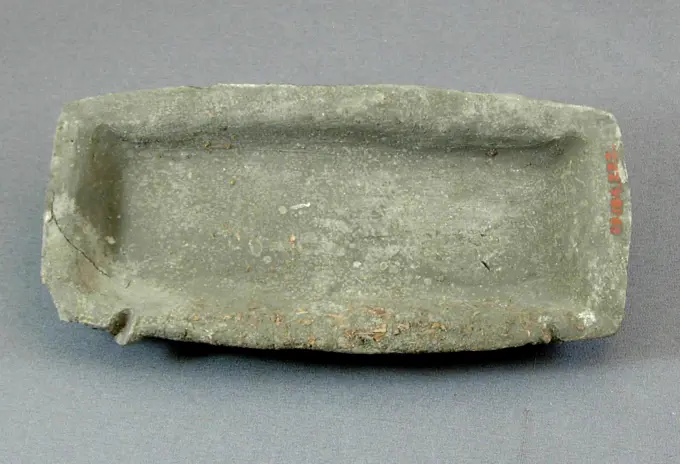
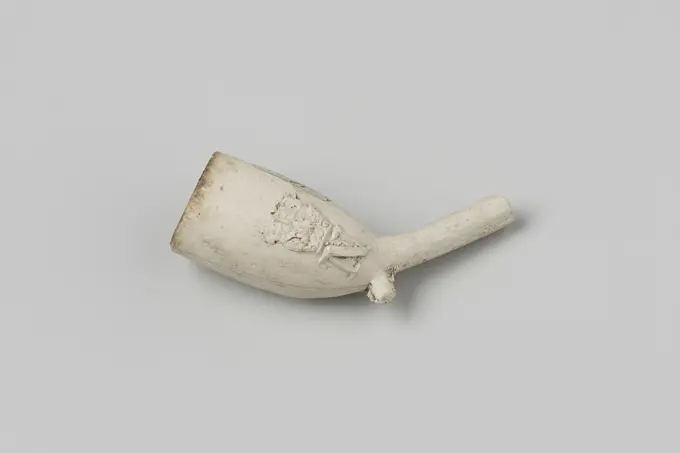
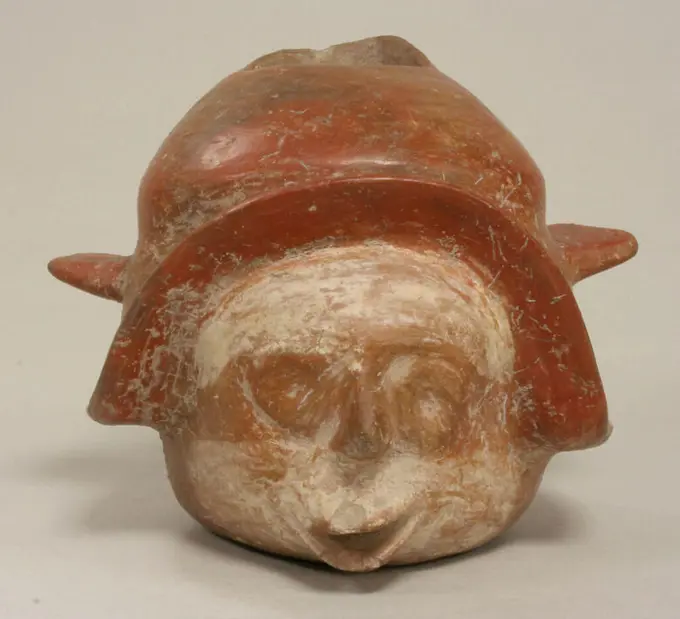
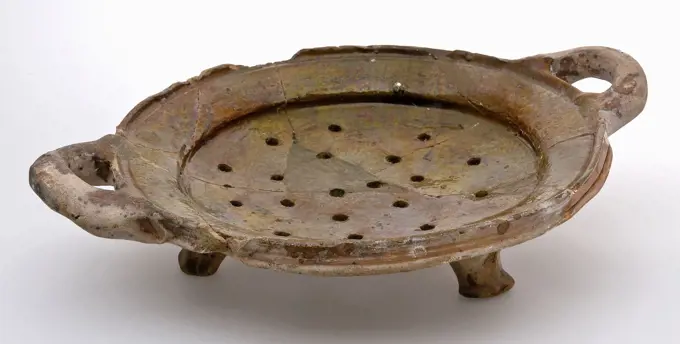
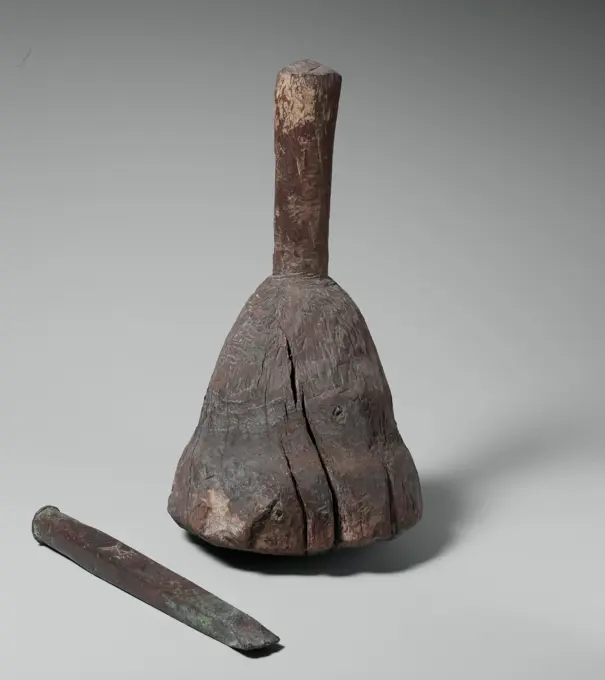
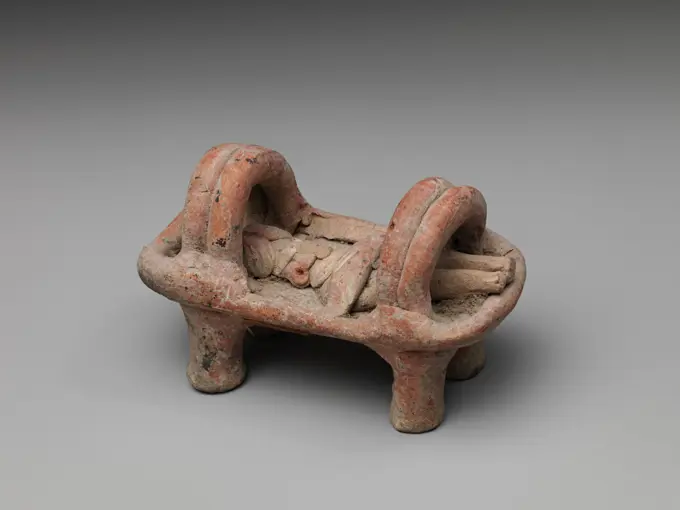
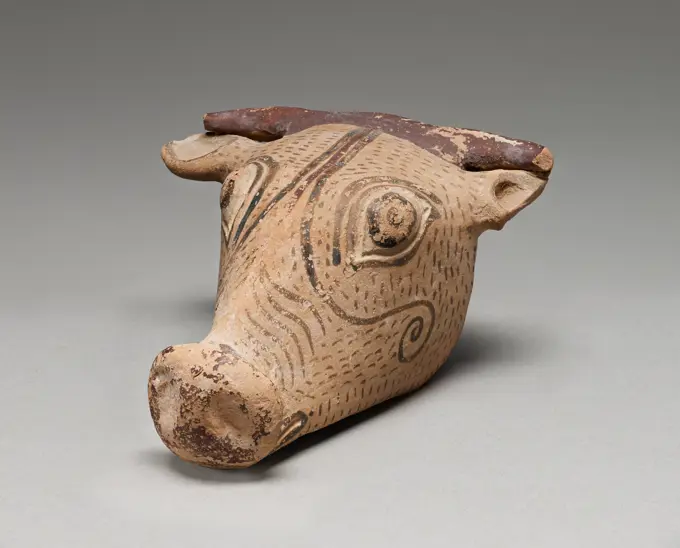
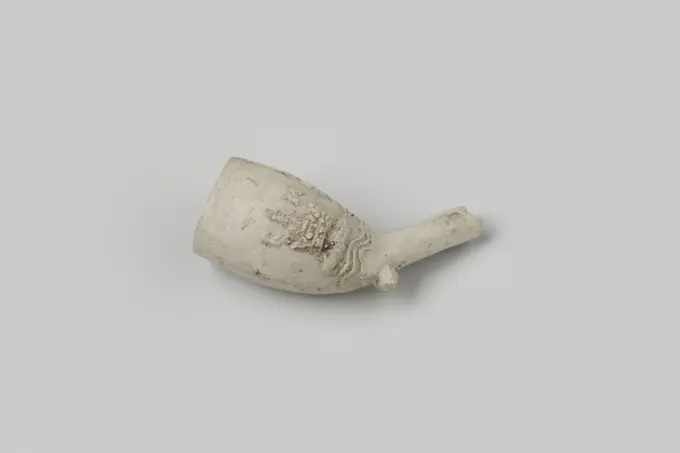
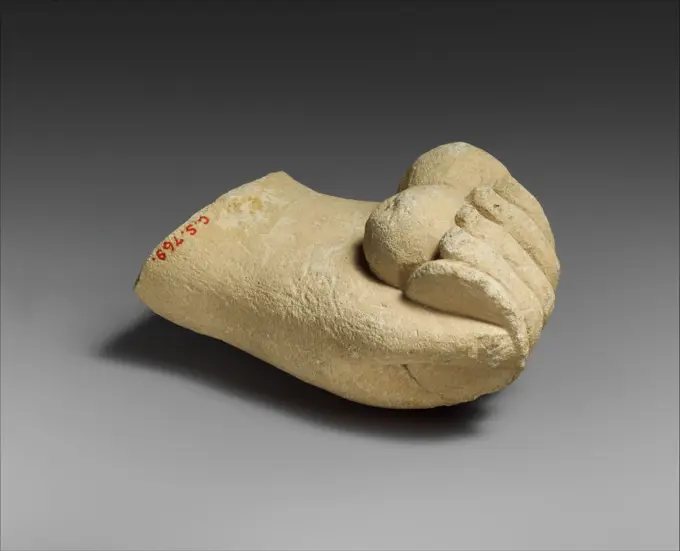
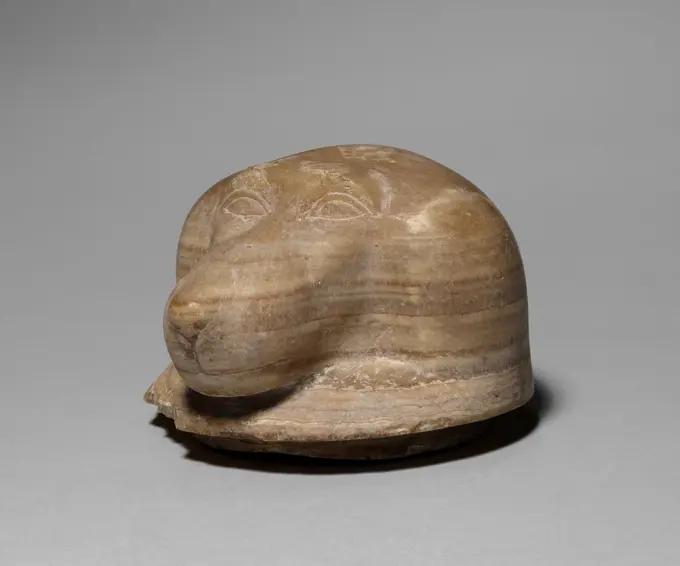
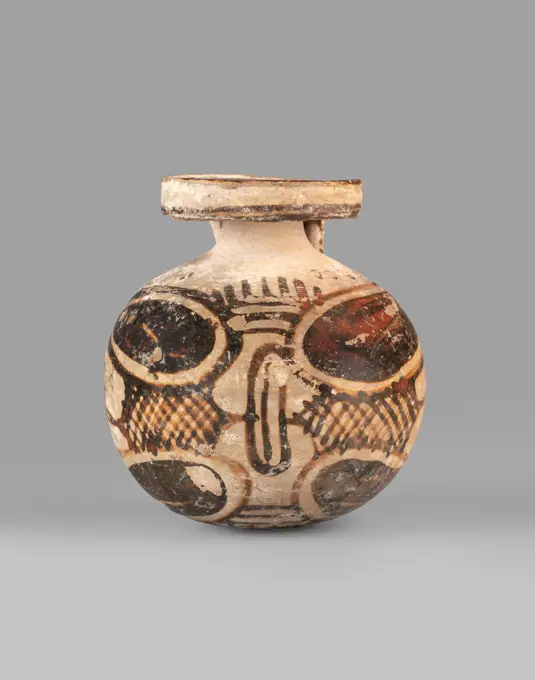
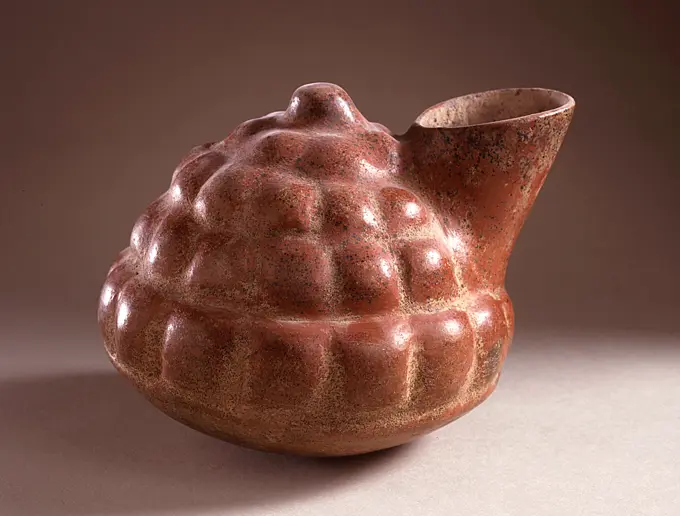
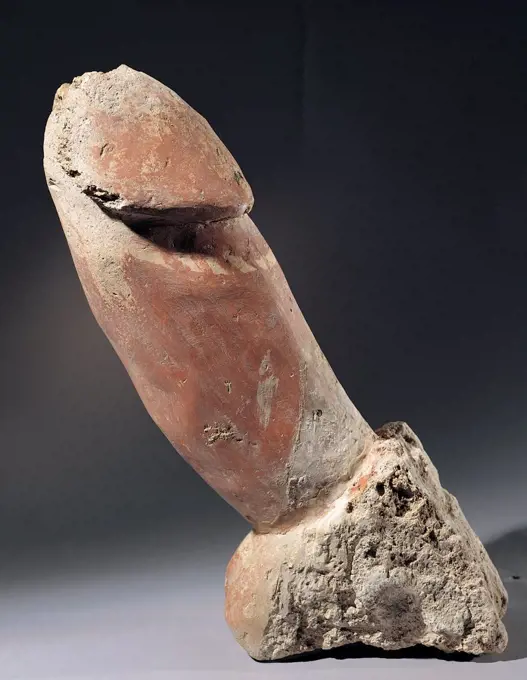
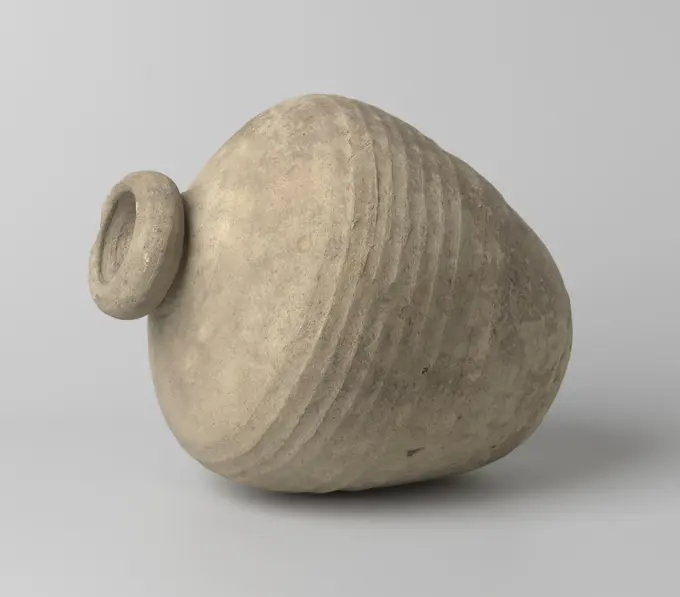
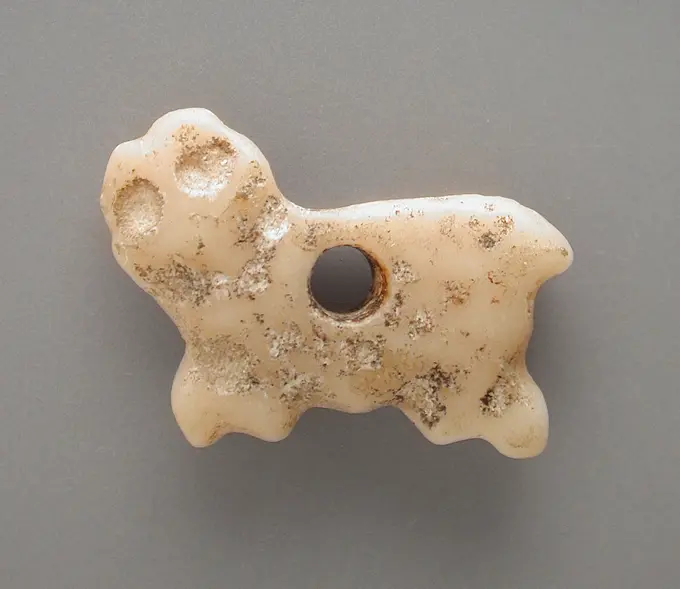
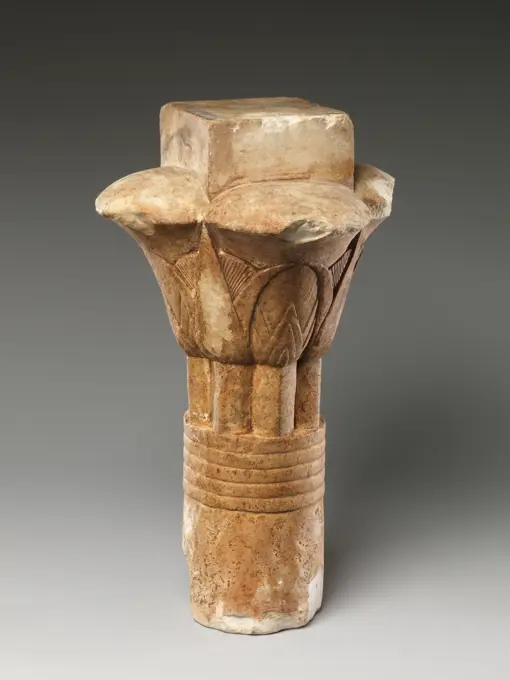
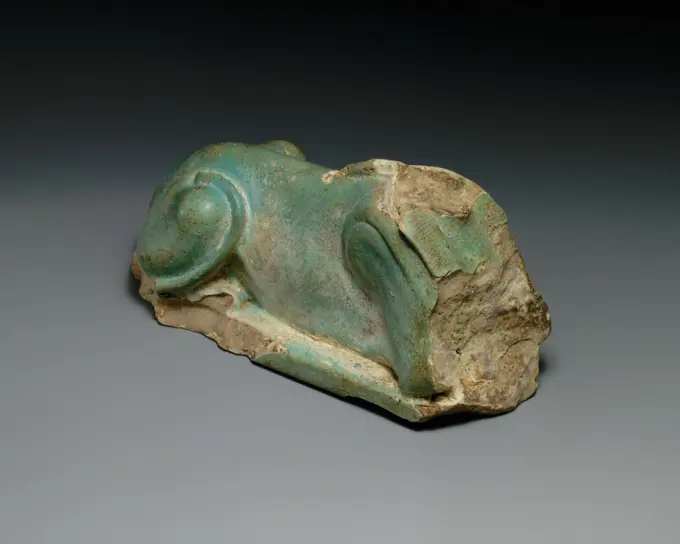
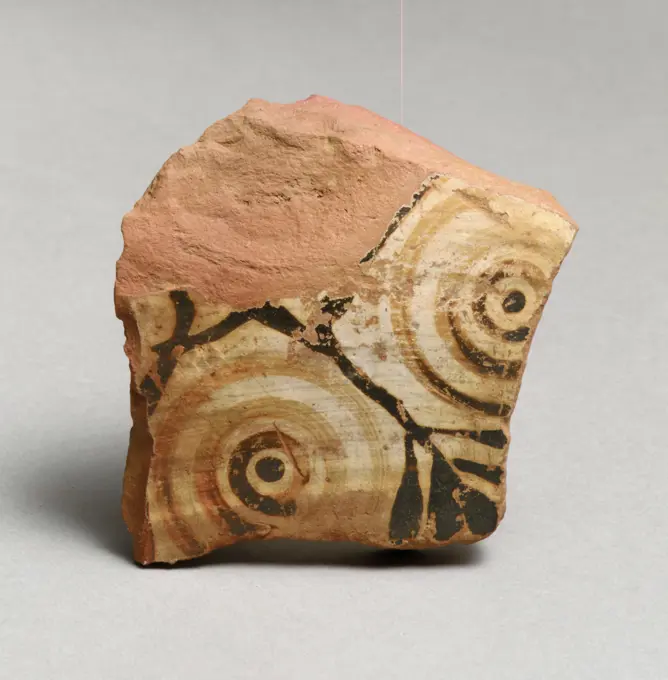
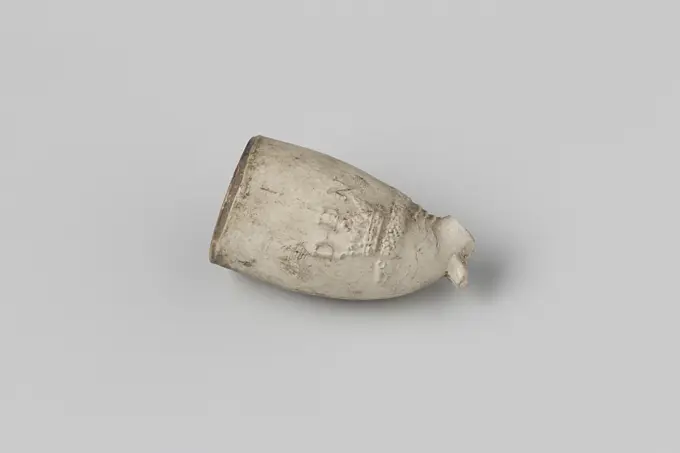
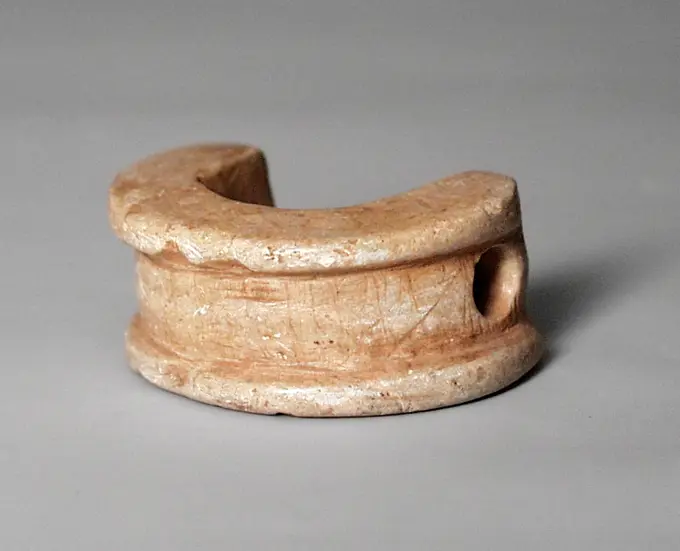
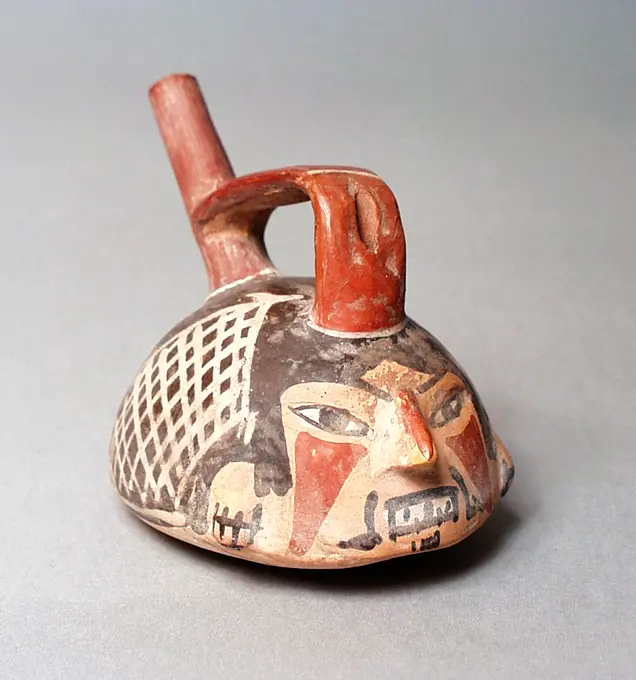
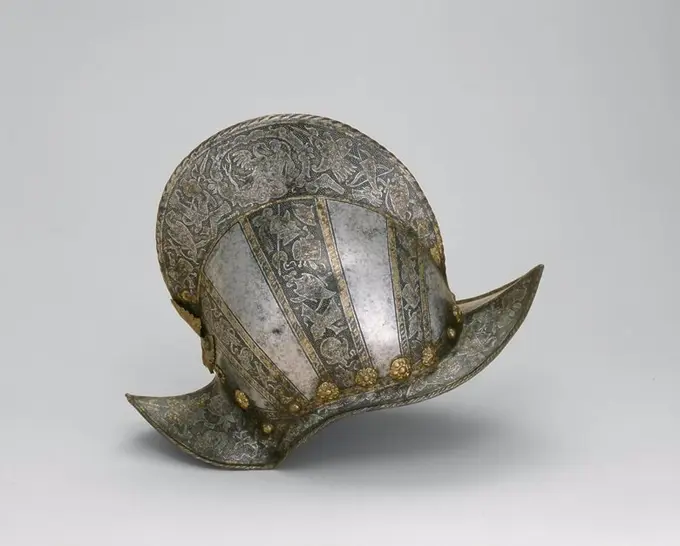
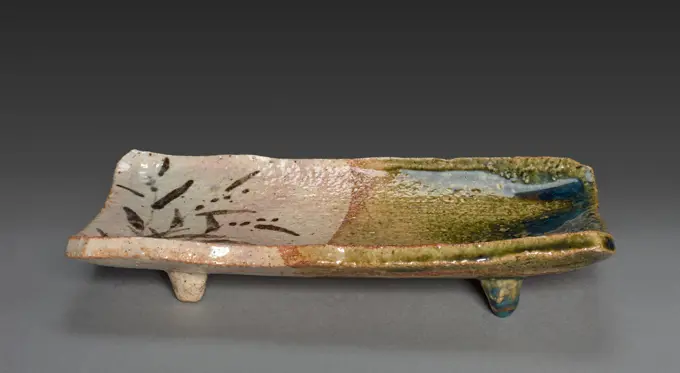
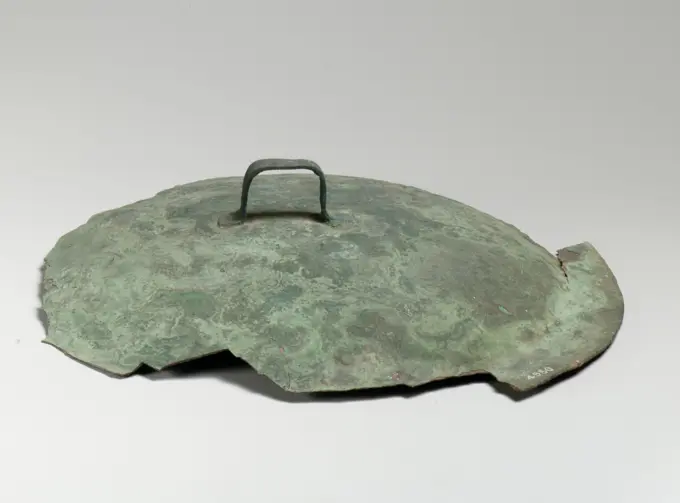
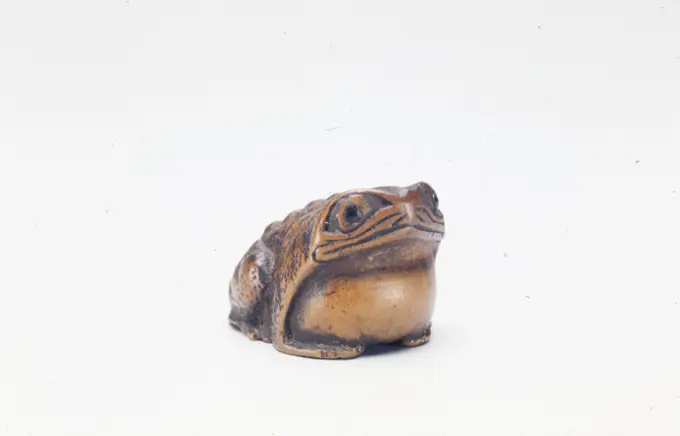
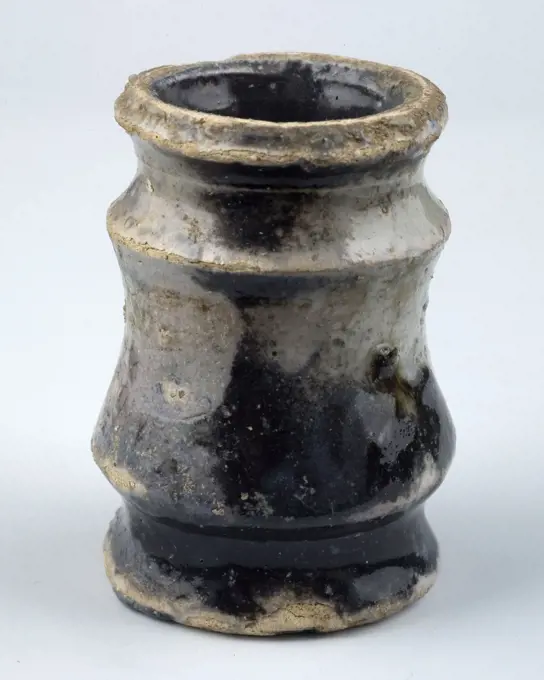
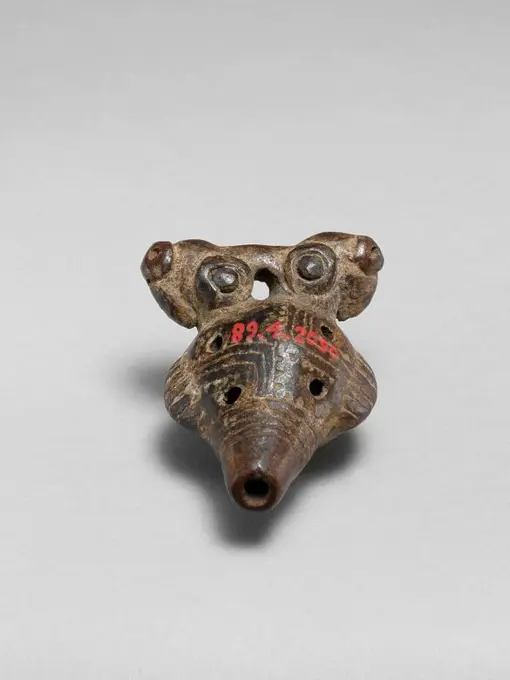
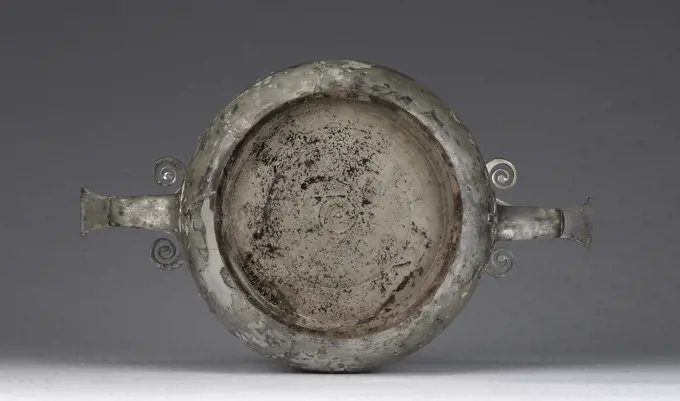
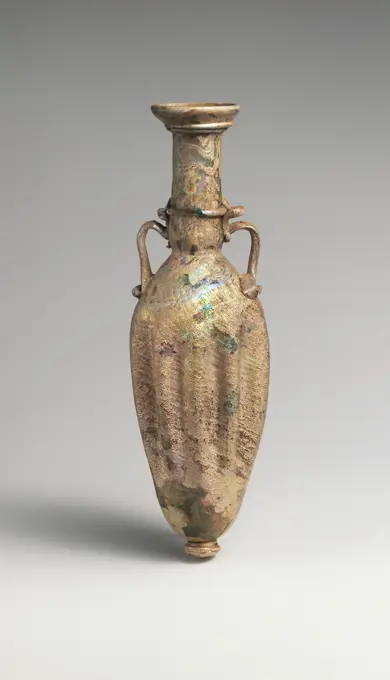
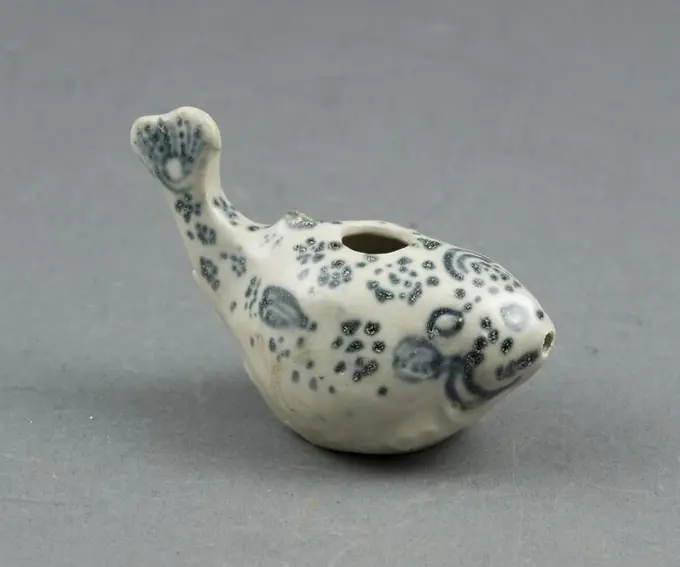
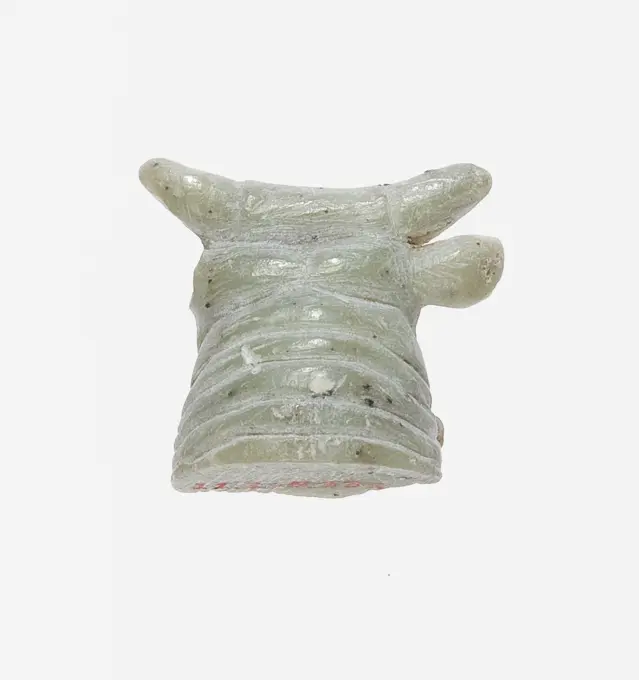
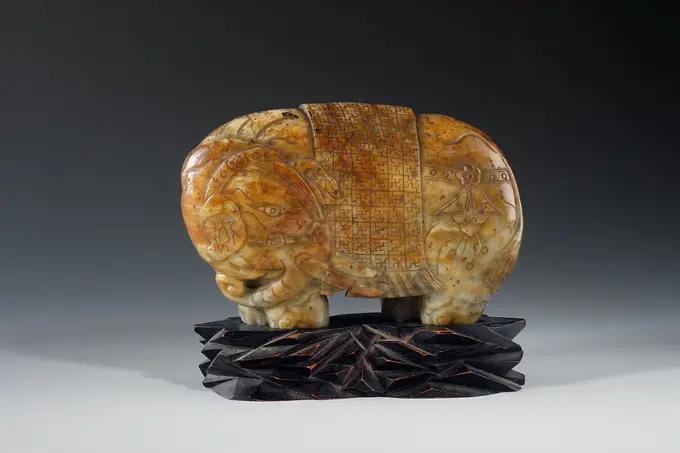
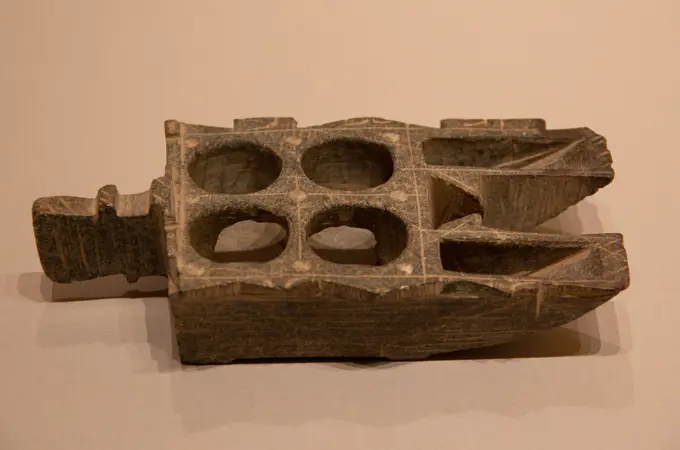
Terracotta kothon (perfume vase). Culture: Greek, Corinthian. Dimensions: H. 2 1/16 in. (5.2 cm)diameter 5 15/16 in. (15 cm). Date: 2nd half of the 6th century B.C..The kothon--also known as a plemochoe or exaleiptron-- was designed to prevent its contents from spilling. It was produced in Corinth through the sixth and fifth centuries B.C., and was widely exported. Find contexts on the site of Corinth indicate that the shape was not common in burials but rather in temple dedications. Museum: Metropolitan Museum of Art, New York, USA.Terracotta rim from a vase with bands and dots in circles ca. 1450-1400 B.C. Minoan From Phylakopi, MelosFragment of rim, with bands and dots in circles.. Terracotta rim from a vase with bands and dots in circles 248558Terracotta fragment of a mold for a Megarian bowl ca. 165-100 B.C. Greek, Asia Minor This fragment has all the salient characteristics of a mold used to manufacture a relief bowl: faint horizontal striations indicating it was wheel made; incised designs on a concave surface; and no trace of glaze. Preserved, as well, is part of the foot of the mold. The palm fronds, lotus petals and inverted Isis crown, which appears to the right of the central frond, are all typically Sardian motifs.. Terracotta fragment of a mold for a Megarian bowl 252677 Greek, Asia Minor, Terracotta fragment of a mold for a Megarian bowl, ca. 165100 B.C., Terracotta, h. 5 1/4 in. (13.3 cm); w.3 1/8 in. (7.9cm). The Metropolitan Museum of Art, New York. Gift of The American Society for the Excavation of Sardis, 1926 (26.199.109)Prehistory, Italy, Bronze Age. Terramare culture. Bowl with side handle. From Emilia Romagna Region.Shell Lime Container in the Shape of a Lizard 2nd century B.C.-A.D. 3rd century Chorrera or Bahia. Shell Lime Container in the Shape of a Lizard 313555Spindle Whorl. Culture: Mexican. Dimensions: Diameter 2-11/32 in.. Date: 10th-early 16th century. Museum: Metropolitan Museum of Art, New York, USA.Italy, Rome, Museo Nazionale d'Arte Orientale, Truncated cone shaped vase from TokyoSet of food dishes (mukōzuke), early 18th century, Unknown Japanese, 2 1/16 × 5 5/16 × 5 5/16 in. (5.24 × 13.49 × 13.49 cm), Utsutsugawa ware; glazed stoneware with underglaze slip decorations, Japan, 18th century, 川 Utsutsugawa ware; In a formal tea gathering, a meal precedes the preparation and service of tea. The meal usually consists of soup and rice accompanied by two or three side dishes featuring grilled, simmered, raw, and/or pickled seasonal ingredients. Grilled dishes would be served on large plates and simmered dishes in individual lidded bowls. A third type of side dish, often sashimi (slices of raw fish), was served in small individual dishes placed farthest from the guest. For this reason, this type of side dish and the bowls in which they were served were called mukōzuke, which literally means 'placed on the far side.' This set of four mukōzuke dishes were produced at Utsutsugawa, a kiln site in Nagasaki that specialized in dishes, bowls, and incense containers for the Set of food dishes (mukōzuke), early 18th century, Unknown Japanese, 2 1/4 × 5 1/4 × 5 1/16 in. (5.72 × 13.34 × 12.86 cm), Utsutsugawa ware; glazed stoneware with underglaze slip decorations, Japan, 18th century, 川 Utsutsugawa ware; In a formal tea gathering, a meal precedes the preparation and service of tea. The meal usually consists of soup and rice accompanied by two or three side dishes featuring grilled, simmered, raw, and/or pickled seasonal ingredients. Grilled dishes would be served on large plates and simmered dishes in individual lidded bowls. A third type of side dish, often sashimi (slices of raw fish), was served in small individual dishes placed farthest from the guest. For this reason, this type of side dish and the bowls in which they were served were called mukōzuke, which literally means 'placed on the far side.' This set of four mukōzuke dishes were produced at Utsutsugawa, a kiln site in Nagasaki that specialized in dishes, bowls, and incense containers for the teStoneFrog.  Artist: UnknownTerracotta zoomorphic askos (vessel) 1900-1600 B.C. Cypriot Three feet, with tubular spout and geometric ornament.. Terracotta zoomorphic askos (vessel) 240383Waster Bowls. Thailand, Sankampaeng, mid-15th century. Furnishings; Serviceware. StonewareLarge ovoid vase. Terracotta. Neolithic. Paris, Carnavalet museum. Neolithic, ovole, terracotta, vase, archeological vestigeLamp. Culture: Roman. Dimensions: Overall: 7/8 x 2 7/8 in. (2.2 x 7.3 cm). Date: 2nd century A.D.. Museum: Metropolitan Museum of Art, New York, USA.Kule Paganeg (Launut) late 19th century Papua New Guinean (New Ireland). Kule Paganeg (Launut) 501966Terracotta askos (vessel) in the form of an animal ca. 2500-1900 B.C. Cypriot Clay vessels in the form of animals are a distinctive and characteristic feature of Cypriot art throughout the Bronze Age.. Terracotta askos (vessel) in the form of an animal 240387Lamp. UnknownModel Dish from Tutankhamun's Embalming Cache ca. 1336-1327 B.C. New Kingdom. Model Dish from Tutankhamun's Embalming Cache. ca. 1336-1327 B.C.. Unbaked clay. New Kingdom. From Egypt, Upper Egypt, Thebes, Valley of the Kings, Embalming Cache of Tutankhamun (KV 54), Davis/Ayrton excavations, 1907-08. Dynasty 18Ring 4th-7th century Coptic. Ring 478915Fragment tobacco pipe. Fragment tobacco pipe with a crown and letters G H I and N shown. Of the excavations at the Hofstede Arentsburg 1827-1831 under the supervision of professor Reuvens.Head Vessel. Culture: Colima. Dimensions: H. 5 5/8 x W. 6 7/8 x D. 6 7/8 in. (14.3 x 17.4 x 17.4 cm). Date: 2nd century B.C.-A.D. 3rd century. Museum: Metropolitan Museum of Art, New York, USA.Pottery colander, on three legs, with two ears, colander kitchen equipment earthquake ceramics earthenware glaze lead glaze, hand-turned glazed fried drilled archeology Landpoortstraat Geervliet Bernisse indigenous pottery kitchen food food prepare for drainage Soil discovery: Geervliet waste pit barn Landpoortstraat 1 September 1983.Vase fragment East Greek/Sardis, Lydian. Vase fragment 252795 East Greek/Sardis, Lydian, Vase fragment, Terracotta, Overall: 2 5/8 x 2 1/8in. (6.7 x 5.4cm). The Metropolitan Museum of Art, New York. Gift of The American Society for the Excavation of Sardis, 1926 (26.199.228)Stone Mason's Chisel ca. 2051-2000 B.C. Middle Kingdom This chisel was clearly made for use and looks as if it has indeed been used. It was found in a tomb that contained at least six burials but no object of demonstrably post-Mentuhotep II date. There was even a piece of linen marked for Mentuhotep II's wife Queen Neferu. The mark incised into the chisel was previously understood to represent the pyramid which Museum excavator Herbert E. Winlock and others thought had originally existed above the solid core structure of the temple of Mentuhotep II at Deir el-Bahri. The existence of this pyramid has been put into doubt, however, although renewed discussions are under way. The mark also occurs on linen sheets from the tomb of the "Slain Soldiers" (MMA 507 see here 27.3.84-134), which has been shown to be of the time of Senwosret I, and on another piece of linen found at Lisht South close to the pyramid of that king. The sign can, therefore, no longer be exclusively associated with the tExcerpt of a bladder ball, anonymous, c. 1590 - c. 1596 fragment Fragment of the end of a bladder ball.  iron (metal). wood (plant material) forging  Nova Zembla. Saving HuysBed Figure 3rd century B.C.-A.D. 4th century Michoacan This figure features a modelled human figure complete with appliqued facial features, coiffure, and ear spools lying stretched out on a flat surface supported on four legs at the corners, hence the name bed figures. The figure appears to be strapped to the bed with a wide decorated band across the midsection. Across the top and bottom ends of the bed are arches. The bed has modelled decoration and remains of red and white pigment.. Bed Figure. Michoacan. 3rd century B.C.-A.D. 4th century. Ceramic. Mexico, Mesoamerica. Ceramics-SculptureAryballos in the Form of a Bull's Head. UnknownOil lamp. Terracotta. Late Antiquity. Without handle, patterns of parallel lines. Paris, Carnavalet museum. 50035-15 Late antique, high-empire, oil lamp, parallel line pattern, handless, terracottaFragment Tobacco Pipe, Coenradus Arnoldusz Murk, 1760 - 1800 Fragment tobacco pipe with a crown, a fish, waves and the letters k r m. Of the excavations on the Hofstede Arentsburg 1827-1831 under the supervision of Professor Reuvens. Schoonhoven pipe clay Fragment tobacco pipe with a crown, a fish, waves and the letters k r m. Of the excavations on the Hofstede Arentsburg 1827-1831 under the supervision of Professor Reuvens. Schoonhoven pipe clayLimestone hand holding a disk and pieces of fruit Cypriot The small right hand holds a small disk and two apples.. Limestone hand holding a disk and pieces of fruit 242267Furniture support: lion's leg. Culture: Old Assyrian Trading Colony. Dimensions: 5.59 x 2.32 in. (14.2 x 5.89 cm). Date: ca. 18th century B.C..This piece is one of several furniture elements, carved in the form of lion legs, probably found at the site of a palace at Acemhöyük in central Anatolia. The massive size of the upper part of the leg suggests this represents the animal's rear leg. One hooked claw is visible in side view. Like the other pieces of this type in the Metropolitan Museum's collection (36.70.5, 36.152.1), this leg sits on a base with horizontal grooves. The overall gray color indicates that the object was exposed to considerable heat, perhaps during the destruction of the palace. Traces of gold foil still remain on the base of this leg, although not on the others. The legs were most likely carved out of hippopotamus incisors, as the ends of the pulp cavities are preserved in the upper parts. Dowel holes on the flanks allowed for attachment to an upper element. The poTerracotta oil lamp Roman, Cypriot Discus: plain with central filling hole, surrounded by a continuous band of lines and grooves. Sloping narrow shoulder, undecorated. Raised base ring; flatbase inscribed in large letters: FAVSTI/X.Broken and repaired; most of nozzle missing and small holes in base.. Terracotta oil lamp. Roman, Cypriot. Terracotta. TerracottasCanopic Jar with Baboon's Head (lid), 664-525 BC. Egypt, Late Period, Dynasty 26. Travertine; diameter: 18.2 cm (7 3/16 in.); diameter of mouth: 9.6 cm (3 3/4 in.); overall: 40.8 cm (16 1/16 in.). In the process of mummification, the liver, lungs, stomach, and intestines were removed, separately embalmed, and stored in specialized jars known as canopic jars (after a sailor in Greek mythology, who died at the town of Canopus in the Nile Delta and was worshipped there in the form of a human-headed jar). Each organ was identified with one of four funerary deities collectively known as the Sons of Horus: the liver with Imsety (man's head), the lungs with Hapy (baboon's head), the stomach with Duamutef (jackal's head), and the intestines with Qebehsenuef (falcon's head). It was their duty to protect the deceased and restore to him his body parts in the hereafter.Bin, rectangular with stub of handle. Bin, rectangular shape with stub of handle. The container is easy to edit. Is mentioned by the young carpenter fat trayBird with Peach Spray 13th century China. Bird with Peach Spray 72725Aryballs orientalized;  580-550 BC (-580-00-00--550-00-00);Cherimoya Vessel. Mexico, Colima, 200 BCE-500 CE. Ceramics. Burnished red-slipped ceramicSculpture of a phallus, by Unknown artist, 1st Century, painted stone mosaic. Italy: Campania: Naples: National Archaeological Museum: 113415. Whole artwork. Male genital organ phallusUrn, anonymous, c. 1400 - c. 1950 Urn on the bottom. Wide shouldered under, including tackling ribbed wall. Thick edge around the mouth of the pot. No stand ring.  earthenware Urn on the bottom. Wide shouldered under, including tackling ribbed wall. Thick edge around the mouth of the pot. No stand ring.  earthenwareOil lamp. 4 petals, oves. Capitan collection. Terracotta. Late Antiquity. Paris, Carnavalet museum. 50036-10 Late antique, Capitan collection, oil lamp, ove, petal, four, terracottaJaguar Bowl, c. 850-1500. Colombia, 9th-16th Century. Resist-painted earthenware; overall: 12.1 x 12.8 x 17.6 cm (4 3/4 x 5 1/16 x 6 15/16 in.).Amulet of an Unidentified Animal. Egypt, Predynastic (5500 - 3100 BCE). Jewelry and Adornments; amulets. Steatite (flat-backed)Vase fragment East Greek/Sardis, Lydian. Vase fragment. East Greek/Sardis, Lydian. Terracotta. VasesAlabastron; Eastern Mediterranean; 2nd - 1st century B.C; Glass; 12.5 cm (4 15,16 in.)Cradle 18th century British, Staffordshire or Welsh. Cradle. British, Staffordshire or Welsh. 18th century. Earthenware. Ceramics-PotteryModel quatrefoil palmette capital 400-30 B.C. Late Period-Ptolemaic Period Small Late Period and Ptolemaic reliefs or sculptures that depict a subject in a partial or unfinished way but are themselves complete objects constitute a special class of object. Guidelines like those for artists are often prominently exhibited as part of the object, although, in fact, many instances can be noted where the object simply could not serve as a suitable model for a traditional formal Egyptian representation. Personifications of kingship, figures that may represent the now emerging demigods Imhotep and Amenhotep Son of Hapu, and popular gods like Harpokrates or Isis, are heavily represented within the corpus. Taken together, the figures represented and the other features indicate the reliefs and sculptures of this class, sometimes called by Egyptologists "sculptors models / votives," were the material of a donation practice, perhaps connected with the prolific temple building of these centuries. UBox, round with lid and a wide base and raised edge, anonymous, c. 1590 - c. 1596 box Box, circular with a lid, wide base and raised edge. The wide base and raised edge must first be turned separately and then attached to each other.  wood (plant material)   Nova Zembla. Saving HuysLamp; North Africa, Tunisia; 2nd - 3rd century; Terracotta; 10.7 x 4.8 x 6.9 cm (4 3,16 x 1 7,8 x 2 11,16 in.)Body of a sphinx 664-525 B.C. Late Period, Saite. Body of a sphinx. 664-525 B.C.. Greenish faience. Late Period, Saite. From Egypt. Dynasty 26Flask. UnknownURNA CON TAPA. EDAD DEL BRONCE CAMPOS DE URNAS S VII a.C. (DEPOSITO: MUSEO ARQUEOLOGICO NACIONAL).Red -andened guttus;  5th century BC (-500-00-00--401-00-00);Vase fragment East Greek/Sardis, Lydian Dark circles on light ground.. Vase fragment 252692 East Greek/Sardis, Lydian, Vase fragment, Terracotta, Overall: 2 3/4 x 2 5/8in. (7 x 6.7cm). The Metropolitan Museum of Art, New York. Gift of The American Society for the Excavation of Sardis, 1926 (26.199.124)Pijpenkop.Blowjob head with a crown and letters d u n. Of the excavations at the Hofstede Arentsburg 1827-1831 under the supervision of professor Reuvens.Lamp 4th-6th century Small earthenware lamps, made from double molds, were the most commonly used source of light in daily Coptic life. A wick produced from plant fiber or linen fabric was placed in a reservoir filled with oil, generally castor or sesame oil, and illuminated. This buff earthenware lamp is decorated with a palm branch near the spout and a Greek inscription on the shoulder which is a blundered version of "The Light of Christ shines for all".. Lamp. 4th-6th century. Earhenware; molded. Attributed to Egypt. CeramicsAtlatl Loop (Spear Attachment)Cylindrical Ivory Shaft Projecting from Disk-Shaped Element. UnknownSpindle Whorl A.D.1-500 Peruvian; north coast (). Spindle Whorl. Peruvian; north coast (). A.D.1-500. Ceramic. Peru. Ceramics-ImplementsOintment Jar 4th-7th century Coptic. Ointment Jar 477760Lamp 3rd-8th century. Lamp 446628Fragment of a terracotta architectural tile 6th century B.C. Lydian Egg without dart pattern.. Fragment of a terracotta architectural tile 252632 Lydian, Fragment of a terracotta architectural tile, 6th century B.C., Terracotta, 5 1/8  13 3/16 in. (13  33.5 cm). The Metropolitan Museum of Art, New York. Gift of The American Society for the Excavation of Sardis, 1926 (26.199.62)Tripod Bowl. Culture: Mixtec. Dimensions: H. 6 1/2 x Diam. 9 3/4 in. (16.5 x 24.8 cm). Date: 15th-16th century. Museum: Metropolitan Museum of Art, New York, USA.Lámpara de aceite romana. Can Serra Museu de Mataró.Spindle whorl ca. 3000-2000 B.C. Aegean Spindle whorls aided in the making of cloth for garments and bedding. They were placed in tombs, perhaps so that the deceased could continue to spin wool in the afterlife.. Spindle whorl. Aegean. ca. 3000-2000 B.C.. Terracotta. Early Helladic. VasesBelt Ornament Rattle. Culture: Moche. Dimensions: H x W: 4 1/2 x 3 3/8in. (11.4 x 8.5cm). Date: 2nd-7th century. Museum: Metropolitan Museum of Art, New York, USA.Ritual Ladle 12th century B.C. China. Ritual Ladle 61334Terracotta oil lamp Greek Hellenistic Mold-made. Carinated body. Large central filling hole, surrounded by a narrow rim. Convex-curving shoulder, decorated with a raised circle around discus and radiating, raised lines, with knobs at sides; at left, a small, indistinct creature (scorpion), and at right, a mask (lion's head). Short nozzle, with long wick hole. Undefined, flat base.Intact. View more. Terracotta oil lamp. Greek. Terracotta. Hellenistic. TerracottasCylindrical Pyxis and Lid of the Grotta-Pelos Group. UnknownStatuette ca. 2030-1981 B.C. Middle Kingdom-Early New Kingdom. Statuette. ca. 2030-1981 B.C.. Wood, paint. Middle Kingdom-Early New Kingdom. From Egypt, Upper Egypt, Thebes, Deir el-Bahri, Tomb MMA 511, MMA excavations, 1921-23. Dynasty 11Part of the left foot of a colossal marble statue 3rd-2nd century B.C. Greek. Part of the left foot of a colossal marble statue 245539Lamp, Type IIAMiniature Single Spouted VesselVase fragment ca. 4000-3000 B.C. Neolithic, Thessaly. Vase fragment 253227 Neolithic, Thessaly, Vase fragment, ca. 40003000 B.C., Terracotta, length 2 7/16in. (6.2cm). The Metropolitan Museum of Art, New York. Anonymous Gift, 1930 (30.119.22)Morion-Burgonet. Southern German, probably Augsburg. Date: 1575-1595. Dimensions: H. 26.7 cm (10 1/2 in.). Steel, gilding, and brass. Origin: Augsburg. Museum: The Chicago Art Institute, Chicago, USA.Footed Dish, early to mid-1900s. Studio of Kitaōji Rosanjin (Japanese, 1883-1959). Stoneware with white and green overglaze and underglaze iron red decoration (Oribe style); overall: 19 cm (7 1/2 in.).Bronze lid. Bronze lid 244525Netsuke toad, 19th century, Unknown Japanese, 1 x 1 x 1 1/2in. (2.5 x 2.5 x 3.8cm), Wood, Japan, 19th centuryPottery ointment jar, tapered with three constrictions, failed glaze layer, ointment jar pot holder soil find ceramic earthenware glaze tin glazing, hand turned baked 2x glazed earthenware ointment jar tapered with three constrictions with wider base. Glazed white, purple-pink and black in color Black possible due to soot formation in the oven Standing surface with cut-off marks. So called Delftware in the form of an albarello archeology health care indigenous pottery packing pharmacy store selling medicine drug craftFigurine of a jerboa ca. 1802-1640 B.C. Middle Kingdom. Figurine of a jerboa. ca. 1802-1640 B.C.. Faience, painted white. Middle Kingdom. From Egypt, Memphite Region, Lisht North, cemetery south of pyramid below House A1:1, Pit 907, MMA excavations, 1920-21. Dynasty 13Pottery Whistle. Culture: Costa Rican. Dimensions: L. 4.9 cm (2 in.); W. 4.3 cm (1-3/4 in.); H. 3.4 cm (1-3/8 in.); Wt. 26 g. Date: ca. 800-1500. Museum: Metropolitan Museum of Art, New York, USA.Parian marble vase, from Island of Antiparos (Greece)Bead 3rd-7th century. Bead 446073Pijpenkop, Gerrit Hollands/Hollander and widow Debora de Ruyter, 1750 - 1790 Pipe head with a crown depicted and the letters g h l and n. Of the excavations on the Hofstede Arentsburg 1827-1831 under the supervision of Professor Reuvens. Schoonhoven pipe clay Pipe head with a crown depicted and the letters g h l and n. Of the excavations on the Hofstede Arentsburg 1827-1831 under the supervision of Professor Reuvens. Schoonhoven pipe clayBird - Shaped Flask; Eastern Mediterranean; 1st-2nd century A.D; Glass; 7.8 × 9 cm (3 1,16 × 3 9,16 in.)One of Two Skyphoi; Eastern Mediterranean; 100 - 50 B.C; Silver; 8.5 × 20.2 cm, 0.578 kg (3 3,8 × 7 15,16 in., 1.2743 lb.);. Incense box of stoneware in the shape of a square basket, covered with a green glaze and painted in brown. With lid knob. Orie.CERAMICA ZOOMORFA PUNICA REPRESENTANDO PALOMA. Location: MUSEO ARQUEOLOGICO / MUSEO DE PUIG DES MOLINS. IBIZA. SPAIN.Glass flask 4th century A.D. Roman Colorless with blue green tinge; handles, trails, and knob base in deep translucent blue green.Rounded, slightly inverted rim; cup-shaped mouth; tall, cylindrical neck with horizontal tooled indent around base; conical shoulder; tall, slender piriform body; applied solid coiled base; two rod handles applied to shoulder with horizontal tooling indent across pads, drawn upwards, turned in and down, pressed on to lower neck and trailed off above.One trail applied to top of neck and wound twice round in a spiral up underside of mouth; a second, thicker trail applied horizontally to neck under tops of handles; on lower half of shoulder and most of body a continuous band of closely-spaced shallow molded ribs that spiral down from left to right; eleven vertical tooled ribs in deep relief extend from edge of shoulder to two-thirds of way down body.Intact, except for part of lower trail around neck; many pinprick bubbles; deep pitting, thick creamy weathering,Miniature Water Dropper in the Shape of a Blowfish. Vietnam, near Hoi An, Offshore. Date: 1401-1500. Dimensions: 5.5 × 8.3 × 3.8 cm (2 1/8 × 3 1/4 × 1 1/2 in.). Glazed stoneware with cobalt-blue underglaze. Origin: Vietnam. Museum: The Chicago Art Institute, Chicago, USA.Gamepiece: Bull's Head ca. 1390-1353 B.C. New Kingdom. Gamepiece: Bull's Head. ca. 1390-1353 B.C.. Soapstone. New Kingdom. From Egypt, Upper Egypt, Thebes, Malqata, Palace of Amenhotep III, MMA excavations, 1910-12. Dynasty 18Terracotta model of a ship 6th century B.C. Cypriot Terracotta ship models from Cyprus are known from the early second millennium B.C. The quality of models and representations of the Archaic period may have been prompted by the intense and far-flung maritime activity of the Phoenicians.. Terracotta model of a ship 241305Figurine of elephant. unknown, craftsmanBell. Western Iran, circa 1000-650 B.C.. Tools and Equipment; musical instruments. BronzeAntique glass 1898Tile. Iraq, Baghdad, mid-13th century. Ceramics. BrickCarpenter and Cabinet Maker Ink Line, 19th century, 3 3/4 x 7 7/16 x 3 1/8in. (9.5 x 18.9 x 7.9cm), Pine, elm, brass, copper, China, 19th centuryMarble shell ca. 400 B.C. Greek This work imitates a pelican's foot shell, which is common to the Mediterranean. Only a handful of marble shells are known. They must have been manufactured in the same Greek workshops that produced elegant marble vessels intended as grave offerings for the dead.. Marble shell 256205Old vintage Russian Soviet rusty iron isolated on a white background. Old vintage Russian Soviet rusty iron isolated on a white Copyright: xZoonar.com/SergeyxxKozoderovx 15959963Pot, 12th century, 8 1/8 x 4 15/16 x 3 7/8 in. (20.6 x 12.54 x 9.84 cm), Earthenware, Peru, 12th centuryLamp 9th-10th century The carving of utensils and other objects from soft stones is part of a longstanding artistic tradition in the Near East that dates back for millennia. Steatite and other related talcs (the English word is of Persian origin) are easy to carve, relatively strong and non-brittle, and are impervious to fire. Many of medieval Nishapur's stone utensils demonstrate a high degree of artistic merit, despite having been fashioned from a lowly material and serving a utilitarian function. These pieces often have powerfully sculptural forms with silhouettes that take the form of beautiful two-dimensional patterns. This lamp, of gray black "Mashhad" stone, is rectangular in shape, its one end terminating with two prongs in an upturned curve (giving it a boat-like appearance) and a short handle carved out the other. The lamp is divided into two longitudinal sections with seven cavities--four circular 'bowls', a semicircular one between the two elongated receptacles of each term