Historical Terracotta Lamps

Collection of ancient terracotta oil lamps from various cultures, showcasing unique designs and historical craftsmanship.
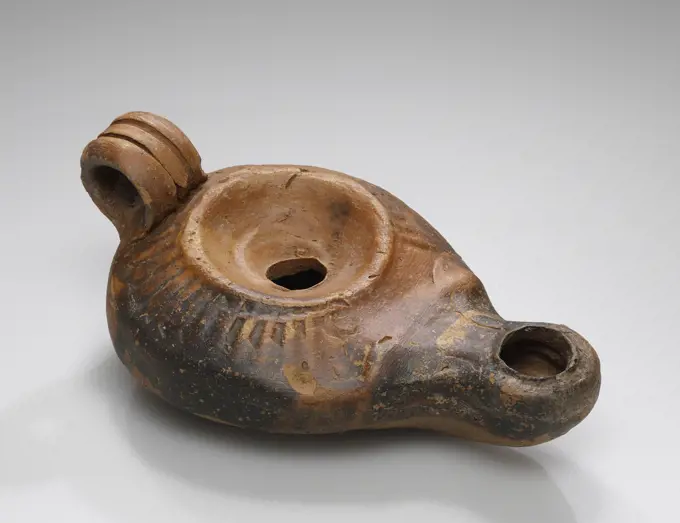
Lamp, Asia Minor; 1st - 4th century; Terracotta; 2.6 x 6.5 x 11.2 cm (1 x 2 9,16 x 4 7,16 in.)
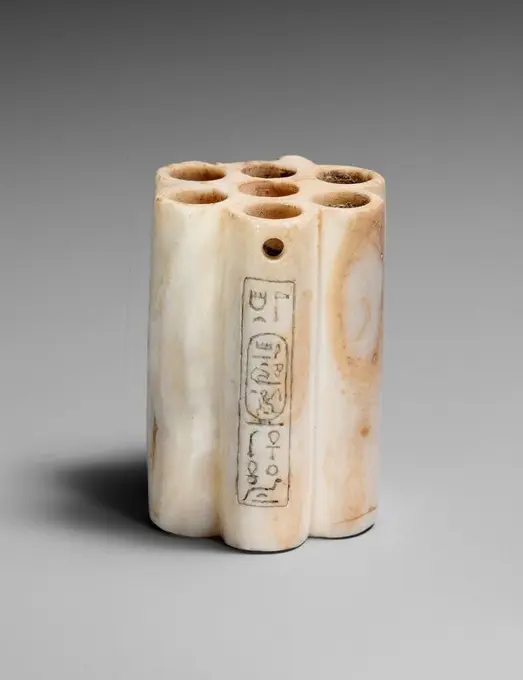
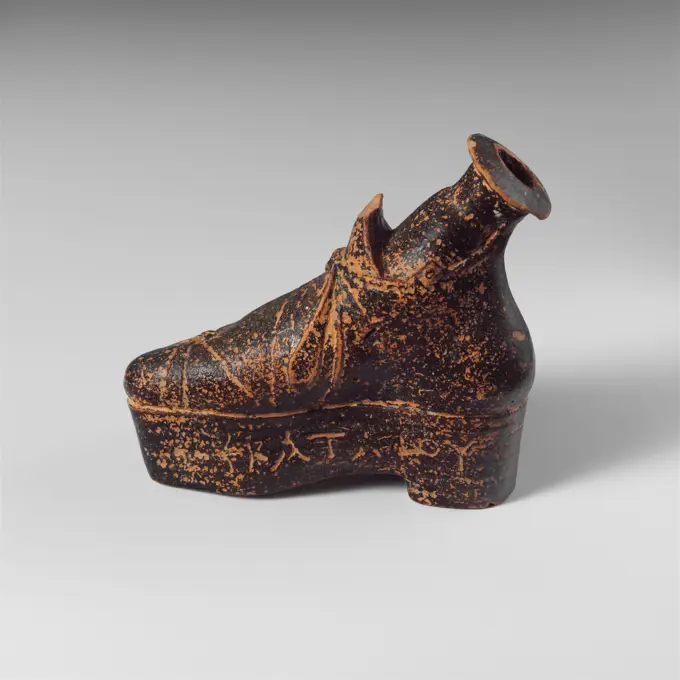
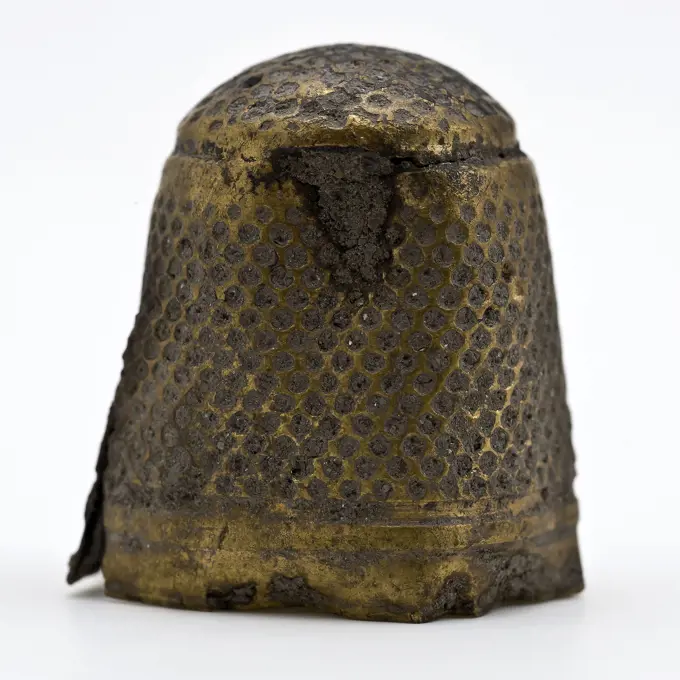
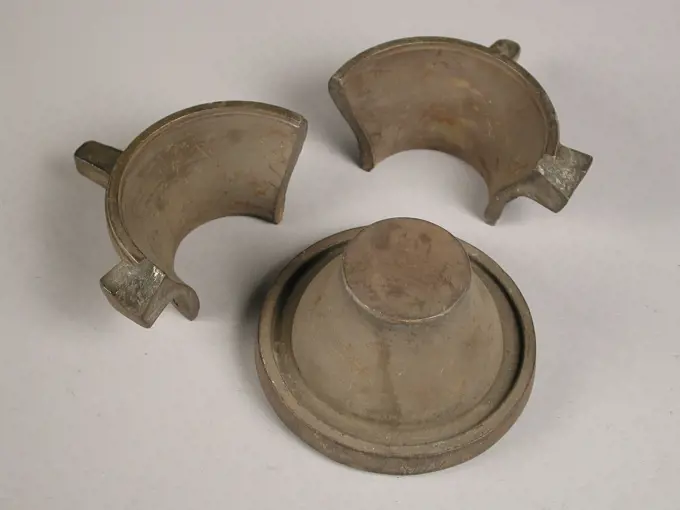
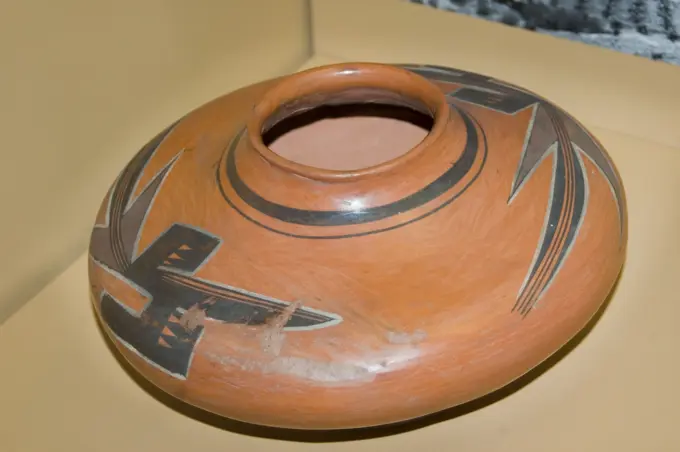
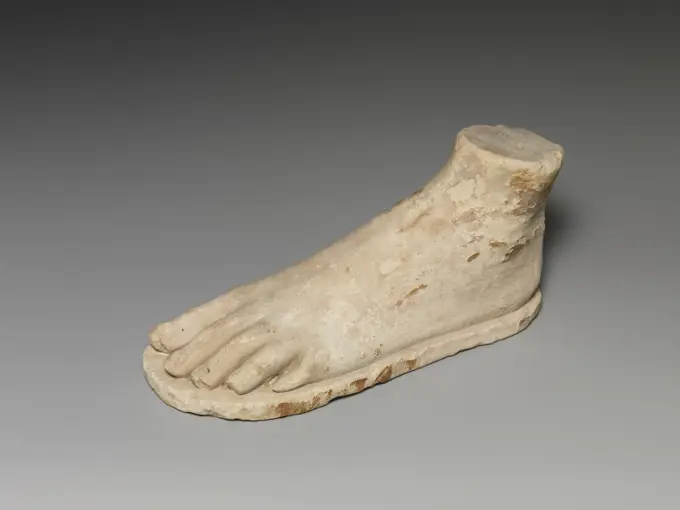
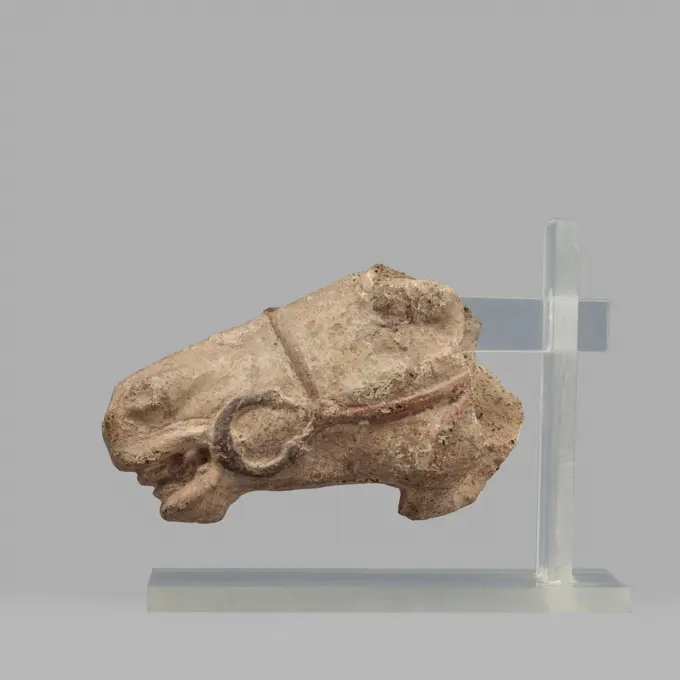
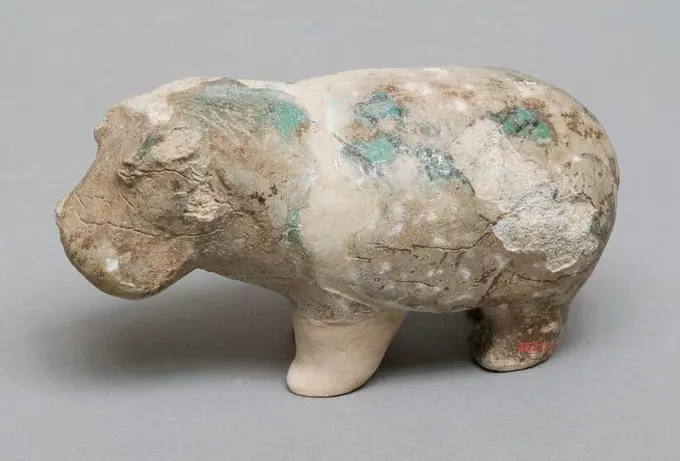
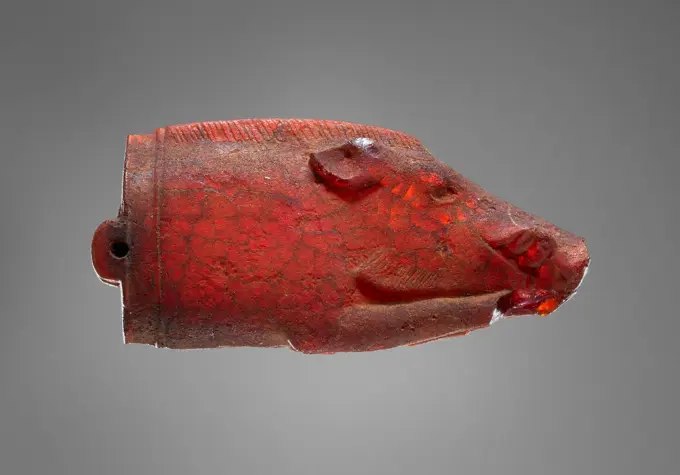
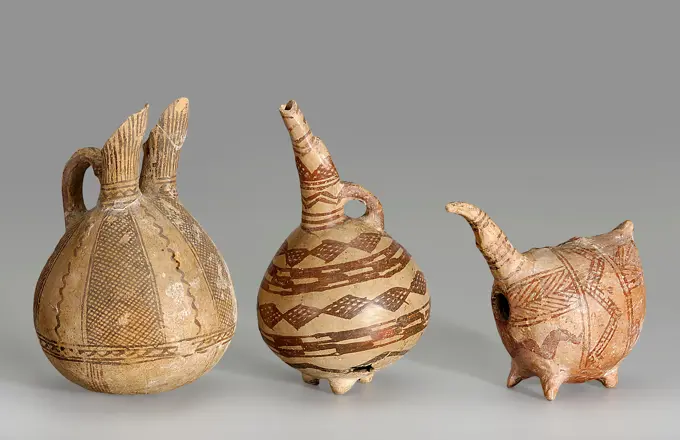
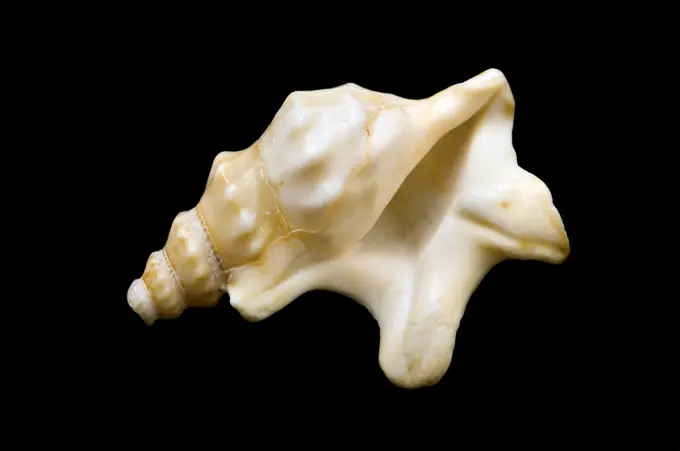
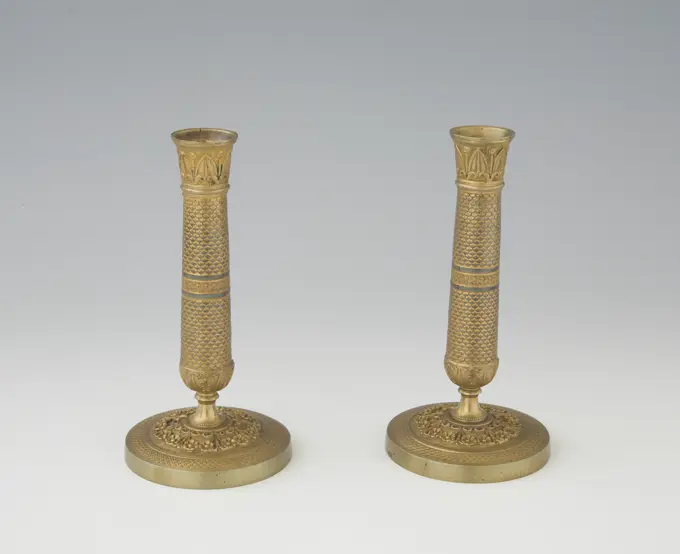
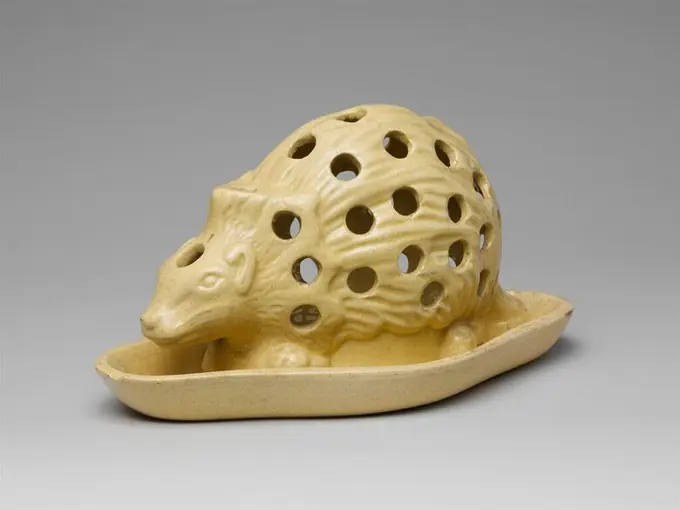
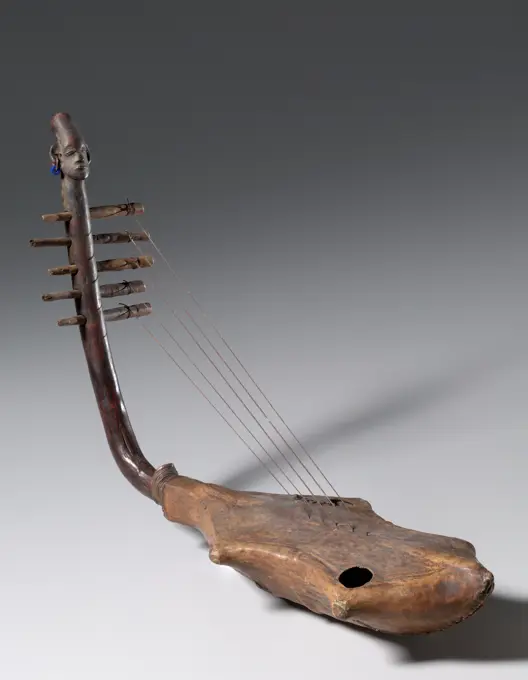
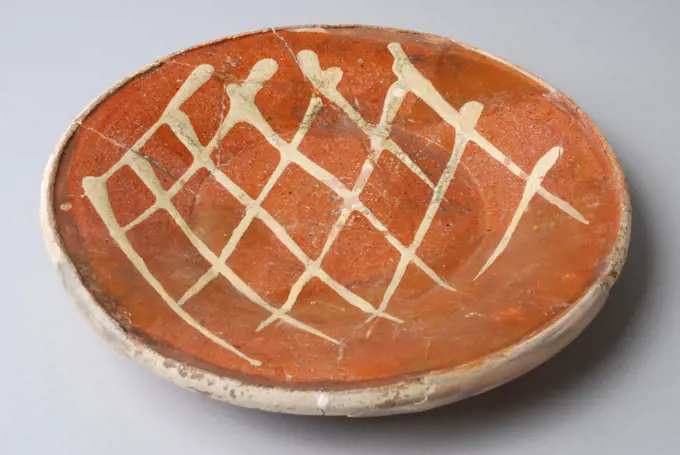
Lamp 6th-8th century. Lamp 449208Kohl Jar Inscribed for Hatshepsut as God's Wife. Dimensions: H. 6.5 cm (2 9/16 in.); W. 4.8 cm (1 7/8 in.); D. 5 cm (1 15/16 in.). Dynasty: Dynasty 18. Reign: reign of Thutmose II-Early reign of Thutmose III. Date: ca. 1492-1477 B.C..This kohl jar imitates a bundle of reeds. A flat lid (now missing) once swiveled around a metal pin, a piece of which still remains in the hole. Inscribed with the title "God's Wife," the elegant vessel could not have been part of Hatshepsut's final burial equipment but must have been made during the queen's marriage to Thutmose II or during the first years of her joint reign with Thutmose III. She probably gave it to a valued courtier or a family member. We have no means of ascertaining whether she used the little vase herself before she passed it on as a royal gift. Museum: Metropolitan Museum of Art, New York, USA.Scarab. UnknownShards of basement bottles from the wreck of the East Indians' t Vliegend Hart ,, 1700 - 1735  Fragments of square basement bottles: 2 necks both with lacquer residues and one of which with cork (without copper wire). Four shards from the abdomen, originally made of green glass but discolored or affected to yellow -brown. Case Bottle. Middelburg cork (bark). lacquer (coating)Pair of Stirrups probably 19th century Korean or Chinese. Pair of Stirrups. Korean or Chinese. probably 19th century. Bronze. Equestrian Equipment-StirrupsTerracotta perfume flask in the shape of a shoe 1st century B.C. Lydian The object consists of a small alabastron (perfume vase) that has been inserted into the opening of the shoe. The name inscribed on the side, Hekataiou, gives the name of the owner, a man named Hekataios.. Terracotta perfume flask in the shape of a shoe 252575 Lydian, Terracotta perfume flask in the shape of a shoe, 1st century B.C., Terracotta, 2 3/8in. (6.1cm). The Metropolitan Museum of Art, New York. Gift of the American Society for the Excavation of Sardis, 1926 (26.164.10)Copper molded thimble with groove and pits in lines, thimble sewing kit soil find copper metal, w 2,0 cast Copper molded thimble with round pits on the top, merging with groove in the shaft with wheel punch and the board with two grooves archeology Rotterdam rail tunnel seamstress tailor sewing textile repairing clothes needle and thread repair Soil discovery: trajectory rail tunnel Rotterdam.Tripod bowl ca. 8th-7th century B.C. Assyrian. Tripod bowl 324402Terracotta Columbus alabastron (perfume vase) 5th century B.C. Greek, Attic Two light bands around neck.. Terracotta Columbus alabastron (perfume vase) 255788Faience aryballos (oil bottle) in the form of a hedgehog 6th century B.C. East Greek Hedgehogs are among the most common forms of faience oil flasks. The center of production of these vases has traditionally been identified as Naucratis, a Greek trading colony on the Nile Delta, in Egypt.. Faience aryballos (oil bottle) in the form of a hedgehog 248256Mirror Stand in the Shape of a Djeiran, mid 1600s-early 1900s. China, Qing dynasty (1644-1911). Bronze; overall: 10.6 x 21.2 cm (4 3/16 x 8 3/8 in.).Fragment of a Base for a Statue Indonesia (Kalimantan) ca. 8th century View more. Fragment of a Base for a Statue. Indonesia (Kalimantan). ca. 8th century. Bronze. SculptureBlock, Rijkswerf Vlissingen, 1861 block Two -slice purlin block according to the regulations of 1865, with double iron wire strop and iron wire Bindsel and a round stocking; 16 cm block. Flushing wood (plant material). iron (metal). ropeThree parts of four-piece bronze mold for neck of pot or jug, mold casting tool tools base metal bronze, cast cast Four-piece bronze shape for neck of pot or can Rotterdam tin foundry tin stain tin Meeuws Druy craft Forms originate from the 18th century Rotterdam tinnegieter J Druy. The large molds that were not signed or dated were the property of the tinker guild and were rented to the small tin caster.Traditional Hopi clay pottery jarBell, 1850. Bronze. Cernuschi Museum, Asia Museum of Asia in the city of Paris.Left foot 400-30 B.C. Late Period-Ptolemaic Period Small Late Period and Ptolemaic reliefs or sculptures that depict a subject in a partial or unfinished way but are themselves finished objects constitute a special class of object. Guidelines like those for artists are often prominently exhibited as part of the object, although, in fact, many instances can be noted where the object simply could not serve as a suitable model for a traditional formal Egyptian representation. Personifications of kingship, figures that may represent the now emerging demigods Imhotep and Amenhotep Son of Hapu, and popular gods like Harpokrates or Isis, are heavily represented within the corpus. Taken together, the figures represented and the other features indicate the reliefs and sculptures of this class, sometimes called by Egyptologists "sculptors models / votives," were the material of a donation practice, perhaps connected with the prolific temple building of these centuries. Unfortunately there is liLamp. Egypt, Roman Period - Coptic Period (100 - 700 CE). Furnishings; Lighting. BronzeHorse's head;  VI century BC (-700-00-00--601-00-00);Cylinder Seal 5th-6th century Atlantic Watershed. Cylinder Seal 313063Hippopotamus figurine. Dimensions: h. 12 cm (4 3/4 in). Dynasty: Dynasty 12, late-early 13. Date: ca. 1850-1750 B.C.. Museum: Metropolitan Museum of Art, New York, USA.Pendant: Foreparts of a Recumbent Boar. UnknownFigure in the form of a dolphin. Figure in the form of a dolphin.Pitcher, pitcher, a dish in the form of an animal; Unknown Cypriot workshop,  1900-1650 BC (-1900-00-00--1650-00-00), 1900-1700 BC (-1900-00-00--1700-00-00), 1900-1600 BC (-1900-00-00--1600-00-00);Cesnoli-collection, Cyprus, Działyńska, Izabela (1830-1899), Działyński, Jan (1829-1880)Aporrhaidae on a black backgroundlid with horse protome, necropolis of Castejon Castle, first iron age, Museum of Navarra, Pamplona, Navarra,Spain.Lamp. UnknownPair of candlesticksSeven Shards of earthenware, found at V.O.C. SCHIP Witte Leeuw, possibly from Zeelelie, Anonymous, 1750 - 1799  Seven shards of earthenware with glaze, one stoneware, one white-baking and five red-baking, found at V.O.C. ship the 'Witte Leeuw'. This object is 18th century and cannot therefore be from the freight of the Witte Leeuw. It is unclear whether the object will come from the site or whether it was mixed later, possibly with material from the Zeelelie.  stoneware. earthenware. glazeThe Valle d Aosta grolla. Friendship Cup. Valle d Aosta coffee *** The Valle D Aosta grolla friendship Cup Valle D Aosta Coffee 1104309465Cylinder Seal. Iran, Mesopotamia or Syria, about 3300-2900 B.C.. Tools and Equipment; seals. White marbleCrocus pot. Culture: American. Dimensions: 5 3/8 x 10 x 276 in. (13.7 x 25.4 x 701 cm). Maker: Ira W. Corey (active 1867-70). Date: 1867-70. Museum: Metropolitan Museum of Art, New York, USA.Brass bell of rattle, with eye, bell toy relaxant musical instrument soundstuff foundations copper brass metal, Small copper bell of rattle archeology music Rotterdam City Triangle Meent Market Binnenrotte child rattling kindergarten play Soil discovery pit corner Meent Markt (Binnenrotte).Pair of Ribbed Penannular Earrings. Dimensions: a: Diam. 3.5 × W. 2 × L. 4.9 cm (1 3/8 × 13/16 × 1 15/16 in.); b: Diam. 3.4 × W. 2 × L. 4.8 cm (1 5/16 × 13/16 × 1 7/8 in.). Dynasty: Dynasty 18. Reign: reign of Thutmose III. Date: ca. 1479-1425 B.C.. Museum: Metropolitan Museum of Art, New York, USA.Bowharp, early 1900s. Central Africa, Democratic Republic of the Congo, Mangbetu, early 20th century. Wood, rawhide, plant fiber, metal, and glass bead; handle: 36.9 cm (14 1/2 in.); drum: 18.2 cm (7 3/16 in.).Earthenware plate with yellow waffle pattern in sludge technology, plate crockery holder tableware earth discovery ceramics earthenware glaze lead glaze clay, hand-turned glazed decorated fried loin cord Pottery plate decorated with yellow waffle pattern applied in sludge technique Low dish with kink on the transition from flag to mirror. Flat mirror. Red shard. Standing surface irregularly shaped. Thickened dish edge. Restoration is repainted archeology underground pit Rotterdam City Triangle Groenendaal indigenous pottery import food table serving serving room archaeological find in the soil underground pit Groenendaal (under moat dredge) 1976-08-06.