Historical Textile and Artifacts

Black and white images of ancient textile fragments and artifacts, providing a glimpse into historical craftsmanship from various centuries.
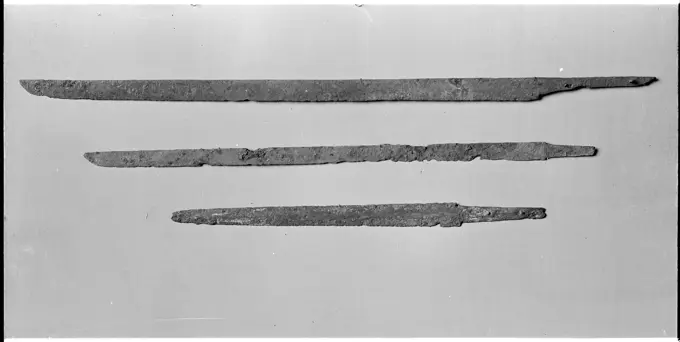
Blade for a Straight Single-Edged Sword (Chokut) ca. 7th century Japanese. Blade for a Straight Single-Edged Sword (Chokut). Japanese. ca. 7th century. Iron. Kdzuke province. Sword Blades
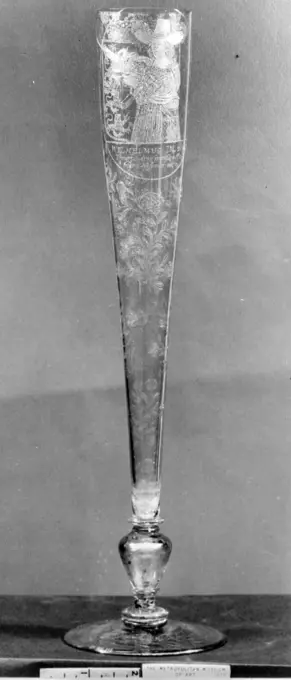
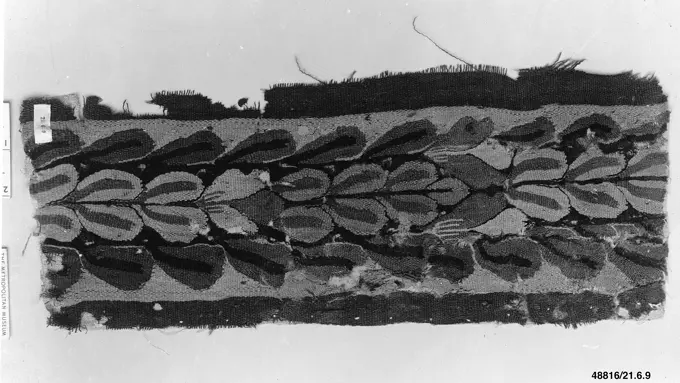
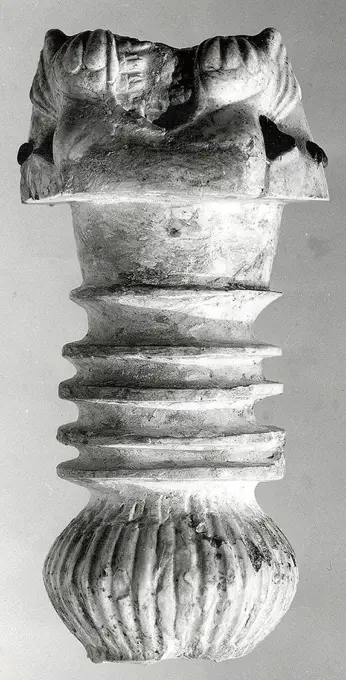
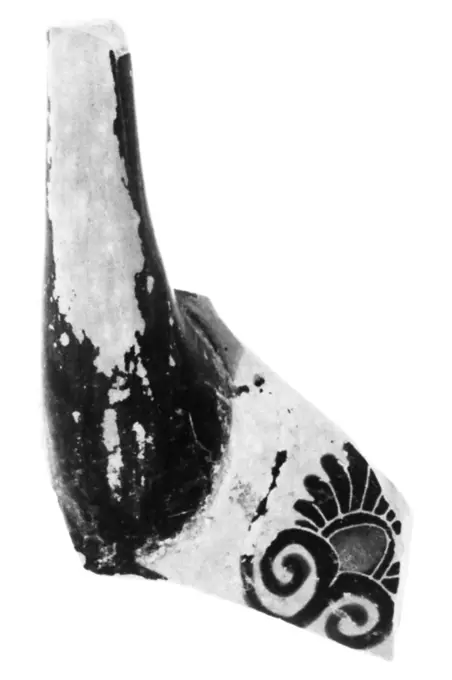
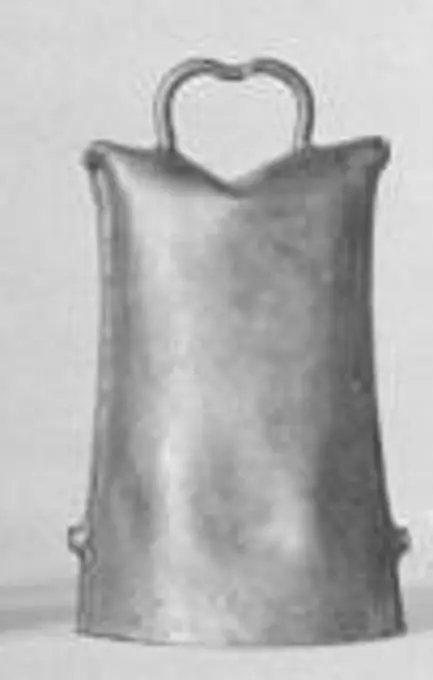
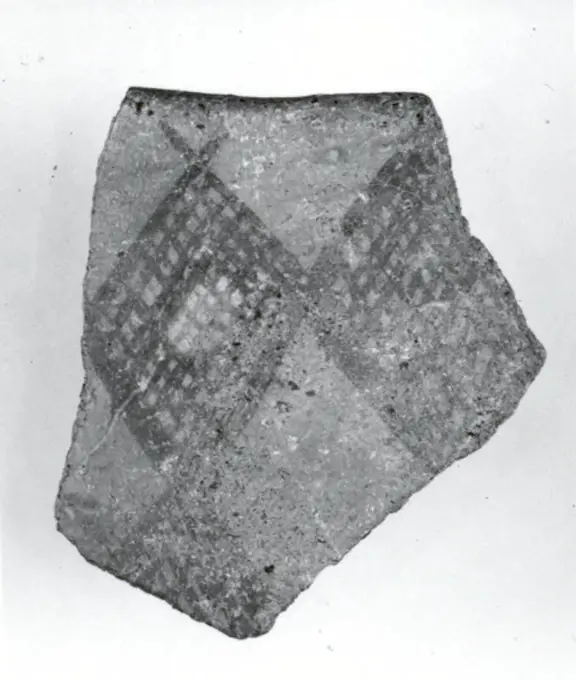
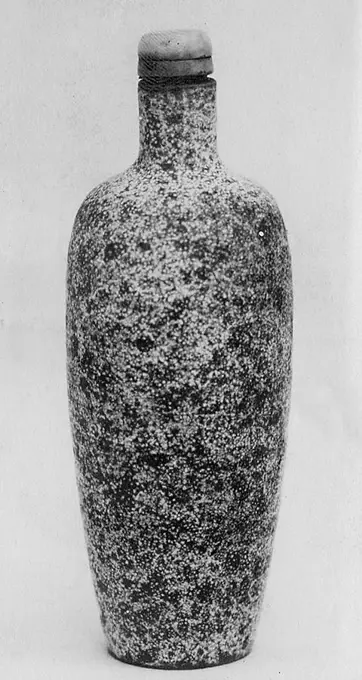
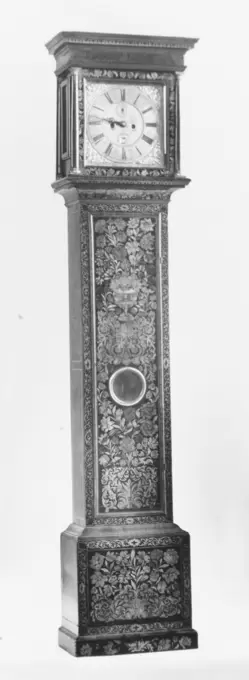
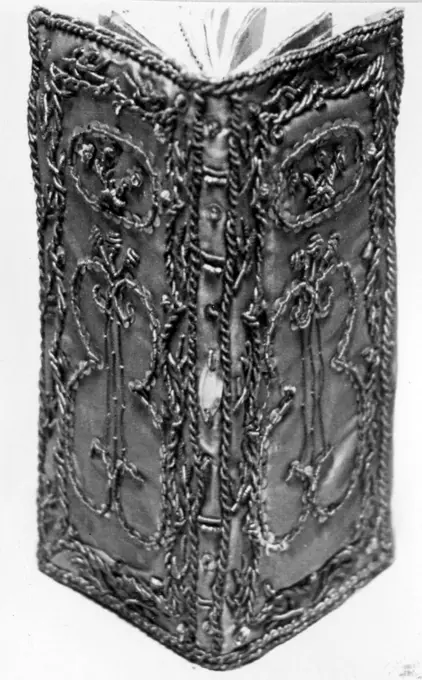
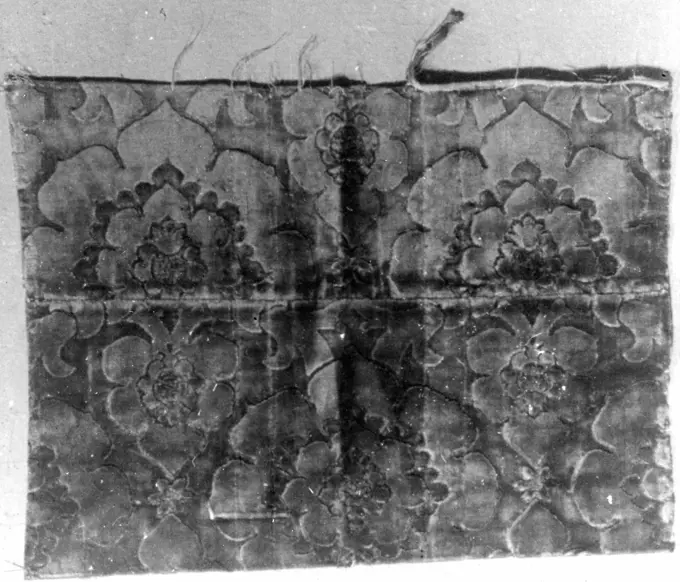
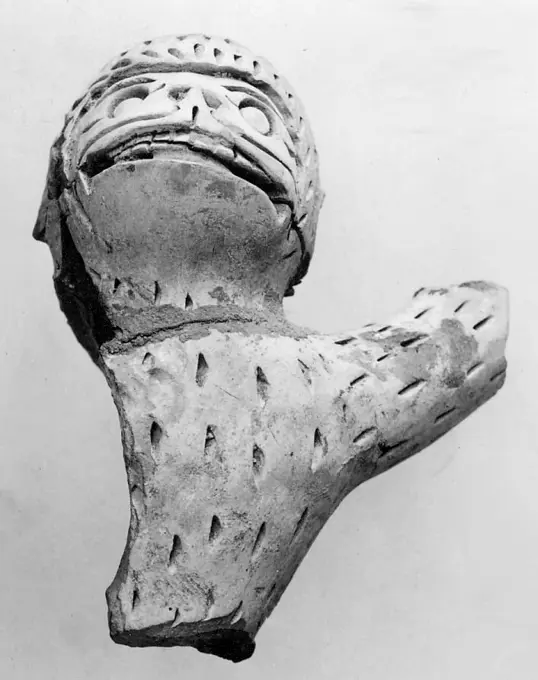
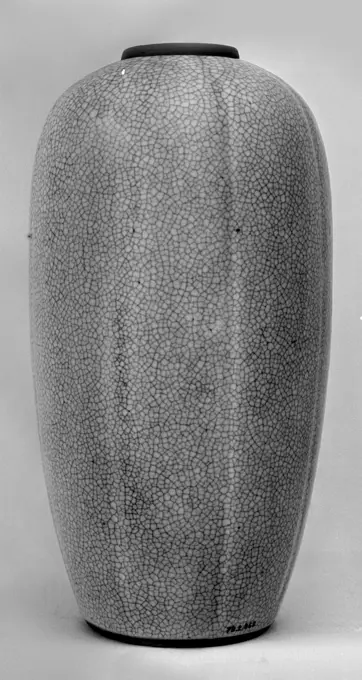
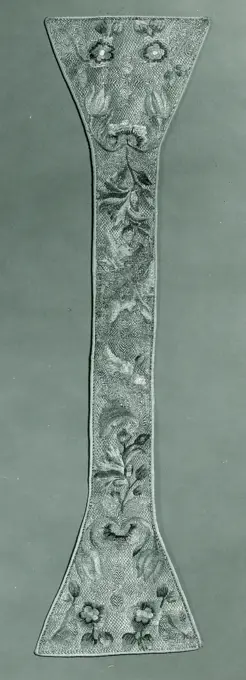
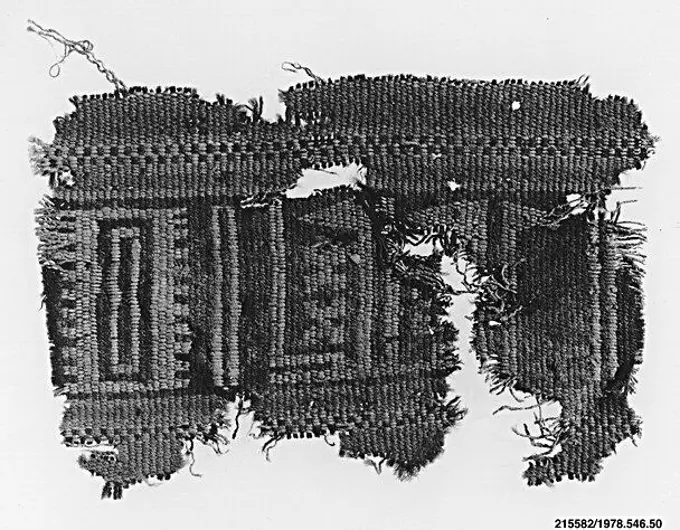
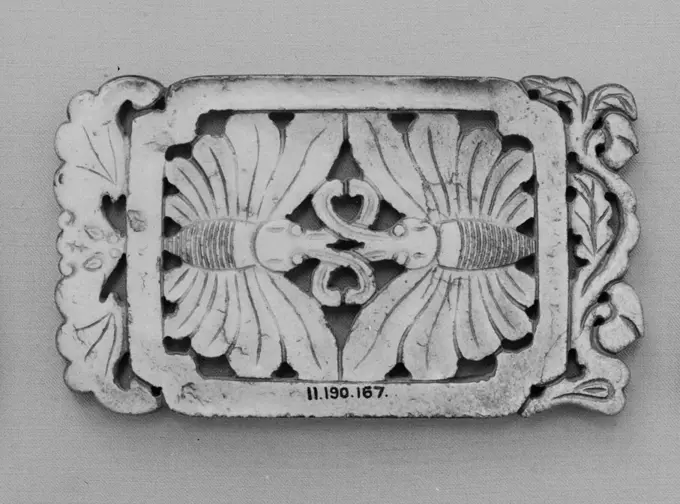
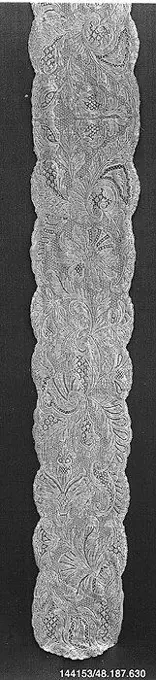
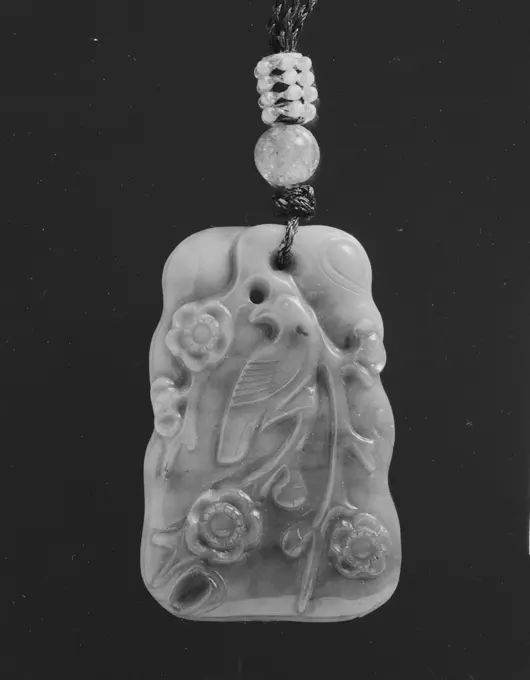
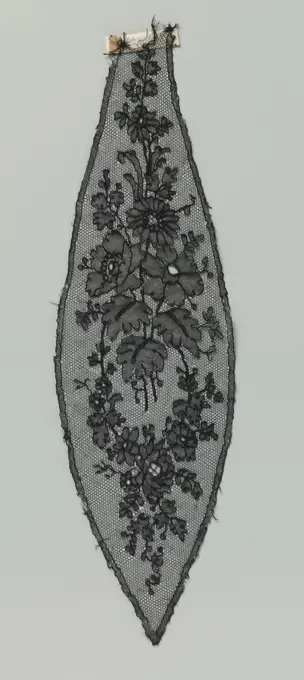
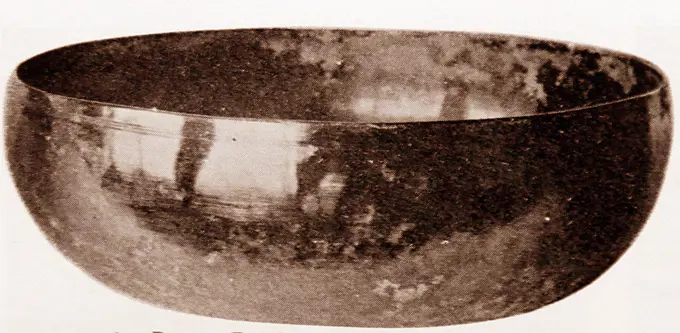
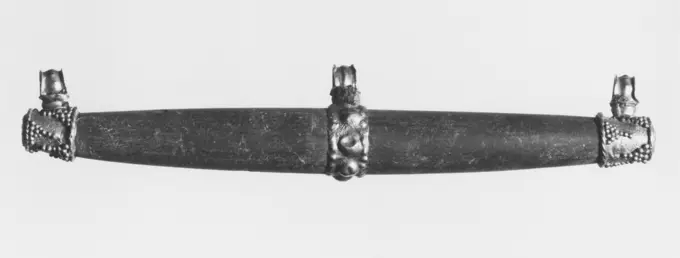
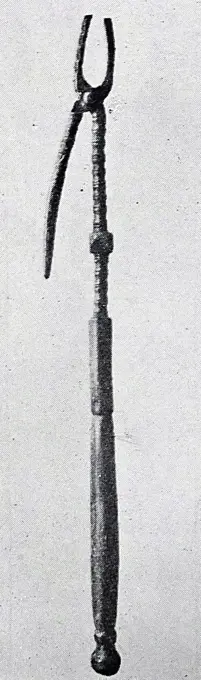
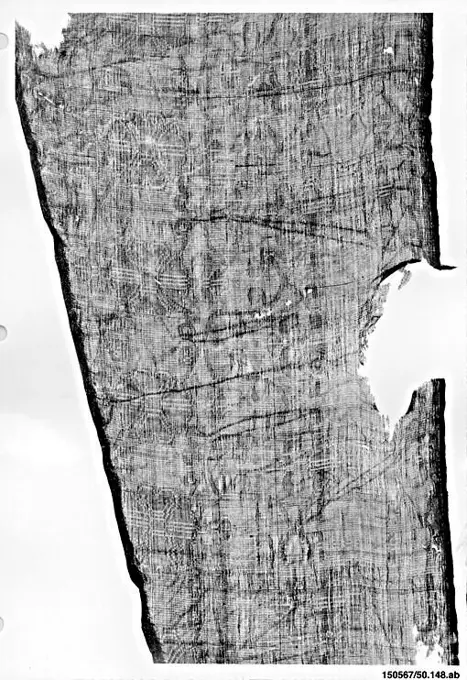
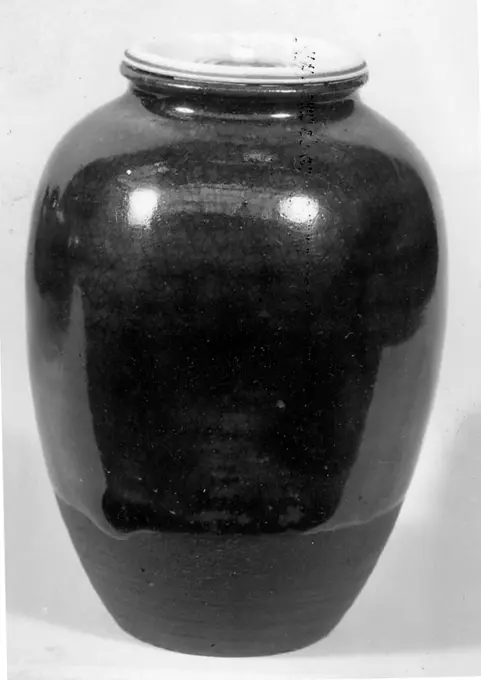
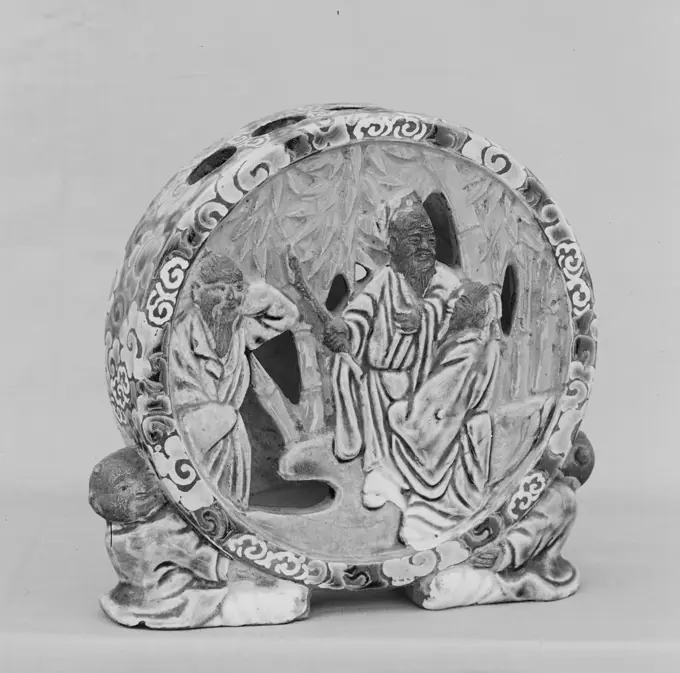
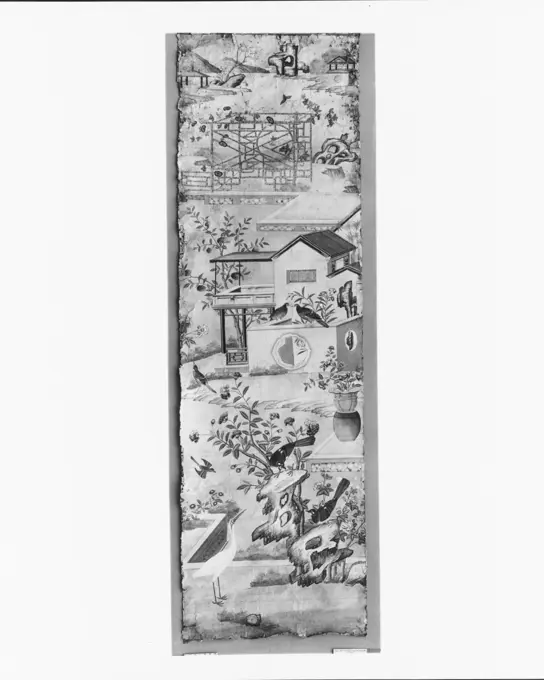
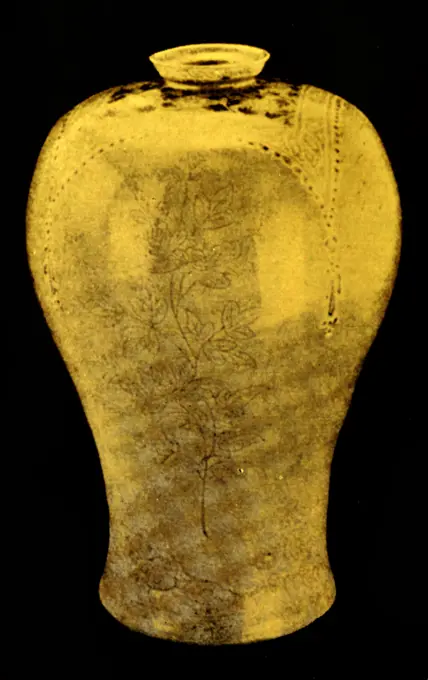
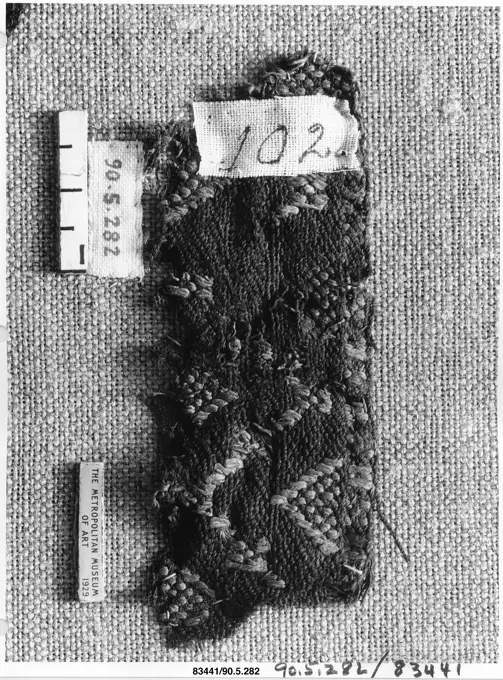
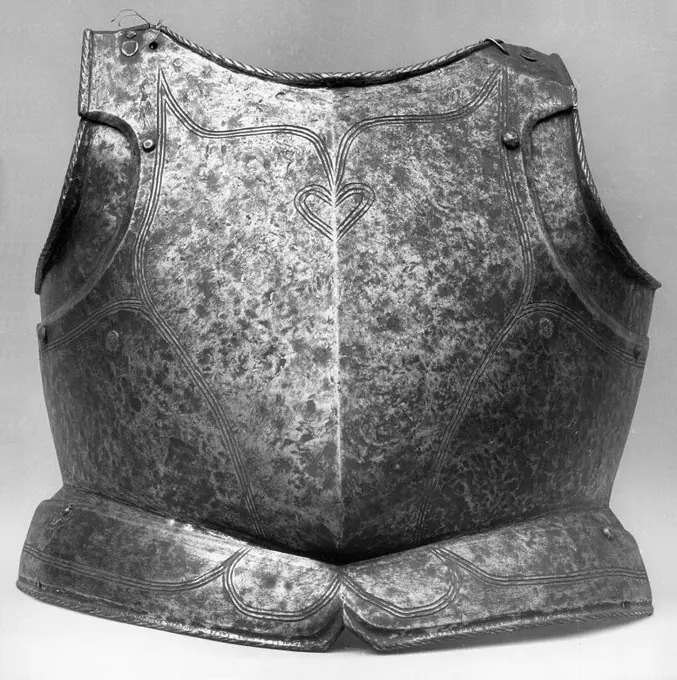
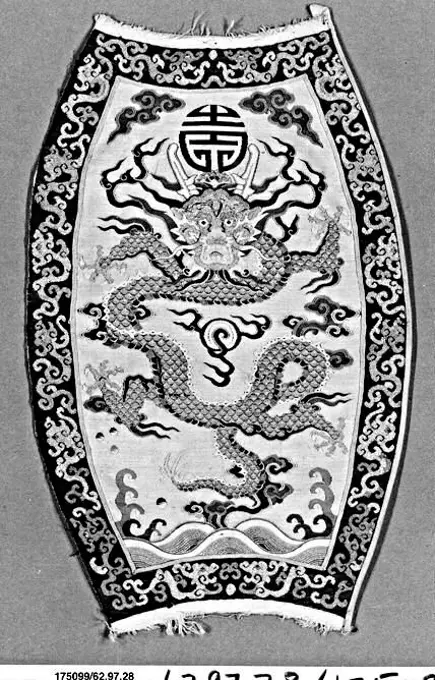
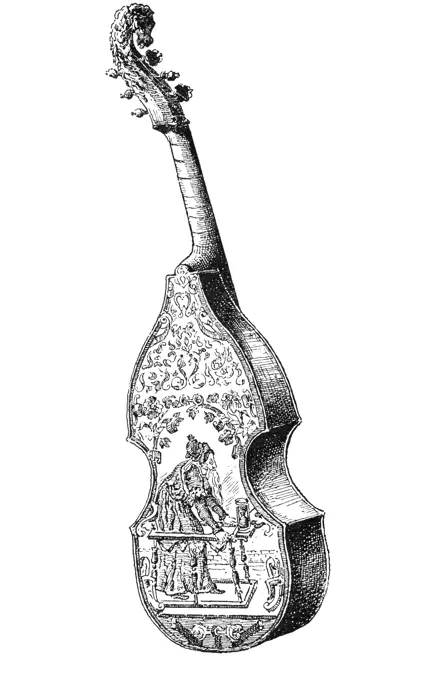
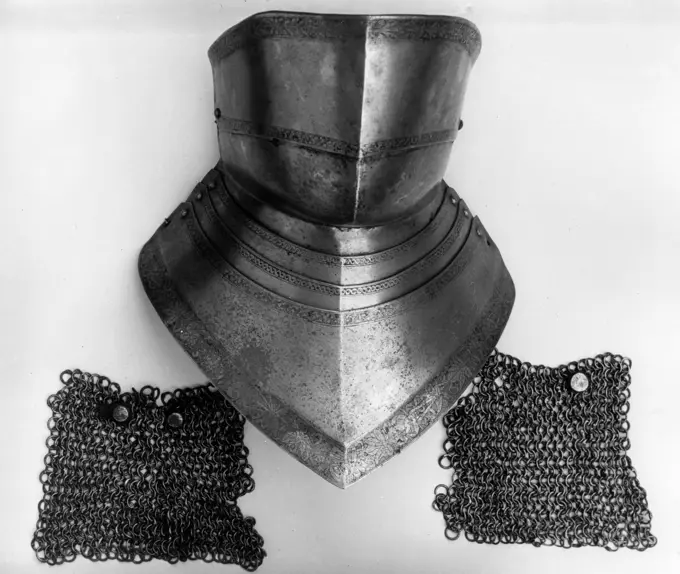
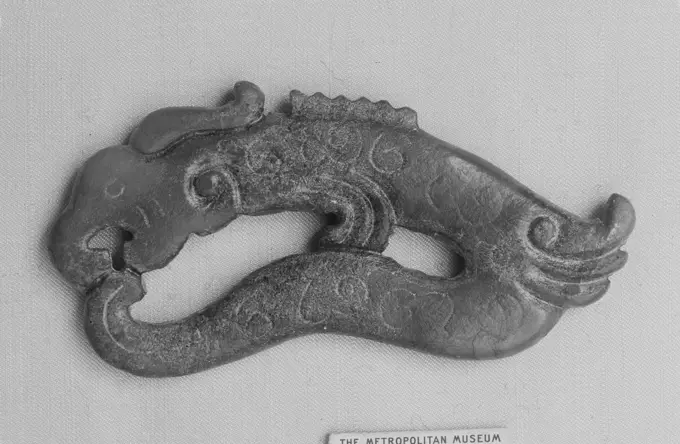
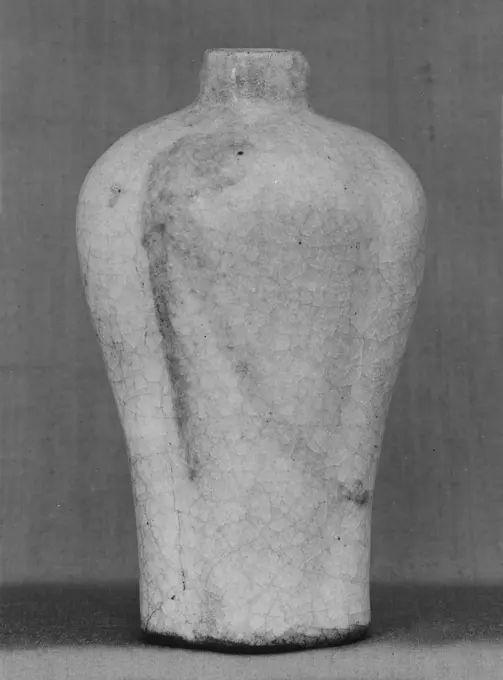
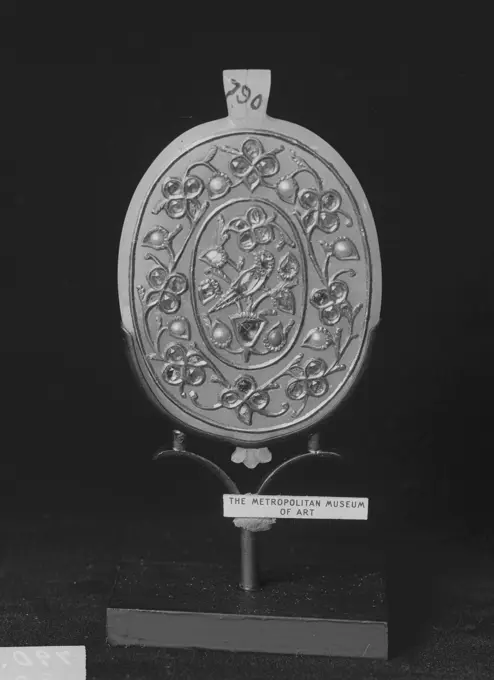
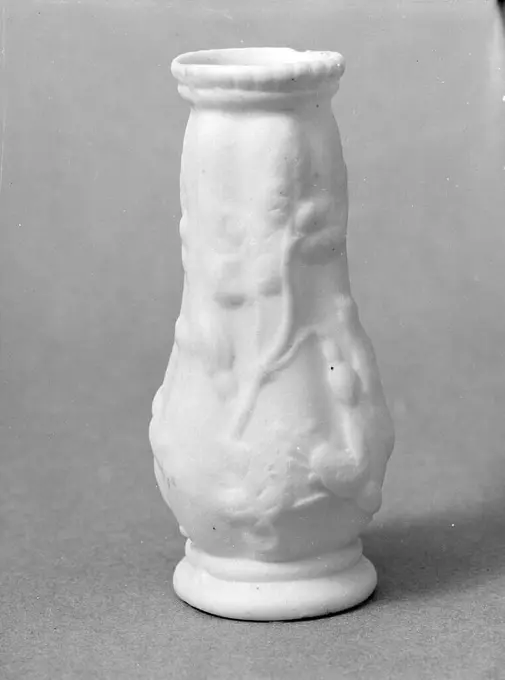
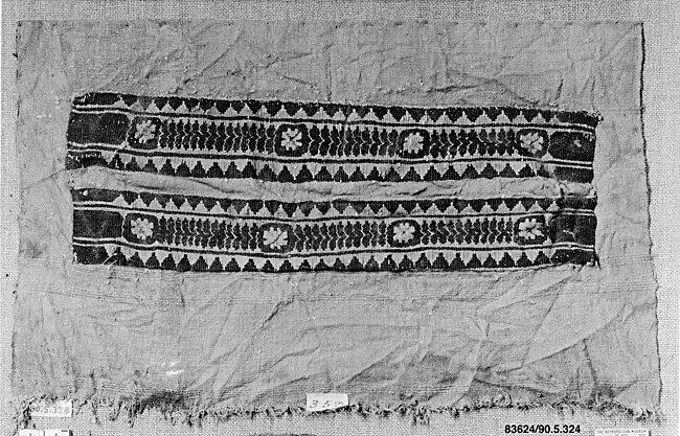
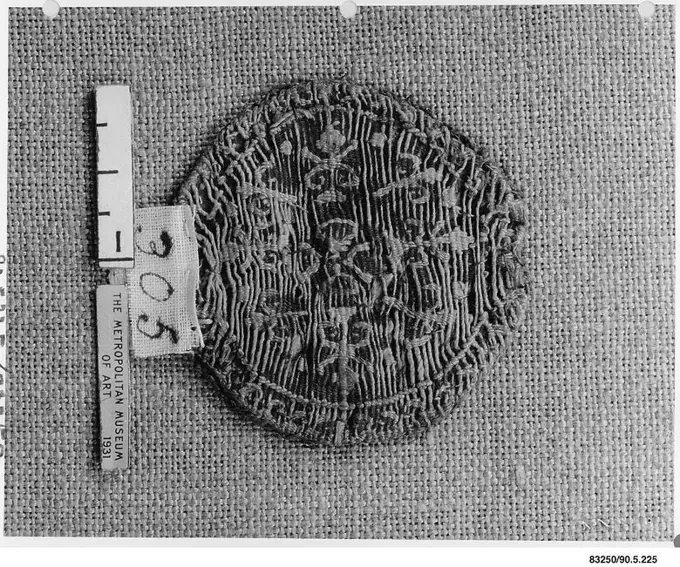
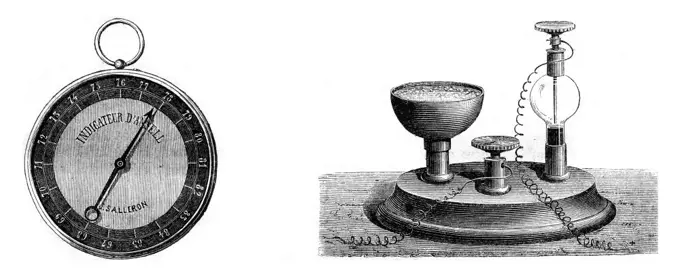
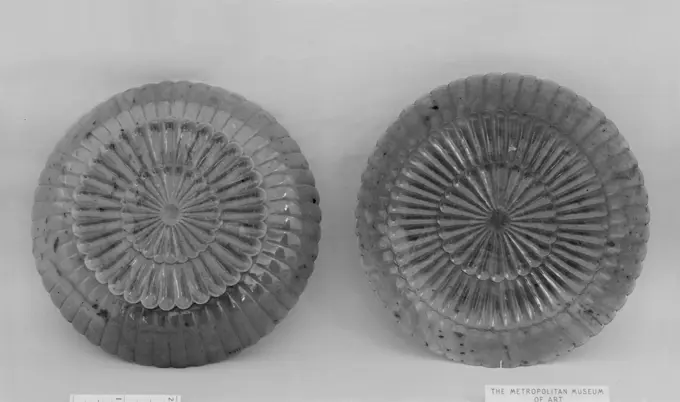
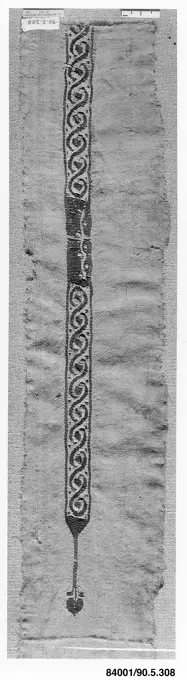
Fragment of a Tunic 3rd-4th century. Fragment of a Tunic 443794Band 3rd-4th century. Band 445760Flute (Spitzglas) 1672-89 Dutch. Flute (Spitzglas). Dutch. 1672-89. Glass. GlassHinge Fragment. UnknownEscutcheon 1730-70 American. Escutcheon. American. 1730-70. Wrought iron. Made in Pennsylvania, United StatesBand Fragment 5th century. Band Fragment 447328Piece 17th century China. Piece 70314Fragment of Shoulder Band 5th century. Fragment of Shoulder Band 443946Ornament with heads of roaring lions, possibly the terminal of a sword or dagger hilt ca. 8th century B.C. Assyrian This unique limestone object formed part of a handle or hilt. The circular piercing that runs from end to end might have held the blade of a sword or dagger, or another object such as the military standards sometimes seen in Assyrian art. Many Assyrian sculptures depict swords whose hilts bear a striking resemblance to this object, with a round pommel and roaring lion heads (here two half-heads: the upper jaw of one lion forms the lower jaw of the other) where the blade would have been inserted. In this case the heads are well carved in a classic Assyrian style. The handle originally featured considerable decoration in other materials, now largely lost. A small surviving element of decoration shows that the middle sections, separated by ridges, were once filled with mosaic tesserae in white, red, and green, together with gold foil, that formed guilloche patterns. The lionBlade for a Straight Single-Edged Sword (Chokut) ca. 7th century Japanese. Blade for a Straight Single-Edged Sword (Chokut). Japanese. ca. 7th century. Iron. Kdzuke province. Sword BladesRkan-Dung late 19th century Chinese (Tibetan). Rkan-Dung. Chinese (Tibetan). late 19th century. Copper. China. Aerophone-Lip Vibrated-trumpet / tromboneAttic Black-Figure Band Cup Fragment. UnknownCow Bell ca. 1850-89 German. Cow Bell. German. ca. 1850-89. Brass plated iron, leather. Germany. Idiophone-Struck-bell-clapperTextile Fragment 3rd-4th century. Textile Fragment 443792Bed tent panel 18th century Greek Islands, Rhodes. Bed tent panel 227630Fragment of a Band 3rd-4th century. Fragment of a Band 445679Sherd ca. 1500-1000 B.C. Iran This sherd is made of a red clay, with brown painted decoration. It is typical of Yaz I ceramics from Turkmenistan, dating to ca. 1500-1000 B.C. It was excavated in 1937 at a prehistoric site in the vicinity of Nishapur in northeastern Iran. While Nishapur itself was founded by the Sasanian king Shapur I (reigned ca. A.D. 241-272), this sherd shows that human habitation there goes back to the prehistoric period. Furthermore, the prehistoric pottery from Nishapur has close affinities with ceramic materials from Central Asia rather than with contemporary sites in Iran, meaning that in this period its inhabitants were likely culturally linked to their neighbors to the east. At the same time, Nishapurs location on what later became known as the Great Khorasan Road suggests that it was part of the trade network that facilitated the import of precious stones such as lapis lazuli, carnelian and turquoise from Central Asia to Mesopotamia.. Sherd 323650Snuff Bottle China. Snuff Bottle 41305Longcase clock ca. 1695-1700 Clockmaker: John Ashbrooke. Longcase clock 191813Almanac Made 1828 France. .Band Fragment 3rd-4th century. Band Fragment 445862Fan Holder 18th-19th century China. Fan Holder 68824Fragment Made 1501-1600 Venice. Silk, warp-float faced 3 1 broken warp chevron twill weave with supplementarypile warps forming cut, pile-on-pile solid velvet .Panel. Possibly Chancay; Possibly central coast, Peru. Date: 1000-1476. Dimensions: 54.6 x 31.1 cm (21 1/2 x 12 1/4 in.). Origin: Peru. Museum: The Chicago Art Institute, Chicago, USA.Phallic Emblem. Culture: China. Dimensions: L. 4 in. (10.2 cm). Museum: Metropolitan Museum of Art, New York, USA.Ceremonial blade first half of the 2nd millennium B.C. China. Ceremonial blade 49374Zanguleh (zangula) ca. 1850-89 Iranian (Persian). Zanguleh (zangula) 504815Bead in the Shape of a Signet China. Bead in the Shape of a Signet 43158Langeleik 18th century probably Norwegian. Langeleik 505241Piece 16th-17th century Italian. Piece 223456Vase 18th century Japan. Vase 59837Piece 18th-19th century Japan. Piece 66894Fragment of a Monkey 12th century Central Asia. Fragment of a Monkey 39953St. Philip probably second half 19th century German or Dutch. St. Philip 188135Bevel chisel, vintage engraved illustration. Magasin Pittoresque 1853Vase first half of the 19th century China. Vase. China. first half of the 19th century. Porcelain with crackled glaze. Qing dynasty (1644-1911). CeramicsBead-like Ornament. UnknownManiple 17th-18th century Italian This maniple (worn over the arm by ecclesiastical persons during the celebration of the Mass) forms a set with three other liturgical textiles in the Robert Lehman Collection: a chasuble (1975.1.1797), a stole (1975.1.1799), and a burse (1975.1.1800). The four objects are embroidered in an allover polychrome floral design entirely surrounded by a solidly worked background in silvered metal thread with additional patterns in gilt metal thread. On the chasuble front and back large blossoms are arranged symmetrically on either side of a spray of pink carnations and other flowers placed along the center axis and the background is composed of freely meandering strapwork of wide floral stems and leaves worked in gilt metal thread. The same floral motifs, smaller in scale, appear on the accessories. A large-scale floral design embroidered in a smilar style against a solid background in gilt metal thread decorates a chasuble and two matching dalmatics in the DMeiping vase 19th century China. Meiping vase 47509Band Fragment 11th-12th century. Band Fragment 452911Textile Fragment 3rd-4th century. Textile Fragment 443464Girdle ornament China. Girdle ornament. China. Jade. Ming dynasty (1368-1644). JadeSpindle 18th century Spanish. Spindle. Spanish. 18th century. Glass. GlassArrowhead ca. 612 B.C. Assyrian. Arrowhead 324391Lappet 18th century Flemish. Lappet 227360Cicada late 19th to early 20th century China. Cicada 43024Pendant 20th century China. Pendant. China. 20th century. Jade, seed pearls. JadeVase 18th century China. Vase 52939Spire -shaped stocking insert from Kloskant with rose branch and ros garland, anonymous, c. 1850 - c. 1899  Spitso-shaped stocking insert from Black bobbin: Chantilly side. The pattern consists of a rose branch with three large roses, including a half -shaped pendulum hangs with smaller roses and leaves, which hang to the tip of the stocking. The motifs are connected by a fine Maas soil, a tuler land. The motifs are made in netslag with thicker contour threads. Along the circumference of the stocking insert, an edge has been made in netslag, which is finished on the inside and outside with a thicker contour wire. France silk bobbin laceTool () ca. 1295-1070 B.C. New Kingdom, Ramesside. Tool (). ca. 1295-1070 B.C.. Flint. New Kingdom, Ramesside. From Egypt, Memphite Region, Lisht North, MMA excavations. Dynasty 19-20Drinking Bowl from Koryo (Goreyo) (Goreyo) dynasty. Bronze. Koryo (Goreyo) (Goreyo) dynasty (918-1392).Book clasp 17th century possibly Dutch. Book clasp 192392Lock and Key 1700-1730. Lock and Key 4804Textile Fragment 3rd-4th century. Textile Fragment 443318Pendant for a Chain. UnknownStamp seal (octagonal pyramid, worn) with divine symbols late 8th - 7th century B.C. Assyrian. Stamp seal (octagonal pyramid, worn) with divine symbols. Assyrian. late 8th - 7th century B.C.. Feldspar (), yellow black. Neo-Assyrian. Mesopotamia or SyriaAncient tools from Koryo (Goreyo) (Goreyo) dynasty. pincers, made of bronze. From Koryo (Goreyo) (Goreyo) dynasty (918-1392).Textile Fragment 3rd-4th century. Textile Fragment 443510Piece 18th century French. Piece 216693It is a long metal structure having a hollow metal space where the handle bar is inserted and then fixed to the front frame, vintage engraved line art illustration. Bicycle Accessories 1900.Carpet Fragment 13th-14th century. Carpet Fragment 451170Fragments probably 18th century China. Fragments. China. probably 18th century. Silk. Textiles-WovenSweden, Blekinge, Blekinge, Karlskrona, Karlskrona, external marina (depicted, town).Sweden, Blekinge, Blekinge, Karlskrona, Karlskrona, External War Gogs (depicted, City)Fibula. UnknownBottle China. Bottle. China. Porcelain with ox-blood glaze. Qing dynasty (1644-1911), Kangxi period (1662-1722). CeramicsTea jar 18th century Japan. Tea jar. Japan. 18th century. Dark brown clay, crackled brown underglaze and lighter brown overglaze (Seto ware). Edo period (1615-1868). CeramicsBrush Holder 19th century Hozan. Brush Holder. Hozan. Japan. 19th century. Clay covered with polychrome enamels (Kyoto ware, Awata type). Edo (1615-1868) or Meiji period (1868-1912). CeramicsPurse 18th century French. Purse 228868Textile Fragment 3rd-4th century. Textile Fragment 443434Tobacco box ca. 1760-65 Johann Heinrich Giese. Tobacco box. German, Iserlohn. ca. 1760-65. Brass, copper. Metalwork-BrassWallpaper Panel 1700-1730 This wallpaper panel is part of a set originally consisting of seventeen pieces (see 14.106.1-.16 for set.). The panels depict mountain landscapes, scenes with houses, birds, and flowering shrubs. They were hand-painted in China during the early eighteenth century for export to England. There, as in America, such exotic wallpaper enjoyed a vogue among the fashionable gentry. Considered a great luxury, it added richness and colors to walls. This wallpaper hung in an English home for two hundred years. The panels are installed, in whole or in part, in the Powel Room in The American Wing.. Wallpaper Panel 9667Ornament: Love Token. Culture: China. Dimensions: H. 2 1/2 in. (6.4 cm); W. 4 7/8 in. (12.4 cm). Museum: Metropolitan Museum of Art, New York, USA.Animal Figurine 306-30 B.C. Ptolemaic Period. Animal Figurine. 306-30 B.C.. Pottery. Ptolemaic Period. From Egypt, Upper Egypt, Thebes, Asasif, MMA excavationsCelt Pendant 1st-5th century Guanacaste-Nicoya. Celt Pendant 313018Furniture elements ca. 9th century B.C. Iran. Furniture elements 325775Limestone cippus of Philon ca. 2nd-3rd century A.D. Roman, Cypriot. Limestone cippus of Philon 241943Maebyong Vase, Koryo (Goreyo) . Celadon glaze; incised and with incised decoration filled with white and black slips, Koryo (Goreyo) (Goreyo) Dynasty, 12th-13th centuryFragment of a Band 5th-6th century. Fragment of a Band 443768Breastplate. Culture: North German, possibly Brunswick. Dimensions: H. 15 3/4 in. (40 cm); W. 16 1/2 in. (41.9 cm); D. 7 1/2 in. (19.1 cm); Wt. 11 lb. 9 oz. (5244.7 g). Date: late 16th century. Museum: Metropolitan Museum of Art, New York, USA.Panel for Elbow Pillow China. Panel for Elbow Pillow 65651Viola da Gamba made by Gaspar  Duiffoprugear (1514-1570), a  renowned Tyrolese instrument  maker.       Date: circa 1550stripped paint in the blue  wood door and rusty   nailMiniature Bottle. Culture: China. Dimensions: H. 4 3/8 in. (11.1 cm); Diam. of rim 1 in. (2.5 cm); Diam. of fooot 1 3/8 in. (3.5 m). Museum: Metropolitan Museum of Art, New York, USA.Strip early 17th century Italian. Strip 221575Composed Armor ca. 1500-1520 Left elbow cop (h) marked by Guillem Margot Flemish. Composed Armor 23226Girdle pendant China. Girdle pendant. China. Jade. Han dynasty (206 B.C.-A.D. 220). JadePiece early 18th century French. Piece. French. early 18th century. Silk. Textiles-WovenPickaxe ca. mid- to late 3rd millennium B.C.. Pickaxe 322851Vase 19th century China. Vase. China. 19th century. Stoneware with blue glaze (so-called "soft Jun" ware). Qing dynasty (1644-1911). CeramicsJewelled Pendant 19th century India. Jewelled Pendant. India. 19th century. Nephrite with very faint grayish tint. JadeVase. Culture: American. Dimensions: 3 1/2 x 1 5/8 in. (8.9 x 4.1 cm). Date: 1830-70. Museum: Metropolitan Museum of Art, New York, USA.Textile Fragment 3rd-4th century. Textile Fragment 443810Fragment. Date: 5th century. Museum: Metropolitan Museum of Art, New York, USA.Fragment 18th century Spanish or Italian. Fragment 215823Ansell equipment to recognize the presence of fire-damp, vintage engraved illustration. Magasin Pittoresque 1869.Cup 1800 Japan. Cup 52407Game piece () 306-30 B.C. Ptolemaic Period. Game piece (). 306-30 B.C.. Faience. Ptolemaic Period. From Egypt, Upper Egypt, Thebes, Asasif, MMA excavationsOne of Pair of Dishes China. One of Pair of Dishes. China. Nephrite, spinach-green mottled with patches of grayish-green and spots of black. Qing dynasty (1644-1911), Qianlong period (1736-95). Jade12/31/1905. Silver shiny satin pillow, with strawberry or green chenille border - Approximate date.Headrest ca. 2040-1802 B.C. Middle Kingdom-Early New Kingdom. Headrest 546945