Historical Textile Fragments

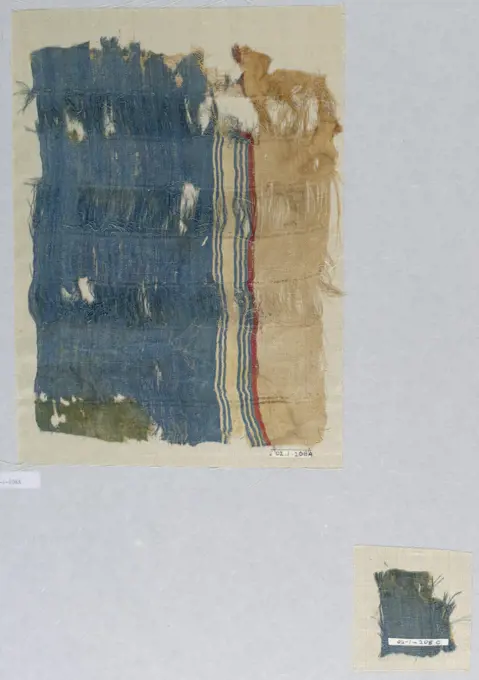
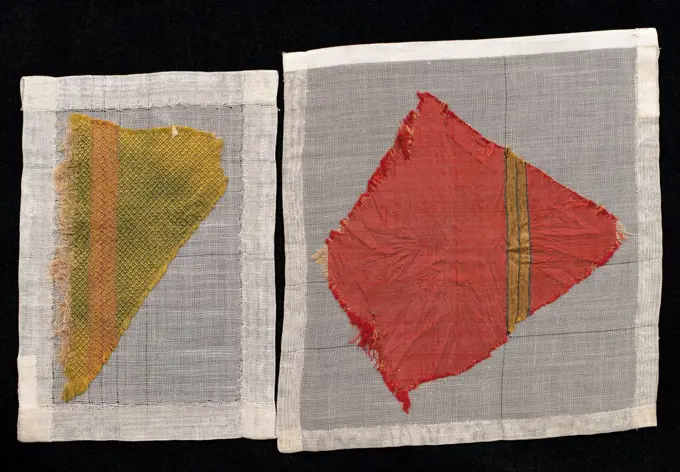
A diverse range of textile fragments showcasing intricate patterns and textures from different centuries and cultures.

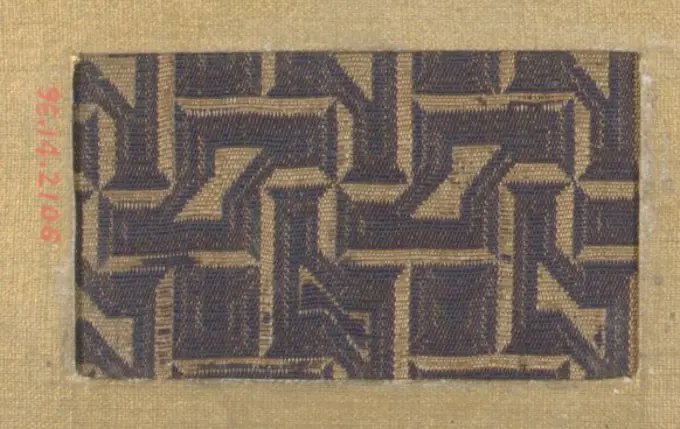
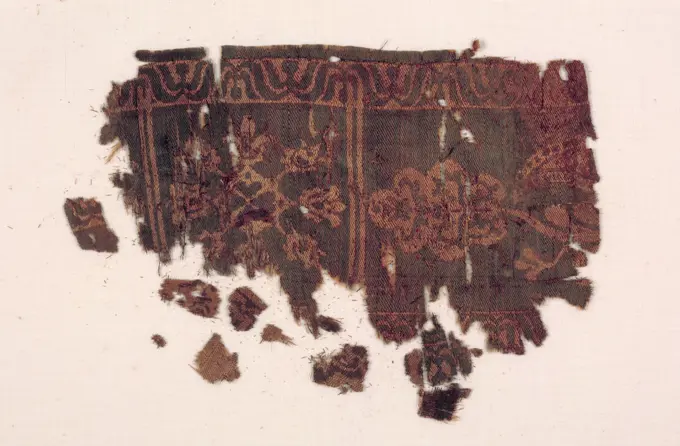
Fragment, Medium: silk, metallic Technique: twill with supplementary wefts, Sprouting logs arranged diagonally., 17th century, woven textiles, Fragment
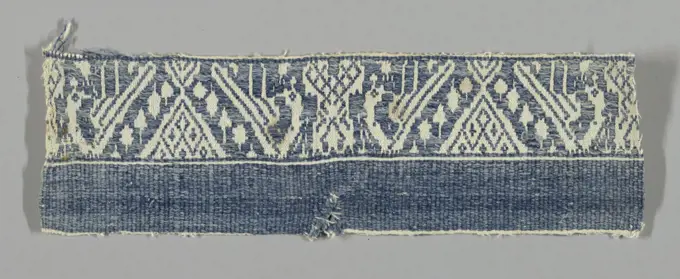
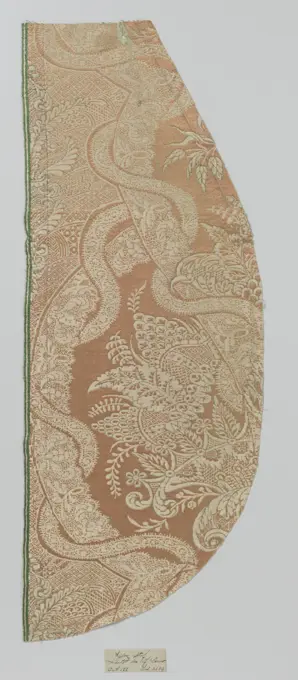
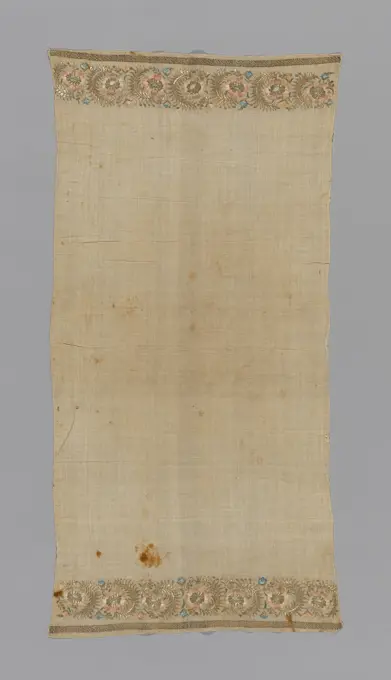
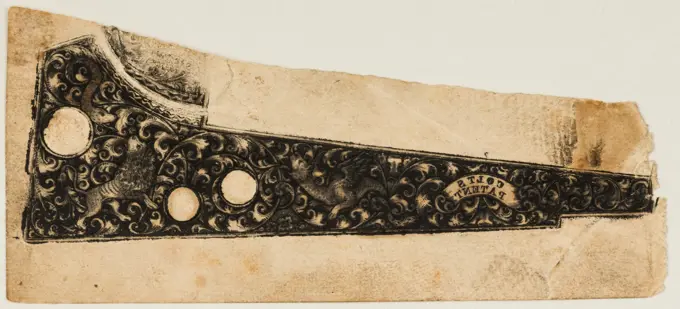
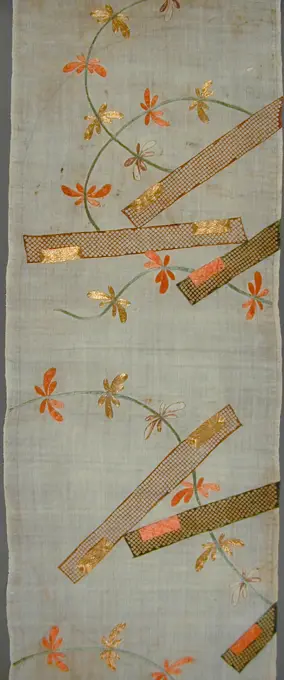
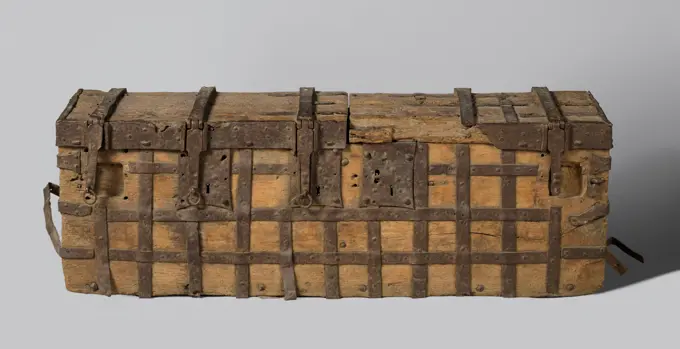
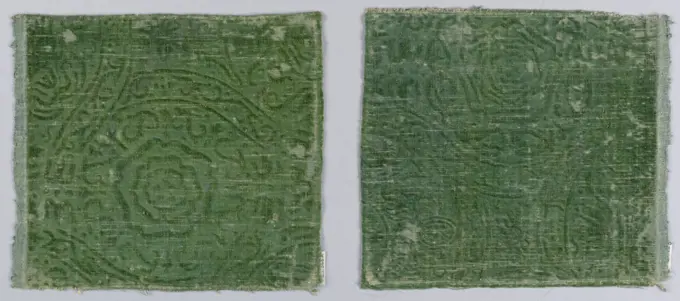
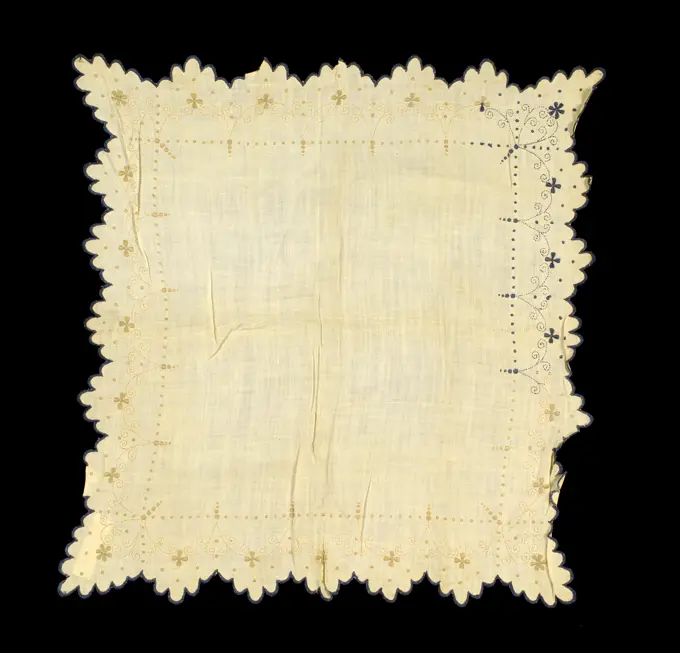
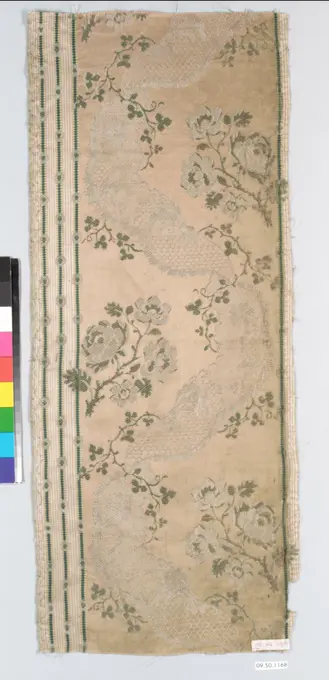
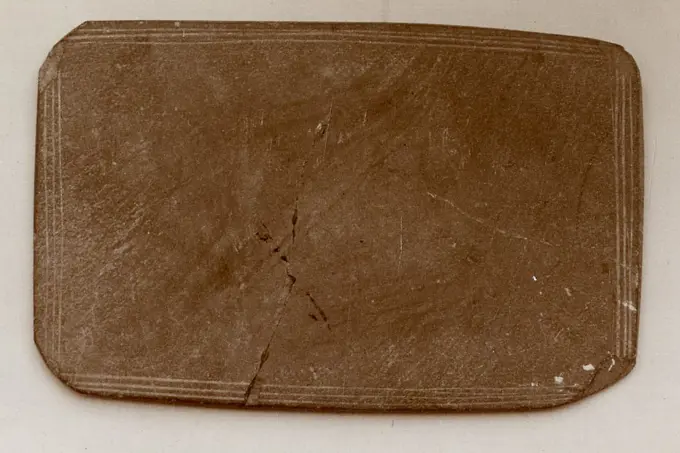
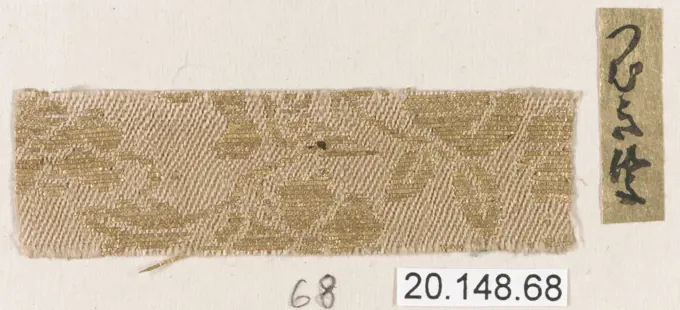
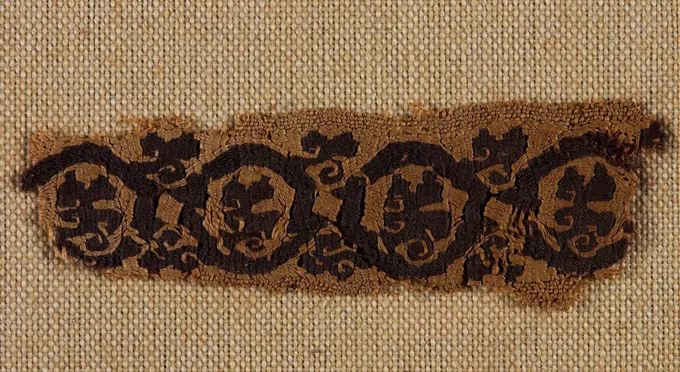
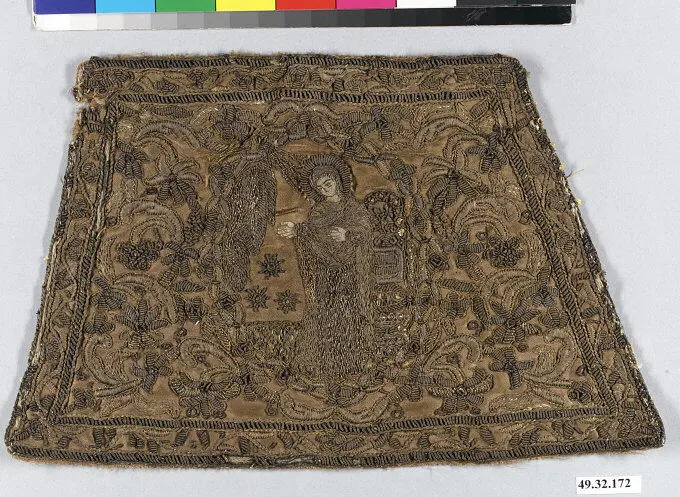
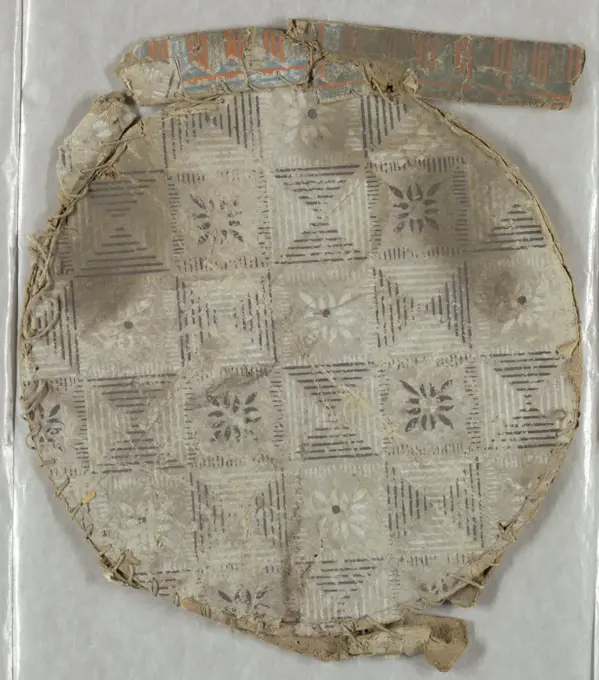
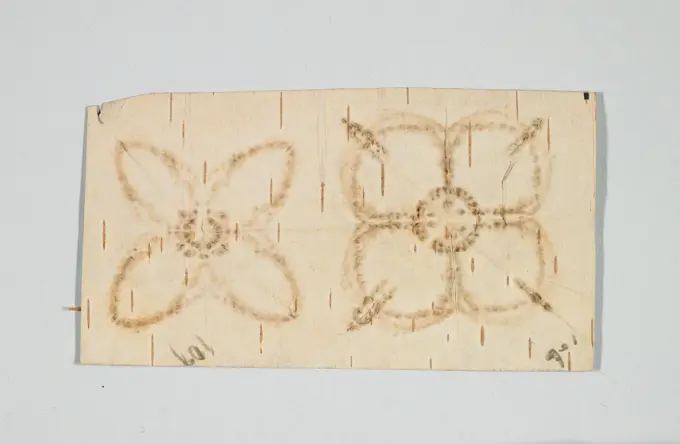
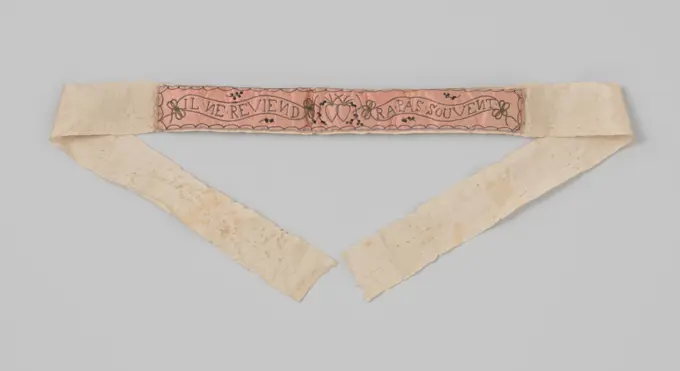
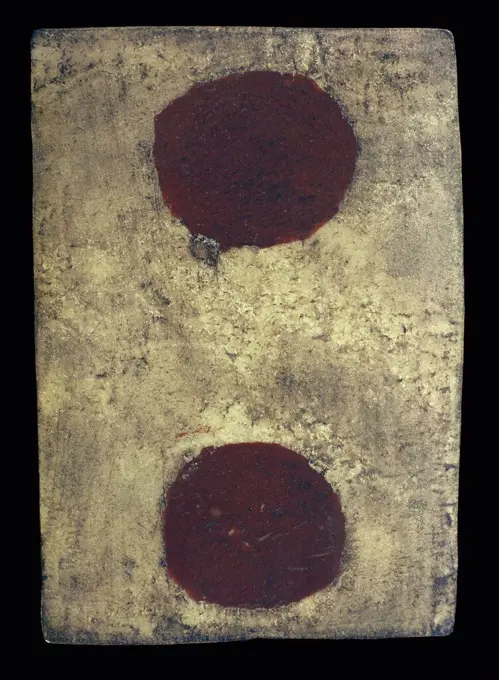
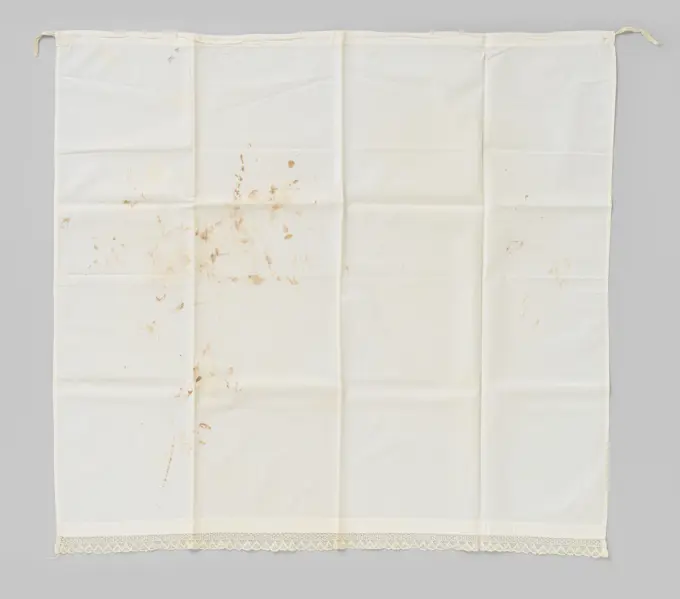
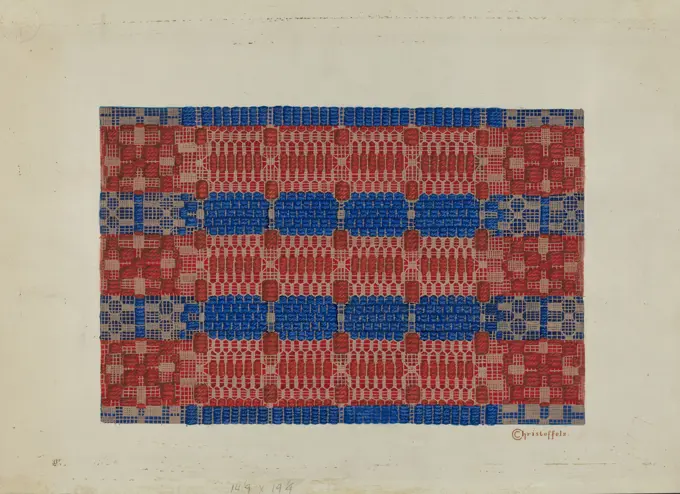
Fragment of a Kontusz sash/belt. Pracownia Franciszka Masłowskiego (Kraków ; wytwórnia pasów ; 1781-1806), atelierFragment, Medium: linen, cotton Technique: supplementary weft, Supplementary blue weft floating alternately face to face forming a design of affronted birds with long necks craning almost to the ground., Italy, 16th-17th century, woven textiles, FragmentPiece 16th-17th century Italian. Piece 223448Pall  motifs of asymmetrical flower twigs unknownFragment of Coptic fabric unknownTowel, 19th century, 15 x 39 1/2 in. (38.1 x 100.3 cm), Silk, linen; needlework, Armenia, 19th centuryFragment Zijdelampas, Anonymous, c. 1720 - c. 1730 Fragment silk lamp pass, more or less hemisphere, with lace pattern and flower and leaf work. Italy (possibly) Ketting an element: Silk lampas (textile material) Fragment silk lamp pass, more or less hemisphere, with lace pattern and flower and leaf work. Italy (possibly) Ketting an element: Silk lampas (textile material)Towel or Napkin Made 1801-1900 Turkey. Embroidered . AnonymousInk Impression ("Pull") from a Gold-inlaid Colt Revolver ca. 1854 Gustave Young This pull was taken from the frame of an engraved, gold-inlaid Colt revolver as a record of its decoration. The pistol, which is not known to survive, belonged a rarefied group of Colt percussion firearms embellished with profuse engraving, relief carving, and flush or low relief gold inlay, of which about twenty examples are known. Three are preserved in The Mets collection (acc. nos. 1995.336; 2018.856.1; 2018.856.2a-o; also see acc. no. 2014.699). Made at Samuel Colts (1814-62) direction for exhibition at international fairs and for presentation to important officials and foreign and domestic heads of state, including the kings of Sweden and Denmark and the Czar of Russia, they functioned as diplomatic gifts and demonstrations of the companys artistic and technical achievements.The pull may be attributed to the famous German-American firearms engraver Gustave Young (see acc. no. 2002.233.2-.26; 2003.5Fragment, 19th century, 12 x 5 in. (30.48 x 12.7 cm), Cotton; embroidery, Czechoslovakia, 19th centuryTissue Nidecka studioTextile Fragment 3rd-4th century. Textile Fragment 445839Fragment Made 1700-1900 Japan. Brocaded plain simple gauze, silk and gilt paper; 2 strips to m.m. .Fragment of the box sarcophagus (fragment of the peak wall from the feet);  around 2055-1650 BC ; Average state (-2060-00-00--1650-00-00);Runner of wool and tapisserie, manufactured on the occasion of the 25-year government anniversary Wilhelmina. Runner of wool, tapestry, with on the gray fond in the colors purple, red-brown, ocher, blue and green a geometric motif with a royal wreath at the top of a ray wreath under which the date 6 Sept. 1923. Signed: 26, Beverwijk, a swastika, Kinheim and DV Beverwijk. Made on the occasion of the 25-year anniversary of Queen Wilhelmina, by design by Dirk Verstraten.Textile Fragment 5th-6th century. Textile Fragment 443389Panel (Armenia); silk on cottonDarning Sampler (unfinished) (Northern Germany); cotton embroidery on wool foundationPiece 18th century Japan. Piece 71571Piece 18th-19th century Japan. Piece 67818Fragment. Provincial Wari; Peru, Probably central or south coast. Date: 800 AD-1100. Dimensions: 66 x 14.6 cm (26 x 5 3/4 in.). Origin: Peru. Museum: The Chicago Art Institute, Chicago, USA.Katabira (Kimono) Fragment with Aquatic Plant and Deconstructed Raft. Japan, Edo period (1615-1868), late 18th-early 19th century. Textiles. Ramie (choma) plain weavem stenciled imitation tie-dyed (kata kanoko shibori), with silk- and gilt-paper-wrapped-silk-thread embroideryBanner; Head or Waist-Wrapper(Sarita)Fragment, Medium: silk, metallic threads Technique: plain compound cloth, Ground originally gold with an allover, closely-spaced repeat of small round blossoms in multicolored weft., Iran, 19th century, woven textiles, FragmentTextile Fragment 4th-5th century. Textile Fragment 443978Sample (France)Chest with two side -placed lids and adorned over the entire surface with forged tires in a square diamond pattern, drawfalls and lock plates, anonymous, c. 1400 - c. 1500 Wooden box with two lids placed next to each other and decorated over the entire surface with forged tires in a square diamond pattern. On one lid, three robberies with a pull ring and on the other lid are installed two robberies (one of which is missing) that correspond to a lock plate. The two outer final plates are no longer present. Northern Netherlands wood (plant material). iron (metal) Wooden box with two lids placed next to each other and decorated over the entire surface with forged tires in a square diamond pattern. On one lid, three robberies with a pull ring and on the other lid are installed two robberies (one of which is missing) that correspond to a lock plate. The two outer final plates are no longer present. Northern Netherlands wood (plant material). iron (metal)Fragments, Medium: wool, linen Technique: supplementary wool pile in a linen plain weave foundation (velvet); stamped (embossed), Tudor rose and strap motifs in green., 16th-17th century, woven textiles, FragmentsHandkerchief 1870-90 American. Handkerchief 169119Letter case, Medium: silk and straw embroidery on silk foundation Technique: couched flat, twisted and braided plant stem material on plain weave foundation, Letter case of blue silk taffeta embroidered with straw in a symmetrical floral design. Fiber is couched flat, twisted and braided. Worked as a single panel; lined with tan silk., Italy or Spain, 18th century, costume & accessories, Letter caseFragment, Medium: linen Technique: bobbin lace (continuous braid-like), The tab-edged band is made up of six four-element braids. Geometric design and small picots throughout., Italy, 16th century, lace, FragmentPiece 1765-70 French. Piece 216330Palette ca. 3850-2960 B.C. Predynastic Period-Dynasty I. Palette. ca. 3850-2960 B.C.. Greywacke. Predynastic Period-Dynasty I. From Egypt, Northern Upper Egypt, DenderaPiece 16th century Japan. Piece 71062Cover, Medium: linen Technique: needlework on knotted net, Two lengths of linen with an inset border at one end of embroidered knotted netting. Embroidery is a repeating floral unit based on square guard bands of pulled work. Fringed gauze woven band at very end., France or Italy, 19th century, lace, CoverFeathered Panel A.D. 600-900 Wari The discovery of an ancient burial or ceremonial site in the upriver region of the Churunga Valley, in far south Peru, received little attention in the turbulent world of 1943. Decades later, it would take two generations of Andean scholars to painstakingly piece together the puzzling story of this discovery, which included the largest and most spectacular find of Precolumbian Peruvian feather work to date.Protected from decay by being rolled, placed into large ceramic jars, and buried in the arid soil, the cache included an estimated ninety-six panels, each densely covered with tens of thousands of small glossy macaw body feathers, primarily from the blue and yellow macaw (Ara ararauna). Although these panels were found in the dry western foothills of the Andes, the birds home is the Amazonian rainforest, far to the east. The effort required to secure such a mind-bogglingly large supply of either feathers or live birds suggests that colorful feathersPiece 18th century Japan. Piece 71935Feathered Panel A.D. 600-900 Wari The discovery of an ancient burial or ceremonial site in the upriver region of the Churunga Valley, in far south Peru, received little attention in the turbulent world of 1943. Decades later, it would take two generations of Andean scholars to painstakingly piece together the puzzling story of this discovery, which included the largest and most spectacular find of Precolumbian Peruvian feather work to date. Protected from decay by being rolled, placed into large ceramic jars, and buried in the arid soil, the cache included an estimated ninety-six panels, each densely covered with tens of thousands of small glossy macaw body feathers, primarily from the blue and yellow macaw (Ara ararauna). Although these panels were found in the dry western foothills of the Andes, the birds home is the Amazonian rainforest, far to the east. The effort required to secure such a mind-bogglingly large supply of either feathers or live birds suggests that colorful featherFragment of wool fabric unknownCover Made 1801-1900 Turkey. silk, plain weave; embroidered with silk floss and gilt-metal-strip-wrapped silk in stem, double running, and satin stitches .Fragments, Medium: silk, linen Technique: plain weave, Bands and stripes., Middle East, 13th century, woven textiles, FragmentsOrange striped paste paper 19th century Anonymous. Orange striped paste paper. Anonymous , 19th century. 19th century. Relief print (wood or metal). PrintsTissue fragments. 13th century. Diocesan Museum. La Seu d'Urgell. Catalonia. Spain.Piece 18th-19th century Japan. Piece 67732old book cover isolated on white backgroundFragment. Possibly provincial Inca; Possibly Yauca Valley, south coast, Peru. Date: 1476-1532. Dimensions: 43.2 × 15.2 cm (17 × 6 in.). Compound Cloth. Origin: Peru. Museum: The Chicago Art Institute, Chicago, USA.Memorial Quilt. Mary P. Allen (United States, active Pennsylvania and New Jersey, first half of 19th century). United States, Pennsylvania and New Jersey, Quaker, 1841-1847. Textiles; quilts. Pieced and appliquéd, embroidered, and quilted cottonHandwork with embroidered blue arrow herb, aagje Tiket, c. 1900 Handicraft with blue arrow herb in Jugendstil, on gray linen rectangle, in circulating with grid filling (unfinished). Belonging to series of eight white and ten colored crafts, made by Aagje Tiket for achieving the deed of beautiful and/or useful handicrafts at the industrial school, BK-1974-105-A to R. Amsterdam linen (material). silk embroidering Handicraft with blue arrow herb in Jugendstil, on gray linen rectangle, in circulating with grid filling (unfinished). Belonging to series of eight white and ten colored crafts, made by Aagje Tiket for achieving the deed of beautiful and/or useful handicrafts at the industrial school, BK-1974-105-A to R. Amsterdam linen (material). silk embroideringRibbon French 19th century View more. Ribbon. French. 19th century. Textiles-TrimmingsBobbin (Point Plat Applique) and Machine Lace Flounce, 19th century. Belgium, Brussels, 19th century. Lace, bobbin; average: 15.9 x 38.1 cm (6 1/4 x 15 in.).Fragment. Culture: Italian. Dimensions: 25 3/4 x 17 5/8 in. (65.5 x 44.8 cm). Date: 17th century. Museum: Metropolitan Museum of Art, New York, USA.Part of a silk body. Fragment of a polychrome side body. Back and left front piece of a robe à l'Anglaise. The front and back show a deep sneb termination that has been cut into square. Fabric with cream fond with bordered pattern; Fine green tendrils with bouquets, blossom branches and flowers.Wooden board, probably Glazenden Gildefef, Anonymous, 1700 - 1800   oak (wood). paint (coating)   oak (wood). paint (coating)Piece 18th-19th century Japan. Piece. Japan. 18th-19th century. Silk. Textiles-WovenTextile Fragment, 4 5/16 x 1 7/16 in. (10.95 x 3.65 cm) (fragment)4 3/4 x 3 1/16 in. (12.07 x 7.78 cm) (mount), Wool, EgyptMan's Tunic. Peru, North Coast, Inca or Chimu, Inka, late 15th-early 16th century. Costumes; principal attire (entire body). Cotton plain weave ground with applied feathersFragment, 5th-12th century. Egypt or Syria, 5th-12th century. overall: 19 x 11.5 cm (7 1/2 x 4 1/2 in.).Sidewall (USA); block-printed; 30 x 15 cm (11 13/16 x 5 7/8 in.)Piece 18th century possibly Flemish. Piece 218113Fragment of a tunic. Fragment of a tunica (), Consisting of a red and a trajectory of a job with a wide and two narrow natural stripes. On the red fabric are two strips with vase-shaped ornament with inheritance and adjacent animal and plant motifs, O.A. Haas, lion, bird, flower with three skirts. Fragment of a neck opening with downturnion.Elizabeth Moutal, Woven Covering for Chair Seat, 1935 1942 Woven Covering for Chair SeatFragment of a bedspread or as a felt -teller cover.;  IV-VI century (301-00-00-600-00-00);Lintel of Senwosretankh ca. 1920-1900 B.C. Middle Kingdom. Lintel of Senwosretankh. ca. 1920-1900 B.C.. Granite. Middle Kingdom. From Egypt, Memphite Region, Lisht South, tomb of Senwosretankh, Pit 8, MMA excavations, 1932-33. Dynasty 12Oriental rug. 1898, Middle East, Israel and/or PalestineLiturgical cuff 17th century () Russo-Byzantine. Liturgical cuff 227459Sampler (Mexico); silk embroidery, glass beads, cotton foundation; Warp x Weft: 15 x 36 cm (5 7/8 x 14 3/16 in.); Bequest of Mrs. Henry E. Coe; 1941-69-185Two fragments 18th century French. Two fragments 215624Cap Crown (Belgium); linenTwo shields, Anonymous, c. 1400 - c. 1499Saddle Cover. Dated: c. 1940. Dimensions: overall: 26.7 x 35.6 cm (10 1/2 x 14 in.) Original IAD Object: 27" long. Medium: watercolor, graphite, and pen and ink on paper. Museum: National Gallery of Art, Washington DC. Author: Arthur P. Reynolds and Harry Mann Waddell.Fragment (Egypt); warp; s-spun linen. weft; s -spun linen, s-spun woolBandbox, Block-printed paper, pasteboard support, Partial bandbox lid, the sides of which are broken in pieces but still attached. Printed in a bold black and white geometric pattern, resembling pyramids., USA, 1800-1850, Wallcoverings, BandboxCap crown German 19th century View more. Cap crown. German. 19th century. Metal thread. Textiles-EmbroideredBitten Pattern, early 20th century, 2 5/16 x 4 1/4 in. (5.9 x 10.8 cm), Birchbark, United States, 20th centurySidewall (possibly USA); machine-printed and flocked; 36.5 x 28 cm (14 3/8 x 11 in.)Textile Swatches Onondaga Silk Company, Inc. (1925-1981). , 1948-1959. silk and metal, largest component (a): 22 x 18 in. (55.9 x 45.7 cm).    1948-1959Table Cover (USA); Made by Sybil Carter Indian Mission and Lace Industry Association (United States); linenGarter, anonymous, c. 1815  Pink Gar tire on which a text is embroidered in chain stitch: IL + Ne + Revien // DRA + Pas + Souvent +. The garter is padded and sewn on a cream -colored rip ribbon. Netherlands whole: Silk. ribbon: embroideringFragment Made 1250-1470 Peru. Cotton and wool (camelid), bands of plain weave and plain weave with supplementary brocading wefts . ChimúDarning sampler, Hannah Walne, Medium: linen, silk and paper backing Technique: embroidery, Handkerchief embroidered with five darning crosses on sheer linen. The initials FR and HW surmonted by two crowns, and the date 1800 are worked in black silk; the crosses in green, yellow, cream and red., England, 1800, embroidery & stitching, Darning samplerNAIPE DECORADO CON DOS CIRCULO ROJOS SUPERPUESTOS - CUERO Y PIGMENTO - SIGLO XVIII - PROCEDENTE DE CHILE - ESTILO MAPUCHE - 10,9x7,7 CM. Location: MUSEO DE AMERICA-COLECCION. MADRID. SPANIEN.Fragment, Medium: silk Technique: cut supplementary warp pile (velvet), Two fragments of green cut velvet on a cream-colored ground. Small-scale symmetrical design of scrolling ribbons enclosing formal floral motif., Italy, 16th century, woven textiles, FragmentScarf 1700-1938 American or European. Scarf 119103Tile Minton & Hollins Tile Works (1845-1868). Tile, 1846-1865. Glazed earthenware, 3/8 x 8 x 8 in. (1.0 x 20.3 x 20.3 cm).   Decorative Arts 1846-1865Curtain or apron of white cotton, trimmed at the bottom with an edge crocheted side, anonymous, c. 1800 - c. 1900 Curtain or apron of white cotton, trimmed on the undress with a border crocheted side. Equipped at the top with a wide hem, making a white linen () Band. Marked on the top hem: 106 (machine woven).  cotton (textile). linen (material) crocheting Curtain or apron of white cotton, trimmed on the undress with a border crocheted side. Equipped at the top with a wide hem, making a white linen () Band. Marked on the top hem: 106 (machine woven).  cotton (textile). linen (material) crochetingFragment Of A Valance (India); cottonRosette Coptic. , 5th-7th century C.E. Flax, wool, 3 1/8 x 3 1/8 in. (8 x 8 cm).   Egyptian, Classical, Ancient Near Eastern Art 5th-7th century C.E.Volute-krater fragment ca. 360-340 B.C. Greek, South Italian, Apulian. Volute-krater fragment. Greek, South Italian, Apulian. ca. 360-340 B.C.. Terracotta; red-figure. Late Classical. VasesSteel bobbin with coarse wire as an example of a Parisian soil with a fragment side in which this technique is used, anonymous, c. 1900 - c. 1930 sample Steel natural-colored bobbin with coarse wire as an example of a round Valenciennes ground with a fragment old Brabant side in which this technique is used. The date concerns the steel. West-Europa staal: cotton (textile). fragment: linen (material) bobbin lace / old Brabant lace(Manufacturer's Catalogue of furniture mounts, candelabra, etc.) 18th century Anonymous, British, 18th century British. (Manufacturer's Catalogue of furniture mounts, candelabra, etc.). Anonymous, British, 18th century. 18th century. Illustrations: etching and engravingFragments Made 700 CE-900 CE Peru. . NazcaMeat Dish. Dated: c. 1939. Dimensions: overall: 22 x 36.8 cm (8 11/16 x 14 1/2 in.) Original IAD Object: 9 3/4" Wide 15 1/2" Long. Medium: wAtercolor, colored pencil, gouache, and heightening on paper. Museum: National Gallery of Art, Washington DC. Author: Philip Smith.Piece 19th century Japan. Piece 72139fox studios portrait detail of carpet samplesStill life with homar; Heem, Jan Davidsz. DE (1606-1683/1684); XVII century (1600-00-00-1699-00-00);Cardboard with black lace intermediate brush with rose, yellow and white contour threads around the flower decorations and edges, c. 1920 Cardboard with black lace intermediate brush with pink, yellow and white contour threads around the flower decorations and edges. NijmegenFrance (possibly) cardboard Cardboard with black lace intermediate brush with pink, yellow and white contour threads around the flower decorations and edges. NijmegenFrance (possibly) cardboardCornelius Christoffels, Handwoven Coverlet, c 1937 Handwoven CoverletHat plum of edge embroidery on machining tulle with bows. Hat veil of natural-colored edge embroidery, tamboo on machine tulle, Lierse side. The tamboo work runs along one of the long sides and has a pattern of flower and leaf drink that is varied alternately through a bow and a C-voltage. An arc of rosette flowers has been made over each C-volt. Spreading pattern with moes. The veil has set a bland scaled edge on three sides with picots. Along the edge at the top, a double wave line runs, but the edge is not finished.Textile Fragment 4th-5th century. Textile Fragment 444016Fragment, A .G. Jennings & Sons, American, Medium: cotton Technique: machine made lace, Imitation Spanish lace in red thread. Net ground with floral pattern., USA, 1884, lace, Fragment