Historical Textile Fragments

A diverse range of textile fragments showcasing intricate patterns and textures from different centuries and cultures.

Fragment, Medium: silk, metallic Technique: twill with supplementary wefts, Sprouting logs arranged diagonally., 17th century, woven textiles, Fragment
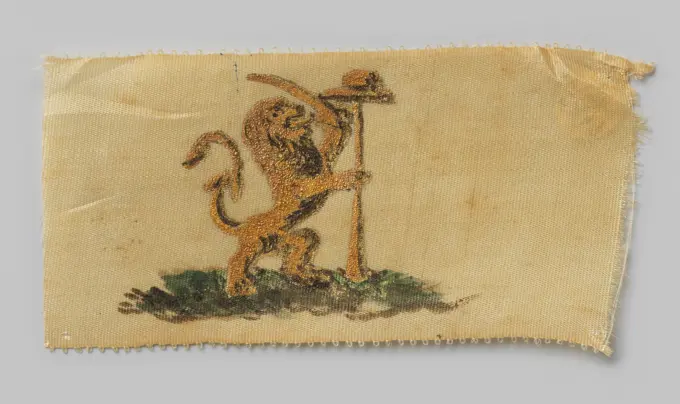
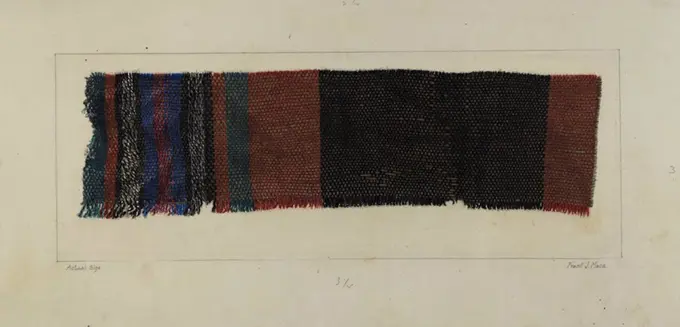
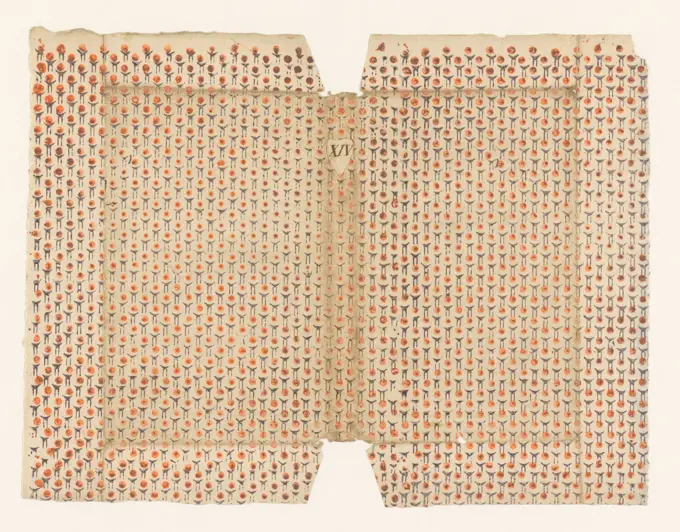
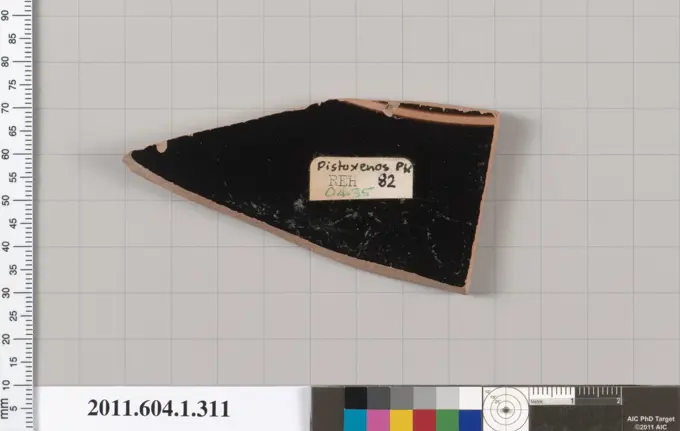
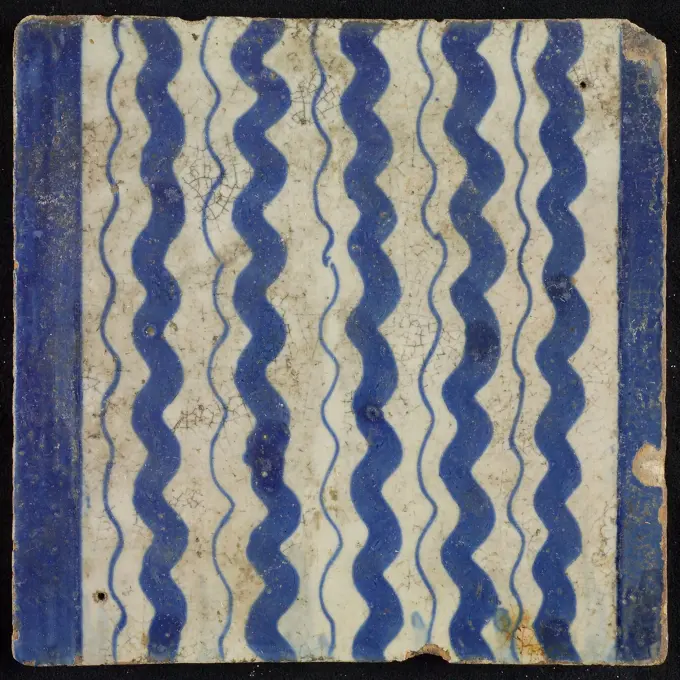
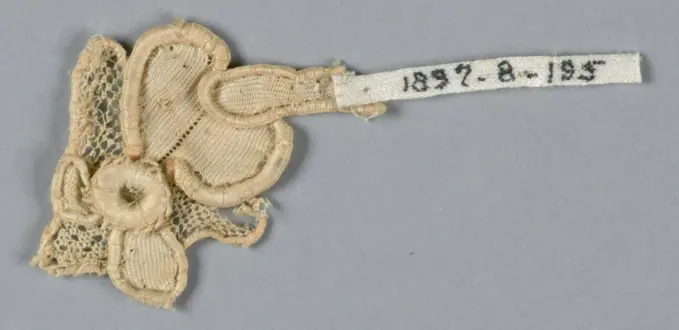
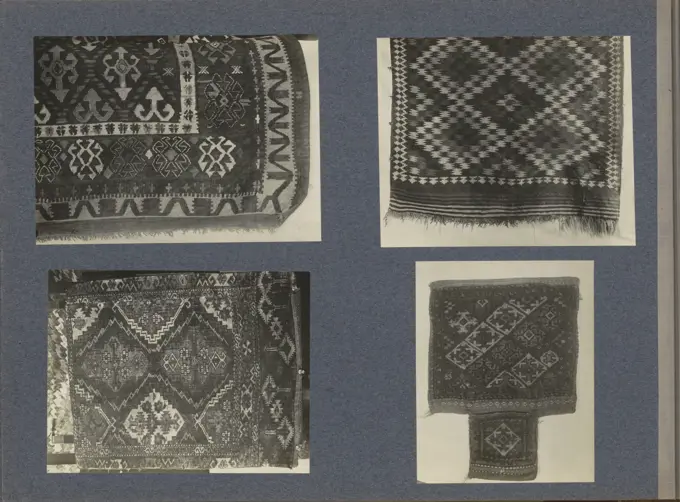
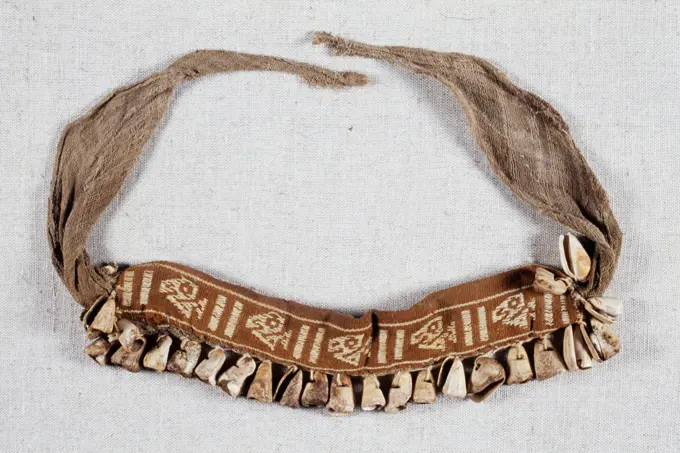
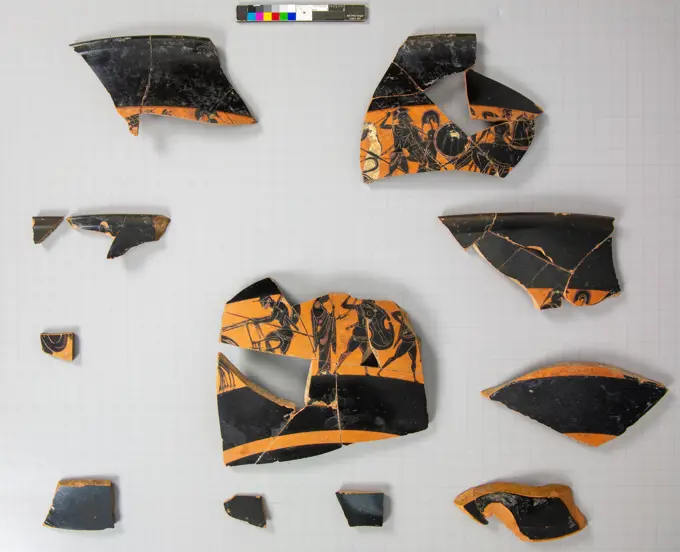
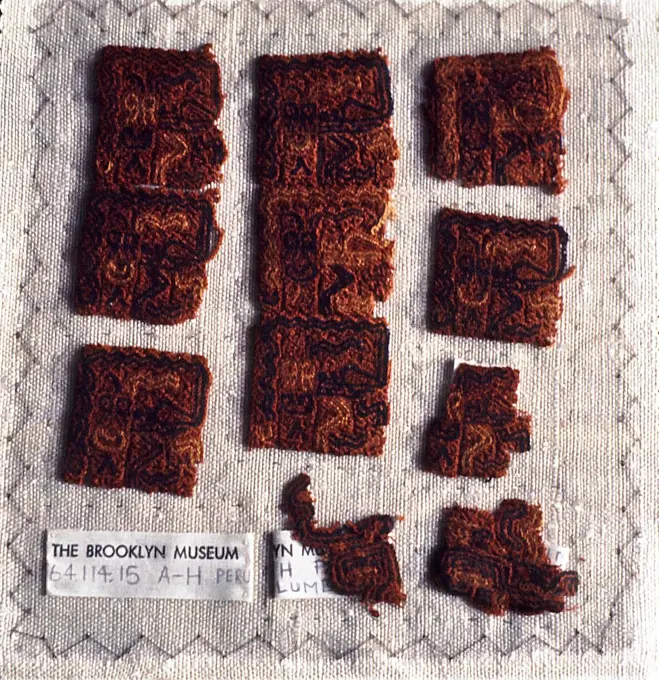
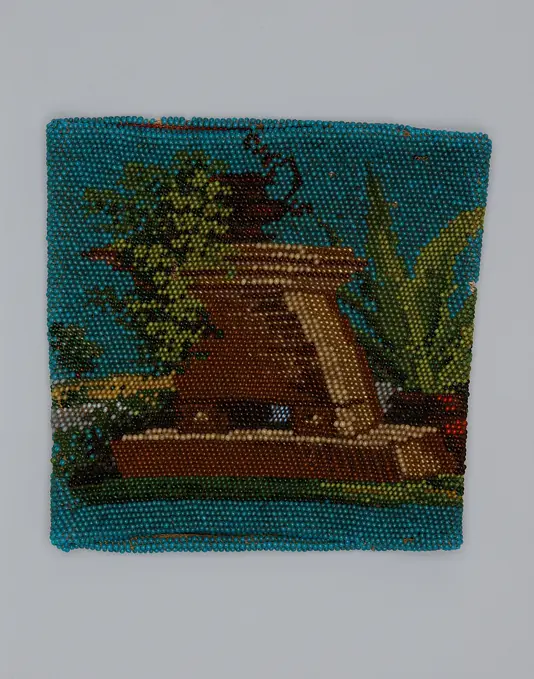
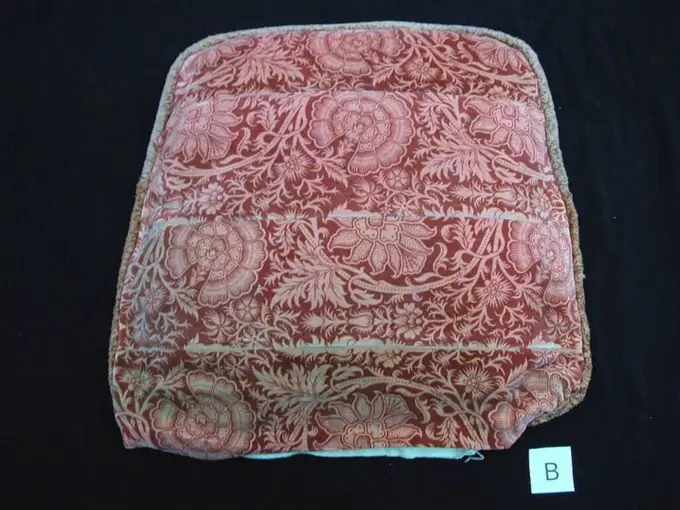
Chair Seat. Designed by Thomas Wardle (English, 1831-1909); Printed at Hencroft Dye Works; England, Staffordshire, Leek. Date: 1878-1898. Dimensions: 57.5 × 60.3 cm (22 5/8 × 23 3/4 in.). Cotton, twill weave weave with supplementary pile wefts forming cut solid (velveteen); block printed; fringe: cotton, silk and wool; woven. Origin: England. Museum: The Chicago Art Institute, Chicago, USA.Flag, anonymous, c. 1750 - c. 1830 flag Dark blue flag with white sewn signs in natural: the double sword of Ali and five Arabic letters. Indonesian Archipelago linen (material). cotton (textile)  flag, colours (as symbol of the state, etc.) Dutch East Indies, TheFragment of esparto fabric. Neolithic. Los Murcielagos Cave (Albun_ol, province of Granada, Andalusia). National Archaeological Museum. Madrid. Spain.Fragment silk tissue from a seat cover. Fragment yellow silk tissue, from a seat cover. The pattern has pink palmets and arabesken on a yellow ground. The fragment belongs to thirteen fragments with Invnr. BK-1992-18-A T / M BK-1992-18-m.Tissue fragment with Orbiculus and Clavus. Natural linen tissue fragment with a sewn orbiculus and clavus. The orbiculus is in dark blue with centrally a octagon with in natural color in flying wire technique braid motif in circles, around it one solid thundral circle, a circle with a continuous braid motif, a plain blue circle and a serrated edge. The Clavus centrally has a leaf and rank motif in dark blue and natural color with flying wire technique and a yellow and red woven face and a yellow, red and green to the edge. A bird. The strip is bordered with a solid dark blue line and a serrated edge. The ground tissue has an impetus of a franjereand, up which a strip of non-woven warp threads and followed by three horizontal thicker inserts.Oranjelint ,, 1700 - 1800 ribbon (material) Ribbon that standing lion with staff with freedom hat in the right and sword in the left leg. Netherlands silk. printingVintage paper sheets with clip. Retro design. Pile of old postcards isolated on white background35mm originalAmerican 20th Century, Linen and Cotton Homespun, c 1940 Linen and Cotton HomespunPiece 18th century Japan. Piece 71931Woolen Cloth. Dated: 1935/1942. Dimensions: overall: 21.7 x 43.2 cm (8 9/16 x 17 in.). Medium: watercolor, graphite, and pen and ink on paper. Museum: National Gallery of Art, Washington DC. Author: Frank J. Mace.Scarf Sample (France); silkLeaf with spreading pattern of round and stripes motif, anonymous, 1750 - 1900  Leaf with alternating spreading pattern made of dot and fantasy motif. Used as a cover, with label on the back.  paper. block printing (relief printing process) fantasy ornamentSampler 1812 French. Sampler. French. 1812. Silk on wool. Textiles-EmbroideredTerracotta fragment of a kylix (drinking cup) second quarter 5th century B.C. Attributed to the Pistoxenos Painter Interior, framing border; Exterior, horse and part of figure. Terracotta fragment of a kylix (drinking cup). Greek, Attic. second quarter 5th century B.C.. Terracotta; red-figure. Classical. VasesWooden panel decorated with forms of church windows, possibly a cupboard door, c. 1875 - c. 1900 photograph   photographic support  door. ornamenting, decorating ~ applied artsTile of chimney pilaster, blue on white, part of column with wavy cannelure, chimney pilaster tile pilaster footage fragment ceramics pottery glaze, baked 2x glazed painted Tile part of chimney pilaster originally twelve high ragged shard square two nail holes. Blue on white fond. Tile is part of single-row pilaster in Renaissance style and shows pillar with winding flannels downside in the middle above and below 6 1914 construction town hall Zandstraat-quarters Second World War war bombardment Rotterdam City Triangle 1940 Renaissance Coming from debris after bombing on Rotterdam in May 1940.Fragment gebrocheerde zijde.Fragment silk tissue. A cream-colored satin ground has white flower garlands and a multi-colored bouquet of flowers with leaf garlands.Fragment of a Shoulder Band 7th-8th century. Fragment of a Shoulder Band 444348Fragment (Spain); silk (red warp, white weft)Fragment Of Garment With Medallion And Band (Egypt); warp; s-spun linen. weft: z-spun linen, z-spun woolGreek Ornament and Etruscan OrnamentFragment. Dimensions: 4 3/4 in. high 3 15/16 in. wide (12 cm high 10 cm wide). Date: 3rd-4th century. Museum: Metropolitan Museum of Art, New York, USA.Fragment Made 301 CE-500 CE Egypt. Linen and wool, slit and dovetailed tapestry weave with eccentric wefts and supplementary wrapping weft details; edged by plain weave with supplementary wrapping wefts forming uncut loop pile . Ancient EgyptianFragment (Italy); linenSampler Made 1809-1829 United States. Linen, plain weave; embroidered with wool and silk in cross stitches . Harriot A. RaymondCarpets (5), c. 1910 - c. 1911 photograph Album magazine with four photos of carpets. Part of photo album of the Palthe family from Almelo.  cardboard. paper. photographic support gelatin silver print carpet, rugKarte und Fahne von Bayern auf rostigem Metall - Map and flag of Bavaria on rusty metal Karte und Fahne von Bayern auf rostigem Metall - Map and flag of Bavaria on rusty metal Copyright: xZoonar.com/lantapixx 11484344Men's Leggings, one of a pair, 19th-20th century, 28 3/4 x 15 1/2 in. (73.03 x 39.37 cm) (each), Leather, beads, United States, 19th-20th centuryCOLLAR AZTECA.Zardozi fabric sample in the New York City showroom/office of an Indian company that makes embroidery for the fashion industry.Headband, 29 3/4 x 2 1/4in. (75.6 x 5.7cm), Cotton (), shells (), PeruCuff Northern Hungarian 19th centuryFragment; linenDollar symbol drawn on wet sand on the beachKylix, band-cup fragments ca. 520 B.C. Attributed to Antimenes Painter Interior, around rim, ships sailing to the left; exterior, fight with onlookers and chariots.. Kylix, band-cup fragments. Greek, Attic. ca. 520 B.C.. Terracotta; black-figure. Archaic. VasesFragments Made 100 BCE-200 CE Peru. . NazcaFragment of a Ship Flag. Leer half of a ship flag, blue with a red in a white cross on a white andries cross. This is an English union flag of the period 1606-1700.Example of lace stitch Irish 19th-20th centuryPost-mortem portrait of a child lying in a checkered dress against a painted background depicting a passing steamer. Daguerreotype, circa 1850.8 Textile Fragments, Unascertainable or Mantle Border Fragments Paracas Necropolis. , 800 B.C.E.-600 C.E. Cotton, camelid fiber, Largest fragment: 1 9/16 x 1 3/16in. (4 x 3cm).   Arts of the Americas 800 B.C.E.-600 C.E.Beaded band glass holder. Czechy, creator