Historical Textile Fragments

A selection of intricate textile fragments from different cultures and centuries, showcasing patterns and techniques in silk and wool.

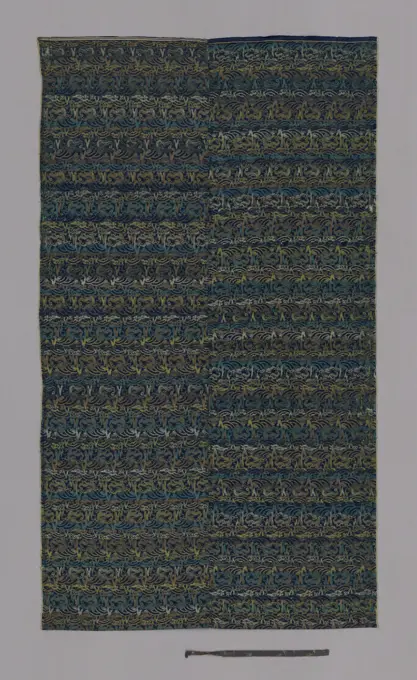
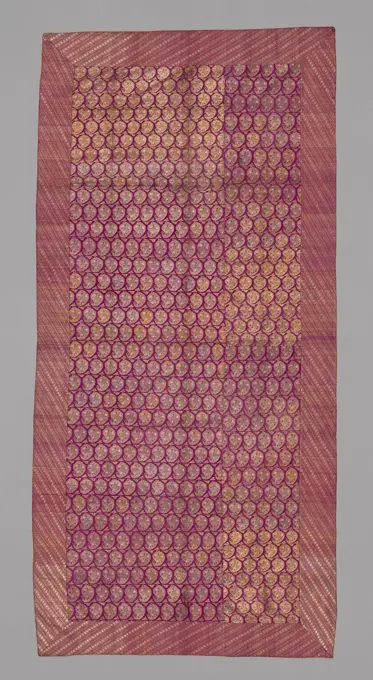
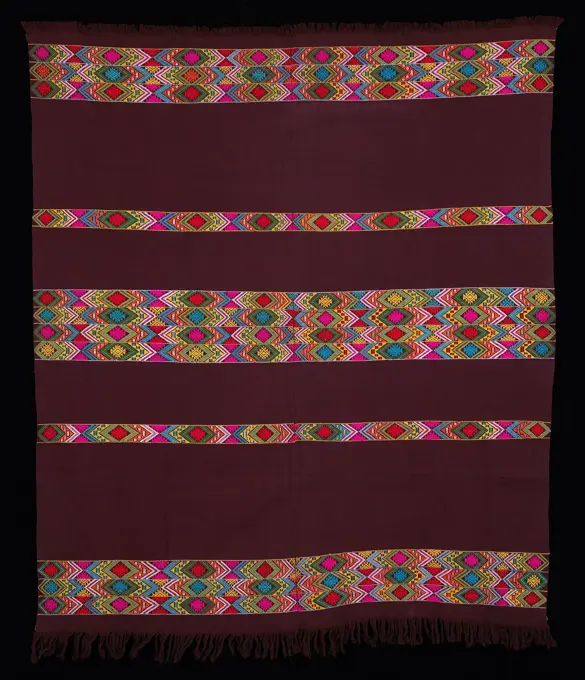
Shawl, late 20th century, 79 x 36 1/2 in. (200.66 x 92.71 cm), Natural dyed wool; supplementary and discontinuous supplementary weft patterning, India, 20th century
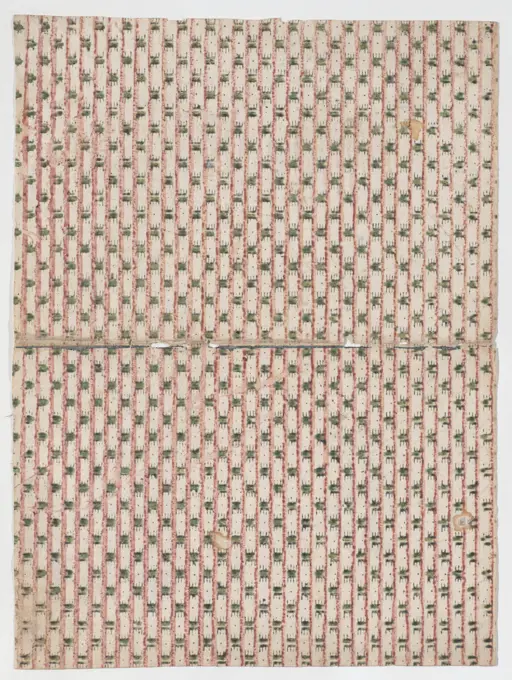
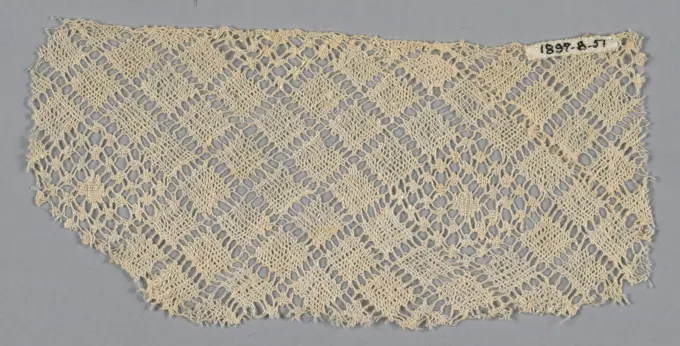
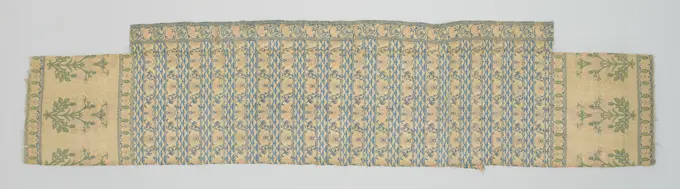
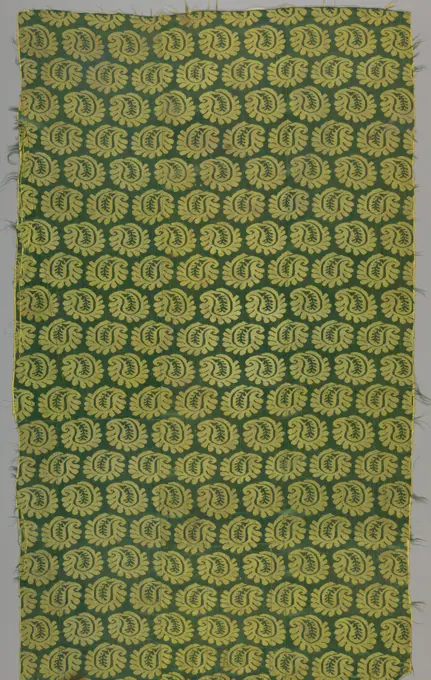
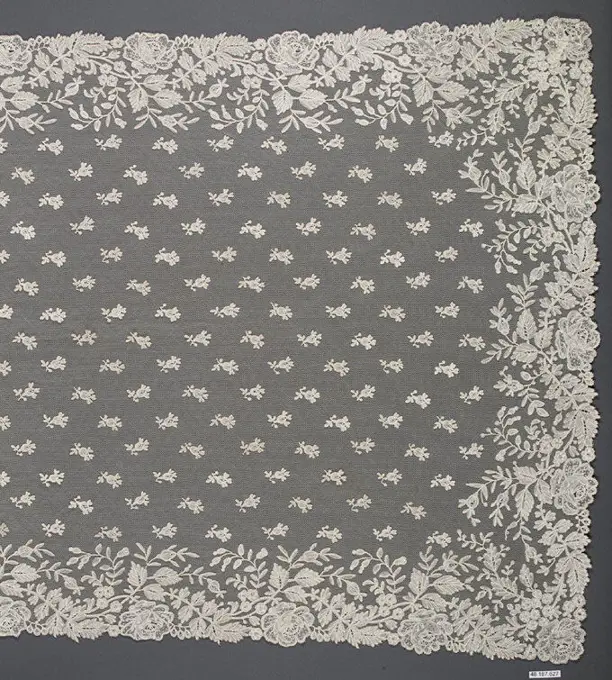
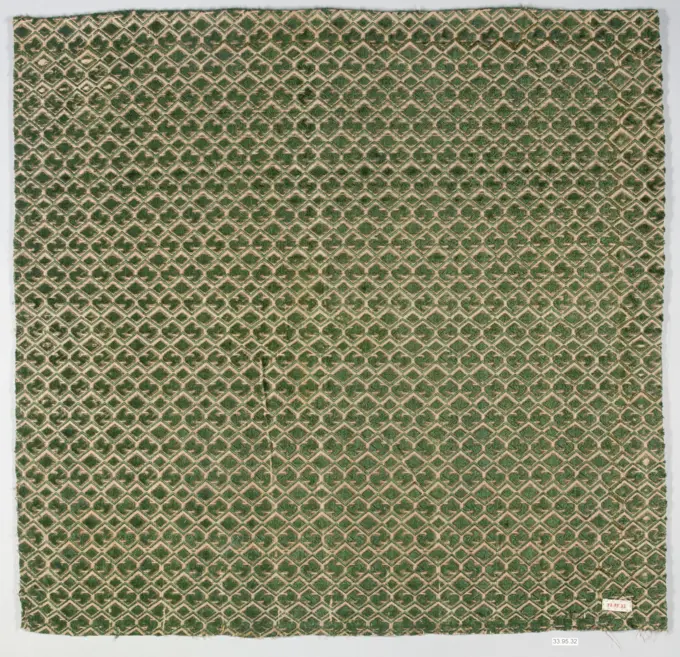
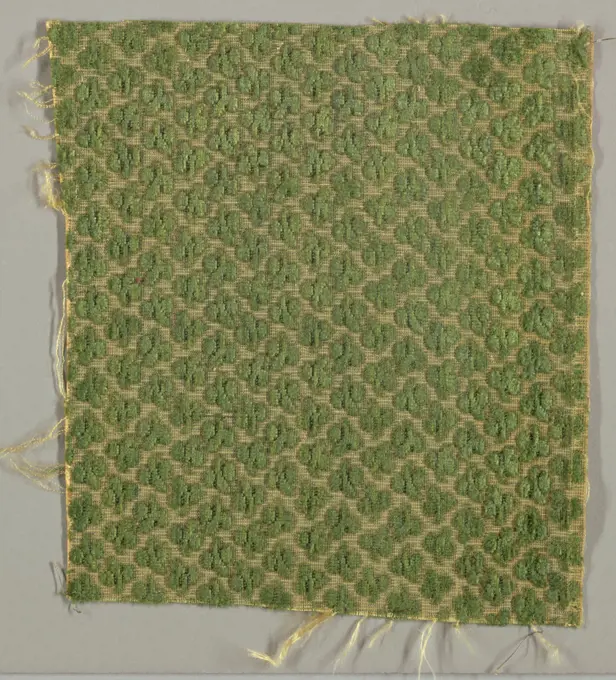
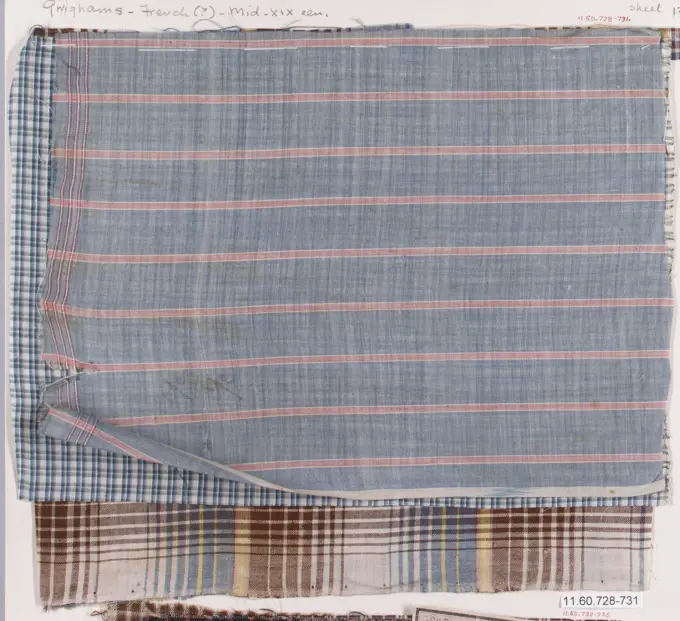
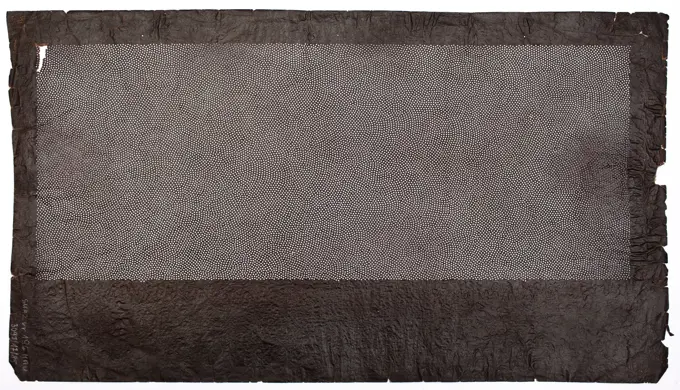
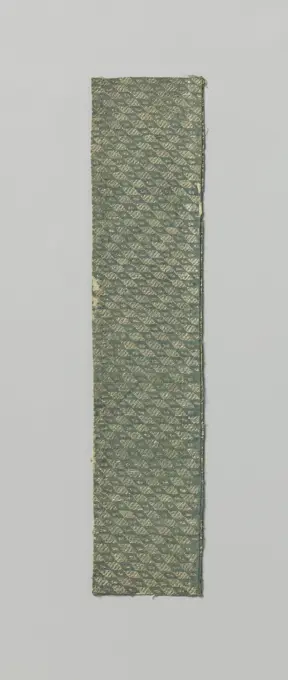
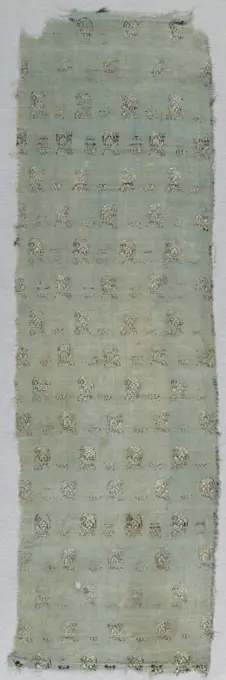
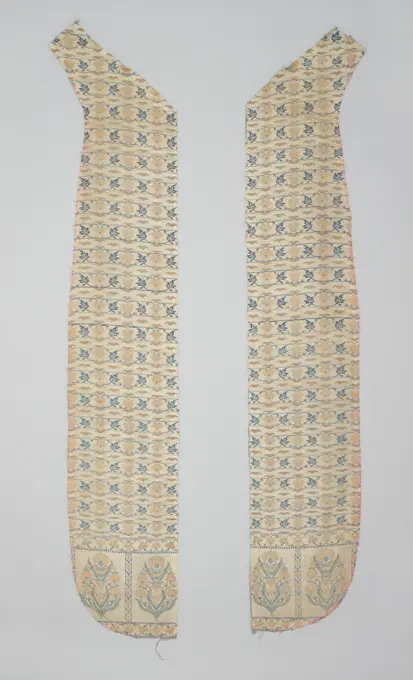
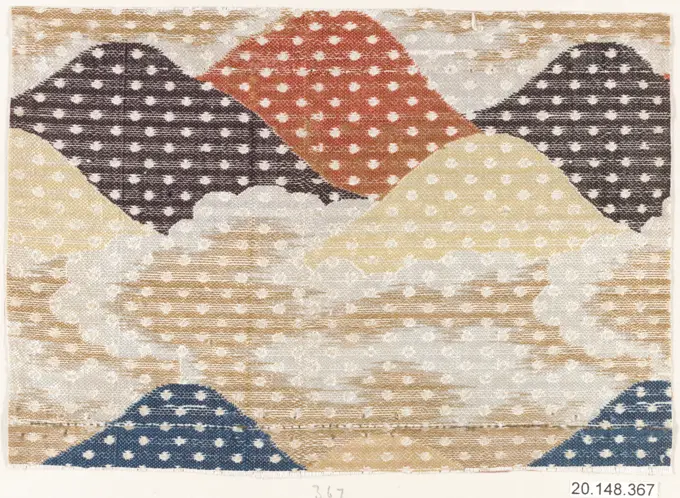
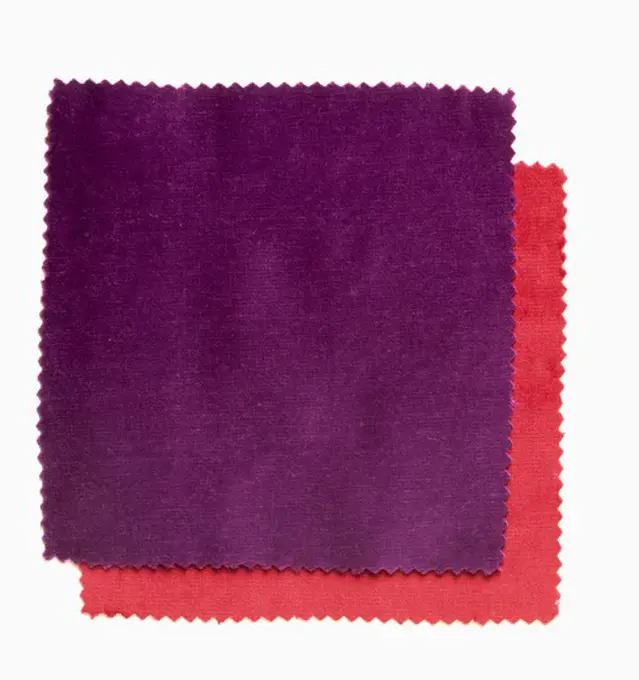
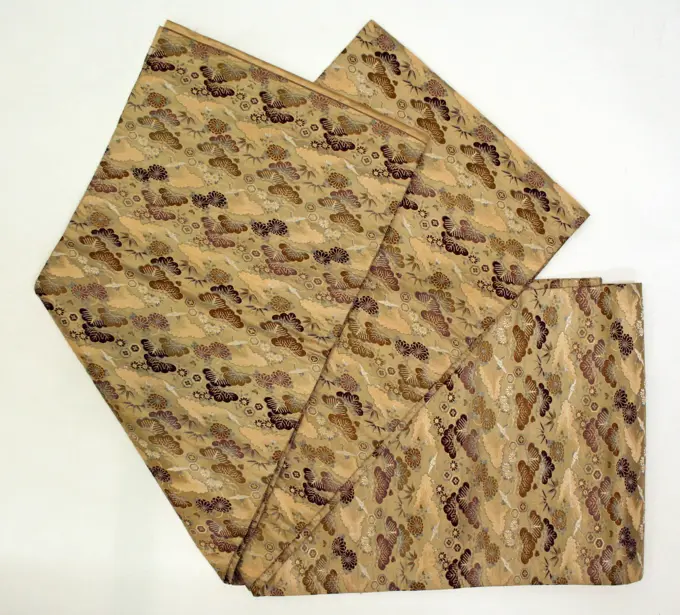
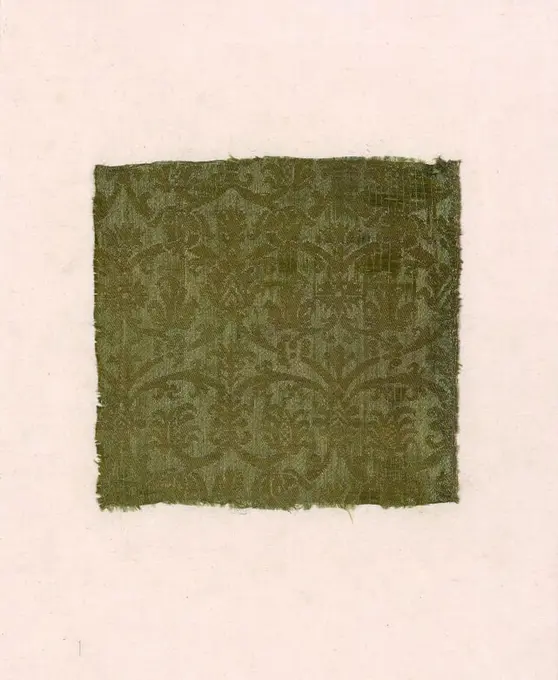
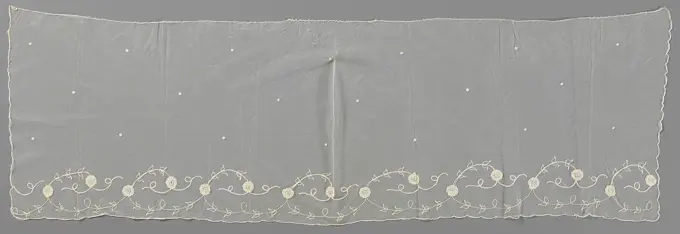
Fragment Made 1801-1833 China. Fancy compound satin, silk and gilt paper; wound on white silk core .Textile, Medium: silk Technique: slashed satin, Olive green satin slashed in a pattern of intersecting diagonal lines., Italy, 16th century, woven textiles, TextileWool and Linen Compound Textile, 17th century. Spain, 17th century. Natural linen on woolen ground; average: 30.5 x 12.7 cm (12 x 5 in.).Fragment early 17th century Italian. Fragment. Italian. early 17th century. Silk. Textiles-VelvetsBook cover with overall stripe pattern with geometric designs 19th century Anonymous. Book cover with overall stripe pattern with geometric designs. Anonymous , 19th century. 19th century. Relief print (wood or metal). PrintsPiece 16th-17th century Italian. Piece 215524Shawl, late 20th century, 79 x 36 1/2 in. (200.66 x 92.71 cm), Natural dyed wool; supplementary and discontinuous supplementary weft patterning, India, 20th centuryFragment; silkFragment (possibly England); linenKontusz sash sewn from four pieces (fragment) unknownPerraje (shawl) (Guatemala); cotton; Warp x Weft: 210 x 73 cm (6 ft. 10 11/16 in. x 28 3/4 in.)Textile Swatch , 1950s to 1960s. Silk, 20 3/4 x 13 1/4 in. (52.7 x 33.7 cm).    1950s to 1960sTunic. Culture: Wari. Dimensions: H. 46 x W. 54 3/4 in. (116.8 x 139.1 cm). Date: 425-550. Museum: Metropolitan Museum of Art, New York, USA.WaistWrapperTextile (Spain); silk; Warp x Weft: 101 x 59.5 cm (39 3/4 x 23 7/16 in.); 1972-36-7Fragment Made 1575-1625 Spain. Silk, plain weave with supplementary pile warps forming cut and uncut voided velvet .Skirt Cloth (Kain panjang) Java. Cotton, plain weave; wax resist dyed (batik); edged with gilt-metal-strip wrapped cotton and silk, bobbin lace; and embellished with fragments of ----- and cotton, plain weave .Textile Sample from Sample Book 19th century Japan. Textile Sample from Sample Book 68178Border Belgian late 19th centurySlip of a jabot of needle side, anonymous, c. 1700 Slip of a jabot of natural -colored needle side: flat Venetian side. On either side of a mid-motif of flower vases, curls and flowers is a symmetrical drawing of vases with flowers in a diamond shape of C-curls surrounded by irregular flower branches. The motifs are made with feston stitches, where simple patterns in different flowers and leaves have been realized with recesses. The motifs are connected to each other by a hexagonal potente land. The slips are finished on three sides with a straight edge with picoted arches. One long side is finished with a messing around. Europe linen (material) flat Venetian (needle point) Slip of a jabot of natural -colored needle side: flat Venetian side. On either side of a mid-motif of flower vases, curls and flowers is a symmetrical drawing of vases with flowers in a diamond shape of C-curls surrounded by irregular flower branches. The motifs are made with feston stitches, where simple patterns iPiece 16th-17th century Italian. Piece 223382Piece 16th-17th century Italian or Spanish. Piece 222900Fragment, Medium: silk Technique: cut supplementary warp pile (velvet) in a plain weave foundation, Fragment of cut green velvet in a dark yellow ground has a small leaf pattern., Italy, 16th-17th century, woven textiles, FragmentKokerdoek, anonymous, 1900 - 1949 Tube cloth with geometric motifs and birds. Java cotton (textile) Tube cloth with geometric motifs and birds. Java cotton (textile)Fragment 18th century Italian. Fragment. Italian. 18th century. Silk, metal thread. Textiles-VelvetsBorder (one of three joined) early 18th century () Italian. Border (one of three joined) 226151Textile Swatches Onondaga Silk Company, Inc. (1925-1981). , 1948-1959. Silk, metal, a: 40 1/2 x 25 1/4 in. (102.9 x 64.1 cm).    1948-1959Tie slip from Kloskant with a symmetrical pattern of candelabers or flower baskets surrounded by garlands of volutes, anonymous, c. 1690 - c. 1720 Tie slip of natural -colored bobbin. Pattern with short tifles, rosettes and candelabers or flower baskets, in which various decorative stitches and shape strokes are also clopped, are connected to a symmetrical drawing by garlands of volutes and a grid. Curded reliaps surround some details of the decor. Three sides of each slip are sculpted from two repeating motives. Brussels linen (material) bobbin lace Tie slip of natural -colored bobbin. Pattern with short tifles, rosettes and candelabers or flower baskets, in which various decorative stitches and shape strokes are also clopped, are connected to a symmetrical drawing by garlands of volutes and a grid. Curded reliaps surround some details of the decor. Three sides of each slip are sculpted from two repeating motives. Brussels linen (material) bobbin laceCoverlet fragment, Medium: wool, linen (or cotton) Technique: plain weave with supplementary weft patterning (overshot), Large geometric pattern in square framework suggesting 'Lover's Knot.' In dark blue wool floats on a lighter blue linen ground; possibly a natural linen ground dyed at a later date., USA, early 19th century, woven textiles, Coverlet fragmentSamples (4) mid-19th century possibly French. Samples (4). possibly French. mid-19th century. Textiles-WovenDying template katagami; Dese from the overlapping of the crops formed from the main mesh of dots;  19th/20th century (1868-00-00-1912-00-00);Drabik, Cezary (Fl. Ca 1960 - 1980) - collection, geometric motifs, Japanese (culture), katagami, templates, Japanese art, purchase (provenance)Asa Oke Cloths, 20th century, 70.5 x 34.5 in. (179.1 x 87.6 cm)(Wrapper), Cotton, lurex, Nigeria, 20th centurySquare (USA); cottonFragments (France); silk, cotton, velvetWoman's Wrapper (Nigeria); cotton; Warp x Weft: 168.9 × 118.7 cm (5 ft. 6 1/2 in. × 46 3/4 in.)Excerpt Eastern textile, c. 1800 - c. 1850 A fragment green tissue with slanted windows of yellow side with gold thread. NOTE: MEERSHIP; 6 mm, plain binding. In the silk. cotton (textile). A fragment green tissue with slanted windows of yellow side with gold thread. NOTE: MEERSHIP; 6 mm, plain binding. In the silk. cotton (textile).Textile Fragment 17th-18th century. Textile Fragment 454541Panel 15th-16th century Chancay. Panel 313121Textile, Medium: cotton, tin edging Technique: tied resist patterning in weft (ikat) on plain weave; discontinuous supplementary weft patterning (brocade), Narrow textile, probably a breast cloth (kemben), with ikat warp-printed center. In black, red, and white. Ends brocaded and warps gathered in tin edging., Indonesia, 19th century, printed, dyed & painted textiles, TextileSari Made 1875-1900 India. Red silk and gold .a medical self adhesive bandage band aid isolated over white background. band aid bandage isolated over whiteFragment (Near East); warp: silk, weft; cotton, silkFragment (Japan)Piece 18th century Japan. Piece 71478FragmentPiece 18th-19th century China. Piece 70329Fragment Eastern textile ,, 1800 - 1850 Fragment Eastern textile with a diamond pattern. The diamond pattern has gold -colored and green windows. There is a small silver window in the green windows. In the silk. cotton (textile). Fragment Eastern textile with a diamond pattern. The diamond pattern has gold -colored and green windows. There is a small silver window in the green windows. In the silk. cotton (textile).Coverlet. United States. Date: 1820-1839. Dimensions: 212.7 x 183.2 cm (83 3/4 x 78 1/8 in.)Repeat: 3.7 x 3.5 cm (1 1/2 x 1 3/8 in.). Cotton and wool, plain weave double cloth; two loom widths joined. Origin: United States. Museum: The Chicago Art Institute, Chicago, USA.Skirt, 2000-2004, 50 x 42 in. (127 x 106.68 cm), Cotton, Myanmar (Burma), 21st centuryDuvet cover from Dijk. Dike duvet cover, blue-white checkered and striped.Kitchen square napkin. Siapo (tapa cloth), Smoa, maker unknown. Gift of Mrs Lorna A Crawford, 1961.Cloth with Winged and Two-Tailed Animals, 17th-18th century. Italy, 17th-18th century. Plain weave linen with needle lace, filet/lacis (knotted ground and darned in two directions) and bobbin lace edging; bleached linen (est.); overall: 88.3 x 137.5 cm (34 3/4 x 54 1/8 in.). Strange two-tailed animals accompanied by birds appear on the filet/lacis lace. The compact pattern repeats horizontally, with inserted bands of two-tailed animals confronting birds. The bird motif is also depicted alongside a flower motif on the outer filet/lacis border.. In 1790 two Edinburgh weavers succeeded in weaving an imitation of the Indians’: a convincing copy of the shawls from Kashmir. This marked the beginning of a flourishing industry, which provided employment to more than a thousand workers until 1820. Weavers in Norwich and Paisley also began producing these shawls. This square shawl is a fine example of this.Textile Design with Alternating Lozenges over a Striped Background of Intermittent Lines Anonymous, Alsatian, 19th century Alsatian 1840 Rectangular sheet of paper with a textile design from a group, dated 1840, made in Mulhouse, Alsace which was an important nineteenth-century center for textile production in the Haut-Rhin region of France. The design is made of alternating lozenges over a striped background of intermittent lines of dark reddish-brown color over a light tan ground. The lozenges are rendered with dark reddish-brown stipples and adorned with two smaller lozenges of different sizes, one over the other. The smallest lozenge is colored with white and the other one is colored with red. View more. Textile Design with Alternating Lozenges over a Striped Background of Intermittent Lines. Anonymous, Alsatian, 19th century. 1840. GouachePillowcase, c. 1400 - c. 1950 White pillowcase  linen (material) White pillowcase  linen (material)Shoulder Cloth (SelendangBanji)Coverlet Made 1830-1850 United States. Cotton, undulating plain weave with areas of warp floats; two loom width joined . Else Regensteiner (Collected by)Fragment of the Silk Silk belt unknownBook Cover, 1800s. China, 19th century. Silk; overall: 20.4 x 12.7 cm (8 1/16 x 5 in.).Piece 18th century Japan. Piece 71255Piece 18th century Japan. Piece 71358Close-up of purple and red fabric samplesMan's cloth, early 20th century, 122 x 80 1/2 in. (309.88 x 204.47 cm), Cotton, silk, Ghana, 20th centuryChinese ornamentVelvet with gold discs, late 1200s or earlier. Iran, probably Tabriz, Ilkhanid period. Silk, gilt-metal thread; brocaded velvet; overall: 30.5 x 20.6 cm (12 x 8 1/8 in.); mounted: 34.9 x 25.4 cm (13 3/4 x 10 in.).Fragment. Italy. Date: 1575-1600. Dimensions: 18 x 12.7 cm (7 1/16 x 5 in.). Silk, cut, uncut, and voided velvet against plain weave foundation. Origin: Italy. Museum: The Chicago Art Institute, Chicago, USA.Fragment, Medium: silk, metallic Technique: cut supplementary warp forming pile (velvet) with supplementary weft, Blue velvet with silver thread., Spain, possibly 18th century, woven textiles, FragmentObi 1800-1941 Japan. Obi 88283Bourse. 1850. GAL1987.100.30Textile, Medium: cotton Technique: roller printed on plain weave, Stripes of patriotic motifs commemorating the Centennial., USA, 1876, printed, dyed & painted textiles, TextileFragment. Spain. Date: 1601-1650. Dimensions: 36 × 28.7 cm (14 1/8 × 11 1/4 in.)Repeat: 6.9 cm (2 3/4 in.). Silk, plain ground velvet weave; cut, uncut; pile-on-pile; voided. Origin: Spain. Museum: The Chicago Art Institute, Chicago, USA.Textile Fragment 19th century. Textile Fragment 447407Passement of glossy dark blue cord through which loops are braided, Gustav Schnitzler, c. 1920 Passement of glossy dark blue cord so loops are braided on cardboard. NijmegenFrance (possibly) cardboard Passement of glossy dark blue cord so loops are braided on cardboard. NijmegenFrance (possibly) cardboardPanel. France. Date: 1801-1850. Dimensions: 102.8 × 39.1 cm (40 1/2 × 15 3/8 in.)Repeat: 6.2 × 5.4 cm (2 1/2 × 2 1/8 in.). Linen, needle lace of a type known as "Point d'Alençon". Origin: France. Museum: The Chicago Art Institute, Chicago, USA.Head Scarf (), 34 x 10 in. (86.36 x 25.4 cm) (including fringe), Cotton, ChinaCloth; Kambob cepuk. Cloth in the middle with snakeskin, patola motifs; Ceremonial cloth worn for visits to the frost.Green fabric sampleSidewall Sample; machine-printed on paper; 22.5 x 22.5 cm (8 7/8 x 8 7/8 in.)Sash, 1880-1900, 71 3/4 x 2 1/2 in. (182.2 x 6.4 cm) (including fringe), Beads, wool, United States, 19th-20th centuryFragment Made 1601-1650 Italy. Silk, plain weave with silvered-metal strip supplementary facing wefts and supplementary pile warps forming cut and uncut voided velvet .Front of Mail Breech. European. Date: 1400-1500. Dimensions: . Steel. Origin: Europe. Museum: The Chicago Art Institute, Chicago, USA.Assyrian and Persian OrnamentFragment. Italy. Date: 1575-1600. Dimensions: 21.1 x 23 cm (8 5/16 x 9 1/16 in.). Silk. Origin: Italy. Museum: The Chicago Art Institute, Chicago, USA.Sarong, early 20th century, 26 x 47 1/2 in. (66.04 x 120.65 cm), Silk, cotton; ikat, Laos, 20th centuryVeil of Mixed Lace with Throw Banks. Louter or Voile of natural mixed side: edge embroidery of tambourish on machine tulle - Lierse lace - in combination with petty climbing side. A rectangular tulle is scalloped on three sides and decorated on one of the long sides with an edge of Throw spiral drinks (chain stitches) with florets (dick edge).Ribbon (France); silkFragment British 19th century View more. Fragment. British. 19th century. Applied. Textiles-LacesSilk cloth (Patolu) from Gujarat; India. Dated 1800's it is dyed with various rich red coloursNapkin of white linen ,, 1731 White linen napkin with cross -work pattern "lavender" or "kaffen roses". Brand Kroon WG 30 and 1731. Northern Netherlands linen (material) White linen napkin with cross -work pattern "lavender" or "kaffen roses". Brand Kroon WG 30 and 1731. Northern Netherlands linen (material)Linnamast napkin with leaves, anonymous, c. 1890 - c. 1910 Linnamast napkin with leaves on winding stems and an edge of stylized flowers. The napkin has a sewn number (2559 in red on white) and a white -embroidered monogram KS. The napkin is part of five napkins (BK-1970-129-B to BK-1970-129-G) and a tablecloth (BK-1970-129-A).  linen (material) damask Linnamast napkin with leaves on winding stems and an edge of stylized flowers. The napkin has a sewn number (2559 in red on white) and a white -embroidered monogram KS. The napkin is part of five napkins (BK-1970-129-B to BK-1970-129-G) and a tablecloth (BK-1970-129-A).  linen (material) damaskEmbroidery Sample (USA); Made by Sterling Pleating & Stitching Company, Inc. (New York, NY, USA); silkFragment of fabric unknownFragment, 1800s. China, 19th century. Silk; overall: 23.5 x 42.6 cm (9 1/4 x 16 3/4 in.).Leerer Keramikteller auf einem monochromen braunen Hintergrund Empty ceramic plate on a monochrome brown background. Empty plate with cutlery on a dining table LicenseRF Copyright: xZoonar.com/TetianaxChernykovax 23261948Bed. IsolatedFragmentIndian ornamentPunched card Vintage punched card for computer data storage isolated over white Copyright: xZoonar.com/ClaudioxDiviziax 1585813Hand Towel, 20th century, 40 x 21 1/4 in. (101.6 x 54 cm), Linen, United States, 20th century