Historical Textile Fragments

Vintage textile pieces and garments from various periods, showcasing intricate patterns and craftsmanship in fabrics like silk and velvet.

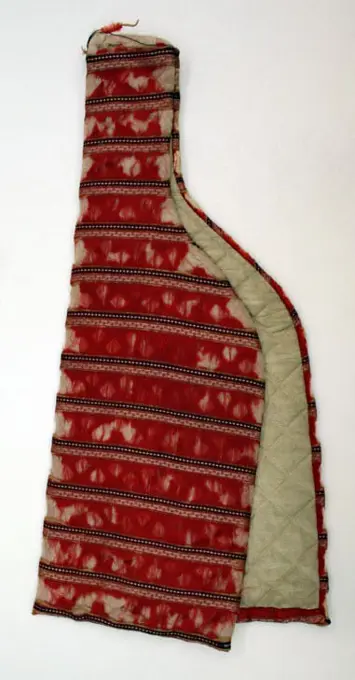
Leg Wrap, 199 1/2 x 2 5/8 in. (506.73 x 6.67 cm) (including fringe), Cotton, China
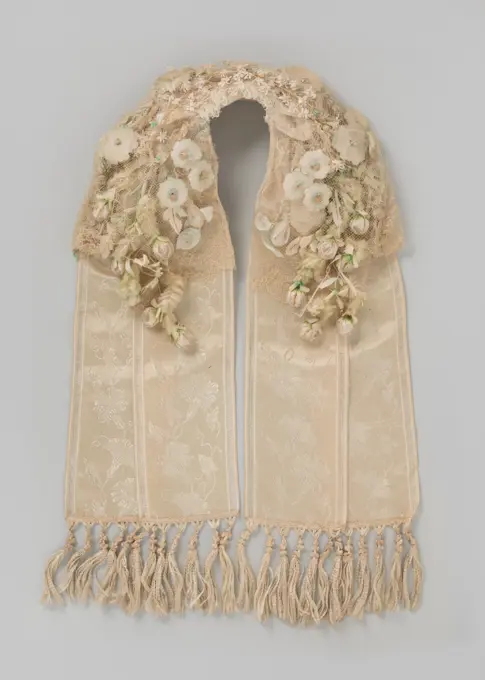
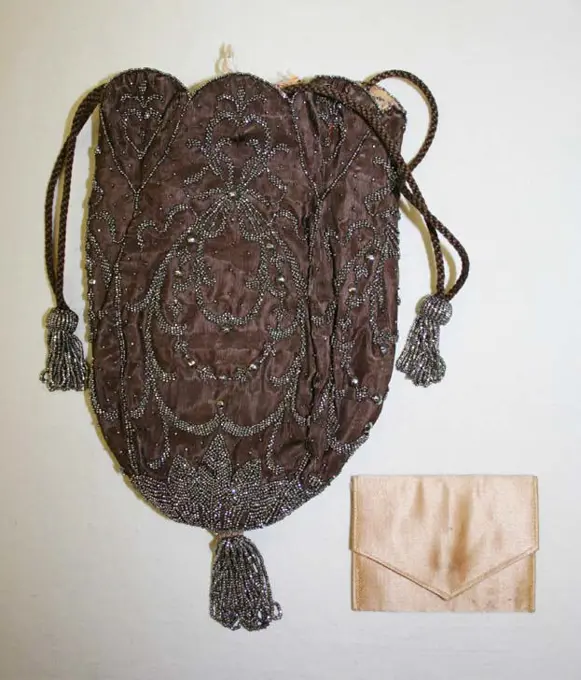
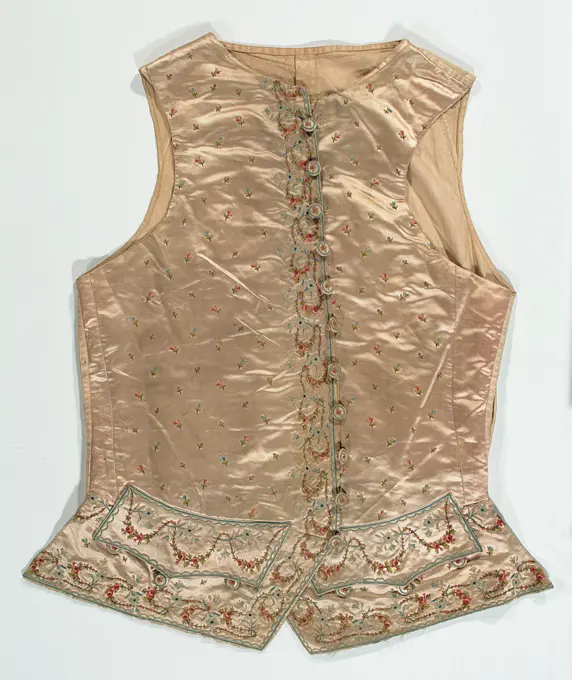
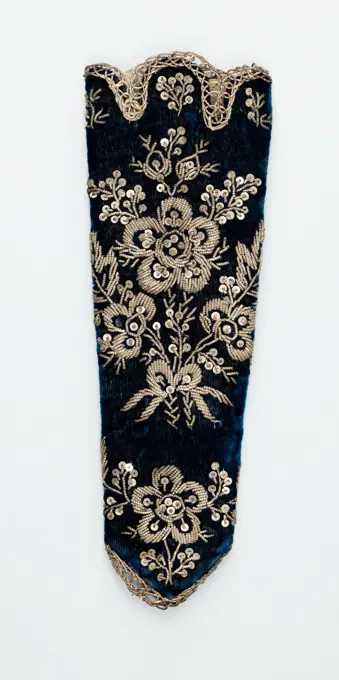
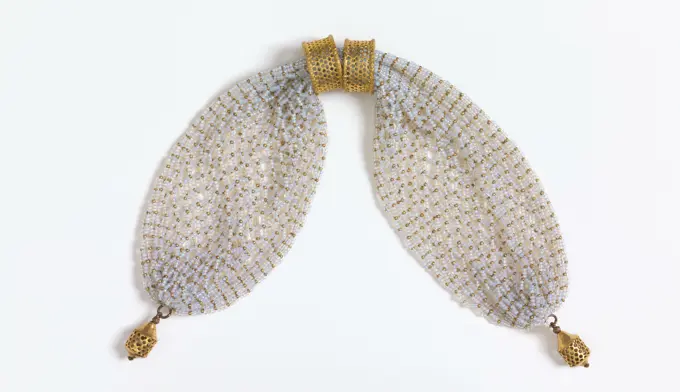
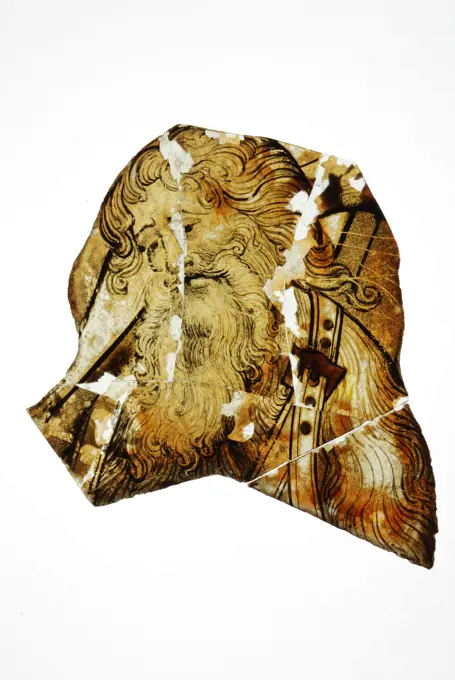
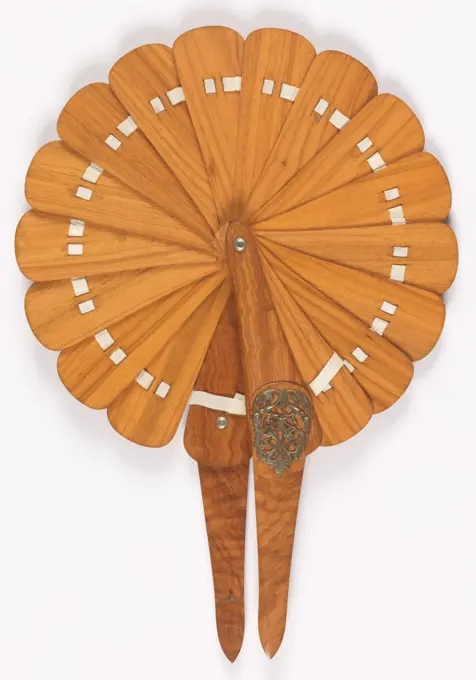
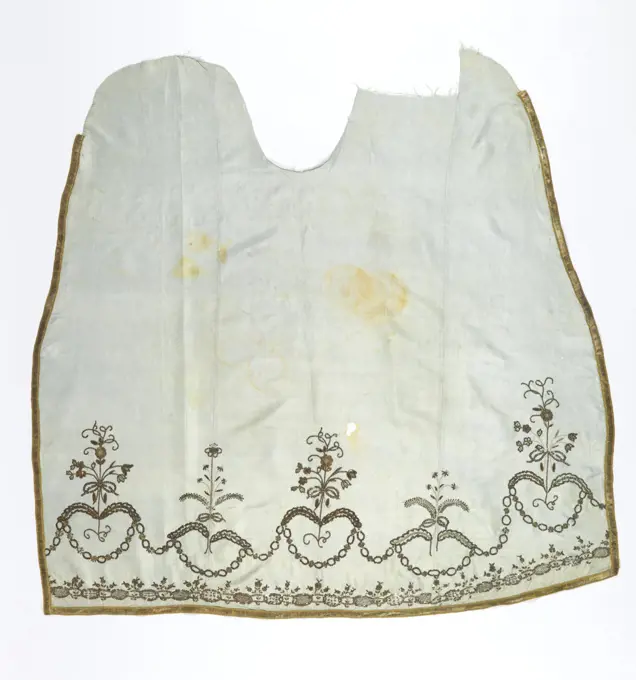
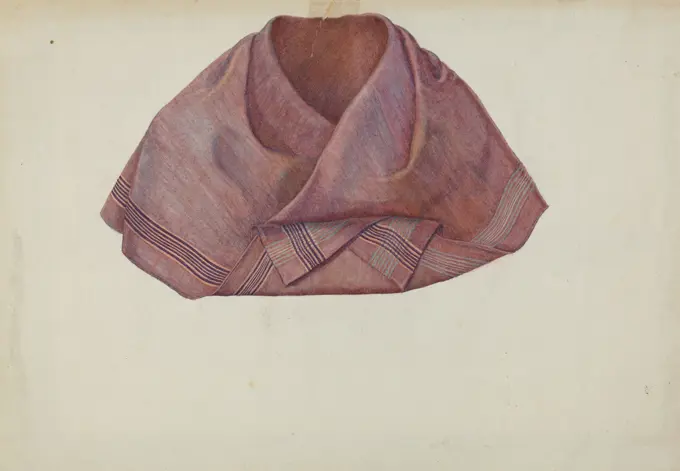
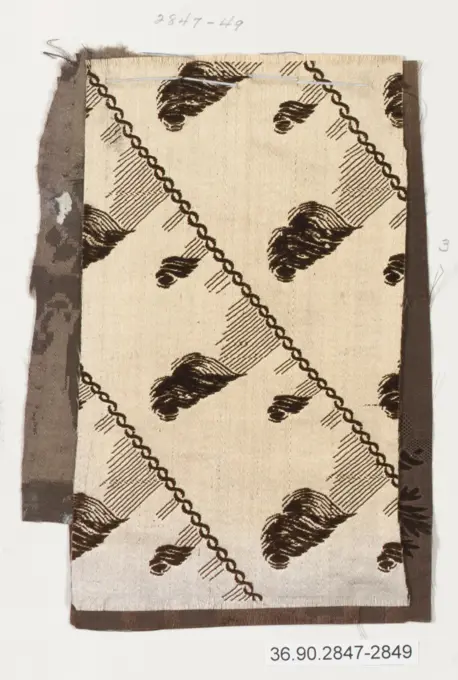
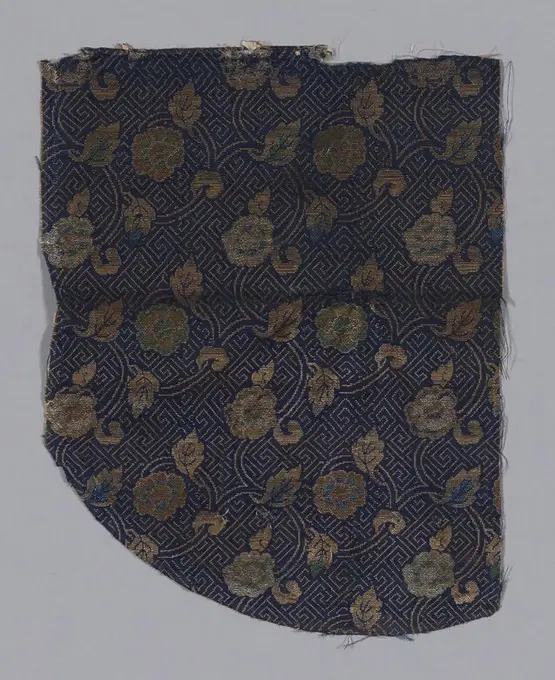
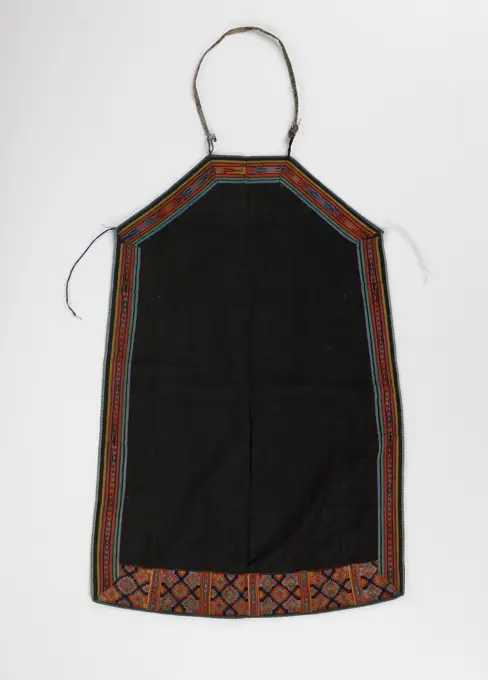
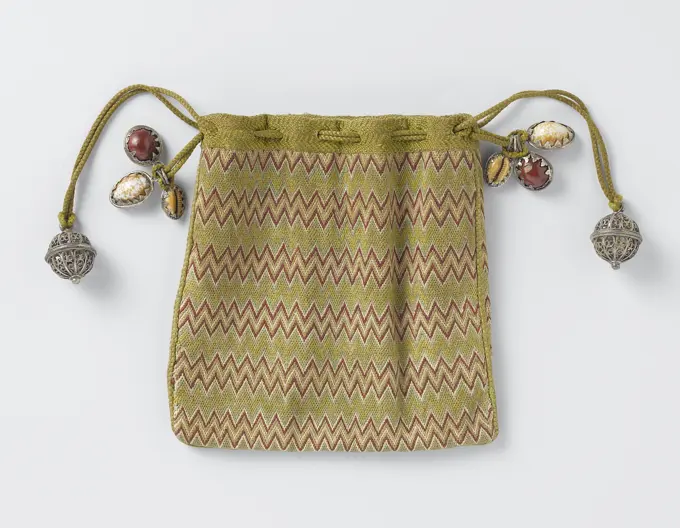
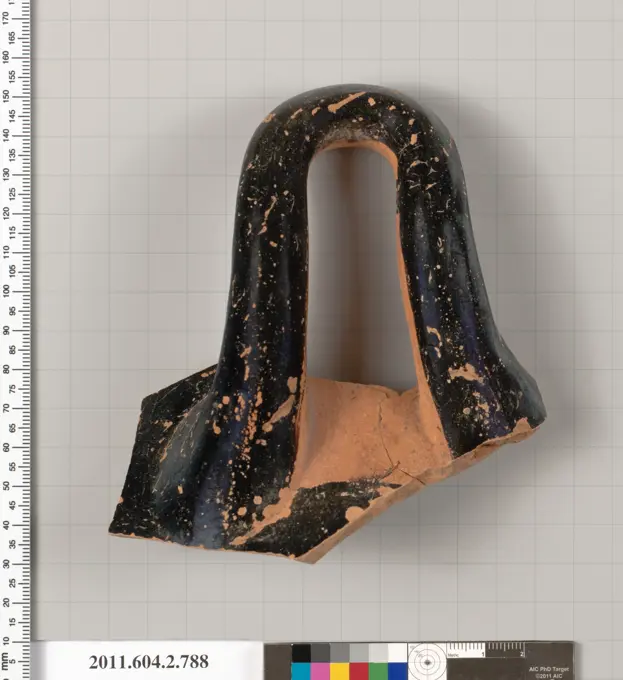
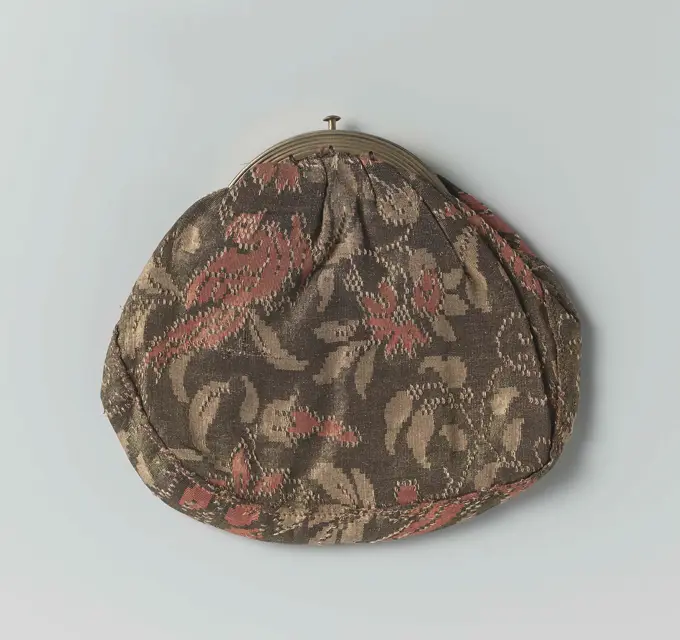
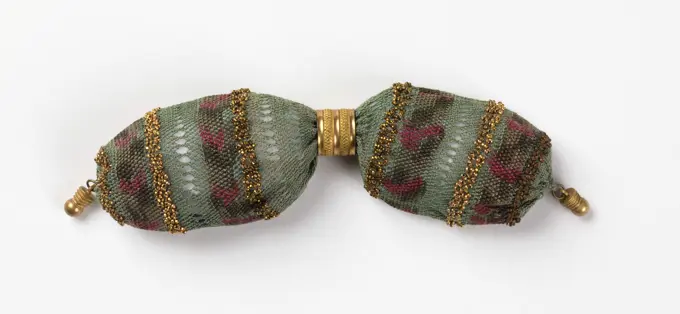
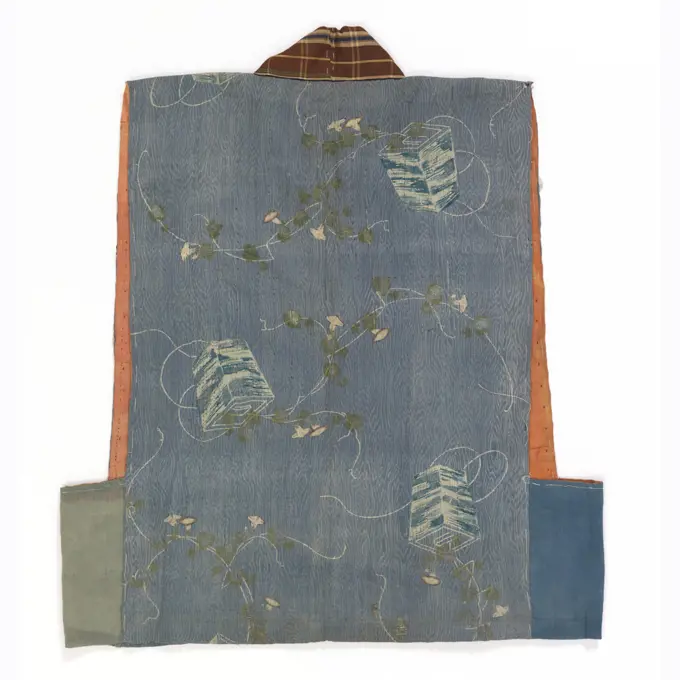
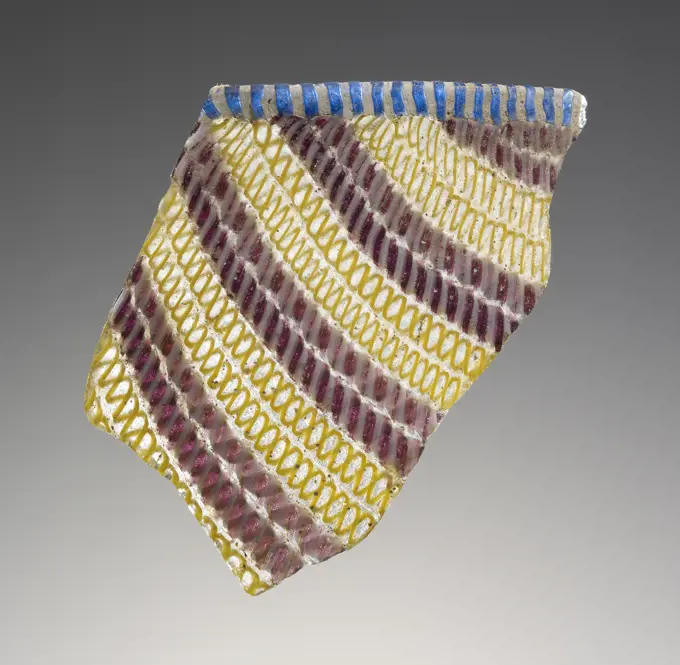
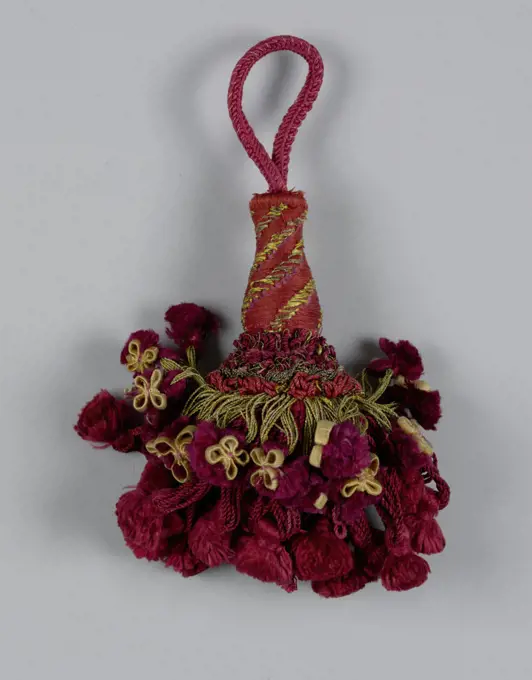
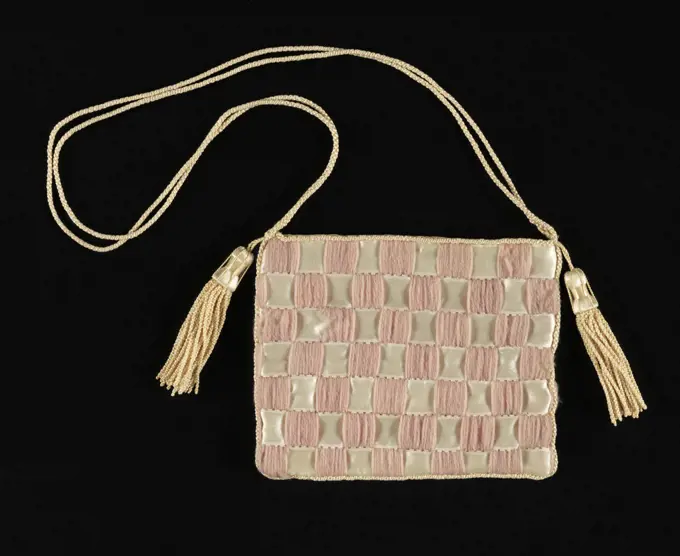
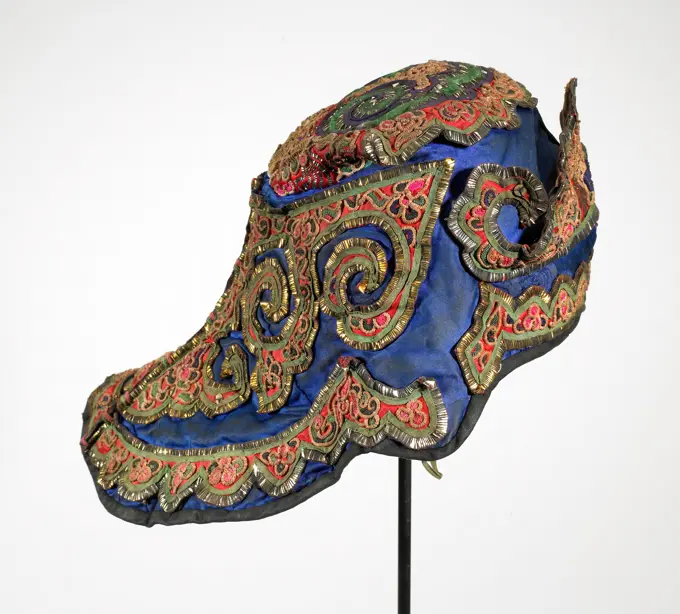
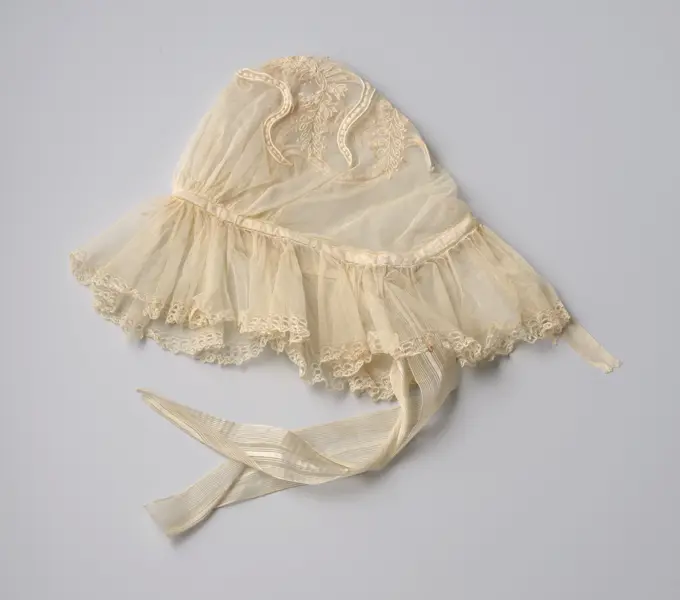
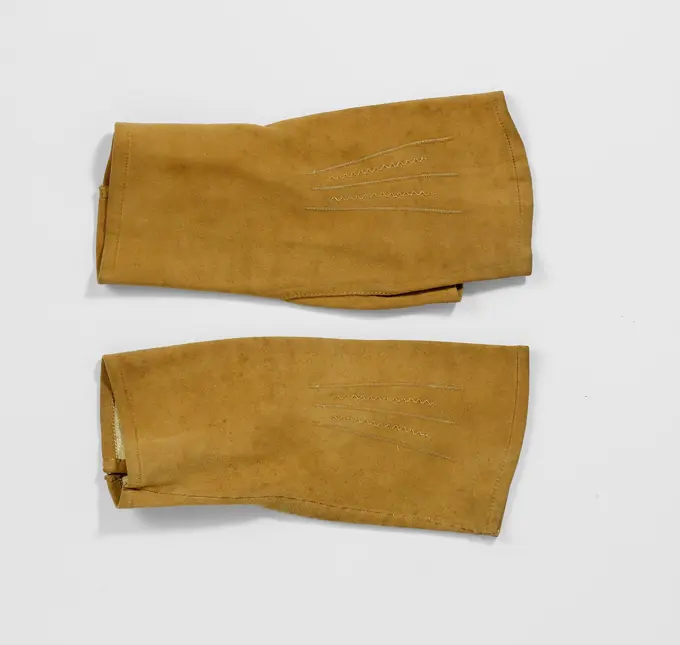
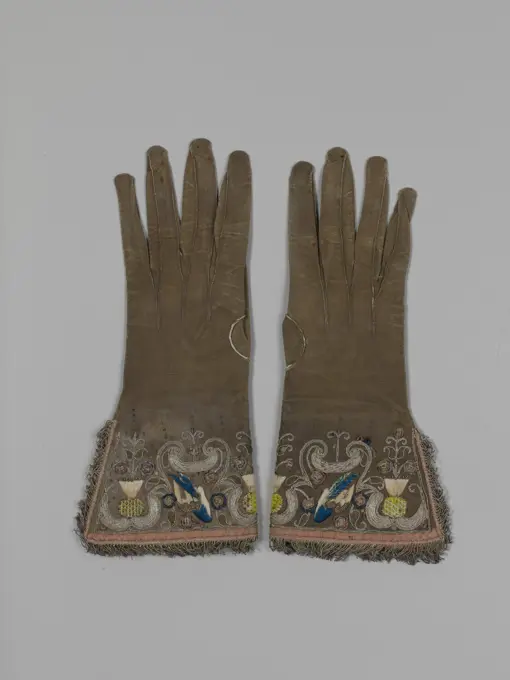
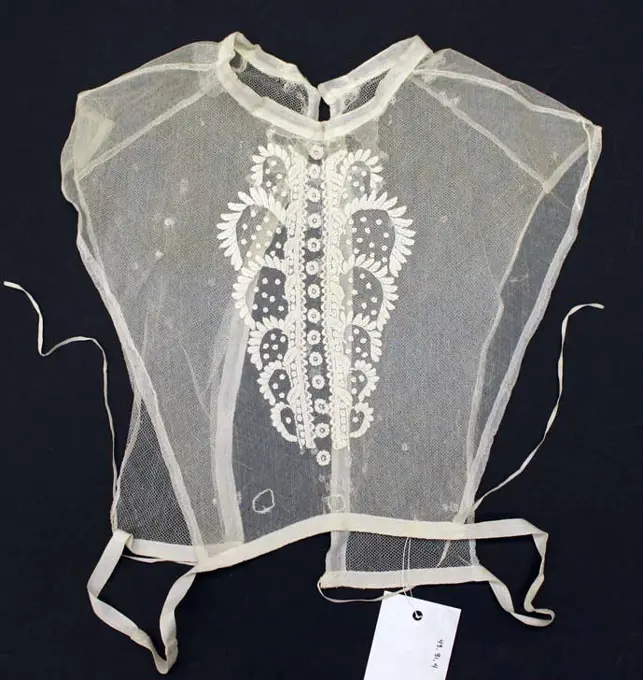
Underwear 1880s American. Underwear 122371Fragment red velvet brokaat with tendril motif, anonymous (rejected attribution), c. 1500 - c. 1525 Fragment red silk purebrokat (two parts together) with a pattern of fine tifles in satin binding and in gold thread lancet leaves and scalloped band work. Yellow fringes present. Probably a part of a kazuifel. Turkey silk. Fragment red silk purebrokat (two parts together) with a pattern of fine tifles in satin binding and in gold thread lancet leaves and scalloped band work. Yellow fringes present. Probably a part of a kazuifel. Turkey silk.Poffermuts made of white tulle decorated with small white cotton flowers, mechanical lace and ribbon of creamy white silk damask with pattern of wind, c. 1925 - c. 1930 Poffermuts, Brabantse Poffer, from white tulle decorated with small white cotton flowers, lace and ribbon of creamy white silk damask. Model: On a wide, curved band of sparterie, the so -called tour, which is placed on the head, the flowers are lightly excited and covered over the entire width with a strip of machine side that is attached to the sides. At the ends, branches with satin gooseberries hang over the wide silkamast ribbons, which are trimmed at the ends with white silk fringe. Decoration: A stamped and pleated bow lace is placed on the front. The white flowers consist of: fine flower clusters, baby roses with white leaves with small green spots, bunches of gooseberries. Brabant interior:. Tulle: Cotton (textile). Blowers: cotton (textile). Bloemsteel: Metal thread. Side: Silk. Lint: Silk. Poffermuts, BrabantsCollar with false button holes of white rips side, with embroidered pearl edge and pink sculptures, anonymous, c. 1750 - c. 1800 Collar with false button holes of white rips side, with embroidered pearl edge and pink sculptures. Netherlands (possibly) silk. embroidering / sewing Collar with false button holes of white rips side, with embroidered pearl edge and pink sculptures. Netherlands (possibly) silk. embroidering / sewingCard -colored rips side with high upright collar, slanted lap and sewn flaps without bags., Anonymous, c. 1815 - c. 1830 Card -colored rips side with high upright collar, slanted lap and sewn flaps without bags. Refrigerated lap of left front. Seam runs along the top of the valve. Closure by means of four rips side buttons embroidered with light blue silk star. First knot 13 cm under the neckline. Standing board consisting of six pieces. At the front with edge embroidery. Valves without a bag. Fronts and board lined with silk. Back of linen with small split in the middle. Laces for waist. Also laces at the pointed ends of the lap. Spread motif of blue flowers with orange heart on brown stem interspersed with brown leaves. Furthermore, floral ornaments consisting of lauwerkrans-like flowers with three-colored heart and light blue leaf. Netherlands front buildings:. Back properties: Linen (Material). Buttons: Wood (plant material). Buttons:. Embroidery: Silk embroidering Card -colored riFrisian hat with bobbin strip with raspberries, anonymous, c. 1900 Frisian hat, trimmed at the front with a strip of natural -colored bobbin side: Lillese side. Strip with a running pattern of hanging, one -sided schuilding raspberries, which stand out against a background of meshes strewn with mosques. Belgium (possibly) linen (material). cotton (textile) bobbin lace / Lille lace Frisian hat, trimmed at the front with a strip of natural -colored bobbin side: Lillese side. Strip with a running pattern of hanging, one -sided schuilding raspberries, which stand out against a background of meshes strewn with mosques. Belgium (possibly) linen (material). cotton (textile) bobbin lace / Lille laceDrawstring bag ca. 1890 probably French. Drawstring bag 117201Chasuble;  18th century (1701-00-00-1800-00-00);Vest;  1770-80 (1770-00-00-1780-00-00);Warsaw government theaters (Warsaw - 1810-1915), Warsaw government theaters (Warsaw - 1810-1915) - collection, garlands (ornament), theater costumes, flower ornaments, message (provenance), TeatraliaLeg Wrap, 199 1/2 x 2 5/8 in. (506.73 x 6.67 cm) (including fringe), Cotton, ChinaEnvelop belongs to a letter from the emperor of Morocco, Anonymous, 1686 letter Velvet red envelope belongs to a letter from the emperor of Morocco, dated September 20, 1686.  velvet (fabric weave)Cloak ca. 1851 American. Cloak 91028Cap 18th century British. Cap 98185Wrap late 18th century French. Wrap 84373Hoes for seat sitting, printed side. Three covers for seat seats. The covers are made of printed side. Multicolored flower branches are printed on a red soil. The covers have a linen lining.Purse (France); silk, metalReticule made of knitted faded red linen with braid beads with frieze of roses and forget-me-nots, anonymous, c. 1800 - c. 1850 Reticule of finely knitted roofed red linen with braid bead decoration. At the bottom a star, over the middle a Frisian with roses and forget-me-nots. Lined on the inside with chamois leather. Netherlands whole: Linen (Material). Decoration: Glass. Lining: Chamois (Animal Material) knitting Reticule of finely knitted roofed red linen with braid bead decoration. At the bottom a star, over the middle a Frisian with roses and forget-me-nots. Lined on the inside with chamois leather. Netherlands whole: Linen (Material). Decoration: Glass. Lining: Chamois (Animal Material) knittingStole, embroidered  floral twig motif unknownRibbon with blue side with white (or faded orange) piping, c. 1600 - c. 1999 Ribbon with a bow, made of blue silk that is trimmed along both long sides with a white (or faded orange) piping. West-Europa silk Ribbon with a bow, made of blue silk that is trimmed along both long sides with a white (or faded orange) piping. West-Europa silkCarrying Strap for a Jug, early 1900s. Africa, early 20th century. Plant fiber; overall: 64.8 cm (25 1/2 in.).Shawl, Medium: silk Technique: appliqué on net, Shaped scarf made of green and lavender taffetta cut out in a design of flowers and scrolling leaves and applied to net by machine stitching; edged with green and lavender picot and fringe., France, mid-19th century, costume & accessories, ShawlPipe case. unknown, authorBonnet-Coiffure or maternity hat of lace with blue ribbon, anonymous, c. 1800 - c. 1900 Bonnet-Coiffure or maternity hat of lace with blue ribbon. Netherlands . Bonnet-Coiffure or maternity hat of lace with blue ribbon. Netherlands .. Right mitaine from silver-gray flush side, knitted around in floral motif, with separately astonished thumb.Miser's Purse (France); silk, metalFragment Made 1801-1825 United States. Sample of stripe and check patterns of blue, white and tan .Chasuble. unknown, authorFrivolitétas in rectangular model of ivory -colored taf side, on which flowers, branches and bows embroidered with colorful ribbons, with silk bobbin omboard, anonymous, c. 1780 - c. 1800 Bag in a flat and rectangular model of ivory-colored taf side, both sides with bows, flowers and branches in V-shapes embroidered in colorful ribbons and Vloszijde. The build -up of the embroidery is symmetrical and differs in color accents on both sides. The bag is on silk tulle tulle and lined with ivory silk. At the top is an opening, which can be closed with ivory sides with yellow piping. Netherlands (possibly) whole: Silk. embroidery:. Embroidery: Silk. board:. Lining: Silk. Lint: Silk. embroidering / bobbin lace Bag in a flat and rectangular model of ivory-colored taf side, both sides with bows, flowers and branches in V-shapes embroidered in colorful ribbons and Vloszijde. The build -up of the embroidery is symmetrical and differs in color accents on both sides. The bag is on silk tulle tulle Military belt 1860-65 American. Military belt 173488Miser's Purse (France); silk, glass beads, metal; L: 24 cm (9 7/16 in.)Chasuble. unknown, authorFragments of green window glass with stained-glass decor, wild man, window glass building material soil find glass, w 6.0 cast drawn cut painted baked Fragments of green tinted window glass. Stained glass. Head and shoulders of wild man accustomed to the left three quarters probably as shield carrier wide belt with buckle over his left shoulder Probably shield with weapon mark. The wild man has long wavy hair and beard. His body is covered with long wavy hair. He looks down and has frowned his eyewows archeology Landpoortstraat Geervliet Bernisse indigenous glasswork adorn living building religion glasier hof van Putten archaeological find in the soil Geervliet pit Landpoortstraat 1 September 1983.Bed sheet. Brand: Number 3 or 5 in Red Cross Stitch, Anonymous, 1650 - 1700 Sheet of fine linen, lined on four sides and trimmed with a strip of bobbin side (this concerns the top edge and about 1/5 part of the sides). The sheet is marked in the lower left corner with the number 3 or 5, executed in cross stitch with a common thread.  Linen (Material). Wire: Silk. bobbin lace Sheet of fine linen, lined on four sides and trimmed with a strip of bobbin side (this concerns the top edge and about 1/5 part of the sides). The sheet is marked in the lower left corner with the number 3 or 5, executed in cross stitch with a common thread.  Linen (Material). Wire: Silk. bobbin laceClothing part of Sinterklaas, Anonymous, c. 1800 - c. 1900 On the edges, the clothing piece of beige wool is trimmed with a gold -colored meander motif. Europe wool On the edges, the clothing piece of beige wool is trimmed with a gold -colored meander motif. Europe woolReticule, c. 1787 - c. 1807 Pouch à la Gondole made of thick paper, covered with silk on which floral silk embroidery and at the top with wrinkled silk with drawstring. Intended to include embroidery and frivolitéei. Netherlands Bottom: Silk. Reinforcement: Paper. Decoration: Silver thread. Decoration: Silk. Decoration: Silver (Metal). Decoration: Glass. Top: Silk. Silver (Metal) Pouch à la Gondole made of thick paper, covered with silk on which floral silk embroidery and at the top with wrinkled silk with drawstring. Intended to include embroidery and frivolitéei. Netherlands Bottom: Silk. Reinforcement: Paper. Decoration: Silver thread. Decoration: Silk. Decoration: Silver (Metal). Decoration: Glass. Top: Silk. Silver (Metal)Bourse. Gal1986.270.17Bustle 1870s American. Bustle 108755Cockade Fan; fruit wood sticks with metallic ornament on one handle, metal pin, silk ribbonSjerp Worn by Captain Blankenheim, Anonymous, 1800 - 1830  Orange silk sash, faded. Netherlands silkPanel, Medium: silk embroidered with metal thread and sequins on silk, Fragment of panel of pale blue silk grosgrain with border embroidered in gold metal thread and sequins in design of stiff symmetrical flower sprays connected by a linked chain. Gold ribbon on three edges. Lined with white linen embroidered in cotton cross-stitch, lining probably part of a skirt originally., France, 1750-99, embroidery & stitching, PanelHelen E Gilman, Shaker Kerchief, c 1936 Shaker KerchiefPiece French 19th century View more. Piece. French. 19th century. Silk. Textiles-WovenBliżej Kultury unknownFragment. Japan. Date: 1601-1700. Dimensions: 21.3 x 16.9 cm (8 3/8 x 6 5/8 in.). Plain compound cloth, silk. Origin: Japan. Museum: The Chicago Art Institute, Chicago, USA.Tunic 6th-7th century. Tunic 446259Brisé fan, Silver wire filigree sticks, silk ribbon and tassel, Brisé fan. Elaborate sticks composed entirely from scrolling silver wire filigree, aside from small gorge of solid silver. Silk tassel and connecting ribbon., possibly Italy, 1810-30, costume & accessories, Brisé fanFragment (France); silkBolero van Katoen, P. Titjen boss, c. 1910 Bolero of cotton. Belonging to pop "lilly". Netherlands cotton (textile) Bolero of cotton. Belonging to pop "lilly". Netherlands cotton (textile)Apron, 34 1/2 x 23 1/2 in. (87.63 x 59.69 cm), Cotton, ChinaGuimpe van tule doorstop, anonymous, c. 1890 - c. 1900 Guimpe van Tulle Doorstop, rectangular, lined with gaze de lisse and with zigzag rotes. Pattern of cartouches with grid and flower branches along the straight outside. Above that a wavy branch with rosette flowers and rocailles. Ierland (possibly) Gauze. press stud: Metal Guimpe van Tulle Doorstop, rectangular, lined with gaze de lisse and with zigzag rotes. Pattern of cartouches with grid and flower branches along the straight outside. Above that a wavy branch with rosette flowers and rocailles. Ierland (possibly) Gauze. press stud: MetalPouch, embroidered with zigzag pattern (Point d'Hongrie) in green, white and red -brown side with drawstring with silver pommanders, shells and 'bezoar', anonymous, c. 1675 - c. 1700 Pouch, embroidered with zigzag pattern (Point d'Hongrie) in green, white and red -brown side with drawstring with silver pommanders, shells and 'bezoar' ('stone' from the stomach and the intestinal tract of ruminars). Model: flat and square. A braided silk cord on the seams. Decoration: Ajour cut silver smell balls or pommanders, shells caught in a silver border with a ring, just like bezoar. Friesland (possibly) Embroidery: Silk. Trekkoord: Silk. smell balls: Silver (Metal). settlements: Silver (Metal). shell:. Bezoar: embroidering / braiding / forging Pouch, embroidered with zigzag pattern (Point d'Hongrie) in green, white and red -brown side with drawstring with silver pommanders, shells and 'bezoar' ('stone' from the stomach and the intestinal tract of ruminars). Model: flat and square. A braided silk Fragments of embroidery  Flower branches motifs unknownVeil fourth quarter 19th century Irish. Veil 168294Pongé-silk sachet printed with yellow and green leaf and floral motifs, lined with cream-colored satin, trimmed with yellow silk cord. Sachet with pongé side on the outside with leaf and floral motifs in yellow and vegetable tones. The inside is lined with cream-colored satin, which has been crossed in diagonals. The outer edge is trimmed with a yellow cord, which is halfway through two yellow satin ribbons to close the sachet.Terracotta fragment of a calyx-krater (bowl for mixing wine and water) 470-440 B.C. Greek, Attic Complete handle with part of handle patch. Terracotta fragment of a calyx-krater (bowl for mixing wine and water). Greek, Attic. 470-440 B.C.. Terracotta; red-figure. Classical. VasesBacking bag in oval shape, of gold breeding with pink and brown pattern of birds and flowers, to a plated silver bracket with clipping cutter. Bracket bag in oval shape, gold brookat with pink and brown birds, flowers and leaves. Between the two properties a strip of the same material, just like the short handle, which has the shape of a loop. The bag has a gold-plated silver bracket in a semicircular shape with a smooth top and sides with slots embossed. On top of a clipping cutter. The bag is lined with an orange-free change side and has an extra compartment with a single gilt bracket. A ribbon of gold thread against the outer bracket.Chasuble;  18th century (1701-00-00-1800-00-00);Cap 1847 Czech. Cap 157117Chasuble;  18th century (1701-00-00-1800-00-00);Part of a flute, Philip Borkens, c. 1750  Amsterdam boxwood (hardwood). ivory. brass (alloy)  Amsterdam boxwood (hardwood). ivory. brass (alloy)Cape 1850-60 American. Cape 91032Miser's Purse (France); silk, gilt foil; 22 cm (8 11/16 in.)Reticule of ecrukligently knitted cotton decorated with blue, green and red beads, including a band with flowers and branches and a blue star at the bottom, anonymous, c. 1845 - c. 1855 Reticule of ecruktligently knitted cotton, in an elongated shape that ends in a round point. The bag is made up of four horizontal motifs of approximately 6 centimeters wide. At the bottom an eight -pointed star of blue beads with a single flower and branch in each notch. Around the star a double edge of red beads, within which two lanes single, blue beads, between which a continuous track of green leaves. Then a strip with double leaves and red flower buttons, interspersed with small blue flowers. The top track is a fine -meshed pattern of dots of a few, blue beads. The reticule can be closed by means of two ecrin -lurely braided cotton cords, which were strung by openings lags. The bag is unlined. Netherlands whole: Cotton (textile). Beads: Glass. Cord: Cotton (textile) knitting / glassblowing / braidFragment (USA)Bliżej Kultury unknownVest, Medium: silk, indigo Technique: stencil-applied rice resist, indigo dyed (katazome) on plain weave, Woven silk vest with stencil-applied resist pattern of lanterns and flowering vines in indigo. Ground covered in delicate white lines, suggesting wood vein or mokume. Collar with brown, cream and navy plaid. Blue and green panels at sides. Lined with bright pink silk (much pieced); interlined. Basting stitches suggest repair or remaking., Japan, late 18th century, costume & accessories, VestCast Fragment; Workshop in the Eastern Mediterranean, Eastern Mediterranean; 2nd century B.C. - 1st century A.D; Glass; 2.5 cm (1 in.)Anonymous papier mache handbag covered with stamped beige skin, in the shape of a shell surmounted by a flap, steel clasp, around 1823 1823 Leather Mache paper Ladet steel 25944-7 Woman, Mode (accessories), XIXth centuryHat, Early 1900s. Africa, Democratic Republic of Congo, Kuba peoples, Early 20th century. Raffia and dye; overall: 10.8 x 16.8 cm (4 1/4 x 6 5/8 in.).Bourse. GAL1962.12.7Evening bonnet ca. 1880 American. Evening bonnet. American. ca. 1880. Feathers, silkMantle. Culture: American. Date: 1840-69. Museum: Metropolitan Museum of Art, New York, USA.Reticulum bag. XIXth. GAL1989.124.11Tassel, Medium: silk, metal thread, wooden core, Skirt of red silk threads with tassels partly covered by gilt threads with red silk tassels and yellow silk ornaments. Collar of silk and metal thread in loops. Head, vase turned and covered with silk and metal threads in spiral design. Loop of red silk cord., Italy or Spain, late 17th century, trimmings, TasselSleeve Fragment with Plaid Cuff 4th-9th century This sleeve is trimmed with a handsome blue-green and ecru plaid cuff. Plaids are relatively rare in textile collections from Coptic Egypt and are generally preserved when interwoven with other motifs, such as birds, leaves, or flowers.. Sleeve Fragment with Plaid Cuff 443655Bag (tobacco pouch), Medium: silk, glass beads, linen lining Technique: knitted in crossed stockinette stitch, Drawstring pouch with floral patterns. Center band has blue, red and yellow flowers on a white background. Bottom of pouch has blue flowers on a dark red ground. Serrated border separates the bands., Germany, 1815-40, costume & accessories, Bag (tobacco pouch)Sector of a parasold deck of soft green cotton, with a batist edge embroidered with wold wire, c. 1885 - c. 1900 Sector of a parasold deck of soft green cotton, with a batist embroidered with wold wire. Nijmegenfrance parasoldek: cotton (textile). cotton (textile). draad: wool embroidering Sector of a parasold deck of soft green cotton, with a batist embroidered with wold wire. Nijmegenfrance parasoldek: cotton (textile). cotton (textile). draad: wool embroideringHat, 20th century, 32 1/4 x 6in. (81.9 x 15.2cm), Cotton, metal, China, 20th centuryFragment, Medium: silk, linen Technique: plain weave, Plaid made by unevenly placed warps and wefts., Near East, 13th century, woven textiles, FragmentHandle for a Peacock-Feather Fly Whisk (morchal). India, Mughal empire, Late 19th century. Tools and Equipment; handles. Light green nephrite jade inlaid with silver foil-backed synthetic rubies set in gold and gilded copperPelerine ca. 1840 American. Pelerine 168507Basquine. Culture: American or European. Date: ca. 1855. Museum: Metropolitan Museum of Art, New York, USA.Pelerine 1830s American or European. Pelerine 120933Chasuble;  18th century (1701-00-00-1800-00-00);A couple of carvas unknown. Folding ranger with black ostrich feathers, an extra large spring on right exterior. The frame is from an unforced turtle () And has twenty contiguous legs. The fan turn is from turtle to which a black ribbon.Bag (fukuro) made in Aomori Prefecture, late 19th century, Unknown, 35 1/4 × 10 3/4 in. (89.54 × 27.31 cm), Cloth: cotton; sashiko (decorative reinforcement stitching), indigo dye, Japan, 19th centuryPurse, Medium: wool, silk, cotton lining Technique: embroidered, Flat purse, with a checkerboard design formed by stitching down horizontally placed white satin ribbons with vertical groups of pale purple wool yarn. Trimmed with white silk cord and tassels; lined with white cotton., USA, ca. 1880, costume & accessories, PurseChild's Hat, 6 3/4 x 7 x 7 in. (17.15 x 17.78 x 17.78 cm), Cotton, metal, ChinaCap of mechanical tulle decorated with tracing and applications, and trimmed with a strip of Rijssel side, anonymous, c. 1830 Cap from Machinale Tulle. Two branches are embroidered on the bol and approved between three embroidered golf motifs. The bulb is partially wrinkled on the forehead band. A strip has been put on the forehead strip, which is trimmed with a strip of Rijssel side. The hat has a sliding ribbon and two ribbons that serve as cheese tires. Netherlands whole:. strip:. Kinneband: Ribbon (Material) Lille lace Cap from Machinale Tulle. Two branches are embroidered on the bol and approved between three embroidered golf motifs. The bulb is partially wrinkled on the forehead band. A strip has been put on the forehead strip, which is trimmed with a strip of Rijssel side. The hat has a sliding ribbon and two ribbons that serve as cheese tires. Netherlands whole:. strip:. Kinneband: Ribbon (Material) Lille laceMitaine from golden brown suede with closing two knots of copper, anonymous, c. 1880 - c. 1890 Left mitaine with separate thumb of golden brown suede with closing of two knots of copper. Three lines on the back. Netherlands Completely: Suede. whole: Copper (Metal) Left mitaine with separate thumb of golden brown suede with closing of two knots of copper. Three lines on the back. Netherlands Completely: Suede. whole: Copper (Metal)Pair of gloves ca. 1620 British This type of glove, made of substantial leather with the hand and wrist gauntlet in one piece, may have been worn for practical protection by a person of means, despite the presence of silk and metallic thread embroidery, which to the modern eye would render the gloves impractical. Unlike other gloves of the time, which have separately constructed and highly decorated gauntlets that appear far too fragile to wear, this pair would have been relatively functional.These gloves were said to have belonged to James I, primarily because of the presence of the Scottish thistle in the embroidery, but there is no conclusive evidence of this connection. This attribution was first asserted by W. B. Redfern in 1904 and repeated by Frances Morris in 1929. As an insignia of royalty after Jamess accession to the English throne, the thistle motif was usually combined with the Tudor rose to represent the union of England and Scotland under one ruler, as on an early sevenBasket 19th century Japan. Basket. Japan. 19th century. Bamboo. Edo (1615-1868) or Meiji period (1868-1912). BasketryVestee 1860s probably American. Vestee. probably American. 1860s. no medium availableHead covering, c. 1920, 56 1/4 x 65 3/4 in. (142.88 x 167.01 cm), Silk, metallic threads; dyed, India, 20th centuryPouch woven from colored glass beads in brown, beige and white, with a twisted silk draw and six rings of ivory, Wiener Werkstätte (Possible), c. 1910 - c. 1914 Pouch of colored glass beads in brown, beige and white with a stylized image. The pouch is finished at the top with a brown crocheted edge, in which six rings of ivory, through which a twisted sides draw that closes the pouch. Lined with shine cotton. Vienna whole: Glass. Rand: Silk. Rings: Bone (Material). Cord: Silk. Lining: Cotton (textile) blow molding / crocheting / cutting Pouch of colored glass beads in brown, beige and white with a stylized image. The pouch is finished at the top with a brown crocheted edge, in which six rings of ivory, through which a twisted sides draw that closes the pouch. Lined with shine cotton. Vienna whole: Glass. Rand: Silk. Rings: Bone (Material). Cord: Silk. Lining: Cotton (textile) blow molding / crocheting / cuttingPrinting block, Medium: wood, Wood block for printing textiles with raised design carved into the block. Outline design of delicate allover pattern of curving branches with leaves and blossoms., France, 1850-1900, appliances & tools, Printing blockTall basket with wide mouth and handle, late 19th-early 20th century, Seigetsu, Japanese, late 19th-early 20th century, 22 3/4 × 8 3/4 × 8 1/4 in. (57.79 × 22.23 × 20.96 cm), Bamboo and rattan, Japan, 19th-20th centuryChildren's hat of linen with lace strips, anonymous Hat of linen with lace strips.  linen (material). Hat of linen with lace strips.  linen (material).Spencer 1818-19 American. Spencer 105284