Historical Textile Fragments

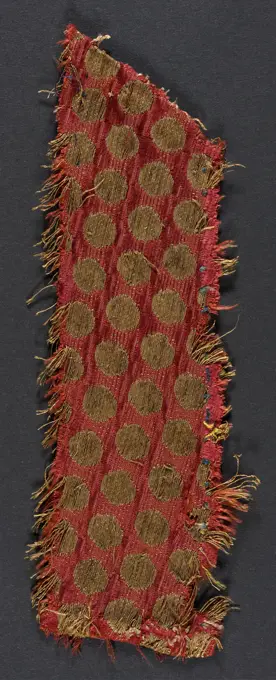
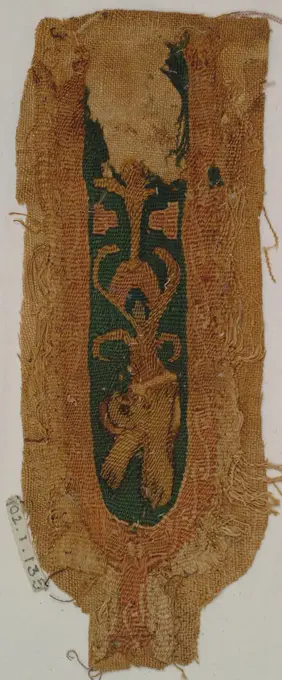
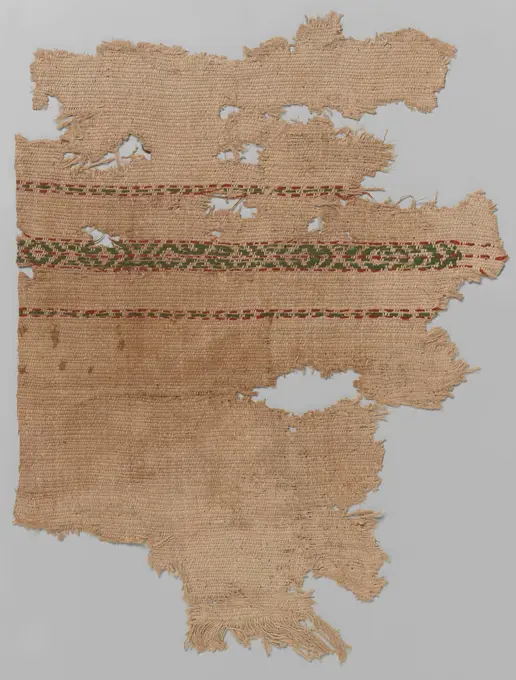
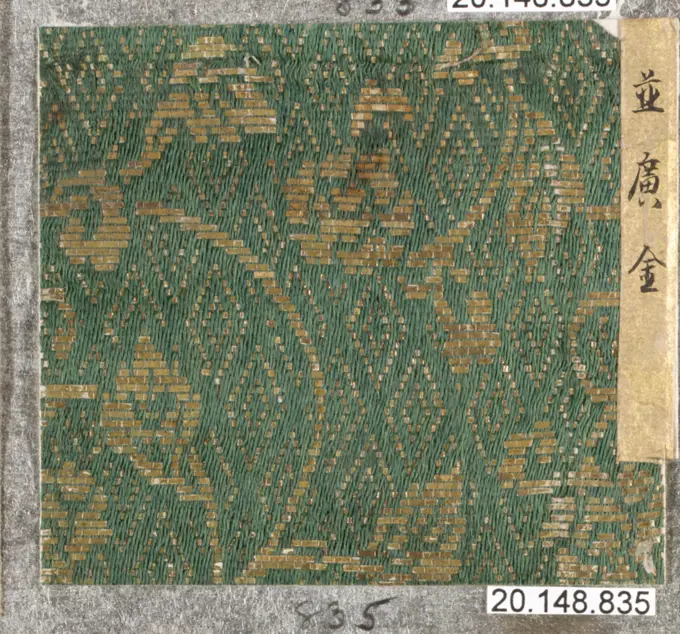
A collection of textile fragments including samplers, silk, and linen, showcasing intricate patterns and historical craftsmanship from various centuries.
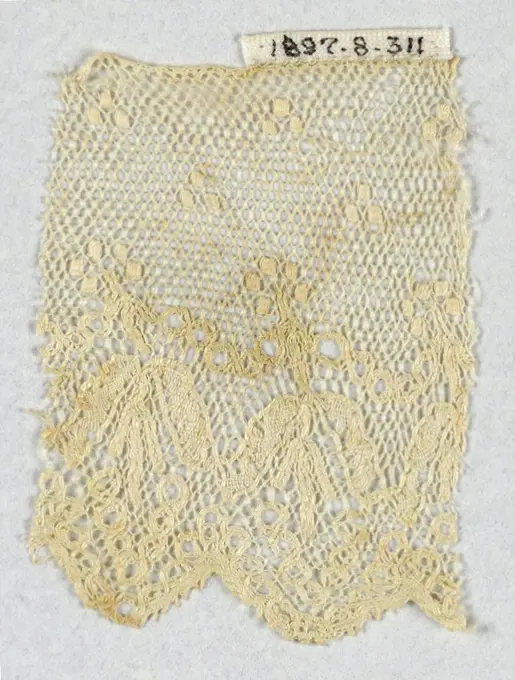
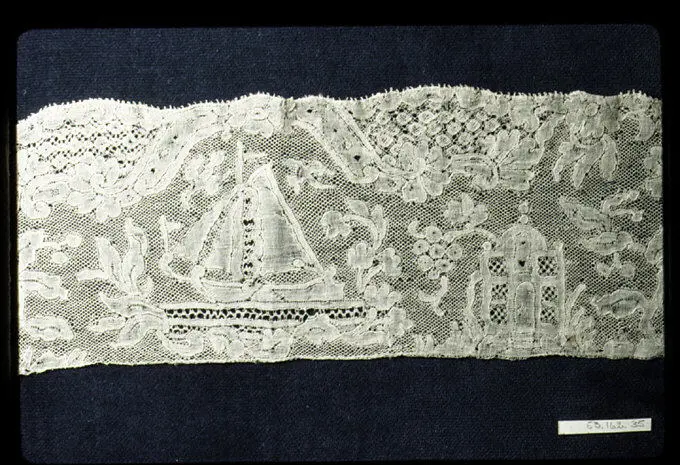
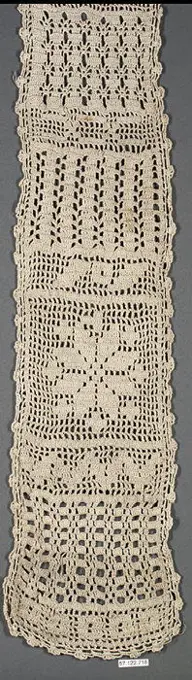
Fragment, Medium: Linen Technique: bobbin lace (Lille-style with heavy outlining cord), Fragment of Lille type bobbin lace., 19th century, lace, Fragment
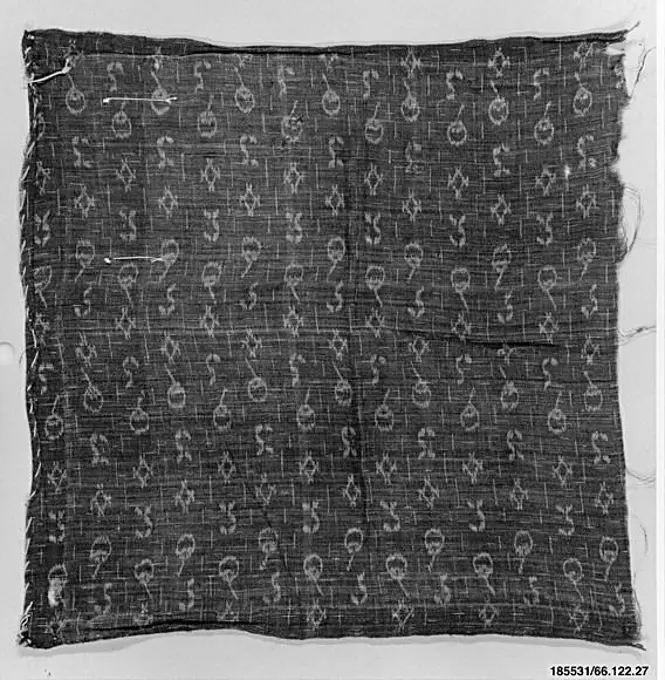
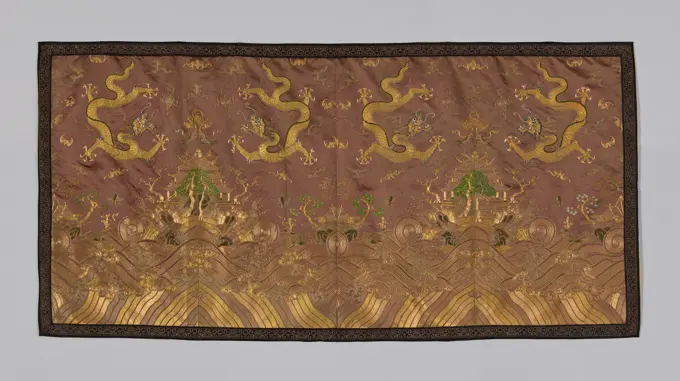
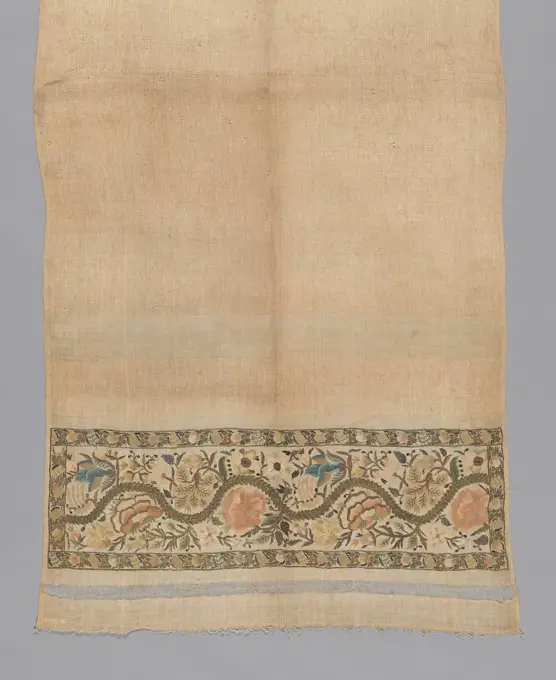
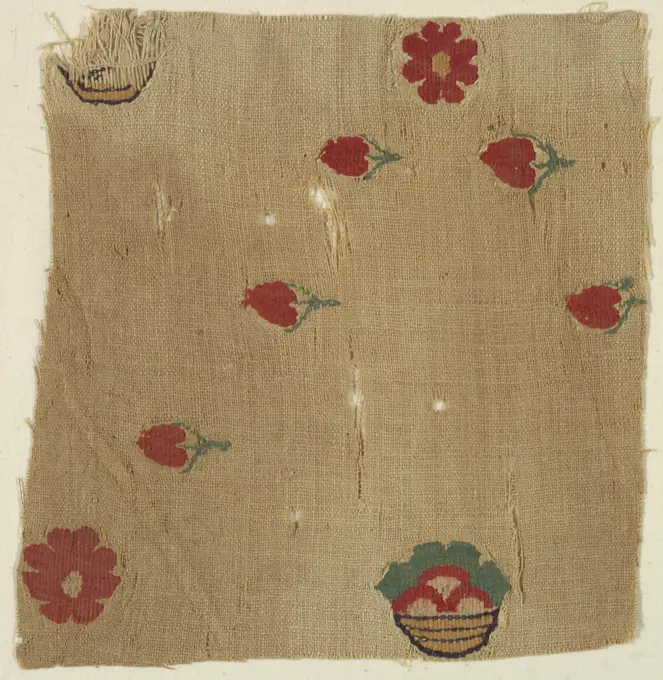
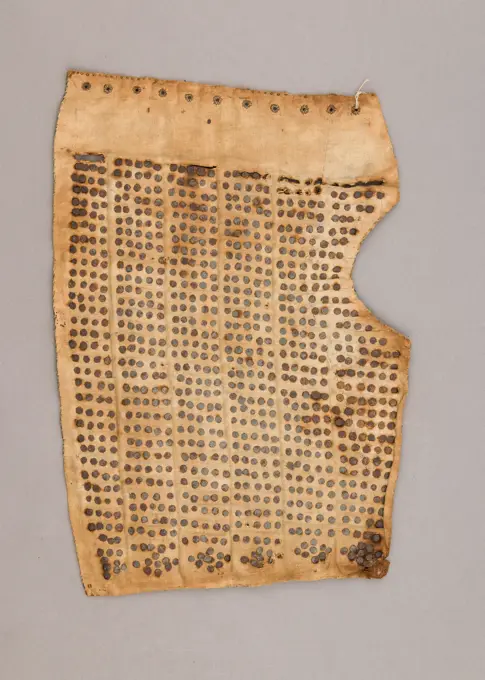
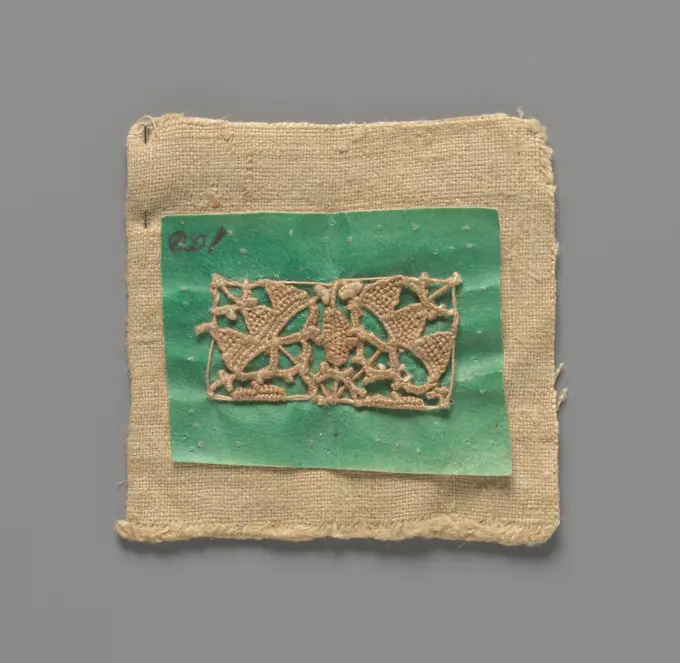
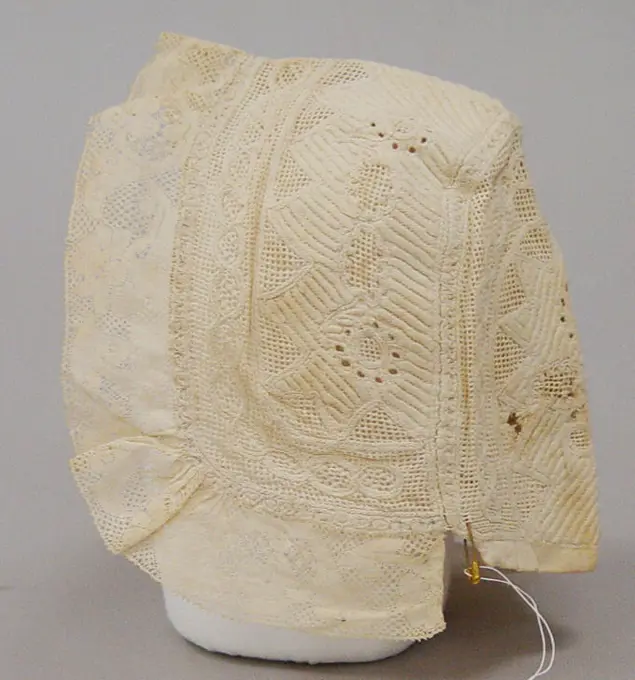
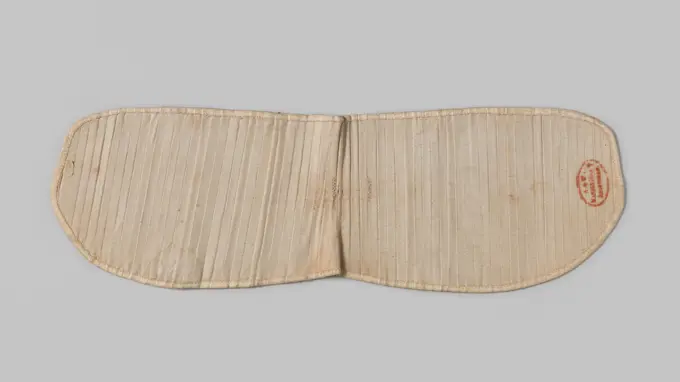
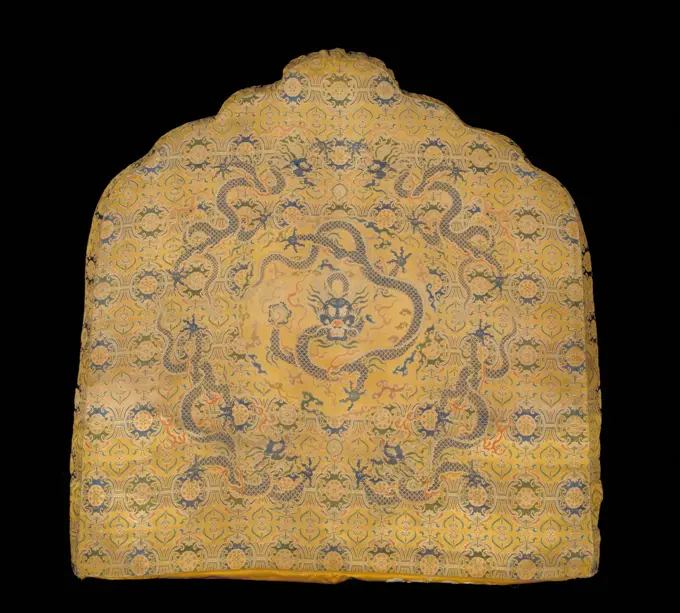
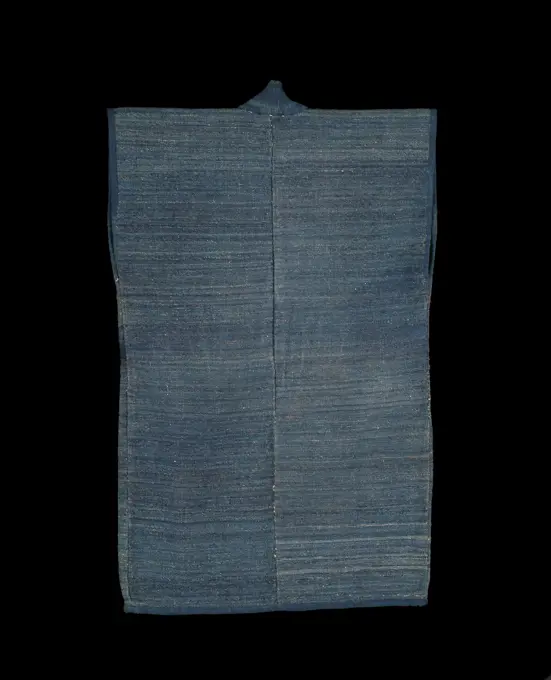
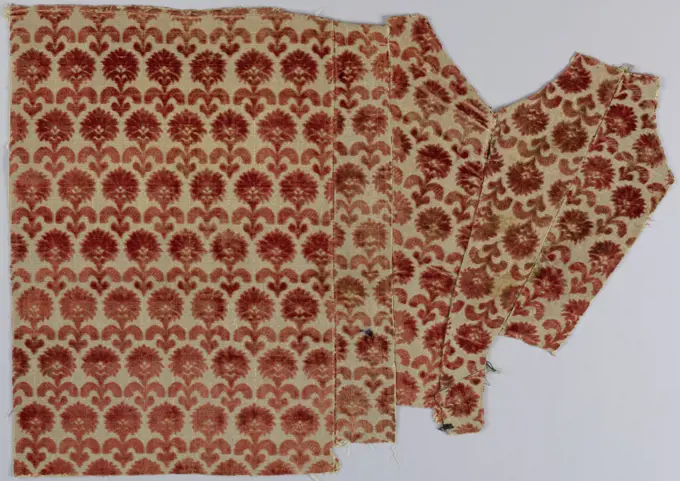
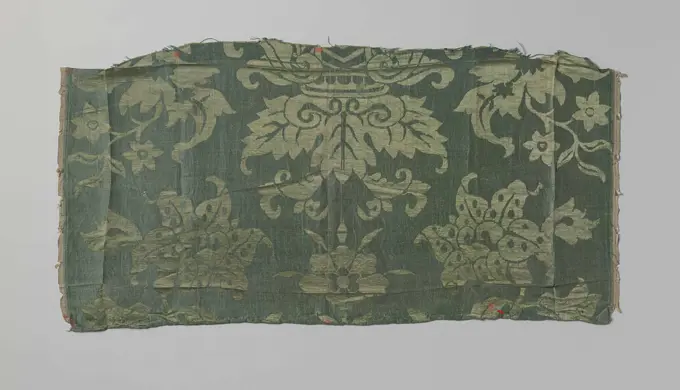
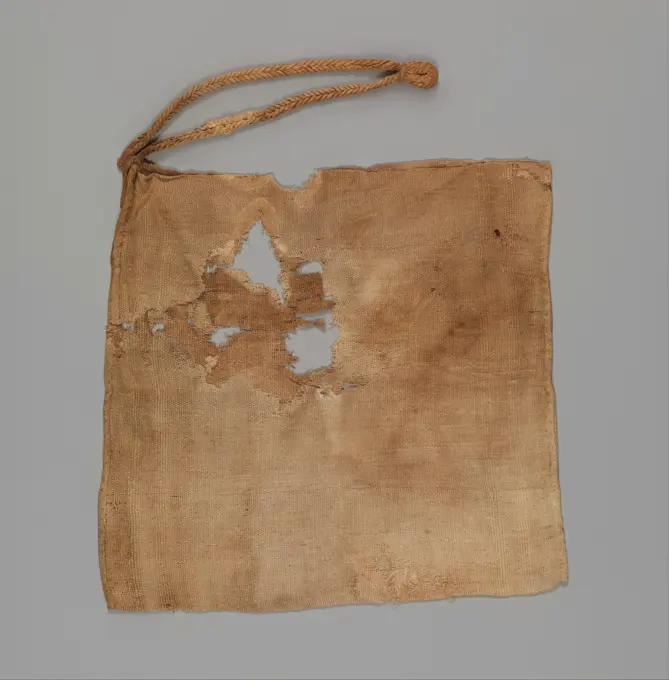
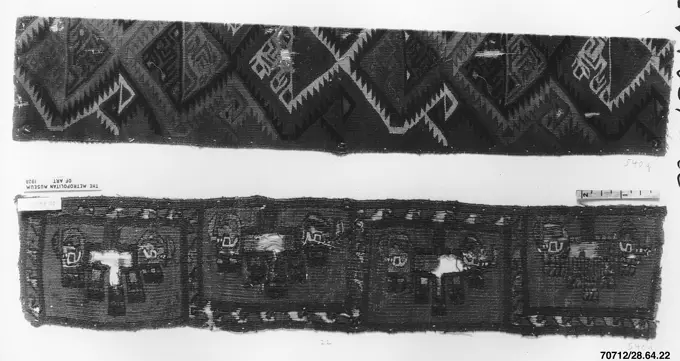
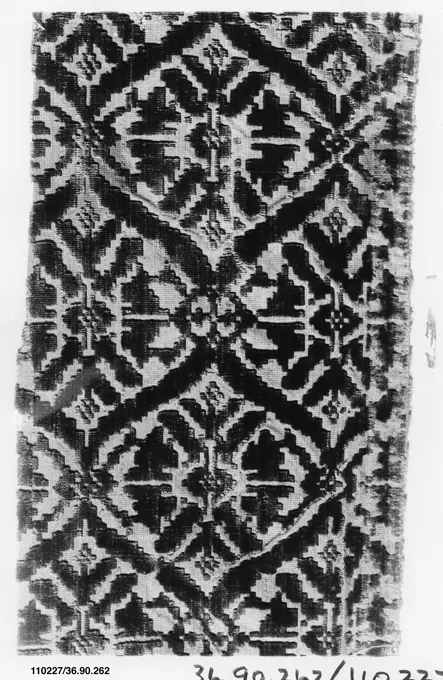
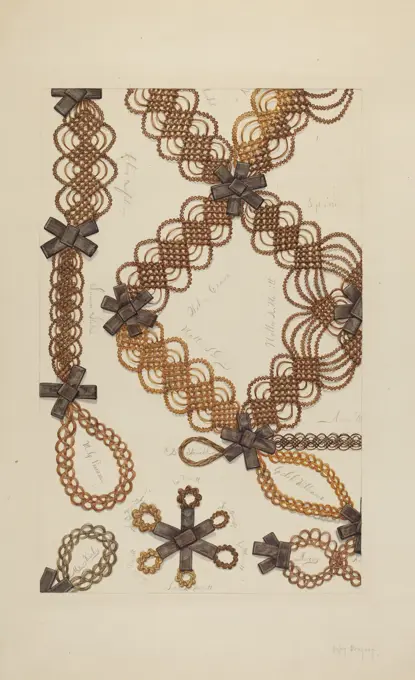
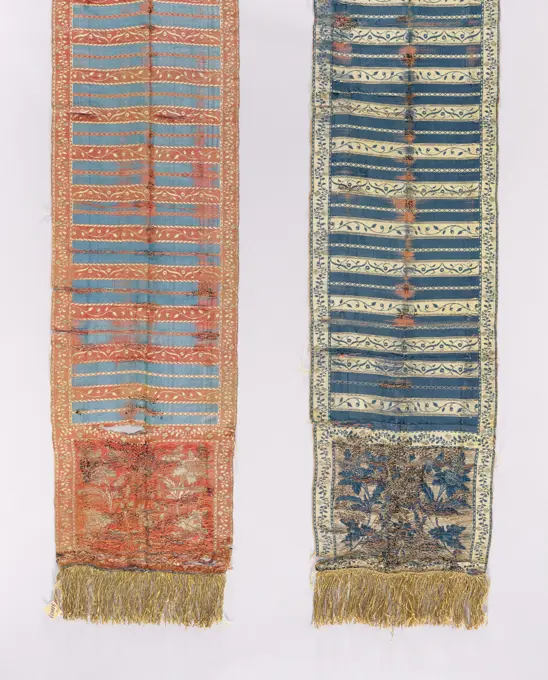
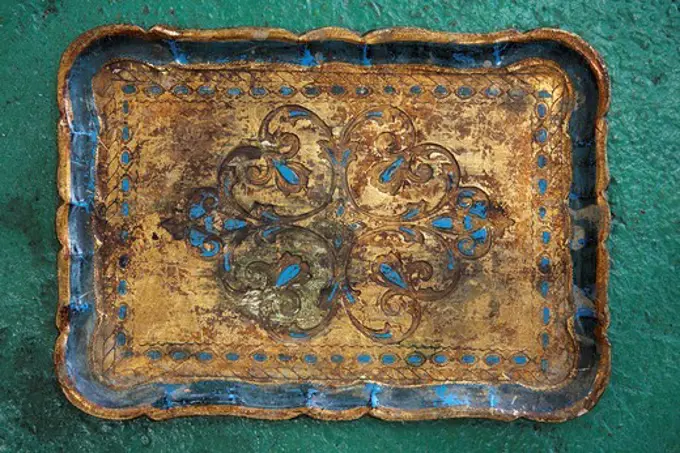
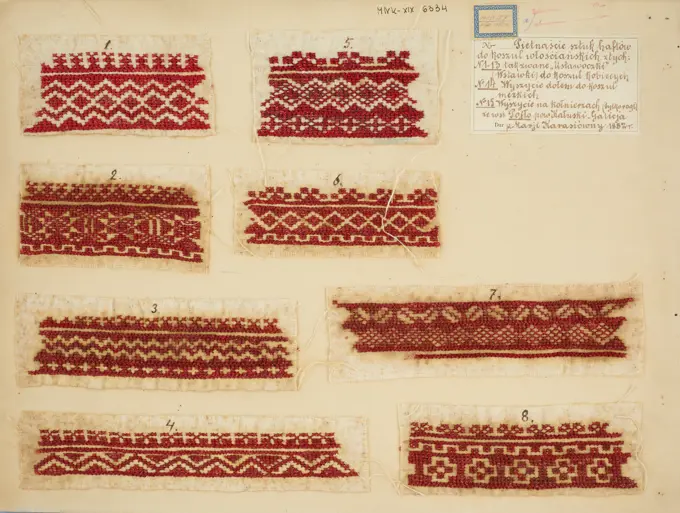
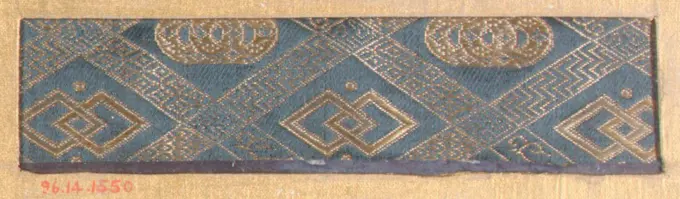
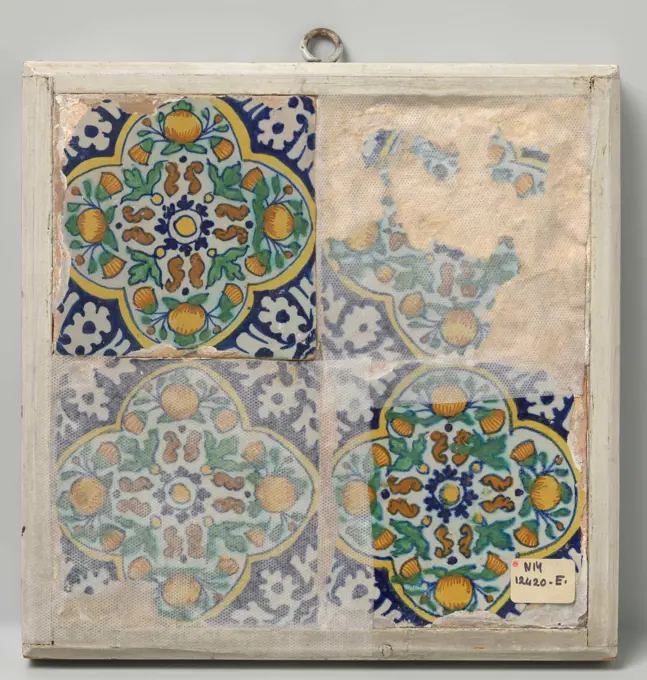
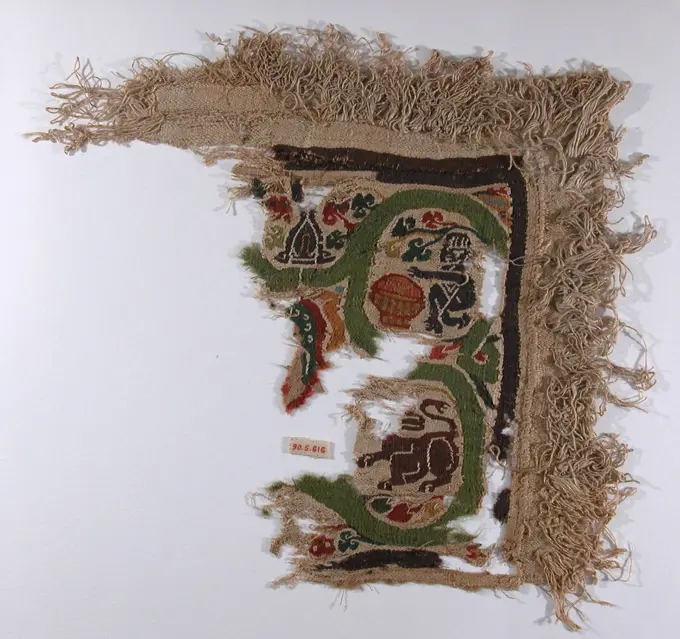
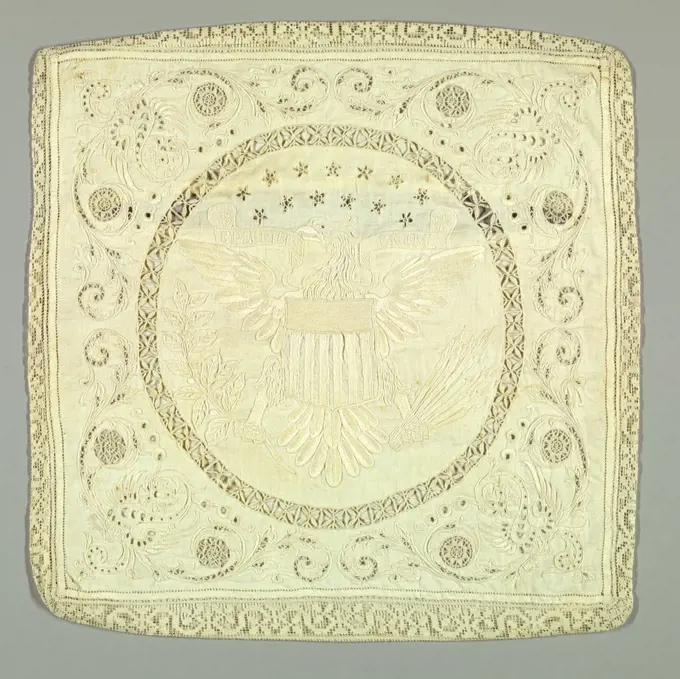
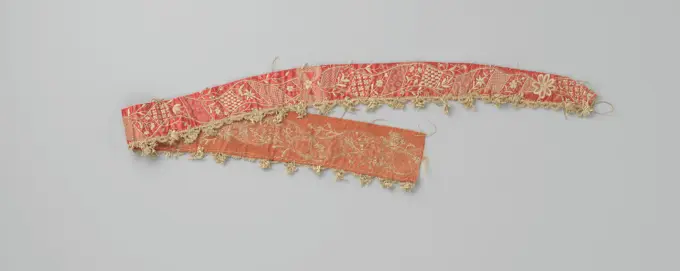
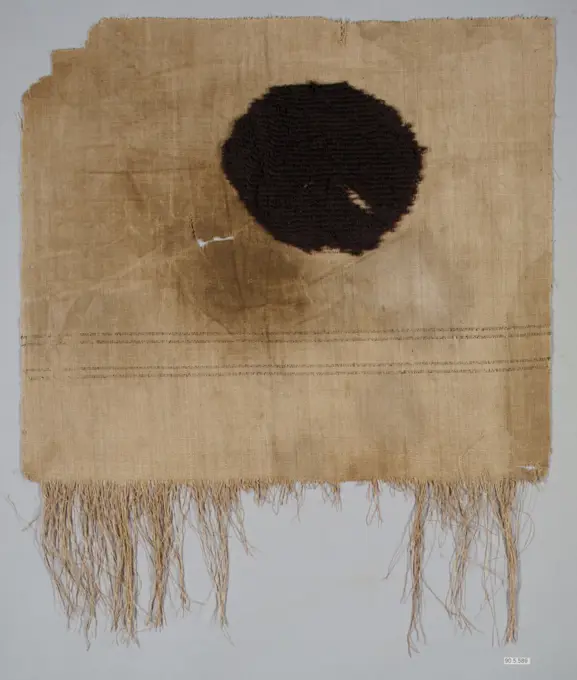
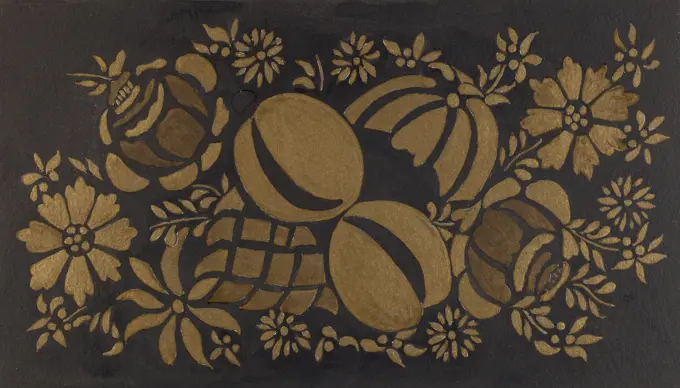
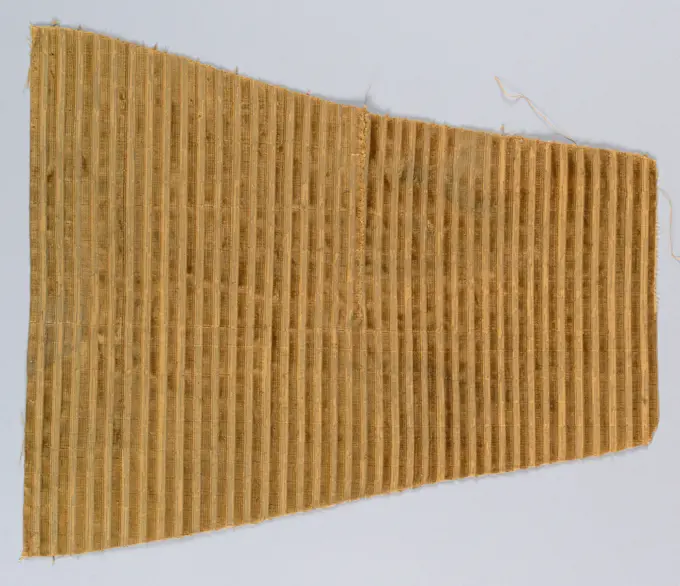
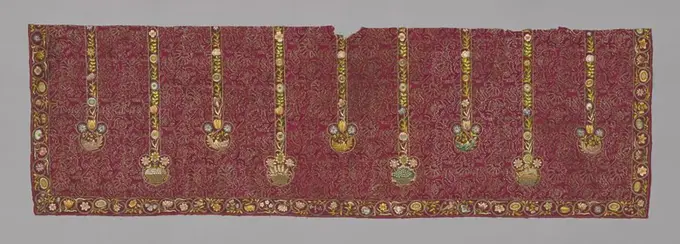
Panel (Showing Symbols of the Four Seasons). France. Date: 1601-1700. Dimensions: 86 × 278.1 cm (33 7/8 × 109 1/2 in.). Silk, satin weave self-patterned by reversing of faces; embroidered with silk floss, gold and silver gilt strips wound around silk fiber cores, in cross, running, satin, padded satin and split stitches; French knots; couching and laidwork. Origin: France. Museum: The Chicago Art Institute, Chicago, USA.Piece 19th century Japan (Shiga). Piece 70421Fragments of embroidery from the chasuble column unknownBorder 18th century Flemish. Border 227683Band (Egypt); warp; s-spun.z-twist linen. weft; s-spun linen, s-spun woolsPiece 18th-19th century Japan. Piece 67687Fragment, 17th century; silk; Warp x Weft: 13.3 x 15.3 cm (5 1/4 x 6 in.)Shawl Fragment; woolFragment of a Sleeve 7th-8th century. Fragment of a Sleeve 444014Fragment; silk; Bequest of Richard Cranch Greenleaf in memory of his mother, Adeline Emma Greenleaf; 1962-56-178Table cover, Medium: silk, metallic thread, linen knotted net Technique: needlework on hand knotted net, Table cover edged with insertions of darned net. Insertions in multi-colored silk and metallic thread in floral serpentine., Italy, late 16th-early 17th century, lace, Table coverSampler. England, Germany, or Netherlands. Date: 1770. Dimensions: 51.6 × 56.4 cm (20 3/8 × 22 1/4 in.). Linen, plain weave; embroidered with silk in darning stitch. Origin: England. Museum: The Chicago Art Institute, Chicago, USA.Panel (Dress Fabric) Made 1880-1890 China. Gold embroidered Imperial hanging of plum satin . ManchuTextile Fragment 5th century. Textile Fragment 443840Fragment, Medium: bark, raffia Technique: bark, beaten and/or chewed, pieced with raffia stitching, Fragment of bark cloth with a center field of alternating black and natural triangles, with borders on two sides of natural color with a single black stripe in the center., Democratic Republic of the Congo, late 19th century, non-woven textiles, FragmentBanner Made 1750-1850 China. Silk, warp-float faced 5 1 satin weave with weft-float faced 1 2 'S' twill interlacings of secondary binding warps, supplementary patterning wefts, and self-patterning ground wefts; silk, warp-float faced 5 1 satin weave with weft-float faced 1 2 'S' twill interlacings of secondary binding warps and supplementary patterning wefts; and silk and silver-leaf-over-lacquered-paper strips, warp-float faced 5 1 satin weave with weft-float faced 1 2 'S' twill interlacings of secondary binding warps, supplementary patterning wefts, and self-patterning ground wefts; pieced; lined with silk .Salesman's sample, Medium: silk, glass beads Technique: embroidered, Sample of dress trimming of chenille embroidery of leaves and applied ornament made up of knotted white silk and glass beads on satin forming long ovals and pendants representing floral forms, all on thin white ground (plain cloth). Mounted in paper folder, France, early 19th century, embroidery & stitching, Salesman's sampleSampler, Medium: cotton Technique: braided tape, needle lace fillings, Braided tape sewn into grid formation, filled in with needlelace., Germany, late 19th century, embroidery & stitching, SamplerTextile fragments. There were different types of textiles qualities. During the Inca period, the finest was cumbi, made with vicua. Central coast. Late Intermediate Horizon (1000-1450). Peru. Cotton and camelid fiber. Museum of the Americas. Madrid, Spain.Sample (Dress Trimming). England or France. Date: 1815-1835. Dimensions: 40.01 × 55.25 cm (15 3/4 × 21 3/4 in.). Cotton, plain weave; appliquéd with silk, satin weave and silk, netting. Origin: France. Museum: The Chicago Art Institute, Chicago, USA.Piece 18th-19th century Japan. Piece 67461Sampler (Mexico); cotton, glass beadsBath Towel Made 1701-1900 Turkey. Linen, twill weave with bands of plain weave with main warp loop pile; pulled thread work embroidered with silk and gilt- and silvered-metal-strip-wrapped silk in double and Russian overcast filling stitches; embroidered in double running and satin stitches; main warp fringe .Sampler 19th century German. Sampler 228641Insertion (For a Cover) Made 1601-1625 Italy. Linen, needle lace worked on a laid thread grid, Reticello pattern .Piece 17th century Japan. Piece 71766Textile, China, 18th-19th century, woven textiles, TextileFragment, Medium: linen Technique: plain and tapestry weave, Oblong fragment containing heart-shaped tapestry-woven red leaves and green stems at intervals. Leaves have a thin border of tapestry weave in the natural linen. Two red rosettes with pink centers similarly bordered in tapestry weave. A brown and yellow striped basket contains pink fruit and greens., Egypt, 6th century, woven textiles, FragmentTextile (USA); wool; 1954-98-1-a/cFragment 17th century Italian. Fragment 214821Textile Fragment 7th-8th century. Textile Fragment. 7th-8th century. Wool, linen; plain weave, tapestry weave. Attributed to Egypt. TextilesTextile Fragment. Central Asia, late 13th-early 14th century. Textiles; fragments. Silk cut and voided velvet, with metallic-thread supplementary weft patterningBand Fragment; warp; s-spun. z-twist linen. wefts; s-spun linen, s-spun woolsTissue fragment with launched woolen wires. Coarse linen tissue fragment with three woolen decorative woven lines in red and green, the middle wider is and has a diamond motif.Fragment; silkPiece 18th century Japan. Piece 71825Tunic Fragment With Clavus Bands (Egypt); warp: s-spun, z-twisted 2-ply linen; wefts: s-spun linen, s-spun woolRibbon 18th century probably European. Ribbon 213067Batist sub -sleek with flower vines in Point de Marseille, Anonymous, c. 1750 Batist submerged, decorated with flower vines in Point de Marseille. Netherlands Completely: Batiste. Lining: Linen (Material) Batist submerged, decorated with flower vines in Point de Marseille. Netherlands Completely: Batiste. Lining: Linen (Material)Textile Fragment 4th century. Textile Fragment 443561Fragments. Date/Period: 14th century. Fragments. Medium: silk, metallic threads. Technique: two interconnected plain weave structures (lampas) with discontinuous supplementary weft patterning (brocade). Author: UNKNOWN.Fragment Made 201 CE-1000 Egypt. . Ancient EgyptianBands; warp; s-spun linen. wefts, z-spun linen, z-spun woolPair Of Garters (France); cotton, silk; Warp x Weft: 21 x 4.7 cm (8 1/4 x 1 7/8 in.)Fragment Made 1601-1635 Italy. Silk, plain weave with supplementary pile warps forming cut, uncut, and voided velvet .Part of a Brigandine (Right Thigh Defense) early 16th century Italian. Part of a Brigandine (Right Thigh Defense). Italian. early 16th century. Tinned iron, textile. Armor Parts-Thigh and Leg DefenseFringe, Medium: silk Technique: plain weave, Blue and pink fringe with a heading and looped skirt threads graduated to form scallops, ending in tufts of floss of the same color., Spain, 17th century, trimmings, FringeSampler, Medium: wool on linen Technique: embroidered, Long narrow sampler with horizontal bands containing the alphabet, numerals, and geometric figures., England, 18th century, embroidery & stitching, SamplerFragments of silk fabric  a vase motif with flowers unknownPurse, Medium: wool, hemp Technique: embroidered in counted flame stitch, Envelope shaped purse embroidered in a small-scale flame-stitch pattern in bright polychrome wools on a hemp () canvas, piped in deep pink wool, stiffened with cardboard and lined with salmon pink taffeta., USA, 18th century, costume & accessories, PurseFragment crème colored silk damask with pattern of fruits, flowers and leaves. A fragment cream-colored silk damask with a pattern of fruits, flowers and leaves.Mat ca. 1550-1295 B.C. New Kingdom. Mat. ca. 1550-1295 B.C.. Fiber. New Kingdom. From Egypt, Upper Egypt, Thebes, Asasif, Temple of Hatshepsut, Carnarvon/Carter excavations. Dynasty 18Fragment; silkFragment, 1800s. India, 19th century. Brocade; silk, gold and silver threads; overall: 6.4 x 10.8 cm (2 1/2 x 4 1/4 in.).Fragment. Dimensions: 8 1/4 in. high 2 13/16 in. wide (21 cm high 7.1 cm wide). Date: 5th-6th century. Museum: Metropolitan Museum of Art, New York, USA.Tools for a needle side motif in the form of tailor linen on which green parchment is sewn with an almost completed motif in Reticella technology with tension threads, Kantwerkschool (The Hague), c. 1906 - c. 1910 Tools for a needle side motif in the form of tailor linen on which green parchment is sewn with an almost completed motif in Reticella technology with tension threads. The motif is a rectangle of Spanraden, which is divided in two squares, each of whom is divided with diagonal lines. Subsequently, a Reticella pattern was made with triangles, an oval, a wheel and trensjes. On the parchment is written with pencil: "1.00". The Hague linen (material). parchment (animal material) sewing Tools for a needle side motif in the form of tailor linen on which green parchment is sewn with an almost completed motif in Reticella technology with tension threads. The motif is a rectangle of Spanraden, which is divided in two squares, each of whom is divided with diagonal lines. Subsequently, Band (Netherlands); linenSidewall- fragment, Block-printed paper, Blue and white diamond diaper with simplified flowers., possibly USA, 1800-1825, Wallcoverings, Sidewall- fragmentMaple Sugar Mold. Dated: c. 1940. Dimensions: overall: 35.5 x 47.4 cm (14 x 18 11/16 in.) Original IAD Object: 2 1/2" wide; 1 3/8" thick; 26" long. Medium: watercolor and graphite on paper. Museum: National Gallery of Art, Washington DC. Author: George File.Cap early 18th century German. Cap 98325Textile Fragment 7th century Coptic. Textile Fragment 475240White linen collar with ribs, trimmed with a white leather edge; With stamped brand in Orange, Anonymous, c. 1815 - c. 1830 Collar of white linen with ribs, trimmed with white leather. On the collar a stamped brand in Orange within an oval: "A & W (), Vanregi (...), Amsterdam". Possible court clothing. Amsterdam linen (material). leather Collar of white linen with ribs, trimmed with white leather. On the collar a stamped brand in Orange within an oval: "A & W (), Vanregi (...), Amsterdam". Possible court clothing. Amsterdam linen (material). leatherThrone-back Cover, early 18th century, L.30-1/4 x W.29-5/8 in., silk, satin, gold, China, 18th centuryFragment. Dimensions: 11.75 in. high 11.75 in. wide (29.84 cm high 29.84 cm wide). Date: 3rd-4th century. Museum: Metropolitan Museum of Art, New York, USA.Fragment 16th century Italian. Fragment. Italian. 16th century. Silk. Textiles-VelvetsFragment (from Noh Costume) Made 1675-1700 Japan. Brocaded simple compound twill, silk and gilt paper; 1 1/2 strips to m.m. .Textile Fragment 3rd-4th century. Textile Fragment 443396Vest (sodenashi) made in the Tōhoku Region, 19th century, Unknown Japanese, 39 1/4 × 24 in. (99.7 × 60.96 cm) (overall), Cloth: cotton; saki-ori (split weave), Japan, 19th centuryFragment, Medium: silk, metallic thread Technique: cut voided supplementary warp pile in a plain weave foundation (velvet), Staggered rows of small rust flowering plants in cut velvet on a cream voided background embellished with gold thread., Italy, 16th-17th century, woven textiles, FragmentFragment blauw zijdedamast.Fragment blue silk tissue with a pattern of blue, large flowers and leaves.Fragment of a Sleeve 4th-5th century. Fragment of a Sleeve. 4th-5th century. Wool, linen; plain weave, tapestry weave. Attributed to Egypt. TextilesBag 7th century. Bag 446617Embroidered coat of arms. unknown, authorFootstool Top. Dated: c. 1941. Dimensions: overall: 30.8 x 23 cm (12 1/8 x 9 1/16 in.) Original IAD Object: overall: 9 1/2" high, 13" long, 10" wide. Medium: watercolor and graphite on paperboard. Museum: National Gallery of Art, Washington DC. Author: E. J. Reynolds.Tapestry Band Fragment with Grotesque Heads 10th-15th century Peru; central coast (). Tapestry Band Fragment with Grotesque Heads 307928Fragment (Italy); linenPiece 16th-17th century Italian. Piece 223363Helen Bronson, Shaker Hair Wreath, c 1938 Shaker Hair WreathKontusz sash/belt. Manufaktura P.C. Salzhübera, manufactureGermany, Offenbach, Close up of old trayFolk embroidery samples unknownPiece 18th-19th century Japan. Piece 67263Field of four pump back tiles. Field of 4 pump back tiles (2 x 2) each with a multi-colored (blue, yellow, red-orange and green) painted rosette surrounded by pomegranates within a four-pass frame. In the corners, filling technology ornament.2 Textile Fragments, Unascertainable, Pieces of a Border, or 2 Textile Fragments, Undetermined Paracas Necropolis. 2 Textile Fragments, Unascertainable, Pieces of a Border, or 2 Textile Fragments, Undetermined, 300 B.C.E.-200 C.E. Cotton, camelid fiber, a: 2 13/16 x 9 1/8 in. (7.1 x 23.2 cm).   Arts of the Americas 300 B.C.E.-200 C.E.Fragment of a multi -colored seals, anonymous, 1740 - 1760 A fragment of a silk tissue. Branches with salmon -colored flowers, partially green framed on a brown, satin soil. NOTE: MEERSHIP; 0.5 cm Effenbinding, Satin.  silk A fragment of a silk tissue. Branches with salmon -colored flowers, partially green framed on a brown, satin soil. NOTE: MEERSHIP; 0.5 cm Effenbinding, Satin.  silkFragment, Medium: silk Technique: 3/1 twill with complementary wefts, Paired small birds flanking a tree with fleur de lis. In gold on tan ground, possibly Sicily, 13th century, woven textiles, FragmentTextile Fragment 4th century. Textile Fragment 444095Tapestry Bag 7th century Nasca. Tapestry Bag. Nasca. 7th century. Camelid hair. Peru. Textiles-WovenFragment of the carton;  indefinite (0-00-00-0-00-00);Fragment, 1800s. India, 19th century. Brocade; silk and metal; overall: 30.5 x 7.6 cm (12 x 3 in.).Rocaille cartouche with flowers ca. 1735-50 Probably manufactured in the Beauvais. Rocaille cartouche with flowers 230688Pillowcover, Medium: cotton and linen on linen foundation Technique: satin, speckling, stem and buttonhole stitches on plain weave; cutwork with buttonhole stitches, Pillowcover with the Great Seal of the United States in the center and scrolling grotesques filling each corner. The unembroidered back cover closes with two buttonhole edges and a strip of tape with buttons on it that goes through the two layers of buttonholes. The front and back cover are joined to each other with a three centimeter wide band of filet lace insertion., USA, ca. 1900, embroidery & stitching, PillowcoverPiece 18th-19th century Japan. Piece 67744Embroidered Interior Textile, anonymous, c. 1750 - c. 1760  France (possibly) silk. braid embroidering  France (possibly) silk. braid embroideringTextile Fragment 3rd century. Textile Fragment 444068Sampler, Berthe Oppenheimer, Medium: silk embroidery on cotton foundation Technique: embroidered in cross and running stitches on plain weave foundation, Alphabets on top, motifs on bottom, wreath in middle., Germany, 1847, embroidery & stitching, SamplerGenevieve Sherlock, Hitchcock Chair, c 1940 Hitchcock ChairFlag. The flag is red with a white course along the pants and a white rose in the field.Fragment, Medium: linen Technique: bobbin lace (continuous tape with net added), Fragment of lace made of continuous tape bobbin lace with Valencienne like braided ground., 17th century, lace, FragmentFragment; silk; Warp x Weft: 38 x 31.8 cm (14 15/16 x 12 1/2 in.)