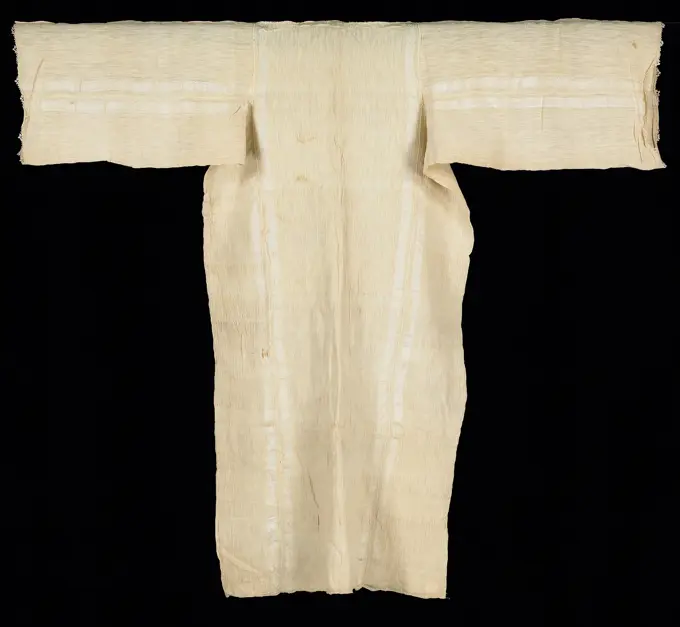
Historical Textile Fragments

A collection of textile fragments including samplers, silk, and linen, showcasing intricate patterns and historical craftsmanship from various centuries.
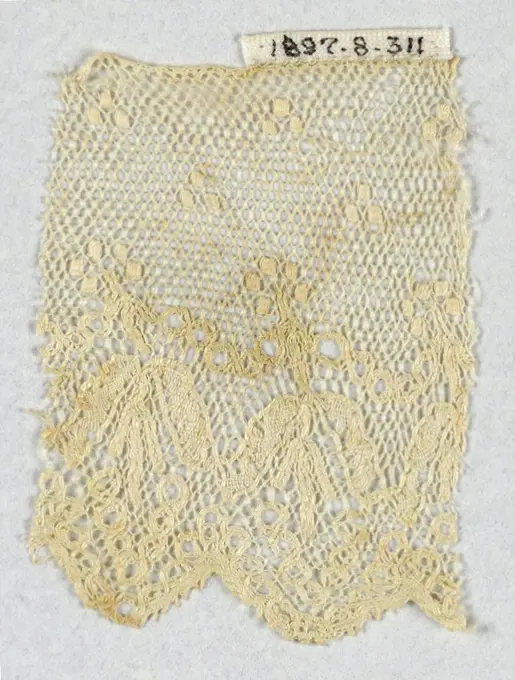
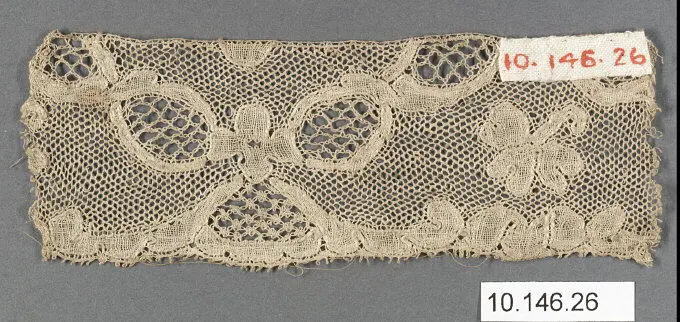
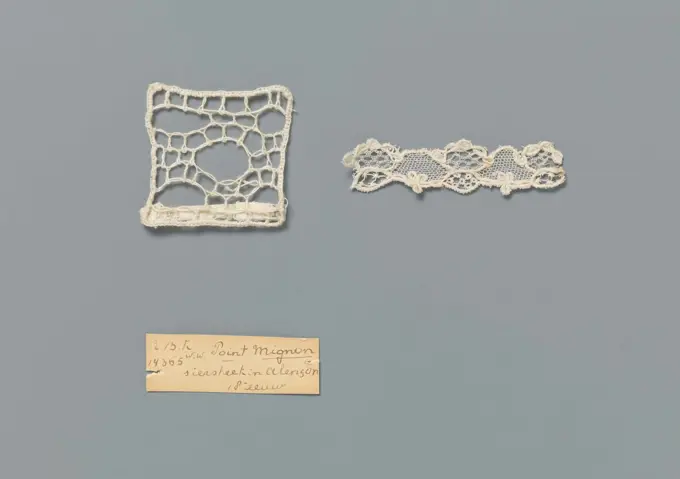
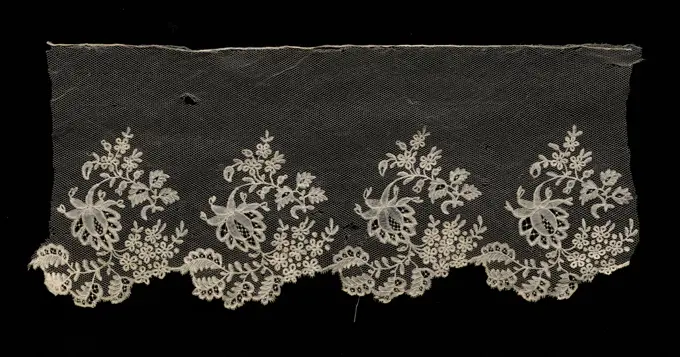
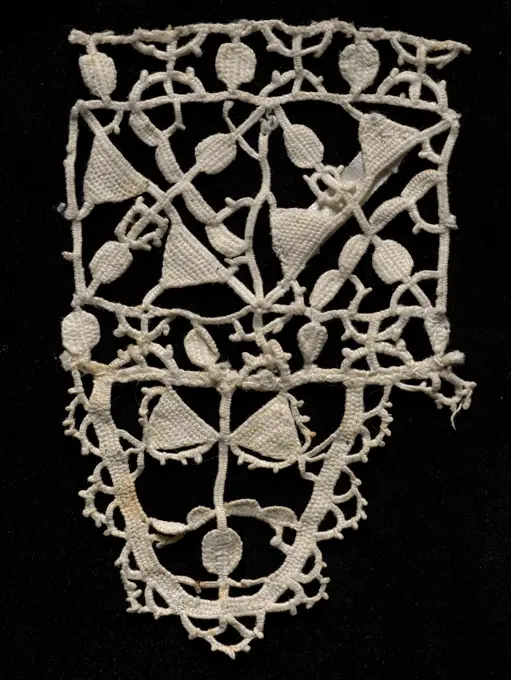
Fragment, Medium: Linen Technique: bobbin lace (Lille-style with heavy outlining cord), Fragment of Lille type bobbin lace., 19th century, lace, Fragment
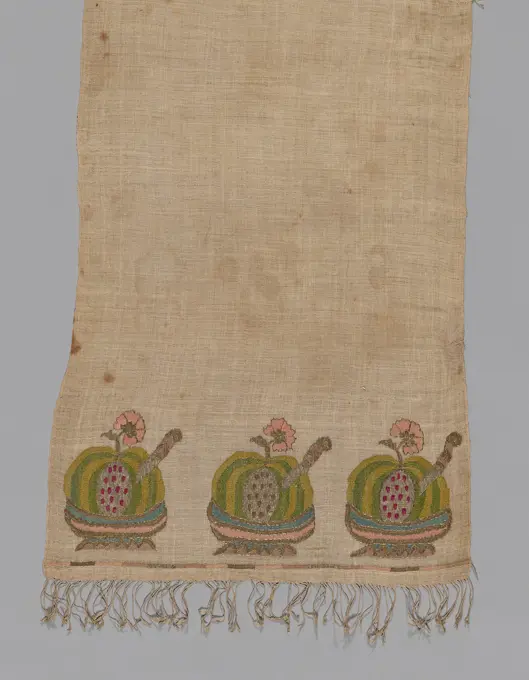
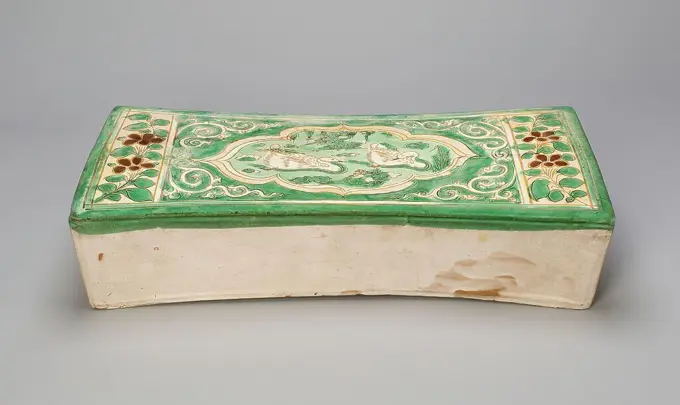
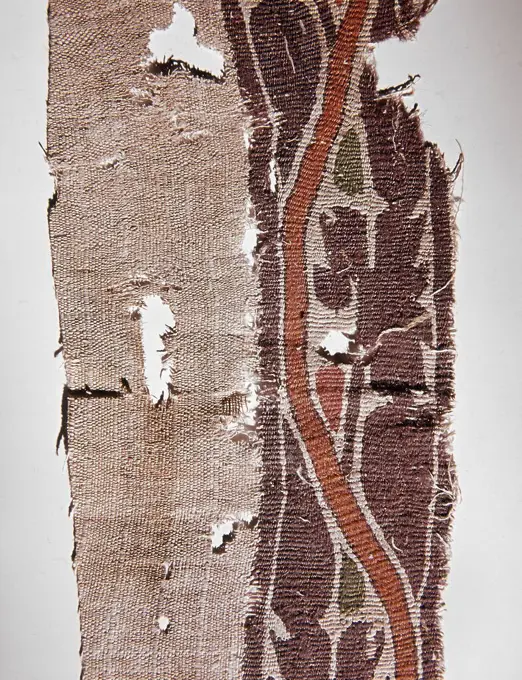
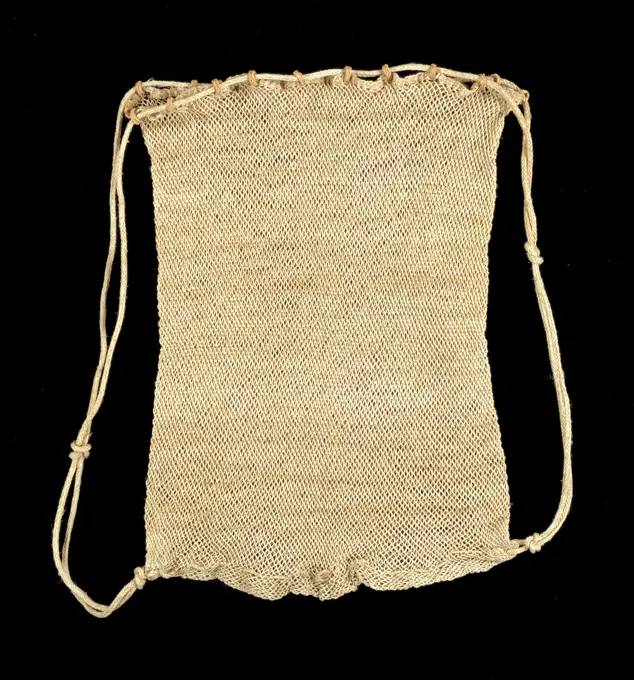
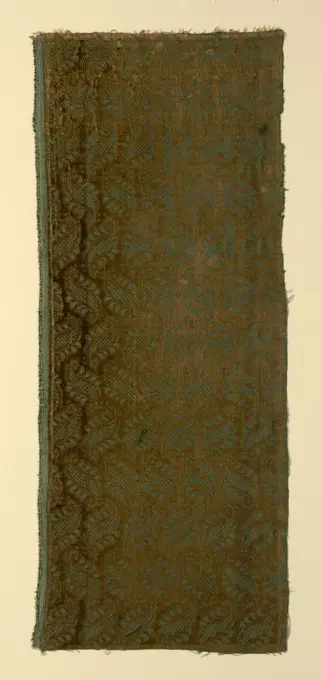
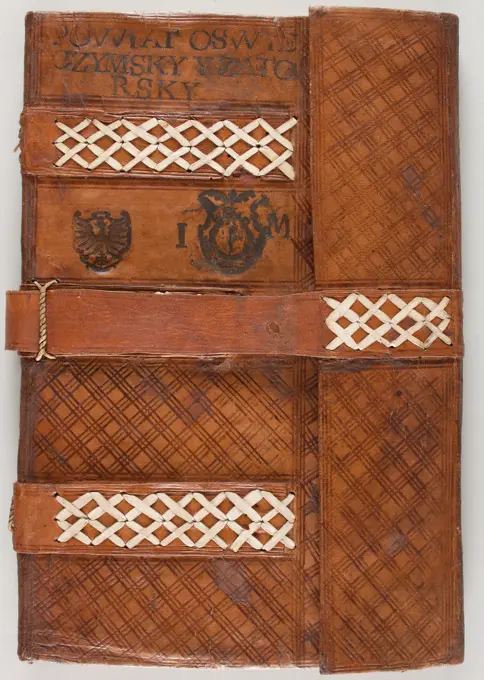
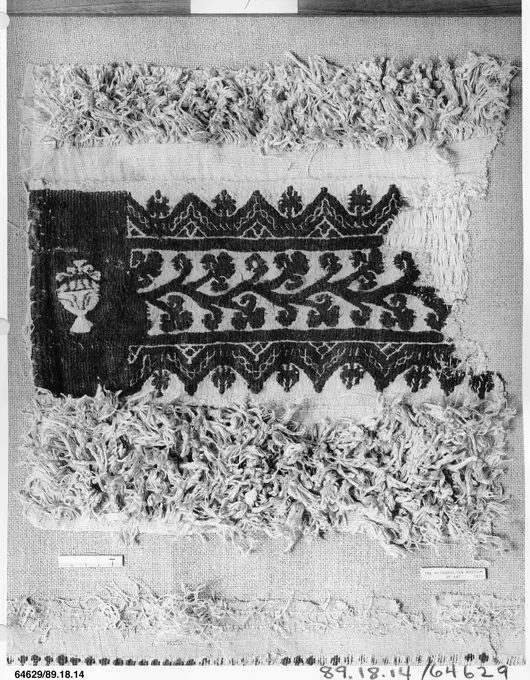
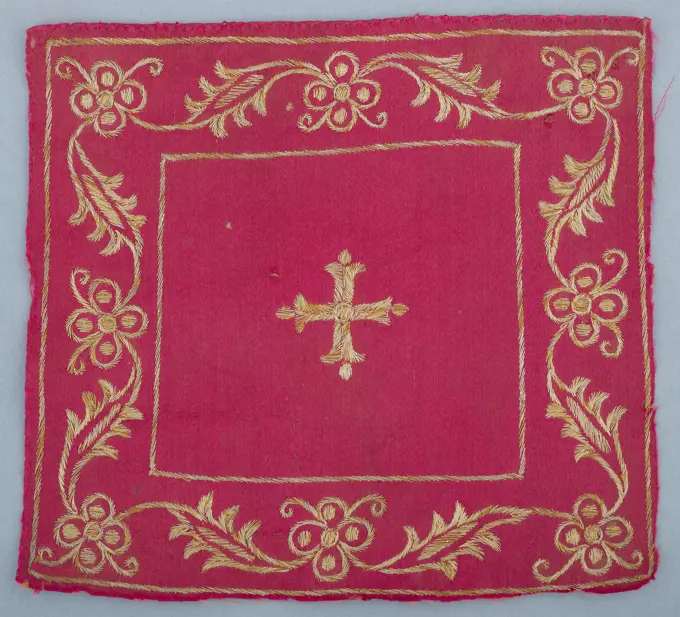
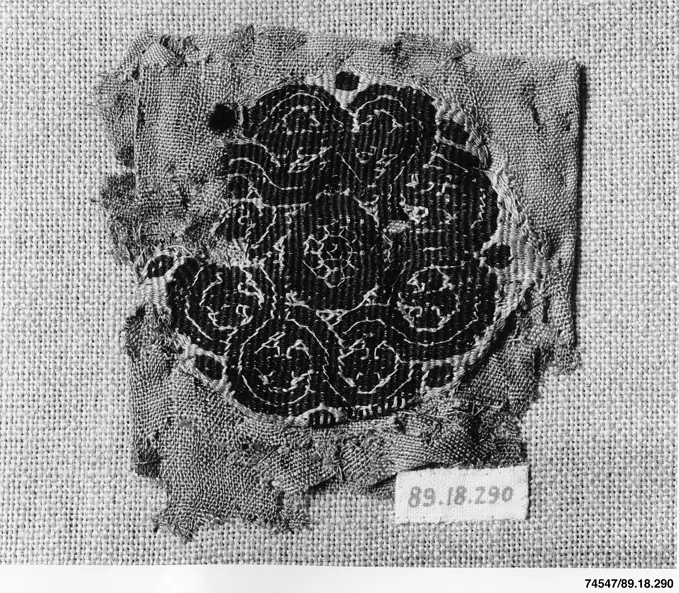
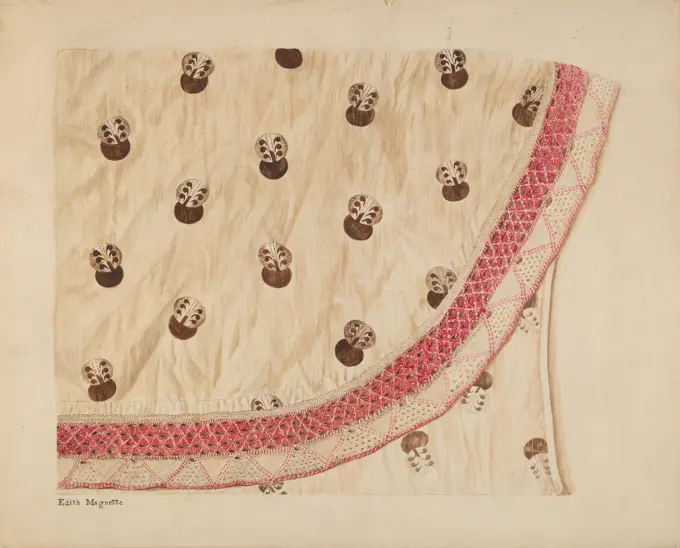
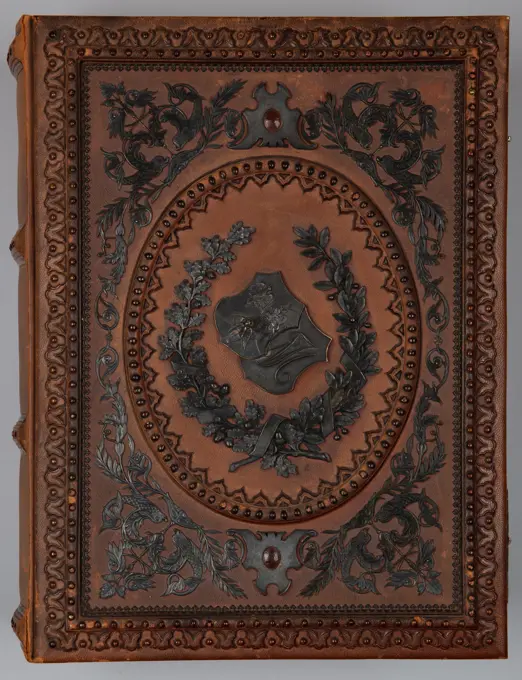
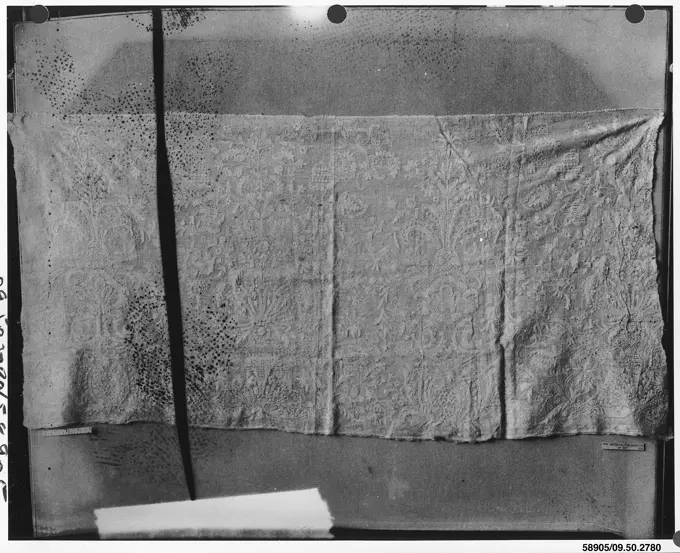
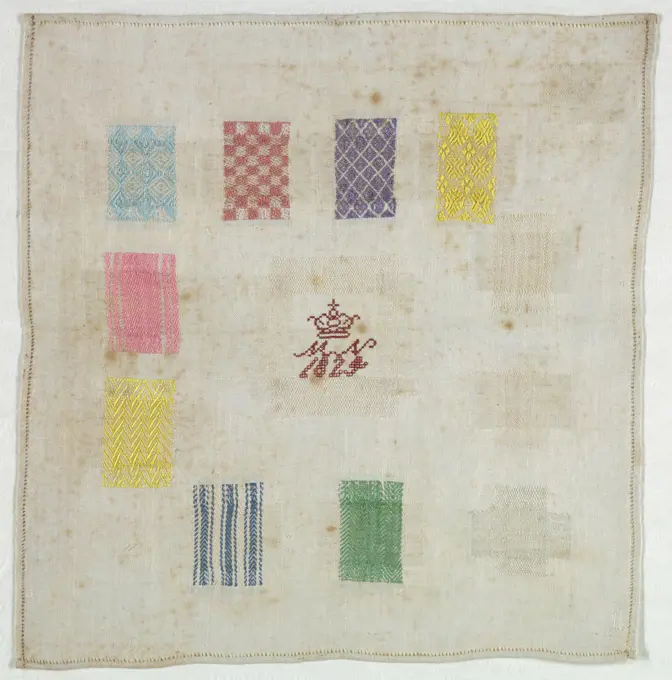
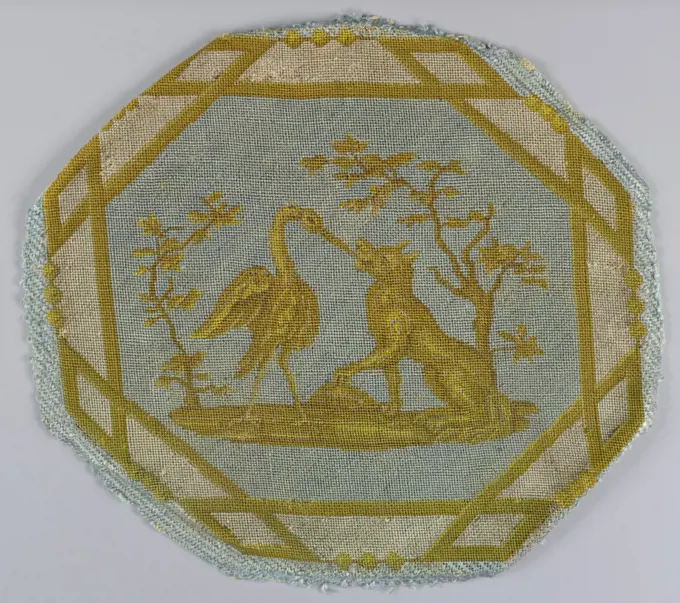
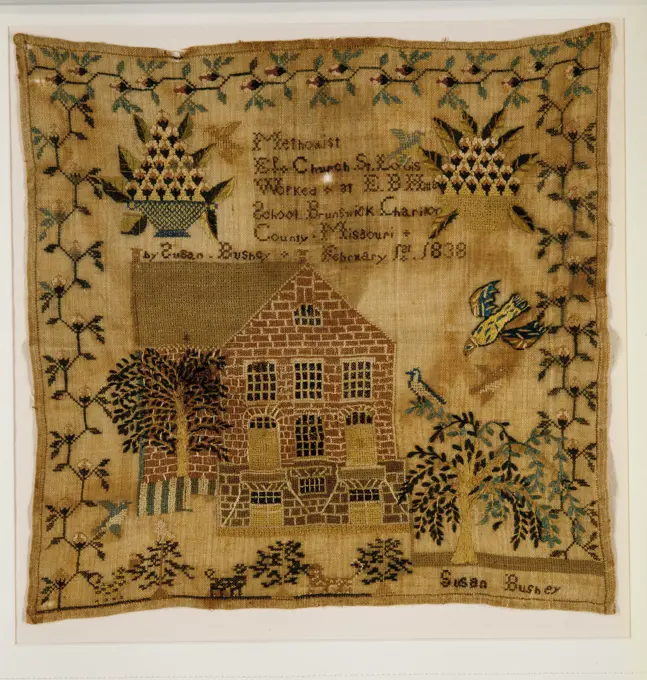
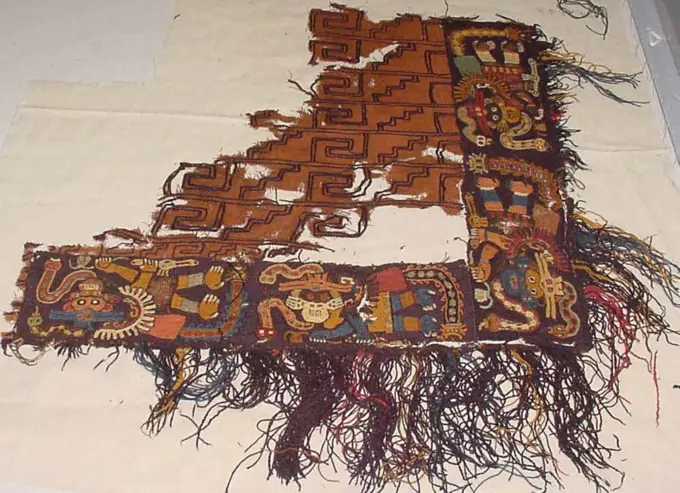
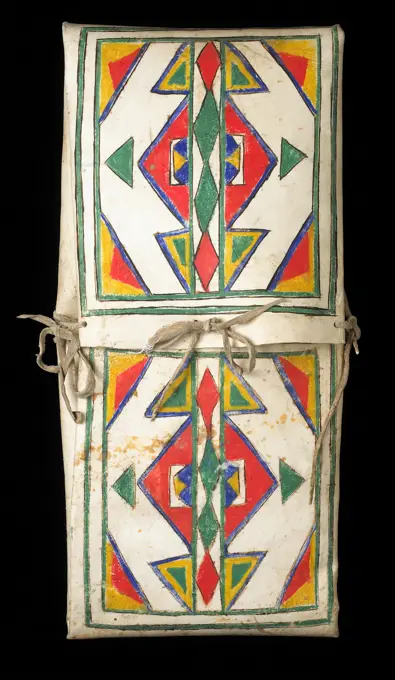
Fragment of Coptic fabric unknownBorder 16th century Italian. Border. Italian. 16th century. Cutwork. Textiles-LacesLuxurious Woolen Tunic with Decorated Bands and Roundels, 600s-700s. Egypt, Umayyad period (661-750). Weft-faced plain weave with slit-and dovetailed-tapestry weave, supplementary weft wrapping, embroidery; undyed linen, dyed wool; overall: 205 x 170.2 cm (80 11/16 x 67 in.). Since the mid-AD 200s tunics were the main garments worn in Egypt. This unisex tunic is decorated on the front and back with the same geometric and figural motifs, including men on horseback hunting and geometric braided knots that were believed to protect the wearer from harm. A red background was favored in the early Islamic period. Made of thick wool for cooler weather, it was woven in one complete piece with the front, back, and sleeves in this exact shape and size. The tunics owner repaired it on the left side and shortened it nearly two inches by sewing a fold around the waist. The discoloration and deterioration indicate the garment may have been used in a burial.Fragment of a Sleeve 6th century. Fragment of a Sleeve 443832Surcoat or Vest Made 1800-1900 Japan. This garment, made with a higher quality of paper and workmanship than the haori nearby (2014.192), may well date from the last years of the Edo period (1615-1868) since the two principal patternsóinterlocking sircles on the interior and floral lozenges on the exteriorówere restricted to certain classes during that era. Although this surcoat lacks some of the military functionality of the example to the left (2015.283), it may be a version of a jinbaori, made at a time when samurai were bureaucrates, not warriors.-A Global View Recent Acquisitions of Textiles, 2012-2016, April 8-September 5, 2016. Stencil on Japanese paper (probably kozo fiber) .Girdle Fragment; cotton, metal; Warp x Weft: 82 x 51 cm (32 5/16 x 20 1/16 in.)Towel Made 1801-1900 Turkey. embroidered .Anonymous, bar of German decorations ribbons 1866 - 1870 (Beaumont, Sedan, Loigny -Poupry, Orléans) - 1897 (attributed title), 1866. Metal, fabric, felt. General Leclerc Museum of the Liberation of Paris - Jean Moulin Museum.Fragment, before 1928. Italy. Embroidered linen; overall: 9.5 x 13.3 cm (3 3/4 x 5 1/4 in.).close up of an empty wooden sign on white background with clipping pathTextile Fragment 18th century. Textile Fragment. 18th century. Silk on cotton. Attributed to Iran. Textiles-EmbroideredFragment; silk; Warp x Weft: 37.8 x 19.6 cm (14 7/8 x 7 11/16 in.)Sampler Made 1719 Germany. Linen, plain weave; embroidered with linen and silk .Conciliate belt; Manufaktura Paschalis Jakubowicz (Warsaw; label Pasów; 1788-1794); 1791-1794 (1791-00-00-1794-00-00);Fragment 18th century Flemish. Fragment 218915Piece 17th century Japan. Piece. Japan. 17th century. Silk / Compound weave. Textiles-WovenRectangular Pillow with Mandarin Ducks in a Lily Pond. China. Date: 1150-1234. Dimensions: 39.6 × 18.0 × 11.0 cm (15.6 × 7.1 × 4.3 in.). Cizhou ware; earthenware, slip-coated with green and amber-yellow glazes and carved and incised decoration. Origin: China. Museum: The Chicago Art Institute, USA.Steel needle side with an ornamental ground made in fine diamond stitch. Steel natural-colored coniferous side with an ornamental ground used in Alençon side. Study material. The needle side stitch that is used in ornamental soil is also called 'point de mignon', a fine diamond stitch. The edges of the steel are finished with feston stitches. With the steel that was made as a study around 1925, a fragment of Alençon side from the 18th century in which this diamond stitch has been applied in ornamental ground.Cooper Union Museum Lace Study Card, Medium: linen Technique: bobbin lace (Mechlin-style), Scalloped border fragment with 'fond de neige' ground. Scrolling flowers and foliage set off by solid bands., Belgium, 18th century, lace, Fragment, FragmentEmbroidery patch of red cotton on cotton .. embroidery patch of cotton on cotton. The embroidery has four square motifs, two corner patterns and different edge patterns. The lap is finished around with a knotted frills.Piece 18th-19th century Japan. Piece 66813Piece 16th century Spanish. Piece 216478Fragment with a Band 4th century. Fragment with a Band 443641Ship flag. Doormen Dutch tricolor, the sides deposited with frills and on the pants twelve straps for attachment to stick or flag line.Textile Fragment 3rd-4th century. Textile Fragment 443210Fragment (France); silk, cottonTextile Fragment 5th-6th century. Textile Fragment 444062Textile Fragment 4th-6th century. Textile Fragment 456909Fragment, Medium: silk, metallic Technique: brocaded plain weave, decorative slashing, Metallic band with rounded points similar to reticella lace on a brown ground., Italy, 17th century, woven textiles, FragmentBanner with Medallions of Christ's Passion, 1700s. Spain, 18th century. Crimson silk brocade; satin; scalloped border with fringe and tassels; overall: 119.4 x 108 cm (47 x 42 1/2 in.).TEJIDO DE LANA COPTO. Location: ALHAMBRA-MUSEO TEXTIL. GRANADA. SPANIEN.Textile Fragment, Unascertainable or Mantle, Fragment Nasca. , 200-600 C.E. Cotton, camelid fiber, 5 7/8 x 6 5/16 in. (14.9 x 16 cm).   Arts of the Americas 200-600 C.E.Band first quarter 19th century Hungarian, Slovak. Band 221384Fragment, Medium: Warp; S-spun, Z-twist linen. Wefts; S-spun linen. S-spun wool Technique; slit tapestry with supplementary wrapping and supplementary weft loops, Red-purple leaf with stem in a field of looped pile., 3rd-4th century, woven textiles, FragmentRandtegel.Edge tile (A and B form a continuous fries), painted in blue, yellow, orange, turquoise and manganese. In the middle a console with volutes between two half palm-like motifs.Edging ca. 1850 French, Lille. Edging. French, Lille. ca. 1850. Bobbin lace. Textiles-LacesBackpack, 20th century, 24-1/2 x 16-1/2 in. (62.2 x 41.9 cm), Plant fibers; knotting, Taiwan, 20th centuryFragment Made 1501-1600 Italy. Silk; cut, uncut voided velvet against plain weave foundation .Soul of majolica dish, on which text and fruit, dated 1659, dish crockery holder soil find ceramic earthenware glaze lead glaze tin glaze w 17,5, ring 9.4 hand turned baked glazed painted baked Soul of majolica dish Bottom completely covered with lead glaze Wide flat stand ring pierced Monochrome decor. Blue Pictured is table covered with fruit in the middle two pears Text and year on princes fried but very small prints text and year: DE TAEFEL and 1659 archeology decorate serving foodFragment, Medium: silk Technique: bobbin lace, Multicolored floral design with ground in pale green silk, 19th century, lace, FragmentFragment majolica dish, yellow, orange, green and blue on white, star-shaped decor, with leaf motifs in between, rosette in the middle, dish plate crockery holder earth discovery ceramics pottery glaze, archeology serving garnishEmbroidered darning sampler 1750 Dutch. Embroidered darning sampler 228093Darning sampler, Medium: silk embroidery on cotton foundation Technique: embroidered in running and satin stitches on plain weave foundation, Fourteen squares of pattern darning, a square of simulated knitting, two insert patches, one with initials and date, two inset corners, and small squares of decorative stitchery., Germany, 1824, embroidery & stitching, Darning samplerFragment (France); silkPiece 18th-19th century Japan. Piece 66819Bobbin (Point Plat Applique) and Machine Lace Flounce, 19th century. Belgium, Brussels, 19th century. Lace, bobbin; average: 16.2 x 53.4 cm (6 3/8 x 21 in.).Piece 17th century Japan. Piece 71300Fragment of a Tunic 5th-6th century. Fragment of a Tunic 443829Animal tile, flying bird above water to the left, in blue on white, corner pattern French lily, wall tile tile sculpture ceramic earthenware glaze, baked 2x glazed paintedFragment (Peru); wool, cactus-spine, linenNeedlepoint (Punto in aria) Lace Edging, 16th-17th century. Italy, Genoa, 16th-17th century. Lace, needlepoint: linen; average: 8.3 x 5.1 cm (3 1/4 x 2 in.).Document folderTextile Fragment 17th century. Textile Fragment. 17th century. Silk, metal thread. Made in Iran. TextilesTextile Fragment 3rd-4th century. Textile Fragment 443219Florence Hastings, Quilts, Pieced, 1935 1942 Quilts, PiecedPall, satin, raspberry, embroidered  cross motif unknownFragment (France); linenFragment of band, Medium Warp; linen. Weft; linen, silk. Technique; Supplementary wefts in plain weave foundation, Geometric pattern from one side to the other and a woven repetion of the greek word 'Agios'. pattern in blue and red., 12th-14th century, woven textiles, Fragment of bandRandse Gel, Anonymous, c. 1750 - c. 1799 Randtegel (A and B forms a continuous Frisian), painted in blue, yellow, orange, turquoise and manganese. In the middle a console with volutes between two half -like motifs. Spain (possibly) earthenware. tin glaze Randtegel (A and B forms a continuous Frisian), painted in blue, yellow, orange, turquoise and manganese. In the middle a console with volutes between two half -like motifs. Spain (possibly) earthenware. tin glazeShawl 1825-50 probably American. Shawl 123078Two-tone tile, blue on white background, finished painting, four circles with white French lily around central ornament with lily, wall tile tile sculpture ceramics pottery glaze, baked 2x glazed painted Yellow to reddish shard square.Sidewall (France); block printed on handmade paper; Overall: 128 x 85 cm (50 3/8 x 33 7/16 in.)Textile Fragment 3rd-4th century. Textile Fragment 443501Fragments of embroidery unknownFragment, Medium: cotton Technique: resist-printed on plain weave, Small-scale all-over repeat of irregular stars with dots in the center, dots, and white rings in ground color against brown background., India, 14th-15th century, printed, dyed & painted textiles, FragmentTextile Fragment 5th-6th century. Textile Fragment 444076Fontaneldoek van Linnamast, with Red Cross stitch marked: FR6, Anonymous, c. 1750 - c. 1900 A brain pan - fontan cloth () - from Linnamast. Europe linen (material) damask A brain pan - fontan cloth () - from Linnamast. Europe linen (material) damaskFragment, Medium: silk, cotton Technique: cut supplementary warp pile (velvet), Fragment of solid cut green velvet. Cotton backing., France, 18th century, woven textiles, FragmentSidewall - Fragment (England); block-printed, distemper colorsFragment of a cotton fabric with trim in block print. Fragment of a cotton fabric with trim in blocking technique. The different scenes, a woman sitting on a stone sofa under a tree, and a standing man with a wig, a kneeling man with a dog and a flying bird, have been saved in a red background.Edith Magnette, Apron, c 1939 ApronDecorative box in the form of a book bound in brown leather, with coats of arms of Poland, Lithuania and Ruthenia and the monogram JM. Badowski, Józef (open at the beginning of the 20th century), Gertritz, A., Goligowski, Wierzbicki, LudwikFragment, Medium: silk Technique: bobbin lace, continuous braid-like, Fragment of a band with two complete triangular pendants. Dyed red, but now faded., Italy, 16th-17th century, lace, FragmentStrip 18th century possibly German. Strip 217381Gloves early 19th century Spanish. Gloves. Spanish. early 19th century. leatherChildren's hat of transparent woven white cotton with a white embroidered spreading motif and back and past with flower and leaf vend; front and rear two bow tires, anonymous Children's hat of transparent woven white cotton with a white embroidered spreading motif and back and past with flower and leaf vend; In the front and rear two bow tires.  cotton (textile) embroidering Children's hat of transparent woven white cotton with a white embroidered spreading motif and back and past with flower and leaf vend; In the front and rear two bow tires.  cotton (textile) embroideringDarning sampler, Medium: silk embroidery on cotton foundation Technique: embroidered in running cross and four-sided stitch on plain weave foundation, Eleven squares of pattern darning. Insert patch in center with crowned monogram and date., 1824, embroidery & stitching, Darning samplerFour Fragments 15th century Italian. Four Fragments 461747Darning Sampler (unfinished) (Germany); wool, cottonFragment, Medium: linen Technique: bobbin lace, peasant style, Italy, 18th century, lace, FragmentSjerp worn by L.H. Paravicini di Capelle, 1st lieutenant at the 9th Department. Infantry, Anonymous, 1800 - 1830  Sjerp van Oranje (Full) cord side in technology of Egyptian braid. Franjes at the two ends. A piece of rectangular parchment with text and blind stamp and with two holes with white ribbon is attached to the sash. Bottom left remnant of red round paint stamp. Back of red oval paint stamp. Sjerp worn by L.H. Paravicini di Capelle, 1st lute. At the 9th AfD inf., died on the Citadel of Antwerp on December 23, 1832. Netherlands silk. parchment (animal material). lacquer (coating). linen (material)   Citadel of Antwerp (19th century)Portrait of a mother and two children. Unknown maker, AmericanTile, flowerpot in blue on white, corner motif lily, wall tile tile sculpture ceramic earthenware glaze, baked 2x glazed paintedChair seat, Medium: linen, silk Technique: counted stitch embroidery, Octagonal medallion of upholstery fabric illustrating a fable by Aesop known as 'The Fox and the Crow.' The pattern is in white and shades of yellow on a light blue ground., France, 1800-1810, embroidery & stitching, Chair seatFragment 18th century German. Fragment 215620Card case, Medium: silk, metal Technique: embroidered, Silk covered card case in embroidery in flowers, wheat and medallions with 'AH2, 1787' and 'ne n'oubliez pas' within borders of metal thread and paillettes. Pink silk lining., France, late 18th century, costume & accessories, Card casePair of curtains 1870s Austrian or German. Pair of curtains 229301Sampler. Nancy Vredenburgh (American, active c. 1838); United States, New York, Westchester County, East Chester, Mount Tabor Academy. Date: 1838. Dimensions: 64.7 x 52.4 cm (25 1/2 x 20 5/8 in.). Linen, plain weave; drawnwork; embroidered with silk floss in cross stitches. Origin: New York. Museum: The Chicago Art Institute, Chicago, USA.Floor tile, brown draft, green and yellow on white ground, central green oblique glass in which white flower with yellow heart, half yellow diamonds, half green diamonds, floor tile tile footage ceramic earthenware glaze, d 2.3Embroidered sampler 1838 Susan Bushey. Embroidered sampler 14075Mantle, Small, Fragments or Headcloth, Fragments or Mantle, Border and Corners, Fragments Nasca. Mantle, Small, Fragments or Headcloth, Fragments or Mantle, Border and Corners, Fragments, 100-200 C.E. Cotton, camelid fiber, a: 105 1/8 x 5 1/8 in. (267.0 x 13.0 cm).   Arts of the Americas 100-200 C.E.Conciliate belt;  18th century (1701-00-00-1800-00-00);Pouch bag. End XIXth. GAL1987.142.1Fragment 12th-13th century German, Rhine. Fragment 216326CollarPocket 18th century Italian or Spanish. Pocket 460323Hanging 17th century German. Hanging 221190Parfleche, late 19th - early 20th century, 27 x 13 x 4 1/8 in. (68.58 x 33.02 x 10.48 cm), Animal hide, pigment, United States, 19th - 20th centuryUndershirt, early 20th century, 48 x 53 1/2 in. (121.92 x 135.89 cm), Silk, Syria, 20th centuryRuthenian velum (cover for a cup)