Historical Textile Fragments

A collection of textile fragments including samplers, silk, and linen, showcasing intricate patterns and historical craftsmanship from various centuries.
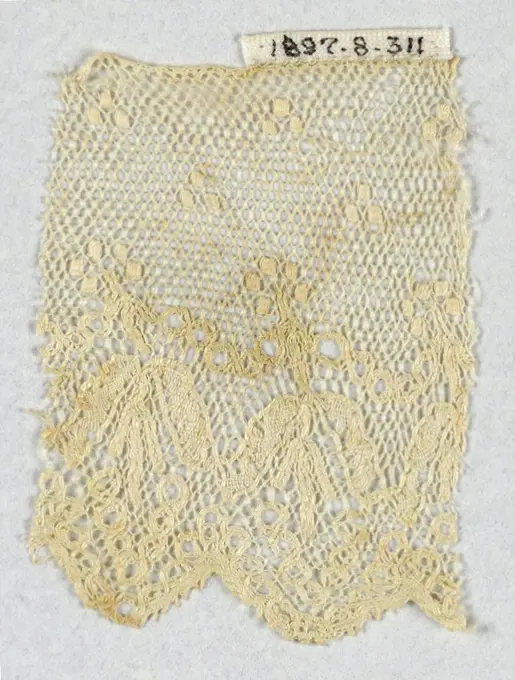
Fragment, Medium: Linen Technique: bobbin lace (Lille-style with heavy outlining cord), Fragment of Lille type bobbin lace., 19th century, lace, Fragment
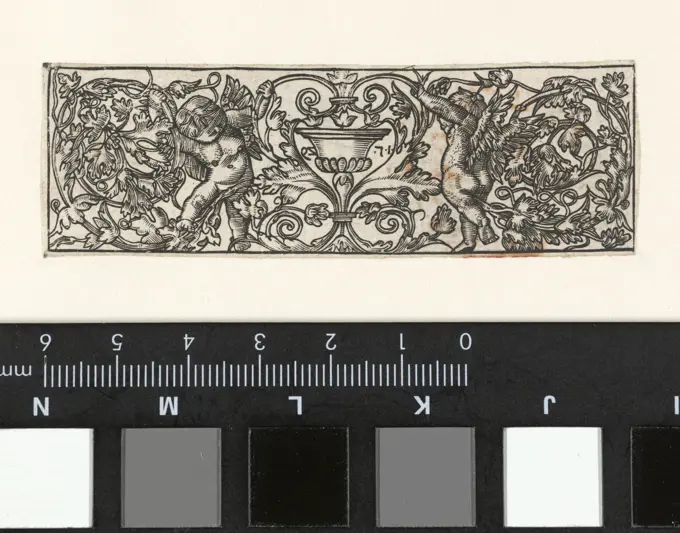
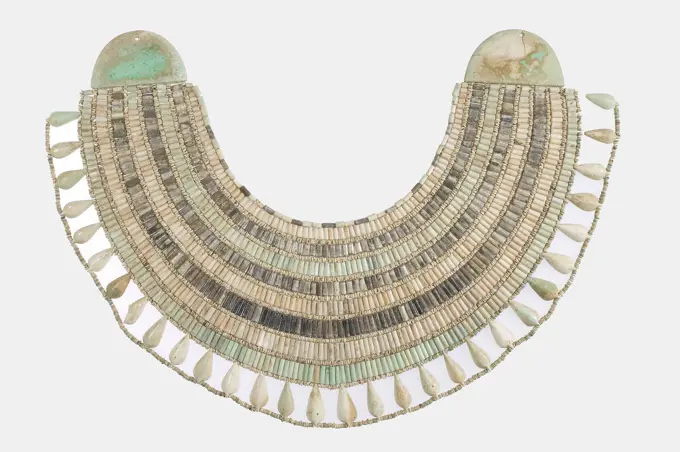
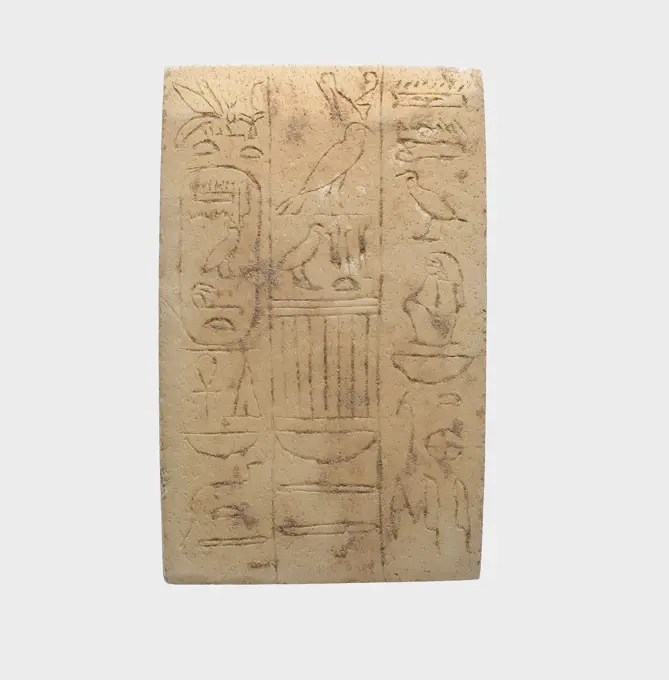
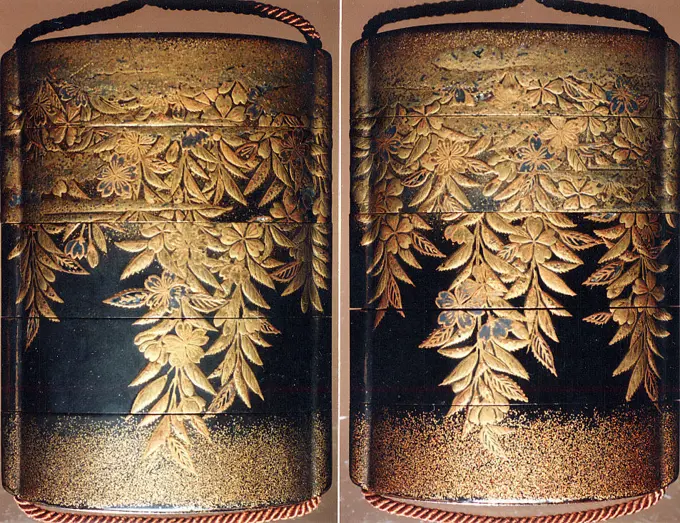
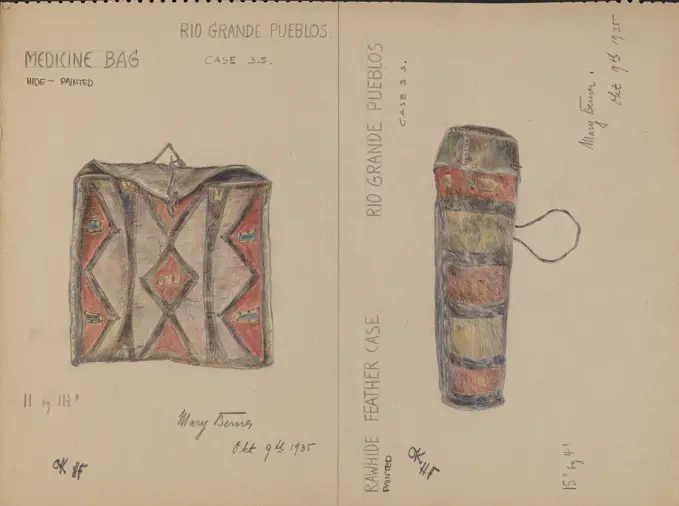
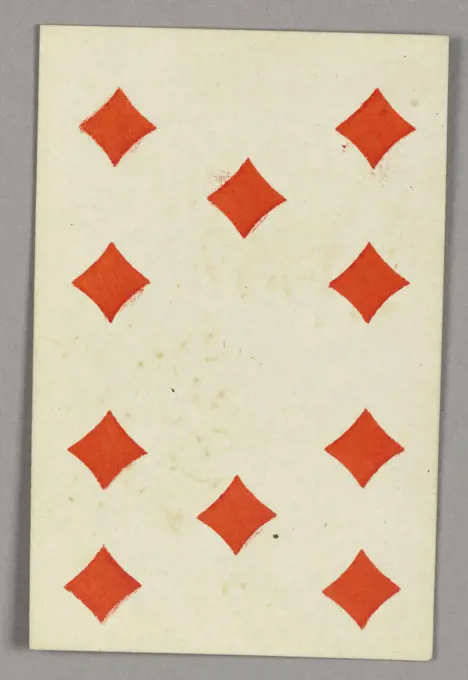
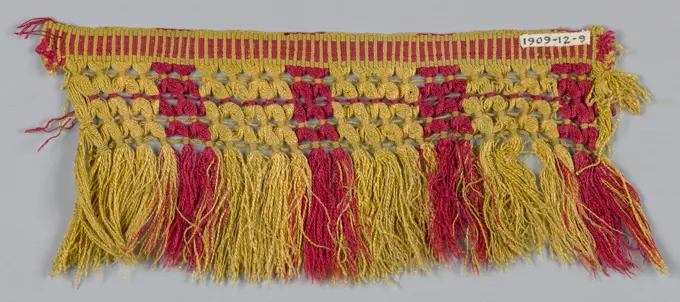
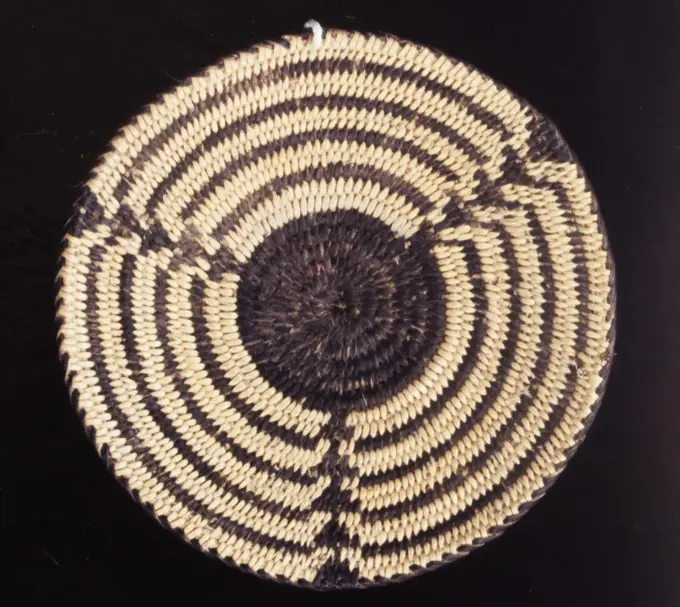
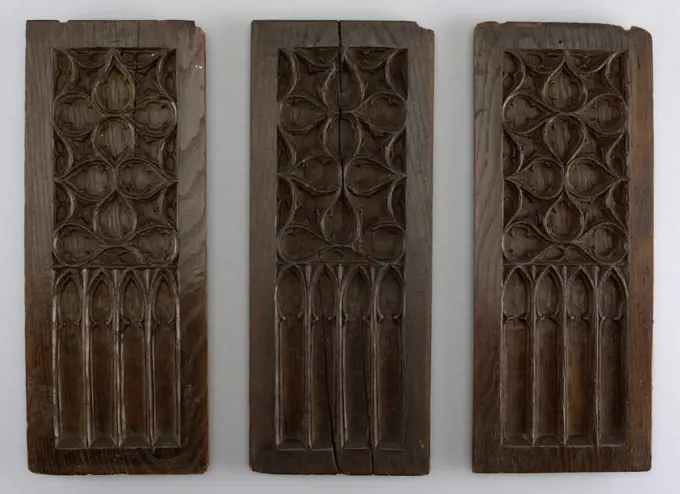
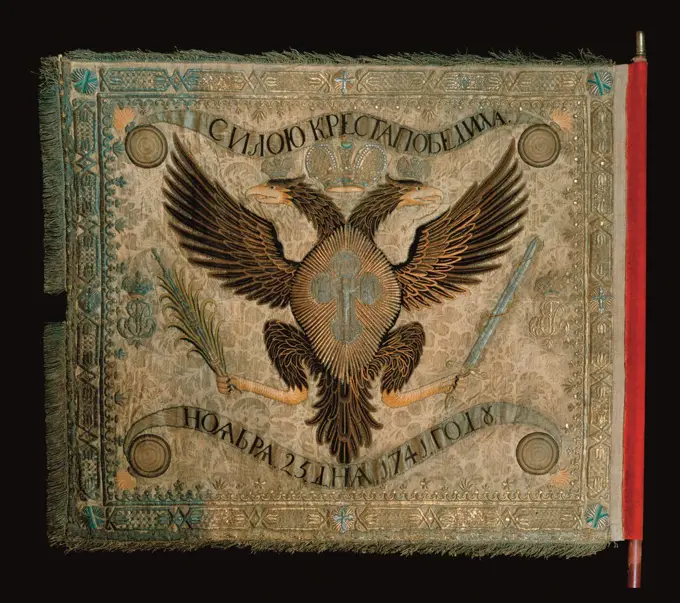
United Arab Emirates, Dubai, Wafi Mall, inlaid marble table, handicraft,Frisian with a vase between two putti and leaf vines, 1529 print  Germany (possibly) paper engravingFragment (Egypt); warp; s-spun linen. wefts; s-spun linen, s-spun woolSampler Made 1801-1875 Italy. Cotton, plain weave; embroidered with silk in back, cross, and padded cross stitches .Broad collar ca. 1981-1640 B.C. Middle Kingdom This piece of jewelry is a broad collar, a type of multi-strand necklace that covers the wearers upper chest and shoulders. Broad collars were popular from the Old Kingdom on and the piece here represents a conventional type that is composed of beads and semicircular terminals (endpieces). It features eight alternately colored rows of vertically placed cylindrical beads, separated by rows of small disk beads. At the bottom are differently shaped elements, so called drop beads.When this collar was excavated, the ancient string had deteriorated, but for the most part the general pattern of the collar could be observed and the piece was reconstructed with modern string by the archaeologists.When worn in life, broad collars would have been fastened around the neck with strings that originally were looped through the small holes at the top of the terminals (for a broad collar with original string, see 40.3.2). However, not all of these collarsSquare. Dimensions: H. 3 7/8 in. (9.8 cm)W. 4 3/4 in. (12.1 cm). Date: 3rd-4th century. Museum: Metropolitan Museum of Art, New York, USA.Case printing for a craft school for girls from the families of Polish soldiers in the shape of a belt with letters S and from wreaths;  1919 (1914-00-00-1939-00-00);stripped paint in the blue  wood door      and rusty      nailSampler, 1800s. England, 19th century. Embroidery; silk on woolen canvas; overall: 7.4 x 4.8 cm (2 15/16 x 1 7/8 in.).Plaque Inscribed with the Cartouche of Amenemhat I ca. 1981-1952 B.C. Middle Kingdom. Plaque Inscribed with the Cartouche of Amenemhat I. ca. 1981-1952 B.C.. Travertine (Egyptian alabaster). Middle Kingdom. From Egypt. Dynasty 12, earlyCase (Inr) with Design of Flowering Weeping Cherry Branches 18th-19th century Japan. Case (Inr) with Design of Flowering Weeping Cherry Branches. Japan. 18th-19th century. Lacquer, roiro, nashiji, gold and silver hiramakie, takamakie; Interior: nashiji and fundame. Edo (1615-1868) or Meiji period (1868-1912). InrApparel Made into a cushion 16th or 17th century Italian or Spanish. Apparel Made into a cushion 460293Fragment late 16th century Italian, Genoa. Fragment 230133Mary Berner, Medicine Bag and Feather Case, 1935 Medicine Bag and Feather CaseTen of Diamonds from Set of 'Jeu Imperial-Second Empire-Napoleon III' Playing Cards, F. Chardon, French, active 19th c., Lithograph on glazed paper, Ten of Diamonds from Set of 'Jeu Imperial-Second Empire-Napoleon III' Playing Cards., Paris, France, 1858, Playing Card, Playing CardFragment of the index belt;  18th century (1701-00-00-1800-00-00);Dress of climbing side with squares. Dress of natural colosside. Square model. The pattern consists of a cut-away square in the center of the rug, where the wording of three ever-growing squares lying around. The circumference is formed by a band in linen stroke. The largest square is formed by a band in linse stroke that runs along the outside of the dress. The space between the surrounding is filled out by increasingly wider jobs with, among other things, crossing couples forming an open network and fat cats.Piece 16th-17th century Italian. Piece 217961Fringe (Spain); 1909-12-9Tile, flowerpot in blue on white, corner motif lily, wall tile tile sculpture ceramic earthenware glaze, baked 2x glazed paintedPiece 18th century China. Piece 71967Border tile, blue, decoration with circles and flowers, edge tile wall tile tile sculpture ceramic earthenware glaze, baked 2x glazed paintedSewing instruction book samples, USA, 1829, sample books, Sewing instruction book samplesBasket, 20th century, 2 3/8 x 2 3/8 in. (6.0 x 6.0 cm), Natural plant fibers, United States, 20th centuryPanel, oak, probably France, late 15th century, Decorative Arts, PanelPlaying cards, Partial set of Italian Minchiate playing cards, Europe, 17th century, toys & games, Playing cardsFlag of the Grenadier Company of the Preobrazhensky Life Guard Regiment by Anonymous master   State History Museum, Moscow 1744 Russia Applied Arts History,Objects Applied ArtsTextile Fragment 4th century. Textile Fragment 443323TobaccoBoxExample of lace stitch Irish 19th-20th centuryEmbroidered message on a wall hanging, Sweden.