Historical Textile Fragments

Collection of vintage textile fragments showcasing intricate patterns and designs from different cultures and centuries, highlighting craftsmanship and historical significance.
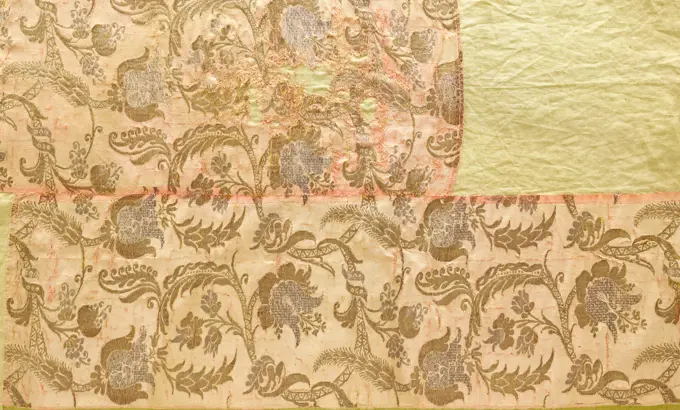
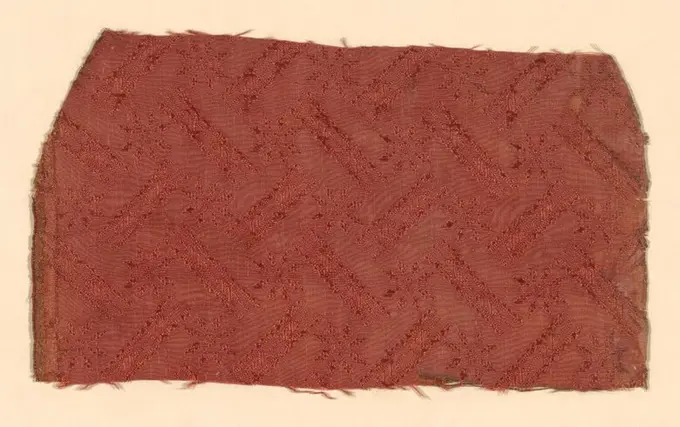
Fragments of silk fabric  Falist flagella unknown
Fragments of silk fabric Falist flagella unknown
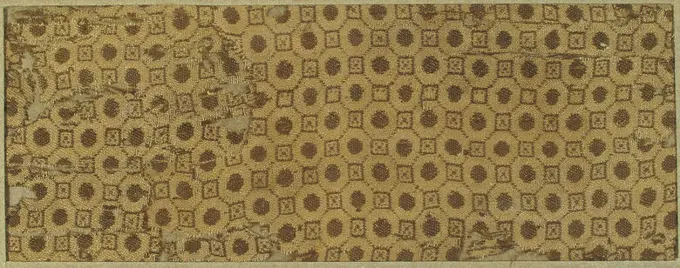
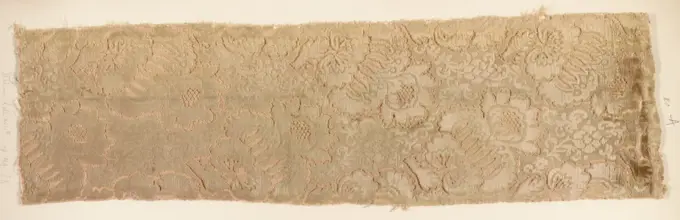
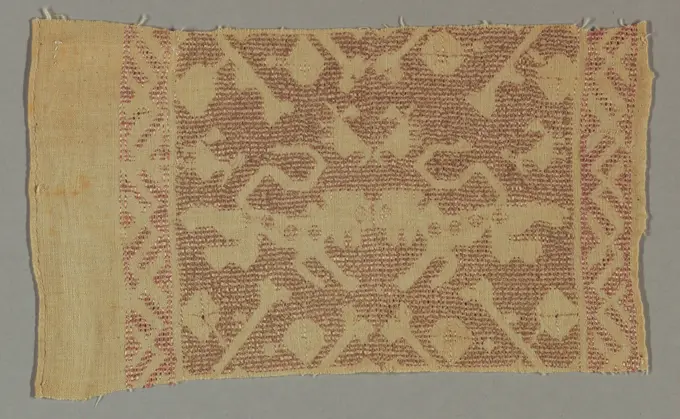
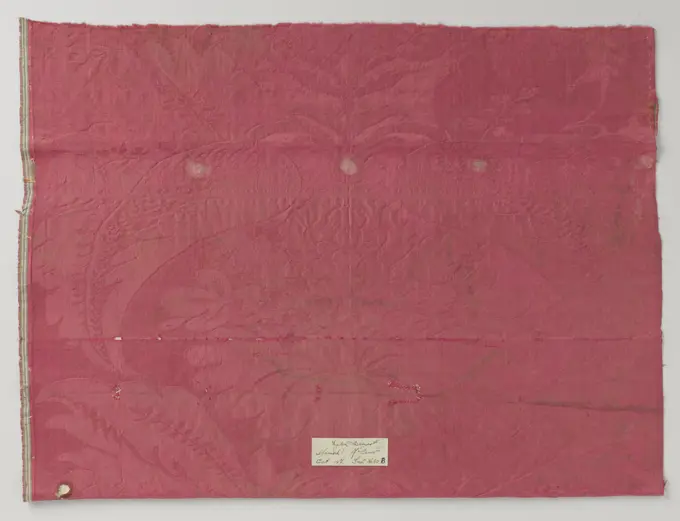
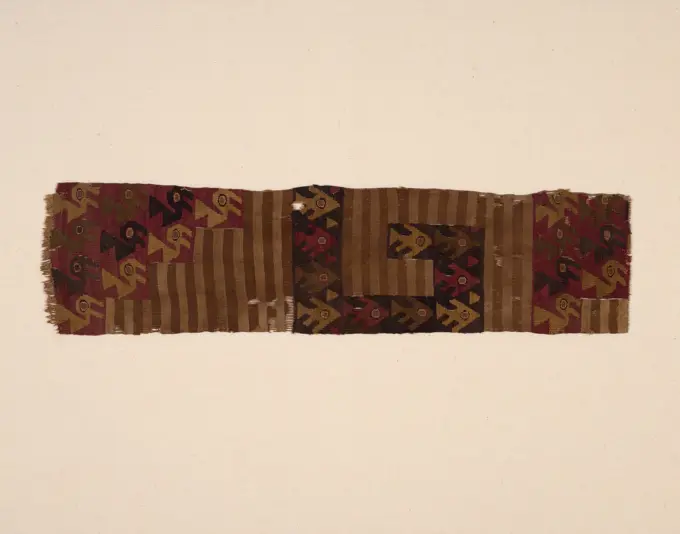
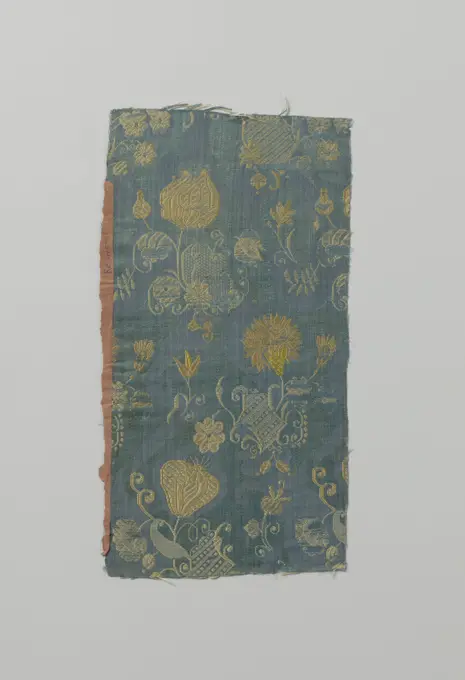
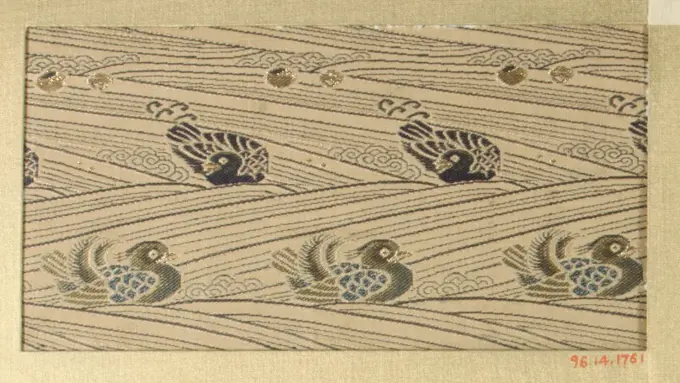
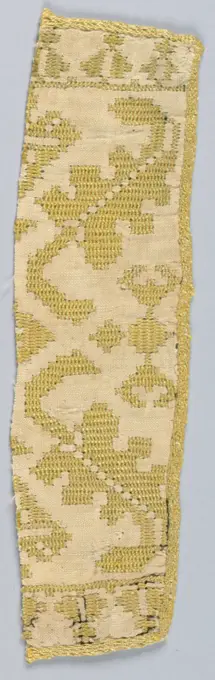
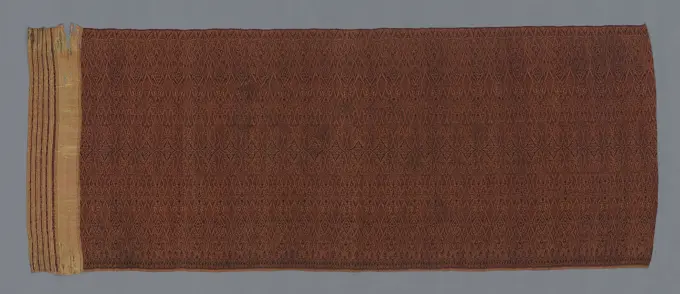
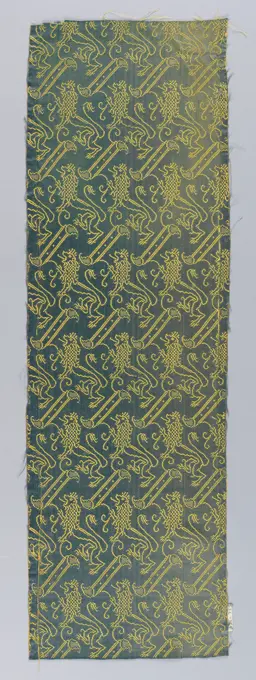
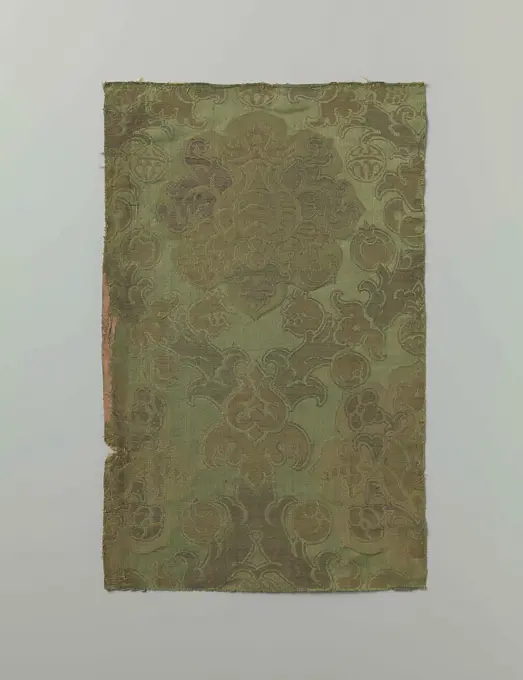
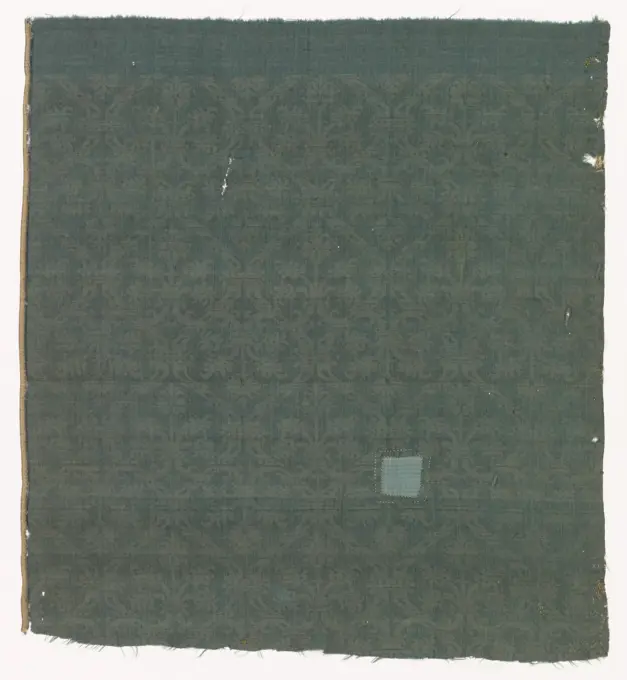
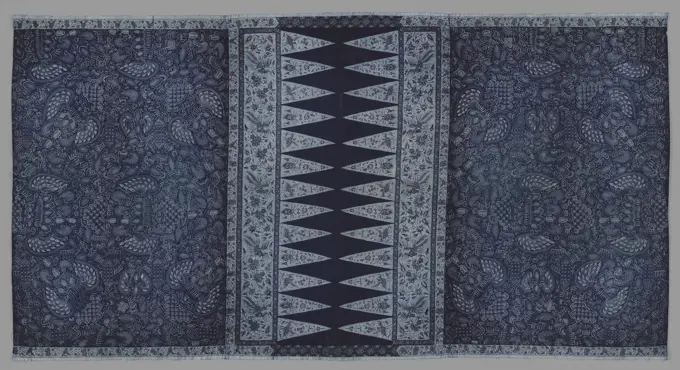
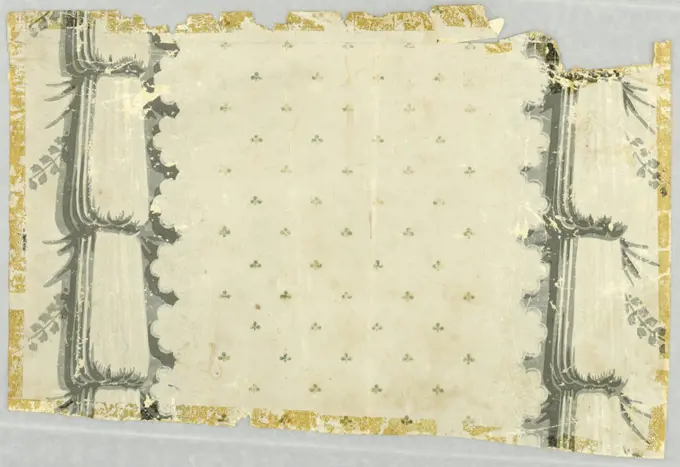
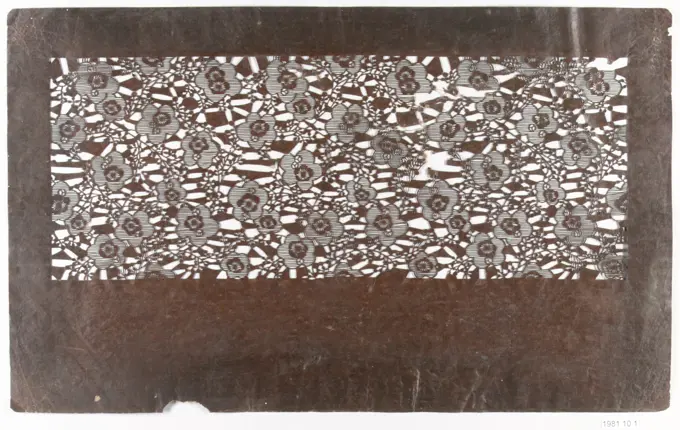
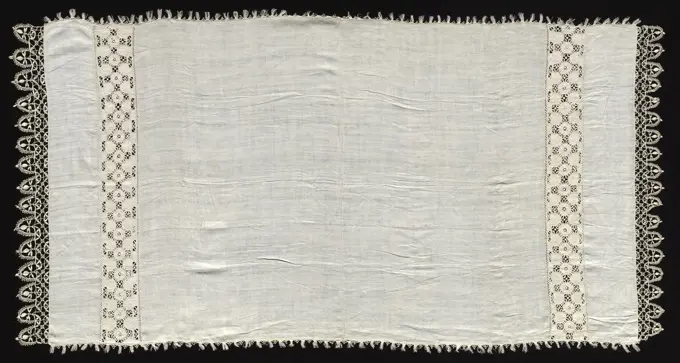
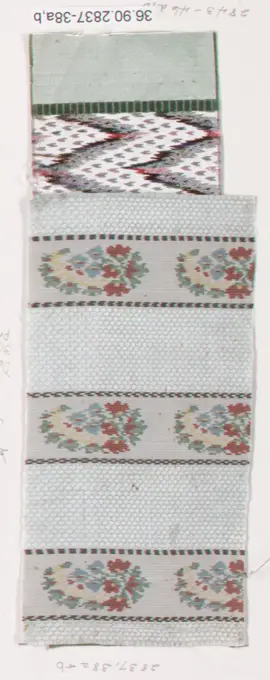
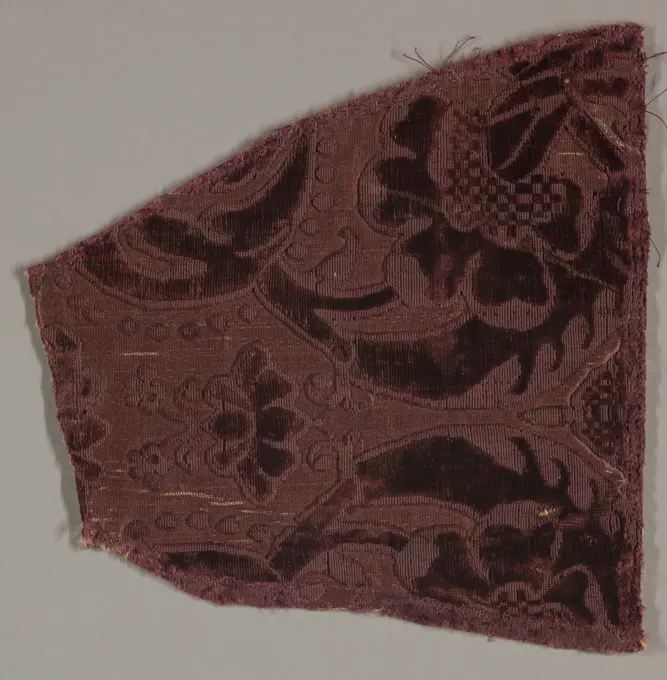
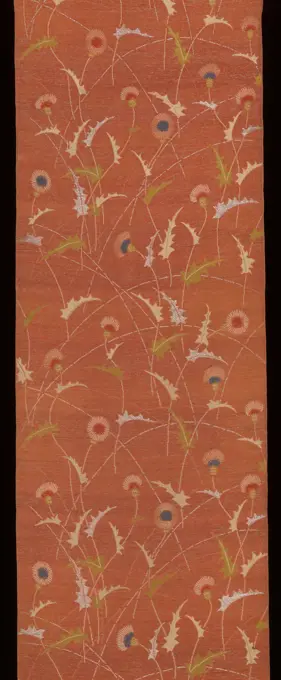
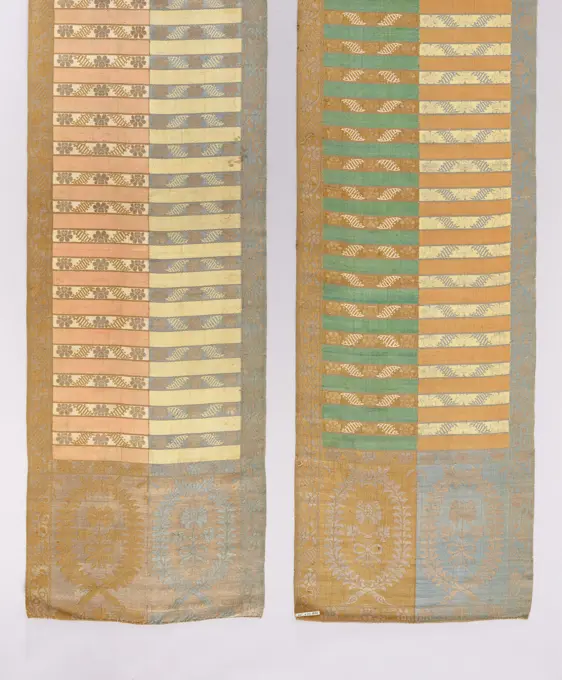
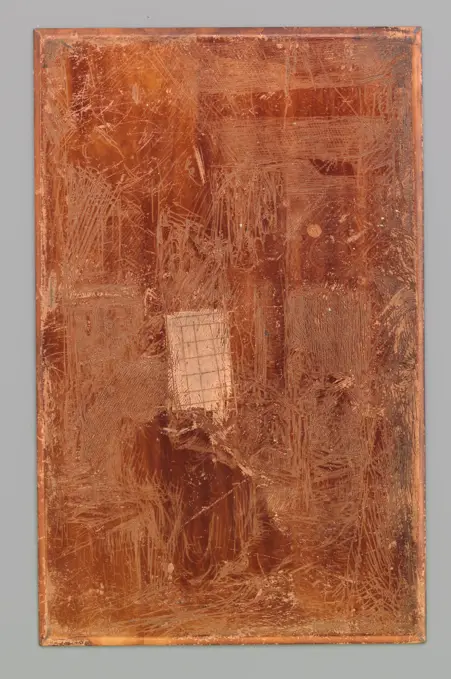
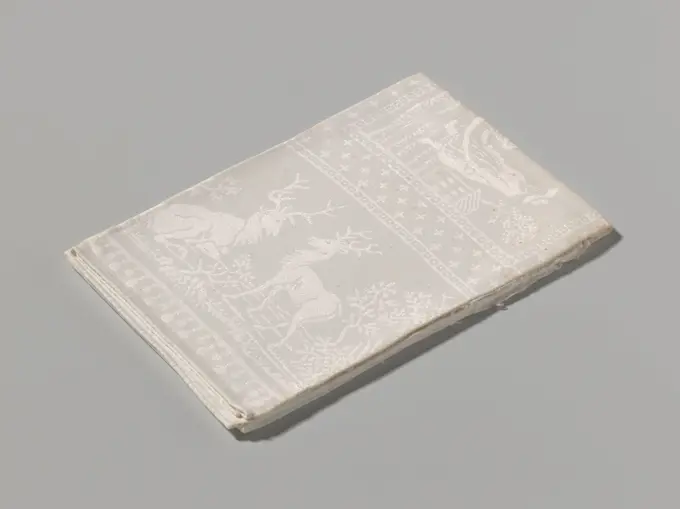
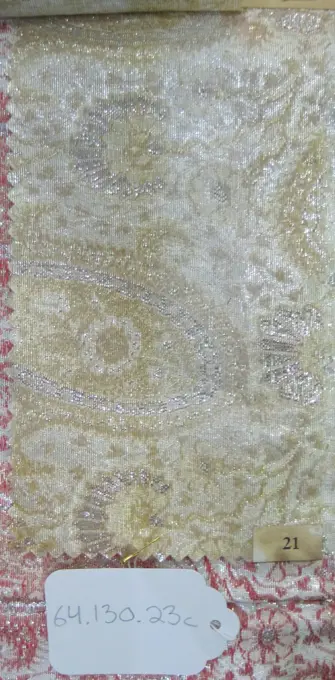
Fragment. Italy. Date: 1625-1675. Dimensions: 13.5 x 24 cm (5 1/4 x 9 1/4 in.). Plain compound cloth. Origin: Italy. Museum: The Chicago Art Institute, Chicago, USA.Textile. Culture: Byzantine. Dimensions: Overall: 1 1/2 × 4 in. (3.8 × 10.2 cm)Storage (pressure mounted in glass): 1 9/16 × 4 1/8 in. (4 × 10.5 cm). Date: 10th-11th century. Museum: Metropolitan Museum of Art, New York, USA.Fragment 16th century Italian. Fragment 230024Shoulder Cloth (BidakSelendang)Tablecloth made of rust brown silk plush, finished with orange, white and yellow striped galon, lined with Siena-colored bridged silk. Tablecloth made of rust brown silk plush, finished with orange, white and yellow striped galon. Lined with a Siena-colored bridged silk. The Netherlands Approx. 1900-1925Fragments of silk fabric  Falist flagella unknownPiece 18th century Japan. Piece. Japan. 18th century. Silk / Compound weave. Edo period (1615-1868). Textiles-WovenBorder Fragment; silk on linen; Bequest of Marian Hague; 1971-50-107Fragment (Italy); silk; Bequest of Richard Cranch Greenleaf in memory of his mother, Adeline Emma Greenleaf; 1962-56-136-aPiece 18th-19th century Japan. Piece 66410Fragment 16th-17th century Italian. Fragment 230536Excerpt red silk dam mast with pattern of stylized flour with vase -shaped fruit principle and petals, surrounded by curved leaves and garlands, anonymous, c. 1740 - c. 1760 Fragment red silk dam mast with pattern of stylized flour with vase -shaped fruit principle and petals, surrounded by curved leaves and garlands. Spain silk damask Fragment red silk dam mast with pattern of stylized flour with vase -shaped fruit principle and petals, surrounded by curved leaves and garlands. Spain silk damaskPiece 17th century Japan. Piece 71132Sample 1883-1900 Associated Artists. Sample. American. 1883-1900. Silk, woven and printed. Made in South Manchester, Connecticut, United StatesFragment of the fabric;  End of the 17th century (1691-00-00-1700-00-00);gift (provenance), fragments of silk fabrics, patterned fabrics, bizarre patternsLincrusta Dessin (England or United States); lincrusta dessin; 52 x 37.5 cm (20 1/2 x 14 3/4 in.)Piece 18th-19th century Japan. Piece 65892Piece 18th-19th century Japan. Piece. Japan. 18th-19th century. Silk. Textiles-WovenFragment Made 1000-1476 Peru. Cotton and wool (camelid), slit and dovetailed tapestry weave with eccentric and wrapped outlining wefts .Fragment ca. 1825 French. Fragment 212652Piece 18th-19th century Japan. Piece 66872Textile Swatches Onondaga Silk Company, Inc. (1925-1981). , 1948-1959. Silk, 47 1/2 x 18 in. (120.7 x 45.7 cm).    1948-1959Fragment of a multi -colored seals, anonymous, 1740 - 1760 A fragment of a silk tissue. Branches with yellow flowers on a blue satin ground.  silk A fragment of a silk tissue. Branches with yellow flowers on a blue satin ground.  silkExcerpt blue silk tissue with leaf motifs in ojief shapes, anonymous, 1600 - 1699 Fragment with a pattern of four passes intersected by squares in staggered rows. Diagonal -oriented sickle leaves divide the stock into horizontal ogic fields that are covered with crusively placed palmets and forced tifles. Persia silk. Fragment with a pattern of four passes intersected by squares in staggered rows. Diagonal -oriented sickle leaves divide the stock into horizontal ogic fields that are covered with crusively placed palmets and forced tifles. Persia silk.Piece 18th century Japan. Piece 71244Textile Swatches Onondaga Silk Company, Inc. (1925-1981). Textile Swatches, 1948-1959. 81 silk; 19 metal, (a) - (c): 8 3/8 x 4 1/2 in. (21.3 x 11.4 cm).    1948-1959Piece 18th-19th century Japan. Piece. Japan. 18th-19th century. Silk. Textiles-WovenFragment of a tissue of hand spun, unpainted sheep wool. Fragment of a tissue or hand-spun, unpainted sheep wool.Fragment; silk on linen; Bequest of Marian Hague; 1971-50-79Ritual Cloth(Bidak)Fragment (Italy); silk:Piece 18th-19th century Japan. Piece. Japan. 18th-19th century. Silk. Edo (1615-1868). Textiles-WovenFragment green damask broker with pomegranate motifs. Fragment with gold and silver brochet green silk with a pattern of horizontal rows of eighted leaves in which a garnet surrounded with stylized foliage. The leaves are circumvent with leaf stems wearing flowers and seed bulbs.Fragment (Italy); silk; Warp x Weft: 58 x 54 cm (22 13/16 x 21 1/4 in.); 1953-162-51Tablecloth ,, 1610 - 1630 White linen dams of tablecloth with Solomon and the Queen of Sheba, with investment "Rex Solomonvs", marked SM. Northern Netherlands (Possible) linen (material) damask White linen dams of tablecloth with Solomon and the Queen of Sheba, with investment "Rex Solomonvs", marked SM. Northern Netherlands (Possible) linen (material) damaskFlower ornament;  before 1850 (1701-00-00-1849-00-00);American 20th Century, Bedspread, 1935 1942 BedspreadFragment of the fabric;  1735 -1745 (1735-00-00-1740-00-00);gift (provenance), fragments of silk fabrics, patterned fabricsDemolition of linen with Entre-Deux van Kloskant ,, c. 1400 - c. 1950 Demolition of linen with Entre-Deux van Kloskant with diamond pattern. Marked H.G.12 in Bindgat in the middle of the short side. With later renewed machine hems and holes for cord closure. Netherlands linen (material). bobbin lace Demolition of linen with Entre-Deux van Kloskant with diamond pattern. Marked H.G.12 in Bindgat in the middle of the short side. With later renewed machine hems and holes for cord closure. Netherlands linen (material). bobbin laceTextile Swatches Onondaga Silk Company, Inc. (1925-1981). , 1948-1959. Silk, 47 x 18 in. (119.4 x 45.7 cm).    1948-1959Textile Swatches Onondaga Silk Company, Inc. (1925-1981). Textile Swatches, 1948-1959. 72 silk; 28 metal, (a) - (d): 11 1/4 x 4 1/2 in. (28.6 x 11.4 cm).    1948-1959Studio portraits of members of the American Colony (Jerusalem), friends, and associates  | Library of CongressTowel Made 1875-1900 Turkey. Embroidered .Waist Wrapper (Sarung, Kelengan SemenGunungan)Leaf with irregular structure of Verschilling Forms, Anonymous, 1850 - 1920  Leaf with irregular amorphous structure of lines and different shapes, with folding tracks.  paper.  fantasy ornamentFragment. Italy. Date: 1450-1500. Dimensions: 48.2 x 23.4 cm (19 x 9 1/4 in.)Warp repeat: 36.8 cm (14 1/2 in.). Silk, warp-float faced satin weave with supplementary pile warps forming cut voided velvet. Origin: Italy. Museum: The Chicago Art Institute, Chicago, USA.Fragment Of Garment With Bands (Egypt); warp; s-spun linen. wefts; z-spun linen, z-spun woolSidewall, Block-printed on handmade paper, Standing figure with Phrygian cap in fromt of column with eagle atop. Eagle with 2 shields on other side of column. This alternates with scene of three children and small dog in front of sea. One child carries pine bough. Large ship in water. Original document for 'Norwich House.', USA, ca. 1790, Wallcoverings, SidewallFragment pink silk tissue, anonymous, 1750 A fragment pink silk tissue. The pattern has light pink wavy leaf hangers. Germany silk A fragment pink silk tissue. The pattern has light pink wavy leaf hangers. Germany silkPiece 18th-19th century Japan. Piece 67848Album with performances of Dieren, Anonymous, After Nicolaes de Bruyn, After Adriaen Collaert, After Gerard van Groeningen, 1581 - 1600  Album with a series of animals consisting of twelve prints. Cardboard band, decorated with marbled paper, with a blank leaf in the front. In the front and in the back also a bract.  paper marbled paper / engravingPiece 18th-19th century Japan. Piece 67356Excerpt Eastern textile, c. 1800 - c. 1850 Gold to red. Pattern of network of windows, in which styl. to leaf through. In the silk. cotton (textile). Gold to red. Pattern of network of windows, in which styl. to leaf through. In the silk. cotton (textile).Sutra Cover. China. Date: 1590-1599. Dimensions: 34 × 11.8 cm (13 3/8 × 4 5/8 in.)Repeat: 17.9 × 10.8 cm (7 1/8 × 4 1/4 in.). Silk and gold-leaf-over-lacquered-paper strip, plain weave with supplementary patterning wefts bound in weft-float faced 1:3 'Z' twill interlacings. Origin: China. Museum: The Chicago Art Institute, Chicago, USA.Piece 18th-19th century Japan. Piece 67826Grahal-Manzara. Carnavalet 2013-2016 collection sites. Numismatics.Stencil 19th century Japan. Stencil 70659Piece 19th century Japan. Piece 72201Needlepoint (Cutwork) and Bobbin Lace Cloth, 16th century. Italy, Genoa, 16th century. Lace, needlepoint and bobbin: linen; average: 92.4 x 177.2 cm (36 3/8 x 69 3/4 in.).Maguey Cloth, early 1900s. Mexico, early 20th century. Cactus fiber (Maguey plant); average: 62.2 x 114.3 cm (24 1/2 x 45 in.).Irrit to incentive on a double piece of cotton and with trace wires for making a part of a collar of needle side, Belgian interned (Village Elisabeth, Amersfoort), c. 1915 - c. 1924  Property for a part of a collar of Venetian needle side. The needle side pattern is drawn with ink on blue paper and holes were then stung along the pattern lines. A trace wire is sewn through this 'incentive' and the double layer of cotton. If the needle side stitches are made over and between the trace wires, the incentive and the cotton surface can be cut and removed. Then you only have a needle side, in this case a part of the collar that can then be processed with the other parts and the edge into a collar. The design of the collar was made by a person from Belgium who was interned in the 'Elisabeth-Dorp' camp in Amersfoort in the First World War. Mrs. Van Nierop started making the collar and has donated the unfinished parts to the Rijksmuseum as a study material. Designer: AmersfoortAmsterdam Pick: PPiece French 19th centuryShawl or head covering, 19th century, 87 5/16 x 40 1/2 in. (221.77 x 102.87 cm) (without fringe), Silk, metallic threads, Turkey, 19th centuryPassement in Geel and Magenta, c. 1890 - c. 1910 Passement in Geel and Magenta. Europe textile materials Passement in Geel and Magenta. Europe textile materialsFragment (Italy); silkFragment shaved velvet with design "Zee symphen", purple on gold .. Fragment shaved velvet with design "Zee symphen", purple on gold.Piece 18th century Japan. Piece. Japan. 18th century. Silk / Compound weave. Edo period (1615-1868). Textiles-WovenObi with Thistle second half of the 19th century Japan. Obi with Thistle 70726Napkin (Netherlands); linen; 1984-82-4Kontusz sash/belt. Manufaktura Aleksandra Unruga (Kobyłka ; wytwórnia pasów ; 1781-1787), factoryBand. Date/Period: Early 17th century. Band. Medium: linen. Technique: grid of laid cords with needle lace (reticella style). Author: UNKNOWN.Border (Italy); linenFragment silk velvet with stylized pattern of flowers and leaves in diamond shape, anonymous, 1540 - 1560 Fragment green silk flaw with stylized pattern of flowers and leaves in diamond shape. Italy, mid -16th century. Italy silk. kantdraad: linen (material) Velvet chiseled Fragment green silk flaw with stylized pattern of flowers and leaves in diamond shape. Italy, mid -16th century. Italy silk. kantdraad: linen (material) Velvet chiseledSutra Cover Made 1590-1599 China. Silk, plain weave, double cloth .Fragment 16th-17th century Italian. Fragment 230559Fragment, before 1968. Iran, in the style of the Buyid period (945-1055). Silk: lampas weave; overall: 41.6 x 51.7 cm (16 3/8 x 20 3/8 in.).Piece 19th century Japan. Piece 71706Eastern silk sash unknownFragment 16th century Italian. Fragment 230262Piece 18th century Japan. Piece 71841Collar and cap piece, Medium: cotton Technique: chain stitch embroidery on plain weave, Piece of gauze with deeply lobed collar and cap piece with floral designs, embroidered in chain stitch and one type of fillling stitch., Philippines, 19th century, embroidery & stitching, Collar and cap pieceTerracotta fragment of a plaque third quarter of the 6th century B.C. Greek, Attic In the top register, draped male to left; below, part of a round shield; draped youth to left. Terracotta fragment of a plaque. Greek, Attic. third quarter of the 6th century B.C.. Terracotta; black-figure. Archaic. VasesEmbroidery sample for a mans suit or waistcoat ca. 1785-1815 French. Embroidery sample for a mans suit or waistcoat 224814Piece 10th century Japan. Piece. Japan. 10th century. SilkCompound weave. Heian period (794-1185). Textiles-WovenShoe bazaar in Cairo, c. 1924 - c. 1932    copper (metal) etchingFragment (Italy); silk; Warp x Weft: 6.2 x 23.8 cm (2 7/16 x 9 3/8 in.)Piece Japan 18th centuryPiece 18th-19th century Japan. Piece 66852Abruzzo, L'Aquila, Celano, Museum, Italy, 20th century, photo, photography, EuropeNapkin with rural scenes, marked BDW and 24., Anonymous, 1830 - 1860 White half -linen Damas napkin with rural scenes, marked BDW and 24. Germany Ketting: Cotton (Textile). Elements: Linen (material). damask White half -linen Damas napkin with rural scenes, marked BDW and 24. Germany Ketting: Cotton (Textile). Elements: Linen (material). damaskFragment; silkTest patch for hat -bun hat bolls with 41 lobed circles, anonymous, c. 1835 - c. 1899 Testlap of natural -colored lace bobbin work, removal on mechanical tulle. Pattern with 41 lobed circles with a flower and leaf ornaments. Small pieces of application side in the center of the circles. It is an unprocessed piece of work for hats. North Holland  embroidering Testlap of natural -colored lace bobbin work, removal on mechanical tulle. Pattern with 41 lobed circles with a flower and leaf ornaments. Small pieces of application side in the center of the circles. It is an unprocessed piece of work for hats. North Holland  embroideringPortraits of American Indians of the Southwest United States, Pueblos of the Southwest, and other Western Landscapes. John K. Hillers (American, 1843 - 1925)Linnamast napkin with a hunting scene, anonymous, c. 1625 - c. 1650 White Linnamasten napkin with hunting on horseback, with central fountain and houses. At the bottom of a tree of life. Marked with red -brown cross stitch "BR", a crown and "28" in diagonally opposite corners. Flanders (Possible) linen (material) damask White Linnamasten napkin with hunting on horseback, with central fountain and houses. At the bottom of a tree of life. Marked with red -brown cross stitch "BR", a crown and "28" in diagonally opposite corners. Flanders (Possible) linen (material) damaskFragment textile. Textial fragment, adornment of impeller and geometric motifs on a brown fond.Linnamast napkin with ivy, Chris Lebeau, c. 1904 Linnamast's napkin with ivy: Motif Klimop, Dessin No. 513. The napkin belongs to eleven napkins (BK-1979-262-A to BK-1979-262-L) and two tablecloths (BK-1979-261-A and BK-1979-261-B). Eindhoven linen (material) damask Linnamast's napkin with ivy: Motif Klimop, Dessin No. 513. The napkin belongs to eleven napkins (BK-1979-262-A to BK-1979-262-L) and two tablecloths (BK-1979-261-A and BK-1979-261-B). Eindhoven linen (material) damaskSample ca. 1840 French, Mulhouse. Sample 220031Textile Sample from Sample Book 19th century Japan. Textile Sample from Sample Book 68094Textile Swatches Onondaga Silk Company, Inc. (1925-1981). Textile Swatches, 1948-1959. 72 silk; 28 metal, a-d: 8 × 4 1/2 in. (20.3 × 11.4 cm).    1948-1959Fragment of a Ship Flag, anonymous, c. 1630 - c. 1702 ship flag Fragment of the brush side of a ship's flag, white with a white rectangle with a red cross (St. George's Cross) in the top neck. This is a white ship's flag of the period 1630-1702. England wool  flag, colours (as symbol of the state, etc.) England