Historical Textiles and Decorative Pieces

A showcase of intricate lace and antique metalwork, featuring floral patterns and historical designs that highlight craftsmanship from past centuries.

Strip or collar of needle side with symmetrical pattern with flowers and curlinged feathered leaves, anonymous, c. 1885 - c. 1899 Strip or collar of natural -colored needle side: Venetian relief side. Symmetrical and rich pattern with flowers and curlinged feathered leaves. In the middle of the strip there is a candelabar motif from which a slender comes down on both sides and then curls with a large bow and ends in an exotic flower with a four-lobble flower heart. Similar flowers return next to the curling and volute -forming feathered leaves in the rest of the pattern. The motifs are made with feston stitches where recesses and many types of decorative stitches provide nuances. The motives are provided with relief contours. In the flower hearts and around the outside of some larger leaves, cordons decorated with picots are used for extra relief. The motifs are connected by a potente soil. Top and bottom of the strip are straight finished, with the bottom with picots. The short sides
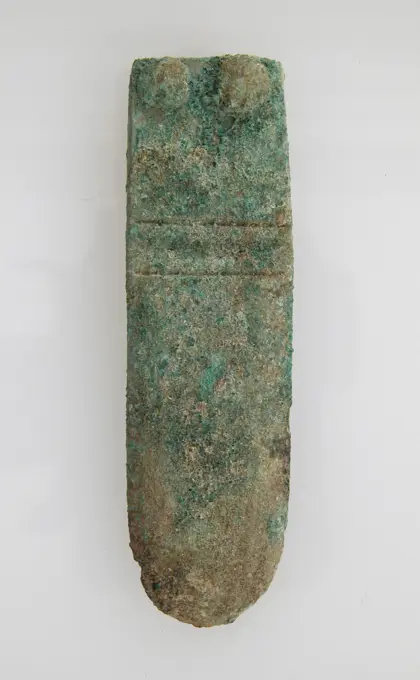
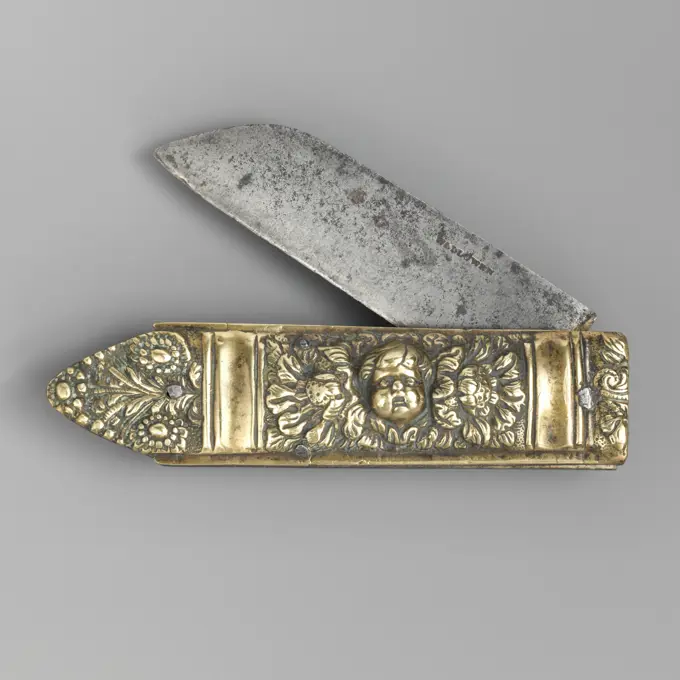
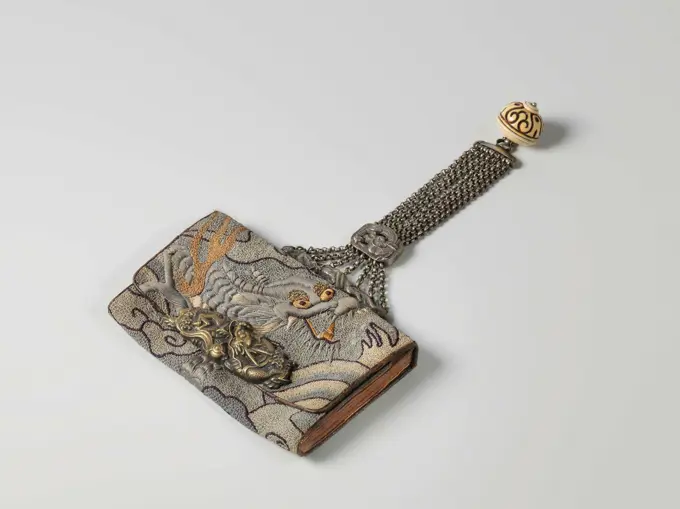
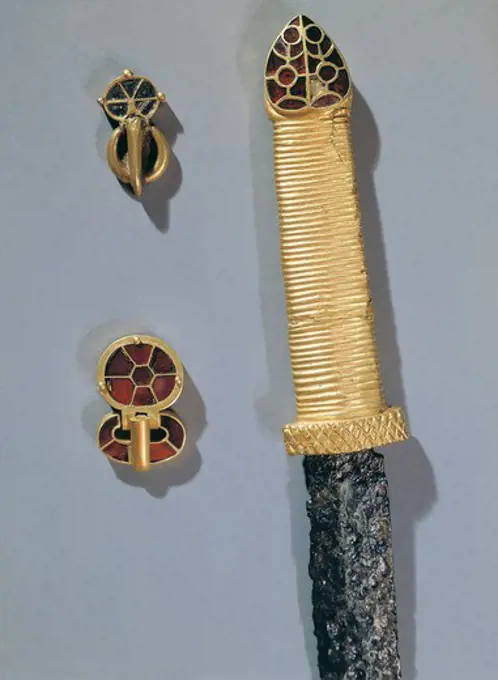
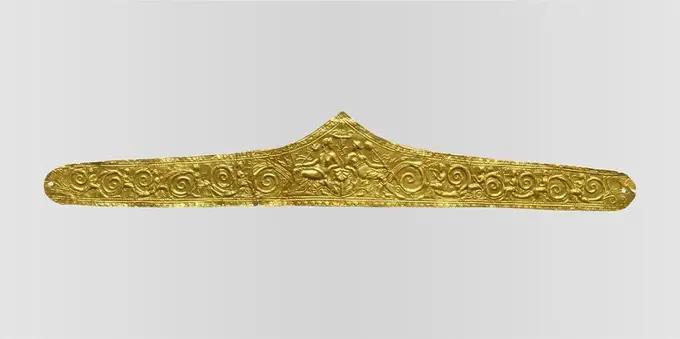
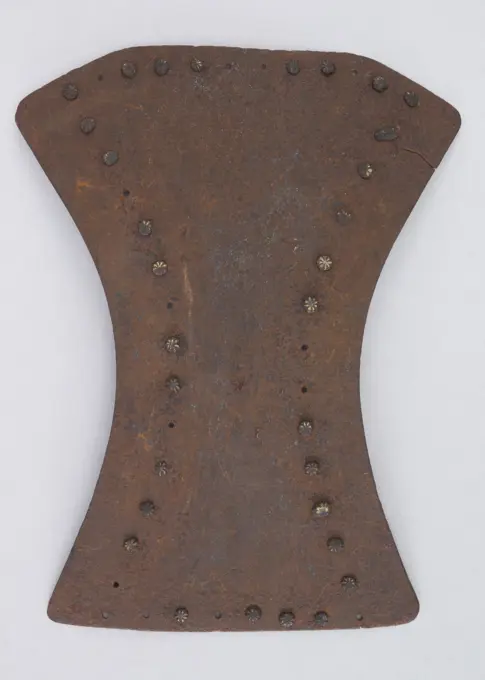
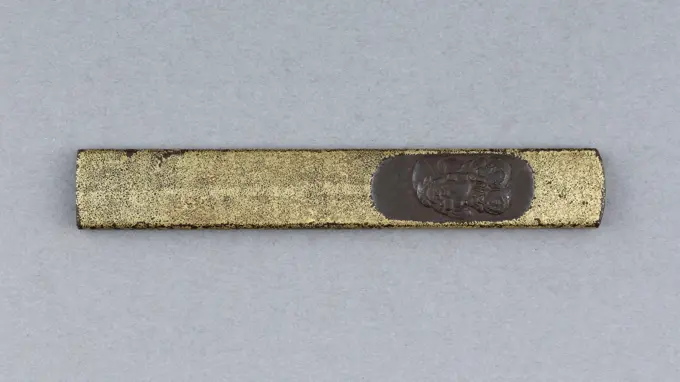
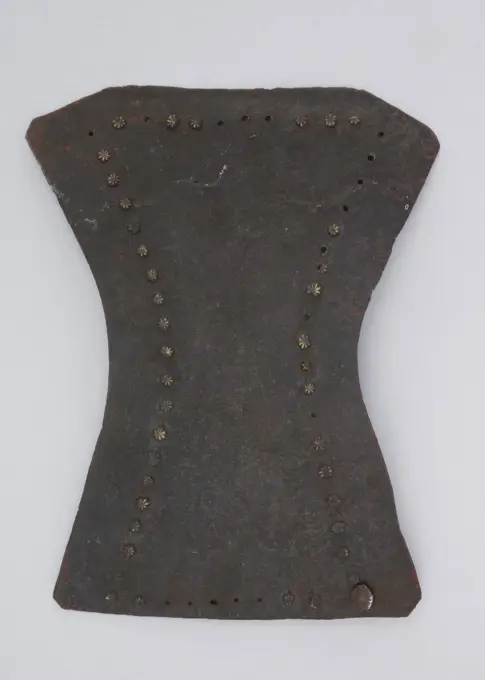
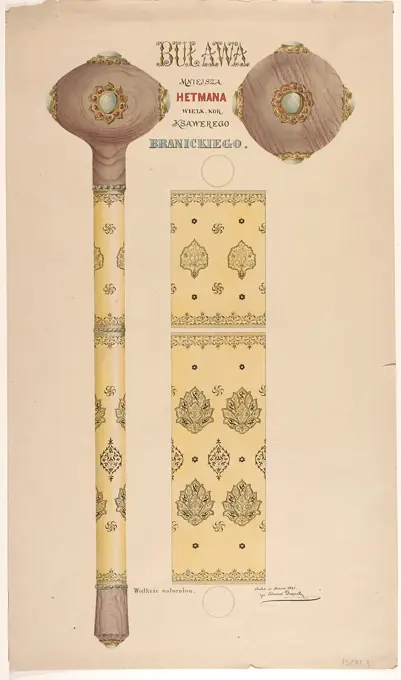
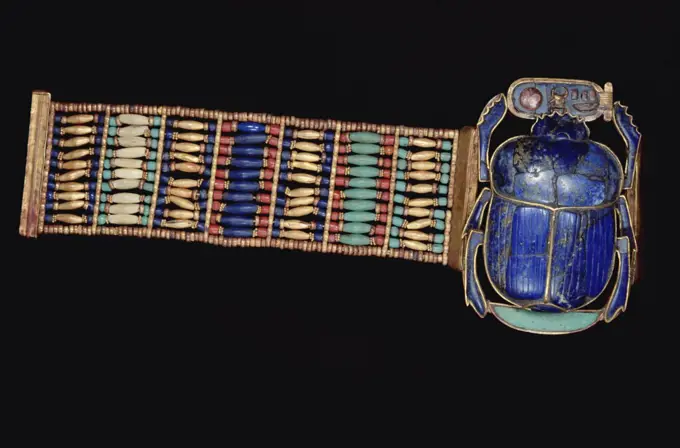
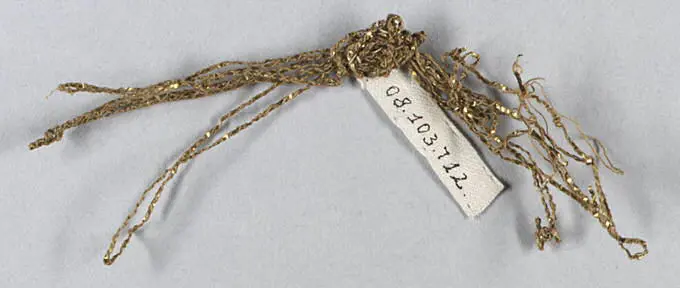
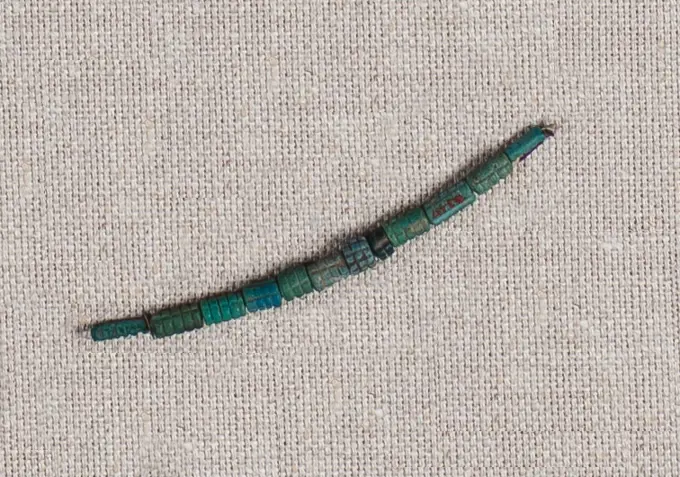
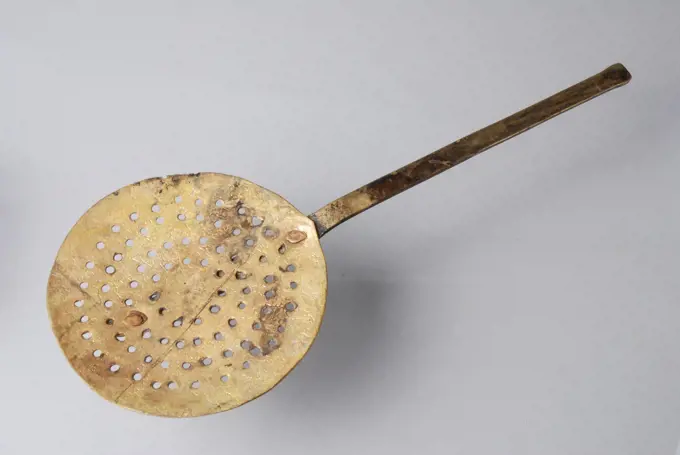
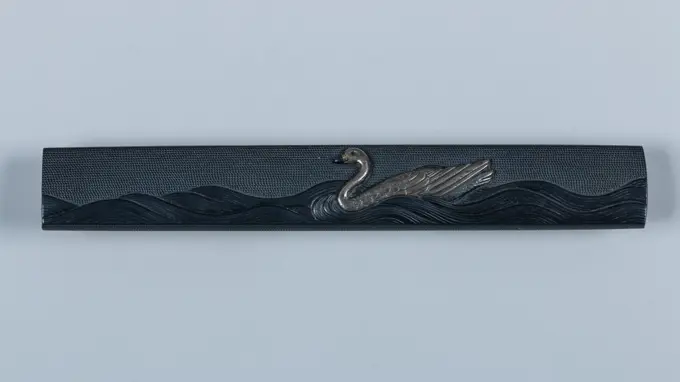
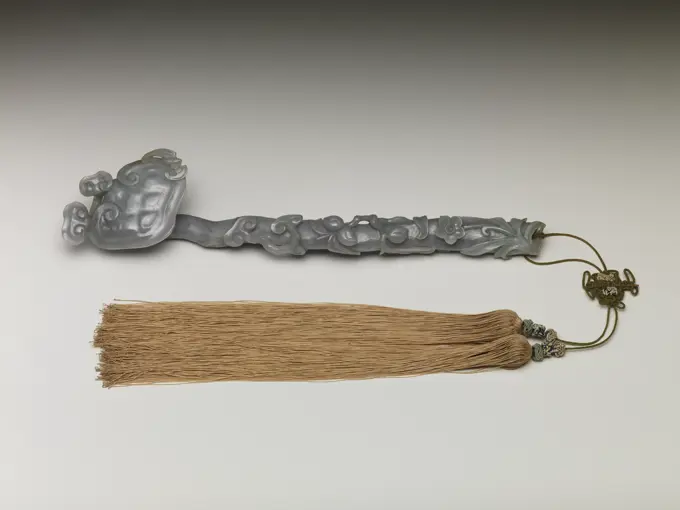
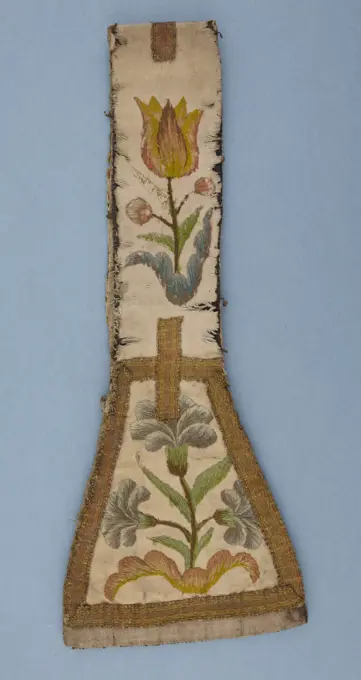
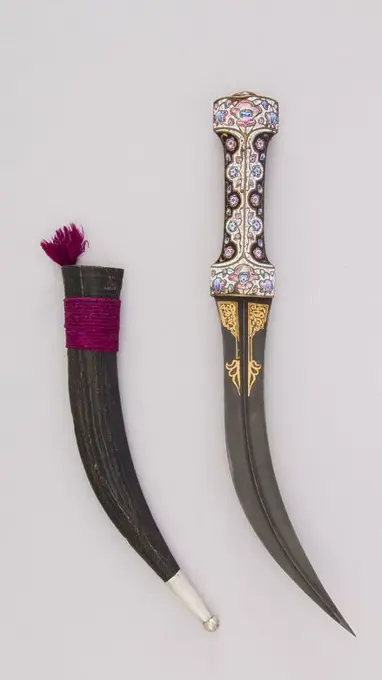
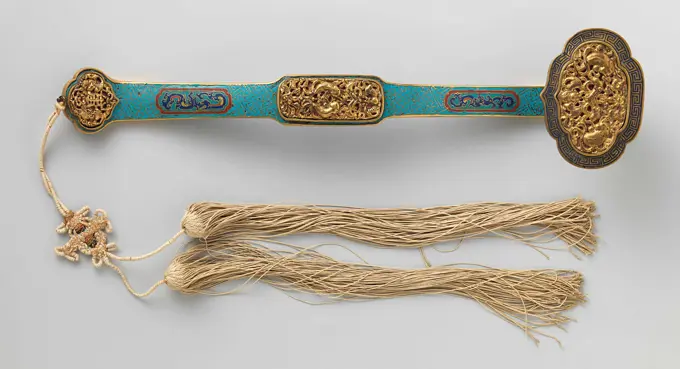
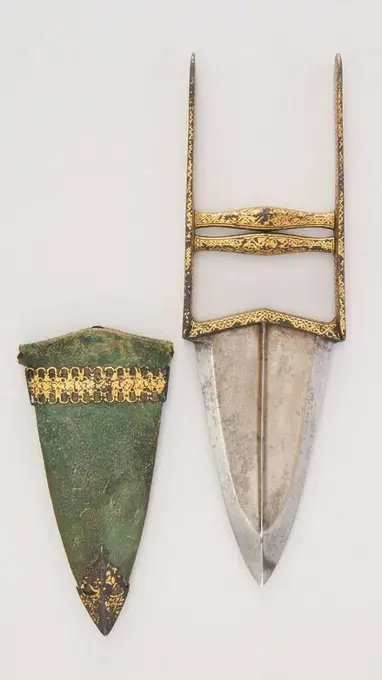
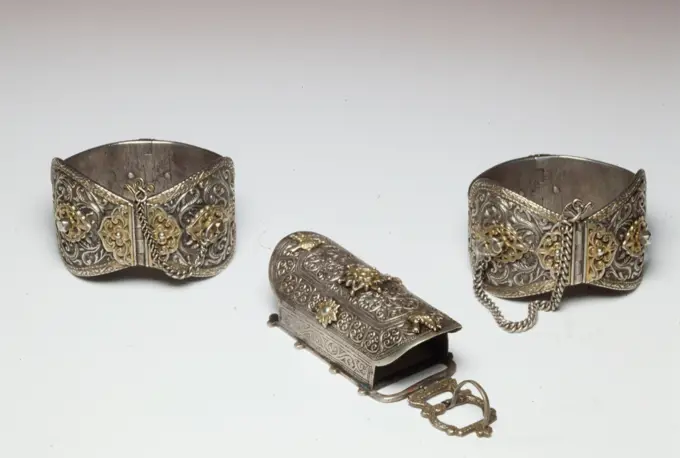
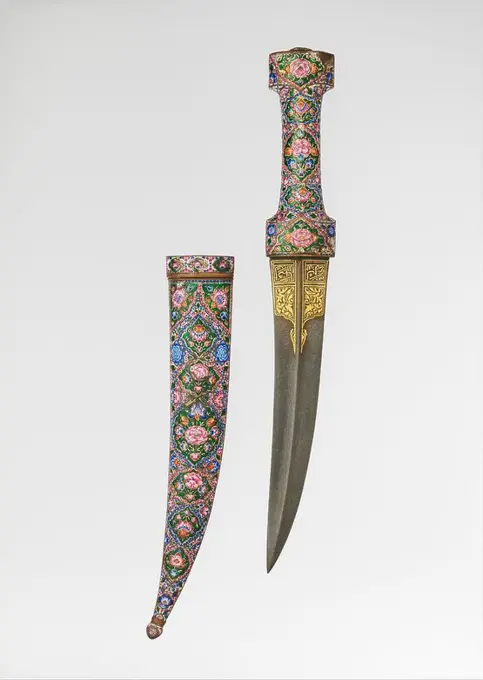
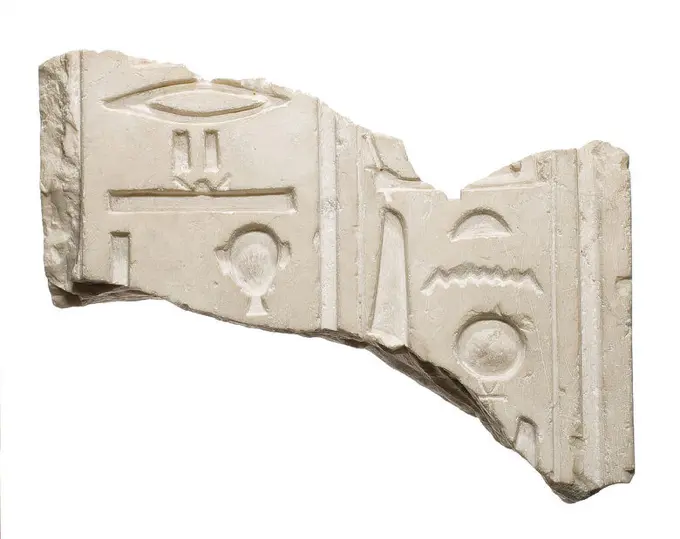
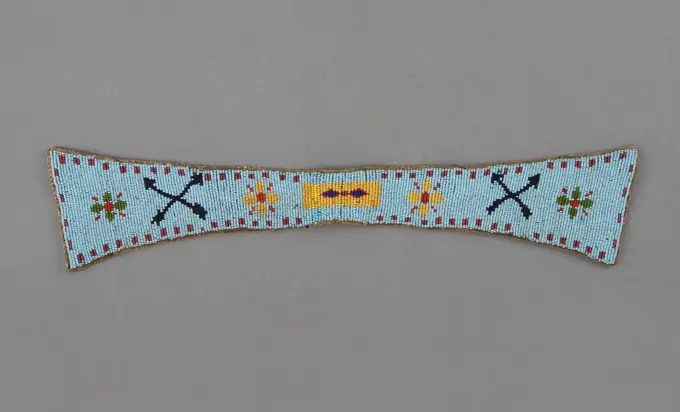
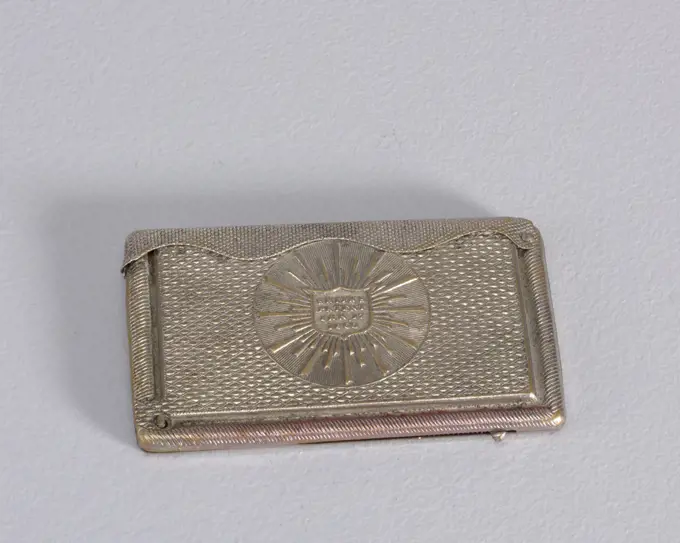
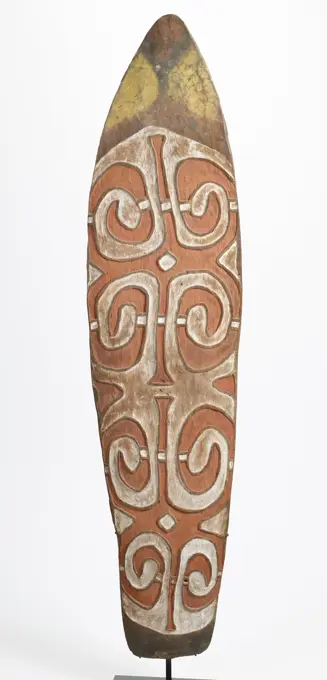
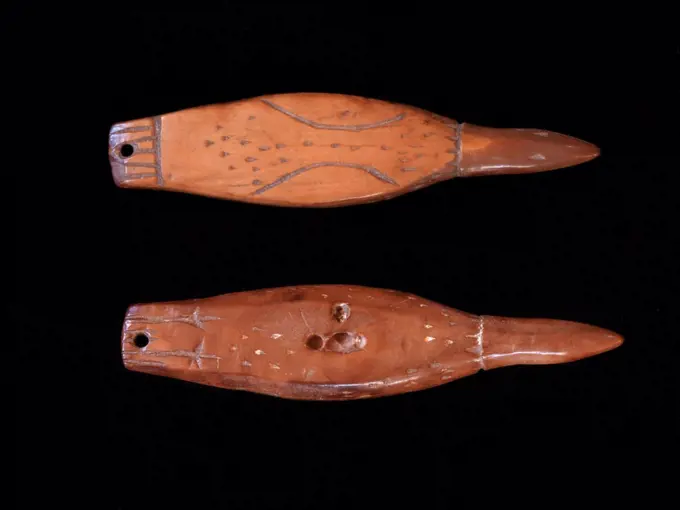
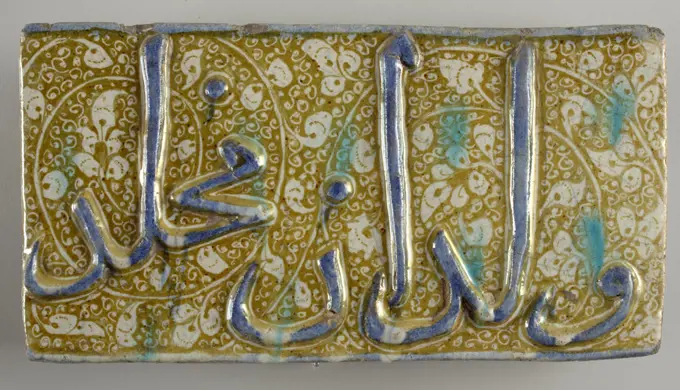
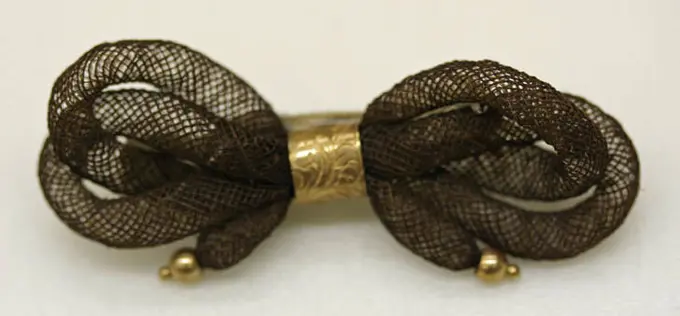
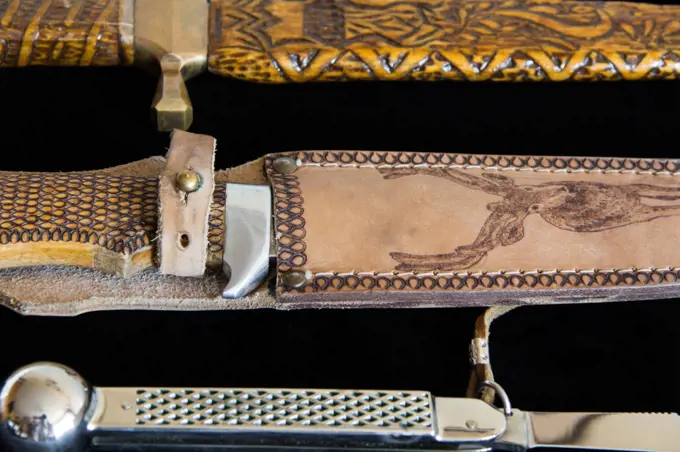
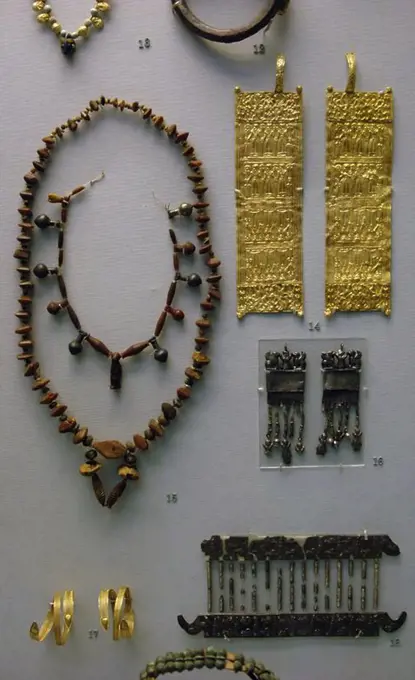
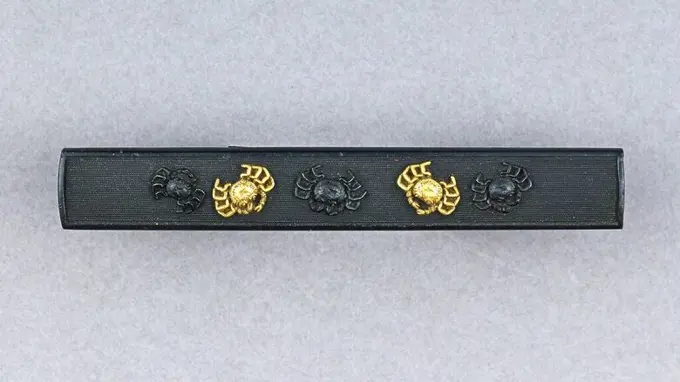
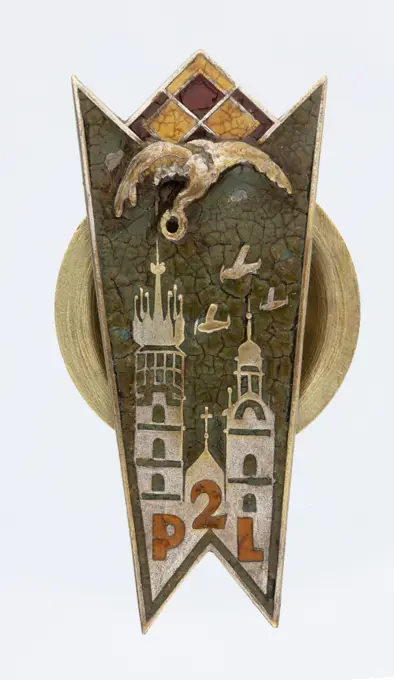
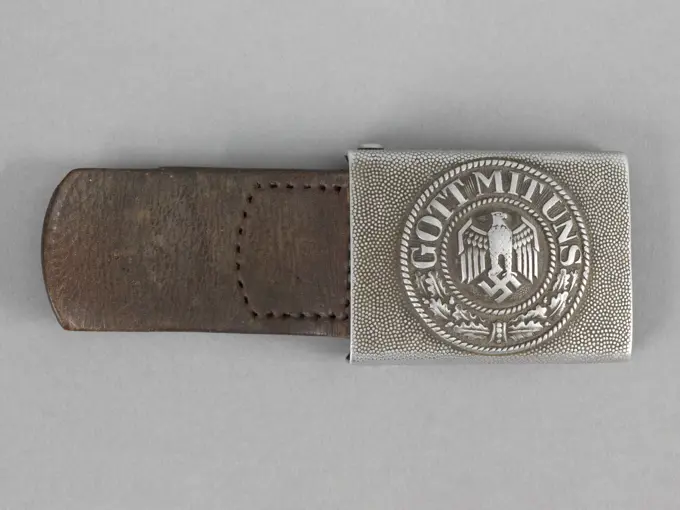
Fragment of the lace;  XVIII-XIX century (1701-00-00-1900-00-00);Buckle, 5th-4th century BCE, 6 3/8 x 7/8 in. (16.19 x 2.22 cm), Gilt bronze with stylized dragon decor, China, 5th-4th century BCEFerret 7th century () Langobardic. Ferret 465481 Langobardic, Ferret, 7th century (), Copper alloy, Overall: 2 9/16 x 3/4 x 1/4 in. (6.5 x 1.9 x 0.7 cm). The Metropolitan Museum of Art, New York. Gift of J. Pierpont Morgan, 1917 (17.193.168)Knife Handle (Kozuka). Culture: Japanese. Dimensions: L. 3 13/16 in. (9.7 cm); W. 9/16 in. (1.4 cm); thickness 1/4 in. (0.6 cm); Wt. 0.9 oz. (25.5 g). Date: ca. 1615-1868. Museum: Metropolitan Museum of Art, New York, USA.Stays mid-18th century Italian. Stays 90390Clasp knife with cherub's head early 18th century Dutch. Clasp knife with cherub's head. Dutch. early 18th century. Steel, brass. Metalwork-Steel. Leather case, decorated with an embroidered dragon; lock of brass in the form of a dragon; At the case one from seven cords consisting (silver) Chain with two wide connecting links (in the form of dragons) and a round bone button.Barbarian civilizations, France, 5th century. Goldsmith's art. Treasure of Pouan, princely burial of a Germanic warrior. Cloisonne' enamel and gold dagger handle and clasps.Elizabeth Moutal, Trail Board, c 1936 Trail BoardStrip of mechanical tulle with narrow strip of bobbin with moes and an edge of ovals and rosette flowers, anonymous, c. 1775 - c. 1795 Strip of natural -colored side, consisting of a wide strip of mechanical tulle, with a narrow strip of bobbins underneath: Mechelen side. The pattern of the burst strip consists of a row of moes with a succession of very small ovals alternated by a rosette flower and a slanting leaf. The sparing motifs are made in linen and are equipped with thicker and shiny contour threads. The motifs are connected by a fine grid, the Mechelen soil. The long sides are straight finished, with picots along the underside of the burst strip. One short side is finished with a zoompje. Southern Netherlands linen (material) bobbin lace / Mechlin (lace) Strip of natural -colored side, consisting of a wide strip of mechanical tulle, with a narrow strip of bobbins underneath: Mechelen side. The pattern of the burst strip consists of a row of moes with a succession of very smallRussian Empire. Russian Army of Novotróitskiy. Belt of a Cuirassier Regiment officer. Russia, 1763-1778. Latvian War Museum. Riga. Latvia.Amphoriskos (Container for Oil) 200 BCE-1 BCE Mediterranean Region. Initially affordable only among the wealthy, glass was used in ancient Rome as containers for oils, perfume, and tablewares. The word ìamphoriskosî, Greek for ìsmall amphoraî, refers to this objectís shape, a miniature version of the two-handled metal or ceramic vessels that contained oil or wine. Core-formed glass was made by dipping a removable core that gives the vessel its shape into a molten glass mixture.. Glass, core-formed technique . Ancient MediterraneanPediment-shaped gold diadem. Culture: Greek. Dimensions: length 14 1/2 in. (36.8cm); H. in center 2 5/16 in. (5.9cm). Date: ca. 330-300 B.C..Pediment-shaped gold diadem, part of the Madytos Jewelry.This group of jewelry is said to have come from a tomb at Madytos on the European side of the Hellespont. The gold diadem is richly worked in repousse with an elaborate floral pattern. Dionysos, the god of wine, and his wife, Ariadne, sit in the center; muses playing musical instruments perch among the vines and along the sides. The tiny figure of a must playing a lyre also appears just above the crescent form on each of the boat-shaped earrings. The seedlike pendants of the earrings are identical to those on the elaborate necklace. Museum: Metropolitan Museum of Art, New York, USA.Ink Tablet late 19th-early 20th century Workshop of Xiu Fangzhai Chinese. Ink Tablet 41783MountStole (one of a set of five vestments) 18th century Italian, probably Sicily. Stole (one of a set of five vestments) 229860Brigandine Plate 1400-1450 Italian This is part of a large find of medieval armor discovered in 1840 in the ruins of the fortress of Chalcis, on the Greek island of Euboea (then a Venetian colony called Negroponte). The fortress had been captured and destroyed by the Turks in 1470. Now divided largely between the Ethnological Museum, Athens, and The Metropolitan Museum of Art, the Chalcis hoard contains many rare and unusual elements of fourteenth- and fifteenth-century armor. Of particular importance are the variety of headpieces and the many fragments of brigandines (armor for the torso constructed of small plates riveted to layers of fabric), some of which retain portions of their original velvet covering. The Chalcis armor provides a unique picture of the armament used in the Aegean, one of the easternmost military outposts of the Venetian empire.. Brigandine Plate 27661Knife Handle (Kozuka) ca. 1615-1868 Japanese A kozuka is a handle of a by-knife that is part of a sword mounting. It is kept in a slot on the reverse of a katana scabbard, often with a matching kōgai (hairdressing tool).. Knife Handle (Kozuka) 34687Powder Horn early 19th century American. Powder Horn. American. early 19th century. Horn (cow), wood. Firearms Accessories-Powder HornsFragment 16th-17th century Italian. Fragment 213391Model for a bracket of a book lock with flowers in a medallion, anonymous, c. 1750 - c. 1775 The model driven out of plate for a mold is decorated with flowers in a medallion surrounded by a pendulum and other ornament. Amsterdam copper (metal) The model driven out of plate for a mold is decorated with flowers in a medallion surrounded by a pendulum and other ornament. Amsterdam copper (metal)Shoe buckles 1775-1825 European. Shoe buckles 122376Islamic pencil case for learning the Quran, 19th century, wood and bone, Iran, Anthropology National Museum, Madrid, Spain.British, Gothic Revival frame, Unknown framemaker, 4th quarter of 18th century, Wood and compo, later oil gilding over original oil and water gildingBrigandine Plate 1400-1450 Italian This is part of a large find of medieval armor discovered in 1840 in the ruins of the fortress of Chalcis, on the Greek island of Euboea (then a Venetian colony called Negroponte). The fortress had been captured and destroyed by the Turks in 1470. Now divided largely between the Ethnological Museum, Athens, and The Metropolitan Museum of Art, the Chalcis hoard contains many rare and unusual elements of fourteenth- and fifteenth-century armor. Of particular importance are the variety of headpieces and the many fragments of brigandines (armor for the torso constructed of small plates riveted to layers of fabric), some of which retain portions of their original velvet covering. The Chalcis armor provides a unique picture of the armament used in the Aegean, one of the easternmost military outposts of the Venetian empire.. Brigandine Plate 34350Galloon late 18th-early 19th century European. Galloon 224966Knife Handle (Kozuka) 19th century Japanese A kozuka is a handle of a by-knife that is part of a sword mounting. It is kept in a slot on the reverse of a katana scabbard, often with a matching kōgai (hairdressing tool).. Knife Handle (Kozuka) 35047Lock or Thumbler or Pin 16th-19th century. Lock or Thumbler or Pin 446006Buzawa "smaller" Hetman of the Grand Crown Franciszek Ksawery Branicki; Drapella, Edward (1834-1907); 1891 (1891-00-00-1891-00-00);Branicki Franciszek Ksawery, Personality, Sucha Reach, II TRAPSA 2007, Sucha, J. I. Kraszewski, Tarnów - collection, Buława, Insignia, Deposit, Craft, RozryślKing Tut's bracelet with scarab, Cairo Museum, EgyptImpost block. Circle decoration with eight-petal rosette and inscribed Stars of David. Limestone. 7th century. From Santa Cruz Hospital, Toledo, Spain. Museum of Visigoth Councils and Culture. Toledo, Castile-La Mancha, Spain.Tinsel and metal thread 17th-18th century French. Tinsel and metal thread 214200Fragment of Neck Border 5th century. Fragment of Neck Border 443960Necklace ca. 1981-1295 B.C. Middle Kingdom-Early New Kingdom. Necklace. ca. 1981-1295 B.C.. Blue faience. Middle Kingdom-Early New Kingdom. From Egypt, Memphite Region, Lisht North, Cemetery, debris, MMA excavations. Dynasty 12-18Rectangular bag with lid beat over it, Anonymous, 1700 - 1800 bag Rectangular bag with lid hit over it. The bag is shared in half lengthwise. The front half has seven equally large compartments. The rear half has two courses. The carrying strap is decorated with stitching, and has a point at the end. The lid is with a flap over the bag. The lid has round corners and a point in the middle. The lid has a crowned weapon as a decoration in the middle, in copper fittings. On top of the flap is a leather decoration.  leather. copper (metal). iron (metal) sewing / cuttingDagger-Axe with Whorl Decoration Dian. Dagger-Axe with Whorl Decoration, 5th century B.C.E.-early 1st century C.E. Bronze, 5 1/8 x 9 7/8 in. (13.0 x 25.1 cm).   Asian Art 5th century B.C.E.-early 1st century C.E.Oak branch from the celebrations of the 500th anniversary of the Battle of Grunwald Gedlitzka's Josef B. SonsSkimmer with flat handle, made entirely of brass, skimmer kitchenware soil find brass metal, archeology Rotterdam railroads Soil discovery Rotterdam rail tunnel.Knife Handle (Kozuka) late 17th-early 18th century Got Tsj Japanese This kozuka features a design of a swan.. Knife Handle (Kozuka). Japanese. late 17th-early 18th century. Copper-gold alloy (shakud), silver. Sword Furniture-KozukaDecorative Accessory (Ruyi) with Longevity Fungus, Peaches, and Narcissus 18th century China. Decorative Accessory (Ruyi) with Longevity Fungus, Peaches, and Narcissus 43845Fringe (Italy); silkInscribed ceremonial knife 1898, Middle East, Israel and/or PalestineBelt, 20th century, 80 x 3 1/4 in. (203.2 x 8.3 cm), Cotton, wool, Ecuador, 20th centuryPair of tassels 18th century French. Pair of tassels. French. 18th century. Metal thread. Textiles-TrimmingsTrimming, Length of trim; possibly England; cotton, silk, wool, wood; Warp x Weft: 362 x 7 cm (11 ft. 10 1/2 in. x 2 3/4 in.); given by Miss Amy R. Knox; 1968-116-2-gNecklace, Braided gold, enamel, cabochon turquoises and pearls, baroque pearls, foil, embroidered silk (box), Twenty-one turquoises, eighteen pearls, one hundred forty-eight baroque pearls. Braided gold thread ties. In embroidered lavender box., India, ca. 1855, jewelry, Decorative Arts, NecklaceManiple, embroidered, white  floral twig motif unknownKnife Handle (Kozuka). Culture: Japanese. Dimensions: L. 3 13/16 in. (9.7 cm); W. 9/16 in. (1.4 cm); thickness 1/4 in. (0.6 cm); Wt. 1.3 oz. (36.9 g). Date: 19th century. Museum: Metropolitan Museum of Art, New York, USA.A knife and fork in case. Travel cutlery, two-piece, from gold with email and diamonds, in a coblet of Robbenvel with gold. The fork and knife each have a conical, to the end widening handle that is decorated with enamelled colored flowers in relief. The flowers surrounded two oval medallions, on one side with a women's figure, on the other side with a men's figure. The figures on both handles are not the same. The handle has a slightly vaulted view, decorated with a wreath of feathers in white and black on an ahel blue fond, crowned by a gold rosette with a diamond (lacking at the knife). The applied golden fork with four teeth and a faceted stem with a baluster-shaped end, does not belong to this cutlery but is a replacement. The original () Fork with two teeth is also attached. The knife has an iron blade. The case, which may be the original, has a lock plate and a hinge of gold filigree.Dagger with Sheath. Culture: Balinese. Dimensions: H. with sheath 14 11/16 in. (37.3 cm); H. without sheath 13 3/4 in. (34.9 cm); W. 1 11/16 in. (4.3 cm); Wt. 9.6 oz. (272.2 g); Wt. of sheath 1.2 oz. (34 g). Date: 18th century. Museum: Metropolitan Museum of Art, New York, USA.Carved bone fragment 13th-11th century B.C. China. Carved bone fragment 60699Carving; bone; 1919-1-5Ruyi-shaped Sceptre.Scepter, panels in gold-plated repoussé, decorated with wills.Needle case (étui) 1757-58 Sèvres Manufactory French. Needle case (étui). French, Sèvres. 1757-58. Soft-paste porcelain, gold. Ceramics-PorcelainBone Viking Trewiddle-style trial-piece. Artist: UnknownDagger (Katar) with Sheath. Culture: Indian, Mughal. Dimensions: L. with sheath 11 7/16 in. (29.1 cm); L. without sheath 10 11/16 in. (27.1 cm); W. 3 in. (7.6 cm); Wt. 12.9 oz. (365.7 g); Wt. of sheath 1.4 oz. (39.7 g). Date: dated 1243 A.H./A.D.1827. Museum: Metropolitan Museum of Art, New York, USA.Belt buckle and anklets, 1832, Buckle: H.2-1/4 x W.6 x L.1-1/2 in.; Anklet: H.2-1/2 x Dia.4 in., each, Silver, gold, Morocco, 19th century, In the past, Muslims in Morocco declined to engage in smithing, allowing their Jewish neighbors to take up the trade instead. One of the reasons was the popular belief that working with fire exposed them to the wrath of harmful invisible beings called jinn. For many centuries, Jewish artisans in the coastal town of Essaouira dominated the metalworking industrythis pair of anklets was made there in 1832though most have since left the country and been replaced by Muslims.Dagger with Sheath. Culture: Iranian. Dimensions: L. 17 1/16 in. (43.3 cm); Wt. 23.4 oz. (664.0 g); Dagger: L. 15 1/8 in. (38.4 cm); L. of blade 9 1/8 in. (23.2 cm); W. 2 in. (5.1 cm); Wt. 15 oz. (413.0 g); Scabbard: L. 11 in. (28.1 cm); Wt. 9 oz. (251.0 g). Date: late 18th-early 19th century.Brilliant colors and lush floral patterns are typical of Qajar painted enamels. While here opaque pink, blue, and white predominate, the background color is a deep translucent green applied to a shimmering gold ground. The artist has signed his work on the back of the scabbard, Mahmud. Museum: Metropolitan Museum of Art, New York, USA.Tobacco box 'PachtersOproer'. Tobacco box, the short ends around, completely decorated with engravings. The accompanying note (NG-KOG-1481-B) gives an explanation of the performances. Lid: With an execution on the dam, the militia shot on the crowd. Understand: looting a tenant house on the Singel. Backside: killing a Swede, one of the main rotomers. On the front an image of shooters shooting on fleeing people. Furthermore plant motifs and text cartouches. On the inside of the hinged lid a label: NAA / 3160.Back pillar fragment (), Aten and Akhenaten named. Dimensions: H. 14.5 × W. 10 × D. 12 cm (5 11/16 × 3 15/16 × 4 3/4 in.); side edge of b.p. 4.5 cm before narrowing further, with rebate distance on either side of about 1.3 (p.l) -1.5(p.r.) cm to create a b.p. about 10 cm total width at its beginning (whole thing inclines so as to narrow toward statue). Dynasty: Dynasty 18. Reign: reign of Akhenaten. Date: ca. 1353-1336 B.C.. Museum: Metropolitan Museum of Art, New York, USA.Embroidery; metallic yarns, silk, sequins on cotton foundation with linen backingCollar -Candlestick Bracket 15th-16th century European. Candlestick Bracket. European. 15th-16th century. Iron. Metalwork-Ironmatchsafe, 1860, containers, Decorative Arts, matchsafePommel Plate possibly 17th-18th century Eastern Tibetan or Chinese. Pommel Plate 25113Bellows, 1500-1600. Pair of Italian, ornately carved walnut and bronze bellows, made in the sixteenth century. Bellows were needed to pump air into the embers to coax the fire to life. Most of them were plain and ordinary objects. However, some bellows, especially from Italy and France were elaborately carved by master craftsmen. The deeply carved winged figures, together with the grotesque carvings of the satyr's head on the bellow's handles, were popular features on carvings in the second half of the 16th century... Purchased from Edward H Pinto, 1965. .Shield, early 20th century, 65 1/8 x 15 1/8 x 3 in. (165.42 x 38.42 x 7.62 cm), Mangrove root wood, pigment, Indonesia, 20th centuryUSA, Alaska, St. Lawrence Island, Ancient carved ivory loon pendantMihrab Tile, Glazed, modeled and lustered stonepaste with underglaze and underpaint decoration, Horizontal rectangle. Raised blue inscription on brown and white scrolled lustre-painted ground with turquoise spots., Kashan, Iran, 13th century, tiles, Decorative Arts, Mihrab TileHeadband or Belt. Western Iran, about 1000-650 B.C.. Costumes; Accessories. Bronze, hammeredIvoren frame Ajour, with three cartouches with rococo ornaments in relief in which a fruit bowl and garden tools, anonymous, c. 1750 - c. 1770 The ivory frame is ajour and cut into relief and has 22 consecutive legs. The three cartouches with rococo ornaments, in which a fruit bowl and garden tools, are surrounded by smaller cartouches with birds, and small putti. The back is smooth. The inside of the outer legs is covered with metal. Close pin and with cut glass. France (possibly) frame: Ivory. frame: metal. Closing pin: Glass cutting / grinding The ivory frame is ajour and cut into relief and has 22 consecutive legs. The three cartouches with rococo ornaments, in which a fruit bowl and garden tools, are surrounded by smaller cartouches with birds, and small putti. The back is smooth. The inside of the outer legs is covered with metal. Close pin and with cut glass. France (possibly) frame: Ivory. frame: metal. Closing pin: Glass cutting / grindingBrooch 1850-69 American. Brooch 124244Photo of cold weapon on black backgroundMadrid, 07/16/2024. Report from the Royal Collections museum. Royal armory of the Royal Palace. Photo: Ernesto Agudo. Archdc.Etruscan jewellery. 7th century BC. British Museum. London. England. United Kingdom.Pouch, 19th century, 20 x 3 in. (50.8 x 7.6 cm), red silk embroidery, India, 19th centuryKnife Handle (Kozuka). Culture: Japanese. Dimensions: L. 3 13/16 in. (9.7 cm); W. 9/16 in. (1.4 cm); thickness 1/4 in. (0.6 cm); Wt. 1.1 oz. (31.2 g). Date: late 17th century. Museum: Metropolitan Museum of Art, New York, USA.Handscreen, Engraved and hand-colored paper leaf, turned wood handle, Handscreen with an engraved and hand-colored design. Obverse: a shepherdess enclosed within a frame of arabesques and foliage. Reverse: a map of Europe., France, ca. 1750, costume & accessories, HandscreenBliżej Kultury Malina, FranciszekBaumeister, Adolf, Ceinturo de la HEER (German army) (attributed title), 1939. Metal, leather. Museum of the Liberation of Paris - General Leclerc Museum - Jean Moulin Museum.Bracelet of Wah. Dimensions: Overall length 45.5 cm (17 15/16 in); beads only 11.3 cm (4 7/16 in). Dynasty: Dynasty 12. Reign: reign of Amenemhat I, early. Date: ca. 1981-1975 B.C..Wah's broad collar (40.3.2), anklets and bracelets (40.3.3-40.3.10) were made as funerary ornaments for the burial and were found in the layers of linen wrapping that were closest to the body; the collar had been tied around the neck, and the bracelets and anklets had been laid over the lower arms and legs. They are all made of a ceramic material called Egyptian faience. Beaded jewelry sets of this type are illustrated in the object friezes that decorate many Middle Kingdom coffins, and fragmentary examples have been found in numerous tombs of the period. Museum: Metropolitan Museum of Art, New York, USA.