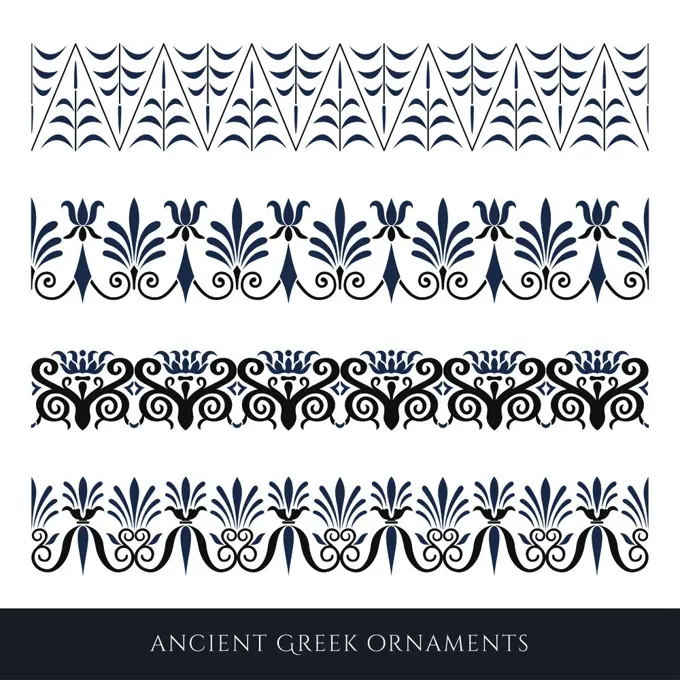
Historical Textiles and Fabrics

Beautiful textile pieces from various centuries, featuring intricate floral and geometric patterns, showcasing the artistry and craftsmanship of historical fabrics.
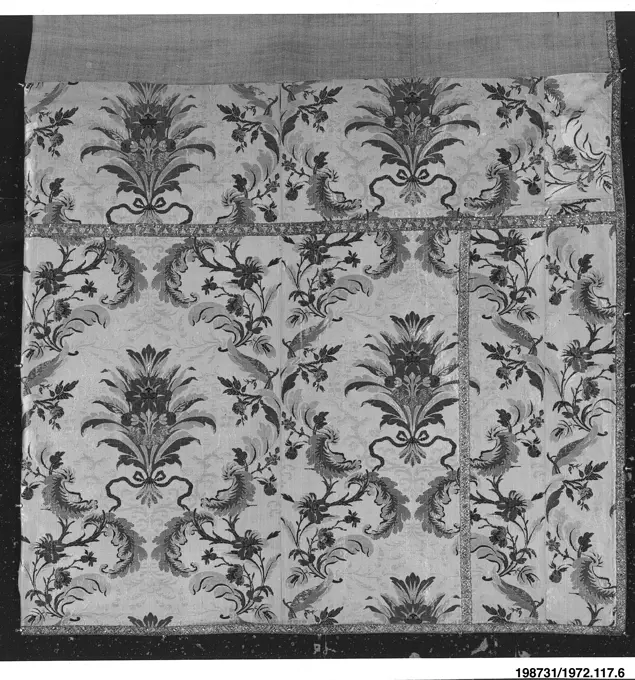
Altar frontal 18th century French. Altar frontal 229397
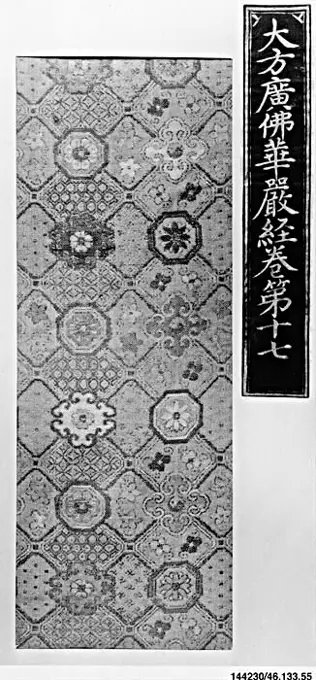
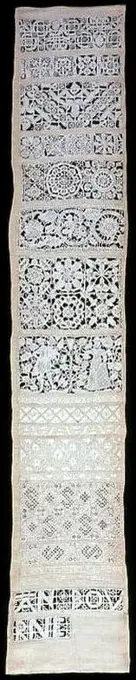
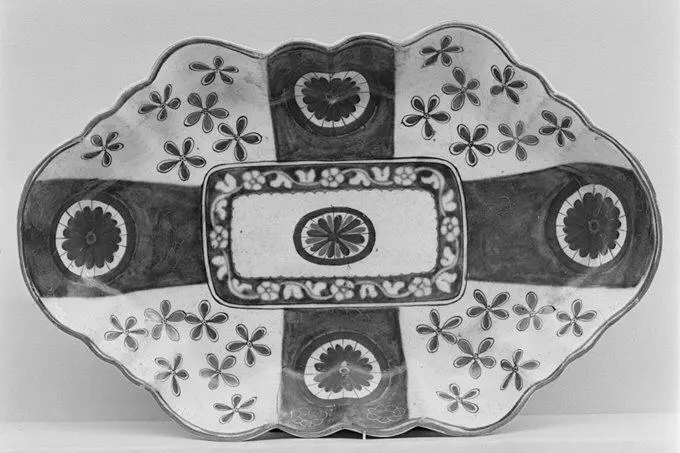
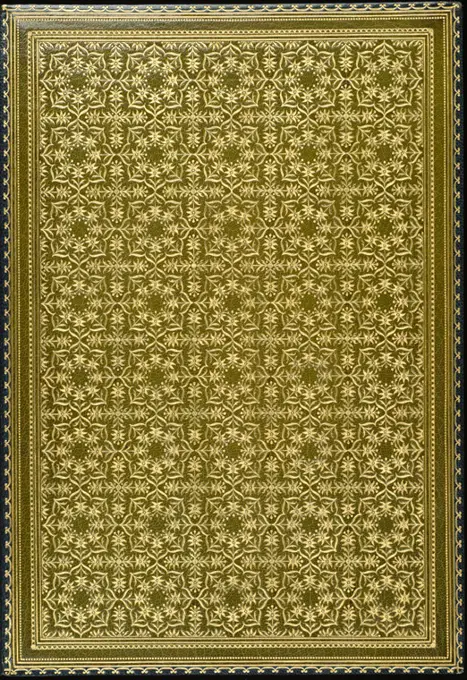
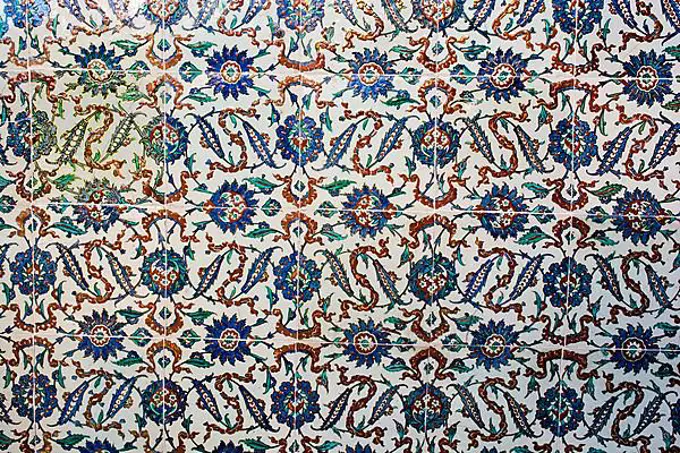
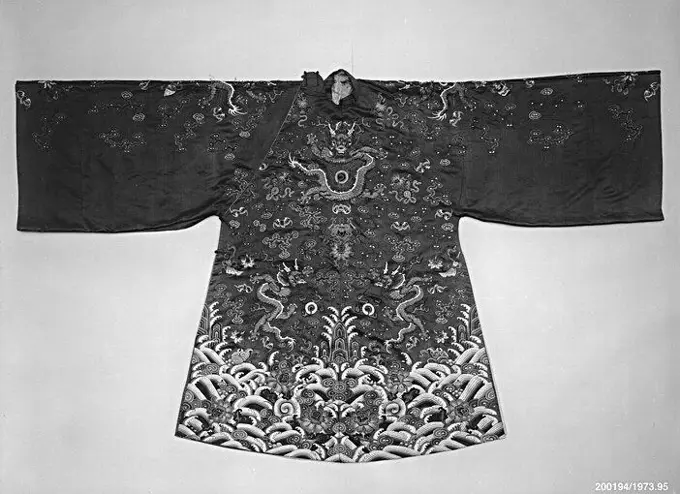
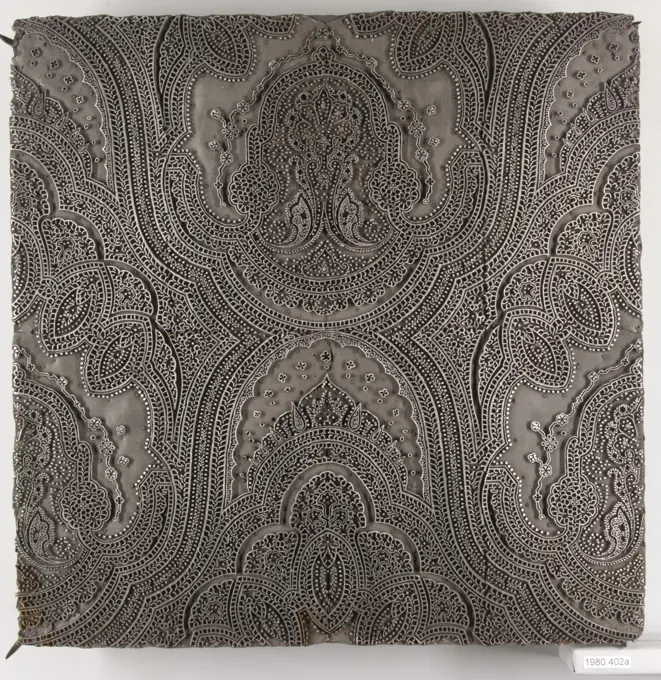
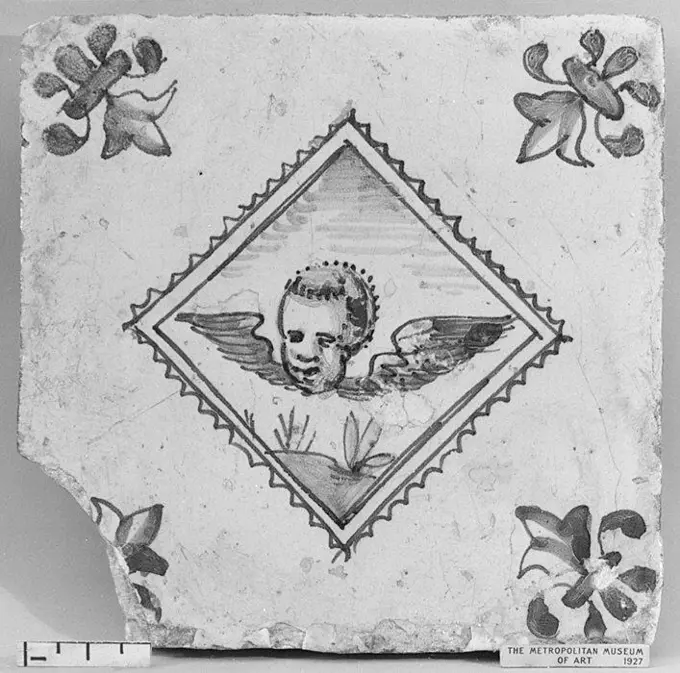
Cushion Cover late 17th century China. Cushion Cover 70101Piece 17th-18th century China. Piece 69798Sampler. Ann Bourn (English, active 17th century); England. Date: 1625-1650. Dimensions: 17.2 × 91.4 cm (6 3/4 × 36 in.). Linen, plain weave; bands of cut and drawn thread work in double faggot, double hem, interlocking lace, overcast, Roumanian, and needle lace filling stitches; bands of needle lace worked on a cut and drawn thread ground; and bands embroidered in double faggot, double hem, double running, eyelet, satin and stem stitches. Origin: England. Museum: The Chicago Art Institute, Chicago, USA.Piece. Culture: British. Dimensions: L. 9 7/8 x W. 5 1/4 inches (25.1 x 13.3 cm). Date: late 16th century. Museum: Metropolitan Museum of Art, New York, USA.Medallion China. Medallion 68814Siapo mamanu (tapa cloth) textilesPiece 18th-19th century Japan. Piece. Japan. 18th-19th century. Silk. Textiles-WovenDesigns for, among other things, pendants and decorative pins (). From series consisting of a title page and 9 sheets.Border with Rosettes and Oak Leaves Made 1800-1805 France. The late 18th and early 19th centuries were an incredibly fertile period for innovation in the European textile industries, especially in the field of direct printing. Decades of experimentation led to the development of a variety of ways to apply color and pattern to cloth, which enabled artists and designers to invent new design vocabularies and quickly respond to cultural trends and ideas. One of the most enduring of these innovations was the ability to print on cloth with copperplates and then subsequently with engraved copper metal rollers. The quality of detail achieved through this method was unrivaled in terms of clarity, precision.. Cotton; copperplate printed .Spoon tray (part of a service) ca. 1765-75 Worcester factory Eighteenth- and nineteenth-century porcelain tea sets usually comprised a teapot and stand, milk jug, sugar bowl, tea caddy, spoon tray, slop basin, six or twelve tea bowls with or without handles, and six or twelve saucers, a coffee pot and six or twelve coffee cups and a dish for cake. The Worcester factory made tea bowls with a handle if the decoration was European and without a handle for Oriental designs.. Spoon tray (part of a service) 198465Window 18th century. Window 444830Front doubleur. 1910 - 1896. Chaucer, Geoffrey (d. 1400). bindings (gathered matter components), Book covers. Spencer Collection. BookbindingSet of wide lace ribbons and frames with ornament. Black design elements isolated in retro style. Pattern for creating vintage style, decor design. Lace decoration template, frameworks. Set of wide lace ribbons and frames ornament in retro style. Pattern for creating style, vintage decor designBliżej Kultury unknownHandkerchief Made 1870-1890 France. Linen, plain weave; embroidered with cotton .Dish 1830-35 American. Dish. American. 1830-35. Lacy pressed glass. Made in Midwest, United StatesWoman's Informal Robe 19th century China. Woman's Informal Robe 70540Cushion 17th century Italian. Cushion 461239A book cover formed by Martin's Ceramic Papier-maché process, 1860. A type of '...plastic fibrous material...capable of being most advantageously and economically manufactured into a numerous class of articles of high artistic merit. This invention, which has been patented by Mr. J. C. Martin, of Barnes, has for its object the production in a plastic material of imitations of wood carvings, from which it is scarcely distinguishable, and that could be readily moulded, subsequently hardening into a close-grained, hard, tough, and durable substance, resembling wood, admitting of an after proBack doubleur. bindings (gathered matter components), Book covers. 1905. Spencer Collection. BookbindingPiece 1774-93 French. Piece 222909Sweatshirt 19th century China. Sweatshirt 69723Ottoman ancient Handmade Turkish Tiles with floral patternsChalice veil 16th century French. Chalice veil 219826Ottoman ancient Handmade Turkish Tiles with floral patternsSample of printed IInen Unknown, Wiener WerkstätteMedieval ornamentFive-Clawed Dragon Robe China. Five-Clawed Dragon Robe 70542Lying dog, H.P.M. De Bel (Possible), 1849 Lying dog. Contribution to an album Amicorum. Rotterdam cardboard. yarn. paper embroidering Lying dog. Contribution to an album Amicorum. Rotterdam cardboard. yarn. paper embroideringRank Badge with Silver Pheasant 19th century China. Rank Badge with Silver Pheasant 68967Case (Inrō) with Design of Gourd Vine 19th century Japan. Case (Inrō) with Design of Gourd Vine 58782Rectangular edge tile in purple with sling decor of speckled tulip, flower with ten triangular petals, leaves, type of tulip fawn, yellow pottery, edge tile wall tile tile sculpture ceramic earthenware glaze, baked 2x glazed paintedArqueta con incrustaciones, detalle. Siglo XVI. M.A.D.B.Piece 18th century Japan. Piece 71673Ornamental Window 1220-60 British. Ornamental Window. British. 1220-60. Glass and lead. Glass-StainedWoodblock French 19th centuryCase (Inr) with Design of Large Flowering Peony 18th-19th century Japan. Case (Inr) with Design of Large Flowering Peony. Japan. 18th-19th century. Carved red lacquer. Edo period (1615-1868). InrTile 1640-60 Dutch. Tile 196177Rank Badge with Egret late 18th-early 19th century China. Rank Badge with Egret 68862Piece early 19th century Japan. Piece 67893Set of decorative ancient greek seamless ornamental border