Historical Textiles and Garments

Images of intricate historical textiles, including towels, bonnets, and capes, highlighting rich patterns and cultural significance from various eras.

Curtain of blue and white striped Linnamast, Anonymous, c. 1880 - c. 1900 Curtain of blue and white striped Linnamast. The blue and white stripes both have a running pattern of flower vines; The blue in light blue, the white in white. England linen (material) damask Curtain of blue and white striped Linnamast. The blue and white stripes both have a running pattern of flower vines; The blue in light blue, the white in white. England linen (material) damask
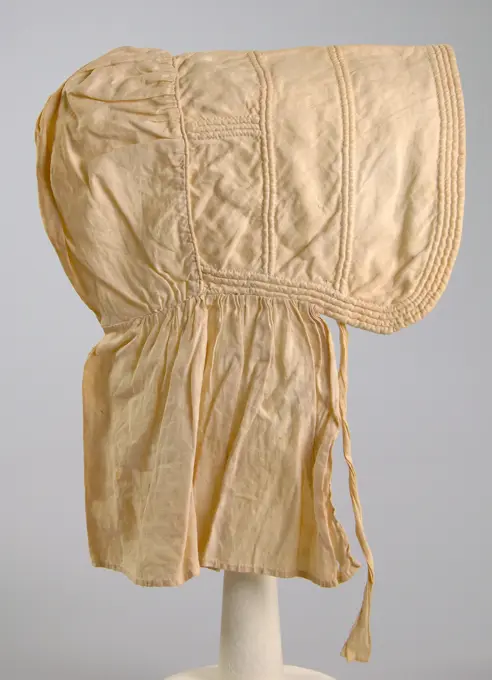
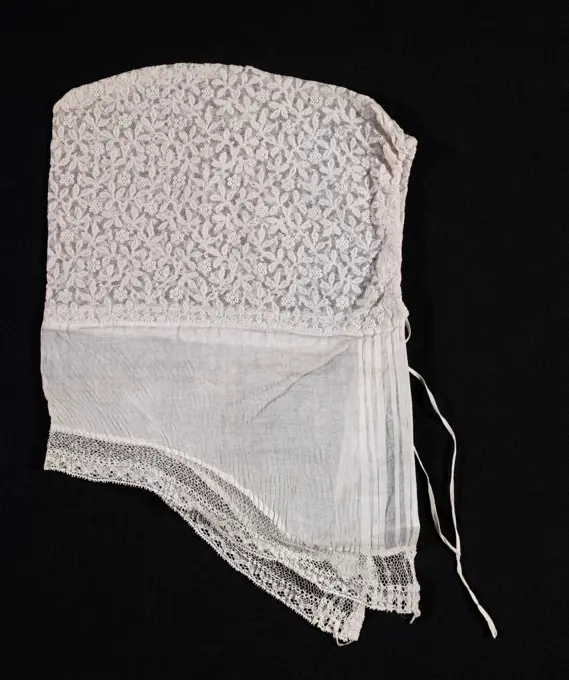
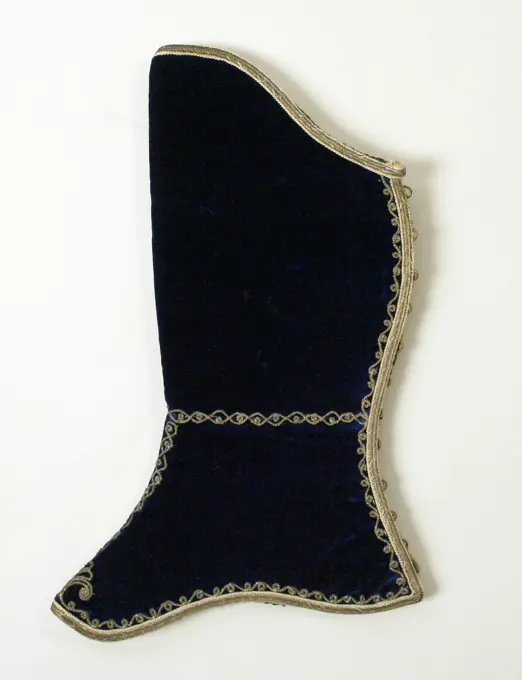
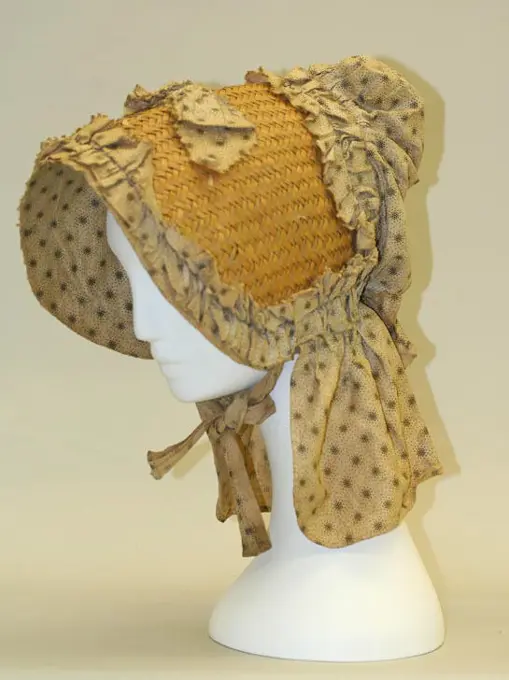
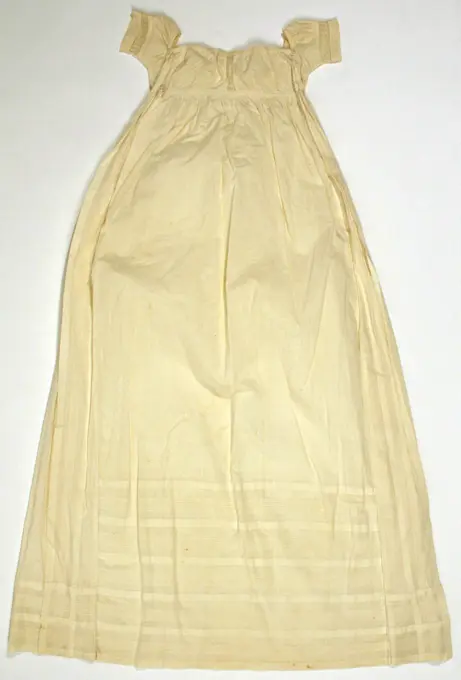
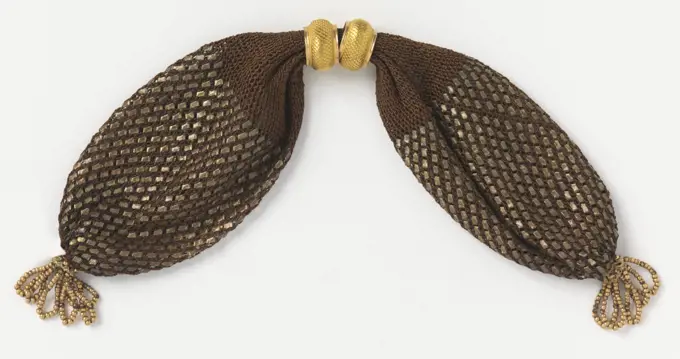
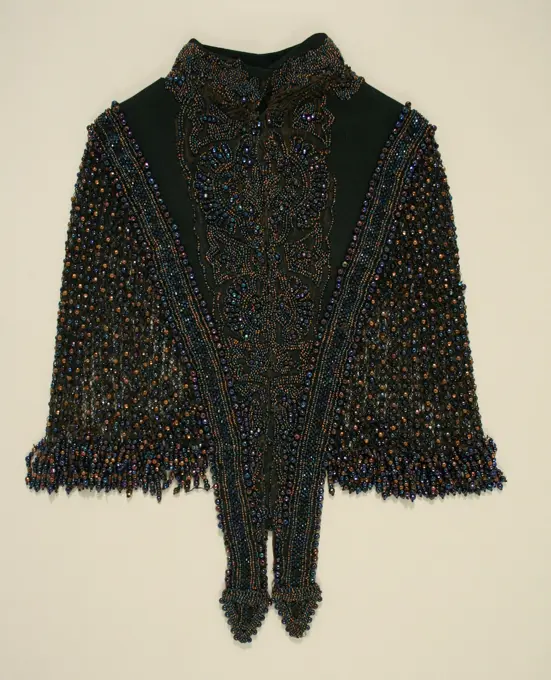
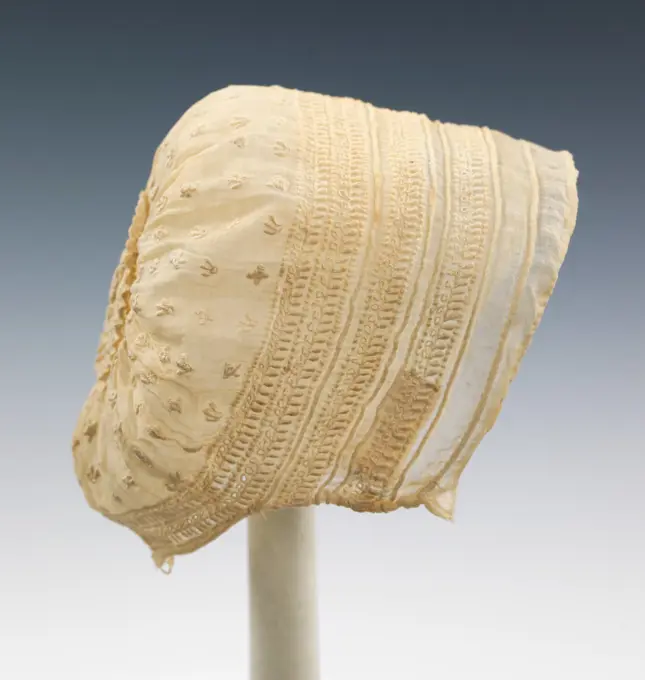
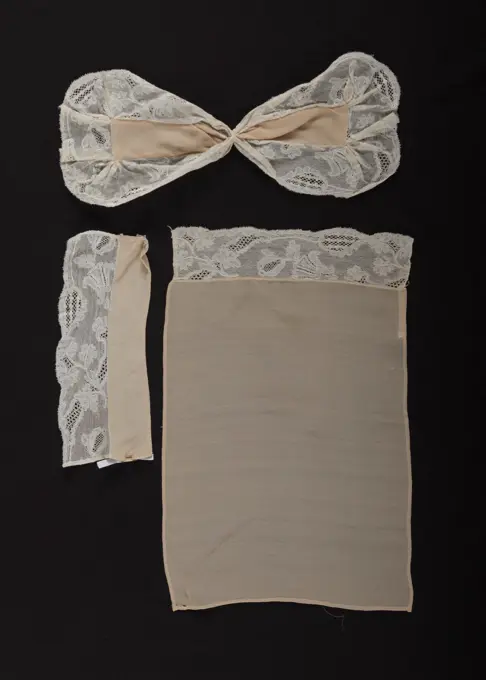
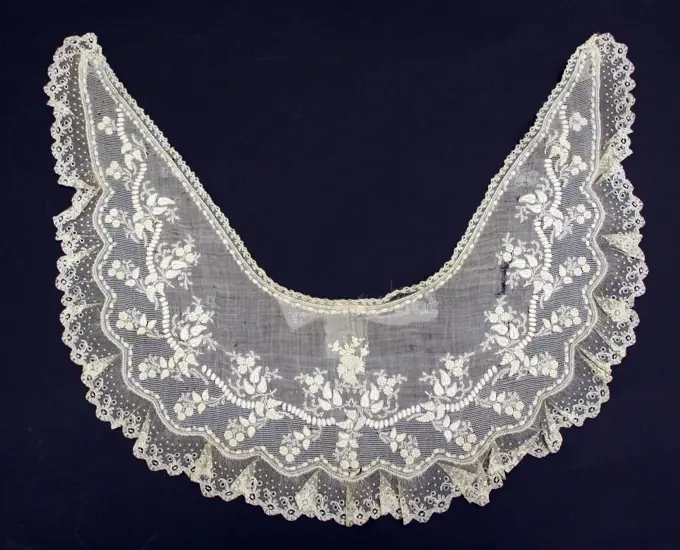
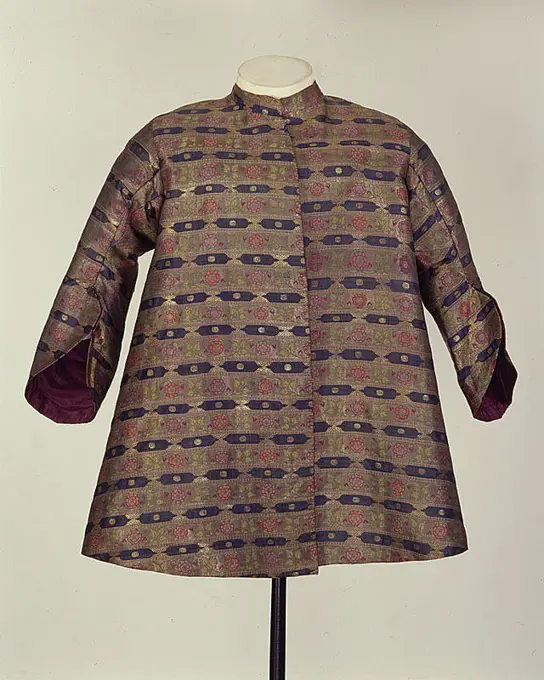
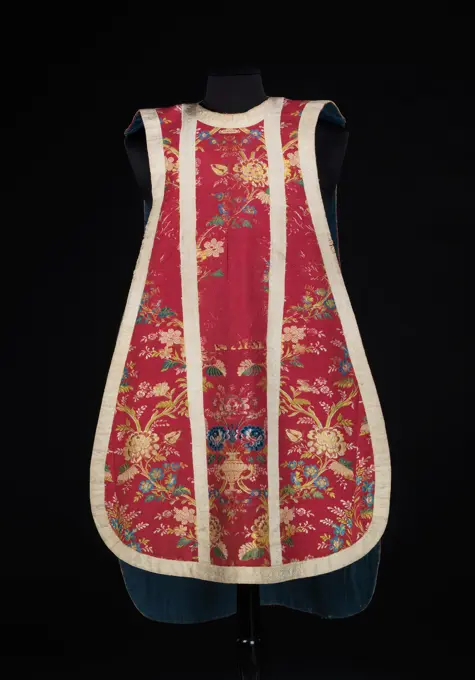
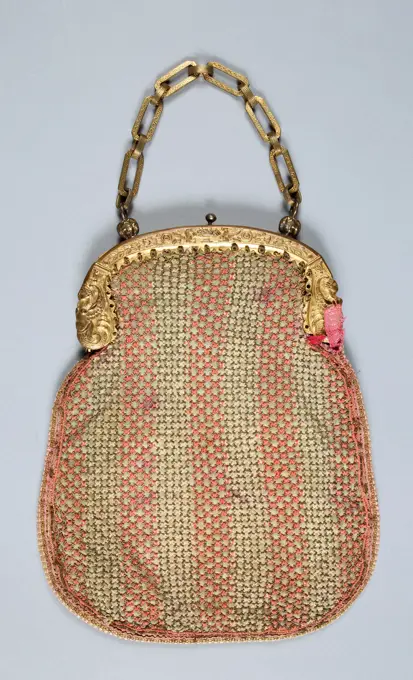
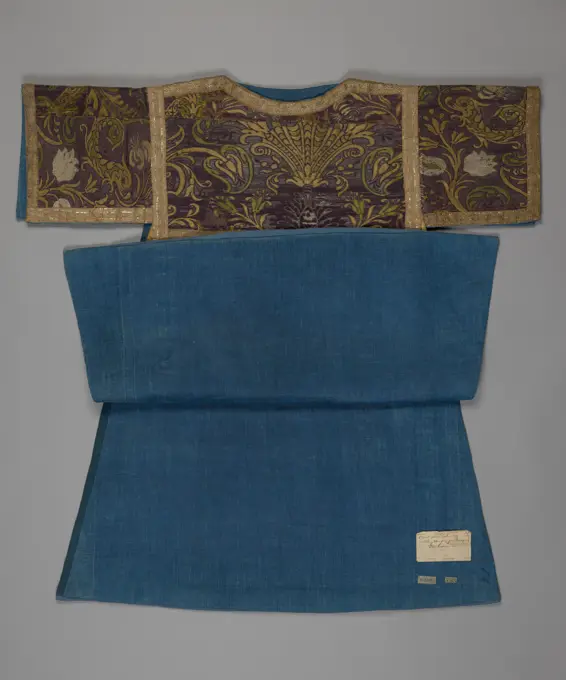
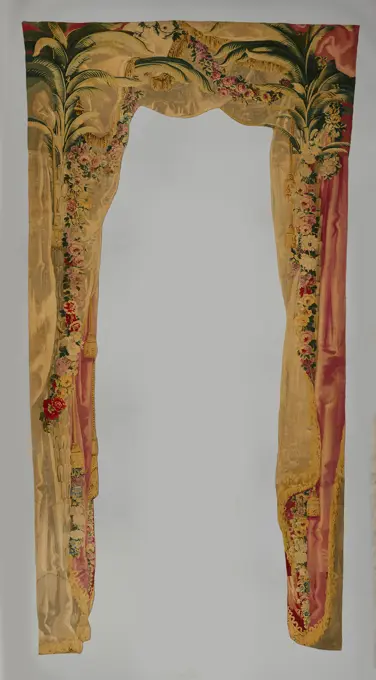
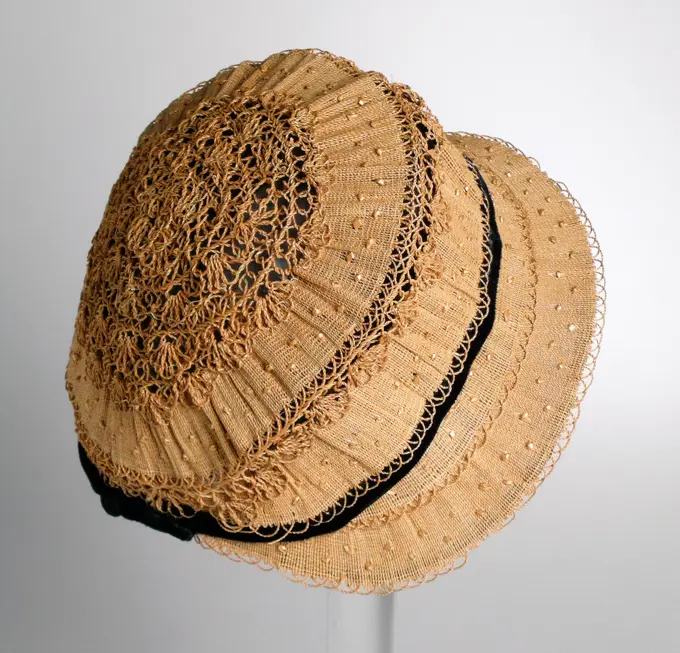
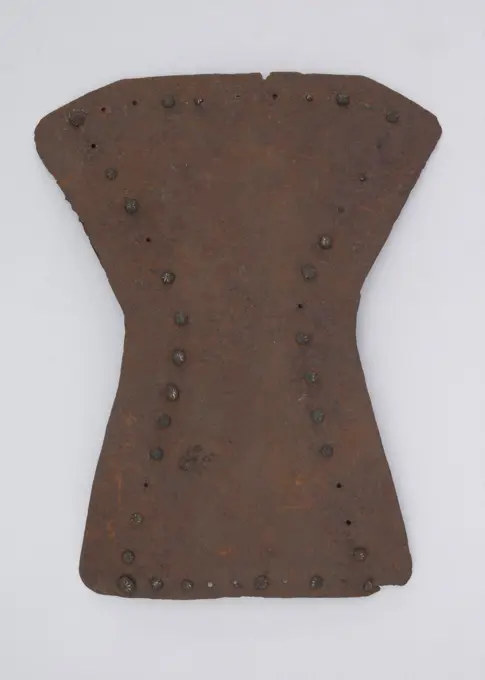
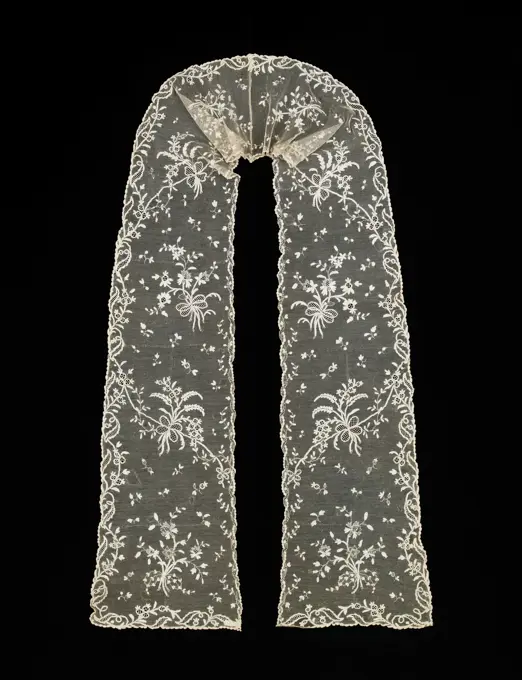
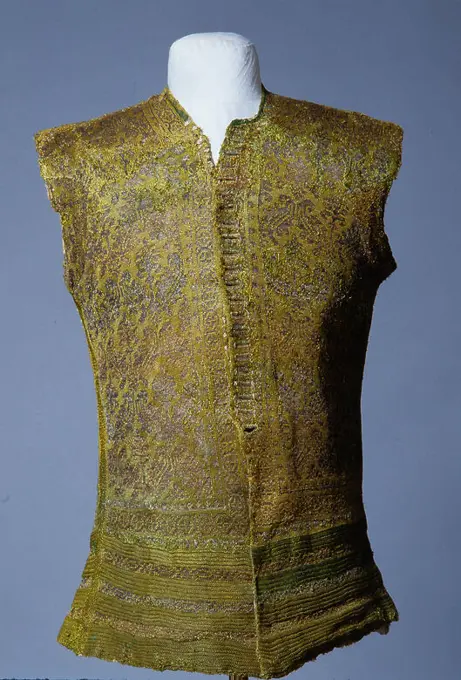
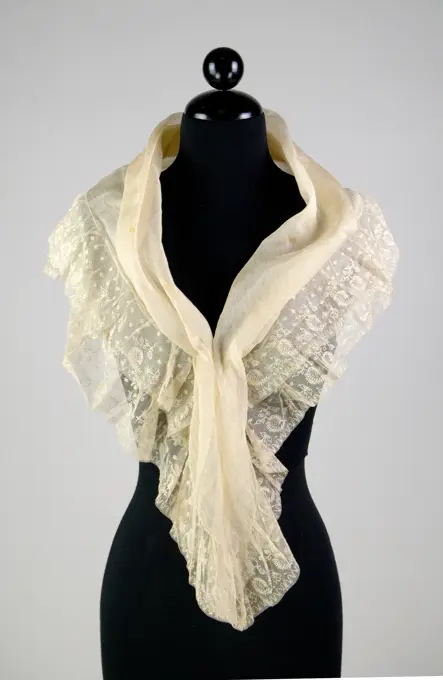
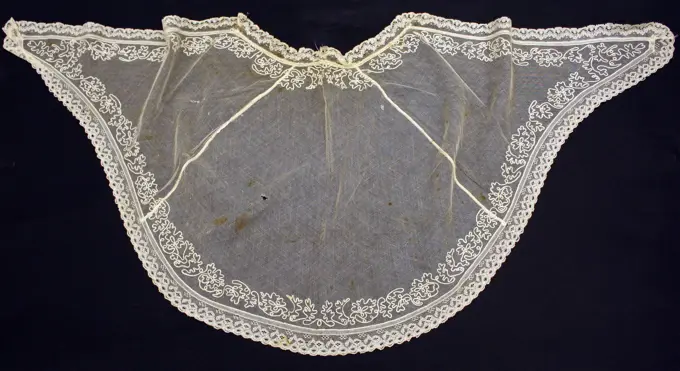
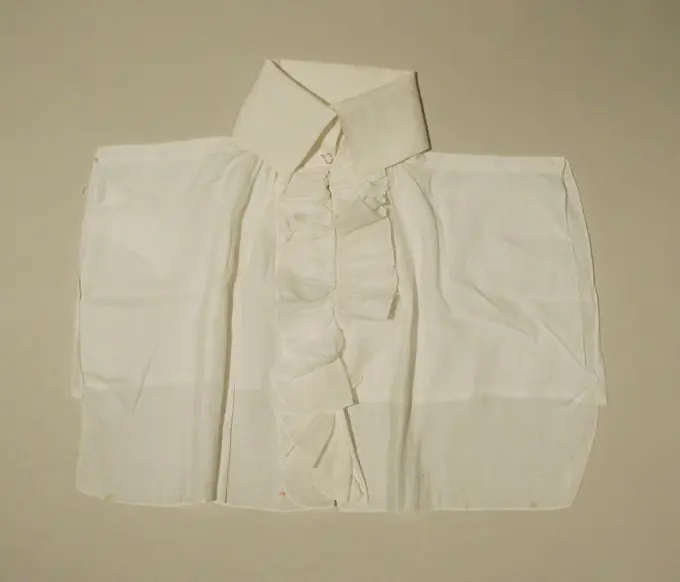
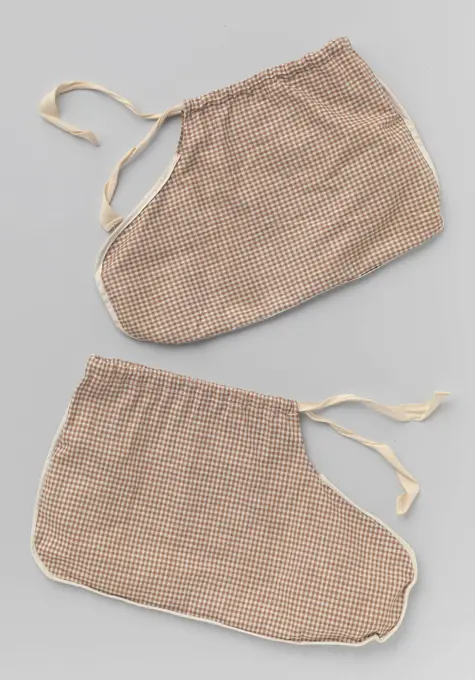
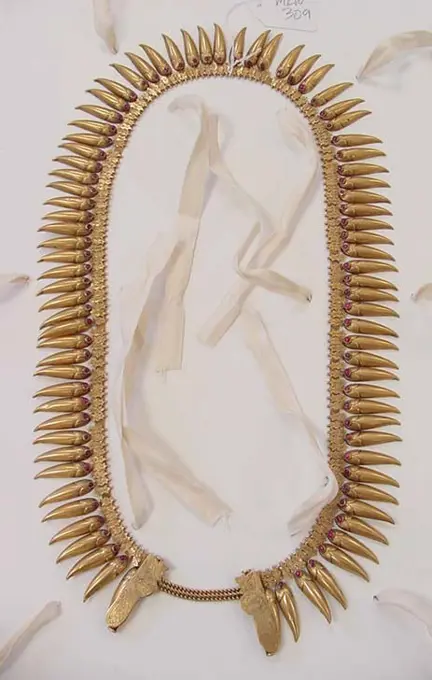
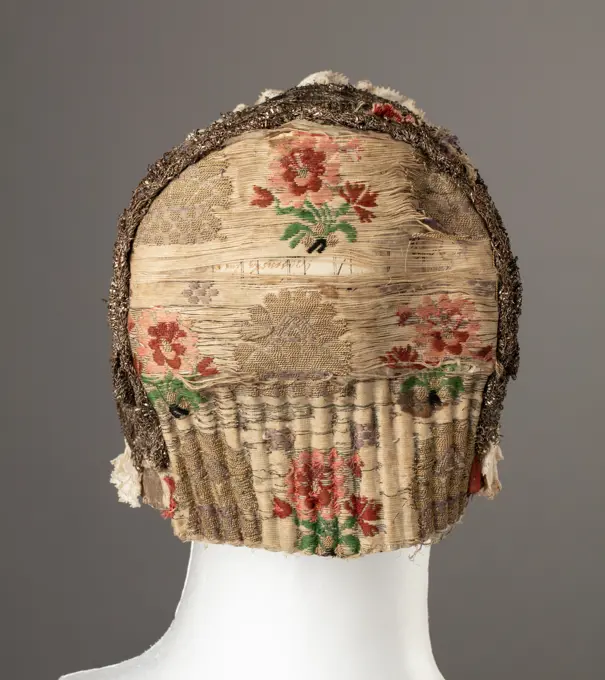
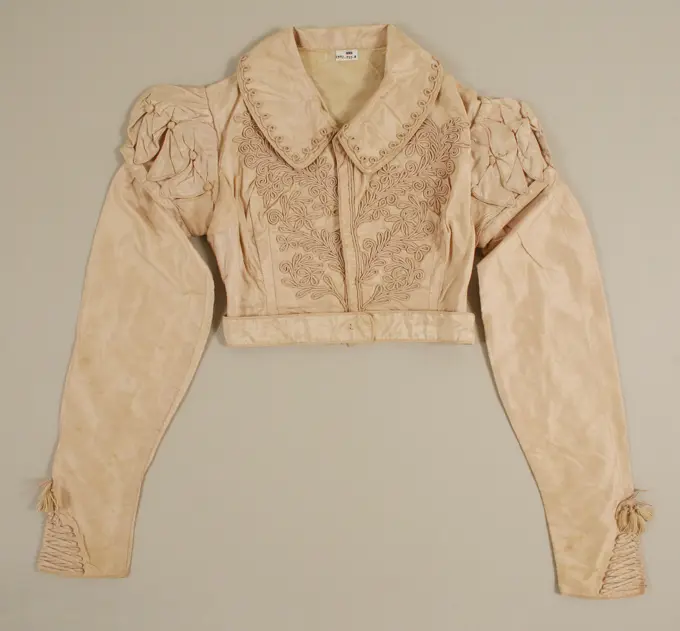
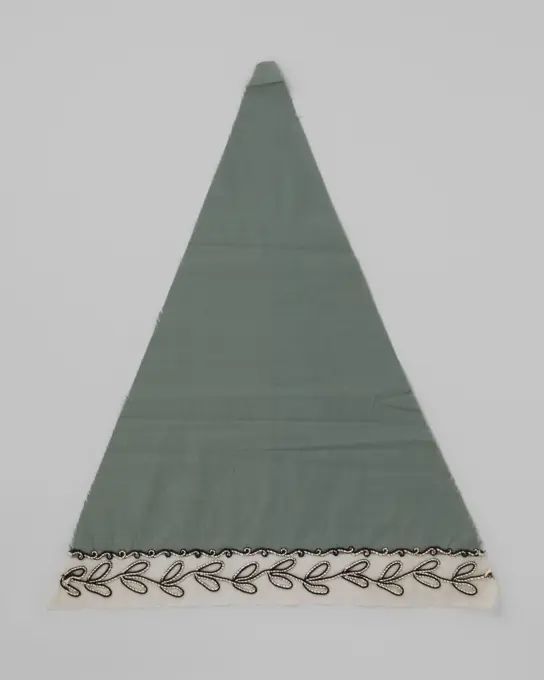
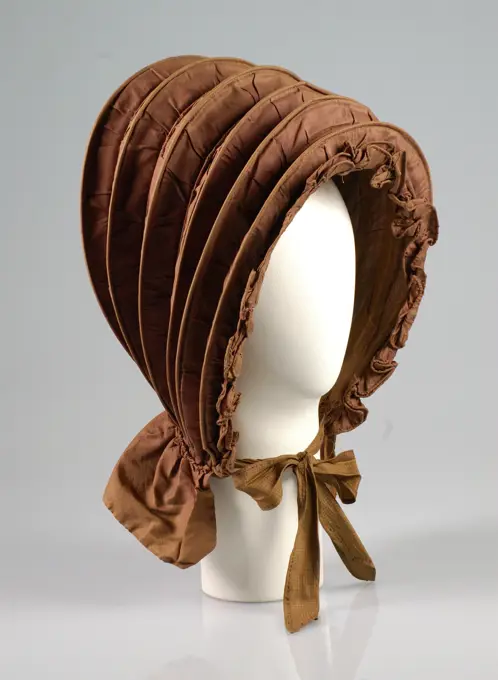
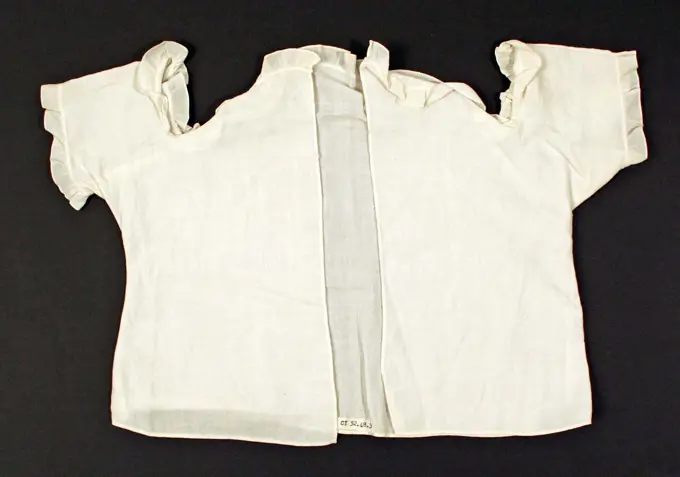
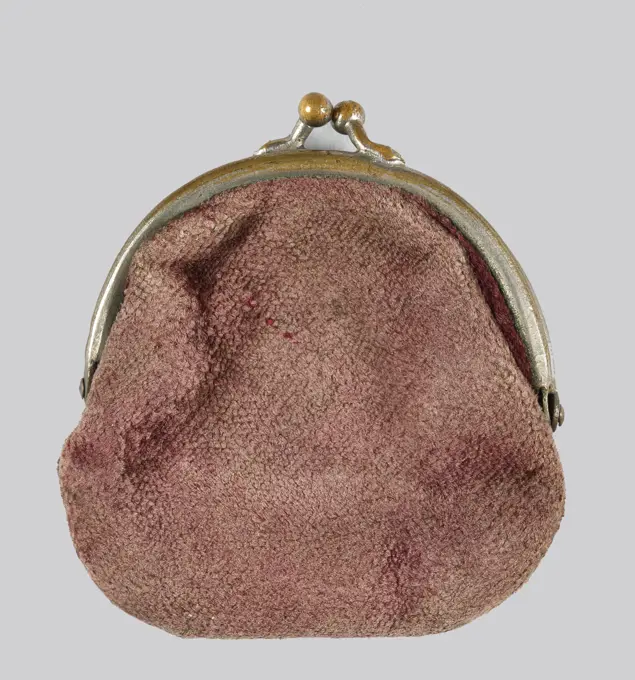
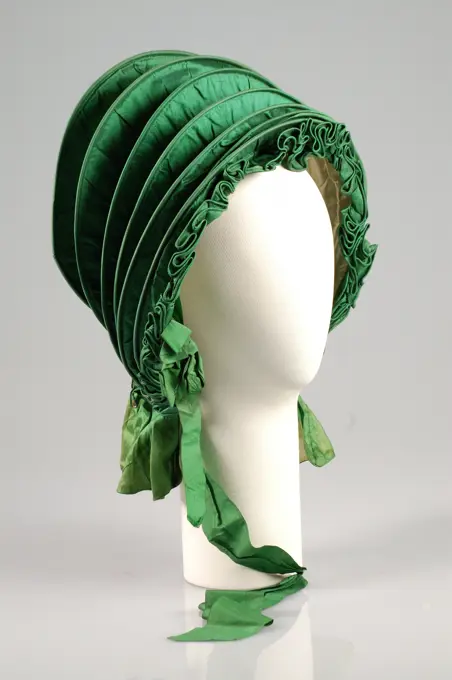
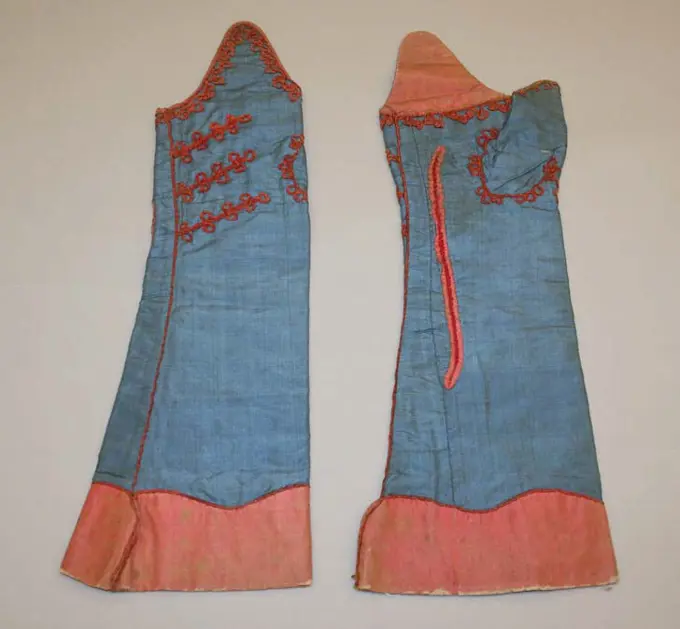
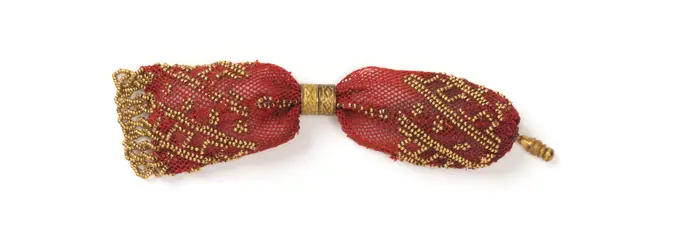
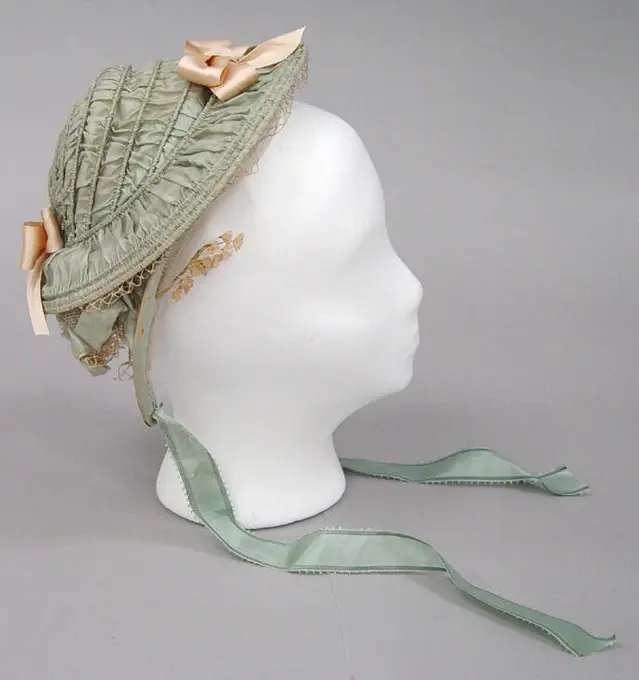
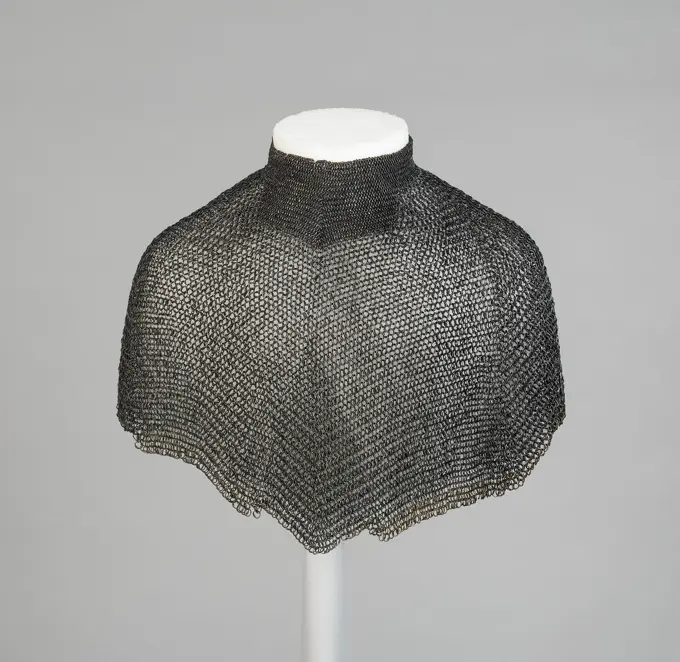
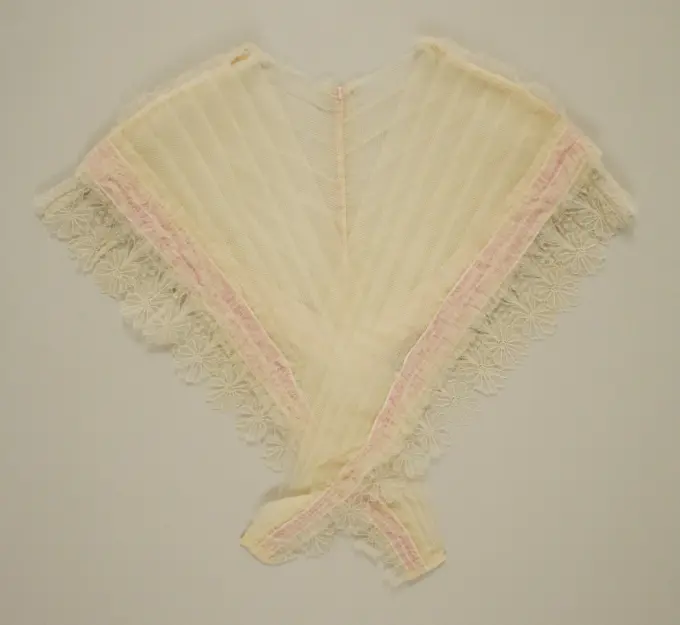
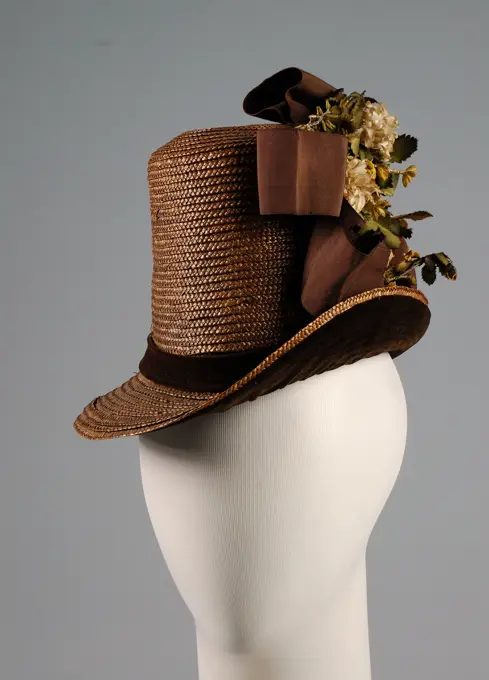
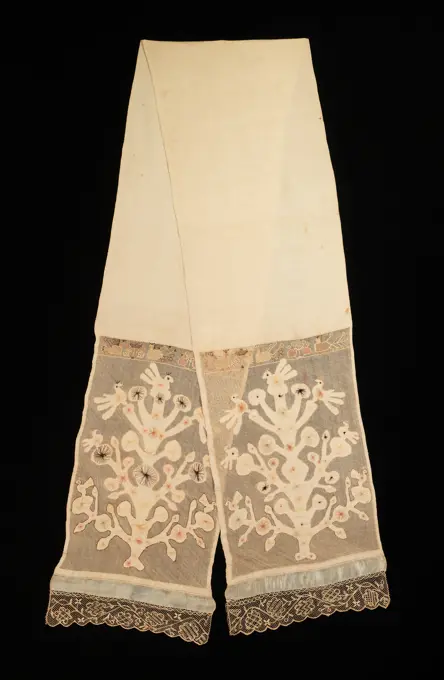
Towel 1780-1820 Russian This object is from the collection of Natalia de Shabelsky (1841-1905), a Russian noblewoman compelled to preserve what she perceived as the vanishing folk art traditions of her native country. Traveling extensively throughout Great Russia, she collected many fine examples of textile art of the wealthy peasant class. From the 1870s until moving to France in 1902, Shabelsky amassed a large collection of intricately embroidered hand-woven household textiles and opulent festival garments with rich decoration and elaborate motifs. The Brooklyn Museum holdings include many fine examples including the majority of the garments. Portions of Shabelsky's collection are also housed at the Museum of Fine Arts, Boston, the Cleveland Art Museum, and the Russian Museum of Ethnography in St. Petersburg.Towels such as these were used for ceremonial as well as decorative purposes. In wedding ceremonies the length of the towel was used to bind the couple together, both literally aSunbonnet ca. 1840 American. Sunbonnet 168618Cap, early 1900s. Netherlands, 20th century. Cotton; overall: 35.6 x 17.8 x 22.9 cm (14 x 7 x 9 in.).Cape 1850s American or European. Cape 107652Curtain of blue white striped linen damask .. Curtain of blue white striped linen damask. The white and blue stripes both have an ongoing pattern of winding flower drinks; The white have a white, the blue a light blue colored pattern. The curtain belongs to three curtains (BK-1992-26-A to BK-1992-26-D) and two strips (BK-1992-26-E and BK-1992-26-F).Gaiters 1882 Greek. Gaiters 125780Curtain of blue and white striped Linnamast, Anonymous, c. 1880 - c. 1900 Curtain of blue and white striped Linnamast. The blue and white stripes both have a running pattern of flower vines; The blue in light blue, the white in white. England linen (material) damask Curtain of blue and white striped Linnamast. The blue and white stripes both have a running pattern of flower vines; The blue in light blue, the white in white. England linen (material) damaskBonnet ca. 1838 American. Bonnet 113288Cape. Culture: American or European. Date: 1850s. Museum: Metropolitan Museum of Art, New York, USA.Robe ca. 1805 American. Robe 103692Mitaine, fragment of silk with red, white and black stripes. Mitaine, fragment of silk with red, white and black stripes. Trimmed with white lace and silver galon.Drawers 1880s American. Drawers 109205Pelerine. Culture: British. Date: 1835-37. Museum: Metropolitan Museum of Art, New York, USA.Fragment (Italy); silk, silver foil, silk core wrapped with silver foil; Warp x Weft: 28.3 x 19.6 cm (11 1/8 x 7 11/16 in.)Miser's purse, Medium: silk, gilt foil Technique: netting, Dark brown netting silk ornamented with small flat rectangular gold paillettes in overall pattern. Gold rings with scale pattern control side opening; gold bead tassels at either end., France, 1800-1810, costume & accessories, Miser's purseCape 1886-90 American. Cape 107617Cap 1818 American As was the case for centuries, children's clothing in the early 19th century continued to be modeled after adult clothing. This kind of cap, often made of linen and trimmed with embroidery or lace, was worn mainly at home by women and children throughout the eighteenth and nineteenth centuries. The cap also served as protection from the cold and from drafts, which were thought to cause illnesses such as colds and sore throats.. Cap 157628Spencer ca. 1820 British. Spencer 108019Bow, Cuff and DickeyFragment of silk fabric  lace pattern unknownFichu 19th century probably French. Fichu. probably French. 19th century. cottonJubka. unknown, authorTailor's dummyBliżej Kultury unknownSunbonnet ca. 1840 American. Sunbonnet 169452Chasuble 1740-60 Spanish The perfectly matched flowing floral design gives this chasuble its distinctive appearance. The sense of liveliness in the beautiful pattern comes from the finely detailed central urn motifs, which incorporate fluting and cross-hatching; the peony blossoms shaded with subtle gradations in color; and the tulip heads that are just beginning to open.. Chasuble 157934Handbag. Restoration. Gal1963.39.5Przeszo Przyszoci unknownCantonnière with draperies, palm trees and flower glulands. Cantonnière with curtain and palm motifs.Woman's Bonnet. United States, 1875-1880. Costumes; Accessories. StrawBrigandine Plate 1350-1450 Italian This is part of a large find of medieval armor discovered in 1840 in the ruins of the fortress of Chalcis, on the Greek island of Euboea (then a Venetian colony called Negroponte). The fortress had been captured and destroyed by the Turks in 1470. Now divided largely between the Ethnological Museum, Athens, and The Metropolitan Museum of Art, the Chalcis hoard contains many rare and unusual elements of fourteenth- and fifteenth-century armor. Of particular importance are the variety of headpieces and the many fragments of brigandines (armor for the torso constructed of small plates riveted to layers of fabric), some of which retain portions of their original velvet covering. The Chalcis armor provides a unique picture of the armament used in the Aegean, one of the easternmost military outposts of the Venetian empire.. Brigandine Plate 34348Bliżej Kultury unknownScarf 19th century European The variations in the orientation of the motifs in this refined design give it a sense of vitality. The lace was probably originally created as robings on the front of an 18th century dress and later reconfigured into a scarf.. Scarf 157629Collar unknownBag with Human Face, 600-1000. Andes, Wari, Middle Horizon, 6th-10th century. Alpaca or llama hide, human hair, pigment, cotton; coca leaf contents; overall: 26.7 x 23.2 cm (10 1/2 x 9 1/8 in.); bag: 26 cm (10 1/4 in.).Chaleco de niño de punto, siglo XVII. Museu del Disseny de Barcelona.Suit ca. 1815 British. Suit 103184Cap ca. 1820 American. Cap 168302Ensemble ca. 1840 American. Ensemble 91368Bliżej Kultury unknownŻupan. unknown, authorBatist fall for a toilet table, anonymous, c. 1800 - c. 1920 Batists fall for a toilet table in a boudoir (inv.no. BK 1980-789F). Netherlands batiste Batists fall for a toilet table in a boudoir (inv.no. BK 1980-789F). Netherlands batisteChristening cap early 19th century European. Christening cap 98158Fichu 1790-1810 American. Fichu 169817Covering for the pyx, embroidered, blue  floral motif unknownJacket, 1700s. Iran, 18th century. Silk taffeta, brocaded; overall: 52 x 147.3 cm (20 1/2 x 58 in.).Skirt, ChinaCollar 1860s American. Collar 119291Miser's Purse (France); silk, metalTextile Swatches Onondaga Silk Company, Inc. (1925-1981). , 1948-1959. Silk, 10 x 4 3/4 in. (25.4 x 12.1 cm).    1948-1959Dickey late 18th-early 19th century American. Dickey 80715Hat 19th century Russian. Hat 173416Shoe bag. Shoes bag in brown white diamond pattern.Cape For An Ecclesiastical Figurine (France); silk, metallic yarnsNecklace probably 19th century Indian This collection of largely ethnographic jewelry includes examples from cultures in South America, North America, Europe, Asia, and Africa and dates from the Pre-Columbian period to the twentieth century. Owned by renowned art collector and fashion enthusiast Muriel Kallis Newman, the collection represents her knowledge and appreciation of a wide range of jewelry design and making traditions. Numerous items in her collection are composite artifacts made from various cultures and time periods reappropriated as modern jewelry creations by or for Muriel. It is important to note that Newman wore many of the pieces in the collection, interpreting them to suit and express her own singular, often avant-garde style.. Necklace 141749Bliżej Kultury unknownNightshirt ca. 1825 British. Nightshirt. British. ca. 1825. flax, cotton, shellSpencer ca. 1820 British. Spencer 108020Christening robe. unknown, authorFragments of the Persian silk fabric unknownBelt or girdle with a woven love poem. Culture: Italian. Dimensions: L. 66 x W. 2 1/2 inches (167.6 x 6.4 cm). Date: 16th century. Museum: Metropolitan Museum of Art, New York, USA.Wit cotton skirt bag, anonymous, c. 1850 - c. 1920 The textile has a woven pattern of vertical lines. Europe cotton (textile) The textile has a woven pattern of vertical lines. Europe cotton (textile)Sector of a parasold deck of soft green cotton, with a batist edge embroidered with wold wire, c. 1885 - c. 1900 Sector of a parasold deck of soft green cotton, with a batist embroidered with wold wire. Nijmegenfrance parasoldek: cotton (textile). cotton (textile). draad: wool embroidering Sector of a parasold deck of soft green cotton, with a batist embroidered with wold wire. Nijmegenfrance parasoldek: cotton (textile). cotton (textile). draad: wool embroideringSpencer late 18th-early 19th century probably British. Spencer 108024Underskirt ca. 1868 American. Underskirt 104484Reticule in an elongated model of crocheted black cord side, lined with dark green cotton. Reticule in an elongated model of crocheted black cord side, in an even mesh network, which ends in turned fringes along the entire bottom. On the top edge eight brown plastic rings, so a single turned black cord. The bag is lined with dark green cotton.Miser's Purse (France); silk, metalPetticoat 1870s American. Petticoat 86301Suit 1863-66 American. Suit 103294Calash ca. 1830 American. Calash 168291Shirt 1852 American. Shirt 103775Fringe early 19th century French. Fringe 225053Bourse, pigeon throat type.Reticule in a basket model, of ecrinke -like knitted cotton, the lower half of which is decorated with braid red and green beads, anonymous, c. 1820 - c. 1840  Reticule in a basket model, from ecrinkey knitted cotton. The upper half is knitted in a diamond pattern. The lower half decorated of the bag has braid green beads in vertical tracks, with two horizontal lanes, the top of which a double row of dots, the lower eem row of upright crosses. The round bottom is paved and decorated with beads extended in an eight -pointed green star. The bag is unlined. Netherlandsmaker: West-Europa whole: Cotton (textile). Decoration: Glass knitting / glassblowing / knittingBaby's Cap (England); cottonmale judge standing isolated over a white backgroundUndersleeves ca. 1860 American. Undersleeves 168864Calash ca. 1830 American. Calash 169091Reticule in an elongated model of crocheted black cord side, lined with dark green cotton, anonymous, c. 1925 Reticule in an elongated model of crocheted black cord side, in an even mesh network, which ends in turned fringes along the entire bottom. Eight brown plastic rings on the top edge, causing a single twisted black cord. The bag is lined with dark green cotton. Netherlands whole: Silk. lining: cotton (textile). rings: crocheting Reticule in an elongated model of crocheted black cord side, in an even mesh network, which ends in turned fringes along the entire bottom. Eight brown plastic rings on the top edge, causing a single twisted black cord. The bag is lined with dark green cotton. Netherlands whole: Silk. lining: cotton (textile). rings: crochetingPurse (France); silk, metalEvening Cape 1860-65. Evening Cape 80390Fringe, Medium: silk, metallic thread (gold strips on silk core) Technique: plain weave, Fringe of red and gold threads with a heading and gold skirt threads of varying lengths arranged to form points; each thread supporting a small red tuft., Venice, Italy, 18th century, trimmings, FringeMiser's purse, Medium: silk, steel beads Technique: knitted in crossed and uncrossed stockinette and openwork stitches, Miser's purse knitted in gray silk with steel beads, with two steel rings. Finished at one end with looped fringe of steel beads, and at the other with a tassel of steel beads., Europe, USA, 1850-90, costume & accessories, Miser's purseMitts 18th century European. Mitts 119667Dust coat -Bridegroom's Sleeping Cap of Linen, with a strip of Mechelen side and blue ribbon, anonymous, c. 1700 - c. 1750 Sleeping cap of linen that is trimmed with a strip of Mechelen side. At the hat, a blue silk ribbon is stored that was originally sewn on the hat. West-Europa muts: linen (material). lint: silk. strook: Mechlin (lace) Sleeping cap of linen that is trimmed with a strip of Mechelen side. At the hat, a blue silk ribbon is stored that was originally sewn on the hat. West-Europa muts: linen (material). lint: silk. strook: Mechlin (lace)Cap. Culture: German. Date: 1850-70.The finely worked embroidery of this cap uses a variety of stitches in very effective colors. Makers expressed their individuality through design motifs in this type of hat. This example focuses more on geometric forms rather than more traditional stylized plant and animal forms. Museum: Metropolitan Museum of Art, New York, USA.Miser's Purse (France); silk, metal; L: 11.5 cm (4 1/2 in.)Bonnet 1853-57 American. Bonnet 104227Woman's Parasol. Europe, circa 1805. Costumes. Silk knit with glass and steel beads, silk fringe, wood, bone, and metalPantalets 1860s American. Pantalets 109267Wrapper late 1880s American or European. Wrapper 106973Mail Cape (Bishop's Mantle) Made 1500-1590 Germany. Steel and brass .Cape of Mail ( Bishop's Mantle ) 1500-1530 Germany. Steel .Fichu mid-19th century American or European. Fichu 108150Przeszo Przyszoci unknownA bow with a cap to the caps of the Taczanów insurgent unit unknownHat 1884-86 American. Hat. American. 1884-86. Straw, silk, cottonHunting ensemble 1837 British. Hunting ensemble 104946Fringe ca. 1850 French. Fringe 224939