Historical Textiles and Garments

Images of intricate historical textiles, including towels, bonnets, and capes, highlighting rich patterns and cultural significance from various eras.

Curtain of blue and white striped Linnamast, Anonymous, c. 1880 - c. 1900 Curtain of blue and white striped Linnamast. The blue and white stripes both have a running pattern of flower vines; The blue in light blue, the white in white. England linen (material) damask Curtain of blue and white striped Linnamast. The blue and white stripes both have a running pattern of flower vines; The blue in light blue, the white in white. England linen (material) damask
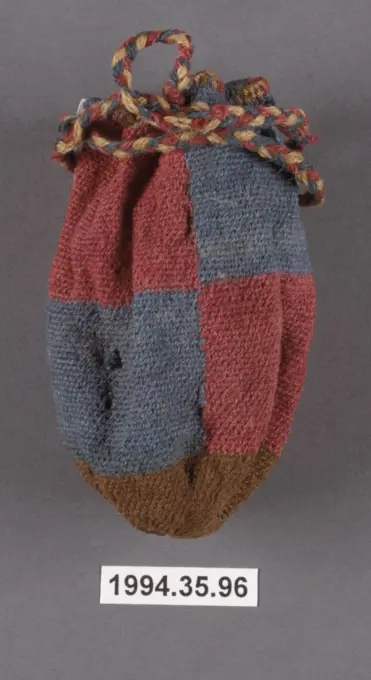
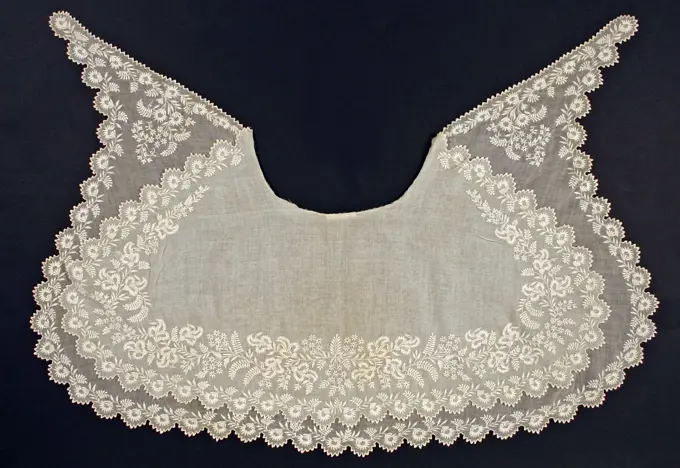
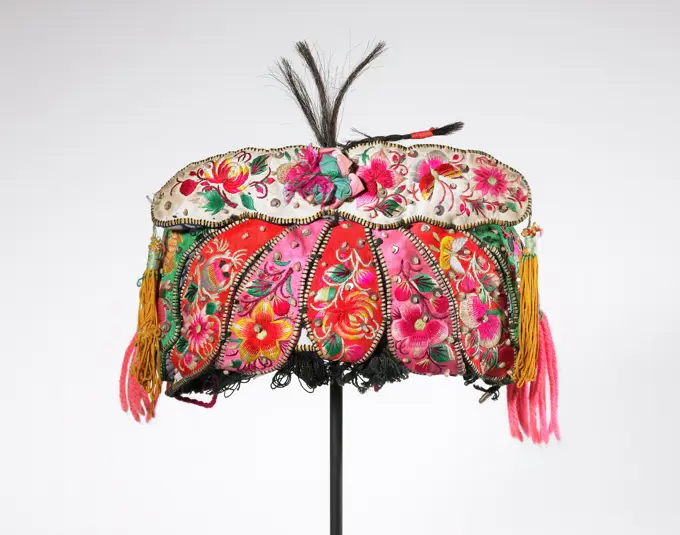
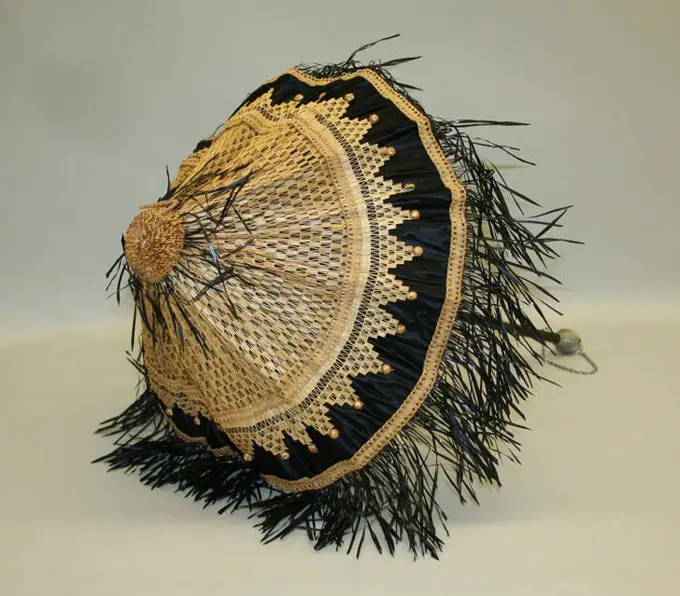
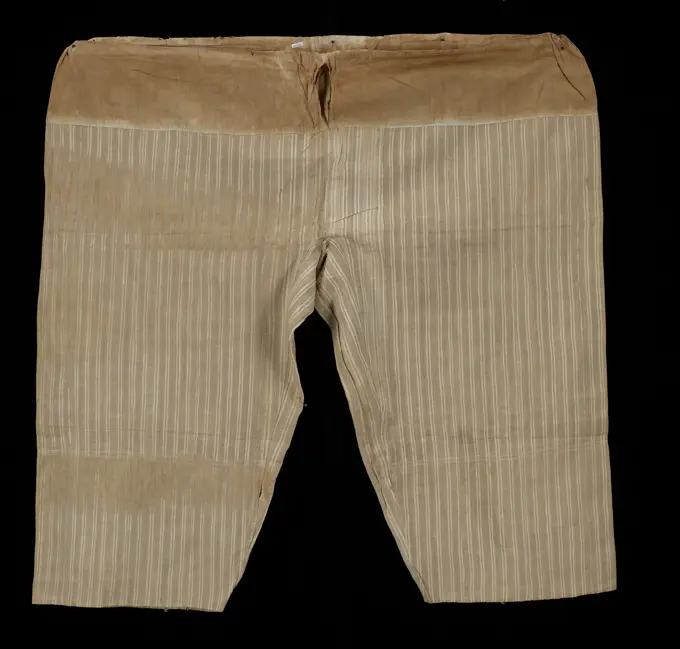
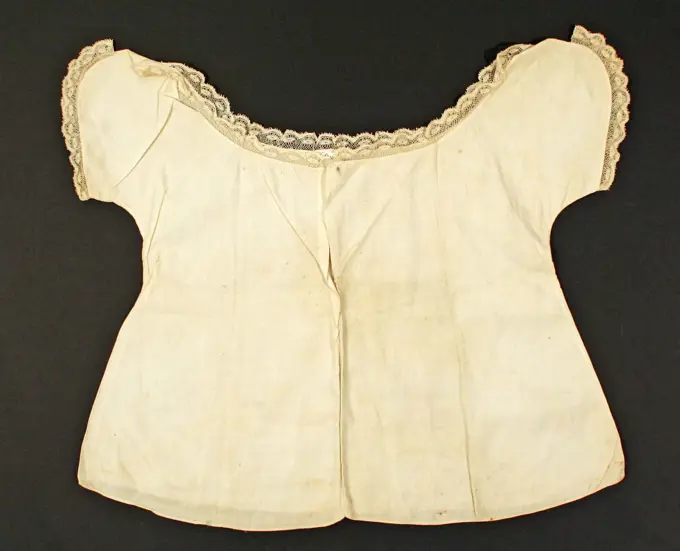
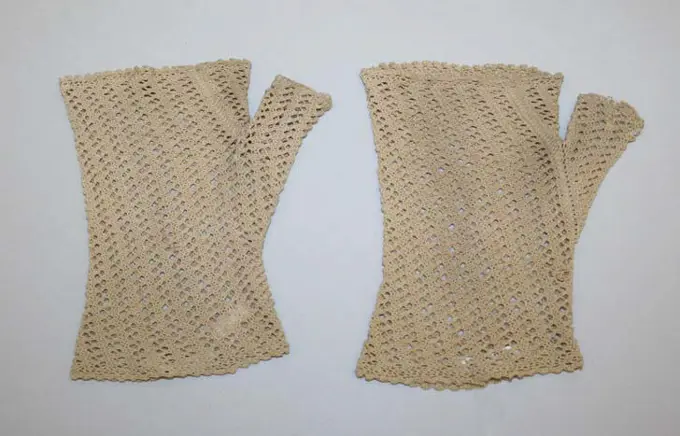
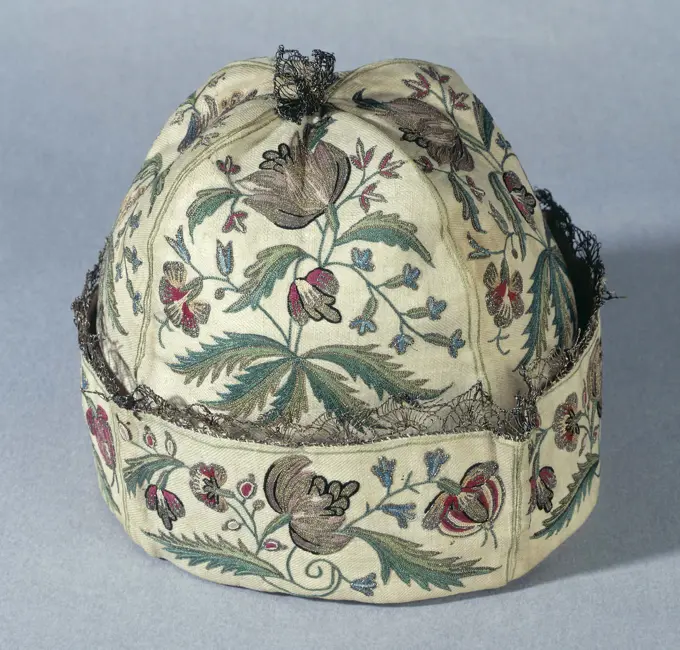
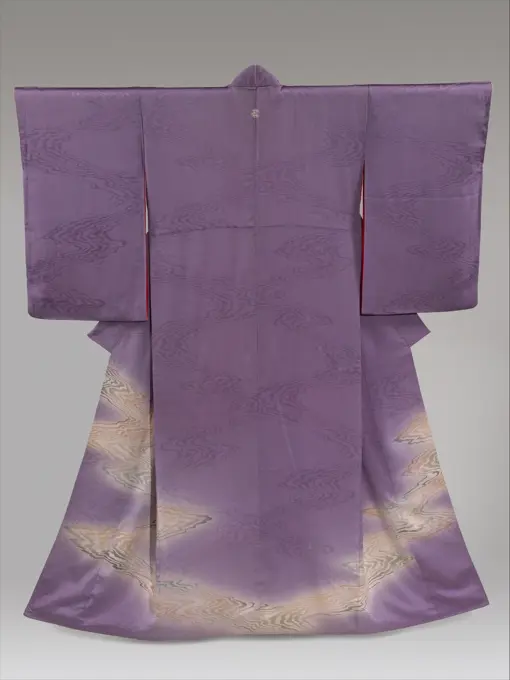
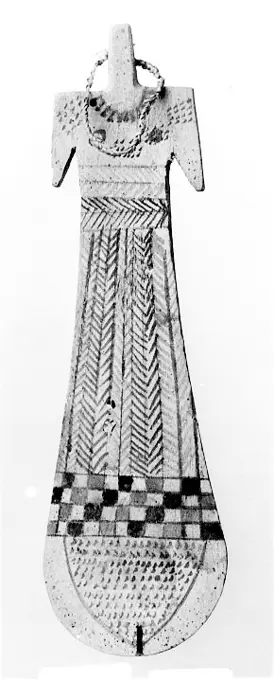
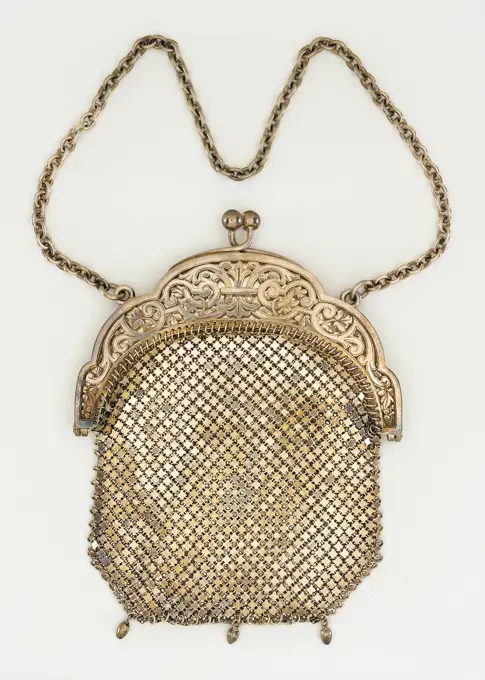
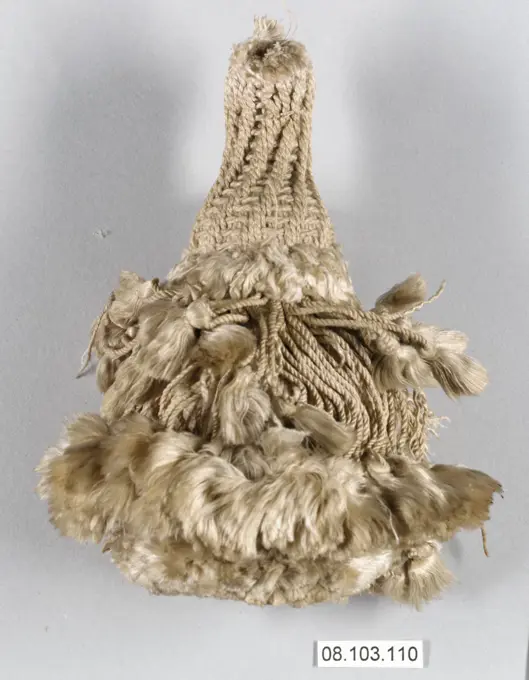
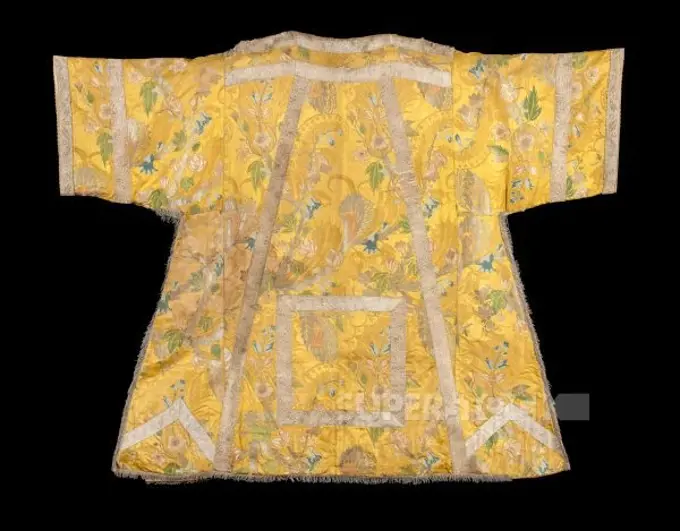
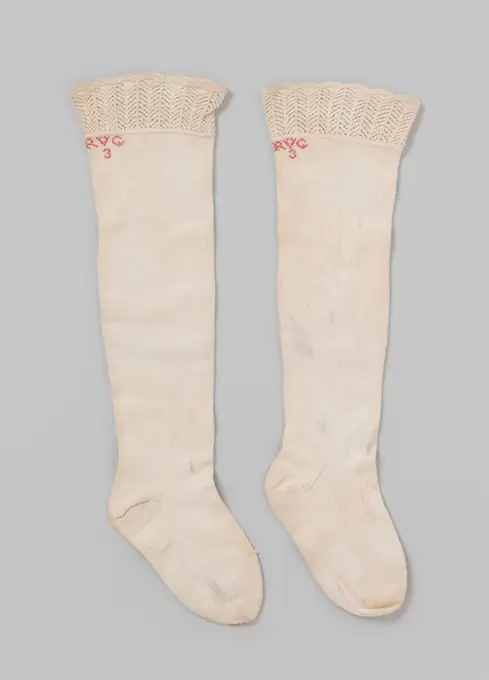
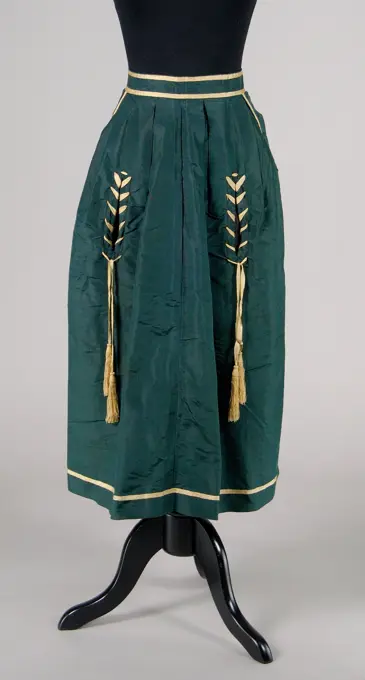
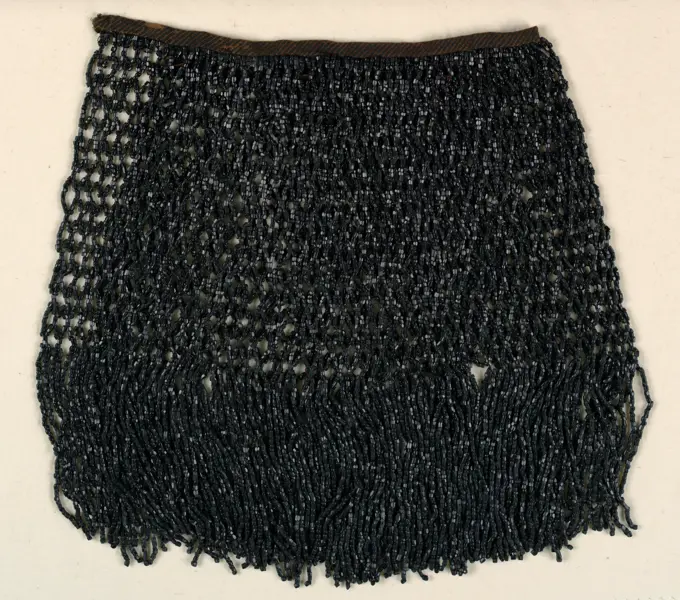
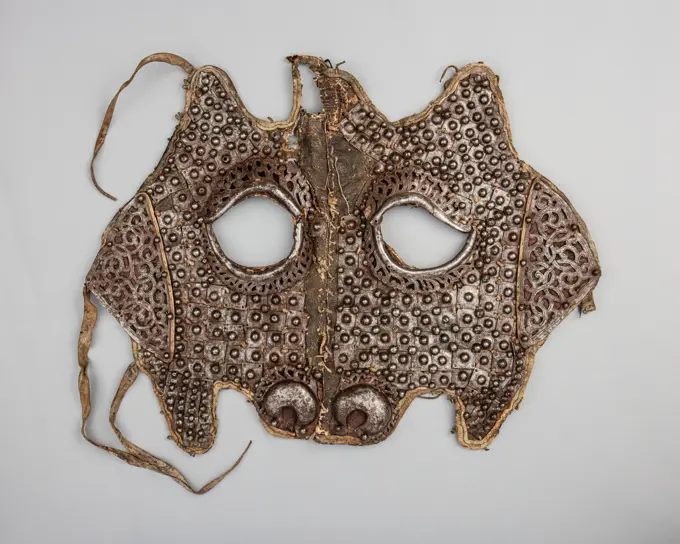
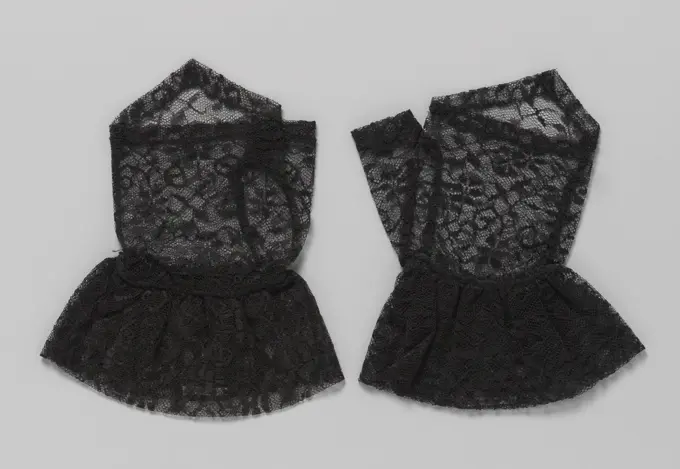
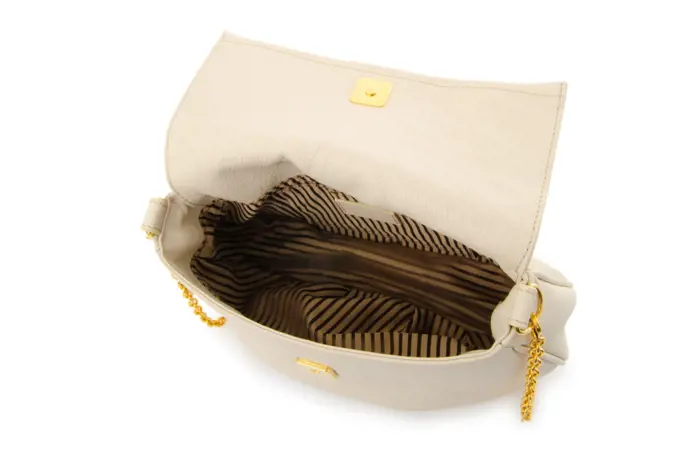
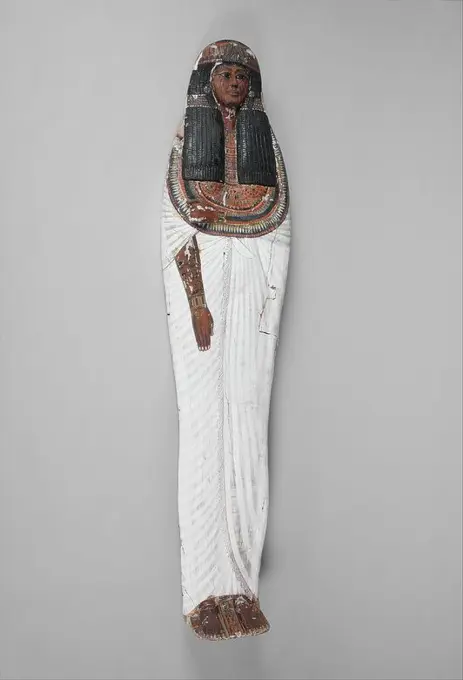
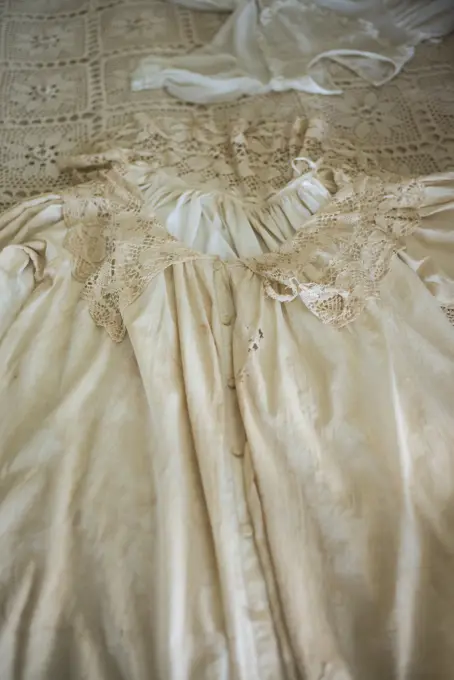
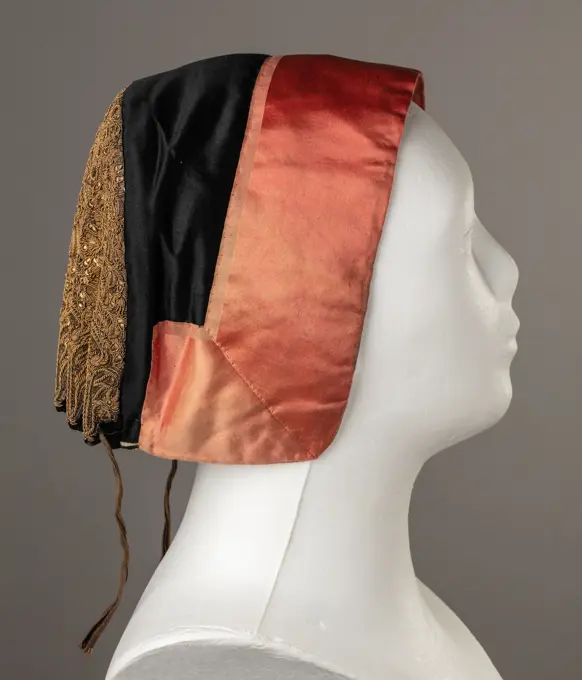
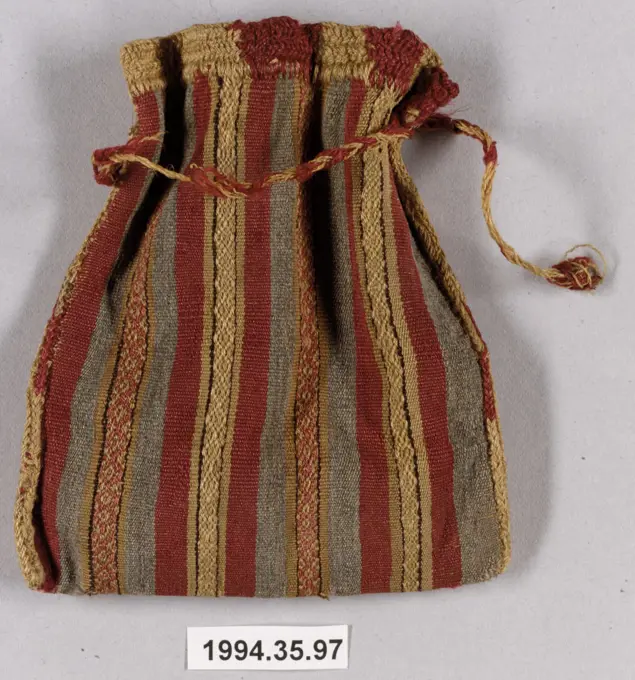
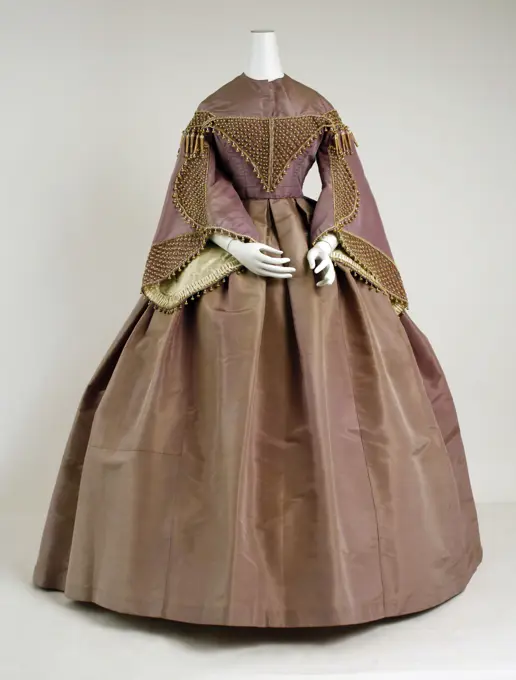
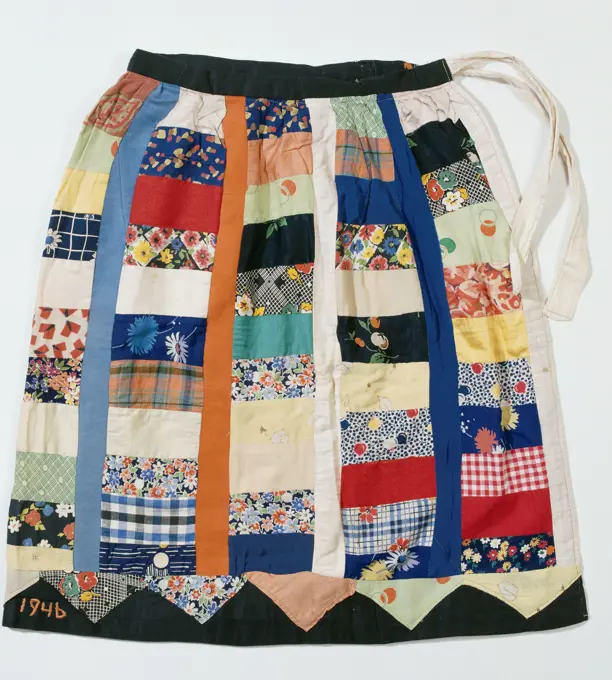
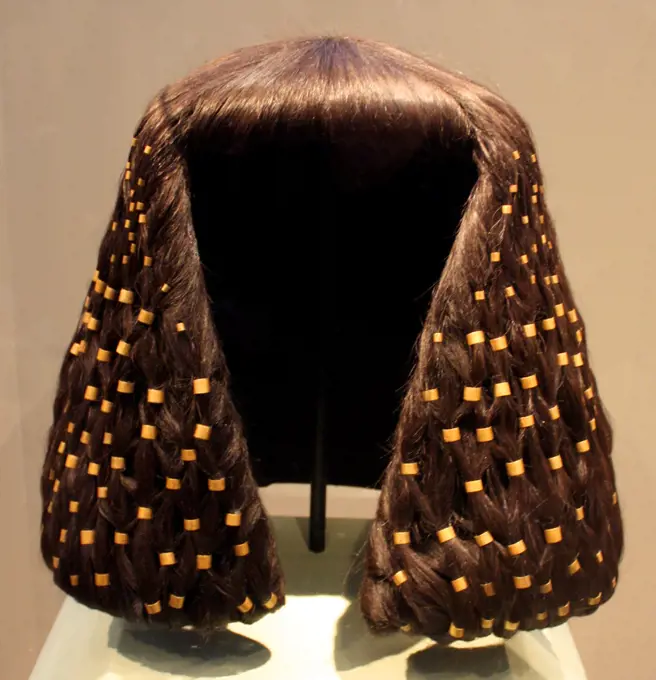
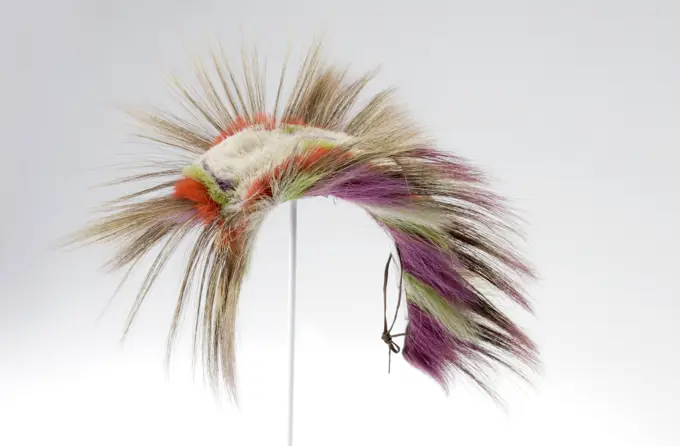
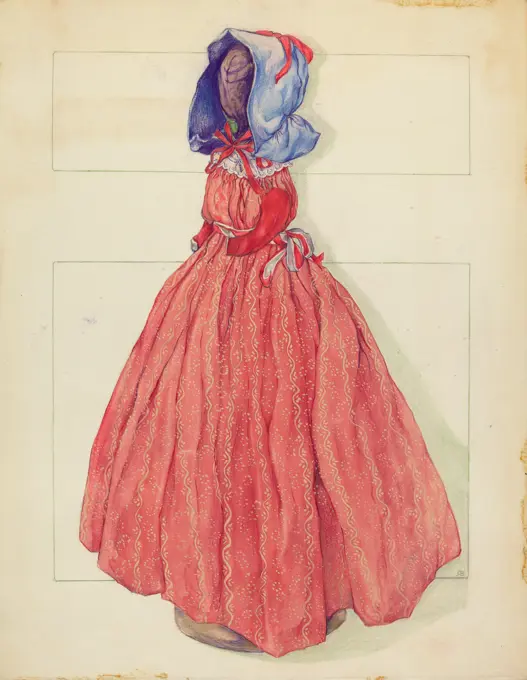
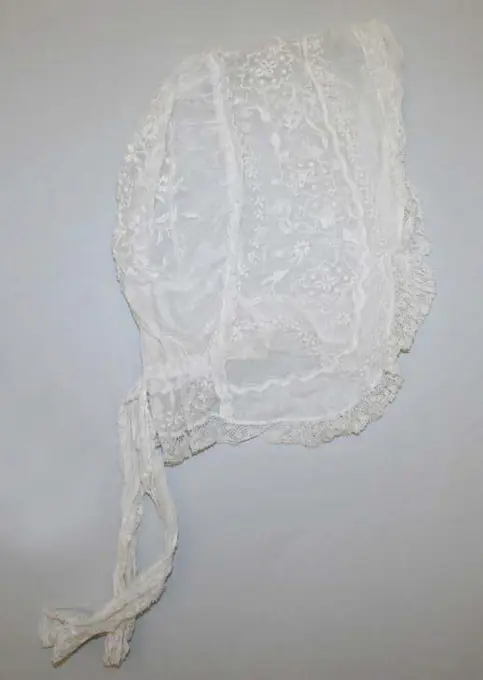
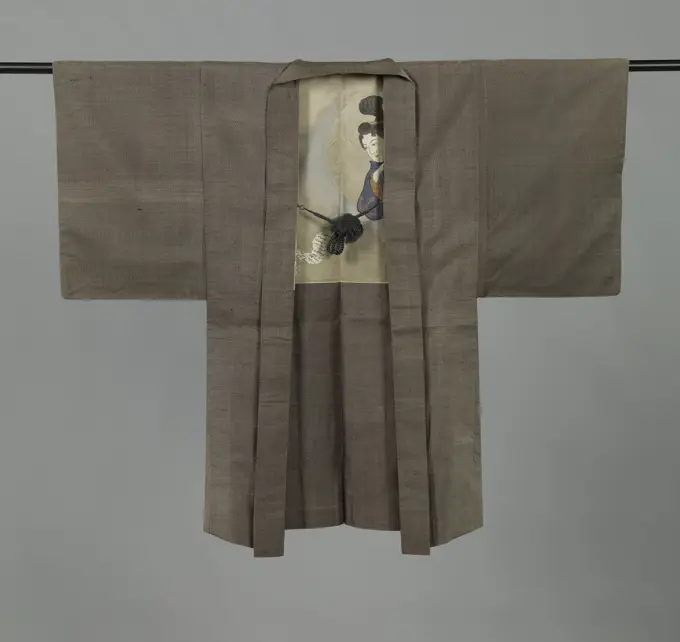
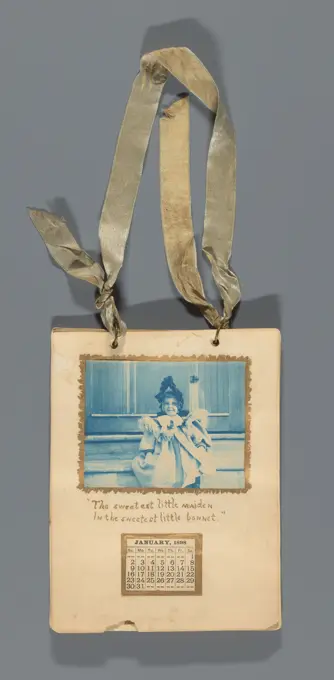
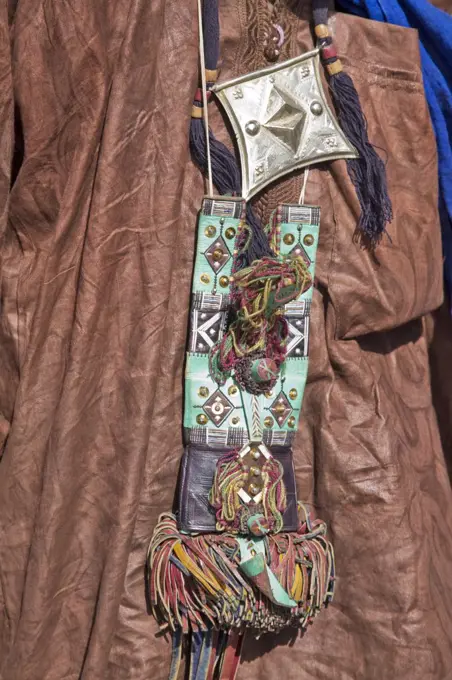
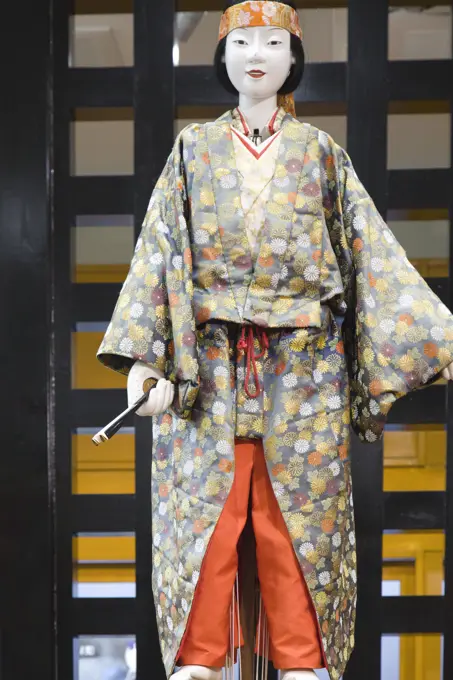
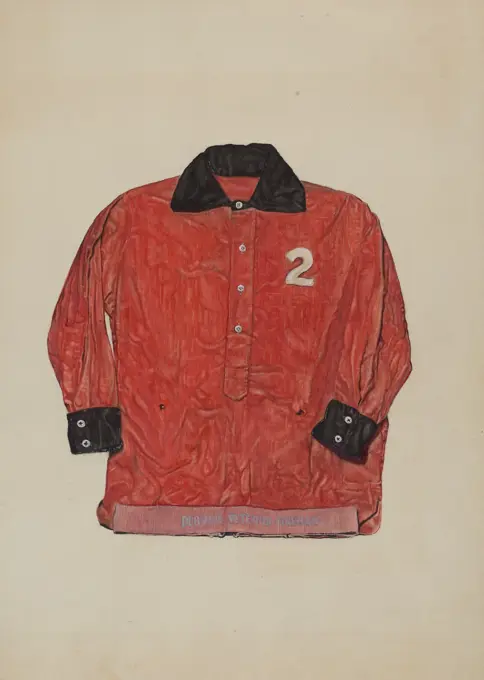
Cage crinoline. Culture: American. Date: 1870-72. Museum: Metropolitan Museum of Art, New York, USA.Bag 2nd-7th century Nasca (). Bag 316921TERNO CASULLAS Y CAPAS DE LOS PATRONOS - SIGLO XVII. Location: MUSEO CATEDRALICIO. Cadiz. SPAIN.Bonnet ca. 1840 European. Bonnet 104217Collar 1830s American. Collar. American. 1830s. cottonBai Baby Hat, 20th century, 6 x 6 in. (15.2 x 15.24 cm), Cotton, silk, hair, wool, sequins, beads, China, 20th centuryTobacco pouchParasol 1860s American or European. Parasol 121734Hat 1860-62 American or European. Hat 110750Aker or brush. Aker or decorative brush, belonging to fifteen Akers or decorative brushes, including three pairs of stuck or knotted on cords with round flat binding. The brushes are different from size and manufactured linen thread that is stretched into numerous strands of buttons and is reinforced with a stiff. The brushes are composed of several layers of "bundles" with strands of buttons. BK-NM-5448-5-A T / M O.Folding range with black ostrich springs on frame of unadorned turtle, anonymous, c. 1905 - c. 1915  Folding range with black ostrich springs, an extra large spring on the right. The frame is made of unadorned turtle () And has twenty contiguous legs. The fan ring is made of turtle with a black ribbon. Netherlands (possibly) sheet:. frame: cuttingTextile, Medium: cotton Technique: mordant painted and dyed and resist dyed (chintz) on plain weave, Small scale all-over floral vine pattern in black, red, and blue on an ivory ground., India, 18th century, printed, dyed & painted textiles, TextileChina: 'Lotus Shoes' for women with bound feet. The ideal length for a bound foot was 10cm or around 4 inches in size. Late Qing Dynasty, 19th century. Folding fault with a support part of white ostrich on an unprocessed frame of blond turtle (). The frame counts 18 consecutive legs, to which a blond turtle fan ring ().Tassel French 18th-19th centuryPair of pants, 36 1/8 x 38 1/2 in. (91.76 x 97.79 cm), Cotton, NigeriaUndersleeves mid-19th century British. Undersleeves 102713Hat of natural straw with red, black-genupled silk, belonging to pop "Lilly", P. Titjen boss, c. 1910 Hat of natural straw with red, black -loved silk. Belonging to pop "lilly". Netherlands silk Hat of natural straw with red, black -loved silk. Belonging to pop "lilly". Netherlands silkGoldsmith's art, Italy, 20th century. Evening handbag by Mario Buccellati in damask fabric with gold and silver clasp and strap, ornamented with baroque pearls and diamonds, 1930s.Dalmatics of gold brocade with flower pattern, so -called "bizarre" design, c. 1706 - c. 1707 Dalmatics of gold brocade with flower pattern, so -called. "Bizarre" design. France (possibly) textile materials Dalmatics of gold brocade with flower pattern, so -called. "Bizarre" design. France (possibly) textile materialsBliżej Kultury unknownTAPIZ. Author: MENDOZA MARIA J. Location: PREMIO NACIONAL DE TAPICES. Aranjuez. MADRID. SPAIN.Stole, embroidered, white  floral motifs and butterfIIes unknownShirt 1880-81 American. Shirt 103103Mitts 1850-69 American. Mitts 119633Collar 1700-1938 American. Collar 119107Walking Stick. France, Late 18th century. Costumes. Wood and metalKnitted Hat Knitted hat on isolated background Copyright: xZoonar.com/AndreyxSkatx 7711826Man's interior hat (beige wool chick, silk embroidery). Anonymous, around 1750. Galliera, fashion museum of the city of Paris. 24098-9 Anonymous, silk embroidery, man, interior, beige wool, serge, male clothing, bonnet, pieceHandbag. End XIXth. GAL1981.69.47Bonnet ca. 1845 American. Bonnet 169831Kimono with Stylized Flowing Water second quarter of the 20th century Japan The virtuosity of the weavers and dyers who collaborated on this kimono is best revealed when the garment is viewed in a raking light, and the gold- and silver-painted stream shimmers against the underlying woven water pattern. When wrapped around the body, with the left front overlapping the right, the highlighted stream flows from just below the wearers obi sash toward the center back hem, where it meets the stream flowing from the right front. When the robe is fully open, the water patterns resonate with similar stylized flowing-water motifs in works by contemporaneous painters working in the Rinpa idiom, such as Kamisaka Sekka (1866-1942).In contrast to water patterns by his predecessor Ogata K?rin (1658-1716), Sekkas water designs emphasize movement and turbulence rather than stillness.. Kimono with Stylized Flowing Water. Japan. second quarter of the 20th century. Silk; paste-resist dyed with gold- and Men Haori with Teepaviljoen, 1920 - 1940 Haori For a man with a decoration on the lining of a rocky landscape with water and a hut in imitation of a fan painting, with a bond with strips with geometric motifs on which an image of a brokat bag for a tea bus (Chare) and a porcelain incinerator burner , above it a bond with scattered dragons and turtles in a key-fret pattern. Black shiny silk (habutae) with brokaat woven decoration. Five family weapons (MON) from Komma motifs (Tomoe). Japan silk Haori For a man with a decoration on the lining of a rocky landscape with water and a hut in imitation of a fan painting, with a bond with strips with geometric motifs on which an image of a brokat bag for a tea bus (Chare) and a porcelain incinerator burner , above it a bond with scattered dragons and turtles in a key-fret pattern. Black shiny silk (habutae) with brokaat woven decoration. Five family weapons (MON) from Komma motifs (Tomoe). Japan silkPaddle Doll ca. 2030-1981 B.C. Middle Kingdom. Paddle Doll. ca. 2030-1981 B.C.. Wood, linen string, paint. Middle Kingdom. From Egypt, Upper Egypt, Thebes, Asasif, Tomb MMA 816, pit, MMA excavations, 1929-30. Dynasty 11Woman's Chatelaine and Bag. United States, circa 1890. Costumes; Accessories. Sterling silverWoman's RedingoteBonnet early 1880s French. Bonnet 113237Tassel 16th century French. Tassel 213560Tassel late 16th-early 17th century French. Tassel 213606Drawers ca. 1860 American. Drawers 104466Damask liturgical vestment, Lombardy. Italy, 18th century.Stocking of plain knitted white cotton with ajour edge, children's size, anonymous, c. 1840 - c. 1850 Stocking of plain knitted white cotton with ajour edge, children's size. Marked in Red Cross stitch: 'Irvg 3'. Part of a few. Netherlands whole: Cotton (textile) knitting Stocking of plain knitted white cotton with ajour edge, children's size. Marked in Red Cross stitch: 'Irvg 3'. Part of a few. Netherlands whole: Cotton (textile) knittingApron ca. 1865 American. Apron 168477Beaded Fringe (France); jet beads, linen; Warp x Weft: 47.5 x 27 cm (18 11/16 x 10 5/8 in.); 1944-19-1Gold cap, Wachau Museum, Weissenkirchen, Wachau, Waldviertel, Forest Quarter, Lower Austria, Austria, EuropeSitsen hat with a white stock, made up of six lanes and lined with white linen, anonymous Hat, white with colored flowers (part of a Frisian children's costume). Coming from Schiermonnikoog.  cotton (textile). linen (material). chintz chintz Hat, white with colored flowers (part of a Frisian children's costume). Coming from Schiermonnikoog.  cotton (textile). linen (material). chintz chintzShaffron (Horse's Head Defense) 16th-17th century Tibetan or Mongolian Tibetan shaffrons of any type are extremely rare. This example, despite its damaged condition, shows some distinctive features that are not found on any other known examples, particularly the decorative enframements encircling the eyes and the use of embossed plates representing the nostrils. These unique elements extend our knowledge of the variety that once existed in the decoration and construction of shaffrons and of Himalayan horse armor.The ground of the shaffron is a shaped piece of leather with two openings for the eyes. Each eye openings is bordered by an iron frame in the shape of an eye with eyelashes in the form of pierced scrollwork all around the edges. At the bottom center of the shaffron there are a two embossed horseshoe-shaped plates, with similar pierced edges, representing nostrils. At the center of the edges on the right and left sides there is a flat triangular plate pierced with scrollwork andCap 1848 American. Cap 116796Purse ca. 1884 probably American. Purse 116918Spencer. Culture: probably French. Date: late 18th-early 19th century. Museum: Metropolitan Museum of Art, New York, USA.Corsage from bright pink roses and ditto grapes. Corsage of bright pink roses of synthetic silk and ditto grapes of pastel-colored plastic, to a silk wire frame with silk thread.Mitaine of black machine side with curly thin c-volutes and stylized flowers with six loose petals, anonymous, c. 1900 Mitaine of black machining side: Machinal Chantilly side. The Mitaine has a point on the hand (back) and a wrinkled strip around the wrist. Pattern with curly thin C-volutes and stylized flowers with six loose petals. Connections between the motifs through twigs with a few leaves. West-Europa cotton (textile) Mitaine of black machining side: Machinal Chantilly side. The Mitaine has a point on the hand (back) and a wrinkled strip around the wrist. Pattern with curly thin C-volutes and stylized flowers with six loose petals. Connections between the motifs through twigs with a few leaves. West-Europa cotton (textile)Figure of a sultan, Fulda, c. 1768 - c. 1775 Image of porcelain, painted on the glaze in email colors and gold. The image represents a sultan. The pedestal is decorated with rocailles. Marked on the underside with the cross. Fulda porcelain. glaze. gold (metal) painting / gilding / vitrification Image of porcelain, painted on the glaze in email colors and gold. The image represents a sultan. The pedestal is decorated with rocailles. Marked on the underside with the cross. Fulda porcelain. glaze. gold (metal) painting / gilding / vitrificationParasol ca. 1850 French. Parasol 104695Nice elegant woman bag isolated on the whiteBliżej Kultury unknownMummy Board of Iineferty. Dimensions: h. 181 cm (71 1/4 in). Dynasty: Dynasty 19. Reign: reign of Ramesses II. Date: ca. 1279-1213 B.C..The Mistress of the House, Iineferti, was buried in an anthropoid wooden coffin (86.1.5a, b). A wooden cover, sometimes called a "mummy board," was placed over the body. This mummy board is carved and painted to represent the deceased as if she were alive and dressed in a long white pleated gown. Other objects in the collection that were discovered in the same tomb are numbered 86.1.1-86.1.29. Museum: Metropolitan Museum of Art, New York, USA.Undersleeves 1850s British. Undersleeves 120037Title Unknown by Claes Oldenburg, sculpture, born in 1929Fringe (Italy); silkClose-up of a baby carriageA sash from the celebration of the hundredth anniversary of Adam Mickiewicz's birthU.S. Virgin Islands, St. Thomas. Charlotte Amalie, Haagensen House, 1830's Danish banker's residence, antique nightdressWork bag. 1880.U.S. Virgin Islands, St. Thomas, Charlotte Amalie, Haagensen House, 1830s Danish banker's residence, antique nightdressBliżej Kultury unknownBag 16th century () Quechua. Bag 316922Black body, anonymous, c. 1850 - c. 1920 Black body with three knots, lined white on the inside. Netherlands textile materials. metal Black body with three knots, lined white on the inside. Netherlands textile materials. metalEnsemble American 1856-57Woollen caps worn by Dutch whalers. In 1980 archaeologists investigated the graves of 185 Dutchmen - whale hunters and workmen of the train oil refineries - who had died on or near Spitsbergen during the 17th century. The skeletons were still wearing their knitted woollen caps. Each cap was individualized; the men recognized one another only by the pattern of stripes on the caps. The men were bundled up so tightly against the fierce cold that only their eyes were visible.Blocks of butter, stackedMen's Haori with Ebisu and Daikoku. HAORI for a man with an adornment at the luck gods Ebisu and Daikoku, standing and sitting in a flat bottom, while harvesting seaweed, in the background a square cartouche with an image in white lines of their vehicle, treasures Ship; Images of valuables scattered around with the text 'Akinai WA Mo Kari Fune Ya Takarabune' ('things went well with the ship - a treasure ship'). Black glossy silk (habutae) with decorations in stencilde yuzen. Five family arms (mon) of three folding ranges (OGI).Vest early 19th century British. Vest 91404Plastic hair comb, with back on which pearls and stras, c. 1875 - c. 1900 Hair comb made of orange -yellow plastic, with graceful back, set with three pearls and stras in metal. Twenty -one teeth. Netherlands (possibly) whole: celluloid (cellulosic). whole: cellulose acetate. Decoration: Metal. Decoration: Paste (glass). Decoration: Pearl sawing / filing / polishing / inlay (process) Hair comb made of orange -yellow plastic, with graceful back, set with three pearls and stras in metal. Twenty -one teeth. Netherlands (possibly) whole: celluloid (cellulosic). whole: cellulose acetate. Decoration: Metal. Decoration: Paste (glass). Decoration: Pearl sawing / filing / polishing / inlay (process)Textile shopping bag on green background flat layTextile shopping bag on green background flat layKruje, Durres, Albania. Colorful traditional shawls for sale at an outdoor market in Kruje.. In 1980 archaeologists investigated the graves of 185 Dutchmen - whale hunters and workmen of the train oil refineries - who had died on or near Spitsbergen during the 17th century. The skeletons were still wearing their knitted woollen caps. Each cap was individualized; the men recognized one another only by the pattern of stripes on the caps. The men were bundled up so tightly against the fierce cold that only their eyes were visible.Ribbon for Nationale Feestrok, Maria Visser -Weeda, 1945 - 1946 ribbon (material) Ribbon with the horizontal lanes in the colors red-white-blue. A narrow edge orange runs along the top and bottom. Woven, with the color orange, are (alternately): 5 times a standing lion and 5 times the text: the Netherlands rises. Ragged ends. Puttershoek textile materials   NetherlandsHauberk, 1400s. European, 15th century. Fine steel rings; leather collar; overall: 124.5 cm (49 in.).Belt -Large and small tubular wig ornaments. 12 Dynasty, reign of Senwosret 11 - Amenemhat 111 (ca 1887-1813 BC) Gold modern wig.Roach headdress -Rosa Burger, Doorstop (Doll), 1935 1942 Doorstop (Doll)A wooden Jaguar mask in Antigua, Guatemala.Bonnet early 19th century American or European. Bonnet 116850Mans jacket, 1920 - 1940 Haori for a man with a decoration on the lining of a Courtisane leaning out of a round window, above a rolled letter with glasses on. Kaoru has just read the letter to Yuranosuke and realizes that it is not someone else's love letter, but a report about their common enemy Moronao. On the sleeves a decoration of lanterns, a fishing nets motif and a family crest of two commas; All referring to the story Chushingura, the lantern to the preceding scene in the story (see also AK-RAK-2009-3-53), the fishing nets motif to the clothing of the 47 Ronin and the family crest to her beloved, Yuranosuke. Brown rough silk (tsumugi) with brokaat woven decoration on the lining and damask woven decoration on the lining of the sleeves. Japan silk Haori for a man with a decoration on the lining of a Courtisane leaning out of a round window, above a rolled letter with glasses on. Kaoru has just read the letter to Yuranosuke and realizes that it is not someone else's love letter, bCornelius Christoffels, Beaded Bag, 1935 1942 Beaded BagKalender San Antonio Texas, Anonymous, 1898 photograph 12 Cyanotypes on 12 calendar magazines, with hanging ribbon United States of America paper. paint (coating). ringen: metal. lint: silk drawing / cyanotypeDress shirt early 1900s American. Dress shirt. American. early 1900s. linen, silkMali, Timbuktu. An elaborately decorated leather purse and a metal talisman box hang round the neck of a Tuareg man.Plume for a Sjako from a Jager van Rookmakers, ca. 1831, Anonymous, c. 1831  Depending horsehair plume of a hunter of "the hunters of smoke makers" ca. 1831. made of black horsehair, crowned with plume of, green (), Wool. Put in holder wrapped with green cord, undersed in the same network. Netherlands horsehair. wool   NetherlandsStrik of green silk, with two hanging ribbons with fringes, anonymous, c. 1863 - c. 1866 Strik of green silk, with two hanging ribbons with fringes. Europe silk Strik of green silk, with two hanging ribbons with fringes. Europe silkDrucky - Lubna Anna née Lubomirski;  k. 19th century (1890-00-00-1930-00-00);Japan, Inuyama, Culture Museum, karakuri doll, festivalRobert Gilson, Fireman's Shirt, c 1937 Fireman's ShirtStocking with a diamond pattern in barley grain, anonymous, c. 1690 - c. 1710 The stocking is knitted with white linen, with a toe piece, a small and a large heel, a calf, in the middle behind a seam and at the height of the ankle a diamond pattern in spanal stitch. Amsterdam linen (material) The stocking is knitted with white linen, with a toe piece, a small and a large heel, a calf, in the middle behind a seam and at the height of the ankle a diamond pattern in spanal stitch. Amsterdam linen (material)