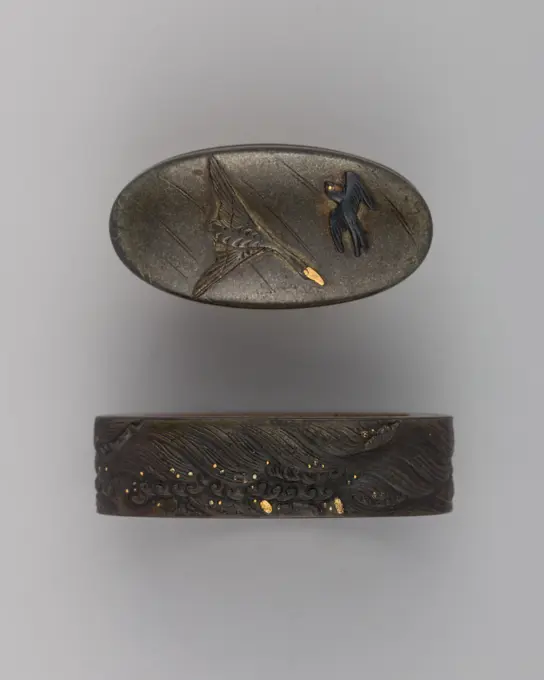
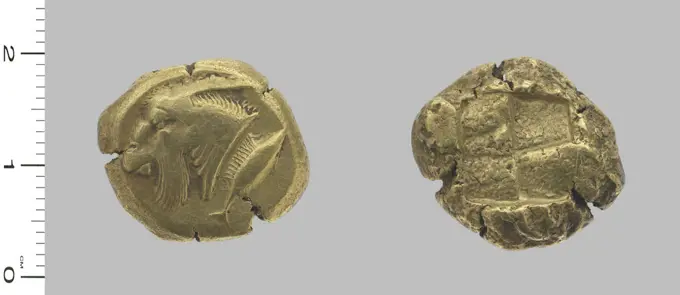
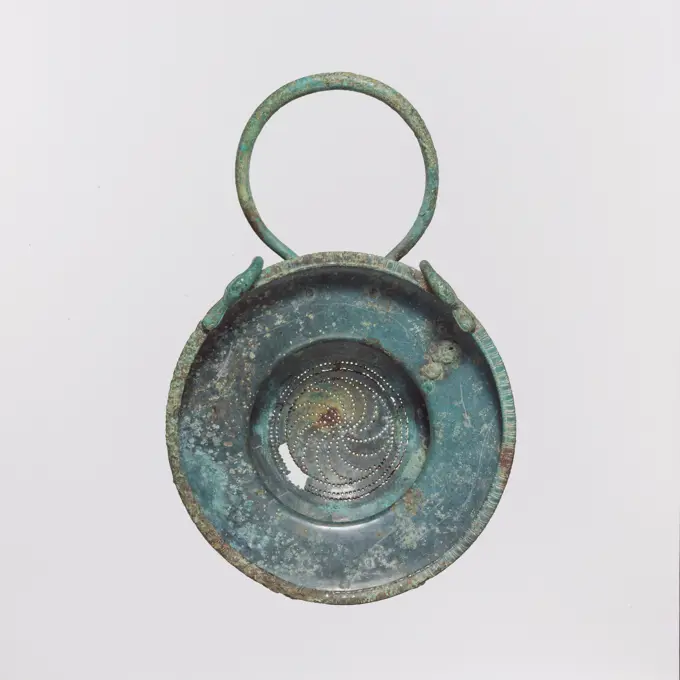
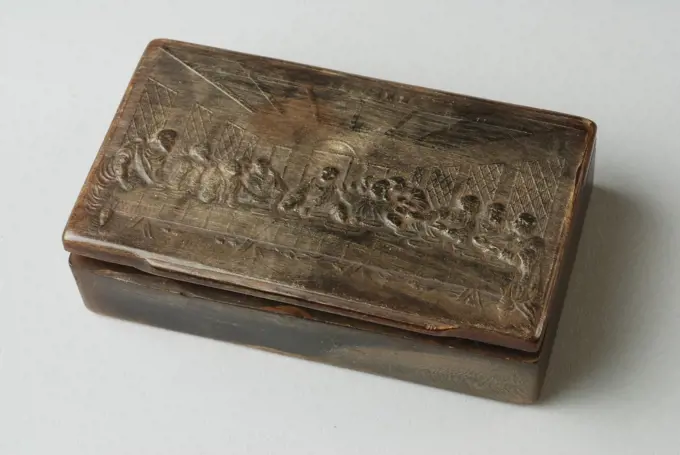
Historical Tokens and Coins

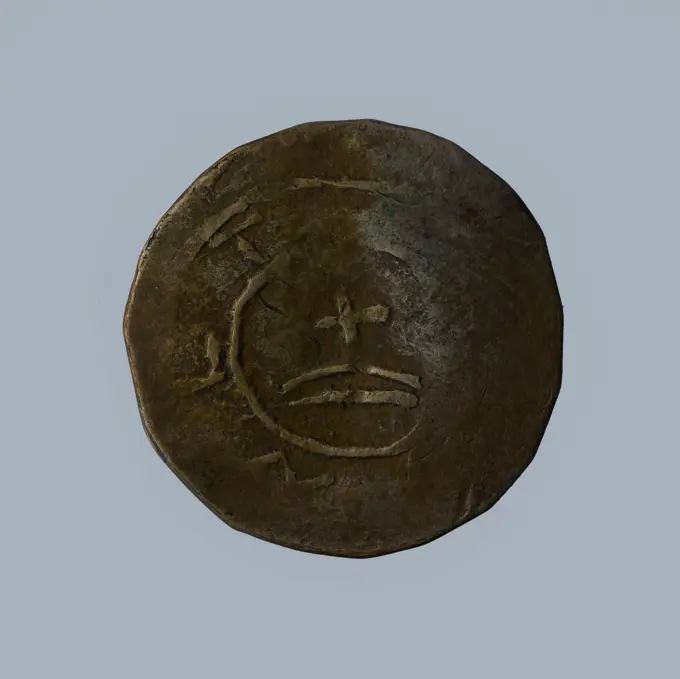
An assortment of ancient tokens and coins from different periods, featuring unique engravings and metallic textures.

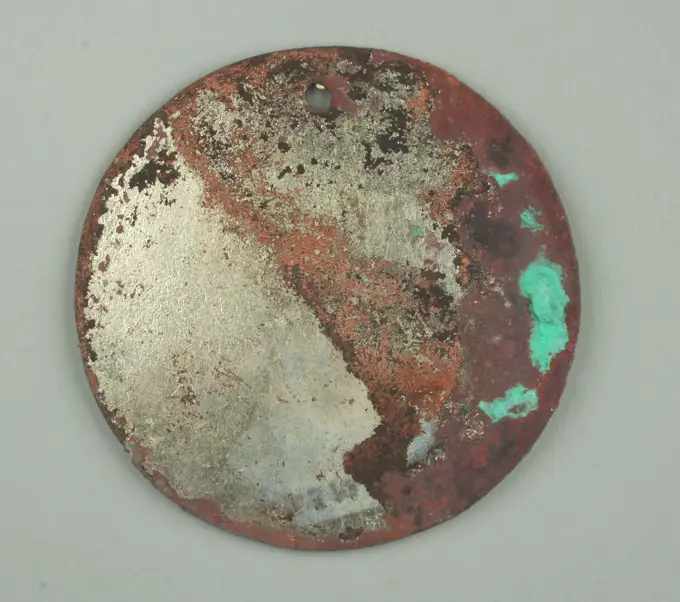
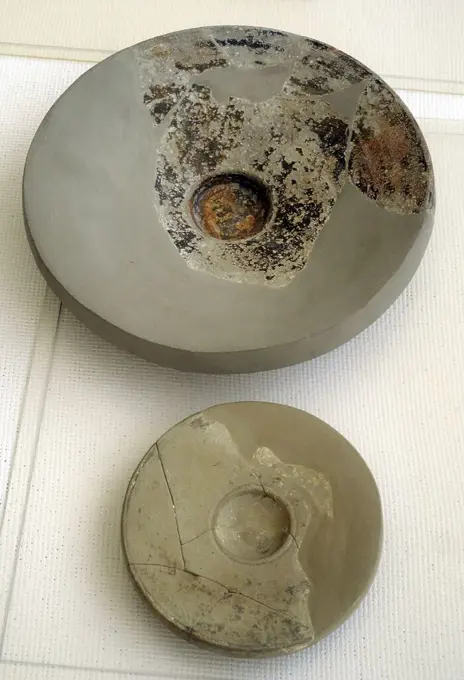
Talam, Anonymous, 1300 - 1500 Offerblad, Talam, with edge and entered decoration that is characteristic of the East Javanese period. Indonesia bronze (metal) Offerblad, Talam, with edge and entered decoration that is characteristic of the East Javanese period. Indonesia bronze (metal)
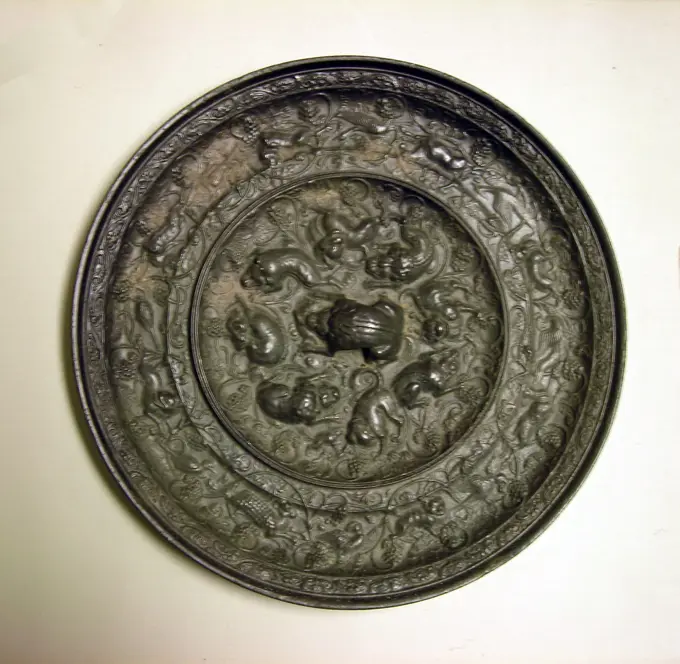
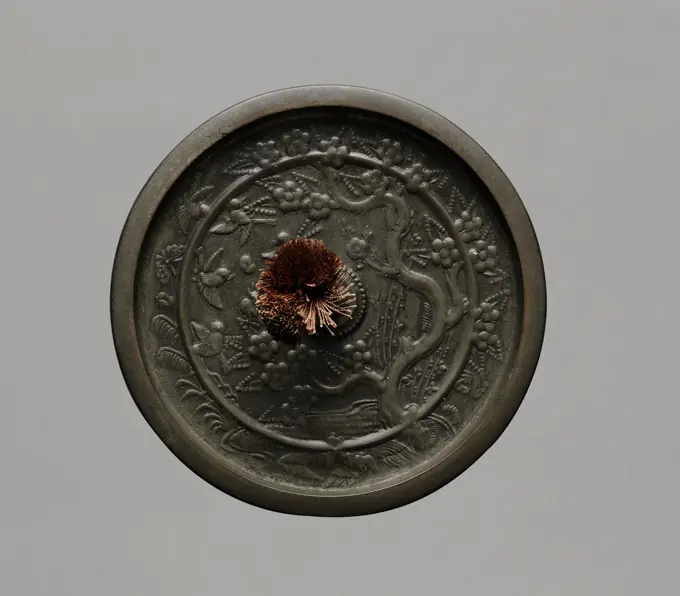
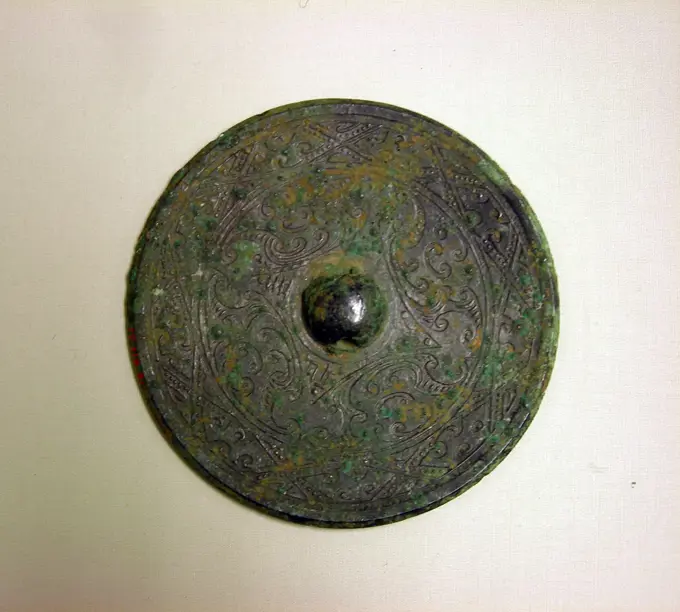
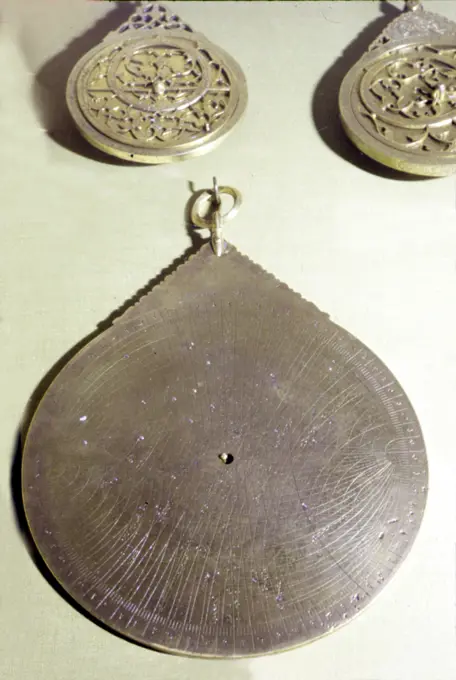
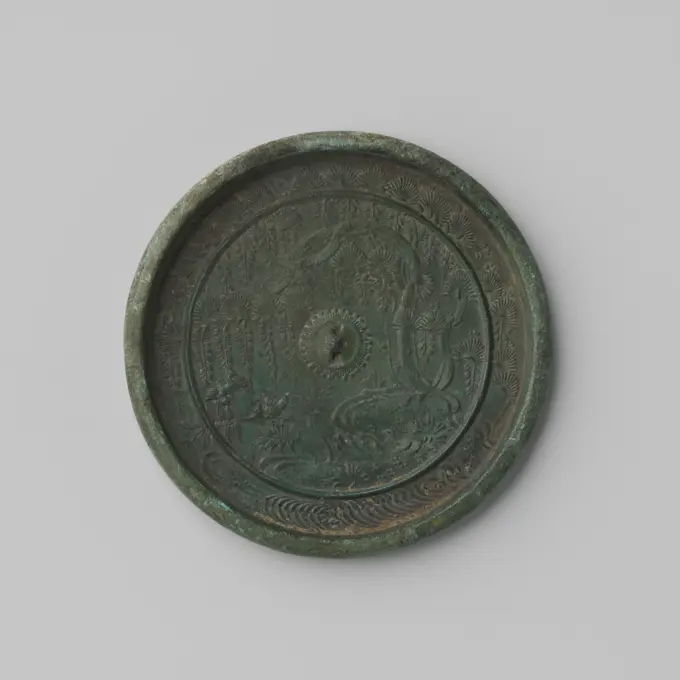
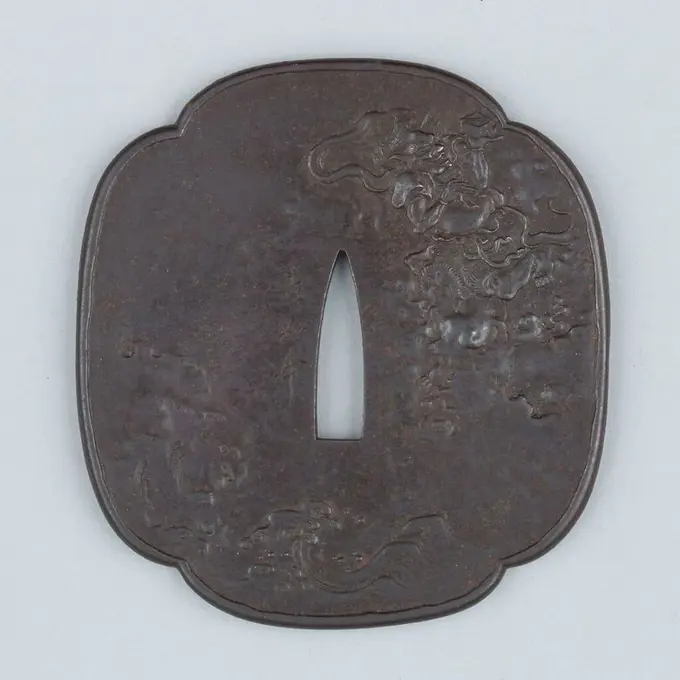
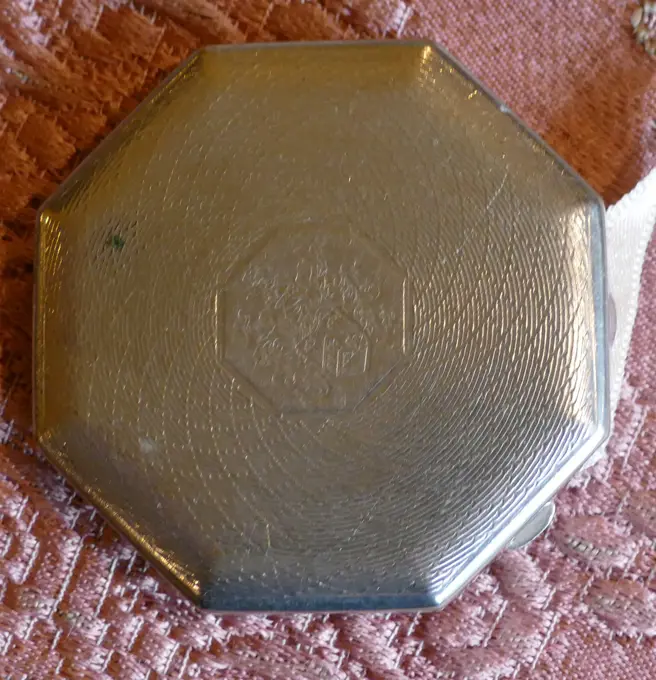
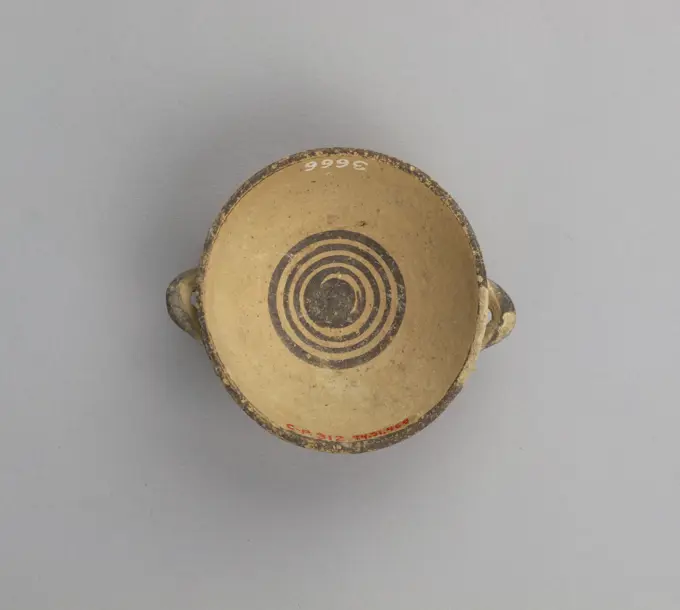
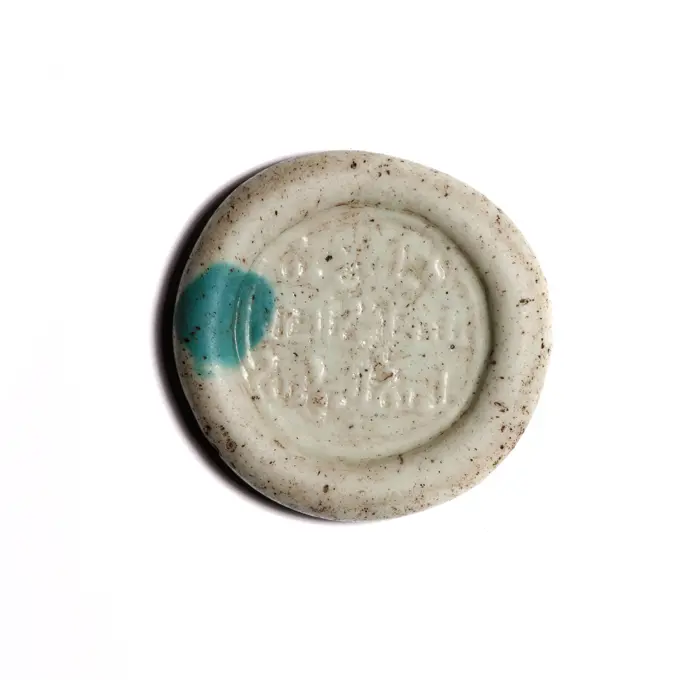
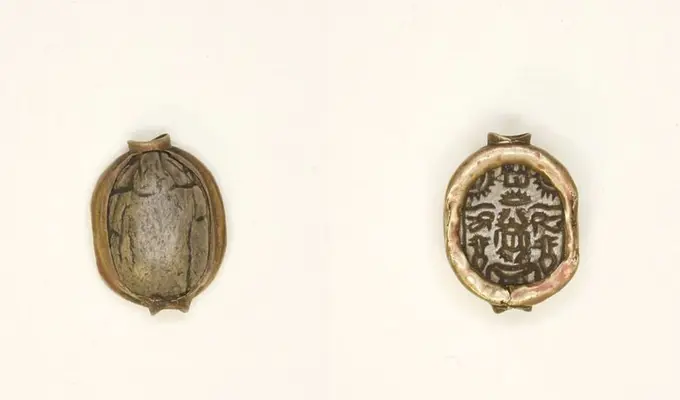
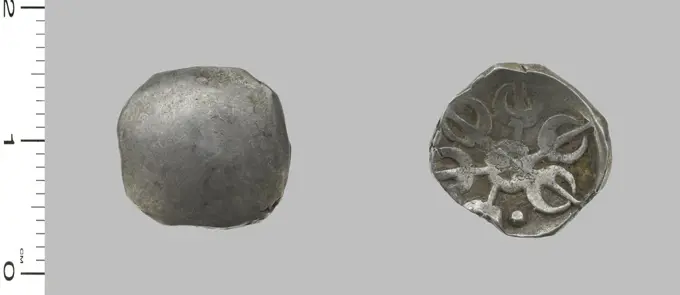
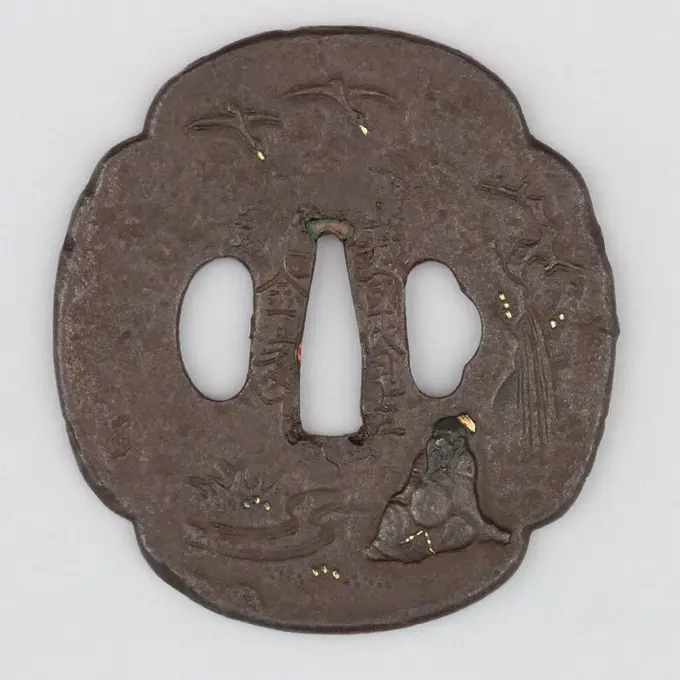
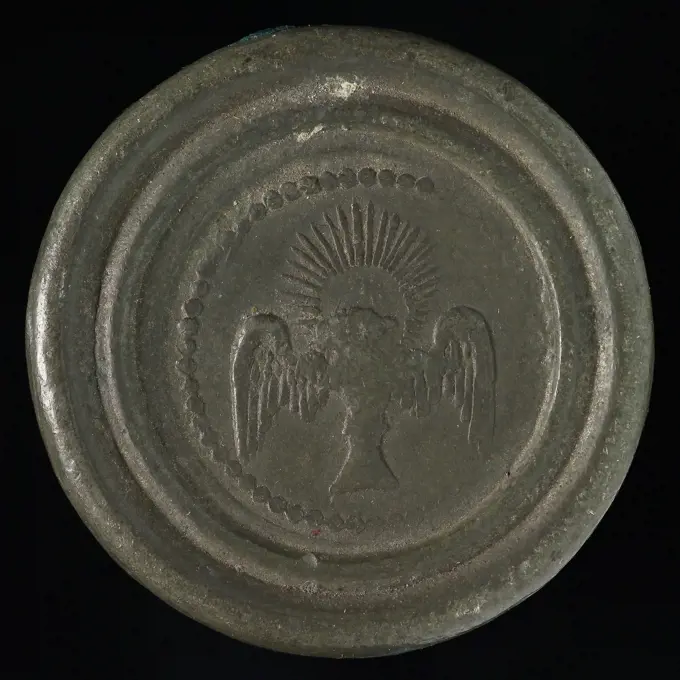
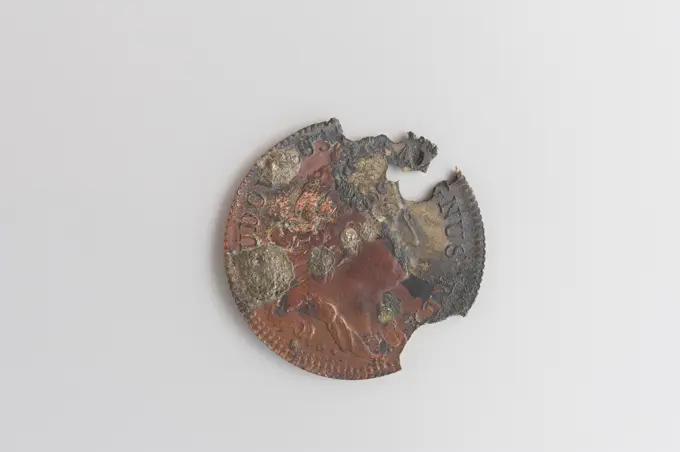
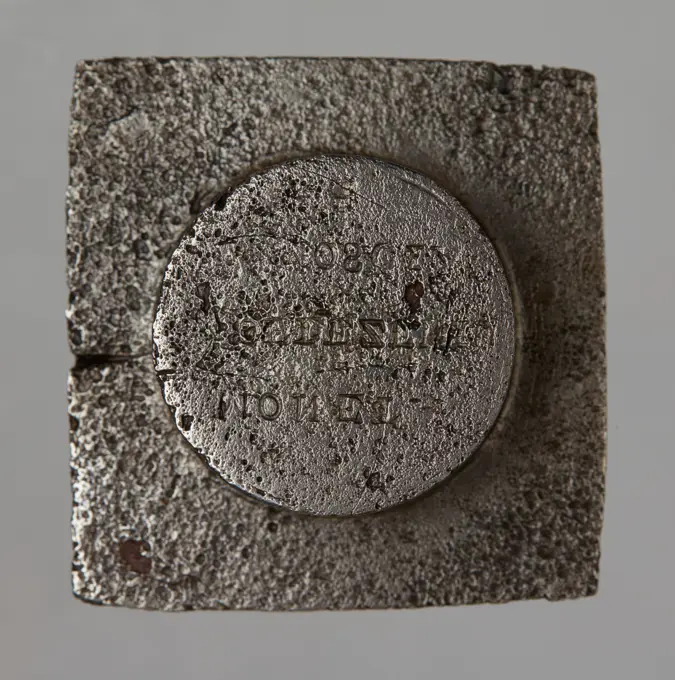
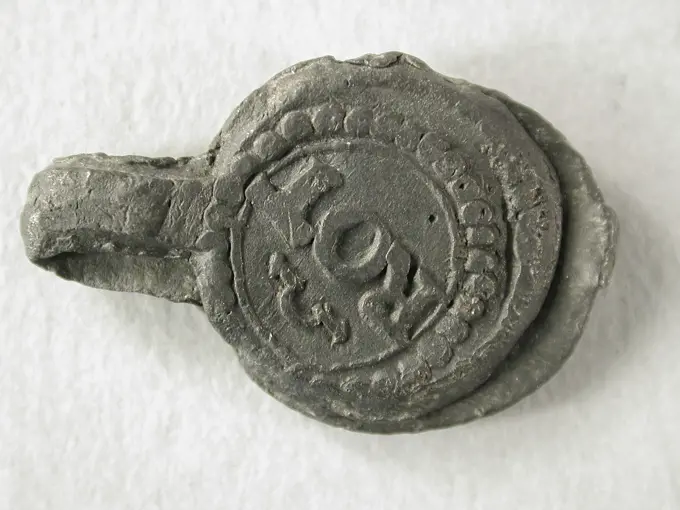
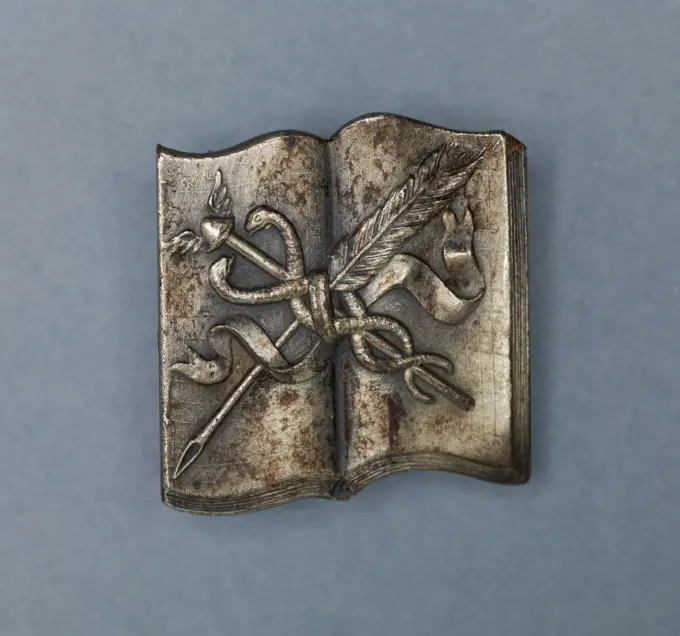
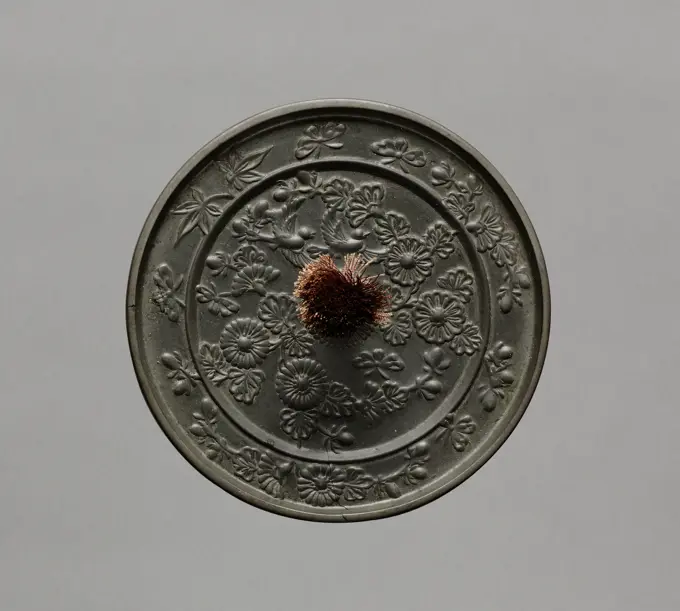
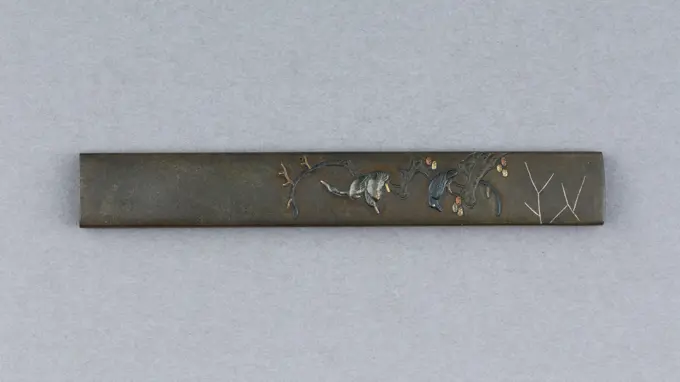
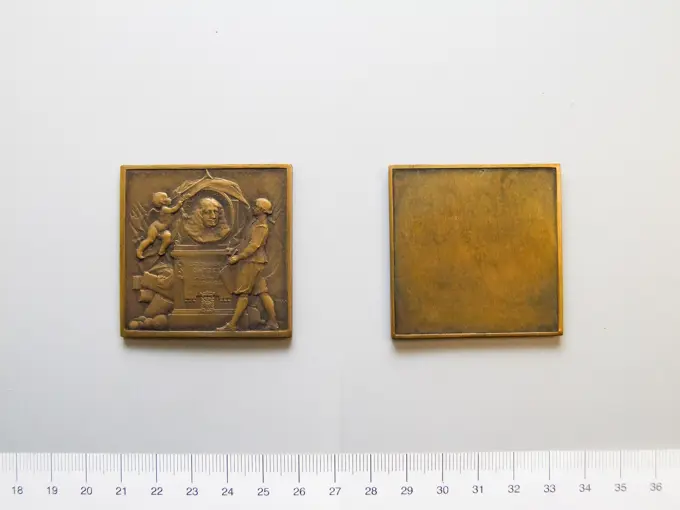
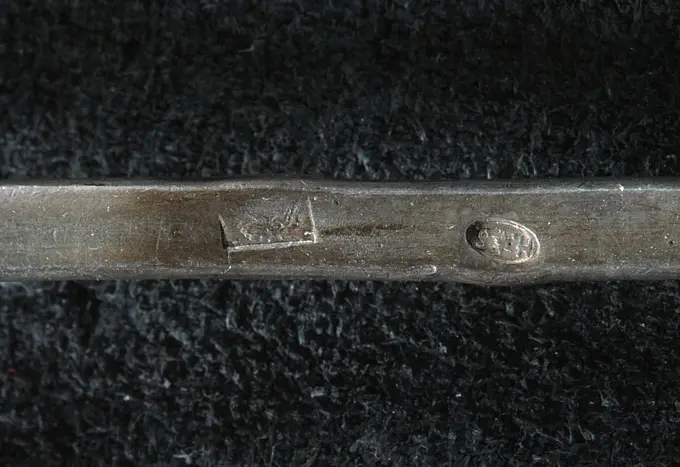
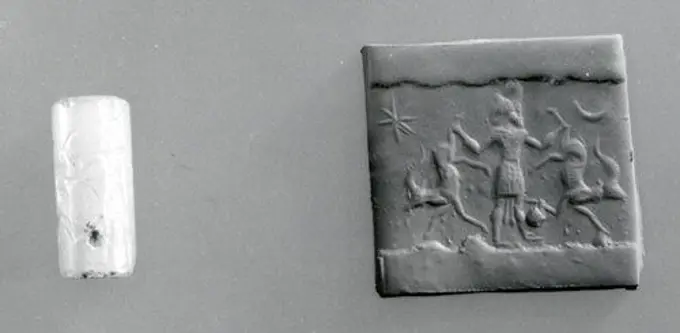
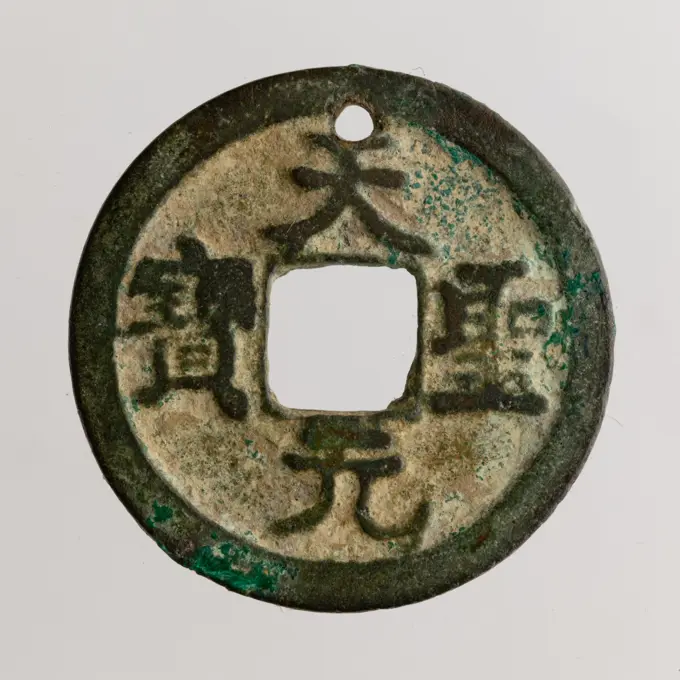
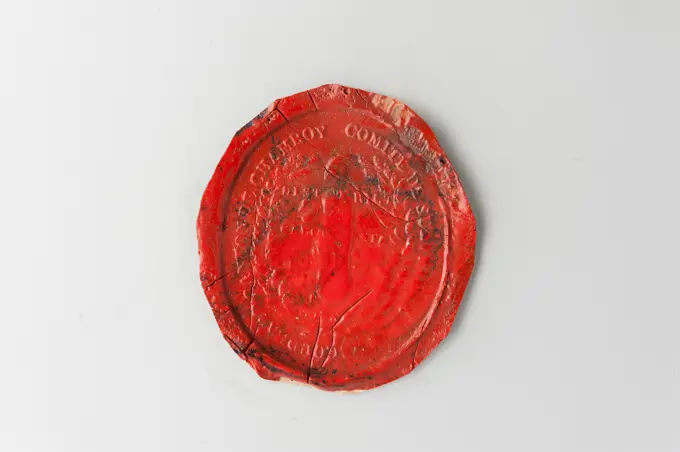
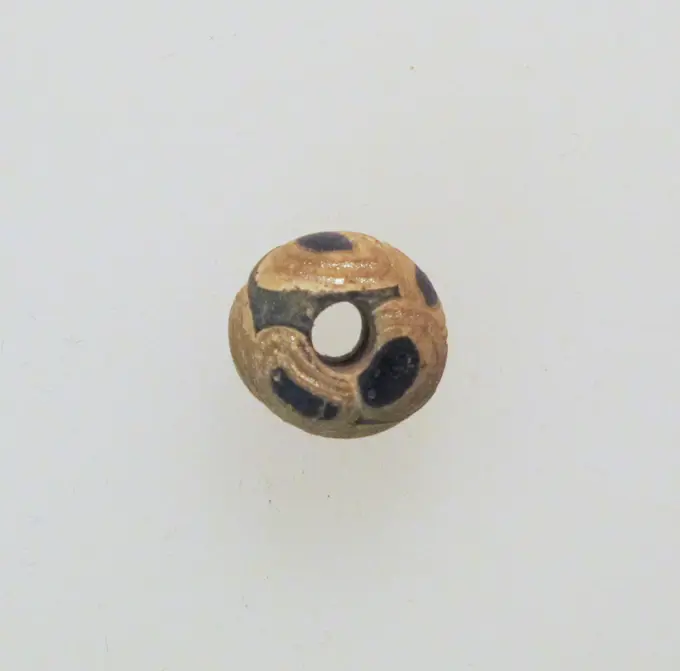
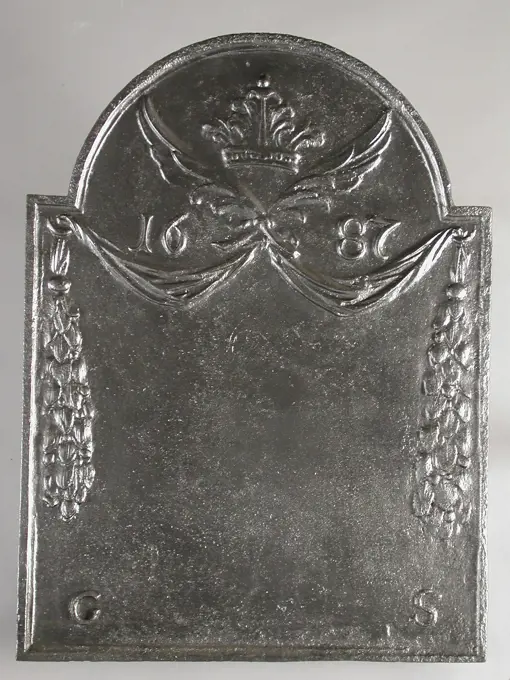
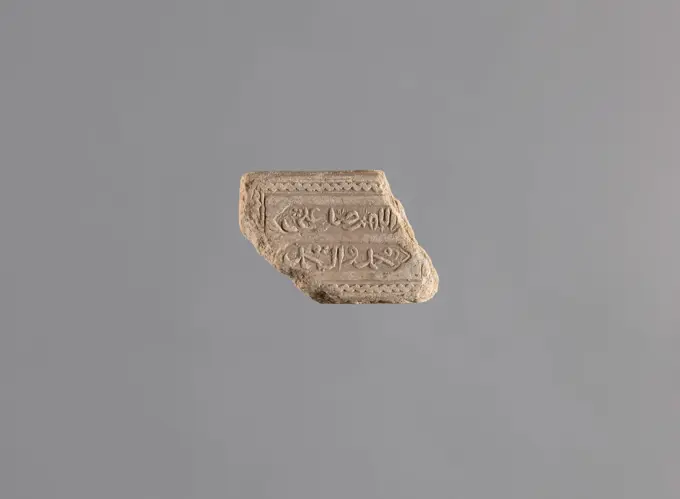
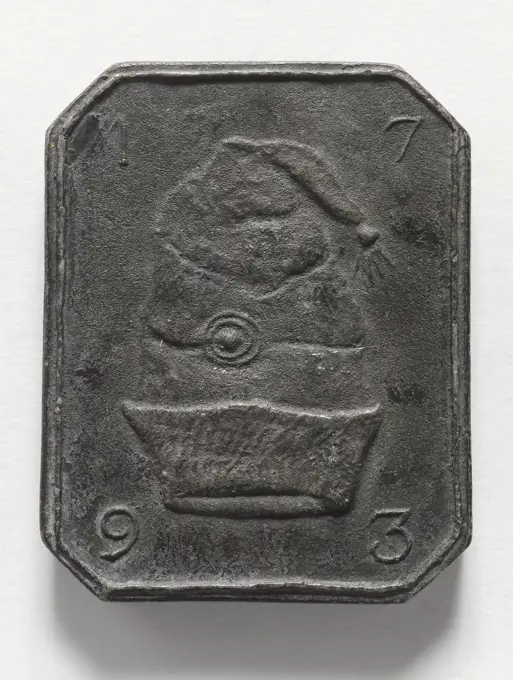
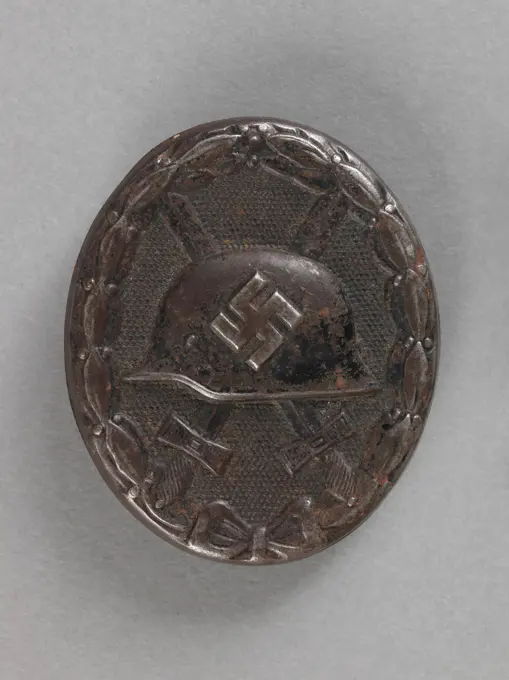
Talam, Anonymous, 1300 - 1500 Offerblad, Talam, with edge and entered decoration that is characteristic of the East Javanese period. Indonesia bronze (metal) Offerblad, Talam, with edge and entered decoration that is characteristic of the East Javanese period. Indonesia bronze (metal)Verwunden -Abzeichen, Schwarz - Blout Ball injured insignia, war of Michel Moreau (2/12th RCA) (attributed title), 1939. Metal. Museum of the Liberation of Paris - General Leclerc Museum - Jean Moulin Museum.False Coin, Penny, 1013 1025, Mieszko II (1025 1031)Carnavalet museum, tokens collectionGrahal-Manzara. Carnavalet 2013-2016 collection sites. Numismatics.Manuscript of the Qur'an Manuscript of the Qur'an, A.H. 889/1484 C.E. Ink, opaque watercolors, and gold on paper, Paper: 3 3/4 x 3 3/4 in. (9.5 x 9.5 cm).  The patron who commissioned this manuscript of the Quran spared no expense—from the first few folios, replete with lush illumination, to the binding, elaborately engraved with the Chinese-inspired lotus blossoms and cloud bands common to the art of the Timurid dynasty in Iran and Central Asia. The second and third pages displayed here feature intricate vegetal ornamentation in gold on a background of cobalt blue, both materials prized for their value and beauty. The right-hand page contains the Arabic text of the Qurans first sura, or chapter, which plays a part in many Muslims daily lives; the following chapter begins on the left. The script is known as ghubar, which literally means “dust,” because the letters were thought to be as minute as grains of powder. The small overall size of the codex suggests that it was meant for trSword Guard (Tsuba), c. 1615-1868. Japan, possibly Edo period (1615-1868). Iron; diameter: 8.6 cm (3 3/8 in.).Planets-manager. Cornalet Collection Sites 2013-2016. Numismatic.Mirror with fantastic animals amid grape vines 7th century China. Mirror with fantastic animals amid grape vines. China. 7th century. Bronze. Tang dynasty (618-907). MirrorsCarnavalet museum, medal collectionSword Guard (Tsuba) ca. 1615-1868 Japanese A tsuba is a sword guard and part of a sword mounting. It is mounted between the swords blade and grip to protect the users hands.. Sword Guard (Tsuba) 33427Sieve of a copper skimmer with holes in the form of two concentric circles and a six-lasting star. Sieve of a copper skimmer with holes in the form of two concentric circles and a six-lasting star. The Iron Steel is missing.Mirror, 1185-1333. Japan, Kamakura period (1185-1333). Bronze; diameter: 11.2 cm (4 7/16 in.).Planets-manager. Cornalet Collection Sites 2013-2016. Numismatic.Three fragments of a façade decoration, c. 1400 - c. 1950 Three pieces of a façade decoration. Sandstone ornaments with pieces of red baked stone.  sandstone Three pieces of a façade decoration. Sandstone ornaments with pieces of red baked stone.  sandstoneEngraved Gem. UnknownAugustin Dupré (1748-1833). Corner: Minerva teacher. Steel. Between 1791 and 1794. Paris, Carnavalet museum. Medal, numismaticsMirror with quatrefoil design 2nd century China. Mirror with quatrefoil design. China. 2nd century. Bronze. Eastern Han dynasty (25-220). MirrorsSword Guard (Tsuba) 16th-19th century Japanese A tsuba is a sword guard and part of a sword mounting. It is mounted between the swords blade and grip to protect the users hands.. Sword Guard (Tsuba) 34912Carnavalet museum, medal collection Right registration on four lines; Reversing tables of the Constitution ordered with an eye in a glory.Astrolabe. Saphea, by Abd al-Rahman ben Yusuf, Damascus, 1202 AD. SYRIA.Libra of copper, round and flat with upright edge in which three holes are applied, anonymous, c. 1590 - c. 1596  Libra of copper, round and flat with upright edge in which three holes are applied. The scales probably served for weighing medicines. According to De Veer, a barber or surgeon has been with the trip.  copper (metal) striking (metalworking)  Nova Zembla. Saving HuysPlanets-manager. Cornalet Collection Sites 2013-2016. Numismatic.1/4 tical of salung uit Thailand,1650-1850, , 1650 - 1850 coin Silver, grain -shaped mint. Equipped with one allocation (KRA), Pagoda   silver (metal) castingMirror. Mirror whose midfield is decorated with Wisteria, birds, aquatic plants and a stream.Prison Ommerschans, House Munt Goten by order of the Society of Benevolence worth 1 Cent, Anonymous, in Works Council 1822 - in Or Before 1830 coin one -sided coin. Front: Value designation within Pearl Edge. Reverse: Blanco Ommerschans tin plate. silver (metal) striking (metalworking)  OmmerschansSword Guard (Tsuba). Culture: Japanese. Dimensions: H. 3 1/4 in. (8.3 cm); W. 3 in. (7.6 cm); thickness 3/16 in. (0.5 cm); Wt. 5.6 oz. (158.8 g). Date: late 18th century. Museum: Metropolitan Museum of Art, New York, USA.English silver gilt powder Compaq 1937Basin with the Holy Joris. In the flat of the pelvis with the help of a stamp form, a performance derived from the Legend Aurea is punched from the H. Joris fighting with the dragon with the princess, the king couple and the angel in the background. This is surrounded by a punched edge of stylized leaf ornament. A border of rosettes is plated on the edge. The hanging ring on the back and the hole in the edge are arranged later.Juglet 600-480 B.C. Cypriot Handle-ridge jug with flat lip and small handle.. Juglet. Cypriot. 600-480 B.C.. Terracotta. Cypro-Archaic II. VasesGrahal-Manzara. Carnavalet 2013-2016 collection sites. Numismatics.Deployment;  X-XII century (901-00-00-1200-00-00);Arabic (culture), inscriptions, Islam (culture), message (provenance), art of IslamRound Plaque 3rd century B.C.-A.D. 2nd century Vicús. Round Plaque 315526Button, Copper, silver plated, brass, Circular, convex button showing ornament of shield with heraldic devices, men supporters, leaf ornament below and crown above. Brass backs and shanks. On reverse: 'Moos Paris'., Component -a is on card i80, Component -b is on card C, Component -c is on card E, France, 19th century, costume & accessories, Decorative Arts, ButtonPinhead 1st century B.C.-5th century A.D. Roman. Pinhead. Roman. 1st century B.C.-5th century A.D.. Glass. Glass1 Cash of Xianfeng Emperor fromUnknown . Ruler: Xianfeng Emperor, Chinese, 1831-1861, ruled 1850-61 Artist: UnknownAmulet, figurine. Amulet, figurine. Silver. Gold and SilverScarab: Scarab Beetle with Hieroglyphs (wedjat eyes, nfr-signs, nbw-sign). Egyptian. Date: 2160 BC-1773 BC. Dimensions: 1.3 × 1 × 0.5 cm (1/2 × 3/8 × 3/16 in.). Steatite, gold. Origin: Egypt. Museum: The Chicago Art Institute, Chicago, USA. Author: Ancient Egyptian.Mint: Board of Revenue, 1/8 Shatamana from Board ofRevenue, 500-400 B.C., Silver, 1.37 g, 12.8mm, Made in Ghandara Kingdom, Afghanistan,Indian, 5th century B.C., NumismaticsMarmit with vertical handles. White proto-Grès with ivory covered. Green enamel drops. Cernuschi Museum, Asia Museum of Asia in the city of Paris.Sword Guard (Tsuba). Culture: Japanese. Dimensions: H. 3 3/16 in. (8.1 cm); W. 3 in. (7.6 cm); thickness 1/4 in. (0.6 cm); Wt. 4.3 oz. (121.9 g). Date: 18th century. Museum: Metropolitan Museum of Art, New York, USA.Round lead peat medal Heiligegeesthuis or Oudemannenhuis, peat medal medal exchange metal lead metal, representation of the Holy Spirit in the guise of dove, no Rotterdam City Triangle Hoogstraat old man house Holy house of the old man house Holy Spirit house turfLid 9th-10th century. Lid 450091Bertrand Andrieu (1761-1822). "Capture of the Bastille". Tin. July 14, 1789. Paris, Carnavalet museum. Right a crowd of armed citizens, among whom we see the soldiers of the French guards, besiege the Bastille; The Pont-Levis channels were broken, and the crowd enters the fortress. Falling monarchy, tin, medal, Bastille intake, republic, French revolutionMagna Carta Seal, seal of King John.Grahal-Manzara. Carnavalet 2013-2016 collection sites. Numismatics.Square Plaque 3rd century B.C.-A.D. 2nd century Vicús. Square Plaque 315601Square Plaque 3rd century B.C.-A.D. 2nd century Vicús. Square Plaque 315600Punch of the city of London for 1821; Master punch () Fine fine, curved and united strip.Carnavalet Museum, Medals CollectionCoin Weight second half 13th-14th century. Coin Weight 443188Grahal-Manzara. Carnavalet 2013-2016 collection sites. Numismatics.Medal for the bicentennial of YaleCollege. Honorand: Yale College Artist: Bela Lyon Pratt, American, 1867-1917, Art School Certificate of Completion, 1888, B.F.A. 1899 Manufacturer: Tiffany and Company, American, founded 1837Coin Weight 10th-11th century. Coin Weight 442899Mint matrix of the reverse of the 2 zloty coin issued in besieged Zamość during 1813 Karkowski, MikołajButton, Bone, brass and cat gut, France, early 19th century, costume & accessories, Decorative Arts, ButtonRound Plaque 3rd century B.C.-A.D. 2nd century Vicús. Round Plaque 315551Karel v, Duits Keizer, Hans Reinhart (the older), 1547 history medal diamond -shaped; Silver medal. Front: breastpiece man inside decorative edge. Reverse: two -headed eagle between columns of Herkules between inscription in the decorative edge Leipzig silver (metal) castingCloth seal from Rotterdam with fire stroke and property mark, cloth seal hallmark ground find lead metal, poured beaten Cloth lead from Rotterdam with at the front in bead edge ROT and fire stroke and on the reverse side in pearl edge property mark or private label with 4 and long leg and initials next to it and closed down, ROT archeology Rotterdam authentication government textile trade textile trade trade guildCommemorative badge of graduates of the Academy of Commerce in KrakowMirror with Pair of Birds in Chrysanthemum, 1392-1573. Japan, Muromachi period (1392-1573). Bronze; diameter: 11.6 cm (4 9/16 in.).Romanization. Imitations of the Campania pottery, type A. The pottery centers of the Catalan littoral copied the Campania pottery A (Gulf of Naples, 3rd-1st century AB). National Archaeological Museum. Tarragona. Catalonia, Spain.Knife Handle (Kozuka) ca. 1615-1868 Japanese A kozuka is a handle of a by-knife that is part of a sword mounting. It is kept in a slot on the reverse of a katana scabbard, often with a matching kōgai (hairdressing tool).. Knife Handle (Kozuka) 34692FALSE COIN, 1/48 Speaker, 1761, Frederick Augustus II (1733 1763)Perforated Disc (pi), 3000-2000 BC. China, Neolithic period (3rd-2nd millenium BC). Jade; diameter: 23.5 cm (9 1/4 in.); inner diameter: 7 cm (2 3/4 in.).Round Plaque 3rd century B.C.-A.D. 2nd century Vicús. Round Plaque 315510Bronze Placquette of Carl vonRabenhaupt.   Subject: Carl von Rabenhaupt, German, 1602-1675 Artist: UnknownS*H: Master hallmark. UNITED .POINOTS on the right: Charançon, Import from countries subject to the same regime as in France.Roman coin, 1st century. Museum: MUSEO DE MATARÓ.Sword-Hilt Collar and Pommel (Fuchigashira) ca. 1615-1868 Japanese A fuchigashira is a pair of matching sword fittings comprising the fuchi (collar at the base of the grip of the sword hilt) and kashira (pommel cap at the end of a sword hilt).. Sword-Hilt Collar and Pommel (Fuchigashira). Japanese. ca. 1615-1868. Copper-silver alloy (shibuichi), gold. Sword Furniture-Fuchi-KashiraMint: Cyzicus, Stater fromCyzicus, 500-479B.C.?, Electrum, 15.86 g, 17.5mm, Made in Cyzicus, Mysia, Greek, 5th century B.C., NumismaticsBox, anonymous, 1600 - 1699 Round box. Lid decorated with flowers and three cranes on the inside. Japan wood (plant material). lacquer (coating) Round box. Lid decorated with flowers and three cranes on the inside. Japan wood (plant material). lacquer (coating)Bronze strainer with loop handle 5th century B.C. Etruscan Strainers were part of the equipment for a symposium (drinking party), serving to strain the wine or additives mixed into it. This fine example has a delicately punched pinwheel pattern at the bottom of the bowl, vine leaves around the circumference of the lip on the exterior, and ducks' heads as finials for the handles.. Bronze strainer with loop handle 248882Seal China. Seal 41032Pair of bronze ritual iron age spoons. Artist: UnknownSnuffbox of horn with cut out 'the last supper', snuffbox holder horn, Rectangular snuff box Embossed with the image of 'the last supper' Long hinge. Pretty thick walls and lid Gray and green personal attribute personal equipment smokehouse snuff snuff tobacco tobacco box animal material keratin Jesus Christ Last Supper Bible religionPlanets-manager. Cornalet Collection Sites 2013-2016. Numismatic.Bird Plaque Ornament 3rd century B.C.-A.D. 2nd century Vicús. Bird Plaque Ornament 315417Cylinder seal and modern impression: hero grasping two antelopes by their hind legs ca. 13th century B.C. Assyrian Although engraved stones had been used as early as the seventh millennium B.C. to stamp impressions in clay, the invention in the fourth millennium B.C. of carved cylinders that could be rolled over clay allowed the development of more complex seal designs. These cylinder seals, first used in Mesopotamia, served as a mark of ownership or identification. Seals were either impressed on lumps of clay that were used to close jars, doors, and baskets, or they were rolled onto clay tablets that recorded information about commercial or legal transactions. The seals were often made of precious stones. Protective properties may have been ascribed to both the material itself and the carved designs. Seals are important to the study of ancient Near Eastern art because many examples survive from every period and can, therefore, help to define chronological phases. Often preserving imagCameo, Paste, Unfinished head of woman facing left. Upright oval, white on gray., USA, late 19th century, jewelry, Decorative Arts, CameoCash. Copper alloy, China, Song dynasty. Paris, Cernuschi museum. Amulet, Asian art, Chinese art, circle, Asian civilization, Chinese civilization, belief, disc, Song dynasty, currencyFalse coin, crown zloty, 1665, John II Casimir (1649 1668)Earrings 1870-90 American. Earrings 110742Bird Plaque Ornament 3rd century B.C.-A.D. 2nd century Vicús. Bird Plaque Ornament 315403Half Daalder, emergency coin from Groningen, beaten during the siege, 1672 coin. siege coin Diamond -shaped silver emergency coin of Groningen, from 25 pennies with rounded corners. Front: Crowned coat of arms between value indication within the change. Reverse: inscription. Groningen silver (metal) striking (metalworking) / engraving  GroningenGrahal-Manzara. Carnavalet 2013-2016 collection sites. Numismatics.Glass eye bead. Glass eye bead. Glass. GlassScale with H. Joris and De Draak, Anonymous, 1500 - 1600 In the flat of the dish, where the center point is visible in the middle, there are punched with the help of stamp shapes: a representation of the H. Joris on horseback in battle with the dragon and the King's daughter left in the background, And a rib ore wrapped by stylized leaf ornament. A punched ornament of leaf motifs has been applied in between. The board has punched leaf ornament in the middle and punched cross flowers on the edge. The edge has been beaten for an iron wire. The hanging rings at the rear and the hole in the edge were installed later. Neurenberg (possibly) brass (alloy). casting In the flat of the dish, where the center point is visible in the middle, there are punched with the help of stamp shapes: a representation of the H. Joris on horseback in battle with the dragon and the King's daughter left in the background, And a rib ore wrapped by stylized leaf ornament. A punched ornament of leaf motifs has beenFireback with wings, pendants and crown, without representation, text G S, year 1687, fire place iron, cast Rectangular arch at the top. At the top crown of acanthus leaves flanked by crossed wings to which draperies and pendants of laurel leaves are attached. No images in the middle of the plate. Between wings and drapery year; down two letters 1687; bottom left G; lower right S living environment interior heating Rotterdam City center Cool Binnenweg Originating from the house Binnenweg No. 3 Rotterdam.Plaque for hitting the forehead during prayer. unknown, craftsmanmoneda visigotica, Museo de los Concilios y la Cultura Visigoda, Iglesia de San Román,Toledo, Castilla-La Mancha, Spain.SECTION OF THE RED BONNE, 1793 Anonymous. Red cap section, 1793. Etain, 1793.Sword Guard (Tsuba), c. 1615-1868. Japan, possibly Edo period (1615-1868). Iron; diameter: 6.8 cm (2 11/16 in.).Saying in Rotterdam, Penning intended as evidence for peat carriers, fillers or tunners to be allowed to enter peat from the newlyered veins, Anonymous, 1769 identification medal One-sided lead medal with round top and rectangular underside, and hole in it. Front: Standing lion with coat of arms on chest between the year within Kerschrift. Reverse: Blanco. Rotterdam lead (metal) casting  RotterdamBookbeling Piston, Parfums d'Orsay, Paris unknownbracteate denarius. Zakon krzyżacki (1190-), issuerStamp 5th-6th century Atlantic Watershed. Stamp 313374Sword Guard (Tsuba) 16th-19th century Japanese A tsuba is a sword guard and part of a sword mounting. It is mounted between the swords blade and grip to protect the users hands.. Sword Guard (Tsuba) 34908Sword Guard (Tsuba). Culture: Japanese. Dimensions: 3 x 2 7/8 in. (7.6 x 7.3 cm). Date: 16th-19th century. Museum: Metropolitan Museum of Art, New York, USA.Rotterdam, fire spray medal of district 1qu  Spray 3 with no. 31, Anonymous, 1733 medal Copper medal with hole in it. Front: Inscription. Reverse: year Rotterdam copper (metal) engraving  Rotterdam