Historical Tokens and Coins

An assortment of ancient tokens and coins from different periods, featuring unique engravings and metallic textures.

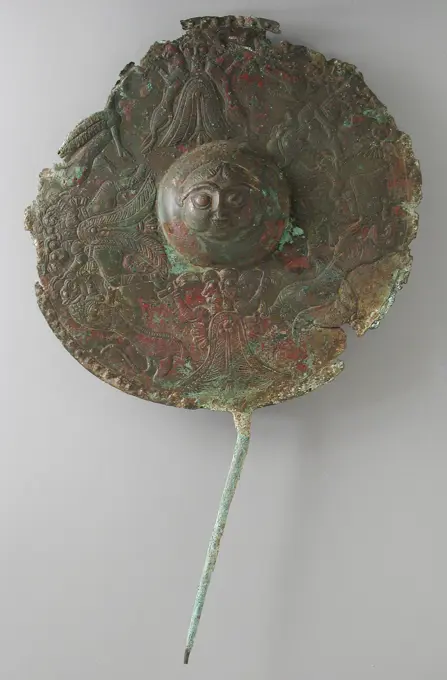
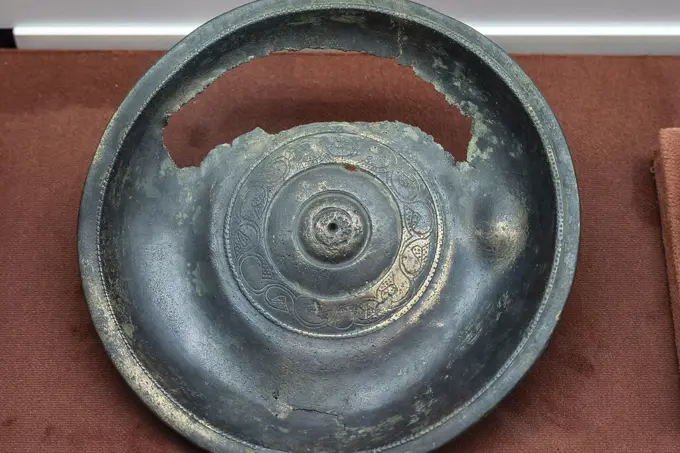
Talam, Anonymous, 1300 - 1500 Offerblad, Talam, with edge and entered decoration that is characteristic of the East Javanese period. Indonesia bronze (metal) Offerblad, Talam, with edge and entered decoration that is characteristic of the East Javanese period. Indonesia bronze (metal)
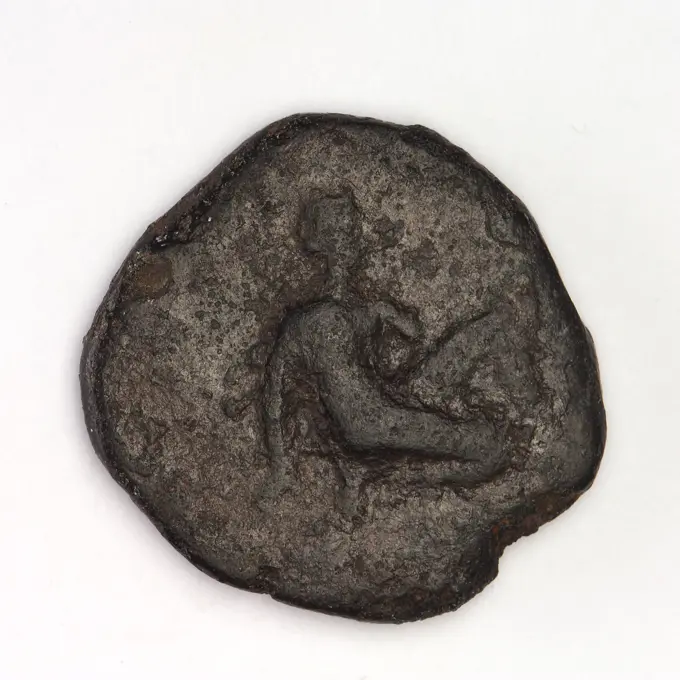
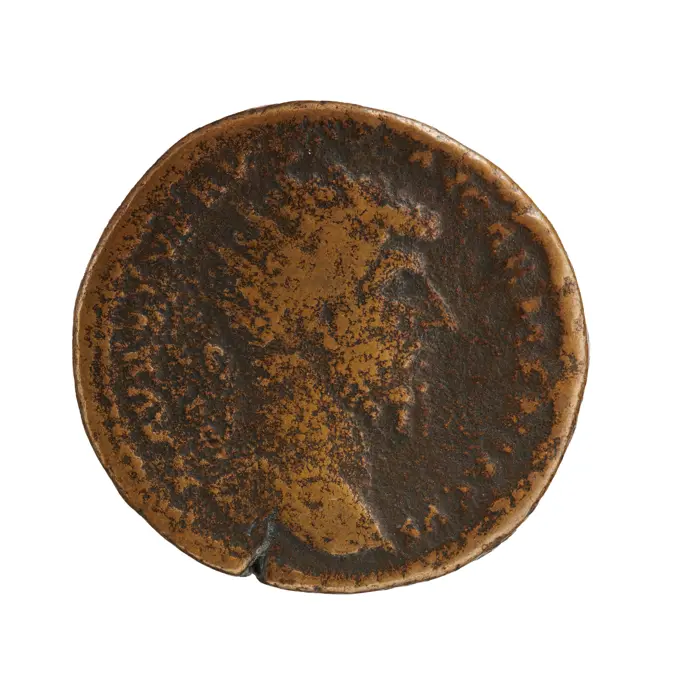
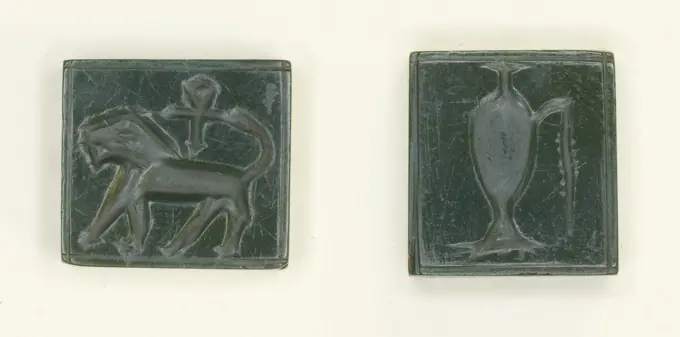
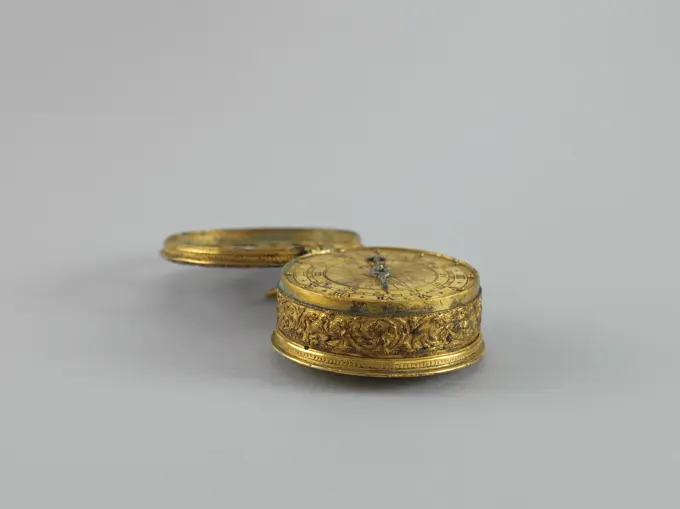
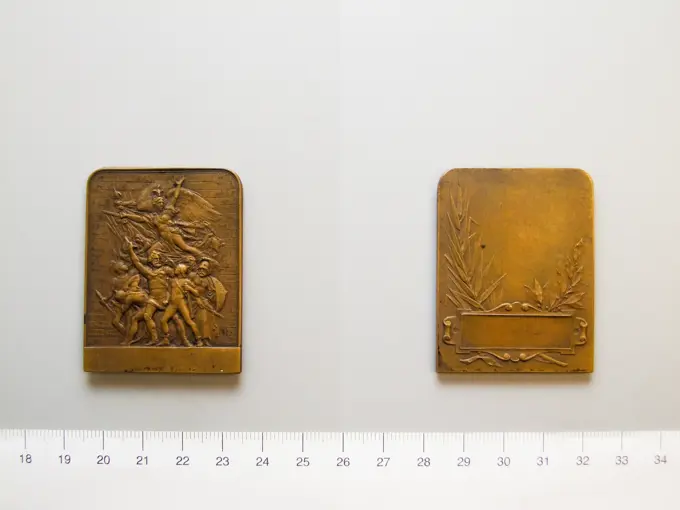
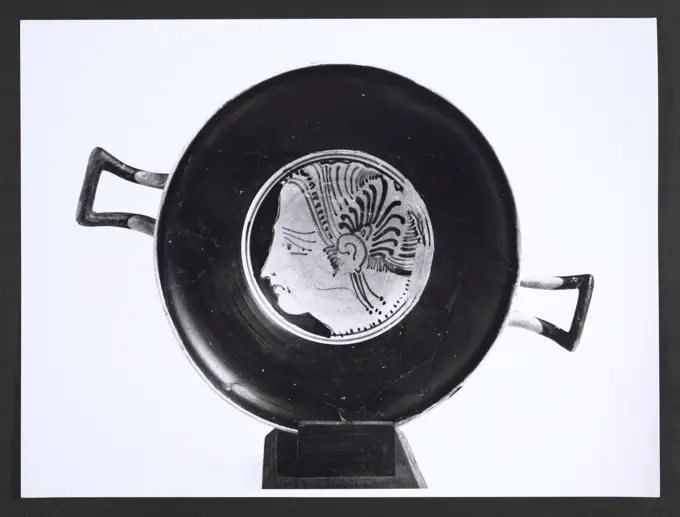
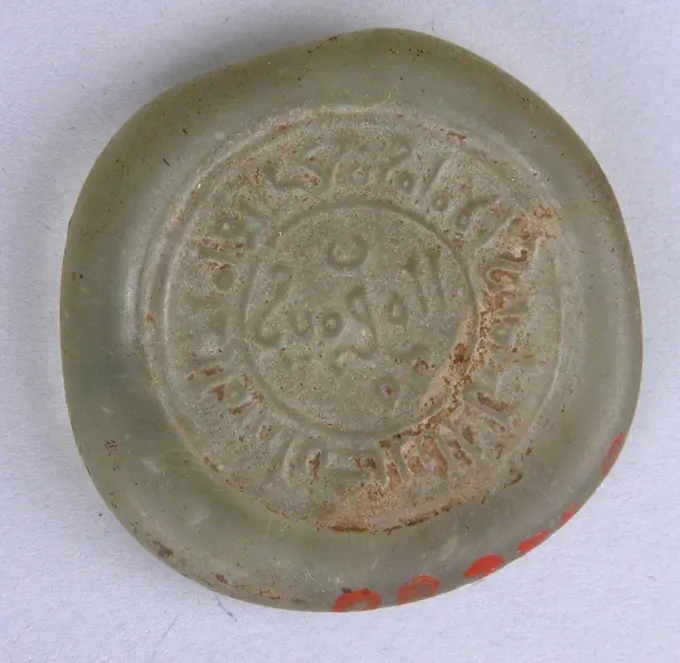
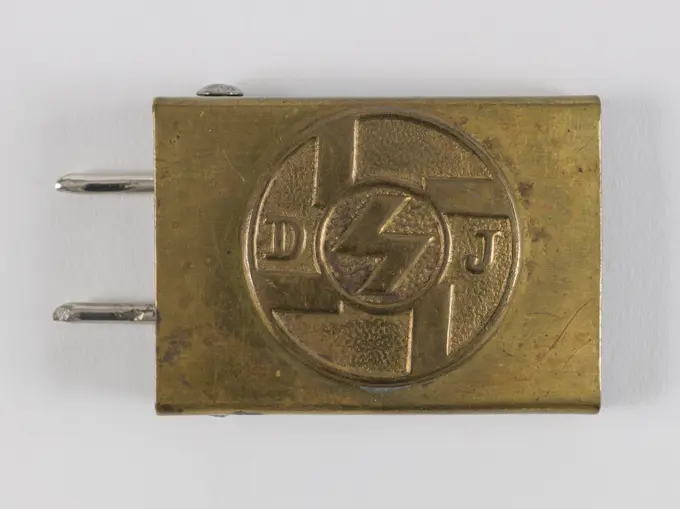
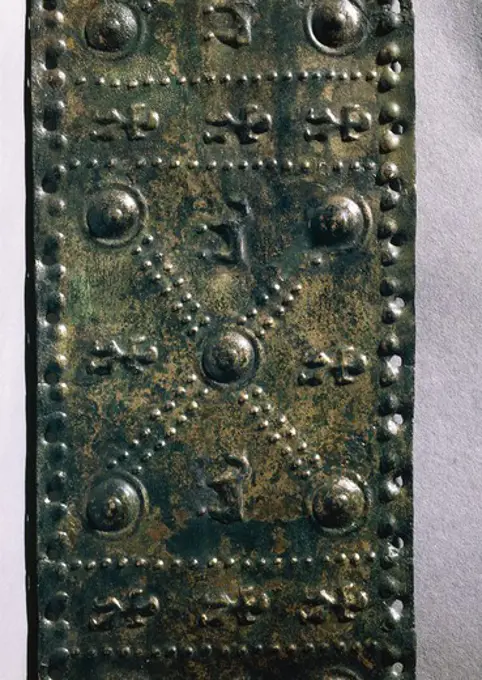
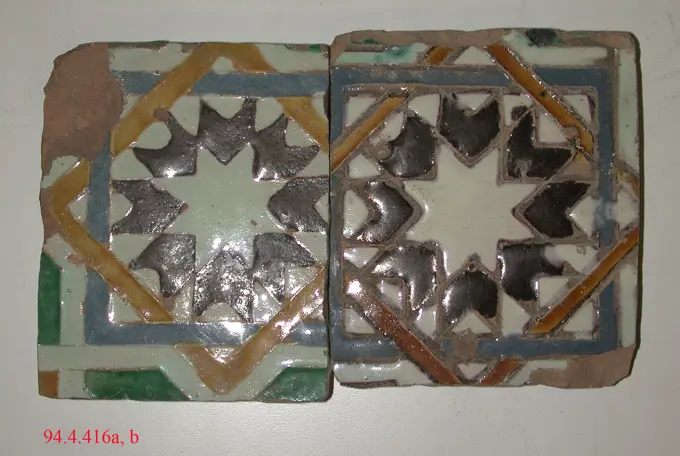
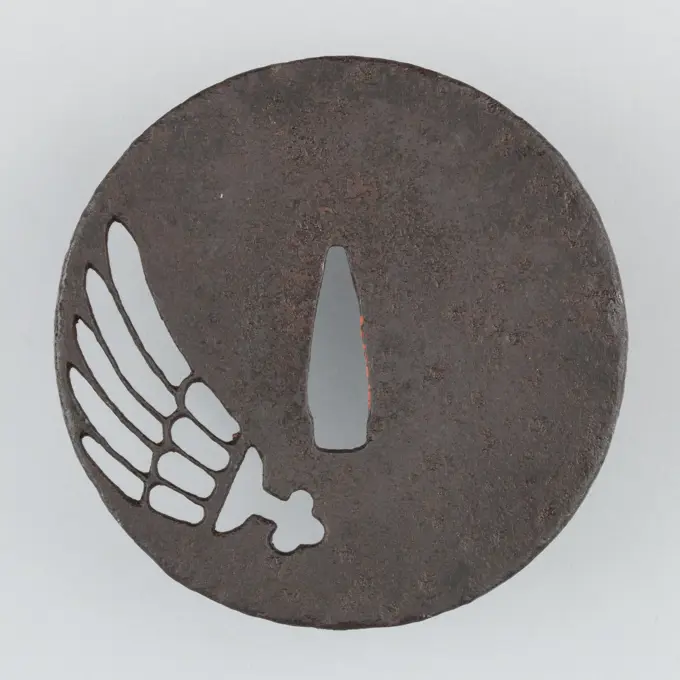
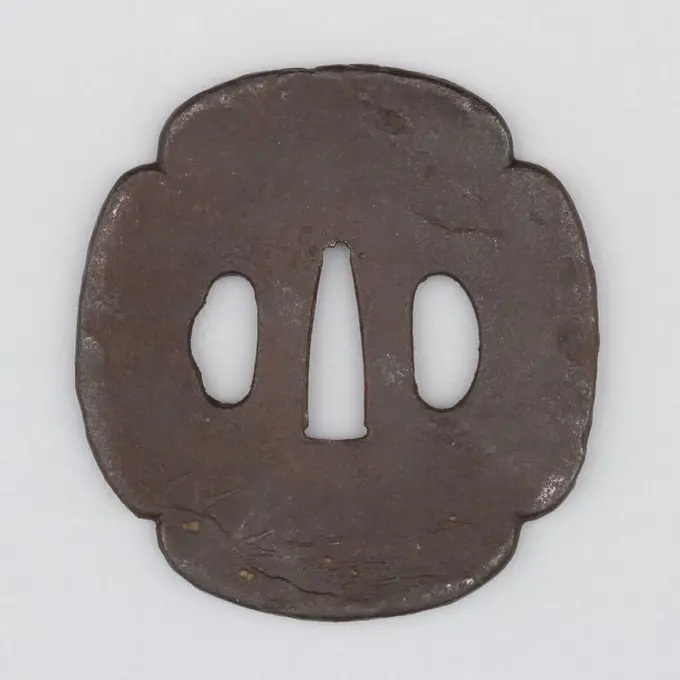
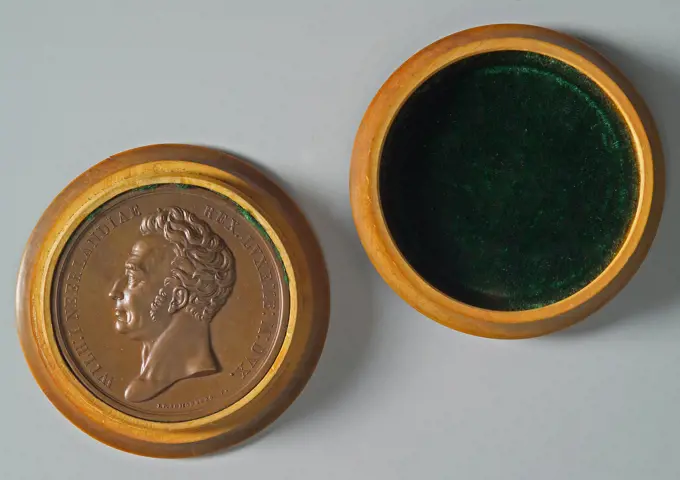
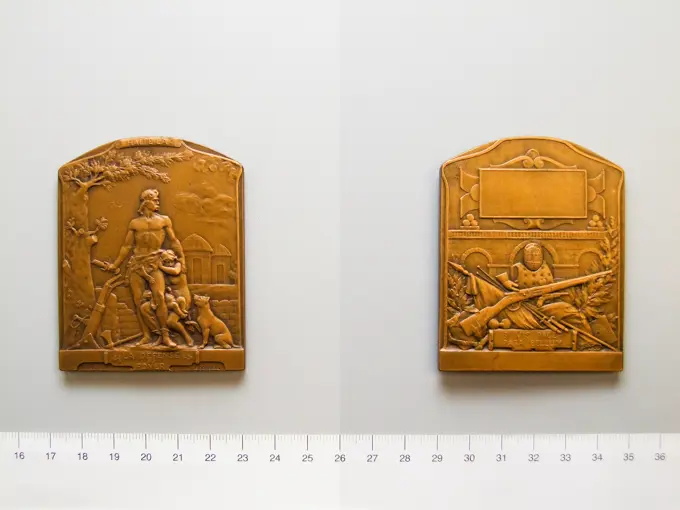
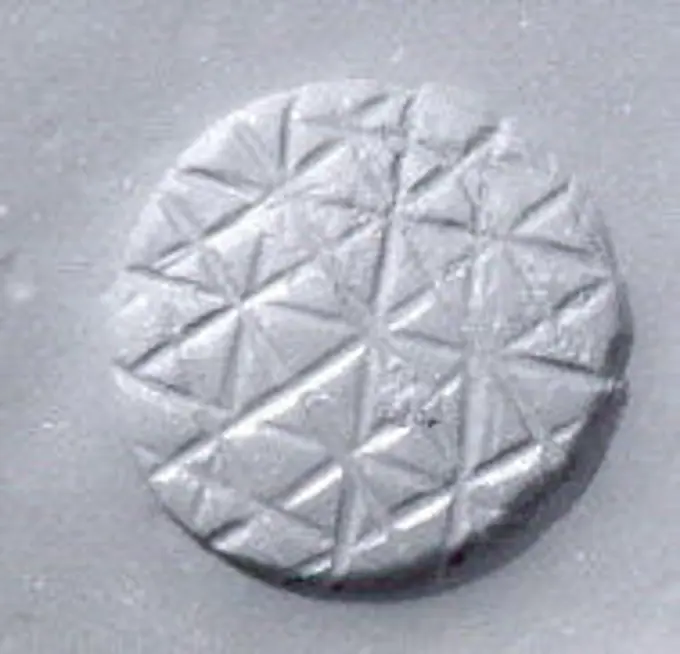
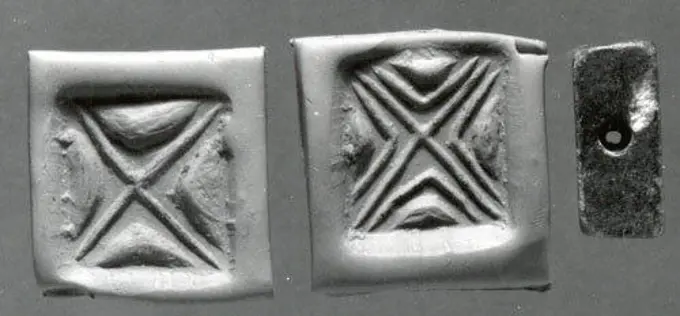
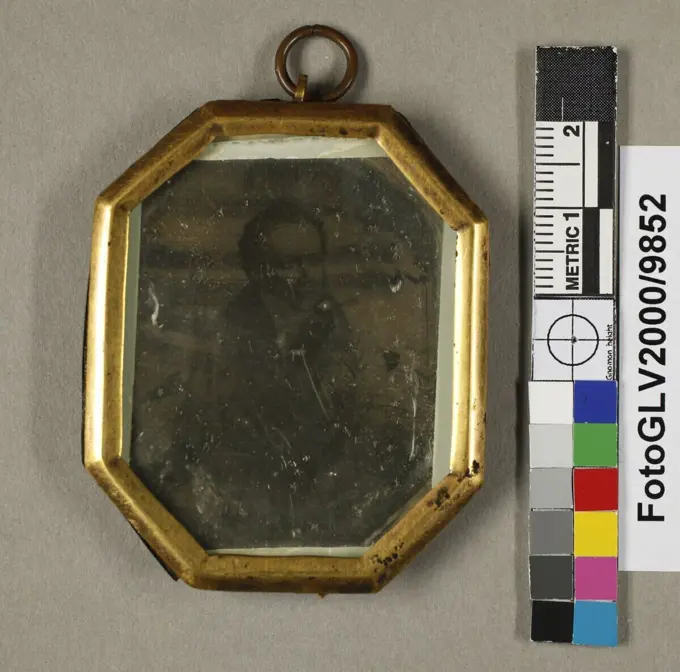
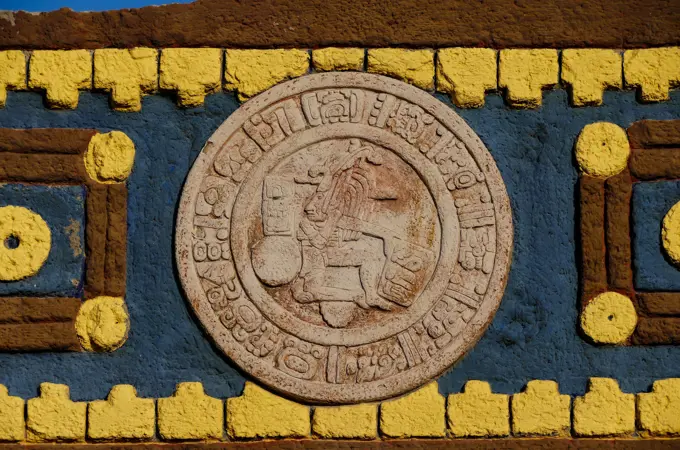
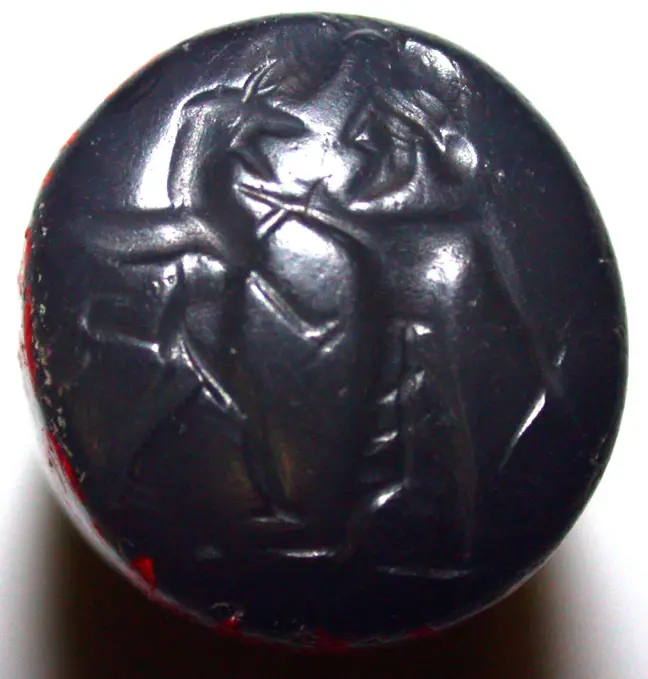
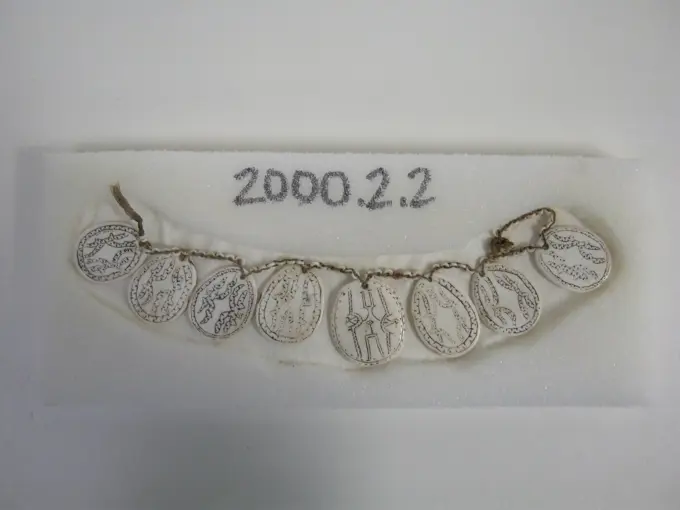
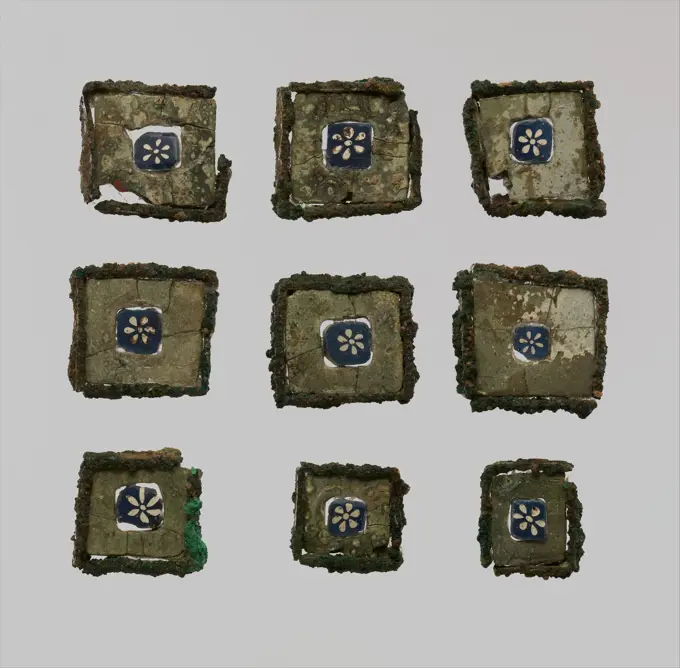
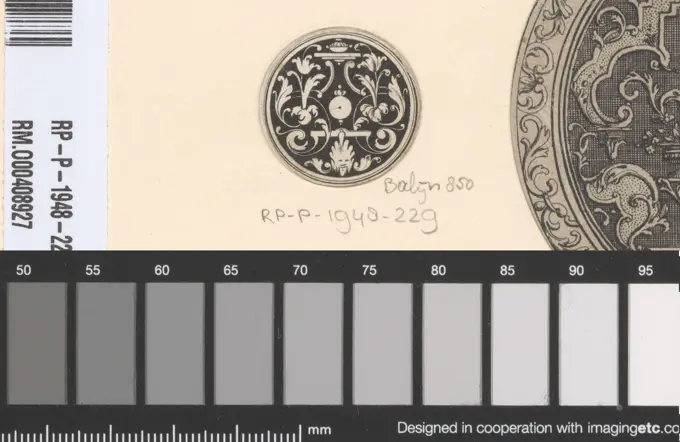
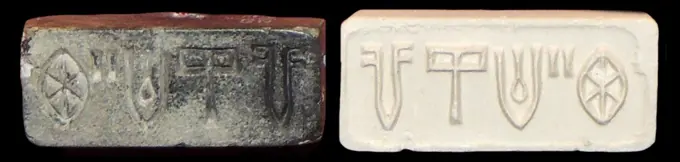
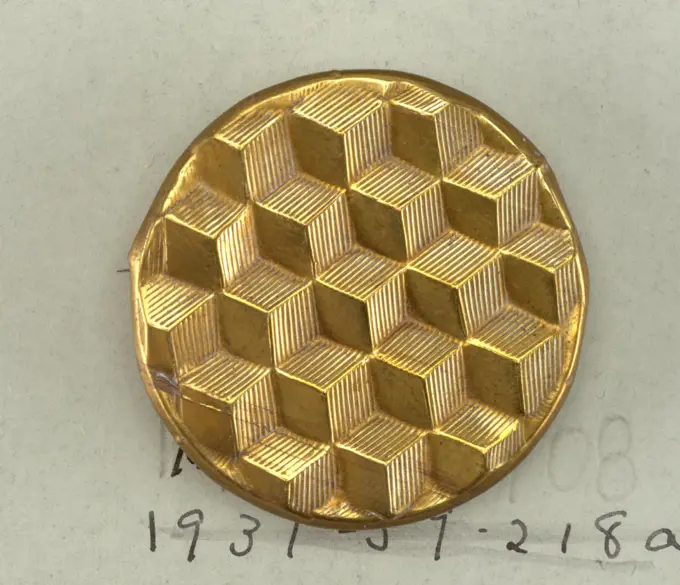
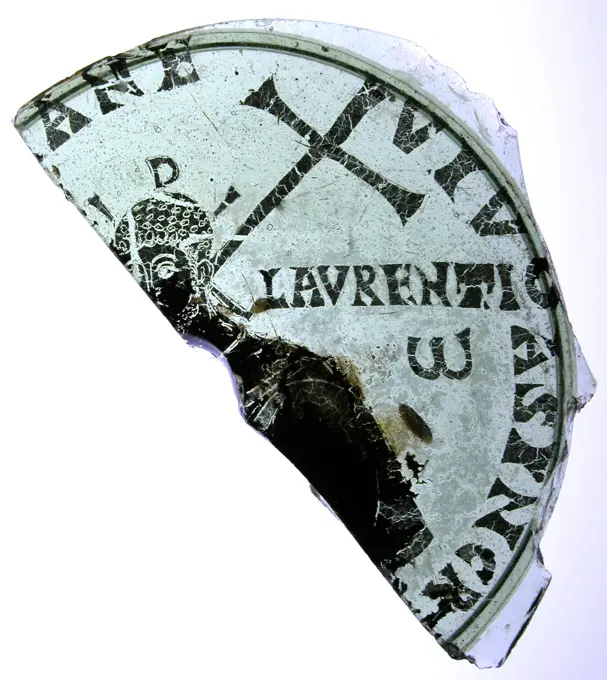
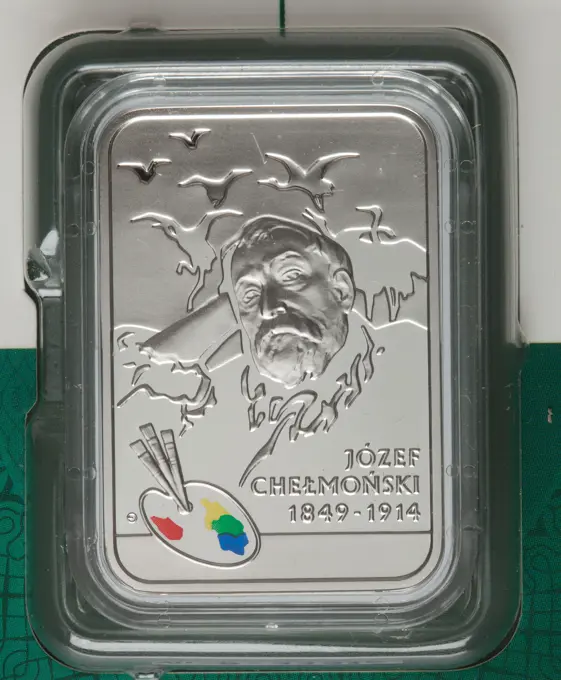
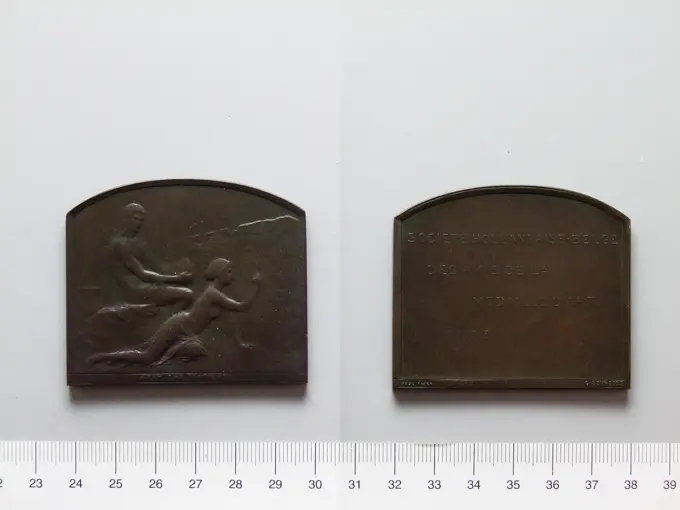
Bronze Plaquette from Belgium of Société Hollandaise-Belge des Amis de la Médailled’Art.  Artist: Godefroid Devreese, Belgian, 1861-1941 Manufacturer: Paul Fisch, BelgianDisc - headed Pin. Iran, Luristan, Luristan bronzes, Iron Age II-III, circa 1000-650 B.C.. Jewelry and Adornments; pins. Bronze, hammeredDoorplate, Louis Henry Sullivan, American, 1856-1924, USA, ca. 1895, metalwork, Decorative Arts, DoorplateBrown coin; Chersonez; 320-310 BC (320-00-00-310-00-00);Artemida (mitol.), Kneeling artemida (iconogr.), Artemis with a bow and arrow (iconogr.), Nadczarzyorze, Terlecki, Ignacy (1860-1916), Terlecki, Ignacy (1860-1916)-collection, griffin, purchase (provenance )Planets-manager. Cornalet Collection Sites 2013-2016. Numismatic.dupondius (counterfeit); Lucius Werus (130-169; Roman emperor 161-169); 163-164 (for the original) (163-00-00-164-00-00);Yuan Bao of Emperor Huizong fromUnknown . Ruler: Song Huizong, Emperor of China, Chinese, 1082-1135, ruled 1100-1126Seal China. Seal 41041Knife Handle (Kozuka). Culture: Japanese. Dimensions: L. 3 13/16 in. (9.7 cm); W. 9/16 in. (1.4 cm); thickness 3/16 in. (0.5 cm); Wt. 1 oz. (28.3 g). Date: ca. 1615-1868. Museum: Metropolitan Museum of Art, New York, USA.Carnavalet museum, medal collection Tree of freedom of freedom in the center, surrounded by a small crowd.Plaque Lion and Ankh/Libation Vessel 1550 BCE-1069 BCE Egypt. Green jasper . Ancient EgyptianJar. Dated: c. 1937. Dimensions: overall: 51.2 x 38.2 cm (20 3/16 x 15 1/16 in.) Original IAD Object: .237M high; .133M wide. Medium: oil paint on paperboard. Museum: National Gallery of Art, Washington DC. Author: C. W. Perky.Button, Brass, On card E, France, 19th century, costume & accessories, Decorative Arts, ButtonCopper Disk Ornament with Musicians 10th-15th century () Peruvian. Copper Disk Ornament with Musicians 315240Greek bronze mirror case with Aphrodite and Pan, c350 BC. Artist: UnknownPortret man, Monogrammist DGVH, 1695  Unilateral silver oval medal in Ebbenhouten frame on black velvet surface. Front: breastpiece man for decorated curtain; In the background on the left column with monogram and dating. Reverse: Blanco.  silver (metal). ebony (wood). mahogany (wood). velvet (fabric weave) casting / gluingCarved Bowl 7th-10th century Veracruz. Carved Bowl 310554Belt Buckle. Jazira or Egypt, 12th-13th century. Metal. Bronze, cast, perhaps originally inlaidCylinder seal ca. 3100-2700 B.C.. Cylinder seal 326453Buttons (France); silk thread wound on bone or wood formArthus-Bertrand, Albert de Jaeger. Matrix Presentation medal 25 years Liberation of Paris, for the illustrations of the brochure. Métal, 1969. General Leclerc Museum of Hauteclocque and the Liberation of Paris, Jean Moulin Museum.Bowl 19th century. Bowl 443155Anonymous (n. - d.), Travel watch (main title), 1500. Golden copper, money. Petit Palais, Museum of Fine Arts of the City of Paris.Wu Zhu Qian from Board ofRevenue.  Mint: Board of Revenue100 Mon of the Empire Japan, from the Tenpo era ,, 1830 - 1843 coin Copper elongated, oval mint. Front: in the middle square recess, above which two characters, together the Tenpo era and including two characters. Reverse: in the middle square recess, above which two tekns and including a sign, together forming the value designation: 100 mon.  copper (metal) castingCash of the Keizerrijk China of Keizer Kao Tsung under the government name Ch Ien -Lung, 1736 -1795, commissioned by the Department of Finance in Bejing ,, 1736 -1795 coin Copper mint. Front: Inside wide raised edge around square recess in the middle four cross -way Chinese signs, two of which are meaning: Ch Ien Lung. Reverse: within a wide raised edge on either side of square recess in the middle two Chinese signs, where the right sign with the meaning in Manchu: Chuan = Finance.  copper (metal) castingDisc ca. 1000 B.C. Iran. Disc 326033Ojime 19th century Japan. Ojime. Japan. 19th century. Edo period (1615-1868). OjimeButtons (France); silverMedal of French Republic, before 1972. France, Early 20th century. Bronze; diameter: 5 cm (1 15/16 in.).Bronze Plaquette of La Marseillaise from LArc de Triomphe. Artist: Ernest Henri Dubois, French, 1863-1930Ornamental Band 8th-12th century Indonesia (Central Java). Ornamental Band 64410Terracotta fragment of a kylix: eye-cup (drinking cup) 520-510 B.C. Greek, Attic Interior, satyr to right holding grapes; Exterior, part of a pair eyes, in between, a nose. Terracotta fragment of a kylix: eye-cup (drinking cup) 703956Lazio Viterbo Viterbo Museo Civico71. Hutzel, Max 1960-1990 Views of paintings (Middle Ages through 18th c.), frescoes, a tabernacle, coffin, sculpture reliefs, portal fragments, busts, sculpture, tapestry found in the Pinacoteca, Second floor gallery and Second floor cloister sequences. Antiquities: Many views of Etruscan and Roman fragments, sculpture, sarcophagi, pottery, masks, jewelry and other objects found in the Storeroom sequence (inventory numbers on back of prints), and the Cloister, Second floor Cloister, Valle Giulia, Sala Romana and Sala Etrusca sequences. General Notes: There are eight separate numerical sequences for this location. The cloister as an architectural structure, rather than museum site, is documented in the record and file for S. Maria della Verita, Cloister, all views of which are stored in Medieval core collection. Five views from the Museo Civico Second floor cloister sequence are stored in Medieval. German-born photographer and scholar Max Hutzel (1911-Spindle Whorl 10th-early 16th century Mexican. Spindle Whorl 307706Coin Weight 11th century. Coin Weight 453538Overhoff und Cie. "Early belt" buckle "Deutsches Jungvolk", 2nd DB war ". Metal. 1929-1945. General Leclerc Museum of Hauteclocque and the Liberation of Paris, Jean Moulin Museum. 158810-20Planets-manager. Cornalet Collection Sites 2013-2016. Numismatic.Ring with Stepped Quatrefoil Bezel 8th-12th century Indonesia (Central Java). Ring with Stepped Quatrefoil Bezel 64312Rome, Antique medals, recto - embossed, photograph, photo, page, photos, photographically illustrated books, 2, recto - printed, A. Cadart 3. Rue St. Fiacre Paris Editeur, height 199 mm, width 126 mm, photographer, 1849 - 1859, photographic paper, photo paper, albumen printCeltic civilization, Austria. Embossed bronze belt. From Hallstatt, tomb 795.Linga, Shivas Aniconic Symbol 8th century or earlier India (Jammu and Kashmir, ancient kingdom of Kashmir). Linga, Shivas Aniconic Symbol. India (Jammu and Kashmir, ancient kingdom of Kashmir). 8th century or earlier. Stone. SculptureBird Plaque Ornament. Culture: Vicús. Dimensions: H. 2 x W. 2 in. (5 x 5 cm). Date: 3rd century B.C.-A.D. 2nd century. Museum: Metropolitan Museum of Art, New York, USA.bracteate denarius. Zakon krzyżacki (1190-), issuerSeal China. Seal 41021Plaat met gegraveerde decoraties voor aardewerk met Ruth en Boaz.Plate of copper with engraved shows for a milk jug with the Ruth and Boaz decor, edge performances and factory stamps. Right above the text: Melkton 24 and 1166. The back with engraved edge decorations. In the top right corner 826 (removed).Parure, J.M. van Kempen & Son, c. 1854 - c. 1858 A set of cufflinks of gold and email, with the images of Anna and Maria Tesselschade. Voorschoten gold (metal). A set of cufflinks of gold and email, with the images of Anna and Maria Tesselschade. Voorschoten gold (metal).Grahal-Manzara. Carnavalet 2013-2016 collection sites. Numismatics.Wall tiles 16th century Spanish, Seville Polychrome tiles had long been made in Spain in the cuerda seca (dry cord) technique, dating to the Muslim Almohad dynasty, in which colors were kept from running together during firing by a line of grease drawn between them. This method was not always successful, however, as the blurred outlines in some of these tiles indicate.. Wall tiles 187905Seal with cast, from Knossos, Greece.Sword Guard (Tsuba) late 15th-early 16th century Japanese A tsuba is a sword guard and part of a sword mounting. It is mounted between the swords blade and grip to protect the users hands.. Sword Guard (Tsuba) 29992Sword Guard (Tsuba). Culture: Japanese. Dimensions: H. 3 1/8 in. (7.9 cm); W. 2 15/16 in. (7.5 cm); thickness 3/16 in. (0.5 cm); Wt. 4.4 oz. (124.7 g). Date: possibly 18th century. Museum: Metropolitan Museum of Art, New York, USA.'s Rijks Munt, Medal on the Ten Day Campaign, penning footage copper wood, left-wended bust of King William I, omschrift WILH: I NEERLANDIAE-REX. LVXEMB: M: DVX (William I King of the Netherlands Grand Duke of Luxembourg) HASS. LOVAN. (Hasselt - Leuven) king William I William I Oranje Oranjehuis royal family Ten Days Campaign Netherlands Belgium separationNational Defense League Badge Reserve Officers Club with membership ID No. 258 unknown labelMedal of the Defense of the Home (La Defense du Foyer) fromFrance. Mint: Paris Artist: Émile André Boisseau, French, 1842-1923Loop-handled circular seal 5th-4th millennium B.C.. Loop-handled circular seal. 5th-4th millennium B.C.. Chlorite or steatite, black. Halaf-Ubaid. Northern Syria, Mesopotamia or western IranHispano-Visigothic waterhole, 12th century liturgical bowl, Castro peak, Visigoth - early medieval, Valladolid Museum , Castile and Leon, Spain.Sheet appliques, circular, 120 1st half of the 5th century A.D. East Germanic or nomadic (). Sheet appliques, circular, 120 246823Jean-Auguste Barre (1811-1896). Reverse of a monument medal at de Sèze. Metal, bronze. Nineteenth century. Museum of Fine Arts of the City of Paris, Petit Palais. 58753-9 Bronze, medal, metal, inventory number, numismatics, backhand, 19th centuryRectangular plaque seal, engraved on two faces ca. 3600-2900 B.C.. Rectangular plaque seal, engraved on two faces. ca. 3600-2900 B.C.. Chlorite or steatite, black. Late Uruk-Jemdet Nasr. Mesopotamia or Syria or Anatolia ()Detail of the Cross of the brotherhoods. 14th century, Girona.Daguerreotype photograph of a man with a thick beard sitting, created between 1845 and 1850 and preserved in original format.Medieval mirrors from the Eastern Islamic world, made from cast copper alloy. Dated 11th CenturyWilliam L Antrim, Pa German Dish, c 1936 Pa. German DishMedal of the French Soldiers of WWI fromFrance. Mint: Paris Artist: Pierre-Alexandre Morlon, French, 1878-1951Snuff Bottle 18th-19th century China. Snuff Bottle 41132Vase zoomorphic. Bronze. China. Paris, Cernuschi museum. 76403-17 Chinese art, bronze, archating bronze, writing, inscription, decorative motif, vase zoomorphicTown Hall in Brussels, Jacob Wiener, 1847 history medal Bronze medal. Front: Raadhuis Inside Covering; Cut: signature. Downside: map of Raadhuis within a four -line reduction; Cut: Inscription Brussels bronze (metal) striking (metalworking)  Town hallStamp seal ca. 3rd-7th century A.D. Sasanian. Stamp seal. Sasanian. ca. 3rd-7th century A.D.. Chalcedony. Sasanian. IranTypical Colored Clay Maya Calendar Typical Colored Clay Maya Mexican Calendar symbol Copyright: xZoonar.com/albertoxgiacomazzix 20753404Grahal-Manzara. Carnavalet 2013-2016 collection sites. Numismatics.Old german matchbox, circa 1942, Czechowice, Poland. Dark background. Sicherheits Zuendhoelzer impraegniert Zuendholzfabrik in Tschechowitz - Safety matches impregnated in a match factory in Czechowice PolandConical seal ca. 6th-5th century B.C. Achaemenid. Conical seal 327716Glazed porcelain plaque of GeorgeWashington. Manufacturer: Unknown After: Joseph Wright, American, 1756-1793 Subject: George Washington, American, 1732-1799, LL.D. 1781Kapkap Necklace, early 19th century, 2 x 13 in. (5.08 x 33.02 cm), Shells, thread, Solomon Islands, 19th centuryFurniture ornaments ca. 9th-8th century B.C. Assyrian These nine square blue glass plaques with six-petal rosettes were found at Arslan Tash, together with a large group of carved ivory furniture inlays. The glass plaques were probably also used to decorate luxurious furniture made of wood, ivory, or a combination of both. Each blue square is decorated with a white six-petal rosette, mounted into a reddish glass setting now oxidized to green, and framed by a corroded copper-alloy frame. Some of the white petals penetrate the blue squares and are visible on both sides, suggesting that the white petals may have been fused within the blue glass, perhaps in a manufacturing technique known as fused-mosaic glass. In this method of glass-working, threads of glass of contrasting colors are fused together to produce a long cane with a design in cross-section that is then stretched and sliced crosswise. The production of these pieces probably involved Phoenician craftsmen who were expert at inlaCircle filling with leaf motifs, Pierre Bourdon, 1703 print Leaf motifs with a mask at the bottom. Paris paper etching ornament derived from plant forms. mask, mascaron ~ ornamentParelketting met medaillon, c. 1751  Page 136 from a sketchbook with 158 pages.  paper. chalk  pearl; pearl necklaceIndus valley Seals from Mohendro-Daro, Pakistan, 2nd millennium BCE. The seals often carried figure of animals such as unicorns, elephants and bulls. Some had inscribed symbols.Vase (Netherlands); Jan Jansz Van Der Laan; Manufactured by De 3 Klokken (the 3 Clocks Factory); tin-glazed earthenware; 37 x 12.5 x 11.5 cm (14 9/16 x 4 15/16 x 4 1/2 in.); Bequest of Walter Phelps Warren; 1986-61-65Button, Copper, -a: flat circular button, cast in form of a series of blocks., late 18th century, costume & accessories, Decorative Arts, ButtonInsignia of the World Association for Women's Choy Law. Green silk bow, held together at the rear with a safety pin. On the two dependent ribbons printed with text in black. For a copper pin, white enameled, with copern letters the inscription. Storage in a white cardboard box. Dated; On dependent ribbon: Amsterdam 15 - 20 June 1908. Inscription; On dependent ribbon: World Union for Women's Choy Law. Pin: Women / Electoral.Ring with Plain Oval Bezel and "Java Kuno" Inscription Second half of the 9th-first quarter of the 10th century Indonesia (Java). Ring with Plain Oval Bezel and "Java Kuno" Inscription 50324Racking - Change to Running. Twenty frames depicting a horse-drawn sulky, a lightweight single-seat cart with two wheels. A man is seated upon the cart, holding the reins and a whip. The frames are numbered one through twenty.. (Recto, print) lower left, in pencil, in the artist's hand: "Racking - change sic to Running"; (Verso, print) upper left, in pencil: "6 partially cropped";Fragmentary Bowl Base with Saint Lawrence 5th century Byzantine Saint Lawrence, a deacon who was martyred in Rome in 258, became of one the most revered martyrs of the Roman church.. Fragmentary Bowl Base with Saint Lawrence 465923Sketchbook of American and Italian Subjects William Trost Richards (American, 1833-1905). Sketchbook of American and Italian Subjects, 1855-1856. Sketchbook containing drawings in graphite on wove paper, 4 1/16 x 6 5/8 x 3/8 in. (10.3 x 16.8 x 1 cm).  Richards first traveled to Europe in 1855, remaining abroad for a year and spending most of the time in Italy. Like so many artists before him, Richards was overjoyed to be in Florence: I have not as yet realized that I am in Italy that all the dreams of a boyhood are fulfilled.” Richards carried this small sketchbook on a walking tour in the Apennine mountains in October 1855. The carefully drawn vista shown here of the broad valley through which the Arno river winds reminded Richards, always quick to compare American and European landscape scenery, of the view of the Hudson from the Catskill Mountain House. American Art 1855-1856Irregular Gait. Twenty frames depicting a horse-drawn sulky, a lightweight single-seat cart with two wheels. A man is seated upon the cart, holding the reins and a whip. The frames are numbered one through twenty.. (Recto, print) lower left, in pencil, in the artist's hand: "Irregular gait sic"; (Verso, print) upper left, in pencil: "76";Polish Republic, 20 Zlotysz, Polish Painters of the 19th/20th Century  Józef Chełmoński; 2014 Mint of the National Bank of Poland, Mennica Polska S.A., Olszewska Borys, Ewa (1939 )Information sign on a house wall of the Jakob Fugger Settlement, oldest social settlement in the world, 16th century, Augsburg, Bavaria, Germany, Europe