Historical Tools

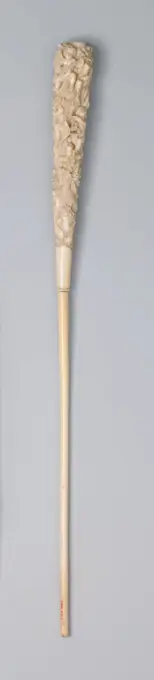
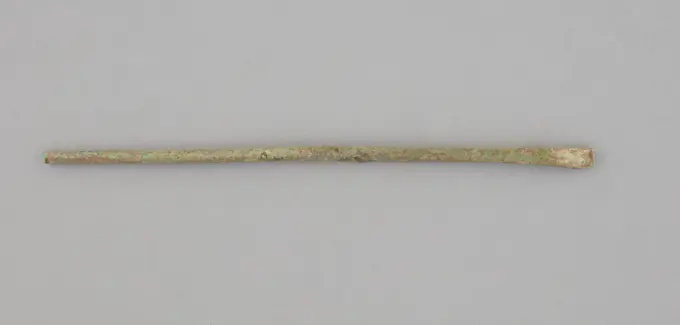
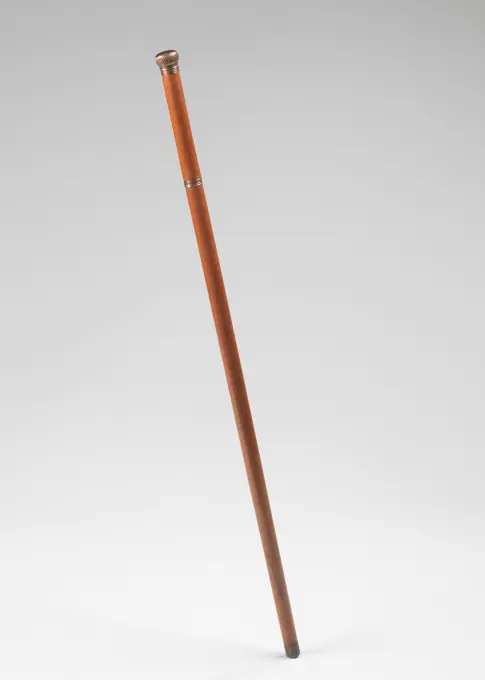
A display of ancient tools and weapons, featuring items like swords and bamboo sticks, showcasing craftsmanship from different historical periods.

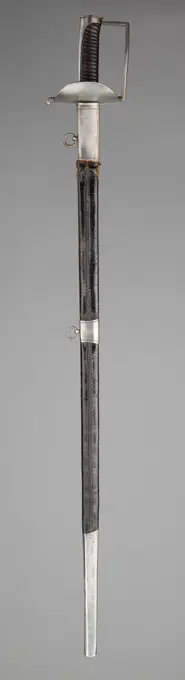
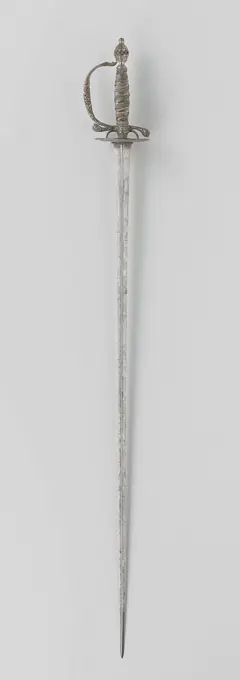
Sabel of the English cavalry by W.J.K. from Rappard, Anonymous, c. 1830 - c. 1850 sabre Riderslabel from England. Etwerk on the Kling as well as a monogram (unreadable) with a crown and 'Tatham Charing Cross London'. With steel sheath with two separate rings. London metal. schede: steel (alloy) etching  England
Sabel of the English cavalry by W.J.K. from Rappard, Anonymous, c. 1830 - c. 1850 sabre Riderslabel from England. Etwerk on the Kling as well as a monogram (unreadable) with a crown and 'Tatham Charing Cross London'. With steel sheath with two separate rings. London metal. schede: steel (alloy) etching England
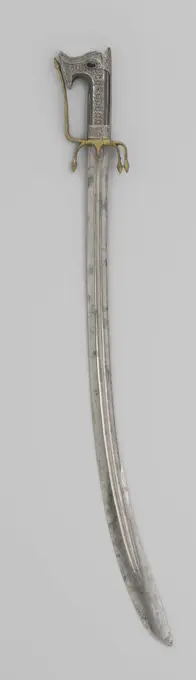
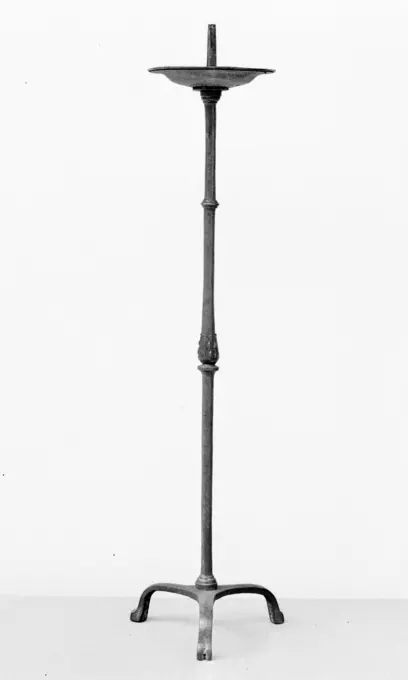
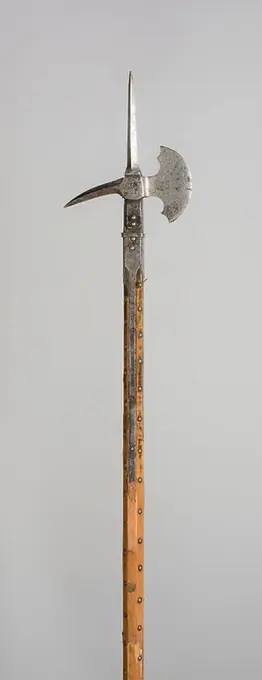
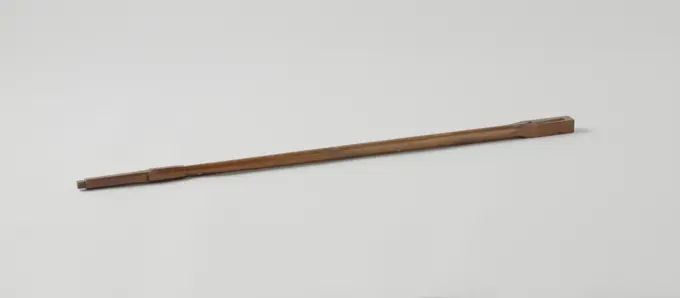
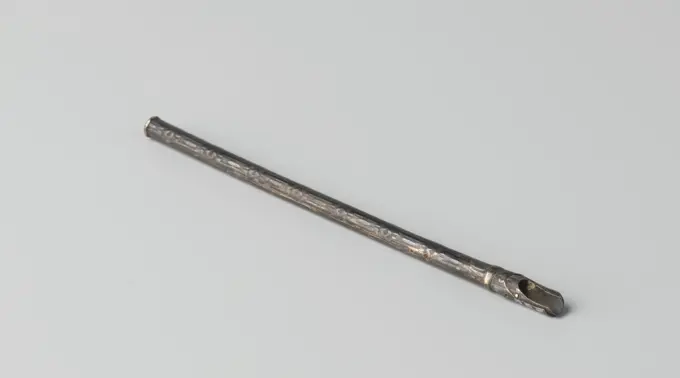
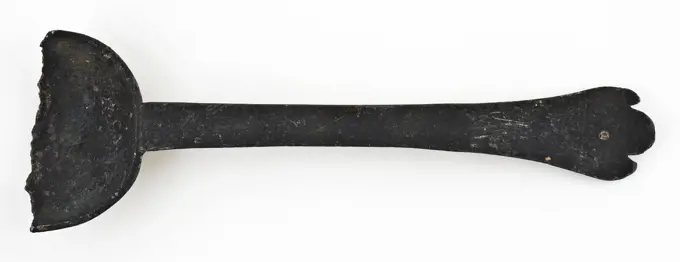
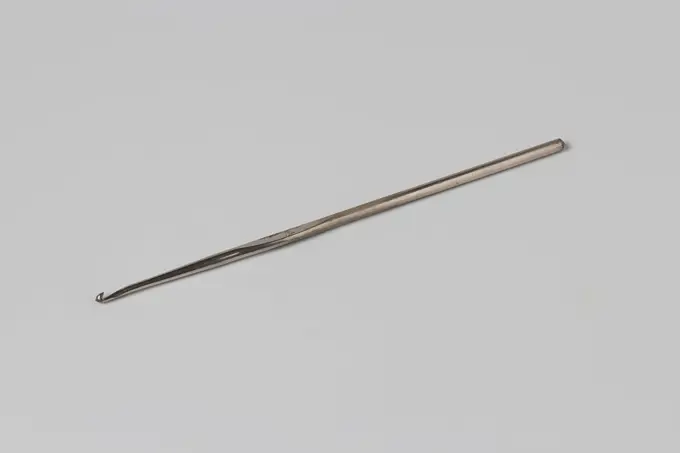
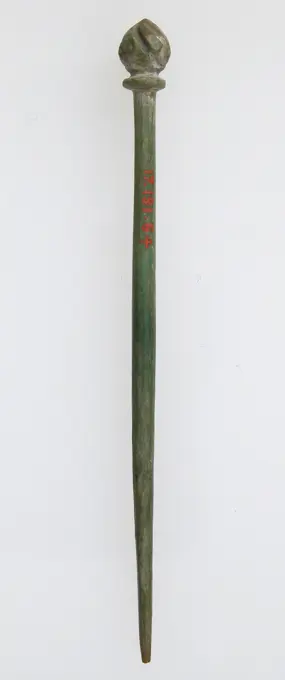
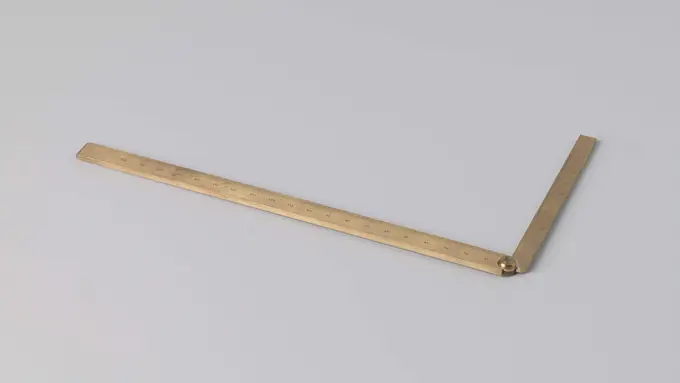
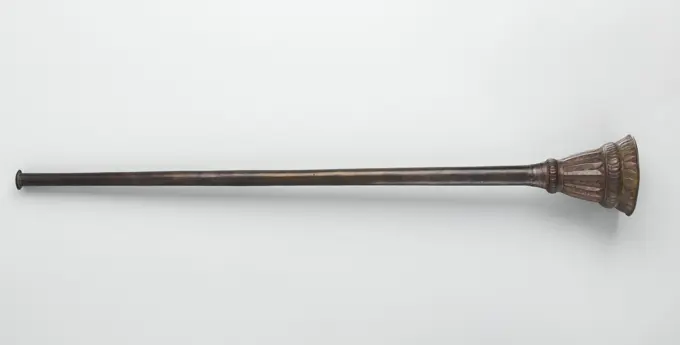
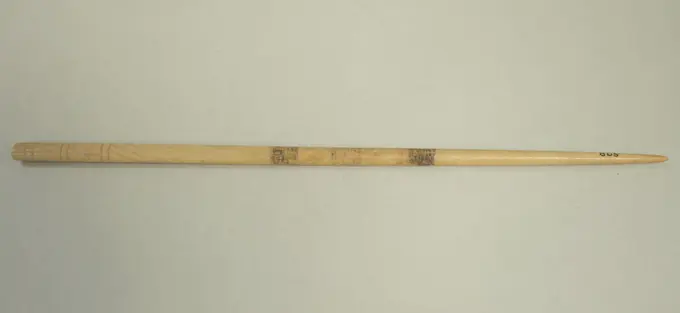
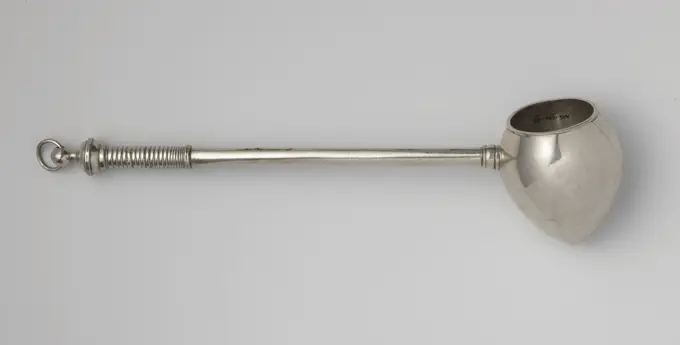
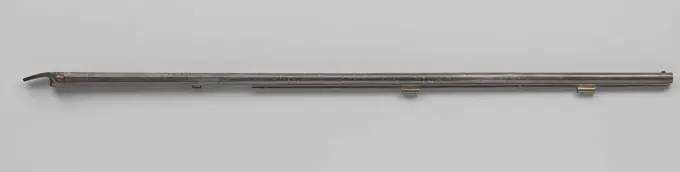
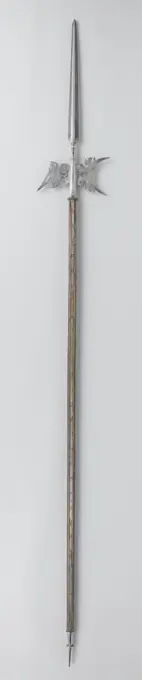
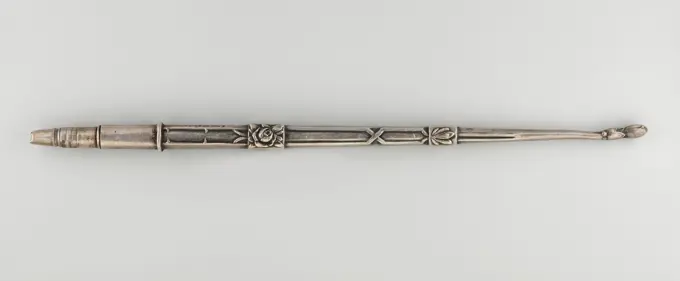
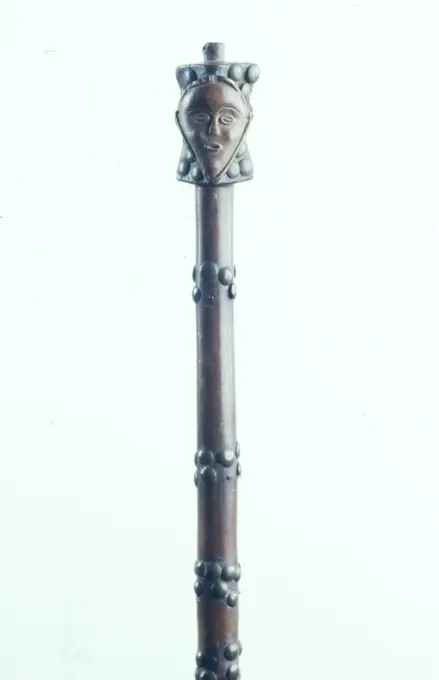
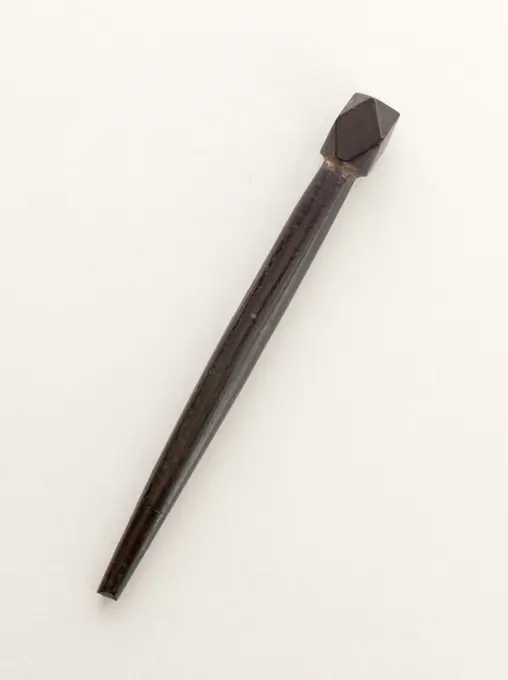
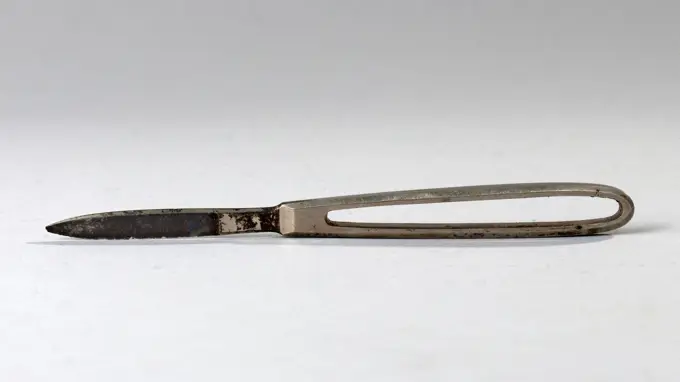
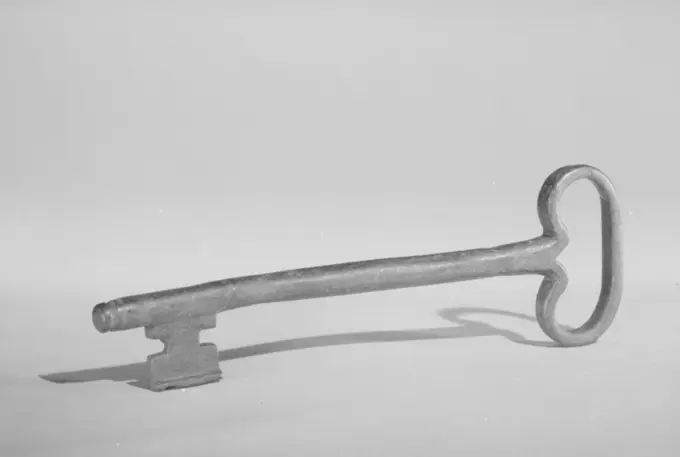
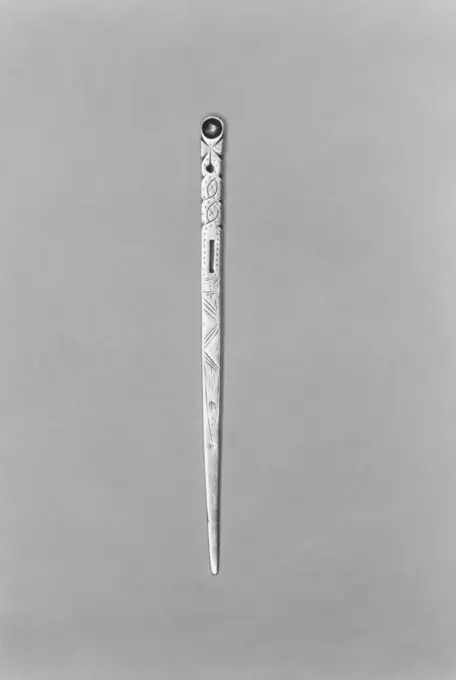
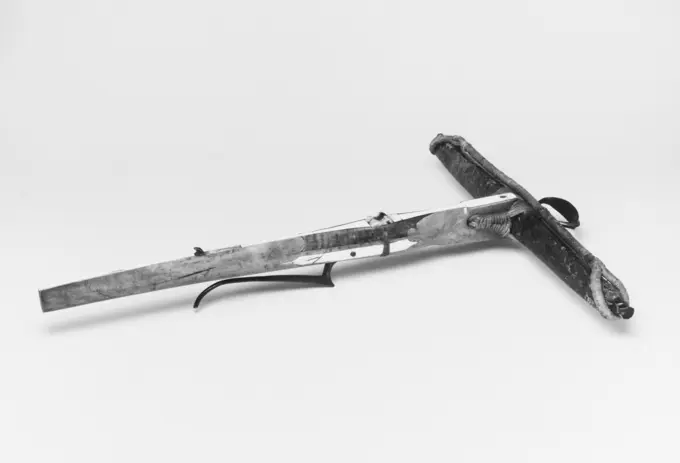
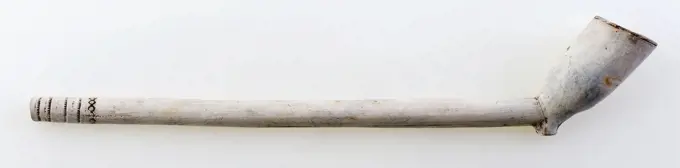
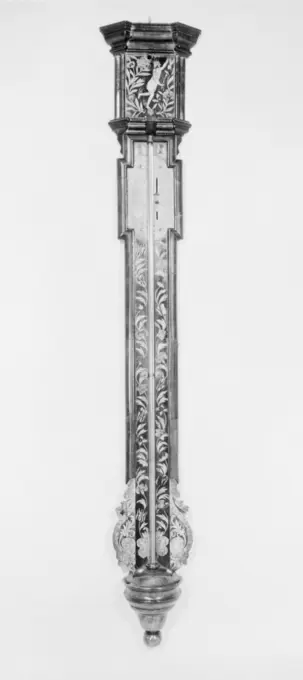
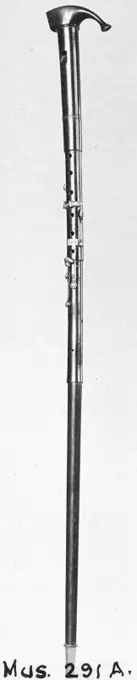
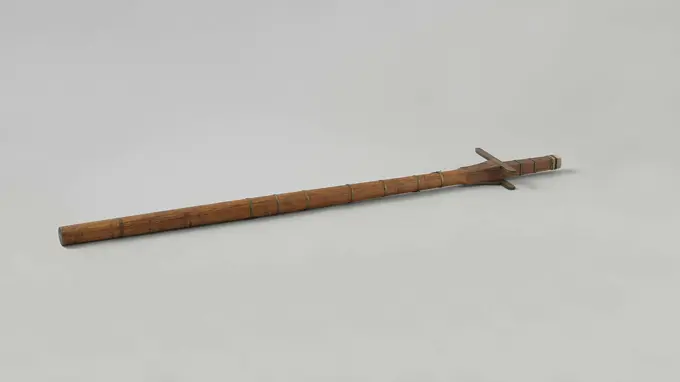
Rotting van Piet Hein, anonymous, 1600 - 1650  Simple bamboo chest with small, round wooden button including a braided leather cord runs through a hole through the stick and is held through a piece of metal wire. The cord originally formed a loop by having the ends come together at a brush, where one end is now broken. The tip of the stitch is flat and surrounded by a worn metal ring. Marked: a small label on the bottom: 57. Netherlands (possibly) bamboo. wood (plant material). leather. metal. paper cutting / forging / braiding  NetherlandsPrzeszo Przyszoci unknownDark brown leather, anonymous, c. 1798 - c. 1809 Fair of dark brown leather. Paris leather Fair of dark brown leather. Paris leatherKama kanjarAlgerian saber or nimcha, anonymous, c. 1650  Nimcha, or crooked saber from Algerijns making. The hilt consists of a handle decorated with a turtle and mother -of -pearl with engraved silver; The copper -wasted handlebar does not adhere to the grip from the top. The wooden sheath is covered with blue sheet, on which sewn figures in cut leather, which are filled in with blue and with green velvet. On the sheath is still the leather belt with copper buckle. Algeria mother of pearl. copper (metal). leatherSabel of the English cavalry by W.J.K. from Rappard, Anonymous, c. 1830 - c. 1850 sabre Riderslabel from England. Etwerk on the Kling as well as a monogram (unreadable) with a crown and 'Tatham Charing Cross London'. With steel sheath with two separate rings. London metal. schede: steel (alloy) etching  EnglandWooden Staff with Birds 11th-mid-16th century North or central coast (). Wooden Staff with Birds 309281Meter 'Project Aeneas, Hendrik Aeneas, c. 1800  Length of one meter with handle why 2 metal straps. Divided into decimeters. First decimeter divided into centimeters. No calculation, manufacture or nominal value. V.z.v. label. Netherlands wood (plant material). schoen + band: metal   NetherlandsPair of candelabra 16th century () Spanish. Pair of candelabra. Spanish. 16th century (). Iron. Metalwork-IronPoleaxe. Swiss. Date: 1490-1510. Dimensions: L. 224.8 cm (88 1/2 in.)Wt. 4 lb. 11 oz. Steel, iron, wood (pine), brass, and velvet. Origin: Switzerland. Museum: The Chicago Art Institute, Chicago, USA.Cooking pin from completely smooth steel. A cuffs of completely smooth steel. Address: Imra / Schützt.Guenbri late 19th century Egyptian. Guenbri 501031Model of a Main Topmast, anonymous, c. 1850 demonstration model Model of a round large steng, made of a piece, with a thick square heel with two discs and lock wood hole, an octagonal bummer and square top. Netherlands wood (plant material). brass (alloy)Wheel-Lock Spanner Combined with Screwdriver and Spring Clamp 1567 Germany. Steel .Pen holder with geometric ornament in relief, anonymous, c. 1800 - c. 1900 Pen holder of silver with geometric ornament in relief. Netherlands (possibly) silver (metal) Pen holder of silver with geometric ornament in relief. Netherlands (possibly) silver (metal)Degen with edited guard, Anonymous, c. 1500 - c. 1600 sword Degen with edited guard and an S-shaped pare rod. Broken on one side. Rusted. Europe iron (metal)Spatula Cypriot. Spatula. Cypriot. Bronze. BronzesMeter 'project Aenea'.Length of a meter with handle why 2 metal straps. Divided into decimeters. First decimeter divided into centimeters. No capture, manufacture or nominal value. V.Z.V. label.bamboo stick on a green backgroundPoint or end of a sword, anonymous, c. 1590 - c. 1596 sword Point or end of a sword.  iron (metal) forging  Nova Zembla. Saving HuysSpoon with oval bowl and flat handle with pied the biche, spoon cutlery soil find tin metal, molded Part of the torn off rat's tail and praise flat-handle with pied de biche. Tin mark at the backside on the handle Reverse side of the stalk: crowned circle with three stars in the crown and V archeology Rotterdam railroad tunnel food Soil discovery: railway tunnel Rotterdam.Cooking stones with flattened handle. A covers of steel with flattened handle. Address: Imra / Schützt.Hairpin 1st-4th century Roman. Hairpin 465113 Roman, Hairpin, 1st4th century, Bone, Overall: 3 9/16 x 1/4 in. (9.1 x 0.7 cm). The Metropolitan Museum of Art, New York. Gift of J. Pierpont Morgan, 1917 (17.191.64)Measurement or thumbstick. Measurement or input stick, incomplete. One half of 0-200 mm, other half 0-100 mm.Furket.Furket or musket fork. The shaft is made of wood and has an iron point like shoe.Turh or Karn late 19th century Indian Turh and Karn are straight trumpets which came to India with the spread of Islam. They are used in the royal Muslim naubat (wind and drum) temple and procession ensembles.. Turh or Karn. Indian. late 19th century. Brass. India. Aerophone-Lip Vibrated-trumpet / tromboneBone Weaving Bobbin 8th-mid-16th century Peru; north coast (). Bone Weaving Bobbin 309260Degen met zilveren gevest.Ornamental degree; Reminiscent of Degen of Customs inspectors from French time. Silver hilt with baffle plate from a part; poured, punctured and partly ajour; Decoration consists of praise, recessed rounds and nail heads; the rod of the fox pearl, the pearl rod and finger brackets partially pleated; The wooden handle is spiral wound and equipped with silver handle rings on top and bottom.; At the bottom of the baffle plate stamped with the city of Stadskeur. The blade has a hol-triangular diameter and is etched with trellische, partly in panels, and a radiant sun.vintage rusty rasp file over white, clipping pathModel of a Made Mast, anonymous, c. 1780 - c. 1840 demonstration model Round mast with octagonal top and driving bed, incomplete. The mast itself consists of six parts: two heavy parts form the mast king, with a few thinner cheeks on each side. The parts are held together by Mastweelingen. A number of short shelves around the mast form a flat riding bed from the front and a half eight -eight side. This model can be varied. Netherlands wood (plant material). ropeFurket.The fork is wide; Both teeth are curved horizontally at the ends, thicken thickness there and are also split into two blades, which can be screwed towards each other by a husk, which ends with a double wing. The very light wooden stick is stained black () And affected by woodworm. No point at the bottom.Pin. Pin 251921 Pin, Bronze, Other: 12 3/4 in. (32.4 cm). The Metropolitan Museum of Art, New York. Fletcher Fund, 1925 (25.78.141)Hairpin ca. 2030-1640 B.C. Middle Kingdom. Hairpin 545608Hellebaard.Halberd with octagonal wooden stick. The 4 lips are nailed to the stick. At the end of the lips one also gained iron ring on the stick. The ax runs out of below sprouts wide. Its back of it is pointed and has four small protrusions. Central to the ax a round recess containing a copper shape. The lower point of the ax has been demolished. The pin point is narrow and striker.Pike 16th century German, Saxony. Pike 26678Understop of bamboo with straight hook from Hertshoorn, with ring of silver -colored metal, Gustav Schnitzler, c. 1920 - c. 1940 Understop of a umbrella or parasol made of bamboo with a straight hook composed of Hertshoorn, a ring of silver -colored metal and knotty wood. Nijmegen hook:. Hook: Metal. Hook: Wood (plant material). stick: bamboo Understop of a umbrella or parasol made of bamboo with a straight hook composed of Hertshoorn, a ring of silver -colored metal and knotty wood. Nijmegen hook:. Hook: Metal. Hook: Wood (plant material). stick: bambooFragment, ca. 1830; brass; L x W: 40 × 5.5 cm (15 3/4 × 2 3/16 in.)Mens umbrella with a sheath. unknown, contractorMaterial sample -Mace (Bulava)Curaçao Watershepper, Anonymous, 1700 - 1799  Water scoop with the head in the form of a coconut. Straight stalk that is wrapped at the end with a cord of silver. The button on the end has a ring. The button has a tax brand.  silver (metal)Yeah - Opatat to fish; Lapunow, Yakow (Fl. 1899-1903), W Adimirow, Niko Aj Gawri Wowicz (Fl. 1898-1917); 1888 (1888-00-00-1888-00-00);Staff Weapon ca. 1580 Italian. Staff Weapon. Italian. ca. 1580. Steel, wood, iron. Shafted WeaponsLoop van een percussiegeweer.Smooth, round loop of blued steel, which passes to the room in an octagonal section. At the back of the room is a percussion room with trashed (partially demolished) percussion chance. A visor grain is on the front part of the loop. At the bottom of the loop is a flat tire, with a hollowing in front of the loading stick on the narrow side and two loading stick carriers; The whole is attached to the course by means of bolts. The loop is made of counterfeiting steel (the drawing of tires is obtained by etching). The loading stick carriers, the flat tire at the loading stick carriers and the room are in the form of flower and leaf motifs, meander strap and geometric motifs with a buyer.Needle. UnknownFlute, Imandt, c. 1780 - c. 1800 Flute of ebony with ivory and a valve. Marked: Imandt Rotterdam. Rotterdam wood (plant material). ebony (wood). ivory Flute of ebony with ivory and a valve. Marked: Imandt Rotterdam. Rotterdam wood (plant material). ebony (wood). ivoryhellebaard, anonymous, c. 1600 - c. 1699 Halberd Hellaard, open worked, thickened points on the moon. Long, narrow duut. Open worked ax and hook with irregular notches on the edge. Smooth shaft with a coat of arms below (illegible). Square stick with springs over the entire length. Low Countries wood (plant material). iron (metal) forging / polishing / cuttingPenholder;  beginning of the 20th century (1900-00-00-1920-00-00);Flowers, plant ornaments, roses, secession (style), purchase (provenance)Model of a Made Bowsprit, anonymous, c. 1800 - c. 1850 demonstration model Round bowsprit with shield and violin pieces. The bowsprit has eight cheeks, clamped against the king with tubs. On both thirds of the length, two clamps for the slings have been applied on either side. There is a violin piece on both sides with a disk underneath. The shield has brackets for the stamp and the Geussteng; At the back are eyes for the running days and other stages applied. Netherlands wood (plant material). brass (alloy)Staff, 14 7/16 x 1 3/4 x 1 1/2 in. (36.7 x 4.4 x 3.8 cm), Wood, brass tacks, AngolaPin. Paris, Carnavalet museum. 51537-13 EPINGLEClay pipe, basic model with decorated handle and heel mark, clay pipe pipe smoking equipment earthquake ceramic pottery h cup 2,3, lg stem 11,0 pressed into shape finished baked Two tobacco pipe fragments: pipe head and part of stem head with heel mark 'Speelman' on the heel side the Gouda coat of arms and the letter S = lesser kind; abweviation of 'slegte' or ordinary stem with stem decoration. Heel mark: 'playman' or 'vedelaar' within pearl border archeology Valckensteyn Poortugaal Albrandswaard indigenous pottery music violin coat of arms Gouda tobacco spot tobacco toeback smoking Soil discovery: canal at bridge castle Valckensteyn at Poortugaal now Albrandswaard 1962.Gore Melanesian (Aoba Island, Vanuatuan) late 19th centuryWar 1939-1945. Scalpel. General Leclerc Museum of Hauteclocque and the Liberation of Paris, Jean Moulin Museum. 75311-17 Bistouri, surgery, war 1939-1945, war 39-45, surgical instrument, object, health, Second World WarCane 1830s American. Cane. American. 1830s. no medium availablePin key 17th-18th century probably Italian. Pin key. probably Italian. 17th-18th century. Wrought iron. Metalwork-IronBass recorder, I. Roosen, c. 1720 Bass block flute with valve and copper mouthpiece. Netherlands maple (wood). brass (alloy) Bass block flute with valve and copper mouthpiece. Netherlands maple (wood). brass (alloy)Hairpin. Culture: China. Dimensions: L. 6 9/16 in. (16.7 cm). Date: 19th century. Museum: Metropolitan Museum of Art, New York, USA.Vuursteenjachtgeweer.Shotgun with flint slot embossed and engraved with leaf motifs; The lock plate is engraved with a mask and signature, and marked on the inside with a S. the loop is in reinforcement and has stamped behind a raised plane with the coat of arms of Utrecht inserted within a banderole with the signature; Stamped down with a crowned heart; Grain of Geelkoper Like the awareness that is mounted on a band with relief work. The root nutshell Half Votterader has been relieved with praise, among other things. The batter of gold-plated geelkoper consists of four faceted loading boomers, the second of which is equipped with an iron hinged bracket, just like the trigger bracket with relief, a screw plate of curled ajour work around a man on a horse-drawn carriage, a crowned, white thumb plate framed by two branches with leaves together with a bow, and a flask engraved with a monogram and with a goddess in the middle of prainmaking in relief on the track; The ribbean stick is provBlappijp.a blowpipe, partial copper. One points is missing.Weapon Canada (British Columbia). Weapon. Canada (British Columbia). Nephrite, spinach-green. JadeBaton probably French 19th century From 1820, as orchestras grew larger and compositions more complex, conducting batons came into general use for directing symphonies and operas. Modern conducting standards and techniques evolved with Hector Berlioz (1803-69) and Richard Wagner (1813-82), who emphasized not only beating time but also musical interpretation. By about 1880 batons tended to be thick staves, comparable to no. 1 and 3, and held below the middle. Then, batons grew more slender and lighter with a pointed tip, and a handle. Today they are shorter and thinner than no. 2 and 4. Beginning in the middle of the 19th century, patrons or performers occasionally paid homage to meritorious and admired conductors by presenting them with honorary batons. These, often elaborate and beautiful wands were not meant for regular use, but as gifts and for ceremonies. The four presentation batons on display are gifts of music director Gene Young and his wife, Linda Surridge, given to the MetropBodkin ca. 1620-40 British, probably London Bodkins were used both for threading laces and as hairpins. This and a related bodkin (see 1981.48.2) are decorated with simple incised patterns more usual on wood or bone articles.. Bodkin 206871Crossbow Bolt, 1500s-1600s. Germany, 16th-17th century. Wood, leather, steel; average: 37.2 cm (14 5/8 in.).Crooked knife -Tobacco Pipe, early to mid-1800s. Japan, Edo period (1615-1868). Wood and metal; overall: 40.2 cm (15 13/16 in.).Kohl Stick. Iran, circa 150 B.C.-A.D. 225. Tools and Equipment. Bronze, castQuadrangular Epingle (common name). Bronze. Cernuschi Museum, Asia Museum of Asia in the city of Paris.Stok van Ahornhout with a hook composed of a Gemzenhoorn and -Hoef, Anonymous, c. 1900 - c. 1925 Stok van Ahornhout with Gemzenhoorn and -Hoef, with painted inscription 'Brunnen'. The hook is composed of a Gemzenhoef with a piece of sheet with blond hair and a black guy horn. Switzerland Stok: Maple (Wood). Hook: Horn (Animal Material). Hook: Hoof (Material) cutting / cutting Stok van Ahornhout with Gemzenhoorn and -Hoef, with painted inscription 'Brunnen'. The hook is composed of a Gemzenhoef with a piece of sheet with blond hair and a black guy horn. Switzerland Stok: Maple (Wood). Hook: Horn (Animal Material). Hook: Hoof (Material) cutting / cuttingJerry Guinta, Zoar Flute Recorder, c 1938 Zoar Flute RecorderCane 1885 American Apart from the obvious functionality, canes were an elegant accessory in the 19th century, when the afternoon promenade gave the members of the fashionable set occasion to display their finery and genteel manners. This gentleman's novelty cane contains a 15-inch liquor vial, in the lower portion and a footed glass in the top, thereby serving the dual purpose of walking stick and portable bar. Other such gadget canes concealed knives or swords, while equivalent women's sticks sometimes held snuff bottles, powders, vials, or other cosmetic materials.. Cane 155806bolt on a white backgroundOboe, Gilles Lot, c. 1750 Hobo of palmhout with four ivory rings and a round and an octagonal silver valve. The third and fourth gap are double. Marked on the upper part: G. Lot / 1. Marked on the middle and lower part: G. Lot. Paris Boxwood. Rings: Ivory. Valves: Silver (Metal) Hobo of palmhout with four ivory rings and a round and an octagonal silver valve. The third and fourth gap are double. Marked on the upper part: G. Lot / 1. Marked on the middle and lower part: G. Lot. Paris Boxwood. Rings: Ivory. Valves: Silver (Metal)Knife with fairly wide blade and ivory handle with oval cross-section, has knife cutlery soil find ivory iron metal, archeology Rotterdam City Triangle Groenendaal underground pit Soil discovery underground pit Groenendaal Rotterdam.Janczarska shotgun unknown labelHinge..Bliej Kultury Cross Committee and the Independence MedalPartisan. Culture: Italian. Dimensions: L. 8 ft. 8 3/4 in. (266.1 cm); L. of head 36 1/2 in. (92.7 cm); W. 6 1/8 in. (15.6 cm); Wt. 5 lbs. (2268 g). Date: ca. 1525. Museum: Metropolitan Museum of Art, New York, USA.pinchingWooden Spindle Made 1000-1476 Peru. Wood .Pricker (Cocking Pin) late 16th-19th century Central European, probably German. Pricker (Cocking Pin) 659409Pin ca. 8th-7th century B.C. Iran This bronze pin has two rows of projecting studs on its head, perhaps meant to represent rosettes. It was excavated at Surkh Dum, a settlement site in Luristan in the Zagros Mountains of western Iran. It was found in a structure interpreted as a sanctuary and was thus probably an offering to a god. Such pins were probably used to fasten clothing and as objects of adornment in their own right.. Pin. Iran. ca. 8th-7th century B.C.. Bronze. Iron Age III. Iran, Luristan, Surkh DumCrossbow 15th century German, possibly Austrian. Crossbow. German, possibly Austrian. 15th century. Wood, snakeskin, bone, horn. Archery Equipment-CrossbowsClay pipe with simple band decoration on stem, clay pipe smoking equipment smoke floor pottery ceramics pottery, pressed finished baked Clay pipe with simple band decoration on stalk Decoration consists of rings of circles and dots. Heel mark heel mark: IHD archeology smoking tobaccoTorricellian barometer ca. 1700-1710 British, probably London Hermes, the Greek god of commerce and patron of weights and measures, was known to the Romans as Mercury. His image on this barometer is appropriate for an instrument to measure changes in air pressure. It doubles as an allusion to the column of mercury by which the measurement is made. The glass tube is a modern replacement.. Torricellian barometer 203687Walking-Stick Flageolet in A ca. 1820-40 Franz Schölnast (Schöllnast) Walking-stick instruments of all varieties were popular in the eighteenth and nineteenth centuries. Novelty walking sticks, which might include umbrellas, flasks, guns, musical instruments, or other items were fashionable accessories for gentlemen of all ages. Flutes and violins were the most popular instrument walking sticks. Technical description: Three stained box-wood sections and cap with one horn ring, one silver ring, six front holes, one thumb hole, six silver keys with pewter plugs, three vent holes, horn thumb bushing and tip.. Walking-Stick Flageolet in A. Solvak. ca. 1820-40. Wood, horn, silver, pewter. Bratislava (Pressburg), Slovakia. Aerophone-Whistle Flute-flageoletModel of a Made mast. Round mast with square top, ears, calves, salvation, rhombuside and sideshows. The mast base is quite square and consists of eight parts: the square mast king is placed diagonally, other than with other masts, so with the corners to the sides of the mast, so that the cheeks are triangular in diameter, rounded their outside. From the mast hole, three cheeks have been added at the rear that runs completely upwards, while the front three parts stop just above the longitudinal seals; From this point, the mast consists of eight parts again and becomes square again. The parts are held together with a large number of tub tires. Two side scales strengthen the whole; They also support the longitudinal seals together with the ears that are not against the sides, but are attached to the front of the mast with irons and bolts. Two transverse and calves are laid on the longitudinal extraction, and a border has been applied between the ears, which is extended down in a row scalSword with Scabbard 16th-19th century Acheen. Sword with Scabbard 31216Passe -Partouts of Rollievering with six -armed Avalokiteshvara, Anonymous, 1300 - 1400 Passe-partouts or old samples of roll painting with six-armed Avalokiteshvara. Japan silk. dye. gold (metal). wood (plant material) Passe-partouts or old samples of roll painting with six-armed Avalokiteshvara. Japan silk. dye. gold (metal). wood (plant material)Sword (Ral gri) 17th-19th century Tibetan This sword is a representative example of the most familiar Tibetan form, well made and of fairly good quality. The surface of the blade has a prominent hairpin pattern, an important characteristic of traditional Tibetan swords. The pattern consists of seven dark lines alternating with six light lines, caused by the repeated folding of two different types of iron, which were combined to make the blade during the forging process.. Sword (Ral gri). Tibetan. 17th-19th century. Iron, silver, gold, turquoise, wood, textile. SwordsStopped Pipe 19th century Native American (Haida). Stopped Pipe. Native American (Haida). 19th century. wood, cord, resin, cloth. British Columbia, Canada. Aerophone-Whistle Flute-stopped pipeOboe, Carl Gottlob Bormann, c. 1820 Hobo of palmhout with ten octagonal brass valves. The ring on the upper part and on the pelvis are made of ivory. The third gap is double. Marked on the upper and middle part: star / bormann / star. Marked on the cup: Kroon / Bormann / Dresden / star. Dresden boxwood. brass (alloy). ring: ivory. toets: leather Hobo of palmhout with ten octagonal brass valves. The ring on the upper part and on the pelvis are made of ivory. The third gap is double. Marked on the upper and middle part: star / bormann / star. Marked on the cup: Kroon / Bormann / Dresden / star. Dresden boxwood. brass (alloy). ring: ivory. toets: leatherMace or cudgel ca. 2350-2000 B.C. Iran. Mace or cudgel 324544Figure (Yipwon) Alamblak or Yimam people 19th century Kept within the mens ceremonial house, the distinctive hook figures (yipwon) of the Yimam people of Korewori River region formerly played a central role in hunting and warfare. Depicting powerful ancestral spirits, the figures served as vessels into which the spirits were called before a hunt or raid and presented with offerings. The yipwon then went forth during the night to slay the souls of the game or human enemies, enabling the men to easily kill the actual animals or enemies the following day. If a yipwon was successful, the men showed their gratitude by smearing it with the victims blood or offering it a portion of the game. If it failed, the figure was neglected or discarded. Yipwon images portray both external and internal features of the spirits. Although highly stylized, the head and single leg appear relatively naturalistic in comparison with the central section of the body, which typically consists of a series of oppoSpearhead. Spearhead 244263Haakbus.Hookbus with an octagonal loop passing into a sieving rod. The octagon springs at 91 cm from the mouth. Zundgat on top of the course. On the left side of the hook, the blacksmerk has been applied to the room behind the zund hole. The rod ends in a vertically placed ring.Model of a Made mast. Model of a round curled mast with nommies and longitudinal seals. The mast consists of a solid king and two scales, held together by copper hoops. The hoops are tensioned with wedges. Above the outlights the mast is square with also copper hoops. The top is covered with textile.Lans behorend bij wapenrek van Cornelis Tromp.LANs with lacquered wooden stick, glass shoe, crooked blade with yellow and redhead batter. The blade of the lance has a Japanese form, but misses a hole in the angel for attaching the clings to the stick. The Angel has a rough surface that was struck with resin and was fixed in the stick's hole. This way of assembly is characteristic of stick weapons and white weapons from Southeast Asia.Sharpener, Gorham Manufacturing Company, Providence, Rhode Island, USA, founded 1818, Horn, silver, sharpener (e): bone handles with silver boar's head terminals., 1900, cutlery, Decorative Arts, SharpenerMes met heft voorzien van fijne reliëfranken op gegranuleerde grond.Knife with lift of silver. The knife lift is equipped with fine relief drinks on granulated ground. Blade of the knife has been labeled, rebel with II T.H.