Historical Tools

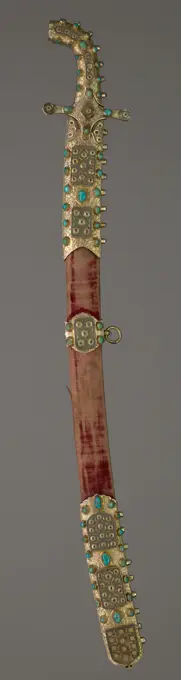
A display of ancient tools and weapons, featuring items like swords and bamboo sticks, showcasing craftsmanship from different historical periods.

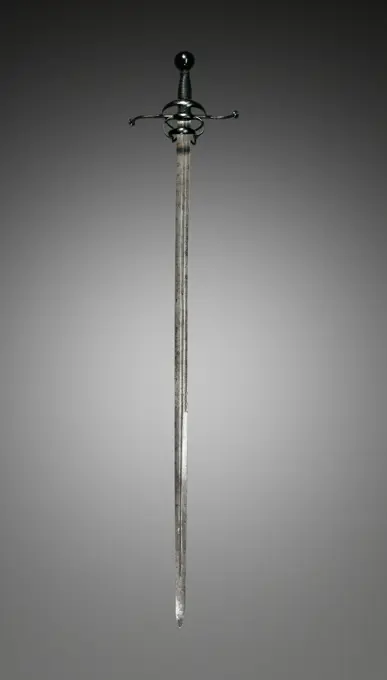
Sabel of the English cavalry by W.J.K. from Rappard, Anonymous, c. 1830 - c. 1850 sabre Riderslabel from England. Etwerk on the Kling as well as a monogram (unreadable) with a crown and 'Tatham Charing Cross London'. With steel sheath with two separate rings. London metal. schede: steel (alloy) etching  England
Sabel of the English cavalry by W.J.K. from Rappard, Anonymous, c. 1830 - c. 1850 sabre Riderslabel from England. Etwerk on the Kling as well as a monogram (unreadable) with a crown and 'Tatham Charing Cross London'. With steel sheath with two separate rings. London metal. schede: steel (alloy) etching England
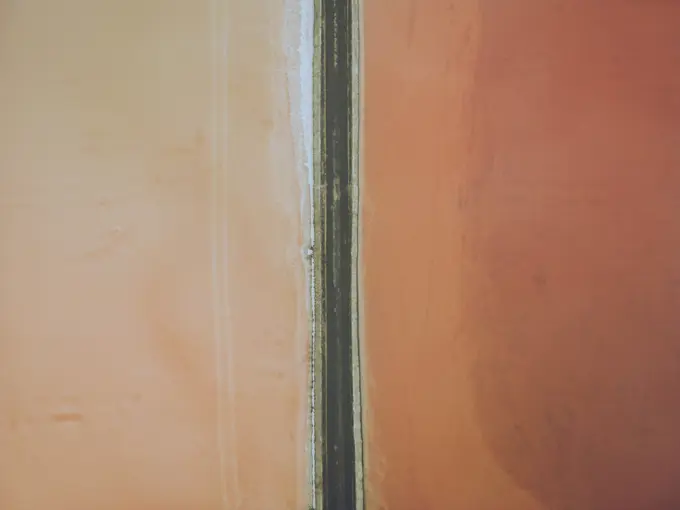
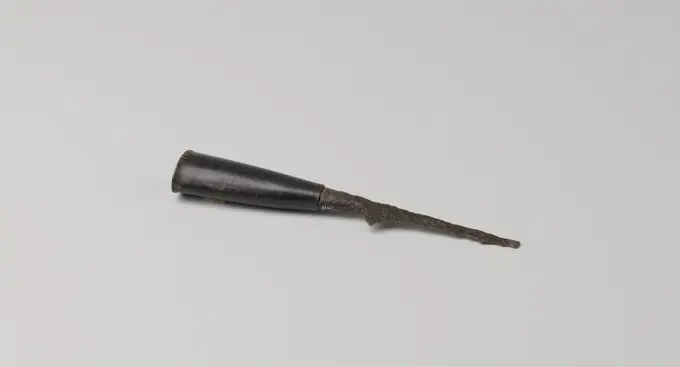
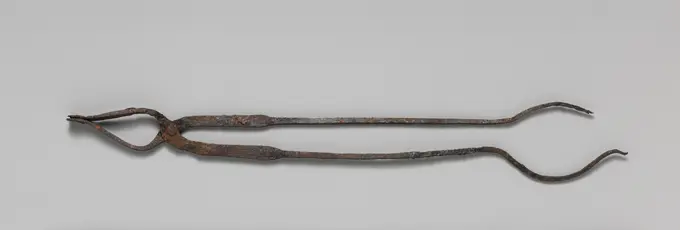
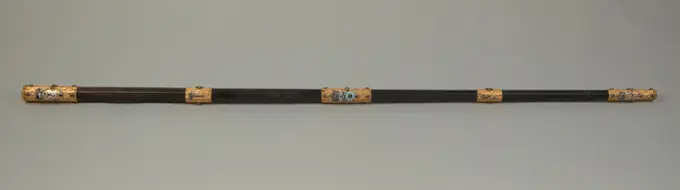
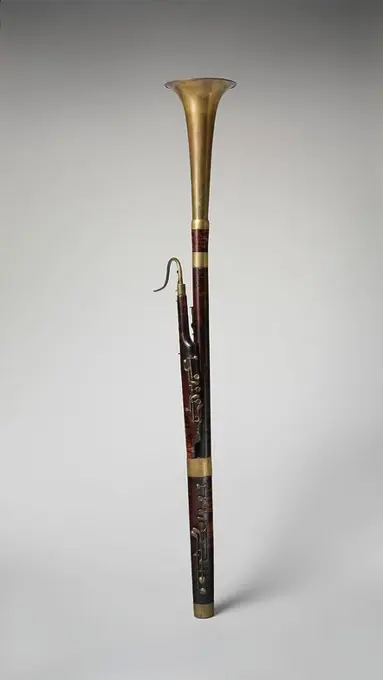
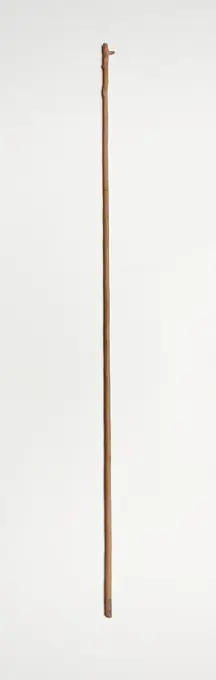
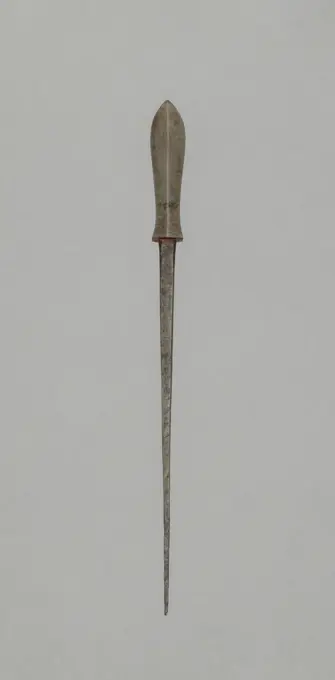
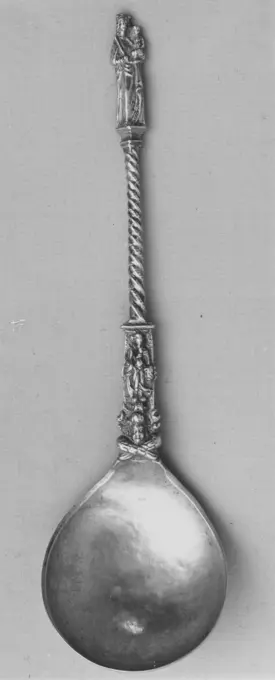
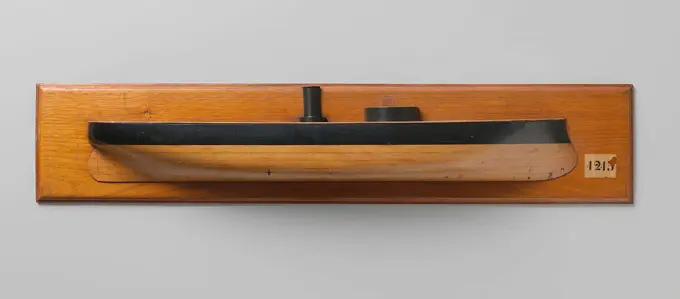
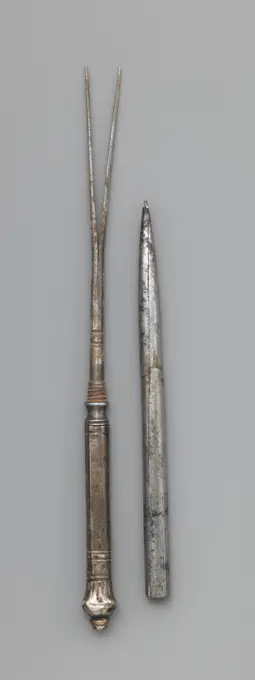
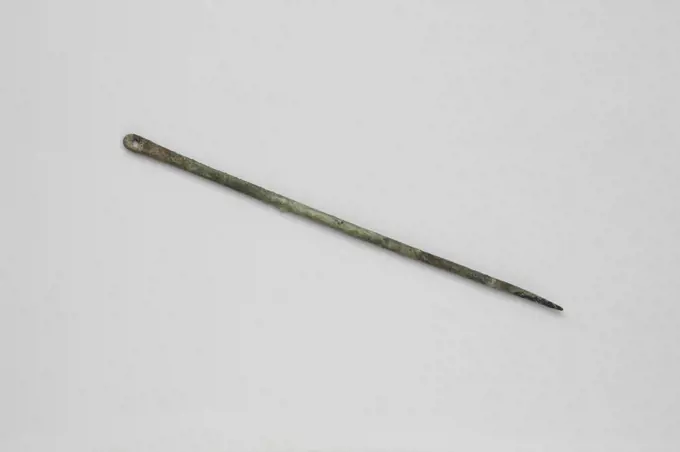
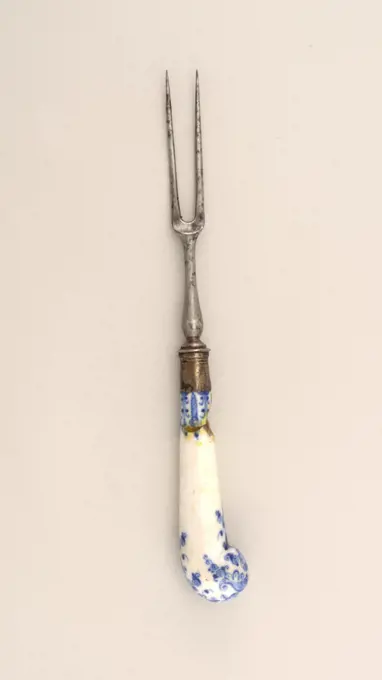
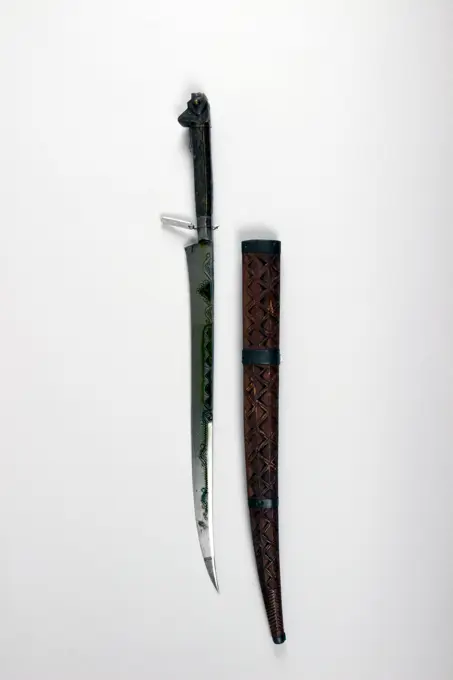
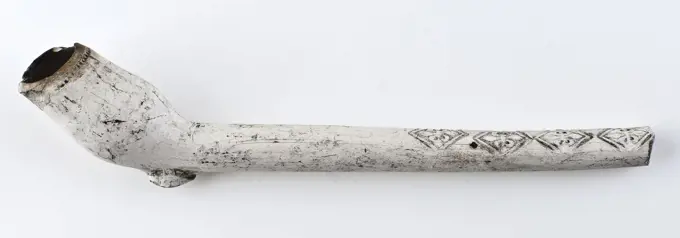
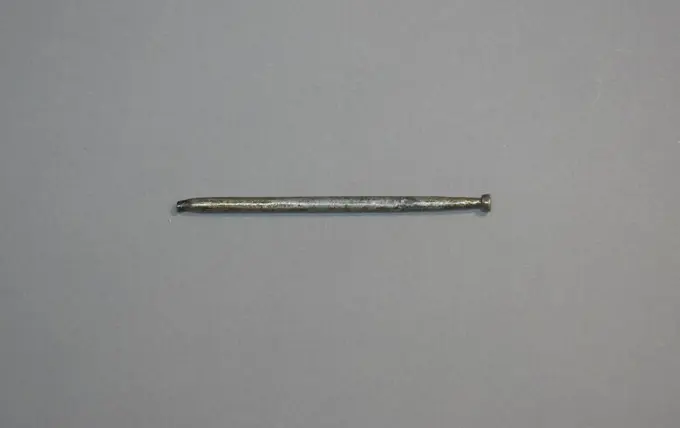
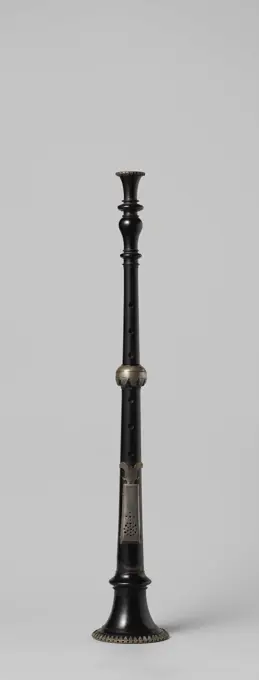
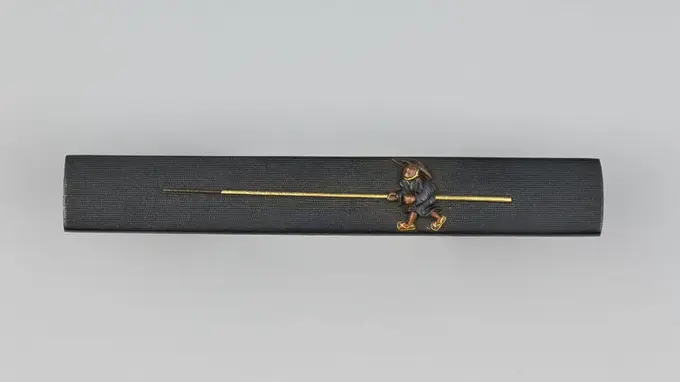
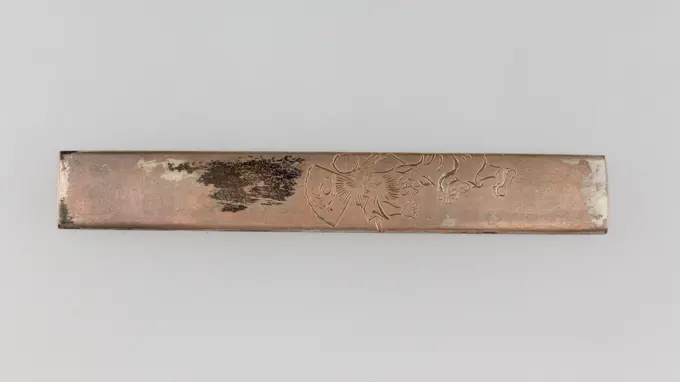
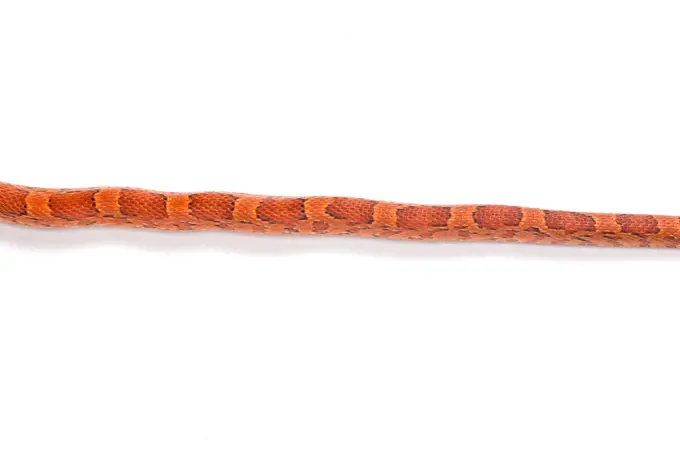
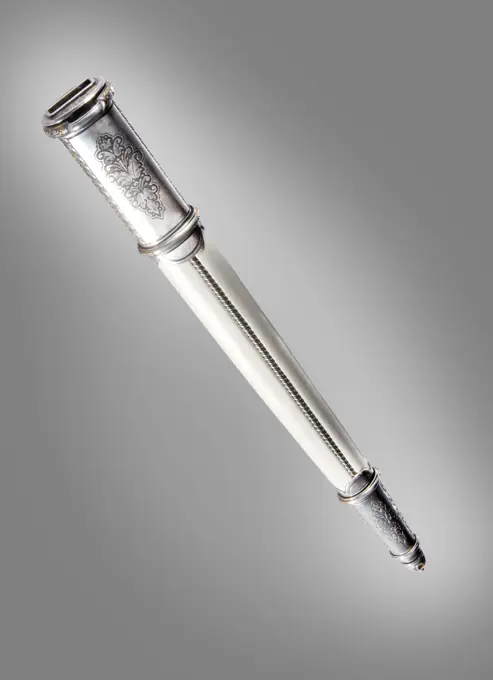
Pin. Unknowncutlery which Mahatma Gandhi used in his last home in New Delhi India. At 5:17 pm on 30 January 1948, Gandhi was with his grandnieces in the garden of the former Birla House (now Gandhi Smriti), on his way to address a prayer meeting, when Nathuram Godse fired three bullets from a Beretta 9 mm pistol into his chest at point-blank range.Belt -Kris Majapahit.Kris Majapahit, In Pamor-Technniek.Aerial view of pink and red salt marshes divided by a narrow strip of land, Bacuta Salt Marshes, Huelva, Andalucía, Spain.Knife with handle with oval cross -section and narrowed angel, anonymous, c. 1590 - c. 1596  Knife with a handle with oval cross -section and narrowed angel. The lifting protection is profiled.  iron (metal). bone (material). wood (plant material) forging  Nova Zembla. Saving HuysIron fire-tongs late 4th or early 3rd century B.C. Etruscan Iron utensil used in the preparation of banqueting.. Iron fire-tongs. Etruscan. late 4th or early 3rd century B.C.. Iron. Late Classical or Hellenistic. Miscellaneous-IronHead-breaker used as a blunt weapon. Wood, stone and plant fiber. Karaja indians. Bananal Island, Brazil. Museum of the Americas. Madrid, Spain.Przeszłość Przyszłości unknownHalf-Contra Bassoon. Culture: French. Dimensions: Length (end to end) 1545 mm, Length of tube ca. 2888 mm, Diameter of bell 212 mm, Crook ca. 370 mm, Length of wing section 553 mm, Length of butt section 464 mm, Length of short wooden section between long section and bell 140 mm, Length of long section 639 mm, Length of bell 443 mm.. Maker: Galander (French, active 1834-1855). Date: after 1853. Museum: Metropolitan Museum of Art, New York, USA.Forked Staff of Harmose. Dimensions: L. 147 cm (57 7/8 in); diam. 1.8 cm (11/16 in). Dynasty: Dynasty 18. Reign: Joint reign of Hatshepsut and Thutmose III. Date: ca. 1479-1458 B.C.. Museum: Metropolitan Museum of Art, New York, USA.Fish club -Club -Apostle spoon 1615-16 British, London. Apostle spoon. British, London. 1615-16. Silver gilt. Metalwork-Silverobject on white - tool hammer close upOboe, Guillaume Triébert, c. 1820 Hobo van Palmhout, mounted with ivory. Nine brass valves. The third and fourth gap are double. Marked on all three parts Barbican Tower with 3 tilting / Triebert / A Paris. Paris boxwood. ivory. brass (alloy) Hobo van Palmhout, mounted with ivory. Nine brass valves. The third and fourth gap are double. Marked on all three parts Barbican Tower with 3 tilting / Triebert / A Paris. Paris boxwood. ivory. brass (alloy)Passer, anonymous, 1850 - 1900  Two legs instrument, two screws are attached to the ends. unknown metal. brass (alloy)Sword, 1800s. India, Bhutan. Iron with gilt and leather; overall: 52.1 cm (20 1/2 in.); blade: 42.6 cm (16 3/4 in.).Przeszo Przyszoci unknownArrow Point, 1700s. Japan, Edo period (1615-1868). Steel; overall: 16.4 cm (6 7/16 in.); head: 4.7 cm (1 7/8 in.).Rattle Africa (northern) late 19th centuryEarl Butlin, Pitch Fork, c 1937 Pitch ForkPasser with iron pen and piece of iron guidance bow.Passer with iron pen and piece of iron guidance arch. The two straight legs were united by a hinge. The iron has largely lost.Tangent sight. Setting rod for a 16 cm drawn gun, consisting of an iron rod with pyramid-shaped top, on which a short horizontal rod with eyepiece is attached to the end. The horizontal rod can be set vertically and horizontally. The vertical rod is subdivided into 600 mm, the horizontal in 100 mm. Scale 1: 1.Souvenir spoon British, Birmingham 1894-95Pipe (kiseru). unknown, craftsmanMedical Instrument with Knob Finial. UnknownKnitting Sheath, 1600-1750. Knitting sheaths supported the weight of the knitting and stopped stitches slipping off the bottom of a double-ended needle. They were generally worn in the belt, on the right side, in a sloping position.They ranged from crudely whittled affairs to masterpieces of 'fine art', and were usually individually made and decorated by their makers to give as love tokens. This 18th century, boxwood, knitting sheath is widely acknowledged as a masterpiece of carving. It was probably made in France or Italy. The sheath does not appear to have been used and it has doubtless always been cherished as a work of art rather than as a functional object... Purchased from Edward H Pinto, 1965... .Boils, anonymous, 1550 - 1600 Silver tube. The tube has an oval, section flattened on the sides and rejuvenates towards the end. Front and back and 1 side have a engraved decoration. Groningen (possibly) silver (metal) Silver tube. The tube has an oval, section flattened on the sides and rejuvenates towards the end. Front and back and 1 side have a engraved decoration. Groningen (possibly) silver (metal)Zheng 19th century K'ai -Sheng Shop The metal strings of the zheng, unlike silk ones on the qin and se, are tuned with pegs located on the top board. Smaller than other East Asian zithers and higher pitched, it has been used for home entertainment, in folk music, in court ensembles, and has been associated with romantic subjects. In the 19th century it was plucked with the fingernails of the right hand while the left hand manipulated the strings to the left of the bridge. Today there are several playing styles. In one, from southern Chaozhou, picks are placed on the fingers of the right hand, the fleshy part of the fingertip being reserved to produce special effects. The modern instrument is larger and has pegs concealed under a cap at its head.. Zheng 500623carpenters pencil isolated on white with clipping pathPin 14th-15th century Chimú or Inca. Pin 315608First World War (1914-1918). Austro-Hungarian army sapper shovel. Latvian War Museum. Riga. Latvia.Labret in gneiss. Mali, Neolithic. 7 cm.Hair Dressing Tool (Kogai) ca. 1615-1868 Japanese A kōgai is a hairdressing tool that is part of a sword mounting. The long slender implement is carried in a slot on the obverse of a katana scabbard, often with a matching kozuka (handle of a by-knife) in a slot on the reverse.. Hair Dressing Tool (Kogai) 34626cinnamon spices on white backgroundClarinet in B-flat 1840-45 Charles Roth. Clarinet in B-flat 503548Medical Instrument: () Spatula. UnknownLeather umbrella isolated against a white backgroundKokyū (弓) 19th century Japanese. Kokyū (弓) 500665Fish fork;  1888 (1888-00-00-1888-00-00);Bow ca. 2120-1981 B.C. Middle Kingdom. Bow. ca. 2120-1981 B.C.. Wood. Middle Kingdom. From Egypt, Southern Upper Egypt, Gebelein (Krokodilopolis), Egyptian Antiquities Service/Maspero excavations, 1885-86; (none assigned. Dynasty 11Alabastron, 305-222 BC. Egypt, early Ptolemaic Dynasty. Travertine; diameter: 3.3 cm (1 5/16 in.); overall: 22.9 cm (9 in.); stopper: 4.5 cm (1 3/4 in.); body: 19.1 x 2.5 cm (7 1/2 x 1 in.). Both ancient Egyptian men and women loved cosmetics. Unguents, oils, and perfumes made from aromatic plant resins and gums were obtained at great cost from distant lands. The objects identified with cosmetics were given lavish treatment.Pūtōrino late 19th century Maori One of the enigmas of Oceanic music is the pūtōrino, an instrument once made by the Māori people of Aotearoa (New Zealand) that may have been played as a flute or as a trumpet. Carved from a block of matai wood (Podocarpus spicatus) to mimic a case moth's (tūngou ngou) cocoon , the pūtōrino is formed by splitting the wood, hollowing the inside, and lashing it back together with vine.. Pūtōrino 502136StorageTube, either 1670 or 1730, Tsun-chiang, Chinese, active late 17th -early 18th century, L.9-3/8 x Dia.9/16 in. (overall), Tzu-t'an hardwood inlaid with silver wire, China, 17th-18th century, This round tzu-t'an tube with its screw-on fu-dog top could have been used to store exotic incense sticks, a favorite writing brush, special chopsticks, or more likely cricket-tickling sticks. Unfortunately, the long, carefully inlaid inscription provides no clue as to the container's exact purpose. It reads in partLantern clock ca. 1675 Clockmaker: Joseph Knibb. Lantern clock. British, London. ca. 1675. Brass. HorologyFlageolet in B-flat 1808-20 William Bainbridge British. Flageolet in B-flat. British. 1808-20. Wood, ivory silver. London, England, United Kingdom. Aerophone-Whistle Flute-flageoletRed pipestone peace pipe decorated with colorful porcupine quill workSabel van Cornelis Tromp, Anonymous, c. 1650 sabre Sabel of Cornelis Tromp. Turkish. Copper driven hilt, 3 eagle heads and a medusa head. The handle of heavily braided silver thread (Persian damask, type Shamshir). The Angel has been extended to adjust Kling to Oilt. No brands or signatures. With accompanying sheath. PersiaSouthern NetherlandsItaly High, band and point: copper (metal). Handle: Silver thread braiding predatory birds: eagleIron bar money used in the South of England.One weapon ammunition cartridge on clean background. Single isolated bullet on blue background.Bow, 1800s. China, Qing dynasty (1644-1911). Wood; overall: 76.2 cm (30 in.).American 20th Century, Cross Bow, 1935 1942 Cross BowAncient Lightning Rod with a long iron rod. It was invented in 1752 by Benjamin Franklin (1706-1790). Colored engraving.Church Warden Type Clay Pipe, 1700-1900. .Figure-top spoon probably 1634 Dutch, Enkhuizen This may have been the thirteenth spoon in a set of Apostle spoons.. Figure-top spoon 188128 Dutch, Enkhuizen, Figure-top spoon, probably 1634, Silver, Overall: 7 11/16  2 1/4 in. (19.5  5.7 cm). The Metropolitan Museum of Art, New York. Gift of Mrs. Samuel P. Avery, 1897 (97.2.93)Illustration depicting a folding scythe used in gardening. Dated 19th CenturyDüdük late 19th century Turkish The duduk of Bulgaria, Yugoslavia and Turkey (düdük) are duct flutes but in Armenia and Georgia the term refers to a double-reed instrument. In Turkey, the düdük (sometimes called dilli kaval) has seven fingerholes and thumbhole and is used as solo instrument or to accompany dances with other instruments.. Düdük. Turkish. late 19th century. Wood (mulberry). Turkey. Aerophone-Whistle Flute-recorderPin Roman. Pin 251915 Roman, Pin, Bronze, Other: 4 1/4 in. (10.8 cm). The Metropolitan Museum of Art, New York. Fletcher Fund, 1925 (25.78.135)Half Model of an Ironclad Ram Ship.Stacking model and semi-model (starboard) of a ram tower vessel. It has a rounded ramsteven, cruiser gate, stir with rounded stir sheet. On the deck is a gunpost and a chimney behind it. The seam is completely flat, the hull has a flat bottom with round kimps.Iron fire-dog ca. 550 B.C. Etruscan Each consists of rod of square section inserted at each end in a stand of double horseshoe shape.. Iron fire-dog 247059Awl Cypriot. Awl 244399Whet-steel 18th century possibly Flemish. Whet-steel. possibly Flemish. 18th century. Steel, silver (). Metalwork-SteelNeedle sheath 17th-early 18th century Italian. Needle sheath. Italian. 17th-early 18th century. Wood. Textiles-Methods and MaterialsFourteen ToiletInstruments, A.D.165-256, Bronze, Yale-French Excavations atDura-Europos, Excavated in Dura-Europos, Syria, Syrian,Dura-Europos, Roman (2nd or 3rd century A.D.), Tools andEquipmentRadslotgeweer, anonymous, c. 1640 - 1650  Radslot gun or Radslotmusket. The iron lock has turned and cast parts; The small wheel is caught in a ring that is attached to the plate. The Iron Loop has been quoted in high relief on the rear half with three oval cartouches with naked human figures, including probably Adam and Eva, intended in silver; Equipped with cracked decorations in geometric patterns and flower vines; The sight grain is made of iron, just like the rearvizier that is quoted with ornaments in the lobe style; An unclear brand is stamped at the bottom. The wave of walnut is inlaid with white cow horn in the form of strips, praise, circles and grotesque human and animal figures. The batter consists of an iron, angled tractor bracket and two drawers of Koehoorn, engraved on the sides with Guilloches; The wooden cargo with white cow horn has the same decoration as the drawer tires.  iron (metal). horn (animal material). silver (metal). walnut (hardwood). wood (plant material)Bibliotheektrap, anonymous, c. 1400 - c. 1950 Part of the Beuningkamer.  wood (plant material) Part of the Beuningkamer.  wood (plant material)Tube ca. 9th century B.C. Iran. Tube 325180Fork with Blue Pattern, Saint-Cloud Porcelain Manufactory, French, active by 1693 - 1766, porcelain, vitreous enamel, steel, silver, Two long curved tines, rounded shoulders and a baluster-shaped neck. Silver ferrule has horizontal bands and a scalloped edge. Pistol-shaped white porcelain handle with dark blue floral and scrolled decoration., France, ca. 1744, cutlery, Decorative Arts, fork, forkCloves isolated on white backgroundSword with Scabbard 19th century Bhutanese. Sword with Scabbard. Bhutanese. 19th century. Ivory, wood, horn, silver, textile. SwordsBronze Lilla, Anonymous, c. 1896 - c. 1898 lilla Bronze Lilla, decorated with triangles of leaf ornament to mouths and taps. The ears in the form of dolphins. A crocodile figure above the Zundgat. Coming from the heads of Lahakia, Baik and Biroe (south coast of New Guinea), forming part of the fine imposed on them because of the killers of the English cutter Lizzie in 1896. New Guinea whole: bronze (metal) casting  New GuineaIron knife, anonymous, 1765 Iron knife with wood with silver, pearl and copper. The octagonal lifts upwards. Dated: Anno 1765. Netherlands silver (metal). wood (plant material). copper (metal). mother of pearl Iron knife with wood with silver, pearl and copper. The octagonal lifts upwards. Dated: Anno 1765. Netherlands silver (metal). wood (plant material). copper (metal). mother of pearlBreeds of Honoré de Balzac (1799-1850), French writer. Paris, Balzac house. 37676-1 Student, French writerKnife (Flyssa) with Sheath possibly 19th century Moroccan. Knife (Flyssa) with Sheath. Moroccan. possibly 19th century. Steel, wood, brass, iron. KnivesClay pipe, marked with fleurs de lis stamps decorated handle, clay pipe smoking equipment smoke floor pottery ceramics pottery, pressed finished baked Clay pipe marked with fleurs de lis stamps decorated handle The stamps are arranged in row on the shaft of the handle of the pipe Heel mark. heel mark: unreadable archeology smoking tobaccoRapier, c. 1610. Germany, early 17th Century. Steel; hilt of deeply blued steel; wood; overall: 125.2 cm (49 5/16 in.); blade: 110 cm (43 5/16 in.); quillions: 25 cm (9 13/16 in.); grip: 13.5 cm (5 5/16 in.). The rapier was a sword worn with civilian dress and used in duels. The term rapier derives from the 16th-century French word rapière, which in turn was derived from the Spanish espada ropera, or dress sword.” The rapier was a light weapon with a straight double-edged and pointed blade that, with the development of the art of fencing in the 1500s and 1600s, gradually became narrower and lighter, and thus suitable for thrusts only. With the new technique of swordplay emphasizing the point of the blade, sword guards became more complex to protect the duelist’s unarmored hand. These elaborate guards were frequently decorated by various techniques—chiseling, bluing, russeting, and damascening.Drill for carving jade. Culture: China. Dimensions: L. 5 1/16 in. (12.9 cm); Diam. 1/4 in. (0.6 cm). Date: 20th century.These steel drills with blunt points (zhuangding or dingzi in Chinese), flat heads (tuozi), or curving heads (wazi) are used for high relief carving, undercutting, and fine shaping of small jade works. The craftsman holds the jade in one hand against the drill, which is mounted on a spinning shaft. He or she rotates the shaft using foot treadles, while continuously applying abrasives, usually sand mixed with water, to the tip of the drill, which cuts the jade. Museum: Metropolitan Museum of Art, New York, USA.Oboe or Shawm.Hobo or Schalmei, ebony with driven silver edges and a silver valve protected by a coat of a jour worked silver.Weaving tool. Dimensions: l. 11 cm (4 5/16 in). Dynasty: Dynasty 19-20. Date: ca. 1295-1070 B.C.. Museum: Metropolitan Museum of Art, New York, USA.Palette () ca. 1295-1070 B.C. New Kingdom, Ramesside. Palette () 568369Clarinet, anonymous, c. 1830 Clarinet with ten copper valves. Europe wood (plant material). copper (metal) Clarinet with ten copper valves. Europe wood (plant material). copper (metal)Nutcracker in the form of a pointed head ,, 1700 - 1800 A small forged iron tongs, (nut or almond cracker). The mouth in the form of a pointed head with brown bronels; A flute on one of the bars. France iron (metal) forging A small forged iron tongs, (nut or almond cracker). The mouth in the form of a pointed head with brown bronels; A flute on one of the bars. France iron (metal) forgingButterknife.   Maker: Holmes, Booth and Haydens, AmericanKnife Handle (Kozuka). Culture: Japanese. Dimensions: L. 3 11/16 in. (9.4 cm); W. 9/16 in. (1.4 cm); thickness 1/4 in. (0.6 cm); Wt. 1.1 oz. (31.2 g). Date: late 18th-early 19th century. Museum: Metropolitan Museum of Art, New York, USA.Knife Handle (Kozuka) 1669-1733 Japanese A kozuka is a handle of a by-knife that is part of a sword mounting. It is kept in a slot on the reverse of a katana scabbard, often with a matching kōgai (hairdressing tool).. Knife Handle (Kozuka) 29733Tobacco pipe, on which Peter Dorni, Anonymous, c. 1400 - c. 1950 Tobacco pipe, on which Peter Dorni  pipe clay Tobacco pipe, on which Peter Dorni  pipe clayRed Corn Snake 'Sunkissed' on white backgroundSmart dagger Smart dagger of the medieval soldier. It was used for hunting Copyright: xZoonar.com/VALERY-SIBRIKOVx 20043161Implement 306-30 B.C. Ptolemaic Period. Implement. 306-30 B.C.. Iron. Ptolemaic Period. From Egypt, Upper Egypt, Thebes, Asasif, MMA excavationsPrzeszo Przyszoci unknownTobacco 19th century Japan. Tobacco. Japan. 19th century. Metal. Edo (1615-1868) or Meiji period (1868-1912). Smoking EquipmentFlintlock Gun ca. 1740-50 American; lock, French This gun is notable for its great length (77 inches overall) and for several stylistic features that make it attributable to New York. It is distinguished further by its historical association with John Dean (1755-1816), a sergeant in the Continental Army during the American Revolution who participated in the capture of the British spy Major André. Although made for hunting, this gun may have been carried by Dean during the Revolution.Like many American firearms of the Colonial era, it is fitted with an imported barrel and lock. The lock comes from a French infantry musket, model 1728, and bears the marking of the royal arms factory at Saint-Étienne. The gun has been handed down through the Dean family; a member of the family, Dr. Bashford Dean (1867-1928), became the first curator of the Metropolitan Museum's Department of Arms and Armor in 1912.. Flintlock Gun 24979Baluster mid-18th century British. Baluster. British. mid-18th century. Deal. WoodworkYeah one hundred; Tauron-Parisot (couples; Factory; 1839-); 1. PO. 19th century (1850-00-00-1850-00-00);Model or A 24-pounder Breech-Loading Gun. Model of a long rear loading cannon of 24 pounds, incomplete. The loop is 34.25 cm long and has a 14 mm caliber. A wedge right through the kulas holds the locking piece in place; The closure consists of the grape and the bottom of the room, which is pulled back from the kulas. The buckle is missing. Scale 1:10 (Obenen).Welsh Swords, vintage engraved illustration. Dictionary of Words and Things - Larive and Fleury - 1895Finger stall ca. 1479-1425 B.C. New Kingdom. Finger stall 547660Quiver in Mideastern Manner with Associated Arrows 1790-1810 Venice. Leather, polychromy, iron, woodTooled leather (cuir bouilli) originally painted and gilded .Model or a Breech loading gun .Wood model of the course of a 1 pound rear loader. The Zwartelde walk runs taps and has only one thickening. Furthermore, the taps and the zund hole are indicated. The kulas is open and is closed by a closure piece that slides sideways. Pushed to the left, the entrance to the room is closed; Both in closed and in open stand, the closing piece is guaranteed by a pin with a spring from above. The closing piece rises to the right, so that it crashes in closed position; It has a handle at the back. Access to the room is equipped with a brass ring with smaller opening than the caliber of the piece; The position of this is unclear. Scale 1: 2.