Historical Tools

A display of ancient tools and weapons, featuring items like swords and bamboo sticks, showcasing craftsmanship from different historical periods.

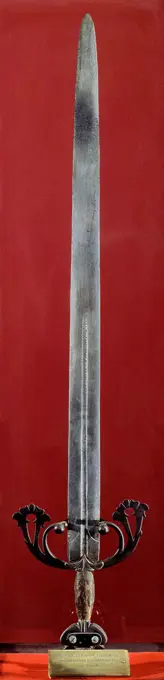
Sabel of the English cavalry by W.J.K. from Rappard, Anonymous, c. 1830 - c. 1850 sabre Riderslabel from England. Etwerk on the Kling as well as a monogram (unreadable) with a crown and 'Tatham Charing Cross London'. With steel sheath with two separate rings. London metal. schede: steel (alloy) etching  England
Sabel of the English cavalry by W.J.K. from Rappard, Anonymous, c. 1830 - c. 1850 sabre Riderslabel from England. Etwerk on the Kling as well as a monogram (unreadable) with a crown and 'Tatham Charing Cross London'. With steel sheath with two separate rings. London metal. schede: steel (alloy) etching England
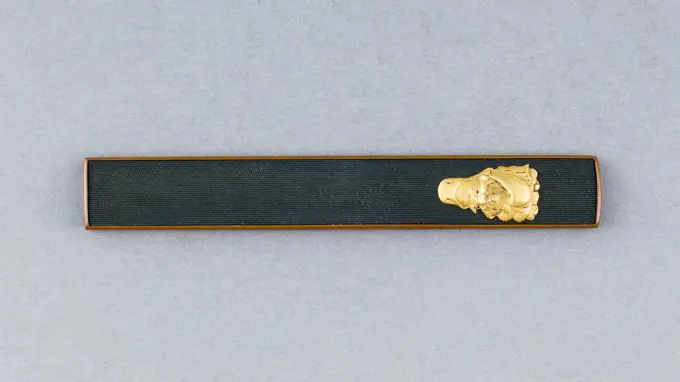
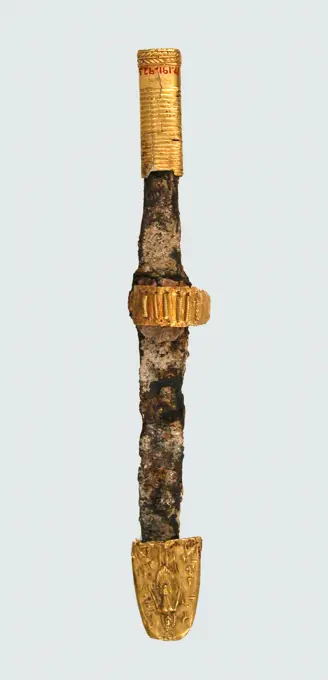
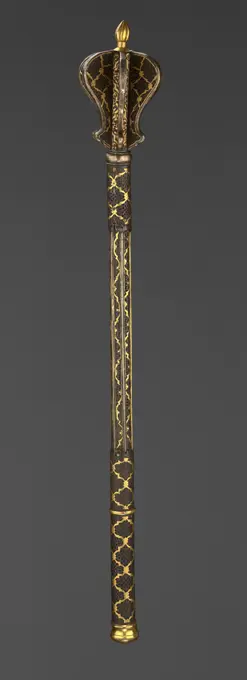
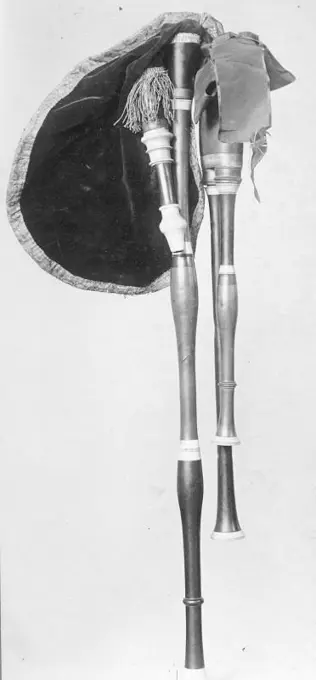
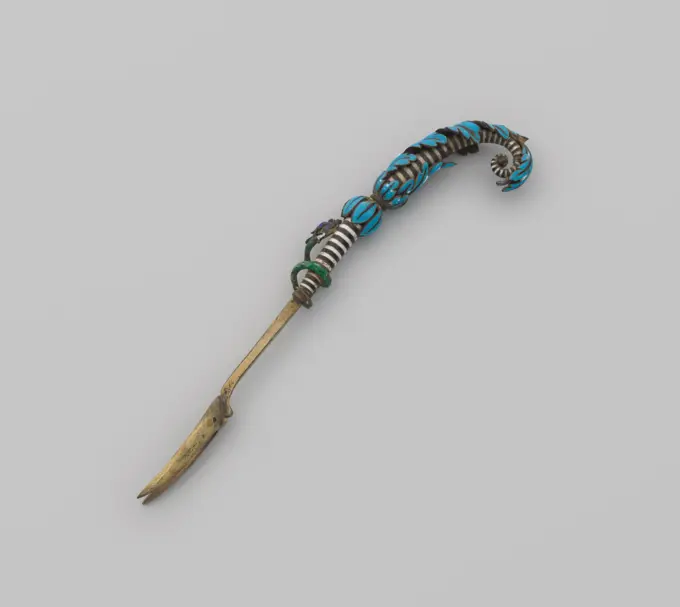
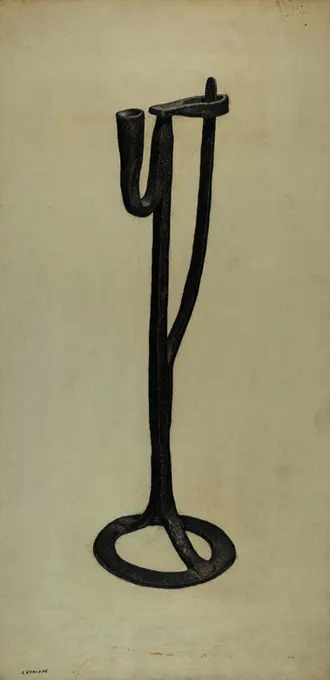
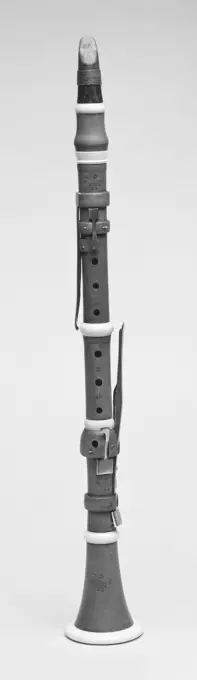
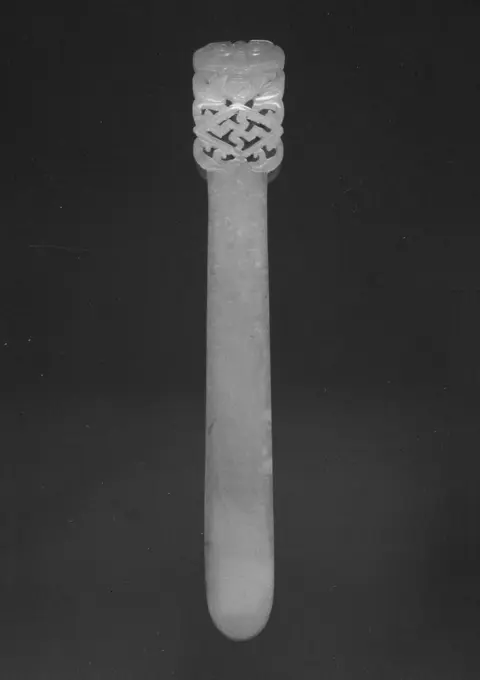
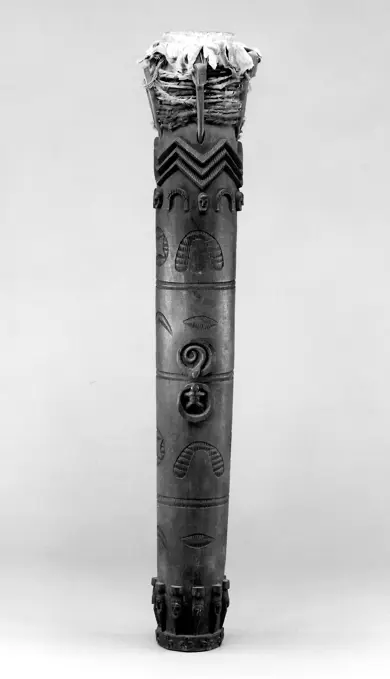
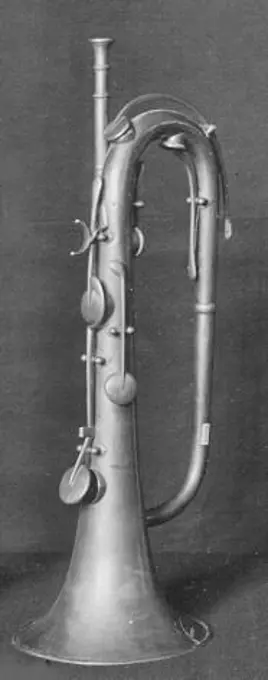
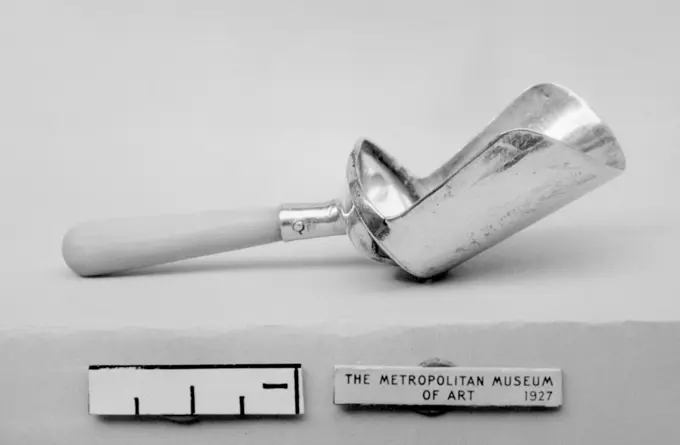
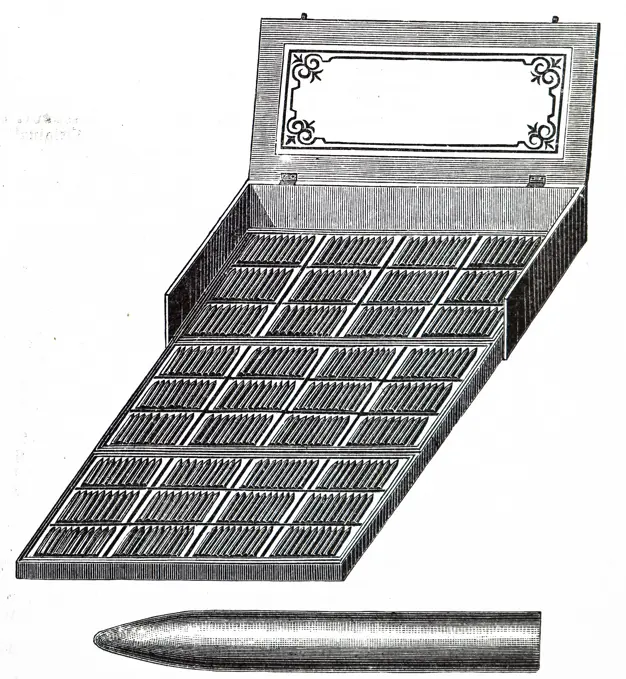
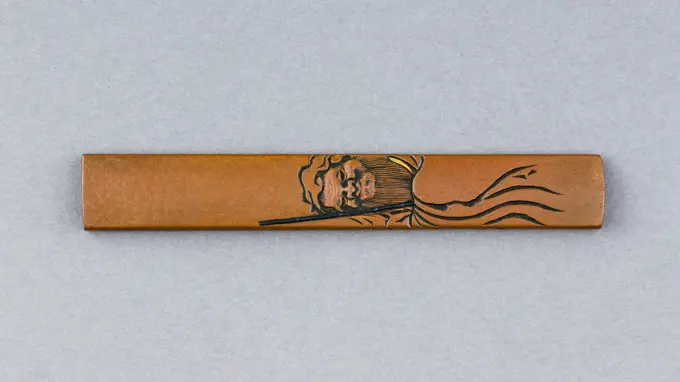
Przeszo Przyszoci unknownBallpoint Pen Isolated On White background Knife Handle (Kozuka) ca. 1615-1868 Japanese A kozuka is a handle of a by-knife that is part of a sword mounting. It is kept in a slot on the reverse of a katana scabbard, often with a matching kgai (hairdressing tool).. Knife Handle (Kozuka). Japanese. ca. 1615-1868. Copper-gold alloy (shakud), gold. Sword Furniture-KozukaOld brush Old brush isolated on white background Copyright: xZoonar.com/RuslanxNassyrovx 18759317Mount from a Knife Handle 6th century Frankish. Mount from a Knife Handle. Frankish. 6th century. Gold, iron blade. Metalwork-GoldPrzeszo Przyszoci unknownCornemuse 19th century French. Cornemuse 501472Model of Diagonal Framing, c. 1822 instruction model Model that demonstrates the cross connection between the guns according to Robert Seppings. It consists of two road beams, between which gates and diagonal braces, supporters and keys are applied; incomplete. United Kingdom wood (plant material). brass (alloy)   EnglandConcrete border marking on a white background concrete border mark on white background copyright: xzoonar.com/romanxmilertx 22540425Model of a Jury Rudder, anonymous, c. 1800 - c. 1850 demonstration model Model of an emergency rudder with steng as king, the leaf composed of roundwood covered with shelves (including the ears of a mast), and a donkey head as a stirring hook around the king. This model is identical to NG-MC-230. Netherlands wood (plant material). brass (alloy)Metronome ca. 1821 Johann Nepomuk Maelzel German. Metronome. French. ca. 1821. Mahogany, tulipwood, brass. Paris, France. Idiophone-AccessoriesOld vintage pair of compasses on a wooden table background. Old vintage pair of compasses on a wooden backgroundESPADA DEL CID CAMPEADOR LLAMADA TIZONA - SIGLO XI. Location: ALCAZAR / MUSEO DEL EJERCITO-COLECCIÓN. Toledo. SPAIN.Fork with a storm -shaped lifting with the snake that winds itself at the attachment, Anonymous, 1600 - 1699 Fork of gilded silver. The withdrawal is stubbornly bent and a snake wriggles at the attachment to the stem. The snake and the stem are heavily Geemailled.  silver (metal). Fork of gilded silver. The withdrawal is stubbornly bent and a snake wriggles at the attachment to the stem. The snake and the stem are heavily Geemailled.  silver (metal).LIRA-LAUD DE BRAZO.three dimensional mixed media composition by French-Algerian artist Yves Baume; Born 1933Drawing of a Rocket in a Red Velvet Encasing, anonymous, anonymous, c. 1800 drawing. case Roll of red velvet, on the inside of which is sewn a transparent bract and a piece of paper with the cross -section of a rocket or rocket, possibly a congrevese rocket. United Kingdom paper. velvet (fabric weave)Candle and Rush Light Holder. Dated: c. 1938. Dimensions: overall: 50.6 x 25.3 cm (19 15/16 x 9 15/16 in.). Medium: graphite on paperboard. Museum: National Gallery of Art, Washington DC. Author: Jack Staloff.Bevel chisel, vintage engraved illustration. Magasin Pittoresque 1853.Miniature flute panpipe 13th-15th century Chimú or Chancay. Miniature flute panpipe. Chimú or Chancay. 13th-15th century. Silver (hammered). Peru. Metal-Musical InstrumentsBusk 1600-1825 Italian. Busk 107922Clarinet in E-flat ca. 1830-50 William Whiteley. Clarinet in E-flat. American. ca. 1830-50. Wood, ivory, brass, reed. Utica, New York, United States. Aerophone-Reed Vibrated-single reed cylindricalFan Case 19th century China. Fan Case 70481Hairpin 19th century China. Hairpin. China. 19th century. Jade. JadeKnife, Agate, silver, steel, Eight-panelled agate haft with scalloped, engraved ferrule below a flaring, square-ended steel blade., London, England, late 17th century, cutlery, Decorative Arts, KnifeThere are four strings and nine bridges. There is a similar one in China as well.Studio shot of a baseball batYad; Germany; silvervintage hair clipper on a white backgroundGauge >>Two-finger amulet 664-30 B.C. Late Period-Ptolemaic Period. Two-finger amulet. 664-30 B.C.. Steatite (), gold. Late Period-Ptolemaic Period. From Egypt. Dynasty 26-30Barbed Point 3rd century B.C.-A.D. 2nd century Vicús. Barbed Point 315506Calamus or reed pens. They were used by the expeditionaries to draw (Swedish expedition). Sweden. Last third of the 19th century. Museum of the Americas. Madrid, Spain. Pin or Stylus 5th-8th century. Pin or Stylus 449177Incised Bone Spatula 8th-mid-16th century North coast (). Incised Bone Spatula 309268Vacuum cleaner model U 118. Inserted in production in 1944Vintage harmonica isolated on a black background. Vintage harmonica isolated on blackbook on a white backgroundKey. Key, without ring.Bass Clarinet ca. 1840 Probably Paolo Maino Italian. Bass Clarinet 502199Field telescope of Mikha A Gedeon Radziwi (1778-1850); Harris Thomas & Son (Optical Company; 1780-1901); XVIII/19th century (1791-00-00-1810-00-00);Gusle 19th century Prob. Montenegro. Gusle. Prob. Montenegro. 19th century. Wood, brass, various materials. Balkan Peninsula, Montenegro Yugoslavia (former). Chordophone-BowedThe NATURAL TRUMPET is only  half the length of the Horn,  consequently its pitch is an  octave higher : it is bent in  quite a different way.      Date: 1897Orphica early 19th century probably Austrian This portable piano was invented by Carl Leopold Röllig of Vienna around 1795. It is named after Orpheus, the mythical musician who charmed the gods with his lyre. The orphica can be held across the lap or suspended from the neck like a guitar. A neo-classical concept intended to appeal to female amateurs who would appreciate its grace, popular repertoire, and usefulness outdoors, the orphica enjoyed a local vogue that lasted briefly into the 19th century. This example's 4-octave range necessitates diminutive keys. The standard Viennese-type action strikes a single undamped string per note.. Orphica 501812Nails on a boardMariascepter, anonymous, c. 1650 - c. 1675  Scepter, driven, upstairs conically tampering and crowned by an opened flower chalice, from which a long point stands. A wreath of acanthus leaves decorates the bottom, which is separated from the smooth handle by a nodus. Netherlands silver (metal)Close up of single .44 Magnum bullet cartridge on brown backgroundshotgun isolated on a grey background. 10 EPSDivision compass Butterfield, Michael (1635 1724)Fokwé (long drum) Attie people, Akan cluster 19th century Drum with hoop and peg head attachment. Sub-Saharan drums feature numerous body shapes and ingenious ways of attaching the skin heads. Drums often incorporate tone modifiers, including metal plates with rattling rings, small bells, mirlitons (buzzing membranes), or rolling balls inside the body. In some areas, drums embody the kinship system and are grouped in families with the "mother" drum playing the central role. Drums may be incised with patterns related to fabric designs or sculpted with symbolic motifs that reinforce social identity.Keyed Bugle in B-flat ca. 1830 C. Devaster Belgian. Keyed Bugle in B-flat. Belgian. ca. 1830. Copper, brass. Brussels, Belgium. Aerophone-Lip Vibrated-trumpet / tromboneGuqin ( ). Culture: Chinese. Dimensions: 47 1/2 × 7 3/8 × 2 15/16 in. (120.7 × 18.7 × 7.5 cm). Date: late 17th-mid 18th century.Endowed with cosmological and metaphysical significance and empowered to communicate the deepest feelings, this zither, beloved of sages and of Confucius, is the most prestigious instrument in China. Han Dynasty (206 B.C.-220 A.D.) writers state that the qin helped to cultivate character, understand morality, supplicate gods and demons, enhance life, and enrich learning. Ming Dynasty (1368-1644) literati who claimed the right to play the qin suggested that it be played outdoors in a mountain setting, a garden or a small pavilion or near an old pine tree (symbol of longevity) while burning incense perfumed the air. A serene moonlit night was considered an appropriate time for performance. Each part of the instrument is identified by an anthropomorphic or zoomorphic name and cosmology is ever present: for example, the upper board of wutong wood symbolizes heaSardine on white backgroundCaddy spoon 1804-5 Samuel Pemberton. Caddy spoon 195558Illustration depicting a decorative box of pastels belonging to an artist. Dated 19th centuryKnife Handle (Kozuka) ca. 1615-1868 Japanese A kozuka is a handle of a by-knife that is part of a sword mounting. It is kept in a slot on the reverse of a katana scabbard, often with a matching kōgai (hairdressing tool).. Knife Handle (Kozuka) 34590'Oboe', 1895. Creator: Unknown.Madrid, 10/15/1981. Unpacking of Guernica in the Lucas Jordán room of the Casón del Buen Retiro.Shadow Puppet (Wayang Kulit) ofRantung