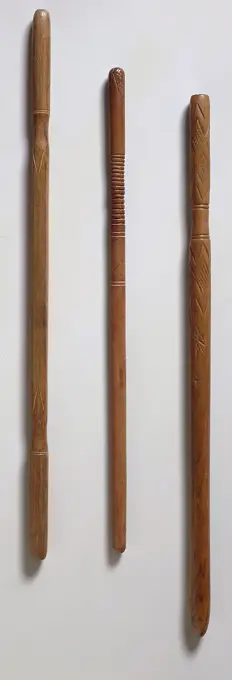
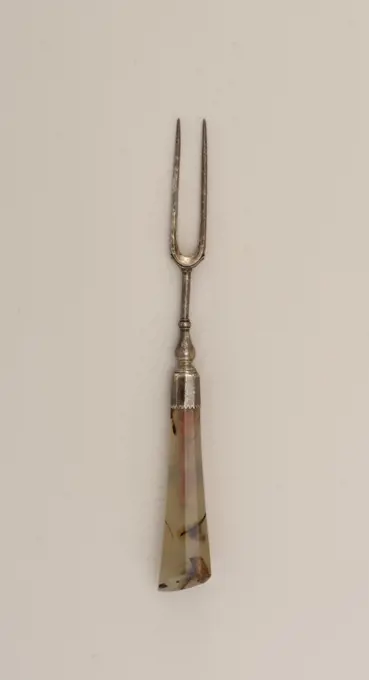
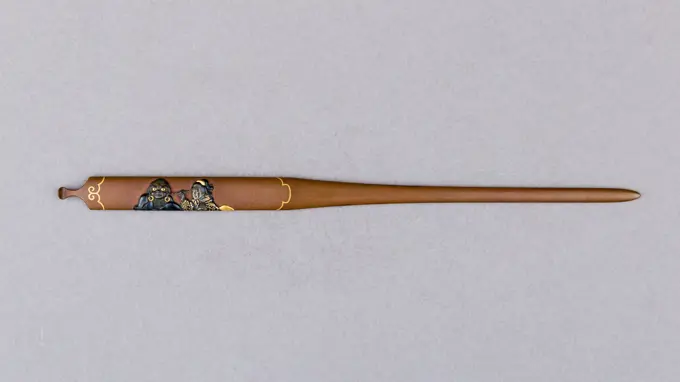
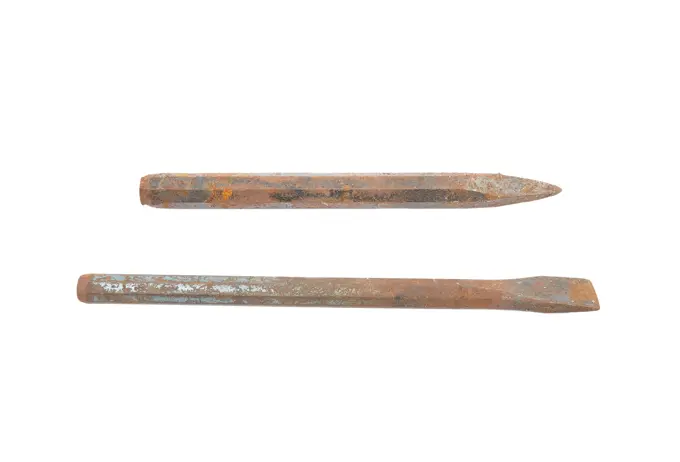
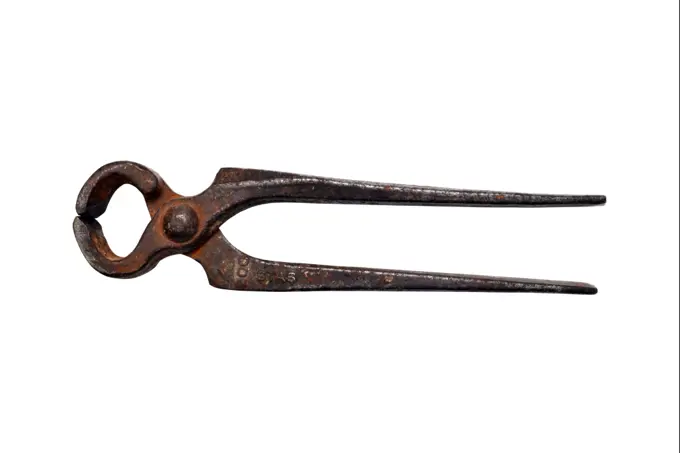
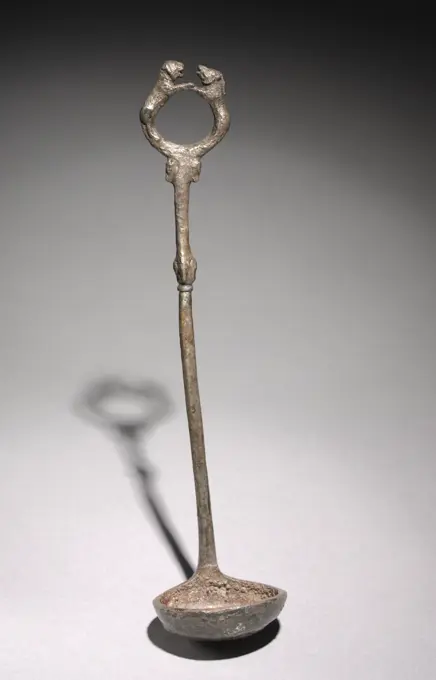
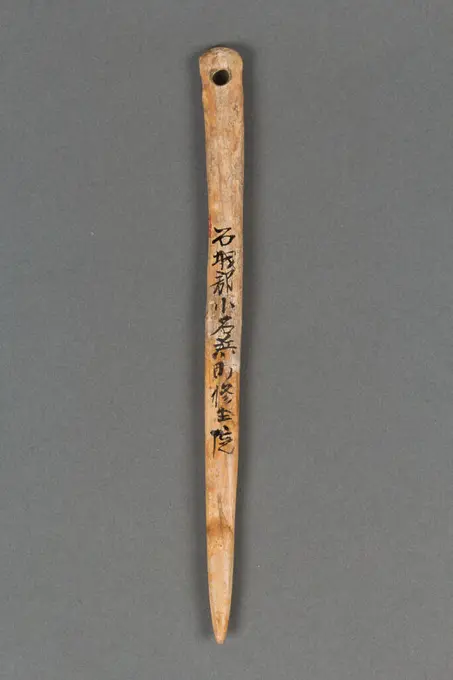
Historical Tools

Artifacts like swords, knives, and measuring rods from different eras, depicted in a serious and historical context, showcasing craftsmanship in metalwork.

Wedding knife, Steel, silver, iron, ivory, Blade straight-sided and tapering to a point. Hollow bolster, silver ferrules with geometrical and circular pattern. Ivory handle in honeycomb pattern. Silver cap has rounded end, slightly projecting at the sides, cap decorated with geometrical and circular pattern., England, early 17th century, cutlery, Decorative Arts, Wedding knife
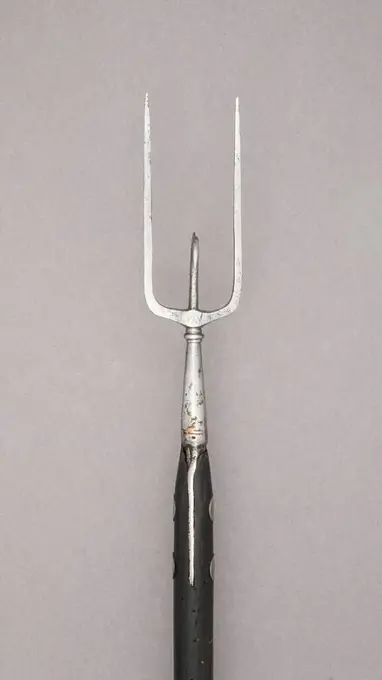
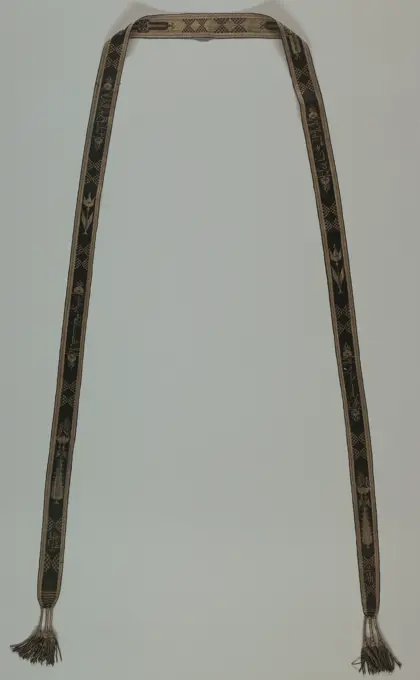
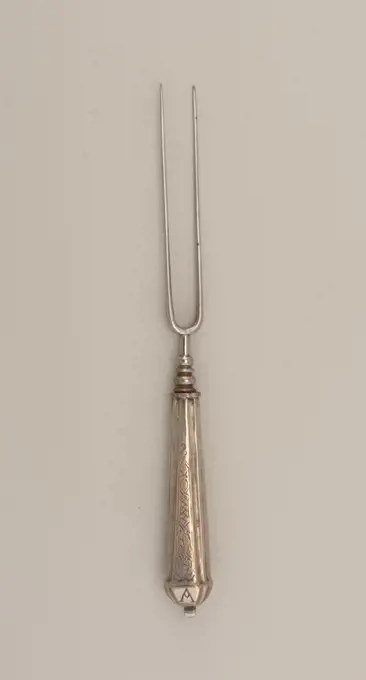
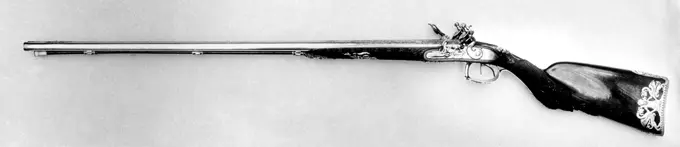
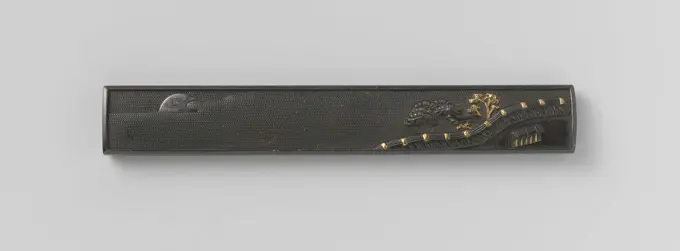
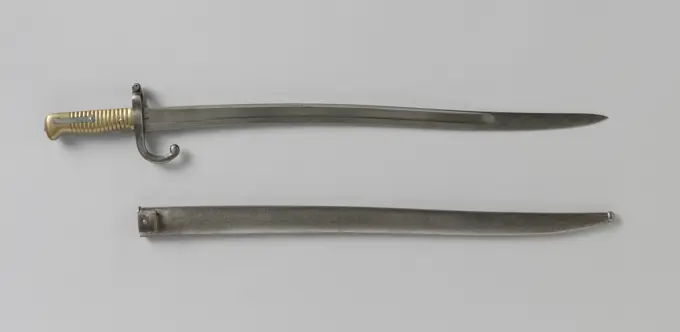
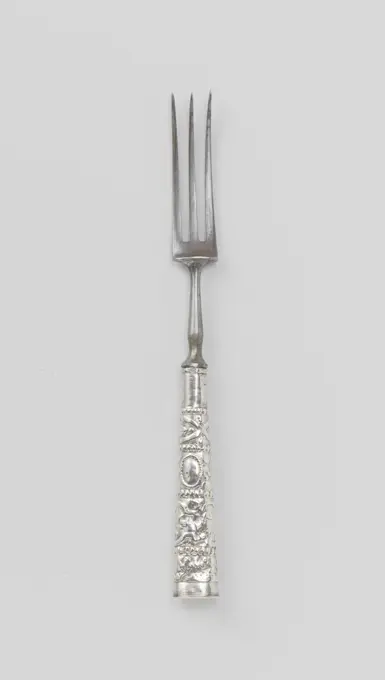
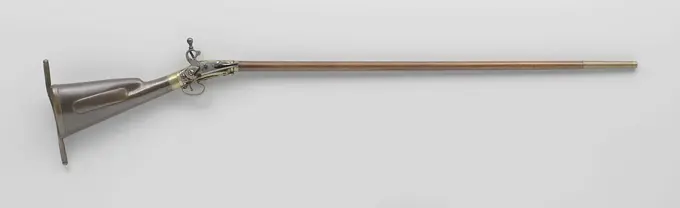
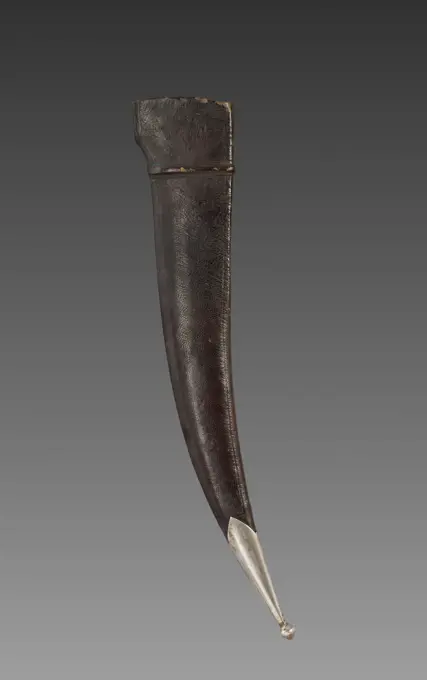
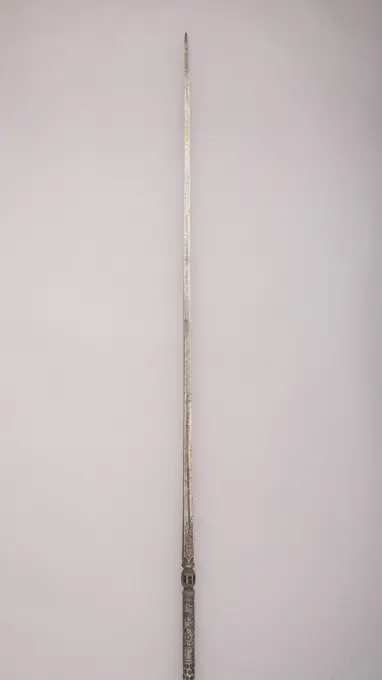
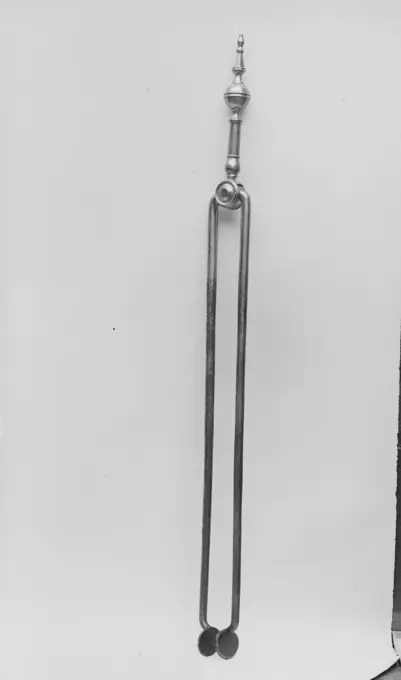
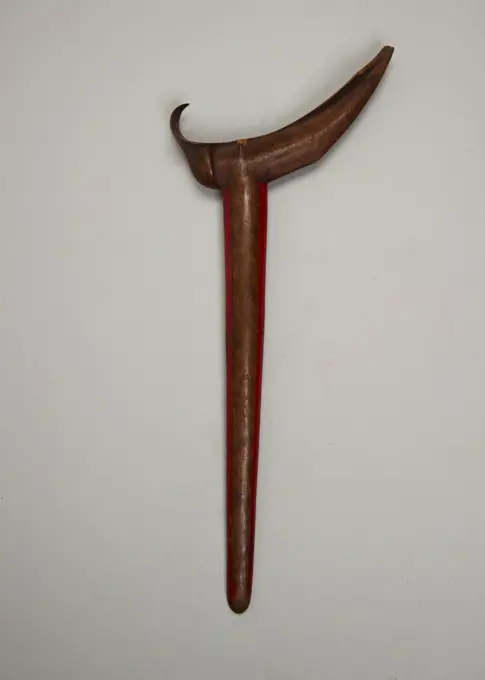
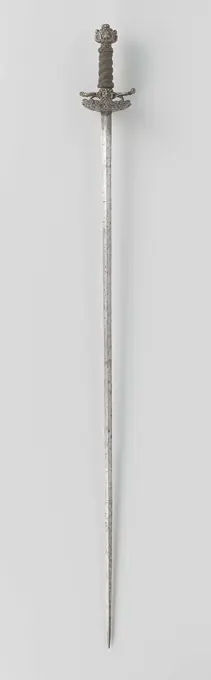
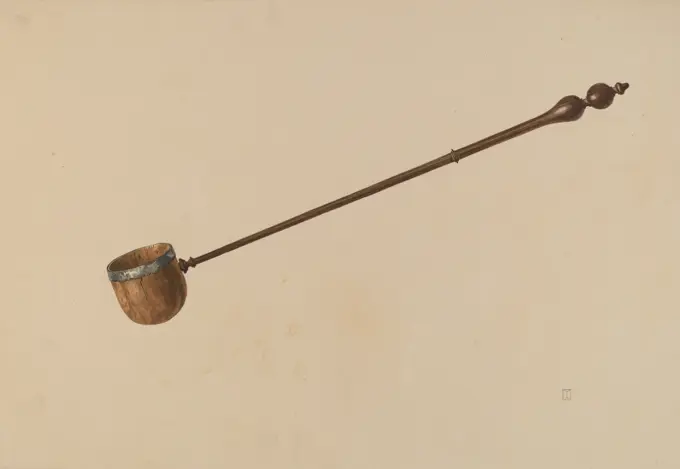
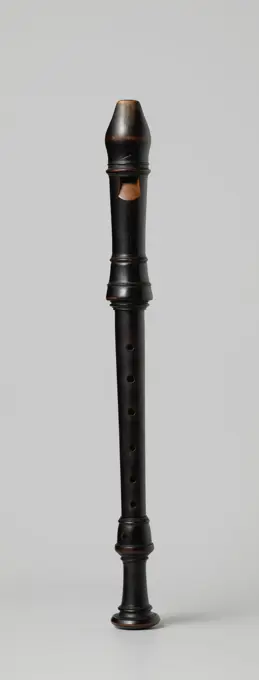
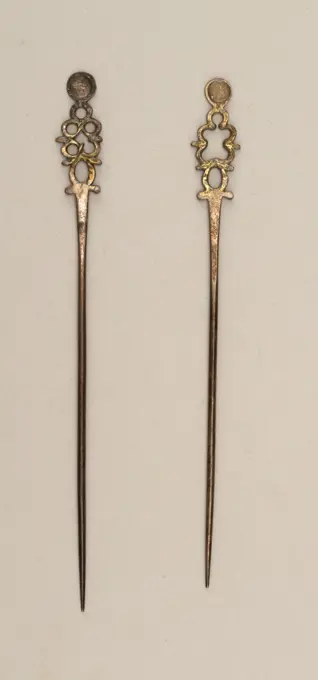
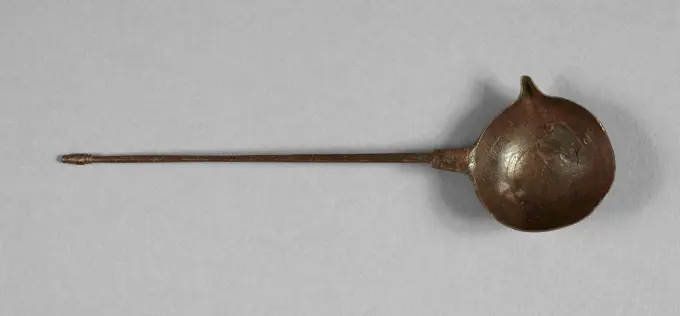
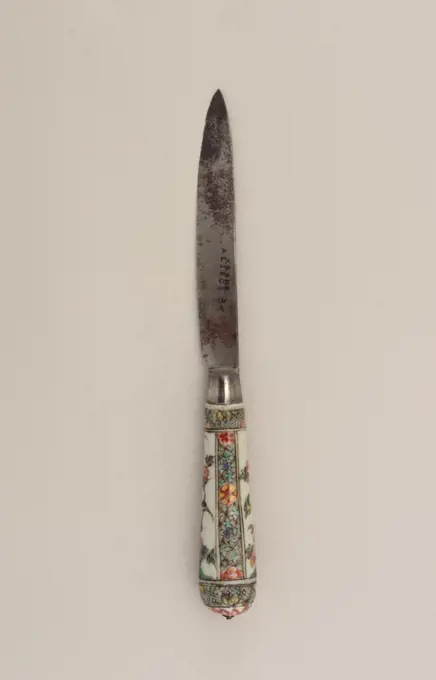
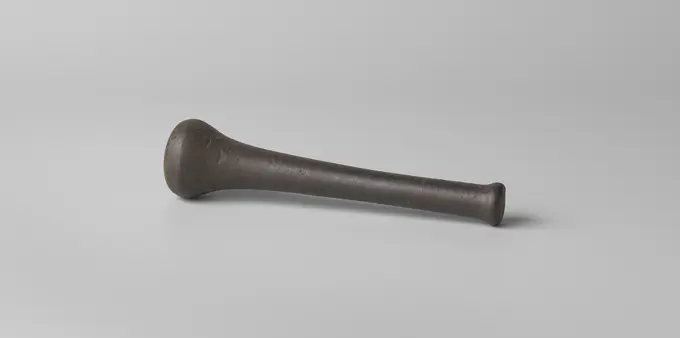
Public label Light Cavalerie, Model No. 2 of J.A. de Vos van Steenwijk, Schimmelbusch & Sohn, Before 1813 sabre Sabel Licht Cavalerie No. 2. Letter G. Solingen Kling, handle hood, bracket: Iron (metal). Schede, rings, towing plate: Iron (metal). Handle: Leather. grip: gilding / engraving  NetherlandsPasser. Two screws instrument, two screws are attached to the ends.Lans of the arms rack of governor-general J.C. Baron Baud, Anonymous, c. 1800 - c. 1900 pike Round wooden shaft with a copper cover around the bottom. At the bottom is the shaft hollow. At the top of the shaft a copper cover that is decorated with spiral-shaped leaf and floral motifs. A narrow blade gathering in a sharp point. The blade is made of steel. Java wood (plant material). iron (metal). copper (metal) cutting / forgingMilitary Fork. Culture: French. Dimensions: L. 85 in. (215.9 cm); L. of head 9 1/4 in. (23.5 cm); W. 2 1/2 in. (6.5 cm); Wt. 2 lbs. 2 oz. (963.9 g). Date: ca. 1560. Museum: Metropolitan Museum of Art, New York, USA.Candelabrum with Lion's Paws; Italy; 1 - 79; Bronze; 143 × 30.5 × 30.5 cm (56 5,16 × 12 × 12 in.)Batter, c. 1400 - c. 1950   iron (metal)   iron (metal)Narrow Band (Near East); silk, metallic yarns; 188 x 31.2 cm (74 x 12 5/16 in. )fork, silver, steel, Fork has two long tines with baluster neck. Tapered silver handle with segmented panels to form rectangular profile. Front and back panels chased with decorative pattern fluted end with raised knop; Handle engraved at end with 'A' (converse) and 'H' (reverse)., possibly Germany, ca. 1730-40, cutlery, Decorative Arts, forkCeremonial Staff, Anonymous, 1686  Wooden ceremonial staff; Round of shape with different thicknesses, by three square blocks understood, top and bottom button; handle part with cut circles; Entirely painted with different colors except handle; On top block: 1686-MBD-Anno-IDNN; On a second block on each area a coat of arms, two with a tree, two with sword four stars and cross (probably the city coat of arms of Haarlem), bottom block with in two areas: ifi-dii (), Each roset in two other areas. Netherlands (possibly) wood (plant material)Burijn with narrow lifts with a thick button, anonymous, c. 1590 - c. 1596  Mushroom -shaped wooden adhesive, edge damaged, with iron strap on which a cross is scratched. The blade has a triangular cross -section and ends in an oblique cut.  iron (metal). wood (plant material) forging / cutting  Nova Zembla. Saving HuysFlintlock Gun. Culture: Sri Lankan. Dimensions: L. 87 1/4 in. (221.6 cm); L. of barrel 73 3/4 in. (187.3 cm); Cal.54 in. (13.7 mm); Wt. 11 lb. 2 oz. (5046 g). Date: 18th century. Museum: Metropolitan Museum of Art, New York, USA.Double-Barreled Flintlock Shotgun dated 1809 François Pirmet French Pirmet was gunmaker to Jérôme Bonaparte (1784-1860), Napoleon's brother, who ruled as king of Westphalia from 1807 to 1813.. Double-Barreled Flintlock Shotgun. French, Paris. dated 1809. Steel, wood (walnut), silver, gold. Paris. FirearmsPin 1200-800 B.C. European. Pin. European. 1200-800 B.C.. Copper alloy. Made in Carpathian Basin region. Metalwork-Copper alloyKnife.   Maker: C. Rogers and Brothers, United StatesModel of a Jury Rudder.Model of a slurry with a stem as king. The leaf is composed of lap wood covered (including the ears of a mast), and a donkey head as stirring hook around the king. This model is identical to NG-MC-228.Fork, Amber, bone amber, steel, Two long straight pointed tines. Curved shoulders, short baluster neck. Handle of clear amber, carved in the shape of a woman in costume. The face and the back of the dress of carved opaque white amber. End of tang visible on top of handle., Baltic region, possible Danzig, ca. 1650, cutlery, Decorative Arts, ForkGuisarme.Guddle with octagonal wooden stick. The two iron lips are nailed to the stick. Between shaft and leaf a copper connection ring. The engravings consist of two half-portraits of a man and a woman shown in profile. The man wears a hat and has fallen to the shoulder, straight hair. The heart below him is pierced by a large arrow and a small one. The heart under the woman has a 'steal' above. Here is only a large arrow displayed. Signature.Key; wrought, cast, and cut-out steelHussar to know with vaginaDagger. Culture: British. Dimensions: L. 16 1/4 in. (41.3 cm); W. 3 3/8 in. (8.6 cm); Wt. 8 oz. (226.8 g). Date: 1380-1400. Museum: Metropolitan Museum of Art, New York, USA.Schuurplank.Sandboard with a carrying eye at the top. At the bottom is a container whose slider is missing. The shelf has been labeled: STK. = Amsterdam, Mt. = Willem van Strant and a boar cup.Halberd 1550-1600 German or French. Halberd 25018Presentation with a bottom right of a hut on a river or away with pine trees and a silver moon at the top left; Signed shigemitsu ().Bayonet, c. 1870 sword bayonet Sabelbayonet that can be attached to a rear loading rifle with a Beaumont system. The bayonet has an iron blade with brass hilt. The bump plate has a parade rod with downwarming button. The handle of the bayonet is ribbed. Belonging to the bayonet an iron sheath. Maastricht Kling, Schede: Iron (Metal). Estipated: Brass (Alloy)   MaastrichtFork with Hangs with fine relief franks on granulated soil, anonymous Fork with lifting silver. The handle is equipped with fine relief vines on granulated soil.  silver (metal) Fork with lifting silver. The handle is equipped with fine relief vines on granulated soil.  silver (metal)Scabbard, Before 1918. Indonesia, Sulawesi (Celebes). overall: 58.4 cm (23 in.); blade: 46.4 cm (18 1/4 in.).The mechanism of the slot is mounted outwardly against an iron plate which in turn is attached to a gold-plated glass locker, the left side that also acts as (removable) screw plate is engraved with prainmesh in rococo style, a banderole in the Lodewijk-XVI -Style and an oval medallion with a raised men's head and profil; A loop-shaped trigger bracket is screwed to the lock case; In addition to the closing case, prainmade is engraved and a signature. The loop can be screwed off; Faced in a circular wooden sleeve with yellow collars on both ends. The iron flask is deterable and simultaneously serves as a air reservoir; The kolfhals has a glass collar; The cheeks are reinforced with a separately silked iron plate; A rod has been closed to the lined iron kolf cap to set up the feed during pumping.Bone ligula (ear pick). Culture: Roman. Dimensions: H.: 5 1/16 in. (12.9 cm). Date: 1st-2nd century A.D..Similar objects, sometimes identified as ear picks, are known in metal and glass. Museum: Metropolitan Museum of Art, New York, USA.Walking Staff- Javelin 1590-1610 Spain. Steel and thread .Hair Dressing Tool (Kogai). Culture: Japanese. Dimensions: L. 8 3/16 in. (20.8 cm); W. 1/2 in. (1.3 cm); thickness 3/16 in. (0.5 cm); Wt. 1.2 oz. (34 g). Date: 17th century. Museum: Metropolitan Museum of Art, New York, USA.Battle Club, c. 1820, 3 1/4 x 5 1/2 x 36 3/4 in. (8.26 x 13.97 x 93.35 cm), Wood, Tonga Islands, 19th centuryRemainder of small table knife with legs handle, knife cutlery soil find iron bone metal, archeology Rotterdam Kralingen-Crooswijk Struisenburg's Gravenweg Oostmaaslaan Soilage site Oostmaaslaan and de's Gravenweg for longer period.Wooden Spindle Made 1000-1476 Peru. Wood .Excavated iron axe headsTobacco Pipe, 1700s to mid-1800s. Japan, Edo period (1615-1868). Metal; overall: 18.5 cm (7 5/16 in.).Medical Instrument: () Spatula. UnknownBrooch (USA); hair (human), goldSickle sword ca. 1307-1275 B.C. Assyrian This curved sword bears the cuneiform inscription "Palace of Adad-nirari, king of the universe, son of Arik-den-ili, king of Assyria, son of Enlil-nirari, king of Assyria," indicating that it was the property of the Middle Assyrian king Adad-nirari I (r. 1307-1275 B.C.). The inscription appears in three places on the sword: on both sides of the blade and along its (noncutting) edge. Also on both sides of the blade is an engraving of an antelope reclining on some sort of platform.Curved swords appear frequently in Mesopotamian art as symbols of authority, often in the hands of gods and kings. It is therefore likely that this sword was used by Adad-nirari, not necessarily in battle, but in ceremonies as an emblem of his royal power.. Sickle sword. Assyrian. ca. 1307-1275 B.C.. Bronze. Middle Assyrian. Northern MesopotamiaRobert Jygges, Apostle Spoon: Saint Simon Zelotes, 1625-1700, silver.Fob 18th century French. Fob 102460Scabbard for Dagger, 1800s. India, 19th century. Bronze and jade with leather and silver; overall: 41 cm (16 1/8 in.); blade: 27.7 cm (10 7/8 in.).Spear (Sang) 18th-19th century Indian. Spear (Sang) 30762Fire Tongs 1770-1830. Fire Tongs. 1770-1830. BrassDagger with Sheath 1624 Scotland. Iron, brass, ebony, and leather (sheath) .Votive fragment ca. 1479-1458 B.C. New Kingdom. Votive fragment. ca. 1479-1458 B.C.. Wood. New Kingdom. From Egypt, Upper Egypt, Thebes, Deir el-Bahri, Hatshepsut Hole, Debris from the Hathor shrine, MMA excavations, 1923-24. Dynasty 18Illustration of an 19th Century mechanical pulleySheath for a Kris 16th-19th century Javanese. Sheath for a Kris 31284Sierdegen met gebeiteld ijzeren gevest met ruitermotieven.The hilt is decorated with hermal, riders, praise and masks; The handle is wounded with rotated iron wire and has braided handle rings on both sides; The pearl rod has the form of Hermen lying on their back with allon wigs in high relief; The bump plate is partly Ajour edited embossed with riders on increased horses between two city gates or churches in and in every corner a man with allonge wig; The blade has a hollow diamond-shaped diameter.Douglas Campbell, Toddy Ladle, c 1939 Toddy LadleSierdegen, Martinus Merckse, c. 1750 small-sword The hilt of cast silver has been fitted and ajour worked with Rococo curl work, laurel wreaths, medal gons with crowns above and weapon trophies on it and flower flows grouped on the bump plate; At the bottom of the city choir of The Hague, an annual letter and the brand of the silversmith are stamped; The wooden handle is wounded with silver strap and twisted silver wire with braided grip rings on the top and top. The blade with hold -angled cross -section is blunt and etched with gilded arabesks, branched praise and a panel with the name and address of the sword sweeper. Middelburg silver (metal). gilding (material). wood (plant material). silver thread casting / etching / gilding ornaments ~ artPin Roman, Cypriot. Pin 244372Cake Saw (USA); Made by Sperry Douglas Brower and Son; cut, engraved and stamped silver.; L x W x D: 27.6 x 4.1 x 0.2 cm (10 7/8 x 1 5/8 x 1/16 in.)Denmark, Kopenhagen, Nationalmuseet, Axe from Fardrup and spear point from ValsomaglePin with spiral head Roman. Pin with spiral head 250618 Roman, Pin with spiral head, Bronze, Other: 2 5/8 in. (6.7 cm). The Metropolitan Museum of Art, New York. Rogers Fund, 1917 (17.230.88)Descant Recorder, Abraham van Aardenberg, c. 1700 Soprano block flute, marked v. Aardenberg. Amsterdam fruitwood Soprano block flute, marked v. Aardenberg. Amsterdam fruitwoodFlintlockRifle/Fowler.  Maker: Frederick Sell, American, working ca. 1807Mosaic one hundred;  2. PO. 4. thous. BC (-4000-00-00--3001-00-00);Culture Uruk (approHair Pin; silverSword with vagina after general Franciszek Maksymiliana Paszkowski (1778  1856) Unknown ManufakturaWheellock Rifle Made 1600-1650 Germany. Iron, silver, fruitwood, staghorn, and mother-of-pearl .Cherry Spear (France); Designed by F. Nicoud (French, active 1890); silver, mother-of-pearl, gilding; L x W x D: 21.3 x 4.5 x 1 cm (8 3/8 x 1 3/4 x 3/8 in.)Bronze cannon, 3 ponder, VOC Amsterdam. Rotary bass of 3 pounds for rear load with loose room. From the wreck of the East India Board Hollandia, in 1743. The Iron Mik and tail have disappeared by the long stay in the salty sea water.Endui belonging to the Degen of Politician C.P.M. Romme, Carl Reinhard Kirschbaum, 1848 - 1858 civil servant's sword Endui belonging to the officials of politician C.P.M. Romme.  felt (textile)   The HagueShotmould for musket balls from the wreck of the Dutch East Indiaman Hollandia, anonymous, 1700 - in or before 1743 bullet mould Pair of tongs, bar-shaped, semicircular hinged end, five-lugged with two lugs marked X, on other ends square tapering tangs for handles, broken, each tong has 13 circular concave halfround moulds, one tong bears inscription XXIIII; used to cast round shot, shotmould. Netherlands copper (metal)   SecondSmall ladle (common name), -276. Copper alloy. Carnavalet museum, history of Paris.Haardtang, Hendrik Duller, 1788 Fire tongs with smooth legs and a ring at the end of the handle. The fire tongs are marked: stk. = Amsterdam, Jrl. = D (1788) and Mt. = H. Duller. The fire tang is stored as part of a fireplace (BK-NM-11177-157). Amsterdam silver (metal) Fire tongs with smooth legs and a ring at the end of the handle. The fire tongs are marked: stk. = Amsterdam, Jrl. = D (1788) and Mt. = H. Duller. The fire tang is stored as part of a fireplace (BK-NM-11177-157). Amsterdam silver (metal)Knife, Famille-verre porcelain, gilding, steel, silver, Leaf-shaped blade with straight upper edge. Plain bolster. Tapering silver ferrule with traces of gilding. Tapering porcelain handle with rounded end. Floral decoration, with birds and decorative bands along the sides, top and bottom of the handle in black, green, yellow, red and blue. (Famille Verte) Small botton cap at the end of the handle., handle: China (Kangxi), blade: France, handle: 1662-1722; blade: early 18th century, cutlery, Decorative Arts, KnifeStamper van gietijzer.The pestle is made of cast iron and ends at the bottom more or less pear-shaped.Needle. UnknownChild's bow -Drumstick, late 19th-early 20th century, 13 1/8 x 3/8 in. (33.34 x 0.95 cm), Wood, United States, 19th-20th centuryFork, ivory, silver, enamel, steel, iron, Two-tined fork, baluster-shaped neck. Plain silver ferrule and cap with rounded top. Tapered ivory handle stained red and green and inlaid with floral design in silverwire., Sheffield, England, ca. 1660-90, cutlery, Decorative Arts, ForkHammered Copper Rattle 1st-mid-16th century Peru; north coast (). Hammered Copper Rattle 308875. Single hairpin from undelinded brown plastic.List of tile tableau painted with cranes and aceleien, Bert Nienhuis (I), c. 1896 - c. 1901  Amsterdam wood (plant material)  Amsterdam wood (plant material)Foam blade tool (common name), -276. Copper alloy. Carnavalet museum, history of Paris.Knob, brass, Cast head with simple mouldings. Threaded bolt on back., ca. 1795, metalwork, Decorative Arts, knob, knobFork, steel, silver, agate, Two-tined fork, round shoulders, baluster neck. Octagonal silver ferrule, flaring agate handle, octagonal in section, chamfered top., possibly Germany, ca. 1700-1800, cutlery, Decorative Arts, ForkRetractor withspatula, ca. A.D.165-256, Bronze, 13.35 cm (5 1/4in.), Yale-French Excavations atDura-Europos, Excavated in Dura-Europos, Syria, Syrian,Dura-Europos, Greco-Roman orParthian, Tools andEquipmentHair Dressing Tool (Kogai) 19th century Japanese A kōgai is a hairdressing tool that is part of a sword mounting. The long slender implement is carried in a slot on the obverse of a katana scabbard, often with a matching kozuka (handle of a by-knife) in a slot on the reverse.. Hair Dressing Tool (Kogai) 33360TeaspoonTabor Pipe 18th century French. Tabor Pipe 505639Meissel - Chisel on white Meissel - Chisel on white Copyright: xZoonar.com/lantapixx 7084471Albert Rudin, Rolling Pin, c 1940 Rolling Pinold tongs claw carpenter isolated white backgroundKey 16th century German. Key 463376spoon with ketchup sauce isolated on white backgroundLadle, c. 525-450. Syria(), Achaemenian, late 6th - 5th Century BC. Silver; overall: 4.8 cm (1 7/8 in.).Plags with flat bites (common name). Bronze. Cernuschi Museum, Asia Museum of Asia in the city of Paris.KnifeMechanical Pencil (USA); silverFork, Steel, mother-of-pearl, horn, Fork has two straight tines, rounded shoulders, and long baluster-shaped neck. Brass ferulle engraved, mother-of-pearl handle with inlaid bands of horn, ivory and brass in geometrical pattern. Three brass rivets and inlaid finials on the top of leaf-shaped handle., Habaner, Eastern-Central Danube, Austria-Hungary, ca. 1690, cutlery, Decorative Arts, ForkThree Catapult BoltShaftsFork (possibly Germany); silver, steel; L x W: 22.5 x 2 cm (8 7/8 x 13/16 in.); The Robert L. Metzenberg Collection, gift of Eleanor L. Metzenberg; 1985-103-4Mached tobacco pipe of pipe earth, damaged, anonymous, 1500 - 1799   pipe clay   pipe clayNeedle sheath 17th century French or Flemish. Needle sheath. French or Flemish. 17th century. Wood. Textiles-Methods and MaterialsArrowheads, needles, hooks and harpoons. Culture: Japan. Dimensions: W. 3/8 in. (1 cm); L. 5 5/8 in. (14.3 cm). Museum: Metropolitan Museum of Art, New York, USA.Tube ca. 9th century B.C. Iran. Tube 325309Knife 1782-83 French, Paris. Knife 200326Putu late 19th century Melanesian Consisting of groups of small, end-blown bamboo flutes, each with a different pitch and bound together to form a single instrument, panpipes occur predominantly in the southwest Pacific. They are made in two basic forms: raft panpipes, in which the canes are arranged side by side in a single or double row like logs on a raft, and bundle panpipes, in which the canes are bound in a circular cluster.. Putu 501414