Historical Tools

Artifacts like swords, knives, and measuring rods from different eras, depicted in a serious and historical context, showcasing craftsmanship in metalwork.

Wedding knife, Steel, silver, iron, ivory, Blade straight-sided and tapering to a point. Hollow bolster, silver ferrules with geometrical and circular pattern. Ivory handle in honeycomb pattern. Silver cap has rounded end, slightly projecting at the sides, cap decorated with geometrical and circular pattern., England, early 17th century, cutlery, Decorative Arts, Wedding knife
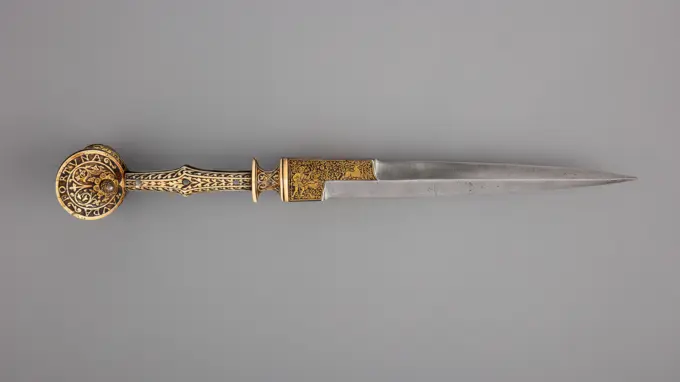
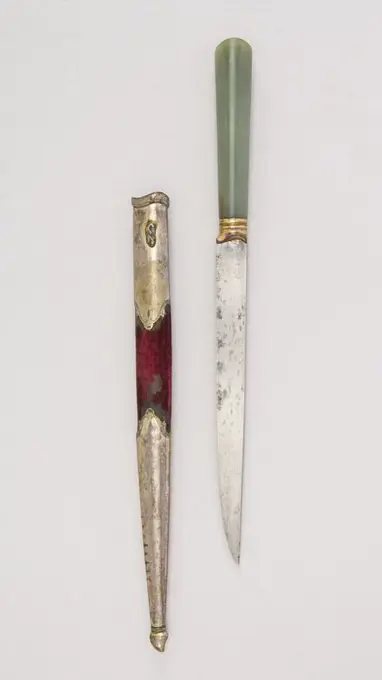
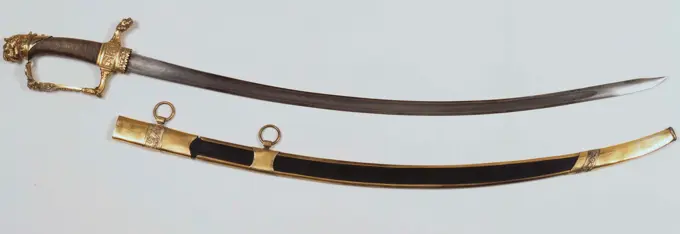
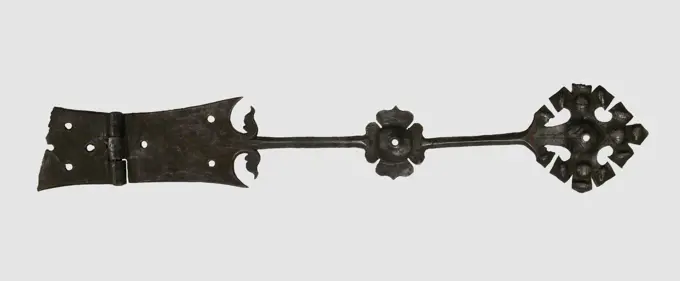
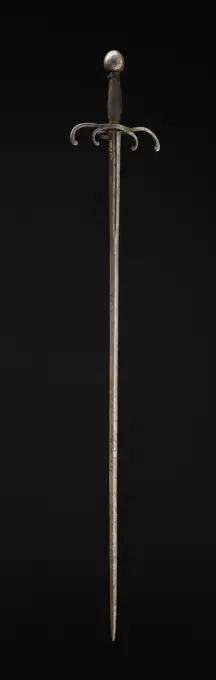
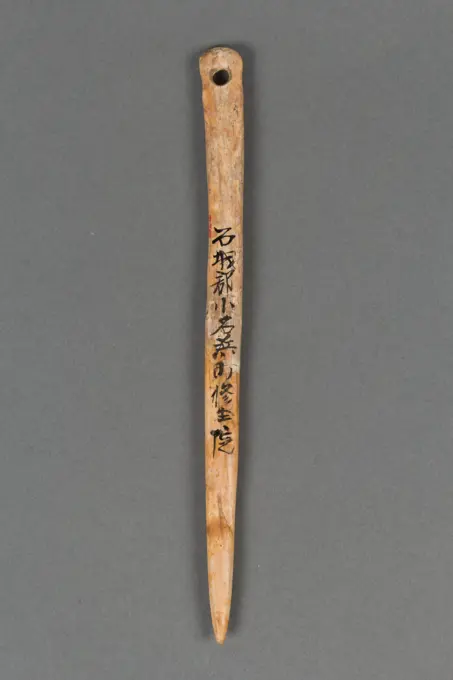
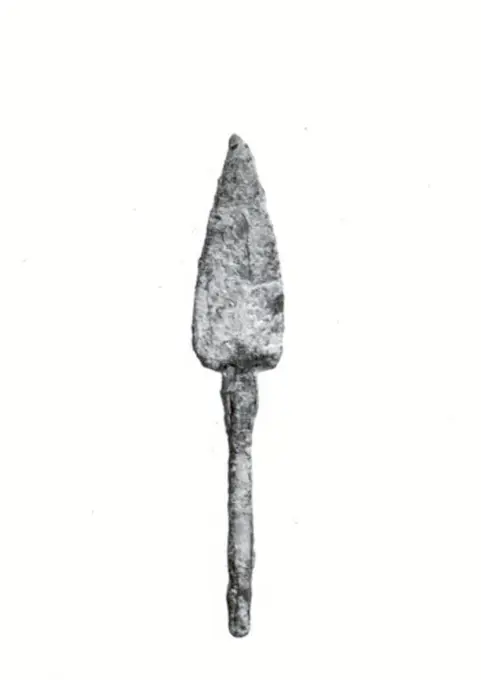
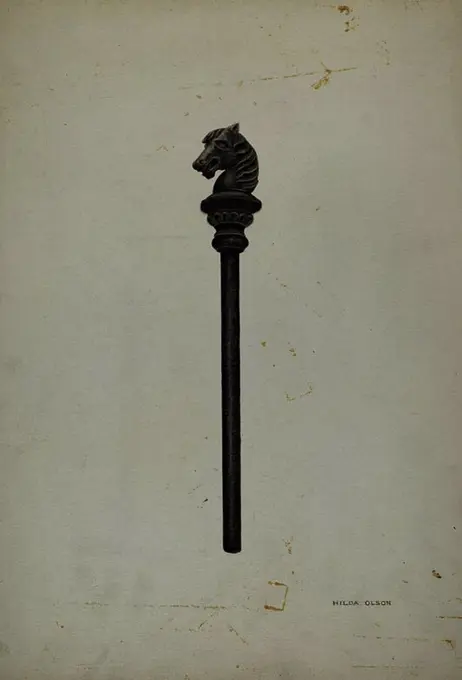
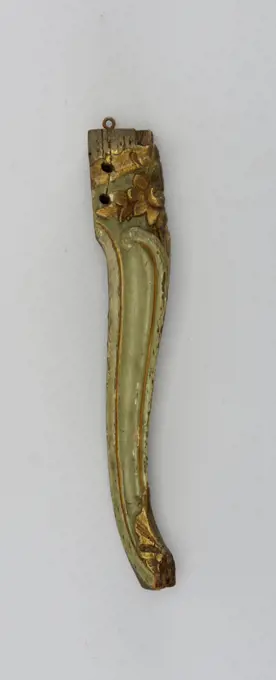
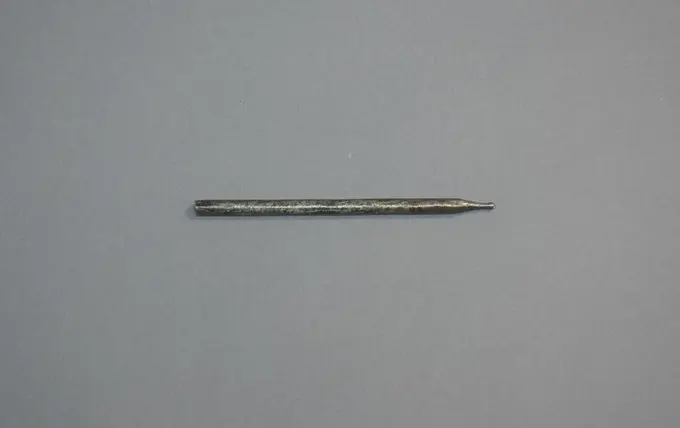
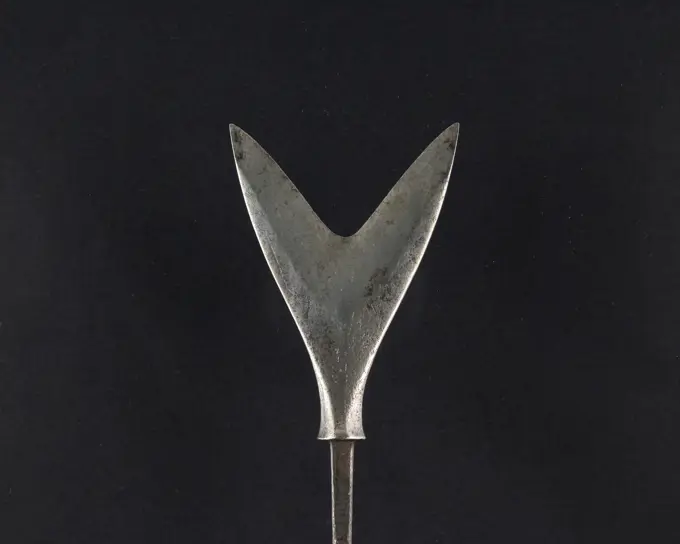
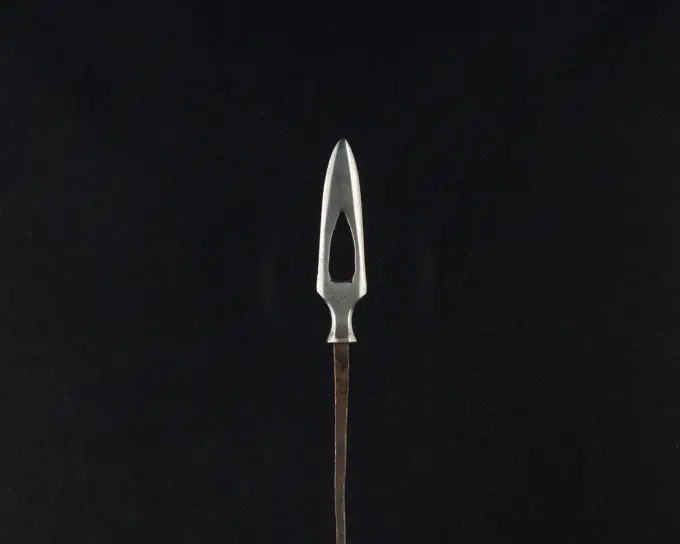
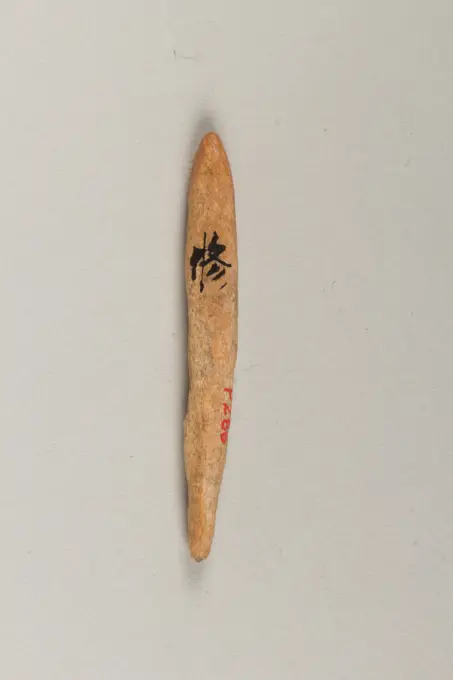
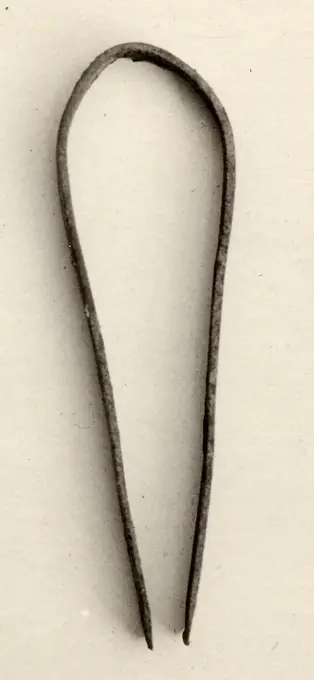
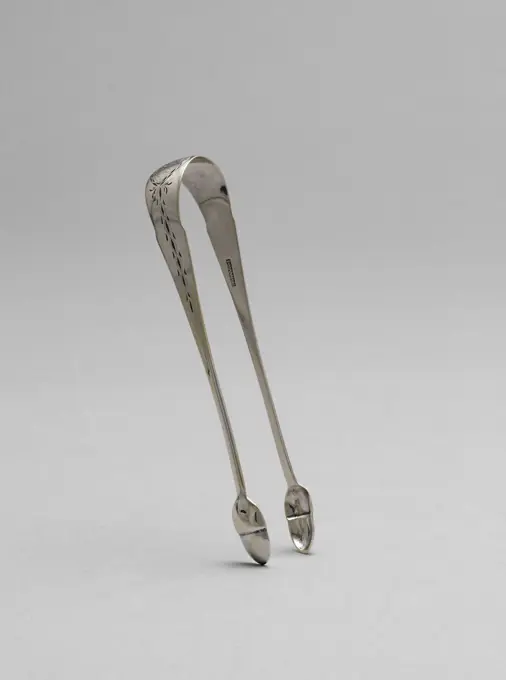
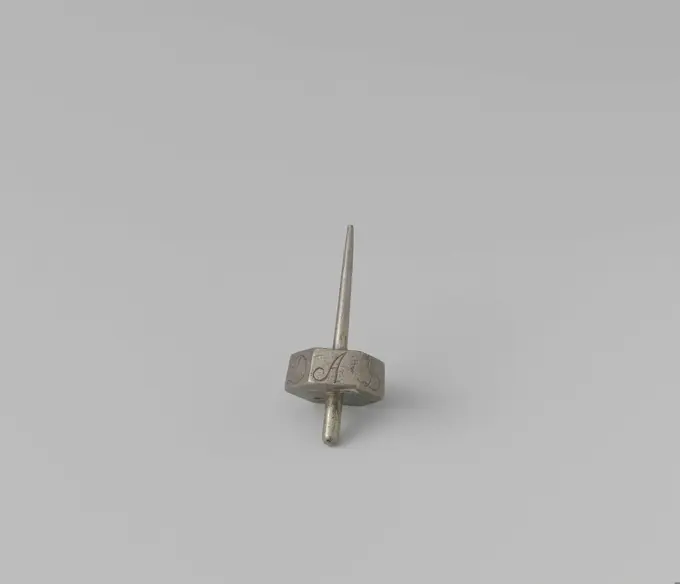
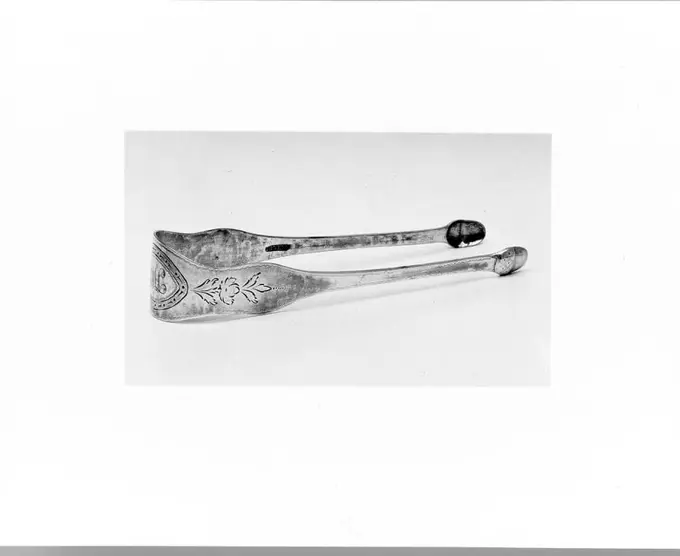
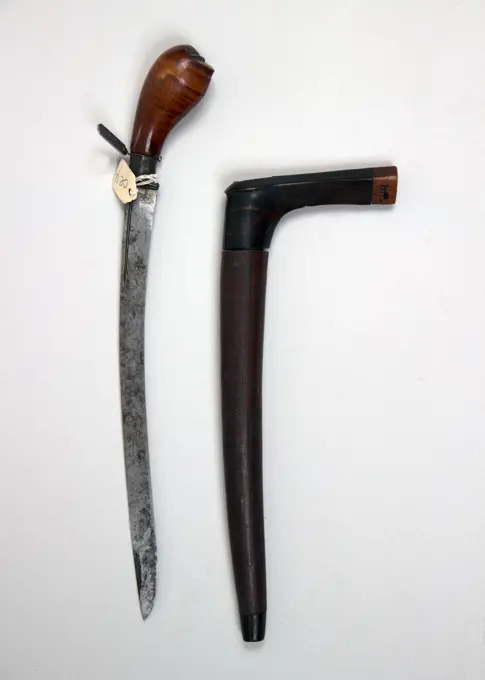
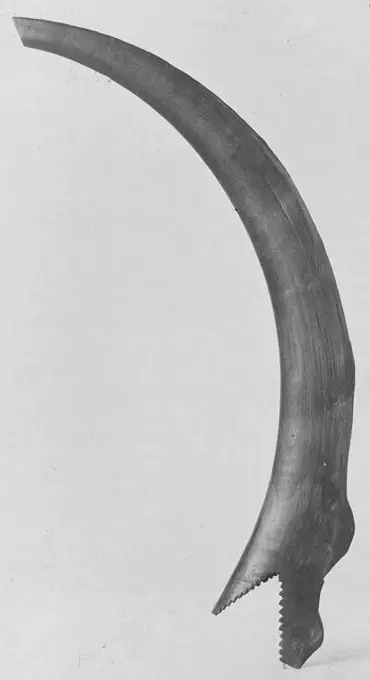
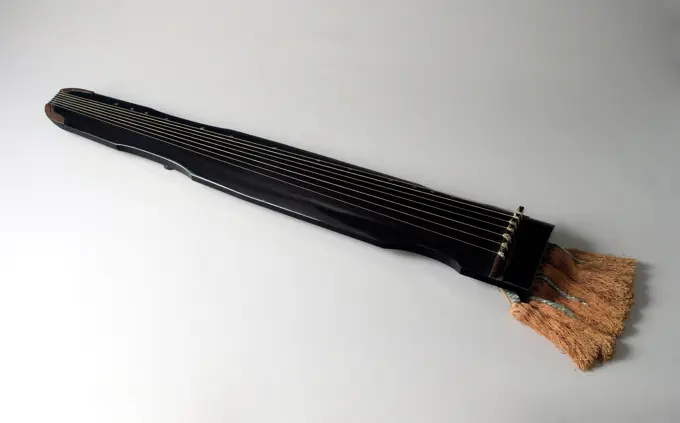
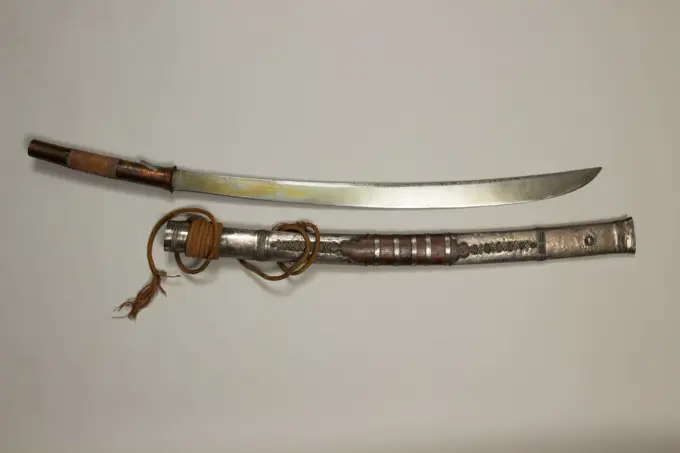
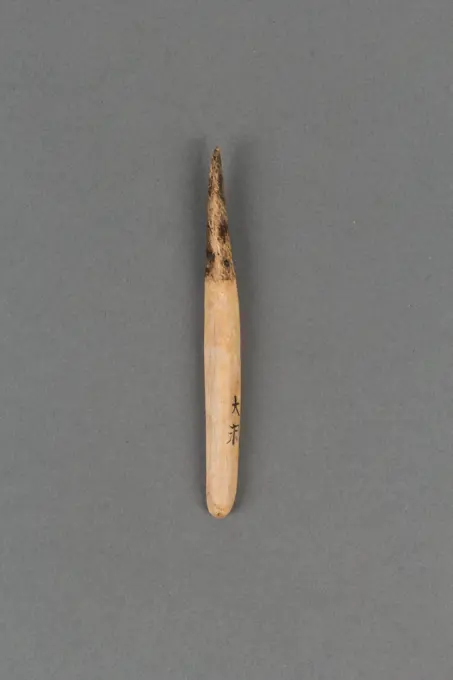
Harpoon head Japan The Jmon period is the earliest period in Japanese history, lasting from roughly 14,000 to 300 BCE. The Jmon people were primarily hunter-gatherers, hunting land animals and gathering vegetables and nuts on the land as well as hunting and fishing at sea. Harpoon heads such as this one testify to the importance of seafood in the diets of some Jmon communities, especially those close to the sea. Fish bones found at Jmon archaeological sites indicate that the Jmon hunted fish not only close to the shore but also farther out in the open sea, where larger fish could be caught. There is even evidence that the Jmon ate pufferfish, a poisonous fish considered a delicacy in modern Japan.. Harpoon head. Japan. Bone. Final Jmon period (ca. 1000-300 B.C.). BoneEared Dagger 1540 Spanish The grip is characterized by the large circular "ears" at the end of the tang. To these ears and to the sides of the tang are riveted plaques of bone which form the ears, grips, and spindle-shaped guard. These plaques are carved with foliage, with one ear inscribed AVDA FORTVNA the other FIDES FICIT. The ears are attached through shims to the tang by rivets secured by large buttons of gilt steel in the form of pine cones, with engraved and gilt rosette washers. The straight blade is double edged, with edges of unequal length; the base of the blade is of thickened rectangular section and extends asymmetrically toward the upper edge. The tang, the base of the blade, and the shims are deeply blued and damascened in gold with a variety of hunting scenes set against a dense foliate background.The exotic-looking ear dagger appears to have been introduced into Europe through Spain and is apparently of Moorish origin. One of the earliest documented examples, now preseJavelin with Sheath ca. 1615-1868 Japanese. Javelin with Sheath. Japanese. ca. 1615-1868. Lacquer, cane. Shafted WeaponsFile, ca. 1875, containers, Decorative Arts, FileLance Head. Culture: Tierra del Fuego. Dimensions: H. 1 x W. 8 3/4 in. (2.5 x 22.2 cm). Date: 4th-16th century. Museum: Metropolitan Museum of Art, New York, USA.Knife with Sheath. Culture: Turkish. Dimensions: L. with sheath 14 15/16 in. (37.9 cm); L. without sheath 12 1/2 in. (31.8 cm); W. 7/8 in. (2.2 cm); Wt. 4.8 oz. (136.1 g); Wt. of sheath 2.3 oz. (65.2 g). Date: 19th century. Museum: Metropolitan Museum of Art, New York, USA.Spoon or Ladle Korea. Spoon or Ladle 57456Two -branching Epingle (common name). Bronze. Cernuschi Museum, Asia Museum of Asia in the city of Paris.Medical Instrument with Hooked Finial. UnknownSierdegen, Anonymous, c. 1650 - c. 1675 small-sword Sierdegen. Owl: Handleed with braided iron wire. Button with line decorations and rivet button. Pre -pocket with thickening in the middle. Half pare bar. Shield with line decoration and pointed top. Kling: Bemartending. Simple dotted decoration before and behind the signature on the blade.  iron (metal) forging / engraving / etchingMiner's Processional Axe 1675 Saxony. Steel, wood, and staghorn .Spatula or curette Roman. Spatula or curette 250620 Roman, Spatula or curette, Bronze, Other: 5 15/16 in. (15.1 cm). The Metropolitan Museum of Art, New York. Rogers Fund, 1917 (17.230.93)Baluster top spoon 17th century French or Flemish. Baluster top spoon 188086 French or Flemish, Baluster top spoon, 17th century, Silver, L. 5-7/8 in. (14.9 cm.). The Metropolitan Museum of Art, New York. Gift of Mrs. Samuel P. Avery, 1897 (97.2.51)Flute (end blown flute) 19th century Native American (Apache). Flute (end blown flute). Native American (Apache). 19th century. Wood, skin, shell, beads. United States. Aerophone-Blow Hole-end-blown flute (vertical)CombVanilla Orchid (Vanilla planifolia) seed pod, native to Mexico, is also grown in Madagascar and TahitiEresabel with Daniel Velsberg sheath for resuming the gunboat shock on March 23, 1804.sabel with curve single-cutting blade, handle wrapped with silver wire. The pearl rod in the form of a lion's head, front bracket in the form of a full grown with an angel head, pommel in the form of a helmet with a wreath and feathers. Heatfully gilt. Black leather sheathed studded with gold-plated silver; Option on one side above, on the other: B. M. two large round carrier rings, blunt copper point. Signed: N. Jonnard. Inscription sheath: from the state regime by the Council of the Marine van (etc).Leather gun slipDoor Hinge 15th century German. Door Hinge 468801Oboe, Carl Theodor Golde, c. 1830 Hobo van Palmhout, with thirteen silver valves and a wooden finger support. Mounted with ivory. The stamp can be changed. The third hole is double, the cup contains an extra hole. Marked on all parts: Lier with a star above it / C. Golde / Dresden in an arc / star. Dresden Boxwood. Rings: Ivory. Valves: Silver (Metal) Hobo van Palmhout, with thirteen silver valves and a wooden finger support. Mounted with ivory. The stamp can be changed. The third hole is double, the cup contains an extra hole. Marked on all parts: Lier with a star above it / C. Golde / Dresden in an arc / star. Dresden Boxwood. Rings: Ivory. Valves: Silver (Metal)Toy stretcher - Stretcher Britains, Ltd. Britains, Ltd.Wooden signLit cigaretteNeedle Cypriot. Needle 244385Arrowhead (Yanone). Culture: Japanese. Dimensions: L. 7 1/4 in. (18.4 cm); L. of head 2 in. (5.1 cm); W. 1 1/2 in. (3.8 cm); Wt. 0.9 oz. (25.5 g). Date: 18th century. Museum: Metropolitan Museum of Art, New York, USA.Ear Rod 8th-12th century Coclé (Macaracas). Ear Rod 309532RapierModel of the Ameland Lighthouse, foundry Nering Bögel, 1880 scale model. presentation model Brass model of the lighthouse of Ameland, on wooden base. Round closed lighthouse with a door and twenty -six windows. A part of the wall at the foot has been omitted so that one can see the second floor, with a column in the middle. De Kuip has a round circuit through an excellent door, and a dome -shaped roof with wind vane. model maker: Deventer (possibly)after design by: Netherlands brass (alloy). wood (plant material)  lighthouse, lightship AmelandNeedle Japan The Jmon period is the earliest period in Japanese history, lasting from roughly 14,000 to 300 BCE. Using materials such as bone, antlers, and stone, the Jmon people created a variety of utilitarian objects, such as this needle. The small eye at the top would likely have served a function similar to a modern sewing needle, allowing the Jmon people to practice basic sewing and create textiles.. Needle. Japan. Bone. Final Jmon period (ca. 1000-300 B.C.). BoneFish knife, Gorham Manufacturing Company, Providence, Rhode Island, USA, founded 1818, Silver, Fish knife engraved on both handle and blade. On blade: abstract and floral pattern; handle decorated with dragonflies and a character in a circle; crown-like terminal on handle., 1875-80, cutlery, Decorative Arts, Fish knifePrick Spur Made 1790-1810 North Africa. Steel .Miles Beach, Tea Spoon, c. 1785, silver.Weellock harquebus Muller, GeorgStaff Weapon ca. 1380 Swiss. Staff Weapon 26082Fish fork;  1890 (1888-00-00-1888-00-00);Oboe, Henri Brod, c. 1830 Hobo van Rozenhout and ivory with ten silver valves. The third and fourth gap are double. Marked on all parts: Brod. Paris rosewood (wood). ivory. silver (metal) Hobo van Rozenhout and ivory with ten silver valves. The third and fourth gap are double. Marked on all parts: Brod. Paris rosewood (wood). ivory. silver (metal)Musket.Slot: Radlot. Slightly bubble lock plate, secured with three lock screws. Loop: partially octagonal (back) and round. Narrow profile tire in the middle. Grain. Tray: Inexplied. A dense brass drawer band. Flask: Kolfplaat. Marked upside room.Crossbow Bolt, 1500s-1600s. Germany, 16th-17th century. Wood, leather, steel; average: 37.2 cm (14 5/8 in.).Siphon nozzle ca. 1295-1070 B.C. New Kingdom, Ramesside. Siphon nozzle 551963Cosmetic Applicator or Pin. Afghanistan, 3rd century. Jewelry and Adornments; pins. IvoryTraditional Tibetan prayer wheel with handle Traditional Tibetan prayer wheel with handle Copyright: xZoonar.com/DANKOxNx 22898311Hammered Silver Miniature Axe 8th-mid-16th century North coast (). Hammered Silver Miniature Axe 309194Arrowhead ca. 3rd-7th century A.D. Sasanian. Arrowhead. Sasanian. ca. 3rd-7th century A.D.. Bronze. Sasanian. Iran, Qasr-i Abu NasrHorse Head Hitching Post. Dated: c. 1939. Dimensions: overall: 35.5 x 24.4 cm (14 x 9 5/8 in.). Medium: watercolor and graphite on paperboard. Museum: National Gallery of Art, Washington DC. Author: Hilda Olson.One weapon cartridge on clean background. Single isolated bullet on orange background.Fork, glass, steel, gold, brass, Four curved tines, curved shoulders. Spiral-shaped neck, baluster-shaped towards the handle. Plain brass ferrule, round in section. Tapering handle, round in section, of white milk glass with Chinoiserie design in gold. A man with spear, landscape in background with trees and houses., Germany, 1750-1800, cutlery, Decorative Arts, ForkBadge with the emblem of the Jagiellonian UniversityStick pin, Gold pavé-set with diamonds, enamel, fresh-water pearl, Stick pin with serpent and baroque pearl., France, ca. 1867, jewelry, Decorative Arts, Stick pinClose up of a scalpelToddy Ladle. Dated: c. 1939. Dimensions: overall: 38 x 50.8 cm (14 15/16 x 20 in.). Medium: watercolor and graphite on paperboard. Museum: National Gallery of Art, Washington DC. Author: Douglas Campbell.Understop of parasol or umbrella of bamboo with straight hook with knots corner, Gustav Schnitzler, c. 1920 - c. 1940 Understop of parasol or umbrella of bamboo with a straight hook with knots corner. Nijmegen Hook: Wood (plant material). stick: bamboo Understop of parasol or umbrella of bamboo with a straight hook with knots corner. Nijmegen Hook: Wood (plant material). stick: bambooESCULTURA "PIEDRA" - SIGLO XX. Author: SCHLOSSER ADOLFO. Location: BANCO EXTERIOR-COLECCION. MADRID. SPAIN.Crowbar isolated on white backgroundBelt Hook in the Shape of a Sinuous Creature China. Belt Hook in the Shape of a Sinuous Creature 49482Chair leg, Walnut covered with gesso, painted and gilded, Front leg of a chair, left side; cabriole, leaf foot, gilded, and gilded flower and tattered frill above knee., France, ca. 1735, woodwork, Decorative Arts, Chair legArrowhead (Yanone) 18th century Japanese Although today Japanese warriors are renowned most for their swordsmanship, archery, especially from horseback, has been an essential part of samurai warfare and culture for centuries. Arrows were fitted with heads of varying shape according to their intended use in war, the hunt, or target practice. Arrowheads made for use on the battlefield incorporated different designs intended for specialized purposes such as the piercing of armor or to cause maximum damage to horses and unarmored personnel.Large arrowheads, pierced and elaborately chiseled with landscapes, birds, flowers, dragons, and Buddhist divinities, were created to be admired for the beauty of their metalwork and design rather than for use in archery. Such highly elaborate examples may have been made for presentation or as a votive offerings to a shrine.. Arrowhead (Yanone). Japanese. 18th century. Steel. Archery Equipment-ArrowheadsJoseph Cannella, Tooth Puller, c 1941 Tooth PullerBlade and Mounting for a Dagger (Tant) blade, mid-19th century; mounting, 19th century Japanese A tant is a dagger or blade shorter than 30 cm.. Blade and Mounting for a Dagger (Tant). Japanese. blade, mid-19th century; mounting, 19th century. Steel, wood, lacquer, rayskin (samé), thread, copper-gold alloy (shakud), gold, iron, horn. DaggersFoedral of leather ,, 1764 Foudraal van Leer for two knives or for a fork and a knife. Perinted decoration with A: 1764. Fork is missing. Netherlands leather Foudraal van Leer for two knives or for a fork and a knife. Perinted decoration with A: 1764. Fork is missing. Netherlands leatherFork, ivory, steel, Four curved tines, curved shoulders. Long baluster-shaped neck, handle carved ivory in the shape of a lion holding a shield; a small hole through the back of the lion., England, ca. 1550, cutlery, Decorative Arts, ForkTobacco Pipe, early to mid-1800s. Japan, Edo period (1615-1868). Bamboo, brass, and iron; overall: 25.2 cm (9 15/16 in.).Clarinet in B-flat George Goulding Co. British 1804-1808 The Goulding firm was established by George Goulding as "Goulding & Co." around 1800 in London. Between 1804 and 1808 the workshop was at the address "No. 117 New Bond Street". Later Goulding instruments were stamped with the coat of arms of the prince and princess of Wales, because the firm was appointed as "music-sellers to the Prince and Princess of Wales. (Waterhouse, NLI, 142; Fricke, Catalogue of the Sir Nicholas Shackleton Collection, 102-103).Overall size: 669Bore: c-hole 13.6; f-hole 13.8Conical part: 148.Technical description: Boxwood with ivory ferrules and brass keywork. Six pieces: mouthpiece, barrel, upper section, middle section for the fingers of the right hand, lower section with keys, bell. Ebonite mouthpiece is a copy of a historic, English-style long tenon mouthpiece. English-style flask shaped barrel. Speaker liner projects ca. 4mm into the bore. Levers for L4, tone-hole and key for R4 mounted in a bell-shapeAn engraving depicting a Navigator's grafting tool. Dated 19th centuryDrill for carving jade. Culture: China. Dimensions: L. 4 13/16 in. (12.2 cm); Diam. 1/4 in. (0.6 cm). Date: 20th century.These steel drills with blunt points (zhuangding or dingzi in Chinese), flat heads (tuozi), or curving heads (wazi) are used for high relief carving, undercutting, and fine shaping of small jade works. The craftsman holds the jade in one hand against the drill, which is mounted on a spinning shaft. He or she rotates the shaft using foot treadles, while continuously applying abrasives, usually sand mixed with water, to the tip of the drill, which cuts the jade. Museum: Metropolitan Museum of Art, New York, USA.Scarf isolated on the white backgroundAncient Egyptian wooden palette belonging to a scribe. 1550-1070 BCArrowhead (Yanone) 18th century Japanese Although today Japanese warriors are renowned most for their swordsmanship, archery, especially from horseback, has been an essential part of samurai warfare and culture for centuries. Arrows were fitted with heads of varying shape according to their intended use in war, the hunt, or target practice. Arrowheads made for use on the battlefield incorporated different designs intended for specialized purposes such as the piercing of armor or to cause maximum damage to horses and unarmored personnel.Large arrowheads, pierced and elaborately chiseled with landscapes, birds, flowers, dragons, and Buddhist divinities, were created to be admired for the beauty of their metalwork and design rather than for use in archery. Such highly elaborate examples may have been made for presentation or as a votive offerings to a shrine.. Arrowhead (Yanone). Japanese. 18th century. Steel. Archery Equipment-ArrowheadsBurin -Sample martinistirrers.  Designer Calvin Klein, American, born 1942Retailer: Swid Powell, American, 1982-2001Bead ca. 2700-2600 B.C. Sumerian. Bead 325446Nail -. The guy consists of a scissors with bent ears and rectangular ends, the lower ones of which are surrounded by upright edges and ends in a point. The ends of the ears, the turn of the ears and the point are multiple profiled; This pattern is repeated in the contour of the outer part.Javelin tip; Unknown Middle Eastern workshop; IX - VI century BC (-900-00-00--501-00-00);Weapons, Luristan browns, spear caves, iron period (approx. 1300-ok. 600 BC), purchase (provenance)The old metal hammer with the wooden handle lies on a white backgroundTube Tube. Cane   Arts of the AmericasArrowhead (Yanone) 18th century Japanese Although today Japanese warriors are renowned most for their swordsmanship, archery, especially from horseback, has been an essential part of samurai warfare and culture for centuries. Arrows were fitted with heads of varying shape according to their intended use in war, the hunt, or target practice. Arrowheads made for use on the battlefield incorporated different designs intended for specialized purposes such as the piercing of armor or to cause maximum damage to horses and unarmored personnel.Large arrowheads, pierced and elaborately chiseled with landscapes, birds, flowers, dragons, and Buddhist divinities, were created to be admired for the beauty of their metalwork and design rather than for use in archery. Such highly elaborate examples may have been made for presentation or as a votive offerings to a shrine.. Arrowhead (Yanone). Japanese. 18th century. Steel. Archery Equipment-ArrowheadsHarpoon head Japan The Jmon period is the earliest period in Japanese history, lasting from roughly 14,000 to 300 BCE. The Jmon people were primarily hunter-gatherers, hunting land animals and gathering vegetables and nuts on the land as well as hunting and fishing at sea. Harpoon heads such as this one testify to the importance of seafood in the diets of some Jmon communities, especially those close to the sea. Fish bones found at Jmon archaeological sites indicate that the Jmon hunted fish not only close to the shore but also farther out in the open sea, where larger fish could be caught. There is even evidence that the Jmon ate pufferfish, a poisonous fish considered a delicacy in modern Japan.. Harpoon head. Japan. Bone. Final Jmon period (ca. 1000-300 B.C.). BoneTweezers ca. 1635-1458 B.C. Second Intermediate Period-Early New Kingdom. Tweezers 546897Souvenir Spoon. Dated: c. 1936. Dimensions: overall: 28 x 22.8 cm (11 x 9 in.) Original IAD Object: 5 3/4" long. Medium: watercolor and pen and ink on paper. Museum: National Gallery of Art, Washington DC. Author: Ellen Duncan.Sugar Tongs, c. 1800. John Sayre (American, 1771-1852). Silver; overall: 3.4 cm (1 5/16 in.).. Toll with six planes. The letters are engraved on the six surfaces: A, B, L, T, N, D. The toll has not been marked.Walking Sticks - Baby Misc. December 1, 1953. ;Walking Sticks - Baby Misc.Knife with silver handle, anonymous, 1800 - 1900 Knife with silver lifts, entirely consisting of vitrous ornaments. Two brands in the iron blade. Northern Netherlands (possibly)Noord-Duitsland (possibly) silver (metal). iron (metal) Knife with silver lifts, entirely consisting of vitrous ornaments. Two brands in the iron blade. Northern Netherlands (possibly)Noord-Duitsland (possibly) silver (metal). iron (metal)Axe head ca. 2300-2000 B.C. Hattian. Axe head 324470Sugar Tongs. Culture: American. Dimensions: L. 6 1/8 in. (15.6 cm). Maker: Paul Revere Jr. (American, Boston, Massachusetts 1734-1818 Boston, Massachusetts). Date: ca. 1800. Museum: Metropolitan Museum of Art, New York, USA.Mached tobacco pipe of pipe earth, damaged, anonymous, 1500 - 1799   pipe clay   pipe claySpontoon 18th century American. Spontoon 29376Knife (France); Manufactured by Chantilly Porcelain Manufactory (France); porcelain, silver, steel; L x W: 24.3 x 2.2 cm (9 9/16 x 7/8 in.); The Robert L. Metzenberg Collection, gift of Eleanor L. Metzenberg; 1985-103-233Knife (Bade-bade) with Sheath 18th-19th century Bornean. Knife (Bade-bade) with Sheath 31666Horn Congolese late 19th centuryKnife. Worcester Porcelain Factory; Worcester, England, founded 1751. Date: 1755-1765. Dimensions: L. 27.3 cm (10 3/4 in.). Soft-paste porcelain with underglaze blue decoration, silver and steel. Origin: Worcester. Museum: The Chicago Art Institute, Chicago, USA. Author: Worcester Royal Porcelain Company.Flute.Flute with a valve. Signature: I. Christiani. ConcertTangent sight. A short set-up rod, consisting of a square iron rod with pyramid-shaped top where grooves run across. A scale has been applied to one side, ranging from 0 to 18: the distance between the numbers is exactly 1 cm. This and NG-MC-1889-29-A both fit in support NG-MC-1374.Pair of candlesticks 16th century Spanish. Pair of candlesticks. Spanish. 16th century. Iron. Metalwork-IronZither named 'Flowing Water', 1794, Nakamura Sōtetsu, 3 × 32 3/8 × 5 3/8 in. (7.62 × 82.23 × 13.65 cm), Wood with black lacquer and mother-of-pearl inlay; silk tassels, Japan, 18th century, The seven-stringed zither, called kin in Japanese, has been played in China (where it is called qin) for at least 3,000 years. It was introduced to Japan by the 700s and was a common instrument in the cultural sphere represented in The Tale of Genji. This example of a kin was created by an artist of the celebrated Nakamura family of lacquerers, all of whom used the given name Sōtetsu. The artist of this zither, which is dated to 1794, was probably the fifth-generation Nakamura Sōtetsu, who lived from 1764 to 1811. The Nakamura lacquerers maintained relationships with Japans leading cultural trendsetters and were celebrated for their craftsmanship.Hout Caratide, representing a black man, anonymous, c. 1400 - c. 1950 Hout Caratide, representing a black man. Colored.  wood (plant material) Hout Caratide, representing a black man. Colored.  wood (plant material)Adjustable pipe wrench, cut out against a blue backgroundKarte von Chile auf rostigem Metall - Map of Chile on rusty metal Karte von Chile auf rostigem Metall - Map of Chile on rusty metal Copyright: xZoonar.com/lantapixx 11266643Sword (Dha) with Scabbard and Baldric 19th century Burmese. Sword (Dha) with Scabbard and Baldric 31080Curved metal flat bar in shape of eye with pins, Mouth-harp musical instrument soundstuff foundations iron metal, archeology Rotterdam railroads music Soil discovery: trajectory rail tunnel Rotterdam.