Historical Tools

Artifacts like swords, knives, and measuring rods from different eras, depicted in a serious and historical context, showcasing craftsmanship in metalwork.

Wedding knife, Steel, silver, iron, ivory, Blade straight-sided and tapering to a point. Hollow bolster, silver ferrules with geometrical and circular pattern. Ivory handle in honeycomb pattern. Silver cap has rounded end, slightly projecting at the sides, cap decorated with geometrical and circular pattern., England, early 17th century, cutlery, Decorative Arts, Wedding knife
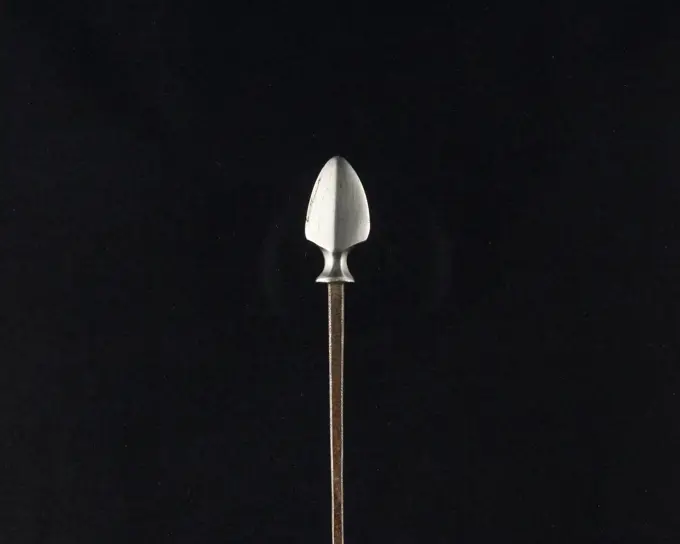
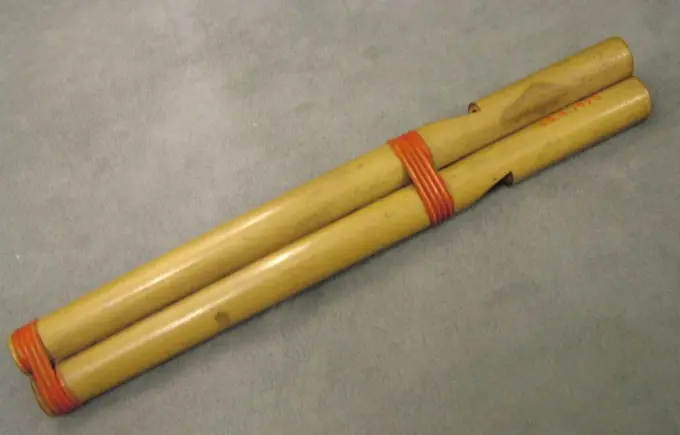
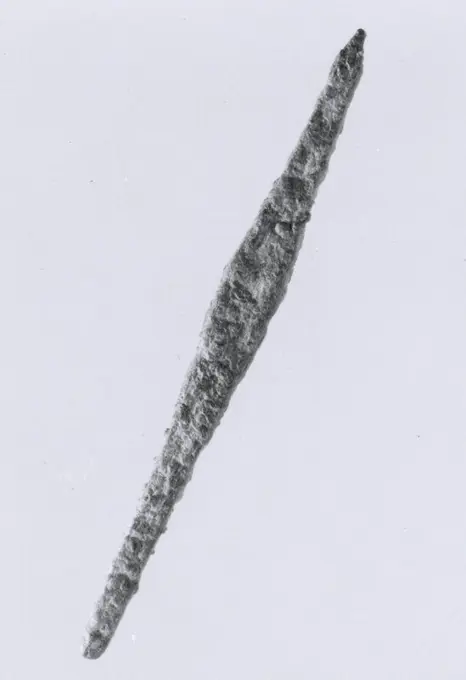
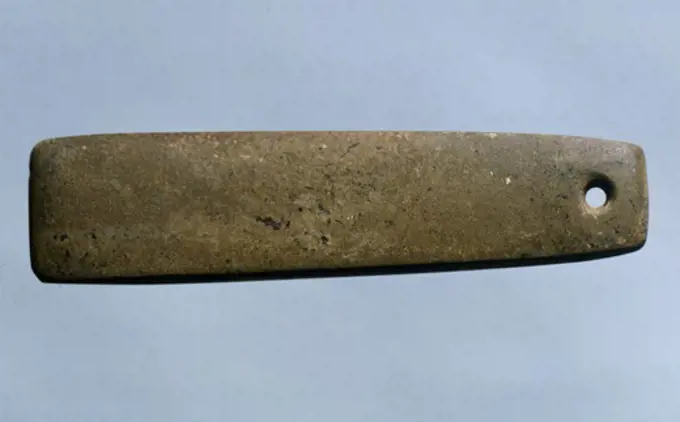
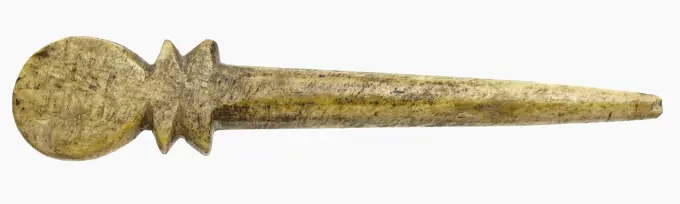
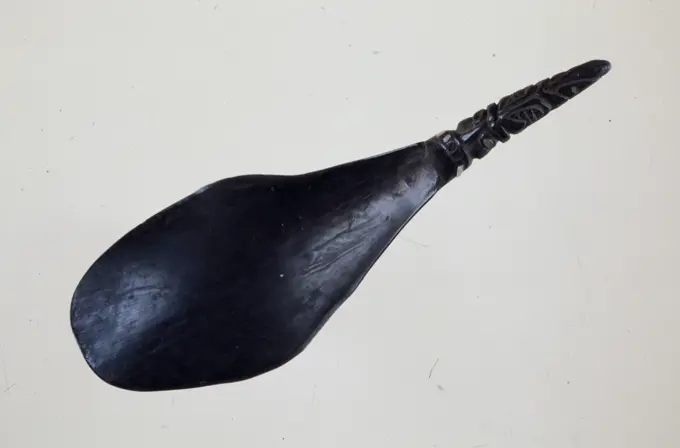
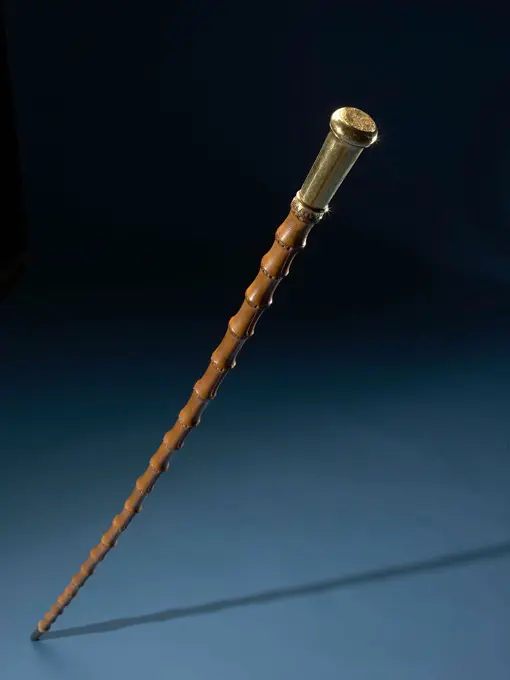
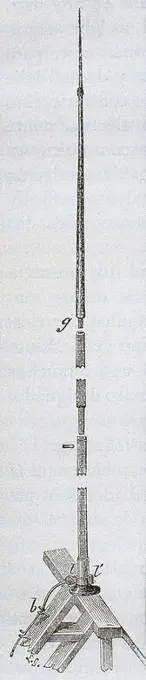
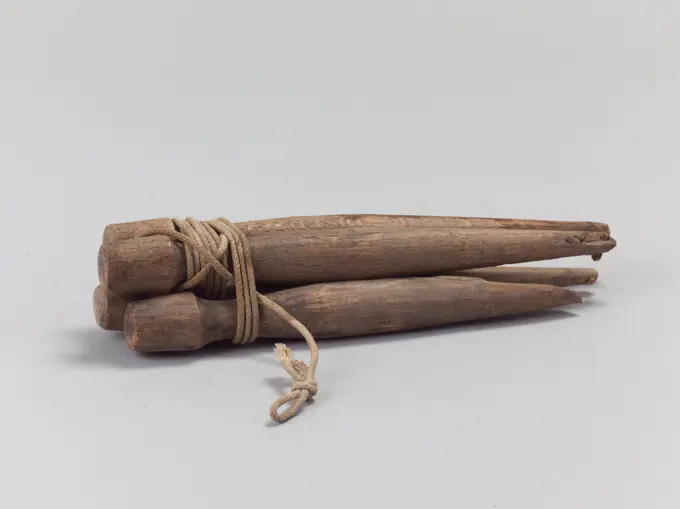
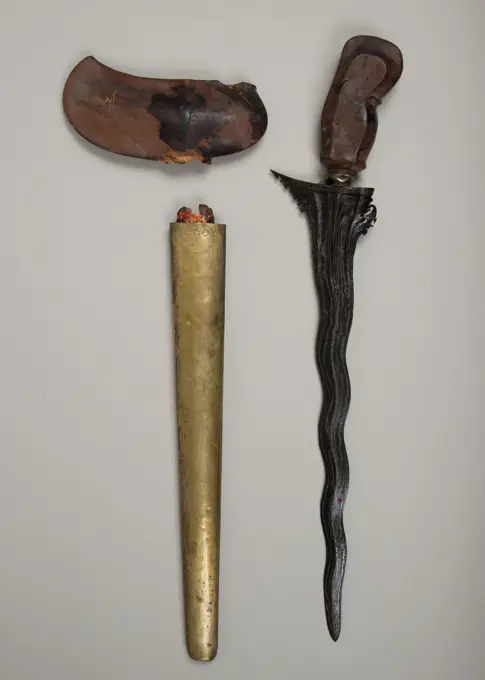
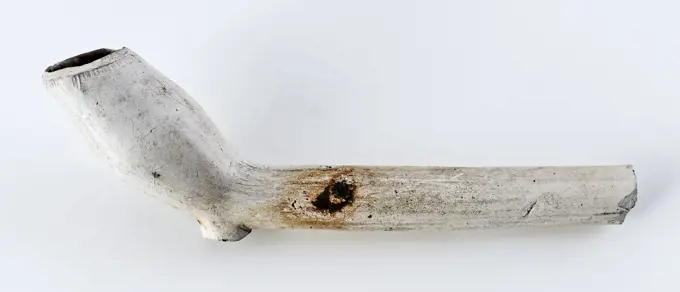
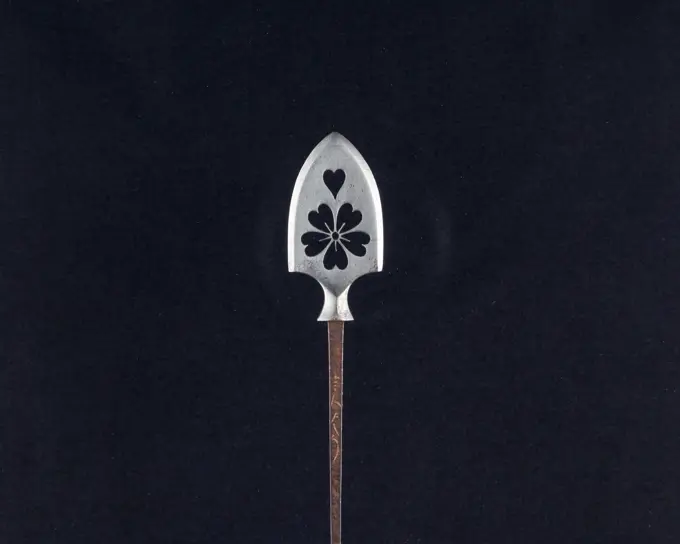
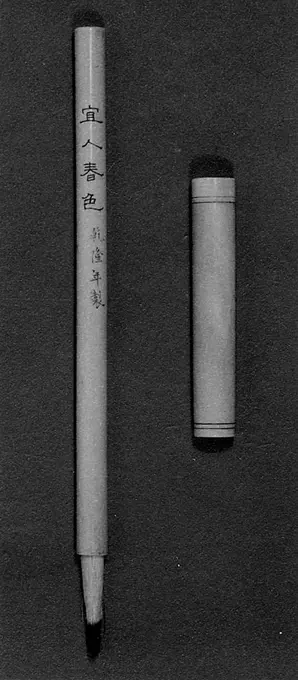
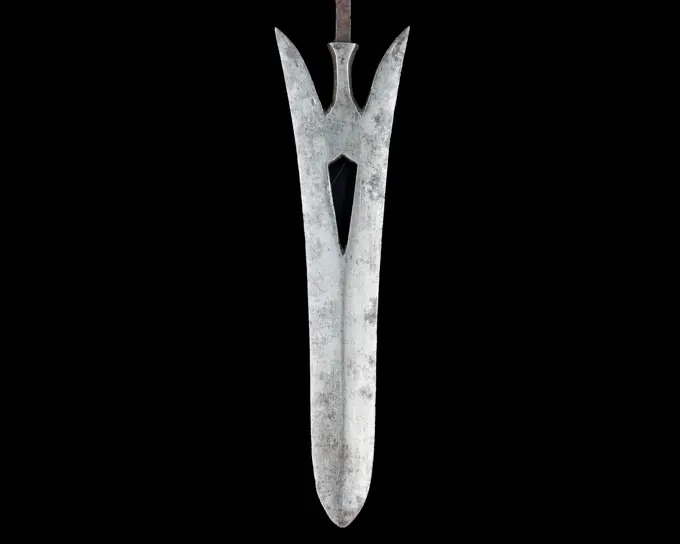
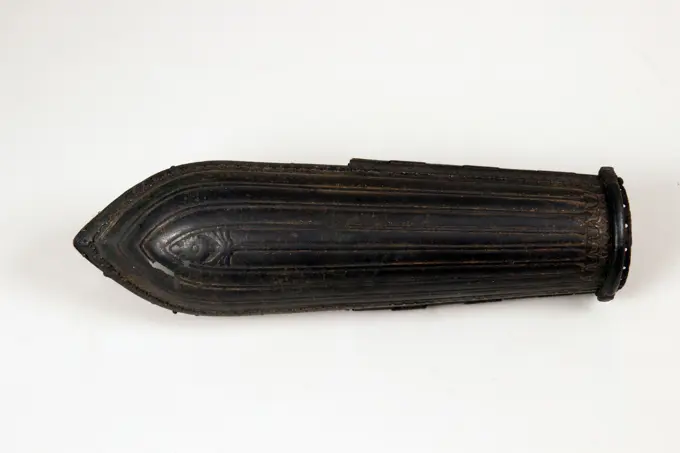
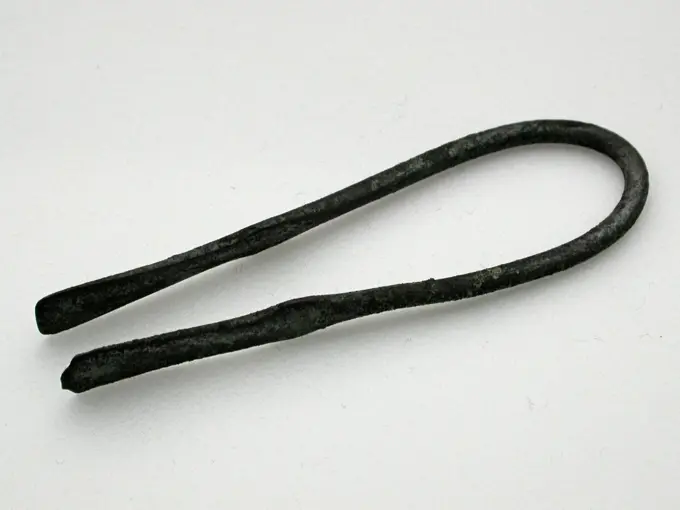
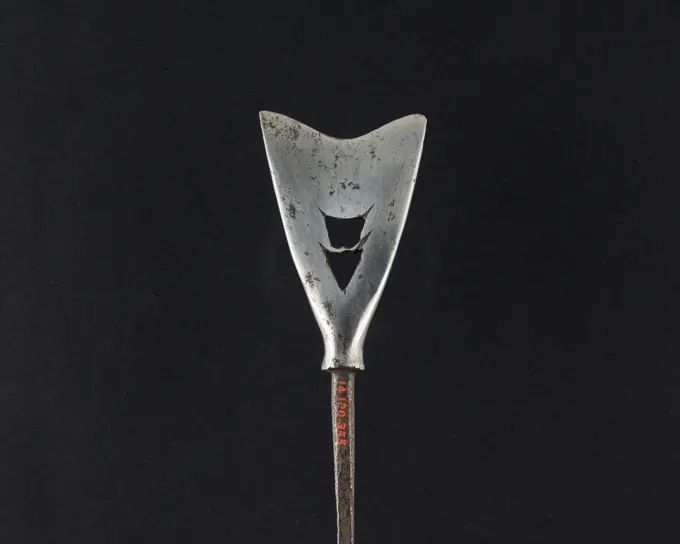
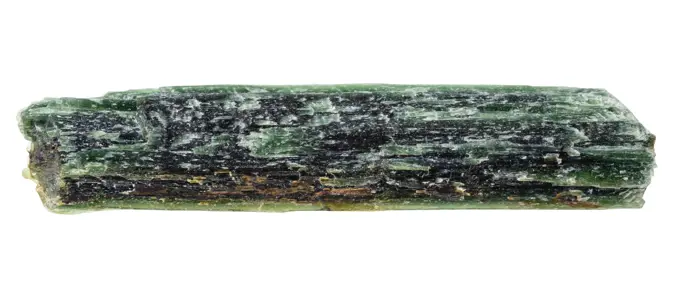
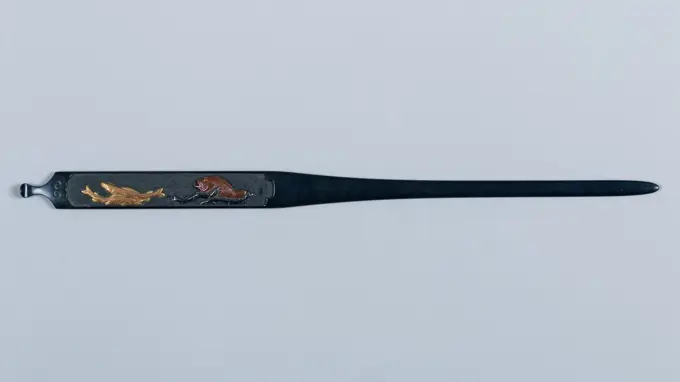
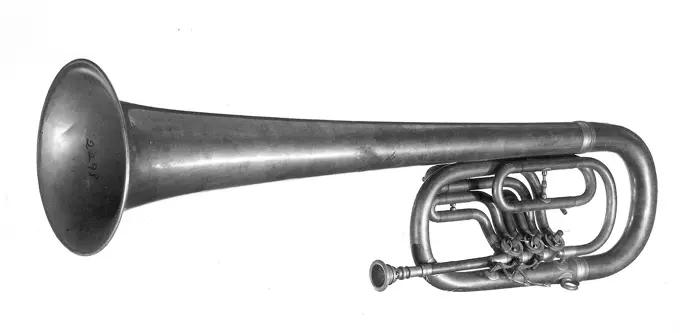
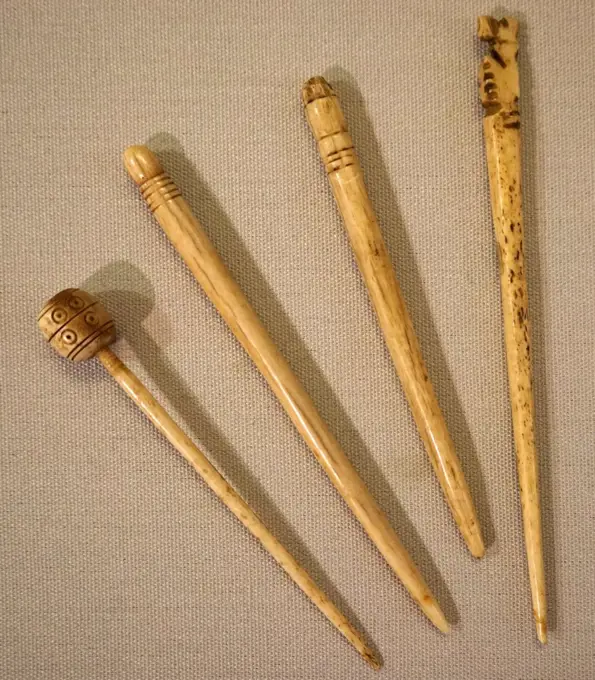
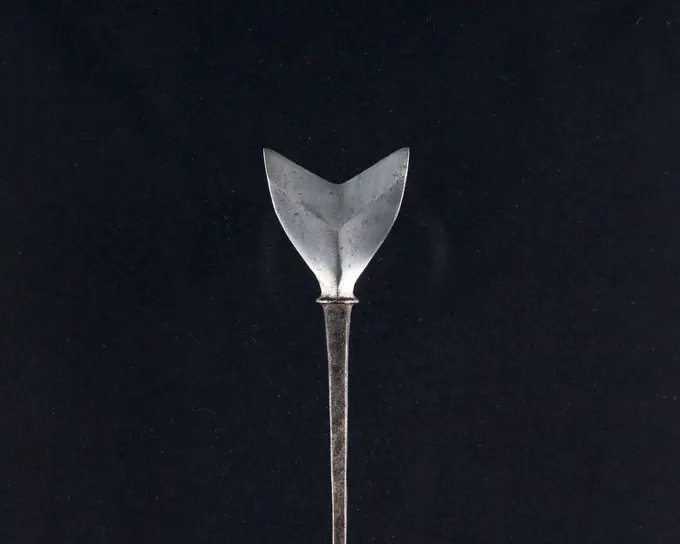
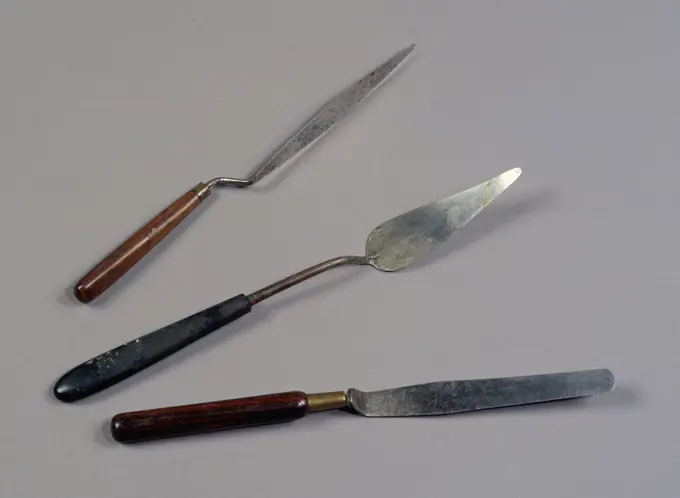
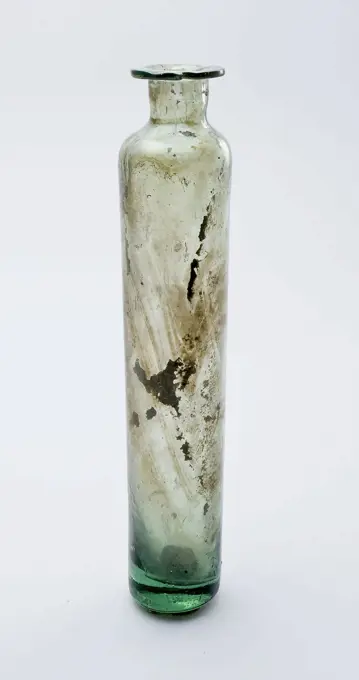
Arrowhead (Yanone). Culture: Japanese. Dimensions: L. 6 1/2 in (16.5 cm); L. of head 1 3/8 in. (3.5 cm); W. 1 1/4 in. (3.2 cm); Wt. 0.9 oz. (25.5 g). Date: 18th century. Museum: Metropolitan Museum of Art, New York, USA.Arrowhead (Yanone) 18th century Japanese Although today Japanese warriors are renowned most for their swordsmanship, archery, especially from horseback, has been an essential part of samurai warfare and culture for centuries. Arrows were fitted with heads of varying shape according to their intended use in war, the hunt, or target practice. Arrowheads made for use on the battlefield incorporated different designs intended for specialized purposes such as the piercing of armor or to cause maximum damage to horses and unarmored personnel.Large arrowheads, pierced and elaborately chiseled with landscapes, birds, flowers, dragons, and Buddhist divinities, were created to be admired for the beauty of their metalwork and design rather than for use in archery. Such highly elaborate examples may have been made for presentation or as a votive offerings to a shrine.. Arrowhead (Yanone). Japanese. 18th century. Steel. Archery Equipment-ArrowheadsAmma No Fue 19th century Japanese. Amma No Fue. Japanese. 19th century. bamboo. Japan. Aerophone-Whistle Flute-whistleSugar Tongs ca. 1800 Bernard Wenman. Sugar Tongs. American. ca. 1800. Silver. Made in New York, New York, United StatesAwl ca. late 3rd-early 2nd millennium B.C. Bactria-Margiana Archaeological Complex. Awl 326704Opium Pipe with Case Opium Pipe; Japan; bamboo, goldBracelet, Hair (human), gold, citrine, ca. 1850-70, jewelry, Decorative Arts, BraceletHone stone (tool used to sharpen blades), Ukraine. Cimmerian Civilization, 10th-8th Century BC.Pin with flat, rounded reverse side, possible tuning key or stilus for use with washing plate, letter pen artifact soil find leg, Pointed flared pin with flat rounded reverse side. Under the round shape two excellent horizontal pieces. Completely from one piece of archeology Rotterdam archaeological find in the soil: Rotterdam.Germany, Hessen, Frankfurt, Hammer in factorySpoon, 19th century, 6 3/4 x 2 5/16 in. (17.15 x 5.87 cm), Mountain goat horn, United States, 19th centuryRotting with golden voc coin from 1779. Rottling with gold plated, silver button awarded with golden voc coin on which hearted man with a lifted sword and left hand in right hand. Bottom rotting metal base.DA-SN-87-04150. Country: UnknownBaluster mid-18th century British. Baluster. British. mid-18th century. Deal. WoodworkEarly lightning rod, made with a single very long iron rod. It was invented in the year 1752 (18th century) by Benjamin Franklin (1706-1790). Engraving, 19th century.Throw Stick New Kingdom ca. 1400-1295 B.C. Throw sticks like this one were used as counters, like dice, to determine the moves of board games such as senet and twenty squares. The throw sticks 19.2.19-27a, b are usually displayed with the game box of Taia. View more. Throw Stick. ca. 1400-1295 B.C.. Ivory (tinted). New Kingdom. From Egypt; Probably from Upper Egypt, Thebes. Dynasty 18, second halfSword with Scabbard 18th-19th century Chinese. Sword with Scabbard 27931Bois, 1941-1945. General Leclerc Museum of Hauteclocque and the Liberation of Paris, Jean Moulin Museum.Kris with Sheath 16th-19th century Balinese. Kris with Sheath 31229White clay pipe, marked, with smooth handle, clay pipe smoking equipment smoke floor pottery ceramics pottery, hand molded baked White clay pipe marked with smooth handle. Heel mark crooked stamped heel mark: GI in beaded archeology smoking tobaccoHook ca. 1295-1070 B.C. New Kingdom, Ramesside. Hook. ca. 1295-1070 B.C.. Bronze. New Kingdom, Ramesside. From Egypt, Memphite Region, Lisht North, Cemetery, MMA excavations, 1921-22. Dynasty 19-20Arrowhead (Yanone) 18th century Japanese Although today Japanese warriors are renowned most for their swordsmanship, archery, especially from horseback, has been an essential part of samurai warfare and culture for centuries. Arrows were fitted with heads of varying shape according to their intended use in war, the hunt, or target practice. Arrowheads made for use on the battlefield incorporated different designs intended for specialized purposes such as the piercing of armor or to cause maximum damage to horses and unarmored personnel.Large arrowheads, pierced and elaborately chiseled with landscapes, birds, flowers, dragons, and Buddhist divinities, were created to be admired for the beauty of their metalwork and design rather than for use in archery. Such highly elaborate examples may have been made for presentation or as a votive offerings to a shrine.. Arrowhead (Yanone). Japanese. 18th century. Steel. Archery Equipment-ArrowheadsSamuel Pemberton, Caddy Spoon, 1810/11, silver.Model of the lighthouse at De Cocksdorp on Texel, anonymous, 1863 scale model. presentation model Model of the Lighthouse of Hoogduin at De Cocksdorp on Texel (Eierland). The lighthouse is round and closed. The tower itself is made of solid wood with cut details of the door, a hemisphere and ten round windows, and an edge of pilasters under the tub. The tub is made of brass and has a dome -shaped roof with wind vane. Netherlands wood (plant material). brass (alloy)  lighthouse, lightship Texel. CocksdorpBrush China. Brush. China. Ivory. Qing dynasty (1644-1911), Qianlong period (1736-95). IvoriesRod (one of a pair) China. Rod (one of a pair) 72599Arrowhead (Yanone) 16th-19th century Japanese Although today Japanese warriors are renowned most for their swordsmanship, archery, especially from horseback, has been an essential part of samurai warfare and culture for centuries. Arrows were fitted with heads of varying shape according to their intended use in war, the hunt, or target practice. This arrowhead and others like it also in the Metropolitan Museum's collection (acc. nos. 32.75.489, .494, .503, .506, .519, .562, .586, .591, .614, .657, .658, .659) were made for use on the battlefield, with different designs intended for specialized purposes such as the piercing of armor or to cause maximum damage to horses and unarmored personnel. On the other hand, highly elaborate examples (acc. nos. 32.75.318, .321, .327, .330, .334, .337, .339, .340, .398, .399, .403, .406, .409, 36.25.2616) were made as gifts or for ceremonial purposes.This barbed arrowhead is known as the "stomach-ripper" (wata kuri).. Arrowhead (Yanone). Japanese. 16Arm Guard 17th-18th century Indian. Arm Guard 32004PUNTAS DE LANZA DE ALARCOS. Nº INV. A85-IV-1701, A84-IV-CII-1008, A87-IV-1522, A85-IV-1705. (ALTURA 22,5 CM. ANCHO MAXIMO 5,8. ALTURA 58 CM. ANCHO MAXIMO 6,3. ALTURA 36,1 CM. ANCHO MAXIMO 4,4. ANCHO MAXIMO 2,8 CM). MUSULMAN. (EXPOSICION :ARTE ISLAMICO ESPAÑOL)(DEPOSITO: MUSEO DE CIUDAD REAL).Fan Holder 18th-19th century China. Fan Holder. China. 18th-19th century. Silk. Qing dynasty (1644-1911). Textiles-EmbroideredCopper pins from the wreck of the East Indians Hollandia, Anonymous, 1700 - in Or Before 1743  Copper pins found in Contrection. Netherlands concretionary stone. copper (metal)   SecondTweezers 1550 BCE-1295 BCE Egypt. Bronze . Ancient EgyptianArrowhead (Yanone) 13th-18th century Japanese Although today Japanese warriors are renowned most for their swordsmanship, archery, especially from horseback, has been an essential part of samurai warfare and culture for centuries. Arrows were fitted with heads of varying shape according to their intended use in war, the hunt, or target practice. Arrowheads made for use on the battlefield incorporated different designs intended for specialized purposes such as the piercing of armor or to cause maximum damage to horses and unarmored personnel.Large arrowheads, pierced and elaborately chiseled with landscapes, birds, flowers, dragons, and Buddhist divinities, were created to be admired for the beauty of their metalwork and design rather than for use in archery. Such highly elaborate examples may have been made for presentation or as a votive offerings to a shrine.. Arrowhead (Yanone). Japanese. 13th-18th century. Steel. Archery Equipment-ArrowheadsBoho arrow sketch. Retro rustic feather weaponAnefo photo collection. Textilia assignment. Haberdashery. May 31, 1968Material of the painter Ernest Renoux: paint knives ". Museum of Fine Arts of the city of Paris, small palace. 26987-13 Paint knife, material, tool, painterOblong cylindrical (medicine) Bottle, medicine bottle bottle holder soil find glass, free blown and shaped Elongated cylindrical (medicine) Bottle in clear light green glass. Pontil mark under flat foot elongated cylindrical body slightly dilated to convex shoulders and narrow straight neck with wide horizontal flattened lip archeology health care pharmacy packagingStylus-Shaped Instrument With Knobbed End. Unknown 4th century A.D. Stylus-shaped instrument with one broken end, and one knobbed end.unpolished chrysotile mineral isolated on white close up of sample of natural stone from geological collection - unpolished chrysotile mineral isolated on white background from Middle Ural Copyright: xZoonar.com/ValeryxVoennyyx 21467235Set of Sword Fittings (Mitokoromono) mid-late 18th century Got Mitsumori (Keij) Japanese This mitokoromono features a design of fish.. Set of Sword Fittings (Mitokoromono). Japanese. mid-late 18th century. Copper-gold alloy (shakud), gold, silver, copperBaritone Horn in B-flat mid-19th century American or German. Baritone Horn in B-flat 503843The dirk of the officer Soviet military The dirk of the officer Soviet military - marine sea fleet Copyright: xZoonar.com/AlexanderxStrelax 1957145Tuerlinckx, Three-part wooden flute with additional spacer, flute flute aethiop musical instrument acoustic palm wood wood copper metal ivory, twisted drift Wooden flute in three parts with ivory pieces. The middle section, has six tone holes and has an indication of pitch D The seventh finger hole on the pedestal, is covered by brass flap for the little finger The mouthpiece (C) has an old registration number. The extra spacer (D) called 'corps de rechange' is made in pitch E but probably later modified. All parts are branded burnt in: TUERLINCKX with floral pattern whistle music concert leisure relaxationMaker's mark R.P, possibly for Richard Parr, Set of Six Dessert Forks and Knives, c. 1772, silver gilt and porcelain.Knife, earthenware, silver, steel, Straight steel blade with earthenware handle of yellow arabesque framed reserves enclosing pink flowers on a blue ground, all on white ground., France, possibly 18th century, cutlery, Decorative Arts, KnifeFour pins made from bone and ivory, Egypt. Dated 10th CenturyViking Bone Comb and Comb Case. Artist: UnknownLayout when lifting barge navigation on the rivers on the white background. (isolated) XVIII Century
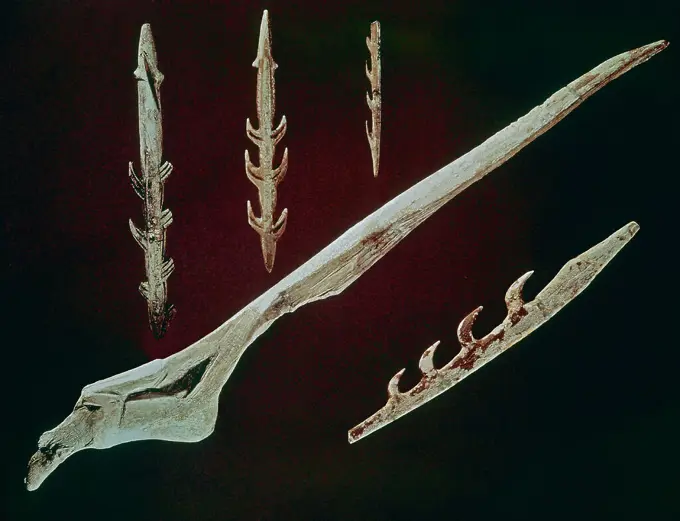
ARMAS DE HUESO DEL PALEOLITICO SUPERIOR - PUNTA DE ARPON Y PUÑAL.Shadow Puppet (Wayang Kulit) ofWerdehRuler Old and dirty folding carpenter s ruler on light grey background Copyright: xZoonar.com/J.xSandvikx 1291088caliper on a white background