Historical Tools

Depictions of ancient tools and utensils, including files, forks, and weapons, showcasing craftsmanship and historical significance from different eras.
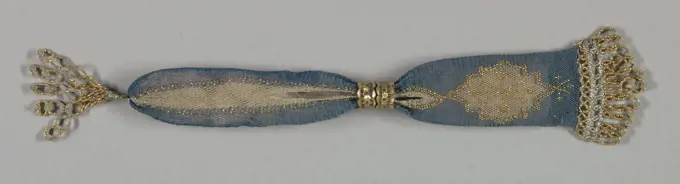
Miser's purse, Medium: silk, metallic beads Technique: beaded netting, Netting blue silk with asymmetrical area of white silk forming a bar and serrated diamond pattern. White areas outlined with gold beads; eight-pointed gold bead star within diamond-shaped white area. Two gold rings with blue floral areas at opening. A fringe at one end and tassel at other consist of gold beads and beads and twisted wire of silver-colored metal., France, 1830-50, costume & accessories, Miser's purse
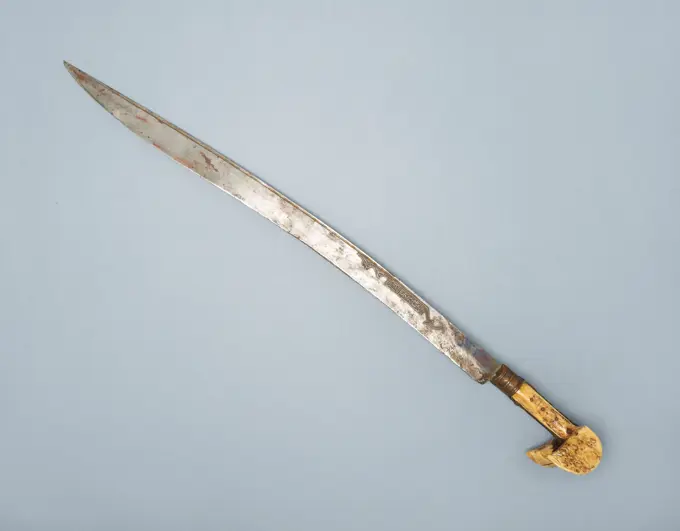
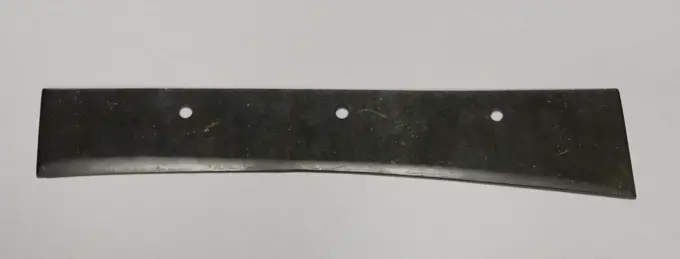
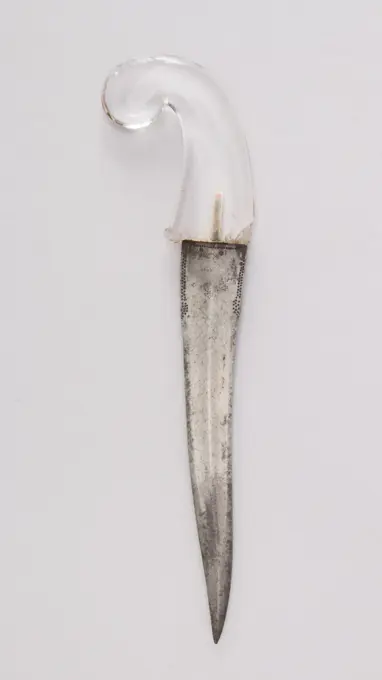
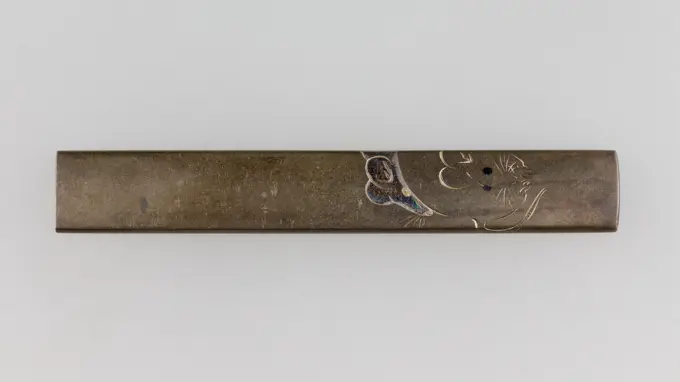
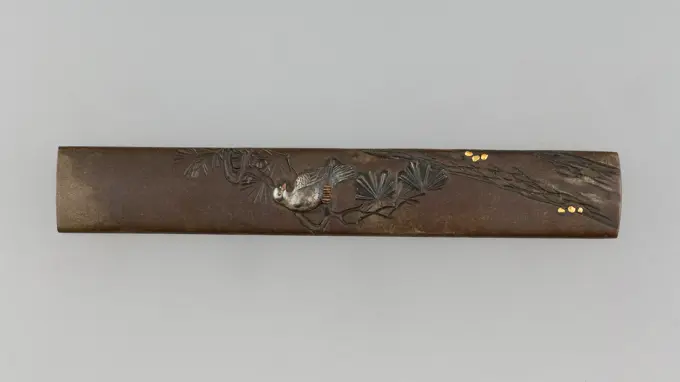
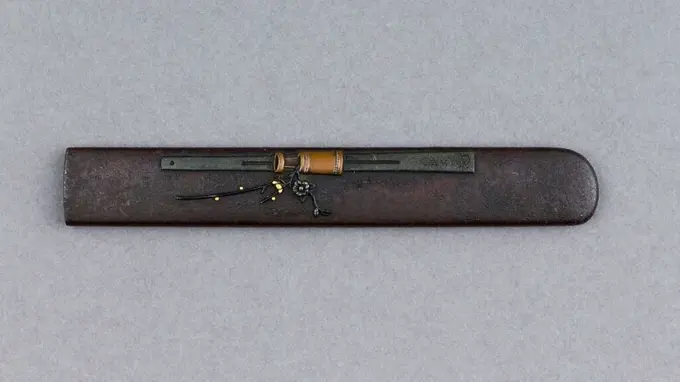
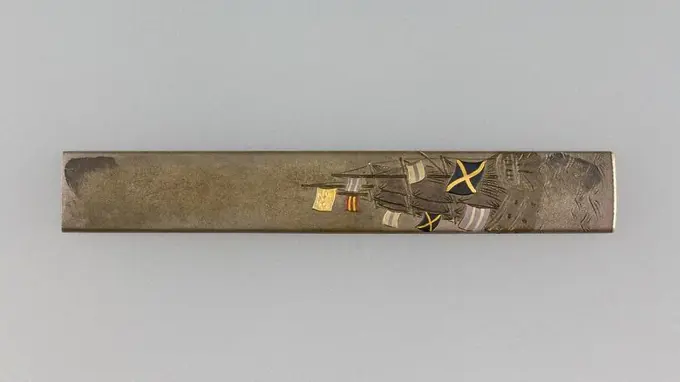
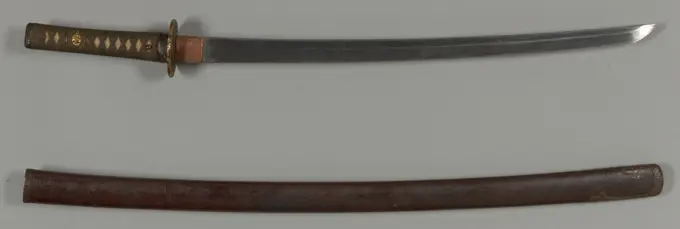
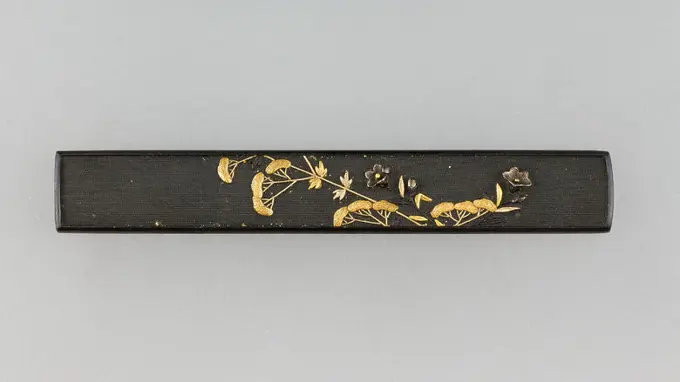
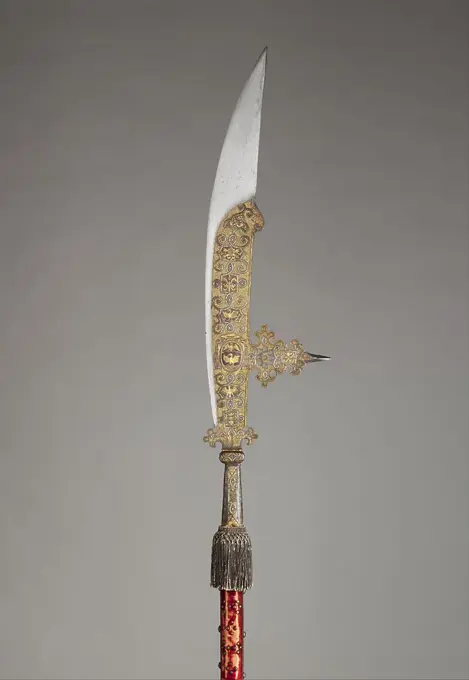
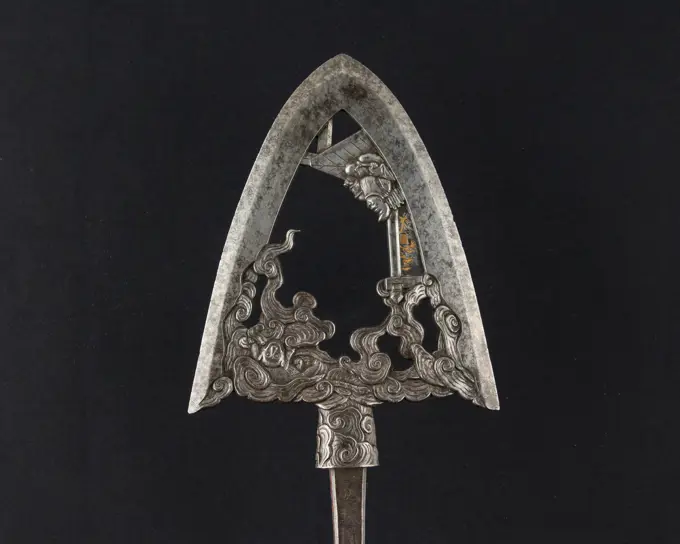
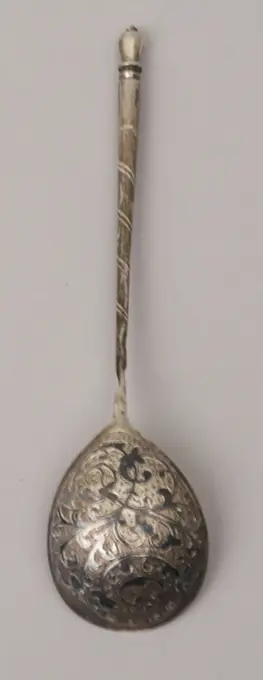
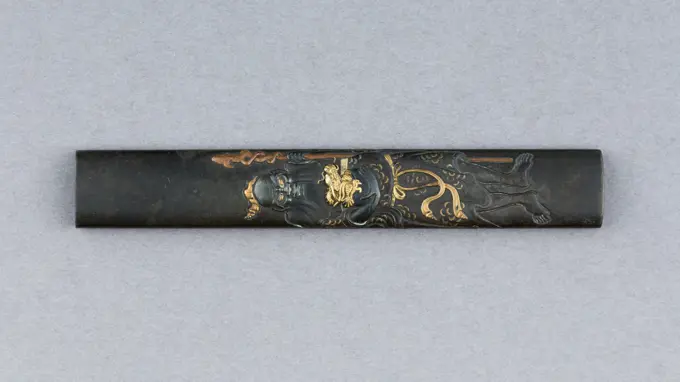
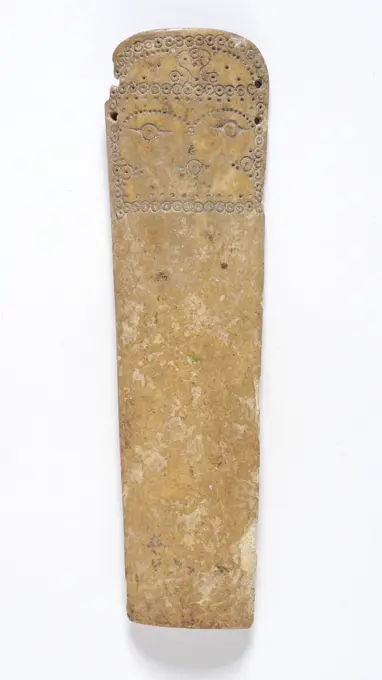
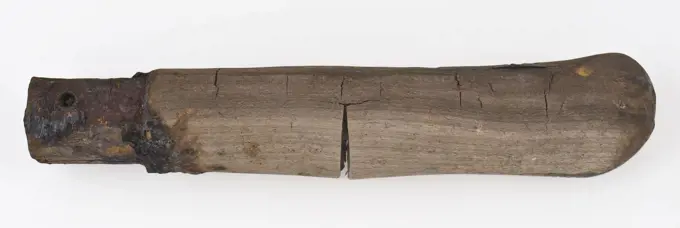
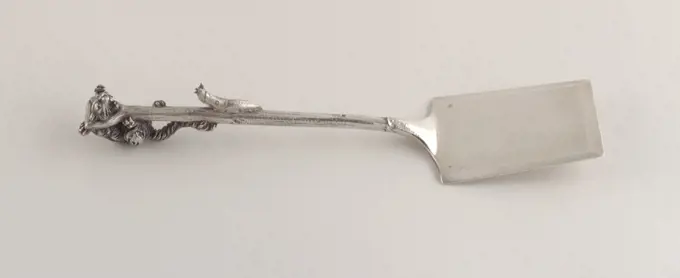
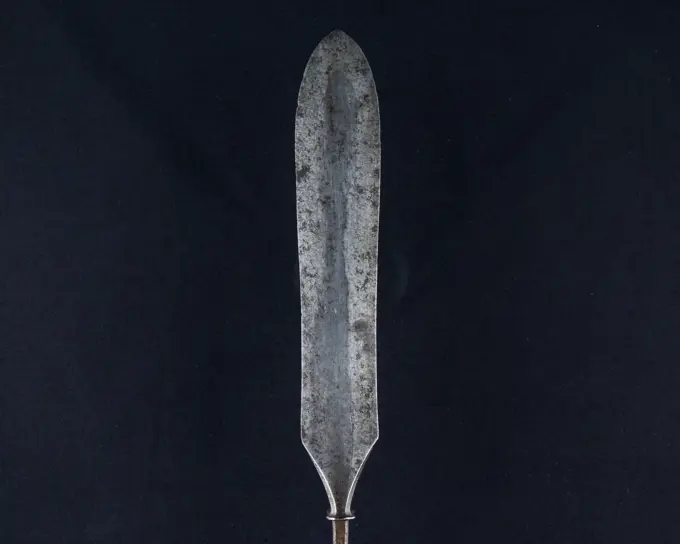
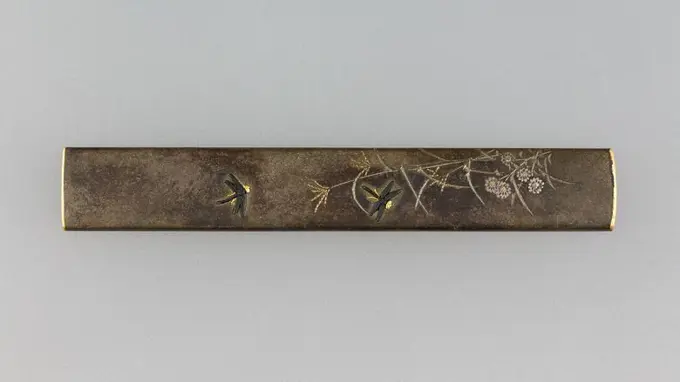
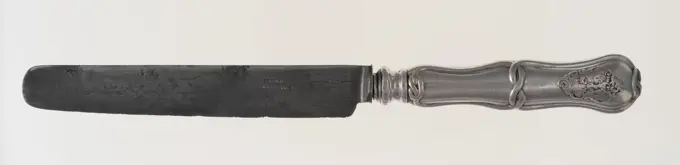
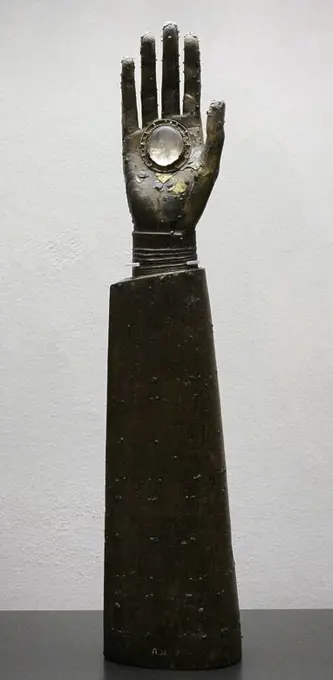
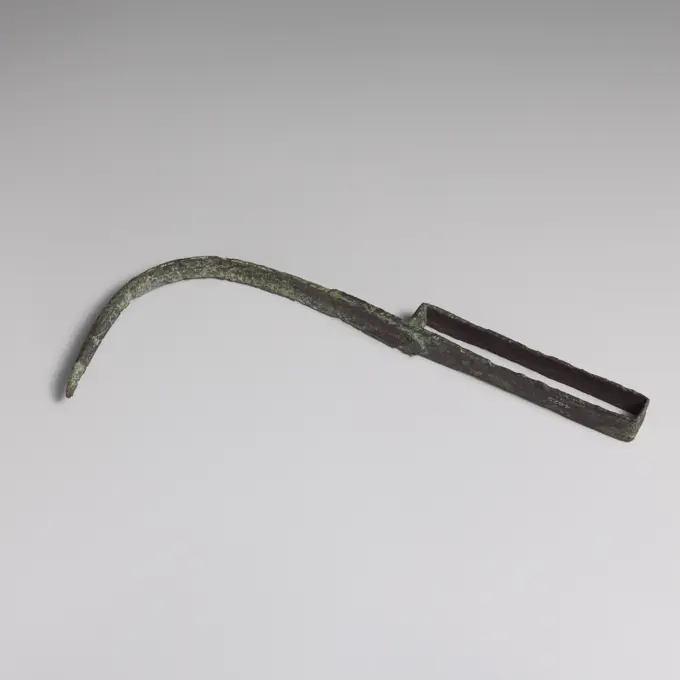
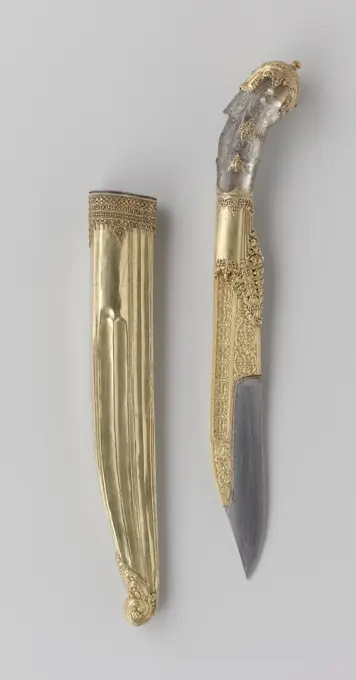
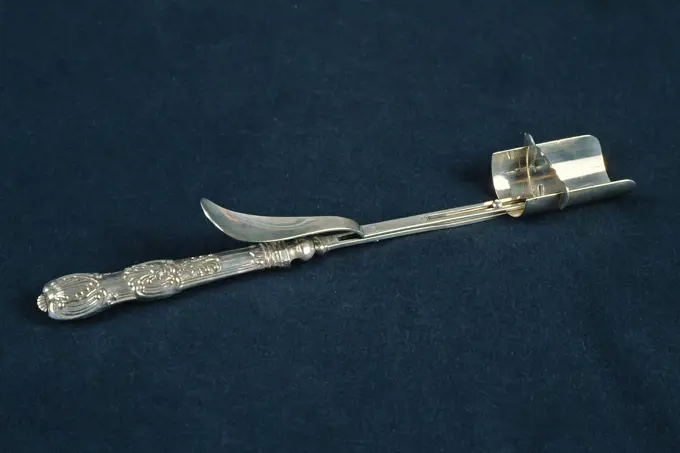
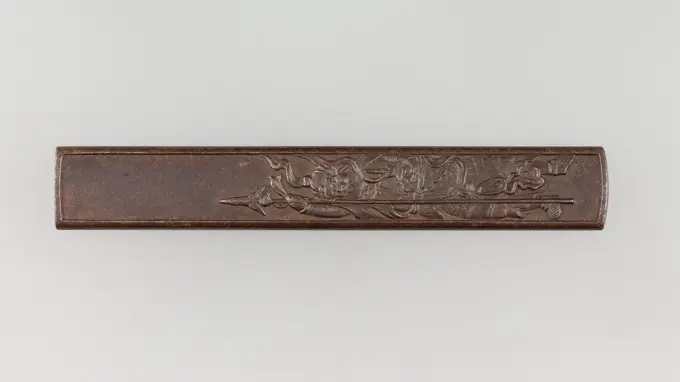
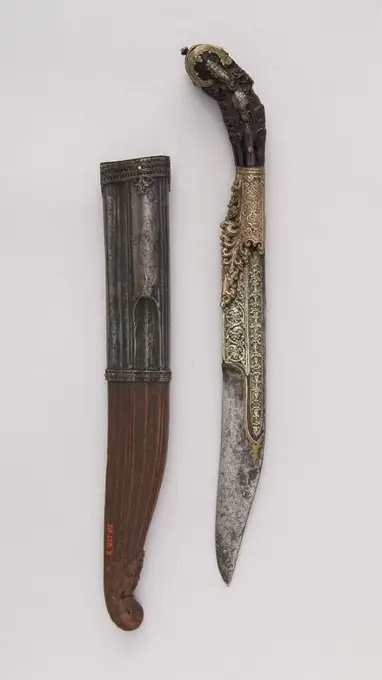
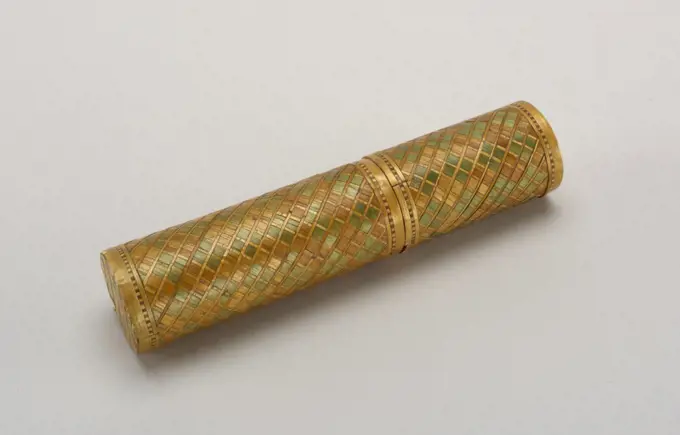
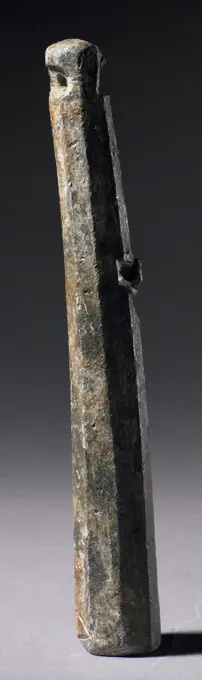
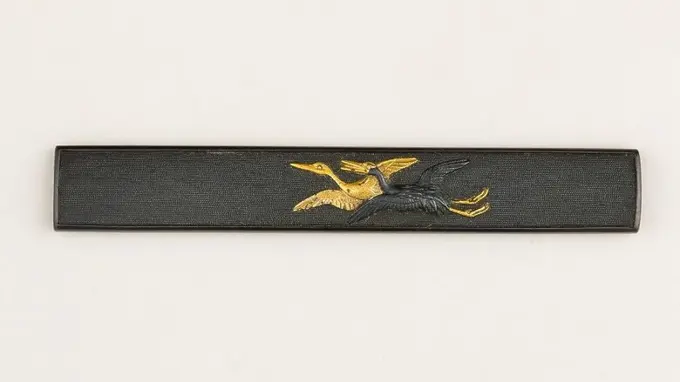
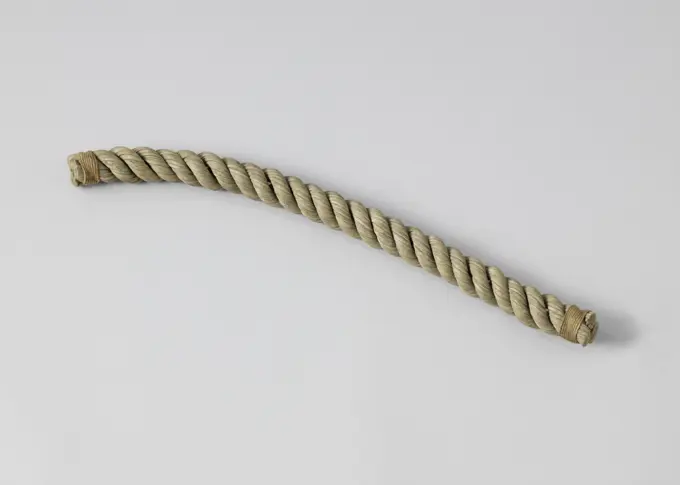
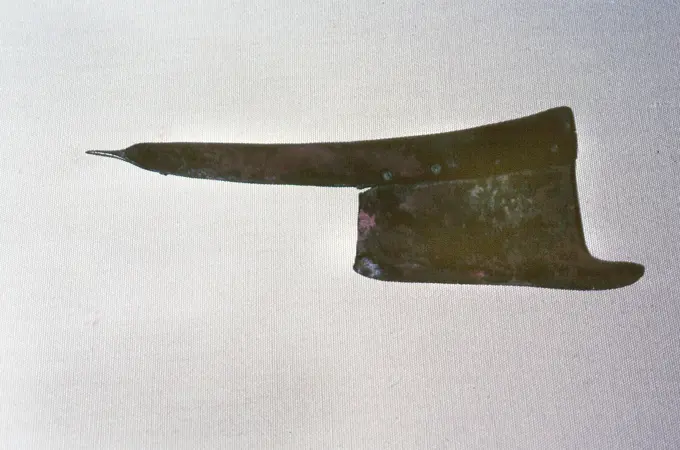
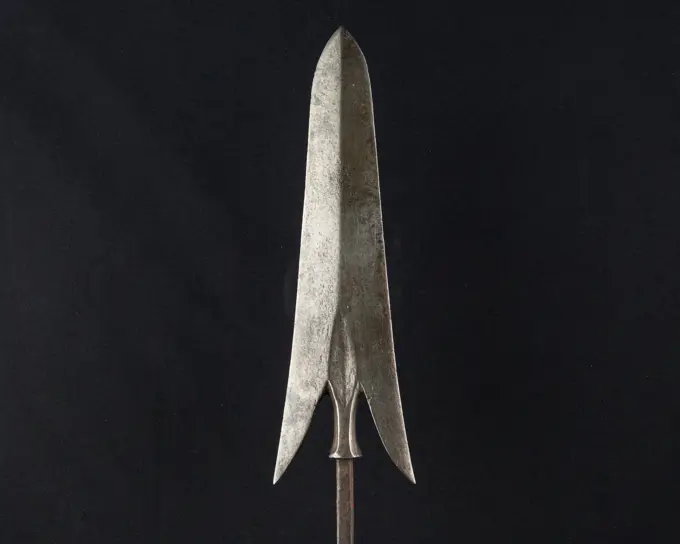
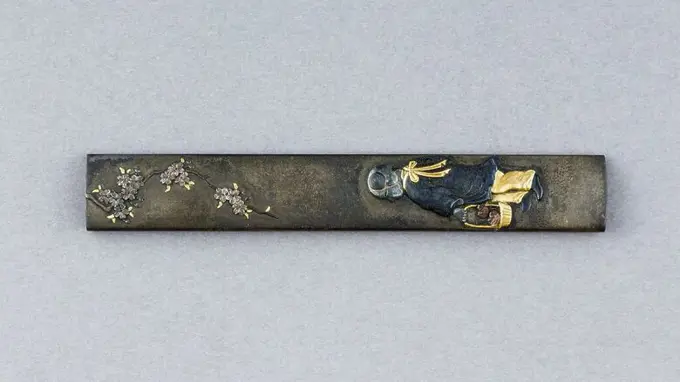
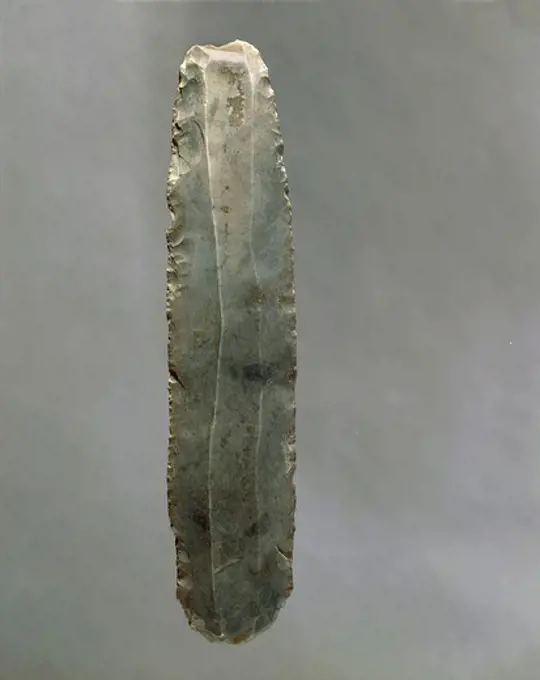
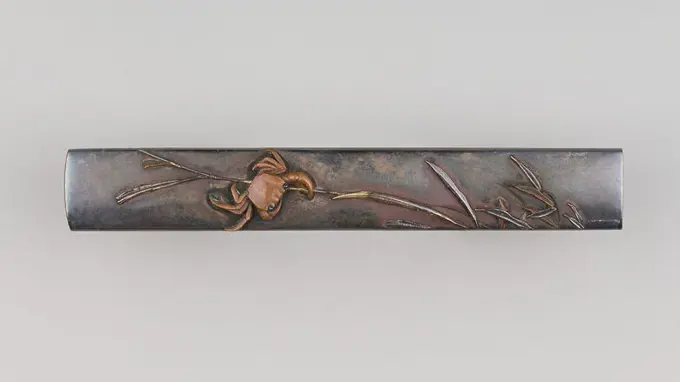
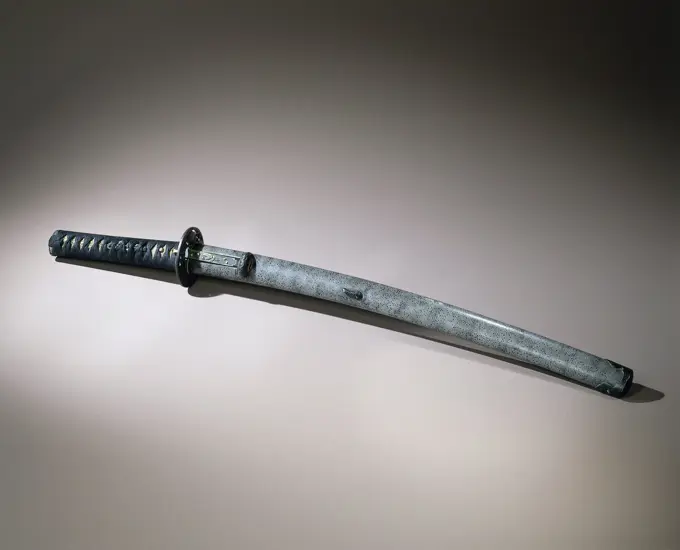
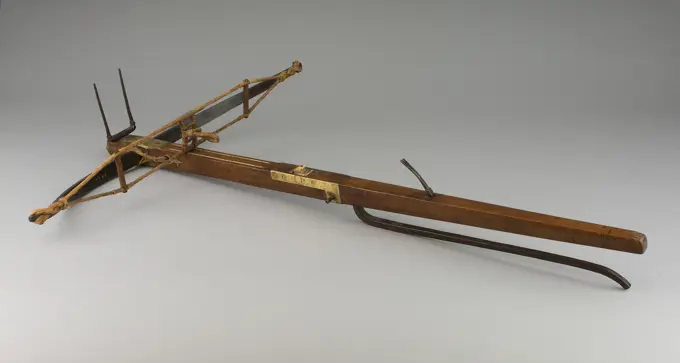
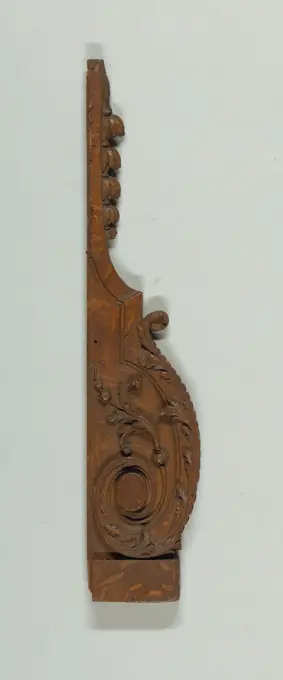
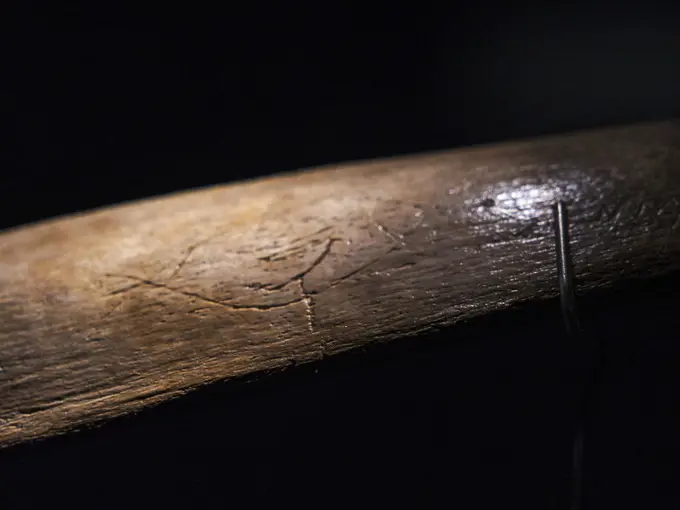
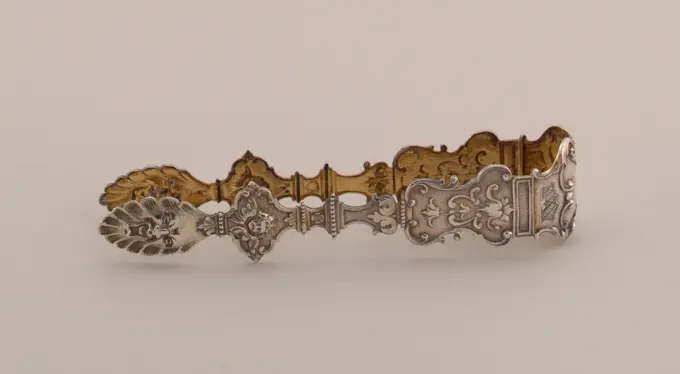
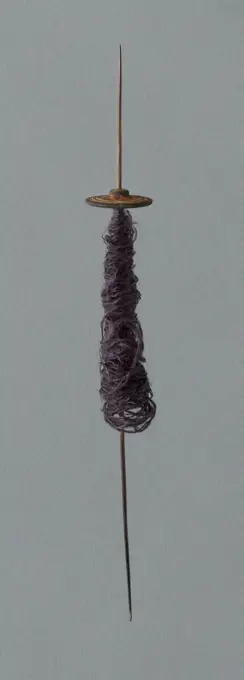
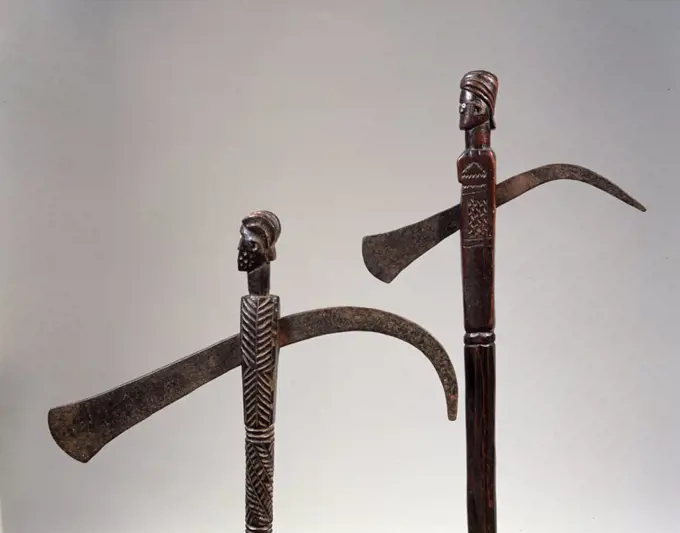
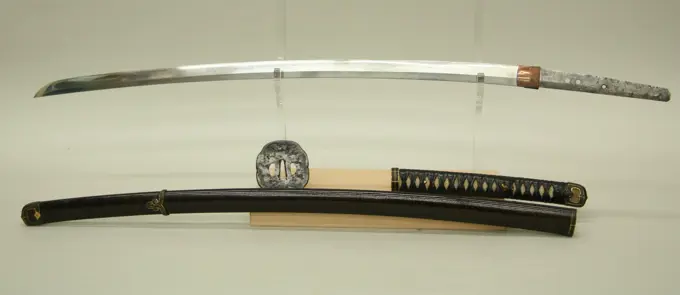
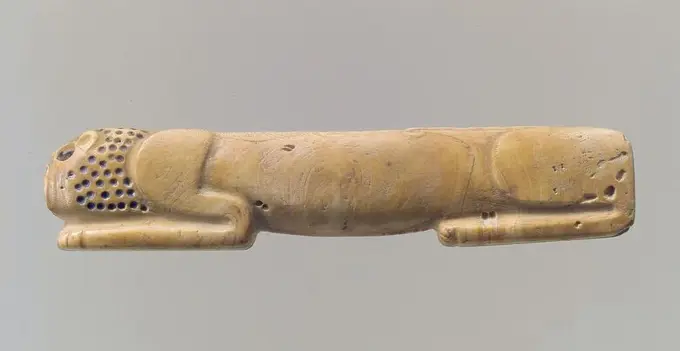
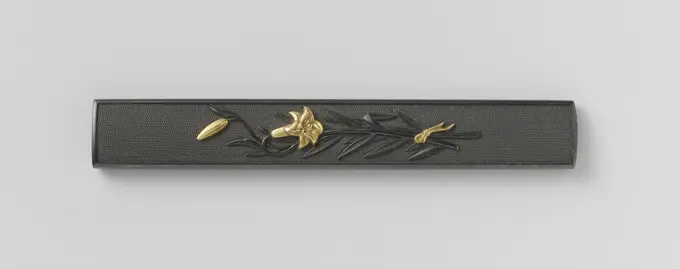
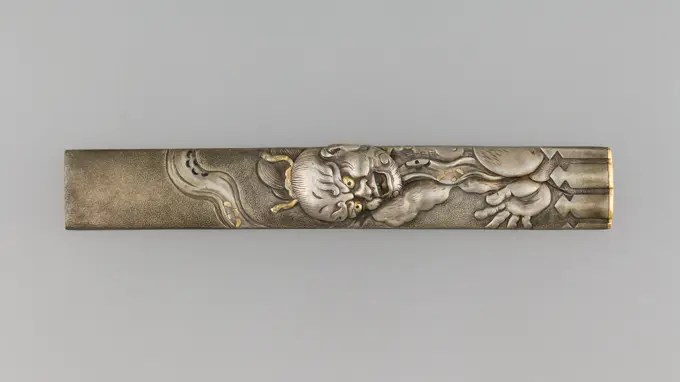
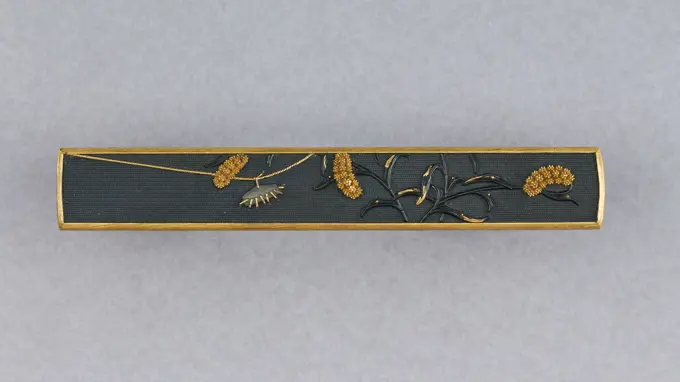
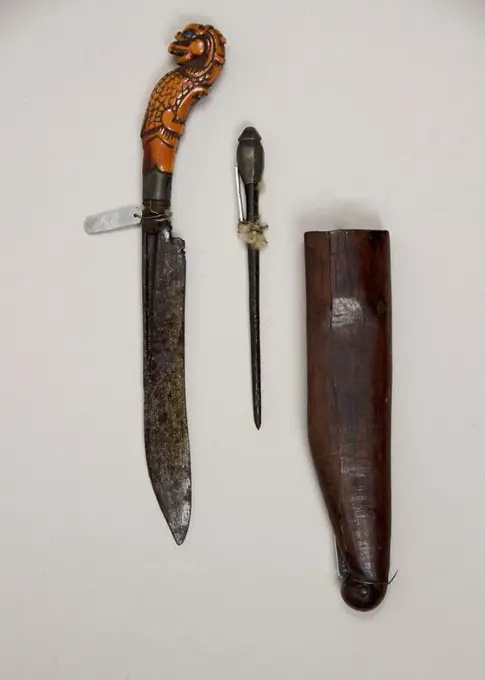
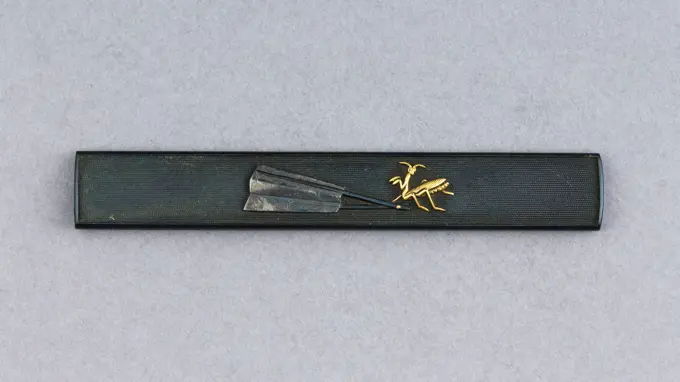
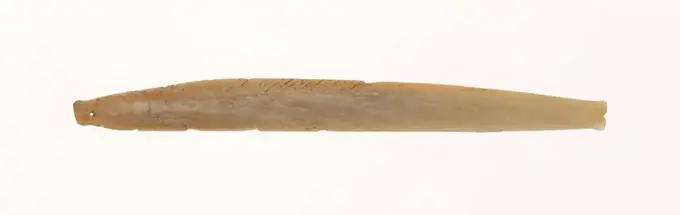
Semi-round double-sided file. File, half round without handle, with parallel reversal (caps). The file is grater shaped with sharp dots, on both sides locally notches are visible. Stamped blackmissination.Bronze fork ca. 1st-3rd century A.D. Roman, Cypriot The object was probably used as a surgical instrument, although this attribution cannot be proven and it may have been a general-purpose household utensil.. Bronze fork. Roman, Cypriot. ca. 1st-3rd century A.D.. Bronze. Roman. BronzesYataganYeah dessert; Würtembergische metallwarefabrik - WMF (Germany; Wytwónia Z Otnarz; 1880-1914); after 1880 (1880-00-00-1905-00-00);Cannon of the Reygersberg family, Johannes Burgerhuys, 1678 cannon Richly decorated cannon of cast bronze. For the Zundgat on the bottom piece the coat of arms of the Van Reygersberg family with two lions as shield holders; Among them four swimming swans and above that an eagle. The ears in the form of dolphins surrounded by flowers; The Langeveld provided with large hanging trophy of dead herons and hunting gear, including a cartouche formed by four hunting dogs, deer and a boar head in which: Semper idem. At the head a band of Arabetien. The grape is richly decorated. Middelburg bronze (metal) castingCeremonial Blade with Three Perforations (Dao), 2000-1700 BC. Northwest China, late Neolithic period to early Bronze Age, Qijia culture (2000-1700 BC). Jade (nephrite); overall: 35.2 cm (13 7/8 in.).Sword (Firangi) 19th century hilt, Indian; blade, European The length of the blade is engraved with inscriptions in the form of a talismanic scroll, which include Qur'anic quotes, pious phrases, and magic squares.. Sword (Firangi) 24322Miser's purse, Medium: silk, metallic beads Technique: beaded netting, Netting blue silk with asymmetrical area of white silk forming a bar and serrated diamond pattern. White areas outlined with gold beads; eight-pointed gold bead star within diamond-shaped white area. Two gold rings with blue floral areas at opening. A fringe at one end and tassel at other consist of gold beads and beads and twisted wire of silver-colored metal., France, 1830-50, costume & accessories, Miser's purseDagger (Khanjar) 19th century Indian, Mughal. Dagger (Khanjar) 31443Part of a door rod, anonymous, 1600 - 1800 Door fittings of Vertind IJzer, part of a door strap, decorated with engraving. The batter is from the hinge as follows: a baluster -shaped start, transfersing into a narrow, straight from which some leaf motifs spring from the end, which curls like volutes. The whole ends in a pointed leaf.  iron (metal). tin (metal) forging / engraving Door fittings of Vertind IJzer, part of a door strap, decorated with engraving. The batter is from the hinge as follows: a baluster -shaped start, transfersing into a narrow, straight from which some leaf motifs spring from the end, which curls like volutes. The whole ends in a pointed leaf.  iron (metal). tin (metal) forging / engravingKnife Handle (Kozuka) mid-19th century Inscribed by Kanō Natsuo Japanese This kozuka features a design of two mice.. Knife Handle (Kozuka) 29721Knife Handle (Kozuka) 18th century Japanese A kozuka is a handle of a by-knife that is part of a sword mounting. It is kept in a slot on the reverse of a katana scabbard, often with a matching kgai (hairdressing tool).. Knife Handle (Kozuka). Japanese. 18th century. Copper-silver alloy (shibuichi), silver, gold, copper. Sword Furniture-KozukaFruit Knife (France); Designed by F. Nicoud (French, active 1890); silver, steel; L x W x D: 20 x 1 x 0.8 cm (7 7/8 x 3/8 x 5/16 in.)Knife Handle (Kozuka). Culture: Japanese. Dimensions: L. 3 13/16 in. (9.7 cm); W. 9/16 in. (1.4 cm); thickness 1/4 in. (0.6 cm); Wt. 1.2 oz. (34 g). Date: ca. 1615-1868. Museum: Metropolitan Museum of Art, New York, USA.Knife Handle (Kozuka). Culture: Japanese. Dimensions: L. 3 13/16 in. (9.7 cm); W. 9/16 in. (1.4 cm); thickness 3/16 in. (0.5 cm); Wt. 1.1 oz. (31.2 g). Date: mid-19th century. Museum: Metropolitan Museum of Art, New York, USA.CDK unknownKnife Handle (Kozuka). Culture: Japanese. Dimensions: L. 3 13/16 in. (9.7 cm); W. 9/16 in. (1.4 cm); thickness 1/4 in. (0.6 cm); Wt. 1.2 oz. (34 g). Date: 18th century. Museum: Metropolitan Museum of Art, New York, USA.Fauchard of the Bodyguard of Cardinal Scipione Borghese-Caffarelli (1576-1633). Culture: Italian. Dimensions: L. 108 in. (274.32 cm); blade L. 35 in. (24.13 cm); W. 9.5 in. (88.9 cm). Date: ca. 1600-1610. Museum: Metropolitan Museum of Art, New York, USA.SAAOLSSABEL with Schede, Anonymous, c. 1820 - c. 1832 sabre SAOLSSABEL CA. 1820, with Schede and Bandelier. Copper hilt. Five -shaped rod with two buttons. Semi -round bump, light colored. One -cut iron blade (partly blewy). Black leather sheath with copper top and bottom tire. On the top strap a copper carrying strap, on which a white leather bandelier with copper buckle and swivel. Two slots in the inside: 1825.  iron (metal). leather. copper (metal) forging / cutting  AmsterdamSpontoon early 18th century Italian, Savoy. Spontoon 25080Caucasian KanjarAnonymous, ceremonial blade (common name). Cernuschi Museum, Asia Museum of Asia in the city of Paris.Left Arm Guard. Culture: Turkish. Dimensions: L. 11 1/4 in. (28.6 cm); W. 3 1/4 in. (8.3 cm); Wt. 11.7 oz. (331.7 g). Date: 16th-17th century. Museum: Metropolitan Museum of Art, New York, USA.Bronze specillum (probe) Roman 1st-2nd century CE Small spatula.Pipe cooker made of palm wood, sliced with yacht scene. Pipe sleeve made of palm wood, sliced with hunters, dogs and different game; both ends end in animals.Clasp Knife 18th century Spanish. Clasp Knife. Spanish. 18th century. Steel, horn, brass. KnivesArrowhead (Yanone) dated 1645 Japanese Although today Japanese warriors are renowned most for their swordsmanship, archery, especially from horseback, has been an essential part of samurai warfare and culture for centuries. Arrows were fitted with heads of varying shape according to their intended use in war, the hunt, or target practice. Arrowheads made for use on the battlefield incorporated different designs intended for specialized purposes such as the piercing of armor or to cause maximum damage to horses and unarmored personnel.Large arrowheads, pierced and elaborately chiseled with landscapes, birds, flowers, dragons, and Buddhist divinities, were created to be admired for the beauty of their metalwork and design rather than for use in archery. Such highly elaborate examples may have been made for presentation or as a votive offerings to a shrine.. Arrowhead (Yanone). Japanese. dated 1645. Steel. Archery Equipment-ArrowheadsSpoon Russian, Moscow 1866 View more. Spoon. Russian, Moscow. 1866. Silver, parcel-gilt and niello. Metalwork-SilverButter Tub. Dated: 1939. Dimensions: overall: 35.6 x 60.9 cm (14 x 24 in.) Original IAD Object: 40" long; 13" wide; 3 1/2" deep. Medium: watercolor and graphite on paperboard. Museum: National Gallery of Art, Washington DC. Author: Albert Geuppert.Cunnic parasol button or umbrella button of gray-black spotted horn with button inlapped, on a handle of pink-gray spotted Hoorn, Gustav Schnitzler, c. 1920 Cunnic parasol button or umbrella button of gray-black-sainted horn with button-in-law, on a handle of pink-gray-spotted horn. Nijmegen horn (animal material) Cunnic parasol button or umbrella button of gray-black-sainted horn with button-in-law, on a handle of pink-gray-spotted horn. Nijmegen horn (animal material)Knife (Bade-bade) with Sheath. Culture: Malayan. Dimensions: H. with sheath 10 1/4 in. (26 cm); H. without sheath 8 15/16 in. (22.7 cm); L. of blade 6 1/2 in. (16.5 cm); W. 1 3/4 in. (4.5 cm); Wt. 2.3 oz. (65.2 g); Wt. of sheath 1.5 oz. (42.5 g). Date: 18th-19th century. Museum: Metropolitan Museum of Art, New York, USA.PokingStickKnife Handle (Kozuka) 18th century Japanese A kozuka is a handle of a by-knife that is part of a sword mounting. It is kept in a slot on the reverse of a katana scabbard, often with a matching kōgai (hairdressing tool).. Knife Handle (Kozuka) 32140FriezeCopper Pin before 16th century Peruvian. Copper Pin 315349A souvenir saber with vagina and a sling, after General Józef LasockiObject with Face. probably Egypt or Syria, 10th-11th century. Bone, carved and drilledWooden handle of knife, oval section, has knife cutlery soil find timber, Lifts oval in cross-section with narrower part with two holes for lifting guard archeology Rotterdam rail tunnel cutting Soil discovery: rail tunnel Rotterdam.Server, Charles Victor Gibert, French, Silver, Spade shape with slug on stem, cat on handle., ca. 1890, cutlery, Decorative Arts, ServerArrowhead (Yanone) 18th century Japanese Although today Japanese warriors are renowned most for their swordsmanship, archery, especially from horseback, has been an essential part of samurai warfare and culture for centuries. Arrows were fitted with heads of varying shape according to their intended use in war, the hunt, or target practice. Arrowheads made for use on the battlefield incorporated different designs intended for specialized purposes such as the piercing of armor or to cause maximum damage to horses and unarmored personnel.Large arrowheads, pierced and elaborately chiseled with landscapes, birds, flowers, dragons, and Buddhist divinities, were created to be admired for the beauty of their metalwork and design rather than for use in archery. Such highly elaborate examples may have been made for presentation or as a votive offerings to a shrine.. Arrowhead (Yanone). Japanese. 18th century. Steel. Archery Equipment-ArrowheadsRoman gold decorative jewellery head band, 1st century AD. Gumulser Necropolis. Hierapolis Archeological Museum. Turkey.Knife Handle (Kozuka). Culture: Japanese. Dimensions: L. 3 13/16 in. (9.7 cm); W. 9/16 in. (1.4 cm); thickness 3/16 in. (0.5 cm); Wt. 1 oz. (28.3 g). Date: 1789-1876. Museum: Metropolitan Museum of Art, New York, USA.Yeah one hundred; Malcz, Karol (1797-1867), Gerlach (Warsaw; 1760-), Silver Products Factory K.F. Malcza (Warsaw; Sreber label; 1828-1864); 1825-52 (1852-00-00-1852-00-00);Dagger (Katar) 18th-19th century Indian, Mughal. Dagger (Katar) 31863Knife with Sheath. Culture: Indian. Dimensions: L. with sheath 5 1/2 in. (14 cm); L. without sheath 4 7/8 in. (12.4 cm); W. 3/8 in. (1 cm); Wt. 0.7 oz. (19.8 g); Wt. of sheath 0.8 oz. (22.7 g). Date: 19th century. Museum: Metropolitan Museum of Art, New York, USA..Arm reliquary. Hildesheim (). First half of the 12th century. Oak, gilt silver, rock crystal. Germany. Museum Schnu_tgen. Cologne, Germany.Bronze strigil (scraper) 1st century A.D. Roman In the Greek world, the strigil is most often associated with athletes and the gymnasion. But for the Romans, the baths and the culture of bathing were so popular that the implement became part of the everyday equipment of ordinary people, and such strigils were mass produced. They often bear the stamp of the maker; the one here reads: L.MUC.F (made by Lucius Mucius).. Bronze strigil (scraper). Roman. 1st century A.D.. Bronze. Early Imperial. Bronzestwo sabres (such) and a knife (piha-kaetta), anonymous, before dagger Crystals grabbed gold. Kling for two -thirds covered with gold. Wooden sheath completely covered with driven gold plate and decorated with a rim of filigrein, ending in a curl at the bottom. Sri Lanka iron (metal). gold (metal). crystal (lead glass). wood (plant material) forging / casting / filigree ornaments ~ art KandySilversmith: Jean George Grebe, Silver ice cream scoop with carved handle, kitchen utensils silver, mastersign: serve JGG ice cream dessertKnife Handle (Kozuka) 19th century Joken Mori Japanese A kozuka is a handle of a by-knife that is part of a sword mounting. It is kept in a slot on the reverse of a katana scabbard, often with a matching kgai (hairdressing tool).. Knife Handle (Kozuka). Japanese. 19th century. Copper-silver alloy (shibuichi), iron. Sword Furniture-KozukaKnife (Piha Kaetta) with Sheath. Culture: Sri Lankan. Dimensions: H. with sheath 10 5/8 in. (27 cm); H. without sheath 9 7/8 in. (25.1 cm); H. of blade 6 1/8 in. (15.6 cm); W. 1 1/2 in. (3.8 cm); D. 13/16 in. (2.1 cm); Wt. 5 oz. (141.7 g); Wt. of sheath 1 oz. (28.3 cm). Date: 18th century. Museum: Metropolitan Museum of Art, New York, USA.Etui, straw, paper, France, late 18th century, containers, Decorative Arts, EtuiLower hand with pressed and gold-plated leather. Blessed from wood with pressed and gilt leather. On top of a crowned weapon with three lilies around which the statignment of St. Michael. Benefit underground with lilies and a crowned L (). Gold-plated frame.Magic rod fragment ca. 1981-1640 B.C. Middle Kingdom. Magic rod fragment 556920Bracket; wood, carvedCurved wiper, anonymous, c. 1800 - c. 1900 scale model   wood (plant material). copper (metal)Handlood met achthoekige langwerpige kegel.Clip with octagonal elongated cone, at the bottom of a hollow (soul) and at the top of a hole to attach it to the pillar.Hammered Copper Chisel 1st-mid-16th century Peru; north coast (). Hammered Copper Chisel 309099Knife Handle (Kozuka) ca. 1615-1868 Japanese A kozuka is a handle of a by-knife that is part of a sword mounting. It is kept in a slot on the reverse of a katana scabbard, often with a matching kōgai (hairdressing tool).. Knife Handle (Kozuka) 34533bamboo stick on a green backgroundBlade salvaged from the Great Chelsea Fire of 1908 , Fires. Chelsea Public Library Archive CollectionKnife Handle (Kozuka). Culture: Japanese. Dimensions: L. 3 13/16 in. (9.7 cm); W. 9/16 in. (1.4 cm); thickness 3/16 in. (0.5 cm); Wt. 1.1 oz. (31.2 g). Date: late 18th-early 19th century. Museum: Metropolitan Museum of Art, New York, USA.Sample of Tiller Rope, Lijnbaan 'De Groote Zeevaart', 1860 - 1862 sample Sample of steering bar, because three cable strands of sixteen yarns each. Animal skin control bars, preferably from the buffalo, turned out to be of higher quality than those of hemp. Amsterdam skin (collagenous material). ropeBronze razor, 1550-1069 BC. EGYPT.Arrowhead (Yanone) 18th century Japanese Although today Japanese warriors are renowned most for their swordsmanship, archery, especially from horseback, has been an essential part of samurai warfare and culture for centuries. Arrows were fitted with heads of varying shape according to their intended use in war, the hunt, or target practice. Arrowheads made for use on the battlefield incorporated different designs intended for specialized purposes such as the piercing of armor or to cause maximum damage to horses and unarmored personnel.Large arrowheads, pierced and elaborately chiseled with landscapes, birds, flowers, dragons, and Buddhist divinities, were created to be admired for the beauty of their metalwork and design rather than for use in archery. Such highly elaborate examples may have been made for presentation or as a votive offerings to a shrine.. Arrowhead (Yanone). Japanese. 18th century. Steel. Archery Equipment-ArrowheadsKnife Handle (Kozuka). Culture: Japanese. Dimensions: L. 3 13/16 in. (9.7 cm); W. 9/16 in. (1.4 cm); thickness 1/4 in. (0.6 cm); Wt. 1.2 oz. (34 g). Date: ca. 1615-1868. Museum: Metropolitan Museum of Art, New York, USA.Winged Pendant 10th-16th century Tairona. Winged Pendant 317441Knife (Piha Kaetta) with Sheath 18th century Sri Lankan. Knife (Piha Kaetta) with Sheath 33279Hammer with Brand iron, 1750 - 1850 hammer Hammer with a screw -on part on which a fire iron with the number 43 is attached and a wooden handle. The Brandijzer may be intended for marking the immovable property on a plantation. Suriname cast iron. wood (plant material) casting  SurinameBronze sheath tip, from the Cerkassy Region, Ukraine. Cimmerian Civilization, 8th Century B.CCeremonial Kiwert, Jan GottliebPrzeszo Przyszoci unknownDagger with Sheath 17th-19th century hilt, Indian, Mughal; sheath, Indian. Dagger with Sheath 31827Presentoire 1800-1900 Austria. Steel, brass, mother-of-pearl, and horn .Yeah one hundred; Tauron-Parisot (couples; Factory; 1839-); 1. PO. 19th century (1850-00-00-1850-00-00);Key.key.Kris with Sheath 16th-19th century Sumatran. Kris with Sheath. Sumatran. 16th-19th century. Steel, wood, gold, brass. Sumatra. KrissesPrehistory, Austria, Paleolithic. Flintstone shaped as a knife. From layer 9 of Willendorf.African lance weapon iron arrowhead in orange background   Knife Handle (Kozuka). Culture: Japanese. Dimensions: L. 3 13/16 in. (9.7 cm); W. 9/16 in. (1.4 cm); thickness 1/4 in. (0.6 cm); Wt. 1.3 oz. (36.9 g). Date: 19th century. Museum: Metropolitan Museum of Art, New York, USA.Knife Handle (Kozuka). Culture: Japanese. Dimensions: L. 3 13/16 in. (9.7 cm); W. 9/16 in. (1.4 cm); thickness 1/4 in. (0.6 cm); Wt. 1.2 oz. (34 g). Date: ca. 1615-1868. Museum: Metropolitan Museum of Art, New York, USA.Fish-tail knife blades, that have been used to cut the umbilical cord at birth, and symbolically during rebirth in the afterlife. From the Presynaptic period.Sword, anonymous, c. 1700 - c. 1800 Sheath decorated with haaievel-decor; open worked tsuba with leaf and floral motifs; Equipped with two menu, a Kozuka and Kogai. Japan metal Sheath decorated with haaievel-decor; open worked tsuba with leaf and floral motifs; Equipped with two menu, a Kozuka and Kogai. Japan metalPellet Crossbow 1590-1610 Europe. Maple, steel, iron, horn, and cord .Chromatic bass horn, Johann Heinrich Gottlieb Streitwolf, c. 1820 - c. 1830 Chromatic Bass Horn in Bes. Twelve holes, two of which are equipped with open valves and eight of closed valves. The thumb of the left hand serves the 1st, 2nd and 3rd valve, that of the right hand the 8th. The round, flat valves are partially resting in saddles. The other valves are provided with an indirect transfer mechanism. With eyes for a carrying strap and support hook for the left hand. A wreath has been laid around the cup, in which oak magazine and acorn ornament, and the inscription 'Streitwolf in Göttingen' are engraved. The fitting is engraved: 'Erfundenden / un sophisticated / von / streitwolf / in Göttingen'. Göttingen wood (plant material). copper (metal) Chromatic Bass Horn in Bes. Twelve holes, two of which are equipped with open valves and eight of closed valves. The thumb of the left hand serves the 1st, 2nd and 3rd valve, that of the right hand the 8th. The round, flat valves are partially Fragment, Frame; wood, carvedpisciformes, rib with fish engraving and reticules, Upper Magdalenian, El Pendo, Escobedo, Museum of prehistory and archeology (MUPAC), Santander, Cantabria, Spain.Sugar Tongs; silver; Overall: 17 x 4 x 3.1 cm (6 11/16 x 1 9/16 x 1 1/4 in.)Wooden Spindles with Ceramic Whorls Made 1000-1476 Peru. Wood and ceramic .Baluster late 17th-early 18th century British. Baluster. British. late 17th-early 18th century. Deal. WoodworkEngraved wooden axes with heads used by Zaramo people, Tanzania, XIXth century. Private Collection.Blade and Mounting for a Sword (Katana) blade, probably 19th century; mounting, 19th century Japanese A katana is a sword with a curved blade longer than 60 cm fitted with an uchigatana-style mounting and worn in a waist sash with the cutting edge facing up.. Blade and Mounting for a Sword (Katana). Japanese. blade, probably 19th century; mounting, 19th century. Steel, wood, lacquer, iron, gold, copper-gold alloy (shakudō), rayskin (samé), leather, windmill palm leaves. SwordsAmulet in the form of a couchant lion. Dimensions: 7/8 x 4 1/8 in. (2.2 x 10.6 cm). Date: ca. 2900-2700 B.C..This small object carved from a piece of shell depicts a reclining lion with head resting on his front paws. The elements of the animal's body are very simply modeled: haunches, body, shoulders and front paws, and head can be identified. The back is straight and the belly hangs down slightly. Small drilled holes mark the mane, and larger holes indicate the eye and ear. Traces of pigment in these holes suggest that they were originally inlaid with a material in a contrasting color. Lions were one of the most frequently represented animals in the art of Mesopotamia from a very early period on, and were often shown in combat with an adversary, either human or supernatural. This object may have been used as an amulet, harnessing the enormous power of this fearsome animal. Museum: Metropolitan Museum of Art, New York, USA.Sword knife hilt, anonymous, 1500 - 1900 Decoration with a lily branch in relief; Gold shows a flowering and a closed lily and a thread around the branch. Black background and border. Japan . Decoration with a lily branch in relief; Gold shows a flowering and a closed lily and a thread around the branch. Black background and border. Japan .Knife Handle (Kozuka) mid-19th century Japanese A kozuka is a handle of a by-knife that is part of a sword mounting. It is kept in a slot on the reverse of a katana scabbard, often with a matching kgai (hairdressing tool).. Knife Handle (Kozuka). Japanese. mid-19th century. Copper-silver alloy (shibuichi), gold. Sword Furniture-KozukaKnife Handle (Kozuka) 19th century Inscribed by Ginshtei Tmei Japanese This set of sword fittings features a design of millet.. Knife Handle (Kozuka). Japanese. 19th century. Iron, gold, copper-silver alloy (shibuichi). Sword Furniture-KozukaKnife (Piha Kaetta) with Stylus and Sheath. Culture: Sri Lankan. Dimensions: L. with sheath 9 5/8 in. (24.4 cm); L. without sheath 8 3/4 in. (22.2 cm); W. 1 1/2 in. (3.8 cm); Wt. 3.2 oz. (90.7 g); Wt. of sheath 2.1 oz. (59.5 g); stylus (c); H. 5 1/8 in. (13 cm); Wt. 1 oz. (28.3 g). Date: 18th-19th century. Museum: Metropolitan Museum of Art, New York, USA.Knife Handle (Kozuka) ca. 1615-1868 Japanese A kozuka is a handle of a by-knife that is part of a sword mounting. It is kept in a slot on the reverse of a katana scabbard, often with a matching kōgai (hairdressing tool).. Knife Handle (Kozuka) 34549Goat's Foot Lever. Spanish. Date: 1600. Dimensions: L. 58.7 cm (23 in.)Wt. 16 oz. Steel. Origin: Europe. Museum: The Chicago Art Institute, Chicago, USA.Fish Pendant. China. Date: 1300 BC-900 BC. Dimensions: 5 3/4 × 7/8 in. × 1/8 in. Jade. Origin: China. Museum: The Chicago Art Institute, Chicago, USA.