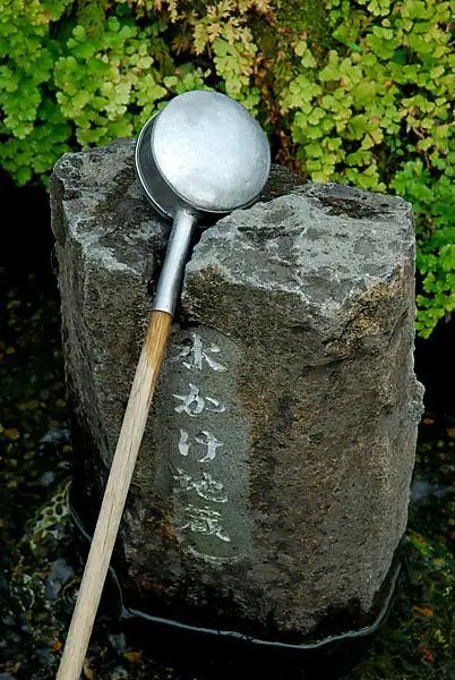
Historical Tools

Depictions of ancient tools and utensils, including files, forks, and weapons, showcasing craftsmanship and historical significance from different eras.
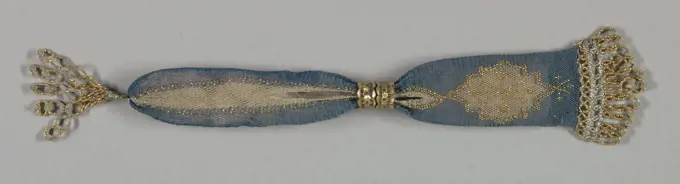
Miser's purse, Medium: silk, metallic beads Technique: beaded netting, Netting blue silk with asymmetrical area of white silk forming a bar and serrated diamond pattern. White areas outlined with gold beads; eight-pointed gold bead star within diamond-shaped white area. Two gold rings with blue floral areas at opening. A fringe at one end and tassel at other consist of gold beads and beads and twisted wire of silver-colored metal., France, 1830-50, costume & accessories, Miser's purse
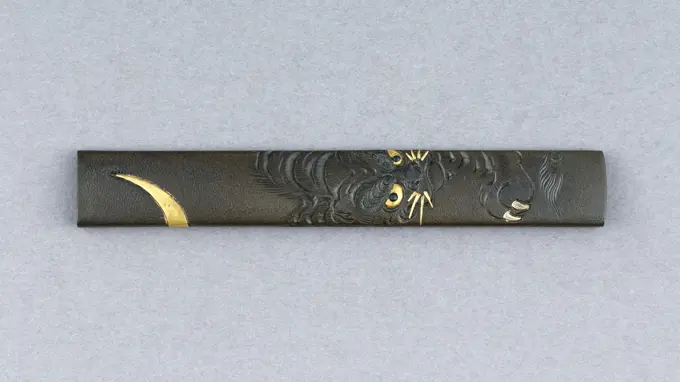
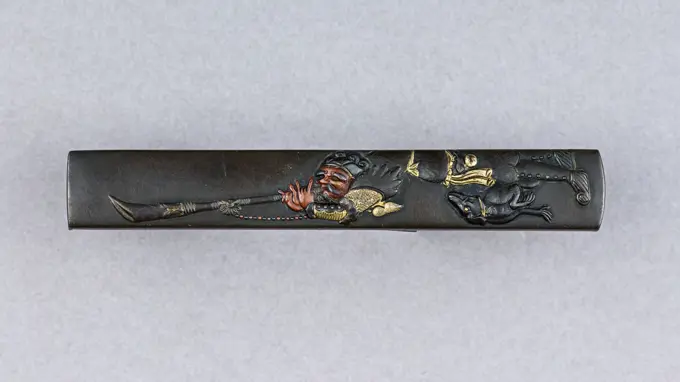
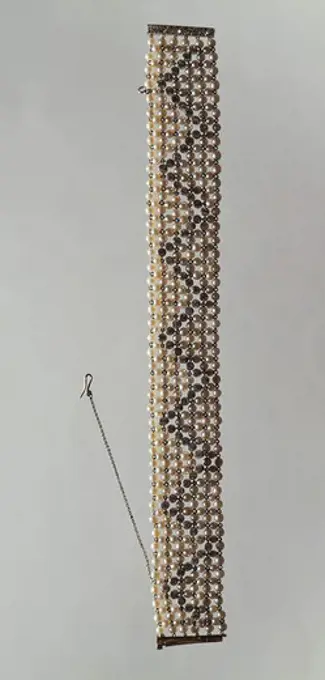
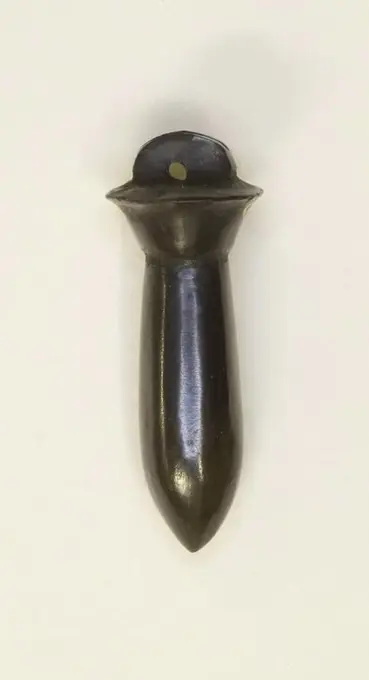
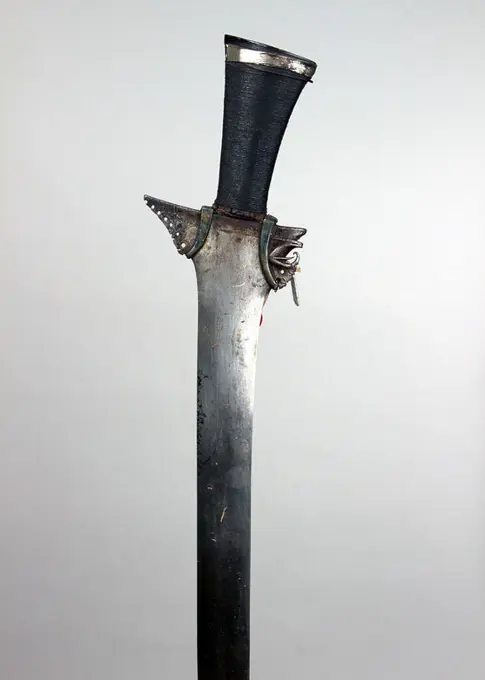
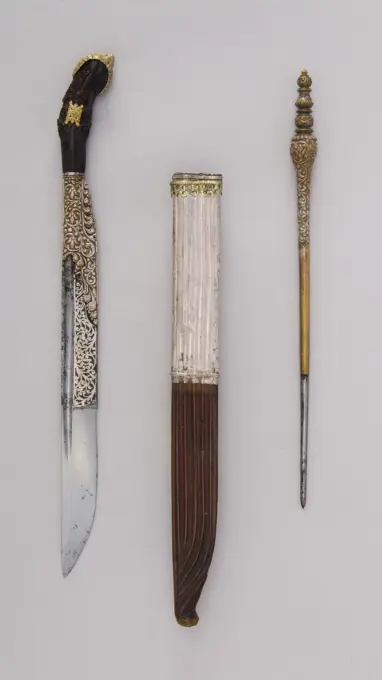
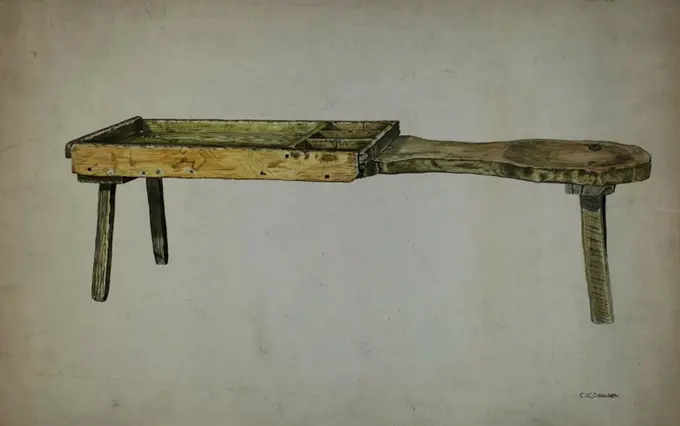
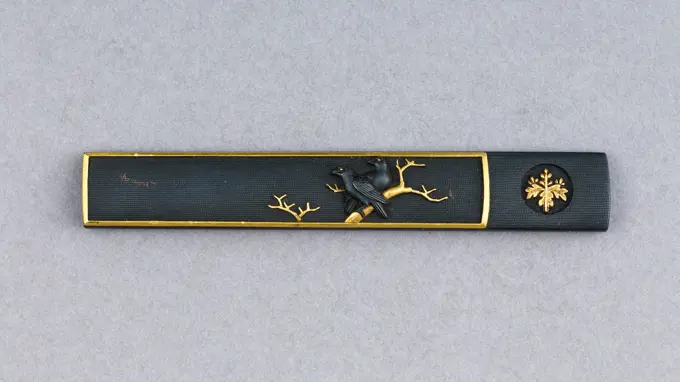
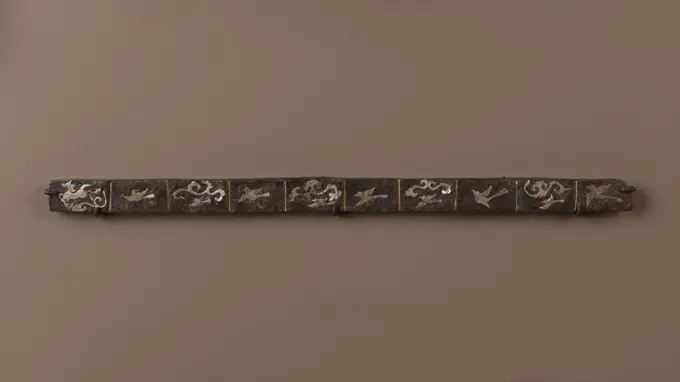
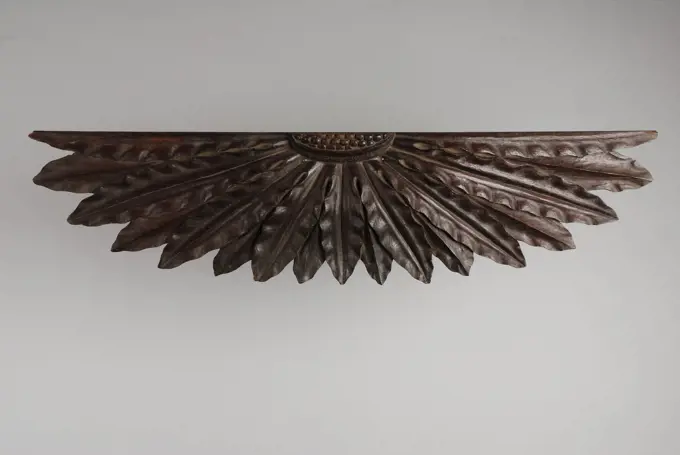
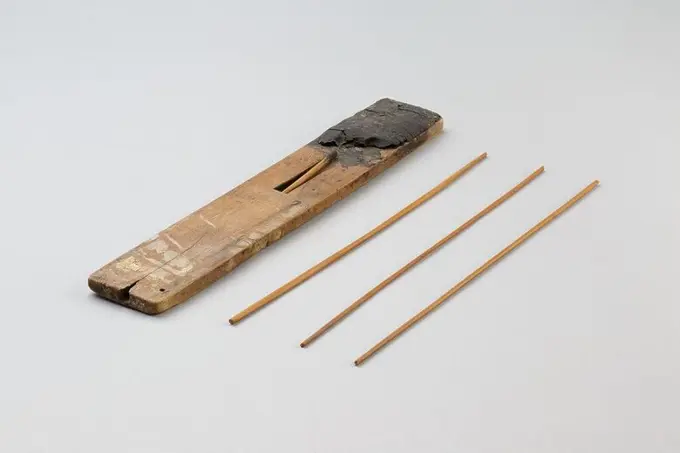
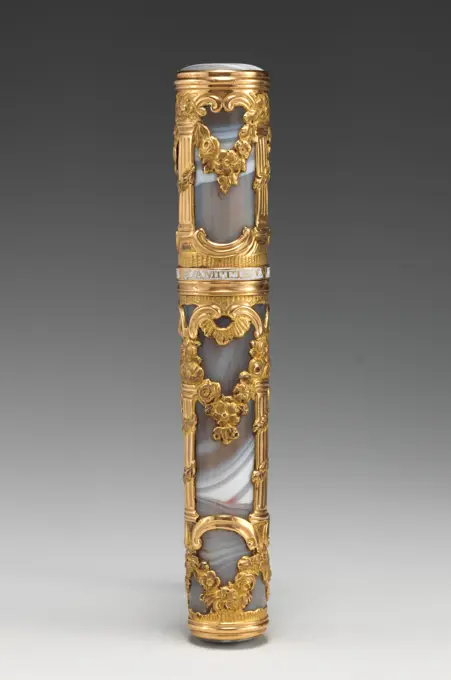
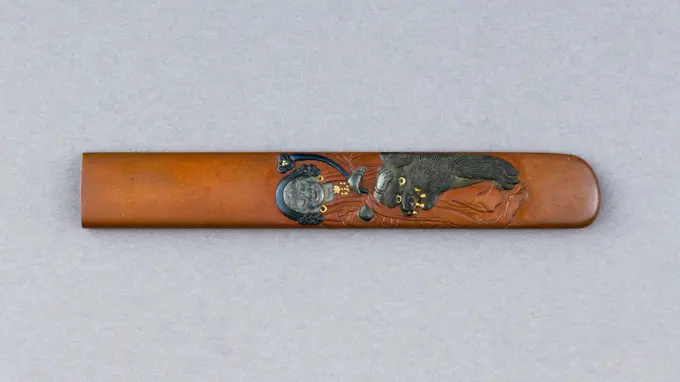
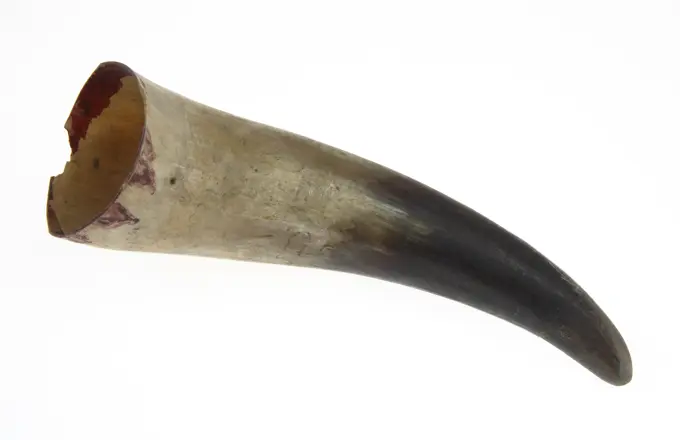
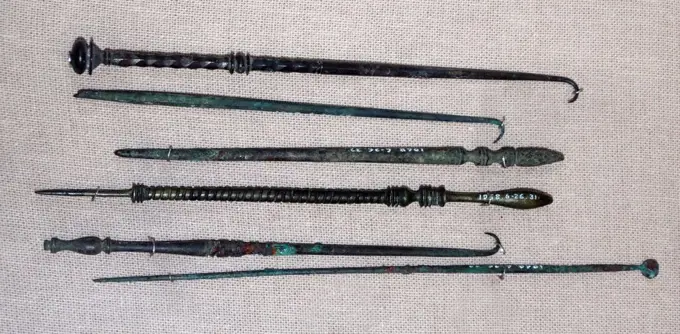
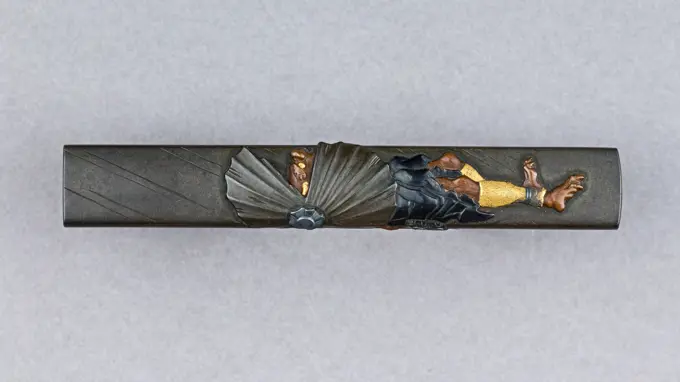
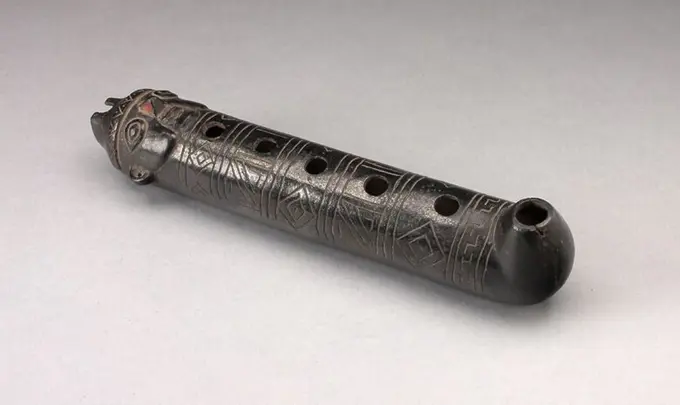
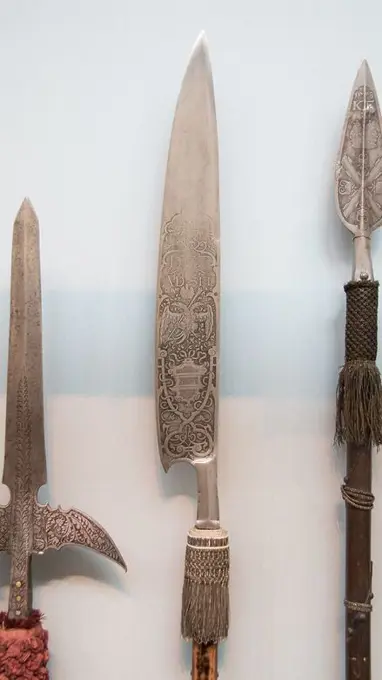
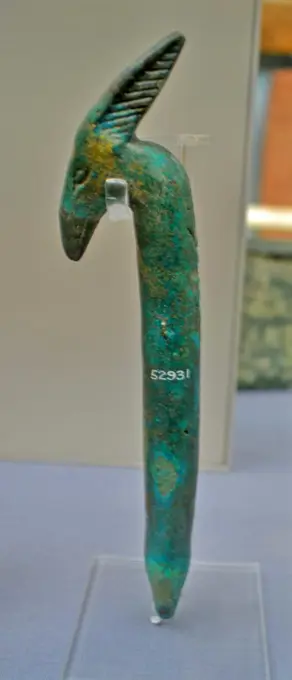
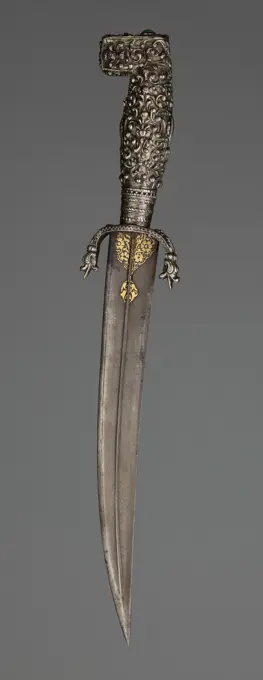
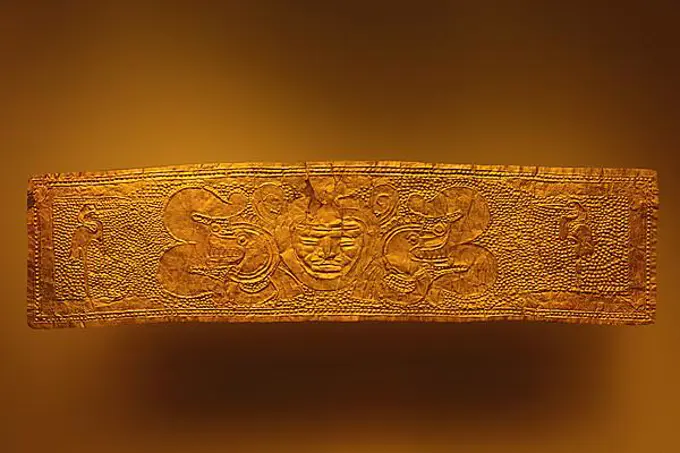
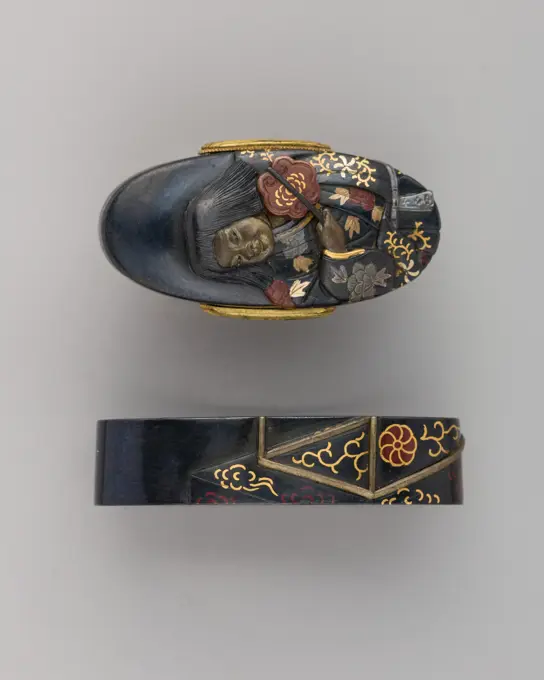
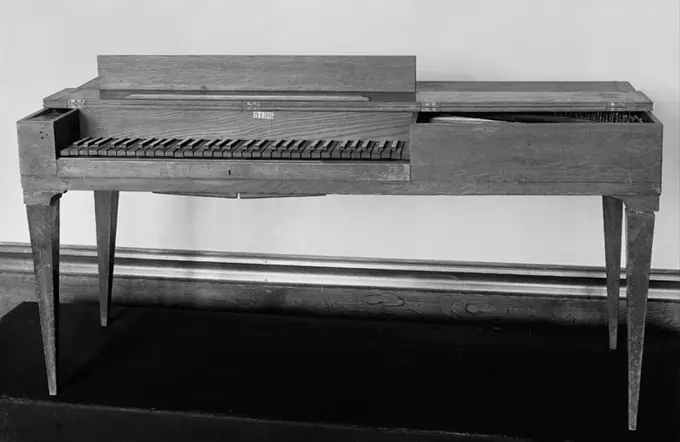
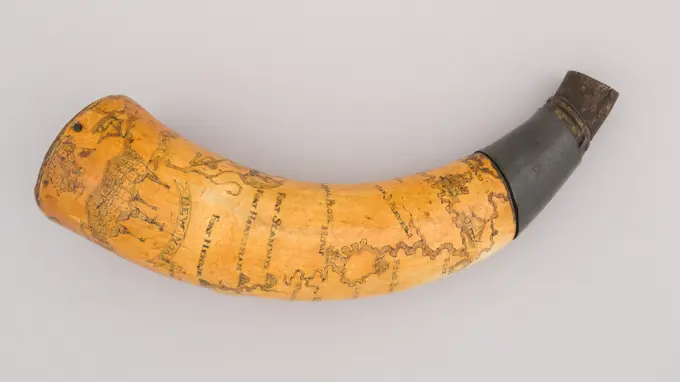
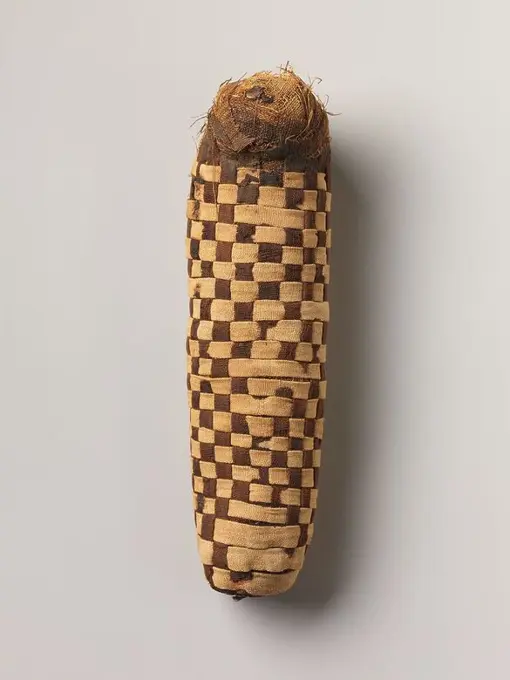
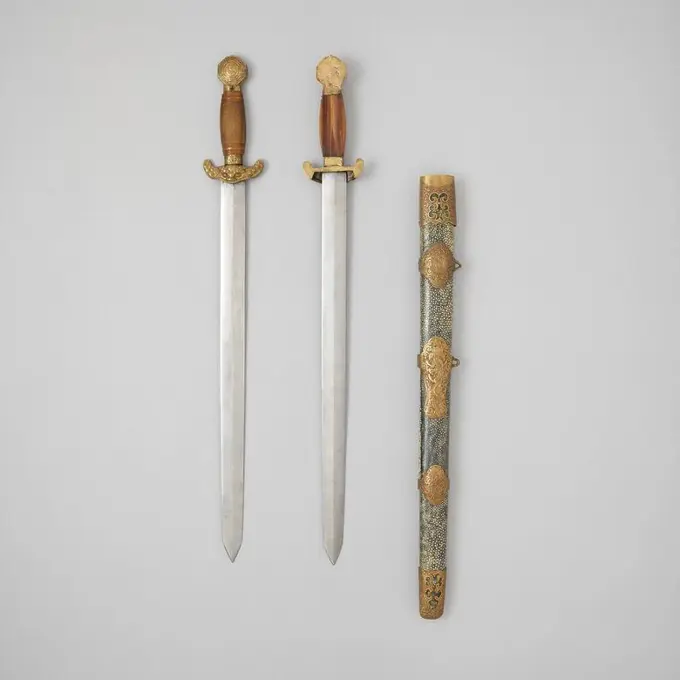
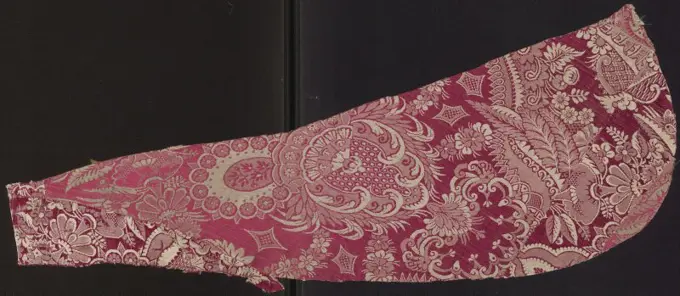
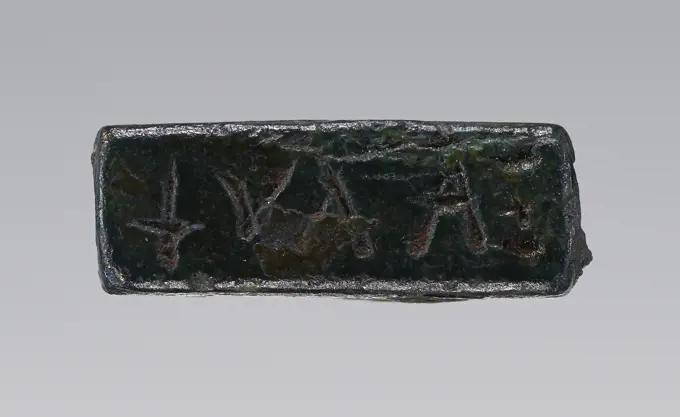
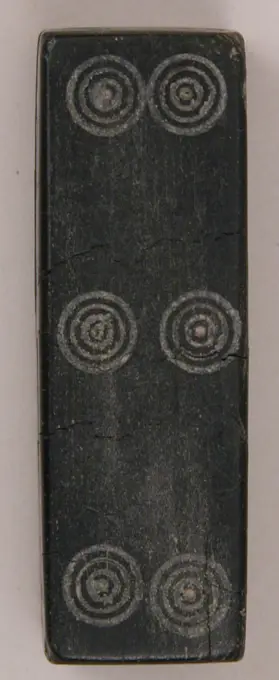
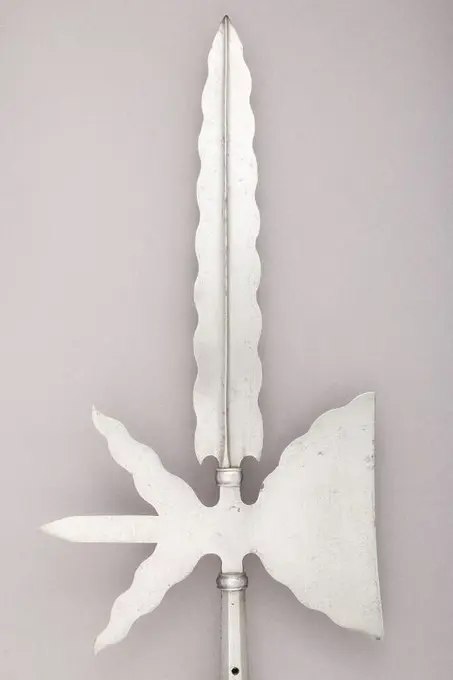
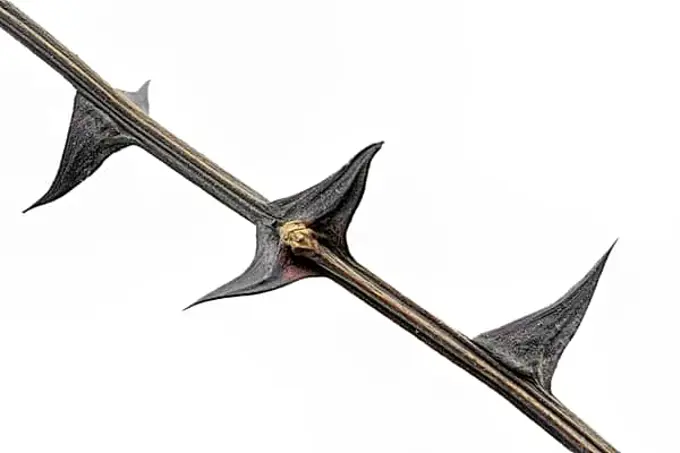
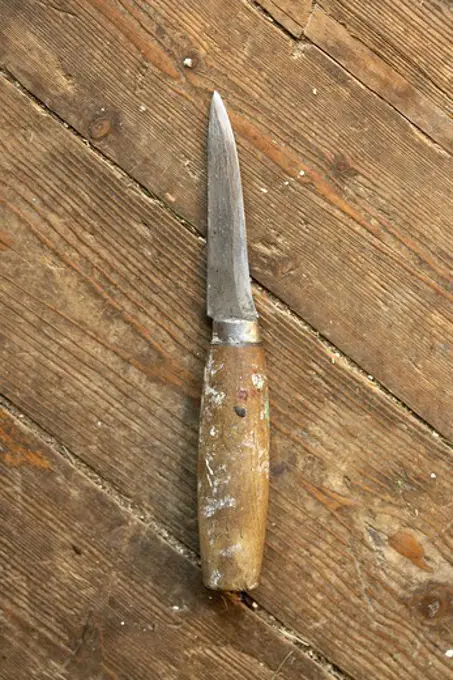
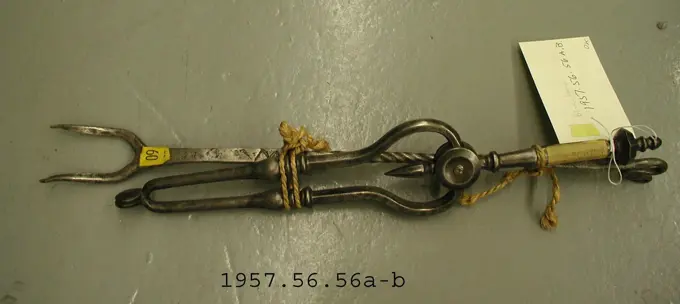
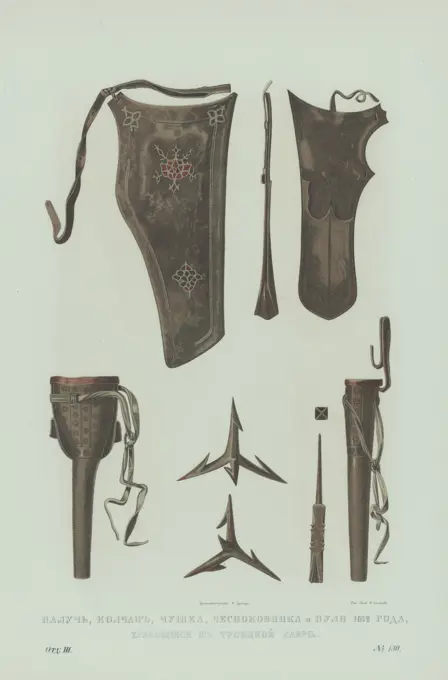
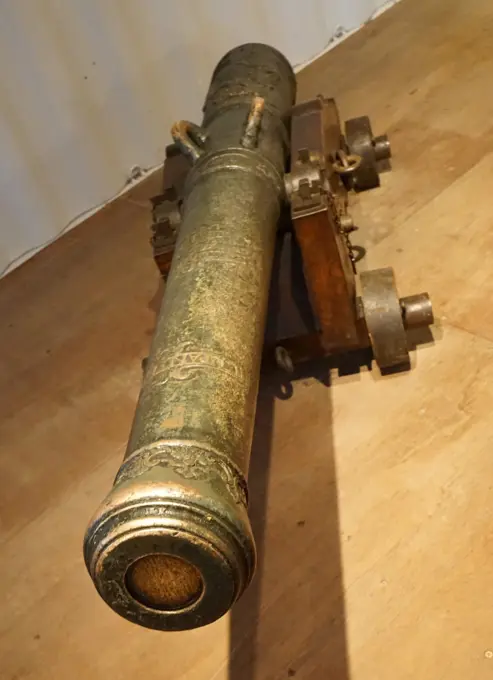
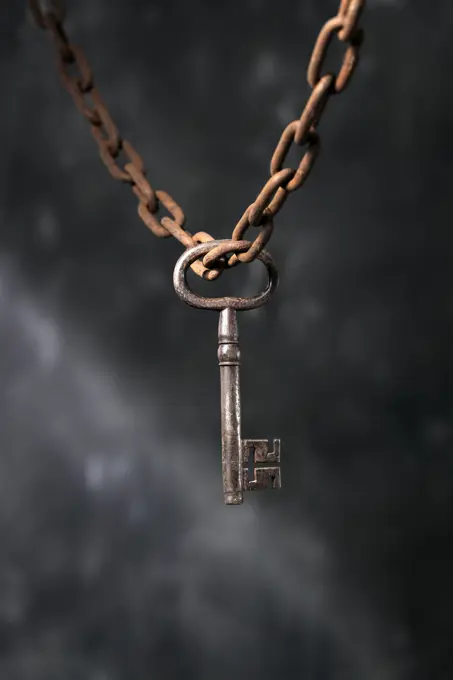
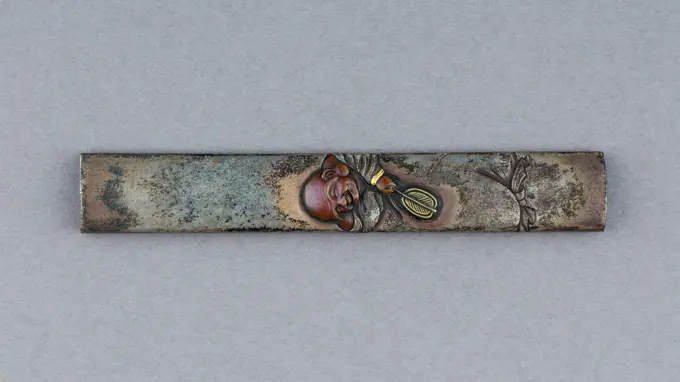
Knife Handle (Kozuka) ca. 1615-1868 Japanese A kozuka is a handle of a by-knife that is part of a sword mounting. It is kept in a slot on the reverse of a katana scabbard, often with a matching kōgai (hairdressing tool).. Knife Handle (Kozuka) 34650Knife Handle (Kozuka) ca. 1615-1868 Japanese A kozuka is a handle of a by-knife that is part of a sword mounting. It is kept in a slot on the reverse of a katana scabbard, often with a matching kōgai (hairdressing tool).. Knife Handle (Kozuka) 34695Italy, Friuli-Venezia Giulia region, Bronze knife with bone handleBronze IncenseshovelCarabela handle claddingKnife Handle (Kozuka) ca. 1615-1868 Japanese A kozuka is a handle of a by-knife that is part of a sword mounting. It is kept in a slot on the reverse of a katana scabbard, often with a matching kgai (hairdressing tool).. Knife Handle (Kozuka). Japanese. ca. 1615-1868. Copper-silver alloy (shibuichi), gold, copper. Sword Furniture-KozukaGoldsmith's art, 20th century. Pearl and diamond bracelet, around 1910.Vaginal knowledgeFurniture Mounts; brassAmulet of a Papyrus Column. Egyptian. Date: 1070 BC-656 BC. Dimensions: H. 2 cm ( 3/4 in.); diam. 0.5 cm (3/16 in.). Stone. Origin: Egypt. Museum: The Chicago Art Institute, Chicago, USA. Author: Ancient Egyptian.Dagger (Jambiya) with Sheath. Culture: Moroccan. Dimensions: H. with sheath 16 in. (40.6 cm); H. without sheath 15 1/4 in. (38.7 cm); W. 2 7/8 in. (7.3 cm); Wt. 11.3 oz. (320.3 g); Wt. of sheath 8.4 oz. (238.1 g). Date: 18th-19th century. Museum: Metropolitan Museum of Art, New York, USA.Door beater with plate A door beater with plate. The plate consists of a burglier on pedestal with hellaard in the left hand. A door beater with plate. The plate consists of a burglier on pedestal with hellaard in the left hand.HOJA DE ESPADA TIPO MONTE BERNORIO DE LA NECROPOLIS DE TRASQUIJA DEL CASTRO DE COGOTAS. HIERRO AJUAR. (DEPOSITO: MUSEO ARQUEOLOGICO NACIONAL).Kris. Culture: Philippine, Moro. Dimensions: L. 26 3/4 in. (67.9 cm); L. of blade 22 1/2 in. (57.2 cm); W. 4 1/4 in. (10.8 cm); Wt. 1 lb. 8.5 oz. (694.6 g). Date: 18th-19th century. Museum: Metropolitan Museum of Art, New York, USA.Dagger (Piha Kaetta) with Stylus and Sheath 17th century Sri Lankan It is common to find a sylus accompanying a piha kaetta, the traditional form of Sri Lankan knife. The stylus is a customary Sri Lankan writing implement for palm-leaf paper. After the letters are incised with the stylus into the paper, black ink is rubbed over the surface and wiped off.. Dagger (Piha Kaetta) with Stylus and Sheath 32248Harold Ballerd, Knife, c 1939 KnifeImplement 500-700 Frankish. Implement 464802 Frankish, Implement, 500700, Bronze-gilt, Overall: 1 7/8 x 11/16 x 3/16 in. (4.7 x 1.7 x 0.5 cm). The Metropolitan Museum of Art, New York. Gift of J. Pierpont Morgan, 1917 (17.191.113)Iron chopper or kitchen knife with bronze handle, ending with lion's head, knife cutlery kitchenware soil find iron bronze metal, forged cast engraved Iron knife. Located or handle of bronze. Kitchen knife or chopper with wide blade. bronze ends in stylized lion's head Strongly profiled blade archeology Rotterdam cutting kitchen cooking food preparation serving Soil discovery Rotterdam.Shoe Bench. Dated: c. 1941. Dimensions: overall: 34.3 x 55.5 cm (13 1/2 x 21 7/8 in.) Original IAD Object: Tray: 1'18". Bench: 20 1/2". Medium: watercolor on paperboard. Museum: National Gallery of Art, Washington DC. Author: Clarence W. Dawson.Rectangular fan box made of thick paper covered with silk with honeygrade pattern in which yellow swastikas, on red paper, c. 1800 - c. 1825 Rectangular fan box made of thick paper covered with silk with honeygrade pattern in which yellow swastikas, on red paper. On the inside of the lid is printed in the red Huchong. Canton whole: Paper. whole: Silk. whole: Paper Rectangular fan box made of thick paper covered with silk with honeygrade pattern in which yellow swastikas, on red paper. On the inside of the lid is printed in the red Huchong. Canton whole: Paper. whole: Silk. whole: PaperForearm Defense (Vambrace) ca. 1430 Italian This is part of a large find of medieval armor discovered in 1840 in the ruins of the fortress of Chalcis, on the Greek island of Euboea (then a Venetian colony called Negroponte). The fortress had been captured and destroyed by the Turks in 1470. Now divided largely between the Ethnological Museum, Athens, and The Metropolitan Museum of Art, the Chalcis hoard contains many rare and unusual elements of fourteenth- and fifteenth-century armor. Of particular importance are the variety of headpieces and the many fragments of brigandines (armor for the torso constructed of small plates riveted to layers of fabric), some of which retain portions of their original velvet covering. The Chalcis armor provides a unique picture of the armament used in the Aegean, one of the easternmost military outposts of the Venetian empire.. Forearm Defense (Vambrace) 27660Commemorative badge of the act on November 5, 1916.Dagger with Sheath. Culture: Indian. Dimensions: H. with sheath 14 1/8 in. (35.9 cm); H. without sheath 12 7/8 in. (32.7 cm); H. of blade 9 1/4 in. (23.5 cm); W. 1 5/8 in. (4.1 cm); Wt. 7.6 oz. (215.5 g); Wt. of sheath 1.8 oz. (51 g). Date: 18th-19th century. Museum: Metropolitan Museum of Art, New York, USA.Yeah one hundred; Malcz, Karol (1797-1867), Gerlach (Warsaw; 1760-), Silver Products Factory K.F. Malcza (Warsaw; Sreber label; 1828-1864); 1825-52 (1852-00-00-1852-00-00);Purse Frames; silverJapanese katana tip, 19th century, Álava Armory Museum, Vitoria, Basque Country, Spain.FRASCO DE POLVORA DE ASTA-EPOCA DE ISABEL II-S XIX-NºINV.K-438-5. Author: EUSEBIO ZULOAGA GONZALEZ (1808-1898) ARMERO. Location: PALACIO REAL-REAL ARMERIA DE MADRID. MADRID. SPAIN.Knife Handle (Kozuka) 19th century Japanese A kozuka is a handle of a by-knife that is part of a sword mounting. It is kept in a slot on the reverse of a katana scabbard, often with a matching kōgai (hairdressing tool).. Knife Handle (Kozuka) 35040Knife Handle (Kozuka) ca. 1615-1868 Japanese A kozuka is a handle of a by-knife that is part of a sword mounting. It is kept in a slot on the reverse of a katana scabbard, often with a matching kōgai (hairdressing tool).. Knife Handle (Kozuka) 34548Flute 19th century Guatemalan. Flute 501292Old stone with empty space isolated on whiteFlywhisk, c. 1850. Guinea Coast, Ivory Coast, Baule, 19th century. Copper alloy and leather; overall: 14.6 cm (5 3/4 in.).Double -sided gingerbread formRule ". Fer. China, Tang dynasty. Paris, Cernuschi museum. 72687-34 Chinese art, ceramic, tang dynasty, iron, rulesPillow-end Plate, 1800s. Malaysia. White metal; average: 16.6 x 7.4 cm (6 9/16 x 2 15/16 in.).Carved wooden ornament consisting of elongated leaves in fan shape, ornament wood carving sculpture footage woodScribe's Palette and Brushes. Dimensions: Palette: L. 26 × W. 4.2 cm (10 1/4 × 1 5/8 in.); Brushes: L. 23.4 cm (9 3/16 in.). Dynasty: Dynasty 26-30. Date: 664-332 B.C..Discovered in the debris from the forecourt of a tomb at Thebes, this group of objects would have belonged to a scribe. Included here are a wooden palette (containing an unused cake of black ink) (a) and three reed brushes (b-d); a skein of thread (e); several sheets of papyrus (h1-3, i); a string to bind the papyrus (f); another stringto tie the papyrus to the palette (g); and linen cloth that had been wrapped around the entire set (j). Museum: Metropolitan Museum of Art, New York, USA.Knife (Germany), ca. 1650; silver, enamel, steel; L x W: 13.2 x 2 cm (5 3/16 x 13/16 in.); The Robert L. Metzenberg Collection, gift of Eleanor L. Metzenberg; 1985-103-62-bKnife Handle (Kozuka). Culture: Japanese. Dimensions: L. 3 13/16 in. (9.7 cm); W. 9/16 in. (1.4 cm); thickness 5/16 in. (0.8 cm); Wt. 1.1 oz. (31.2 g). Date: ca. 1615-1868. Museum: Metropolitan Museum of Art, New York, USA.Étui ca. 1760 probably British This étui, perhaps a container for needles, was evidently a gift, as the French inscription reads "Friendship finds a way.". Étui. probably British. ca. 1760. Gold, agate, enamel. Metalwork-Gold and PlatinumKnife Handle (Kozuka) ca. 1615-1868 Japanese A kozuka is a handle of a by-knife that is part of a sword mounting. It is kept in a slot on the reverse of a katana scabbard, often with a matching kōgai (hairdressing tool).. Knife Handle (Kozuka) 34596Material sample -Pistol with a rock castle MountainFibula, fragment. Fibula, fragment 251444 Fibula, fragment, Bronze, H.: 1 x 4 3/8 x 1/2 in. (2.5 x 11.1 x 1.3 cm). The Metropolitan Museum of Art, New York. Rogers Fund, 1923 (23.160.110)Roman surgical instrument 1st century ADKnife (Barong) with Sheath. Culture: Philippine, Mindanao. Dimensions: L. with sheath 25 1/4 in. (64.1 cm); L. without sheath 23 3/4 in. (60.3 cm); L. of blade 15 3/4 in. (40 cm); W. 3 7/16 in. (8.7 cm); Wt. 1 lb. 13.4 oz. (833.5 g); Wt. of sheath 7.1 oz. (201.3 g). Date: 18th-19th century. Museum: Metropolitan Museum of Art, New York, USA.Knife Handle (Kozuka) late 18th-early 19th century Akichika Oishi Japanese A kozuka is a handle of a by-knife that is part of a sword mounting. It is kept in a slot on the reverse of a katana scabbard, often with a matching kōgai (hairdressing tool).. Knife Handle (Kozuka) 25647Knife Handle (Kozuka). Culture: Japanese. Dimensions: L. 3 13/16 in. (9.7 cm); W. 9/16 in. (1.4 cm); thickness 3/8 in. (1 cm); Wt. 1.3 oz. (36.9 g). Date: ca. 1615-1868. Museum: Metropolitan Museum of Art, New York, USA.Band 6th-7th century. Band 445682Fork, Knife, and Spoon 1595-1605 Germany, southern. This rare complete set of cutlery consists of a fork, knife, and spoon that are all finely worked with precious materials. The delicate scrolling silver-gilt mounts and finials with diminutive helmeted heads of the goddess Minerva date these utensils to around 1600, which was when personal cutlery sets became increasingly popular in court culture. For the banqueting elite of German courts, having a personal cutlery set was a requisite sign of civility. As objects they were equally prized for use at the table or as art pieces found in Kunstkammeren (collectorís cabinets of curiosities). Utensils using hardstones were especially sought after as the material was believed to have curative properties.. Bloodstone (Heliotrope), silver, gilding, and steel .Knife Handle (Kozuka). Culture: Japanese. Dimensions: L. 3 13/16 in. (9.7 cm); W. 9/16 in. (1.4 cm); thickness 1/4 in. (0.6 cm); Wt. 1.2 oz. (34 g). Date: ca. 1615-1868. Museum: Metropolitan Museum of Art, New York, USA.Flute with Incised Geometric Motif and Mouth in the Form of a Human Head. Chimú; North coast, Peru. Date: 1200-1450. Dimensions: 21.4 x 4.8 cm (8 7/16 x 1 7/8 in.). Ceramic. Origin: North Coast. Museum: The Chicago Art Institute, Chicago, USA.Glaive of Emperor Rudolf II (reigned 1576-1612). Culture: German, Augsburg. Dimensions: L. 100 1/2 in. (255.27 cm); blade L. 23 in. (58.42 cm). Etcher: Hans Stromair (German, Augsburg, 1524 or 1525-ca. 1583). Date: dated 1577.This staff weapon was carried by the bodyguard of the Holy Roman Emperor Rudolf II (reigned 1576-1612). Museum: Metropolitan Museum of Art, New York, USA.Plaque 6th-7th century. Plaque 449517Key; 1917-10-5Faience model of sceptre 700 B.C. From the Napatan Period. The inscription on the reverse refers to the New Year.Glasses with oval glasses in blue steel, hinged frame, with one uncoloured and one black painted glass, anonymous, c. 1830 - c. 1860 Glasses with oval glasses in blue steel, hinged frame, with one uncoloured and one black painted glass. Extremely thin frame with double nasal bridge, straight in the legs, closed extensions. Amsterdam Glasses: Glass. frame: metal. Black Glass: Lacquer (coating) grinding / forging / painting Glasses with oval glasses in blue steel, hinged frame, with one uncoloured and one black painted glass. Extremely thin frame with double nasal bridge, straight in the legs, closed extensions. Amsterdam Glasses: Glass. frame: metal. Black Glass: Lacquer (coating) grinding / forging / paintingPrzeszo Przyszoci unknownHair comb or comb of plain fine imitation turtle, with a long row of narrow teeth, tacking, anonymous, c. 1800 - c. 1899 Hair comb or comb from plain fine imitation turtle, with a long row of narrow teeth, tacking. Netherlands (possibly) celluloid (cellulosic). cellulose acetate sawing / filing / polishing Hair comb or comb from plain fine imitation turtle, with a long row of narrow teeth, tacking. Netherlands (possibly) celluloid (cellulosic). cellulose acetate sawing / filing / polishingKnife (Piha Kaetta) with Stylus and Sheath. Culture: Sri Lankan. Dimensions: L. with sheath 12 in. (30.5 cm); L. without sheath 8 9/16 in. (21.7 cm); W. 1 1/4 in. (3.2 cm); Wt. 2.9 oz. (82.2 g); Wt. of sheath 1.3 oz. (36.9 g); stylus (c); H. 6 5/16 in. (16 cm); Wt. 1.6 oz. (45.4). Date: 18th-19th century. Museum: Metropolitan Museum of Art, New York, USA.Decoration from a necklace made from Boars teeth, worn by men of high status in Papua New Guinea, Circa 1900Miser's purse, Medium: silk, metal Technique: crocheted, Crocheted purple silk ornamented with gold beads in diamond pattern. Two small gold rings control side opening; small gold drops at either end., France, early 19th century, costume & accessories, Miser's purseRepublic of Colombia, Bogota, exhibits in the Gold Museum, Museo de Oro, jewellery, symbols, meaning, the snake with a head at each end appears in conjunction with the sun, symbolising its eternal movement back and forth between two opposite points on the horizon, Colombia, South AmericaTyiwara headcrest, first half of 20th century, 24 1/16 x 8 1/2 x 3 in. (61.12 x 21.59 x 7.62 cm) (including base), Wood, cowrie shells, thread, Mali, 20th century, A Tyiwara headcrest should be seen in profile to appreciate the sculptors visual imagination: the dynamic beauty of the design, the balance of its elements. Like the Greek chimera, the Tyiwara is a composite creature, its features drawn from the antelope, pangolin, and aardvark, a mythical animal that taught humans how to farm. When used in agricultural ceremonies, the crest is mounted on a dancers braided hat.Sword-Hilt Collar and Pommel (Fuchigashira) late 18th-early 19th century Japanese A fuchigashira is a pair of matching sword fittings comprising the fuchi (collar at the base of the grip of the sword hilt) and kashira (pommel cap at the end of a sword hilt).. Sword-Hilt Collar and Pommel (Fuchigashira). Japanese. late 18th-early 19th century. Copper-gold alloy (shakud), gold, silver, copper, copper-silver alloy (shibuichi). Sword Furniture-Fuchi-KashiraSquare Piano. Culture: German. Dimensions: Measurements:Case length (perpendicular to keyboard): 51.7 cmWidth (parallel to keyboard): 145.0 cmCase depth without lid (including corner blocks) 20.1 cmTotal height: 71.6 cm3-octave span: 47.3 cmString length:  longest: 127.5 cmshortest: 10.2 cmc2: 29.2 cm. Maker: Ignace-Joseph Senft. Date: Late 18th Century.This square piano has an unveneered oak and softwood case with four square, tapered legs. It has 61 keys (FF-f3), ebony naturals with plain fronts, and bone slips on stained accidental blocks. There are two knee levers located under the keyboard, the left raises the dampers, and the right activates a cloth mute, called a sordin or moderator stop. The piano has a German prellmechanik action with hammers facing away from the player that pivot in brass kapsels mounted on the key levers. Museum: Metropolitan Museum of Art, New York, USA.Powder Horn 18th century American. Powder Horn 27629montebernorio type dagger, Roman Hispania, Valladolid Museum, Community of Castile and Leon, Spain.Sacred animal mummy containing a dog. Dimensions: H. 32.5 cm (12 13/16 in.); W. 8 cm (3 1/8 in.); D. 10.4 cm (4 1/8 in.). Date: ca. 400 B.C.-100 A.D..Animal cultsThe Egyptians considered certain individual animals to be living manifestations of a god, such as, since earliest times, the Apis bull . Those individuals were duly mummifed when they died and buried for eternal life, then replaced by another single living manifestation. During the first millennium BC, many multiples of animals associated with certain gods were specially raised in temple precincts as simultaneous avatars of that god and then mummified in large contingents and deposited in catacombs for eternal life. The ancient perception of these multiples, the evolution of the practice in this direction, and variations within the practice are not easily accessible to us. But the hundreds of thousands of often elaborately prepared animal mummies found in catacombs and other locales testify to its ancient resonance.Animal mKnife Handle (Kozuka) ca. 1615-1868 Japanese A kozuka is a handle of a by-knife that is part of a sword mounting. It is kept in a slot on the reverse of a katana scabbard, often with a matching kōgai (hairdressing tool).. Knife Handle (Kozuka) 34506Double Sword with Scabbard. Culture: Chinese. Dimensions: L. with scabbard 28 in. (71.1 cm); L. of each without scabbard 25 3/8 in. (64.5 cm); W. 3 in. (7.6 cm); Wt. of each 1 lb. 1.1 oz. (484.8 g); Wt. of scabbard 12.1 oz. (343 g). Date: 18th-19th century. Museum: Metropolitan Museum of Art, New York, USA.Brush; Made by Luan Chang (Chinese); rolled, cast, repoussé, and punched silver; bristlesHandled implement ca. early 1st millennium B.C.. Handled implement 327449Piece of fabric. unknown, authorSpiral notebook, color pencil and a dry leaf a brown backgroundRobert Pohle, Swordfish Weather Vane, 1938 Swordfish Weather VaneBulla; Roman Empire; 2nd - 4th century; Metal alloy (Bronze, high Sn, Zinc); 1.1 x 0.4 x 0.4 cm (7,16 x 3,16 x 3,16 in.)Dice 10th-11th century The dot-in-circle motif recalls designs presumed to be of magical significance, most likely an abstract eye to ward off the evil-eye, which serve an apotropaic function. Easily reproduced with a tool and visible in many cultures and times, this symbol may have lost its meaning, and become simply a decorative pattern, or may have one that we have not yet discovered. Dice 452389Terracotta fragment of a column-krater (bowl for mixing wine and water) late 6th century B.C. Greek, Attic On the top of the rim, pendant lotus buds with dots in the interstices; on the overhang, ivy. Terracotta fragment of a column-krater (bowl for mixing wine and water). Greek, Attic. late 6th century B.C.. Terracotta; black-figure. Archaic. VasesHalberd of Louis XIV's Swiss Guard. Culture: Swiss. Dimensions: L. 8 ft. 8 1/2 in. (265.4 cm); L. of head 25 1/4 in. (64.2 cm); W. 12 1/2 in. (31.8 cm); Wt. 6 lbs. (2720 g). Date: 18th century. Museum: Metropolitan Museum of Art, New York, USA.Thorns on a white backgroundView of craft knife against wooden background, close-upDrumstick -Half Model of a Tambangan, anonymous, c. 1860 - c. 1880 ship model. half model Black and white stacking model (starboard) of a canoe. He has two pointed ends. The curved pre -stem comes up considerably and has a clamp. On the straight a rudder with rounded Roeblad and tie stick. Indonesian Archipelago wood (plant material)General Leclerc Museum of Hauteclocque and the Liberation of Paris, Jean Moulin Museum. 76525-27 War 1939-1945 39-45, object, Second World WarSwords for sale, Khan el Khalili Bazaar, Cairo, EgyptFireplace Tongs (a) and Fork(b)19th century spearhead, Álava Armory Museum, Vitoria, Basque Country, Spain.Naluchie, kolchan, chushka, chesnokovinka i pulia 1612 goda, khraniashchiesia v Troitskoi lavre. Ris. Akad. F. Solntsev. Khromolitografiia F. Dregera., 1849 - 1853, Solntsev, F. G. (Fedor Grigorʹevich), 1801-1892., 1849 - 1853, Moskva, Publisher, Tip. A. Semena, Art, Russian, Chromolithographs., A chromolithograph by F. G. Solntsev depicting Naluchie, kolchan, chushka, chesnokovinka, and pulia from the year 1612, preserved in the Trinity LavraBronze muzzle loading cannon made in 1751 for Francesco III d'Este (Francesco Maria; 2 July 1698  22 February 1780) was Duke of Modena and Reggio from 1737 until his death.Old Key Old big key hanging from a rusty chain. Copyright: xZoonar.com/J.xSandvikx 6212963MarrowSpoon. Maker, attributed to: John Jackson, American, active ca. 1731-72Ladle on stone with characters, Hare dera temple, Kamakura, Japan, Asia