Historical Tools and Accessories

Models and artifacts showcasing historical tools like hairpins and coaches’ horns, reflecting craftsmanship from various cultures.
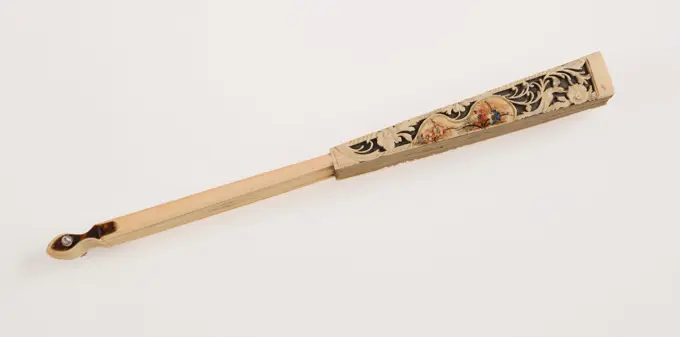
Eventail: "Pastoral scene; near a leading shepherdess, a seated couple, basket in front of them, man seated on the right". Cabretille, gouache, openwork and painted ivory, pivot rhinestones. Paris, Carnavalet museum. 99159-13
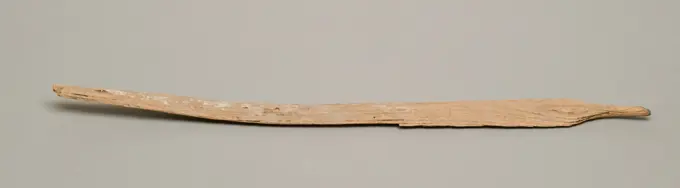
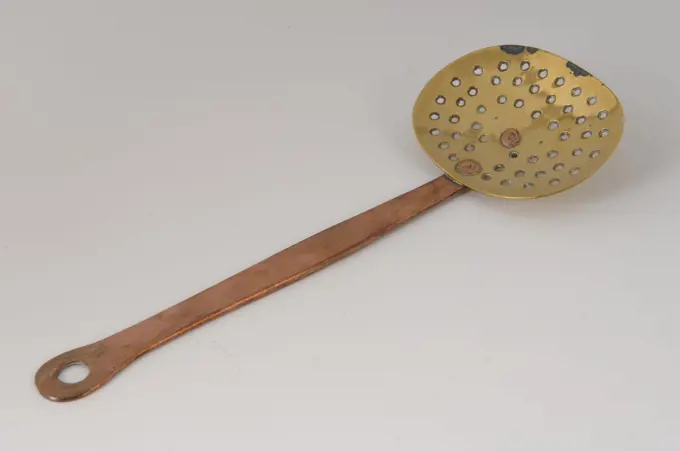
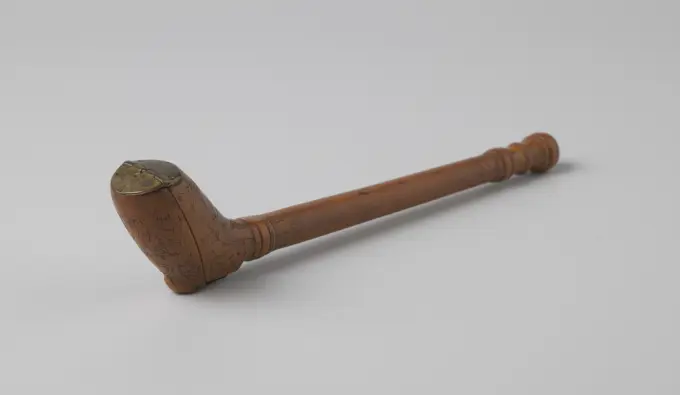
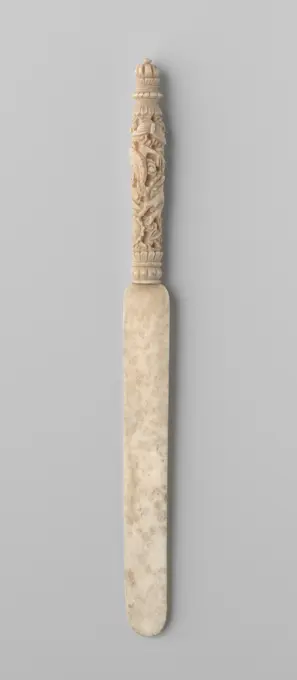
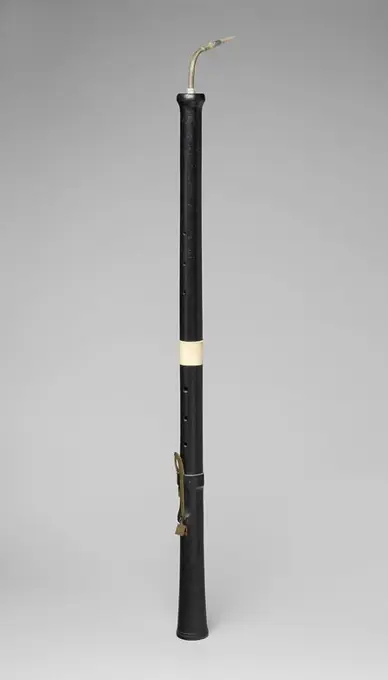
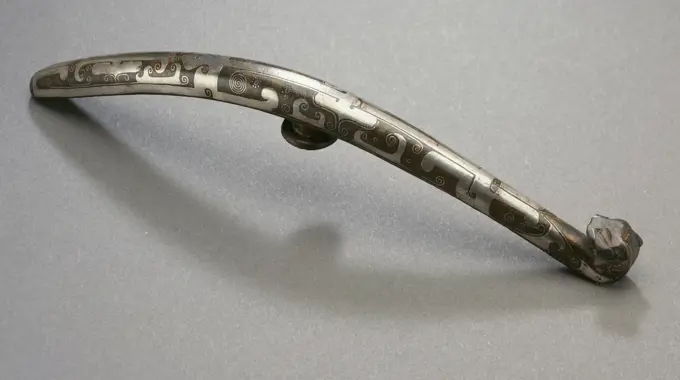
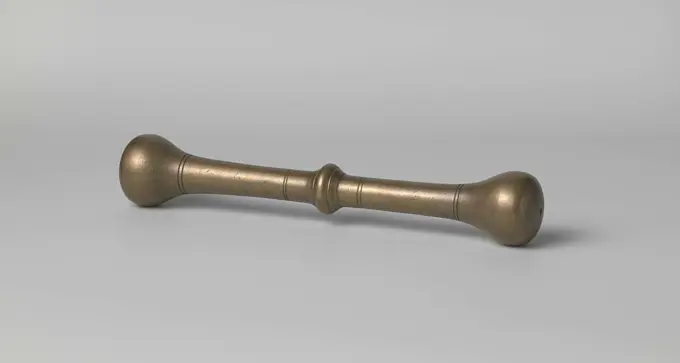
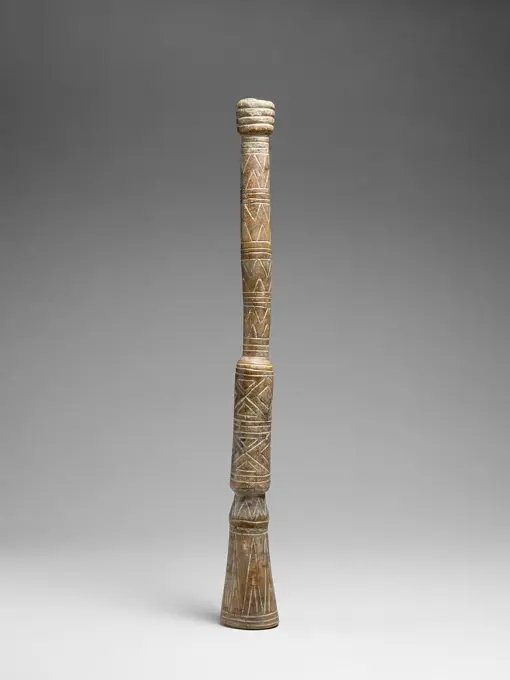
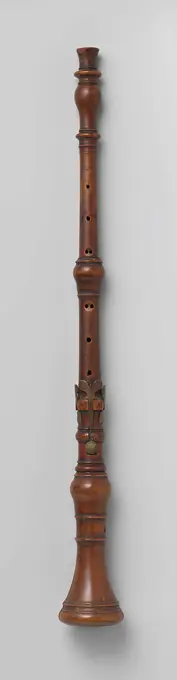
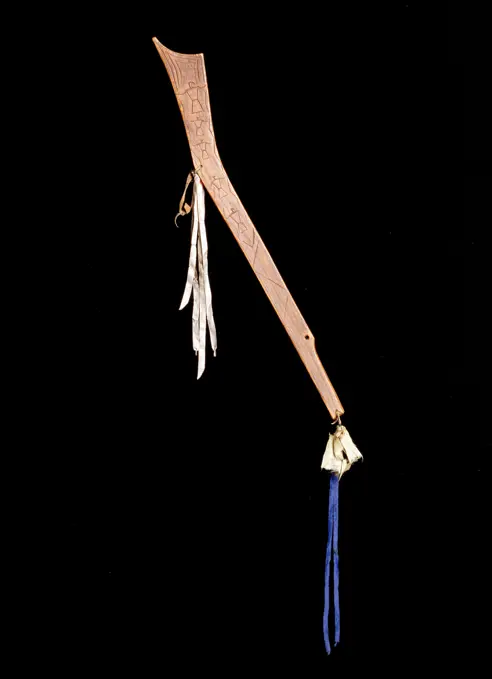
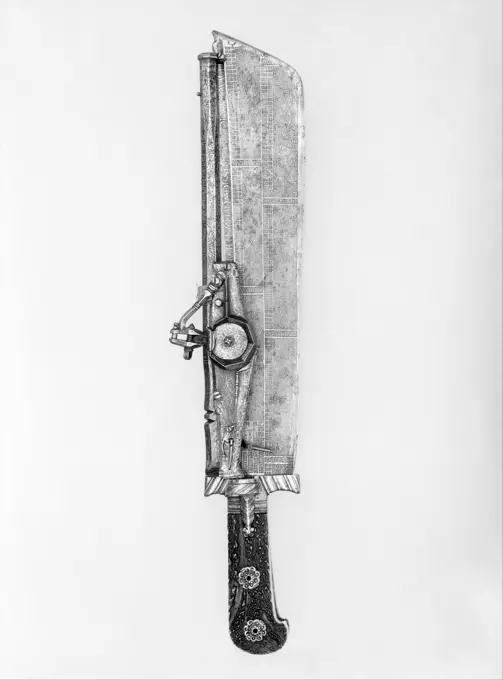
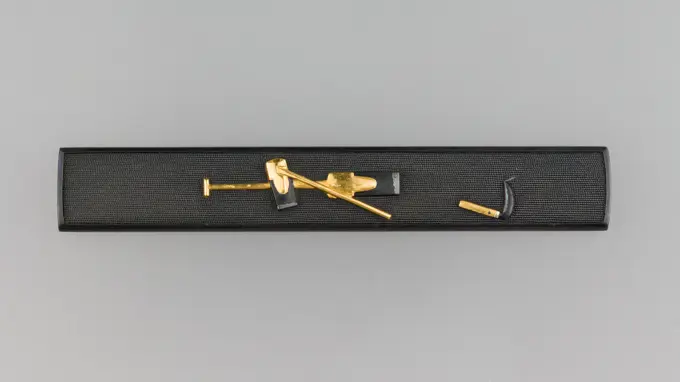
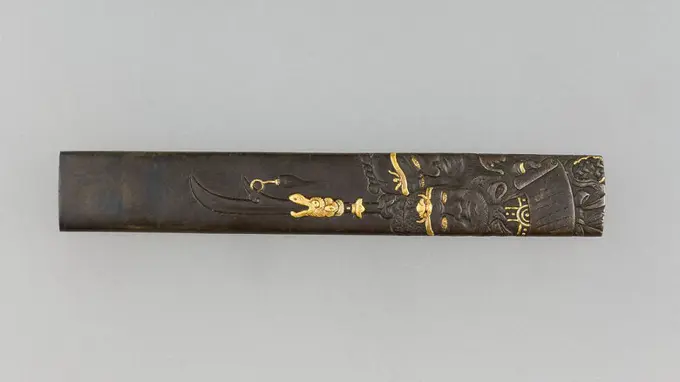
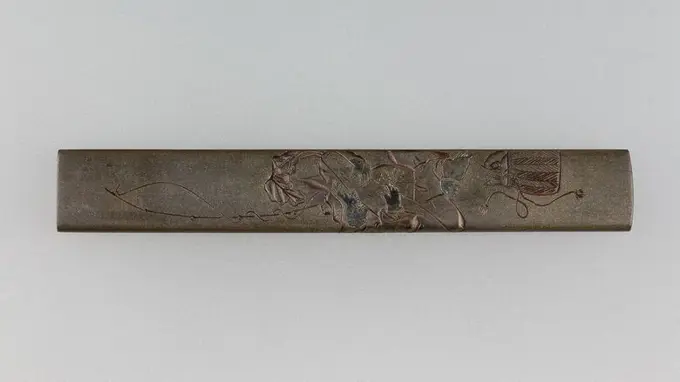
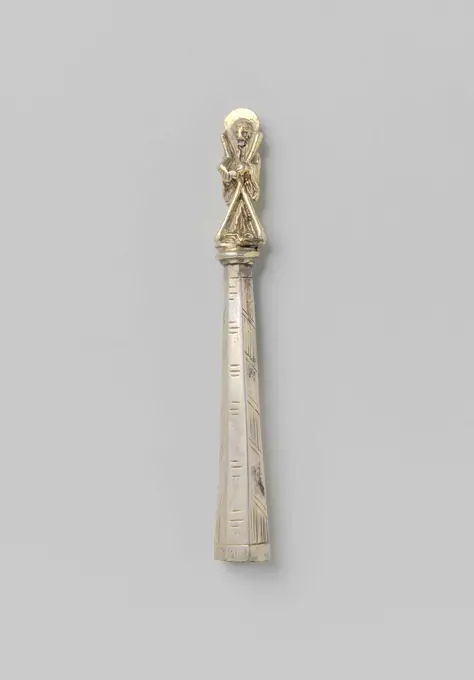
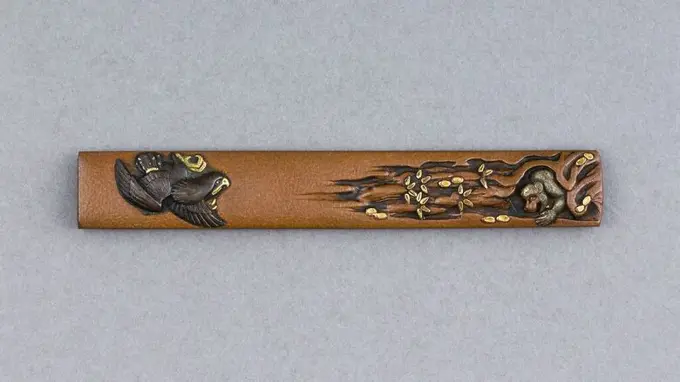
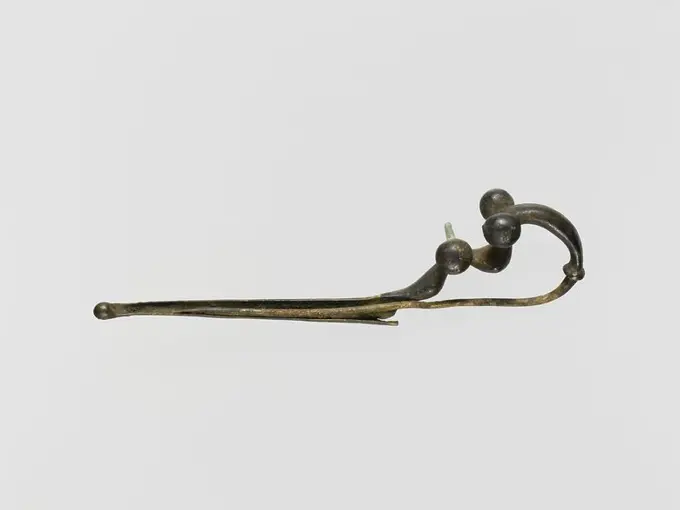
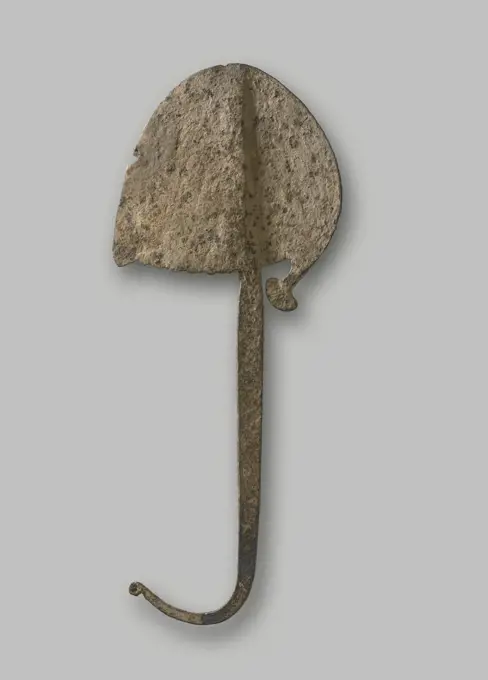
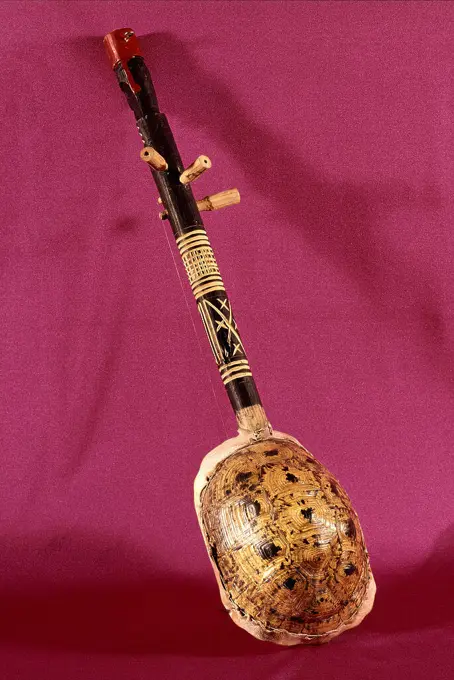
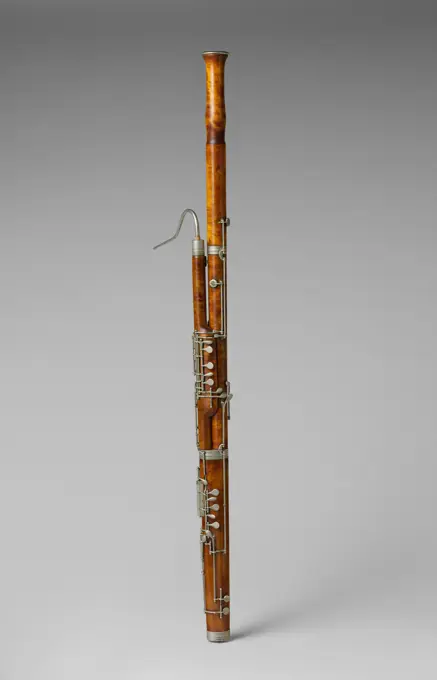
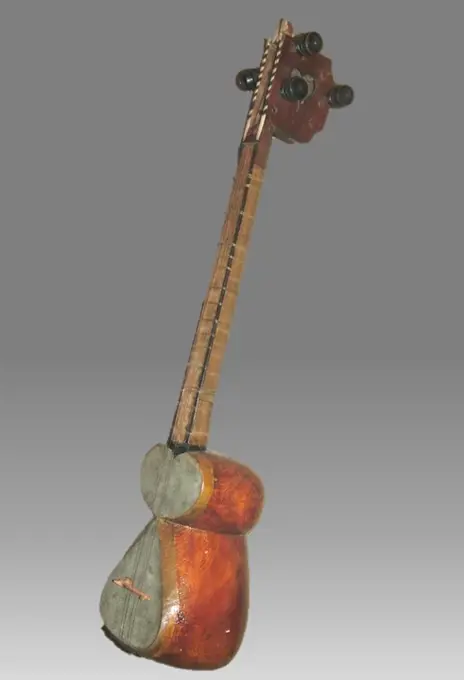
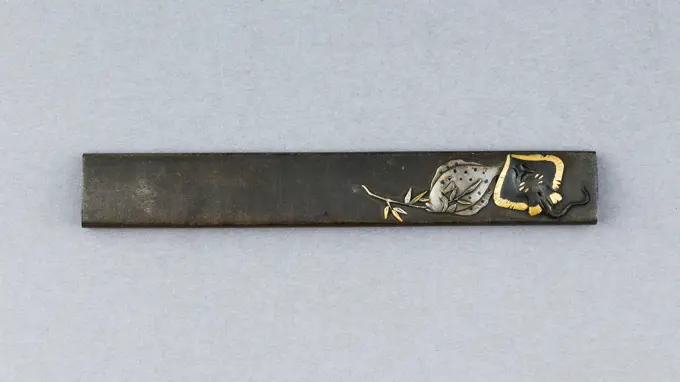
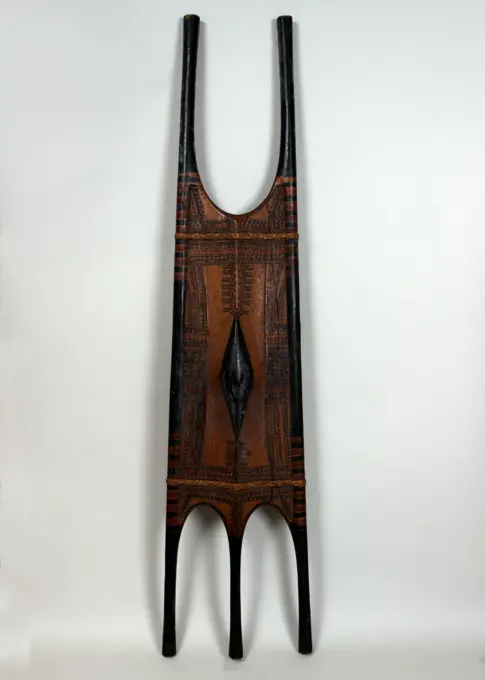
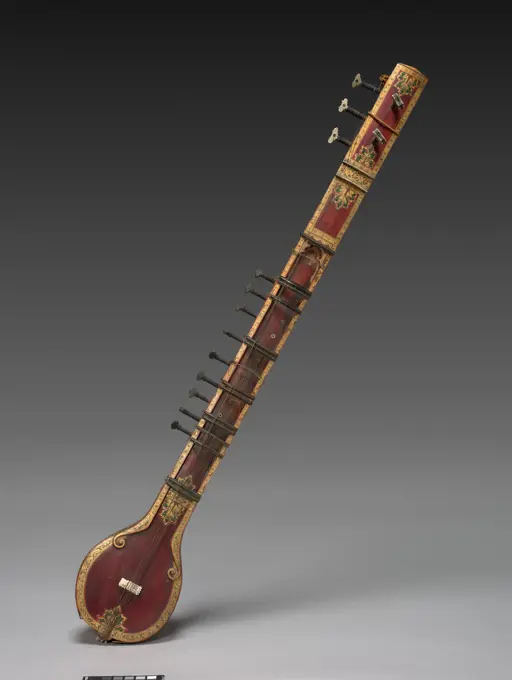
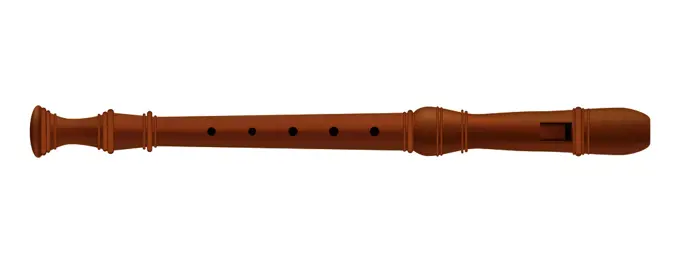
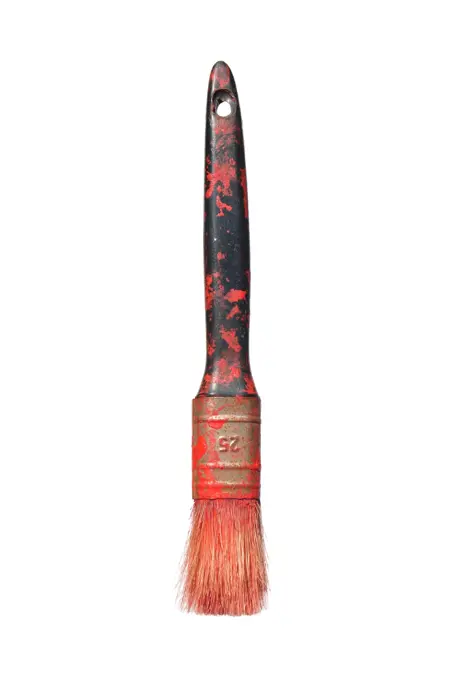
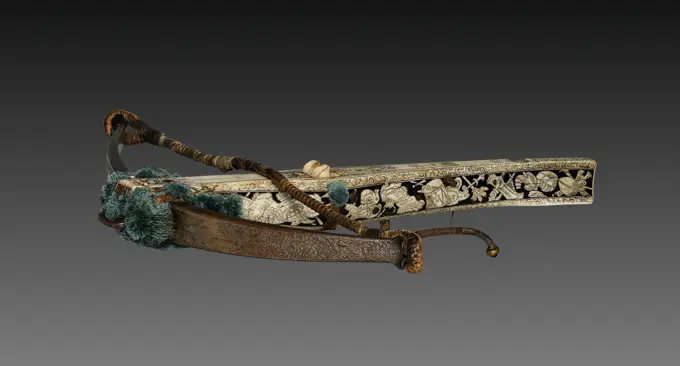
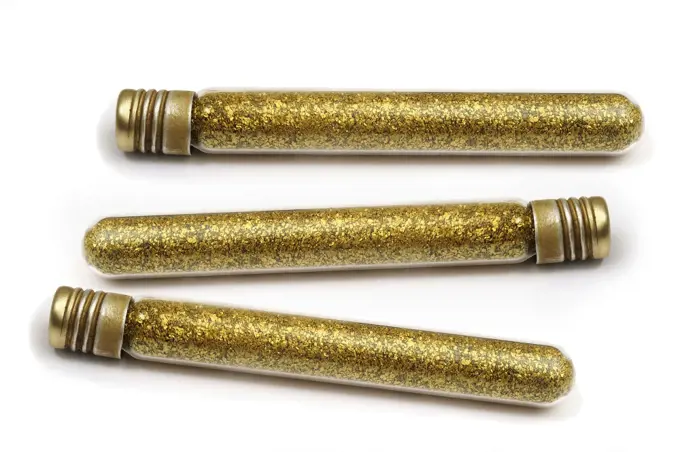
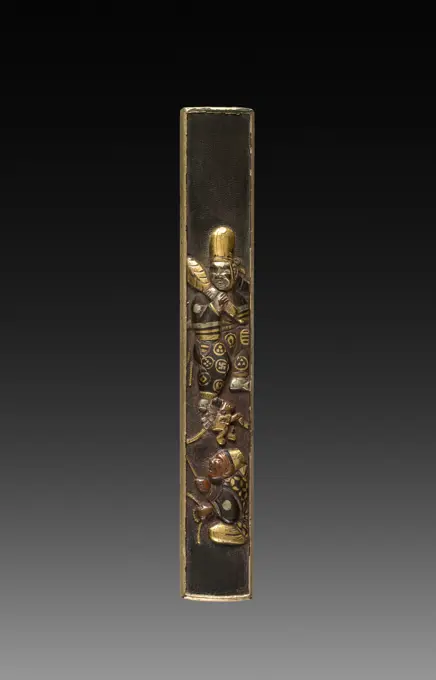
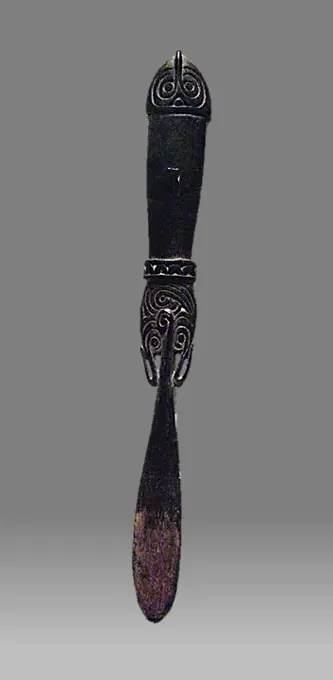
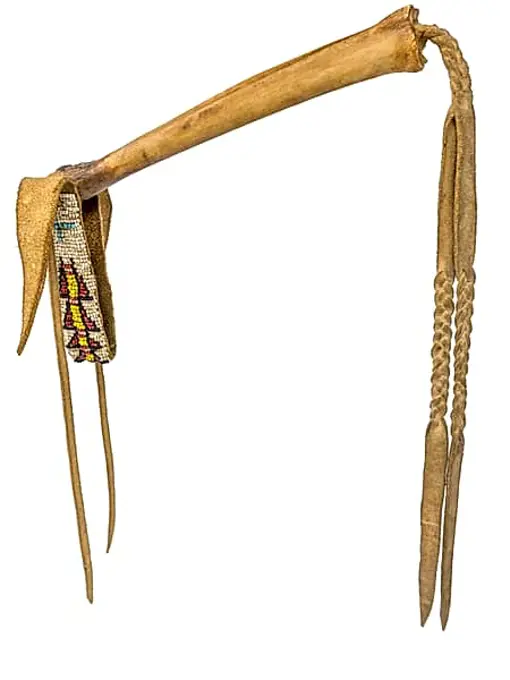
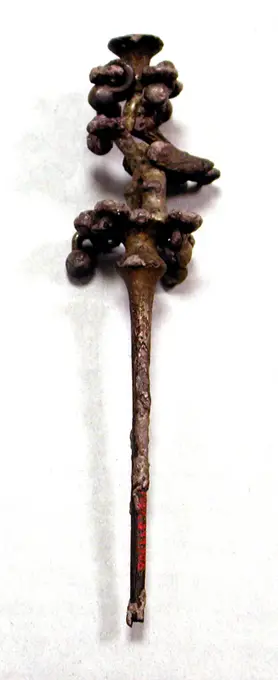
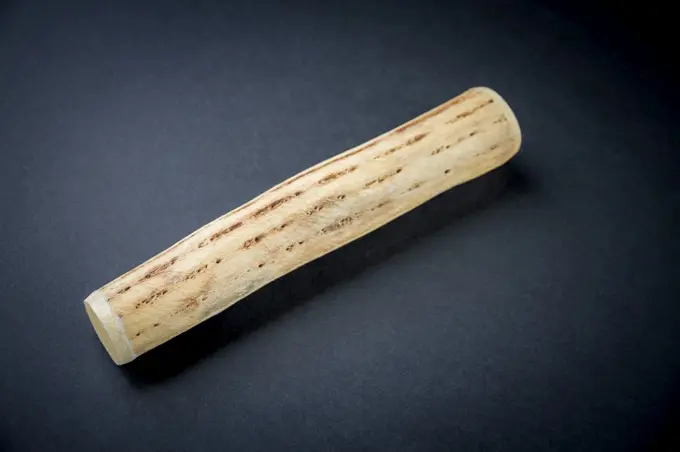
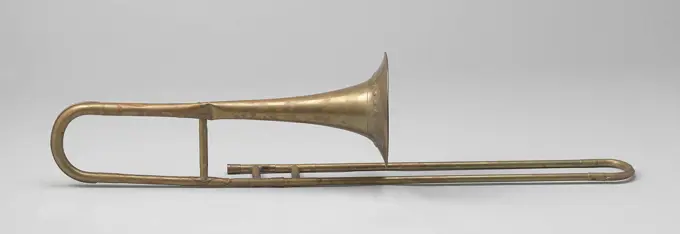
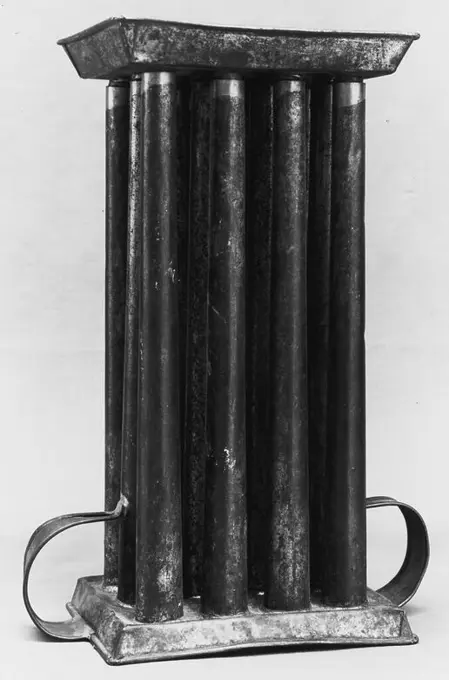
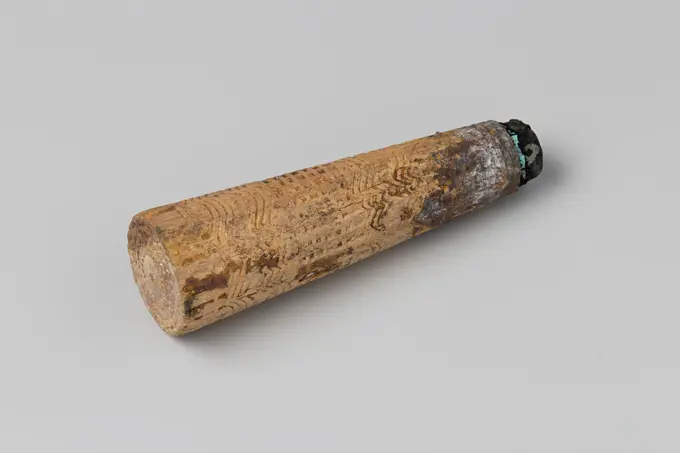
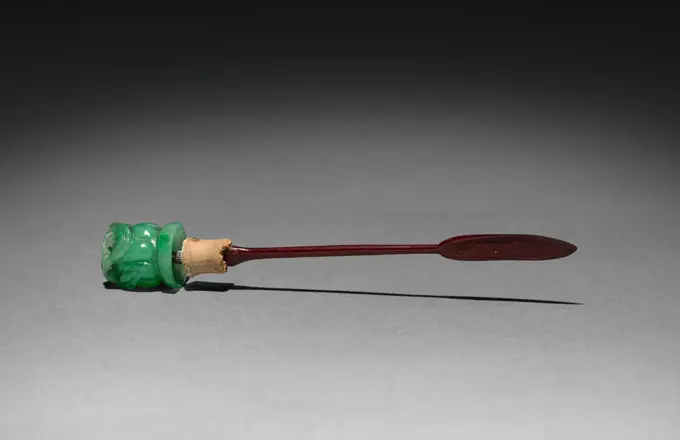
Haakbus, anonymous, 1450 - 1500  Hook can with short bent rod with button, octagonal loop, bracket with tape ends. The original hook was probably broken down. The bus is now equipped with an over -forged ring with horizontal taps. Funnel -shaped zundgat on top of the loop.  iron (metal)   AalstHanders with a button and a Frisian with incisions, anonymous, c. 1590 - c. 1596 knife (tool) Litches with a button at the end and on one side a decoration that exists a Frisian with incisions.  wood (plant material) cutting  Nova Zembla. Saving HuysBurdockWeaving tool ca. 1295-1070 B.C. New Kingdom, Ramesside. Weaving tool. ca. 1295-1070 B.C.. Wood. New Kingdom, Ramesside. From Egypt, Memphite Region, Lisht North, Late New Kingdom Settlement, MMA excavations, 1920-22. Dynasty 19-20metal worker: Gresnich, Copper miniature skimmer, skimmer kitchenware miniature toy relaxant model copper brass, whipped riveted oval perforated brass leaf on brass stalk with hanging hole 1868 Sibilla van Embden play food prepare kitchenBlowjob factral with pipe. Pipes fountry of palm wood with year 1733 and inscription bedach alesmit. With copper fitting. In Gouds Pake on the boiler the Dutch Virgin and a fisherman. Part of the handle is missing.Handmade Auger. Dated: c. 1942. Dimensions: overall: 33.7 x 25.9 cm (13 1/4 x 10 3/16 in.) Original IAD Object: bit: 12 3/4" long; to drill 3/4" hole; handle: 12" long, 1 1/2" diameter, tapered towards ends. Medium: watercolor and graphite on paperboard. Museum: National Gallery of Art, Washington DC. Author: William Frank.Pendant for a Chain. UnknownLetter opener.liptitopener, the handle decorated embossed with a fragment of a dragon body that winds around the handle. Furthermore butterflies and rocks.Stamper van Vastijzer, Peeter van den Ghein (II) (attributed to), 1591 The pestle is made of cast iron and ends more or less pear -shaped at the bottom. Mechelen cast iron casting The pestle is made of cast iron and ends more or less pear -shaped at the bottom. Mechelen cast iron castingPart of a loom. Dimensions: 129 × 5 cm (50 13/16 × 1 15/16 in.). Date: ca. 2030-1640 B.C.. Museum: Metropolitan Museum of Art, New York, USA.AncestorPostbaroque;  End of the 17th century (1690-00-00-1700-00-00);baroque (style), pearling (ornament), plant (ornament), cutleryA set of arts;  19th century (1801-00-00-1900-00-00);Paderewski, Ignacy Jan (1860-1941) - collection, qing (style), plant motifs, knives, Chinese artHat standard of twisted beech wood, on a round base is a processed tribe on which a round, with pink velvet-covered support sitting. Hatting standard of turned beech wood. On a round base is a processed trunk on which a round, with pink velvet coated support. Marked down the foot: Stockman Paris.Club ca. 2124-1504 B.C. Middle Kingdom-Early New Kingdom. Club. ca. 2124-1504 B.C.. Wood. Middle Kingdom-Early New Kingdom. From Egypt, Upper Egypt, Thebes, Deir el-Bahri, Tomb of Neferhotep (TT 316, MMA 518), MMA excavations, 1922-23. Dynasty 11-18Prehistory, Russia, 8th century b.C. Spearpoint. From Caucasus.Sleutel.Key with the letter A in the grip shaped by Volutes. Beard axlected.Vox Humana in F. Culture: British. Dimensions: Length (w/o crook) 730 mm, Diameter of bell 45 mm, Upper section 348 mm, Lower section 415 mm.. Maker: William Maurice Cahusac (British, London active 1794-1816). Date: ca. 1800-1825.The vox humana is essentially a tenor oboe pitched a fifth deeper than the typical oboe. It flourished in England and southern Italy between the 1730s and about 1810, when the English horn supplanted it. The vox humana features an undecorated straight shape without a flaring bell. In England, it was usually used in double reed bands. This is one of the latest vox humanas made in England. Museum: Metropolitan Museum of Art, New York, USA.Garment Hook (Daigou) with Spirals and Feline Head. China, Last Eastern Zhou dynasty, middle or late Warring States period, about 400-221 B.C.. Tools and Equipment; hooks. Cast bronze with silver inlayAlbert Ryder, Wooden Shovel, c 1938 Wooden ShovelMai Melanesian (Aoba Island, Vanuatuan) late 19th century View more. Mai. Melanesian (Aoba Island, Vanuatuan). late 19th century. Bamboo. Aoba island, Ambae, Vanuatu. Aerophone-Blow Hole-end-blown flute (vertical)Sanxian (弦 ) Chinese ca. 1900 There are two main forms of the sanxian: a large one from the North, with a thin metal plate attached inside to enrich the sound; and a smaller version from the South. Like the pipa, the sanxian may accompany narrative song, changing its tuning to accommodate the singer. The bat decorating the finials of these instruments is depicted on many Chinese objects and is a symbol of good luck.Buddhist Manuscript, c 1700. Sri Lanka, Singhalese, Late 17th century. Lacquered cover; fiber paper; overall: 6.4 cm (2 1/2 in.).Stamper van brons met nodus.The pestle of bronze pestle has a profiled button in the middle, ends more or less pear-shaped on both sides and is decorated with four pairs of screws.Arm of a Female Figure ca. 2051-2000 B.C. Middle Kingdom. Arm of a Female Figure 561781Bone Trumpet. Culture: Calima, Malagana. Dimensions: Height: 12 in. (30.5 cm)Diameter (at widest): 1 3/8 in. (3.5 cm). Date: 2nd-5th century. Museum: Metropolitan Museum of Art, New York, USA.Fragment, Brass, Segment of an ornament in the form of a floral swag., France, ca. 1830, metalwork, Decorative Arts, FragmentNotenkraker in de vorm van een spitse kop.A small forged iron tongs, (nut or almond cracker). The mouth in the form of a pointed head with inserted bronze eyes; a flute on one of the rods.Oboe.Hobo of boxwood with three brass valves. Signature: W. Beukers.Miniature Gunstock War Club, c. 1860, 1/2 x 3 5/16 x 19 in. (1.27 x 8.41 x 48.26 cm), Wood, ribbons, animal hide, red pigment, United States, 19th century, The gunstock war club was a common weapon among people from the Great Lakes and Woodlands regions. Its name is derived from its shape, as viewed from the side. Most clubs are larger than this one, with an average length of 25-30 inches. The five thunderbirds incised on the club symbolize the spiritual power of the natural world. Lightning radiates from the thunderbirds, shown as zigzagged lines. Ceremonial use is indicated by the club's small size, the decorative incisions and the remnants of applied red pigment.Hunting Knife Combined with Wheellock Pistol blade ca. 1528-29, etched with a calendar for the years 1529-34; barrel dated 1540 or 1546 Ambrosius Gemlich German In the sixteenth century, wheellock pistols sometimes were combined with swords, knives, axes, maces, spears, and even crossbows, which could be used in the event the pistol misfired. Usually clumsy and impractical, combined weapons were nevertheless highly prized curiosities. On this example, the heavy, cleaverlike blade is etched with a calendar and the decorator's name.. Hunting Knife Combined with Wheellock Pistol. German, Munich. blade ca. 1528-29, etched with a calendar for the years 1529-34; barrel dated 1540 or 1546. Steel, gold, staghorn, bronze. Munich. Combination WeaponsKnife Handle (Kozuka). Culture: Japanese. Dimensions: L. 3 3/4 in. (9.5 cm); W. 9/16 in. (1.4 cm); thickness 1/4 in. (0.6 cm); Wt. 1.2 oz. (34 g). Date: ca. 1615-1868. Museum: Metropolitan Museum of Art, New York, USA.Knife Handle (Kozuka) mid-19th century Japanese A kozuka is a handle of a by-knife that is part of a sword mounting. It is kept in a slot on the reverse of a katana scabbard, often with a matching kgai (hairdressing tool).. Knife Handle (Kozuka). Japanese. mid-19th century. Copper-gold alloy (shakud), gold, silver. Sword Furniture-KozukaCloves in transparent tubePendant for a Chain. UnknownKruithoorn van Koehoorn with wooden bottom and copper mouth, anonymous, 1800 - 1830 powder horn Kruithoorn; wide part closed with wooden bottom; Copper Krammetje smashed for confirmation of rope; At narrow end cylindrical piece in different thicknesses of copper with wooden locking pin (upper pin same decorated) with a piece of cord on it. Netherlands horn (animal material). copper (metal). wood (plant material)Pochette 18th century () French. Pochette 501586Piccolo, anonymous, c. 1800 Piccolo of Palmhout with a valve. Lower piece, intermediate piece and middle section. Dresden wood (plant material). boxwood Piccolo of Palmhout with a valve. Lower piece, intermediate piece and middle section. Dresden wood (plant material). boxwoodKnife Handle (Kozuka). Culture: Japanese. Dimensions: L. 3 3/4 in. (9.5 cm); W. 9/16 in. (1.4 cm); thickness 3/16 in. (0.5 cm); Wt. 1 oz. (28.3 g). Date: 18th century. Museum: Metropolitan Museum of Art, New York, USA.Knife Handle (Kozuka). Culture: Japanese. Dimensions: L. 3 15/16 in. (10 cm); W. 9/16 in. (1.4 cm); thickness 3/16 in. (0.5 cm); Wt. 1 oz. (28.3 g). Date: ca. 1800. Museum: Metropolitan Museum of Art, New York, USA.Key; 1910-1-3Three Models or Fuses. Three models of wooden tubes for grenades of different caliber. Two are conical wooden tubes with a hollow bowl on the top, in which the rolled wick was laid; The long tube of this couple is not entirely pierced. The third model has a convex top, closed with a wooden plug. A groove runs around the head and a hole is drilled through the tube: the wick is led outwards and placed around the groove. A fourth model, an English metal tube from 1860, is missing.Spoon, from a flatware dessert service, 18th century, Meissen Porcelain Factory, Meissen, Germany, est. 1710, Hard paste porcelain, gilt metal, Germany, 18th centuryWooden ear spoon, ear spoon spoon medical instrument instrument equipment soil discovery wood, archeology Rotterdam City center Stadsdriehoek Molensteeg health care personal hygiene Soil discovery: Molensteeg 1969.Spoon stalk of silver ending in apostle character. Spoon stalk of silver with the gold-plated image of an apostle at the endFolding Fork (Germany); Manufactured by FGS; silver, gold, steel, brass; L x W: 15.7 x 1.7 cm (6 3/16 x 11/16 in.); The Robert L. Metzenberg Collection, gift of Eleanor L. Metzenberg; 1985-103-251Leather belt with copper batter, 1750 - 1800 belt Leather belt with copper batter and green silk upholstery. The batter is decorated with slusested zigzag lines. Belonging to a heart catcher.  copper (metal). leather. silkKnife Handle (Kozuka). Culture: Japanese. Dimensions: L. 3 13/16 in. (9.7 cm); W. 9/16 in. (1.4 cm); thickness 1/4 in. (0.6 cm); Wt. 1.1 oz. (31.2 g). Date: ca. 1615-1868. Museum: Metropolitan Museum of Art, New York, USA.touareg knife, Sahara, 19th Century, Castle of San Carlos, seventeenth century, Palma, Mallorca, Spain.Bagpipes pipes. Three pipes of a bagpipe, small size. Pocket fogBronze dragon-type fibula (safety pin). Culture: Etruscan. Dimensions: Other: 5 3/8 in. (13.7 cm). Date: ca. 700-650 B.C..The bow has two loops and two pairs of bosses. The head is formed by a knob. The foot terminates also in a knob. Museum: Metropolitan Museum of Art, New York, USA.CurrencyBlade, 18th-19thcentury, Iron, 11 13/16 × 6 11/16 (30 × 17 × 0.06cm), ILE2009.6.104 , Made in Nigeria, Chamba, 18th-19thcentury, NumismaticsINSTRUMENTO MUSICAL ARABE-GEMBRI.Bassoon 1881 Giosue Esposito Naples A revolutionizing model of basson, with twenty-four nickel-silver keys, was developed by the bassoonist Luigi Caccavaio in Naples. Its novelty concerns all major aspects of the instrument: bore, length of the wooden sections, and the key system which incorporates elements of the Boehm system. The Caccavaio-Esposito model was too different from the mainstream bassoons to be adoptable by bassoonists.. Bassoon. Italian. 1881. Maple, nickel-silver. Naples, Italy. Aerophone-Reed Vibrated-double reedTār 19th century Azerbaijani The tār first appeared around Shiraz and was quickly adopted in Afghanistan and Caucasia where it was modified. The bodies upper section of these tārs are oval in shape differing from the heart-shaped Iranian style. The skin belly is very responsive to the players touch and thus demands a high degree of virtuosity when plucked with a brass plectrum. This instrument has six strings.In addition to lutes like the ūd, with large, vaulted backs, wood bellies, and relatively short, unfretted necks, the Middle East possesses a large number of long necked lutes. These may be identified by carved or carvel-built (strips of wood glued together) tear-shaped bodies, fretted necks, wooden bellies, and pegblocks which extend from the lute's neck (sāz, tanbūr types), or by bodies that incorporate a waist, bipartite, parchment-covered bellies and openwork pegboxes (tār type). Linguistic connections may be made between these instrument names and those from other cultures; Studio shot of bamboo shootsCane 1880 American. Cane. American. 1880. ivoryKnife Handle (Kozuka) ca. 1615-1868 Japanese A kozuka is a handle of a by-knife that is part of a sword mounting. It is kept in a slot on the reverse of a katana scabbard, often with a matching kōgai (hairdressing tool).. Knife Handle (Kozuka) 34633Harpoon rest -Shield 18th-19th century Philippine, Kalinga. Shield. Philippine, Kalinga. 18th-19th century. Wood, polychromy. Kalinga. ShieldsPowder horn - Joseph Frye Joseph FryeLangebeve 1520-1540 Italy. Steel, wood (oak), silk, and brass .Spoon with flaming heart and romantic inscription late 18th or early 19th century German. Spoon with flaming heart and romantic inscription. German. late 18th or early 19th century. Horn. Natural SubstancesVina, c. 1850. India, British Period (1858-1947). Painted and gilded wood with ivory veneers and inlay; copper alloy frets; iron alloy strings (with one modern copper replacement); overall: 95.2 x 15.3 cm (37 1/2 x 6 in.). In 19th-century India, small decorative lutes were produced either for either export or display. These diminutive versions of standard instruments were painted or gilded and incorporated luxury or novel materials such as ivory, silver, gold leaf, ostrich eggs, or nautilus shell. Most were playable and used on special occasions by women or children. Production of these instruments was centered but not limited to Indias Bengal region in the northeast and in Mysore (Mysuru) in the southwest where instruments were colorfully painted with Hindu deities.Sjerp worn by Van Pabst Rutgers, in 1830-32 Major Commander of 1st Bat., 2nd Department. N.H. Schutterij, Anonymous, 1800 - 1830  Sjerp van Oranje, the knotted cord side 'Egyptian braid'. A combination of the sash M1815 with brushes M1860 (rare!), With some damage. Two brushes of ditto side hang on the sash on the sash, covered with a ditto network. The sash is pulled through the brushes and secured with a ball at the bottom of the brush. Ditto fringes spring from the brush. Netherlands .Musical flute of wood mockup. Realistic illustration of musical flute of wood vector mockup for web design isolated on white background. Musical flute of wood mockup, realistic stylePaint brushCrossbow of Elector Augustus I of Saxony, c. 1553-73. Germany, Saxony, 16th century. Wood (walnut), bone veneers, flax cord, steel (etched, traces of gilding). woolen pompoms, stock decorated wih inlaid trophies of arms; overall: 58.5 cm (23 1/16 in.); bow: 58.5 cm (23 1/16 in.); butt: 5.7 cm (2 1/4 in.). This crossbow was a hunting weapon for Prince Elector Augustus I, a member of the ruling elite in the Holy Roman Empire. Augustus, powerful and wealthy, had even the most practical instruments ornately decorated, including this crossbow and its cranequin, or winding device.tubes of glitter alluvial gold found in FranceBue Balabala Melanesian (Aoba Island, Solomon Islands) late 19th centuryQanbūs 19th Century possibly Saudi or Syrian Found throughout the Arabian Peninsula, this plucked short-necked lute is carved from a single wood block and its hollowed body is covered with lamb skin. Linguistic variants of its names are widely distributed from North African to Indonesia. In Sumatra the related term gambus is used to describe an instrument similar to the ūd.. Qanbūs 501014Knife Handle (Kozuka), early to mid-1800s. Japan, Edo period (1615-1868). Inlaid bronze; overall: 1.4 cm (9/16 in.).Pochette with Case 18th century Possibly German. Pochette with Case. Possibly German. 18th century. Wood, leather. Germany. Chordophone-Lute-bowed-unfrettedTime Marker late 19th century Papua New Guinean Many Oceanic cultures use betel nut, the fruit of the areca palm, which is chewed with slaked lime as a mild stimulant. The Massim people of Papua New Guinea use spatulas such as this one to apply the lime to the betel nut. The handle also serves as a musical instrument. Cut vertically, when hit against the hand or body it creates a loud clapping sound. Single-headed, hourglass-shaped drums often with a central handle, distinct from the cylindrical, freestanding drums of Polynesia, are found only in Melanesia. In Papua New Guinea and surrounding islands, they are called by various names, including apa and kundu, a pidgin dialect term. The examples shown here represent regional decorative styles. The drumheads are made of reptile skin in the lowlands and opossum hide in the highlands. These drums are played almost exclusively by men to accompany songs and dance.. Time Marker 501396Model Adze from a Foundation Deposit ca. 1479-1458 B.C. New Kingdom. Model Adze from a Foundation Deposit. ca. 1479-1458 B.C.. Wood, bronze or copper alloy. New Kingdom. From Egypt, Upper Egypt, Thebes, Deir el-Bahri, Tomb of Senenmut (TT 353), Foundation deposit 3 and 5a, MMA excavations, 1926-27. Dynasty 18Whip of the North American Indians made of buffalo bone and leather cut out on whiteSilver Pin 12th-15th century () Peruvian. Silver Pin 315481Burin -Spatula, 300-30 BCE, 1/16 x 3 x 5/8 in. (0.2 x 7.6 x 1.6 cm), bronze, Egypt, 3rd-1st century BCEHandle of a Shield. Dimensions: L. 104 cm (40 15/16 in.). Dynasty: Dynasty 12-18. Date: ca. 1981-1550 B.C.. Museum: Metropolitan Museum of Art, New York, USA.Branding Hammer. Dated: c. 1938. Dimensions: overall: 36.5 x 45.4 cm (14 3/8 x 17 7/8 in.). Medium: watercolor and graphite on paper. Museum: National Gallery of Art, Washington DC. Author: Joseph L. Boyd.Traditional rain stick made of cactus wood isolated on black background. Traditional rain stick made of cactus wood isolated on blackTrombone.Trombone with one valve and driven shells on the cup. Furthermore, two parts of the slider: a handle with ridges and soldering residues and a smooth copper tube that is the inner tube from the slider and fits into the next part. The coulisse, U-shaped bracket, with one ribbed and soldered handle. On the round part of the bracket are the same ribs as on the bracket that is stuck to the cup.Leatherworking needle -Knife lift from the wreck of the East Indiesman Hollandia.knife, Handle, Cylindrical: tapering; ID. NG 1979-403H.geelgieter, Candle snout or muzzle scissors, elongated grinder tray, candle cutter scissors tool kit brass copper metal, cast riveted Three parts: the upper leg of the scissors has the closure of the box. On the lower leg box. Screw that keeps the legs together metal watering lights evening night illuminate deaf muzzlesMahogany ball pen with wooden case Mahogany ball pen with wooden case on a white background Copyright: xZoonar.com/OlgaxPopovax 1893132Roman surgical instrument 1st century ADPowder Horn. American. Date: 1760-1790. Dimensions: H. 27 cm (10 5/8 in.). Horn. Origin: United States. Museum: The Chicago Art Institute, Chicago, USA.Candle Mold. Dimensions: H. 10 1/2 in. (26.7 cm). Date: 1800-1830. Museum: Metropolitan Museum of Art, New York, USA.Primitive stringed instrument, probably African tribal.Weaving tool ca. 1295-1070 B.C. New Kingdom, Ramesside. Weaving tool. ca. 1295-1070 B.C.. Bone. New Kingdom, Ramesside. From Egypt, Memphite Region, Lisht North, Late New Kingdom Settlement, MMA excavations, 1920-22. Dynasty 19-20Carved wooden stoffers. Carved wooden stoffers.Knife lift from the wreck of the East Indiesman Hollandia.knife, Handle, Cylindrical: tapering; ID. NG 1979-403H, Ferrule, ID. NG 1980-27H426.Snuff Bottle (stopper), 1644-1911. China, Qing dynasty (1644-1911). Glass; overall: 6.8 cm (2 11/16 in.).Pedestal. unknown, creatorOld, rusty keyThis illustrations shows daggers from ancient Egypt (1) and from the late Bronze Age Greek city of Mycenae (2 and 3) with inlaid designs. These are  early 1900s illustrations of uncovered finds.The belt of the Swiss army unknown label