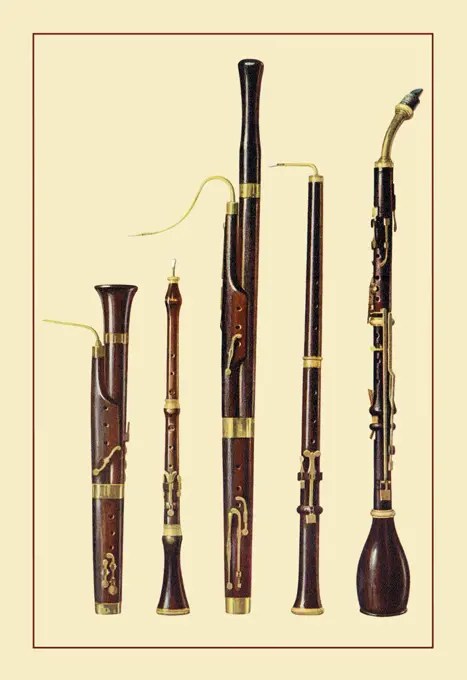
Historical Tools and Accessories

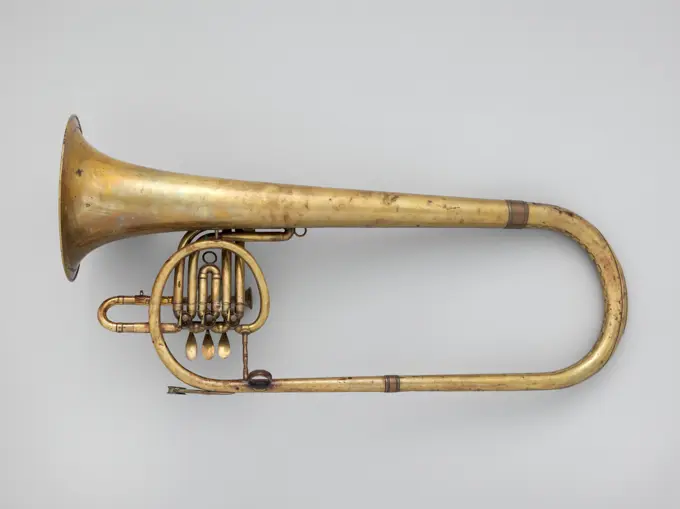
Models and artifacts showcasing historical tools like hairpins and coaches’ horns, reflecting craftsmanship from various cultures.
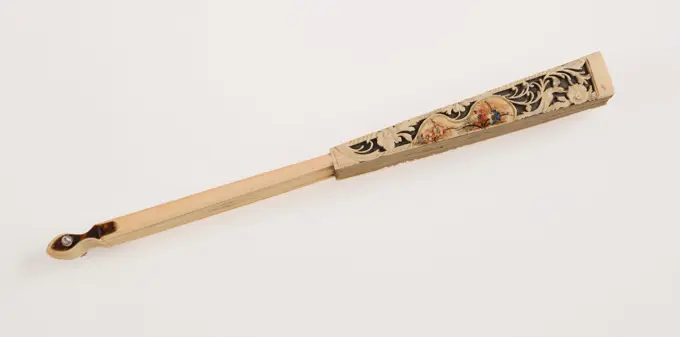
Eventail: "Pastoral scene; near a leading shepherdess, a seated couple, basket in front of them, man seated on the right". Cabretille, gouache, openwork and painted ivory, pivot rhinestones. Paris, Carnavalet museum. 99159-13
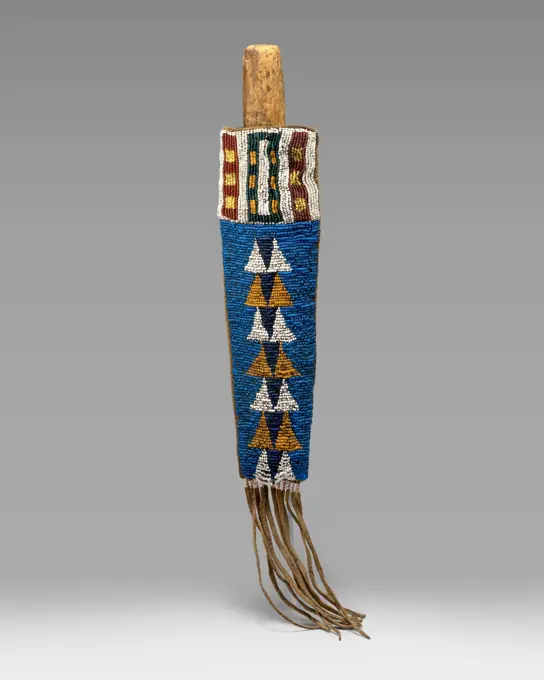
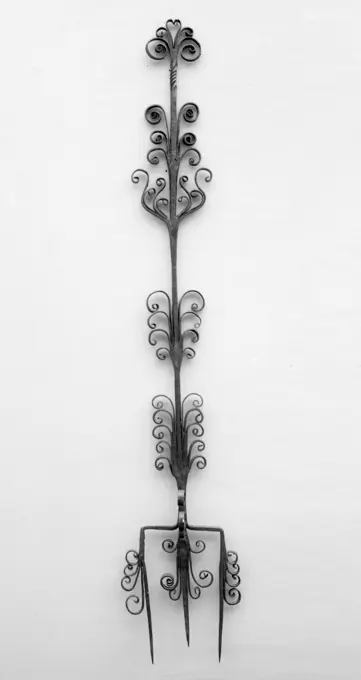
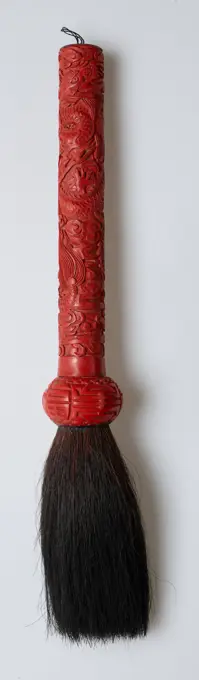
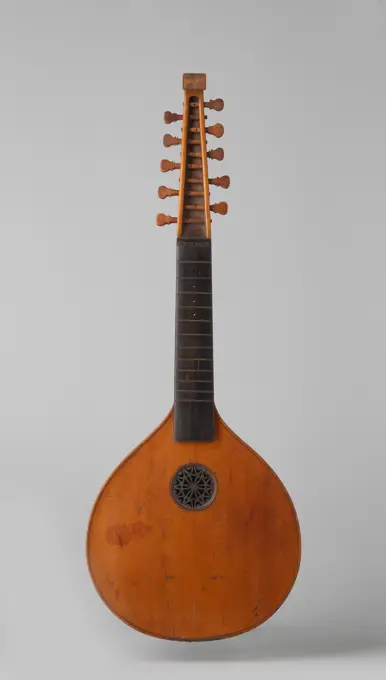
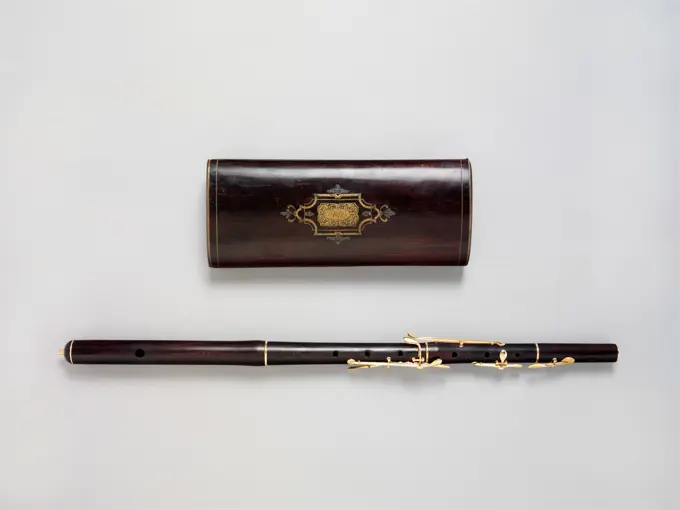
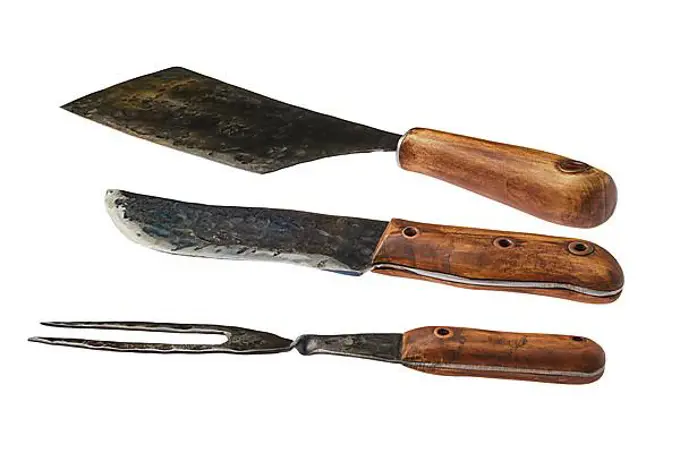
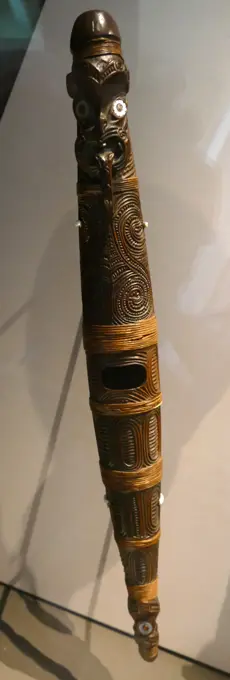
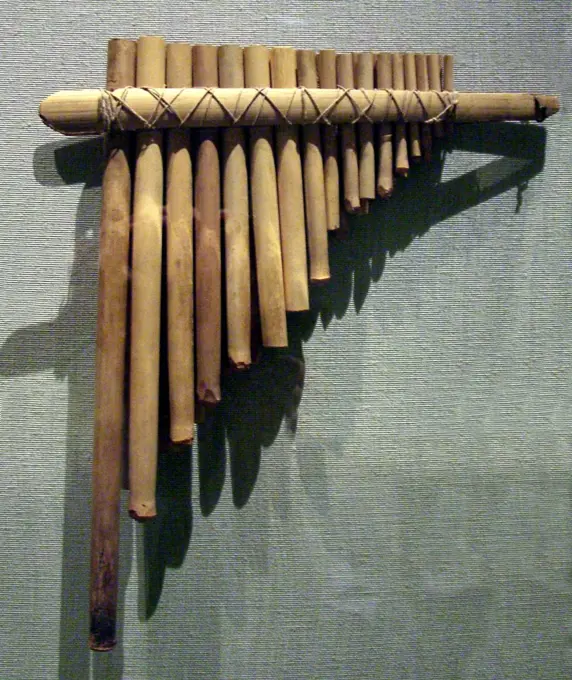
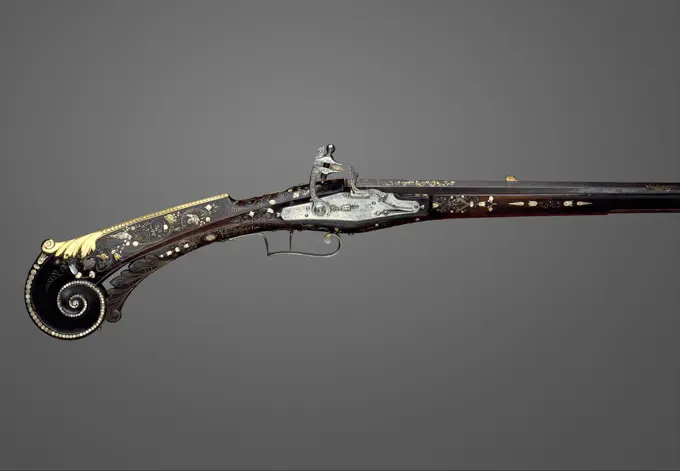
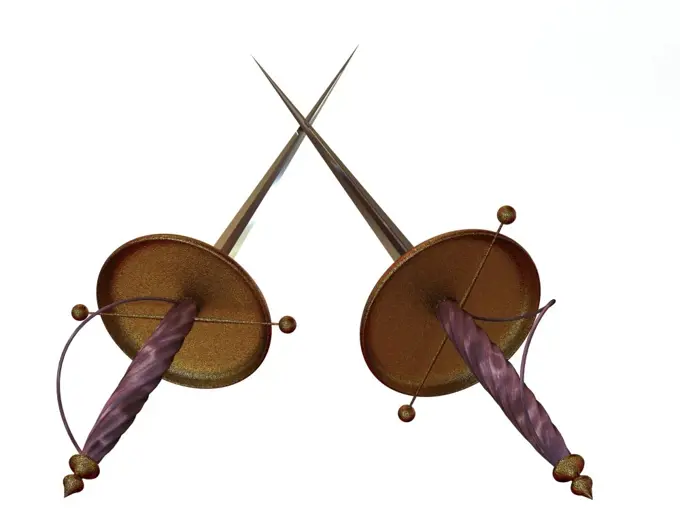
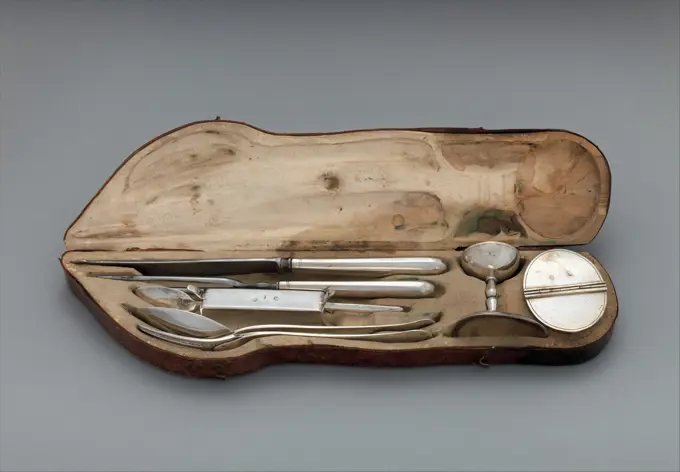
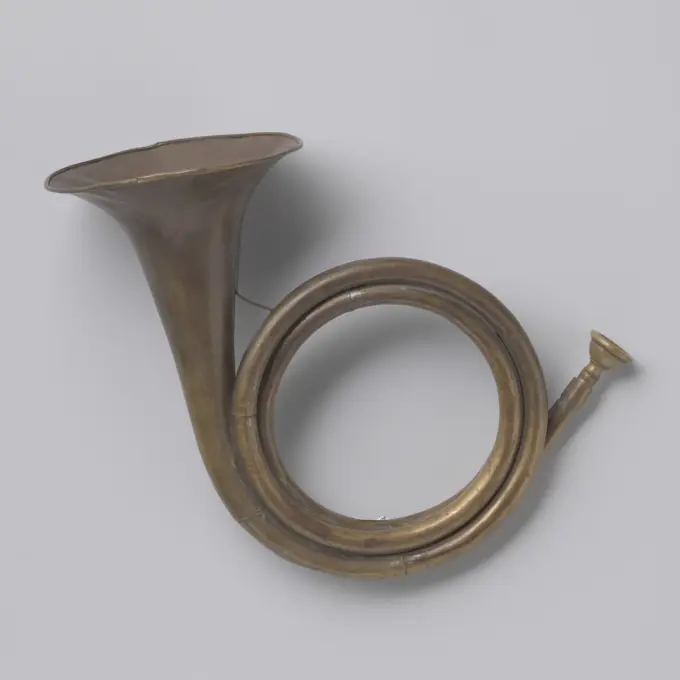
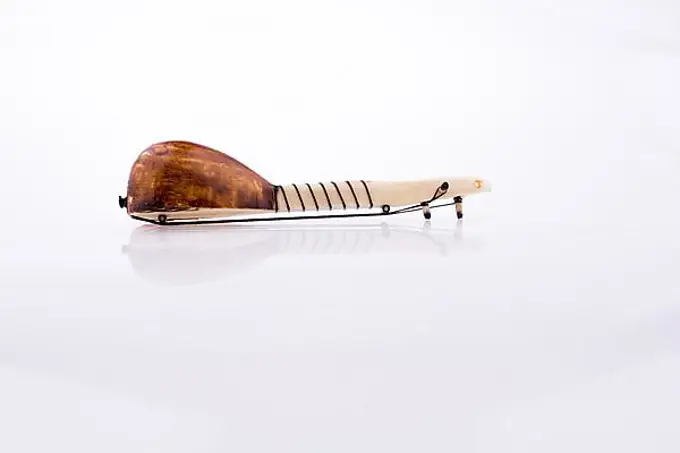
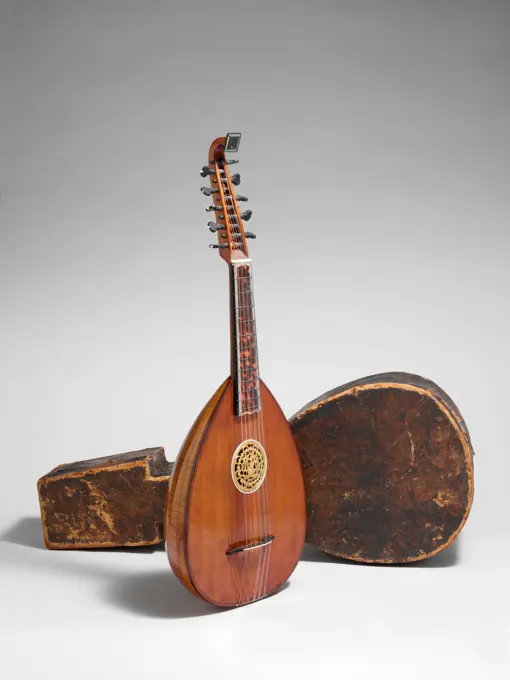
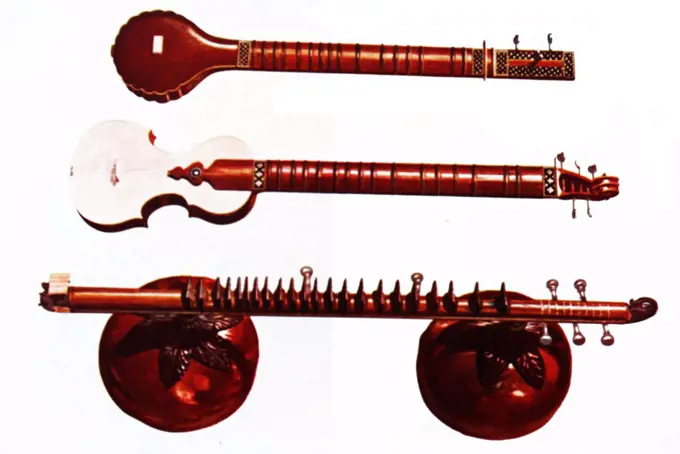
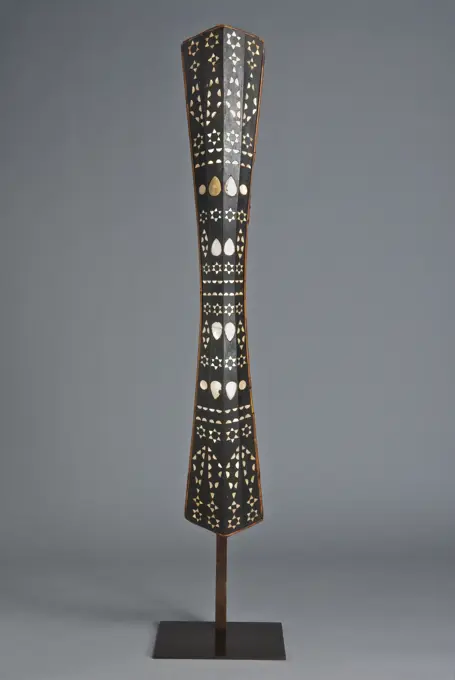
ShieldFan Case And Bag (China); canvas case and bag embroidered in tent stitch, silk linings, silk ribbon with glass beadRattle, 24 1/2 × 2 13/16 × 2 13/16 in. (62.23 × 7.14 × 7.14 cm), Gourd, beads, leather, wood, horsehair (), metal, United StatesKnife (United Kingdom), 1829-30; ivory, silverWatches sword unknownKnife and Case ca. 1870 Assiniboine or Gros Ventre. Knife and Case. Assiniboine or Gros Ventre. ca. 1870. Native-tanned skin, rawhide, glass, porcupine quill, wood, metal. United States, MontanaBroaching or toasting fork 17th century possibly Spanish. Broaching or toasting fork 189205 possibly Spanish, Broaching or toasting fork, 17th century, Iron, Length: 40 1/2 in. (102.9 cm). The Metropolitan Museum of Art, New York. Rogers Fund, 1907 (07.52.9)Model of A Buoy, 's Rijks General Concrete Magazine, 1873 demonstration model Model of a buoy with a conical body with sharp ends and round of diameter. Like a barrel, she is composed of stuff and hoops. On top is an eye, as well as at the bottom of a long point in front of the anchor chain. Marked with crossed anchors. Model belongs to series of six buoys of different sizes. Scale 1:10 (archive). Enkhuizen wood (plant material). iron (metal)Calligraphy brush, late 19th century, 14 1/8 × 2 3/8 × 2 3/8 in. (35.88 × 6.03 × 6.03 cm) (without hanging loops), Lacquer, wood, hair, China, 19th century, In Chinese literati culture, the brush, a writing implement, is known as one of the 'four treasures of the study' along with the inkstick, inkstone, and paper. Brush handles are commonly constructed from bamboo, but some brushes have handles of sandalwood, jade, carved bone or ivory, and other precious materials as demonstrated by these examples. During late imperial times, artists catered to the tastes of gentlemen collectors and elaborated brushes with motifs derived from folklore, legends, superstitious beliefs as well as religious subjects from Confucianism, Buddhism, and Daoism.Belt, late 19th century, 35 x 2 in. (88.9 x 5.08 cm), Cotton, metallic thread, leather; embroidered, Syria, 19th centurySmall Sword, 1800-1911. China, Qing dynasty (1644-1911). Metal blade, ivory handle;Pendant 1801-1900 Democratic Republic of the Congo. Since the inception of the Kuba Kingdom in the 16th century, individuals have signaled court rank and status with their elaborate dress. Glass beads imported from Europe and cowrie shells from the Indian Ocean have been used in the production of such accoutrements since the 18th century. Exclusively owned by men, bead- and shell-covered belts and pendants like this pre-1910 examples are still worn in combination with voluminous textile skirt-wrappers by both Kuba royalty and Kuba masqueraders. See also 1997.461. Jute, raffia, cowrie shells, and beads . KubaBotones y botonero, siglo XIX. Museu Català de les Arts i Tradicions Populars.Cister.Cister, labeled: Johannes Cuypers Fecit 's Hage 1768, for five double strings.Flute ca. 1852 Jean-Louis Tulou French The cross-fingerings used on simple-system flutes such as this created subtle variations in tone color from note to note. Despite the eventual dominance of Boehms 1847 cylindrical flute, many players preferred simple-system instruments throughout the nineteenth century. Tulou, a flautist with the Paris Opéra and professor at the Conservatoire, expressly rejected the Boehm flute. Listen to experts illuminate this artwork's story Listen Play or pause #Romance/Waltz from Récréations musicales sur des motifs d'opéra Le Prophéte, Op. 321 by Giacomo Meyerbeer performed by Jan Boland, flute, and John Dowdall, guitar Supported by Bloomberg Philanthropies We're sorry, the transcript for this audio track is not available at this time. We are working to make it available as soon as possible.. Flute 504487Set of rustic country-style butcher's utensilsBANOTS DE MADERA (JABALINAS DE MADERA). Location: ARCHAEOLOGICAL MUSEUM. SANTA CRUZ DE TENERIFE. TENERIFFA. SPAIN.Flute, New Zealand, about 1800-1830. This was a Maori flute from Taranaki, used for entertainment and in healing and other ritualsGaleon Soniruka late 19th century Melanesian. Galeon Soniruka 501438Flintlock Gun of Louis XIII (1601-1643), King of France ca. 1620 Pierre Le Bourgeois French This fowling piece is one of the earliest firearms equiped with the flintlock of French construction. It was made for Louis XIII (reigned 1610-43) in the workshop directed by Pierre Le Bourgeois' brother, Marin (about 1550-1634), to whom the invention of the flintlock mechanism is traditionally ascribed. The decoration of the gun includes the crowned monogram of the king. The scroll-shaped end of the gunstock is an unusual and especially graceful feature of this gun's design. Listen to experts illuminate this artwork's story Listen Play or pause #4434. Flintlock Gun Supported by Bloomberg Philanthropies We're sorry, the transcript for this audio track is not available at this time. We are working to make it available as soon as possible.. Flintlock Gun of Louis XIII (1601-1643), King of France. French, Lisieux. ca. 1620. Steel, brass, silver, gold, wood (walnut), mother-of-pearl. Lisieux. FirearSeal stamp with family arms of Lanchals, in diamond shape with swan, seal stamp stamp kit wood brass metal, sawn twisted die cast engraved Stamp with oval stamping surface. Rhombic shield: wavy sections: I swimming swan with pointed beak coming out; II sea; the shield hanging on belt from crown of three leaves and two pearls sealing letter certifying writing closing heraldry Pieter Lanchals Brugge womanRELOJ DE PARED CON MECANISMO LONGITUDINAL S XVIII. Location: PRIVATE COLLECTION. MADRID. SPAIN.Portrait of the young man;  1825 (1825-00-00-1825-00-00);Foreign miniatures, portraits, men's portraits, costumes, hairstyles'Escepcional De La Espanola', Plated metal, enamel, In the form of a hand-rolled cigar, with red and white enamelled label inscribed 'Escepcional De La Espanola,' reverse of label features coat of arms. Last quarter of cigar, where simulated rolled tobacco is visible, flips open as box lid, hinged on reverse. Rolled tobacco at tip likley intended as striker., late 19th century, containers, Decorative Arts, Matchsafe, Matchsafeswords duel. 3dTraveling set in leather case mid-18th century Hungarian It is amazing that eight implements could be compressed into this leather case. Though similar in its ingredients to German traveling sets, this Hungarian version also includes a type of cutlery rest in the form of a rod raised on legs that would have helped protect a tablecloth or precious table surface. It is also remarkable that function, and not ostentatious display, governed the design of each implement (see István Heller. Ungarische und siebenbürgische Goldschmiedearbeiten: Vom Ende des 16. Jahrhunderts bis zum Ende des 19. Jahrhunderts. Munich, 2000, p. 134, no. 49, who points out the rareness of early examples. The type developed into a fashion of mostly bourgeois circles by the progressing nineteenth and twentieth century). It is also remarkable that each implement of the present set is designed to obey its utilitarian service instead of making a social statement.Wolfram Koeppe 2015. Traveling set in leather case 2370Rooria 19th century Melanesian. Rooria 501360Posthoorn of waldhorn. Posthoorn of waldhorn.Viiie i.a.k. (8e international architects Congress), Jos. Zimbler, c. 1908  One -sided oval plate on curved pin. Front: on rectangular field: left -inscription, right three horizontal lanes in colors red, white and red (Austrian flag); On the left and right side of it of alternating black and white squares. Reverse: inscription. Vienna copper (metal). striking (metalworking) / welding  ViennaBaritone shoulder horn in B-flat after 1875 Henry G. Lehnert German The unique and ingenious design of this instrument was patented in 1875, in anticipation of the American centennial. Its body takes the form of an oval, with the mouthpipe and mouthpiece extending inwards. The instrument is placed over the player's head and the main tubing rests on the shoulders, evenly distributing the weight of the horn between both sides of the body. The bell points forward in front of the performer. Players on the march appreciated the ergonomic design of these "Centennial model" basses and baritones. It is thought that Lehnert conceived of the instruments as a family and that tenor and alto models were also produced. A handful of other instruments made by Lehnert with a different configuration (alto and tenor valve trombones and an alto horn) were also marked with the centennial stamp but do not bear the patent specification and presumably did not take the oval shoulder horn form.. Baritone shouldPandurina, 1400s. Italy, 15th century. Varnished wood; overall: 19.1 cm (7 1/2 in.).Tassels; silk, metalA stock photograph of a handy mans paint brush.Turkish musical instrument saz on a white backgroundPlate. Jade. Shang dynasty (1765-1122 BC), China. Paris, Cernuschi museum. 101270-8 Asian art, Chinese art, art of extreme orient, Shang dynasty, Yin dynasty, Shang time, iieme II 2nd 2 millennial, jade, fishSilk garter, with the text, in red on white: Jan Anne does the worship to syn mother geesie de vries anno mdccxxvii, c. 1727 Silk garter, with the text, in red on white: Jan Anne does the worship to syn mother geesie de vries anno mdccxxvii. West-Europa whole: Silk Silk garter, with the text, in red on white: Jan Anne does the worship to syn mother geesie de vries anno mdccxxvii. West-Europa whole: SilkEnglish Guitar late 18th century British Unusual form with arched back of 21 flamed maple ribs, decorated with engraved mother-of-pearl and tortoiseshell veneer. The label within is illegible. Original tooled leather case. London, late 18th century.. English Guitar. British. late 18th century. Wood. London, England, United Kingdom. Chordophone-Lute-plucked-frettedGuitarra septima (seven string guitar). Culture: Mexican. Dimensions: Height: 51 3/8 in. (130.5 cm)Width: 11 3/4 in. (29.8 cm). Maker: M. Fernandez (Mexican). Date: ca. 1880.Mariano Fernández, Guitarra Séptima (Seven-course guitar)2012.569The Mexican seven-course guitar reached the height of its popularity during the 19th century. It was used to perform music in a variety of genres, most of it written by Mexican composers. This beautifully crafted instrument by Mariano Fernández epitomizes guitar making in Mexico at its highest level. Inlaid mother-of-pearl, abalone and wood trace intricate geometric patterns and elegant floral motifs on every surface. Just below the bridge, a lyre topped by a Phrygian cap, symbols of music and liberty, connect the guitar to Mexico's Liberal Reform movement and its cultural expression in art and music. Museum: Metropolitan Museum of Art, New York, USA.Roach headdress -Sitar's and Vína. The Sitar was a favourite instrument of Upper India and the Vína was the most ancient and finest Indian instrument and one of the most difficult to play.Dolciano, Oboe da Caccia, Oboe, Basset Horn and Bassoon, Renaissance Musical InstrumentsThree Chitarroni. 'Chitarroni' means large guitar, but this instrument is a Theorbo or bass lute. It is thought that at least two of these lutes are Venetian.