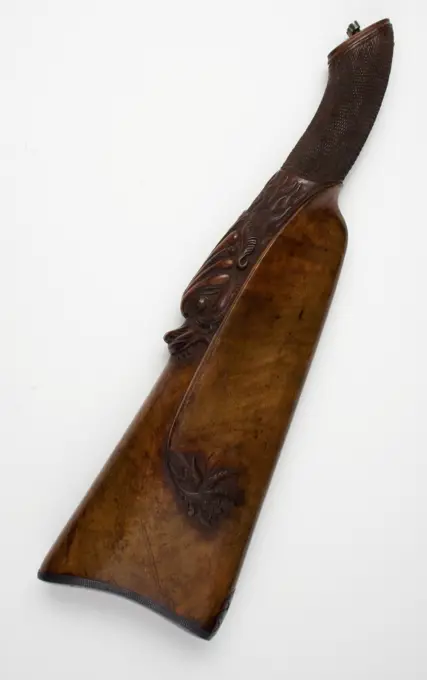
Historical Tools and Objects

An assortment of historical items, including tools and decorative objects, showcasing craftsmanship and artistry from various cultures and centuries.
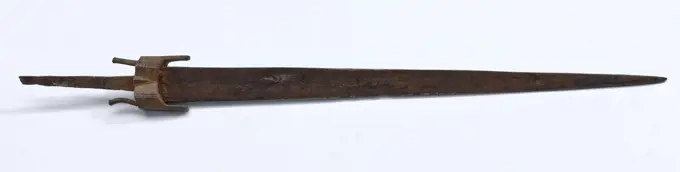
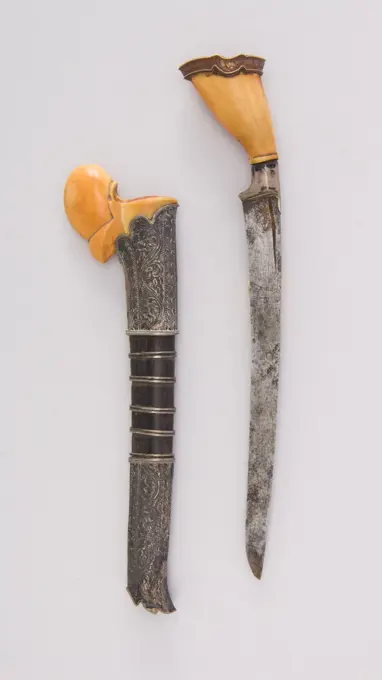
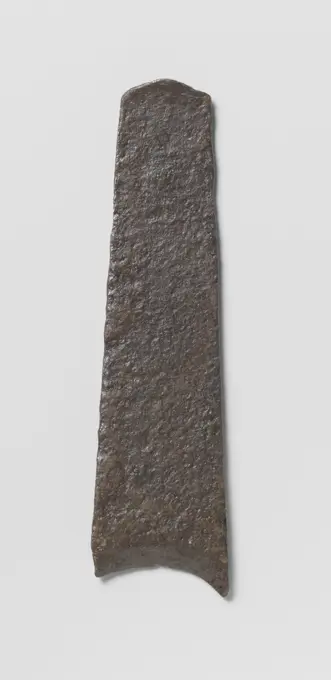
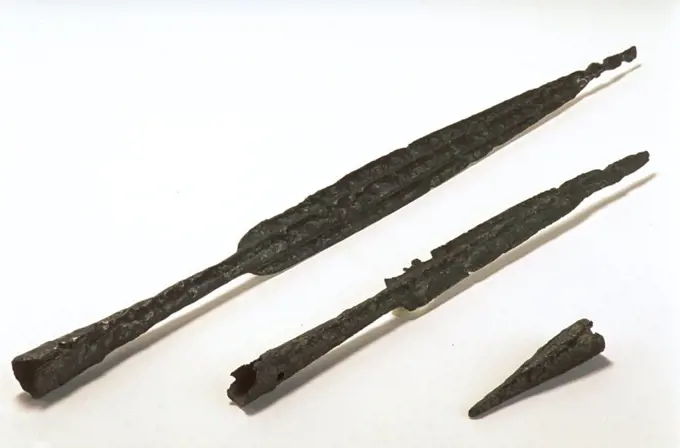
Blade with baffle plate of kidney dagger with single blade, kidney dagger dagger knife stab weapon weapon fragment soil find iron metal, forged blade The blade is single-edged. Kling suitable for general carving archeology cave hunter kloot dagger kliodolk ballad decoration status symbol personal equipment defense clothing accessory militaria
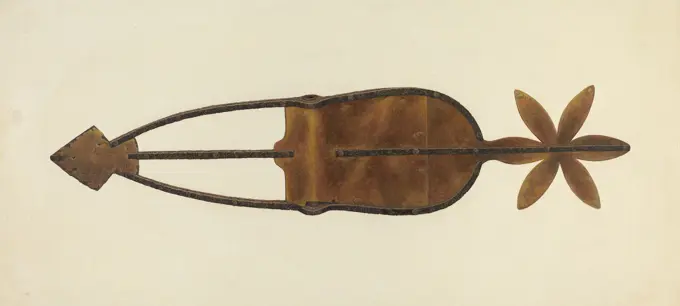
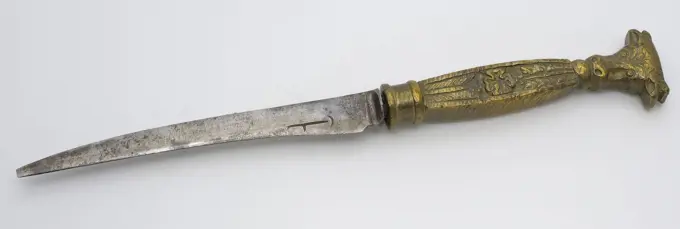
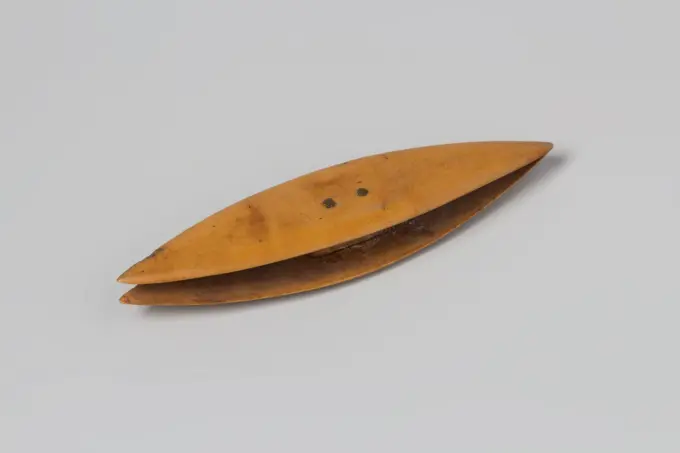
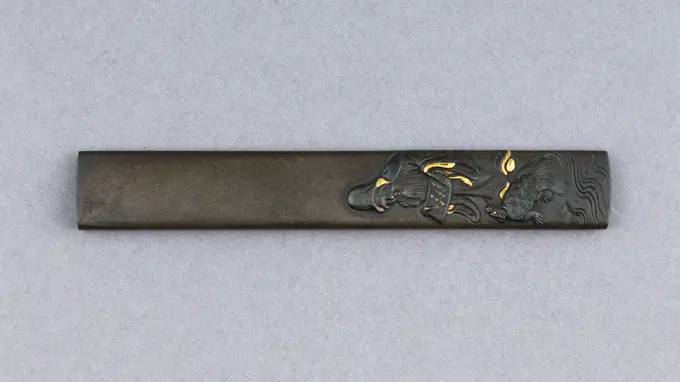
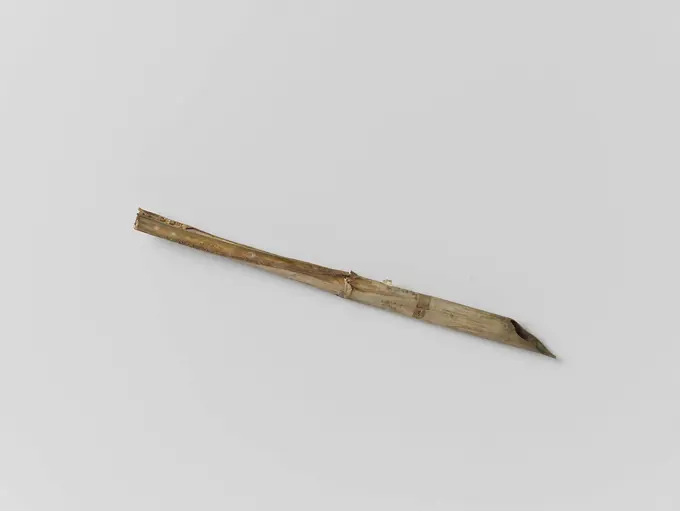
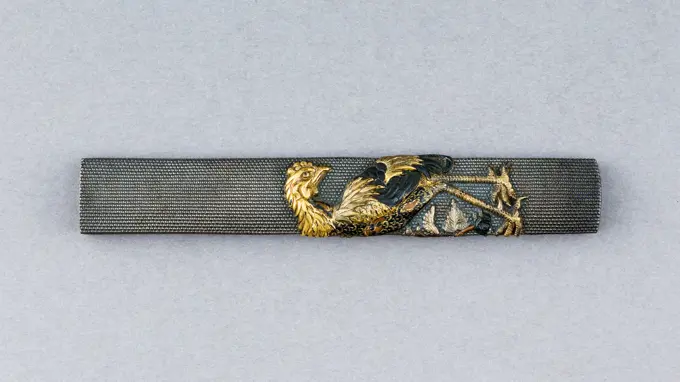
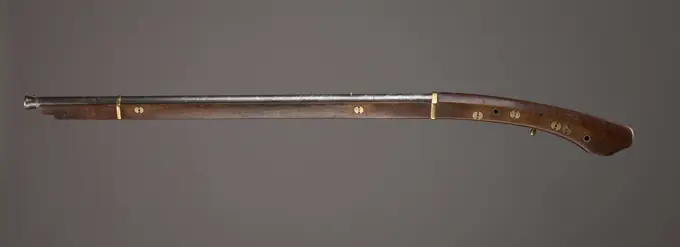
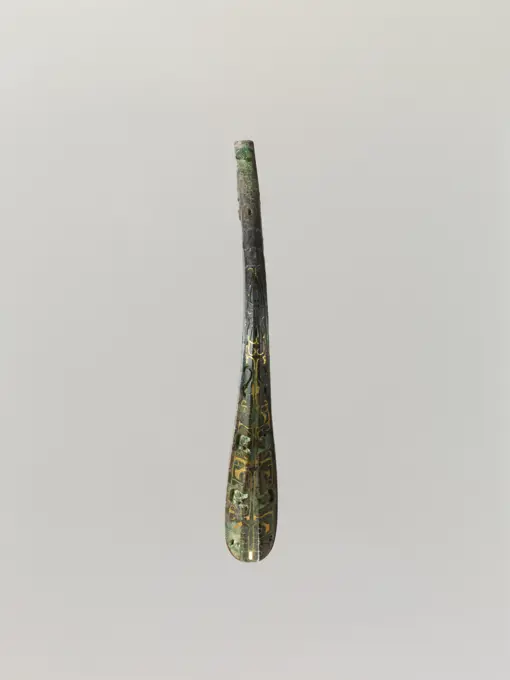
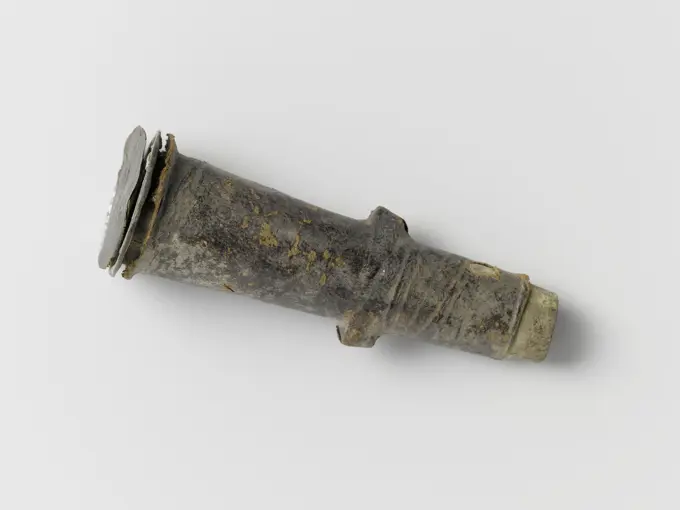
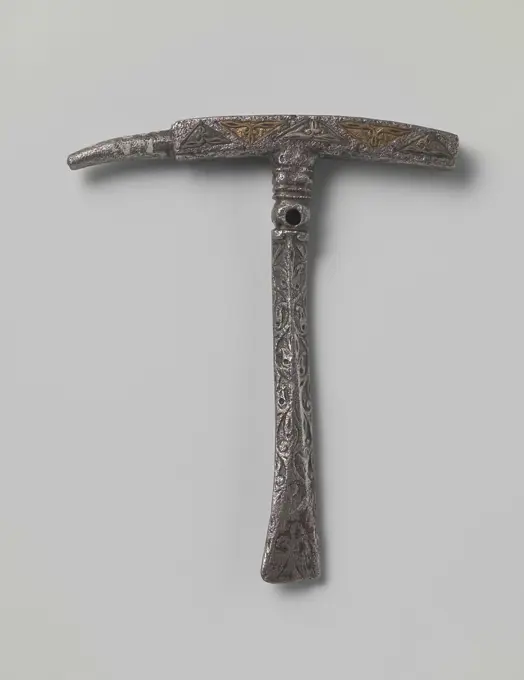
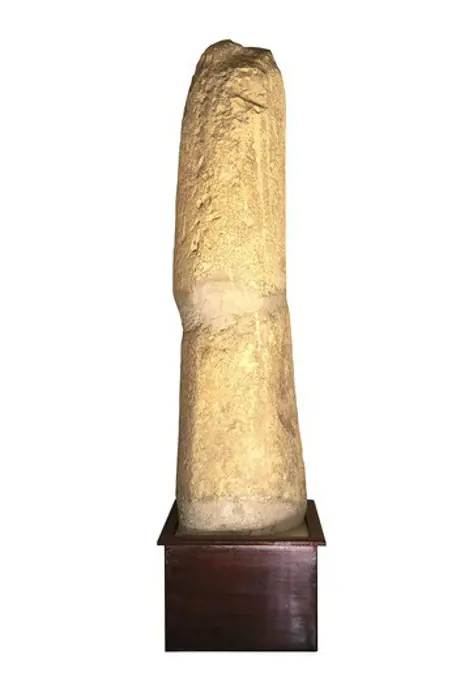
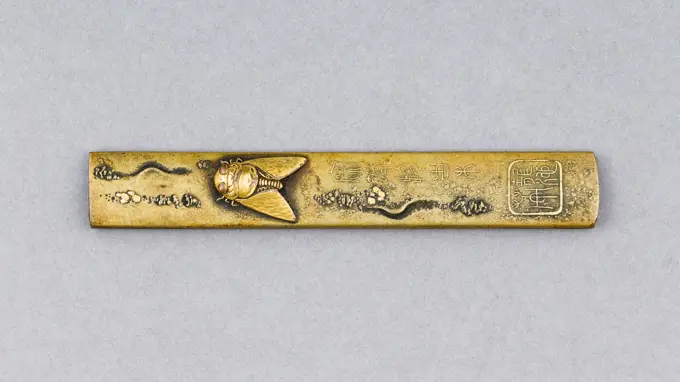
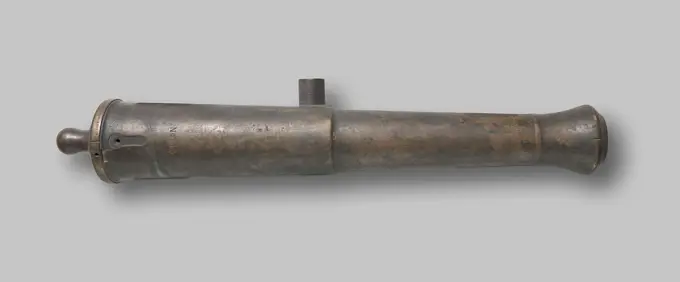
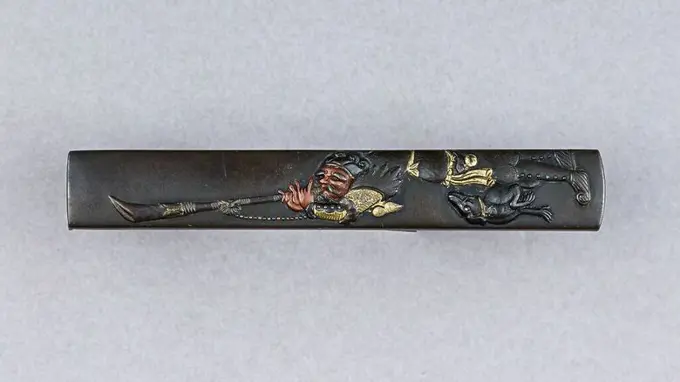
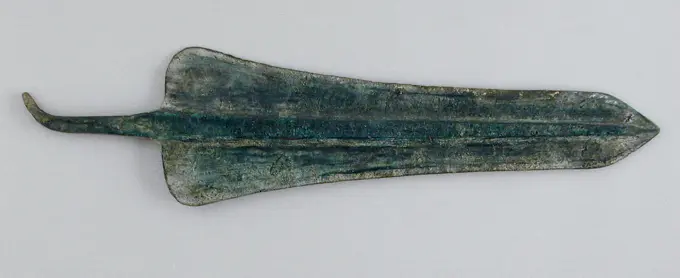
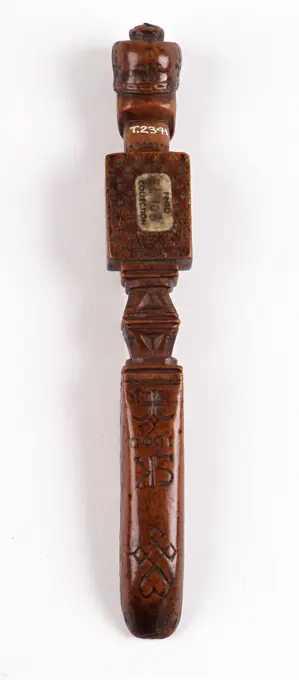
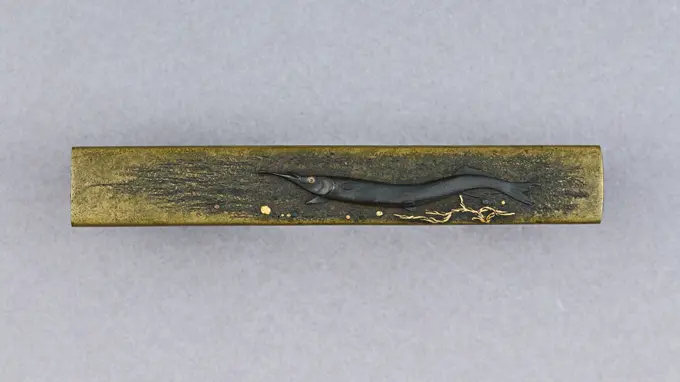
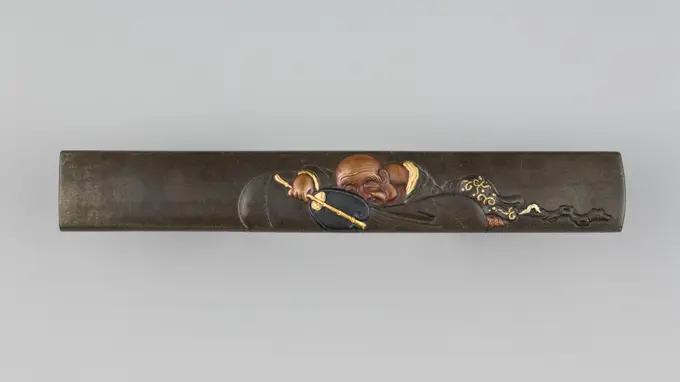
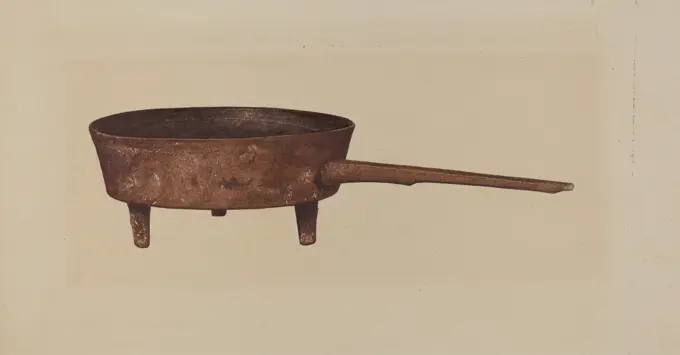
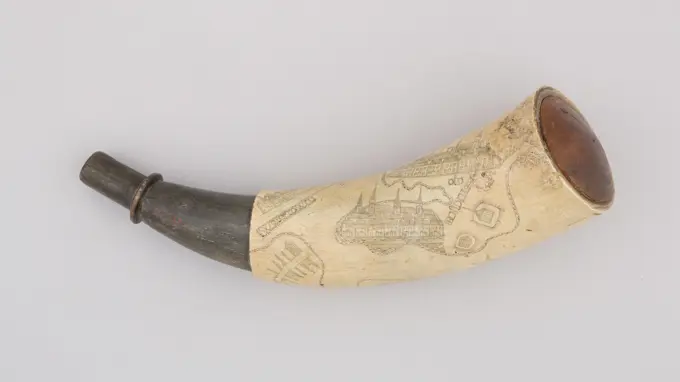
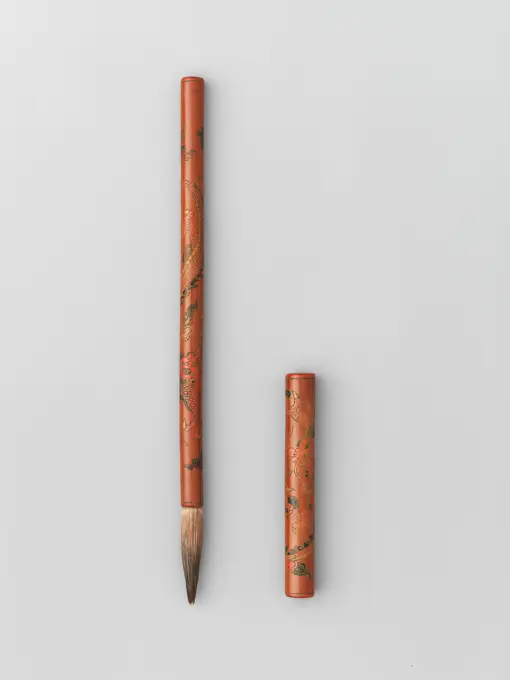
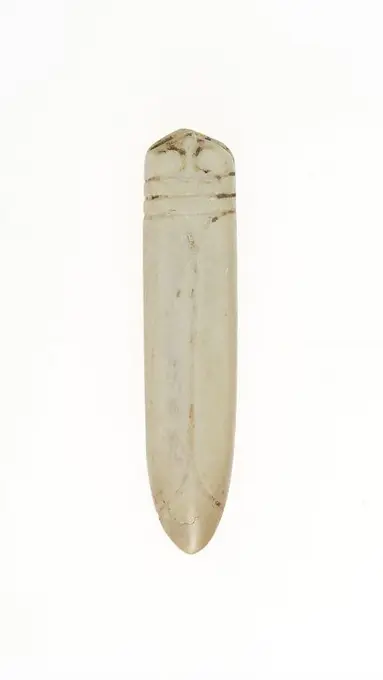
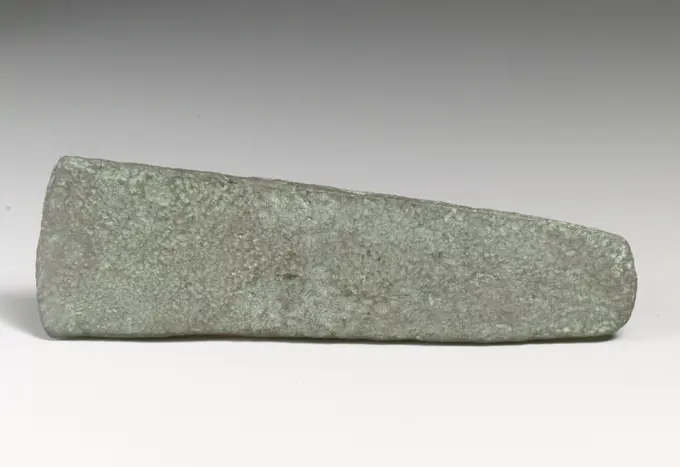
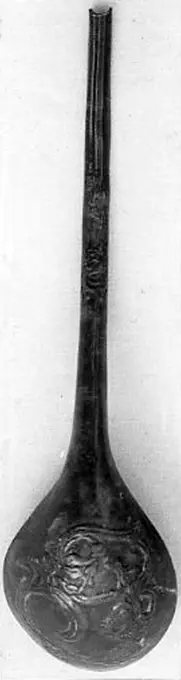
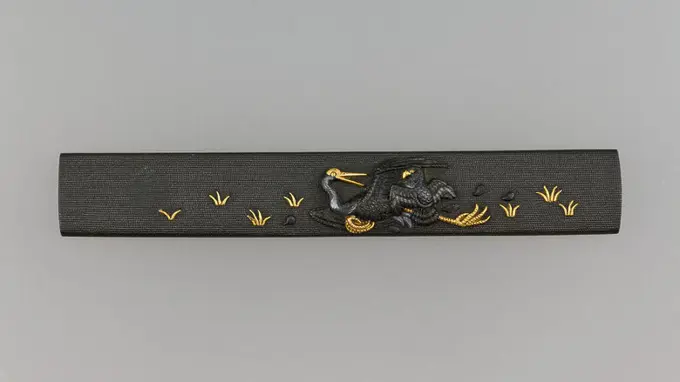
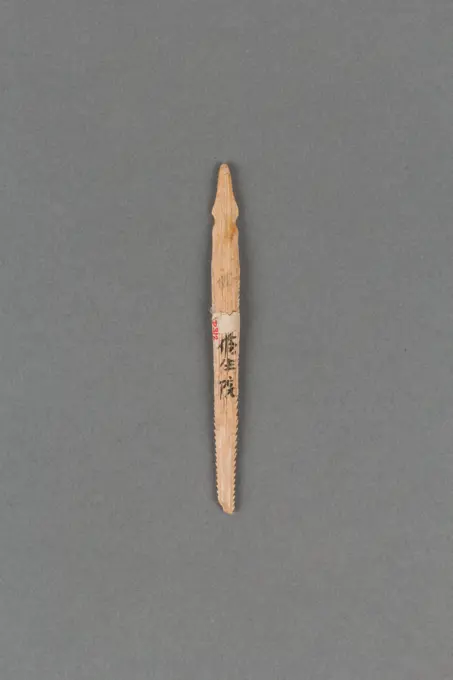
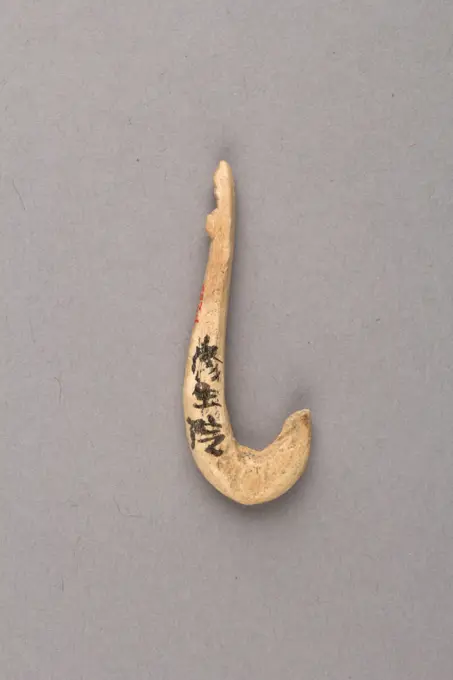
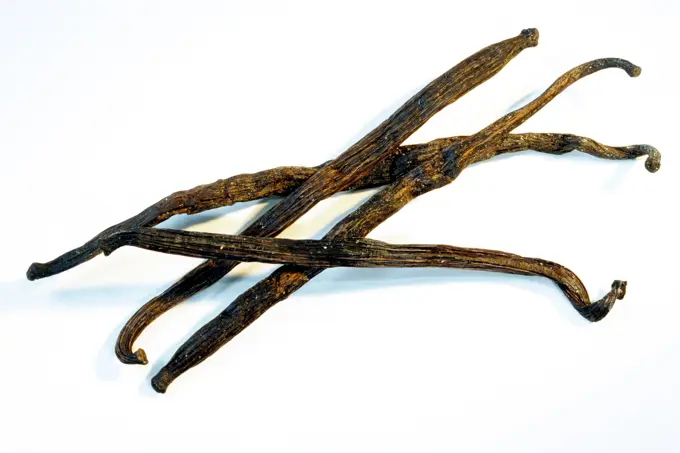
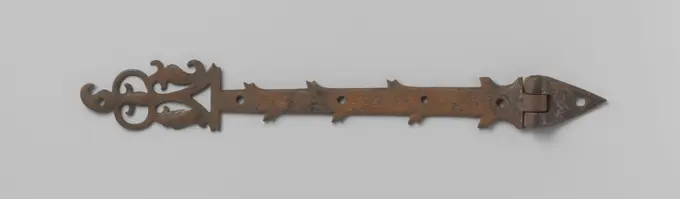
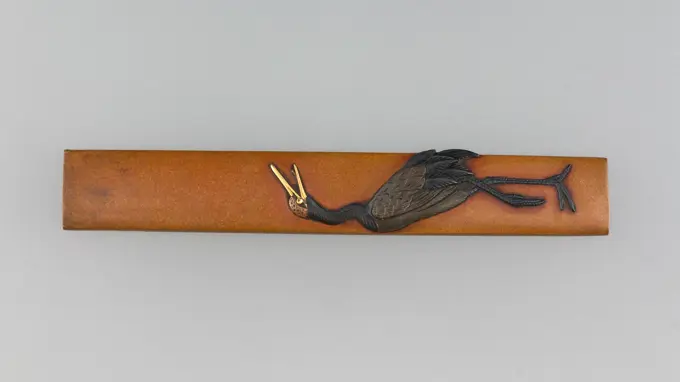
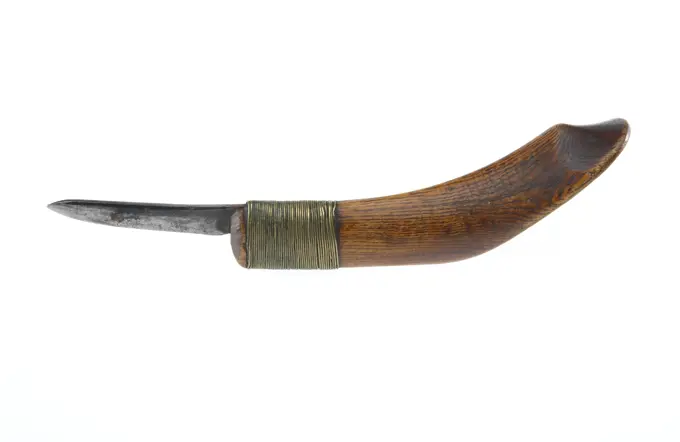
Crooked knife -Legs pointed with four barbs, pointed harpoon soil found bone, sawn cut cut Late stone age archeology Maglemose culture Rotterdam Maasvlakte prehistoric stone age late stone age fishing hunting fishing nutrition archaeological find in the soil Maasvlakte Maglemose culture.Joseph Glover, Weather Vane, c 1940 Weather VaneIron blade with bronze handle, ending with cow's head, knife cutlery soil find iron bronze metal, forged cast Iron knife with narrow cut blade Filled or handle of bronze decorated entirely and ending with cow's head. Signature smashed into the blade latch shape and sickle archeology cutting table food farmer butcher butcher shopHout of wood for frivolité work, with a wooden block between the two discs, held together by copper pins, anonymous, c. 1700 - c. 1900 Hout of wood for frivolité work, with a wooden block between the two discs, held together by copper pins. West-Europa whole: Wood (plant material). PIN: Copper (Metal) cutting Hout of wood for frivolité work, with a wooden block between the two discs, held together by copper pins. West-Europa whole: Wood (plant material). PIN: Copper (Metal) cuttingHarpoon finger rest -Beads ca. 9th century B.C. Iran. Beads. Iran. ca. 9th century B.C.. Glass, Egyptian Blue. Iron Age II, Hasanlu Period IV. Iran, HasanluKnife Handle (Kozuka) ca. 1615-1868 Japanese A kozuka is a handle of a by-knife that is part of a sword mounting. It is kept in a slot on the reverse of a katana scabbard, often with a matching kōgai (hairdressing tool).. Knife Handle (Kozuka) 34536Knife Handle (Kozuka) 19th century Japanese A kozuka is a handle of a by-knife that is part of a sword mounting. It is kept in a slot on the reverse of a katana scabbard, often with a matching kōgai (hairdressing tool).. Knife Handle (Kozuka) 33371Knife (Bade-bade) with Sheath 16th-19th century Sumatran. Knife (Bade-bade) with Sheath 31576Goose feather writing pin. Goose feather writing pin.Knife Handle (Kozuka) ca. 1615-1868 Japanese A kozuka is a handle of a by-knife that is part of a sword mounting. It is kept in a slot on the reverse of a katana scabbard, often with a matching kōgai (hairdressing tool).. Knife Handle (Kozuka) 34644Fuse unknownMatchlock Gun late 18th-early 19th century Indian, Rajasthan or Lahore Firearms were used in India starting in the fifteenth century and the matchlock remained the preferred firearms mechanism until about 1830. This sporting gun is distinctive for its delicately painted stock covered with hunting scenes, birds and other animals, and landscapes. The gold-damascened barrel is a masterpiece of forging, having both a square cross section and a square bore. It is signed by the smith Haji Sha'ban, who signed two other barrels on guns captured by the British at Lahore, in northwest India (now Pakistan), in the nineteenth century.. Matchlock Gun. Indian, Rajasthan or Lahore. late 18th-early 19th century. Steel, wood, gold, silver, pigment. Rajasthan. Firearms-Guns-MatchlockBuckle China. Buckle 61200Musket size of brass with a leather sleeve and leather ears, anonymous, c. 1590 - c. 1596  Musket size of brass with a leather sleeve and leather ears. The musket size only has brass at the bottom.  brass (alloy). leather striking (metalworking)  Nova Zembla. Saving HuysInstrument ca. 3rd-7th century A.D. Sasanian. Instrument 323258Embroid hammer from ijert with silver and copper. Iron ciselle hammer. The square handle is decorated with arabic and runs down flat. A round opening has been applied to the transition from lift to head. The square cup in cross section runs on a side in a point, the other side is stump. At the bottom, the head is decorated with arabic sign and contains three slots for wire drawing on the top. The sides of the head are decorated with inlaid triangles, on each side of three of silver and two of silver.Ggantija phallic stone. Bronze Age. Sculpture on rock. BOLIVIA. LA PAZ. La Paz. National Museum of Art.Schaafeitel with curved cut, anonymous, c. 1590 - c. 1596  Schaafeitel with curved cut for hollow block plane.  iron (metal) forging  Nova Zembla. Saving HuysCinquedea ca. 1500 Italian, possibly Emilia The cinquedea derives its name from the distinctively broad blade, about five fingers (cinque diti) wide. The scenes on both sides of this blade represent episodes from the ancient Roman myth of Diana and Actaeon.. Cinquedea. Italian, possibly Emilia. ca. 1500. Steel, gold, copper alloy, horn, brass. possibly Emilia. DaggersShuttle and bobbin, Medium: wood with metal fixtures, A dark finely grained wooden shuttle with ends tipped with metal. Metal rod for holding bobbin. With a wooden bobbin wound with black silk thread., France, 19th century, appliances & tools, Shuttle and bobbinKruithoorn van Koehoorn with wooden bottom and copper mouth. Kruithoorn; Broad part closed with wooden bottom; Copper Krametje smashed for fastening of string; To narrow end cylindrical piece in different thicknesses of copper with wooden locking pin (upper part of pin same decorated) with piece of string.Buckle 14th century French, Haute-Savoie. Buckle. French, Haute-Savoie. 14th century. Bronze, patina. Miscellaneous-Buckles & OrnamentFish Pendant 1300 BCE-900 BCE China. Jade .Arrowheads, needles, hooks and harpoons. Culture: Japan. Dimensions: W. 1/2 in. (1.3 cm); L. 2 1/8 in. (5.4 cm). Museum: Metropolitan Museum of Art, New York, USA.Knife Handle (Kozuka) ca. 1615-1868 Japanese A kozuka is a handle of a by-knife that is part of a sword mounting. It is kept in a slot on the reverse of a katana scabbard, often with a matching kōgai (hairdressing tool).. Knife Handle (Kozuka) 34569Draaibas n° 143.Smooth cannon with round grape. In the back bottom piece a round hole. Kulasband with inscription. On top of a curf and right Darvan around hole. Zundgat in pear-shaped outline. Inscription above. Halfway breakage and two smooth engraved taps. Smooth collar and slightly flared mouth. On top of cup curf in edge for pointing.Pijpenkop, on which a mill and a fisherman. Pijpenkop, on which a mill and a fisherman.Plaster Iron. Dated: c. 1940. Dimensions: overall: 37 x 44.7 cm (14 9/16 x 17 5/8 in.). Medium: watercolor and graphite on paper. Museum: National Gallery of Art, Washington DC. Author: John Lang.Flue Shovel. Dated: c. 1937. Dimensions: overall: 35.1 x 24.6 cm (13 13/16 x 9 11/16 in.). Medium: watercolor and graphite on paperboard. Museum: National Gallery of Art, Washington DC. Author: John Cooke.Fragment of a tobacco pipe., Anonymous, c. 1600 - c. 1699 A fragment of a small white tobacco pipe, on which H.  pipe clay A fragment of a small white tobacco pipe, on which H.  pipe clayAxe. Culture: Mexico. Dimensions: H. 6 13/16 in. (17.3 cm); W. 2 3/8 in. (6 cm); L. 1 1/4 in. (3.2 cm). Museum: Metropolitan Museum of Art, New York, USA.Knife Handle (Kozuka). Culture: Japanese. Dimensions: L. 3 3/4 in. (9.5 cm); W. 9/16 in. (1.4 cm); thickness 1/4 in. (0.6 cm); Wt. 1.1 oz. (31.2 g). Date: ca. 1615-1868. Museum: Metropolitan Museum of Art, New York, USA.Spear Point. Western Iran, circa 1000-825 B.C.. Arms and Armor; spears. BronzeHollow spatula. Paris, Carnavalet museum. 51855-1 Creuse, spatulaCarved Boxwood Apple Corer, 1690. Pinto Collection - Purchased from Edward H Pinto, 1965.. Made in England. These small scoops enabled people who had lost their teeth to eat foods such as apples and pears. They have been in use since prehistoric times and must rank as one of the oldest eating utensils in the world. Apple scoops were very personal items and in some areas it was considered bad luck to share one. Most scoops tended to be quite plain and made from animal bone. Elaborate ones, like this, often seemed to be given as love tokens.Staff. Iran, circa 150 B.C. - A.D. 225. Costumes; Accessories. Bronze finial, iron shaftFragment of a mummy label Roman Period 30 B.C.-A.D. 364 View more. Fragment of a mummy label. 30 B.C.-A.D. 364. Wood, pigment. Roman Period. From Egypt, Middle Egypt, Oxyrhynchus (Bahnasa), EEF excavations 1904-05Hampe and javelin iron (common name). Bronze. Cernuschi Museum, Asia Museum of Asia in the city of Paris.Hammered Copper Chisel with Snake 1st-mid-16th century Peru; north coast (). Hammered Copper Chisel with Snake 309102Aztec wooden spear-thrower, or 'atlatl'. AD 1400-1521. Used for hunting at a distance.Harpoon head Japan The Jmon period is the earliest period in Japanese history, lasting from roughly 14,000 to 300 BCE. The Jmon people were primarily hunter-gatherers, hunting land animals and gathering vegetables and nuts on the land as well as hunting and fishing at sea. Harpoon heads such as this one testify to the importance of seafood in the diets of some Jmon communities, especially those close to the sea. Fish bones found at Jmon archaeological sites indicate that the Jmon hunted fish not only close to the shore but also farther out in the open sea, where larger fish could be caught. There is even evidence that the Jmon ate pufferfish, a poisonous fish considered a delicacy in modern Japan.. Harpoon head. Japan. Bone. Final Jmon period (ca. 1000-300 B.C.). BoneSpearhead. Dimensions: L. 12.6 cm (4 15/16 in). Dynasty: Dynasty 12-13, late. Date: ca. 1850-1640 B.C.. Museum: Metropolitan Museum of Art, New York, USA.Harpoon Head 2nd-3rd century Old Bering Sea. Harpoon Head 310583Wooden dishes found during excavations in the street of Lutèce (island of the city). Medieval wooden spoon n ° 1, with incomplete handle, back. Paris, Carnavalet museum. 71124-15 Spoon, wooden spoon, medieval time, archeological excavations, cite island, rue lutece, dishesCelt Pendant Depicting an Abstract Figure with a Tall Headdress 1 CE-500 CE Nicoya. Jade . NicoyaPIEZAS DE ARMONIO POR DONDE SE PRODUCE EL SONIDO.Knife Handle (Kozuka) ca. 1615-1868 Japanese A kozuka is a handle of a by-knife that is part of a sword mounting. It is kept in a slot on the reverse of a katana scabbard, often with a matching kgai (hairdressing tool).. Knife Handle (Kozuka). Japanese. ca. 1615-1868. Copper alloy (sentoku), copper-gold alloy (shakud), gold. Sword Furniture-KozukaFragment of the stroke of the bowl;  1. PO. 2 thousand BC (-2000-00-00--1501-00-00);The collection of the ancient EastKachapi late 19th century Bornean (Sulawesi) This plucked lute is carved from the back to resemble a phinisi, a traditional ship. It is used to accompany singing and a song poem called Dadendate. The instrument is similar to the Batak hasapi and word kacapi may refer to a zither of West Java.. Kachapi 502066Knife Handle (Kozuka) late 18th-mid-19th century Hamano Toshihiro Japanese A kozuka is a handle of a by-knife that is part of a sword mounting. It is kept in a slot on the reverse of a katana scabbard, often with a matching kgai (hairdressing tool).. Knife Handle (Kozuka). Japanese. late 18th-mid-19th century. Copper-silver alloy (shibuichi), gold, copper, silver, copper-gold alloy (shakud). Sword Furniture-KozukaAmerican 20th Century, Skillet with Four Legs, 1935 1942 Skillet with Four LegsHalf Model of a 36-Gun Frigate, anonymous, c. 1780 - c. 1825 ship model. half model. builder's model Mallen model (starboard) of a three -mast. No guns or decks indicated, only the half cover through Gillingen. Wandering mirror, hollow wulf; No details of fence or side gallery; Straight with square Roer King, exceptionally wide. See at both ends ascending, one mountain wood. Stretch around. Netherlands wood (plant material)C.E. Juncker, close combat closer (Nahkampfspange des Heeres), war caught by Georges Aboubadra from the 13th Engineering Battalion (attributed title), 1942. Metal. Museum of the Liberation of Paris - General Leclerc Museum - Jean Moulin Museum.Powder Horn ca. 1775-76 Colonial American, Massachussets This powder horn is engraved with a map showing Boston, Cambridge, and Watertown, on the Charles River.. Powder Horn 24651Brush and cover 1573-1620 China. Brush and cover. China. 1573-1620. Carved cinnabar lacquer painted in black and gold. Ming dynasty (1368-1644), Wanli period (1573-1620). LacquerSickle Blade, 1980-1801 BC. Egypt, Middle Kingdom, Dynasty 12. Flint; overall: 5 cm (1 15/16 in.).Ruyi scepter with poem composed by the Qianlong Emperor mid-18th century China This scepter was fashioned from bamboo veneer, a special technique where the exterior layer of a bamboo stalk is used to create a soft and smooth appearance resembling boxwood. Such works were popular in the imperial workshop because of their appeal to the Qianlong Emperor. The back of this scepter was incised with a poem composed by the emperor in appreciation of the bamboo scepter as an ideal literati object: [The bamboo scepter loves to stay where only witty conversa­tion takes place, and feels like meeting real gentlemen.”. Ruyi scepter with poem composed by the Qianlong Emperor. China. mid-18th century. Bamboo veneer, silk. Qing dynasty (1644-1911), Qianlong period (1736-95). WoodworkCicada pendant. China. Date: 1300 BC-900 BC. Dimensions: 1 7/8 × 3/8 × 3/8 in. Jade. Origin: China. Museum: The Chicago Art Institute, Chicago, USA.Axehead ca. 3200-2000 B.C. Cypriot. Axehead 244269Weights fork. Wooden weights fork, locally lined with sheet.Rice Spoon 19th century Japan. Rice Spoon 59916Kris dagger from Indonesia. Dated 19th CenturyKnife with a sheathSword belonging to King Ferdinand III of Castile (1199-1252). National Arms Factory, Toledo, 20th century. Replica. Detail. Army Museum. Toledo, Spain.PUNTAS Y RECATONES. EDAD DEL HIERRO CULTURA CELTICA. (DEPOSITO: MUSEO ARQUEOLOGICO NACIONAL).Wavy-handled jar with cross hatching design ca. 3850-2960 B.C. Predynastic Period. Wavy-handled jar with cross hatching design. ca. 3850-2960 B.C.. Pottery, paint. Predynastic Period. From Egypt, Northern Upper Egypt, Abadiya, Cemetery R, Tomb R11A, EEF excavations 1898-99Fringe early 19th century European. Fringe 213746Commanders baton of the Dutch Governor of the Gold Coast. The running of the Dutch West India Company in West Africa was in the hands of the director-general in Fort Elmina. The commanders baton lay before him on the table when he assembled his Kleine Raad (Small Council). The gold mounts on the ivory baton bear the monogram,GWC, of the Chartered West India Company.Winged Pendant before 16th century Tairona. Winged Pendant. Tairona. before 16th century. Stone. Colombia. Stone-OrnamentsA menu in the form of two dolls and one in the form of a basket; rectangular tsuba with relief decoration; Kozuka, Yoshimitsu (Kozuka), 1600 - 1900  Japan metal. wood (plant material)  Japan metal. wood (plant material)Fragment Pijp from the wreck of the East Indians Hollandia, Anonymous, 1700 - in Or Before 1743 pipe. fragment Pipe, bowl, heelmark: crowned 82; fragment, no hsm. Netherlands pipe clay   SecondKnfie Handle (Kozuka). Culture: Japanese. Dimensions: L. 3 13/16 in. (9.7 cm); W. 9/16 in. (1.4 cm); thickness 1/4 in. (0.6 cm); Wt. 1.2 oz. (34 g). Date: 1809. Museum: Metropolitan Museum of Art, New York, USA.Strip of Goudkant.strip or Gold Side.Bald liquorice, liquorice wood, liquorice root (Glycyrrhiza glabra), liquorice plant, liquorice plant, liquorice root, liquoriceTobacco Pipe, 1700s to mid-1800s. Japan, Edo period (1615-1868). Bamboo and metal; overall: 20.4 cm (8 1/16 in.).Hair Dressing Tool (Kogai). Culture: Japanese. Dimensions: L. 8 15/16 in. (22.7 cm); W. 1/2 in. (1.3 cm). Date: early 15th century.This is one of the oldest kogai outside of Japan. It was made in the so-called kokinko (old goldsmith) style. The design, featuring a crane, turtle, pine tree, bamboo, and plum tree, is known as kishomon (auspicious) and was intended to bring the owner good luck. Museum: Metropolitan Museum of Art, New York, USA.Collection Dutch Heidematschappij. Insects, damage, Lorkenmot. undatedHatchet. Iran, Luristan, circa 750 B.C.. Tools and Equipment; hatchets. BronzeKnife Handle (Kozuka). Culture: Japanese. Dimensions: L. 3 13/16 in. (9.7 cm); W. 9/16 in. (1.4 cm); thickness 5/16 in. (0.8 cm); Wt. 1.2 oz. (34 g). Date: 1816-56. Museum: Metropolitan Museum of Art, New York, USA.Fish slice ca. 1785 Christopher Haines. Fish slice 197721Knot Picker, 618-907. China, Tang dynasty (618-907). Jade; overall: 2.8 cm (1 1/8 in.).Stems of spoons from the wreck of the East Indians Meresteijn, Anonymous, 1693 - 1702 spoon Four massive round (partly corroded) stealing pewter spoons with rowing stroke. Spoon, voice. Netherlands tin (metal)   Cape of Good HopeRazor Belonging to Hatnefer. Dimensions: Handle: L. 11.8 cm (4 5/8 in.); Diam. 1.5 cm (9/16 in.)Blade: L. 9.3 cm (3 11/16 in.). Dynasty: Dynasty 18, early. Reign: reign of Thutmose II-Early Joint reign. Date: ca. 1492-1473 B.C..This razor, which had been carefully wrapped in strips of linen, was found in a basket in the tomb of Hatnefer, the mother of Senenmut. Razors made entirely of metal were common in the Middle Kingdom and into Dynasty 18. Razors like Hatnefer's, which combine a blade and a wooden handle, appear for the first time early in Dynasty 18.The basket in which the razor was found is now in the Egyptian Museum, Cairo. It also contained a sealed pottery juglet, a pottery jar, a necklace, and a linen sheet. Museum: Metropolitan Museum of Art, New York, USA.Harpoon head Japan The Jmon period is the earliest period in Japanese history, lasting from roughly 14,000 to 300 BCE. The Jmon people were primarily hunter-gatherers, hunting land animals and gathering vegetables and nuts on the land as well as hunting and fishing at sea. Harpoon heads such as this one testify to the importance of seafood in the diets of some Jmon communities, especially those close to the sea. Fish bones found at Jmon archaeological sites indicate that the Jmon hunted fish not only close to the shore but also farther out in the open sea, where larger fish could be caught. There is even evidence that the Jmon ate pufferfish, a poisonous fish considered a delicacy in modern Japan.. Harpoon head. Japan. Bone. Final Jmon period (ca. 1000-300 B.C.). BoneWheellock Hunting Rifle 1660 Teschen. Steel, gilded brass, iron, wood, horn, and mother-of-pearl .Karte von Nepal auf rostigem Metall - Map of Nepal on rusty metal Karte von Nepal auf rostigem Metall - Map of Nepal on rusty metal Copyright: xZoonar.com/lantapixx 11448359Knife lift from the wreck of the East Indiesman Hollandia.knife, Handle, Cylindrical: tapering; ID. NG 1979-403H.Two Models of Diagonal Framing, anonymous, after Sir Robert Seppings, c. 1822 instruction model Two models that demonstrate the cross bandage between the guns according to Seppings. They consist of two road beams, between which gates and diagonal braces, supporters and keys are applied. United Kingdom wood (plant material). brass (alloy)   EnglandTrowel on whiteAwl () ca. 4600-3600 B.C. Ghassulian. Awl (). Ghassulian. ca. 4600-3600 B.C.. Bone. Chalcolithic. Levant, Teleilat GhassulFish hook Japan The Jōmon period is the earliest period in Japanese history, lasting from roughly 14,000 to 300 BCE. The Jōmon people were primarily hunter-gatherers, hunting land animals and gathering vegetables and nuts on the land as well as hunting and fishing at sea. Using implements such as this fishhook, Jōmon communities, especially those close to the sea, were able to consume a variety of fish. Fish bones found at Jōmon archaeological sites indicate that the Jōmon hunted fish not only close to the shore but also farther out in the open sea, where larger fish such as tuna could be caught. There is even evidence that the Jōmon ate pufferfish, a poisonous fish considered a delicacy in modern Japan.. Fish hook 62264DEU, 2005: Vanilla (Vanilla planifolia), pods, studio picture.Iron door hinge., C. 1500 - c. 1600 Iron door hinge. The hinge includes a hinge with invnr. BK-NM-65-2.  iron (metal) Iron door hinge. The hinge includes a hinge with invnr. BK-NM-65-2.  iron (metal)Knife Handle (Kozuka) ca. 1800 Japanese A kozuka is a handle of a by-knife that is part of a sword mounting. It is kept in a slot on the reverse of a katana scabbard, often with a matching kōgai (hairdressing tool).. Knife Handle (Kozuka) 29701Copper Knife before 15th century Peruvian. Copper Knife 315663Stocking from the wreck of the East Indians' t Vliegend Hart, Anonymous, 1730 - 1735  Large part of a silk stocking, calf. Round woven wrenched textile, repeated times recovered, greenish. Middelburg silkDelived butt Kuchenreuter, Johann Andreas, I (1716 1795)Fibula 9th-8th century B.C. Italic, Villanovan. Fibula 256015