Historical Tools and Objects

An assortment of historical items, including tools and decorative objects, showcasing craftsmanship and artistry from various cultures and centuries.
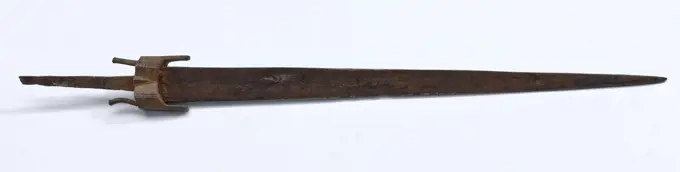
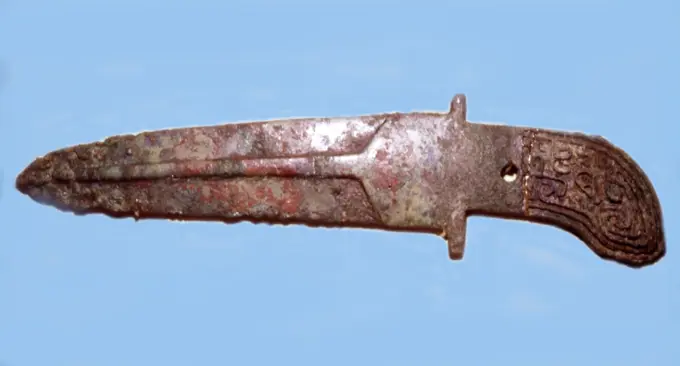
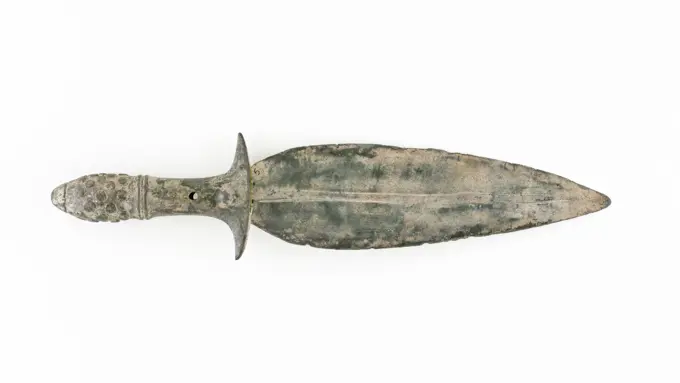
Blade with baffle plate of kidney dagger with single blade, kidney dagger dagger knife stab weapon weapon fragment soil find iron metal, forged blade The blade is single-edged. Kling suitable for general carving archeology cave hunter kloot dagger kliodolk ballad decoration status symbol personal equipment defense clothing accessory militaria
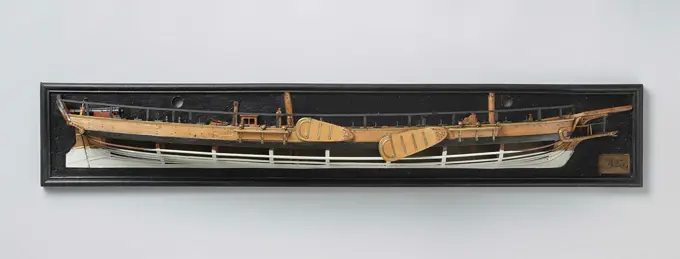
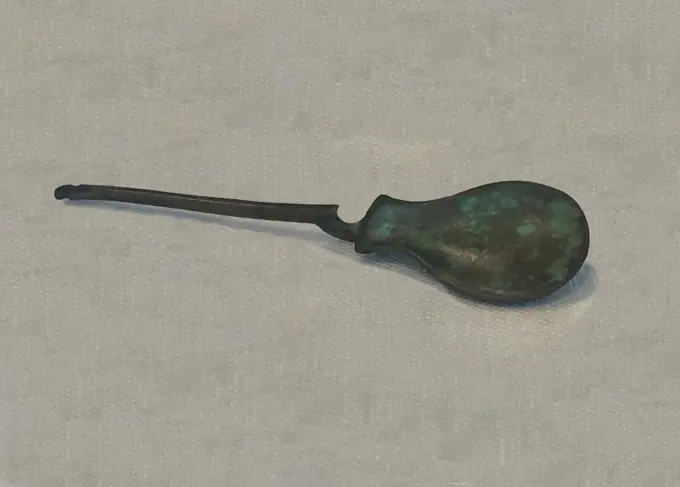
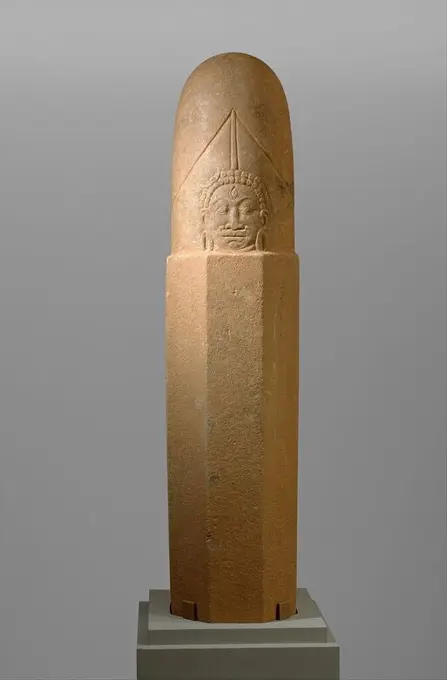
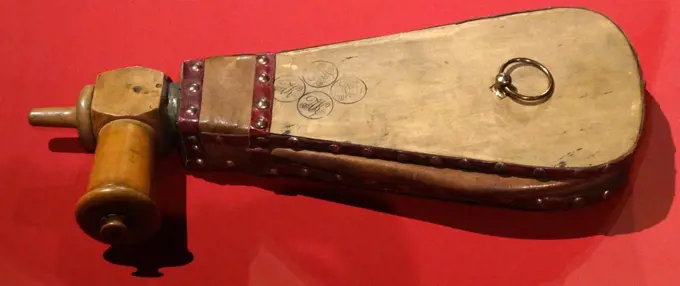
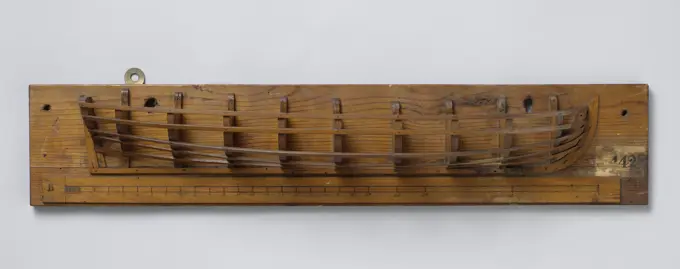
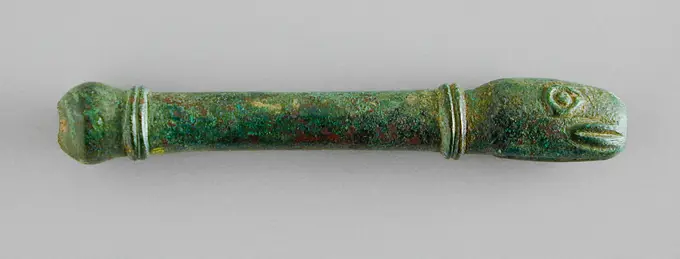
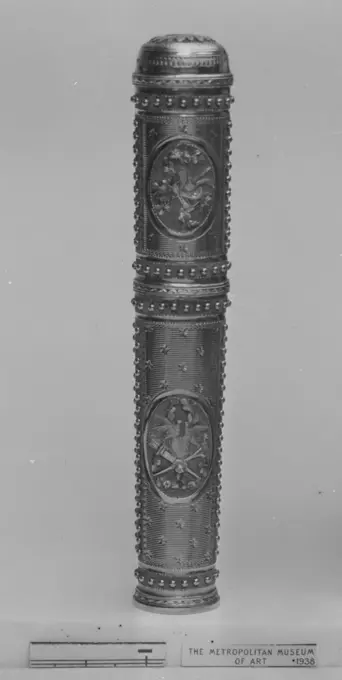
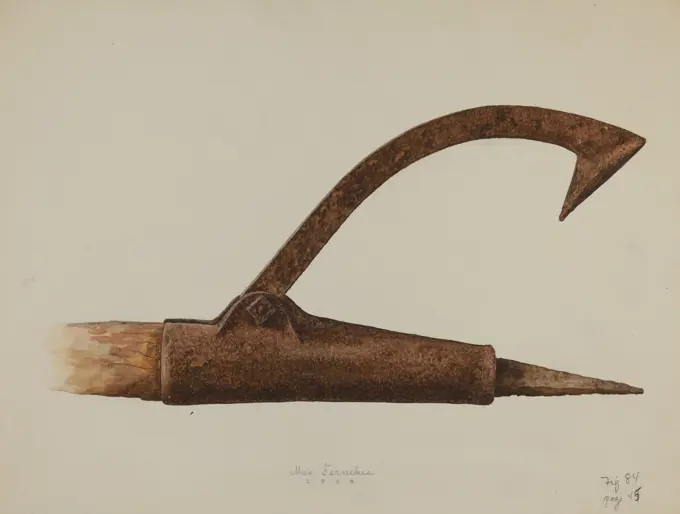
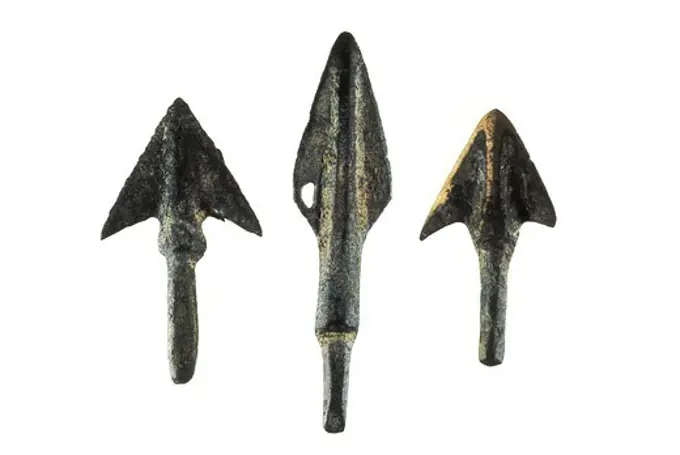
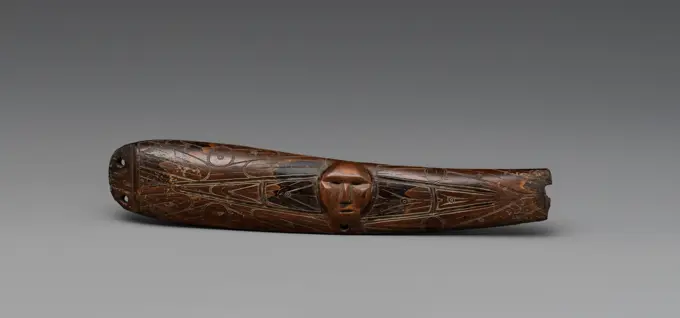
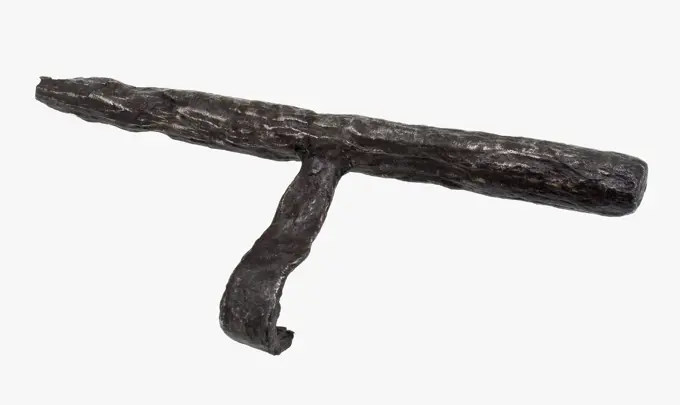
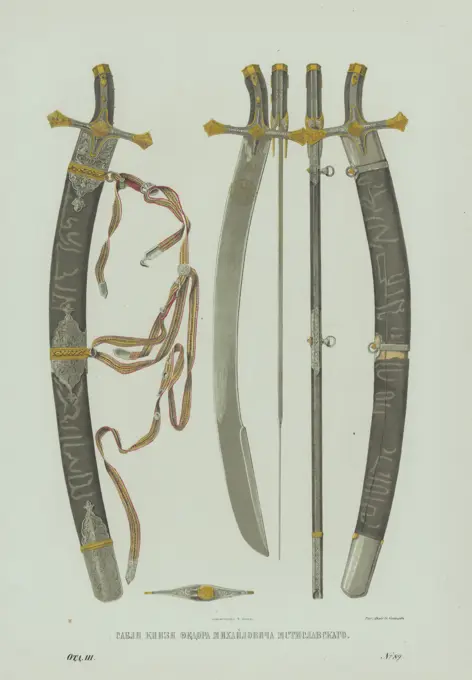
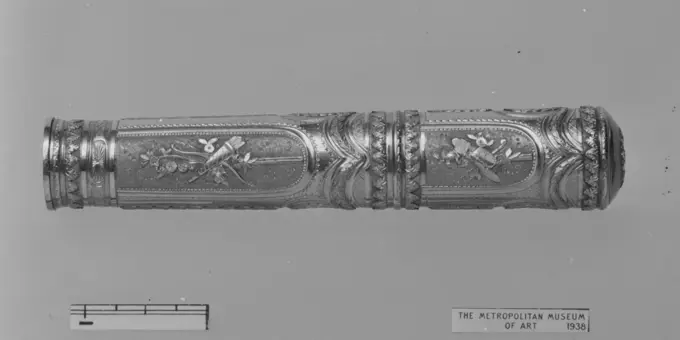
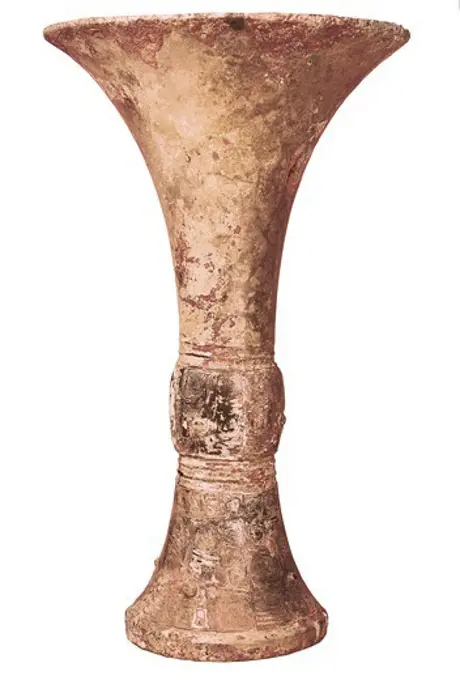
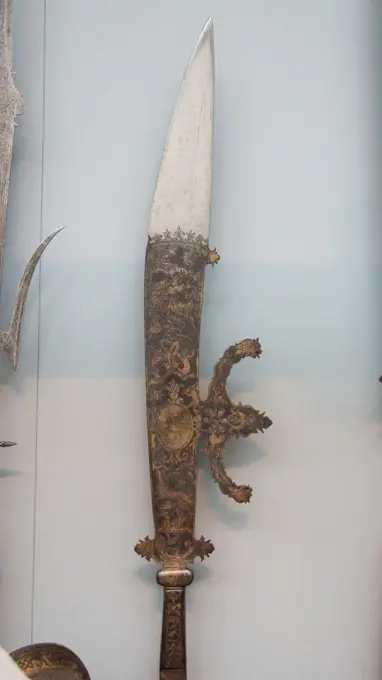
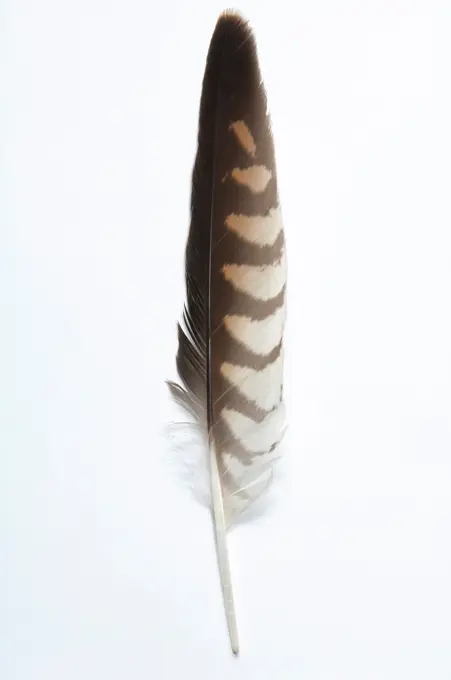
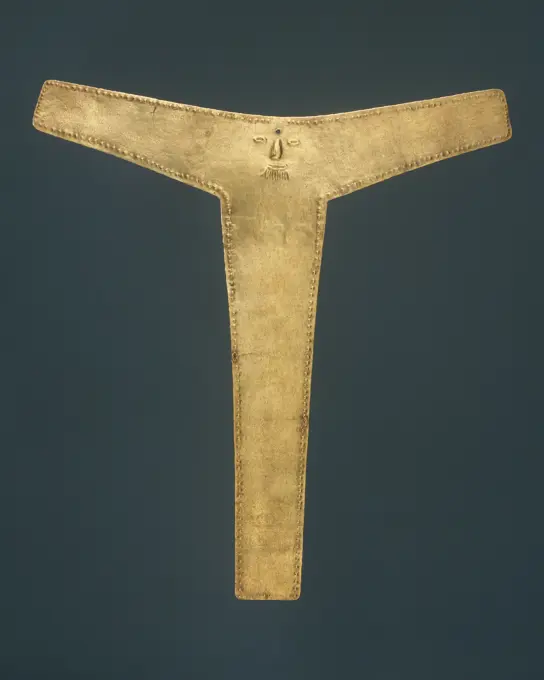
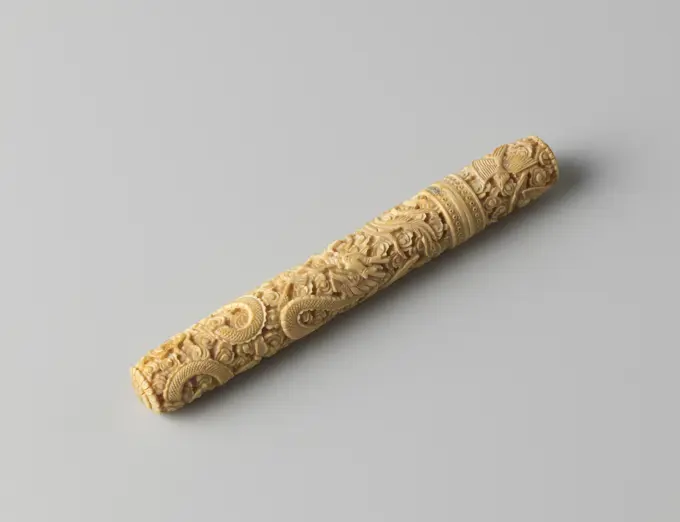
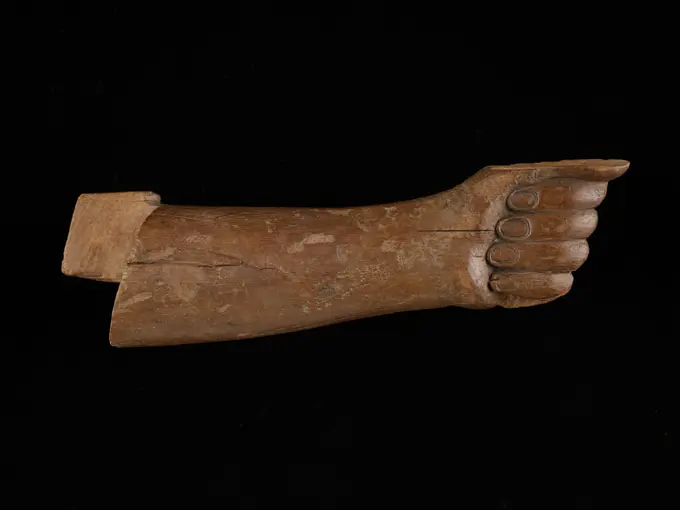
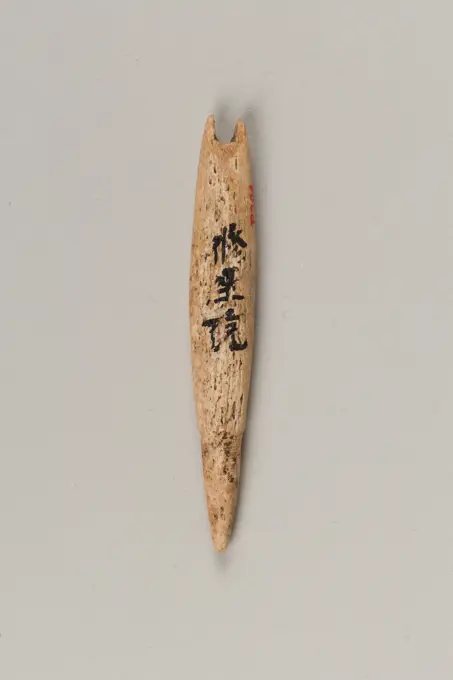
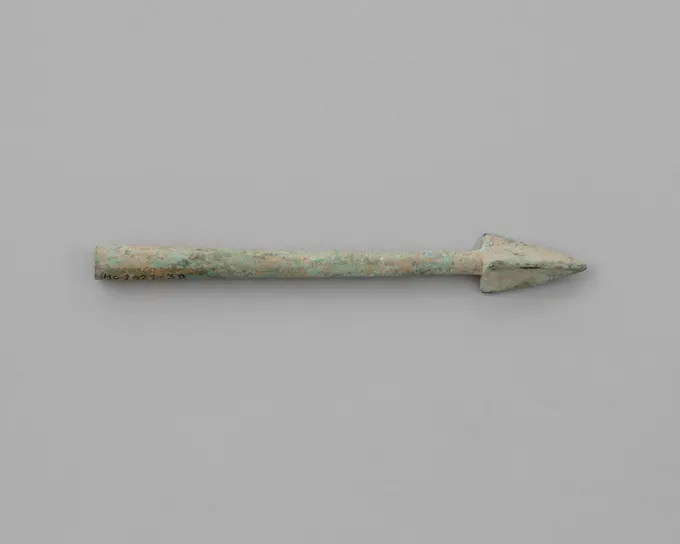
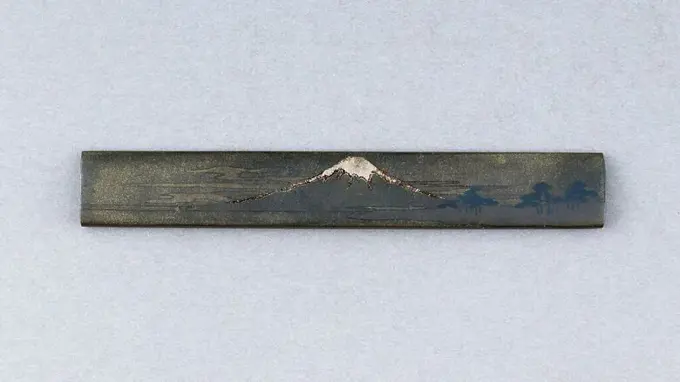
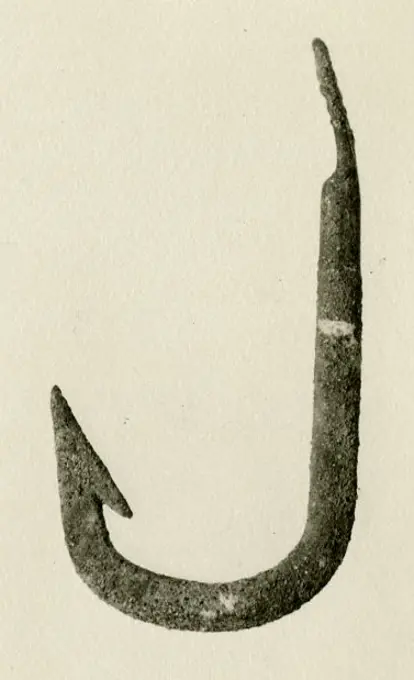
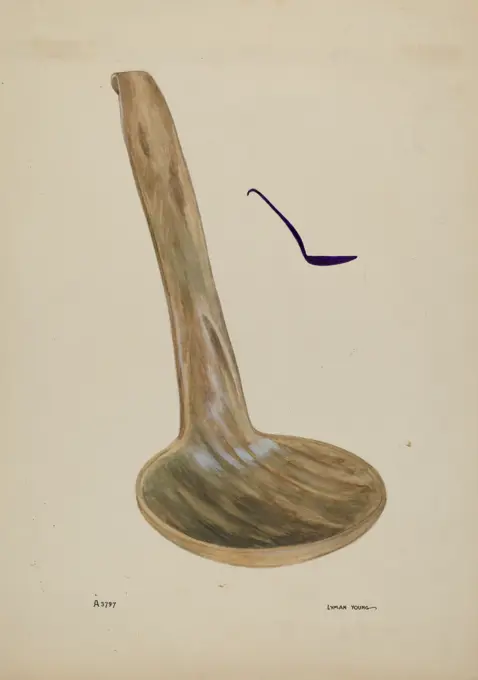
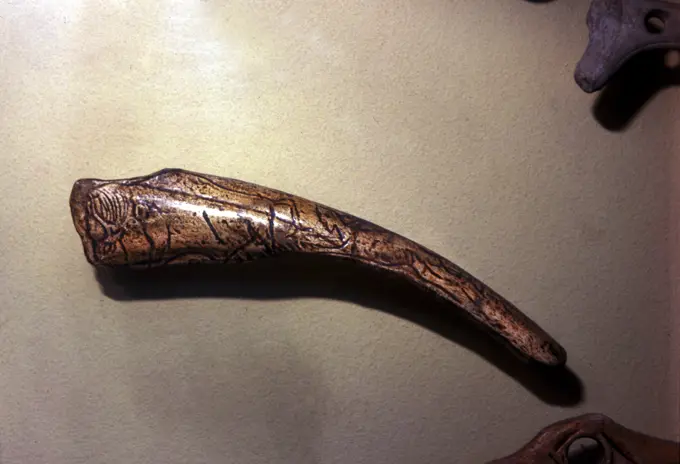
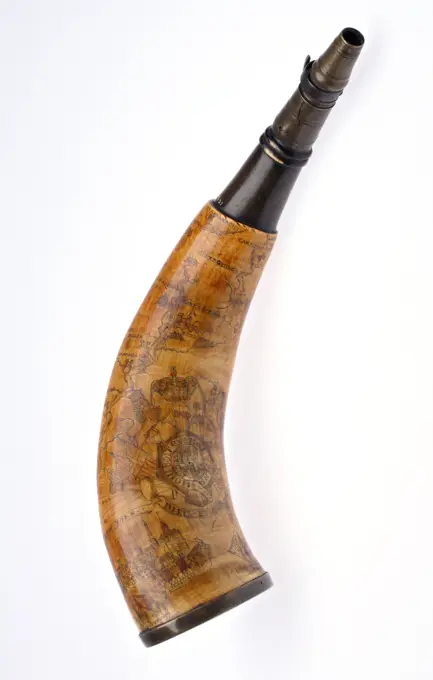
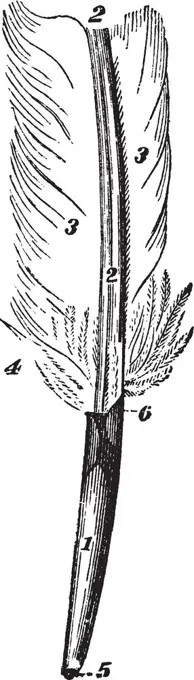
Copper Animal Ornament 12th-15th century Chimú. Copper Animal Ornament 315288Tinsel and metal thread 17th-18th century French. Tinsel and metal thread 214207Half Model of a 5-Gun War Galley.Polychromed mold model (starboard) of a two-timed flat bottom. The skin above the bark wood is closed and detailed with two swords and two rest with three mufflocks; Rolling with gun port in the side at the aft deck. The deck is closed with a raised spacer on the front deck next to the breeding machine, a gun on rolling horse in the middle, an oven, a roasting pill, a servant, a pump, a chimney, different shutters, a root, a landing behind, tags for twelve sowed effects; Nineteen row windows have been applied to the dolior. The fore ship has a low shipment with shoeboard in the form of a crocodile head and a lice mention, and above it a second shipment with curl on which the bowsprit rests. Wrinkled mirror, hollow wulf, oval fence with gun port; Broad stir. The Zeeg walks forwards and back, one bark wood and one Reehout.Brass spoon Roman From the Tivoli hoard, comprising thirty pieces in all, includes two decorated skyphoi (wine cups), a ladle, a trulla (spouted pitcher), and several spoons.. Brass spoon. Roman. Bronze Brass. Imperial. BronzesLinga with One Face of Shiva (Ekamukhalinga). Culture: Thailand (Phetchabun Province, Si Thep). Dimensions: H. 55 1/8 in. (140 cm). Date: 7th-early 8th century.Monumental lingas of the seventh and eighth centuries are found throughout Thailand. Kings would establish lingas as a religious act and as a means of legitimizing their claims to power over newly conquered territories. Ideas of perfect geometry help relate the octagonal base to the cardinal and intermediate directions, while the circular pillar is implicitly the cosmic axis. Here, the face of Shiva provides a focus for veneration; he is recognizable by the crescent in his hair and by his vertical third eye. Museum: Metropolitan Museum of Art, New York, USA.Frow and Frow Club. Dated: 1935/1942. Dimensions: overall: 45.6 x 55 cm (17 15/16 x 21 5/8 in.). Medium: watercolor, colored pencil, and graphite on paper. Museum: National Gallery of Art, Washington DC. Author: Oscar Bluhme.medical Bellows for creating air flow 18th centuryPipe and Tobacco Box 1725-90 American. Pipe and Tobacco Box 5651Seven Spear Points. Iran, circa 700 B.C.. Arms and Armor; spears. BronzeStone Pendant before 16th century Peruvian. Stone Pendant 317369Brooch in the Form of a Dog 2nd century Roman Small brooches, often in whimsical animal forms, were worn both by Roman soldiers stationed in the provinces and by the native population. Though brooches in these forms appear throughout the Roman world, the distribution of finds and the archaeological remains of workshops suggest that the major centers of production were Britain and Gaul.. Brooch in the Form of a Dog 465900Snuff Box snuffboxesRibbon, cingulum, made of woven linen, in the colors cream, pink, red, yellow and black; The words Larmen, L.D.S.S., Alteza are woven in the ribbon, Anonymous, c. 1500 - c. 1600 Ribbon, cingulum, made of woven linen, in the colors cream, pink, red, yellow and black; The words Larma, L.D.S.S., Alteza are woven into the ribbon. Italy (possibly) linen (material) Ribbon, cingulum, made of woven linen, in the colors cream, pink, red, yellow and black; The words Larma, L.D.S.S., Alteza are woven into the ribbon. Italy (possibly) linen (material)Quiver -Cuneiform tablet: fragment, content uncertain ca. 7th-4th century B.C. Babylonian or Achaemenid. Cuneiform tablet: fragment, content uncertain. Babylonian or Achaemenid. ca. 7th-4th century B.C.. Clay. Neo-Babylonian or Achaemenid. MesopotamiaHalf Model of a Launch, anonymous, c. 1780 - c. 1820 ship model. half model. builder's model Mallen model (starboard) of a sloop. Flat mirror. De Zeeg rises to both ends. Peaked around. Scale approx. 1:20 (scale on model). According to the scale, this Jol 36 Amsterdam feet is long. This model is identical to NG-MC-444. Netherlands wood (plant material)Decorated Tube. Iran, Luristan, Luristan bronzes, circa 1000-650 B.C.. Sculpture. Bronze, castCutlery Case; woodFour Models of Main Skysail Yards.Knife with Sheath 18th-19th century Balkan, Turkish. Knife with Sheath. Balkan, Turkish. 18th-19th century. Steel, ivory, coral, brass, silver, wood, leather. Daggersiron spear, second iron age, Museo Comarcal de Molina de Aragón, Guadalajara, Spain.Two Burgmote Horns. These musical instruments are made from hammered and embossed bronze. The horns are from Canterbury and Dover and were used for things such as calling together the Corporations for meetings.Models of a Twin Screw Steamer, H.G. Jansen, 1864 ship model. hull model. demonstration model Polychromed block model of a wooden double screw steam ship, damaged. The typical thing about this model is the round stern with two rear stations for the two -blade screws and stirring the two; For this, two extra keels run from about halfway to the rear stations. One deck with indication of shutters. Seven gun ports and a schematic model of a cannon on a slider, with traces for its positions on the deck. Of the two masts and the bowsprit, only parts are applied to the model. The pre -stem is declining, oncoming the fashion of the early ram ships. Scale 1:40 (derived). Netherlands wood (plant material). brass (alloy)  ship-modelSealing wax case (étui) 1781-82 French, Paris In eighteenth-century Europe, Paris led the production of high-quality luxury goods. Parisian goldsmiths made a wide range of small, personal articles such as snuffboxes; étuis to hold sealing wax, tweezers, or utensils for sewing; souvenirs, which contained thin ivory tablets for note taking; and shuttles for knotting lace. Gold snuffboxes and boxes decorated with portrait miniatures were prized and frequently given as royal gifts, often to ambassadors or members of the court in lieu of cash payments for their services. Coveted and admired, these boxes were produced from a variety of materials. The best were skillfully made of gold and embellished with diamonds, enameled decoration, lacquer, and other luxurious materials. By the middle of the century, the taking of snuff had become an entrenched social ritual, and the snuffbox, too, had become an important social prop. Snuffboxes were considered highly fashionable accessories, with some meCavalry officer shoulder of General Antoni Madaliński (1793  1804) unknown labelKemangeh ca. 1850-89 Turkish. Kemangeh 504839Sarod Indian late 19th centuryMax Fernekes, Peavy, 1938 PeavySiphon nozzle ca. 1295-1070 B.C. New Kingdom, Ramesside. Siphon nozzle 559488Copper Lime Spoon with Bird Top 15th-16th century Inca. Copper Lime Spoon with Bird Top. Inca. 15th-16th century. Copper (cast). Peru. Metal-ImplementsHalf Model of a Fireship, anonymous, c. 1799 ship model. half model. builder's model Completely plants the frame model (starboard). The skin is partially removed to show the device. Three levels: on blocks the very low lower deck, on which two fire furnaces are applied; half -deck and baking deck, a chimney and roasting spindle on the baking deck; Upper Campanje. A gutter connects both fire furnaces and has two branches to openings in the skin just below the lower barkwood. There are three unknown peer -shaped objects on the lower deck. There are deck beams over the pit. Around a stave with a Valpoort. The Zeeg runs forward and back, two barkhouts and one reehout. Run with flat bottom. This model is practically identical to NG-MC-429. Netherlands wood (plant material). brass (alloy)Arrow tips from Ripoll, Castellterol and Pobla de Lillet (right). Eneolithic. SPAIN. CATALONIA. BARCELONA. Vic. Vic Episcopal Museum. Proc: SPAIN. CATALONIA. BARCELONA.Detail picture of rails in rail.Knife Handle (Kozuka). Culture: Japanese. Dimensions: L. 3 13/16 in. (9.7 cm); W. 9/16 in. (1.4 cm); thickness 5/16 in. (0.8 cm); Wt. 1.2 oz. (34 g). Date: 19th century. Museum: Metropolitan Museum of Art, New York, USA.Handle fragment () 100-300 A.D. Old Bering Sea II, Native American The surface of this ivory fragment, depicting a masklike human face at its center, is also enlivened with finely engraved circles, ovoid shapes, and lines. It may have been part of a pail or bag handle, or a plaque attached to a skin boat.. Handle fragment (). Old Bering Sea II, Native American. 100-300 A.D.. Walrus ivory. Made in Alaska, United StatesLatch of round iron, with half open eye, lock locking device bottomfound iron metal, strip 4,5 forged Latch of round iron with on one side point just next to the middle strip is forged for operation archeology Valckensteyn Poortugaal Albrandswaard close fixation Soil discovery: castle Valckensteyn in Poortugaal now Albrandswaard 1961-1962.Sabre of Prince F.M. Mstislavskii, Acad. F. Solntsev, Chromolithography F. Dreher, 1849 - 1853, Moskva, Publisher, Tip. A. Semena, Media Chromolithographs, Art, RussianChina- Halberd ge, Shang Dynasty, 12th cent. BC.Sealing wax case (étui) 1774 Melchior-René Barré In eighteenth-century Europe, Paris led the production of high-quality luxury goods. Parisian goldsmiths made a wide range of small, personal articles such as snuffboxes; étuis to hold sealing wax, tweezers, or utensils for sewing; souvenirs, which contained thin ivory tablets for note taking; and shuttles for knotting lace. Gold snuffboxes and boxes decorated with portrait miniatures were prized and frequently given as royal gifts, often to ambassadors or members of the court in lieu of cash payments for their services. Coveted and admired, these boxes were produced from a variety of materials. The best were skillfully made of gold and embellished with diamonds, enameled decoration, lacquer, and other luxurious materials. By the middle of the century, the taking of snuff had become an entrenched social ritual, and the snuffbox, too, had become an important social prop. Snuffboxes were considered highly fashionable accessories, with someASIA. CHINA. HONAN. Anyang (Henan). Gu ritual vessel used to drink wine or to offer ritual libations. Bronze polychrome. Chinese art. Shang period. Jewelry. SINGAPORE. Lee Kong Chian Art Museum.Glaive ca. 1600-1650 Italian. Glaive. Italian. ca. 1600-1650. Steel, gold, wood. Shafted WeaponsDagger (possibly France), ca. 1400-1500; steel, wood; L x W: 34 x 5.9 cm (13 3/8 x 2 5/16 in.); The Robert L. Metzenberg Collection, gift of Eleanor L. Metzenberg; 1985-103-41-bKestrel (Falco tinnunculus), wing feather. Studio picture against a white backgroundPectoral 13th-16th century Sonso In the last few centuries before the Spanish conquest in the 1530s, metalworkers in Colombia's middle Cauca River valley produced impressive ornaments that relied entirely on shape and surface quality for impact and presence. Gold had been worked into personal ornaments in this region for over a thousand years. Pectorals from earlier periods were very large in size also, but were elaborated and embellished with repoussé patterns and free-hanging elements. This striking T-shaped pectoral has a small face with eyes, nose, and mouth rendered in low relief on the flat surface in the center near the top. A beard or possibly a lip ornament appears beneath the mouth. There is no indication of a head. The entire edge of the simple yet elegant form is outlined with a row of raised dots. The interpretation of the human face on the inorganic form is challenging; it may be a highly abstract rendering of an anthropomorphic image.. Pectoral. Sonso. 13th-16th century.Half Model of a Jolly Boat.Molds model (starboard) of a rowing boat. Flat mirror. The seam runs to both ends. Running. Scale approx. 1:20 (Scale by model). According to the scale, this Jol is 20 Amsterdam feet long.Ivory needle cooker. Ivory needle sleeve, circumcised.Parrying Gauntlet Made 1550-1590 Italy. In rapier combat, various techniques called for left-handed daggers, shields, or bucklers to parry (ward off) or bind an opponentís blade. Another such device that became popular among fencing masters and duelists was the fencing gauntlet.Unlike gauntlets used in field armor, fencing gauntlets featured palms that were covered in fine mail, a mesh of steel rings that permitted the wearer to push aside or grab his attackerís sword blade. Dents and cuts on the cuff of this example indicate that it was indeed used.. Steel, iron, linen textile, and leather .Dagger. Iran, Luristan, circa 2600-2350 B.C.. Arms and Armor; daggers. Bronze, castPrzeszo Przyszoci unknownKoy late 19th century Thai Horns fitted with a vibrating reed on their sides are found in Southeast Asia and known by several names Kwai (Myanmar), sneng (Cambodia) and tödiap (Vietnam). Probably originally used in warfare and as alarms, they may be used in rituals and funerals.. Koy 500837axes;  VI-XII century (501-00-00-1200-00-00);Coptic collectionMother and child. Cypriot terracotta plank figure, Red Polished Ware, Early Bronze Age, 2000 BC..Clasp Knife 19th century possibly Spanish, Catalonia or Italian. Clasp Knife. possibly Spanish, Catalonia or Italian. 19th century. Steel, horn, bone, brass, pigment. possibly Catalonia. Knives(View 2). Arm of statue, Late Period .Oliphant. An ivory Hunting Horn called Oliphant because of its ivory nature. It bears the arms and badges of Ferdinand and Isabella of Portugal and is supposed to have been carved by people living on the West Coast of Africa.Hammered Silver Panpipe 8th-mid-16th century Peru; north coast (). Hammered Silver Panpipe 309154Handle from a bronze olpe 6th/5th centuries B.C. Etruscan Handle from a bronze olpe ending in a lion. Handle from a bronze olpe. Etruscan. 6th/5th centuries B.C.. Bronze. Archaic. BronzesHarpoon head Japan The Jōmon period is the earliest period in Japanese history, lasting from roughly 14,000 to 300 BCE. The Jōmon people were primarily hunter-gatherers, hunting land animals and gathering vegetables and nuts on the land as well as hunting and fishing at sea. Harpoon heads such as this one testify to the importance of seafood in the diets of some Jōmon communities, especially those close to the sea. Fish bones found at Jōmon archaeological sites indicate that the Jōmon hunted fish not only close to the shore but also farther out in the open sea, where larger fish could be caught. There is even evidence that the Jōmon ate pufferfish, a poisonous fish considered a delicacy in modern Japan.. Harpoon head 62285Arrowhead. Bronze. Cernuschi Museum, Asia Museum of Asia in the city of Paris.Knife Handle (Kozuka). Culture: Japanese. Dimensions: L. 3 13/16 in. (9.7 cm); W. 9/16 in. (1.4 cm); thickness 3/16 in. (0.5 cm); Wt. 0.9 oz. (25.5 g). Date: ca. 1615-1868. Museum: Metropolitan Museum of Art, New York, USA.Barbed fishhook 30 B.C.-A.D. 364 Roman Period. Barbed fishhook. 30 B.C.-A.D. 364. Copper alloy. Roman Period. From Egypt, Middle Egypt, Oxyrhynchus (Bahnasa), EEF excavations 1896-97Toe stall ca. 1479-1425 B.C. New Kingdom. Toe stall. ca. 1479-1425 B.C.. Gold. New Kingdom. From Egypt, Upper Egypt, Thebes, Wadi Gabbanat el-Qurud, Wadi D, Tomb of the Three Foreign Wives of Thutmose III. Dynasty 18Casting of a spoon handle, Cromwell” patternTable knife late 16th century Italian. Table knife. Italian. late 16th century. Steel, mother-of-pearl, gilt bronze. Metalwork-SteelHalf model or a paddle steamer. Polychromed stack model (steering board) of a two-t-shirts. The model has a clip test. Elliptical fence with stir with round robe (American rudder) and rounded leaf. One closed radio cupboard in the side, two chimneys on deck. The Zeeg opens forward; The underwater ship is a round trip with flat bottom. Scale 1:50 (Scale by model).Half Model of a 4-Gun Schooner.Polychromed mold model (starboard) of a tweemaster. The skin above the bark wood is closed. It is a flat bottom vessel with a round hint without superstructure; The helm has a wide leaf, the tiller comes over the deck. Side towards and backwards ascending, one bark wood and one Reehout. The ship has a rear-hearted large mast and an almost straight-standing charity.Model of a Three-Masted Ship, anonymous, c. 1780 - c. 1820 ship model. waterline model. construction model Waterline and construction model of a three-mast. The hull has no skin and only consists of the main wooding. The model has four levels: lower deck, head deck, upper deck (half -deck and container), and upper campain, none of all closed. Safe with woning mirror, cave wulf, no details of fence except the construction, no side galleries. De Zeeg runs a little to both ends, two barkhouts and one reehout. The model is unbeated; It is worth mentioning the fact that the great and resistance rest is going through. Netherlands wood (plant material). brass (alloy)Lyman Young, Ladle, c 1937 LadleFragment (Italy); linenPalaeolithic carving on bone, 20 000- 10 000 BC, GERMANY.Armlet 1796-1875 China. Armlet. China. 1796-1875. Jadeite. Qing dynasty (1644-1911). JadeHalf model or a 64-gun ship of the line.Polychromed mold model (starboard). The masts are not indicated. A striking element in this model is the double thick grandspant. Seven and twenty gunposes spread over three decks; The shine and main deck skin is closed and a horizontal mold is at the level of the bottom; lice. Wrinkled mirror, hollow wulf, no fence, side gallery or stir; Kiel with heeling. The seam runs at both ends, two mountain wooden and reehout. Peaked round trip, two kim lines. Scale approx. 1:48 (derived).Powder horn -Model of a Coastal Defense Vessel, Rijkswerf Vlissingen, 1861 ship model. demonstration model Block model of the hull with round wood, incomplete. The slippery -on vessel has twelve gun gates on the open upper deck, a straight trouble and a round stern with vertical sterns. Straight with Roerkwadrant and brass tie, steering wheel with drum from Wesselinck, Kiel with Hieling. All deck equipment is worked out in extremely detail, such as anchor, stoppers, pumps, clamps, harness winches, loose conveniences and grilles. The wide hull has the shape of a peaked around combined with a flat seam, a barkwood and a reehout. The round wood is that of a two -mast gaffel shoeer without booms (loose brushing) and with a Breefok. Scale 1:40 (derived). Flushing wood (plant material). brass (alloy). ivory  ship-model (+ propulsion of vehicle, ship, etc. by wind)Model of a stern of a frigate of 60 pieces, Pieter Glavimans, c. 1831Panorama of Beervlei. Draughtsman: Robert Jacob Gordon (attributed to). Draughtsman: Johannes Schumacher (possibly). Dating: Oct-1777 - Mar-1778. Place: Kaapprovincie. Measurements: h mm × w mm; h 180 mm × w 2485 mm. Museum: Rijksmuseum, Amsterdam.Feather, vintage engraved illustration. Trousset encyclopedia (1886 - 1891).