Historical Tools

Artifacts showcasing historical tools and weapons, including knives and guns. Each piece tells a story of craftsmanship from different cultures.
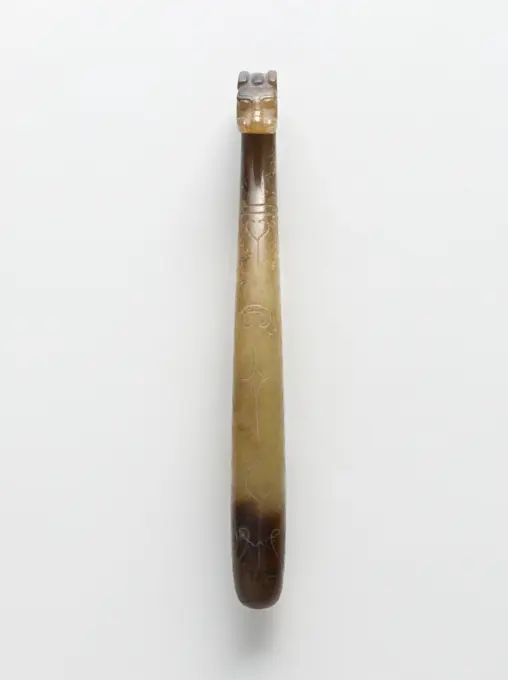
Clip. Jade, China, undoubtedly Han dynasty (206 BC-220 AD). Paris, Cernuschi museum. 78602-22 Staple, attachment, Asian civilization, Chinese civilization, han dynasty, fixation, jade, fine stone, symbolic stone
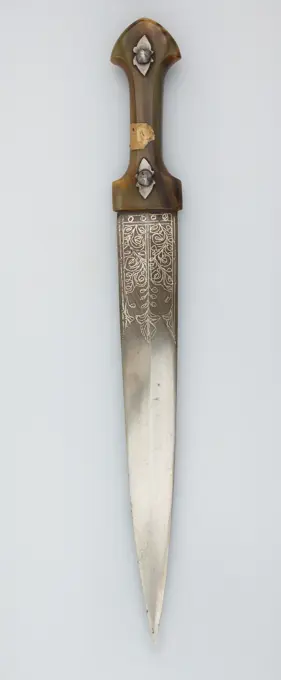
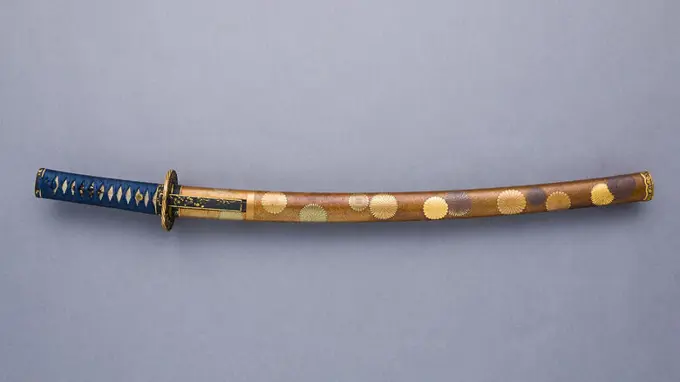
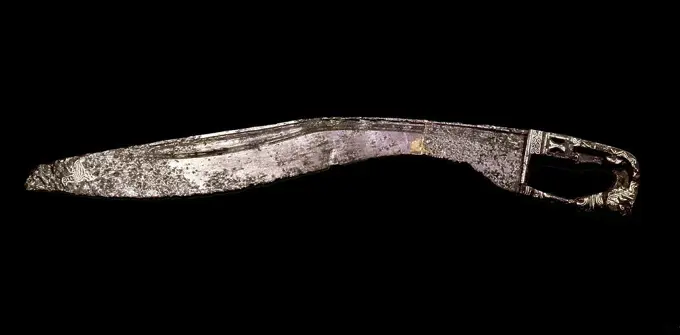
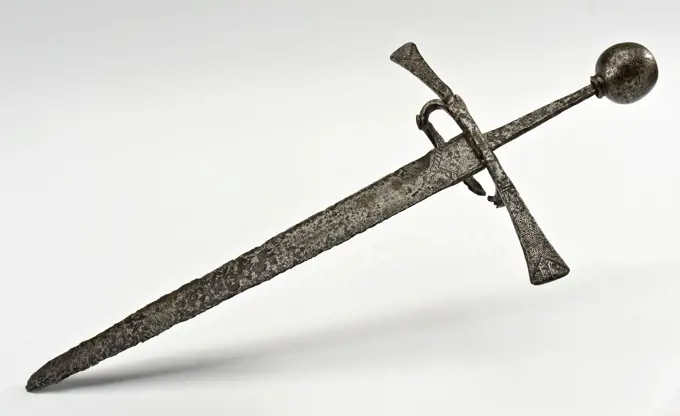
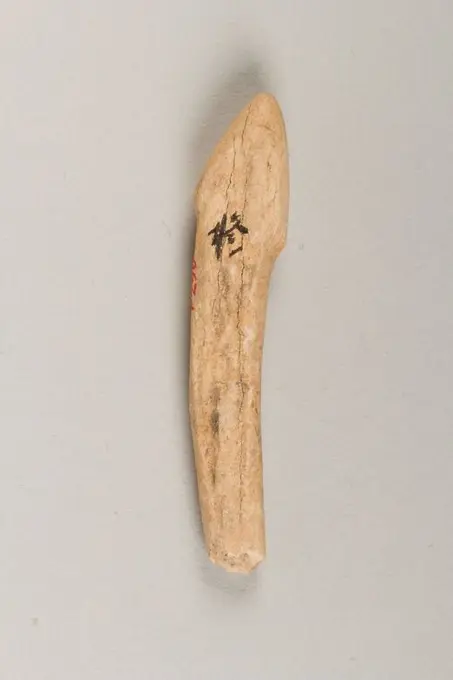
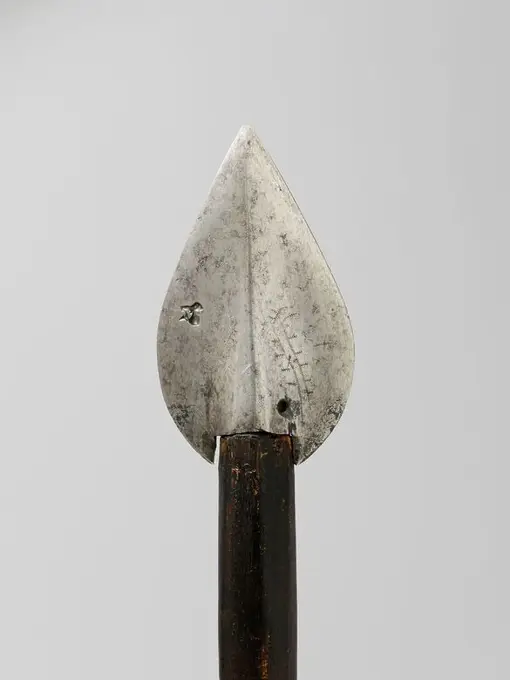
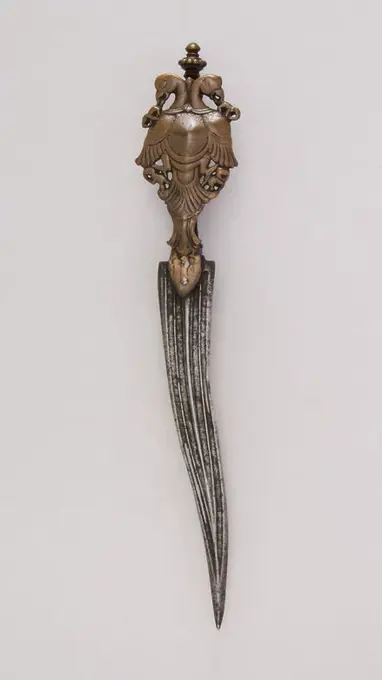
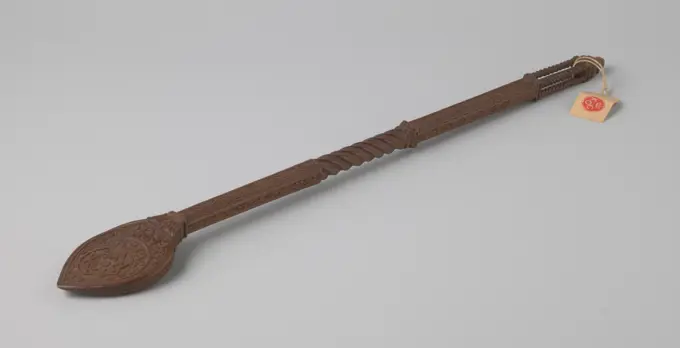
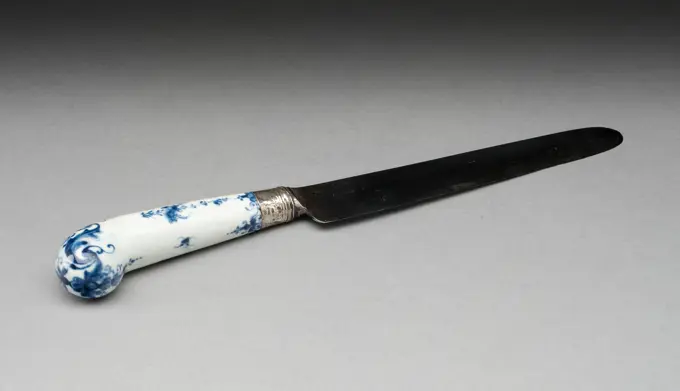
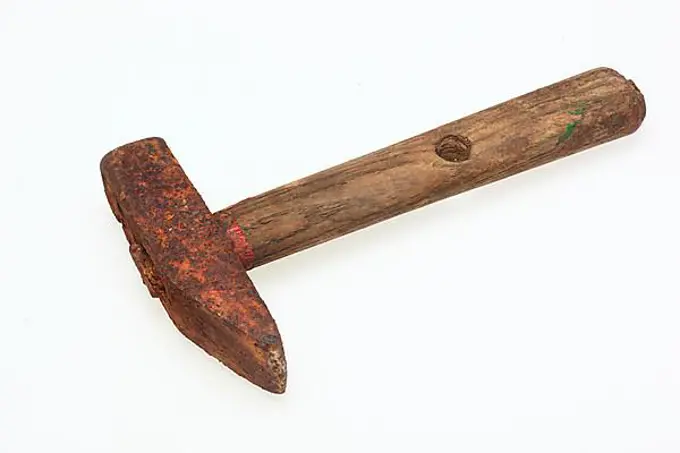
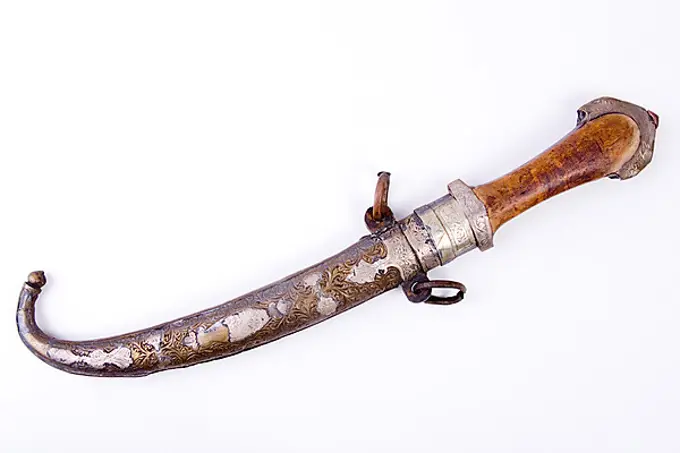
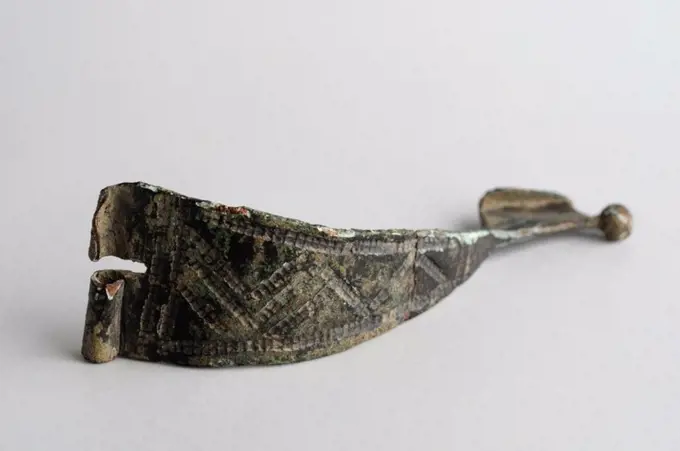
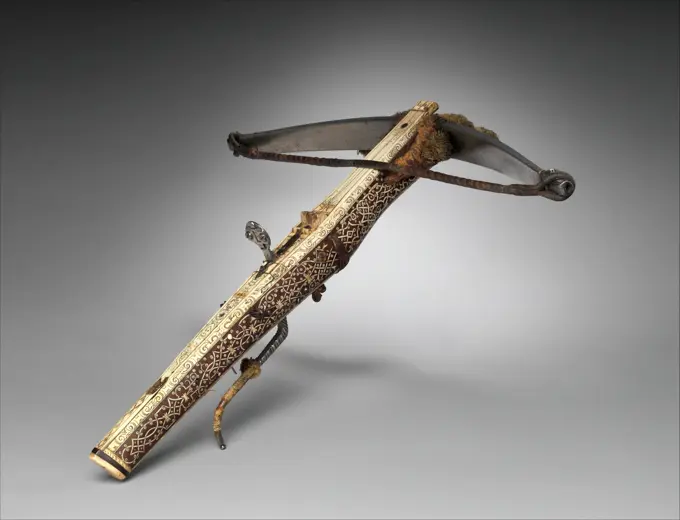
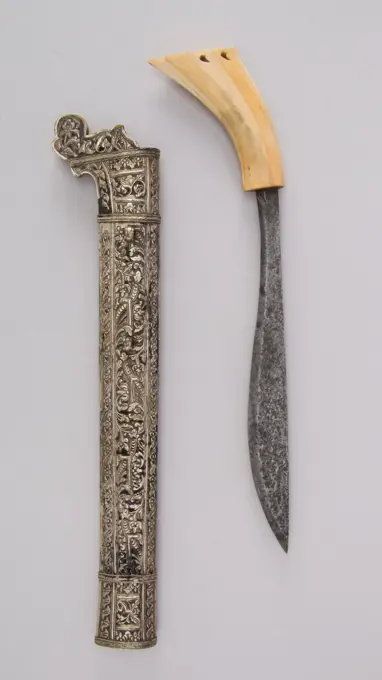
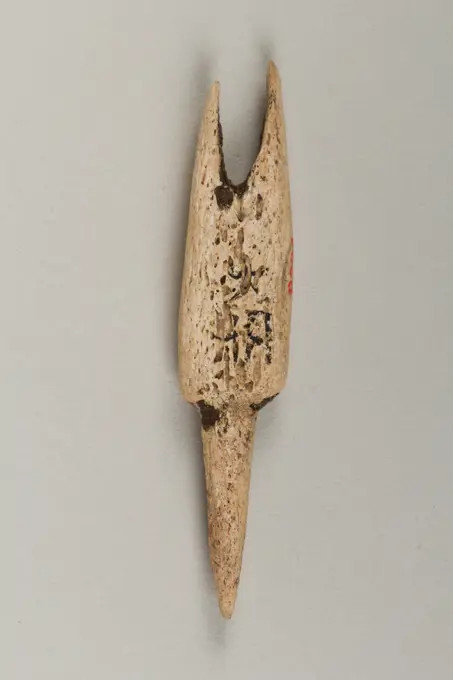
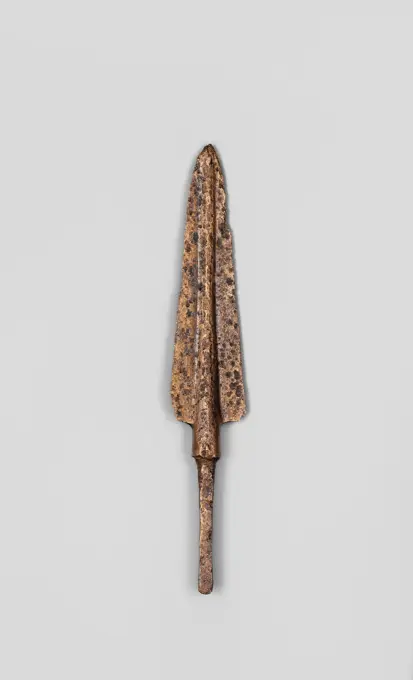
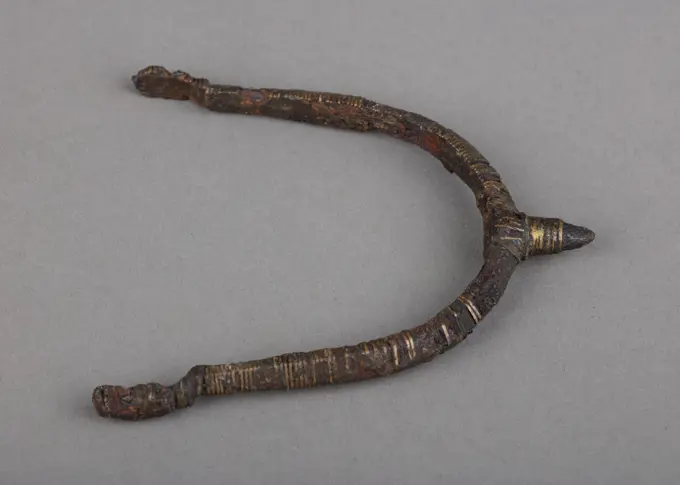
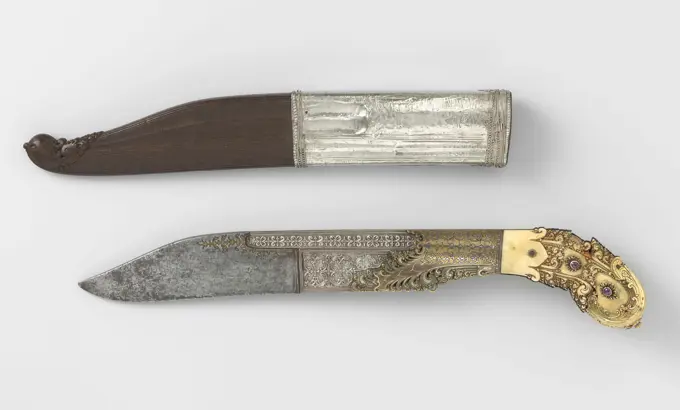
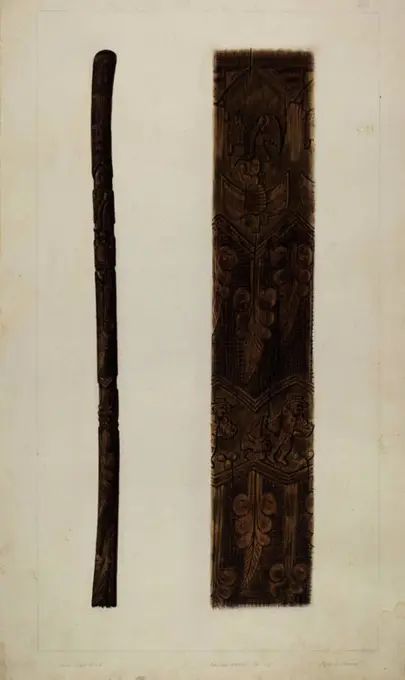
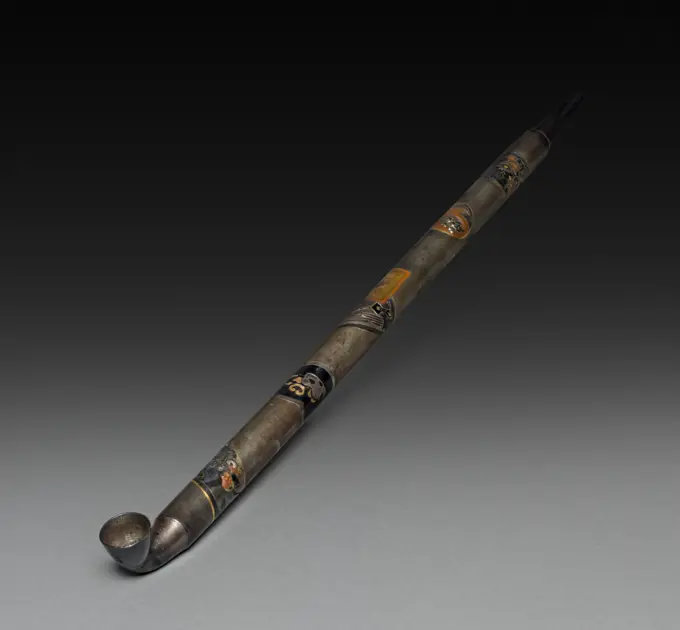
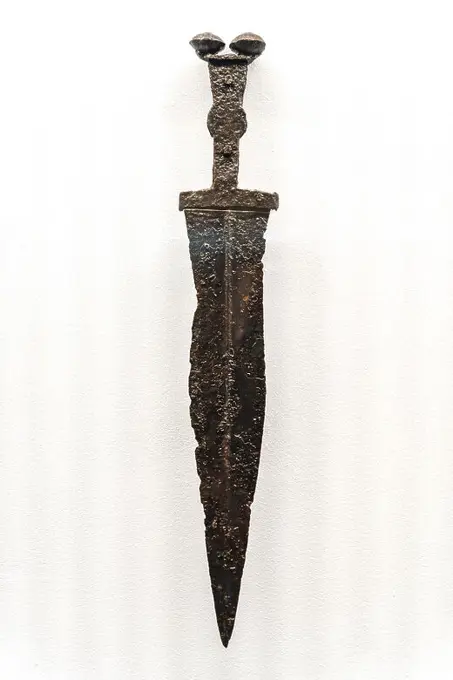
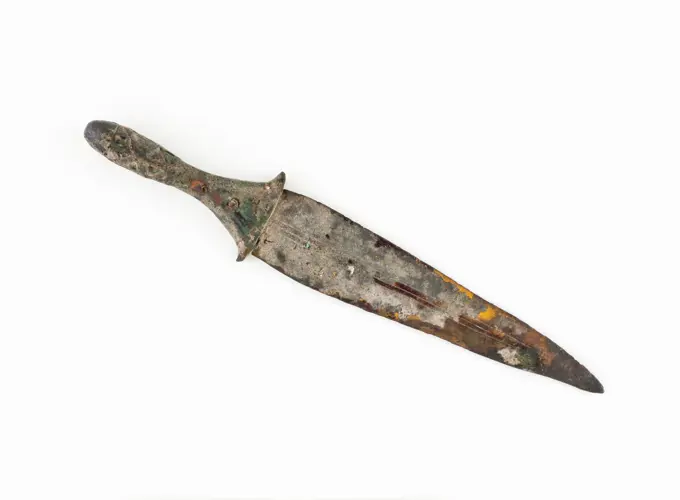
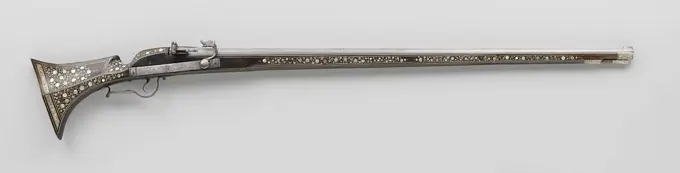
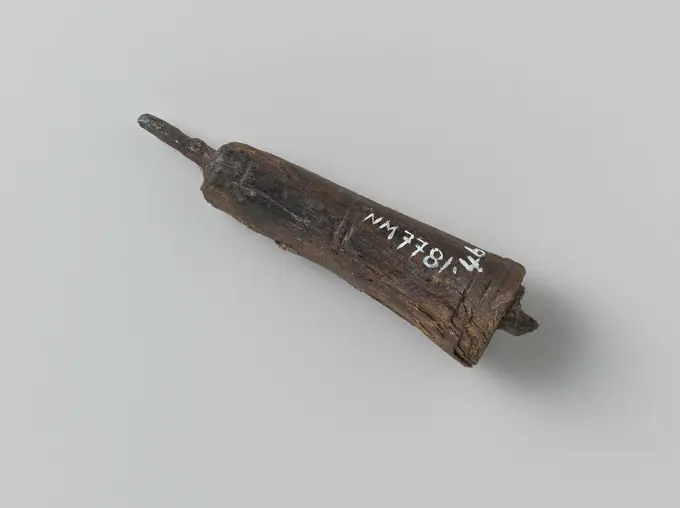
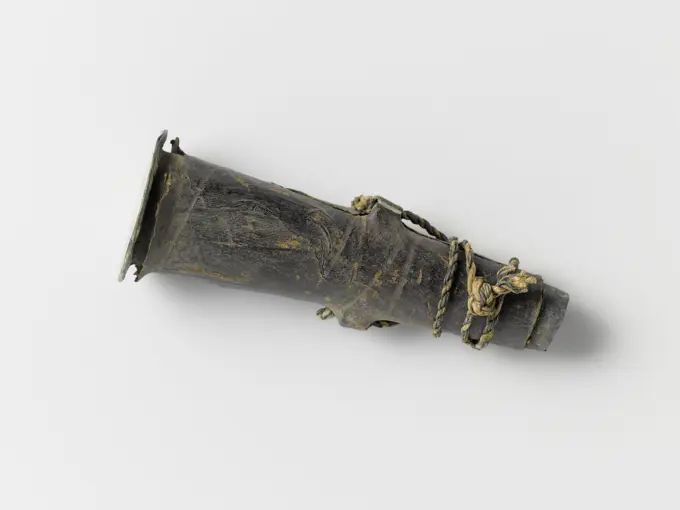
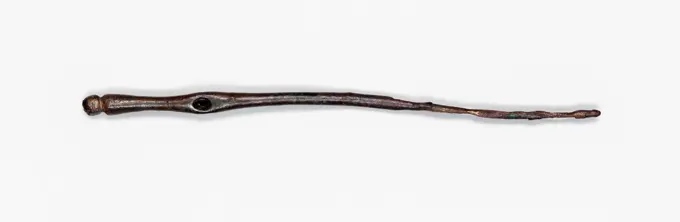
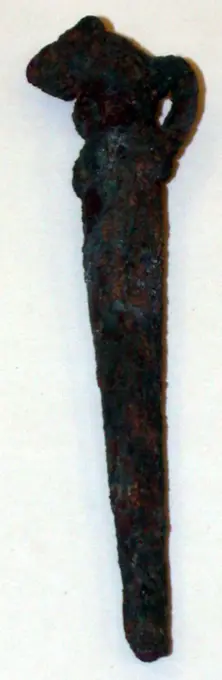
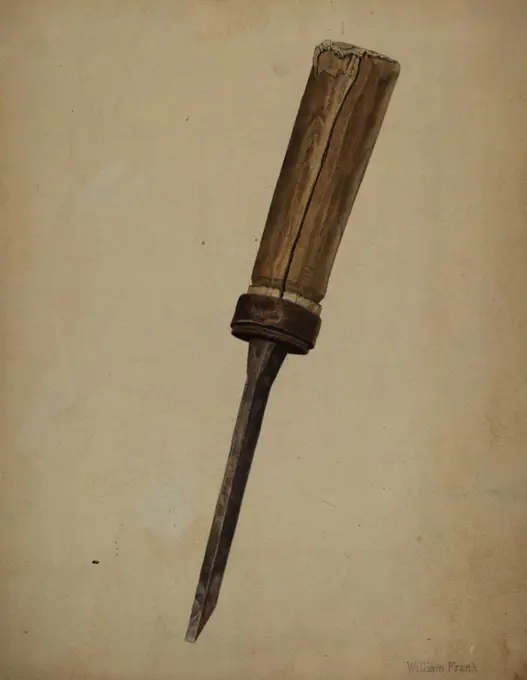
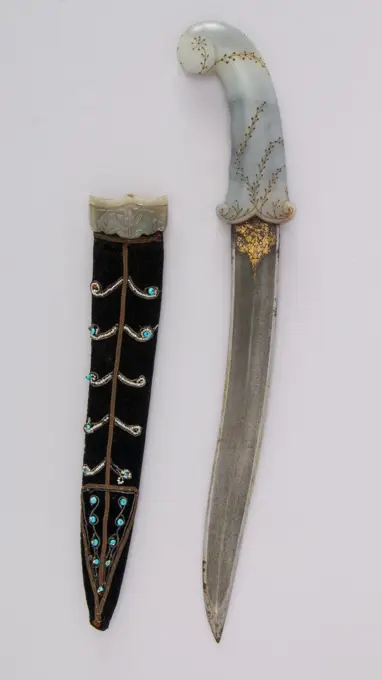
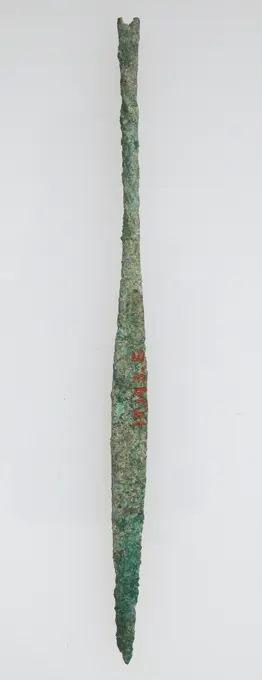
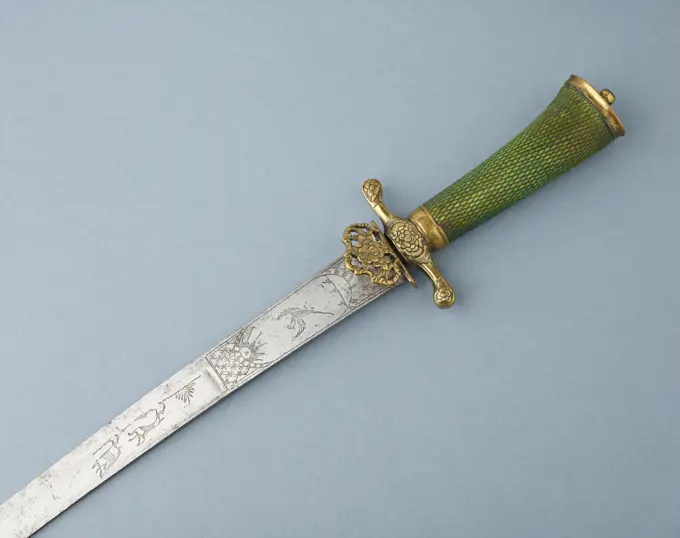
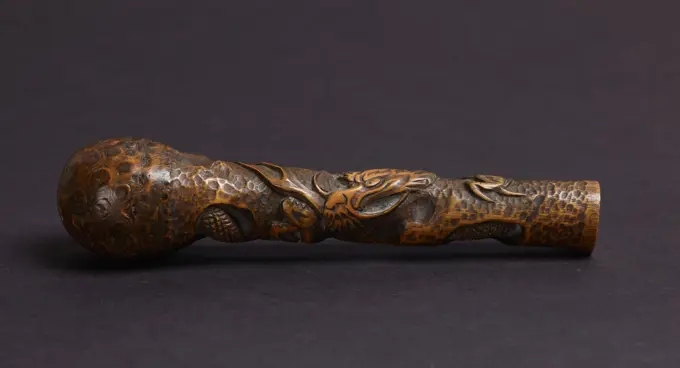
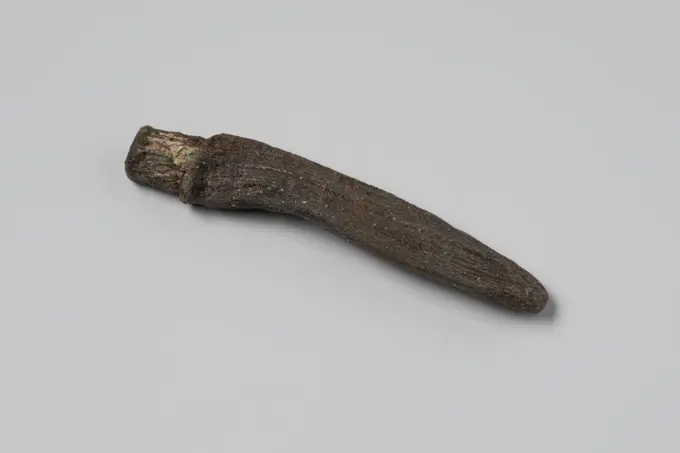
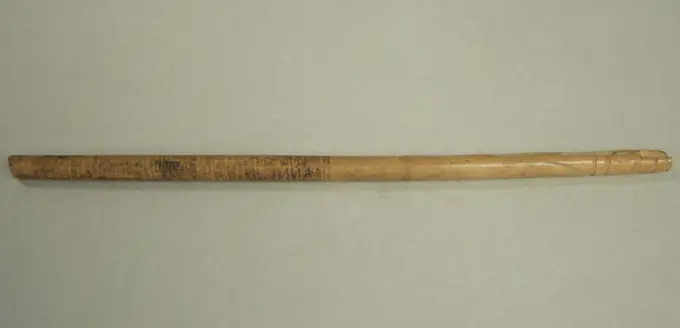
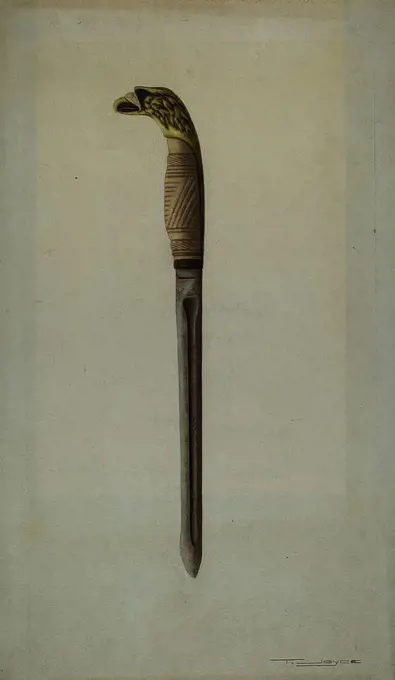
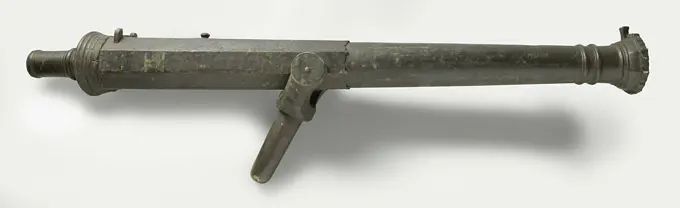
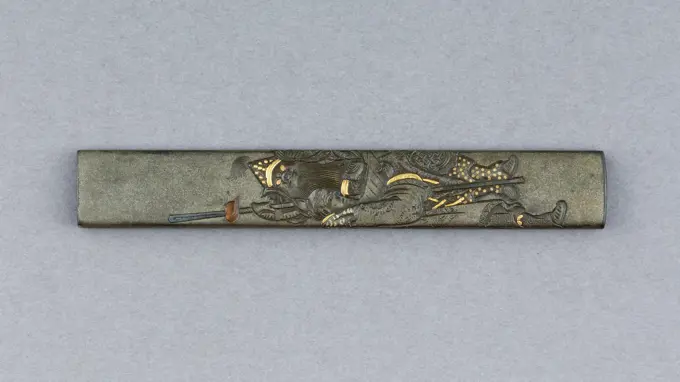
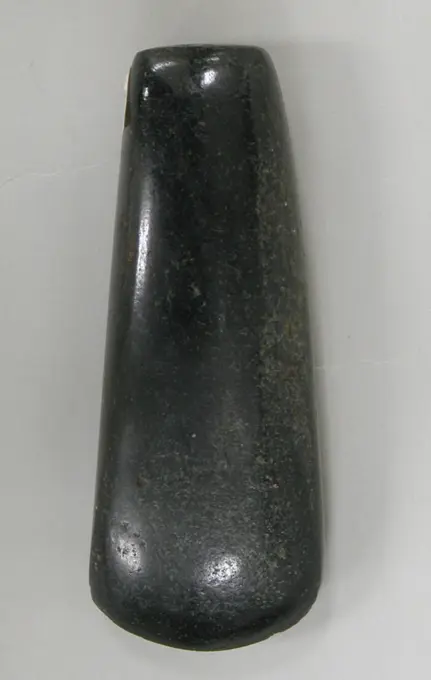
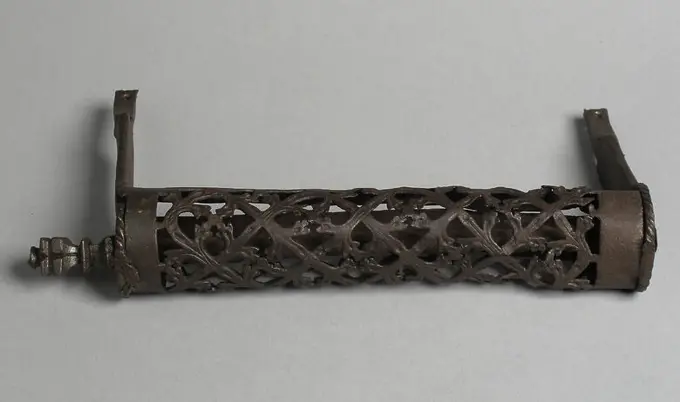
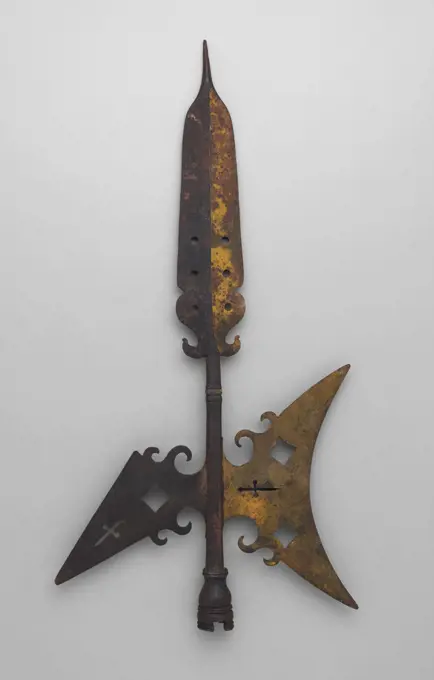
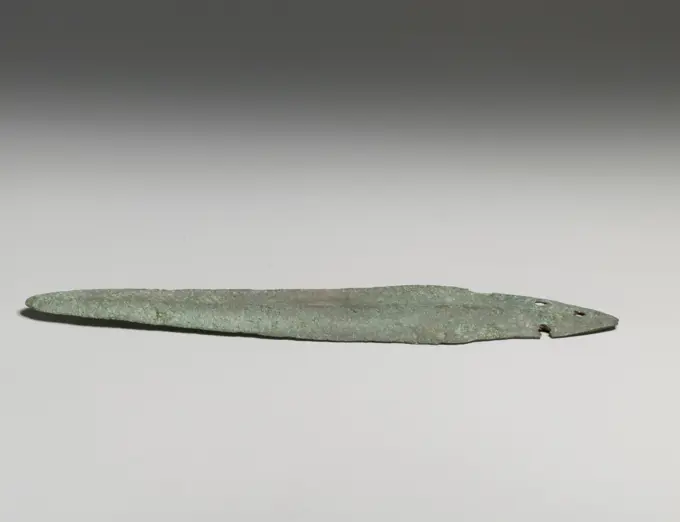
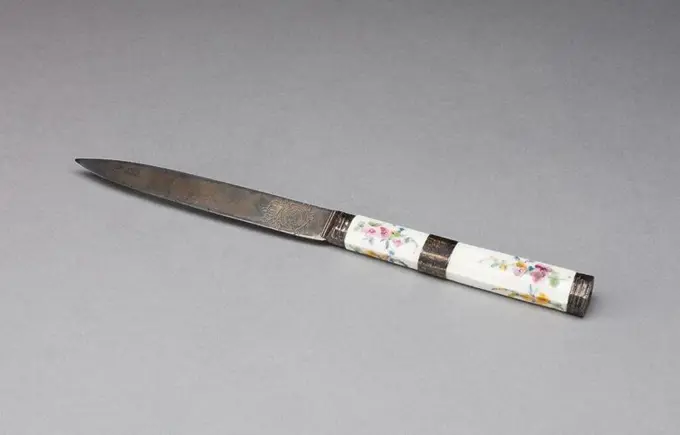
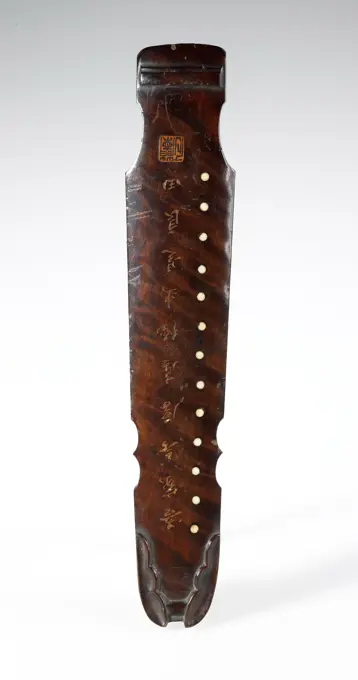
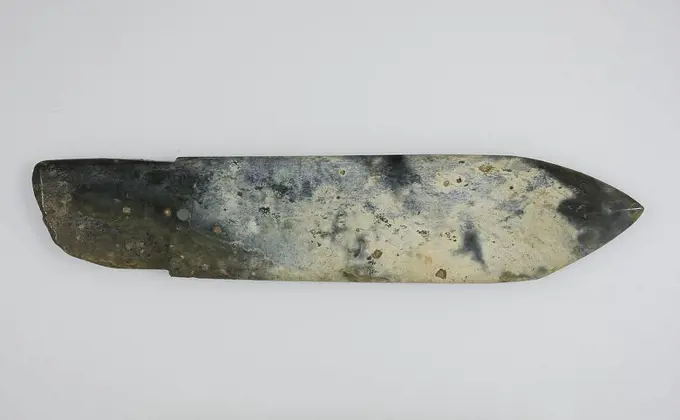
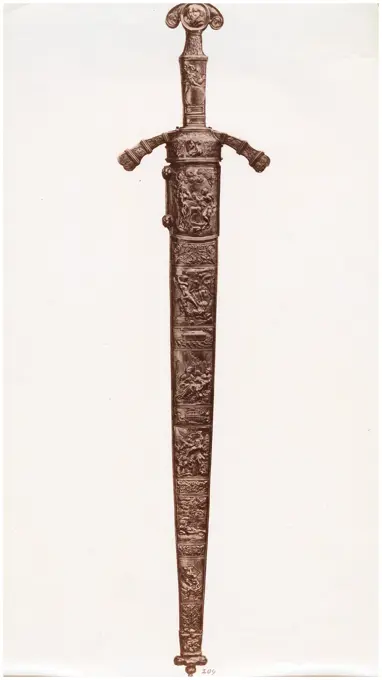
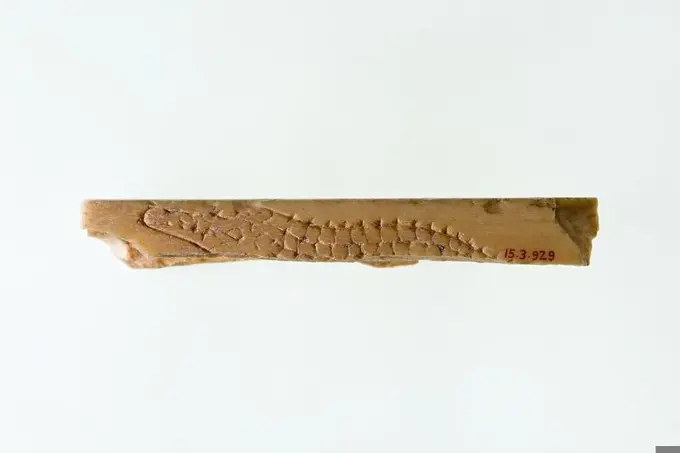
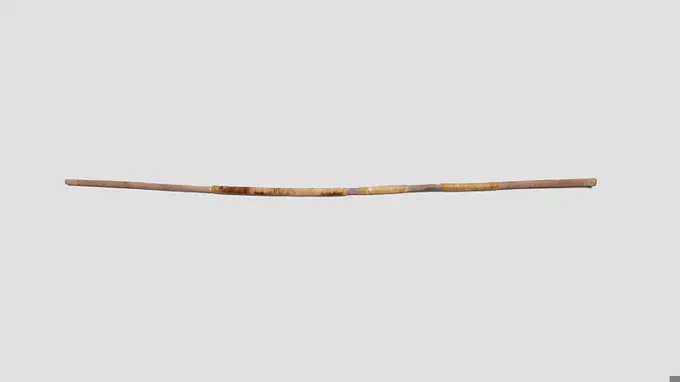
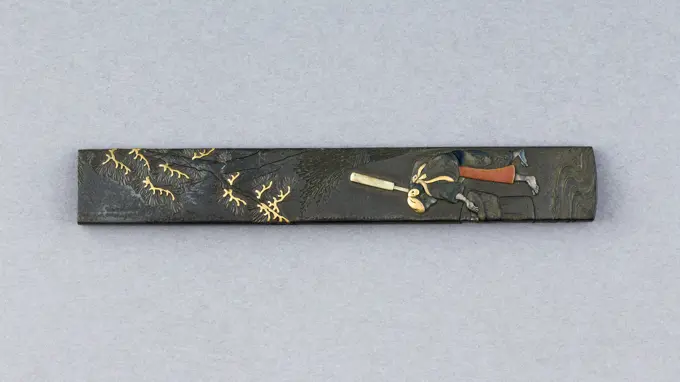
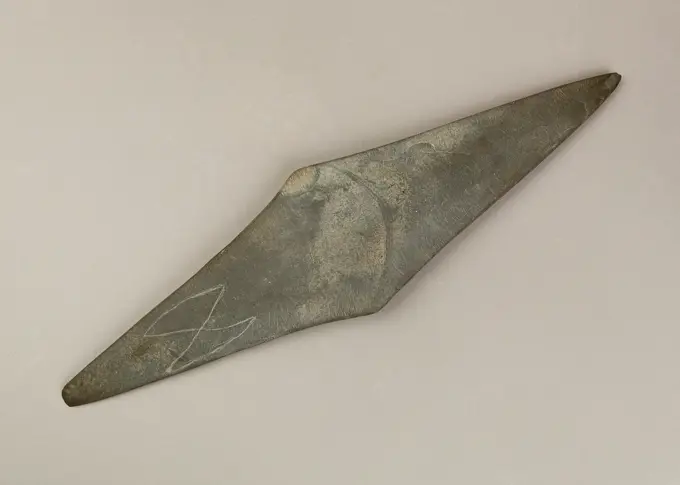
Rhomboidal palette ca. 3850-2960 B.C. Predynastic Period. Rhomboidal palette 547525Kama with a scabbardRod, probably corning with a crown, c. 1600 - c. 1699 Rod with crochet -shaped ends, probably to hang on.  iron (metal) Rod with crochet -shaped ends, probably to hang on.  iron (metal)Harpoon head Japan The Jōmon period is the earliest period in Japanese history, lasting from roughly 14,000 to 300 BCE. The Jōmon people were primarily hunter-gatherers, hunting land animals and gathering vegetables and nuts on the land as well as hunting and fishing at sea. Harpoon heads such as this one testify to the importance of seafood in the diets of some Jōmon communities, especially those close to the sea. Fish bones found at Jōmon archaeological sites indicate that the Jōmon hunted fish not only close to the shore but also farther out in the open sea, where larger fish could be caught. There is even evidence that the Jōmon ate pufferfish, a poisonous fish considered a delicacy in modern Japan.. Harpoon head 62287MountDagger with Sheath. Culture: Persian, Qajar. Dimensions: H. with sheath 20 1/2 in. (52.1 cm); H. without sheath 18 5/8 in. (47.3 cm); H. of blade 13 in. (33 cm); W. 2 5/8 in. (6.7 cm); Wt. 15.7 oz. (445.1 g); Wt. of sheath 9.9 oz. (280.7 g). Date: late 19th century. Museum: Metropolitan Museum of Art, New York, USA.Caucasian knifeBlade and Mounting for a Short Sword (Wakizashi). Culture: Japanese. Dimensions: L. 29 3/4 in. (75.7 cm); L. of blade 24 3/8 in. (62 cm); L. of cutting edge 19 5/8 in. (50 cm); D. of curvature 3/8 in. (0.9 cm). Fittings maker: Sword guard (Tsuba) inscribed by Soheishi Sotensai (Japanese, active 18th century). Swordsmith: Blade attributed to Fusamune of Soshu (Japanese, active ca. late 15th-early 16th century). Date: blade, late 15th-early 16th century; mounting, 18th century.Fusamune is well-known among the many swordsmiths who worked in Sagami Province (Soshu) during the fifteenth and sixteenth centuries. Typical of the style of the late Soshu school, this blade has tempering effects (hitatsura) visible throughout the surface of the blade, as well as engraving. The luxurious late eighteenth-century mounting is of top quality. Museum: Metropolitan Museum of Art, New York, USA.Bronze nozzle of a firing machine from the wreck of the Dutch East Indiaman Hollandia, anonymous, 1700 - in or before 1743  Fire engine, firehose nozzle; bent, circular, tapering tube, flanged rim at upper end, integral shaped socket with flanged rim at lower end, internally threaded and fitting onto nozzle NG 1978-8H1921. Netherlands copper (metal)   SecondScabbard, 1800s. Indonesia, Bali. Metal; overall: 53.3 cm (21 in.).Sword of the pre-Roman Iberian tribes. Found in Amedinilla (Cordoba). Madrid, National Museum of Archeology. Location: MUSEO ARQUEOLOGICO NACIONAL-COLECCION. MADRID. SPANIEN.Rapier with linear ornaments, rapier sword vest weapon soil find iron metal total, forged Two-edged blade faintly curved pusher knobs and angel archeology underground pit Rotterdam City Triangle Old City Fort militaria arming Soil discovery: Old city vest during metro works.Arrowheads, needles, hooks and harpoons. Culture: Japan. Dimensions: W. 3/8 in. (1 cm); L. 1 3/4 in. (4.4 cm). Museum: Metropolitan Museum of Art, New York, USA.Lance Point. Culture: Spanish. Dimensions: L. 4 5/16 in. (11 cm); W. 2 1/2 in. (6.3 cm); Wt. 4 oz. (113.4 g). Date: 15th century. Museum: Metropolitan Museum of Art, New York, USA.Dagger (Bichuwa). Culture: Indian, Thanjavur. Dimensions: H. 13 9/16 in. (34.4 cm); L. of blade 8 5/8 in. (21.9 cm); W. 2 3/8 in. (6 cm); Wt. 7.6 oz. (216 g). Date: 17th century. Museum: Metropolitan Museum of Art, New York, USA.Powder Horn. Culture: Mexican. Dimensions: L. 12 3/8 in. (31.4 cm); Diam. 3 in. (7.6 cm); Wt. 7.9 oz. (224 g). Date: dated March 10, 1809.An inscription on this powder horn identifies its owner and probable maker as Benito Pérez Gómez. Dated 1809, the horn is crudely engraved with skirmishing soldiers, including one holding a musket and another on horseback. The archangel St. Michael, patron and protector of soldiers, is shown battling the devil. Inscriptions give thanks to God and praise Jesus and Mary. Museum: Metropolitan Museum of Art, New York, USA.School slice of sliced oak ... Soft-paste porcelain with underglaze blue decoration, silver and steel . Worcester Royal Porcelain Company (Manufacturer)Iron and bronze buckle, Han dynastySword, anonymous, 1600 - 1900 Short sword with a lacquered sheath with white stars. Open worked tsuba in the form of a dragon; two menu in the form of squid; Kozuka and Fuchi with fish decoration. Japan steel (alloy). iron (metal). lacquer (coating) Short sword with a lacquered sheath with white stars. Open worked tsuba in the form of a dragon; two menu in the form of squid; Kozuka and Fuchi with fish decoration. Japan steel (alloy). iron (metal). lacquer (coating)KnifeOld rusty hammer, toolEllemaat met handvat.Length of 1 tbsp with handle and metal dove. V.Z.V. stamp.Morocco dagger, 19. centurySword, 206 BC-AD 220. China, Han dynasty (202 BC-AD 220). Bronze; overall: 7 cm (2 3/4 in.).Spear 18th-19th century Indonesian. Spear 30658Snuff Bottle (stopper), 1644-1911. China, Qing dynasty (1644-1911). Glass; overall: 5.4 cm (2 1/8 in.).Strijker. Oak stretcher, v.z.v. Dates and labels.EVENTAIL. Paper, gouache engraving, openwork, silver and glitter ivory. Paris, Carnavalet museum. 100141-6 Fashion accessory, Eventailsheath, ca. 1870-80, metalwork, Decorative Arts, sheathFibula arc cast bronze decorated with notches or face side. ( 5 th CE ) - Hispanicroman period , from the "necropolis of Afflicted - Villa del Val" - Archaeological site of Complutum in Alcalá de Henares ( Madrid ). SPAIN.Crossbow (Halbe Rüstung) with Cranequin (Winder) crossbow, ca. 1575-1650; cranequin dated 1562 probably German, possibly Saxony; cranequin, probably German The straight walnut stock of this crossbow is inlaid with staghorn in an interlaced pattern of strapwork; upper and lower faces are veneered in staghorn engraved with masks and strapwork. Approximately in the middle of the stock is the nut--the pivoted bone cylinder with two cutouts, one for the string and one for the sear--and also a notch for the butt of the bolt. Directly to the rear of the nut is the folding peep sight, adjustable vertically and horizontally. Farther back is a transverse peg, which serves as the rest for the winder. A hand's breadth from the butt end is an inserted brass thumb rest. The release mechanism is double, a long lever and a hair trigger with three forward sears which can be set by inserting a peg through a set-hole in the stock. The folding hair trigger is under the lever.Directly in front of the triggBrass book fittings with simple, linear decoration, decorative fittings ground find copper brass metal, whipped riveted engraved Double horseshoe with at the end hook Other end fanned into two pointed triangles Hole with pin archeology Rotterdam rail tunnel close book adorn Soil discovery: trajectory Rotterdam rail tunnel.Knife with Blue Pattern, Saint-Cloud Porcelain Manufactory, French, active by 1693 - 1766, porcelain, vitreous enamel, steel, silver, Saber-shaped blade with waisted bolster, plain silver ferrule with horizontal bands. Pistol-shaped white porcelain handle with dark blue floral and scrolled decoration. Button cap at the top of the handle missing., France, ca. 1740, cutlery, Decorative Arts, knife, knifeKnife (Kard) with Sheath 18th-19th century Turkish. Knife (Kard) with Sheath 31710Dagger (Golok or Pedang) with Sheath 16th-19th century Sumatran. Dagger (Golok or Pedang) with Sheath 31622Amulet, sheet gold, bracelet. Dimensions: ca. 11.5 cm long. Dynasty: Dynasty 26-29. Date: 664-380 B.C.. Museum: Metropolitan Museum of Art, New York, USA.Arrowhead grip Japan The Jōmon period is the earliest period in Japanese history, lasting from roughly 14,000 to 300 BCE. The Jōmon people were primarily hunter-gatherers, using arrowheads such as this one to hunt a variety of land animals. Archaeological evidence indicates that the Jōmon hunted over 60 species of mammal throughout the Japanese archipelago, including tanuki (Japanese raccoon dogs) and monkeys, both of which would likely be considered unpalatable in contemporary Japanese society.. Arrowhead grip 62275Bobbin ca. 1840 British. Bobbin. British. ca. 1840. Wood. Textiles-Methods and MaterialsGrot oszczepu. nieznany warsztat bliskowschodni, workshopPrick Spur 8th century Carolingian The prick spur was the first type of spur to be invented, and it consists of a goad or prick, more or less pointed, connected to side arms or a heel plate. The earliest spurs were probably simple thorns attached at the back of the heel, before they started to be made out of metal in antiquity. Horses had great importance in the Germanic society, in both its social and religious aspects. Equestrian equipment, like stirrups, spurs and bits, are regularly found in their burials, even after their Christianization, among the goods warriors wanted to bring with them to the afterlife.. Prick Spur. Carolingian. 8th century. Iron alloy, copper alloy. Equestrian Equipment-SpursMatchlock Rifle second quarter of the 19th century Indian, Sind (now Pakistan) The deeply curved butt of this hunting gun is characteristic of firearms made in the Sind region of northwest India (now Pakistan). The fine workmanship, particularly the forge-welded barrel with its complicated twist pattern and delicate gold-damascened ornament, reflects the revival of the decorative arts sponsored by the Talpur dynasty that ruled Sind from 1783 to 1843. The barrel is inscribed with the name of one of the ruling family, Sarkar Mir Muhammad Nasir Khan Talpur (d. 1845).. Matchlock Rifle. Indian, Sind (now Pakistan). second quarter of the 19th century. Steel, wood, silver, gold, copper alloy. Sindh. Firearms-Guns-MatchlockDagger (Khanjar) with Scabbard 1700-1800 Dahestan. Steel, gold, and jewels .Dark brown leather, with scrape lid, decorated with lanes with tub on punched soil, anonymous, c. 1400 - c. 1500 Fedral of dark brown leather, with scrape lid and decorated with lanes with tub on punched soil. Twice notches in the lid and fedal to confirm a (now lost) belt. Italy (possibly) leather Fedral of dark brown leather, with scrape lid and decorated with lanes with tub on punched soil. Twice notches in the lid and fedal to confirm a (now lost) belt. Italy (possibly) leatherEllemaat met handvat.Length of 1 tbsp with handle and metal dove. V.Z.V. stamp.Ceremonial knife with sheath. Richly worked knives are some of the best-known collectors pieces from Ceylon (modern-day Sri Lanka). The finest of these were produced by members of the Four Workshops, a guild to which only the leading craftsmen belonged; these craftsmen worked almost exclusively for the court. Such knives formed part of the costumes of the aristocracy and were virtually never used.Does not SquadWalking Stick. Dated: 1935/1942. Dimensions: overall: 54.8 x 33.3 cm (21 9/16 x 13 1/8 in.) Original IAD Object: 20" long. Medium: watercolor, pen and ink, and graphite on paper. Museum: National Gallery of Art, Washington DC. Author: Clyde L. Cheney.Four stems of tin spoons, spoon cutlery soil find tin metal largest, cast Four stems of tin spoons Three pieces with hexagonal cross-section and slightly conical shape. One stem with two flattened sides archeology Rotterdam railway tunnel food feeding table serving Soil discovery: trajectory rail tunnel Rotterdam.Tobacco Pipe, 1700s to mid-1800s. Japan, Edo period (1615-1868). Metal; overall: 26.6 cm (10 1/2 in.).antennae dagger, III before Christ, Doroño, Álava Armory Museum, Vitoria, Basque Country, Spain.Dagger. Iran, Luristan, circa 2600-2350 B.C.. Arms and Armor; daggers. Bronze, castIn 1599 the army of the Republic stipulated that its soldiers should use a specific model of matchlock musket. The muskets and calivers - a somewhat lighter type of musket - shown in civic guard paintings are often of the same type and calibre, although the finish is more luxurious. The more decorative and expensive a musket was, the more prestige its owner enjoyed. Civic guardsmen would undoubtedly have engaged in such rivalry.Dagger with Sheath (Dah Hmyaung or Dha) 18th century Burmese. Dagger with Sheath (Dah Hmyaung or Dha) 31587Large Two-Pronged Hook. UnknownFragment of the lace;  End of the 17th century (1691-00-00-1700-00-00);Knife with embossed flowers and a medallion with a figure in a landscape.knife or Gold and Iron. The Lifts is Decorated with Embossed Flowers, with a Medallion in Between in a Landscape. It is Crowned by a Knob with Diamond.Dolkmes with Schede, Anonymous, 1750 - 1799 dagger Dagger knife with sheath. The wooden sheath is covered with thin layer of silver and shows on the top and on the top onion work. The black horns are in a skewed direction in relation to Kling and Schede. In the silver (metal). wood (plant material). iron (metal)Prime. (4-a) with loose prime; two loose (degraded) pieces; Rounding in the lifting, at thickest point decorated with two stripesFragment of a musket size, anonymous, c. 1590 - c. 1596  Musketmaat, fragment consisting of brass bottom with ears and cord. The cap is missing. Standard description musket size: brass lined with leather. Equipped with two eyes on the side to put a cord through which held the lid and the buddy was hung on the bandelier. A musketti band had twelve powder buddies and a bag of bullets. The powder buddies contain a carefully adjusted amount of gunpowder for one shot.  leather. brass (alloy) striking (metalworking)  Nova Zembla. Saving HuysSzpila ubraniowa. nieznany warsztat północno mezopotamski, workshopPin late 4th-early 3rd millennium B.C.. Pin 327530Wagon Maker's Chisel. Dated: c. 1942. Dimensions: overall: 35.9 x 28.1 cm (14 1/8 x 11 1/16 in.) Original IAD Object: blade: 6 1/4" long; 3/8" wide; 1/4" cutting edge; handle: 5" long; 1/5/8" in diameter. Medium: watercolor and graphite on paperboard. Museum: National Gallery of Art, Washington DC. Author: William Frank.Spoon, 19th century, 6 3/16 x 1 11/16 in. (15.72 x 4.29 cm), Bighorn sheep and Rocky Mountain goat horn and brass, United States, 19th centuryDagger (Khanjar) with Sheath 19th century Indian, Mughal. Dagger (Khanjar) with Sheath 31851Flat Needle 1st-4th century Roman. Flat Needle 465768 Roman, Flat Needle, 1st4th century, Copper alloy, Overall: 4 3/16 x 1/4 x 1/16 in. (10.7 x 0.6 x 0.2 cm). The Metropolitan Museum of Art, New York. Gift of J. Pierpont Morgan, 1917 (17.193.5)Crossbow Made 1725-1735 Dresden. Steel, walnut, staghorn, bovine horn, bone, silk fiber, and hemp .Fossiled tusk of mammoth or elephant, covered in incised markings and with four cupules carved into each side. A rare example of portable preshitoric cupules. A museum stamp on one side reads: SCA 4197,Hunting cordlasStick end decorated with a dragon motif unknownHandle of tools from the wreck of the East Indians Hollandia, Anonymous, 1700 - in Or Before 1743 tools Tools and instruments, various tools, unclassifiable tool handle; fragm, deformed: oblong, rounded upper end, narrowed lower end. Netherlands wood (plant material)   SecondKnife, late 1700s- early 1800s. Japan, Edo period (1615-1868). Ivory, steel or iron; overall: 29.4 cm (11 9/16 in.).Knife with Sheath. Culture: Thai. Dimensions: L. with sheath 16 7/8 in. (42.9 cm); L. without sheath 15 7/8 in. (40.3 cm); W. 1 3/8 in. (3.5 cm); Wt. 7.5 oz. (212.6 g); Wt. of sheath 3.5 oz. (99.2 g). Date: 18th-19th century. Museum: Metropolitan Museum of Art, New York, USA.Bone Weaving Bobbin 8th-mid-16th century Peru; north coast (). Bone Weaving Bobbin 309266Dagger. Dated: 1935/1942. Dimensions: overall: 45.8 x 26.7 cm (18 1/16 x 10 1/2 in.). Medium: watercolor and graphite on paper. Museum: National Gallery of Art, Washington DC. Author: T. Joyce.Bronze front loader on Mik. The loop has a wide mouth, the middle part is round and the rear portion octagonal. The tail is cave in front of a wooden target stick. On either side of the Zundgat a square button for a zund cover. Before the Zundgat a diamond-shaped ornament with a direction button on it, and at the mouth an elevated grain with split. The eyes of the mik are completely forged around the taps, so that the piece cannot be lifted out of the mik. The soul of the piece is quite coarse, so that it is a core cast and not exchanged. For bullet of 1.5 pounds.Knife Handle (Kozuka) ca. 1615-1868 Japanese A kozuka is a handle of a by-knife that is part of a sword mounting. It is kept in a slot on the reverse of a katana scabbard, often with a matching kōgai (hairdressing tool).. Knife Handle (Kozuka) 34690Celt before 16th century Maya () Greenstone axe heads, commonly known as “celts,” were some of the most important works of art across ancient Mesoamerica and Central America. Created from jadeite mined from the Motagua River Valley of southern Guatemala, or using local green stones from highland Mexico, celts were first created by the Olmec peoples of the Gulf Coast after 1000 B.C. The Olmec conceived of green celts as sprouts of maize and thus “planted” celts in dedicatory offerings, activating ceremonial spaces and perpetuating agricultural fertility. For the later Maya peoples, celts also served as dedicatory materials, but more so as adornments for the royal bodies of kings and queens. Often the celts would be thinned into celt-shaped plaques, strung together in pairs and triads in order to create belt assemblages that would have clinked with the sound of jades striking one another. Tombs from the Classic Period (ca. AD 250-900) contain celts of jadeite and various greenstones froSword (Dha). Culture: Burmese. Dimensions: L. 31 3/8 in. (79.7 cm); W. 2 in. (5.1 cm); Wt. 1 lb. 5.9 oz. (620.9 g). Date: 19th century. Museum: Metropolitan Museum of Art, New York, USA.Door Pull. Culture: European. Dimensions: L. 8 1/4 in. ( 21cm). Date: 15th-16th century. Museum: Metropolitan Museum of Art, New York, USA.Blow piping scraper of pearl, with silver mounted, anonymous, c. 1400 - c. 1950 A silver -mounted mother -of -pearl leg scrap with a conical shape.  mother of pearl. silver (metal) A silver -mounted mother -of -pearl leg scrap with a conical shape.  mother of pearl. silver (metal)Betel NutCutterFork (England), ca. 1720-40; brass, steel; L x W: 14.2 x 1.8 cm (5 9/16 x 11/16 in.); The Robert L. Metzenberg Collection, gift of Eleanor L. Metzenberg; 1985-103-279-hHalberdHead, Wrought iron with yellow and black paint, 18 3/4 × 9 3/4 in. (47.63 × 24.77cm), Made in Massachusetts, American, 18thcentury, Arms andArmorCopper alloy dagger blade ca. 2200-1800 B.C. Cypriot Leaf-shaped blade with no tang and three rivet holes.. Copper alloy dagger blade 244167Knife -Dagger, Before 1916. Indonesia, Sulawesi (Celebes). overall: 50.8 cm (20 in.); blade: 38.8 cm (15 1/4 in.).Knife. Sèvres Porcelain Manufactory; French, founded 1740. Date: 1761. Dimensions: L. 22.6 cm (9 1/16 in.). Soft-paste porcelain, polychrome enamels, gilding, silver fittings and blade. Origin: Sèvres. Museum: The Chicago Art Institute, Chicago, USA. Author: Manufacture nationale de Sevres.Pair of wheellock pistols, anonymous, c. 1650  Sober designed Radslot gun, part of a couple. The outer wheel is provided with a hook on the underside and stamped with an O; The pandel can be opened by means of a pressure tip. The round run is stamped on the back with a brand in the form of a climbing lion with a star above it; 98-A is stamped at the bottom with C.M.L. ..., 98-B with a brand that is not too ignorant. The flask of gust walnut wood is grooved at the front; There is an iron nail on the bottom of the flask button; The back of the handle is branded with a brand in the form of two curved fish above the number 3 on 98-A and the number 4 in 98-B. The iron fittings consists of a drawer, a round loading sticker, a loop -shaped tractor bracket, the front of which is screwed into the flask and to which a rounded plates is stamped around with the number 474 (on both pistols), and a band around the flask button; The chest of drawers has a hood and suite with the frontade. Maastricht Notched Stick late 19th century Mexican. Notched Stick. Mexican. late 19th century. Wood. Mexico. Idiophone-ScrapedWristrest in the Shape of a Chin (Lute), early 19th century, Kuo Shang-hsien, Chinese, 1785 - 1832, 1 x 9 11/16 x 1 7/8 in. (2.54 x 24.61 x 4.76 cm), 'Dragon's eye' wood (lung yan mu) and ivory, China, 19th century, This wristrest is beautifully crafted in the shape of a ch'in or Chinese lute, an instrument long associated with the literati and a symbol of antiquity and scholarship. The craftsmen used lung-yan timber from Fukien province. This wood is famous for its 'tiger stripe' graining while the form is further enhanced by a row of thirteen ivory inlays resembling the markers on an actual qin.ESPADA DE ANTENAS DE LA NECROPOLIS DE LA OSERA. HIERRO AJUAR. (DEPOSITO: MUSEO ARQUEOLOGICO NACIONAL).Bridal garter. Elastic, metal, pearls, satin. 1890. Galliera, fashion museum of the city of Paris. 51784-10 Accessory, elastic, woman, married garter, female fashion, metal, pearl, satinDagger-Blade (ge). China. Date: 1600 BC-1050 BC. Dimensions: 19.7 × 4.1 × 0.3 cm (7 3/4 × 1 5/8 × 1/8 in.). Jade. Origin: China. Museum: The Chicago Art Institute, Chicago, USA.Unknown photographer, Berlin city palace. Prussian imperial sword (1540/41) from the KronseResor (1890): View Prachtschwert next to vagina, today Foundation Prussian Castles and Gardens Berlin-Brandenburg. Photo, 30 x 16.9 cm (including scan edges) unbek. Fotograf : Berliner Stadtschloss. Preußisches Reichsschwert (1540/41) aus dem Krontresor (1890)Waist Wrapper(Sabuk)Magic rod fragment. Dimensions: L. 8.7 cm (3 7/16 in.); W. 2 cm (13/16 in.); H. 1.1 cm (7/16 in.). Dynasty: Dynasty 12-13. Date: ca. 1981-1640 B.C.. Museum: Metropolitan Museum of Art, New York, USA.Straight staff. Dimensions: L. 159 cm (62 5/8 in.). Dynasty: Dynasty 12. Date: ca. 1981-1802 B.C.. Museum: Metropolitan Museum of Art, New York, USA.Table knife 16th century possibly Italian. Table knife. possibly Italian. 16th century. Steel, gold, ivory. Metalwork-SteelKnife Handle (Kozuka) ca. 1615-1868 Japanese A kozuka is a handle of a by-knife that is part of a sword mounting. It is kept in a slot on the reverse of a katana scabbard, often with a matching kōgai (hairdressing tool).. Knife Handle (Kozuka) 34580